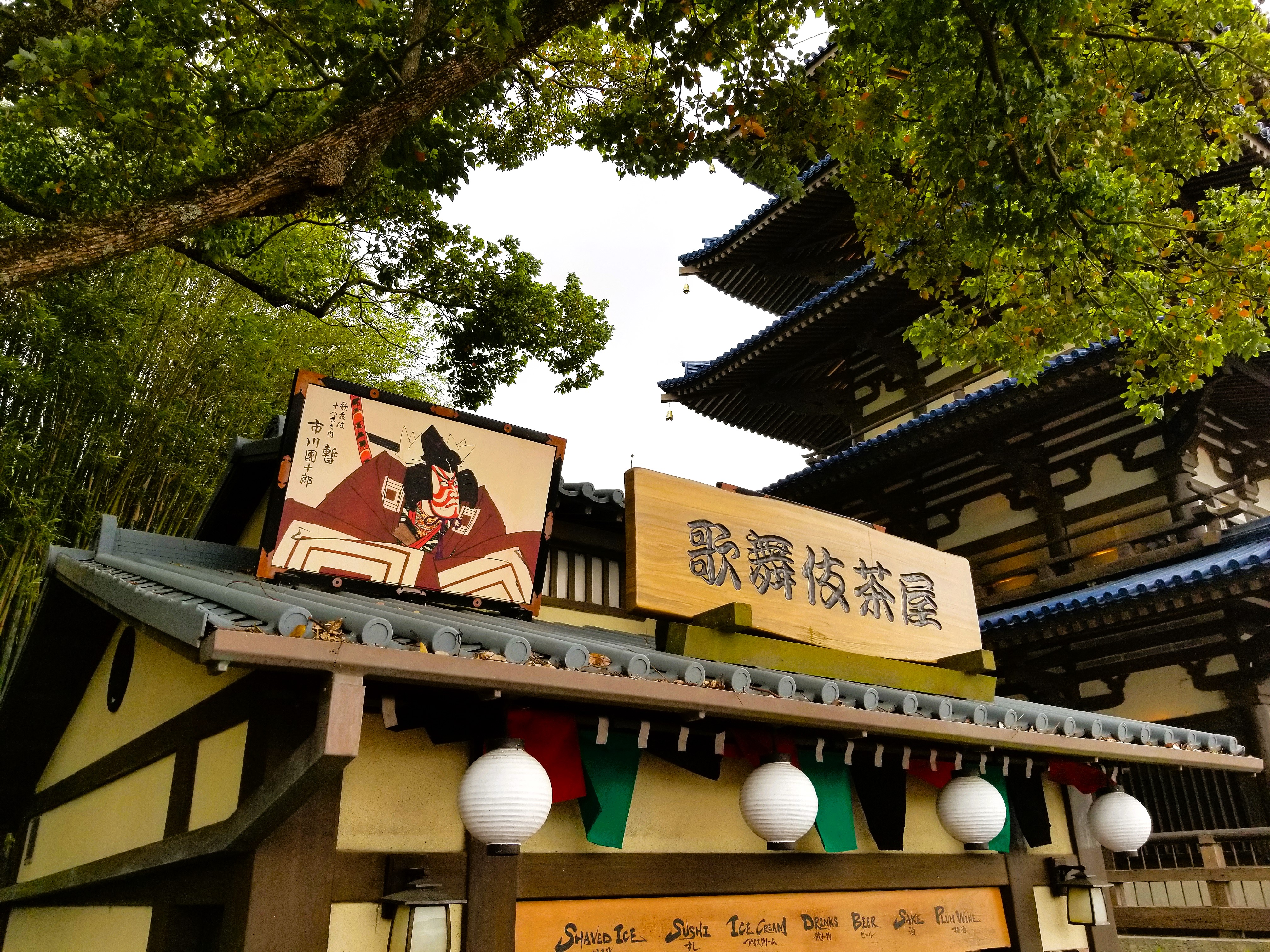
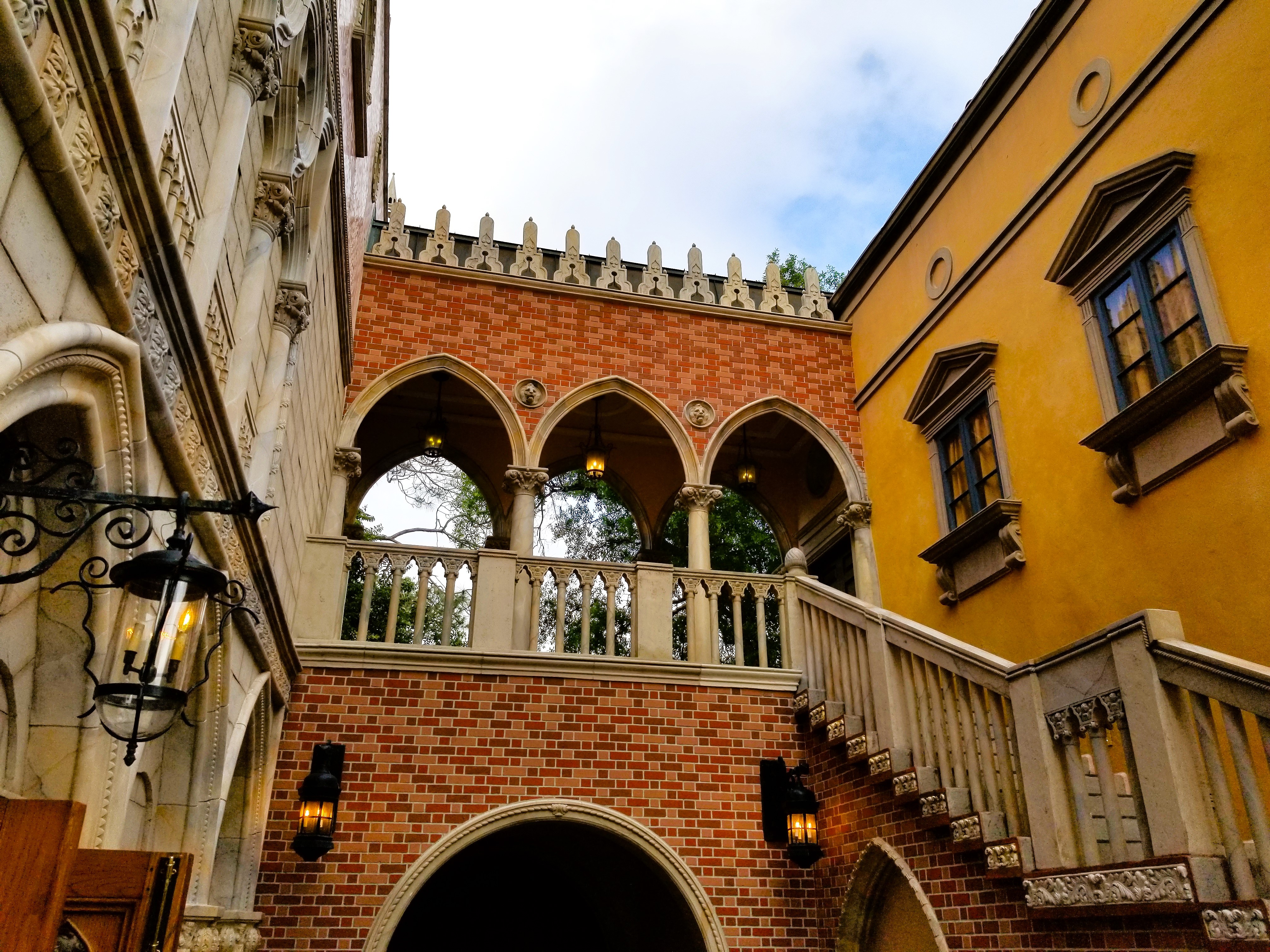
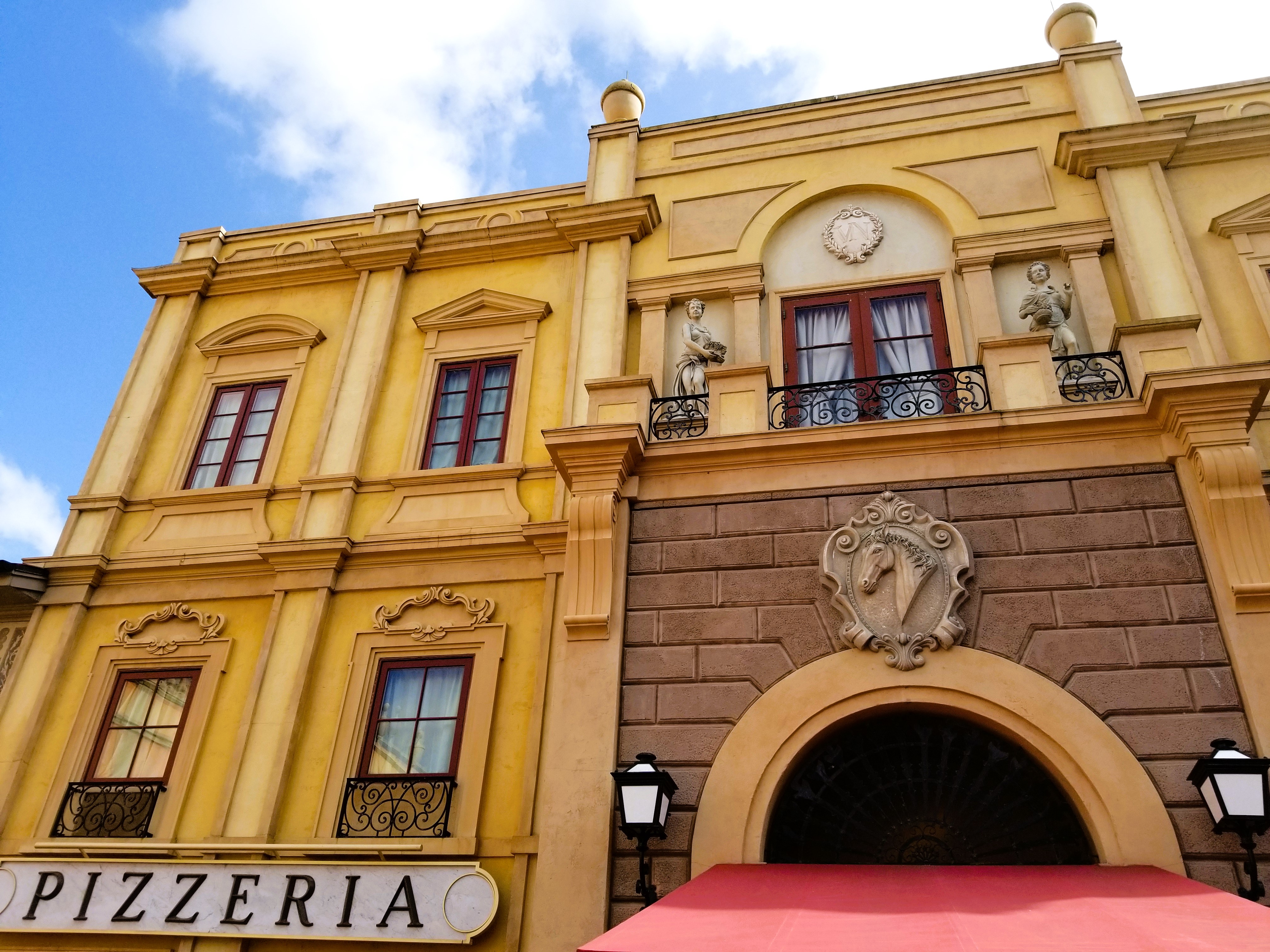
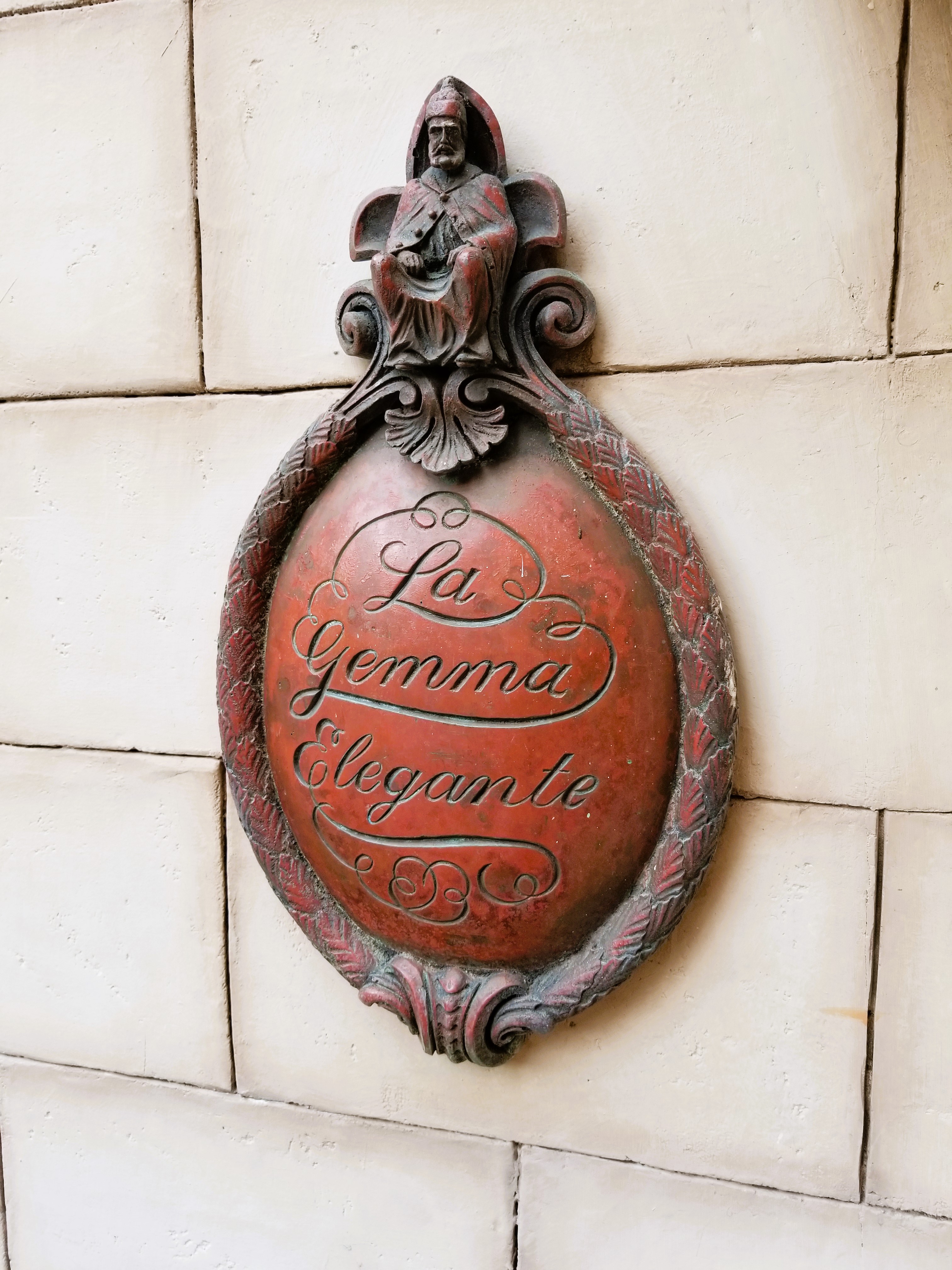
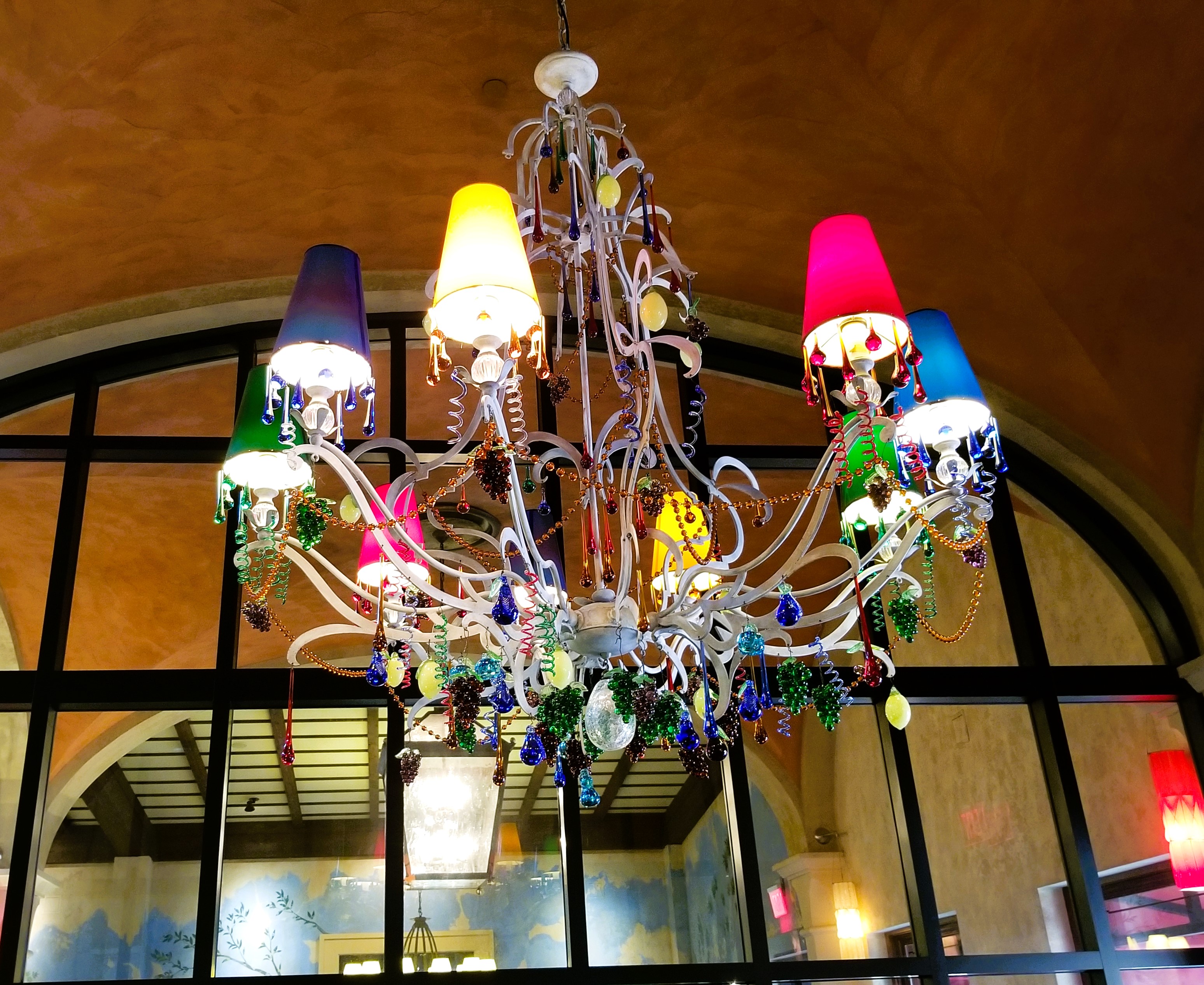
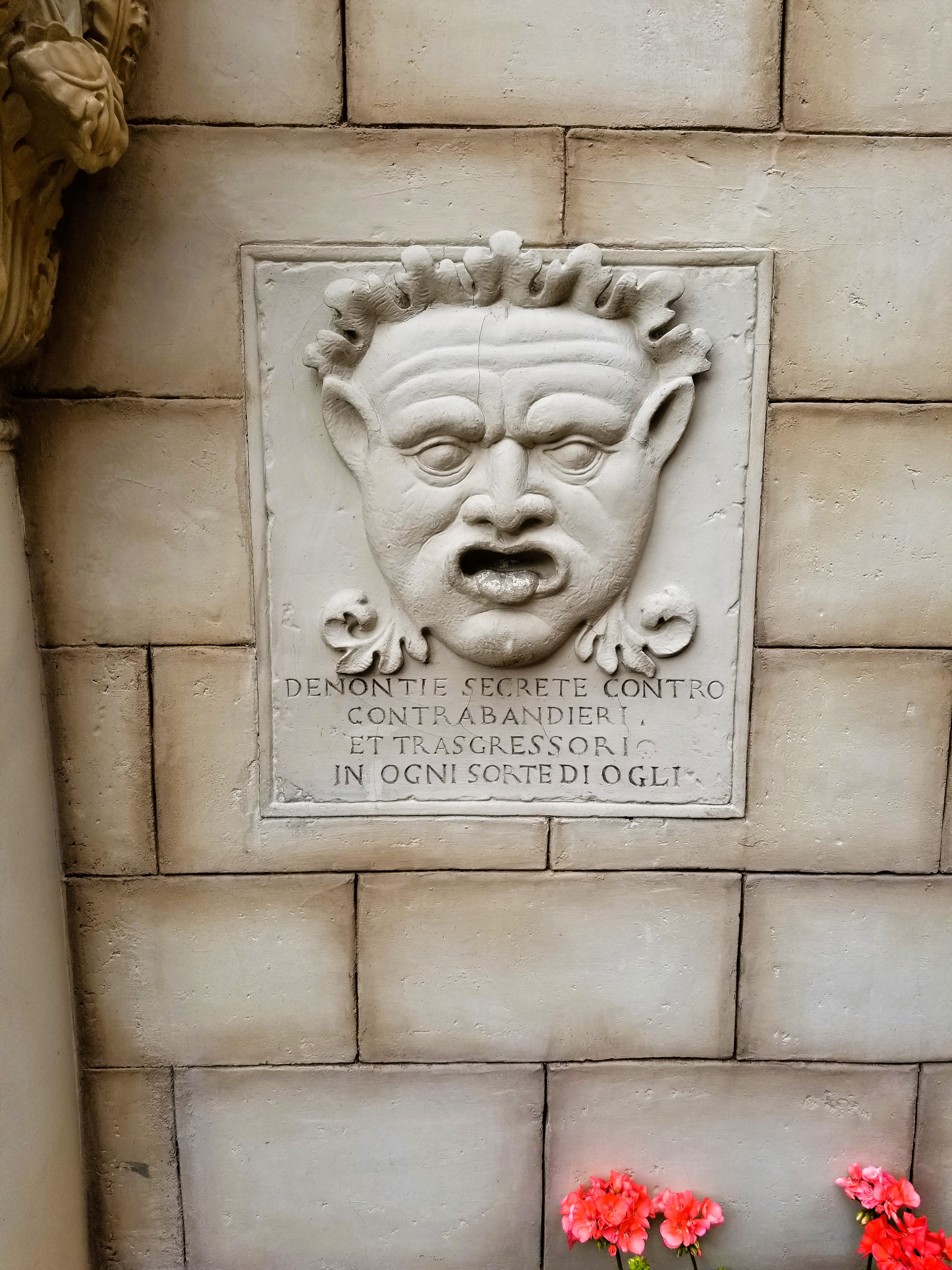
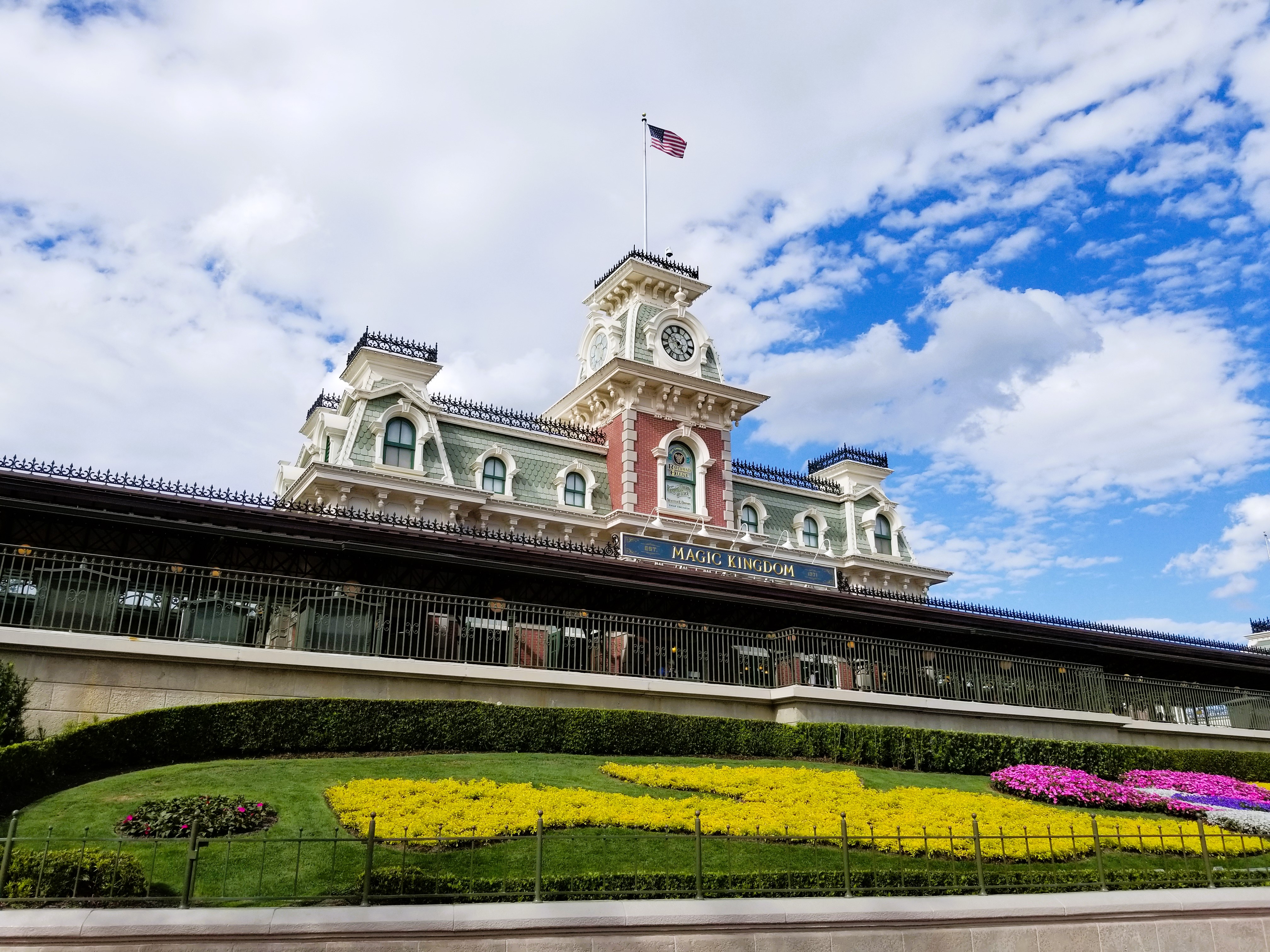
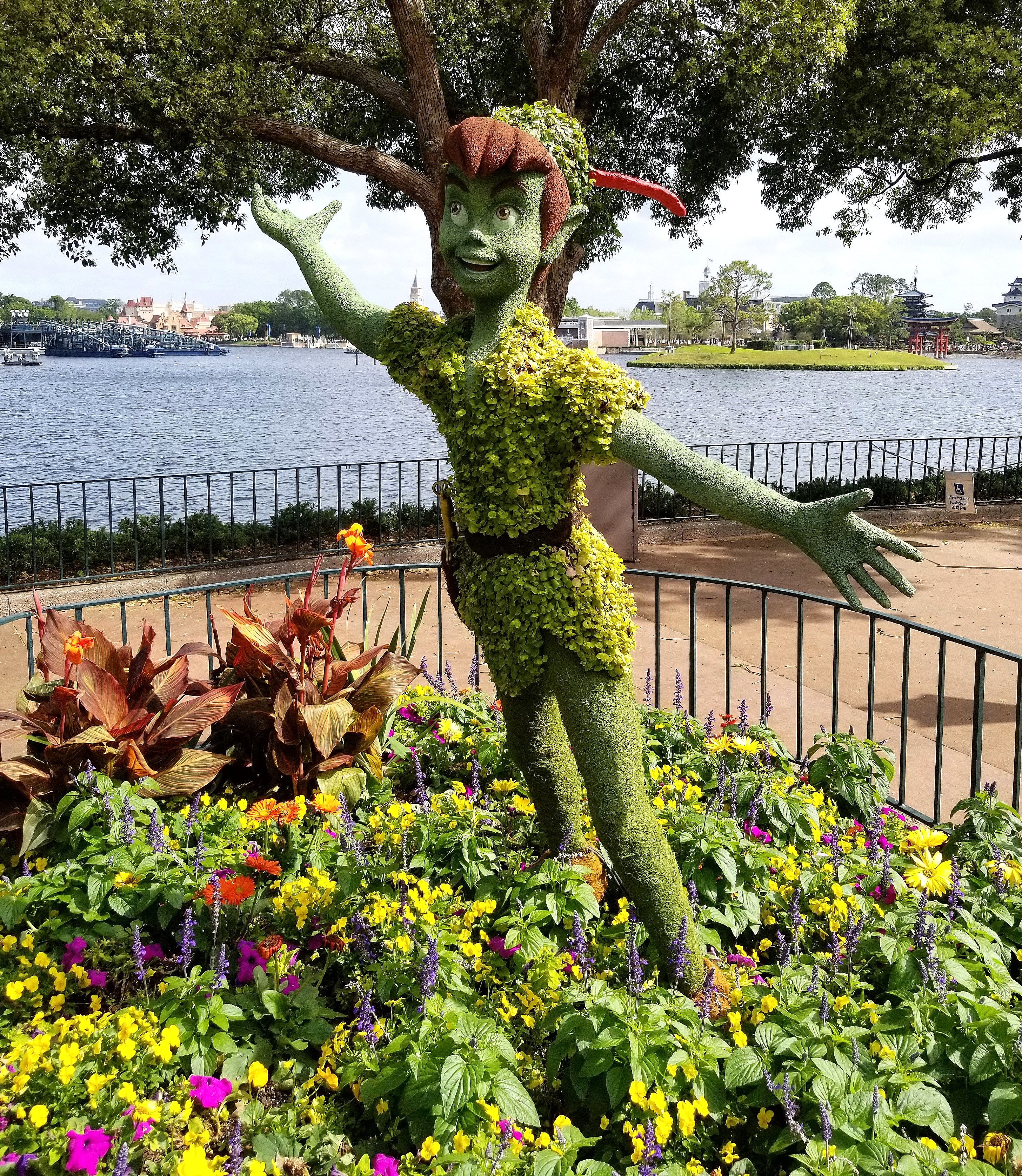
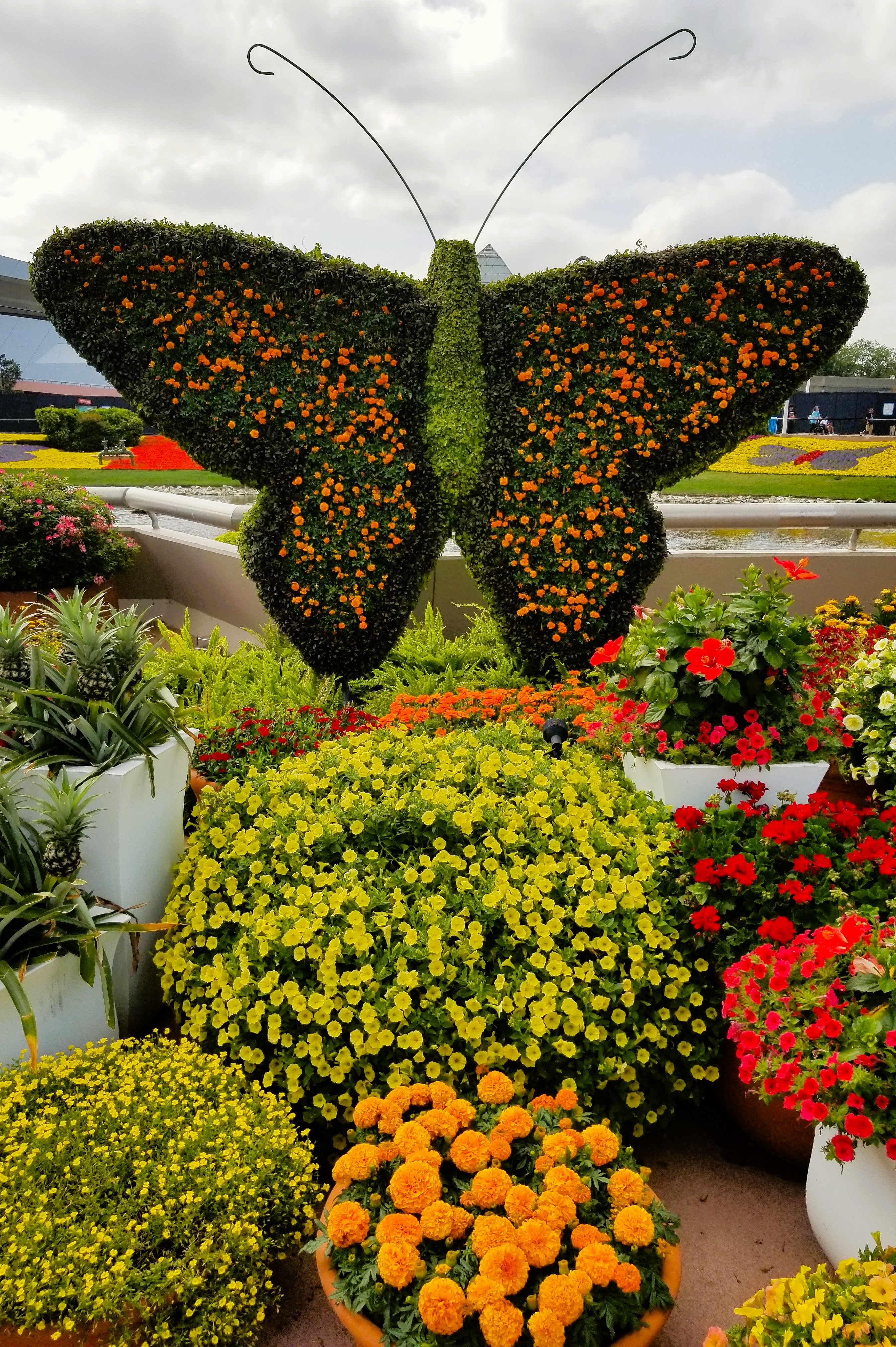
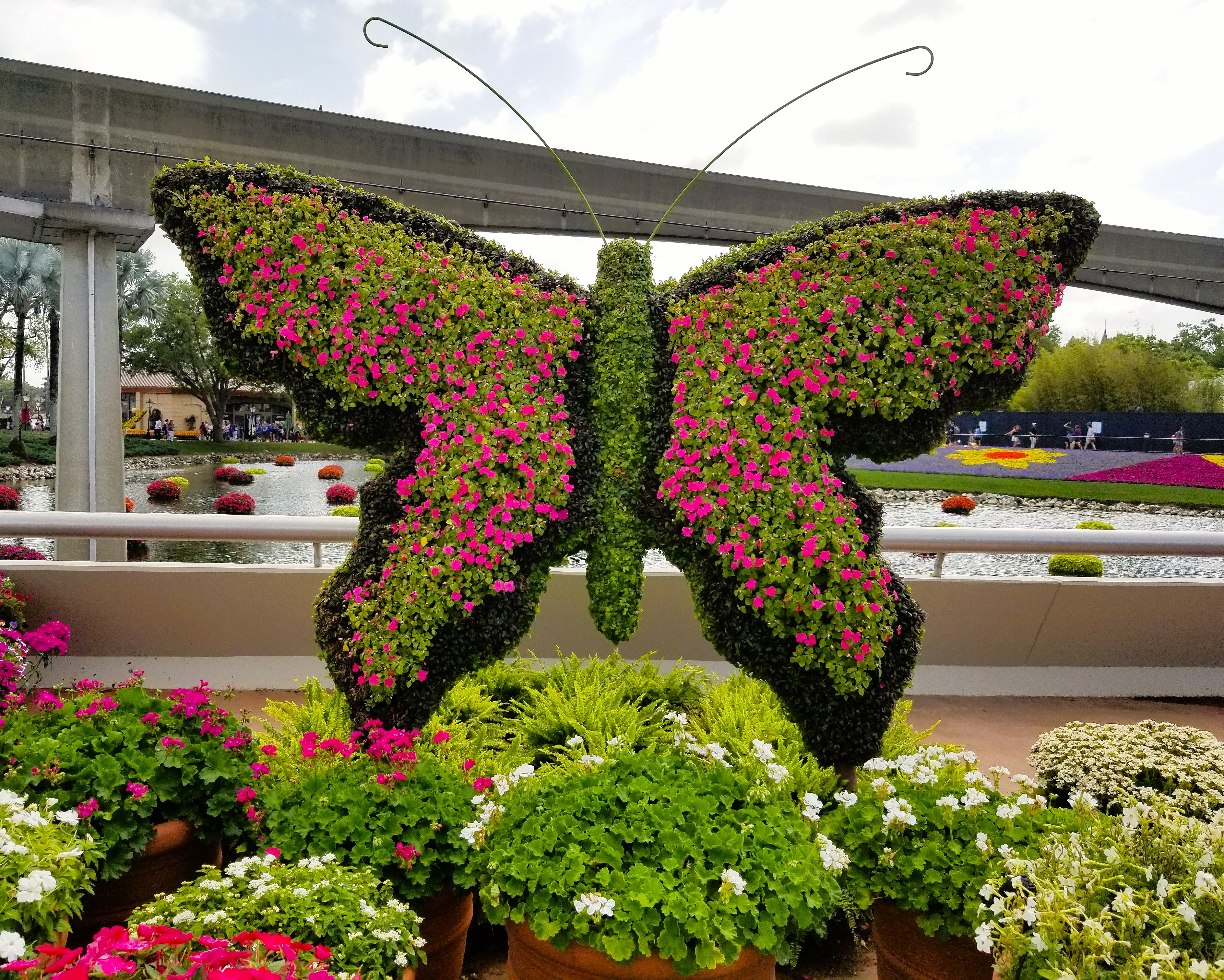
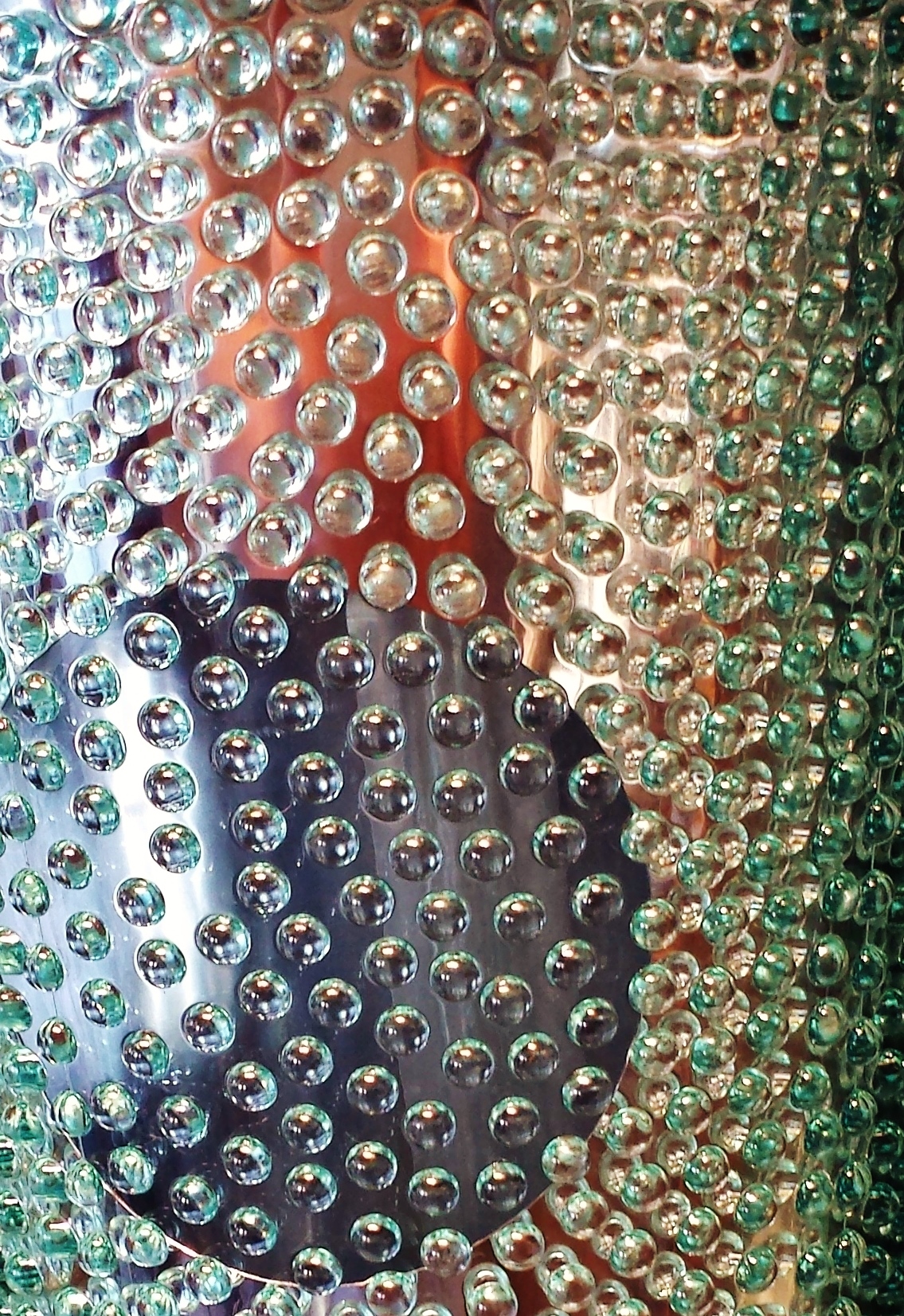
Walt Disney World’s EPCOT World Showcase is all about the details (as are all of Disney’s properties). I enjoy photographing the often-overlooked details and bits that add to something spectacular. These are from our most recent visit to EPCOT, celebrating our 51st wedding anniversary this past March. Camera, Samsung Galaxy S8+.
At the Japan pavilion.Forced perspective.Pizza magic happens inside this building.Italy pavilion.Colorful chandelier.Italy pavilion.Finally, a break in the clouds.
Comments are always welcomed, as I’ve learned quite a bit from reader feedback. As always, thanks for stopping by, and while you’re at it, feel free to visit my camera shop at http://www.ccstudio2380.com (CC Design Studios hosted by Etsy). – Chris Whelan
Comments are always welcomed, as I’ve learned quite a bit from reader feedback. As always, thanks for stopping by, and while you’re at it, feel free to visit my camera shop at http://www.ccstudio2380.com (CC Design Studios hosted by Etsy). – Chris Whelan
Comments are always welcomed, as I’ve learned quite a bit from reader feedback. As always, thanks for stopping by, and while you’re at it, feel free to visit my camera shop at http://www.ccstudio2380.com (CC Design Studios hosted by Etsy). – Chris Whelan
In this post, I asked what ‘B.C.B.’ meant regarding how the flash was powered. It’s widely accepted that ‘B.C.’ is battery capacitor. The last part is speculated to mean battery. I say this because the flash can also be used with just batteries (usually D cells) and doesn’t need a capacitor battery combination. What do you think?
Comments are always welcomed, as I’ve learned quite a bit from reader feedback. As always, thanks for stopping by, and while you’re at it, feel free to visit my camera shop at http://www.ccstudio2380.com (CC Design Studios hosted by Etsy). – Chris Whelan
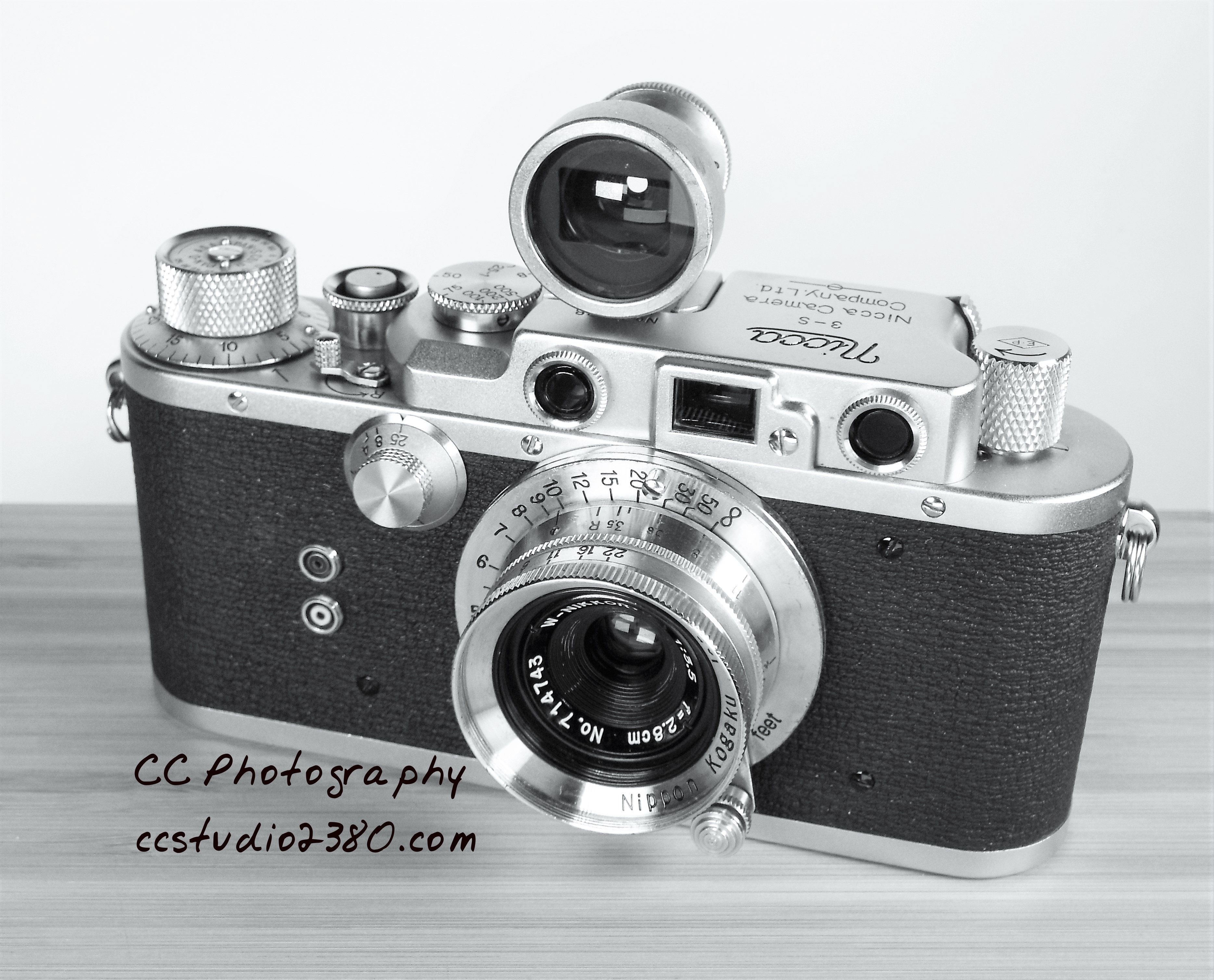
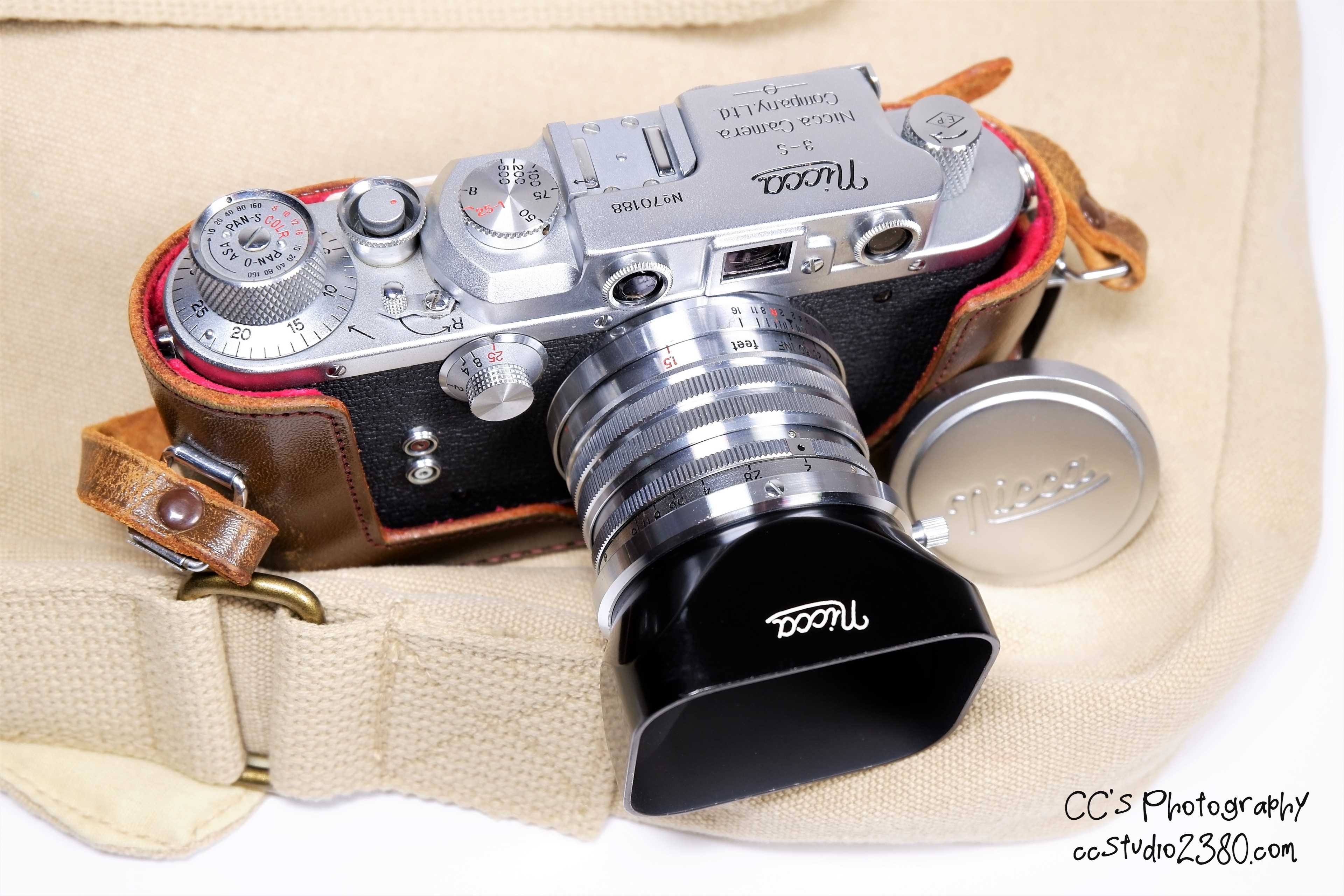
Nicca 3-S with W-Nikkor C 28mm f/3.5 Lens – None nicer!
A classic 35mm rangefinder camera from Nicca. The lens is a Nippon Kogaku Japan W-Nikkor 2.8cm f/3.5 lens with a matching 2.8 optical viewfinder.
My favorite 35mm rangefinder, hands down.
Nicca 3-S distributed by Hinomaruya, Tokyo (1951-1958) They may have made the Nicca branded lens hood for the Nikkor 50 mm f/2 lens. Hinomaruya also distributed the Melton camera and Nikkor lenses.
I enjoy this Nicca over my much-heralded Leica IIIg.
Nicca 3-S from c1955.
It’s one of the nicest cameras in my collection.
Do you have a favorite 35mm rangefinder camera? Tell me in the comments. Thanks for stopping by, Chris
Comments are always welcomed, as I’ve learned quite a bit from reader feedback. As always, thanks for stopping by, and while you’re at it, feel free to visit my camera shop at http://www.ccstudio2380.com (CC Design Studios hosted by Etsy). – Chris Whelan
Comments are always welcomed, as I’ve learned quite a bit from reader feedback. As always, thanks for stopping by, and while you’re at it, feel free to visit my camera shop at http://www.ccstudio2380.com (CC Design Studios hosted by Etsy). – Chris Whelan
Comments are always welcomed, as I’ve learned quite a bit from reader feedback. As always, thanks for stopping by, and while you’re at it, feel free to visit my camera shop at http://www.ccstudio2380.com (CC Design Studios hosted by Etsy). – Chris Whelan
Comments are always welcomed, as I’ve learned quite a bit from reader feedback. As always, thanks for stopping by, and while you’re at it, feel free to visit my camera shop at http://www.ccstudio2380.com (CC Design Studios hosted by Etsy). – Chris Whelan
Comments are always welcomed, as I’ve learned quite a bit from reader feedback. As always, thanks for stopping by, and while you’re at it, feel free to visit my camera shop at http://www.ccstudio2380.com (CC Design Studios hosted by Etsy). – Chris Whelan
It’s no secret that I enjoy using classic (vintage) lenses on modern mirrorless digital cameras. It’s a fantastic way to test an older lens and “see” things differently. Many of the older film camera lenses were designed to produce a specific look, given the era in which they were made. I believe that lenses from the 1950s have a different look to the images made compared to a more modern lens made in the 1980s.
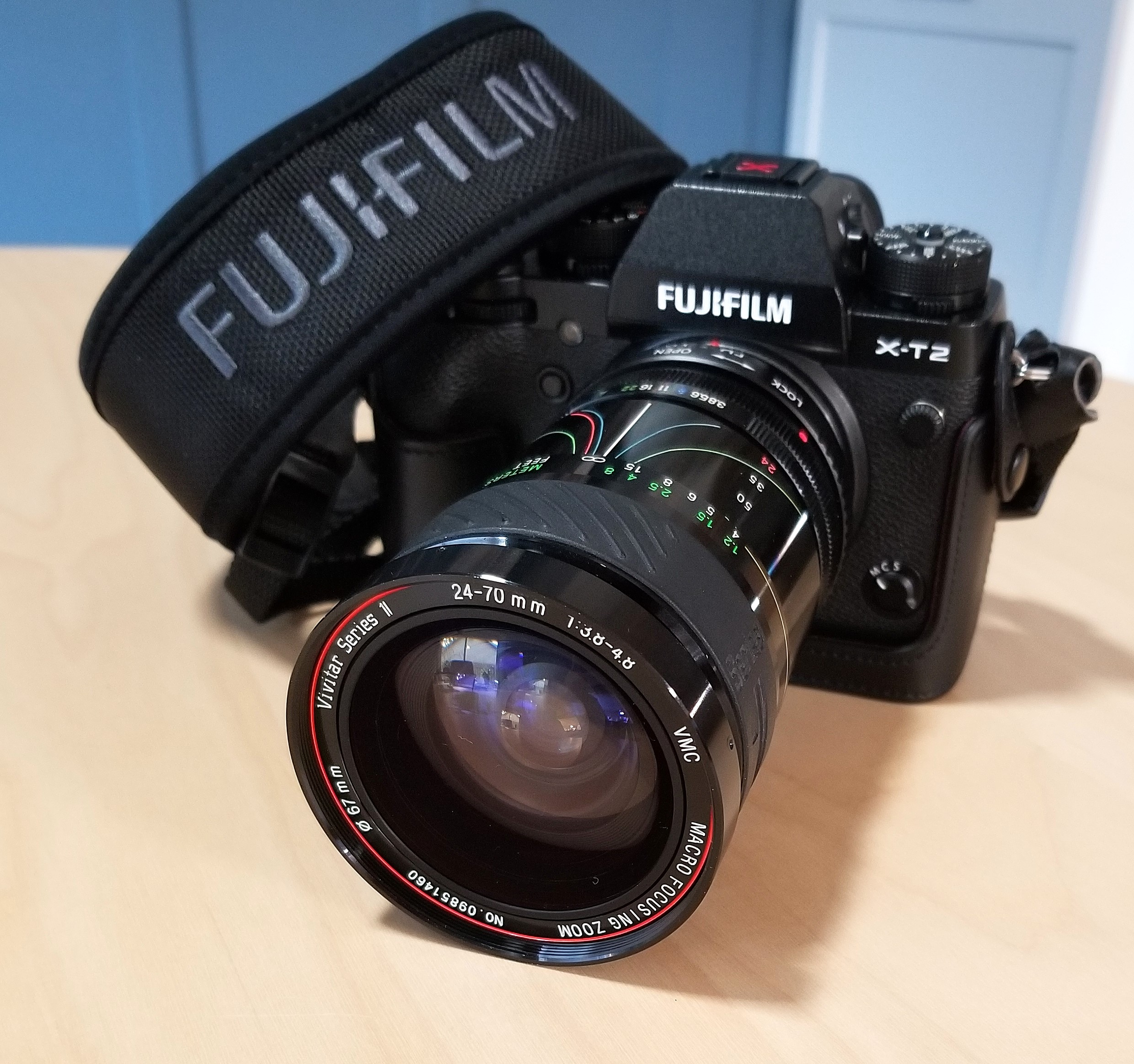
This Vivitar lens was released in 1988 and was made by the Japanese lens maker Cosina from a design by Vivitar. I’ve attached the lens to my Fujifilm X-T2, which has a crop factor of 1.5. At 70mm, the lens has an equivalent focal length of 105mm.
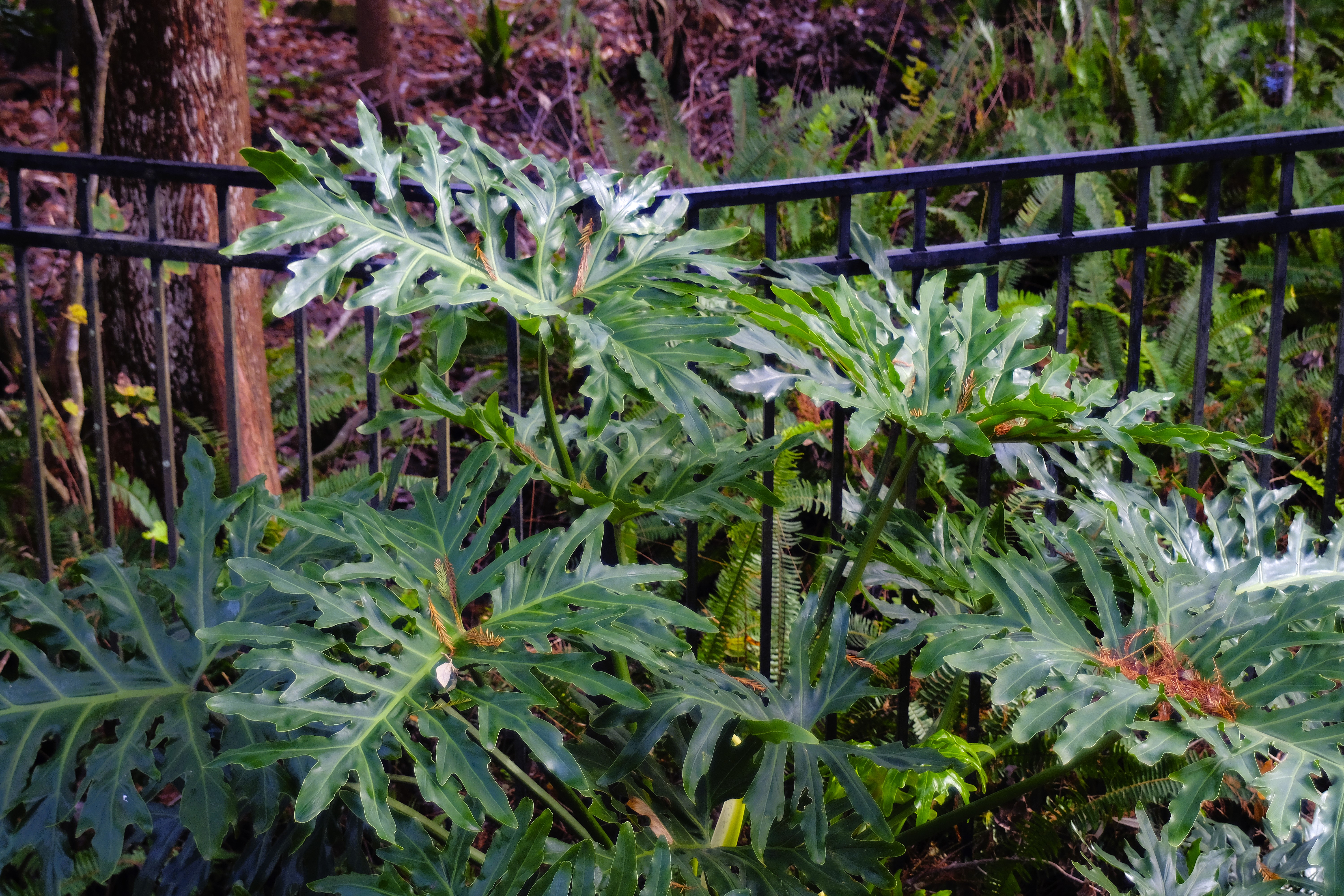
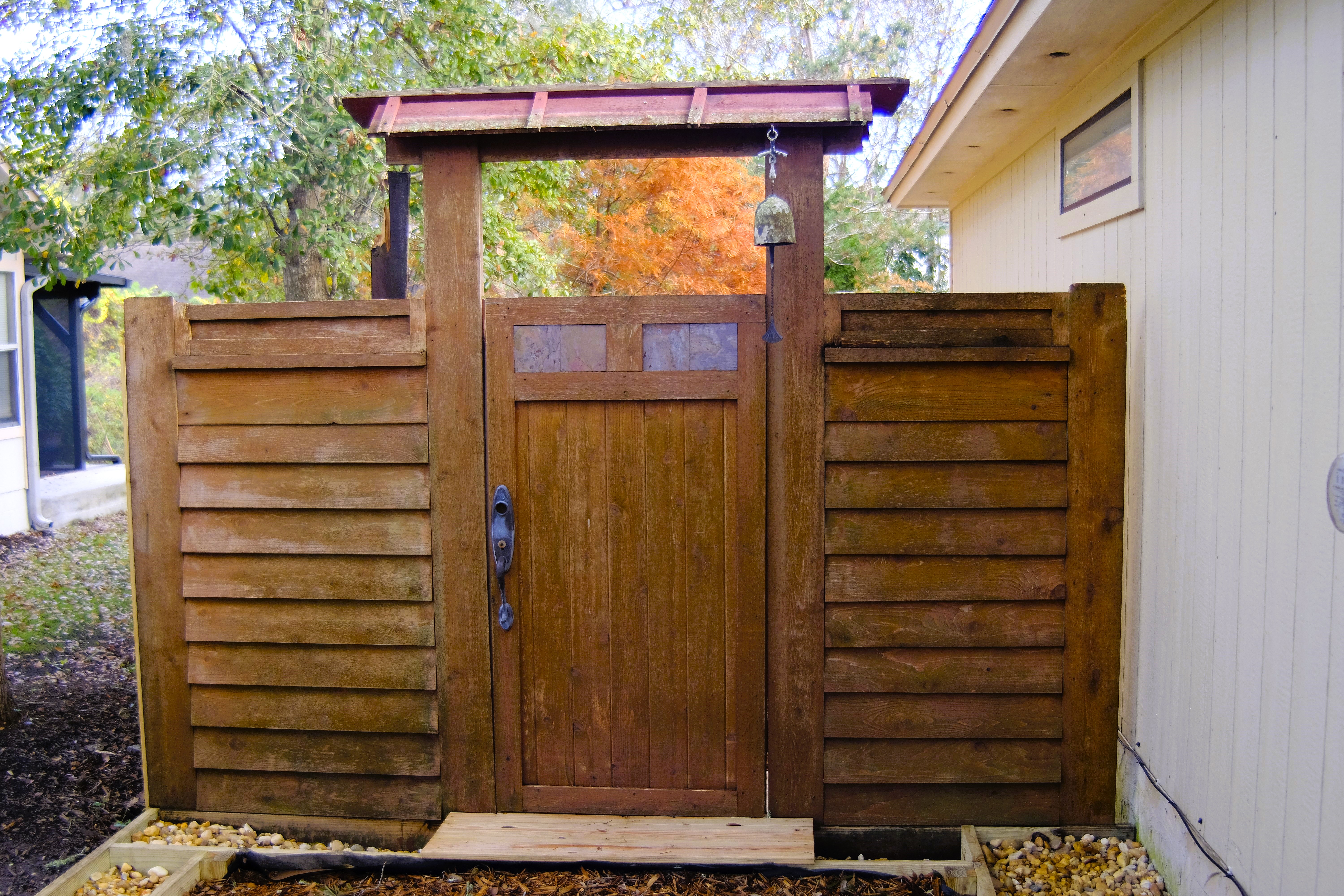
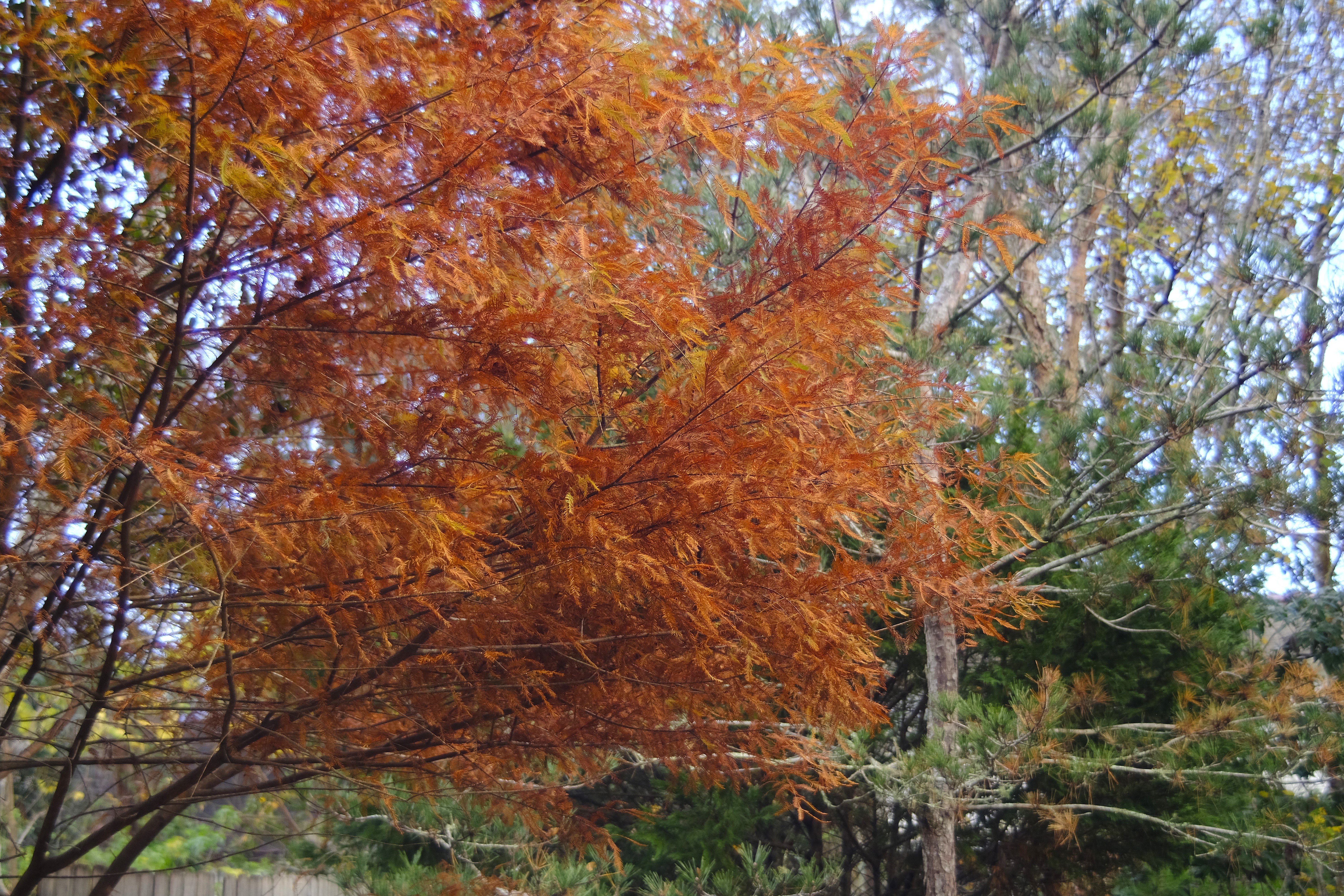
It does make a handsome combo mounted on the Fuji. Have I mentioned how much I enjoy my X-T2?The lens has lots of metal and glass; compact wouldn’t be how I’d describe it compared to a similar zoom lens from today. It has 11 elements in 10 groups and a large 67mm filter ring.It was cloudy and late afternoon when I shot this plant outside my studio window. I believe it is at f/11 ISO 400, 105mm equivalent.My garden gate at about 24mm (36mm equivalent).Bald cypress tree in its late autumn blaze. 105mm equivalent (70mm).
I checked on eBay, and there isn’t another one of these lenses for sale currently or recently sold. It’s actually relatively uncommon. I like the images it produces. I have it in my Etsy shop if you are interested. Canon FD mount. Thanks for stopping by, Chris
Comments are always welcomed, as I’ve learned quite a bit from reader feedback. As always, thanks for stopping by, and while you’re at it, feel free to visit my camera shop at http://www.ccstudio2380.com (CC Design Studios hosted by Etsy). – Chris Whelan










 Chasing Classic Cameras with Chris