Comments are always welcome; I’ve learned a great deal from reader feedback. As always, thanks for stopping by. While there, visit my camera shop at http://www.ccstudio2380.com (CC Design Studios, hosted on Etsy). – Chris Whelan
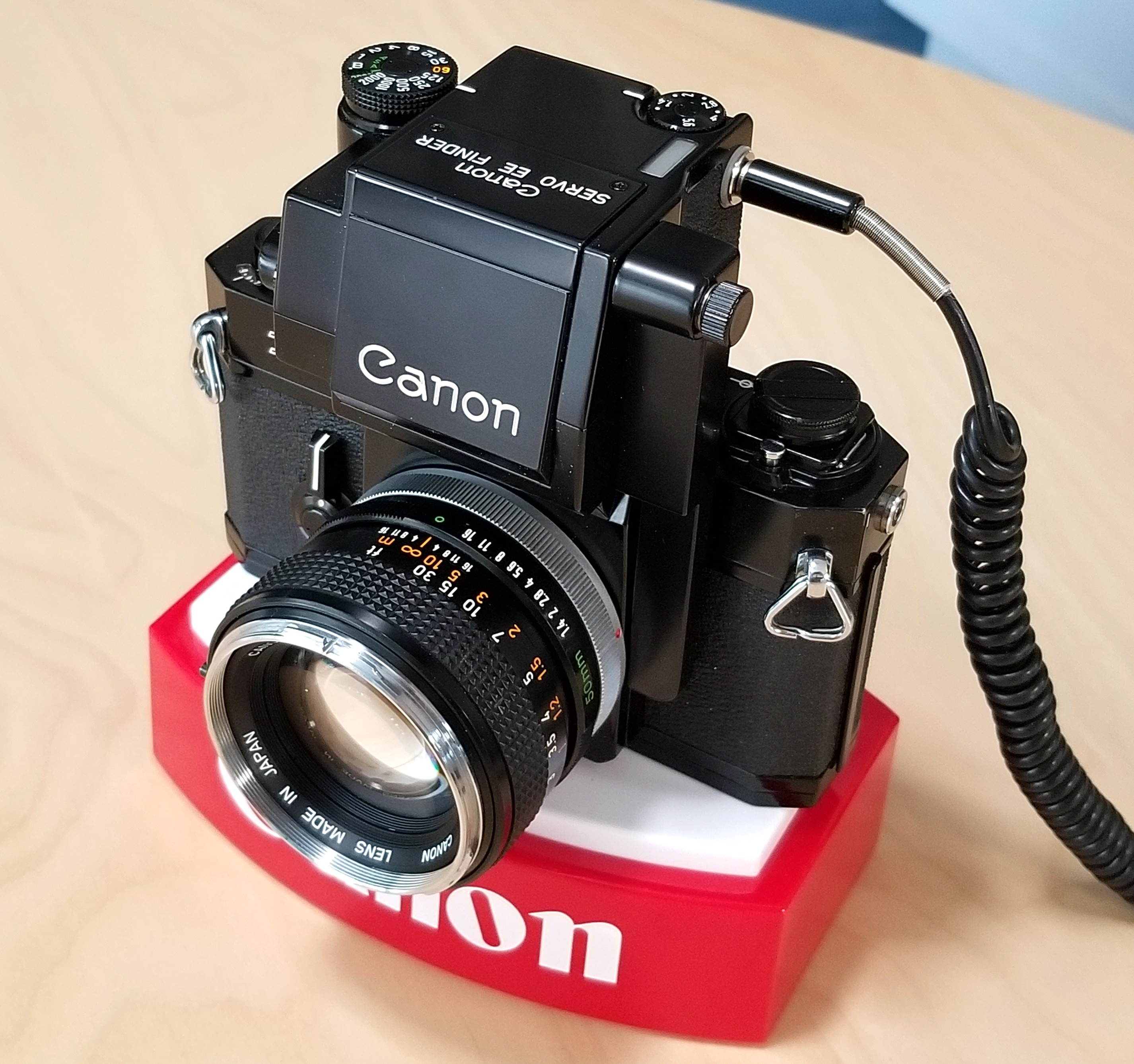
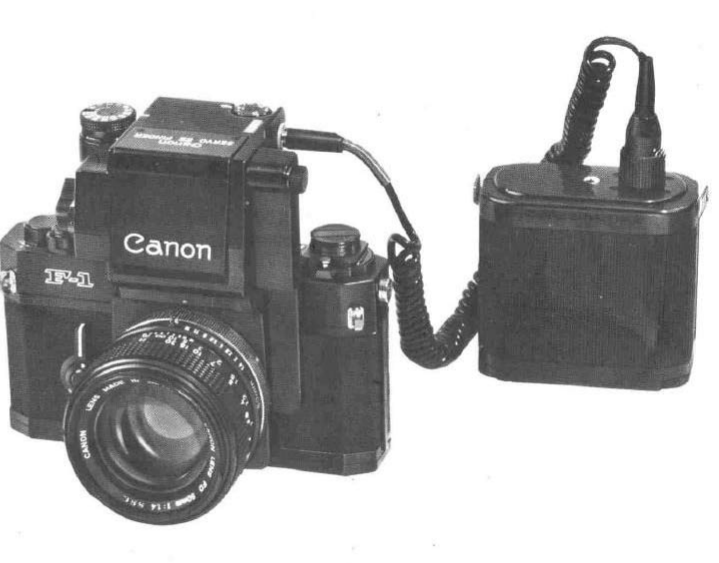
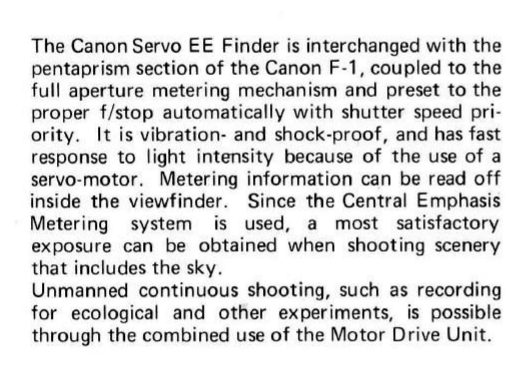
My early (1971) Canon F-1 with a Canon Servo EE Finder and a chrome-nosed Canon FD 50mm f1.4 lens.
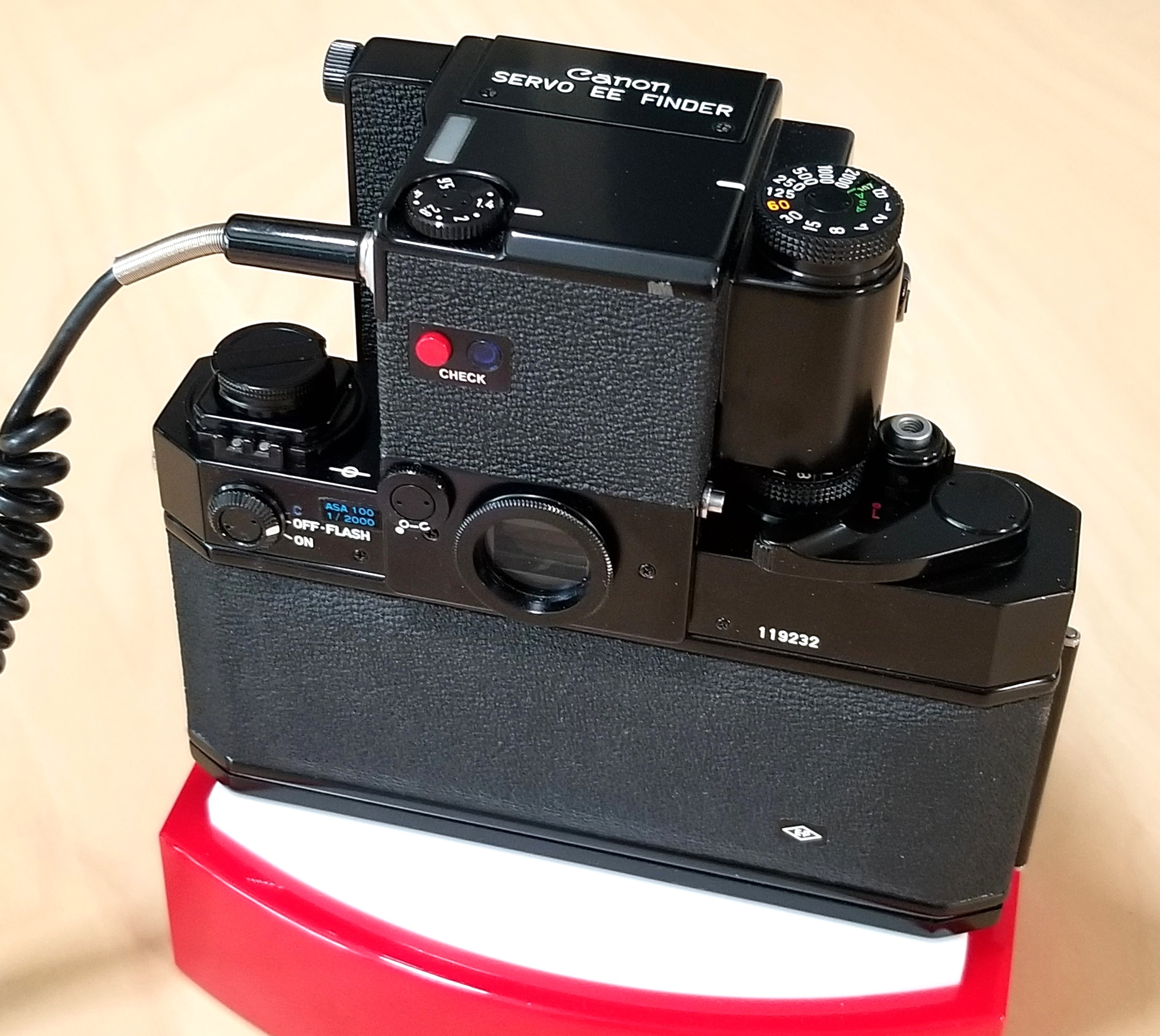
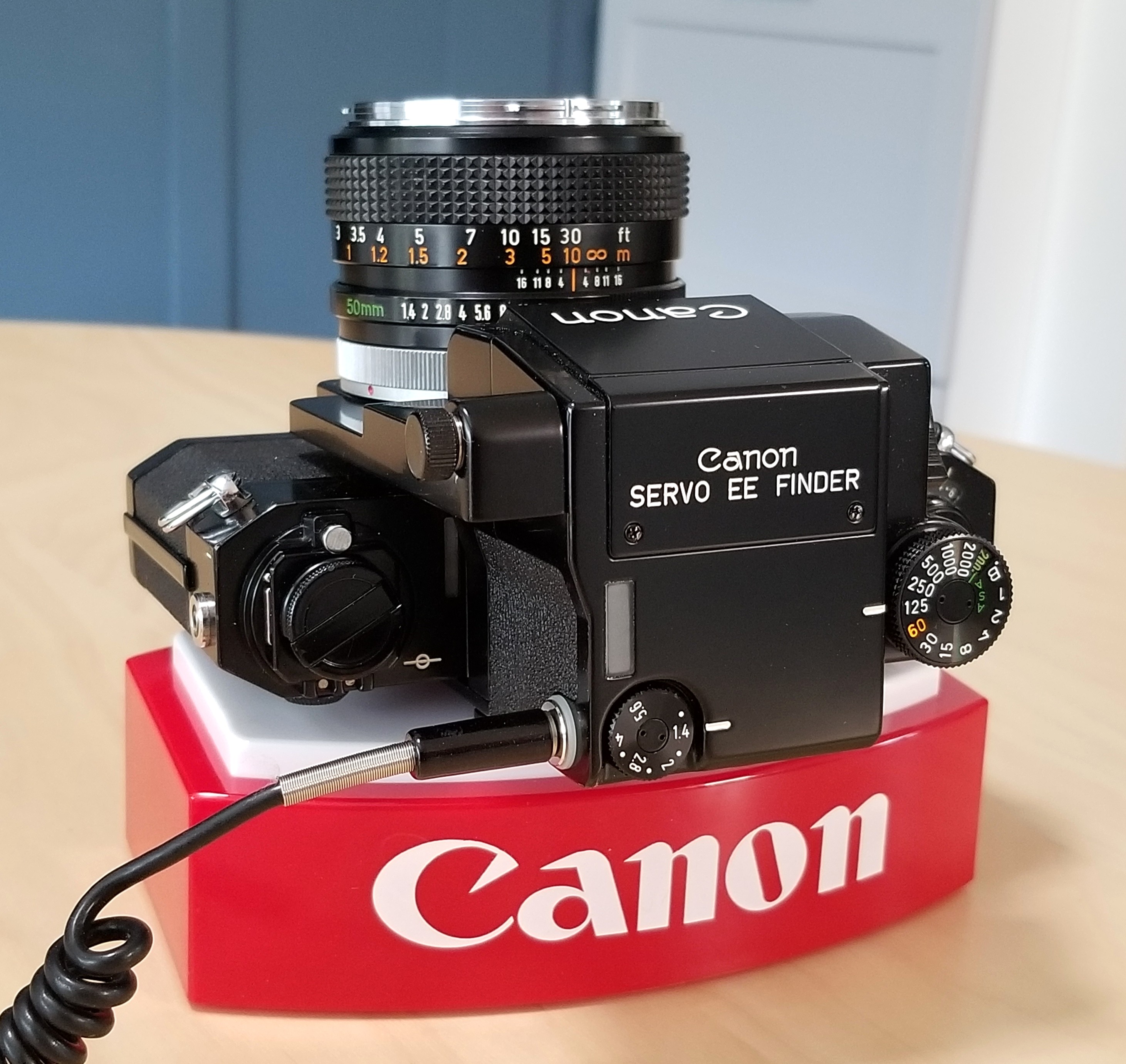
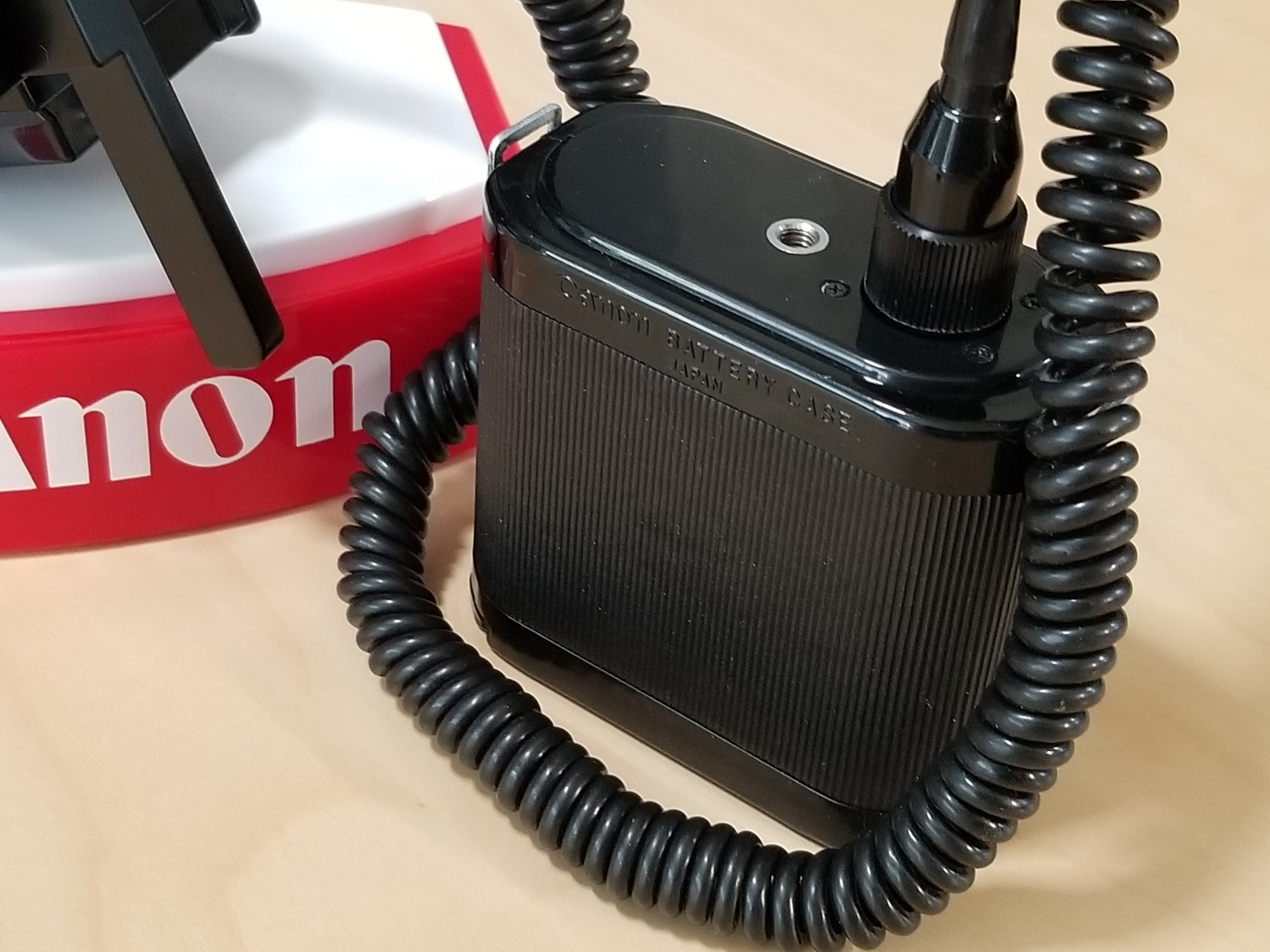
Black beauty.Servo EE Finder.The wired connects with a separate battery case and magazine for power. Not compact by any means.Canon Battery Case holds 10 AA batteries.
Comments are always welcome; I’ve learned a great deal from reader feedback. As always, thanks for stopping by. While there, visit my camera shop at http://www.ccstudio2380.com (CC Design Studios, hosted on Etsy). – Chris Whelan
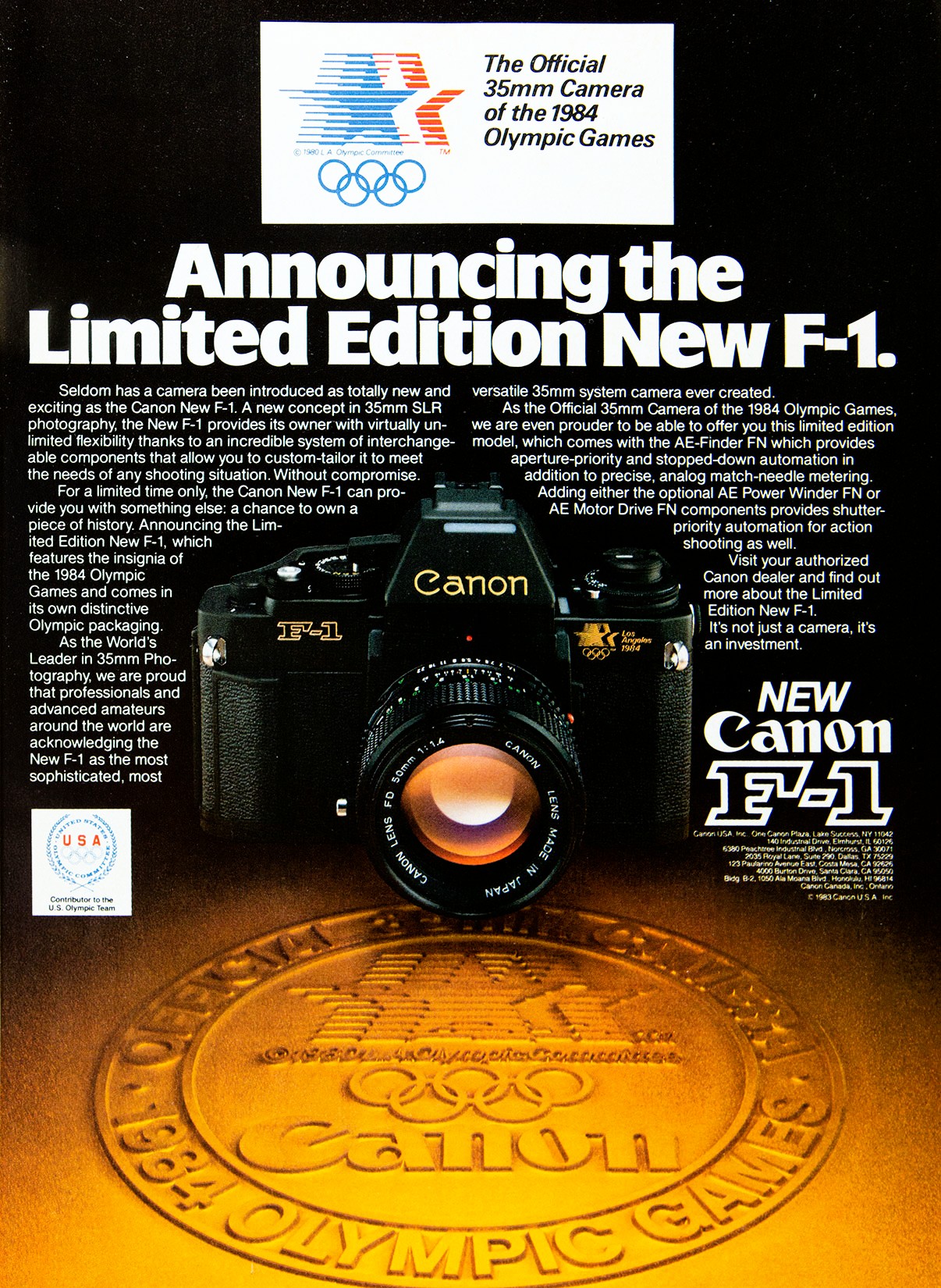
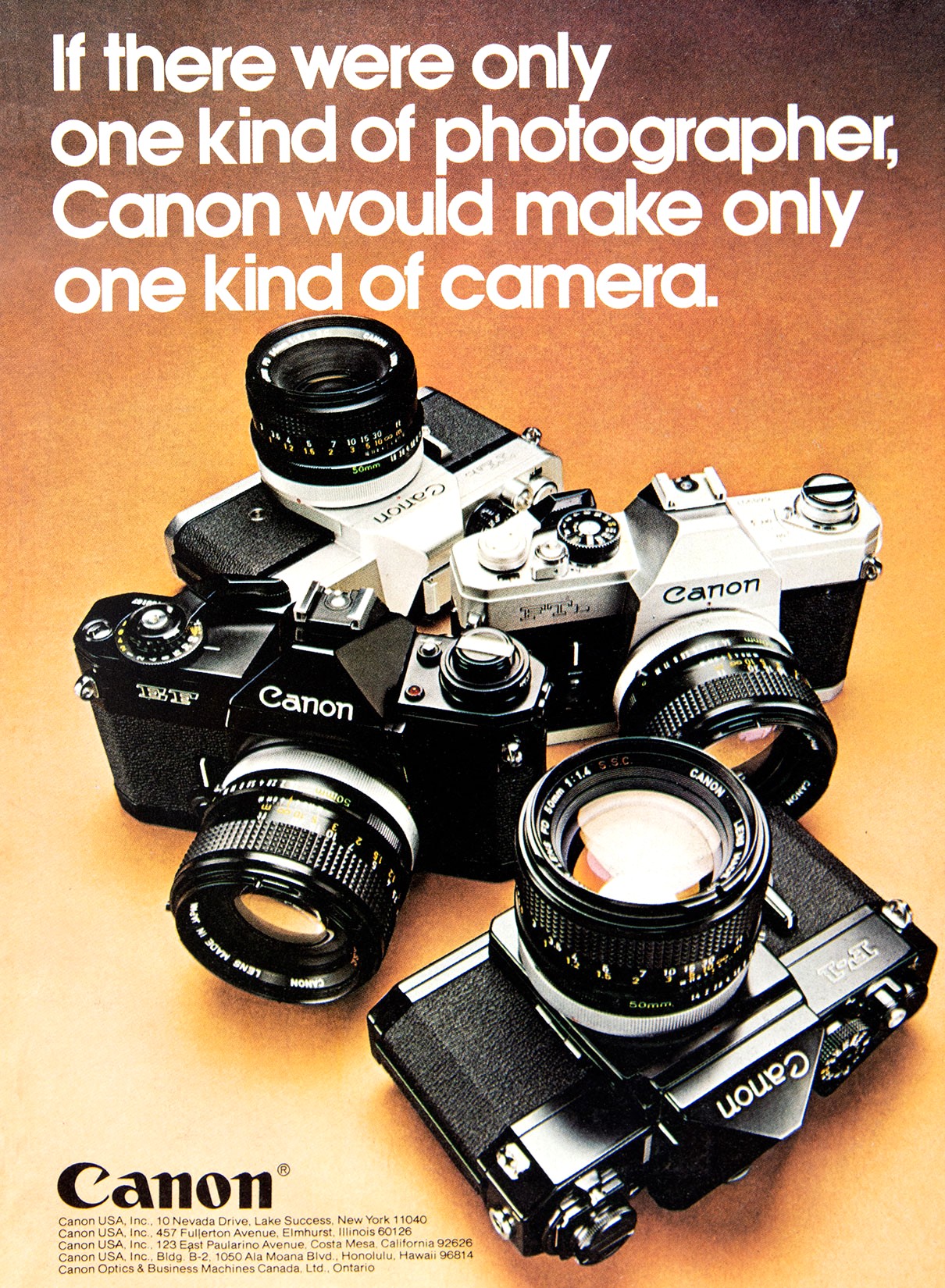
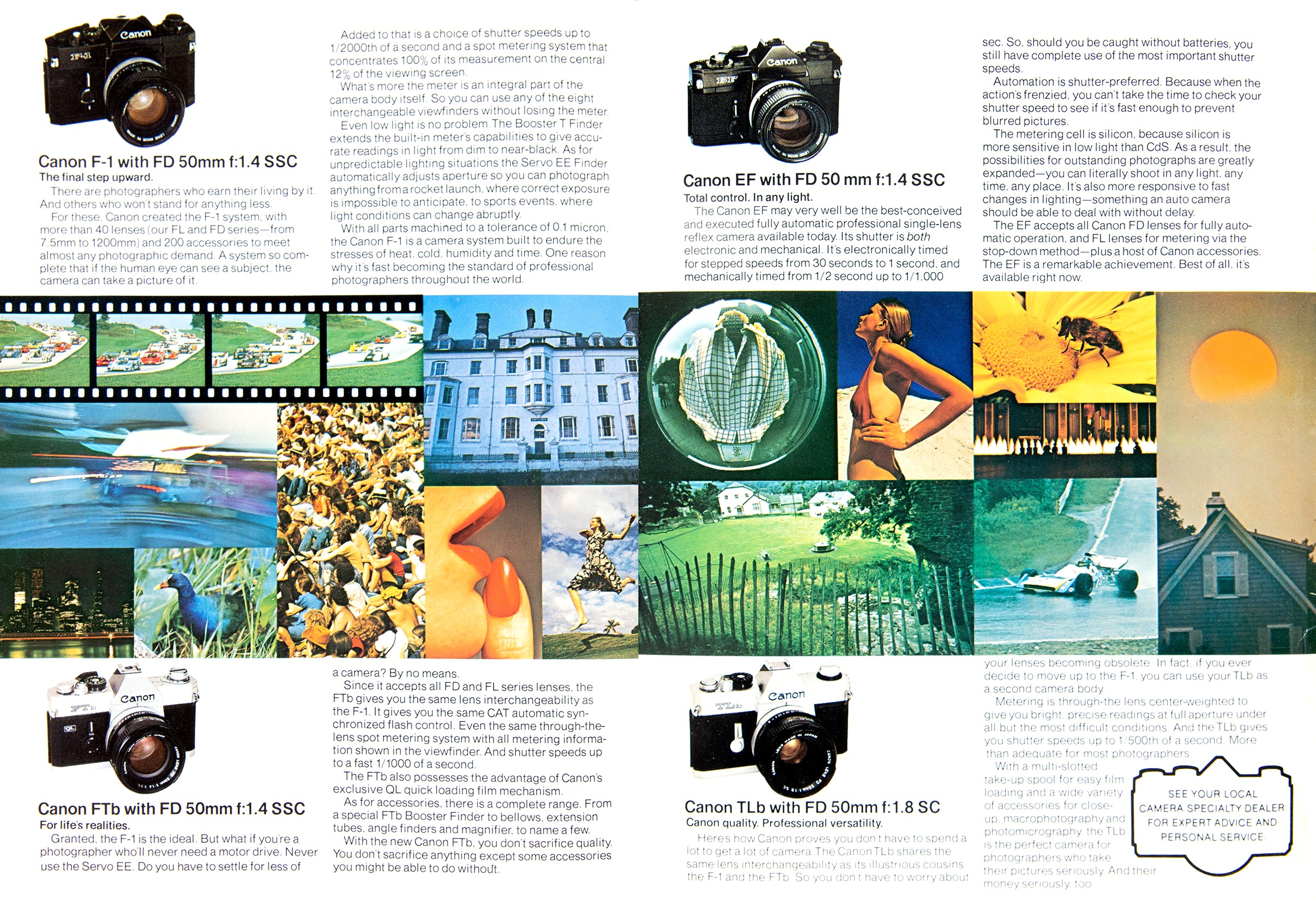
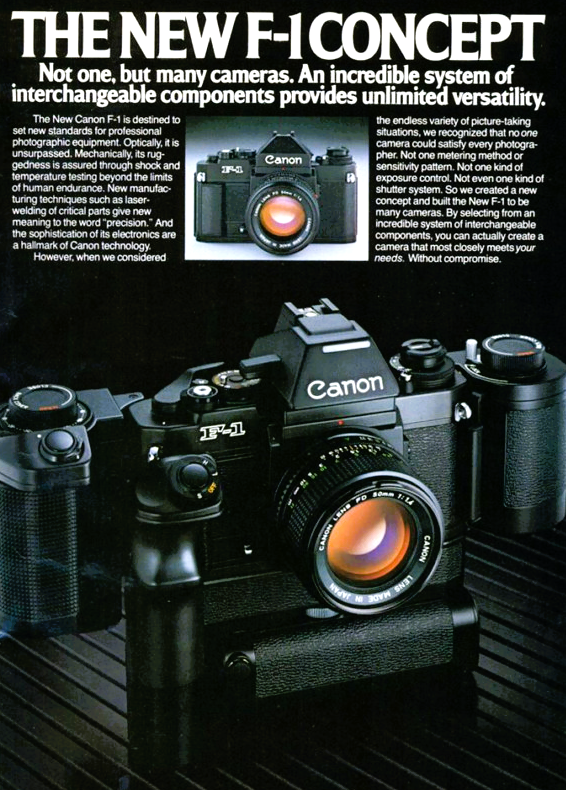
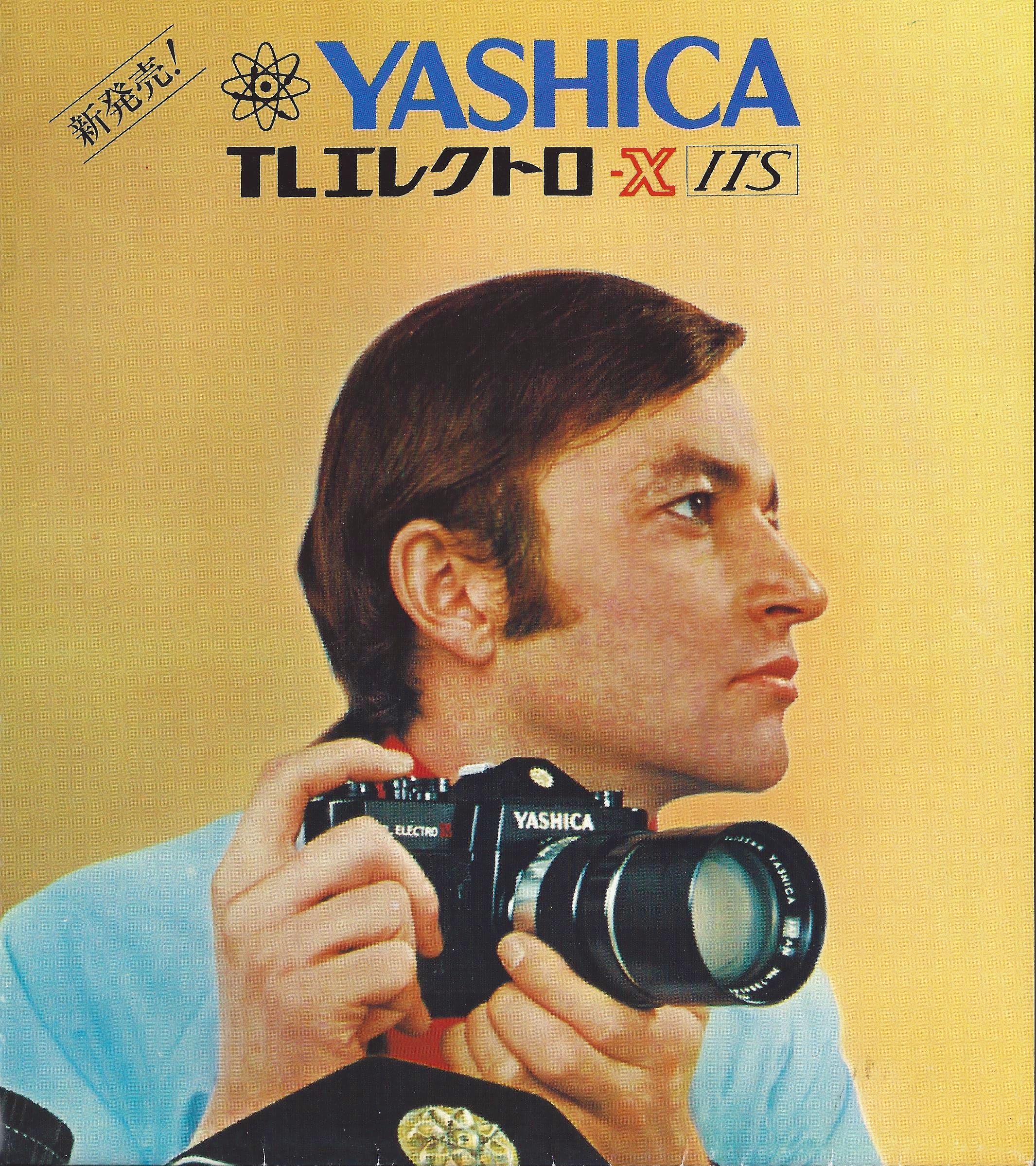
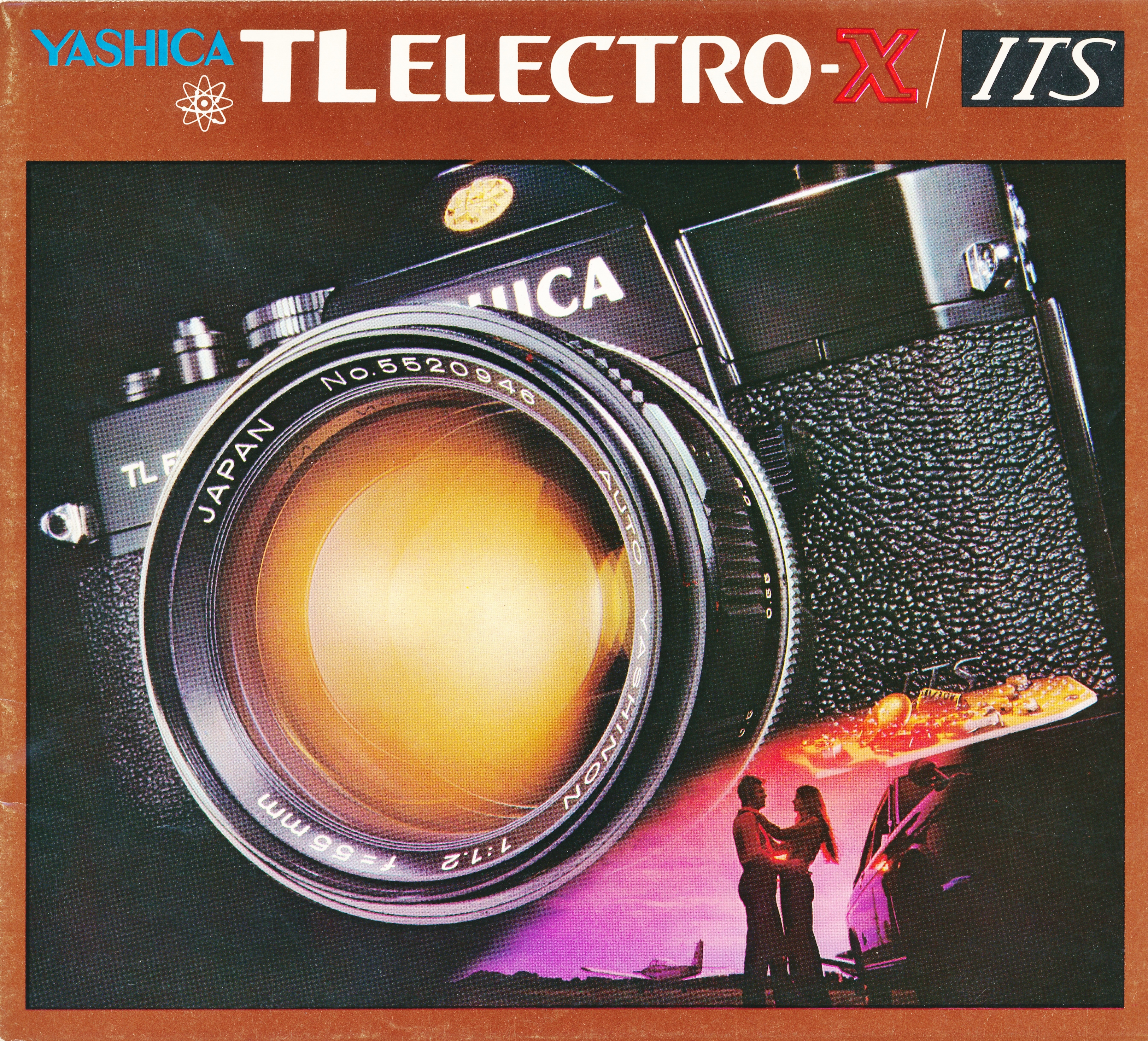
As a die-hard collector, I see advertisements as an important part of a collection because they fill in missing details and offer a glimpse into a camera’s origins.
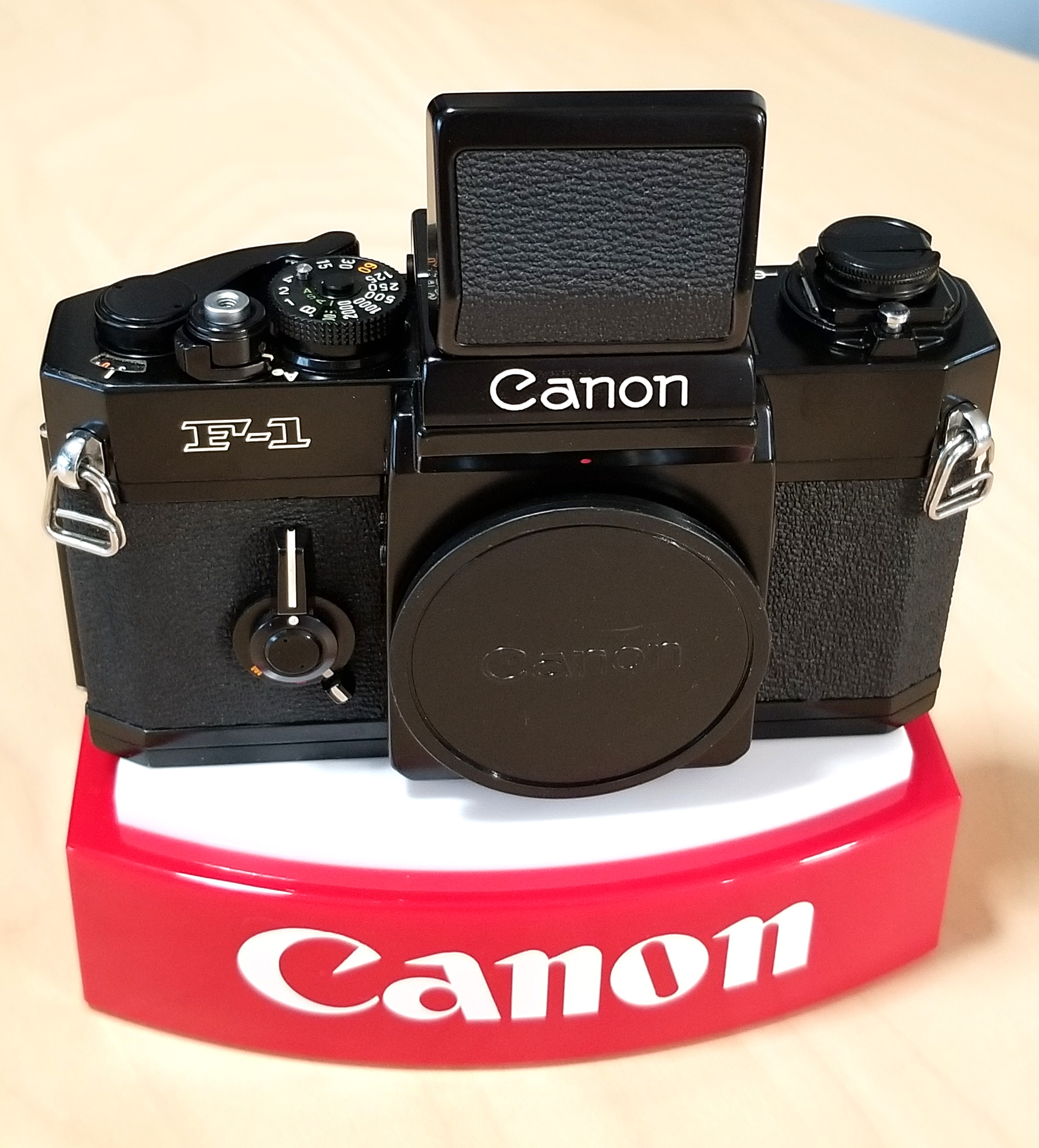
1984.Mid 1970s.1970s.1981.One of my early (3/1973) F-1s with a waist-level finder attached.
Comments are always welcome; I’ve learned a great deal from reader feedback. As always, thanks for stopping by. While there, visit my camera shop at http://www.ccstudio2380.com (CC Design Studios, hosted on Etsy). – Chris Whelan
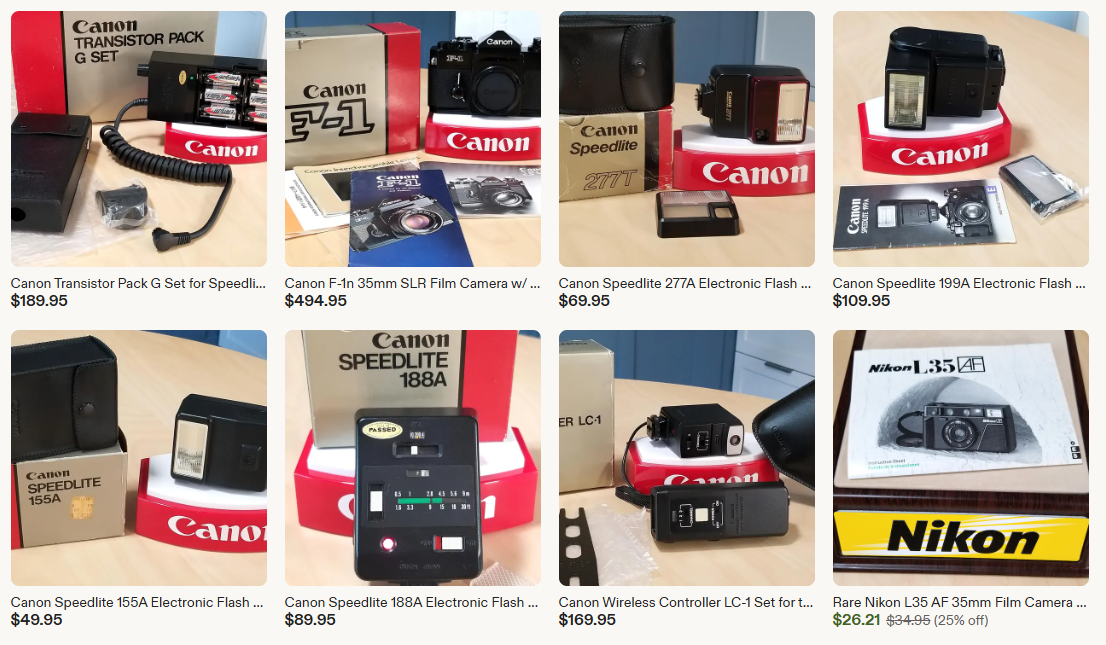
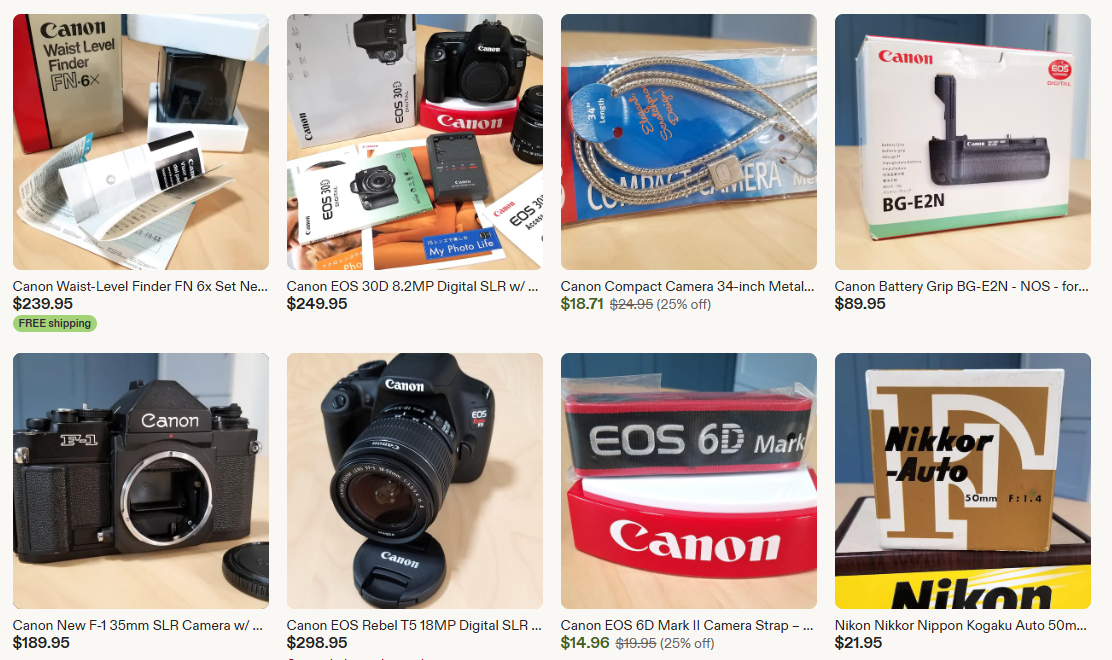
As many of you know, I have a very successful camera shop hosted on Etsy. I’ve had this shop for ten years now. I’ve sold camera gear on eBay since 2010.
Many of the items are in mint condition and have been fully tested by me. My reputation is stellar.
I also have a large collection of Canon, Nikon, Mamiya, and Yashica cameras, lenses, and gear that I haven’t listed yet. Drop me a note; I may have just what you’re looking for.
Comments are always welcome; I’ve learned a great deal from reader feedback. As always, thanks for stopping by. While there, visit my camera shop at http://www.ccstudio2380.com (CC Design Studios, hosted on Etsy). – Chris Whelan
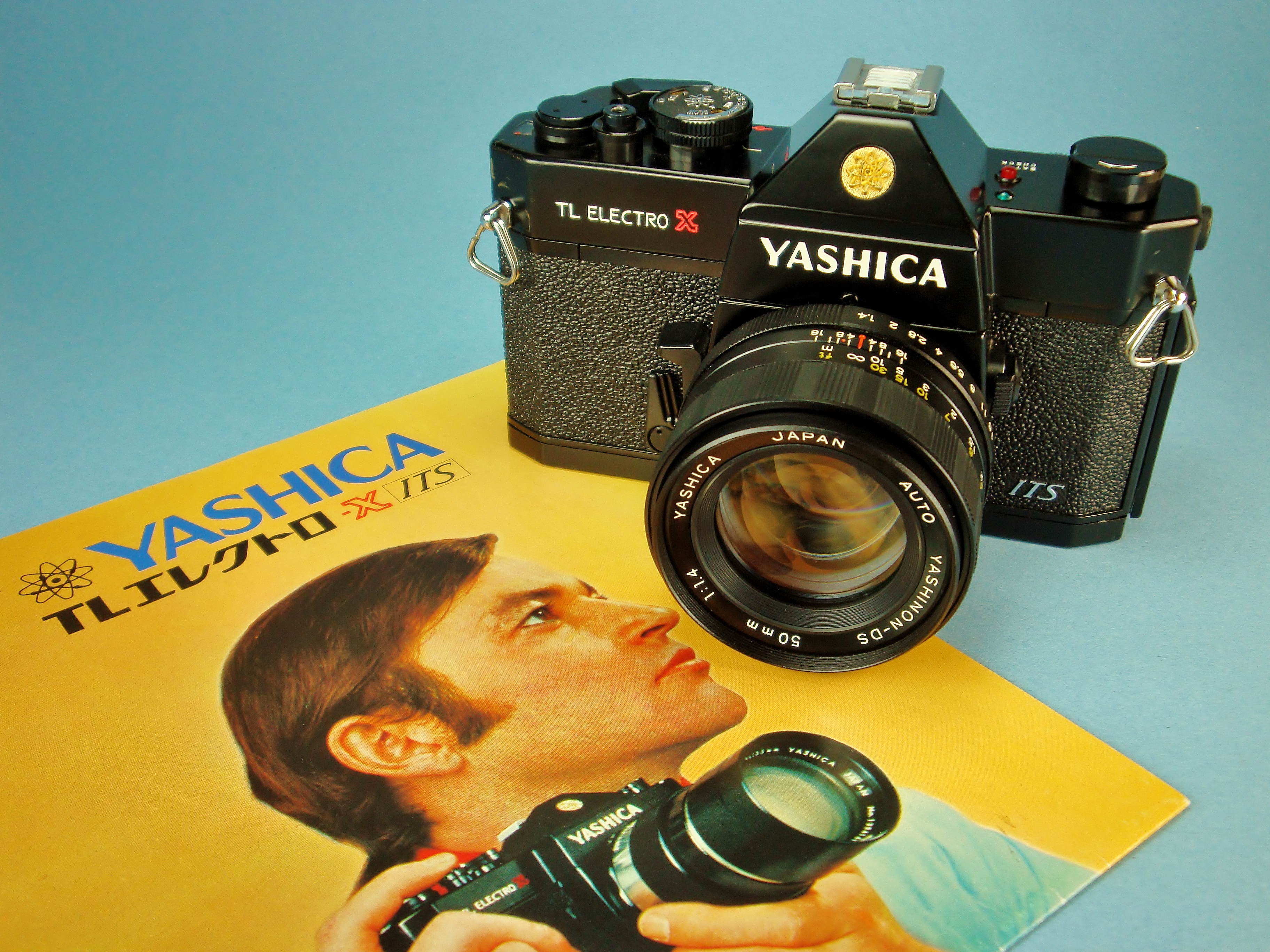
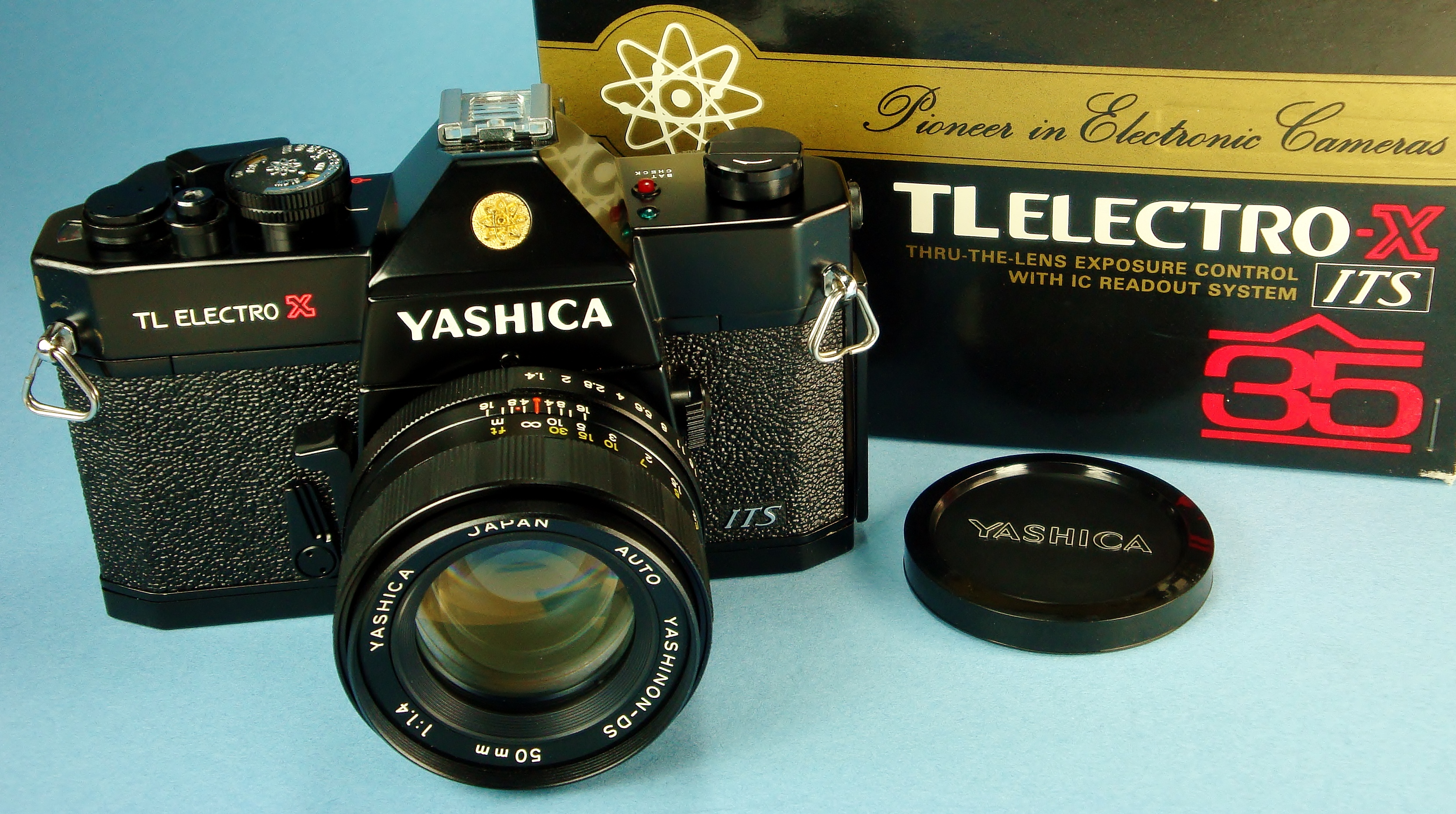
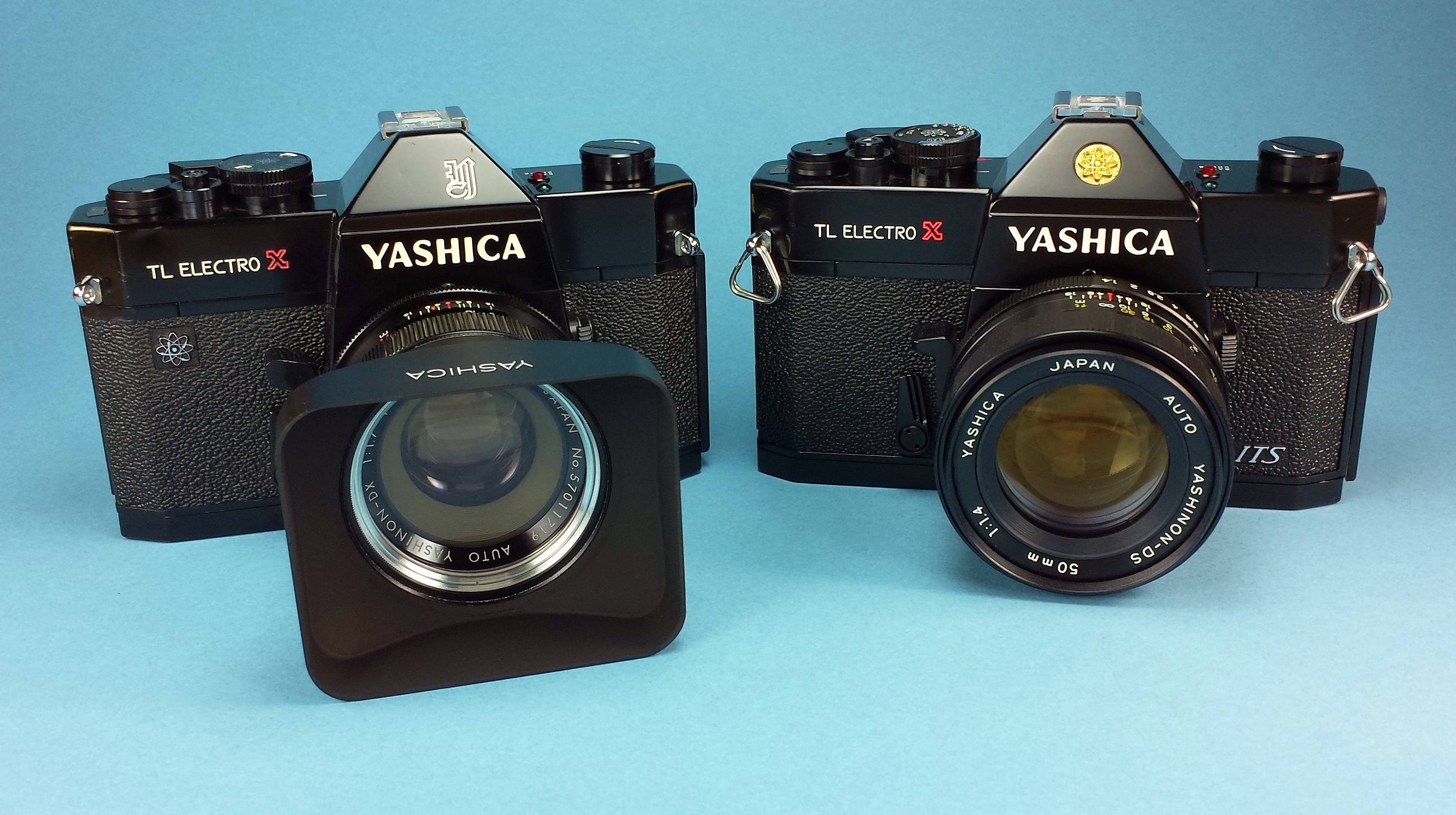
A Yashica TL Electro-X ITS, purchased new in 1973 in Okinawa, Japan. I’m the second owner.I keep it in new condition, mostly on display.The original Yashica TL Electro X is on the left, and the enhanced ITS is on the right. It’s mostly a marketing move rather than any real changes.Sales brochure from 1973.This brochure features the famous Auto Yashinon 55mm f1.2 lens made for Yashica by Tomioka Optical.
Comments are always welcome; I’ve learned a great deal from reader feedback. As always, thanks for stopping by. While there, visit my camera shop at http://www.ccstudio2380.com (CC Design Studios, hosted on Etsy). – Chris Whelan
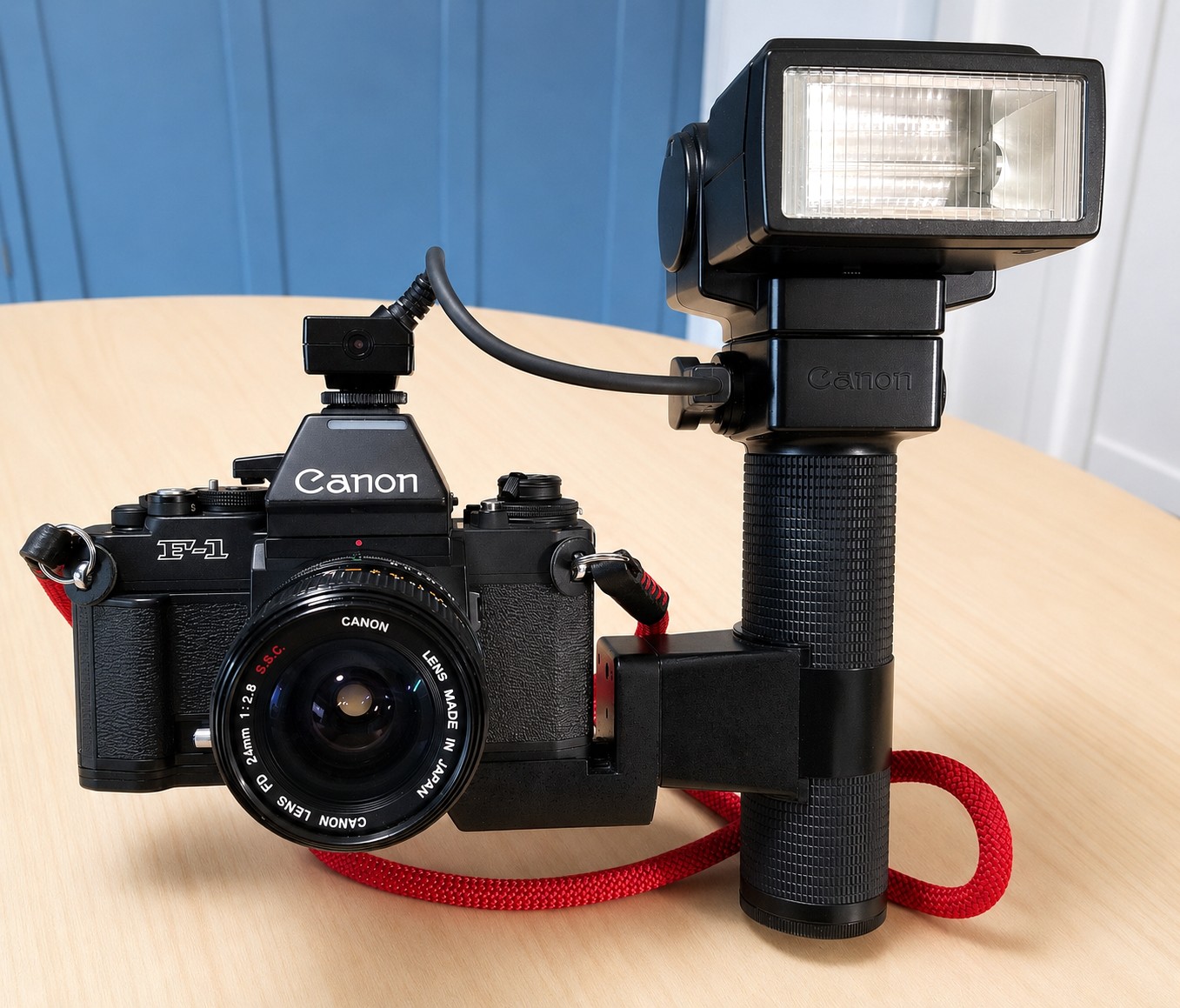
Old meets new. New F-1 with my original FD 24mm f2.8 SSC lens and a Speedlite 533G set.
I’ve wanted to use this flash with my F-1s for years but could never find a good, working flash complete with all its bits and the original box. So far it’s a perfect pairing. The date code on the flash head is Y0701 (7/84). I bought the lens in 1978, when I purchased my first F-1.
Comments are always welcome; I’ve learned a great deal from reader feedback. As always, thanks for stopping by. While there, visit my camera shop at http://www.ccstudio2380.com (CC Design Studios, hosted on Etsy). – Chris Whelan
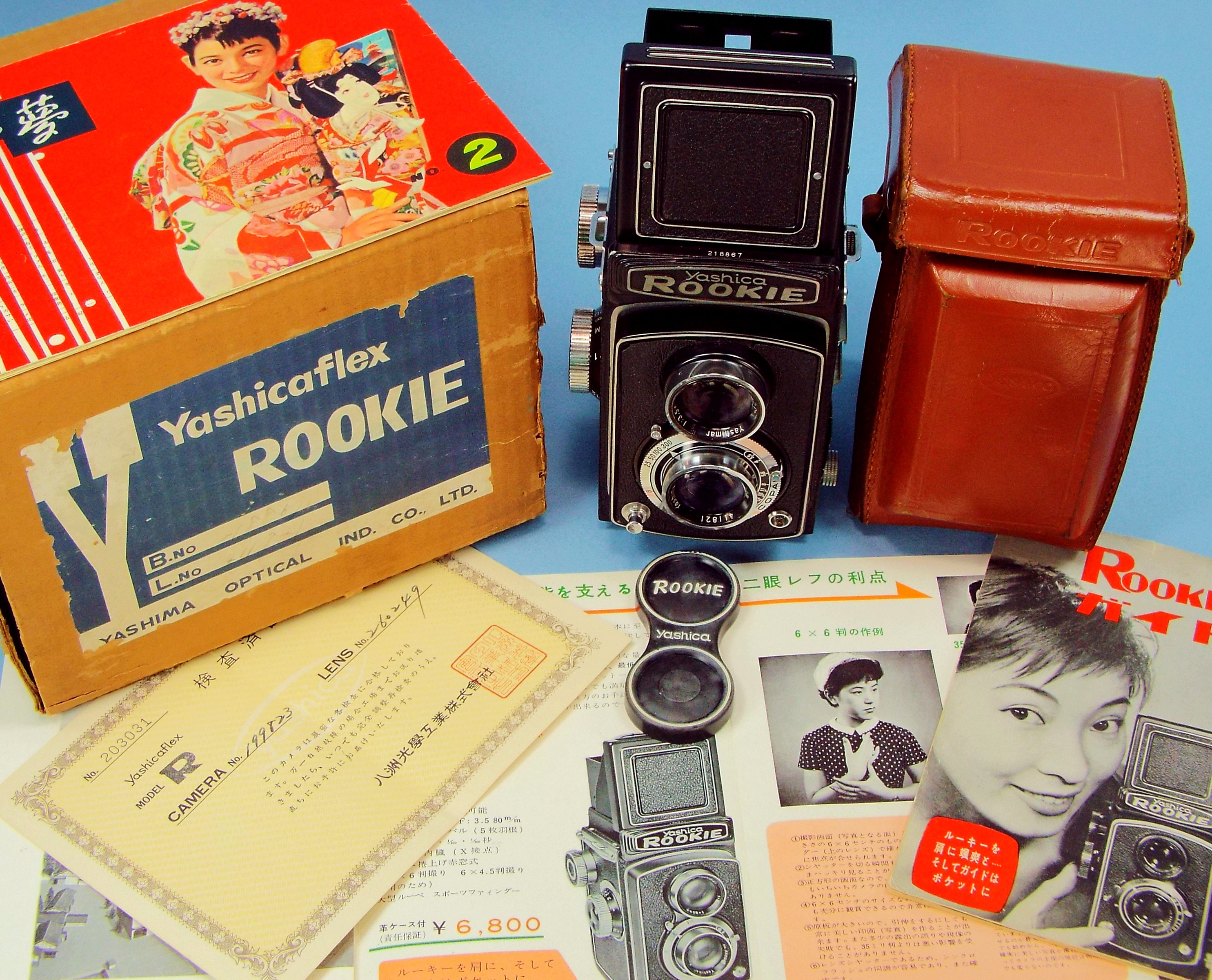
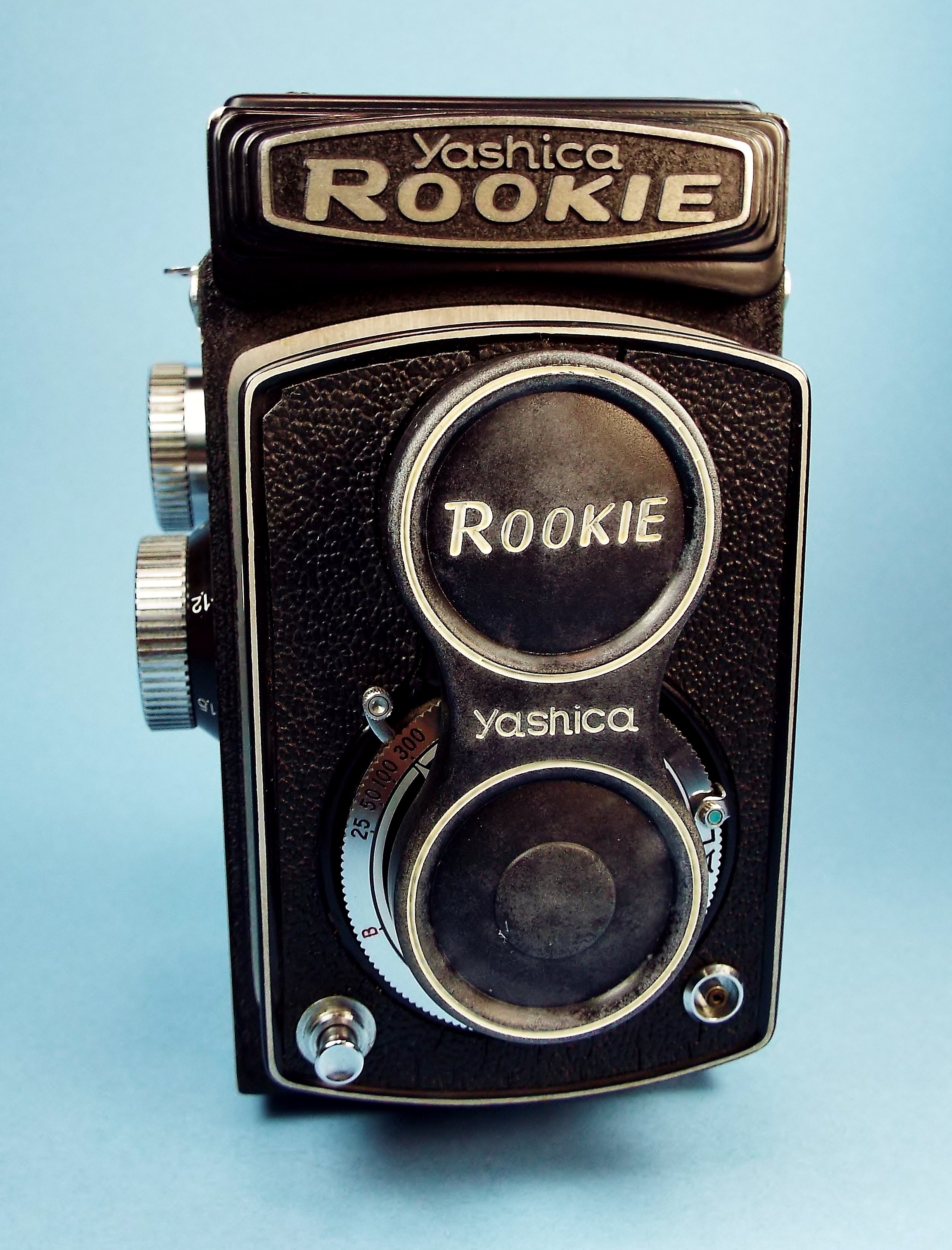
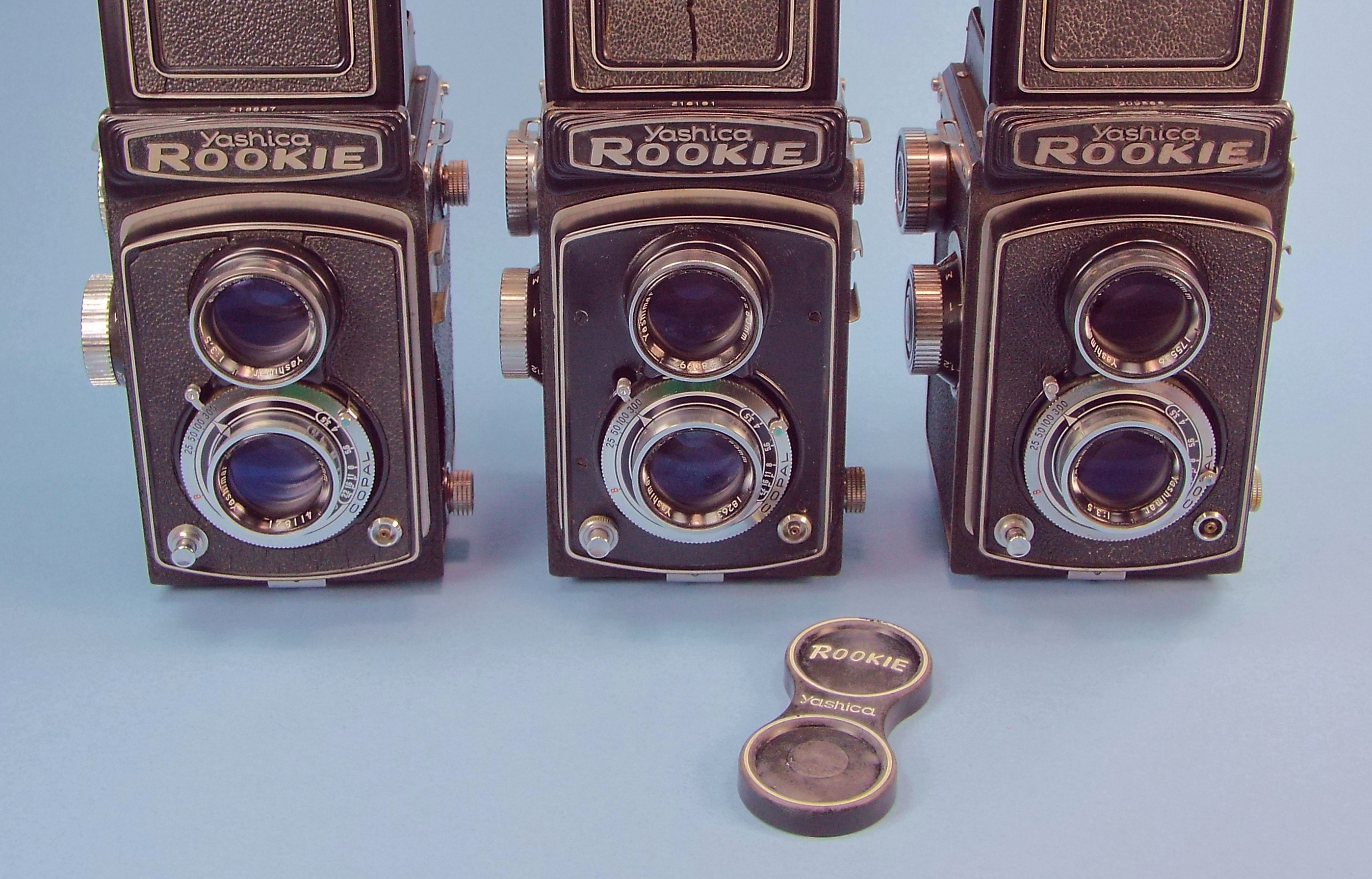
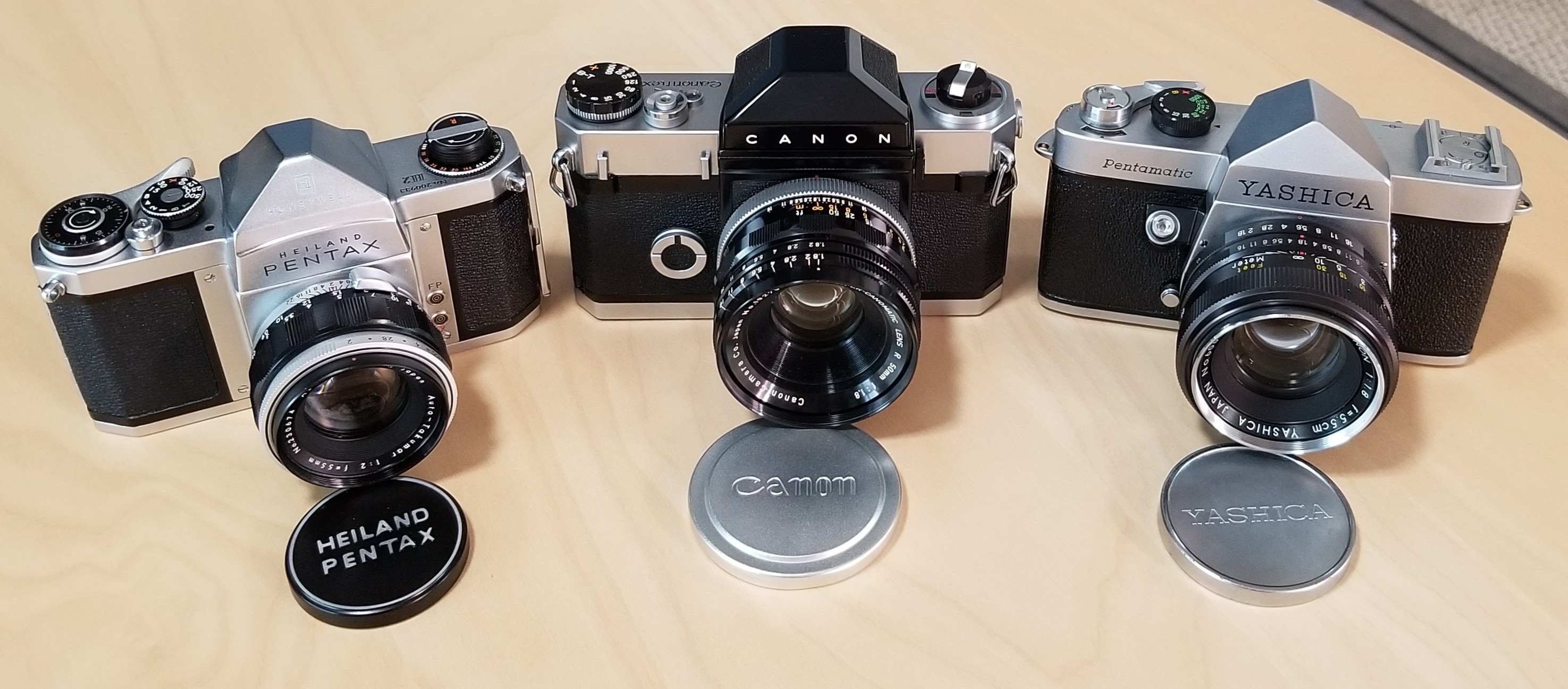
Complete set from 1956.It was likely called ‘Rookie’ because of its simple design and basic operation. Perfect for beginners, hence Rookie.Triple play!
Comments are always welcome; I’ve learned a great deal from reader feedback. As always, thanks for stopping by. While there, visit my camera shop at http://www.ccstudio2380.com (CC Design Studios, hosted on Etsy). – Chris Whelan
I have another of my beloved classic Canon F-1 cameras available at my camera shop: http://www.ccstudio2380.com. This one is from late 1977, and it’s a gem.
I fully test all of my cameras. Not only does this one look new, but it also operates like new too.The pro-black finish is in gem condition.One of the best 35mm SLR cameras ever made.Classic Canon.Stop by my Etsy camera shop and check out this and the other classic collectible Canon cameras I have available.
Comments are always welcome; I’ve learned a great deal from reader feedback. As always, thanks for stopping by. While there, visit my camera shop at http://www.ccstudio2380.com (CC Design Studios, hosted on Etsy). – Chris Whelan
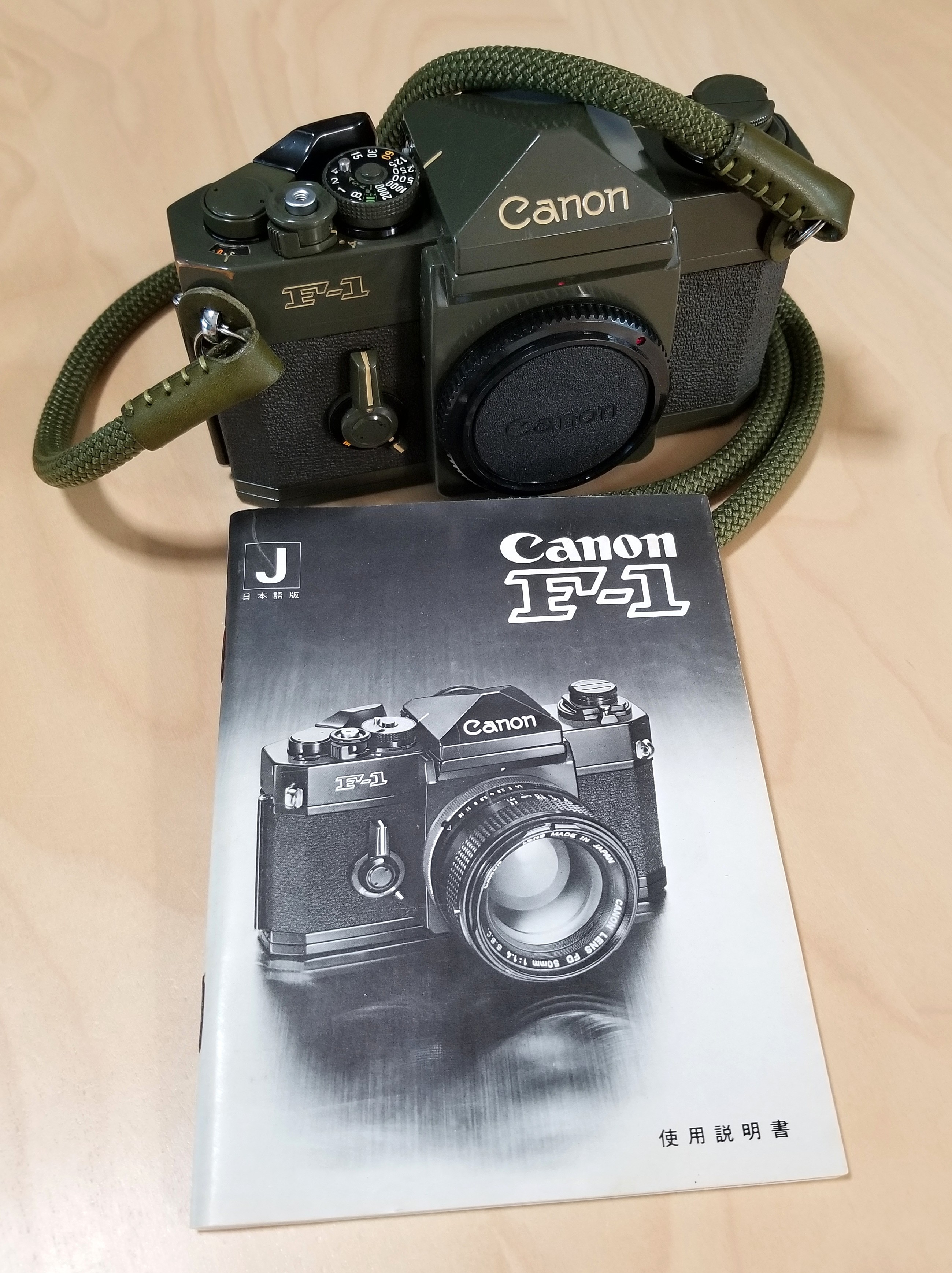
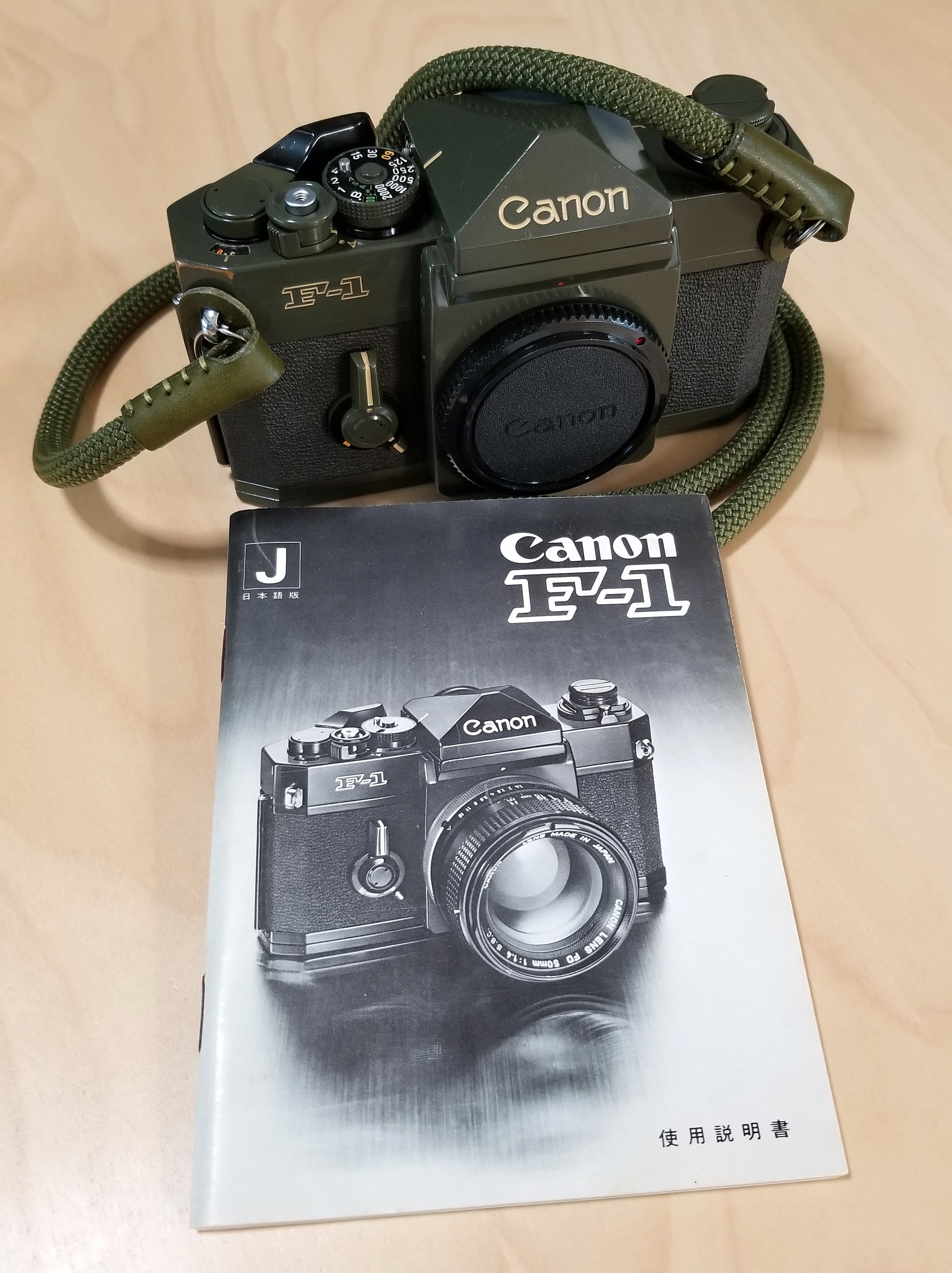
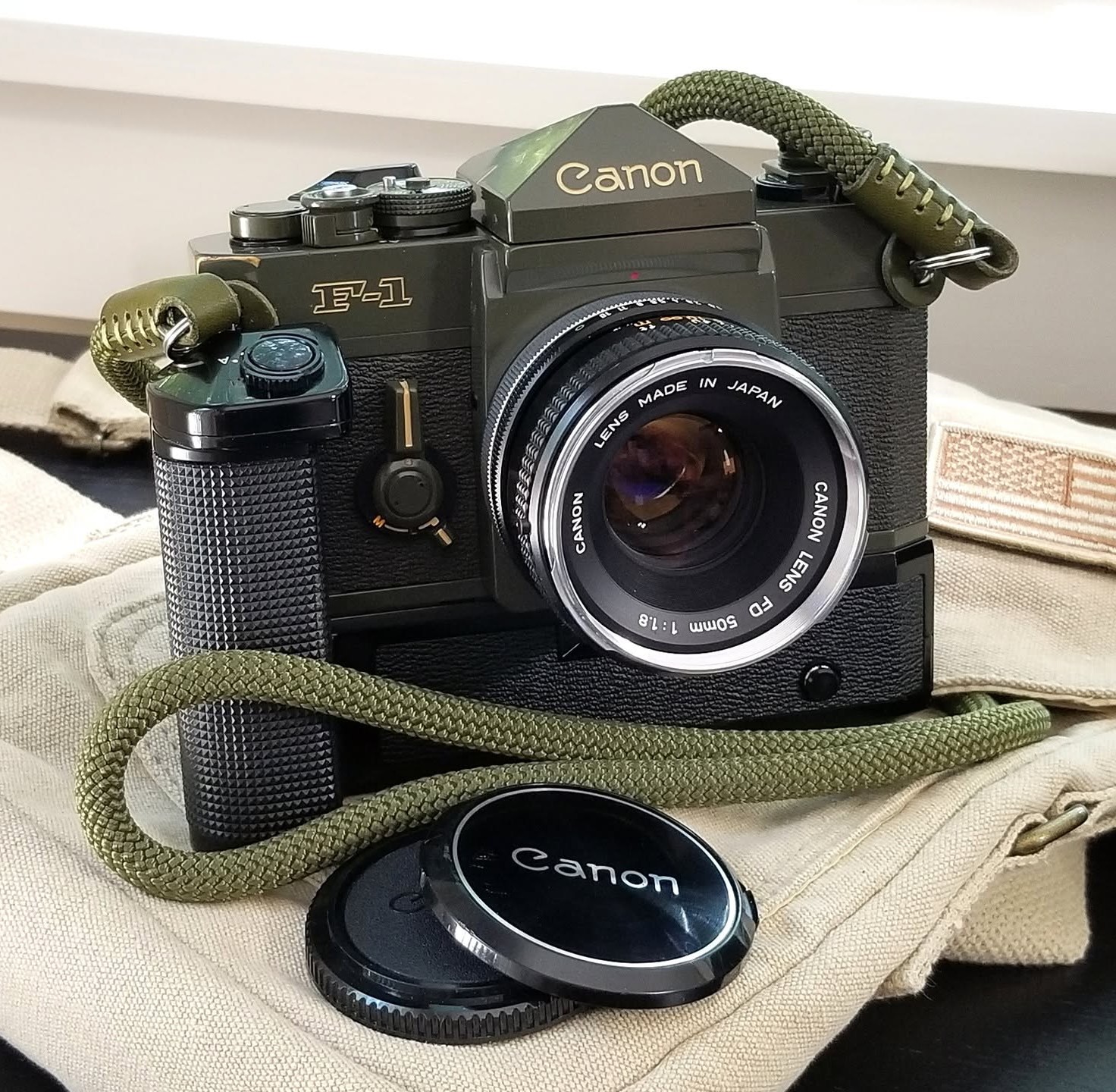
My 1978 Canon limited edition OD F-1. No, it’s not a military model. It wasn’t made for the Japanese military either.
So, why did Canon produce a one-off? They say, in their brochure, that it was made to celebrate (my words) the love of the wilderness and being outside in nature. Since it was made for only a few months in early 1978 and then never again, time has hidden the true reason they made this rare gem.
A good friend and fellow Canon collector in the UK sent me this rather hard-to-find Japanese instruction book for this model. It’s not made specifically for it, but released and updated at the same time to coincide with this OD F-1.
Pictured with its correct Japanese edition instruction book.One of my favorite kits.
It’s been reported that less than 3k of these were made. How many have survived? It’s a fun camera to add to your collection.
Comments are always welcome; I’ve learned a great deal from reader feedback. As always, thanks for stopping by. While there, visit my camera shop at http://www.ccstudio2380.com (CC Design Studios, hosted on Etsy). – Chris Whelan
Comments are always welcome; I’ve learned a great deal from reader feedback. As always, thanks for stopping by. While there, visit my camera shop at http://www.ccstudio2380.com (CC Design Studios, hosted on Etsy). – Chris Whelan