Comments are always welcome; I’ve learned a great deal from reader feedback. As always, thanks for stopping by. While there, visit my camera shop at http://www.ccstudio2380.com (CC Design Studios, hosted on Etsy). – Chris Whelan
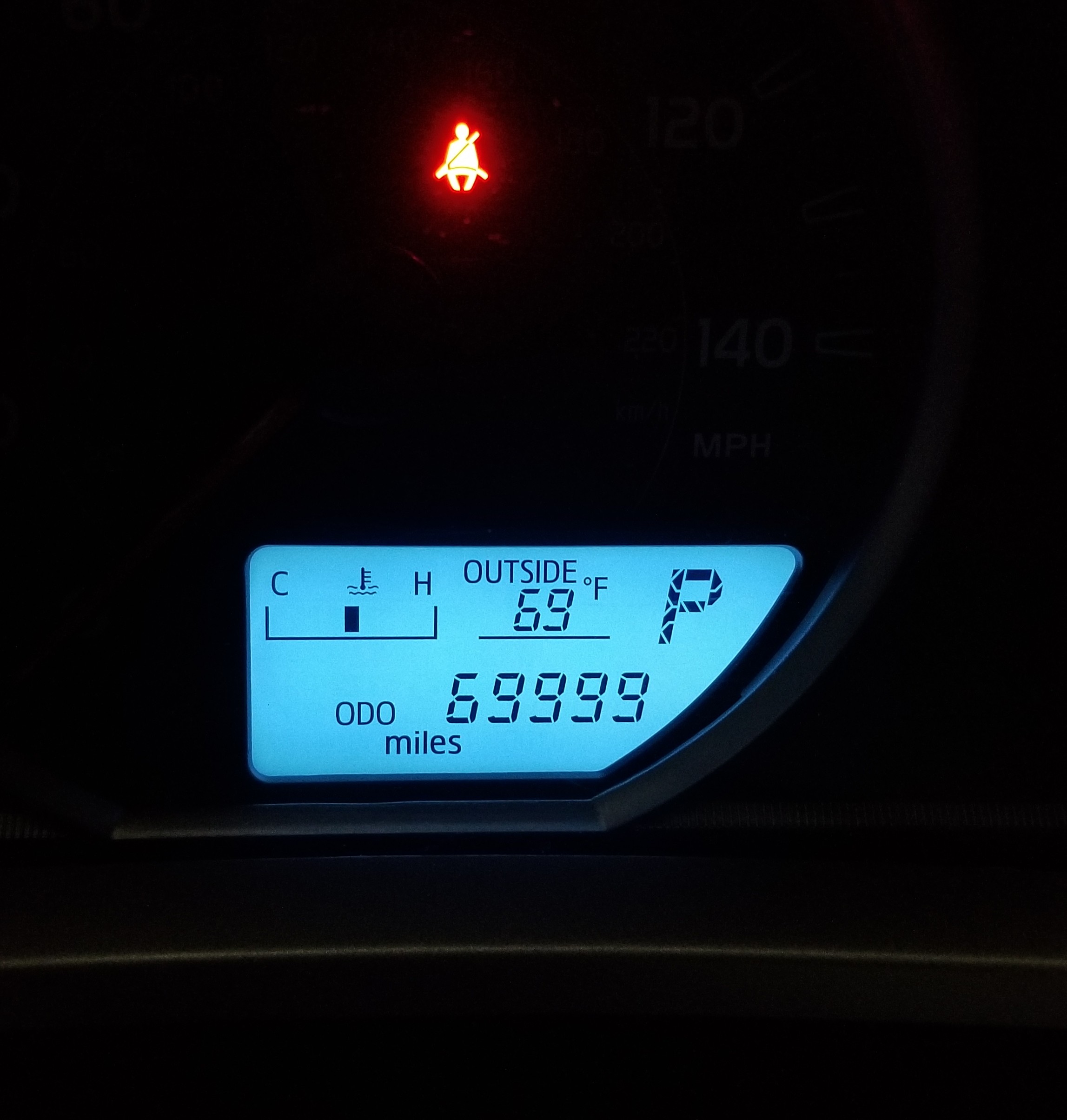
I was thinking about the New York Mets winning the 1969 World Series 57 years ago this week when I noticed my vehicle’s odometer. Even the outside temperature aligned! Our 2014 Toyota RAV4. A true ‘Island Car’. Almost 13 years old (March 2027), and it’s just about to hit 70k. When you live on Amelia Island, nothing is more than a couple of miles away in any direction.
Comments are always welcome; I’ve learned a great deal from reader feedback. As always, thanks for stopping by. While there, visit my camera shop at http://www.ccstudio2380.com (CC Design Studios, hosted on Etsy). – Chris Whelan
Comments are always welcome; I’ve learned a great deal from reader feedback. As always, thanks for stopping by. While there, visit my camera shop at http://www.ccstudio2380.com (CC Design Studios, hosted on Etsy). – Chris Whelan
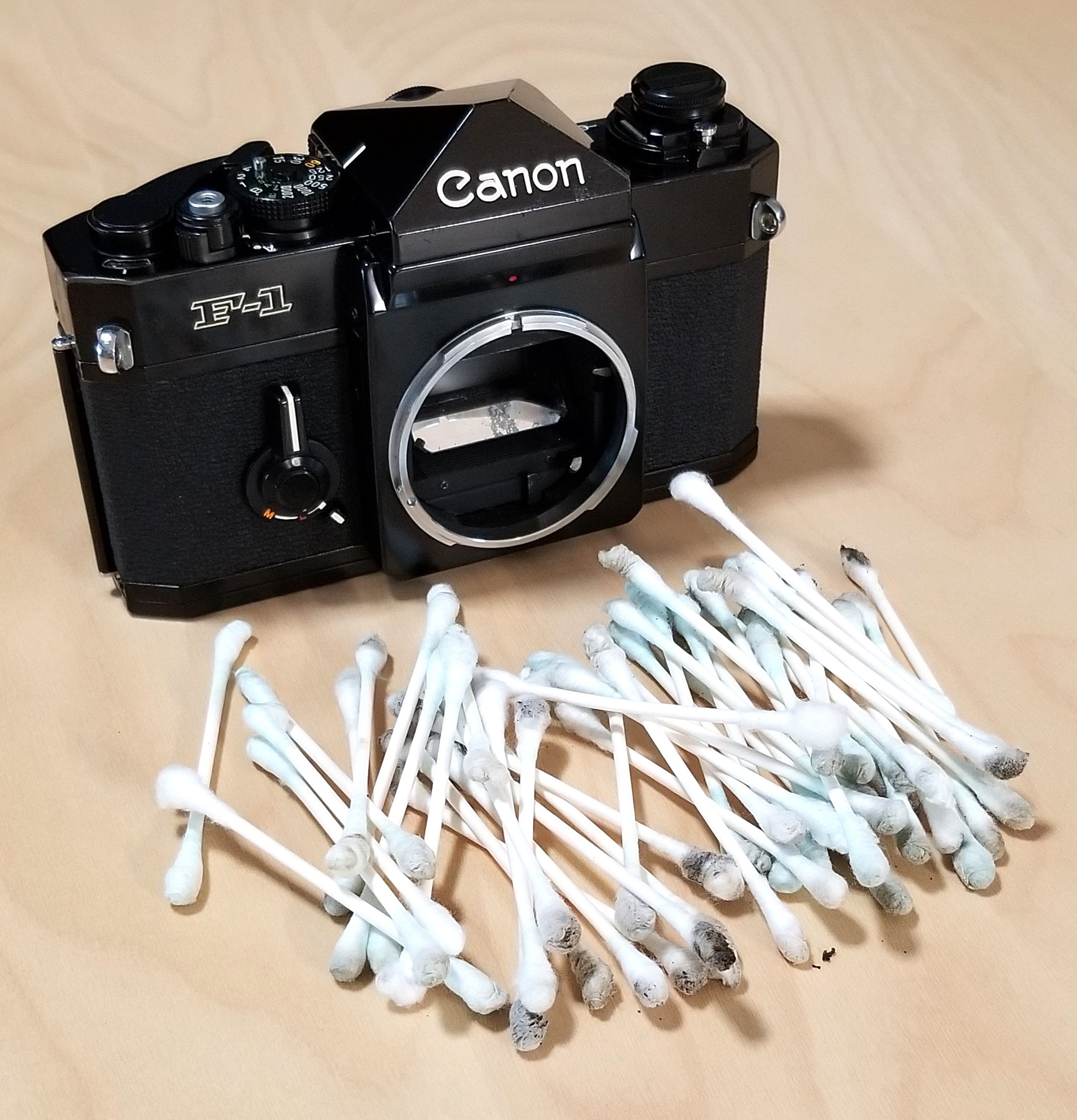
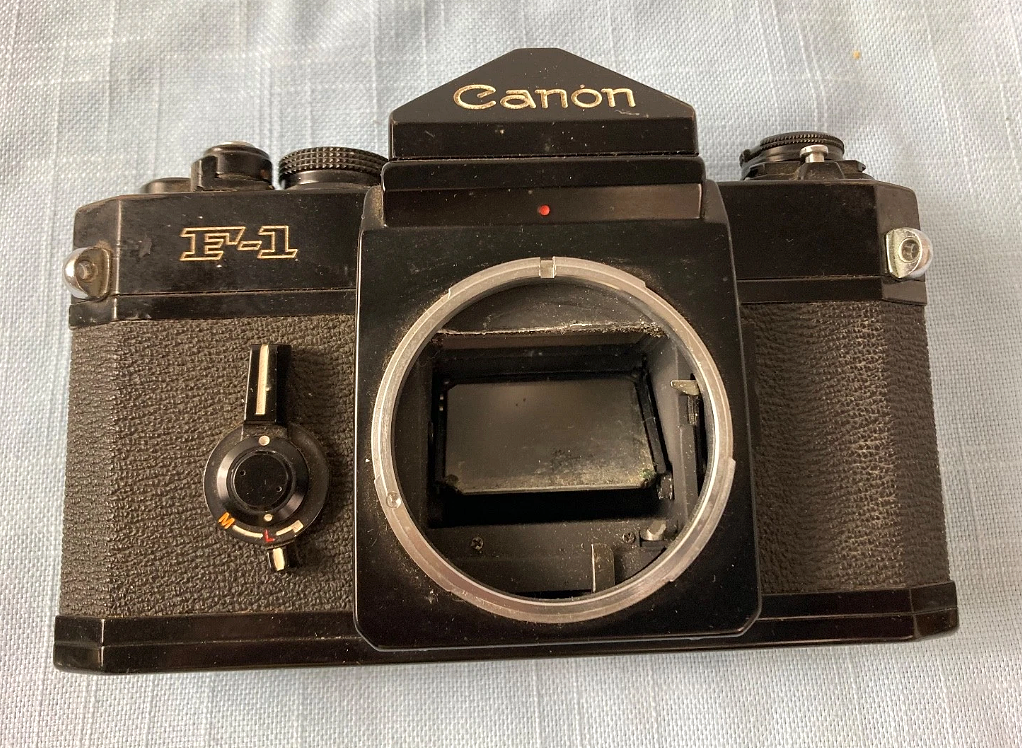
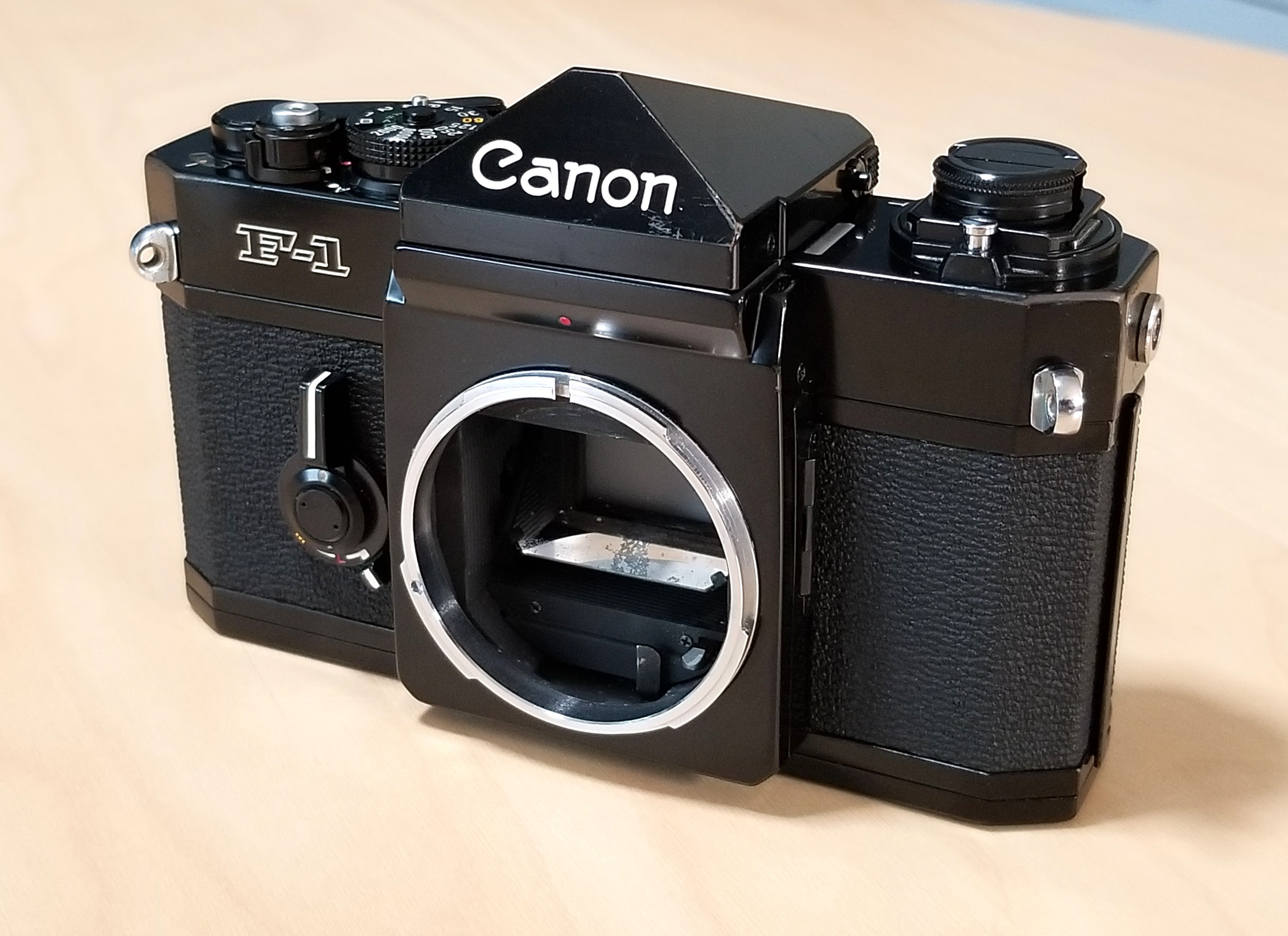
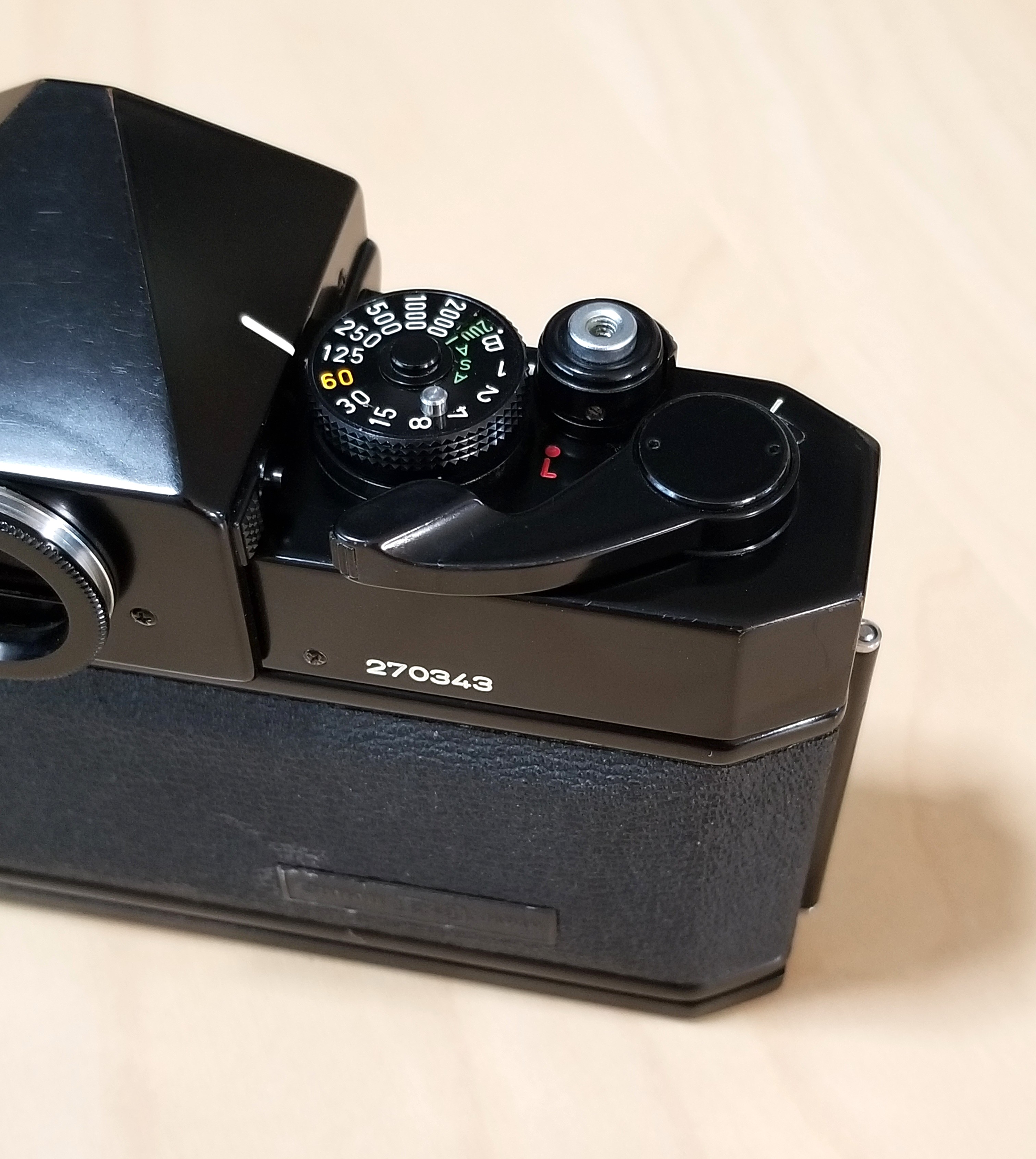
Why I rescue F-1s. I enjoy collecting cameras, but I enjoy bringing a neglected F-1 back to life even more.
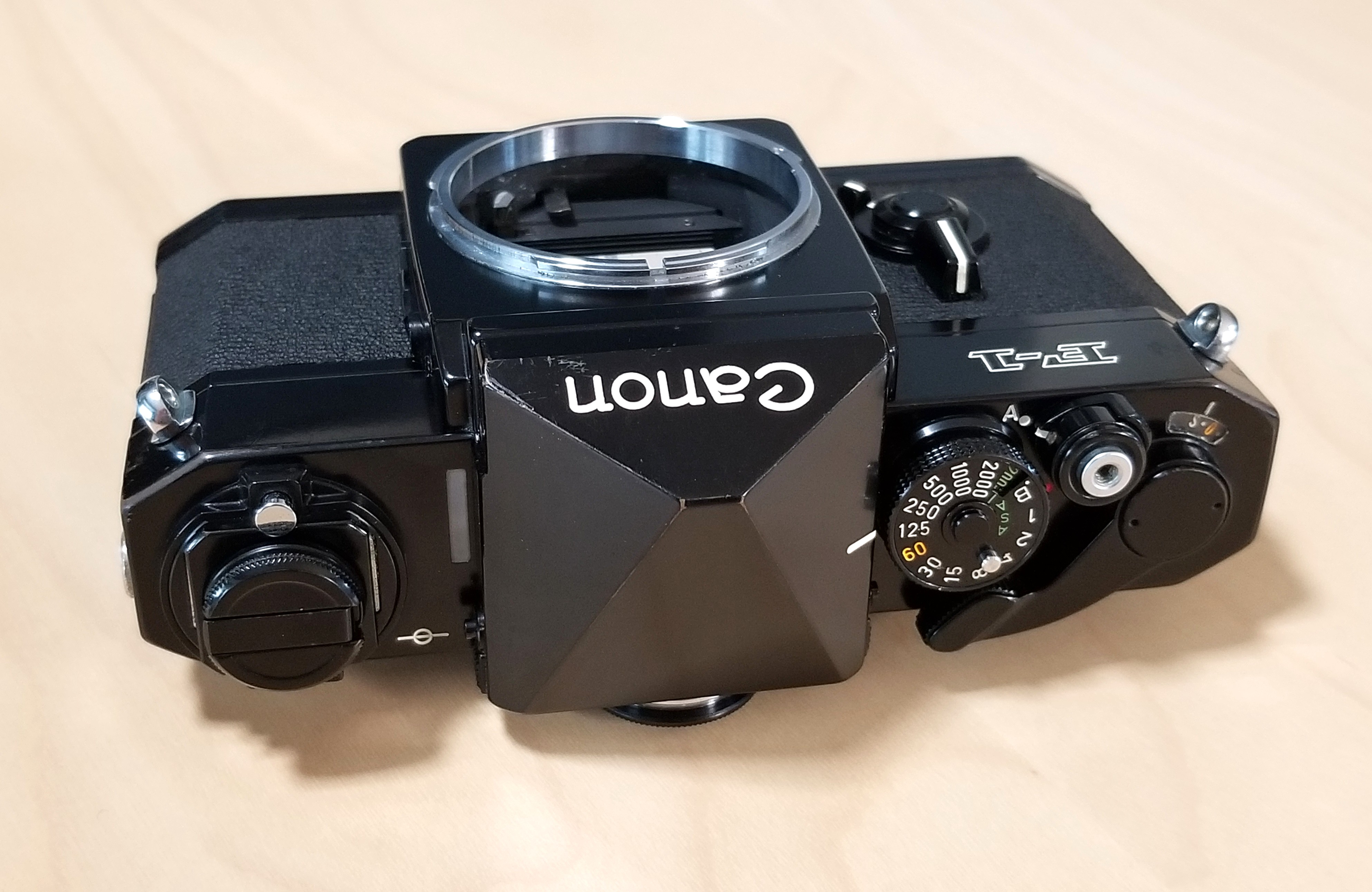
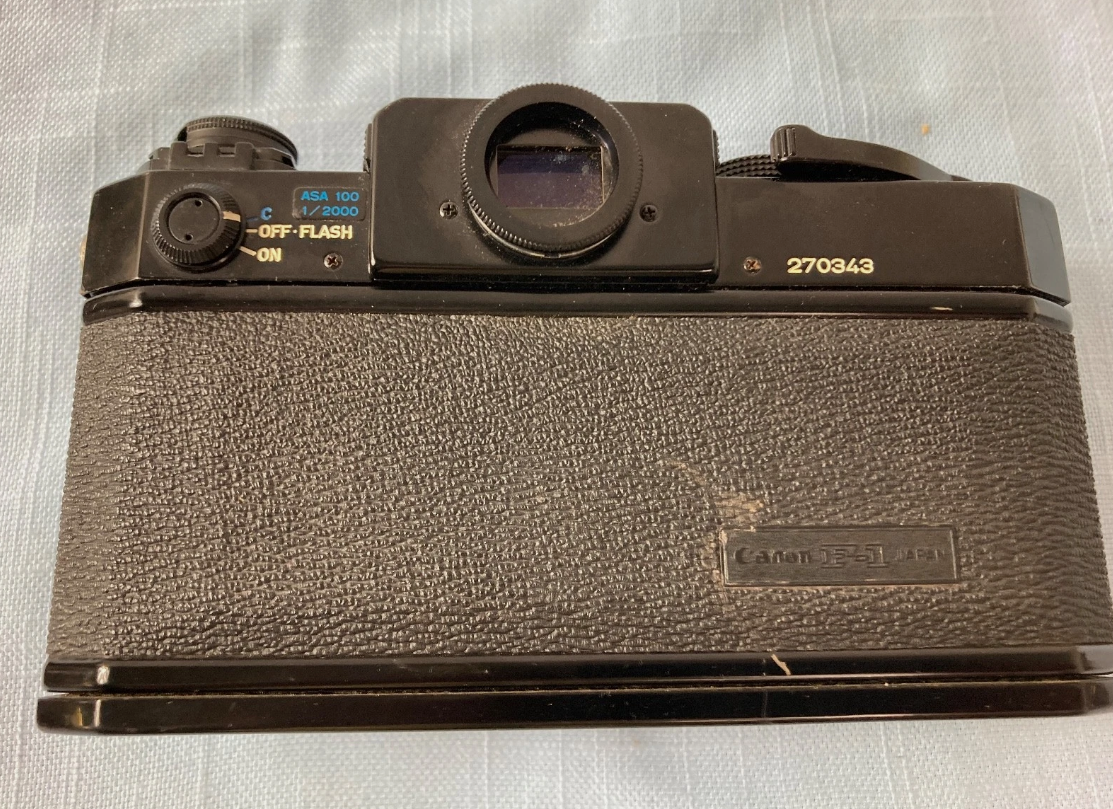
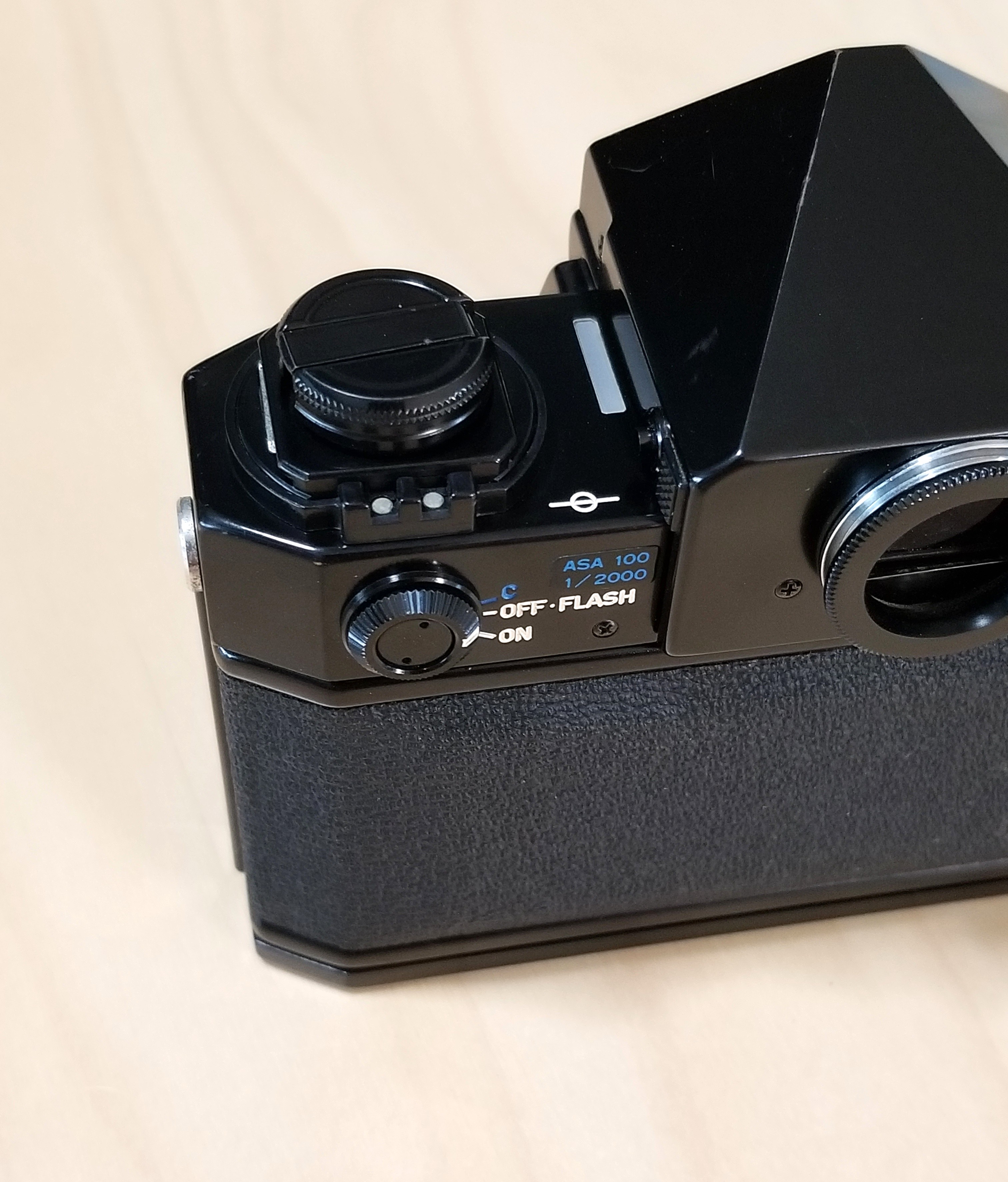
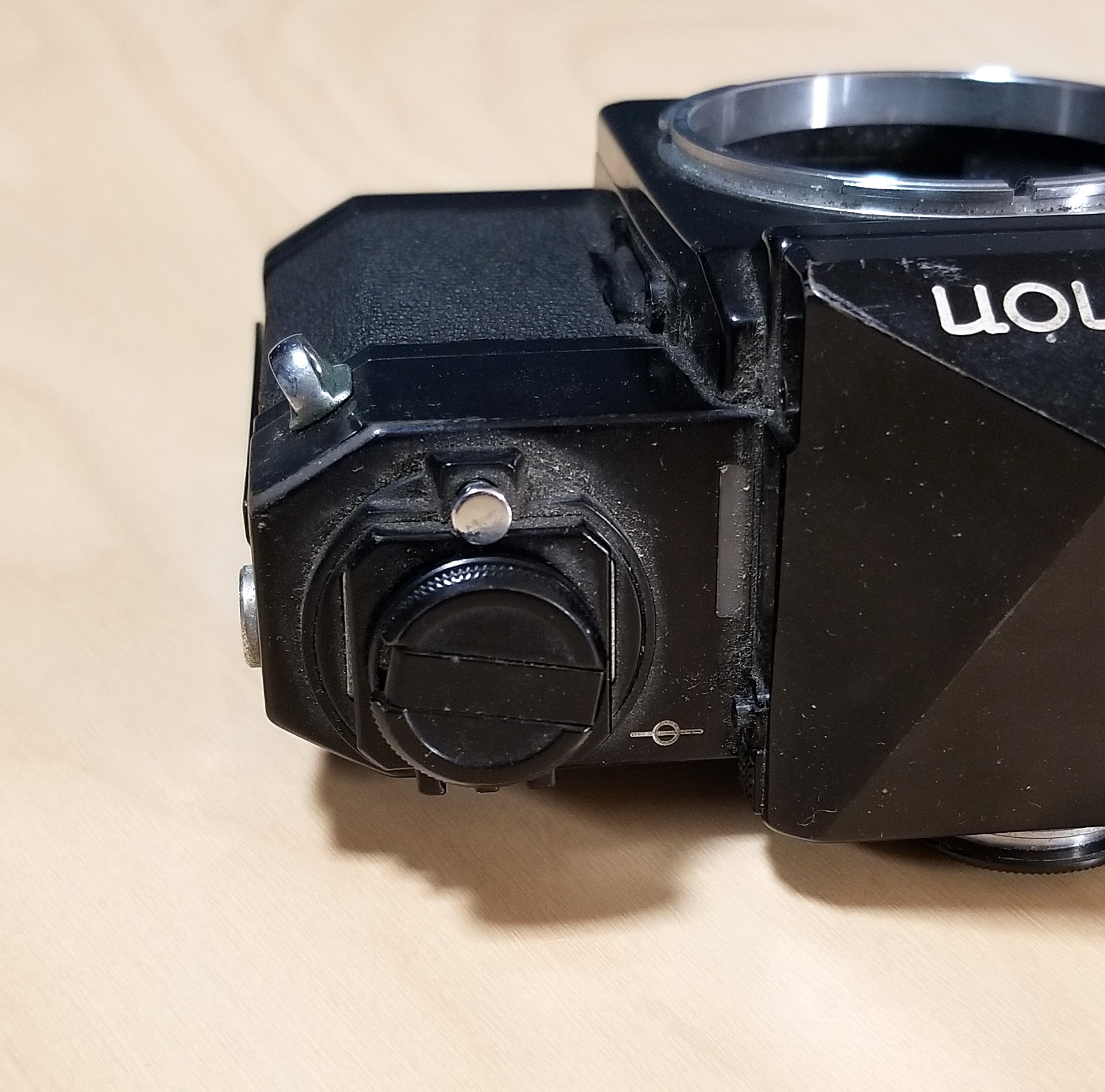
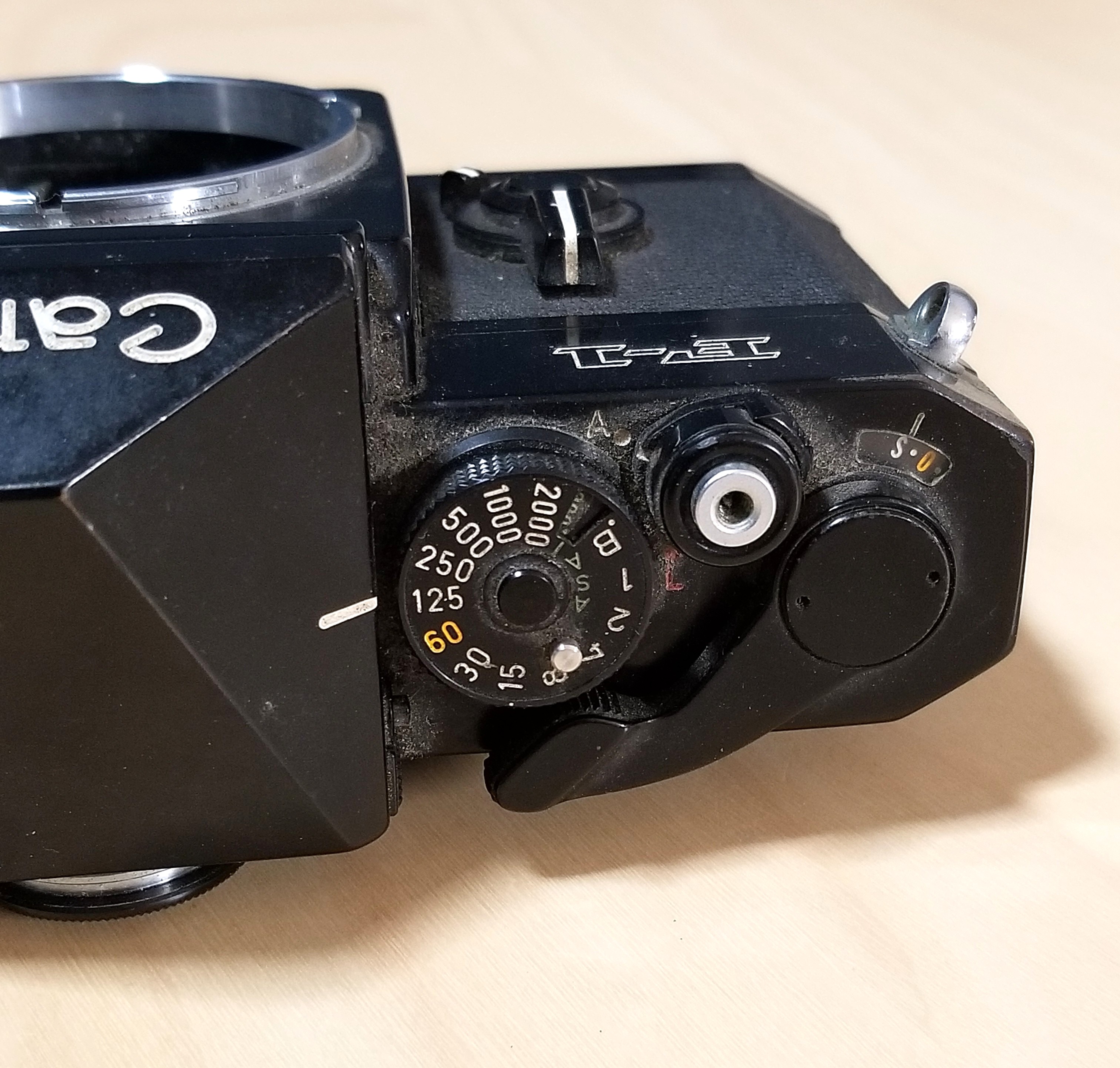
This one is likely a one-owner camera from April 1975. After 51 years, it works like a charm. Is it perfect? No, but it hasn’t been abused. I’ve detailed it, replaced the seals and pads, and it’s ready for the next photographer.
After some quality time spent with some Windex, IPA, and a bunch of Q-tips, as clean as new.The start.Shiny pro-black surfaces.The dirtiest spot is always on the film back.Except for the built-in exposure meter, the original F-1 is a fully mechanical camera (1971-1981).This part was pretty dirty.Mostly dust and dirt but not grimy.This 51 year old camera still has a lot of life left in it.This is an early original F-1 (1971-1976).
Comments are always welcome; I’ve learned a great deal from reader feedback. As always, thanks for stopping by. While there, visit my camera shop at http://www.ccstudio2380.com (CC Design Studios, hosted on Etsy). – Chris Whelan
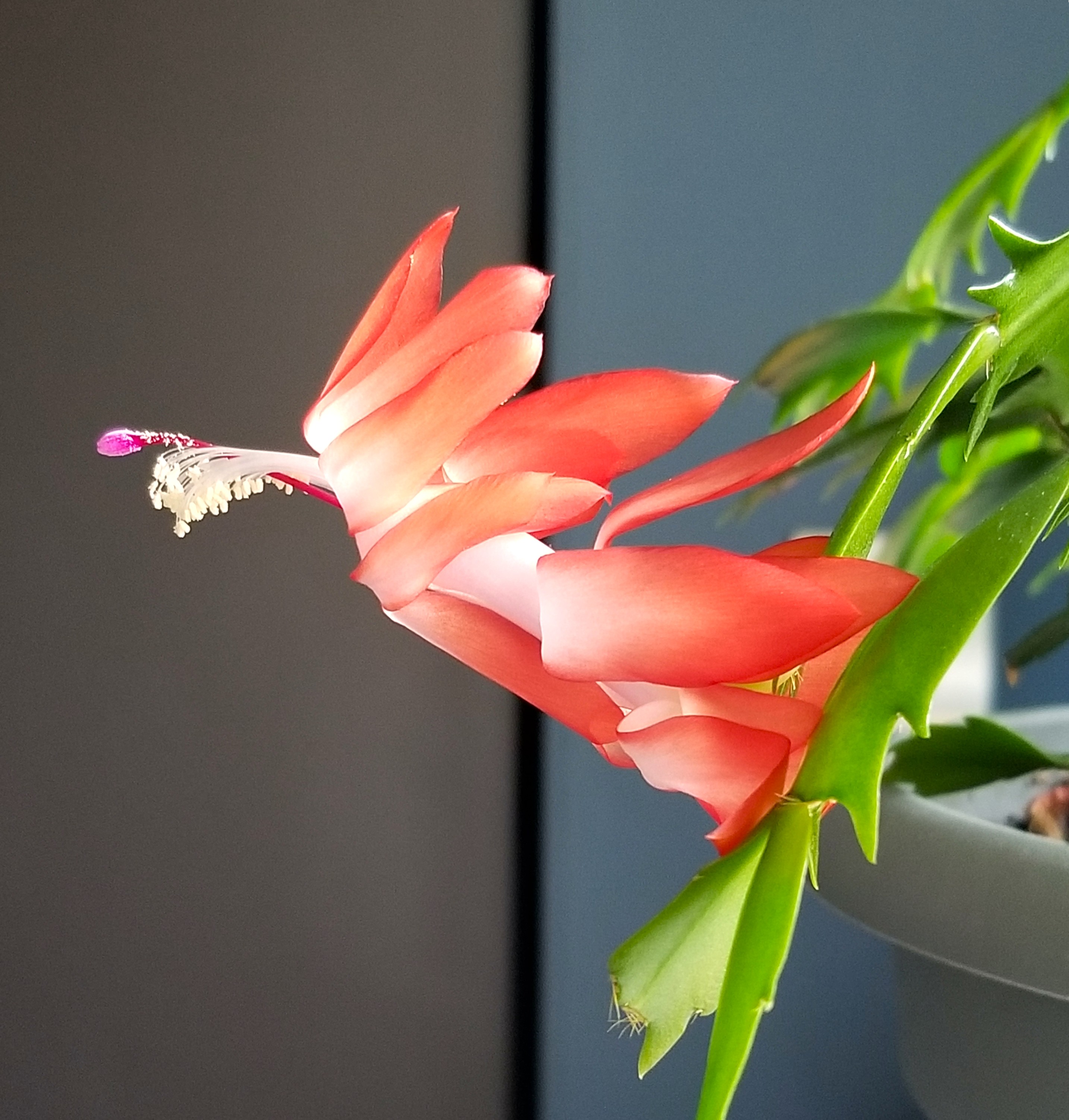
Just a bit early. Our Thanksgiving cactus (yes, it’s different from a Christmas cactus) just blossomed. Last year we had our first blossom in early November. Anyway, with all of our recent rainy days, I thought I’d share a nice flower shot to brighten the day.
Comments are always welcome; I’ve learned a great deal from reader feedback. As always, thanks for stopping by. While there, visit my camera shop at http://www.ccstudio2380.com (CC Design Studios, hosted on Etsy). – Chris Whelan
Comments are always welcome; I’ve learned a great deal from reader feedback. As always, thanks for stopping by. While there, visit my camera shop at http://www.ccstudio2380.com (CC Design Studios, hosted on Etsy). – Chris Whelan
Comments are always welcome; I’ve learned a great deal from reader feedback. As always, thanks for stopping by. While there, visit my camera shop at http://www.ccstudio2380.com (CC Design Studios, hosted on Etsy). – Chris Whelan
Comments are always welcome; I’ve learned a great deal from reader feedback. As always, thanks for stopping by. While there, visit my camera shop at http://www.ccstudio2380.com (CC Design Studios, hosted on Etsy). – Chris Whelan
Comments are always welcome; I’ve learned a great deal from reader feedback. As always, thanks for stopping by. While there, visit my camera shop at http://www.ccstudio2380.com (CC Design Studios, hosted on Etsy). – Chris Whelan
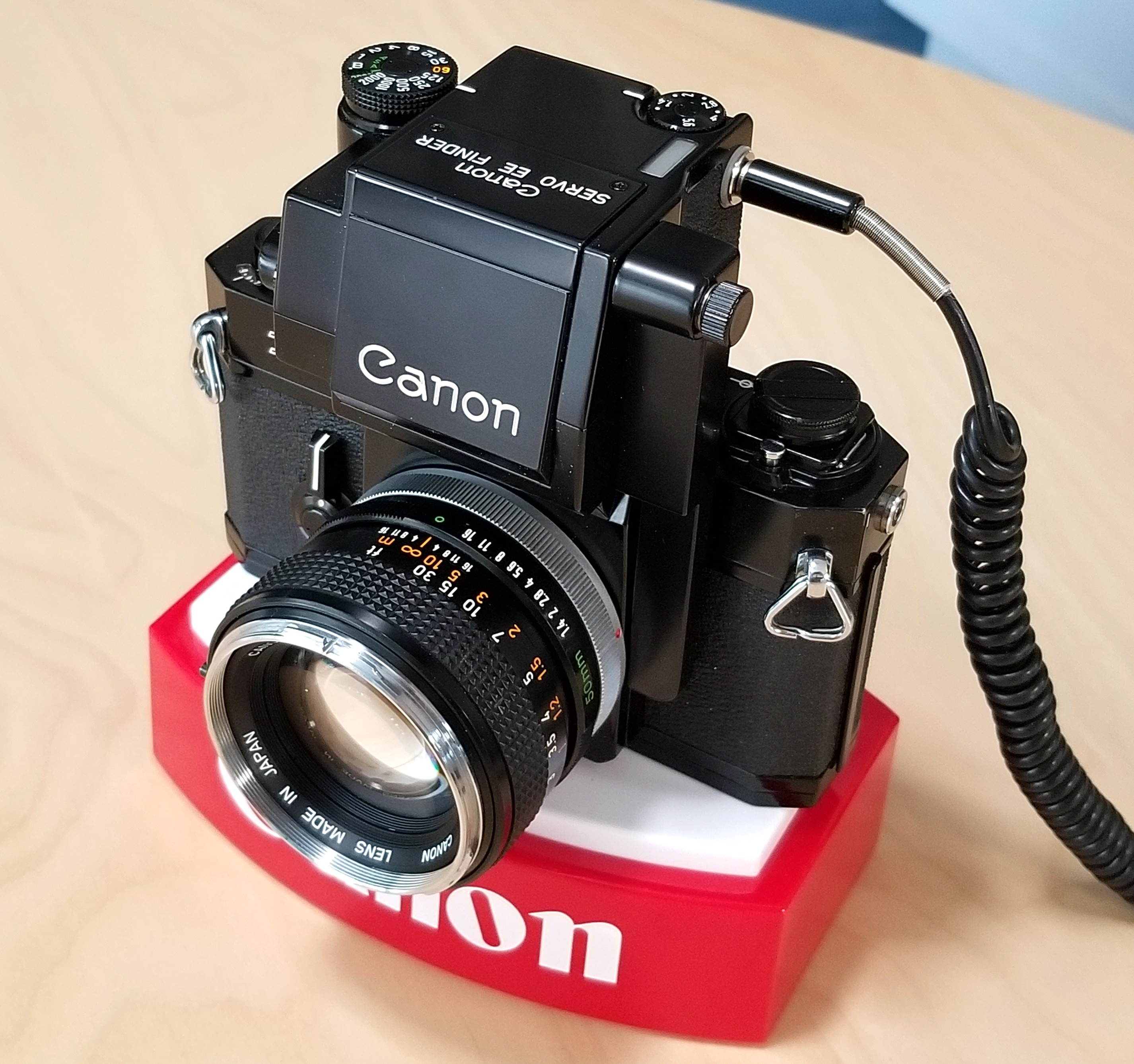
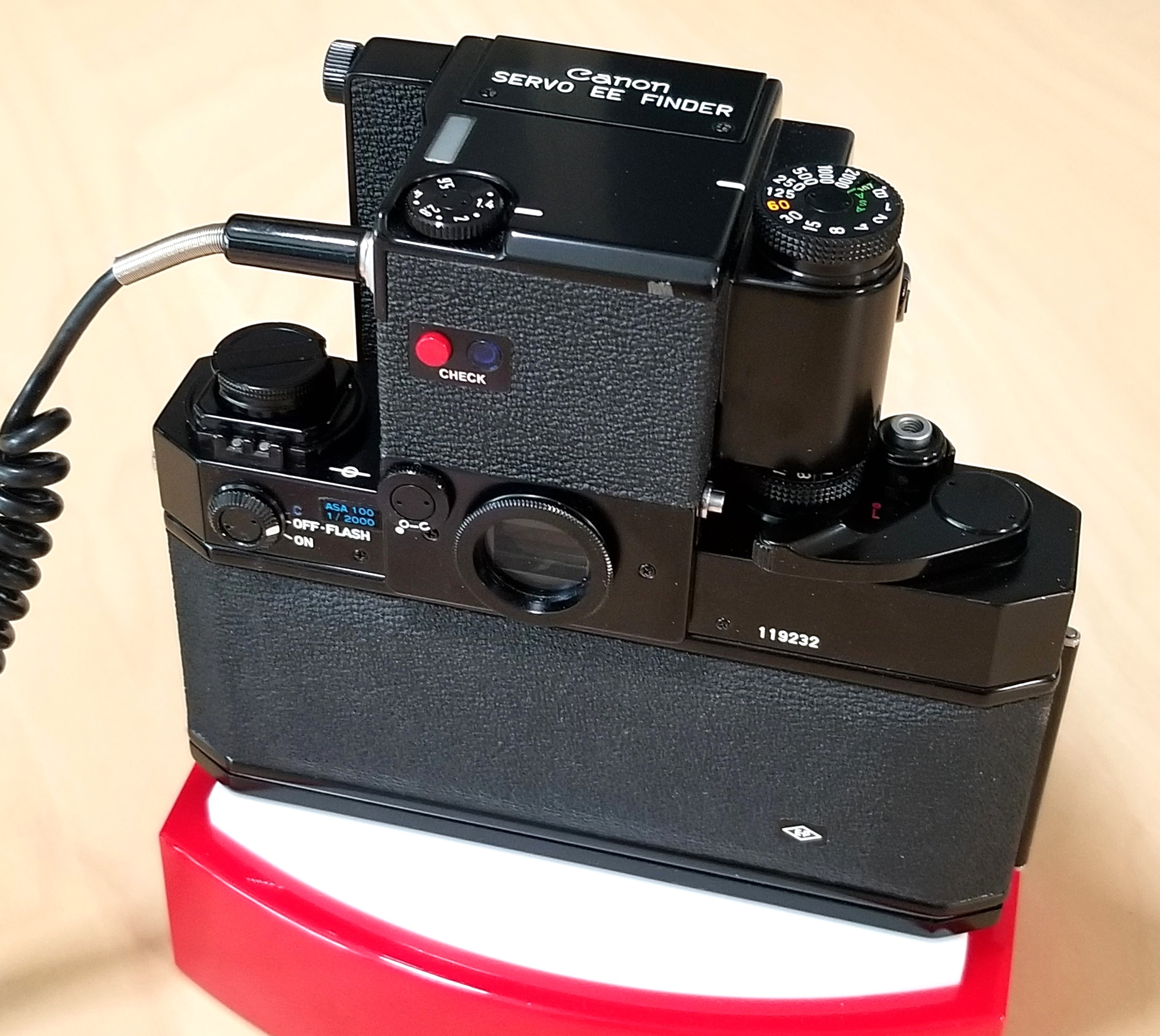
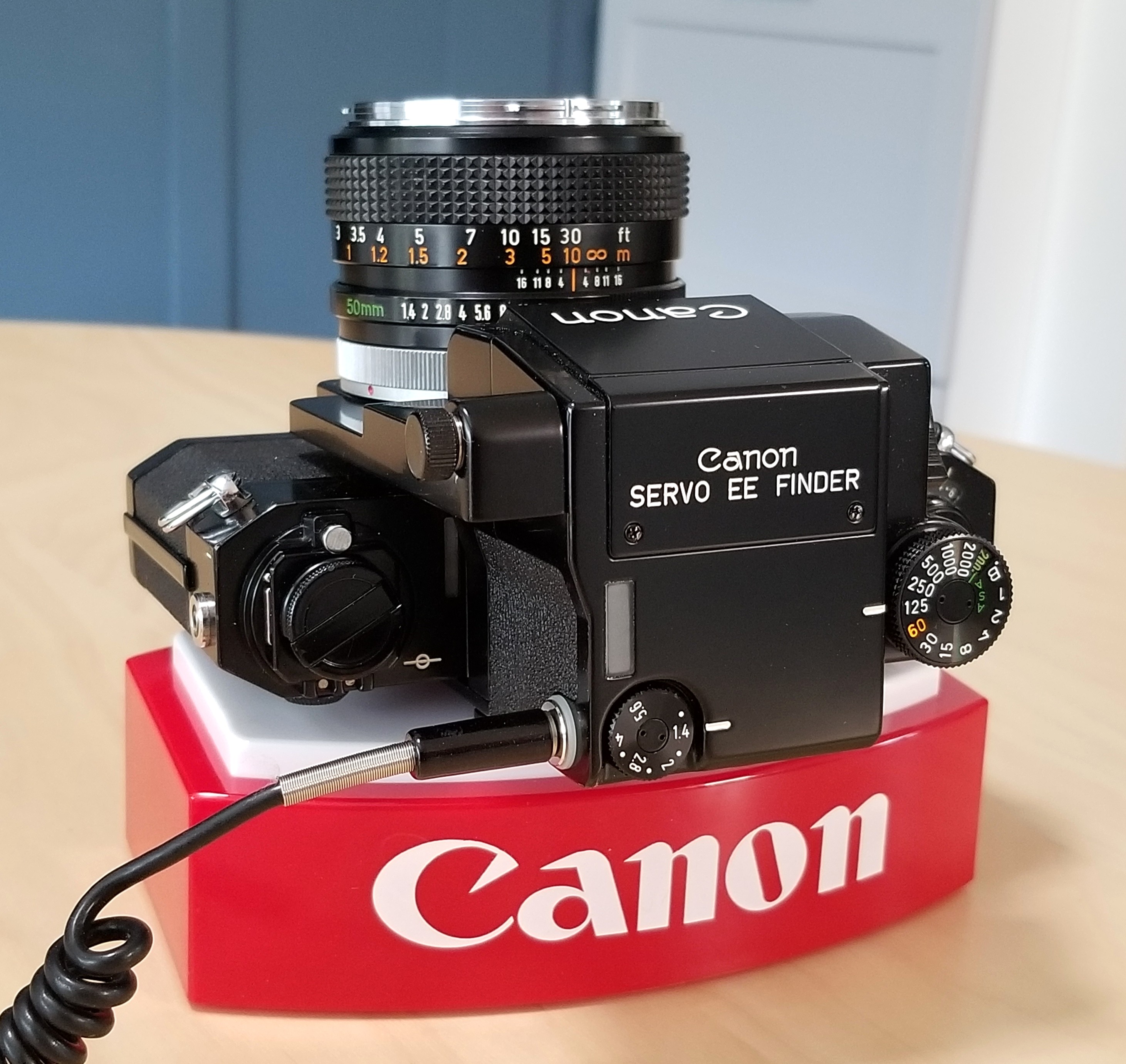
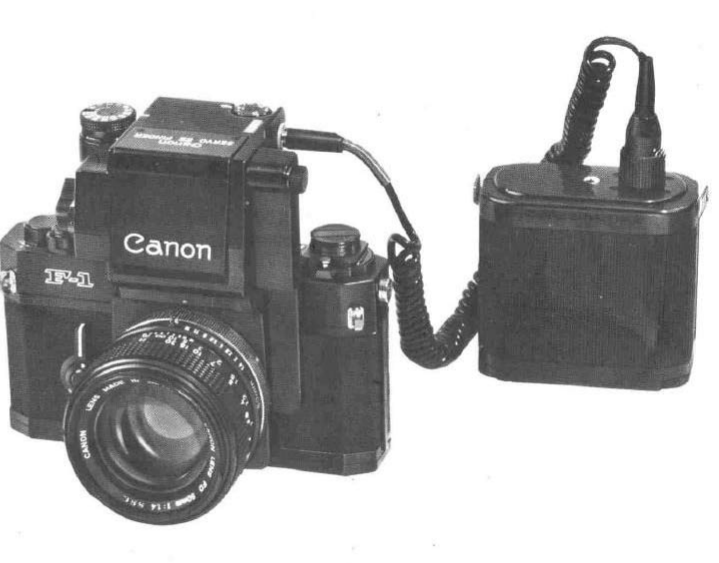
My early (1971) Canon F-1 with a Canon Servo EE Finder and a chrome-nosed Canon FD 50mm f1.4 lens.
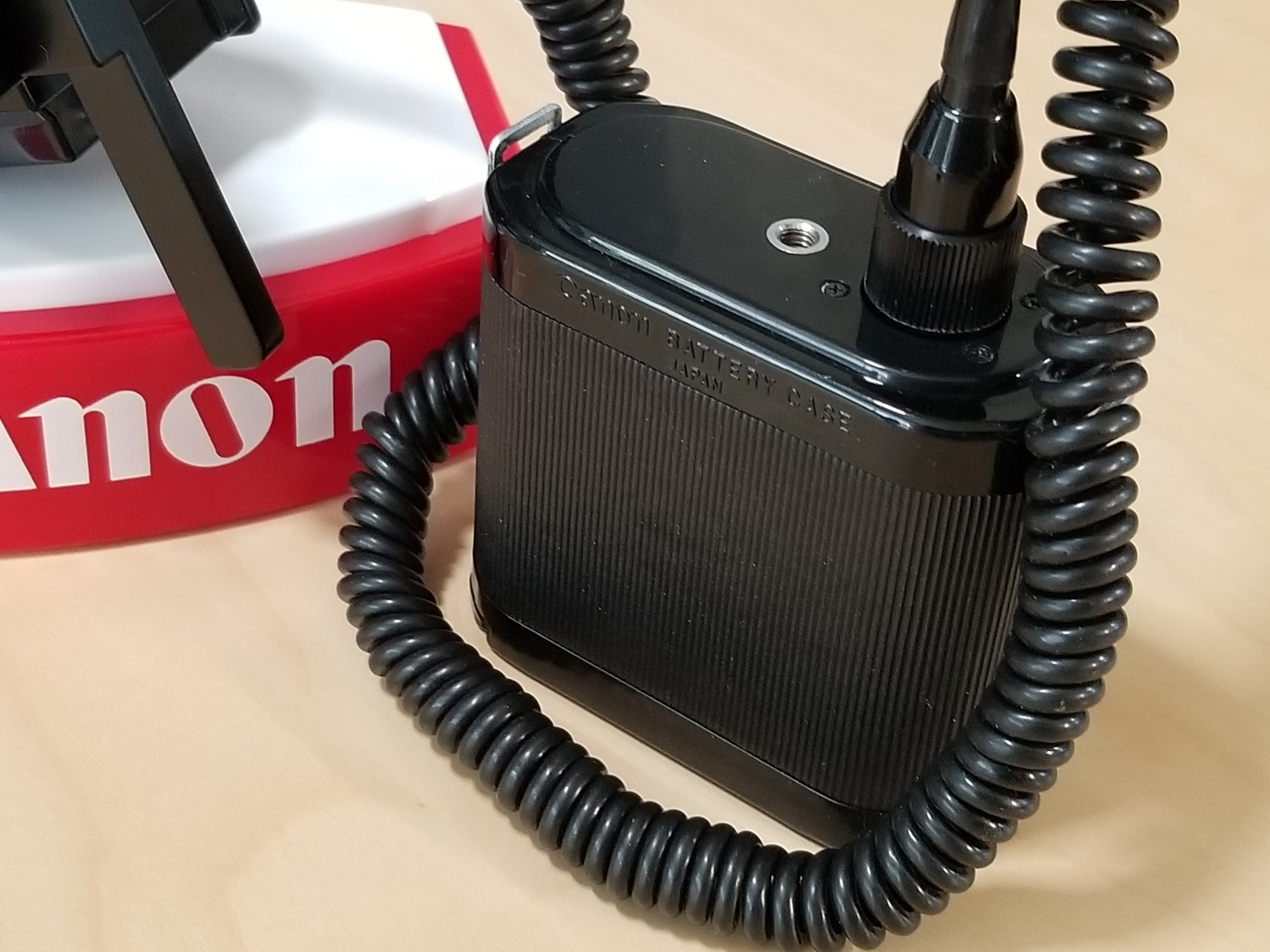
Black beauty.Servo EE Finder.The wired connects with a separate battery case and magazine for power. Not compact by any means.Canon Battery Case holds 10 AA batteries.
Comments are always welcome; I’ve learned a great deal from reader feedback. As always, thanks for stopping by. While there, visit my camera shop at http://www.ccstudio2380.com (CC Design Studios, hosted on Etsy). – Chris Whelan