Yashica made some wonderful movie cameras in the 1950s, 60s and into the 1970s. Many of their designs were ahead of their time with lenses made by famous optical companies including Zunow.
My good friend Paul Sokk from Australia has written a comprehensive piece on Yashica’s earliest designs and can be found at http://www.yashicatlr.com/Yashica8.html
Comments are always welcomed as I’ve learned quite a bit from reader feedback. As always, thanks for stopping by and while you’re at it, feel free to visit my camera shop at http://www.ccstudio2380.com (CC Design Studios hosted by Etsy). – Chris Whelan
Please respect that all content, including photos and text, are the property of this blog and its owner, Yashica Pentamatic Fanatic, Yashica Sailor Boy, Yashica Chris, Chasing Classic Cameras with Chris.
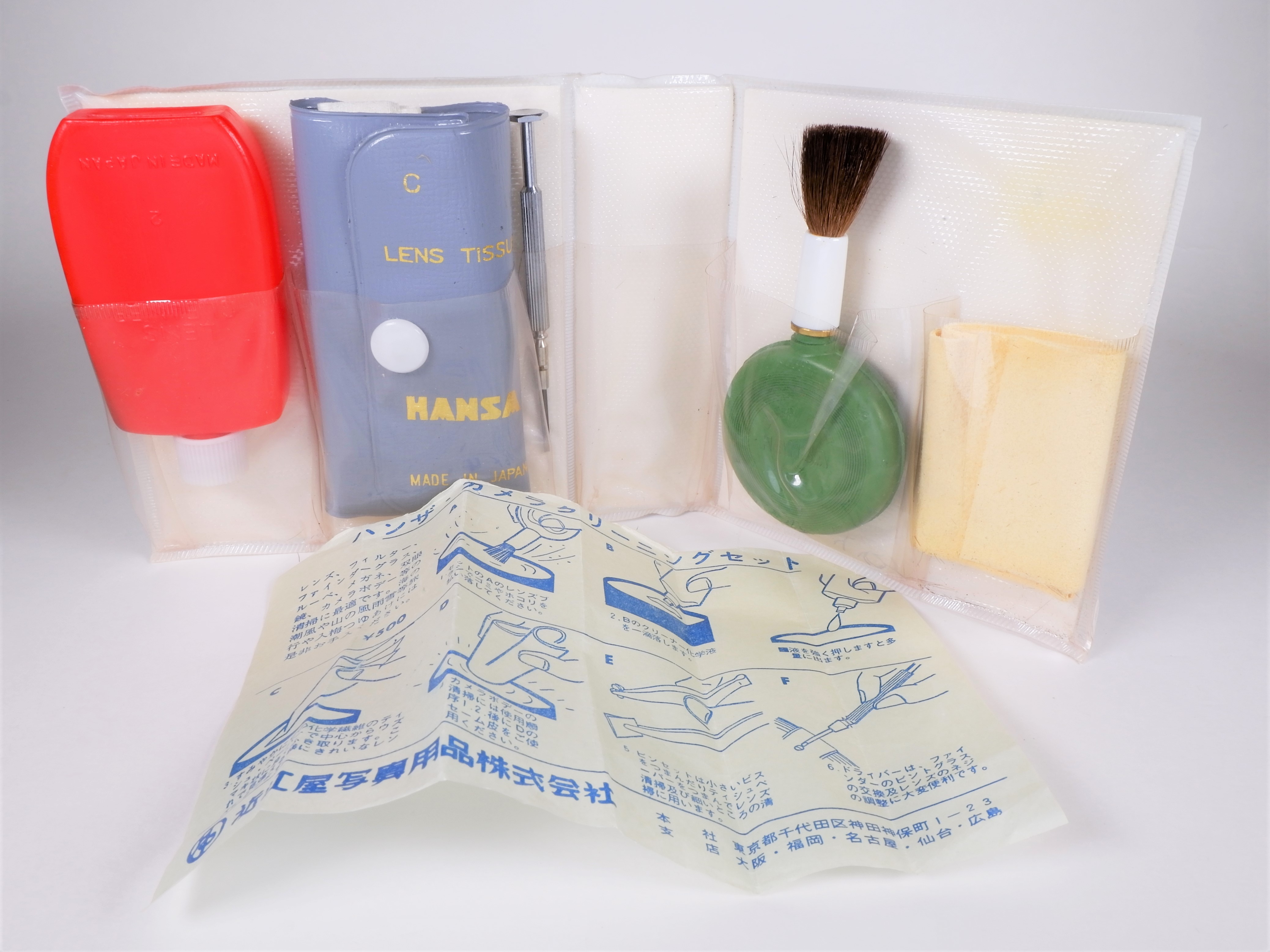
I purchased this neat little set the other day – I just had to have it because well, it’s neat and unique and it’s a bit of photo gear history. Hansa was an important Japanese company that made everything from sophisticated cameras and lenses to silly little cleaning kits and everything in between. I’m not 100% sure they actually made these items or had them made (think Vivitar).
Neat set from at least the mid-1950s. I’ve seen this exact same vinyl, color and texture, on other vinyl accessories cases from this same period. I have a flash unit that’s exactly the same but it wasn’t made by Hansa.Awesome rice paper instruction sheet shows you how to use the items in the set. The only piece I’m missing is a pair of tweezers. The green blower brush is no longer flexible as the rubber has become brittle with age.Everything tucks away nicely in this little case and it fits nicely inside of your camera bag. I’ve had this piece on display with some of my 1950s cameras.
Of course the most famous Hansa item is the very first Canon camera that’s marked Hansa Canon.
The tribute Hansa Canon camera from 2012 (75th anniversary edition.Actual Hansa Canon camera from the 1930s (not mine).
Thank you for stopping by and have an awesome (and safe) day!
Comments are always welcomed as I’ve learned quite a bit from reader feedback. As always, thanks for stopping by and while you’re at it, feel free to visit my camera shop at http://www.ccstudio2380.com (CC Design Studios hosted by Etsy). – Chris Whelan
Please respect that all content, including photos and text, are the property of this blog and its owner, Yashica Pentamatic Fanatic, Yashica Sailor Boy, Yashica Chris, Chasing Classic Cameras with Chris.
I “found” this wonderful little filter the other day and as of yet haven’t figured out which lens it was designed to fit. I believe it is pre-war or maybe not but it’s diameter is only 33mm (give or take a millimeter). I was hoping it would fit my Meyer Gorlitz Helioplan f4.5 40mm lens but no such luck.
ATM my best guess is that it was made to fit the Ihagee Anastigmatic Exaktar f3.5 55mm lens but I don’t have that lens and I don’t know the filter size. If someone out there knows I would greatly appreciate knowing a bit more about my filter and the Exaktar lens.
The “push-on” side.The “screw-on” side.It’s very well made and it looks as though the filter glass is interchangeable. It looks like the case is made of Bakelite and the inner cork lining is clean and intact. I get the feeling this filter was hardly ever used.The glass is optically perfect.
Ihagee is best known for making one of the first 35mm SLR cameras in the world back in the 1930s and post-war made a well respected line of 35mm cameras under the Exakta brand.
The Ihagee Exakta Varex (1950) pictured with its pop-up viewfinder in the open position. There was an eye-level pentaprism that was available too making this camera a true interchangeable lens SLR.
Thanks for stopping by!
Comments are always welcomed as I’ve learned quite a bit from reader feedback. As always, thanks for stopping by and while you’re at it, feel free to visit my camera shop at http://www.ccstudio2380.com (CC Design Studios hosted by Etsy). – Chris Whelan
Please respect that all content, including photos and text, are the property of this blog and its owner, Yashica Pentamatic Fanatic, Yashica Sailor Boy, Yashica Chris, Chasing Classic Cameras with Chris.
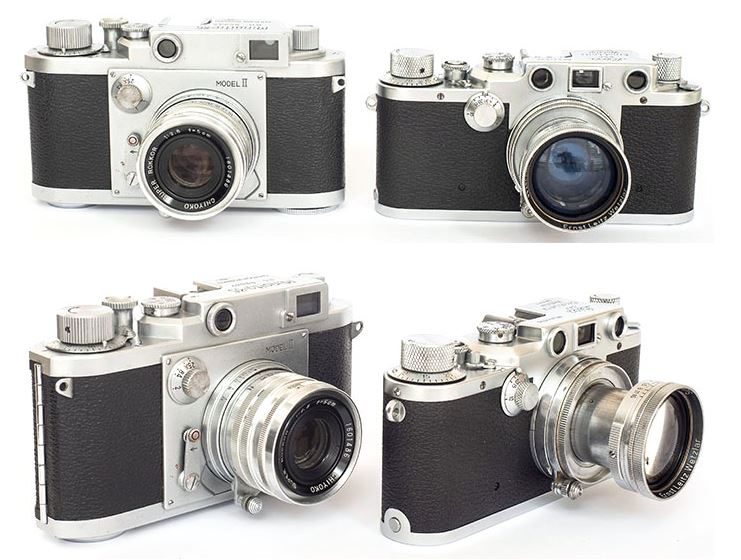
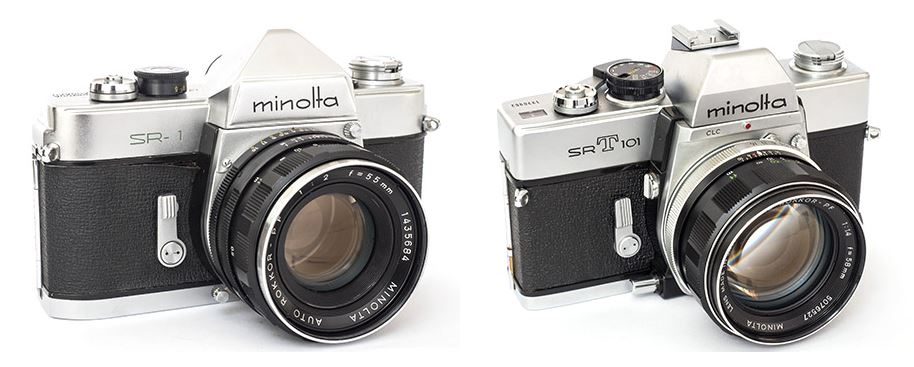
I know that the camera brand Minolta conjures up many different images depending on which decade you experienced your first encounter with this popular brand. My good friend and fellow Yashica collector (sorry, we’re researchers) Paul Sokk from Australia has written one of the most comprehensive articles you’ll ever read about the early days of Minolta. I highly recommend you pop on over and give his latest post a good read. While you’re at it, be sure to check out his articles about Yashica, Nicca, and Leotax. Paul’s latest can be enjoyed at http://www.yashicatlr.com/Minolta35.html
Just a small sample from Paul’s site. Thanks for stopping by and have a great evening!
Comments are always welcomed as I’ve learned quite a bit from reader feedback. As always, thanks for stopping by and while you’re at it, feel free to visit my camera shop at http://www.ccstudio2380.com (CC Design Studios hosted by Etsy). – Chris Whelan
Please respect that all content, including photos and text, are the property of this blog and its owner, Yashica Pentamatic Fanatic, Yashica Sailor Boy, Yashica Chris, Chasing Classic Cameras with Chris.
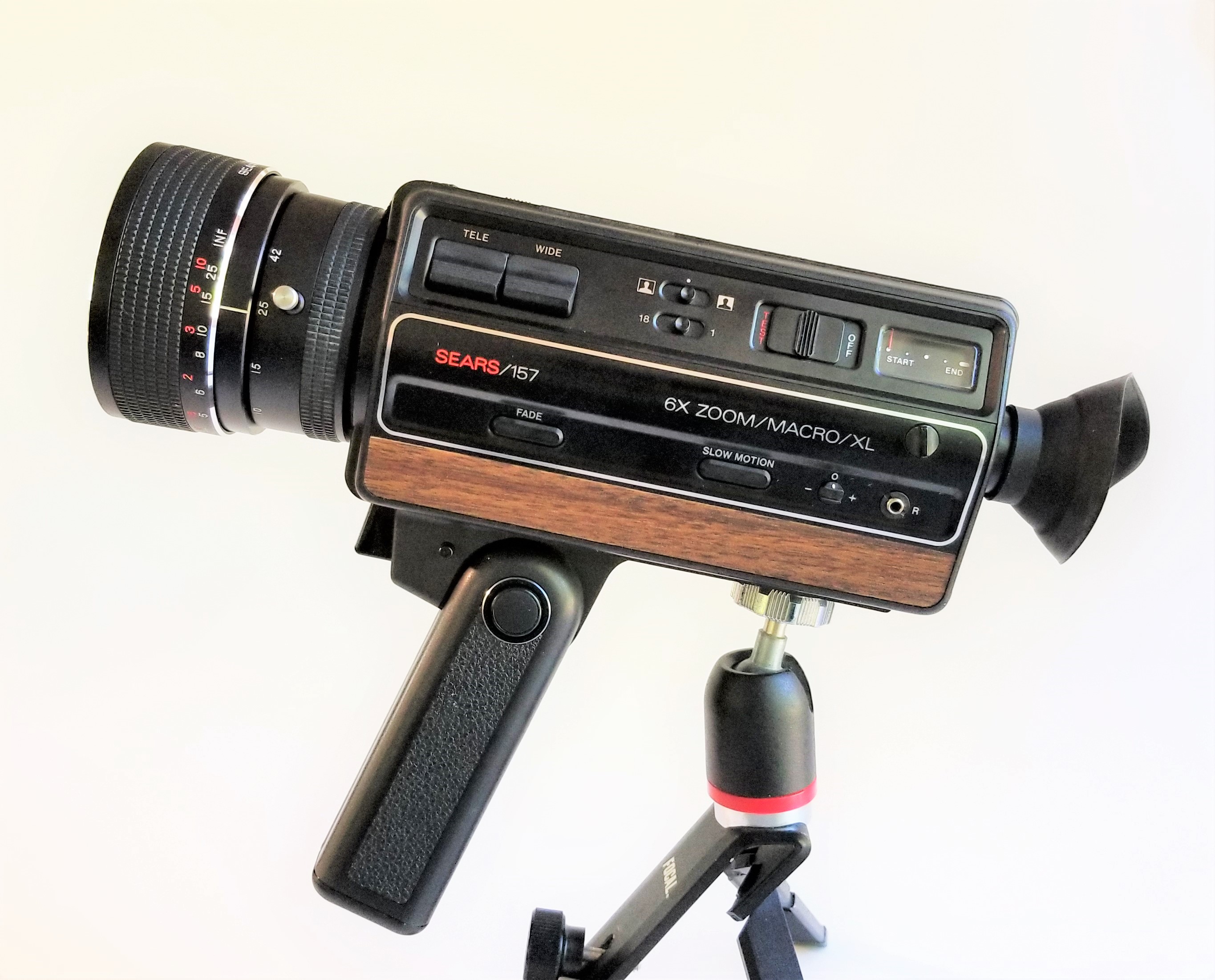
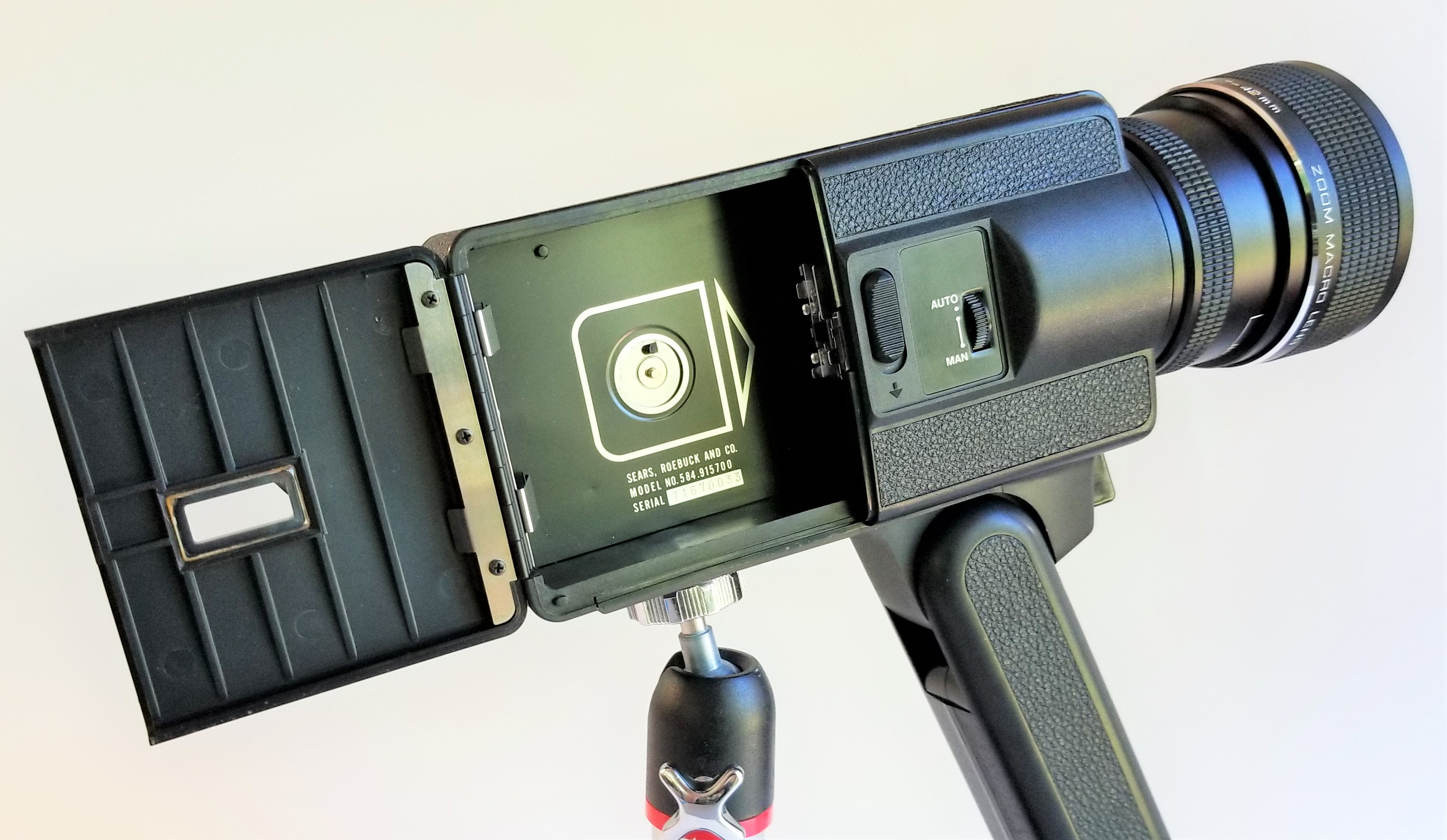
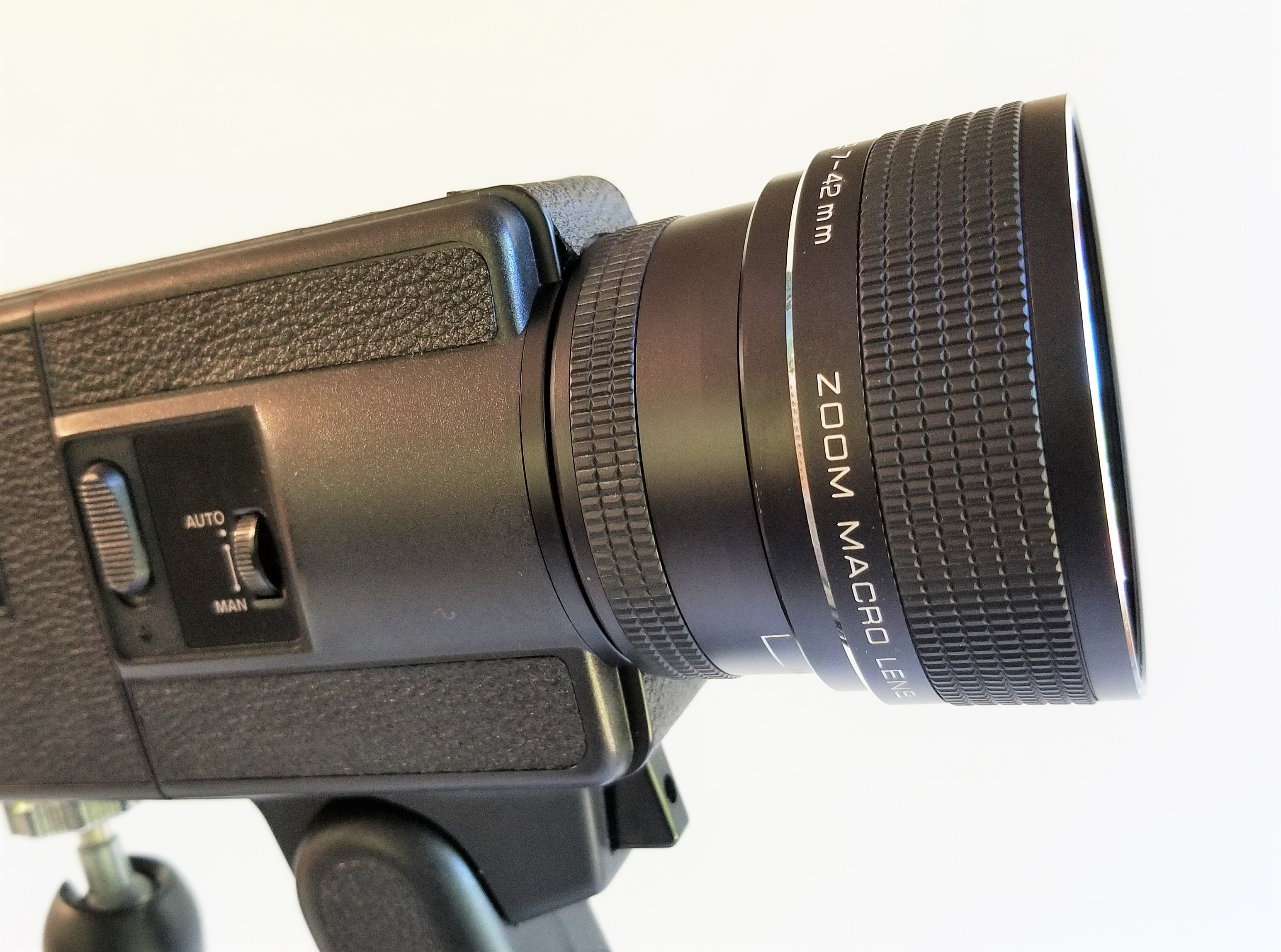
Why would you put fake woodgrain on a camera? Too funny but so 70s.Takes Super 8 silent movie film cartridges.It has a pretty good lens and features automatic exposure control with its TTL reflex design.
Made in Japan by Bell & Howell (B&H Model 2146 XL).
Thanks for stopping by and have a great day (no better yet, awesome day!)
Comments are always welcomed as I’ve learned quite a bit from reader feedback. As always, thanks for stopping by and while you’re at it, feel free to visit my camera shop at http://www.ccstudio2380.com (CC Design Studios hosted by Etsy). – Chris Whelan
Please respect that all content, including photos and text, are the property of this blog and its owner, Yashica Pentamatic Fanatic, Yashica Sailor Boy, Yashica Chris, Chasing Classic Cameras with Chris.
The Argus C3 was produced with very little variations or upgrades between 1939 and 1966 with reportedly over two million sold. This one is the Color-Matic model and based on its serial number was likely made in 1955. Since its a basic 35mm film camera with no built-in light meter or electronic exposure control it requires no batteries to operate. With proper care and storage there’s little to go wrong or fail. The camera is affectionally known as “The Brick” due to its weight and lack of any ergonomic design. It features interchangeable lenses – here it’s fitted with a 50mm f3.5 Argus Coated Cintar lens.
I acquired this camera from the estate of a retired US Army Colonel along with some very nice early 1950s East German made lenses. This was the first camera the colonel purchased upon the completion of his assignment in West Germany. The Argus was proudly made in the US.
Here it’s pictured with an Argus flash designed specifically for use with the C3 (takes 2 C cell batteries).
Thanks for stopping by and have a great day!
Comments are always welcomed as I’ve learned quite a bit from reader feedback. As always, thanks for stopping by and while you’re at it, feel free to visit my camera shop at http://www.ccstudio2380.com (CC Design Studios hosted by Etsy). – Chris Whelan
Please respect that all content, including photos and text, are the property of this blog and its owner, Yashica Pentamatic Fanatic, Yashica Sailor Boy, Yashica Chris, Chasing Classic Cameras with Chris.
Comments are always welcomed as I’ve learned quite a bit from reader feedback. As always, thanks for stopping by and while you’re at it, feel free to visit my camera shop at http://www.ccstudio2380.com (CC Design Studios hosted by Etsy). – Chris Whelan
Please respect that all content, including photos and text, are the property of this blog and its owner, Yashica Pentamatic Fanatic, Yashica Sailor Boy, Yashica Chris, Chasing Classic Cameras with Chris.
I’ve had the good fortune to acquire this lovely camera and lens from a neighbor who gifted it to me. The camera was purchased new in West Germany in the early 1950s (the exact date is unknown) by her father, US Army Colonel Marshal C. Winton (Ret.).
The Varex was the model sold outside the United States between 1950 and 1951. In the US the model is known as the Exakta V. The Varex and for that matter the V are not common cameras today and are quite difficult to find on the many online auction and selling sites. The follow on models made by Exakta are quite common and are easy to find online and I’m sure locally in thrift shops and at swap meets.
If you’re interested in exploring the Exakta line of cameras you’ll find an array of uniquely styled cameras. Exakta did not manufacture their own lenses so you’ll find a variety of German made lenses available in the Exakta bayonet mount (early Topcon cameras were made with this mount). Zeiss, Schacht, Schneider, and Kilfit to name just a few. If you’re interested to dive deeper may I suggest you pop on over to https://www.wrotniak.net/photo/exakta/lenses.html
The lens on my Varex is the rather rare Meyer Gorlitz (sometimes Goerlitz) Primoplan f/1.9 58mm. This lens was first released in 1952. Shown here with the waist level finder in the open position ready for picture taking. The finder is removable and can be replaced with an eye-level pentaprism finder.
If I may ask for help, I’m having a great deal of difficulty finding an owner’s manual or instruction book for the Varex model either in German or English. Even the Exakta V instructions will do in a pinch. Consistent with the short production run of this model almost anything associated with it is hard to chase down. Please contact me if you have or know of someone who has the instruction book. Thank you!
To the left is the high-speed dial with shutter speeds up to 1/1000th second and on the right is the slow-speed dial with timed exposures up to 12 seconds.Pictured here with its waist level finder closed.
Comments are always welcomed as I’ve learned quite a bit from reader feedback. As always, thanks for stopping by and while you’re at it, feel free to visit my camera shop at http://www.ccstudio2380.com (CC Design Studios hosted by Etsy). – Chris Whelan
Please respect that all content, including photos and text, are the property of this blog and its owner, Yashica Pentamatic Fanatic, Yashica Sailor Boy, Yashica Chris, Chasing Classic Cameras with Chris.
*Sold actually before I really got a chance to bond with it.
After chasing after a really nice Asahi Pentax 6×7 set I found myself in a familiar place. I had collected bit by bit a nice set in mint condition only to discover I was too hesitant to actually use it. So I sold it for way less than I should have and went with a Fujica GW690 with less features and a few more road miles on it. Turns out it was the right thing to do as I enjoy shooting these larger medium-format cameras as the quality of the images are simply awesome. My advice? The AP and Pentax 6×7 are awesome cameras packed with tons of features but if you just want to go big then check out the Fujica.
Fixed lens, no meter, just lots of detail packed into this beast.A size comparison between a typical 35mm SLR and the Fujica 6×9.Fernandina Beach (Amelia Island) post office on Fujifilm Acros 100. I couldn’t ask for any more detail and clarity.
Thanks for stopping by and have an awesome day!
Comments are always welcomed as I’ve learned quite a bit from reader feedback. As always, thanks for stopping by and while you’re at it, feel free to visit my camera shop at http://www.ccstudio2380.com (CC Design Studios hosted by Etsy). – Chris Whelan
Please respect that all content, including photos and text, are the property of this blog and its owner, Yashica Pentamatic Fanatic, Yashica Sailor Boy, Yashica Chris, Chasing Classic Cameras with Chris.
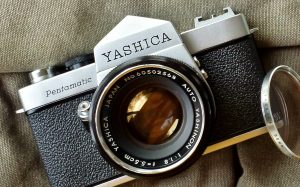
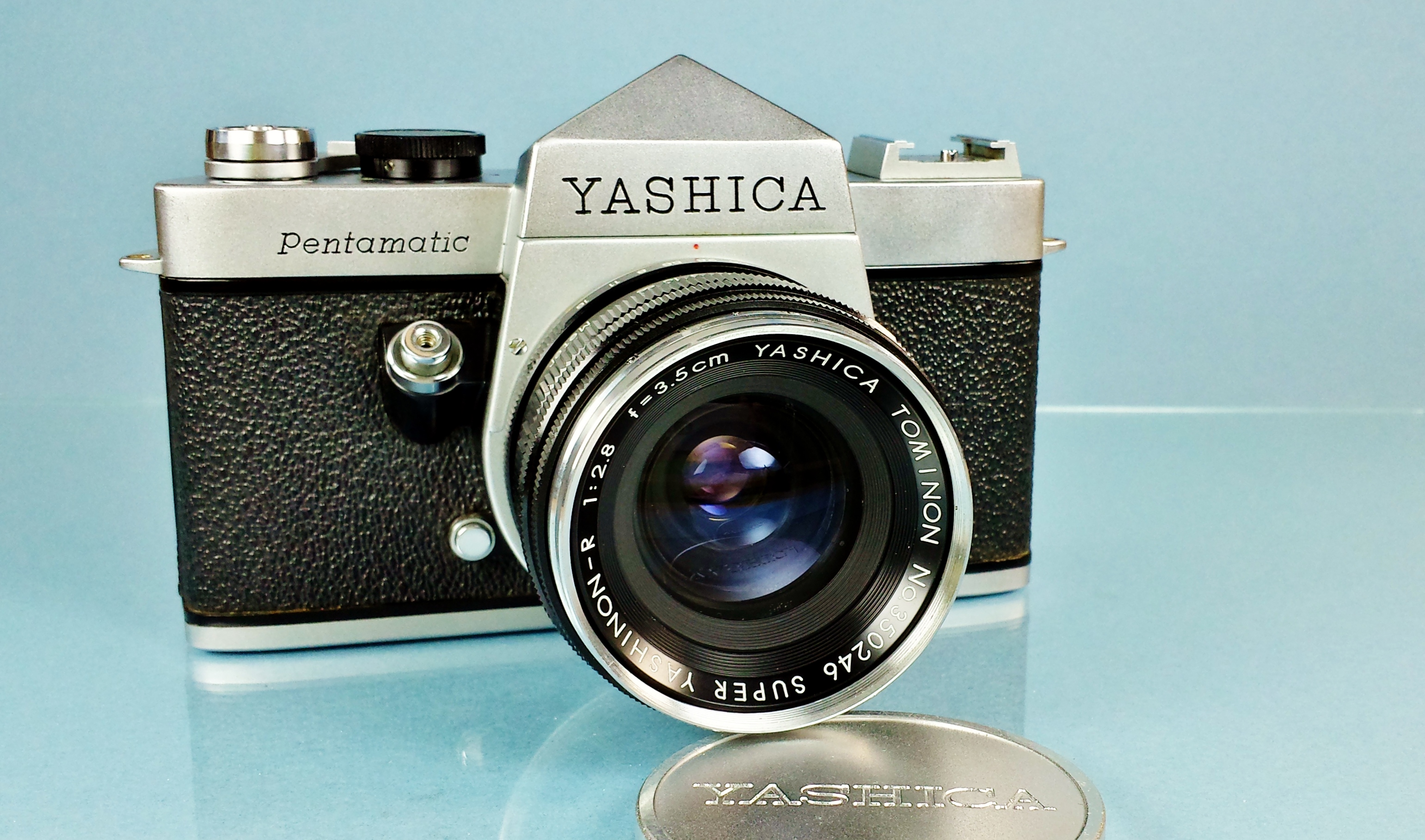
Yashica’s first ever 35mm SLR. Designed with the help from Nicca, the first Pentamatics were produced in late 1959 and made their debut in the US by the Spring of 1960. Tomioka Optical made a majority of the lenses that were used on all three models of the camera – Pentamatic ’35’, Pentamatic II, and the Pentamatic S. My good friend Paul Sokk has written an excellent piece about the development of this important camera for Yashica. Paul’s site can be found at http://www.yashicatlr.com/Pentamatic.html
Thanks for stopping by and have a happy and safe day!
Comments are always welcomed as I’ve learned quite a bit from reader feedback. As always, thanks for stopping by and while you’re at it, feel free to visit my camera shop at http://www.ccstudio2380.com (CC Design Studios hosted by Etsy). – Chris Whelan
Please respect that all content, including photos and text, are the property of this blog and its owner, Yashica Pentamatic Fanatic, Yashica Sailor Boy, Yashica Chris, Chasing Classic Cameras with Chris.










 Chasing Classic Cameras with Chris