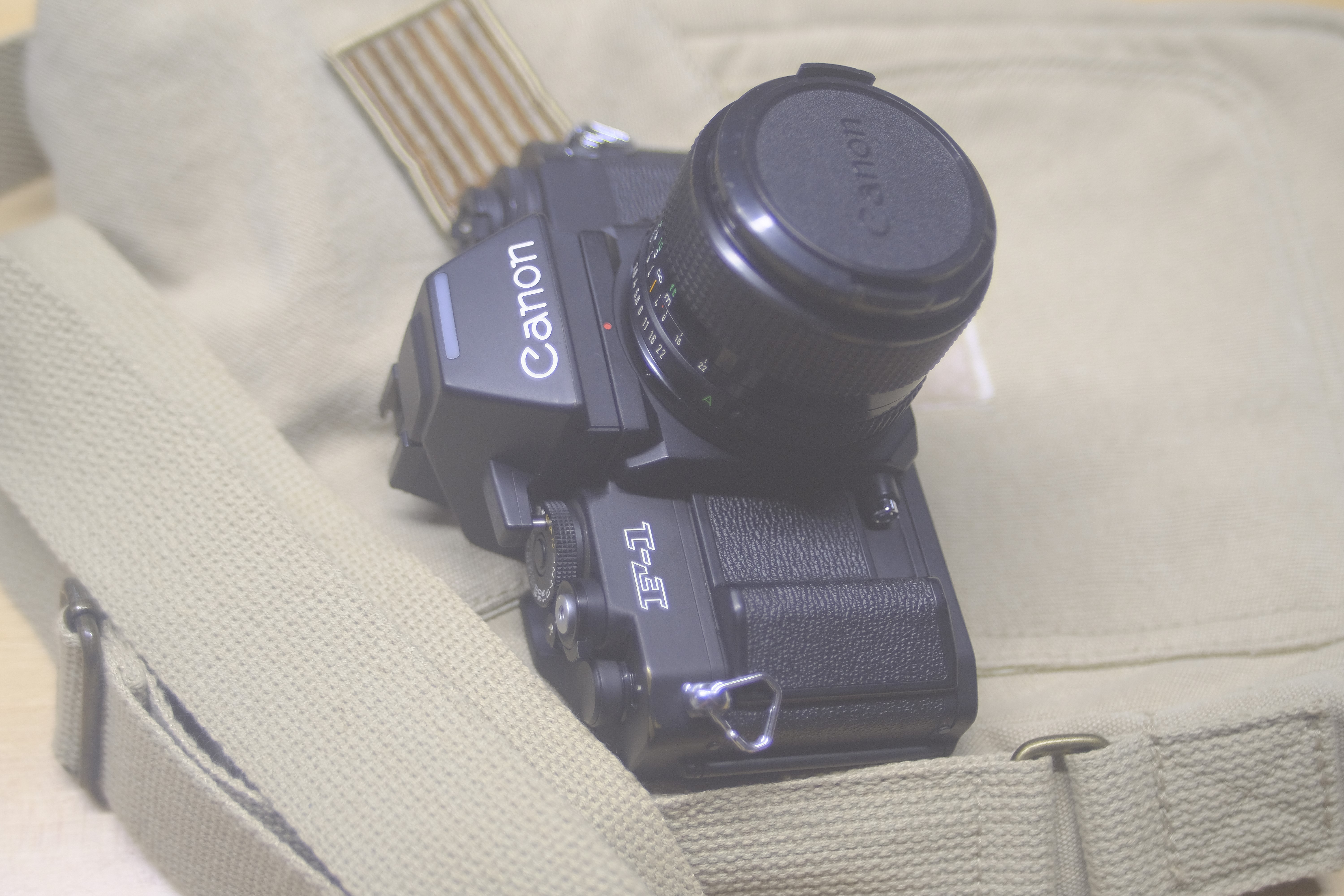
My lens is from November 1985 (Z1100) and has ‘U.S. Navy’ markings. It’s the newer ‘New FD’ lens with the improved bayonet mount.
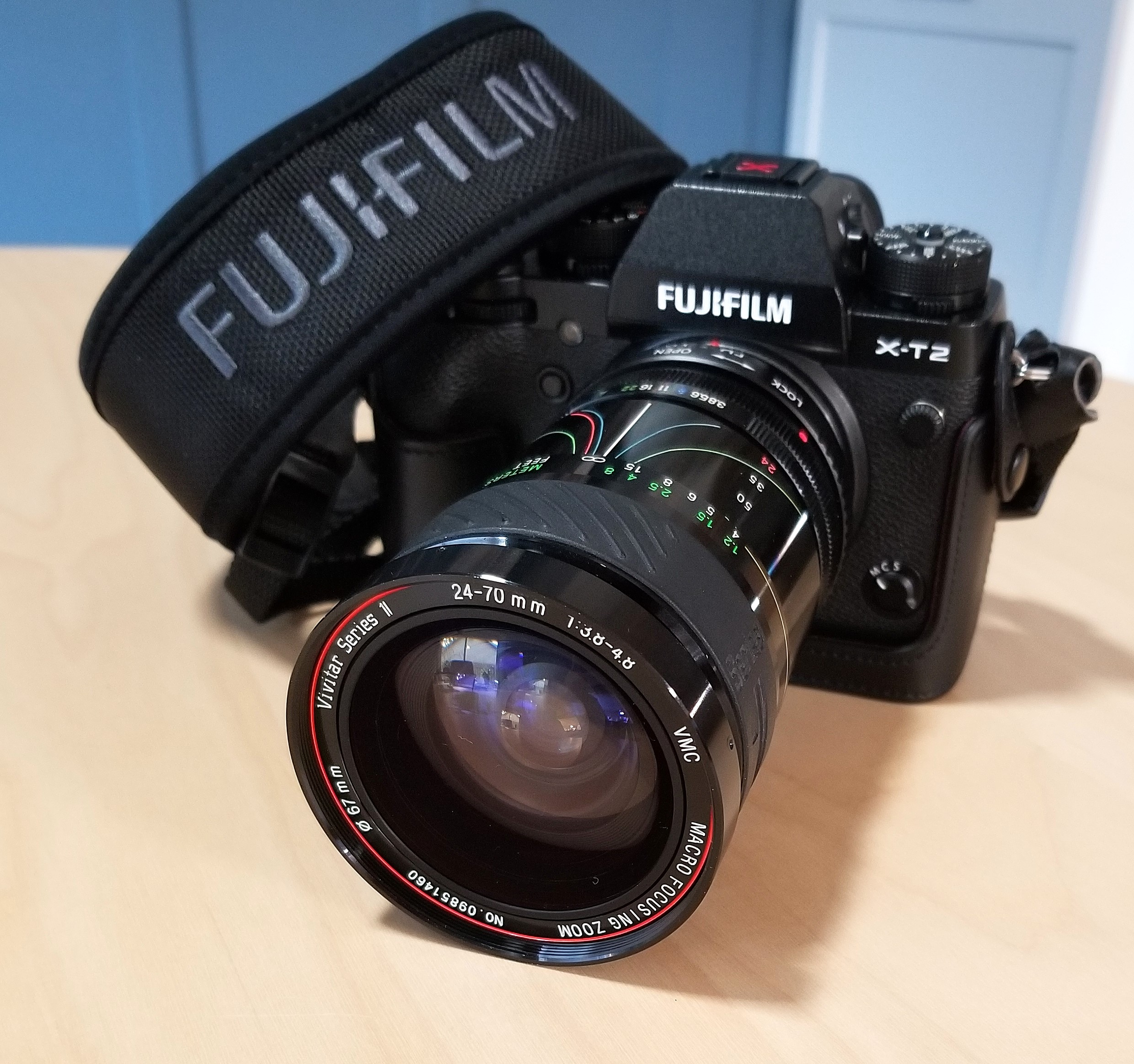
Shown here mounted on my Fujifilm X-T2 digital mirrorless camera via a simple FD-FX adapter.The Fuji makes an excellent platform for using my classic film camera lenses.
Comments are always welcome; I’ve learned a great deal from reader feedback. As always, thanks for stopping by. While there, visit my camera shop at http://www.ccstudio2380.com (CC Design Studios, hosted on Etsy). – Chris Whelan
Comments are always welcome; I’ve learned a great deal from reader feedback. As always, thanks for stopping by. While there, visit my camera shop at http://www.ccstudio2380.com (CC Design Studios, hosted on Etsy). – Chris Whelan
Comments are always welcome; I’ve learned a great deal from reader feedback. As always, thanks for stopping by. While there, visit my camera shop at http://www.ccstudio2380.com (CC Design Studios, hosted on Etsy). – Chris Whelan
Very nice colors and contrast. This 35mm lens, when used on a crop sensor camera like the Fuji, provides an effective focal length of approximately 52mm, which is considered a “normal” or “standard” lens.A test picture showing nice contrast and color from a sixty-five-year-old lens.An Asahi Takumar f3.5 35mm wide-angle lens from 1959 mounted on my modern Fujifilm mirrorless camera via an adapter.This classic lens looks right at home on my Fuji X-T2.
I enjoy using classic lenses on my modern cameras. It’s easy and inexpensive to adapt your lenses to your mirrorless digital cameras.
Comments are always welcome; I’ve learned a great deal from reader feedback. As always, thanks for stopping by. While there, visit my camera shop at http://www.ccstudio2380.com (CC Design Studios, hosted on Etsy). – Chris Whelan
Comments are always welcome; I’ve learned a great deal from reader feedback. As always, thanks for stopping by. While there, visit my camera shop at http://www.ccstudio2380.com (CC Design Studios, hosted on Etsy). – Chris Whelan
Comments are always welcome; I’ve learned a great deal from reader feedback. As always, thanks for stopping by. While there, visit my camera shop at http://www.ccstudio2380.com (CC Design Studios, hosted on Etsy). – Chris Whelan
Comments are always welcome; I’ve learned quite a bit from reader feedback. As always, thanks for stopping by. While there, visit my camera shop at http://www.ccstudio2380.com (CC Design Studios, hosted on Etsy). – Chris Whelan
Asahi Optical Company, Asahiflex IIa with a Takumar f3.5 50mm lens. Japan’s first 35mm SLR film camera. Notice the film-like look of this image using a vintage lens.The Asahiflex IIa (first image above) was photographed with a 1959 Auto-Takumar f/3.5 35mm lens mounted via an adapter on my Fujifilm X-T2.On the left, Nicca 3-S 35mm rangefinder camera (1954) and on the right, the Asahiflex IIa (1955). Note the similarity between the two. Both used interchangeable lenses, but the Asahiflex allowed for direct through-the-lens viewing via the pop-up viewing hood.The Asahiflex uses 37mm screw-in lenses, and the Nicca uses 39mm screw-in lenses, just like a Leica camera from the same period.Asahiflex IIa advertisement.Expensive for the mid-1950s but not overly so.
Comments are always welcomed, as I’ve learned quite a bit from reader feedback. As always, thanks for stopping by, and while you’re at it, feel free to visit my camera shop at http://www.ccstudio2380.com (CC Design Studios hosted by Etsy). – Chris Whelan
It’s a relatively rare lens (now) from the late 1970s to early 1980s. Kino Precision likely made the lens under the Kiron brand for Vivitar (started as Ponder & Best in the US). The serial number, SN 22810099, indicates the manufacturer (first two numbers), the year made (8=1978), the week (10=March 6-12), and the consecutive number for that week (099).
The lens is mounted via a K&F Concept FD-FX adapter. It is an older lens with the classic chrome breech lock ring used on Canon cameras starting in the early 1970s.When I test classic film camera lenses, I almost always use my Fujifilm X-T2 as my platform. The effective focal length with a 1.5x crop sensor mirrorless camera is about 42mm (1.5 x 28).
It’s a heavy lens—288 grams (10.2 oz.) for its size—with lots of glass and brass. I couldn’t find the lens details, so I don’t know how many elements and groups it has. My guess is it has coated optics, as the later lenses have ‘MC’ on the front filter ring. It accepts 55mm filters.
My copy is infested with fungus and shows some haze deep inside. Here are some samples. It’s a shame, really, as the lens has the potential to be a good one. The fast f/2 aperture was not standard or common in a 28mm lens.
Under a bright LED, the internal haze and cloudiness are apparent. The image lacks sharpness.Again, the fungus, haze, and general cloudiness take their toll.Outside in dim sunlight, the color balance, as is the clarity, is off a bit.The lack of detail is especially noticeable along the edges where the fungus filaments are the most evident.
Is it horrible? No, not really. Under the right conditions, it could make for some interesting mood shots. Can it be corrected? Yes, the internal elements and groups would need a deep cleaning.
Comments are always welcomed, as I’ve learned quite a bit from reader feedback. As always, thanks for stopping by, and while you’re at it, feel free to visit my camera shop at http://www.ccstudio2380.com (CC Design Studios hosted by Etsy). – Chris Whelan
It’s no secret that I enjoy using classic (vintage) lenses on modern mirrorless digital cameras. It’s a fantastic way to test an older lens and “see” things differently. Many of the older film camera lenses were designed to produce a specific look, given the era in which they were made. I believe that lenses from the 1950s have a different look to the images made compared to a more modern lens made in the 1980s.
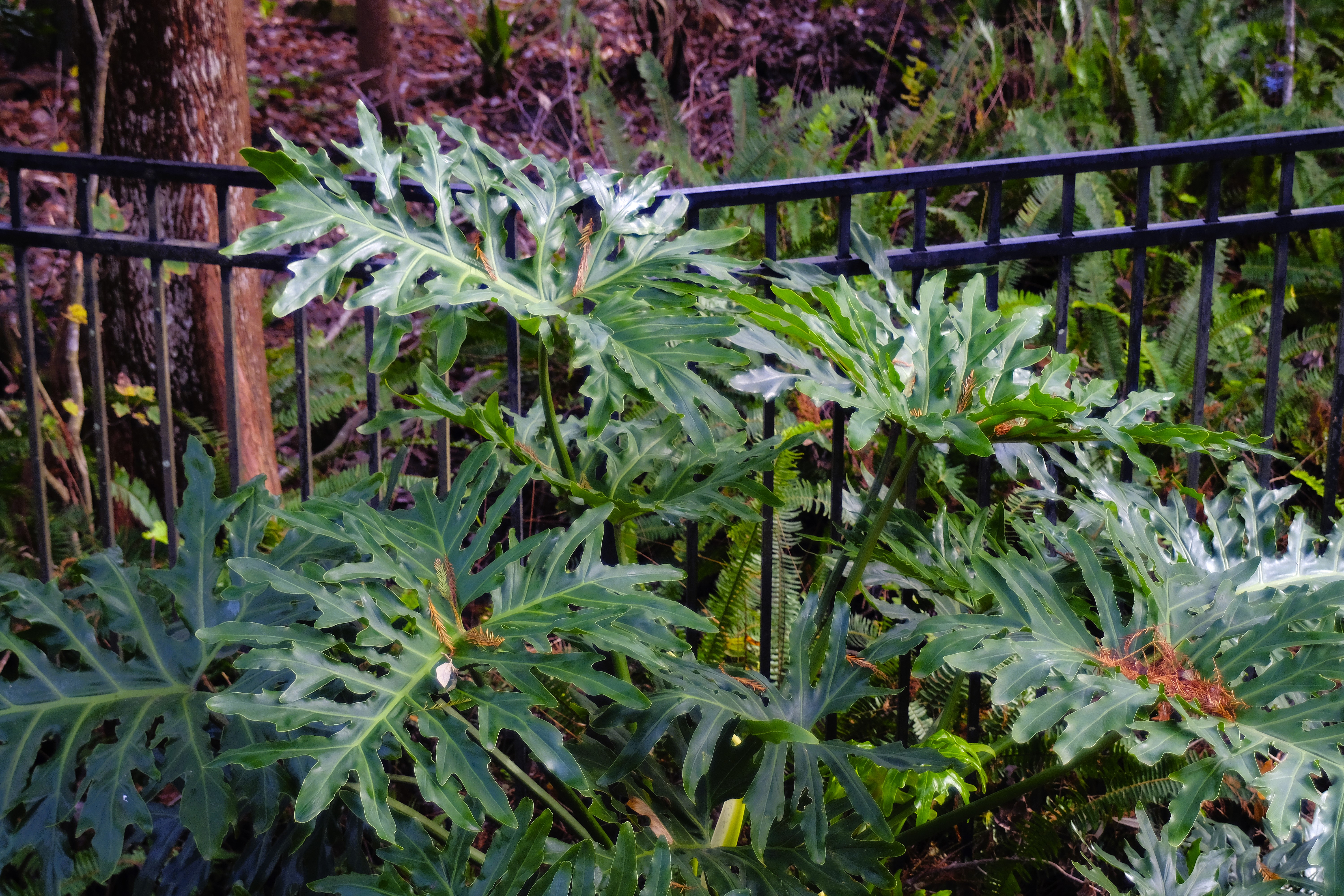
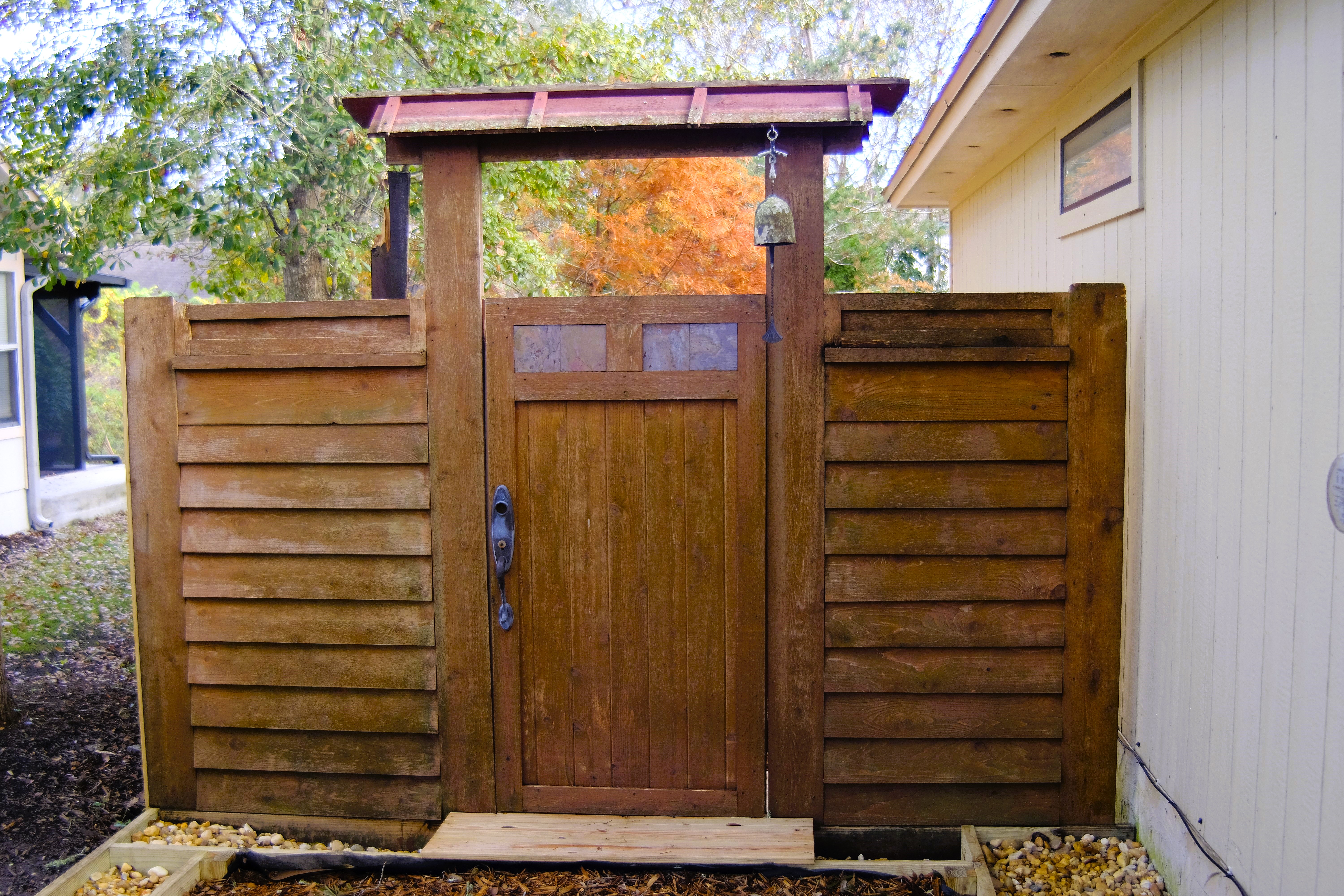
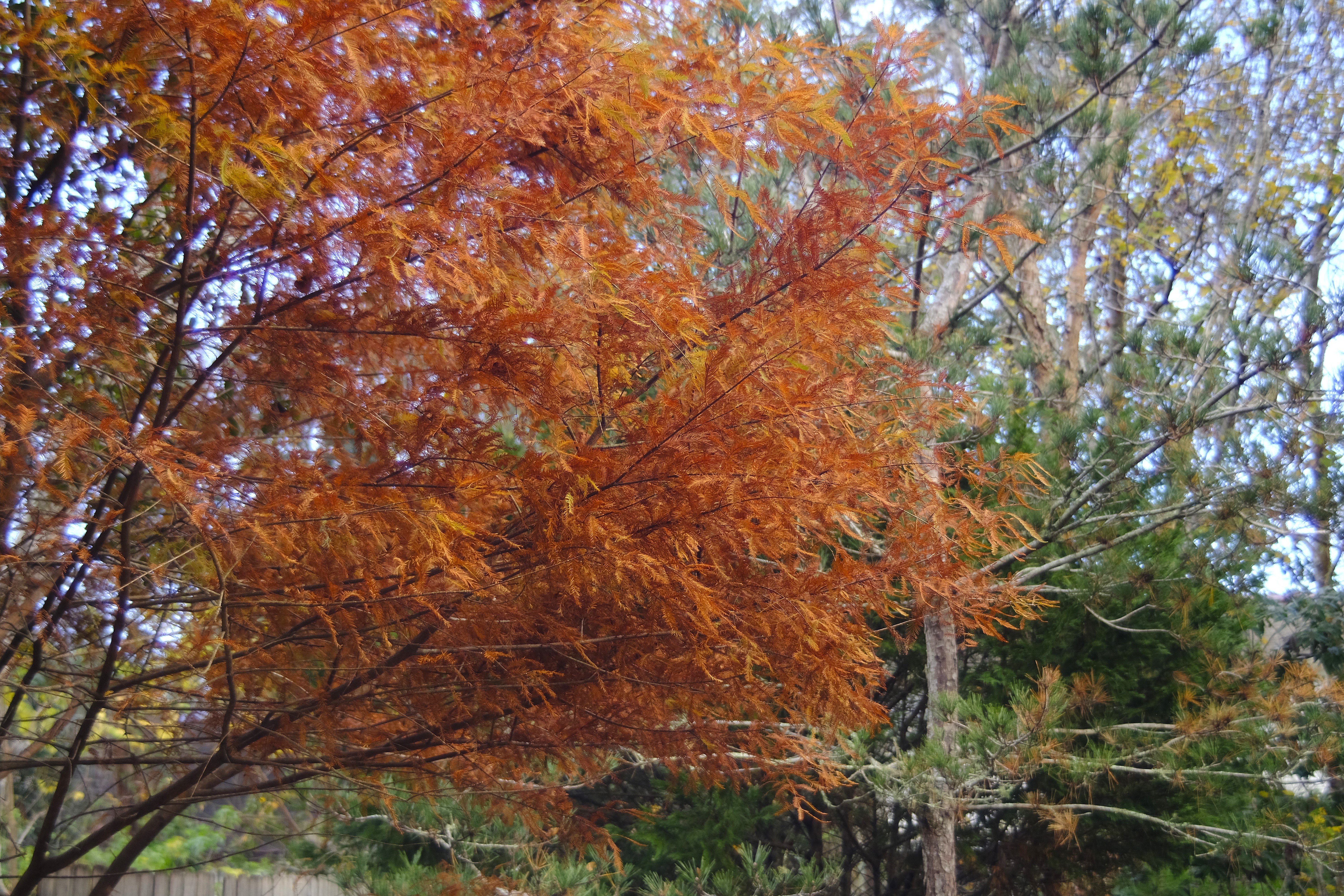
This Vivitar lens was released in 1988 and was made by the Japanese lens maker Cosina from a design by Vivitar. I’ve attached the lens to my Fujifilm X-T2, which has a crop factor of 1.5. At 70mm, the lens has an equivalent focal length of 105mm.
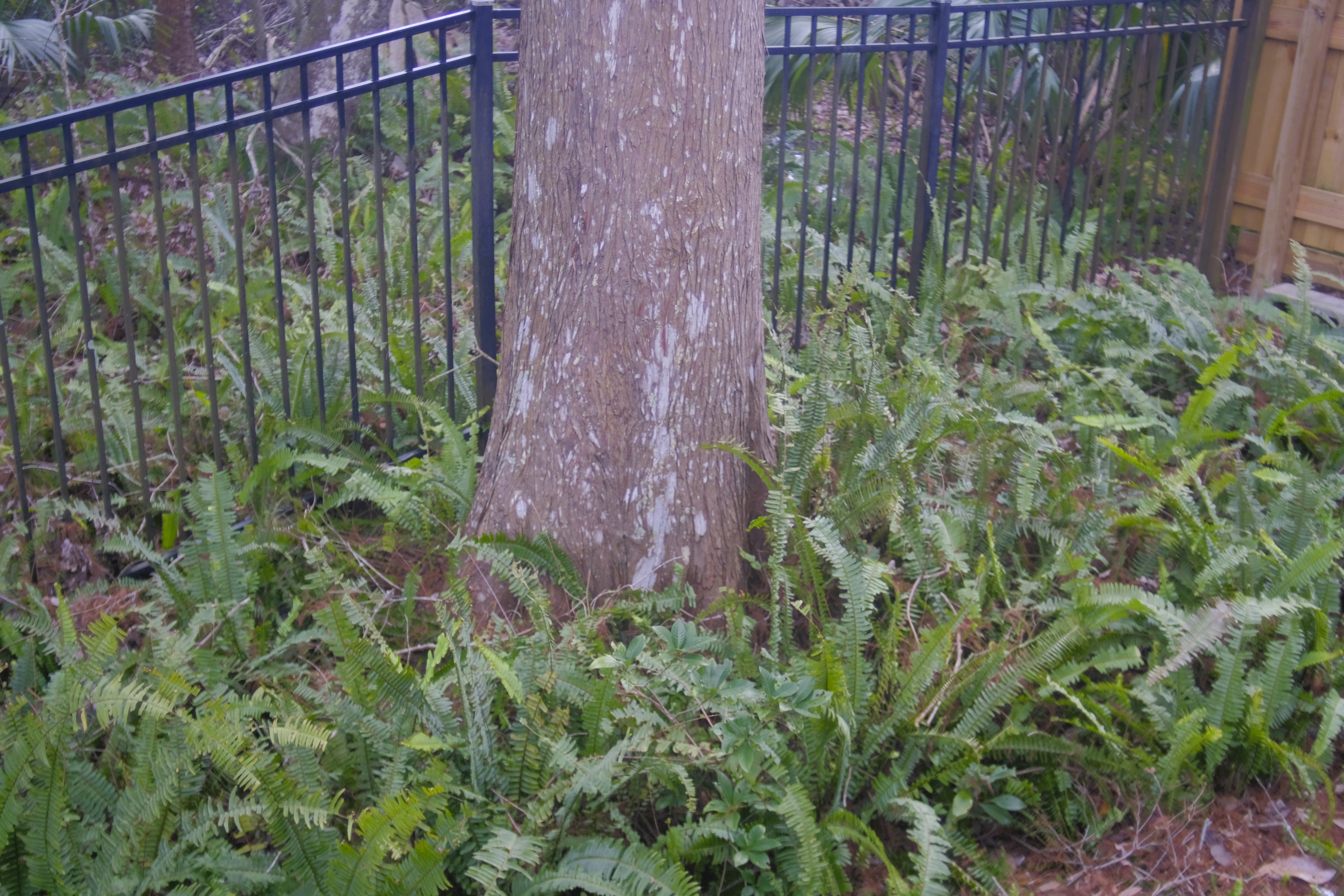
It does make a handsome combo mounted on the Fuji. Have I mentioned how much I enjoy my X-T2?The lens has lots of metal and glass; compact wouldn’t be how I’d describe it compared to a similar zoom lens from today. It has 11 elements in 10 groups and a large 67mm filter ring.It was cloudy and late afternoon when I shot this plant outside my studio window. I believe it is at f/11 ISO 400, 105mm equivalent.My garden gate at about 24mm (36mm equivalent).Bald cypress tree in its late autumn blaze. 105mm equivalent (70mm).
I checked on eBay, and there isn’t another one of these lenses for sale currently or recently sold. It’s actually relatively uncommon. I like the images it produces. I have it in my Etsy shop if you are interested. Canon FD mount. Thanks for stopping by, Chris
Comments are always welcomed, as I’ve learned quite a bit from reader feedback. As always, thanks for stopping by, and while you’re at it, feel free to visit my camera shop at http://www.ccstudio2380.com (CC Design Studios hosted by Etsy). – Chris Whelan










 Chasing Classic Cameras with Chris