Pentamatic Accessories

Some of the original accessories that were available for the new Pentamatic…

When Yashica’s first single lens reflex (SLR) 35mm camera hit the world markets in the May-June 1960 time period, they were ready with a host of well designed accessories. From simple screw-in filters to extension tubes and the new bayonet mount lenses, Yashica had a nice selection to choose from. Here are just a few examples…
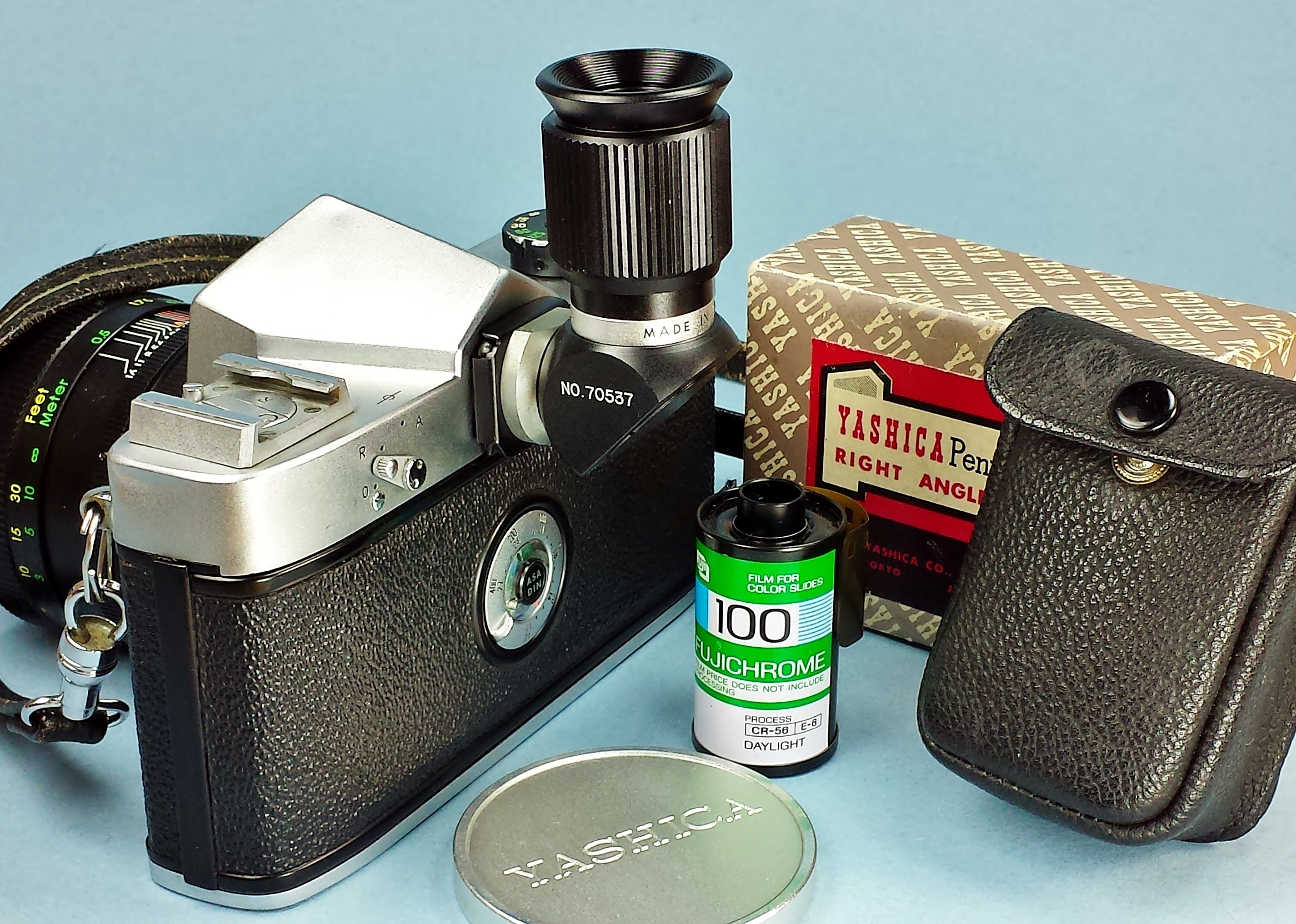
Pentamatic Right Angle Finder for low angle and close-up photography. This simple finder mounted securely to the camera's eyepiece and had adjustments for focus and could be rotated 90 degrees to the left for vertical copy work. The image is reversed so it does require some getting used to. Here it's mounted to my Pentamatic-S.

Pentamatic ‘Right Angle Finder’ for low angle and close-up photography. This simple finder mounted securely to the camera’s eyepiece and had adjustments for focus and could be rotated 90 degrees to the left for vertical copy work. The image is reversed so it does require some getting used to. Here it’s mounted to our Pentamatic-S.
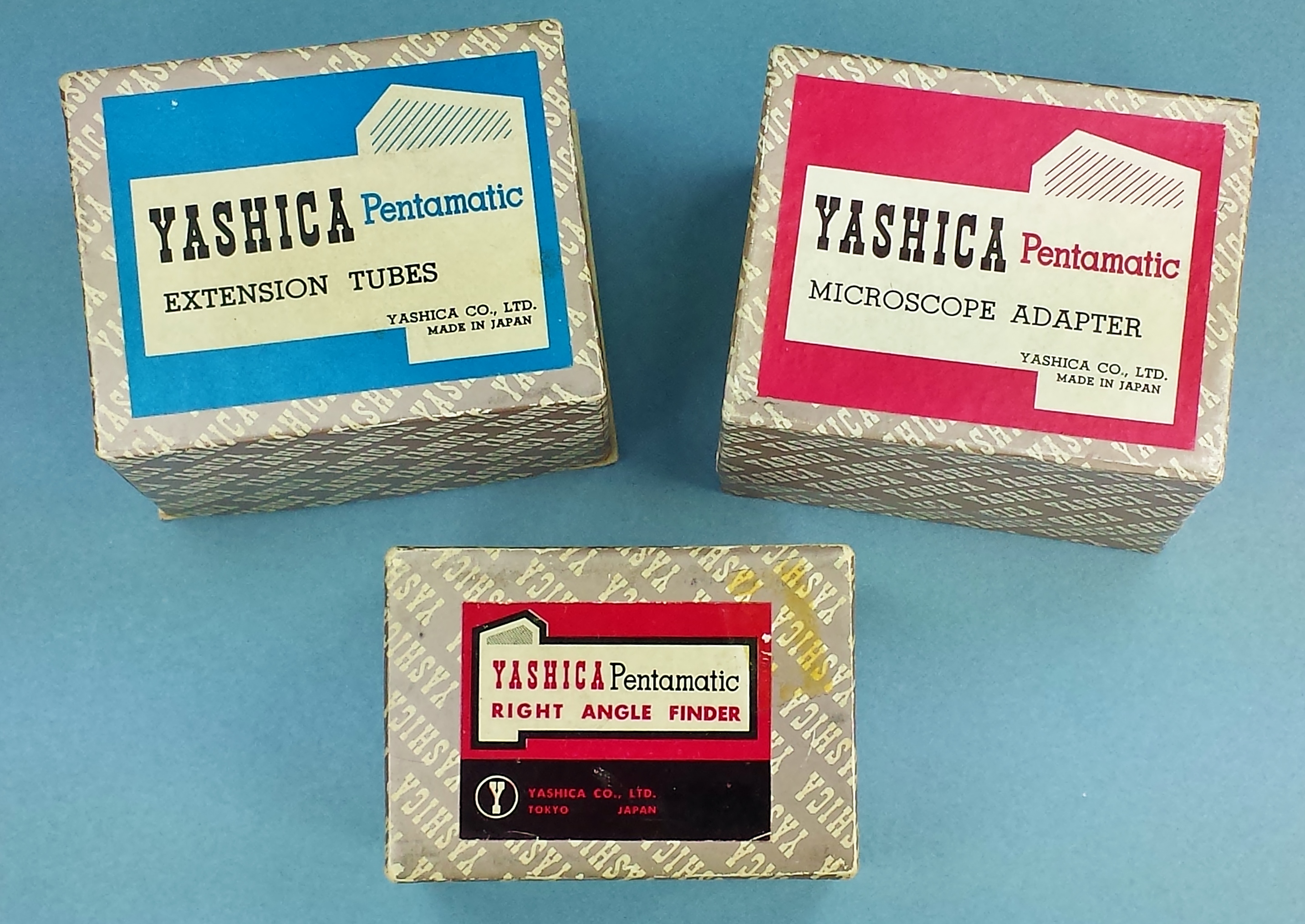
A small collection of boxes gives some idea as to the diversity of the early accessories. Note the general theme of the design... each shows-off the "pentaprism" design of the camera. The right angle finder box appears to be from a slightly later design as it has a different look from the other two.
A small collection of boxes gives some idea as to the diversity of the early accessories. Note the general theme of the design… each shows off the pentaprism design of the camera. The right angle finder box appears to be from a slightly later design as it has a different look from the other two.

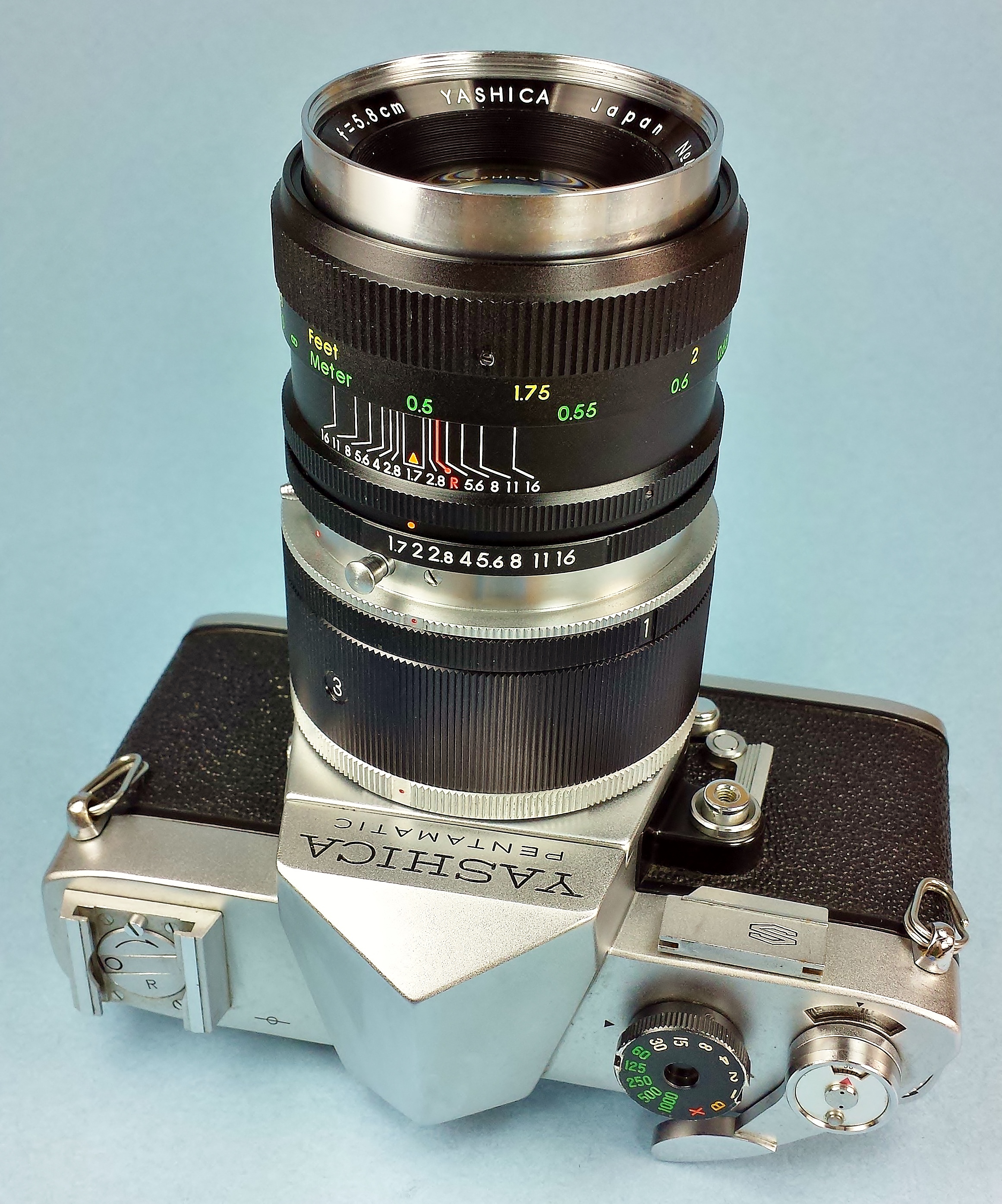
Pentamatic Extension Tubes mounted on my Model-S Pentamatic camera body and Auto-Yashinon 5.8 cm (58 mm) f/1.7 standard lens. The lens is super bright and is super heavy! Camera and lens weigh-in at 2 lbs 5 oz (1056 g)!
Pentamatic ‘Extension Tubes’ mounted on our Model-S Pentamatic camera body and Auto-Yashinon 5.8 cm (58 mm) f/1.7 standard lens. The lens is super bright and is super heavy! Camera and lens weigh-in at 2 lbs 5 oz (1056 g)!
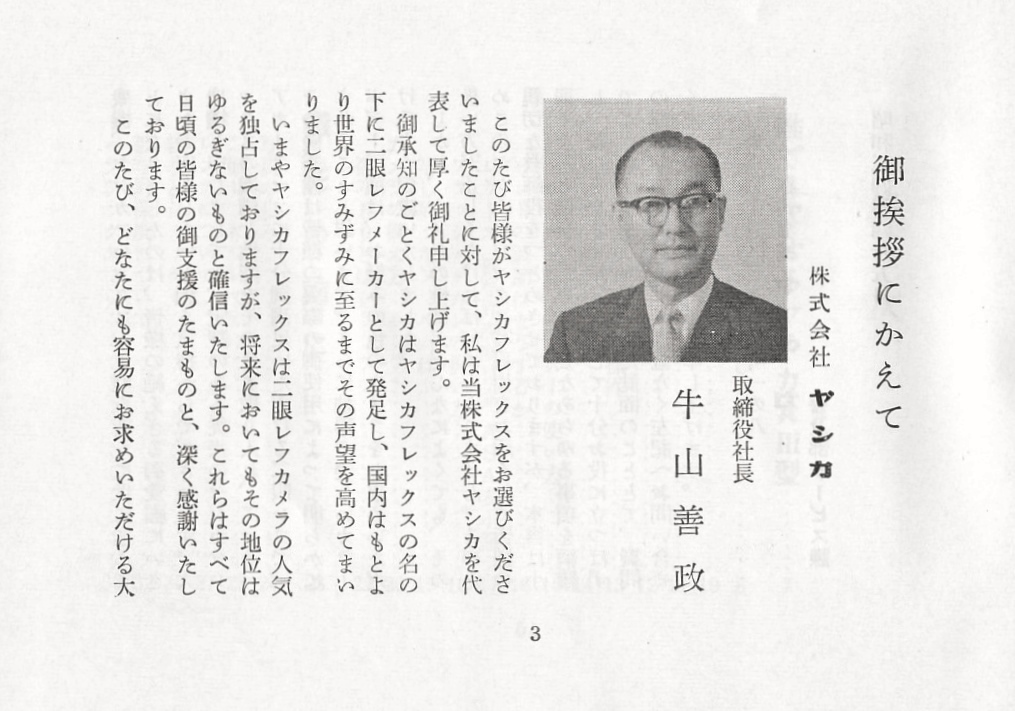
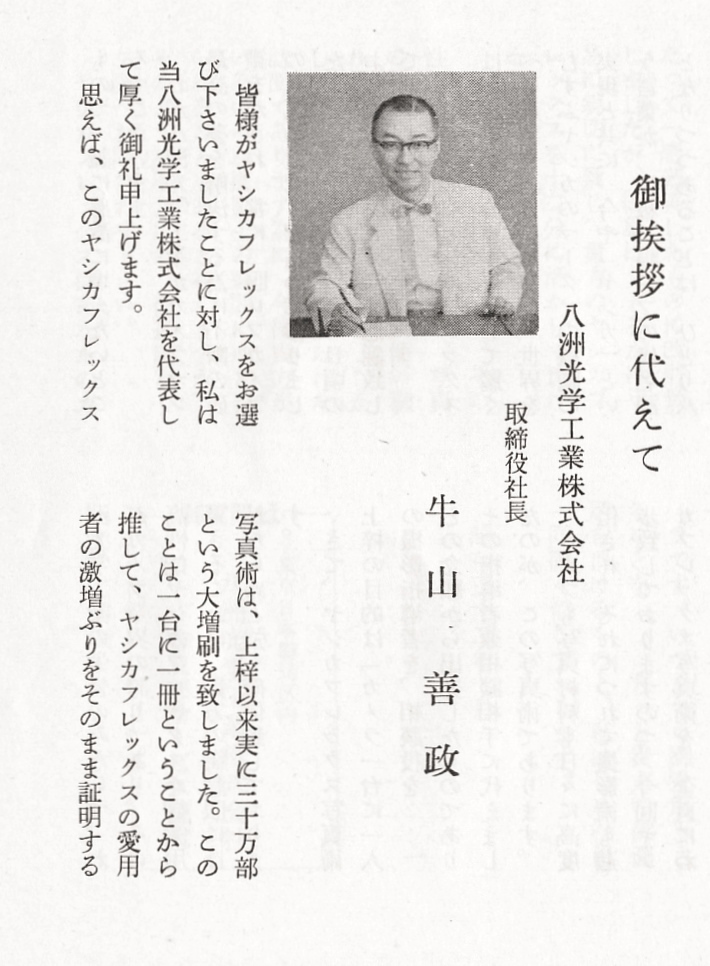
Mr. Ushiyama and Yashima / Yashica

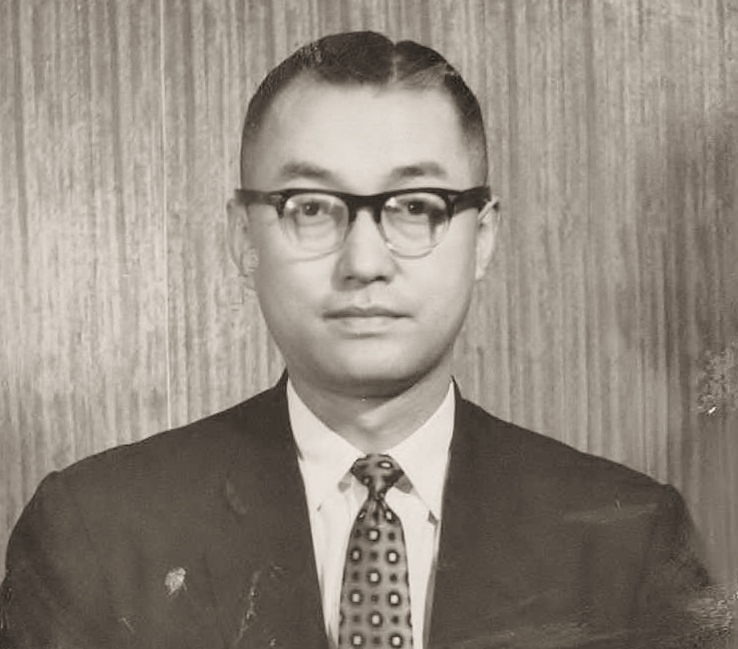
Image is from what I gather is a visa to visit (or do work) in Brazil. I believe this image is from 1957. Yashica did set up a factory in Brazil and had established an address there.

Image is from what I gather is a visa to visit (or do work) in Brazil. I believe this image is from 1957. Yashica did set up a factory in Brazil and had established an address there.

Mr. Yoshimasa Ushiyama…

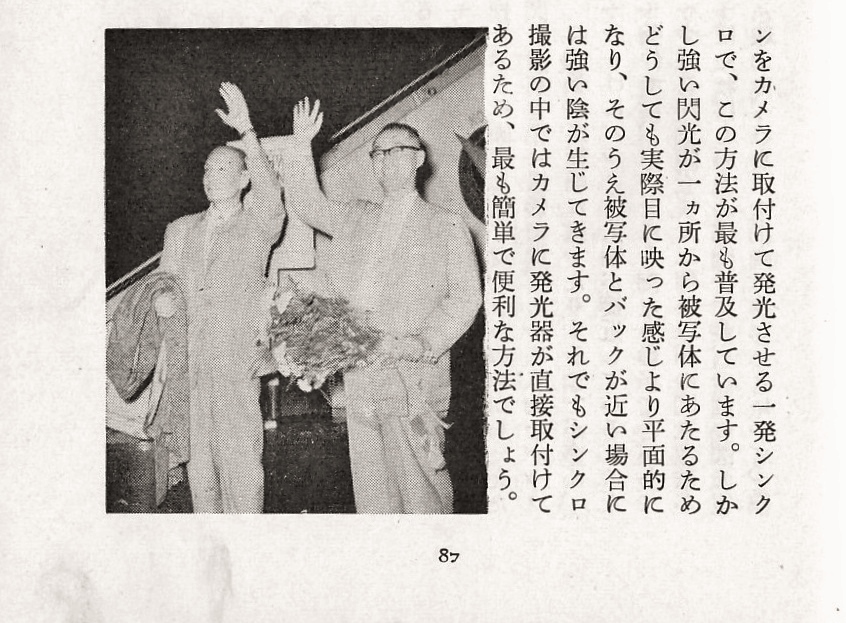
Founder and president of Yashima Kogaku Seiki Company, Limited. He and his brother, Mr. Jisaburo Ushiyama started a small manufacturing business in their hometown of Suwa, Nagano Prefecture, Japan in the late 1940s and transitioned to making cameras by 1953. In the 1950s, Yashima grew to one of Japan’s largest camera manufacturers and by the close of the decade of the fifties, they outsold many of today’s best know camera makers. Yashima became Yashica and the rest is history. I believe these images are of Mr. Ushiyama as they were scanned from the original camera instruction booklets from Yashica.

Mr. Yoshimasa Ushiyama and his brother Jisaburo c1959.

Mr. Yoshimasa Ushiyama and his brother Jisaburo c1959.

Scan of the president and director of Yashica camera... Mr. Yoshimasa Ushiyama c1959.

Scan of the president and director of Yashica camera… Mr. Yoshimasa Ushiyama c1959.

Mr. Yoshimasa Ushiyama from Yashica camera instruction booklet 1958.

Mr. Yoshimasa Ushiyama from Yashica camera instruction booklet 1958.

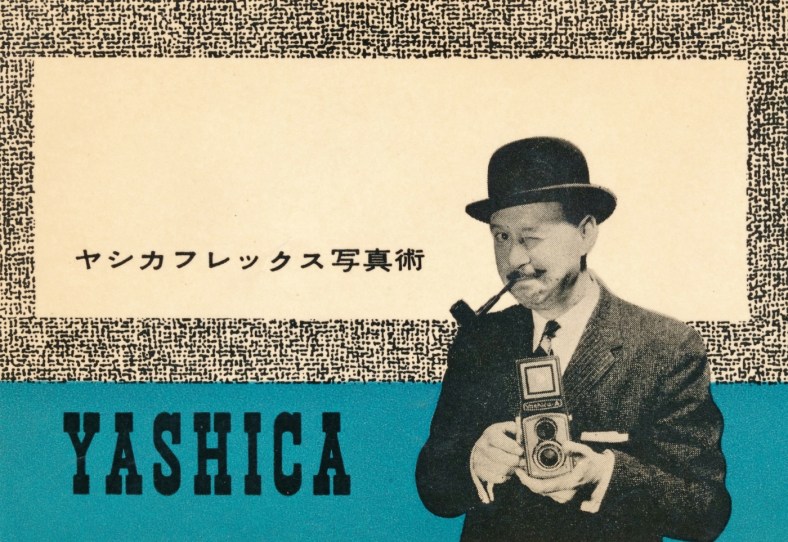
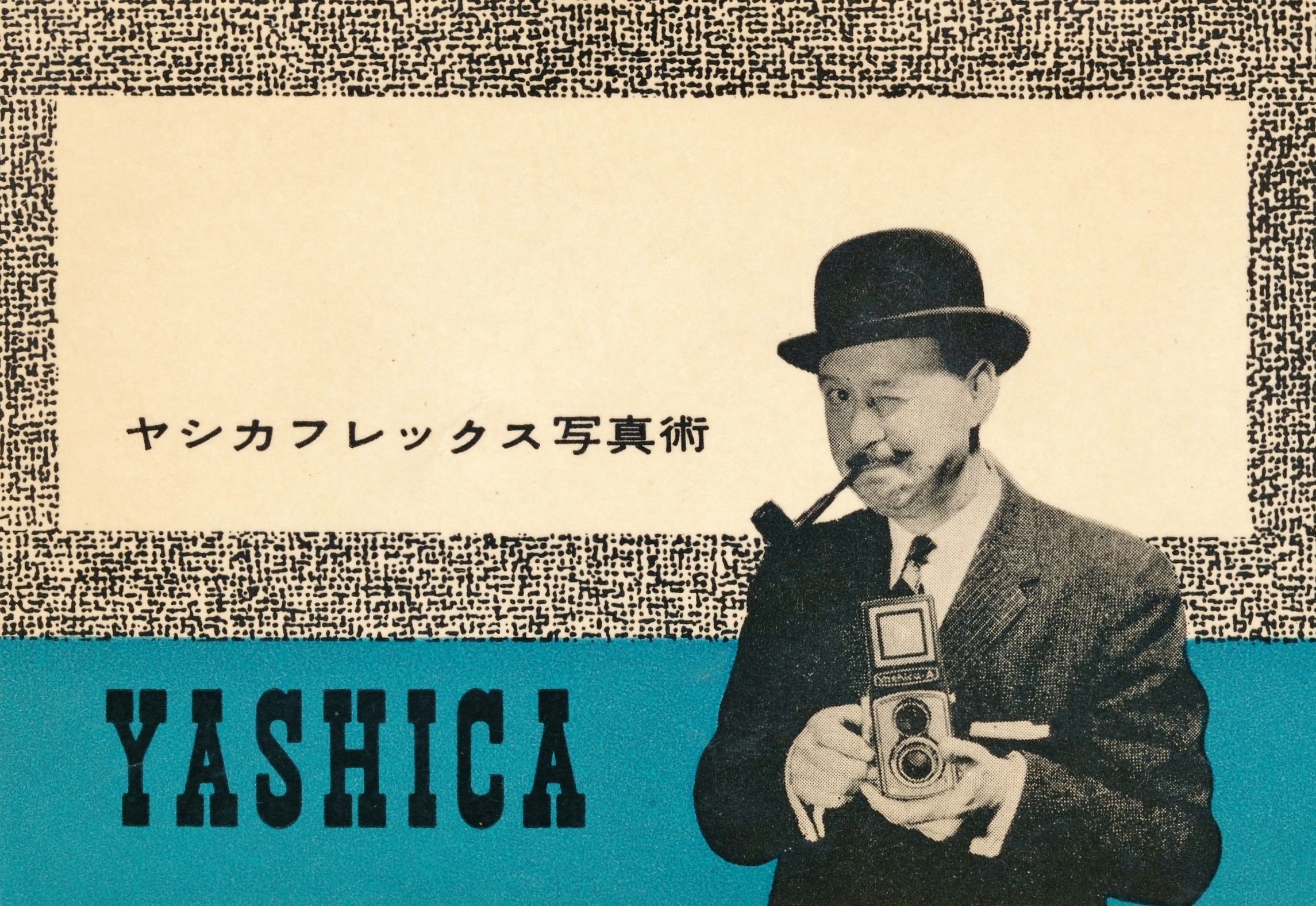
WHO is this man???

This man appears on the cover…

Of a 1959 dated Yashica instruction booklet for the Yashica A-III twin-lens reflex camera. He also appears in a Yashica sales brochure in German dressed as a cowboy (1950’s style cowboy) with the same pipe and expression. I would love to know this actors name. Any help would be appreciated… greatly!

Yashica's

Yashica’s “Mystery Man”… from the cover of the 1959 Yashica A-III TLR camera instruction booklet.

Even the smallest details count on a restoration…

My ongoing ‘interpretive restoration’ of the Yashima Yashicaflex A-II…

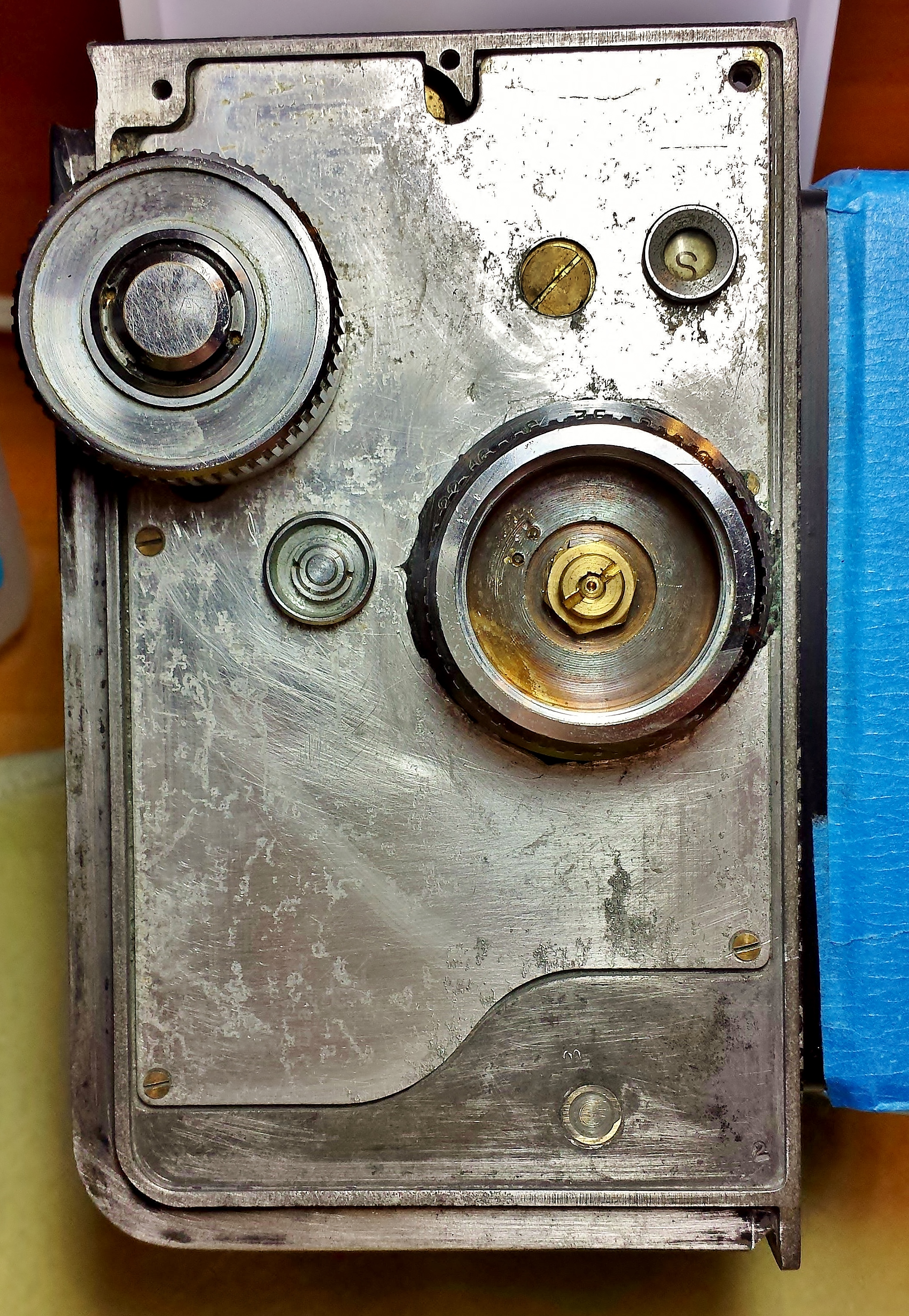
As the title suggests, when restoring a vintage camera there are no unimportant details. Stripping of old paint (in this case baked-on 60-year-old enamel paint) and removing corrosion from small metal parts is tedious and super time-consuming… but absolutely essential. As my ‘interpretive restoration’ progresses into the middle stages I thought I would share some new images.

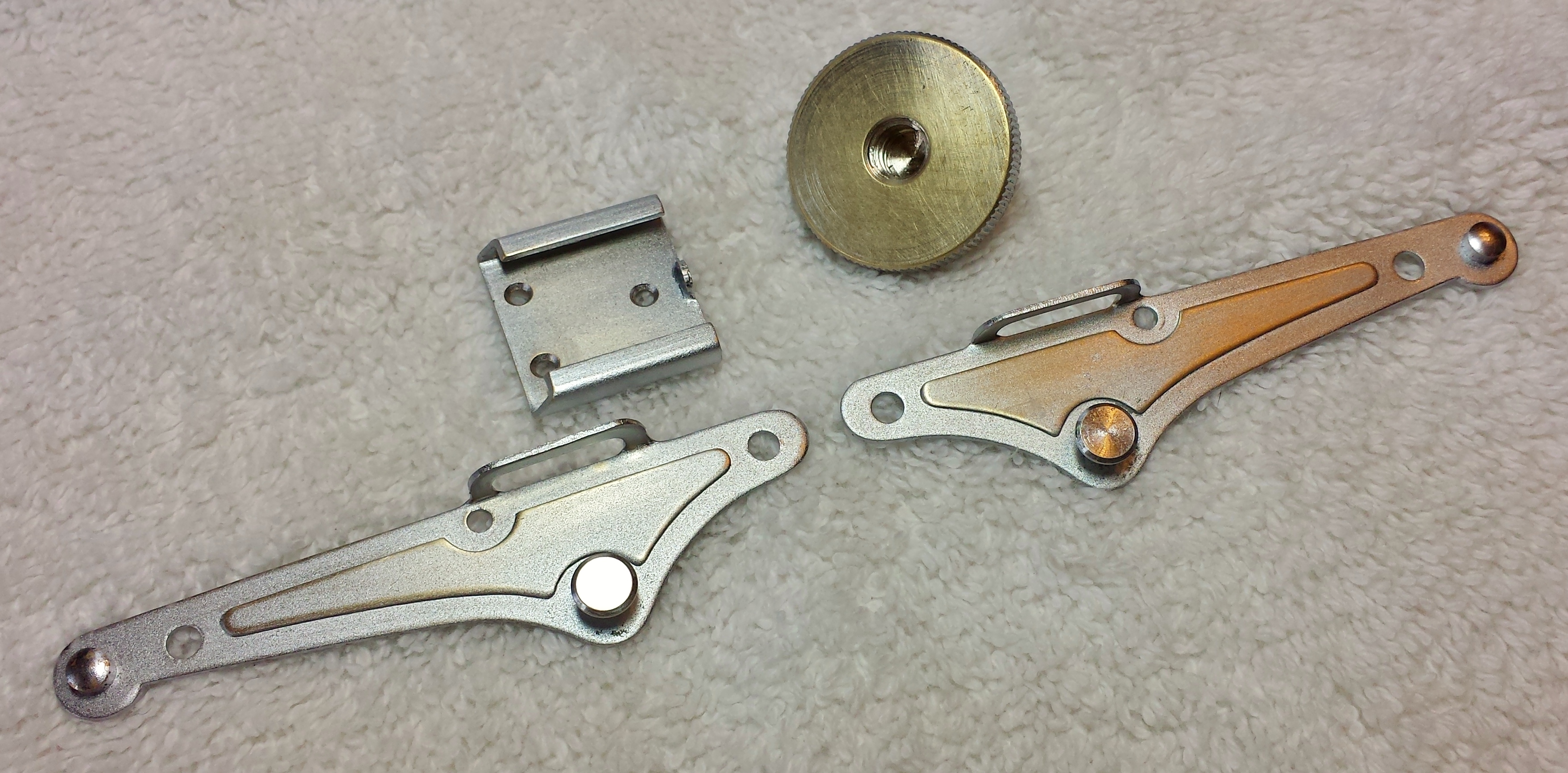
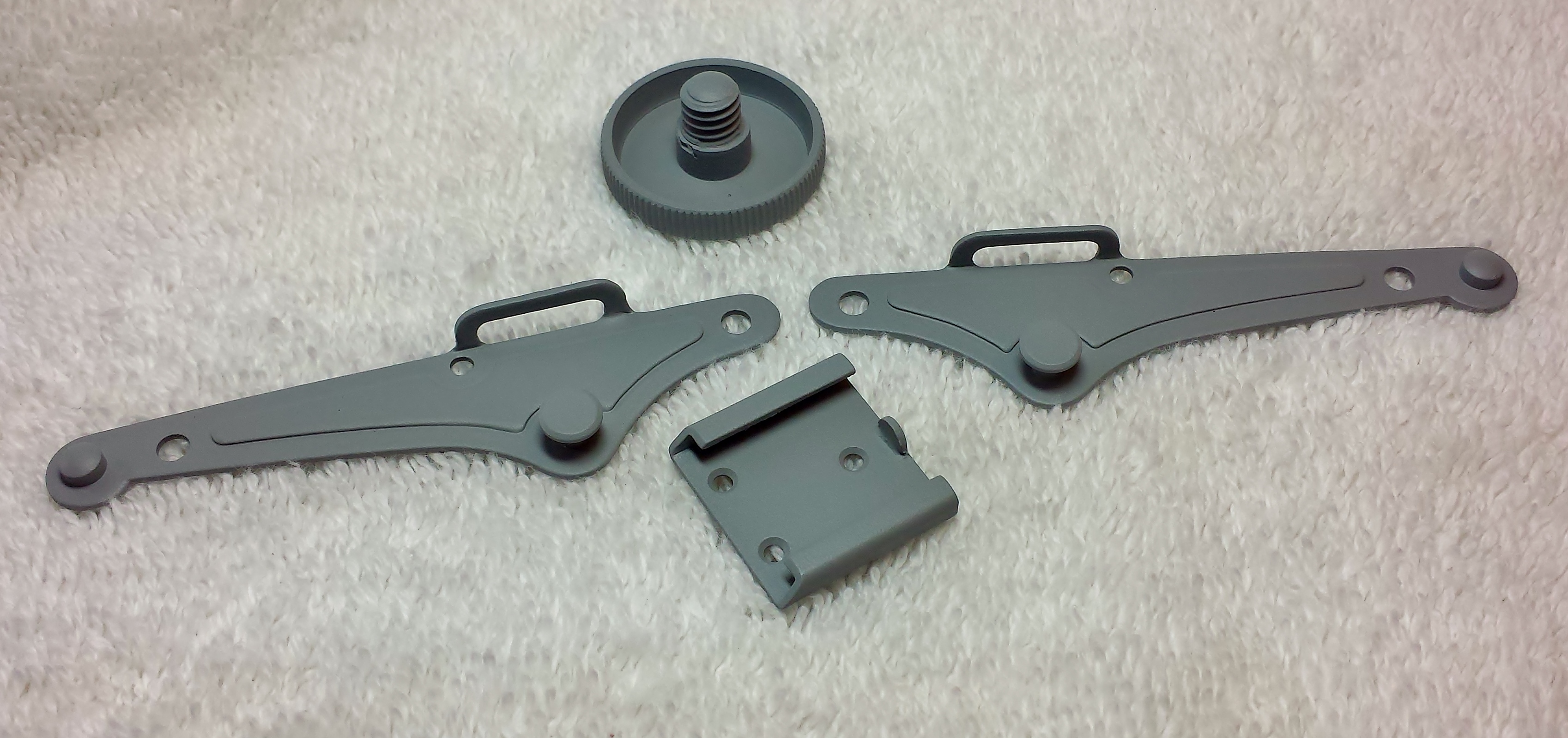
Important small parts after removing corrosion and light chemical cleaning. Ready for a coat of primer.

Important small parts after removing corrosion and a light chemical cleaning. Ready for a coat of etching primer. Clockwise top center… tripod/case retaining screw, left strap holder, right strap holder and accessory (cold) shoe.

After a light (3 coats) of etching primer.

After a light (3 coats) of etching primer.

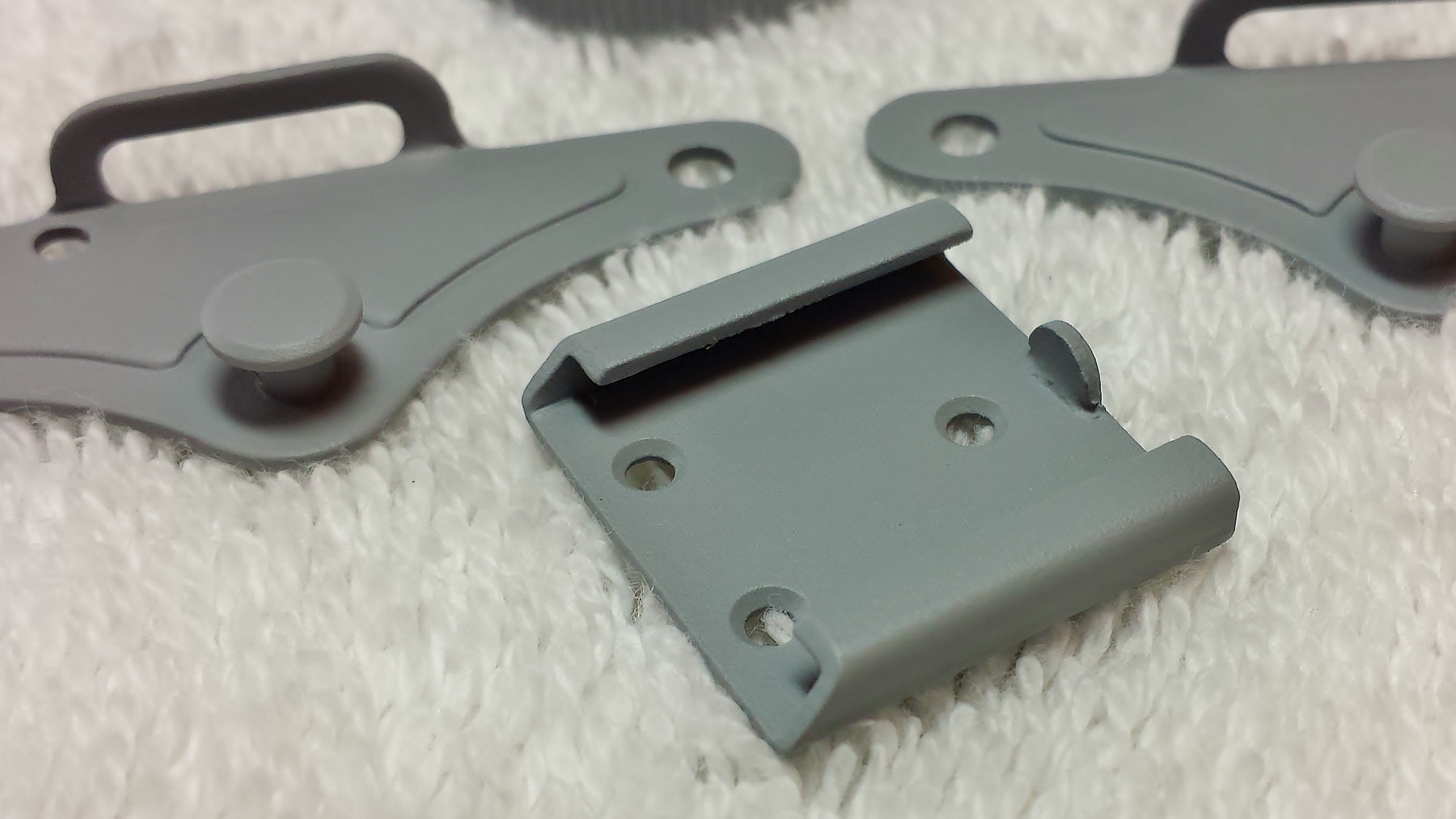
Close-up detail showing the recently painted parts.

Close-up detail showing the recently painted parts.

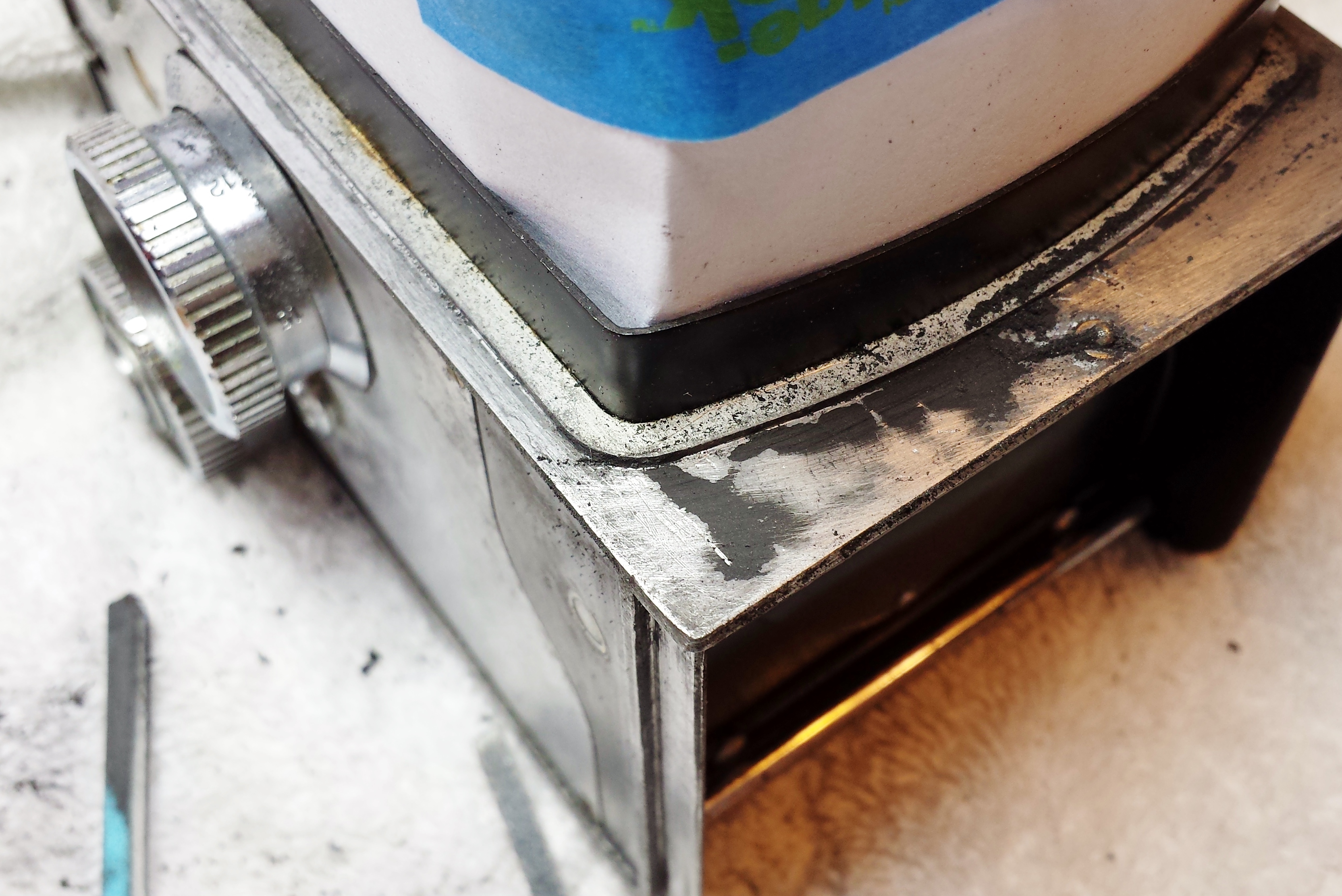
Paint removal from the Yashicaflex A-II body. There was plenty of corrosion on the cast aluminum body and the only way to attack it was with a good sanding with about 120 grit sandpaper followed by 220 grit.

Paint removal from the Yashicaflex A-II body. There was plenty of corrosion on the cast aluminum body and the only way to attack it was with a good sanding with 120 grit sandpaper followed by 220 grit. Still some of the original factory enamel paint hangs tough.

Yashima Yashicaflex A-II update…

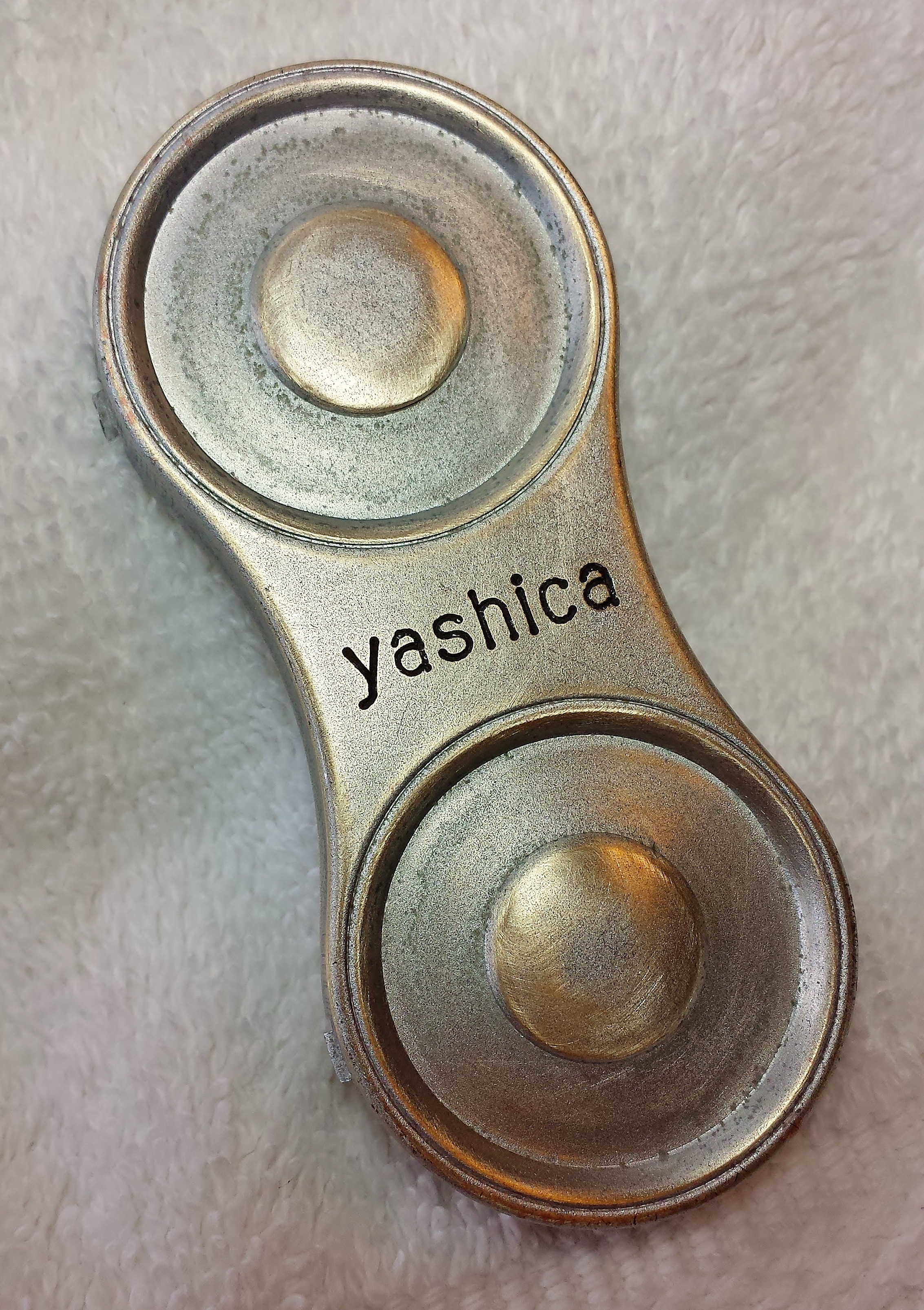
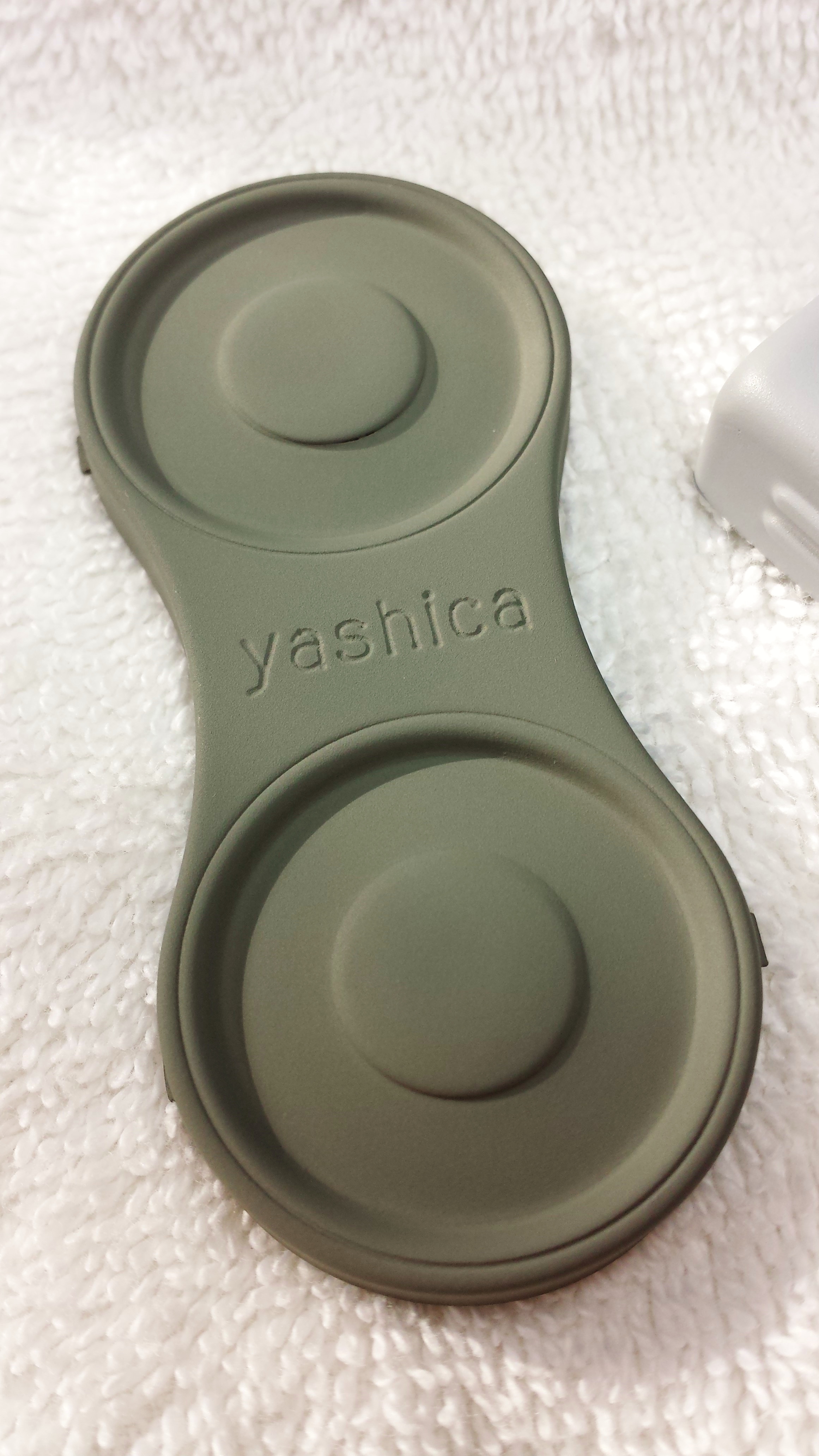
Somewhat corroded original lens cap for the Yashicaflex A-II. A light cleaning removed the corrosion and prepped the surface for some primer.

Somewhat corroded original lens cap for the Yashicaflex A-II. A light cleaning removed the corrosion and prepped the surface for some primer.

Lens cap with a fresh coat of etching primer. Another two coats of primer with some light sanding in between should do nicely. Final color coat will be a surprise and very unexpected! Remember... this is an "interpretive restoration". My rules.

Lens cap with a fresh coat of etching primer. Another two coats of primer with some light sanding in between should do nicely. Final color coat will be a surprise and very unexpected! Remember… this is an “interpretive restoration”. My rules.

Finally! Proof of Existence!

In all my years of collecting Yashima / Yashica cameras, brochures and advertisements…

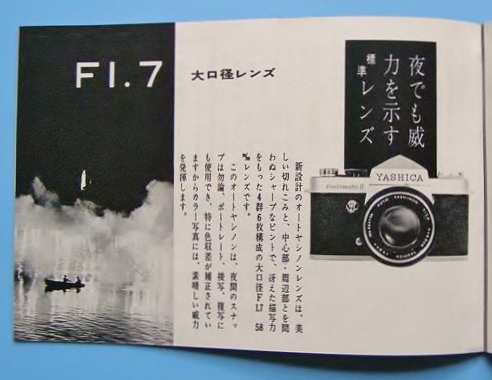
I have yet to find proof that Yashica did or did not release the Pentamatic for the Japanese domestic market. I had always assumed that they did… confident that why wouldn’t they sell their first 35mm single-lens reflex camera at home. But, I didn’t have proof that they did or did not. This image is from a Japanese market sales brochure (found in Yokohama) that looks to be from around early 1961 or so. The Pentamatic II (rare little bird) with a 1.7 lens was available when this brochure was printed. Now to find the original Pentamatic and the S!

Could it be true? The first sighting of the Pentamatic II in a sales brochure for the Japanese home market.

Could it be true? The first sighting of the Pentamatic II in a sales brochure for the Japanese home market.

Yashima Yashicaflex A-II Restoration Updates…

Yashima’s new factory produces countless TLRs for the world…

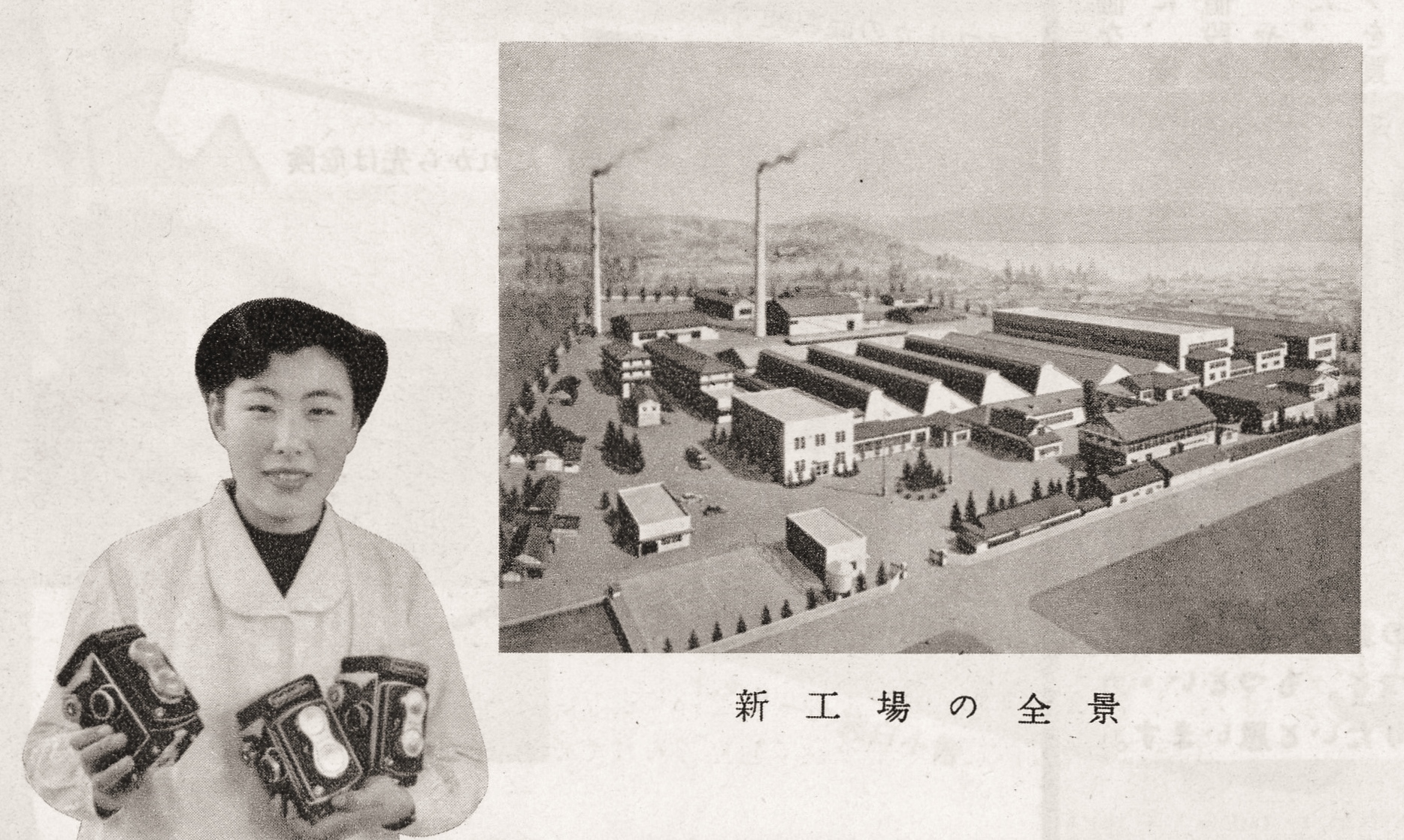
Yashima's new factory along the shores of beautiful Lake Suwa in Nagano Prefecture 1956. Many fine craftspeople from the local area came together to design, assemble and test some of the best twin-lens reflex cameras in the world. This woman is likely holding the Yashicaflex model C (maybe).

Yashima’s new factory along the shores of beautiful Lake Suwa in Nagano Prefecture 1956. Many fine craftspeople from the local area came together to design, assemble and test some of the best twin-lens reflex cameras in the world. This woman is likely holding the Yashicaflex A2 (maybe).

Camera's right side exposed! After numerous hours of scrapping, sanding and cleaning... almost ready for some painting. The bare aluminum body will get a brush coat of zinc chromate sealer/etcher primer. After 60 years of corrosion I want my finish topcoat of satin-black lacquer paint to stay stuck!

Camera’s right side exposed! After numerous hours of scrapping, sanding and cleaning… almost ready for some painting. The bare aluminum body will get a brush coat of zinc chromate sealer/etcher primer. After 60 years of corrosion I want my finish topcoat of satin-black lacquer paint to stay stuck! October 16th change of plans… looks like I’ll use a self etching primer on the exposed aluminum.

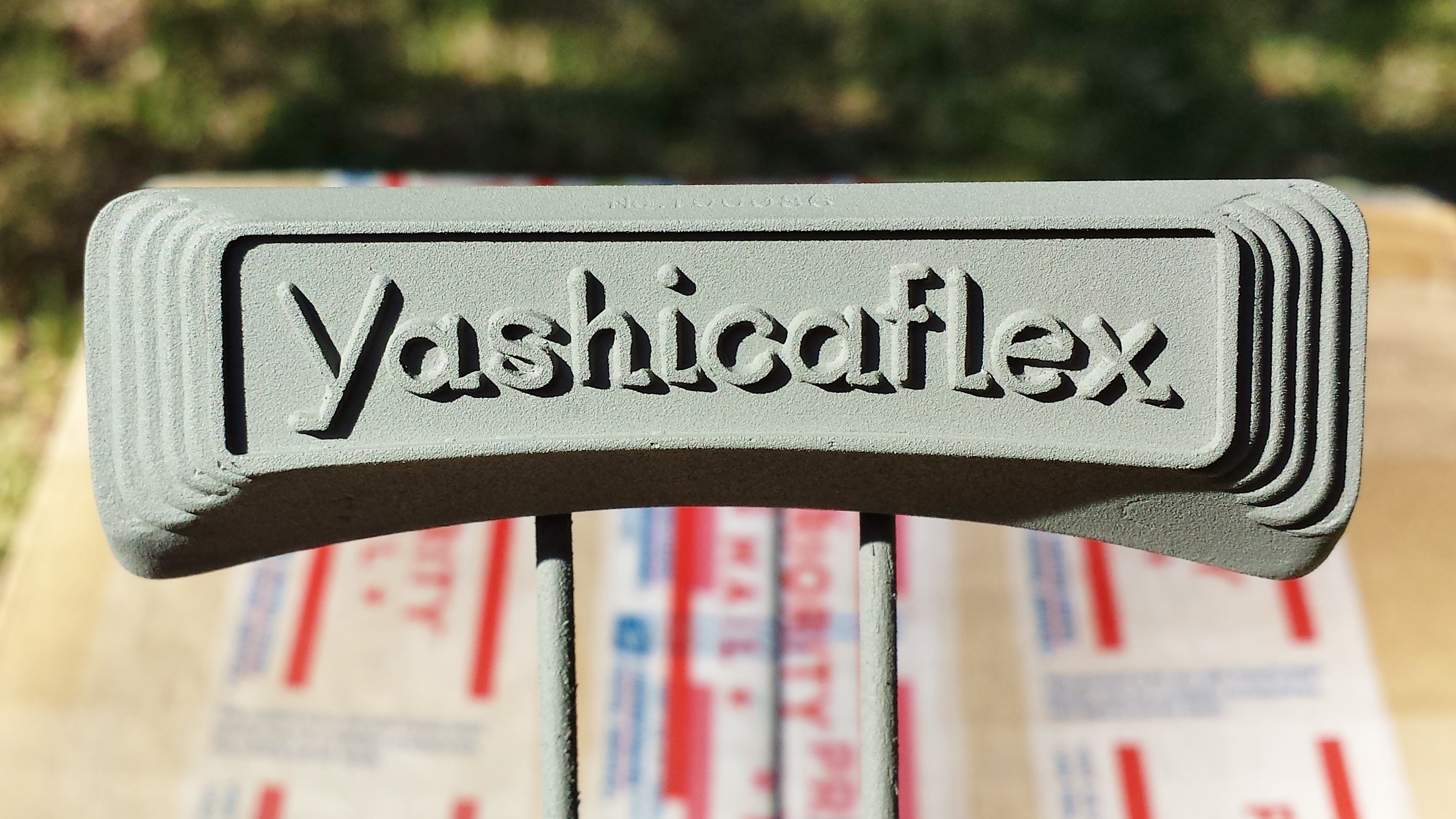
First coat of self etching primer on the bare aluminum nameplate. This coat will get wet sanded with 320 grit paper and then another coat of a final lighter weight primer. That final primer will get wet sanded with 1200 grit paper and then the final color coat will be applied.

First coat of self etching primer on the bare aluminum nameplate. This coat will get wet sanded with 320 grit paper and then another coat of a final lighter weight primer. That final primer will get wet sanded with 1200 grit paper and then the final color coat will be applied.

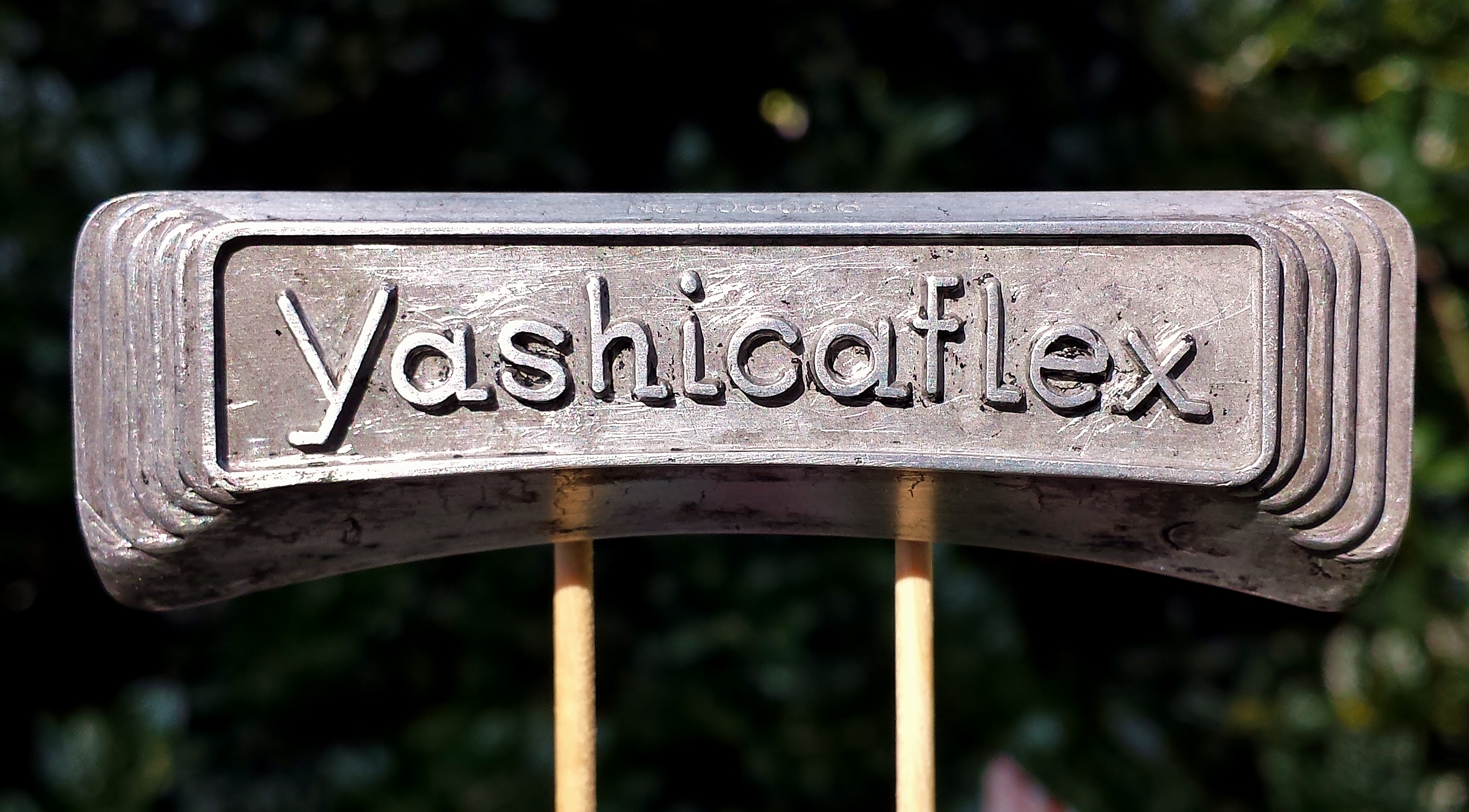
Original nameplate without the factory black enamel. Ready for the primer coat.

Original nameplate without the factory black enamel. Ready for the primer coat.

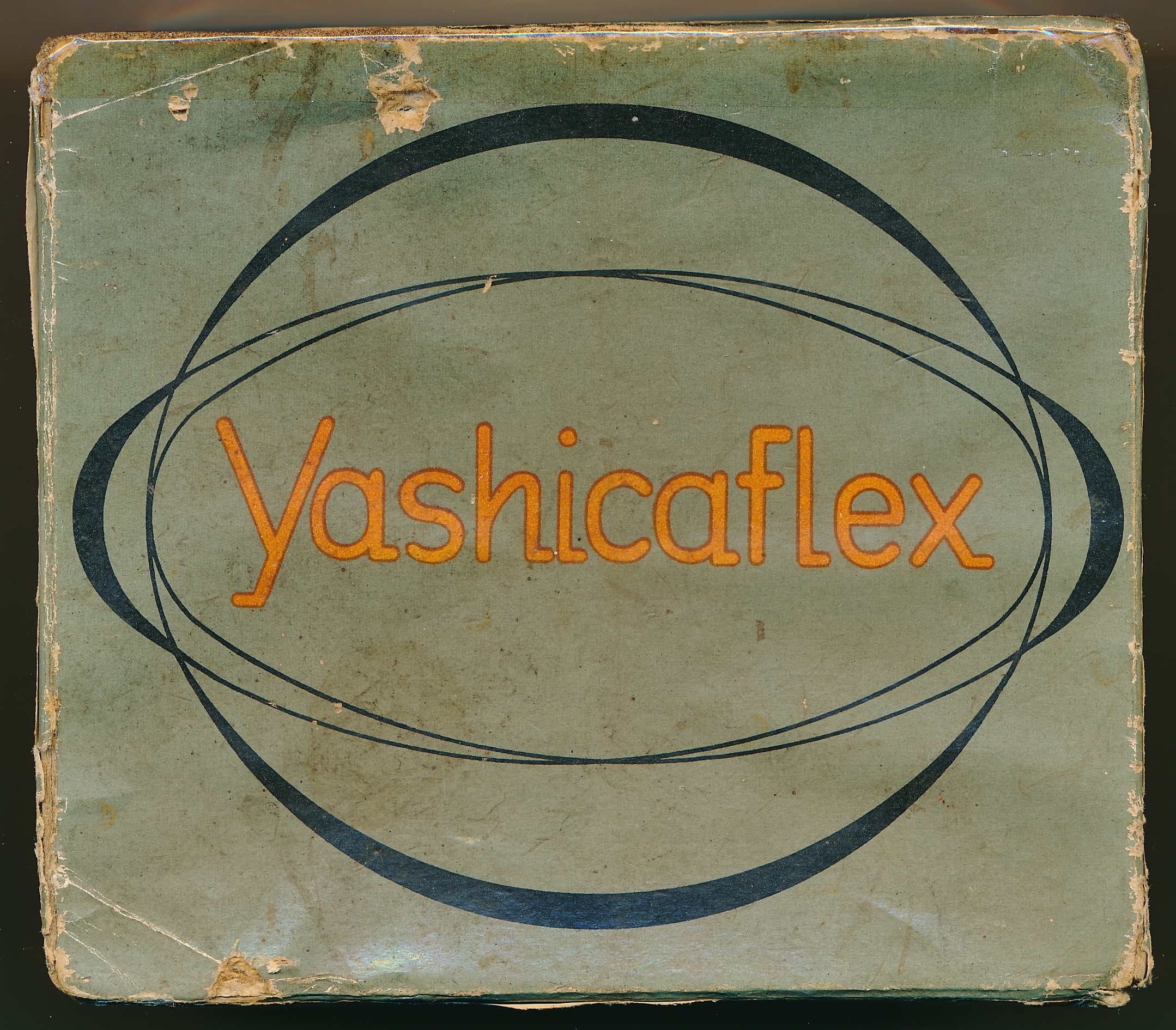
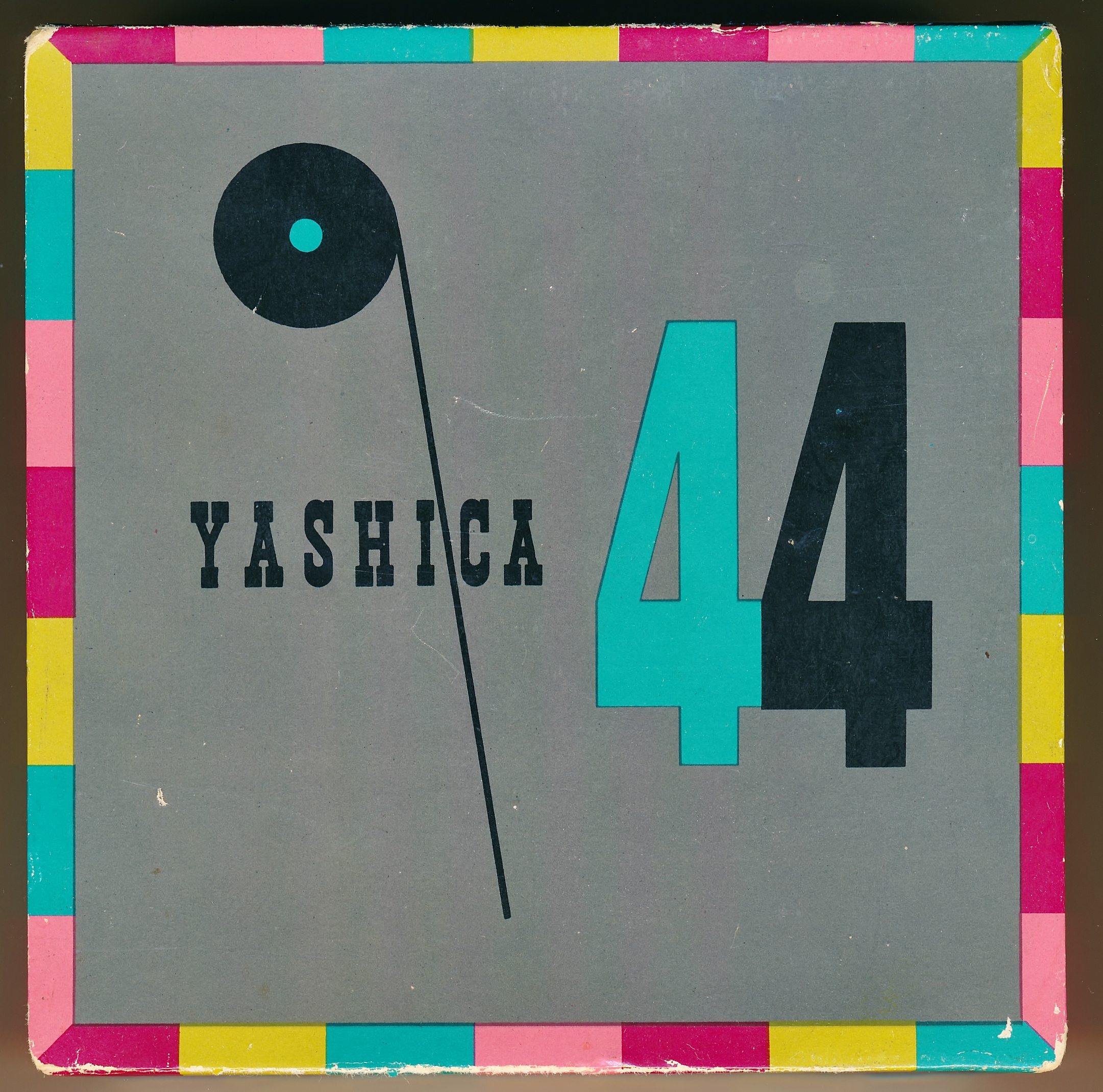
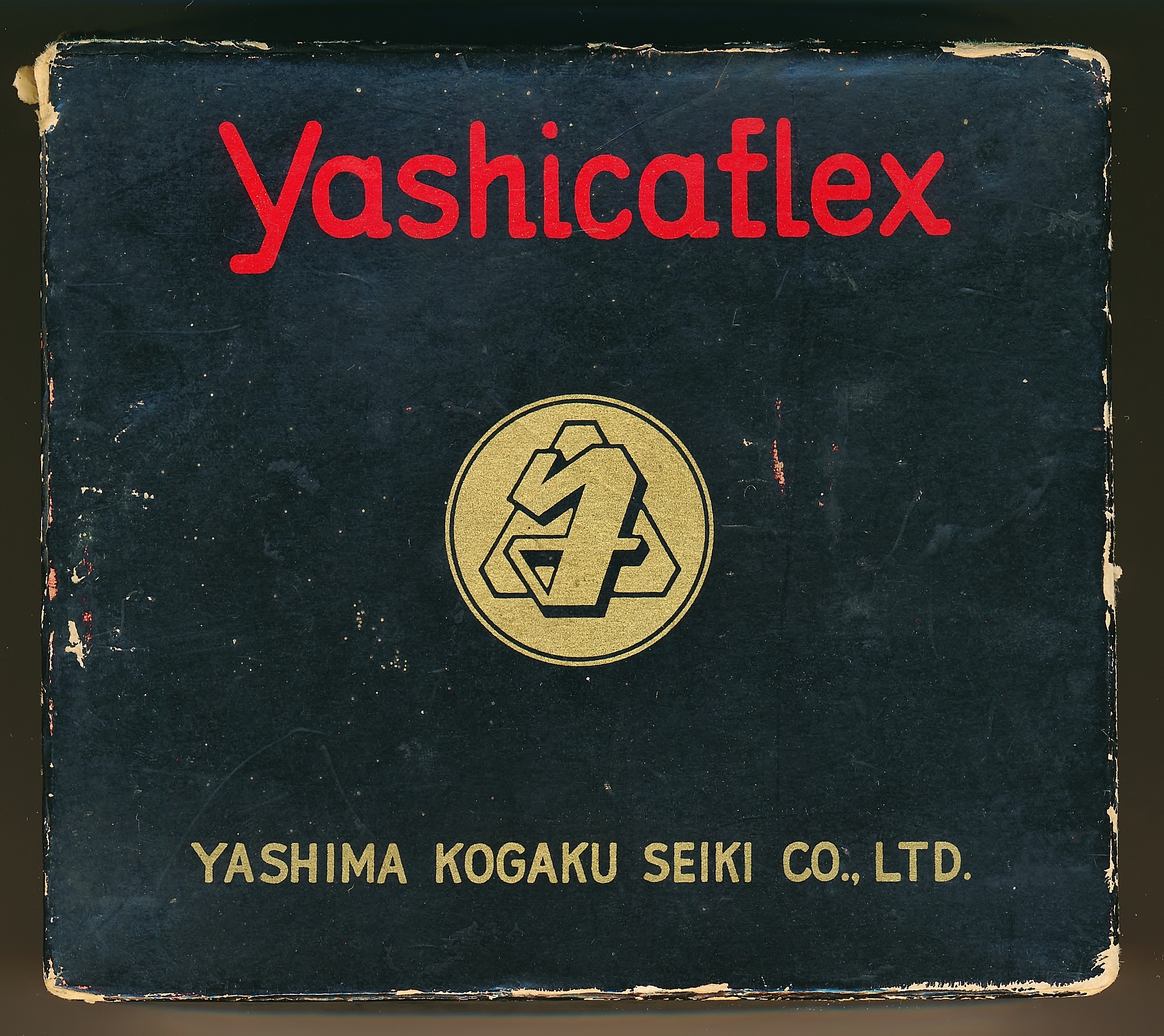
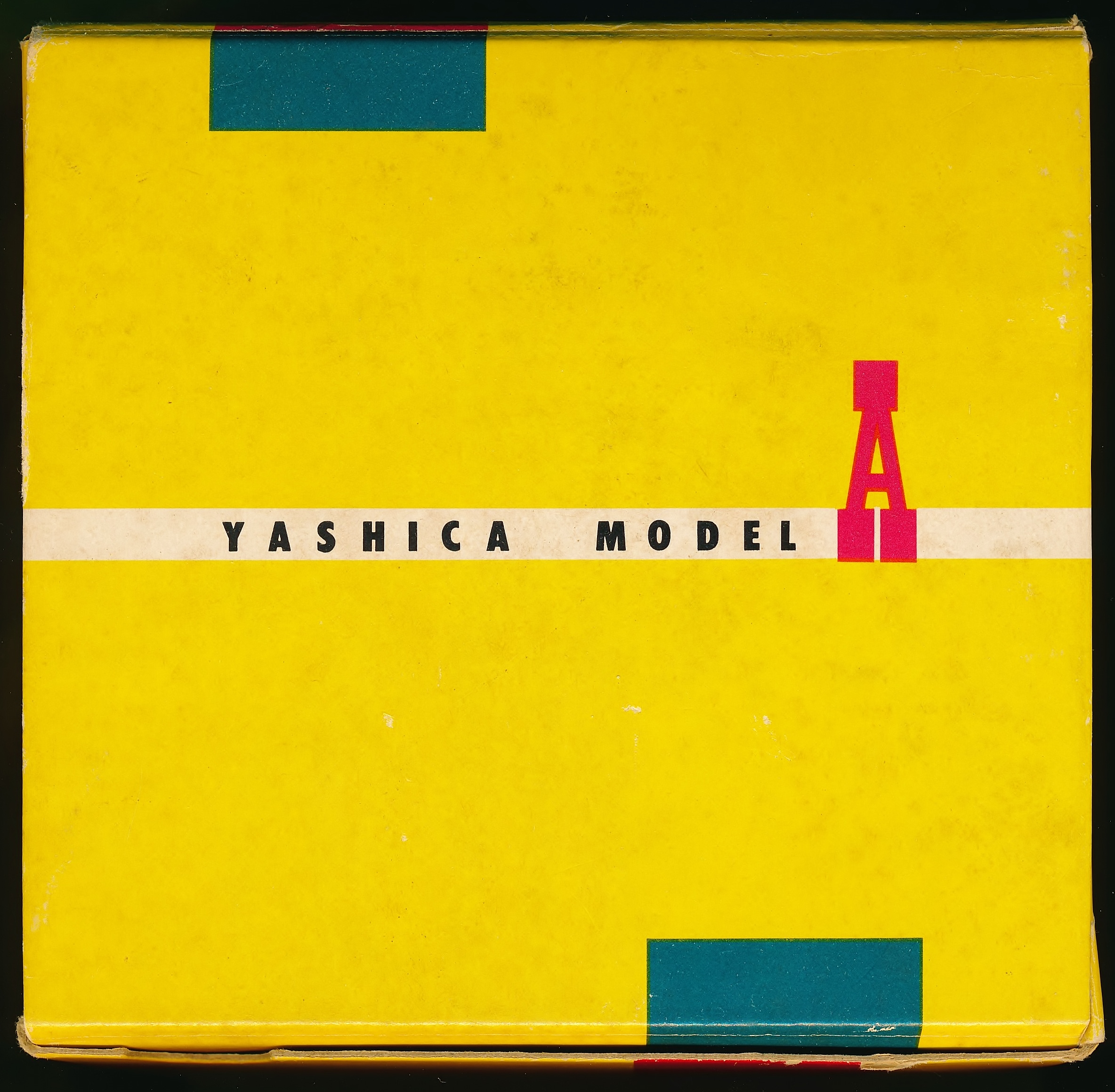
A collection of some interesting Yashima / Yashica box tops…

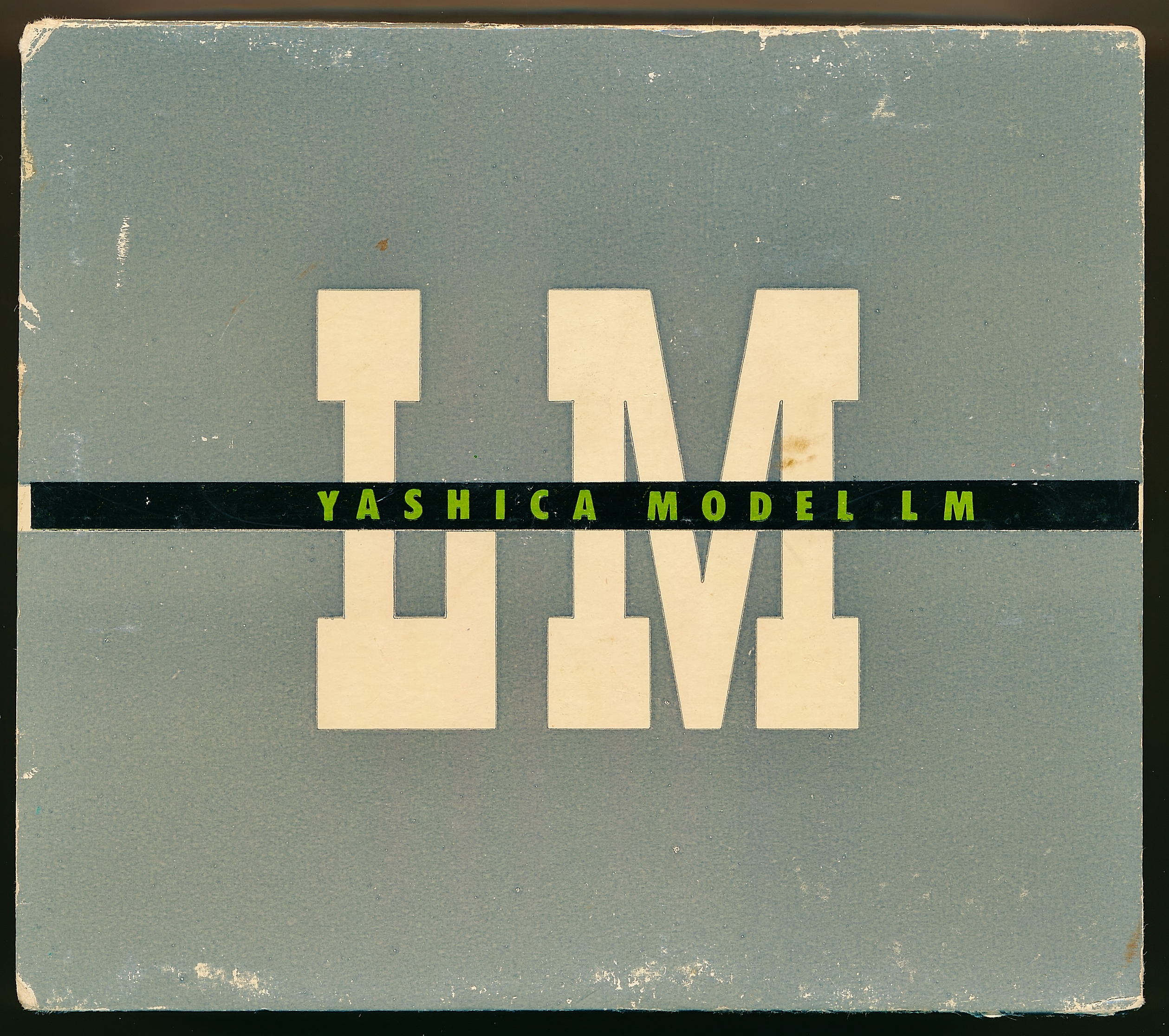
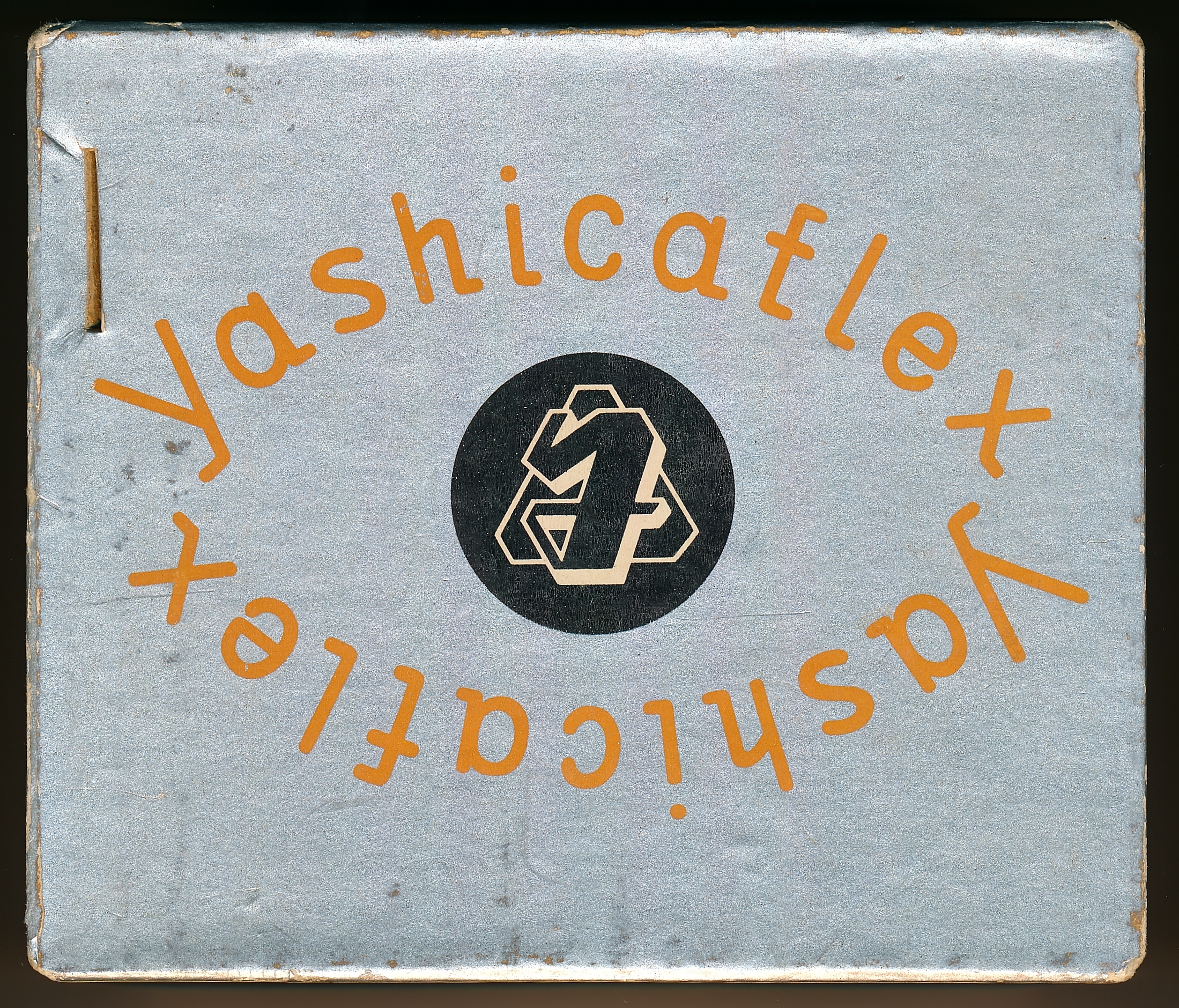
These are scanned from the original presentation and shipping boxes. Also known as inner and outer boxes. These boxes were made with high quality materials and for the most part have held up well for 50 years or more.

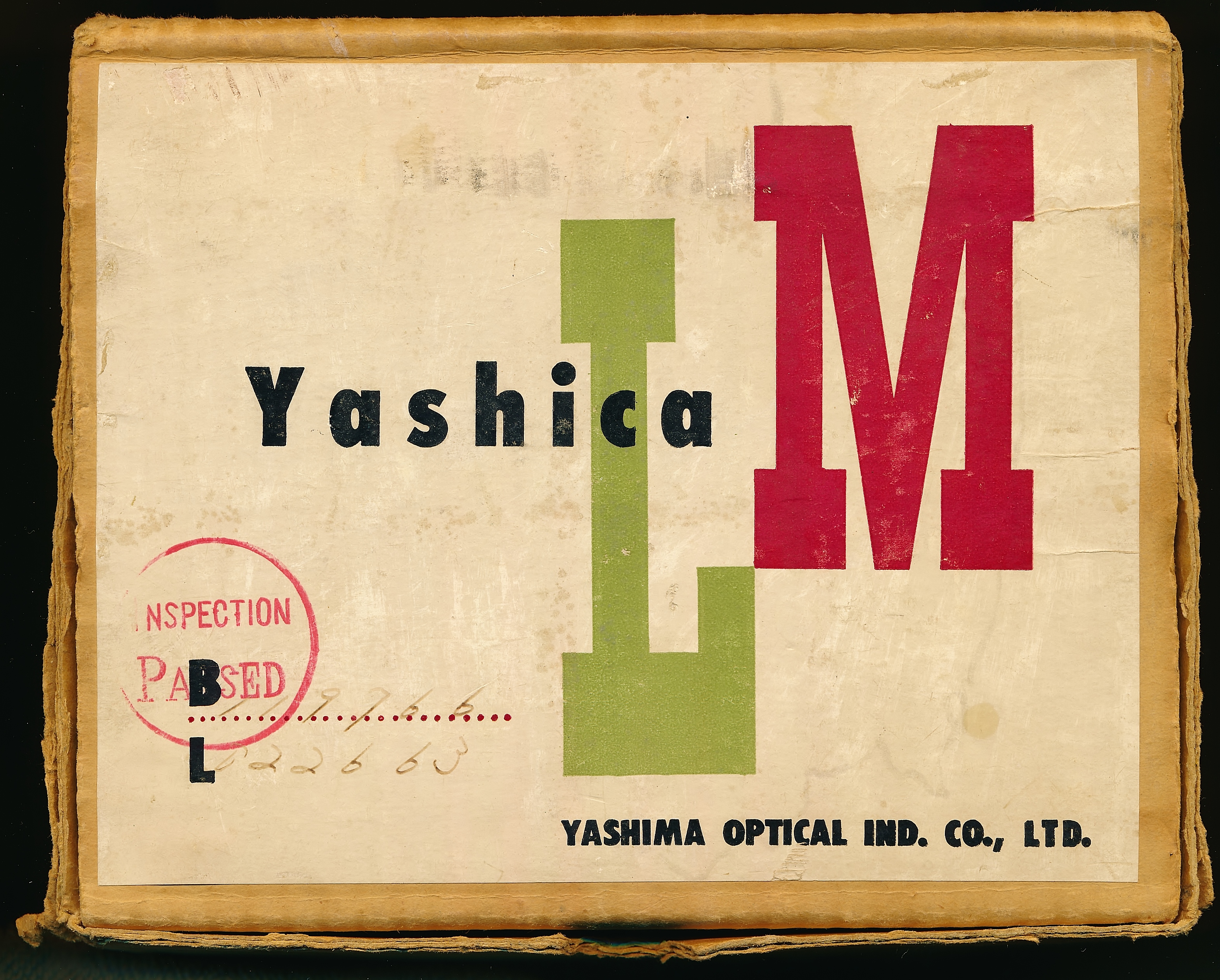
Yashica LM 1957

Yashica LM 1957

IMG_20150930_0009

Yashicaflex model C 1956

IMG_20150930_0010

Yashicaflex model A-II 1955

IMG_20150930_0015

Yashica 44 1958

IMG_20150930_0016

Yashicaflex model S 1955

IMG_20150930_0018

Yashica model A 1964

IMG_20150930_0019

Yashica LM Outer Box 1957

Earliest Pentamatic US Sales Brochure

Very early if not the earliest US printed sales brochure for the new Pentamatic.

I’m thinking the summer of 1960…

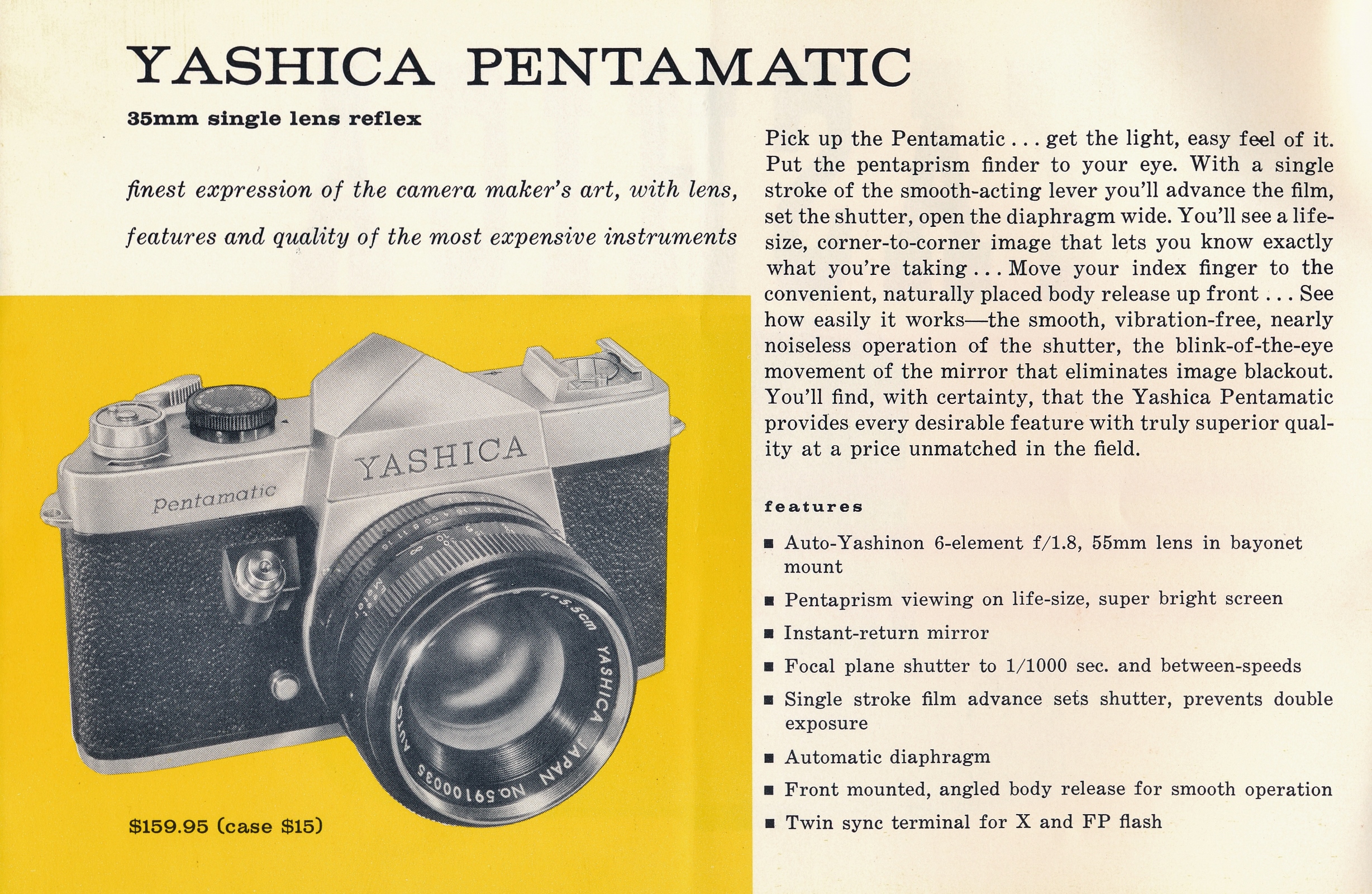
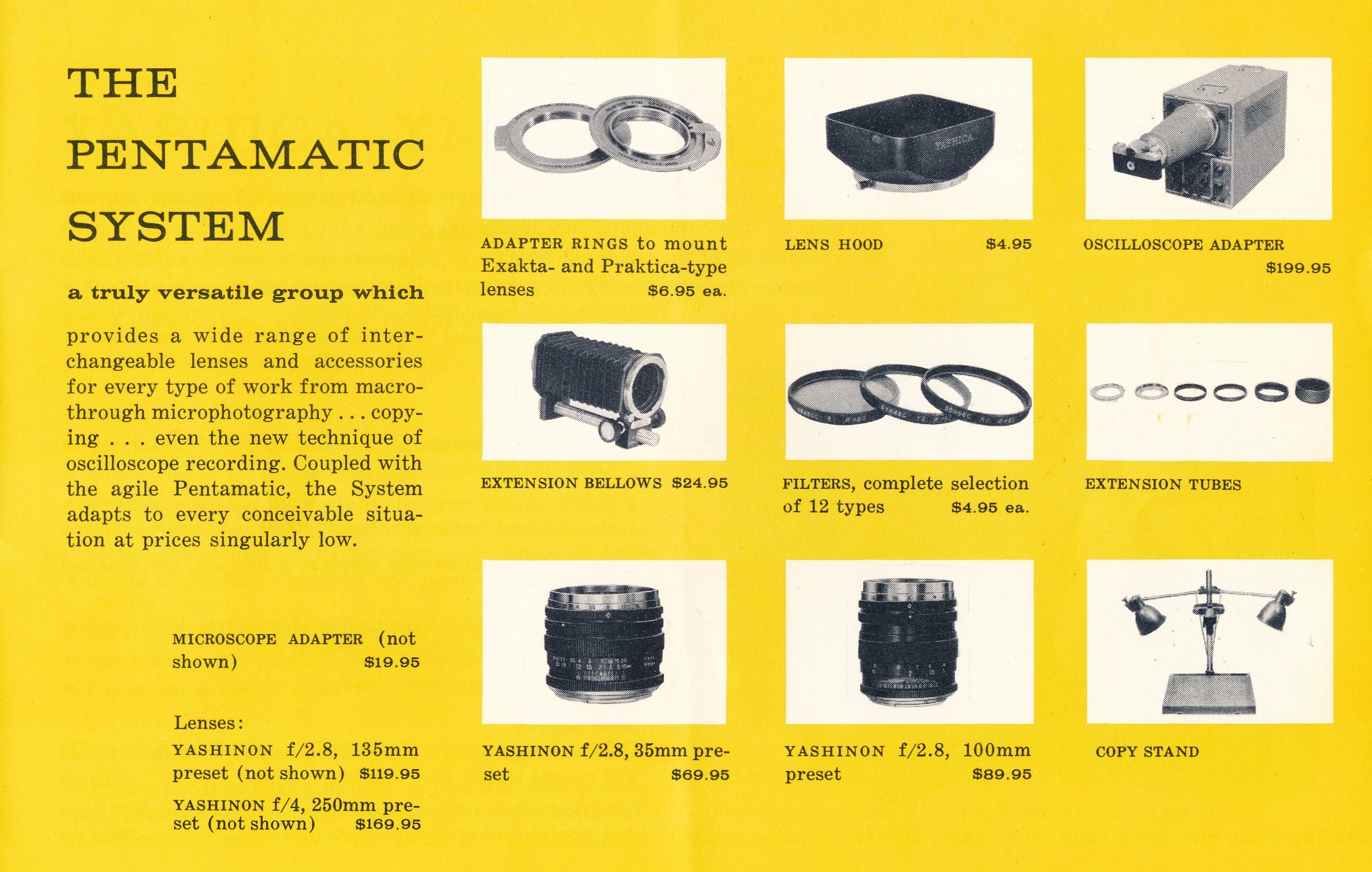
I haven’t found an earlier brochure that features the Pentamatic then this one. “Printed in the U.S.A.” on back cover using the 234 Fifth Avenue, New York 1, N.Y. address. The cover is amazing in that other than Yashica’s name and a image of the camera there is no other writing. No “Pentamatic”. Just an image of the camera. That was a first for Yashica as best as I can tell. The first magazine advertisement was June 1960 in the US so I don’t believe this brochure was out before that. The only problem with my thinking is that most of the other cameras featured inside this brochure are 1959 model cameras and in some cases late 1958. Could even be a few that came out in early 1960. The two pages scanned here contain an interesting wealth of info on the features and accessories. Of note, the lens serial number (No. 59100036) puts that lens to be one of the first lenses Tomioka made for Yashica with the new bayonet mount (December 1959).

Page 1 provides a wealth of info for Yashica's first 35mm SLR.

Page 1 provides a wealth of info for Yashica’s first 35mm SLR.

IMG_20150926_0025

Page 2 shows (with prices) a nice selection of accessories for the Pentamatic.