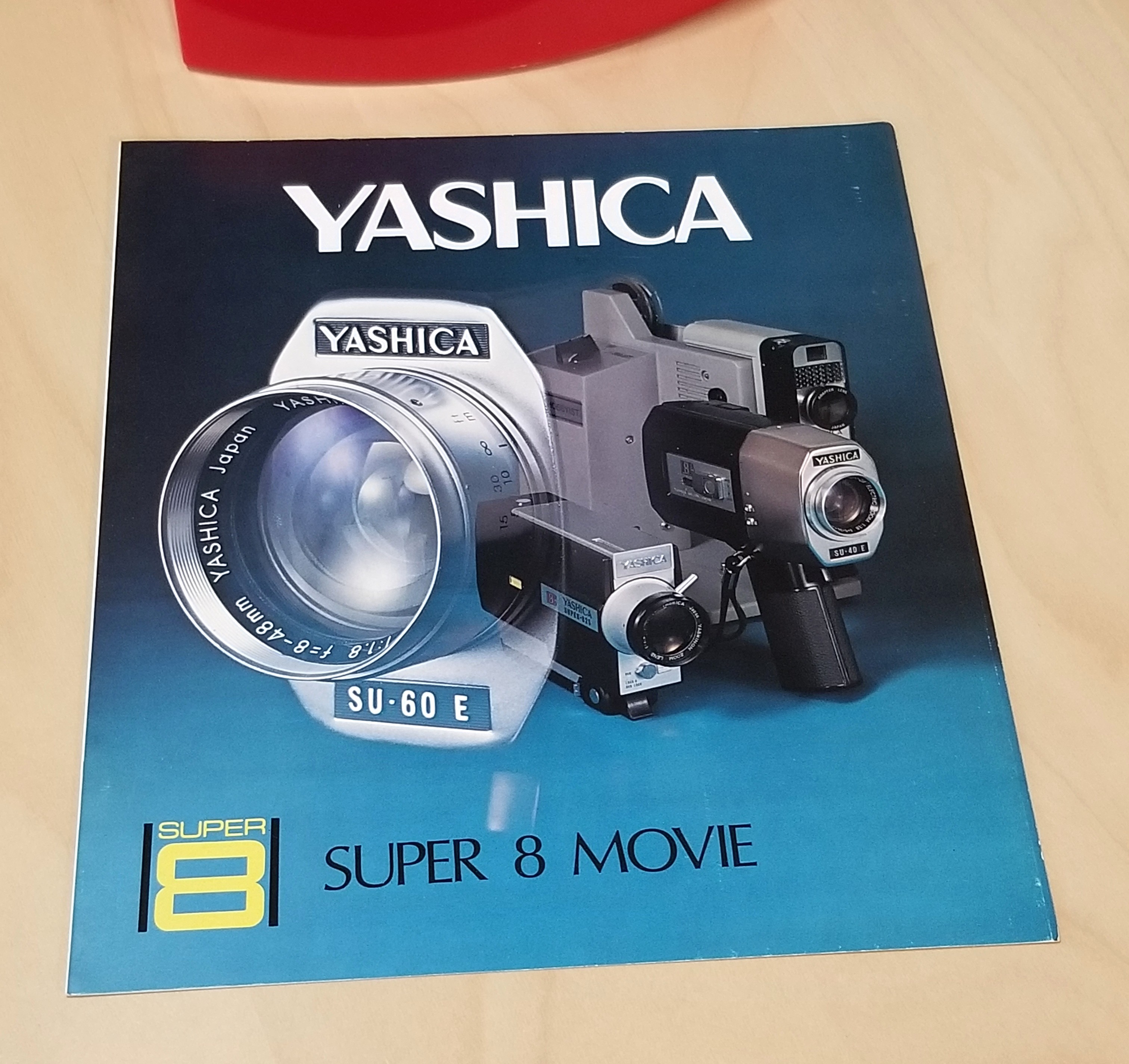
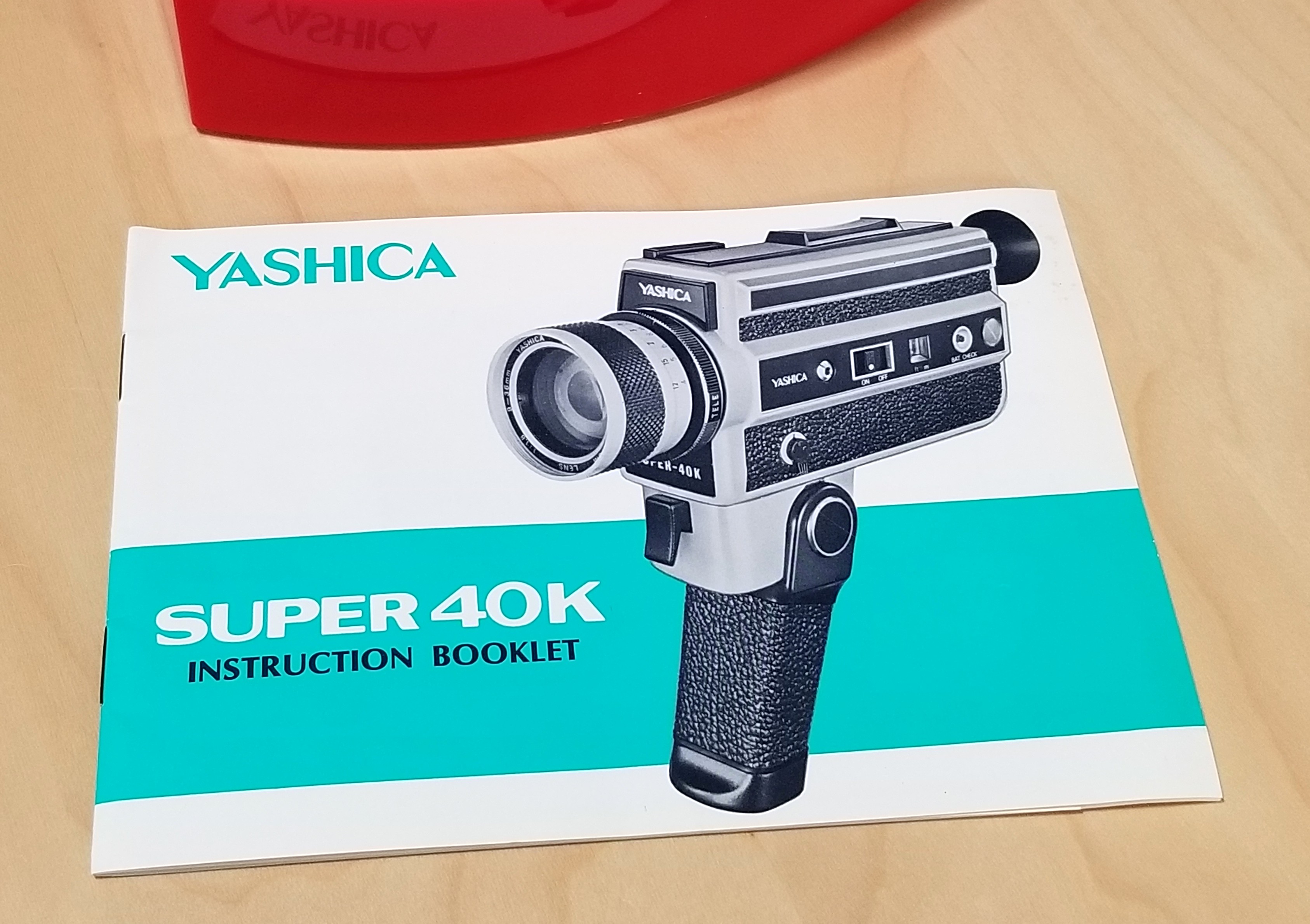
I’ve just added some hard-to-find Yashica sales brochures and instruction booklets in my camera shop at http://www.ccstudio2380.com.
Probably one of the most popular Yashica cameras ever made.Yashica movie camera brochures are often difficult to find.This was a very sophisticated Super 8 camera, as good as any made during that period.A popular movie camera of the late 1960s and early 1970s.
Comments are always welcome; I’ve learned a great deal from reader feedback. As always, thanks for stopping by. While there, visit my camera shop at http://www.ccstudio2380.com (CC Design Studios, hosted on Etsy). – Chris Whelan
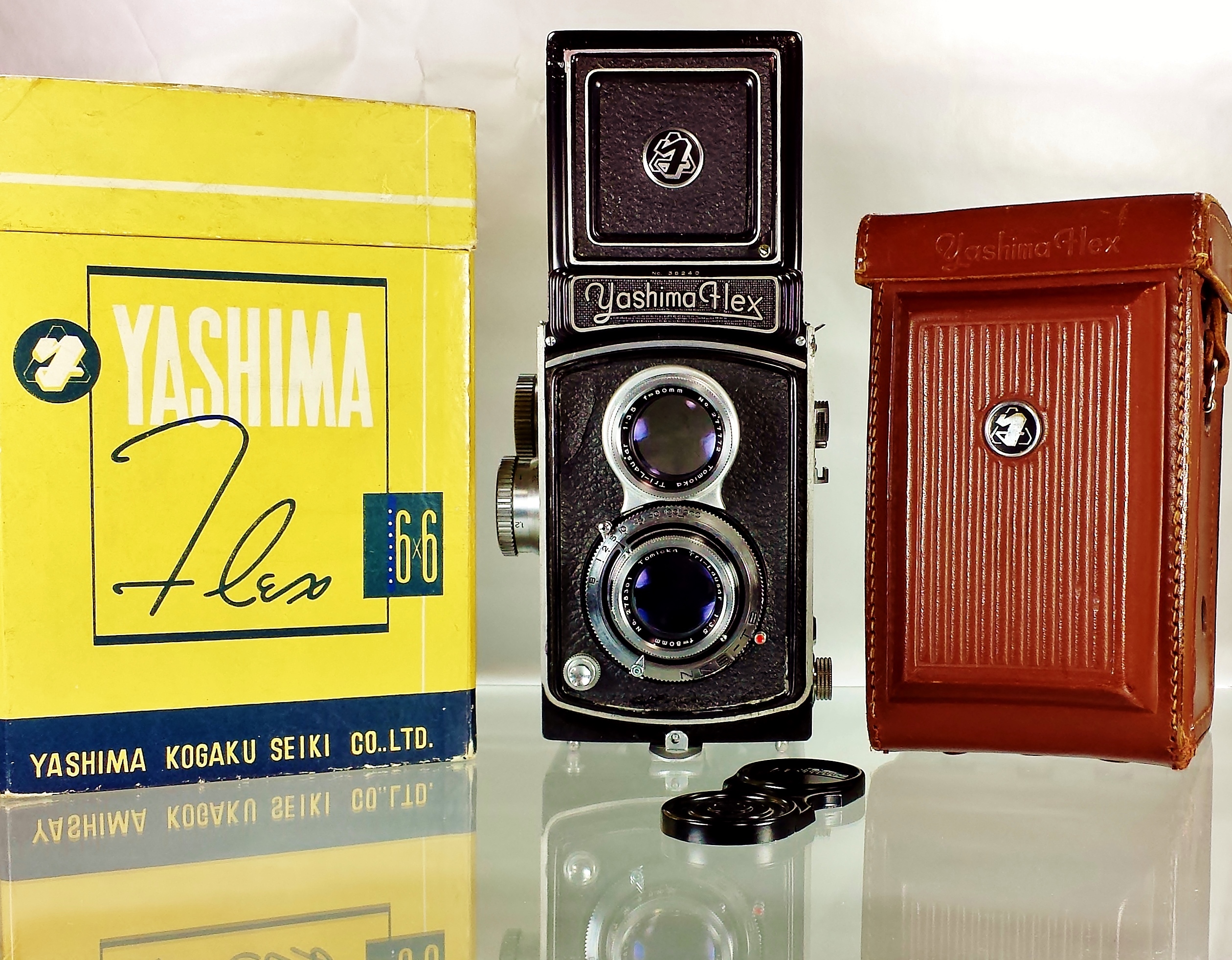
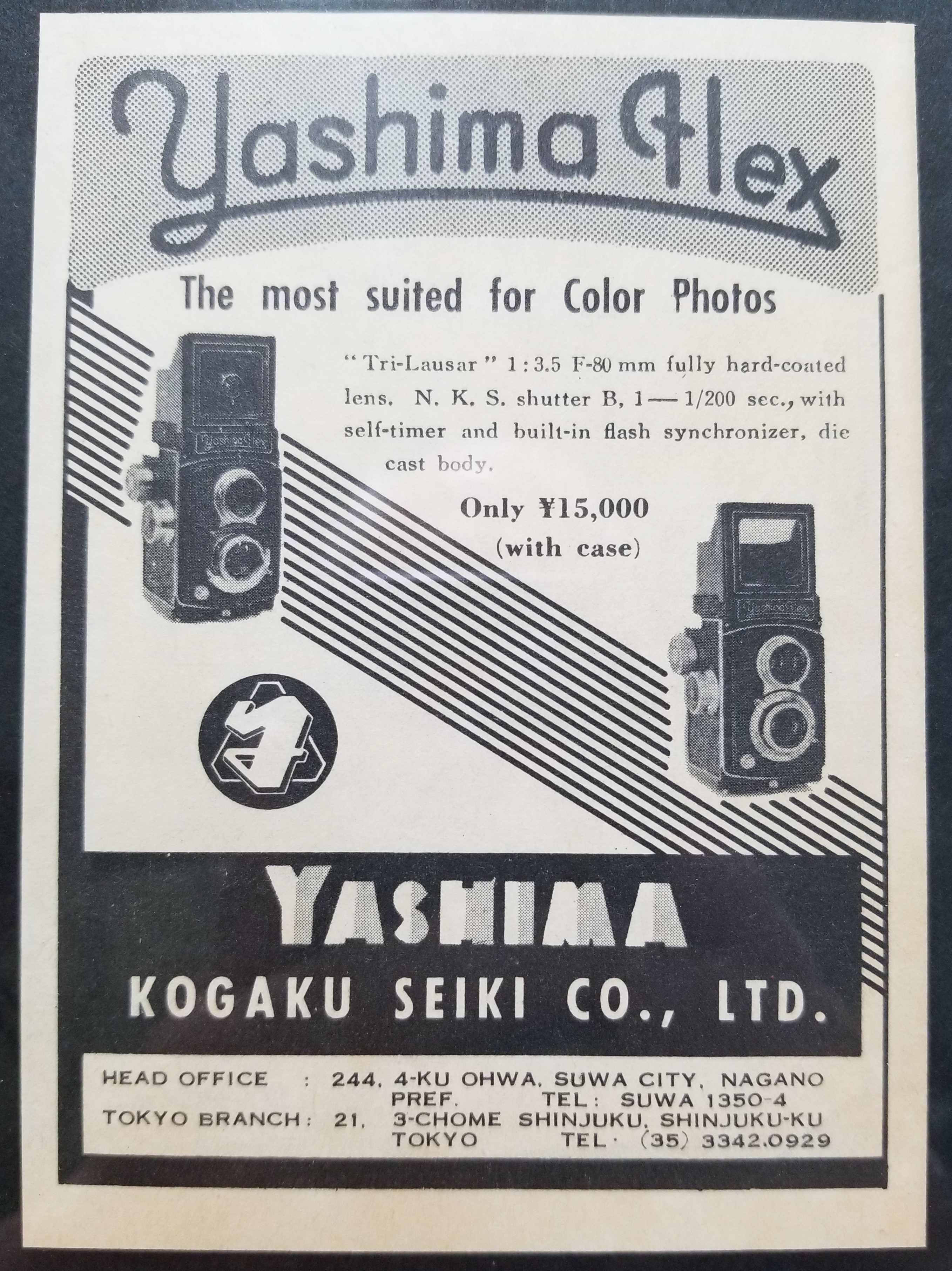
As it would have looked back in 1954, leaving the factory in Suwa, Nagano Prefecture, Japan. Built by the talented craftspeople of Yashima Kogaku Seiki Co., Ltd.
Yashima’s first twin-lens reflex camera was to bear the company name. The Yashima Flex launched a wave of TLRs manufactured by Yashima and later Yashica. By the end of the 1950s, Yashica produced more of these types of cameras than anyone else in the world.
We are very lucky to add such a historic camera to our collection. We enjoy sharing these simple machines with others and hope to pass along a better understanding of the importance of these classic film cameras.
My original set from 1954.Earliest English advertisement.
If you have a chance to chase this camera, it will be worth your time. The build quality is impressive.
Comments are always welcome; I’ve learned a great deal from reader feedback. As always, thanks for stopping by. While there, visit my camera shop at http://www.ccstudio2380.com (CC Design Studios, hosted on Etsy). – Chris Whelan
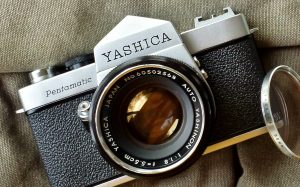
Three “new” cameras from 1959. The Asahi Pentax H2 shown here in its Honeywell Heiland badges, the Canon Canonflex, and the Yashica Pentamatic ’35’. All three made their debuts that year, although the Yashica more formally in March 1960. The Asahi is the 4th pentaprism 35mm SLR after their original in 1957. The Canon and Yashica were their first-ever SLRs. The Asahi Pentax more or less set the standard for what a compact 35mm SLR would look like for the next decade. Not pictured with this trio is the Nikon F, which was also released that year.
Three gems from the late 1950s. These were the standard lenses that would have been attached as part of a ‘kit’.The most compact of the three.This one is a beast! It’s about the same size and weight as the Canon F-1, which was released much later in March 1971.Of the three, I think the Yashica has the cleanest design and looks the most modern for the time period.It takes two hands to handle the Canon. The Canon’s lens is radioactive. Not quite enough to heat your dinner (I hope).
Comments are always welcome; I’ve learned a great deal from reader feedback. As always, thanks for stopping by. While there, visit my camera shop at http://www.ccstudio2380.com (CC Design Studios, hosted on Etsy). – Chris Whelan
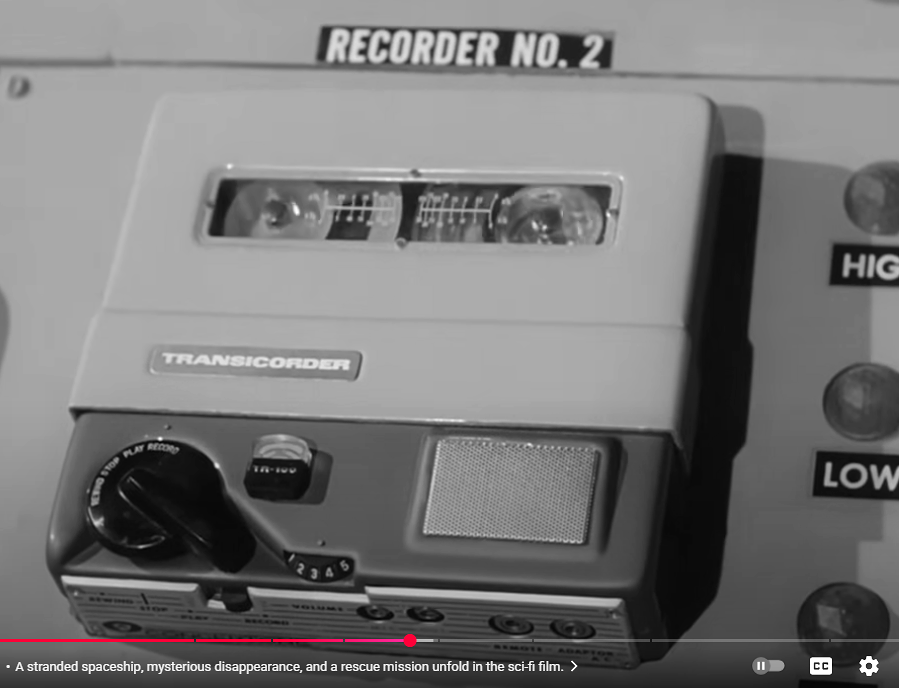
Thanks to a tip I received from Mike Bowman, I was able to grab this snip from the 1961 sci-fi movie ‘The Phantom Planet’ of a Yashica YT-100 tape recorder! It was part of the dashboard of a spaceship control panel. If you want to see for yourself, it’s at time stamp 41:47 in the very campy movie.A nice original boxed set from 1960.
Comments are always welcome; I’ve learned a great deal from reader feedback. As always, thanks for stopping by. While there, visit my camera shop at http://www.ccstudio2380.com (CC Design Studios, hosted on Etsy). – Chris Whelan
Yashica’s first 35mm camera was made from April 1958 to December 1960. New evidence indicates that the Yashica 35 had a longer run than previously reported. The first units rolled off the line in April 1958, and the last in December 1960. This camera may be one of the last made – its serial number shows it to be a December 1960 model, which was the 1,150th of that month. The lens is a Tomioka-made f/1.9, 4.5cm, with a Copal MKV-SV shutter. The build quality and sharpness of the lens are exceptional.
Comments are always welcomed, as I’ve learned quite a bit from reader feedback. As always, thanks for stopping by, and while you’re at it, feel free to visit my camera shop at http://www.ccstudio2380.com (CC Design Studios hosted by Etsy). – Chris Whelan
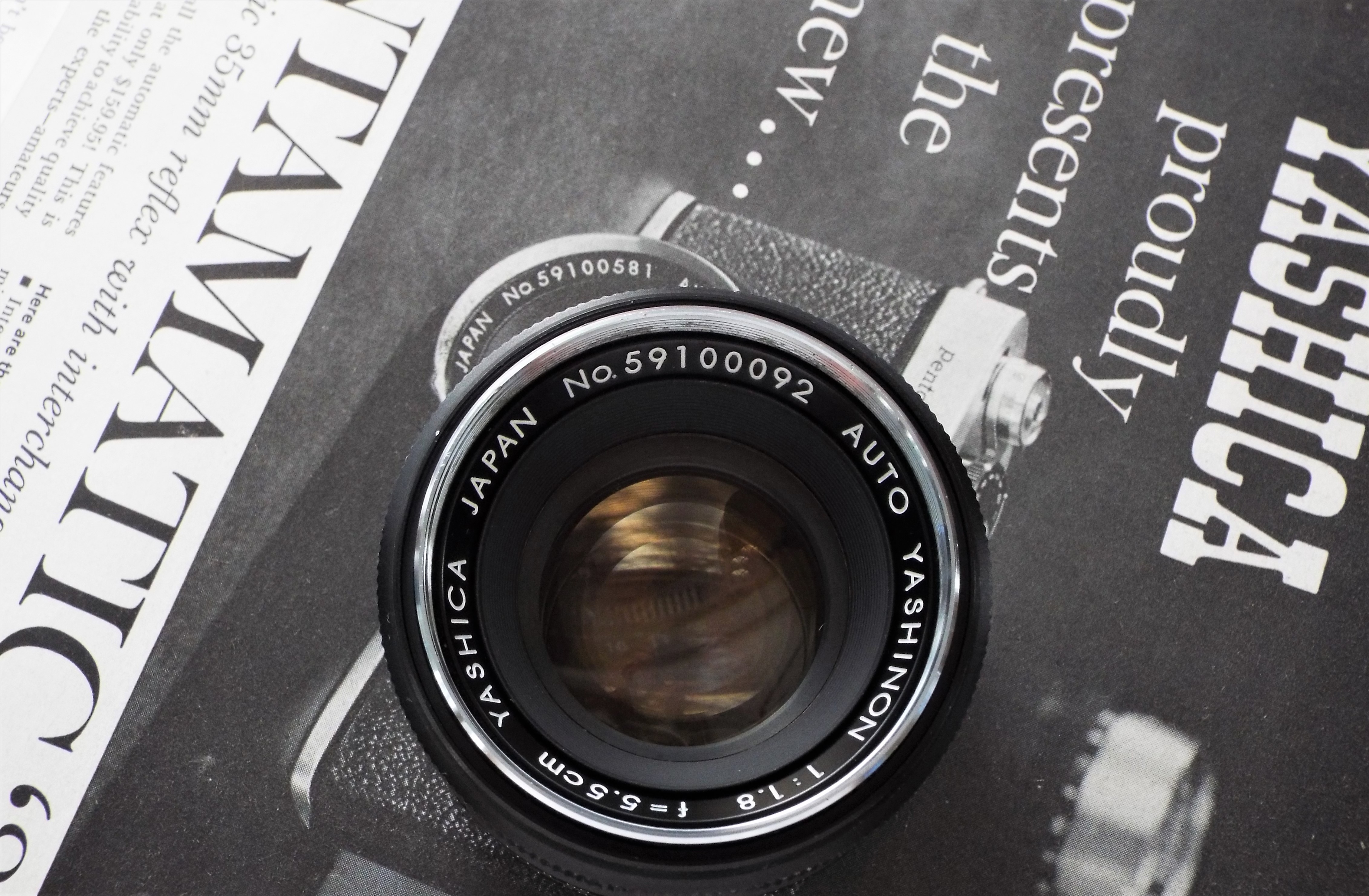
We recently acquired this lens for our Yashica Pentamatic collection. Why is it important? It’s a great find because it’s the first time we’ve encountered a lens with a lower serial number than one pictured in an advertisement (in this case, the first-ever ad for the Pentamatic, June 1960). We know it is total nerd stuff, but that’s what makes collecting fun.
The lens was made for Yashica by Tomioka Optical, which at the time made about 90% of all their lenses (TLR, SLR, RF, and Cine).
The lens serial number decodes 59 = 1959, 10 = OCT, and 0092, the 92nd lens made since production started.
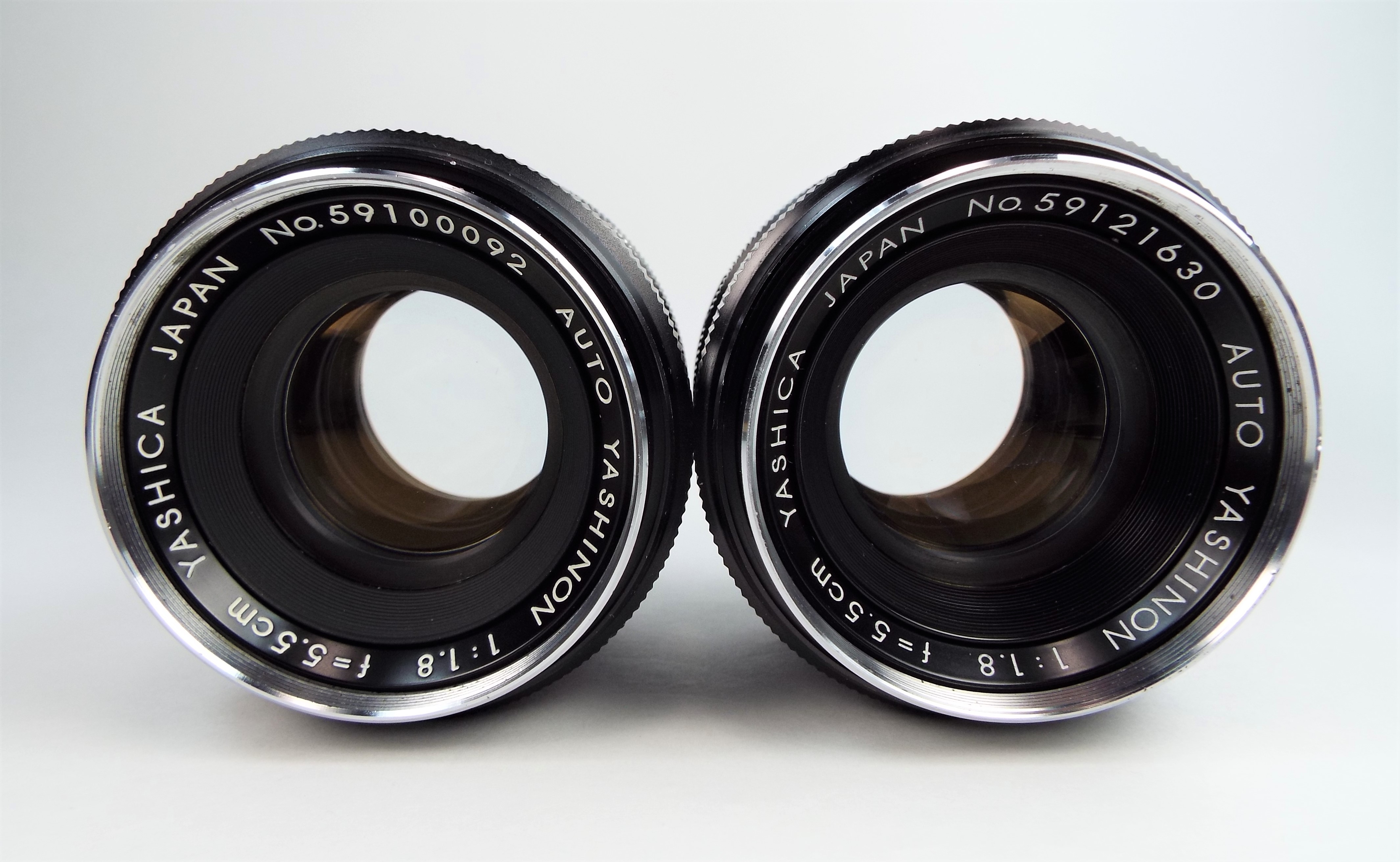
In the second image, the other lens was made in December and was the 1,630th made. Tomioka was busy producing these lenses long before Yashica released the Pentamatic in March 1960. The first Pentamatic bodies were made in January.
The third image shows an early Yashica Tominon Super Yashinon-R f/2.8 3.5cm wide-angle lens SN 350246. The date code was dropped in favor of a simpler code: 35 = 35 mm, and 0246 is the sequence number since the start of production.
The ad shows a lens with a higher production number than the lens we own. 92 indicates it was made in the first batch of 100 lenses.The October lens is on the left and the December lens is on the right. No November lenses were made.From an early batch of wide-angle lenses from Tomioka Optical. This one is number 246.A fast lens from Tomioka. The f/1.2 55mm lens which was made much later in the M42 screw mount.
Comments are always welcomed, as I’ve learned quite a bit from reader feedback. As always, thanks for stopping by, and while you’re at it, feel free to visit my camera shop at http://www.ccstudio2380.com (CC Design Studios hosted by Etsy). – Chris Whelan
Here are just a few items in my Etsy camera shop from my collection of cameras and photo gear. Visit http://www.ccstudio2380.com to see these items in detail.
Canon and Contax.Asahi Pentax, Canon, Yashica, and Nikon.
Comments are always welcomed, as I’ve learned quite a bit from reader feedback. As always, thanks for stopping by, and while you’re at it, feel free to visit my camera shop at http://www.ccstudio2380.com (CC Design Studios hosted by Etsy). – Chris Whelan
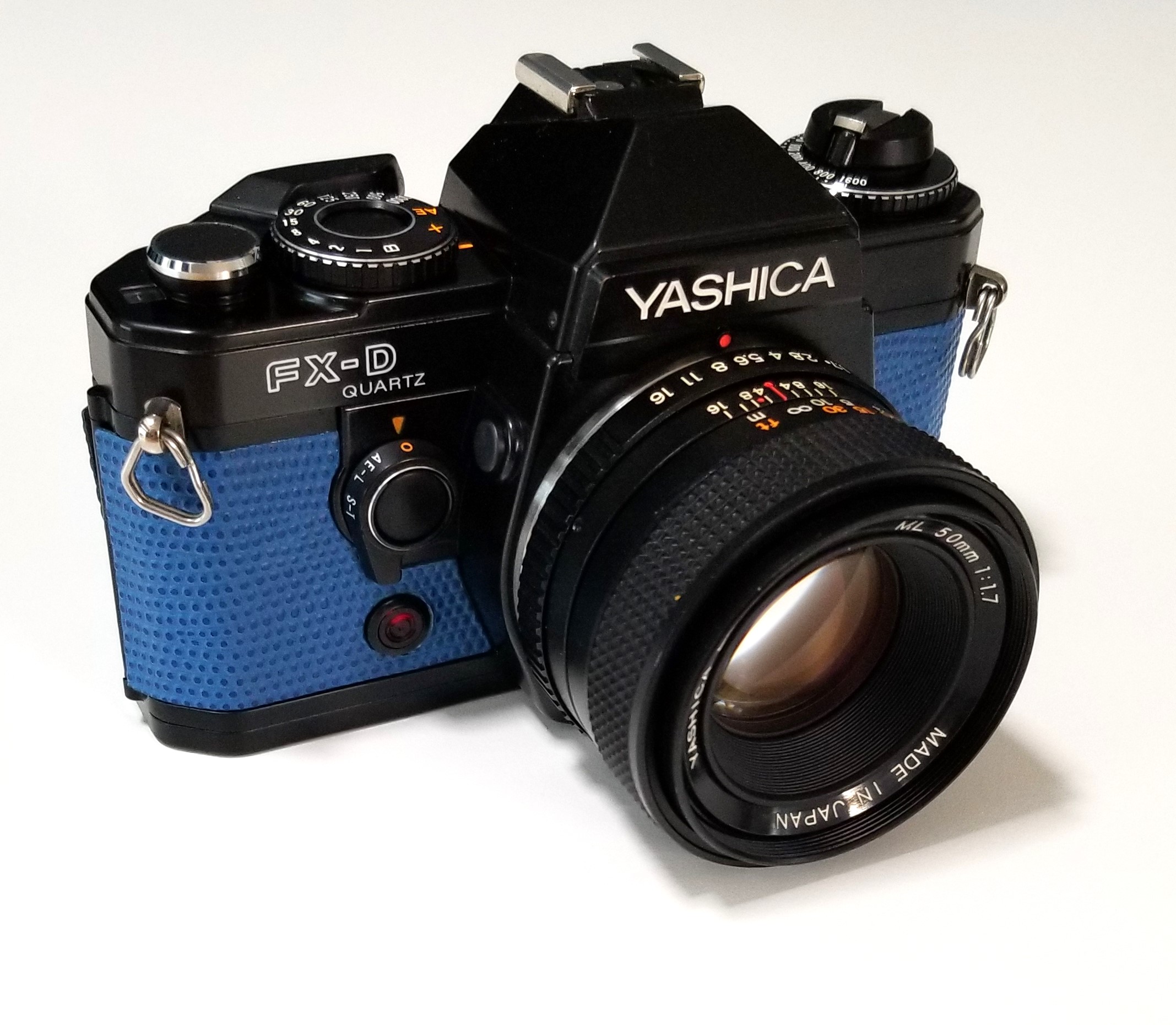
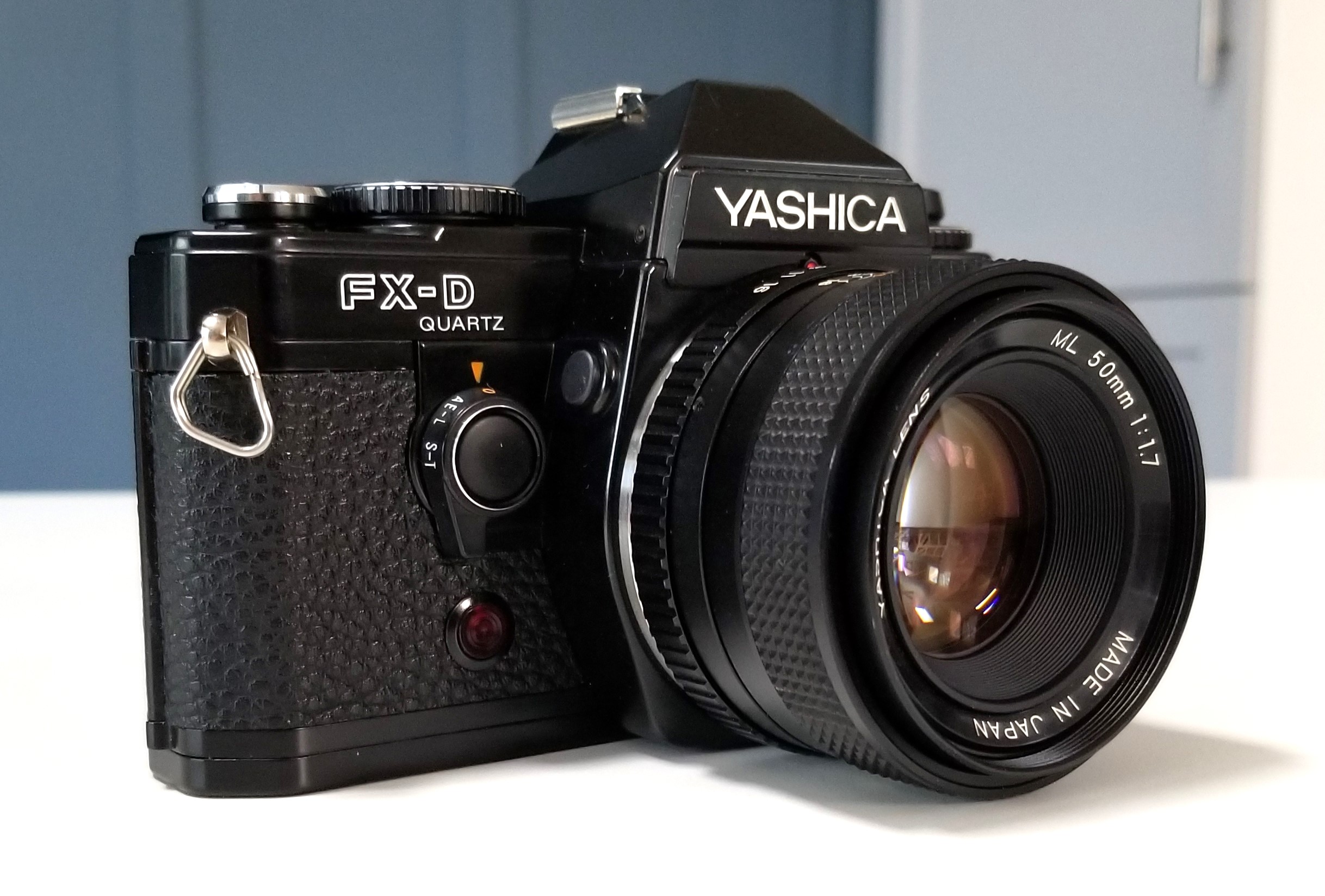
My Yashica FX-D Quartz goes from funky blue to stately black.
I like the blue, but the previous owner didn’t install it well.It looks like it should have looked when Yashica first released it. The black leatherette is from a seller in Japan, so I feel like it’s a good traditional match for this era camera.
What do you think? Blue or black. Thanks for stopping by, Chris
Comments are always welcomed, as I’ve learned quite a bit from reader feedback. As always, thanks for stopping by, and while you’re at it, feel free to visit my camera shop at http://www.ccstudio2380.com (CC Design Studios hosted by Etsy). – Chris Whelan








 Chasing Classic Cameras with Chris