Koinobori – Carp Streamer

I know it’s a bit out of season for a picture of a carp streamer (Koinobori) but this image qualifies as a “found image” from a bunch of “lost” pictures that I had taken with my Canon A-1 and Canon FD 500mm reflex lens. I believe I used Fujicolor.

15510018 logo

I had sold this Canon lens (FD 500mm f/8 Reflex) in mid-2013 and never really got a chance to give it a good workout. I have another 500mm lens headed my way and I hope to give this new one more of a workout.

The Canon reflex (mirror lens) produces pleasing highlights in the out of focus background.

Visit my shop at http://www.ccstudio2380.com for some interesting photo gear.

Thanks for stopping by! – Chris

Fujica ST701 – Pretty, Simple

fujica st701 logo 2

Early 1970s classic from Fuji Photo Film – Fujica ST701

Fuji_Film-pub-1971-De-850 logo

Advertisement from late 1971

fujifilm ad logo

Sales brochure for the Fujica ST701

Thanks for stopping by and be sure to visit our online shop at http://www.ccstudio2380.com  – Chris

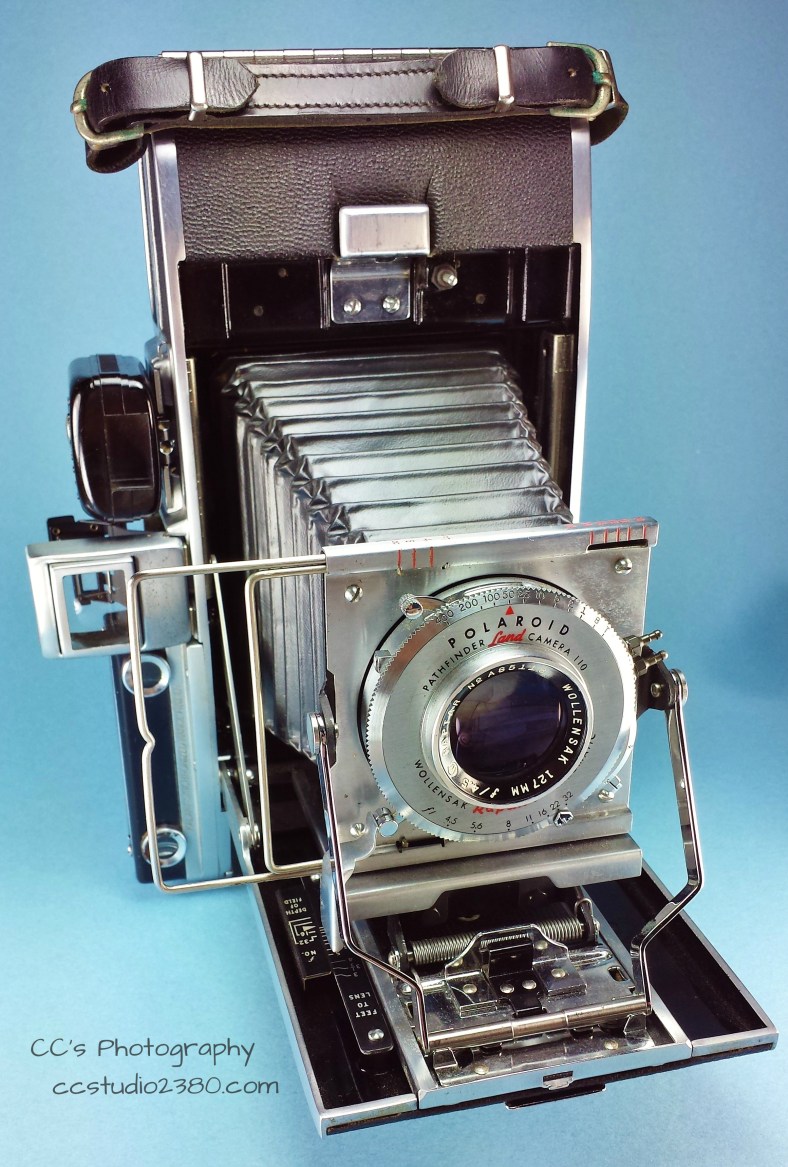
My Dad’s Polaroid Pathfinder 110

A camera that I hope stays with my family forever. So many great images were created using this camera over the years – it certainly qualifies as a keeper in our collection.

15295172593_336f30dd83_o (1) logo

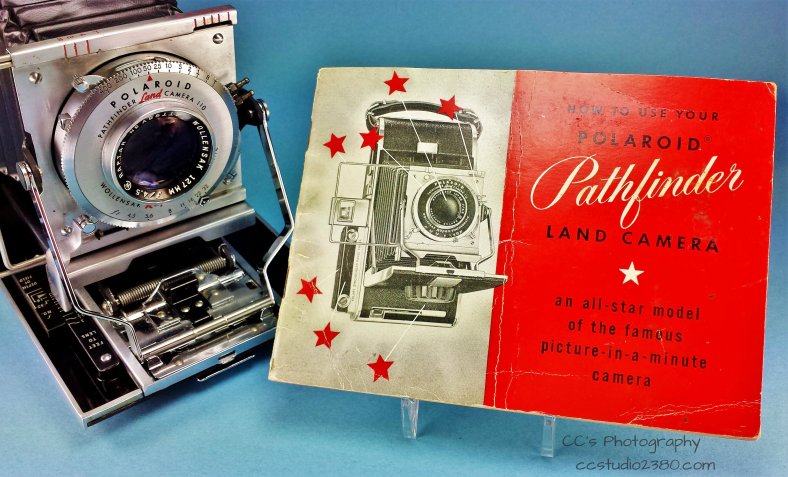
Pathfinder 110 from 1953

15914147022_c9231b44da_o logo

Do you have an “untouchable” camera in your collection? We have a few and I hope to share them over the next few weeks. – Chris


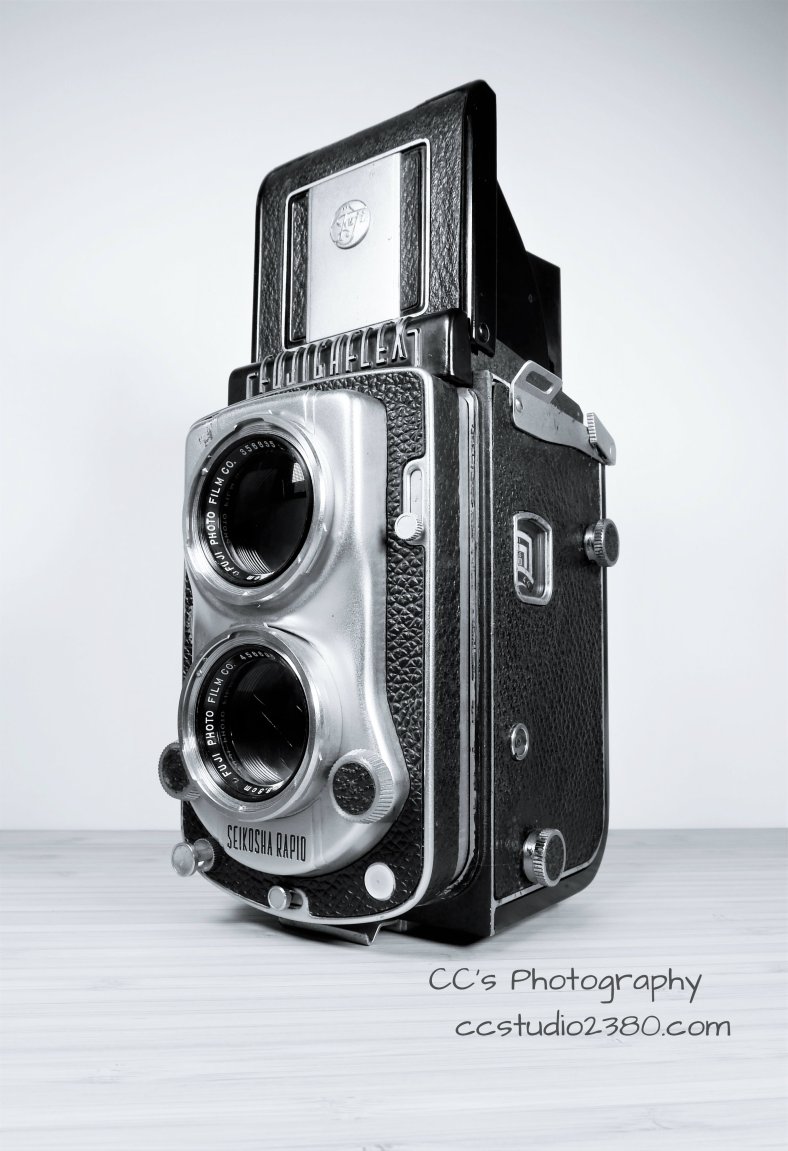
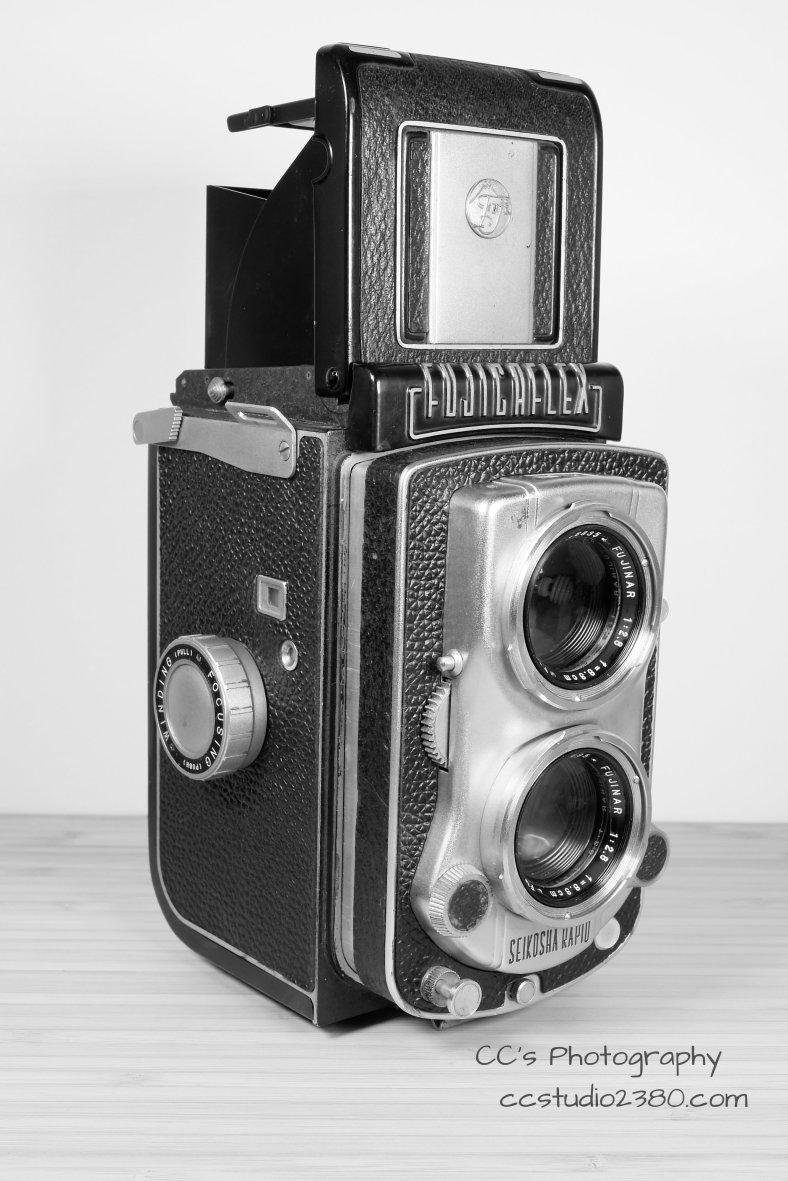
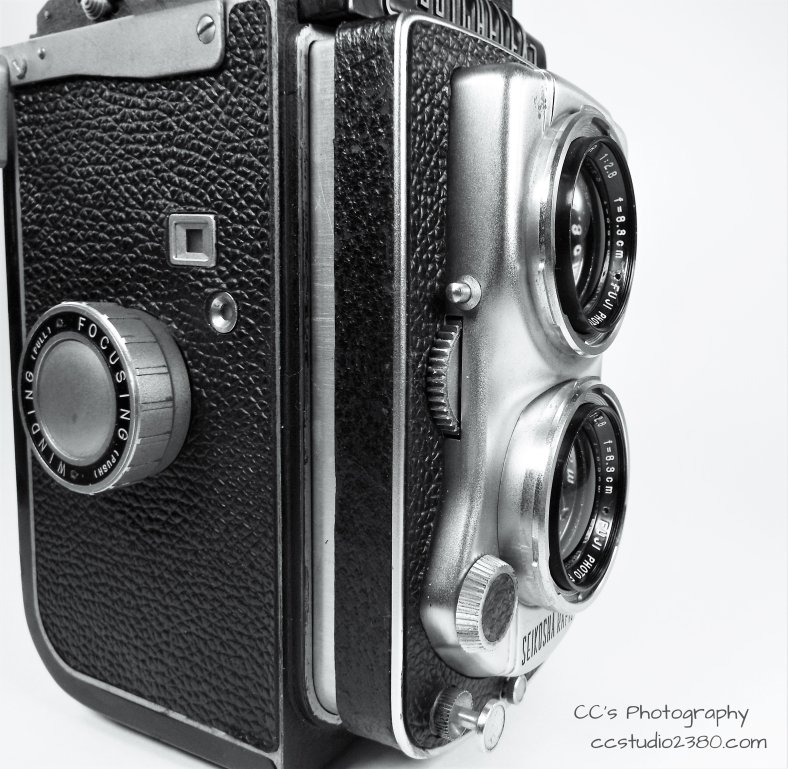
The Fujicaflex Automat- a monster TLR from Fuji Photo Film Company, Tokyo

Fuji’s only attempt at a twin-lens reflex camera – 1954

DSCF8012 logo

The Fuji Photo Film Company of Tokyo has a long history of making some very desirable cameras – from simple point and shoot models to high-quality professional medium format film cameras covering most types of film formats (Fuji Photo, after all, is in the business of selling film). Along the way, there have been a few cameras that have stood out for their technical achievements and innovations and one of them is the Fujicaflex Automat (for much more about this model please check out Mr. Koyasu’s wonderful site).

DSCF8009 logo

We’ve wanted to add this camera to our collection for many years and the right combination of events led us to this one. It was for sale in Japan a short while back and we missed it – it became available again from a collector in Thailand so we went for it.

DSCF8511 logo

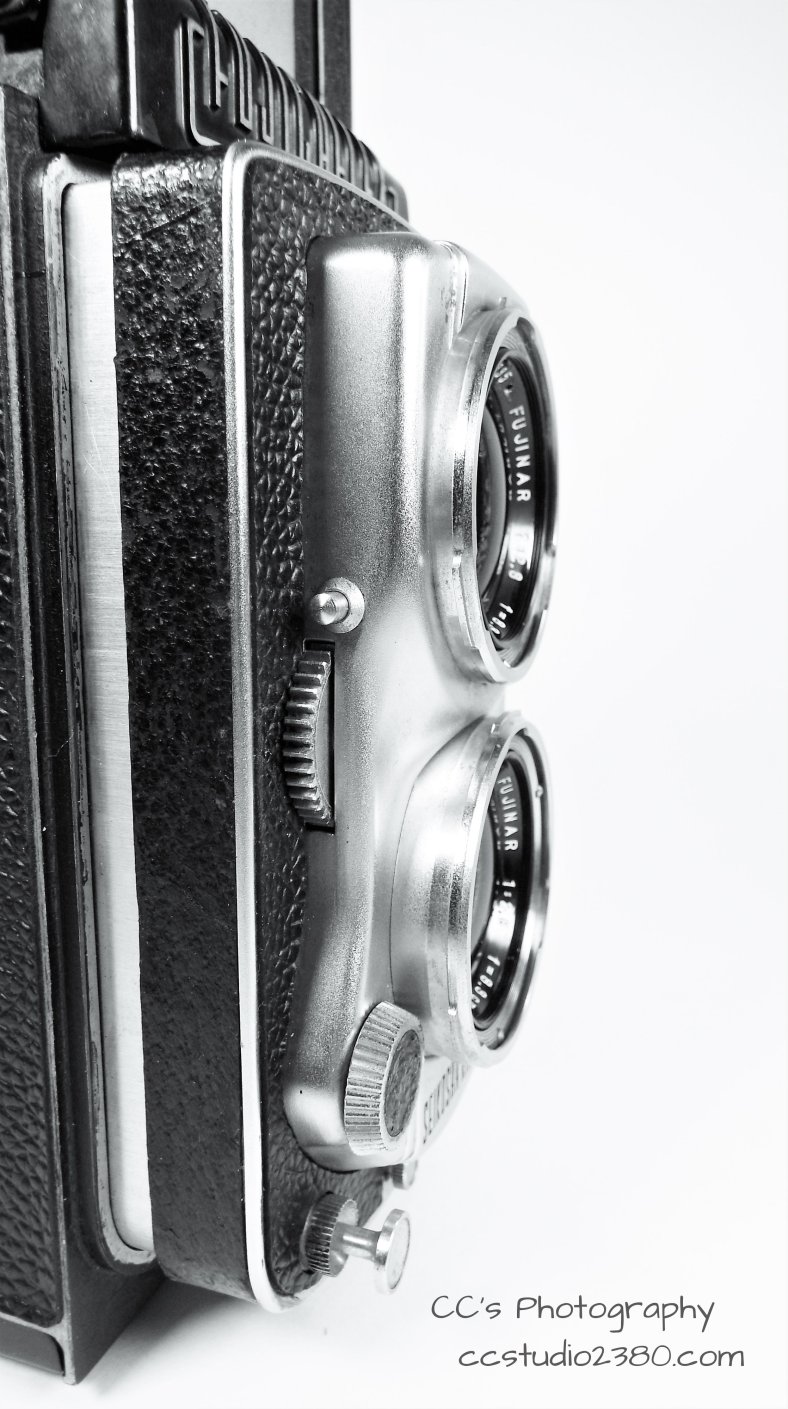
Of the many neat features that this camera has, one of the most useful is its close-up capabilities. Although we haven’t finished our first test roll of film we wanted to verify the reported 70cm close focusing feature. By pushing the little button above the thumbwheel you’ll be able to adjust the taking and viewing lenses for a closer focus (notice that the lens rings extend outwards about 4mm or so). The ability to bring the taking lens closer to the subject allows the camera to get closer to the subject without the use of cumbersome auxiliary lenses.

DSCF8513 logo

Here the lenses are retracted back to their “normal” positions.

Thanks for stopping by! We’ll cover more of the camera’s features in future posts and we will post images from our first test roll soon. – Chris

Happy SUNday! – Vintage Cameras –

yashicaflex rookie set

Yashicaflex Rookie 1956

All of our ‘Rookie Stuff’ together for this display. As a Japanese domestic market only camera, the Rookie is a rather unique find outside of Japan.

Wonderfully fun camera to use… always gets strange looks whenever it’s out and about.

yashica a and rookie

1959 gray Yashica-A and 1956 Yashicaflex Rookie. Two wonderfully simple twin-lens reflex (TLR) cameras from Yashima-Yashica. These two have held up very nicely over these many years.

Probably one of the oddest names for a camera from Yashica (and they’ve had a bunch). If we use our western definition of the word “rookie” it would appear that Yashica was naming a simple to use camera that first-time photographers would be comfortable with. The Rookie was not available outside of Japan.

Thanks for stopping by and be sure to see what we’ve added to our online store at http://www.ccstudio2380.com

Chris

The YK – a simple little gem from Yashica

Often overlooked and most likely an unknown 35mm rangefinder from Yashica. This example is an early version from June 1959. Very similar to Yashica’s first 35mm camera the Yashica 35 but with fewer features. It listed for $39.95 and the leather case could be had for an additional $7.95

DSCF8499 logo

Handsome camera from Yashica. It features a bright viewfinder, easy to operate controls and a high-quality Yashinon f/2.8 lens.

DSCF8501 logo

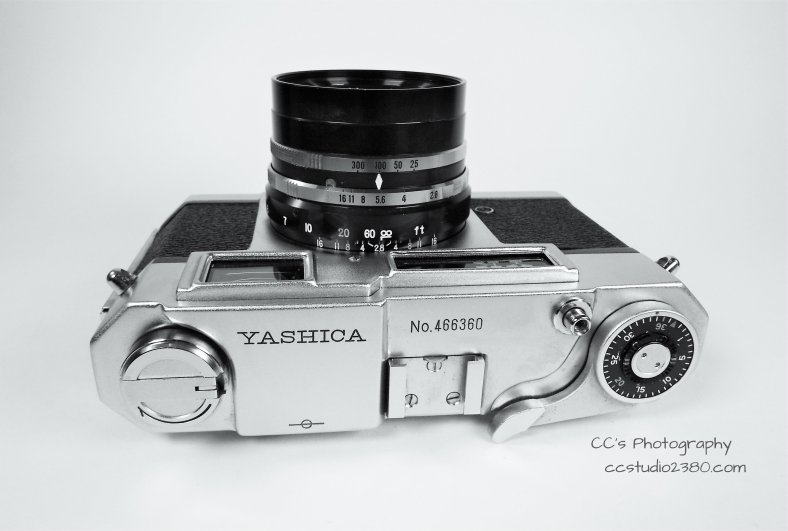
A view from above – simple layout and big easy to use controls. Note the distance scale is only in feet (typical of the time period) and the Copal-SV shutter ranged from “B” to 1/300

DSCF8500 logo

An ASA/DIN reminder dial, the eyepiece and the company name grace the back of the camera.

DSCF8490 logo

Side-by-side comparison with the Yashica 35 “F” (left). Yashica didn’t deviate much from the basic foundation of the 35 model which was first built in April 1958. The Yashica 35 pictured here is actually from December 1960 which puts this YK a full year and a half earlier than the 35.

DSCF8497 logo

If you’re interested in trying out an early Japanese rangefinder then the Yashica YK is certainly a worthy camera to go after (whenever you can find one). We were lucky to find this wonderful example recently as it makes a nice addition to our collection.

Thanks for stopping by!

Chris


Heavyweights 1954-1955

DSCF8482 logo

On the left is the Fujicaflex Automat by the Fuji Photo Film Company – Fuji’s first and only twin-lens reflex (TLR) camera. On the right is the Yashica Flex S (aka Yashicaflex S) by Yashima Kogaku Seiki Company.

Yashima (later to be known as Yashica) went on to build TLRs until 1986 producing thousands encompassing over thirty models.

The Fujicaflex was under development by Fuji since around 1948 and the direction they took was to build a high-quality camera geared to the serious amateur and semi-professional photographer. By all accounts, it was a bust in the marketplace (way too expensive) as Fuji never attempted to follow it up with a second model and ending production in just about a year.

The Fujicaflex is noticeably larger than the Yashica Flex S – the Fuji weighs 1,323 grams and the Yashica comes in at 1,117 grams. Both cameras were weighed with a roll of 120 film loaded.

DSCF8485 logo

The Yashica Flex S was the first ever TLR with an attached exposure meter. I imagine you could say built-in as the meter’s cells were located behind the nameplate flap and were connected to the meter on the camera’s left side via wires. The non-coupled selenium cell meter was built by Sekonic and was marked “Sekonic CB-1”.

We’ll continue to feature the Fujicaflex in upcoming posts and hopefully soon we’ll be able to post some images taken with it. I’ve got a roll of Fujichrome Velvia 100 in it now.

Thanks for stopping by and be sure to check out some of our unique photo gear in our shop at http://www.ccstudio2380.com

Chris