Comments are always welcomed, as I’ve learned quite a bit from reader feedback. As always, thanks for stopping by, and while you’re at it, feel free to visit my camera shop at http://www.ccstudio2380.com (CC Design Studios hosted by Etsy). – Chris Whelan
Comments are always welcomed, as I’ve learned quite a bit from reader feedback. As always, thanks for stopping by, and while you’re at it, feel free to visit my camera shop at http://www.ccstudio2380.com (CC Design Studios hosted by Etsy). – Chris Whelan
Yashica’s first rangefinder camera is on the left, and Yashica’s first SLR is on the right.
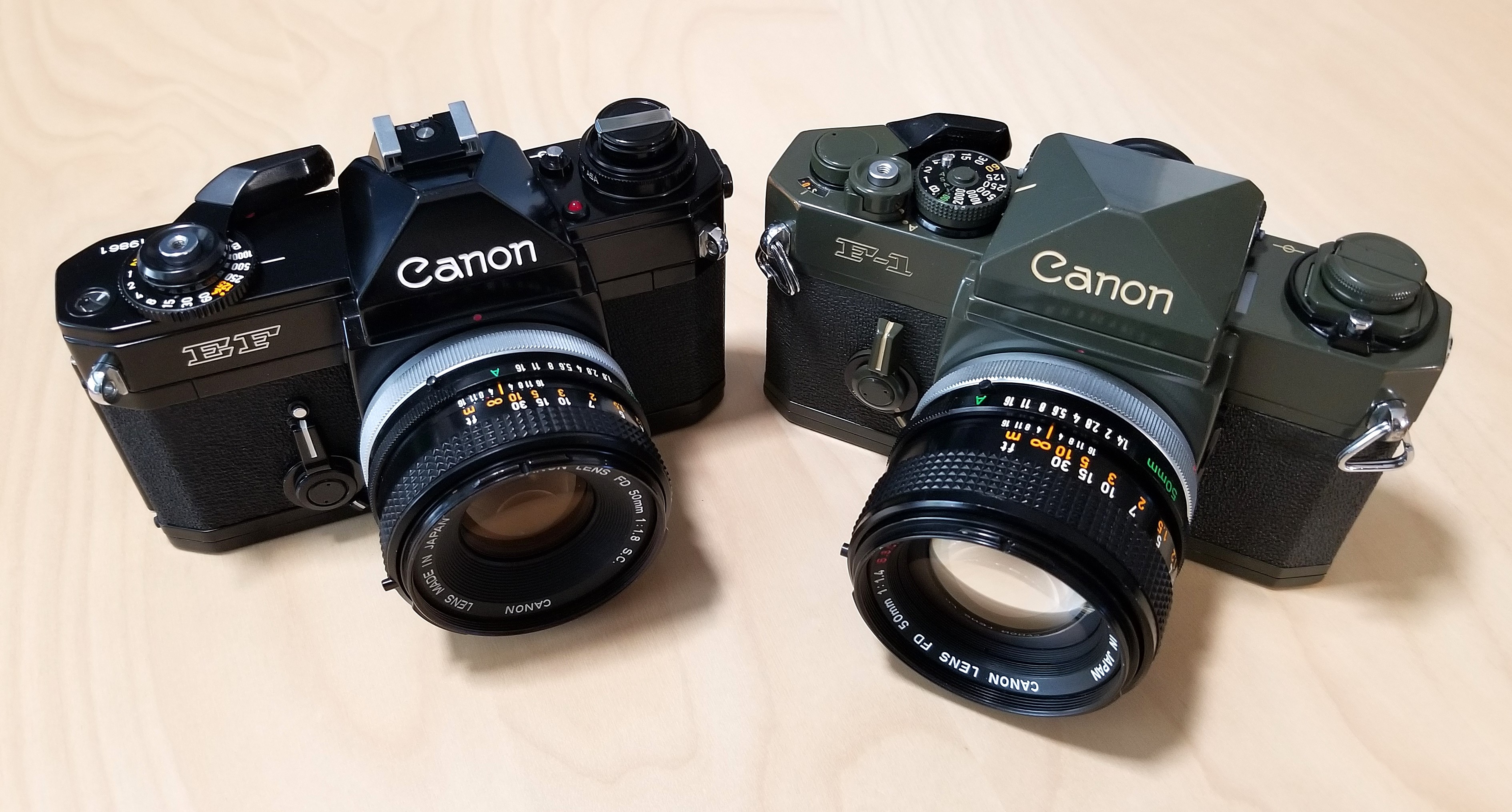
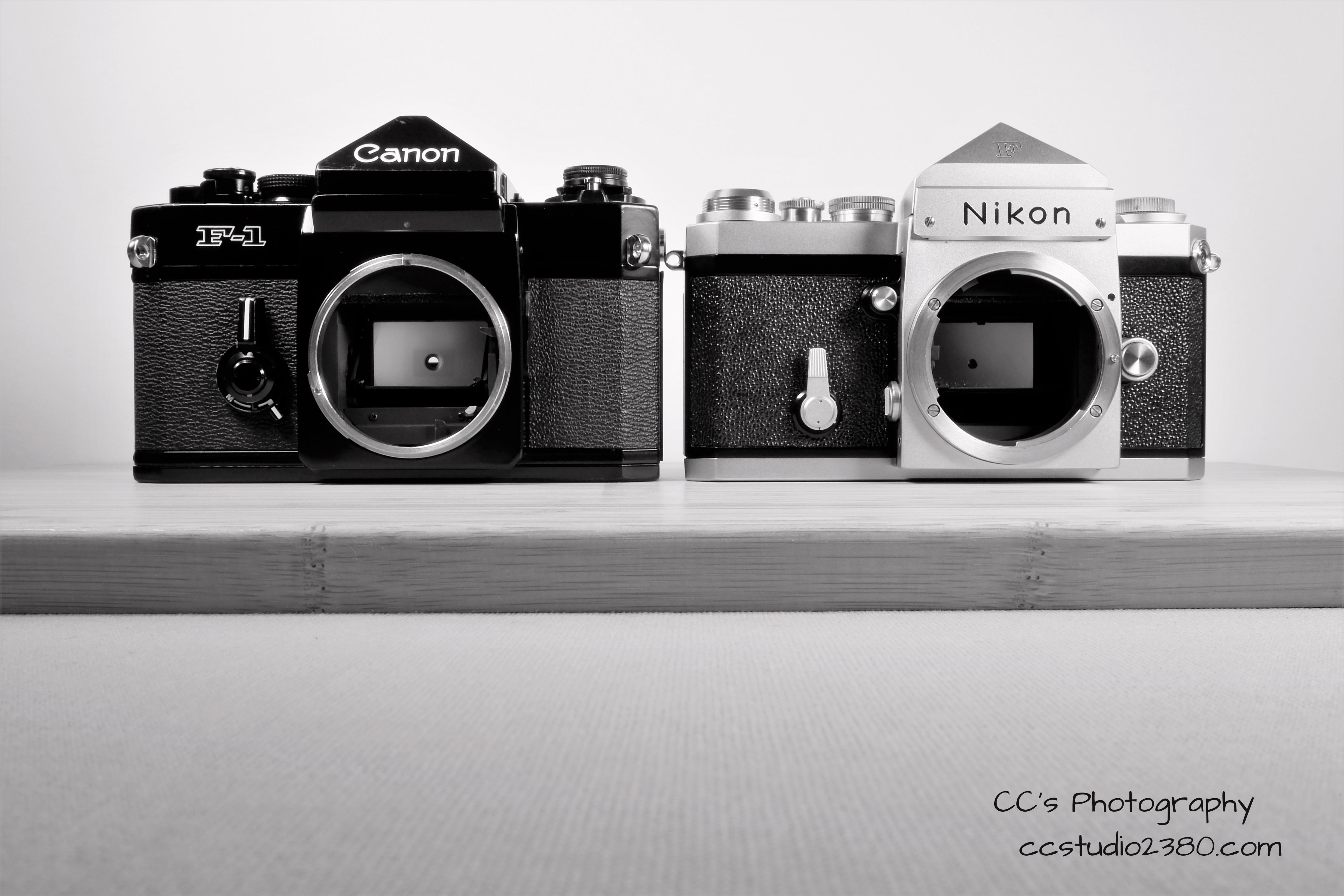
Canon EF and Canon OD F-1.
The Canon EF is a close cousin to the F-1. The EF was released in 1973, and the original F-1 in 1971. This OD F-1 (olive drab) is the only Canon F-1 in a color other than black.
Comments are always welcomed, as I’ve learned quite a bit from reader feedback. As always, thanks for stopping by, and while you’re at it, feel free to visit my camera shop at http://www.ccstudio2380.com (CC Design Studios hosted by Etsy). – Chris Whelan
Comments are always welcomed, as I’ve learned quite a bit from reader feedback. As always, thanks for stopping by, and while you’re at it, feel free to visit my camera shop at http://www.ccstudio2380.com (CC Design Studios hosted by Etsy). – Chris Whelan
Comments are always welcomed, as I’ve learned quite a bit from reader feedback. As always, thanks for stopping by, and while you’re at it, feel free to visit my camera shop at http://www.ccstudio2380.com (CC Design Studios hosted by Etsy). – Chris Whelan
It’s available now on eBay.The seller sent an offer.
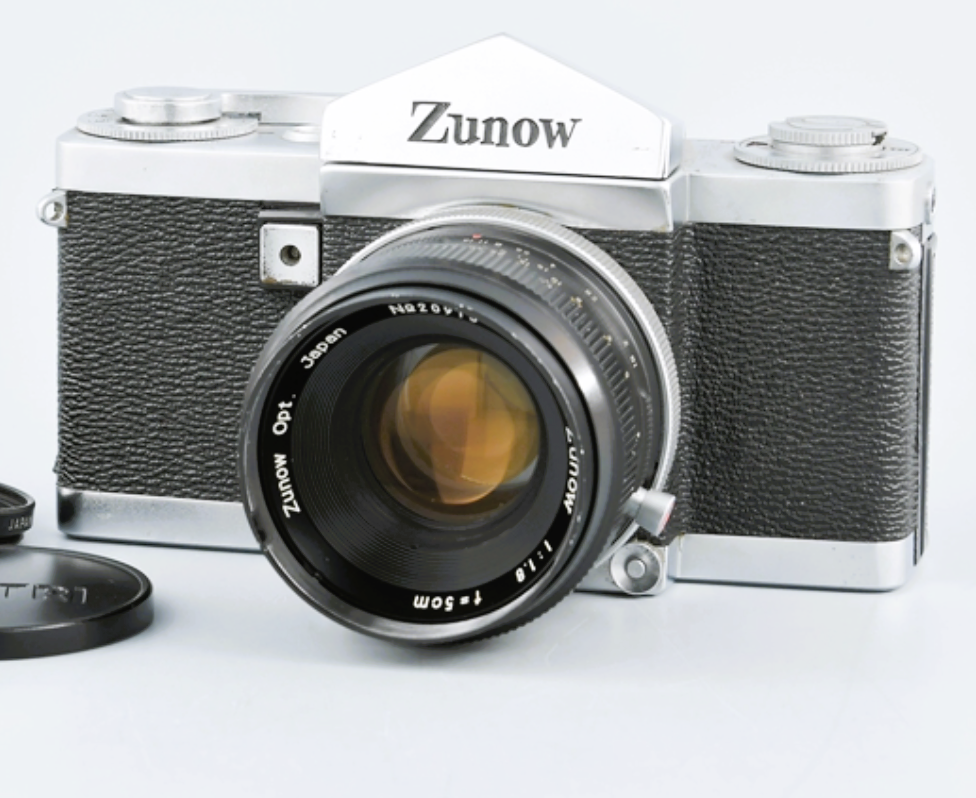
All kidding aside, this is an extremely rare camera built by Zunow Optical in the late 1950s. Only a few production models made it into the marketplace. Mostly non-working examples exist today and few ever come up for sale.
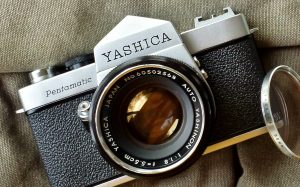
The Yashica Pentamatic ’35’ looks a bit like it. The Pentamatic was released in early 1960 but was designed in 1959 as a joint venture with Nicca and Yashica’s designers.
Comments are always welcomed, as I’ve learned quite a bit from reader feedback. As always, thanks for stopping by, and while you’re at it, feel free to visit my camera shop at http://www.ccstudio2380.com (CC Design Studios hosted by Etsy). – Chris Whelan
Comments are always welcomed, as I’ve learned quite a bit from reader feedback. As always, thanks for stopping by, and while you’re at it, feel free to visit my camera shop at http://www.ccstudio2380.com (CC Design Studios hosted by Etsy). – Chris Whelan
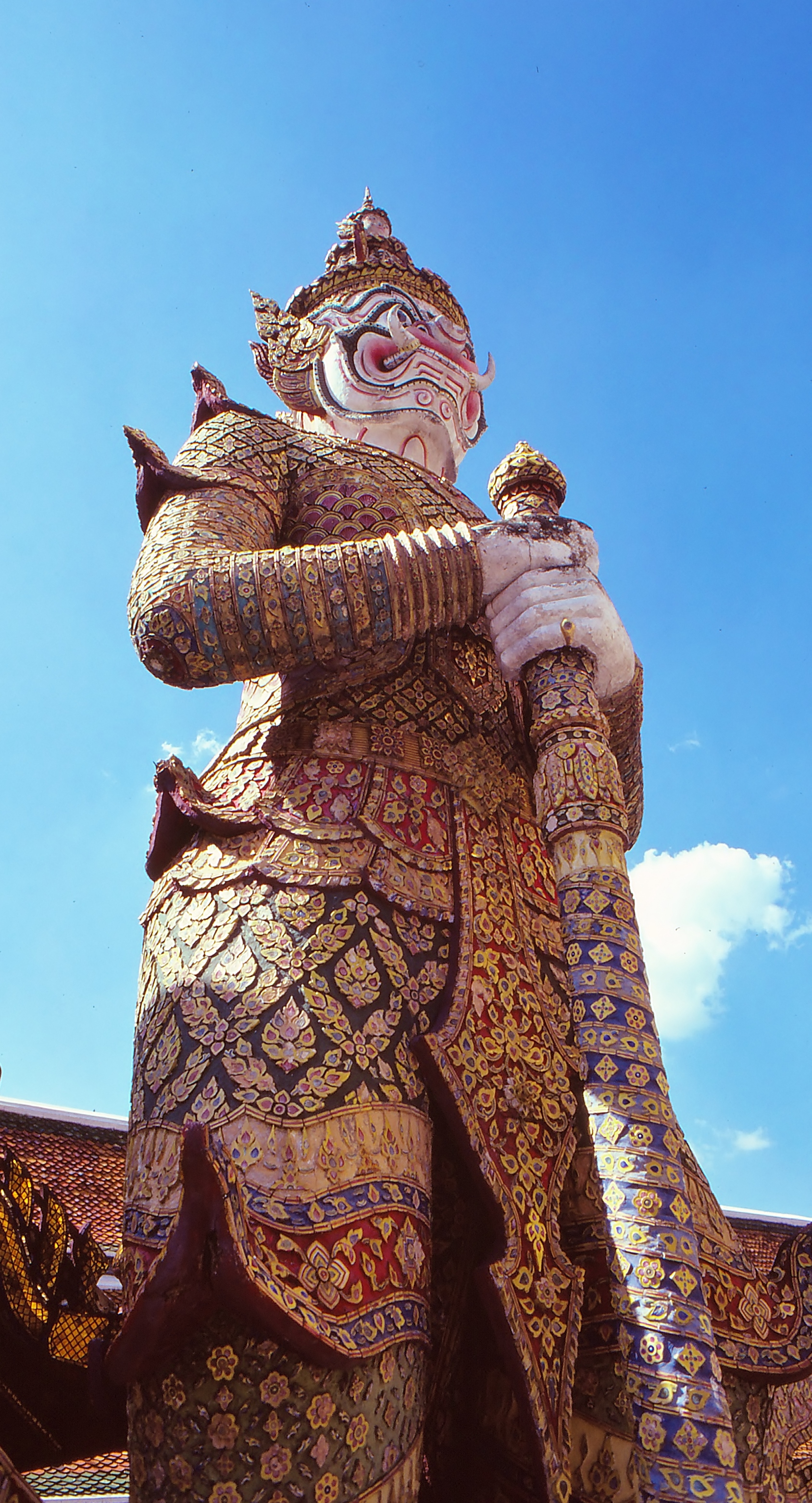
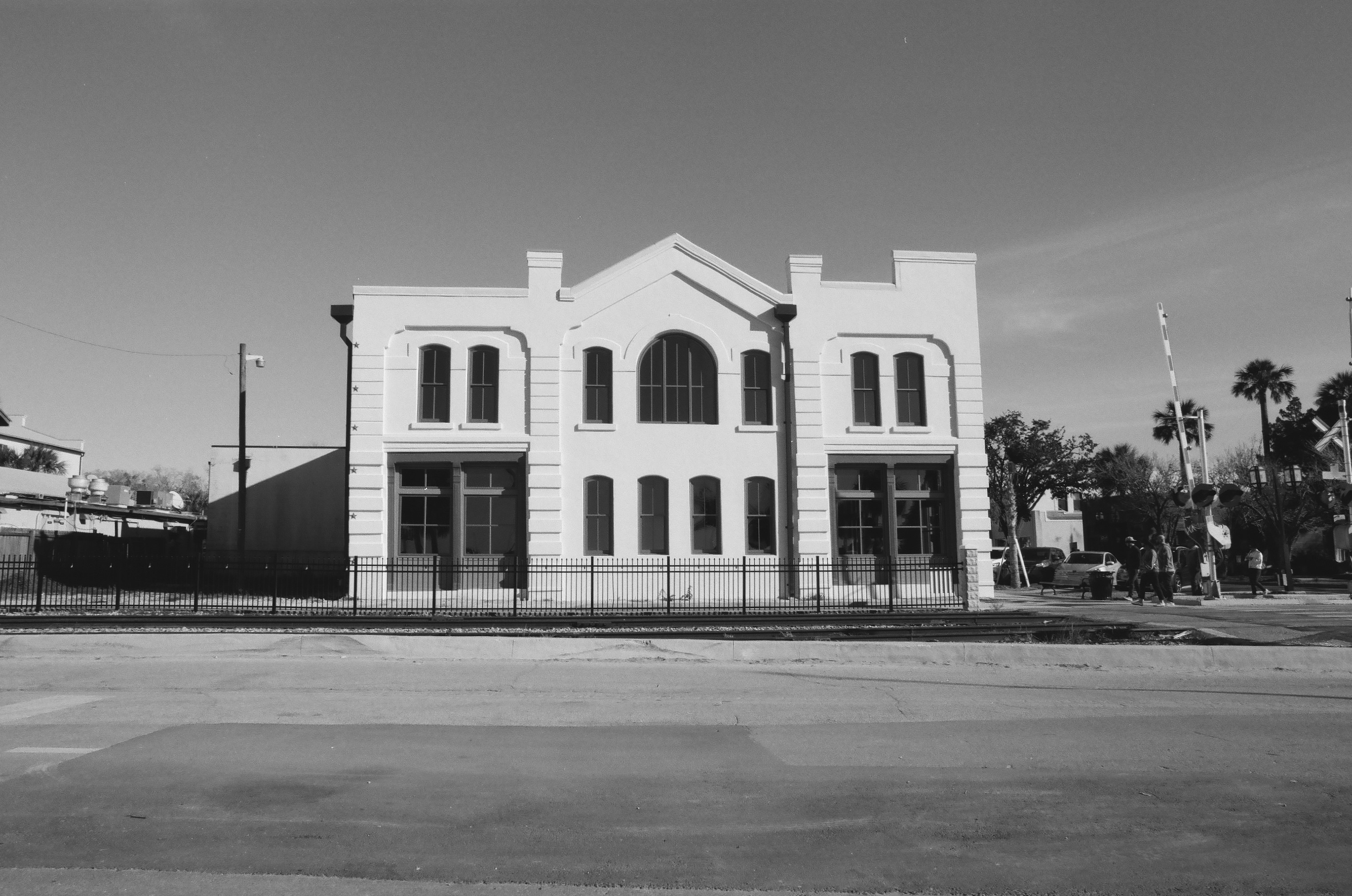
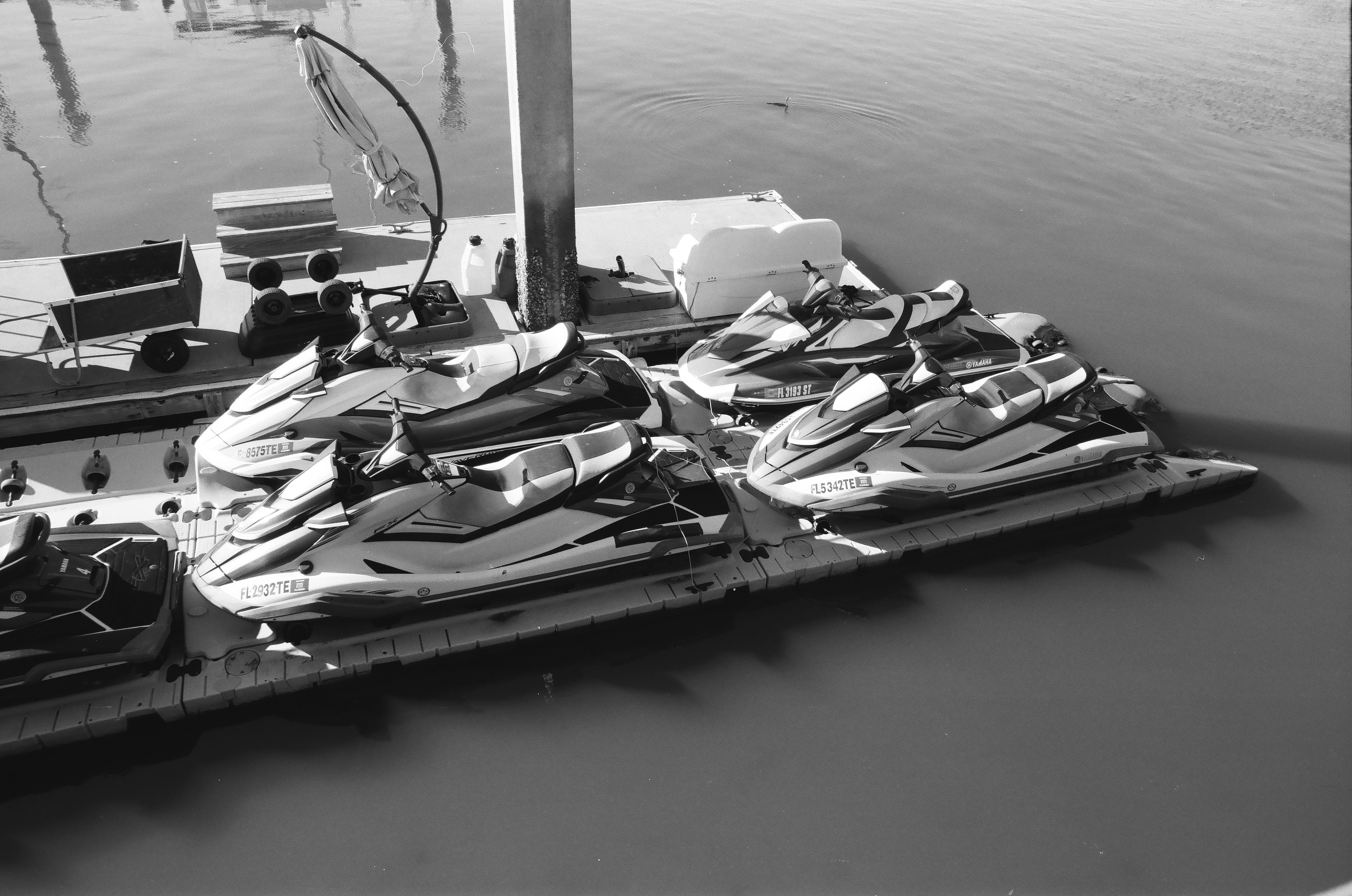
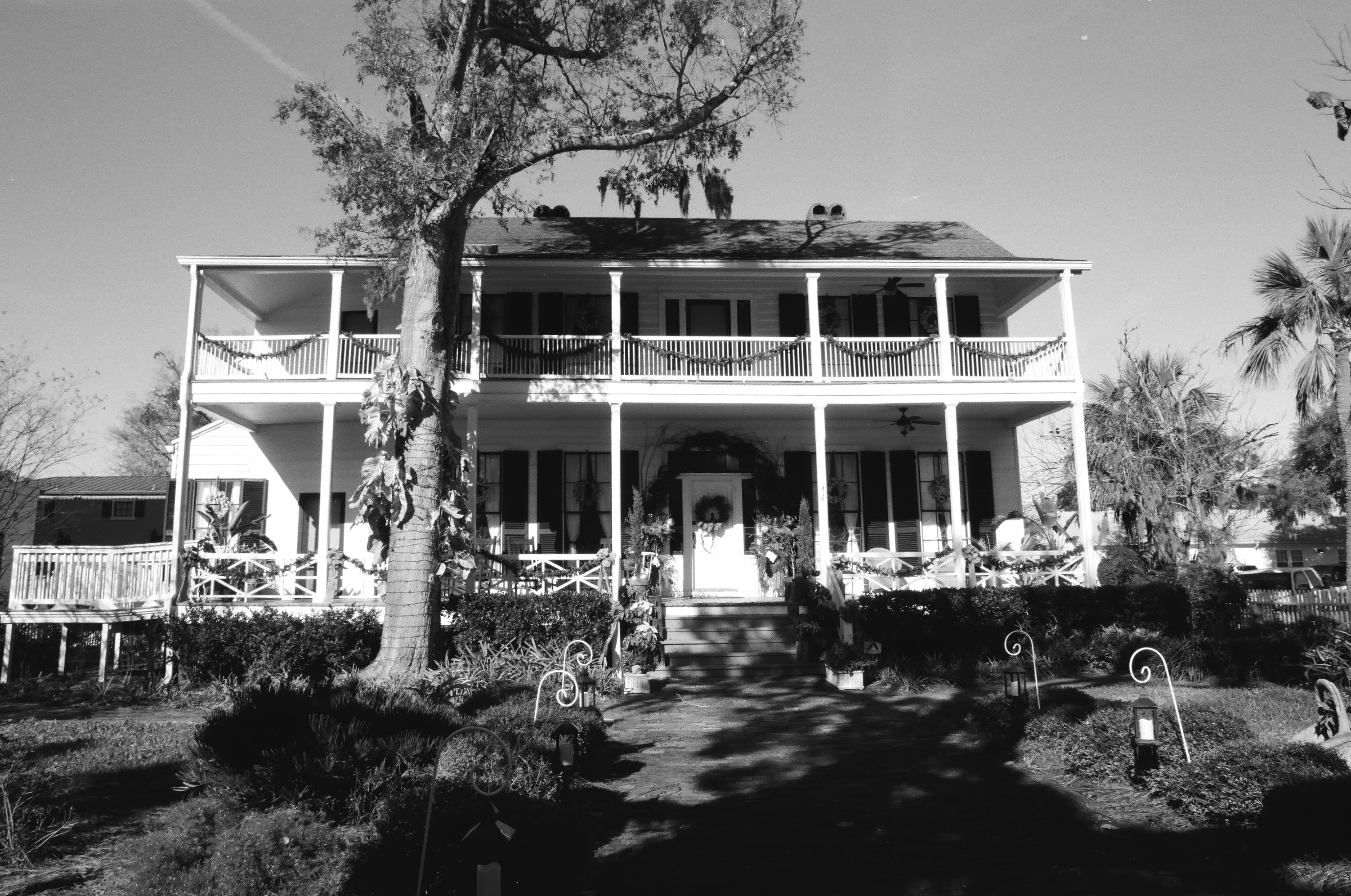
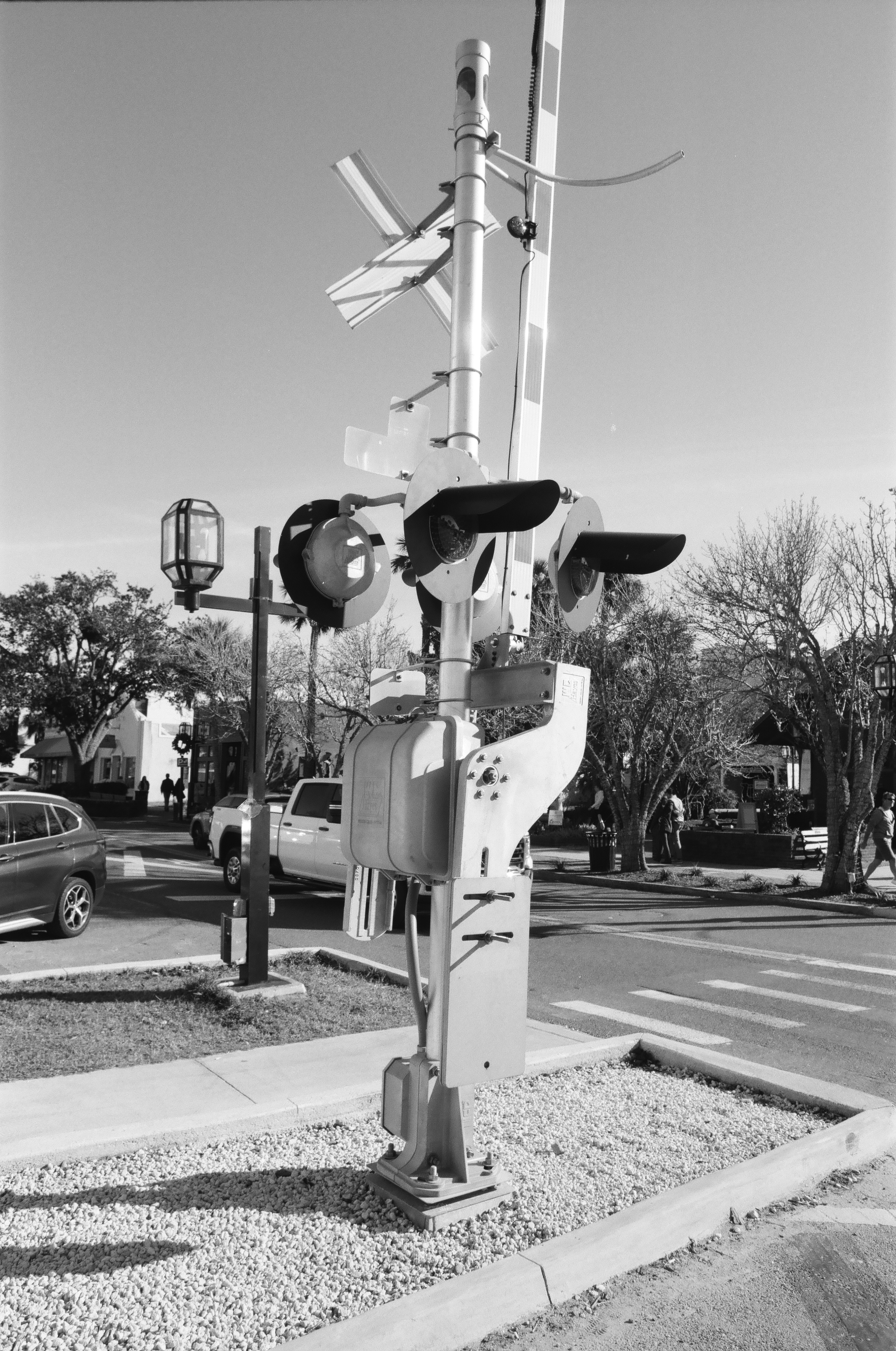
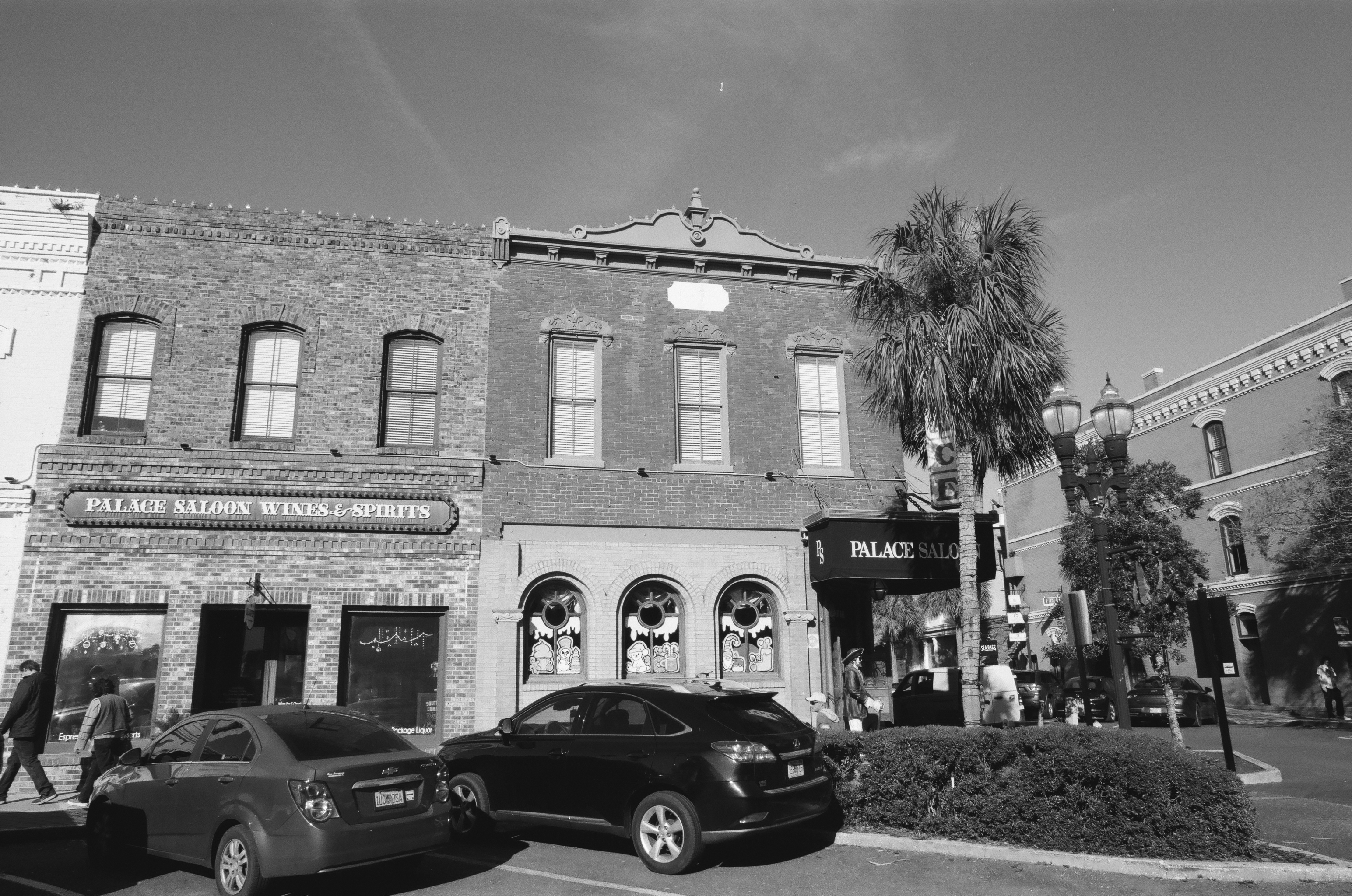
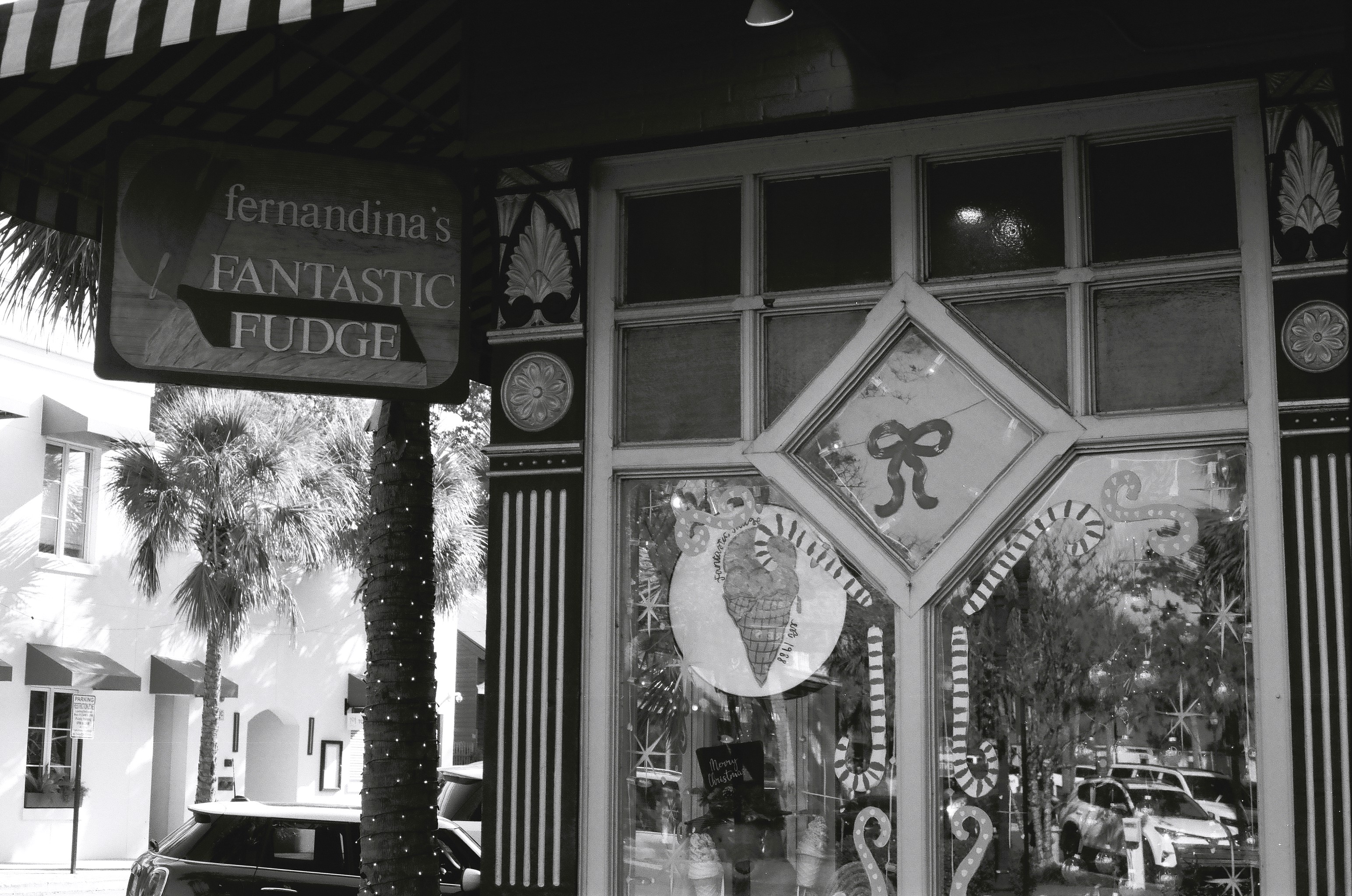
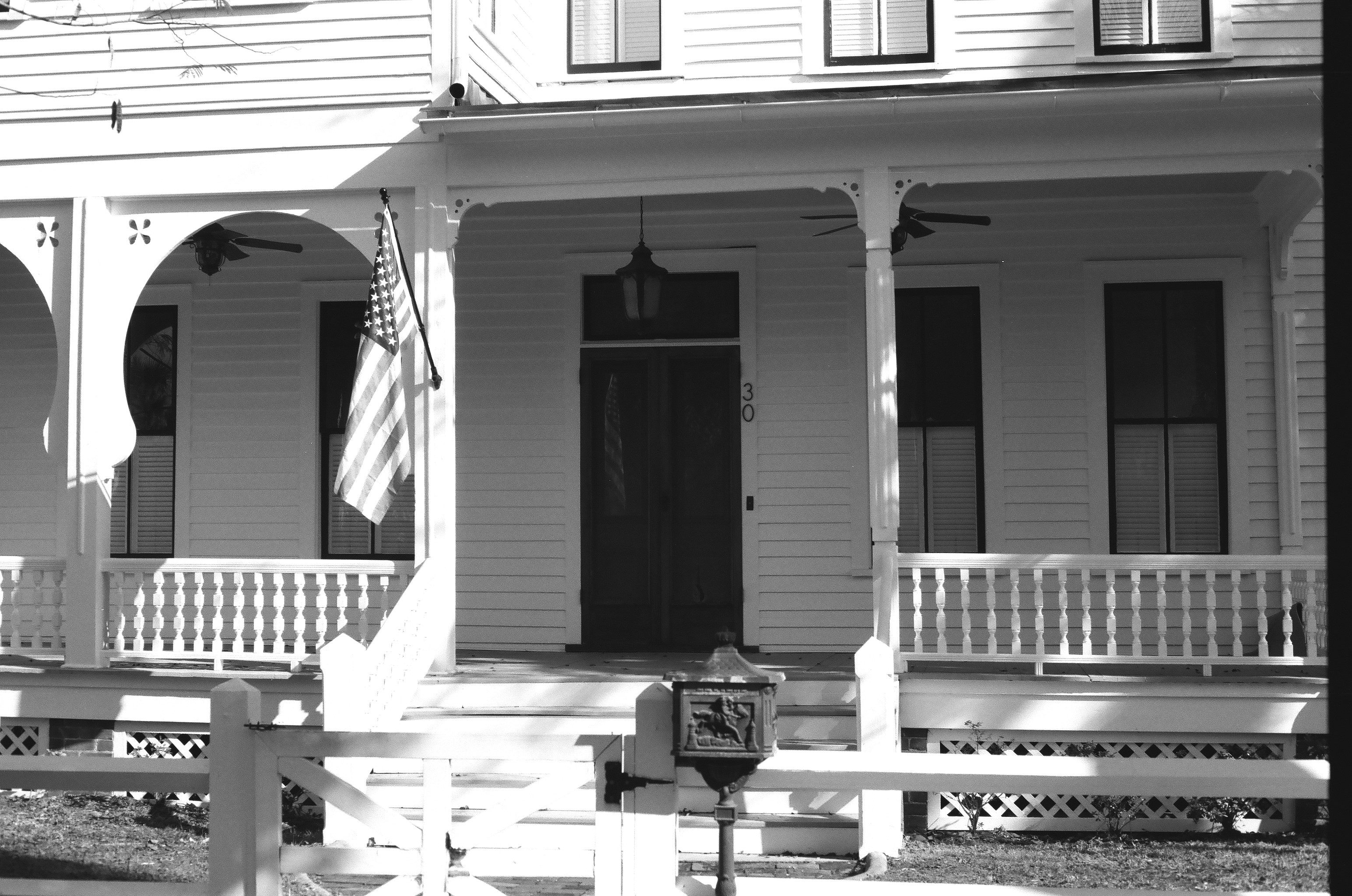
Canon NFD 24mm f/2.8 lens. I should have used a yellow or orange filter.My 1978 Canon F-1 loaded and ready to go on a photo walk.Canon NFD 24mm f/2.8 lens.I got better results using the meter in the F-1 when using a 1.35v Wein Cell.Canon NFD 24mm f/2.8 lens. A slightly better exposure.The World-famous Palace Saloon, Fernandina Beach Historic District.
Processing and scans were done by The Darkroom at medium resolution. The images below I used a 625A 1.5v battery which, on average made the camera’s meter two stops off.
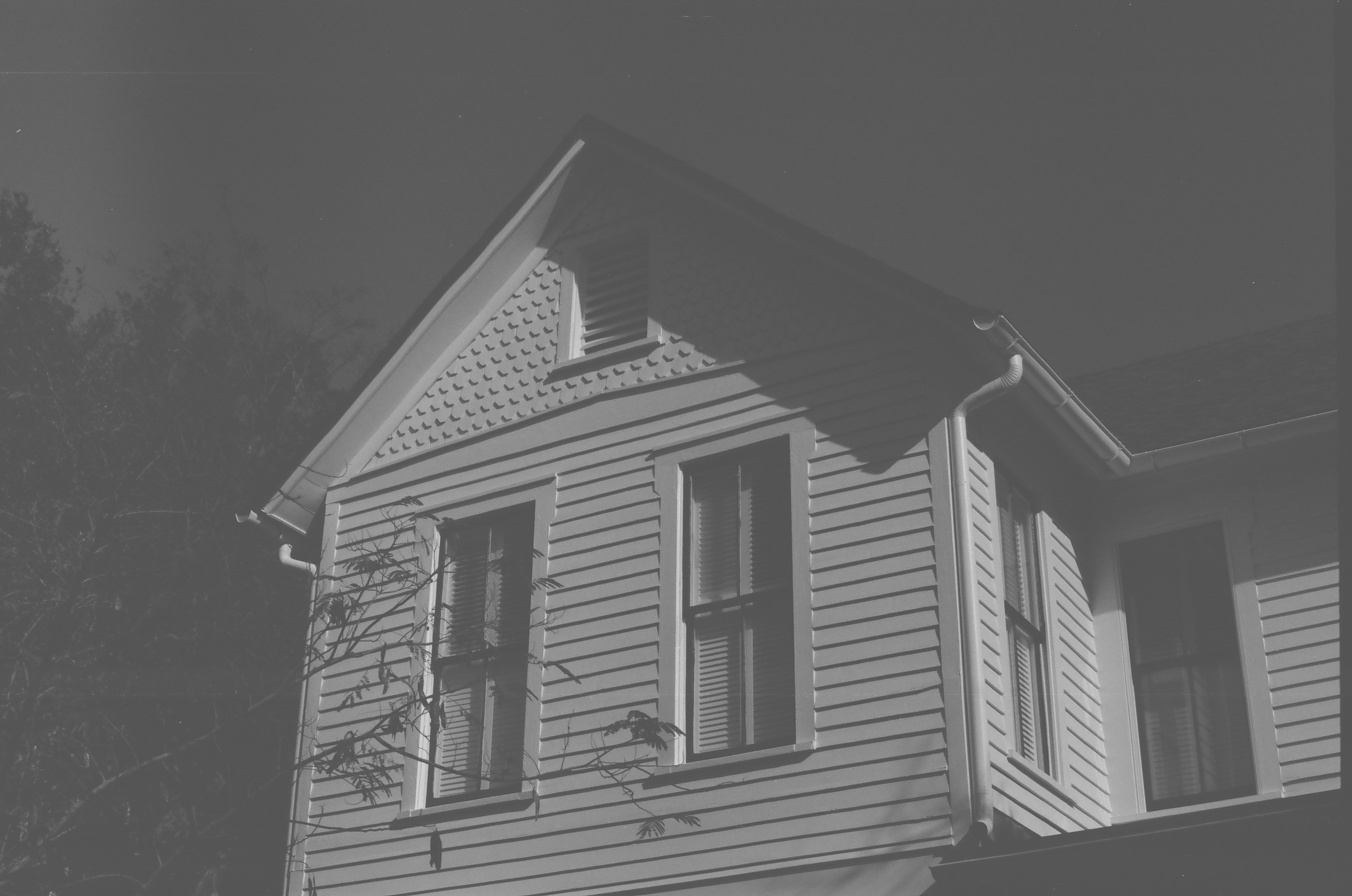
Canon FD 50mm f/1.4 SSC lens. In the tight confines of the historic district, a 50mm lens isn’t my favorite lens to shoot with. I’m a wide-angle lens guy.OK exposure but, I’m not happy with it.Missed it by a country mile!Canon OD F-1 with a Canon FD 50mm f/1.4 SSC lens (my original lens from 1978).
Comments are always welcomed, as I’ve learned quite a bit from reader feedback. As always, thanks for stopping by, and while you’re at it, feel free to visit my camera shop at http://www.ccstudio2380.com (CC Design Studios hosted by Etsy). – Chris Whelan
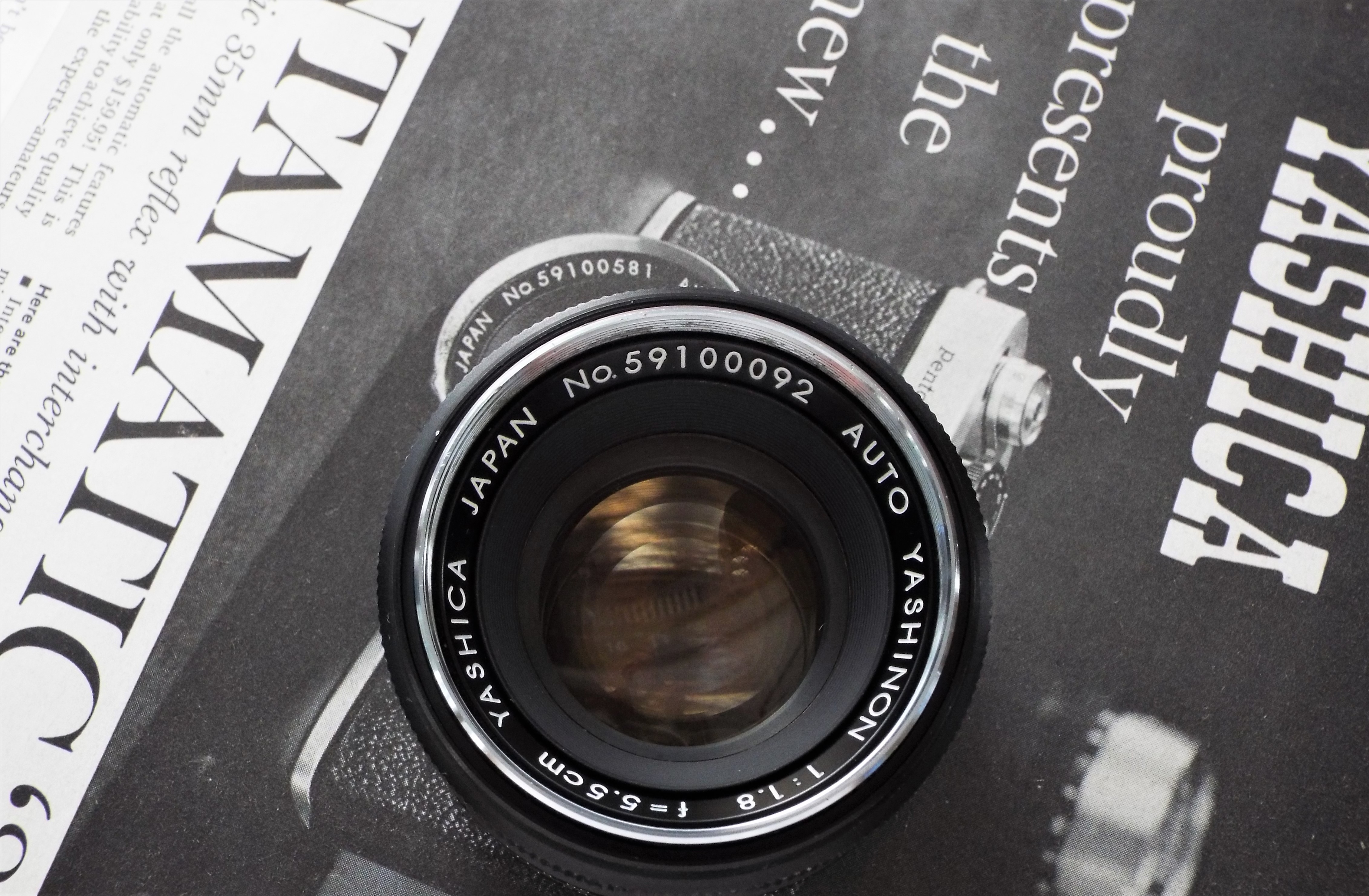
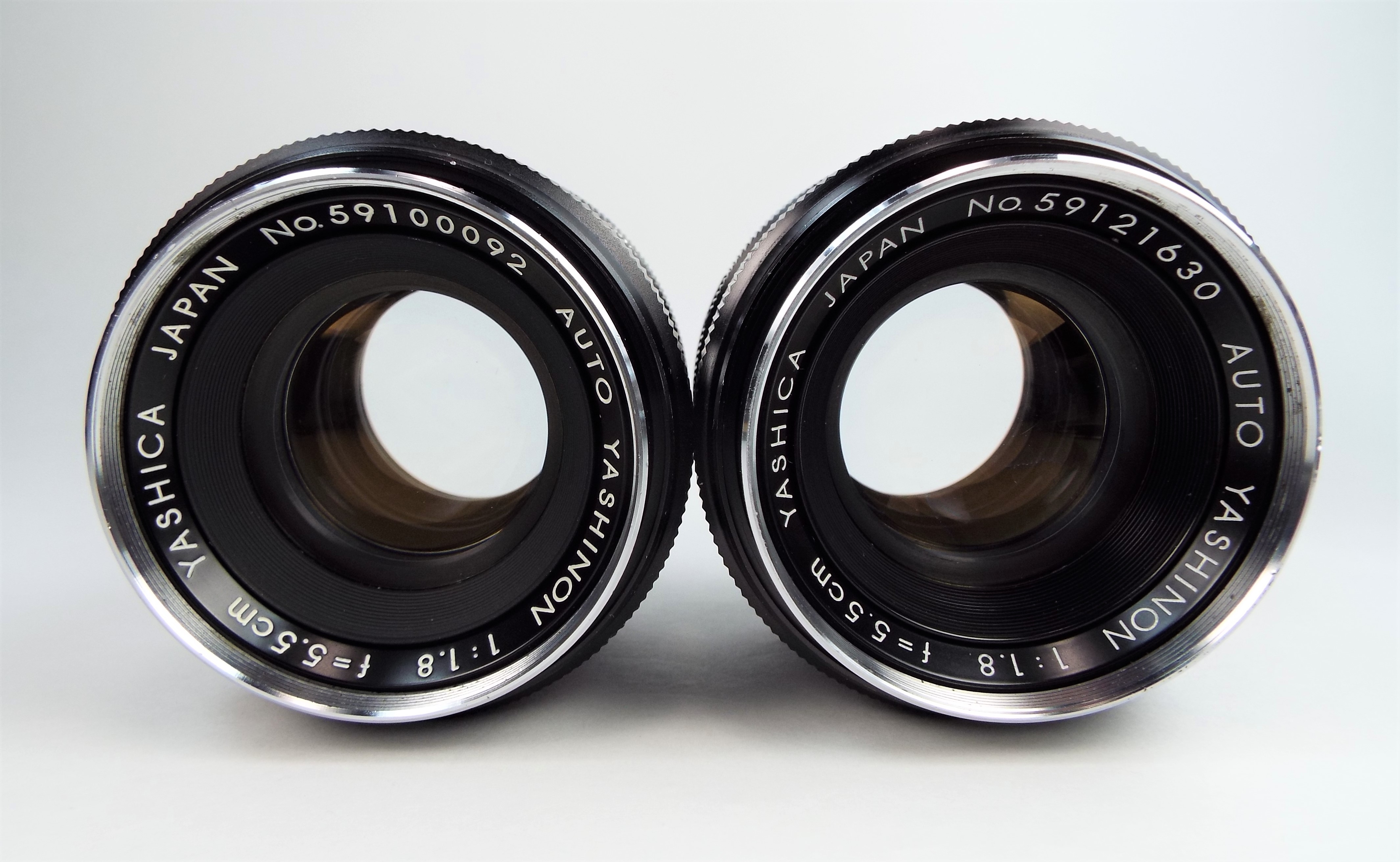
We recently acquired this lens for our Yashica Pentamatic collection. Why is it important? It’s a great find because it’s the first time we’ve encountered a lens with a lower serial number than one pictured in an advertisement (in this case, the first-ever ad for the Pentamatic, June 1960). We know it is total nerd stuff, but that’s what makes collecting fun.
The lens was made for Yashica by Tomioka Optical, which at the time made about 90% of all their lenses (TLR, SLR, RF, and Cine).
The lens serial number decodes 59 = 1959, 10 = OCT, and 0092, the 92nd lens made since production started.
In the second image, the other lens was made in December and was the 1,630th made. Tomioka was busy producing these lenses long before Yashica released the Pentamatic in March 1960. The first Pentamatic bodies were made in January.
The third image shows an early Yashica Tominon Super Yashinon-R f/2.8 3.5cm wide-angle lens SN 350246. The date code was dropped in favor of a simpler code: 35 = 35 mm, and 0246 is the sequence number since the start of production.
The ad shows a lens with a higher production number than the lens we own. 92 indicates it was made in the first batch of 100 lenses.The October lens is on the left and the December lens is on the right. No November lenses were made.From an early batch of wide-angle lenses from Tomioka Optical. This one is number 246.A fast lens from Tomioka. The f/1.2 55mm lens which was made much later in the M42 screw mount.
Comments are always welcomed, as I’ve learned quite a bit from reader feedback. As always, thanks for stopping by, and while you’re at it, feel free to visit my camera shop at http://www.ccstudio2380.com (CC Design Studios hosted by Etsy). – Chris Whelan
Comments are always welcomed, as I’ve learned quite a bit from reader feedback. As always, thanks for stopping by, and while you’re at it, feel free to visit my camera shop at http://www.ccstudio2380.com (CC Design Studios hosted by Etsy). – Chris Whelan










 Chasing Classic Cameras with Chris