Comments are always welcomed, as I’ve learned quite a bit from reader feedback. As always, thanks for stopping by, and while you’re at it, feel free to visit my camera shop at http://www.ccstudio2380.com (CC Design Studios hosted by Etsy). – Chris Whelan
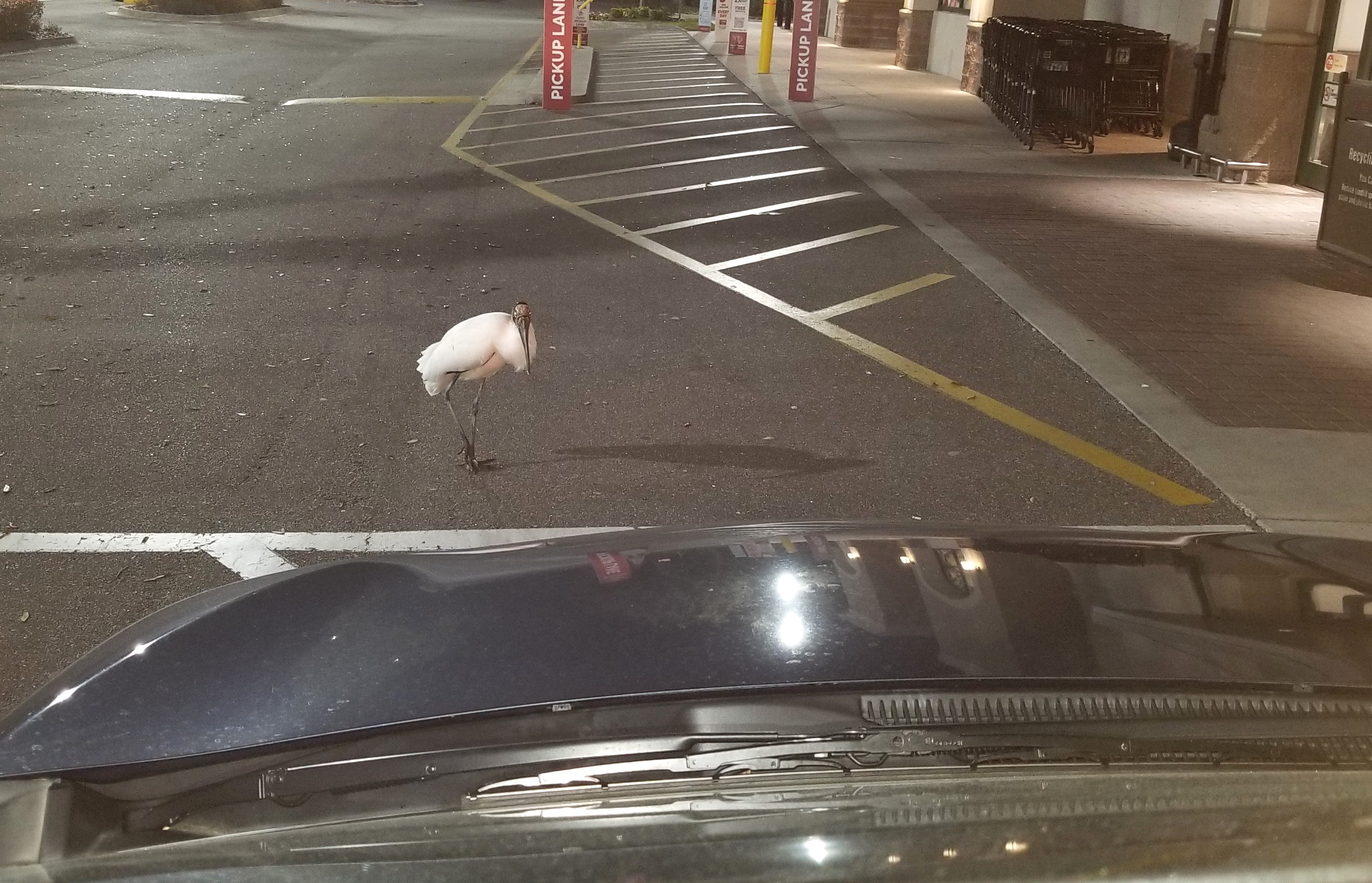
A wood stork is getting some late-night shopping at my local Harris Teeter grocery store in Northeast Florida.
He kept tripping the doors as he debated whether or not to go inside.Stare down.Stay in the crosswalk!
Thanks for stopping by, and have a great day, Chris.
Follow me on Instagram at @ccphotographyai
Comments are always welcomed, as I’ve learned quite a bit from reader feedback. As always, thanks for stopping by, and while you’re at it, feel free to visit my camera shop at http://www.ccstudio2380.com (CC Design Studios hosted by Etsy). – Chris Whelan
I’ve enjoyed acquiring camera and photography brochures over the years and now have quite an extensive collection of them (go figure). I’ll be listing some of them in my camera shop over the next few months so if you’re on the hunt for something specific, just let me know and or visit my shop at http://www.ccstudio2380.com.
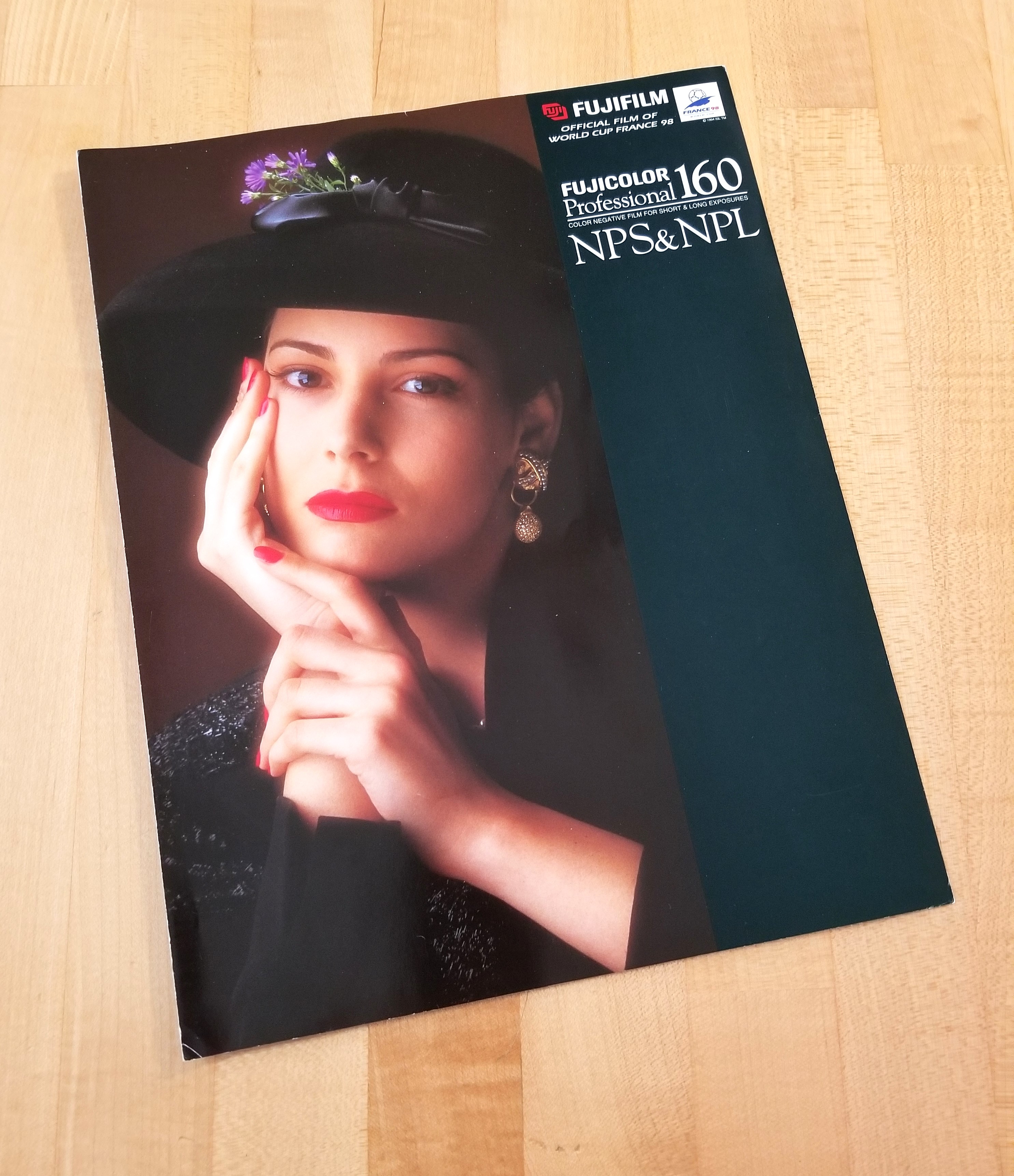
This is a large-format Fujifilm film brochure from 1998. Fujicolor Professional 160 film was a popular color negative film in the 1990s.Here is a relatively hard-to-find brochure on the not-often-seen Yashica Electro 35 Professional camera from 1970. It’s a Japanese camera shop brochure.A large (9 x 21 inch) Plexiglas camera dealer’s display sign is also available in my shop.I no longer own the camera but have the original boxes for it. It would add a nice touch to your collection.The Canon black and olive green camera bag is still new and unused and is available.A like-new Minolta 35mm SLR set with its original box and papers.
These are just a few of the neat items I have in my shop, all at a 10% savings! Thanks for stopping by, Chris.
Follow me on Instagram at @ccphotographyai
Comments are always welcomed, as I’ve learned quite a bit from reader feedback. As always, thanks for stopping by, and while you’re at it, feel free to visit my camera shop at http://www.ccstudio2380.com (CC Design Studios hosted by Etsy). – Chris Whelan
One of the fun things I enjoy about using adapters on my digital mirrorless cameras is the ability to use classic (vintage) film camera lenses that were initially designed for use on an SLR. In this case, I’m shooting with a Canon NFD Reflex Lens 500mm f8 ‘Mirror Lens.’
Canon and Fuji – a winning combination.
Here is a description of the lens by Canon –
This high performance super telephoto lens with a focal length of 500mm utilizes catadioptric system while enabling handheld shooting due to being lightweight and compact.
Reflex lenses have two significant features: one is the ability to almost completely compensate for secondary chromatic aberration which is more likely to occur at longer focal lengths in general dioptric system; the other is a dramatic reduction in the overall lens length due to the light path being looped back.
While making the most of these advantages of catadioptric system, optimal positioning of the optical system based on Canon’s own new optical design technology is used to properly compensate for various aberrations including aberration changes resulting from focusing that tend to occur in reflex lenses, providing quality image reproduction in all shooting ranges from close distances to infinity.
Moreover, in order to prevent reductions in contrast resulting from inner reflection, which is a problem in reflex lenses, the entire lens is given multilayered coating in addition to meticulous consideration being taken, such as electrostatic flocking being performed inside the lens barrel.
Furthermore, it has the feature of filters being able to be replaced with the lens attached to the camera by adopting a filter inserted into the light path.
Canon 500mm Reflex Lens mounted on my Fujifilm X-T2.
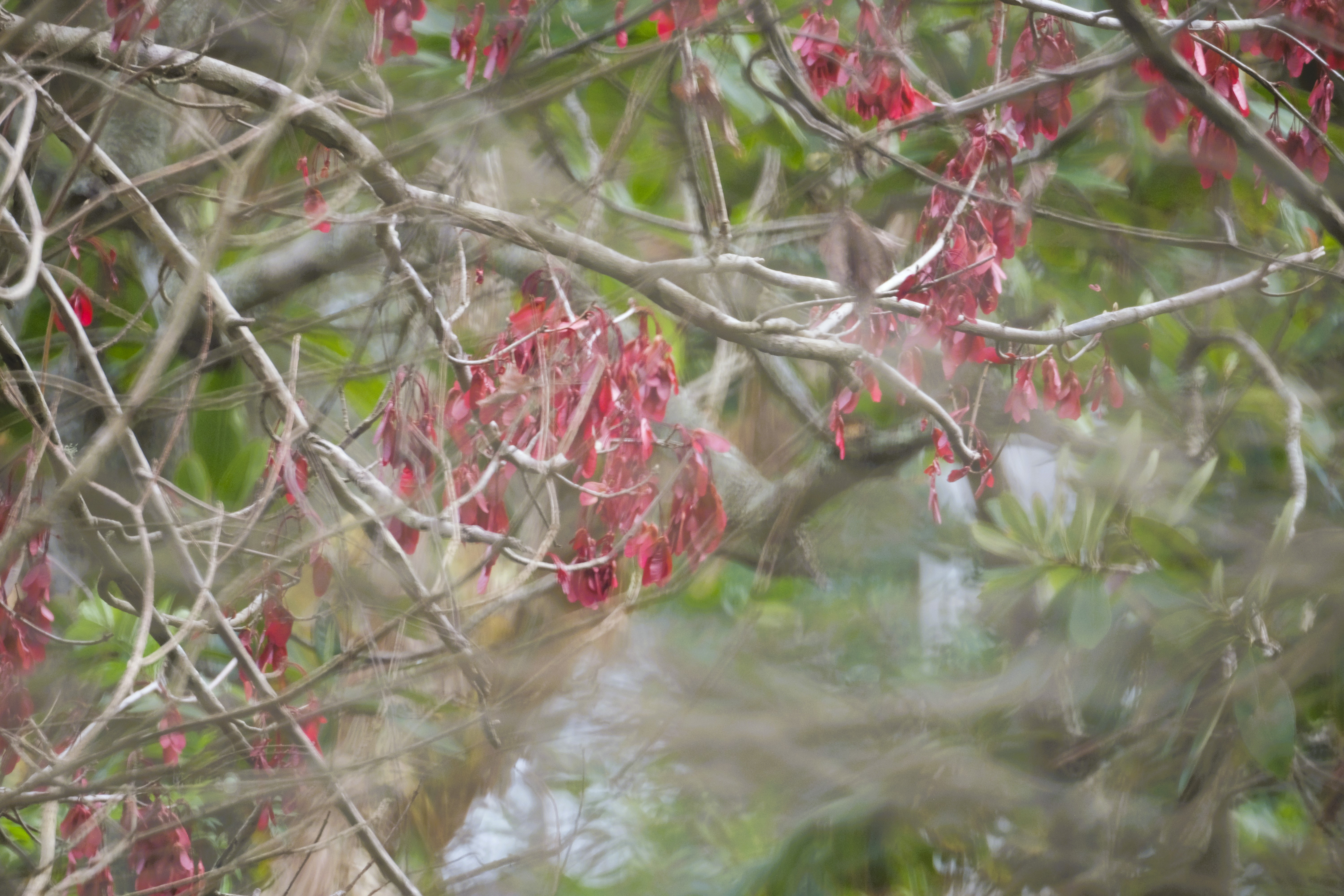
Here are a few images I shot this morning from my studio windows. The 35mm equivalent focal length of this 500mm lens on a 1.5 crop sensor APS-C camera (my T2) is 750mm!
My neighbor’s satellite dish is seen through numerous tree branches. The mirror lens tends to make closer objects not in focus appear to disappear.Japanese black pine needles on a distant tree. Notice the circular out-of-focus areas in the background. Mirror lenses produce circular highlights because there aren’t aperture blades (fixed f/8), so the lens is always ‘circular.’The lens can produce wonderful, soft, dreamy colors and patterns (which I like).Underexposed by a stop, I was more interested in getting the focus correct.
This set is compact and not very heavy. I’ve even shot hand-held, but most images will benefit from using a tripod and the self-timer function to trip the shutter. I’m using a K&F Concept FD-FX adapter to use my Canon lens from 1981 on my X-T2 from 2016. I enjoy the unique look of digital images when shooting with a classic lens. I purchased the lens recently (I’ve owned a few in the past) for only $100, which included the digital adapter, Canon lens caps, the filter, and a beat-up case.
Follow me on Instagram at @ccphotographyai
Comments are always welcomed, as I’ve learned quite a bit from reader feedback. As always, thanks for stopping by, and while you’re at it, feel free to visit my camera shop at http://www.ccstudio2380.com (CC Design Studios hosted by Etsy). – Chris Whelan
Comments are always welcomed, as I’ve learned quite a bit from reader feedback. As always, thanks for stopping by, and while you’re at it, feel free to visit my camera shop at http://www.ccstudio2380.com (CC Design Studios hosted by Etsy). – Chris Whelan
I took some images while testing my Yashica ML 50mm f1.7 Contax/Yashica lens from the late 1970s.
Fujifilm X-T2Fujifilm X-T2
I used a K&F Concept adapter (C/Y to FX) to shoot with my Yashica lens. I’m pretty pleased with the results. The Yashica ML lenses are cousins of the much more expensive Carl Zeiss T* that were likely made in the same factory and facilities.
Thanks for stopping by, Chris
Follow me on Instagram at @ccphotographyai
Comments are always welcomed, as I’ve learned quite a bit from reader feedback. As always, thanks for stopping by, and while you’re at it, feel free to visit my camera shop at http://www.ccstudio2380.com (CC Design Studios hosted by Etsy). – Chris Whelan
The St Johns River on a sunny day. Looking north with the sleek Acosta Bridge on the far right and the ancient train draw bridge just to the left.
Thanks for stopping by, Chris
Follow me on Instagram at @ccphotographyai
Comments are always welcomed, as I’ve learned quite a bit from reader feedback. As always, thanks for stopping by, and while you’re at it, feel free to visit my camera shop at http://www.ccstudio2380.com (CC Design Studios hosted by Etsy). – Chris Whelan
Comments are always welcomed, as I’ve learned quite a bit from reader feedback. As always, thanks for stopping by, and while you’re at it, feel free to visit my camera shop at http://www.ccstudio2380.com (CC Design Studios hosted by Etsy). – Chris Whelan
Comments are always welcomed, as I’ve learned quite a bit from reader feedback. As always, thanks for stopping by, and while you’re at it, feel free to visit my camera shop at http://www.ccstudio2380.com (CC Design Studios hosted by Etsy). – Chris Whelan
Canon EOS R with Canon RF 70-200mm f4 L IS USM lens at 200mm.
Thanks for stopping by, Chris
Follow me on Instagram at @ccphotographyai
Comments are always welcomed, as I’ve learned quite a bit from reader feedback. As always, thanks for stopping by, and while you’re at it, feel free to visit my camera shop at http://www.ccstudio2380.com (CC Design Studios hosted by Etsy). – Chris Whelan








 Chasing Classic Cameras with Chris