Nikon D3100 – DSLR

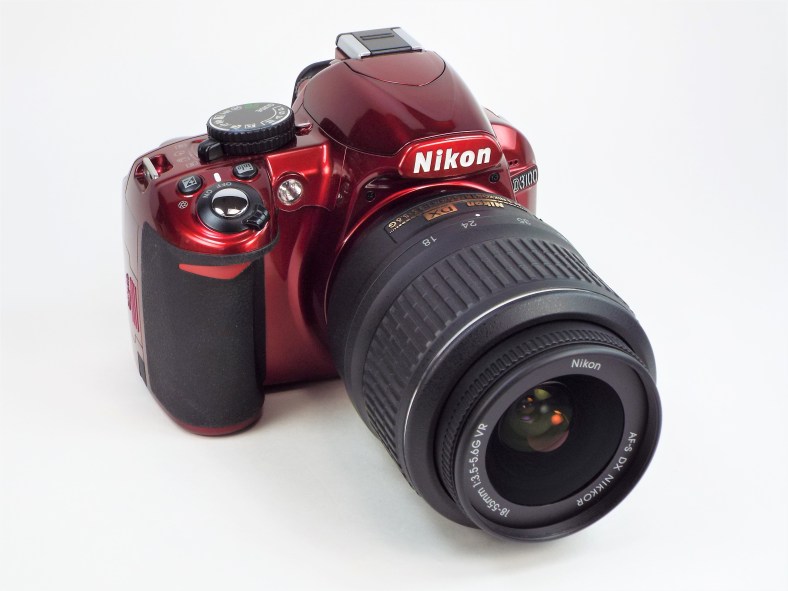
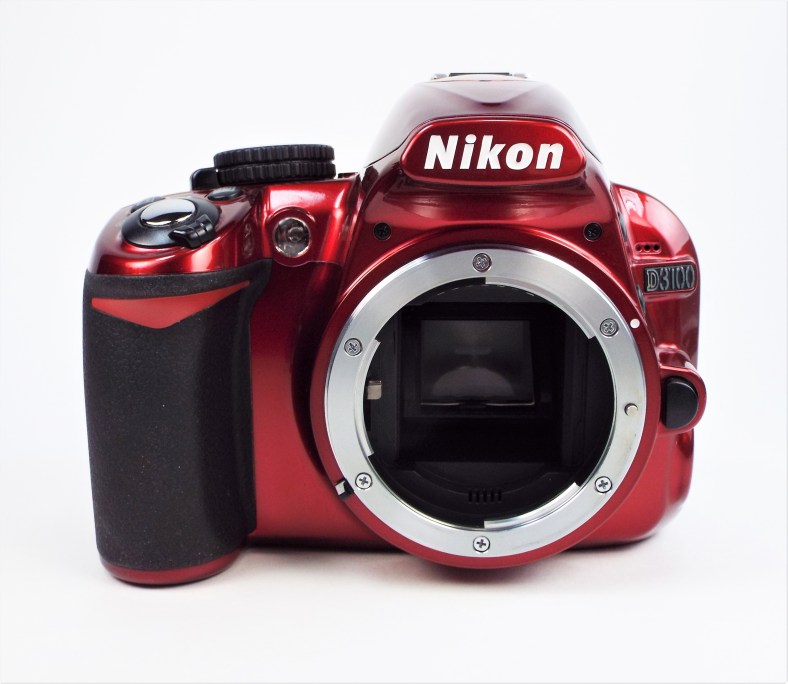
We haven’t owned a Nikon since 1971 – and that was a Nikonos II. This pretty Nikon came to our collection as a gift from one of our son’s friends. We tried to pay him something for it but he said he was fine with giving it away since he didn’t like it and was too busy to learn how to use it. It’s now Carol’s camera since she only shoots with her Galaxy S4 most of the times we’re out and about. We told our son’s friend that he can have it back at any time if he changes his mind… so with that we have a D3100 in the family.

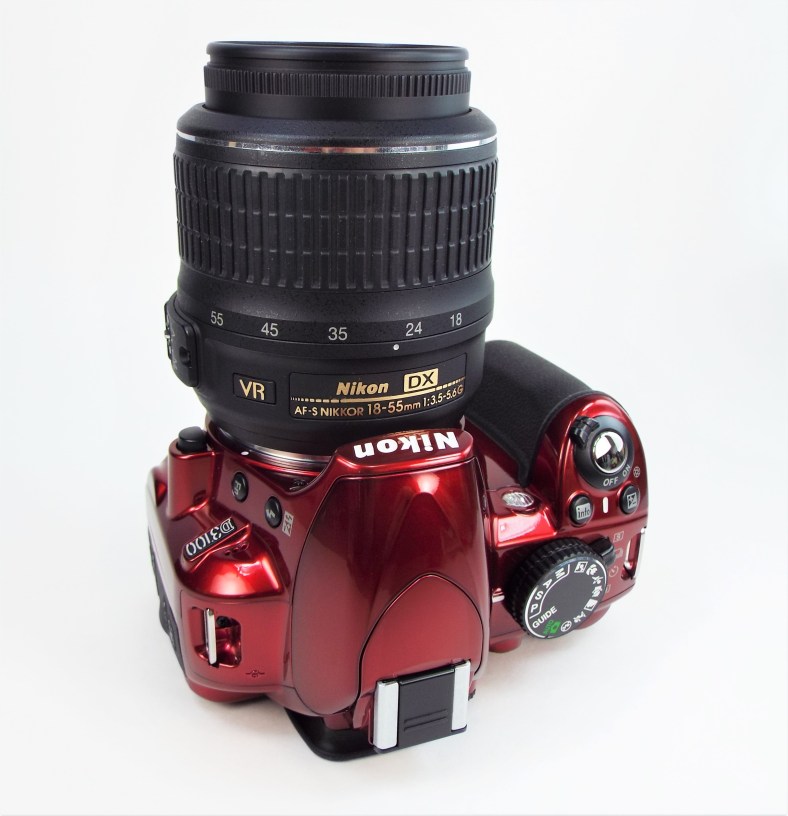
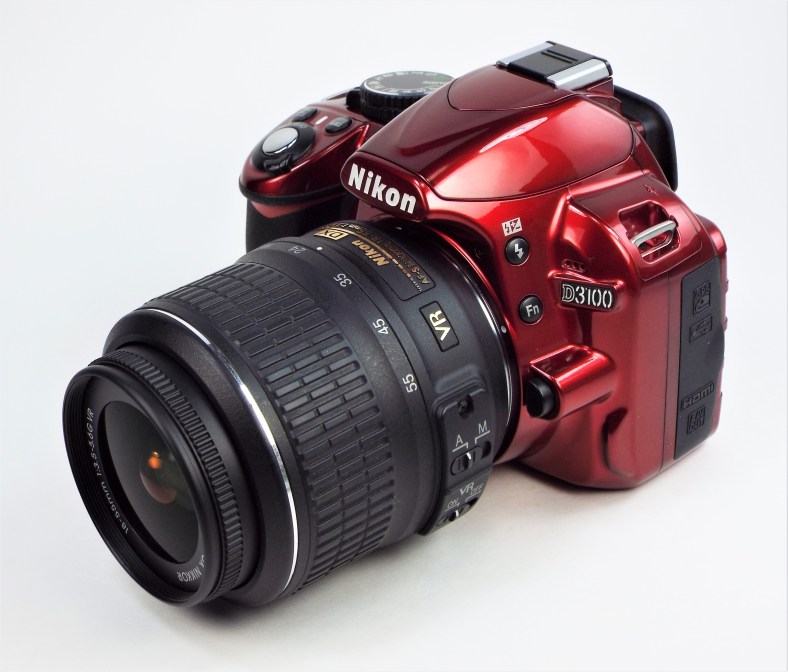
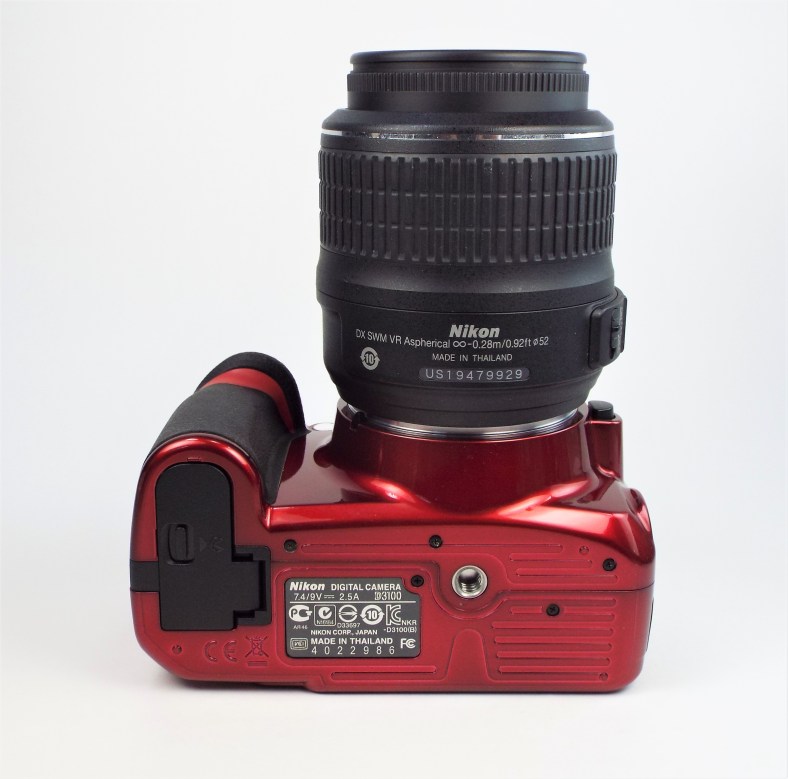
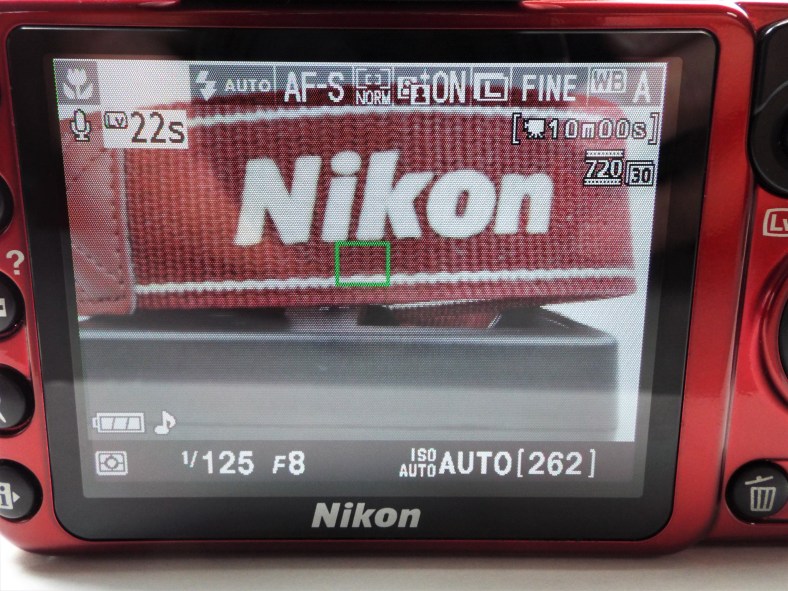
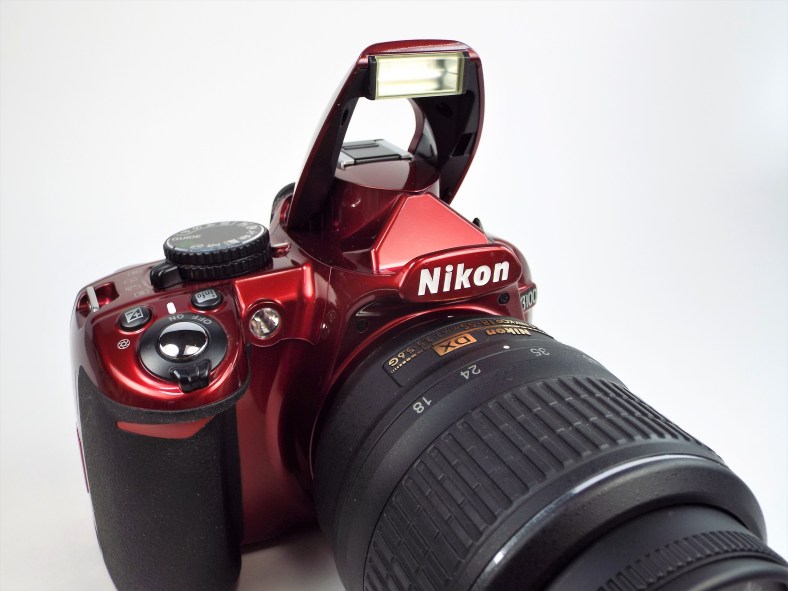
Here’s some images of it – the red is amazing and the fit and finish of the camera is extraordinary. We’ll share images as soon as we can. If you would like to know more about the camera you can visit Nikon’s site.

DSCF5230

DSCF5232

DSCF5236

DSCF5239

DSCF5242

DSCF5245

DSCF5246

In the few test shots we’ve taken we’ve been impressed with the quality of the images. I don’t see us becoming Nikon photographers but the camera deserves a chance to see what it can do. We actually do not own a DSLR! We’ve been happy with our Sony Cyber-shot and Fujifilm FinePix S9900W and of course our stable full of film cameras in 35mm, 6x6cm and 6x9cm formats.

If anyone knows how to pull up the shutter clicks (count) we’d like to know.

We do love the red!

Camera: Fujifilm FinePix S9900W

Thanks for looking!

Chris and Carol ^.^


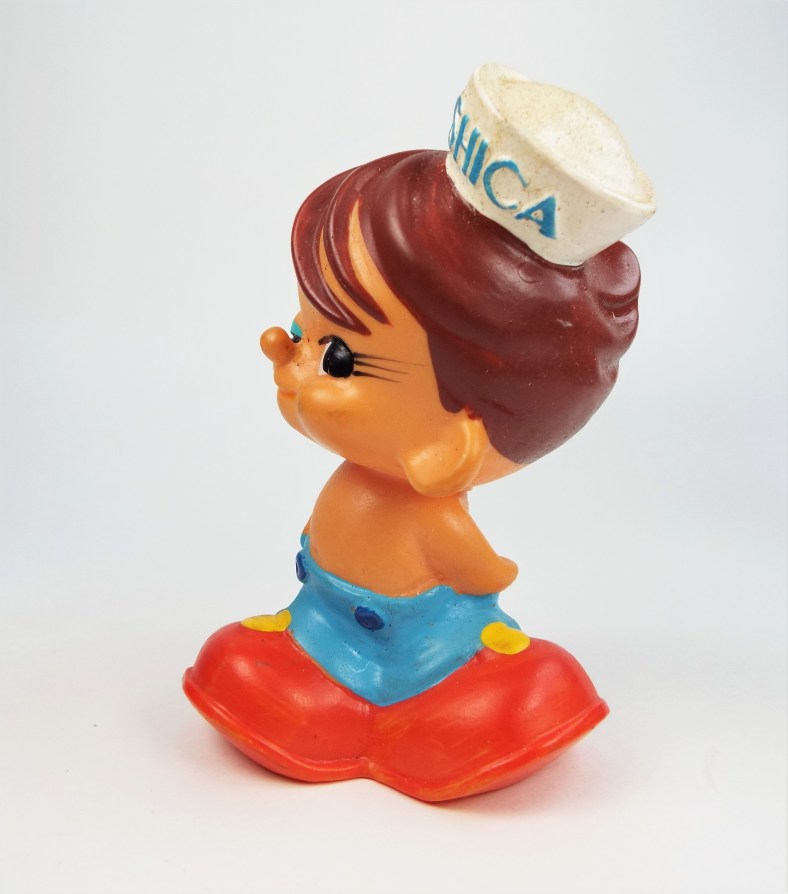
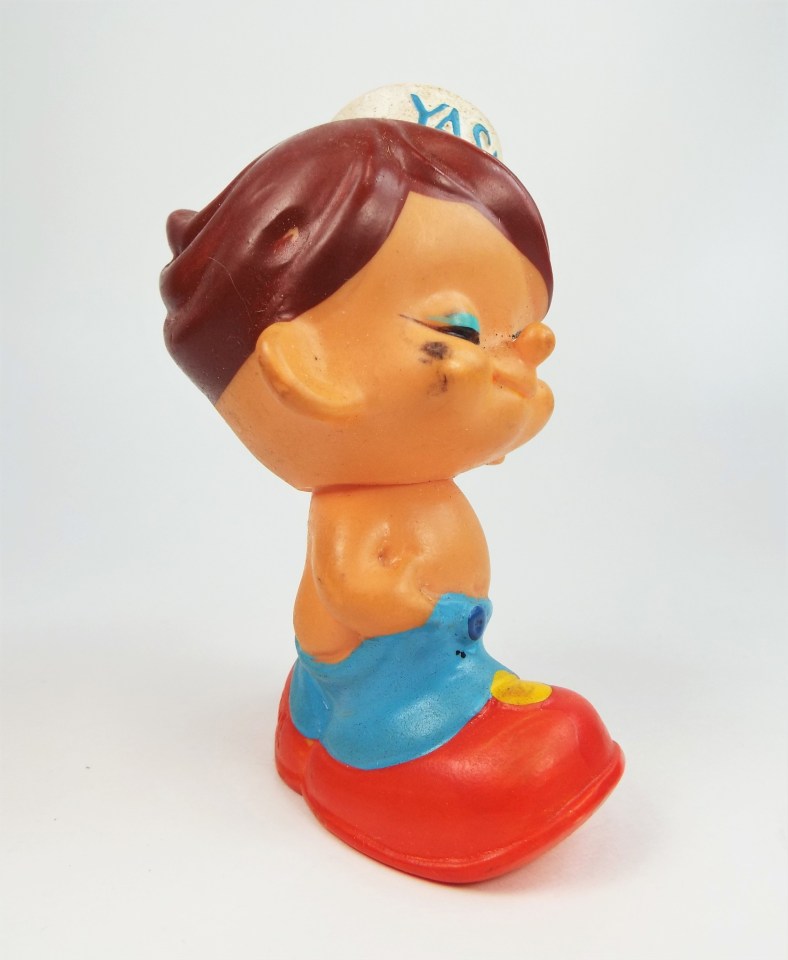
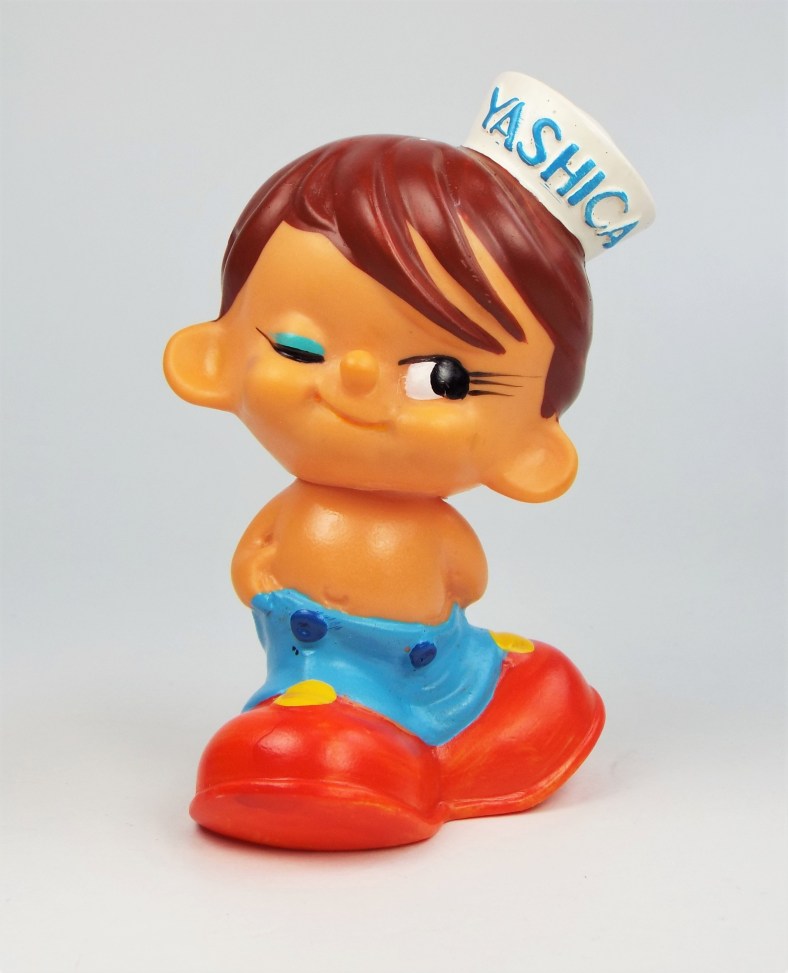
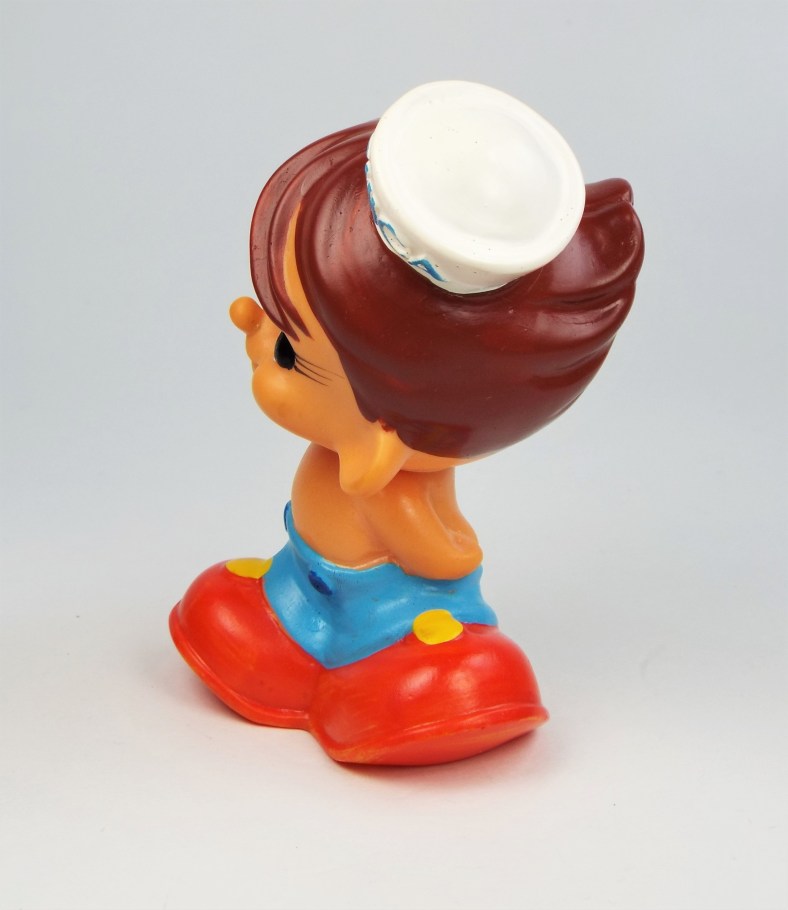
Yashica’s ‘Sailor Boy’ – 1962

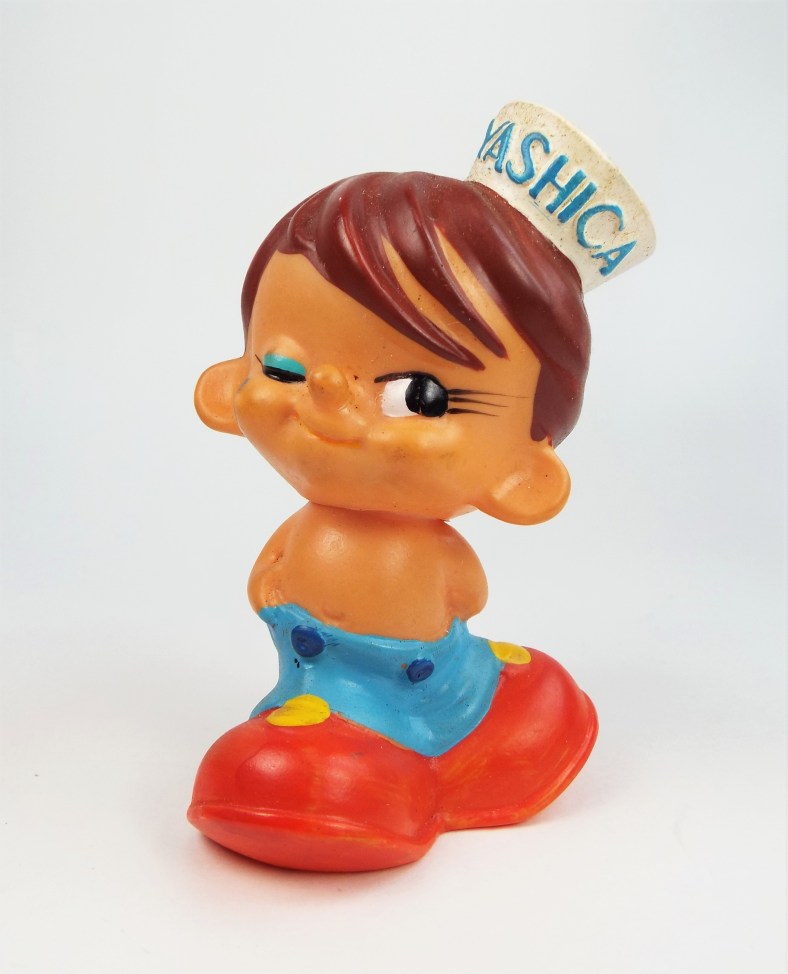
Yashica’s advertising figurine the ‘Sailor Boy’ first appeared in 1962 – closely associated with the launch of Yashica’s J-3 35mm single-lens reflex camera. It was made for Yashica by Modern Plastics of Japan and was produced in a variety of sizes – from a 20cm shop and dealer display model down to this little 10cm guy.

This one ⇓ came to our collection from Germany and man was he a dirty guy!

DSCF5218

Covered with a coat of nicotine and grime, he looked like he was in a bar room fight! But he has a good casting and the paint looks good. Notice how grungy his hat is.

DSCF5219

Since he was covered with a thin film of nicotine he was sticky!

DSCF5220

Looks like he has a black eye!

After some restoration work in the studio, he’s looking ⇓ much better and brighter.

DSCF5221

Nice and shiny! Still a hint of a black smudge near his right eye.

DSCF5222

His hat is white again. If you look to collect one, be sure to look closely at the hat. Often the casting will be a bit porous there and show some pitting. This one is nice and smooth.

DSCF5228

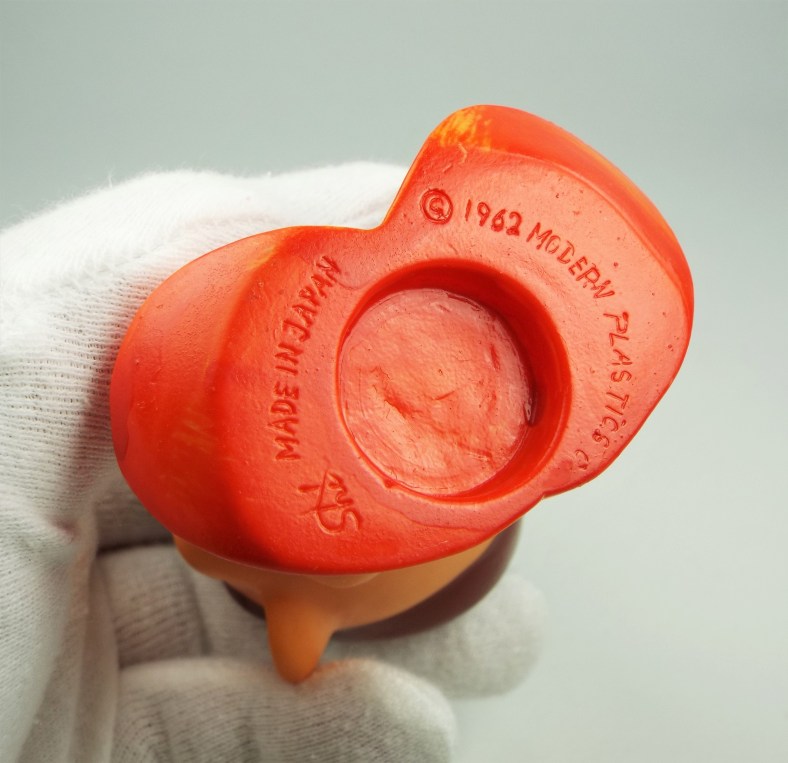
The manufacturer’s marks on the bottom. The round spot was meant to insert a small magnet so as to keep him in his place.

Made in Japan by Modern Plastics for Yashica. He’s never been given an official name from Yashica so we’ve always called him ‘Sailor Boy’ for obvious reasons. Some of the figurines will have ‘Yashica’ in katakana characters on the hat. We don’t have one like that – yet.

15133132085_d1fc422098_z

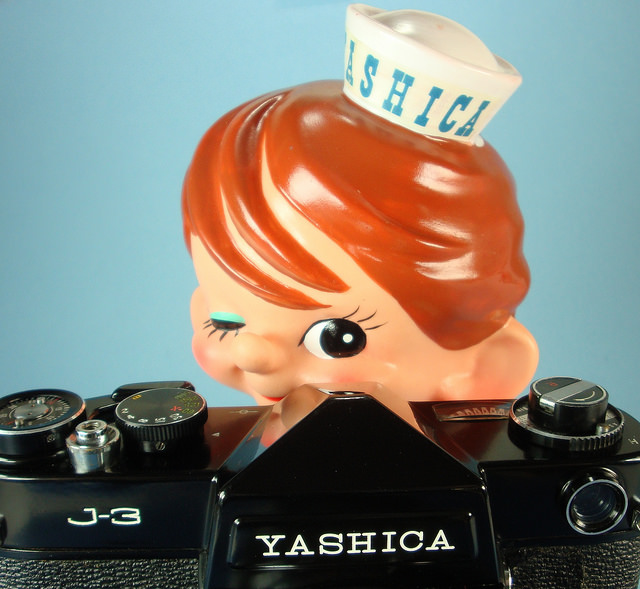
The 20cm shop model with the J-3. The eyelashes are different on the larger models otherwise they’re the same.

yashicasailorboys-japan-store

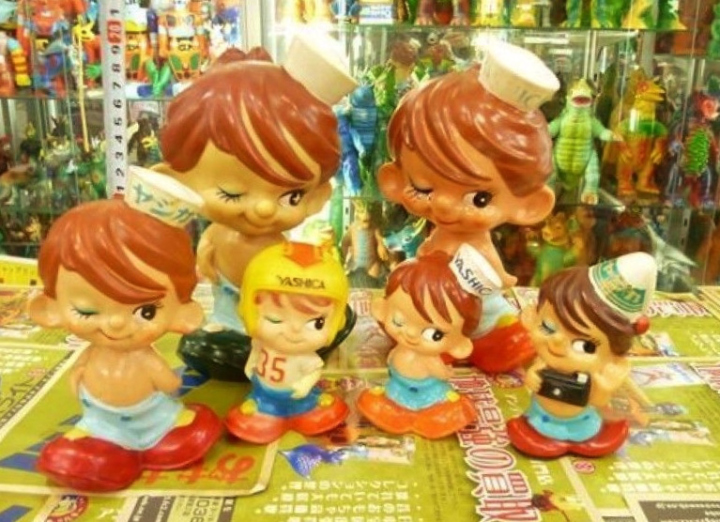
Not our collection! Wish it was! There is one missing – a 10 cm ‘Sailor Boy’ with green shoes otherwise this collection is complete. Notice the large doll on the back left does not have Yashica on his hat but does have green shoes. The one with the camera was released for the launch of the Yashica Electro 35 and as best as I can tell he’s modeled after Wee Willie Winkie from the Scottish nursery rhyme. These are on display at a Tokyo store that specializes in collectible figurines and dolls.

Thanks for your visit! And yes, we take donations of unwanted ‘Sailor Boys’!!! JK

Camera: Fujifilm FinePix S9900W

Chris

Fuji Photo Film – Fuji Pet 35

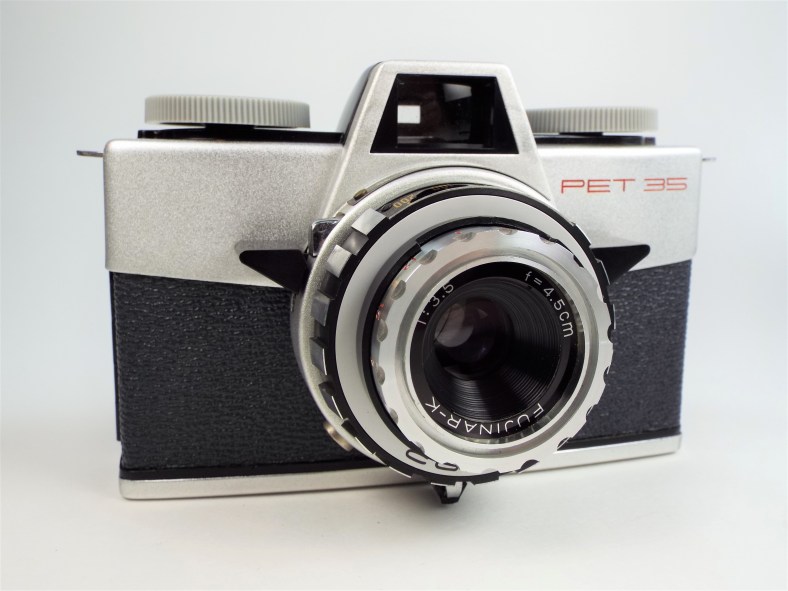
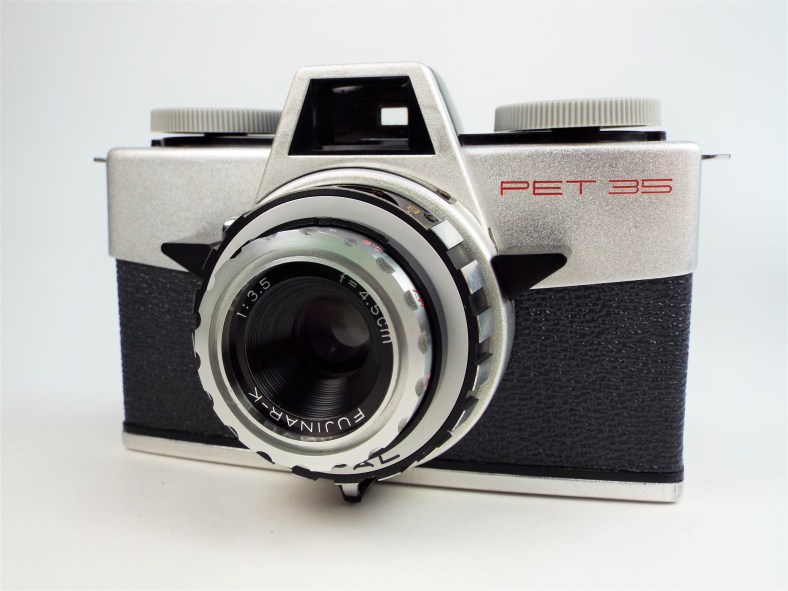
From 1959, Fuji Photo Film Co., Ltd. follow-up to their widely popular Fujipet 120 film camera. The Pet 35 took advantage of the growing popularity of 35mm photography – plus it’s a great way to sell more film!

The Pet 35 was way more sophisticated than the Fujipet – but retained the funky charm and quirkiness of the original. Since the Pet 35 is not a common camera, we’ve presented a visual tour of our almost mint condition Pet 35.

DSCF5186

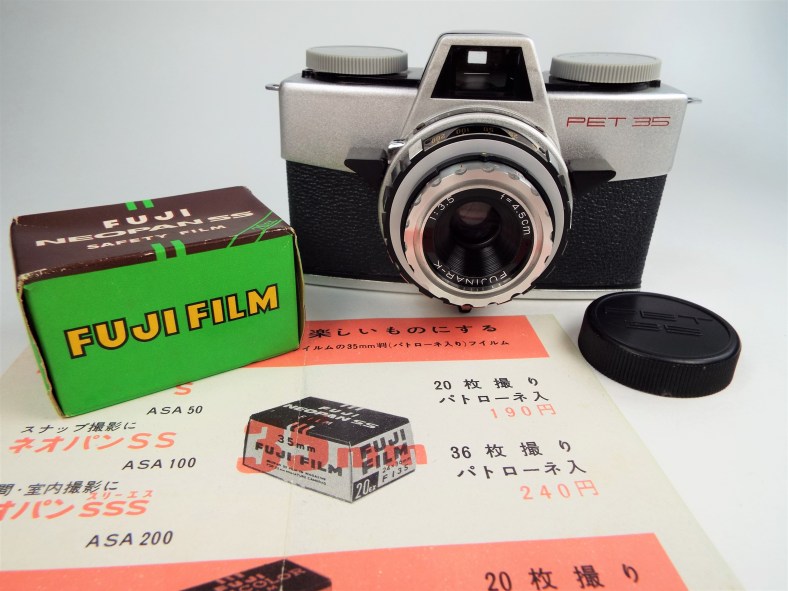
Original set as found. We have the leather case too.

DSCF5188

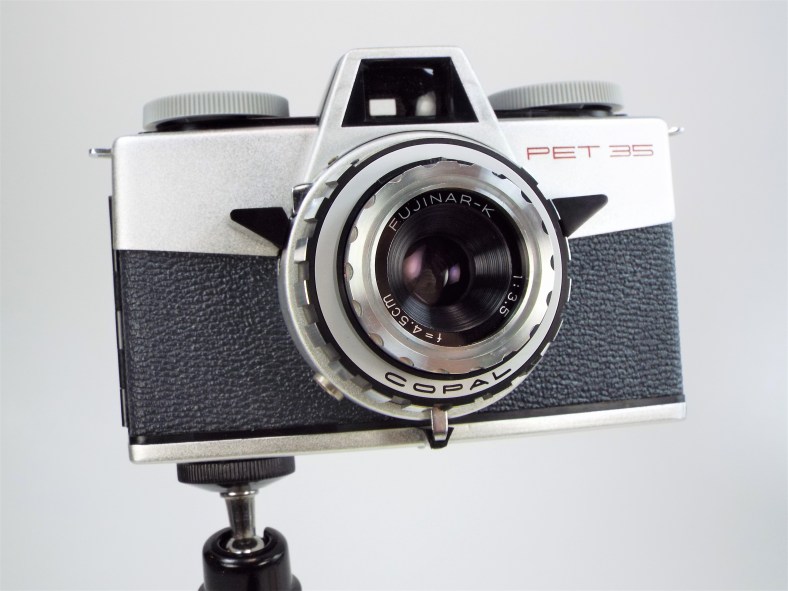
The lens is a Fujinar-K 3 element glass lens – 45mm with a maximum aperture of f/3.5 with closest focussing to 0.5 meters.

DSCF5189

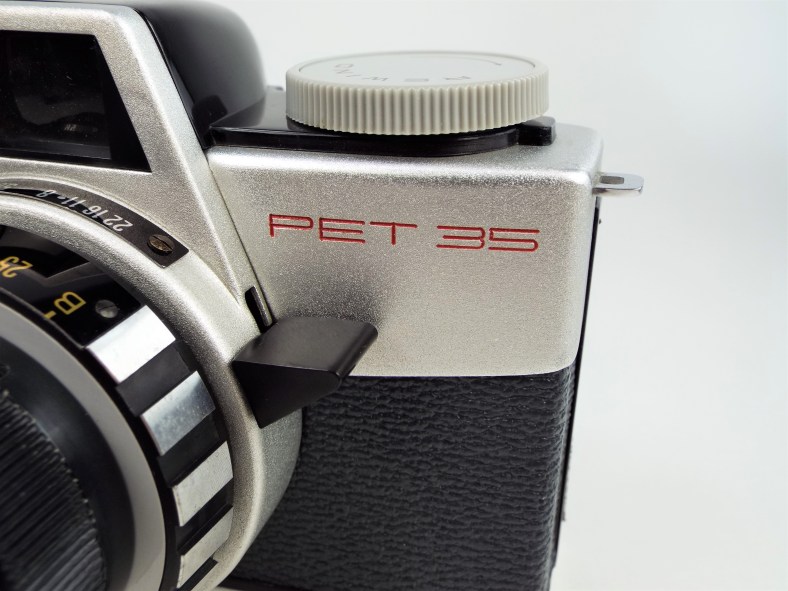
The lever to the right of the lens cocks the shutter and the left lever trips the Copal B leaf shutter.

DSCF5190

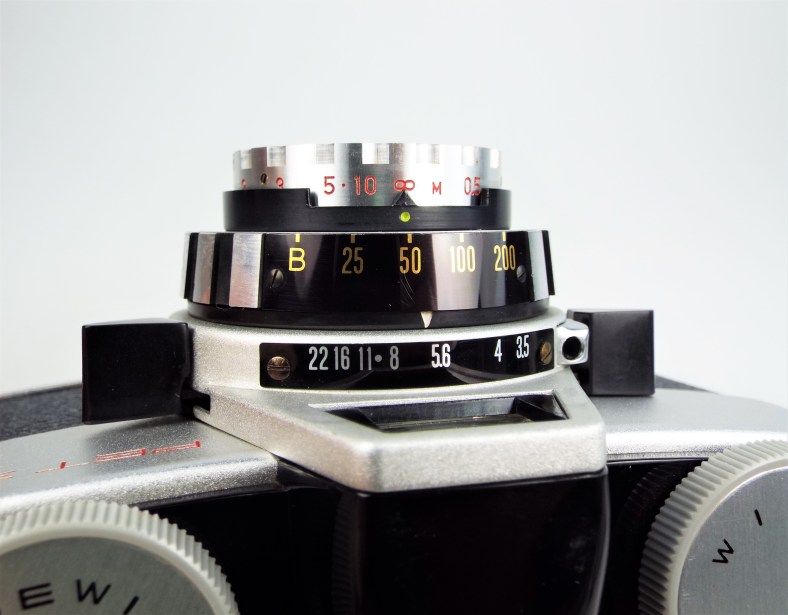
The Copal shutter features speeds of B, 1/25, 1/50, 1/100 and 1/200 of a second.

DSCF5191

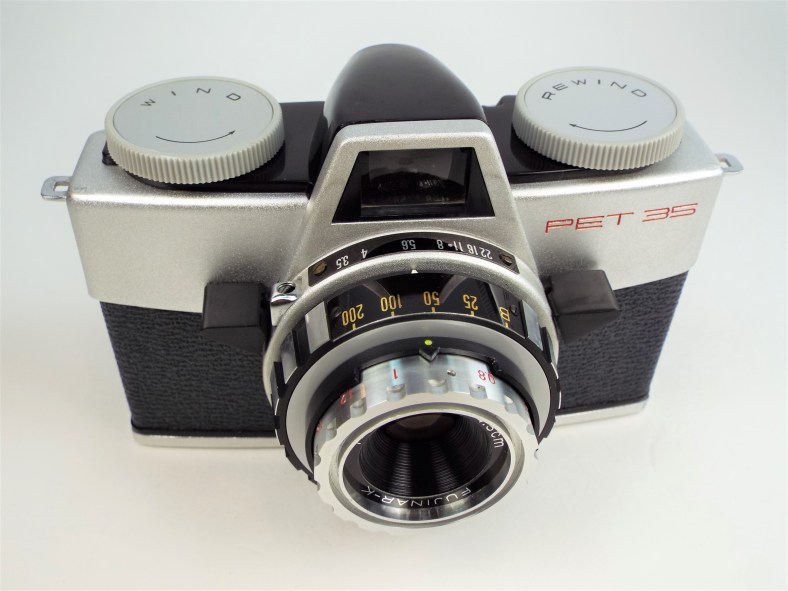
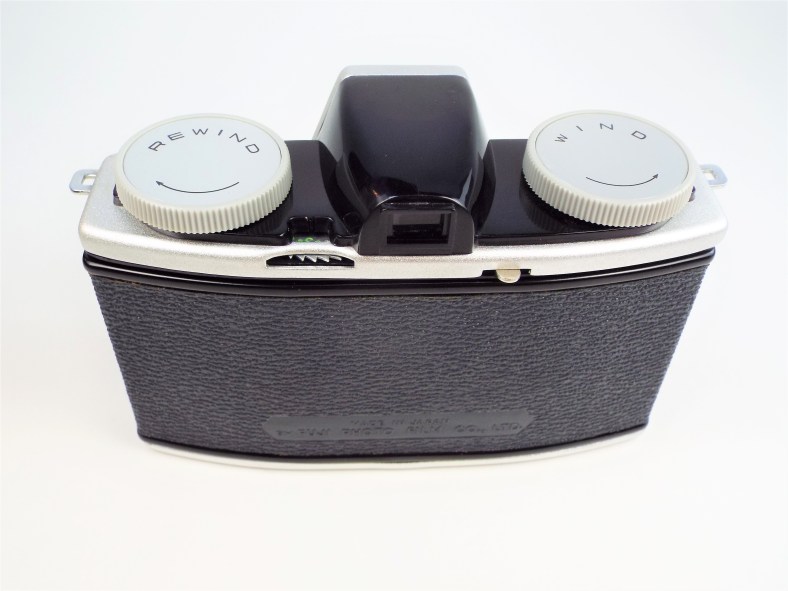
In keeping with the funky design – two oversized knobs that left no doubt on how to operate them.

DSCF5192

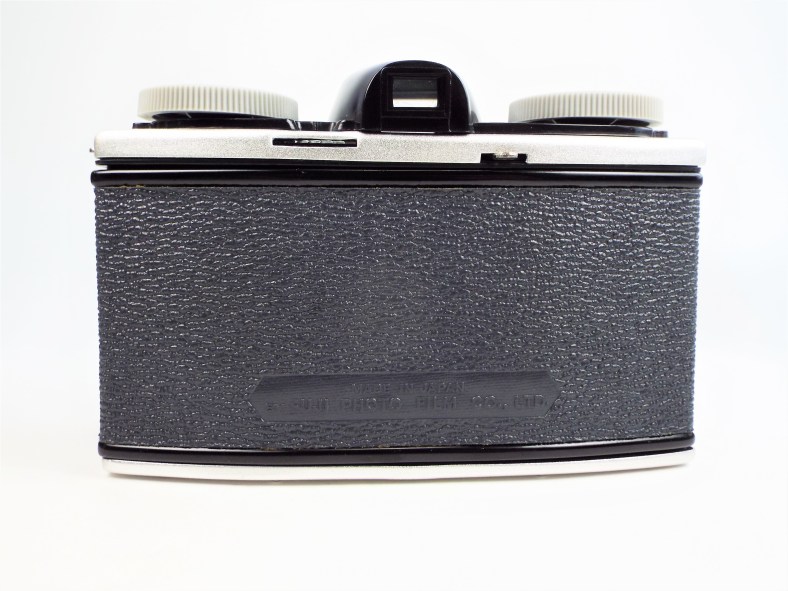
The body is dark gray on this Pet 35.

DSCF5193

Outer ring is the focus adjustment, next is the shutter speed selector and finally the aperture settings.

DSCF5195

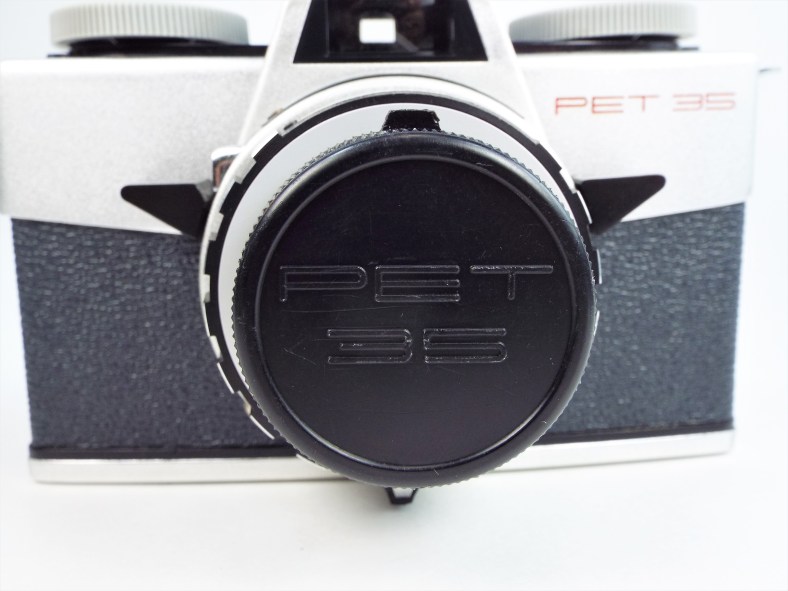
The original Pet 35 lens cap.

DSCF5196

Nicely detailed and finished.

DSCF5197

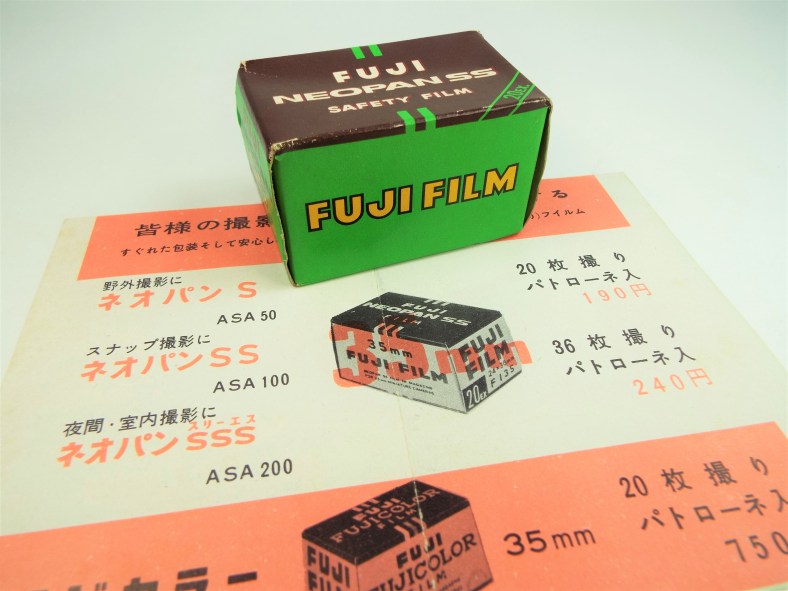
Early 1960s Fuji Film Neopan SS – ASA 100. How about film for only ¥190!

DSCF5202

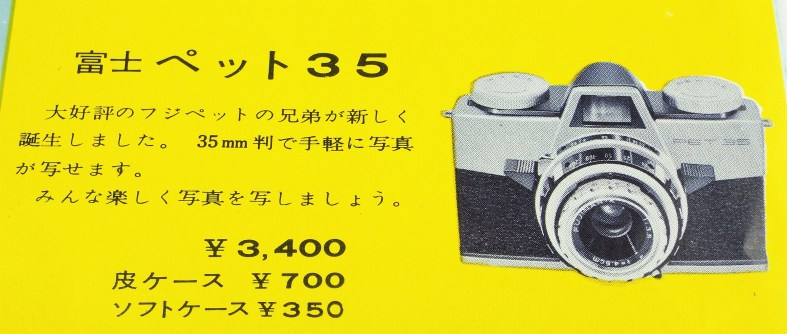
Original selling price was ¥3,400 – the leather case sold for ¥700 and a soft case was available for ¥350

DSCF5200

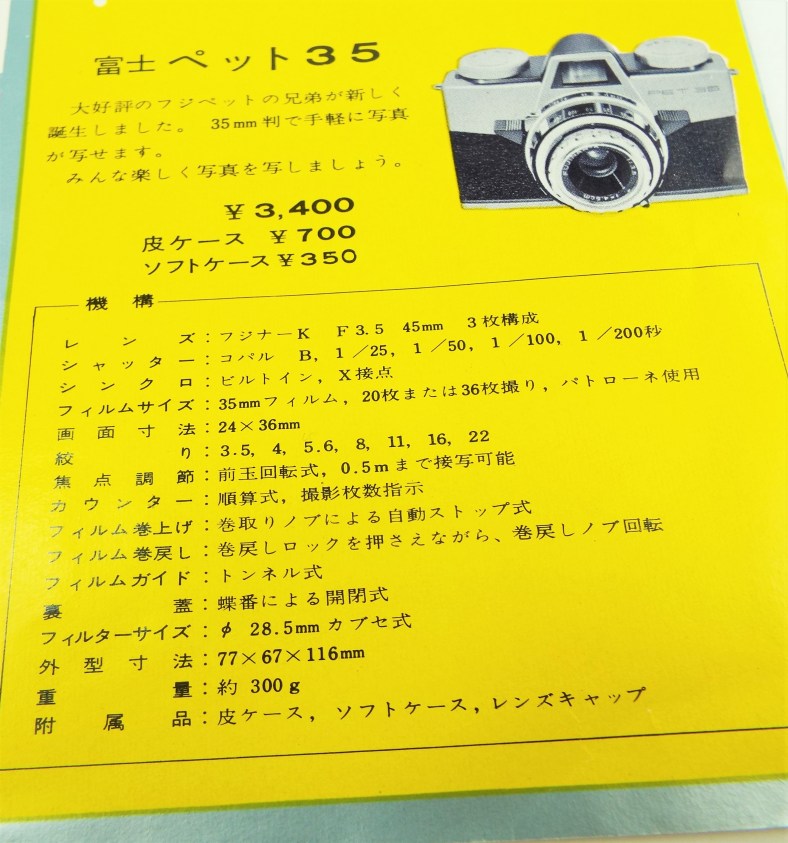
Original sales brochure specs.

DSCF5208

The viewfinder is bright and clear – and big for such a small camera.

DSCF5207

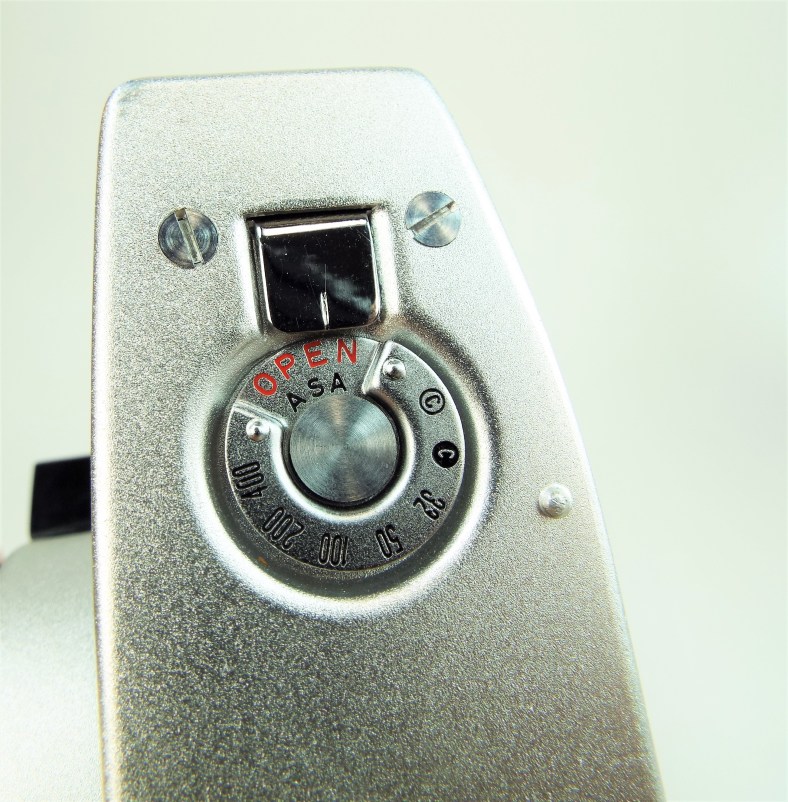
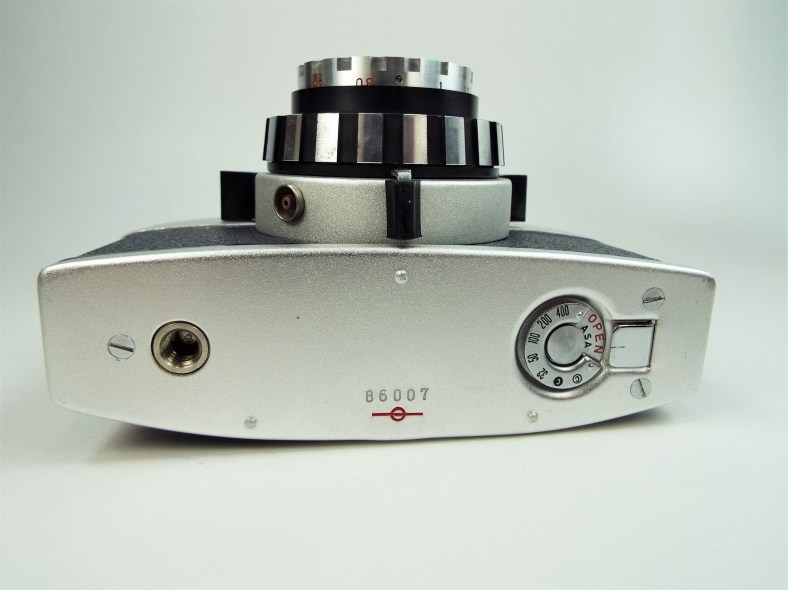
ASA reminder scale and film back release.

DSCF5206

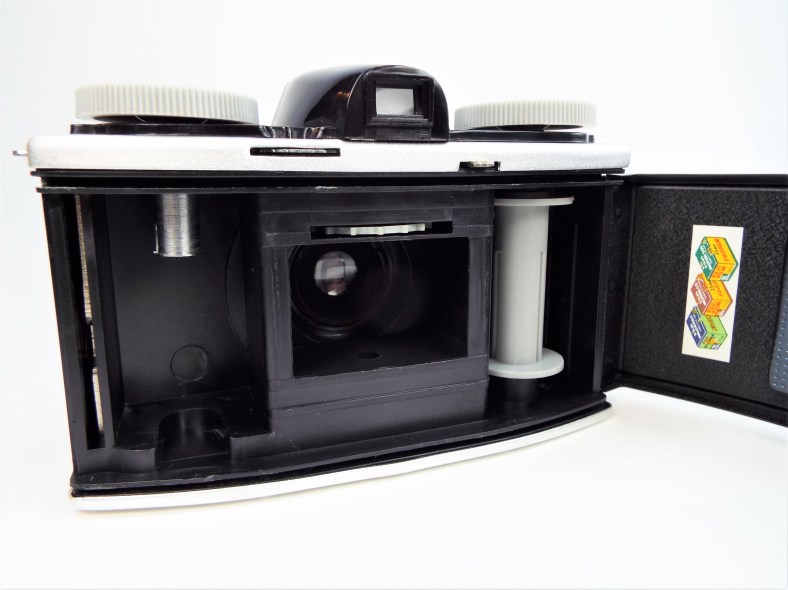
The Pet 35 is far from being a ‘toy camera’ as its build quality is quite high. No foam or yarn light seals to fail – the metal film door fit tightly into the body to seal out light.

DSCF5209

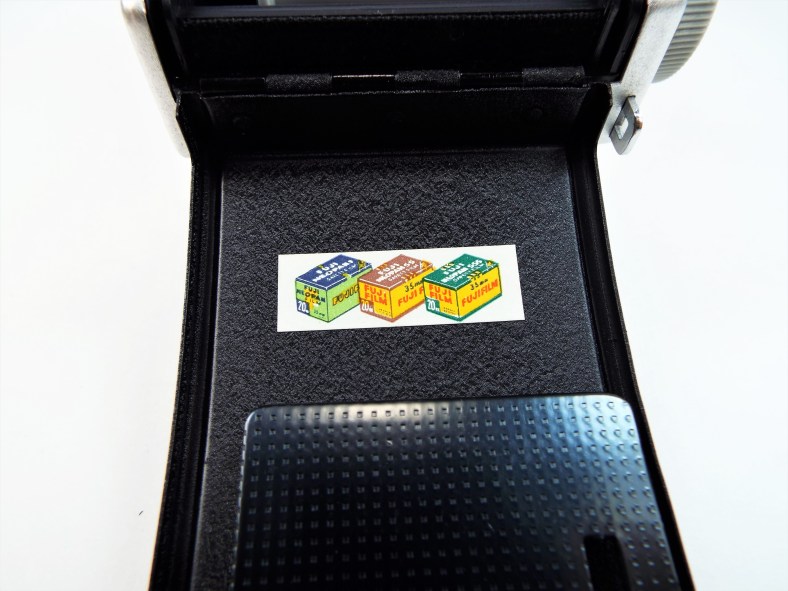
Gotta love the Fuji Film stickers inside!

DSCF5203

Thanks so much for your visit – we hope that you enjoyed our tour of this fantastic Fuji!

Studio Camera: Fujifilm FinePix S9900W

Chris & Carol ^.^

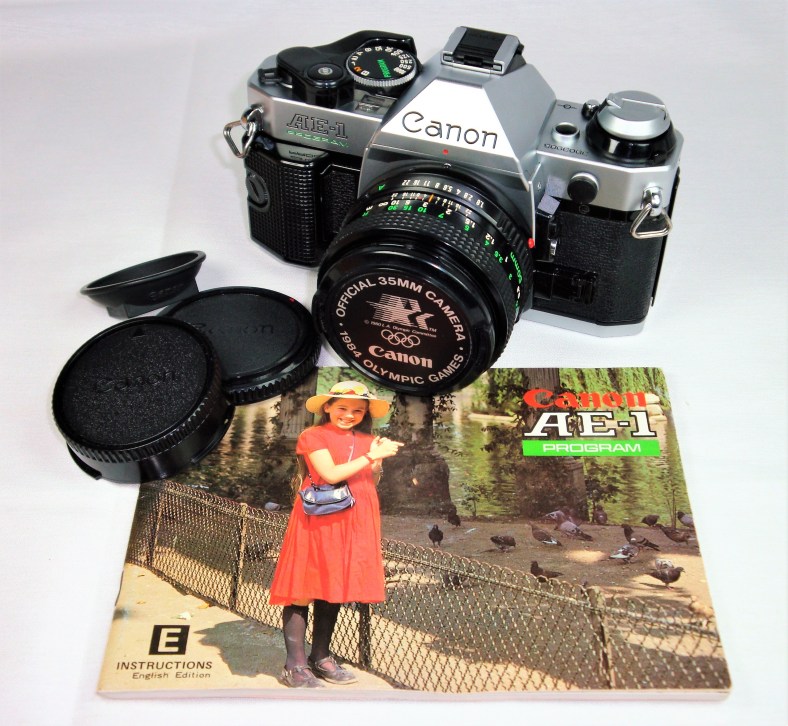
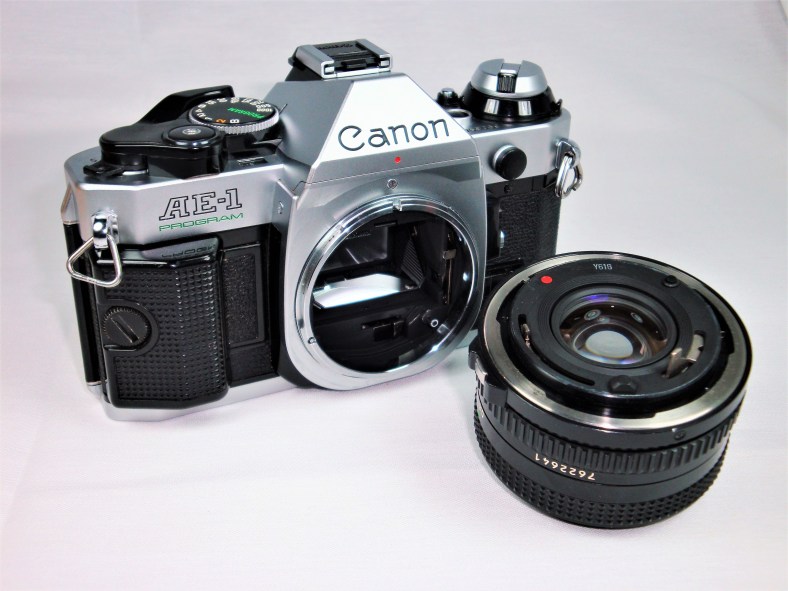
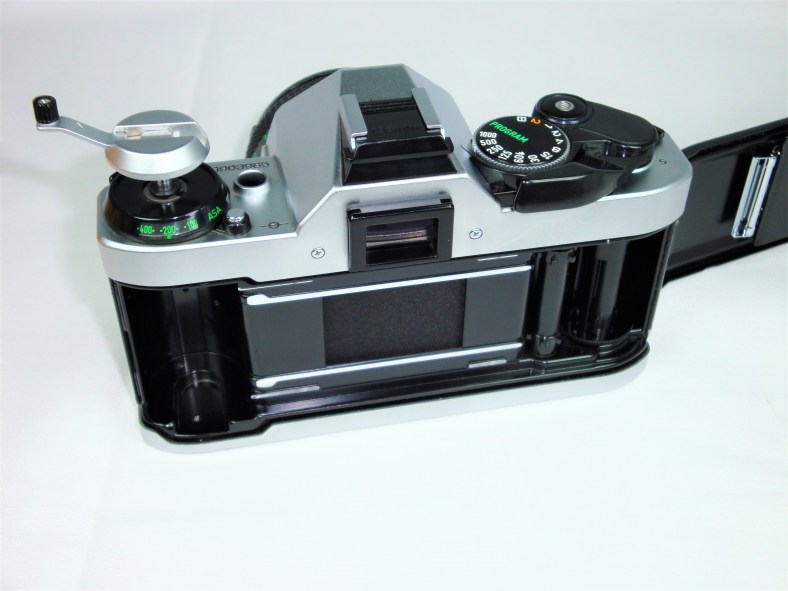
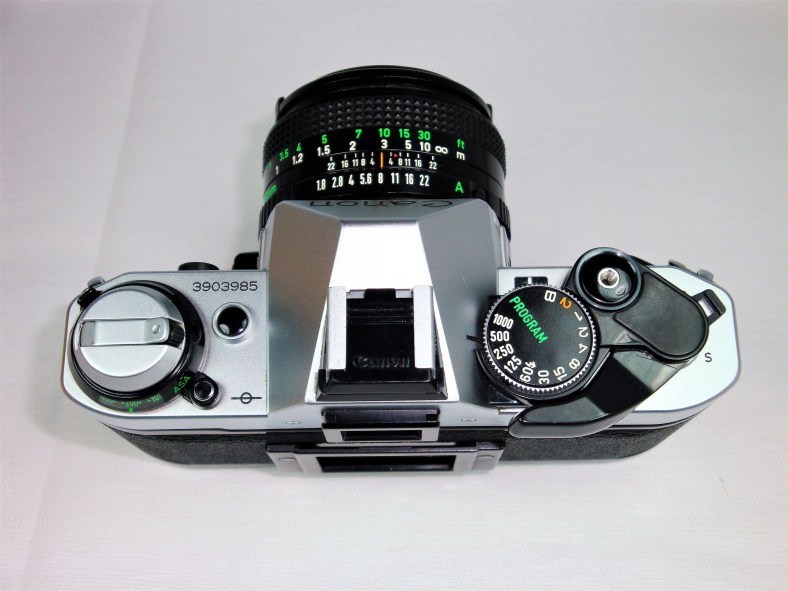
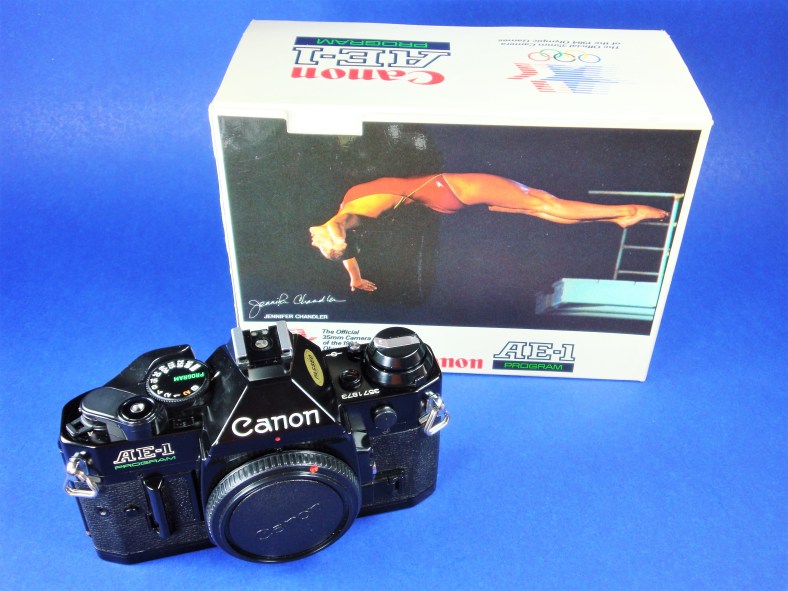
Canon AE-1 Program – An alternative to the more costly A-1

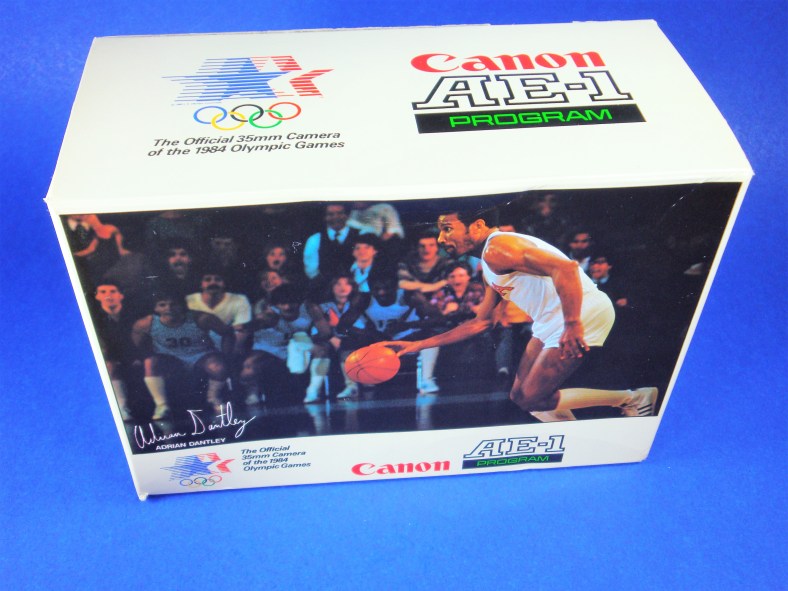
Canon’s A Series of cameras were among the best in the late 1970s and early 1980s. Often overlooked, the Canon AE-1 Program (it was also available in a pro black body) was a fun and accurate SLR during its heyday. Of course the Canon A-1 and the AE-1 were the most popular of all.

DSC00146

DSC00137

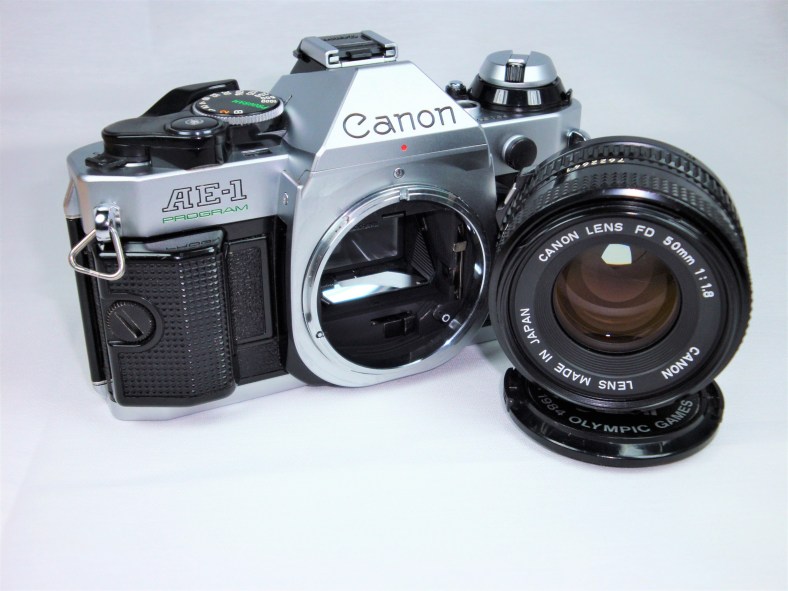
The AE-1 Program, like all of the Canon A Series of bodies, used the Canon FD lenses – here with the popular and super lightweight 50mm f/1.8 lens.

DSC00138

DSC00143

DSC00142

AE-1 Program in pro black and Olympic Edition.

DSC02955

DSC02956

If you get a chance to pick one of these up for a fair price we think you’ll be surprised at how well the auto exposure modes do under challenging lighting situations. It’s not built as robustly as the A-1 but can be had for much less.

The AE-1 P makes a nice addition to any Canon collection and certainly would look good in any collection of early Japanese SLRs.

Thanks for stopping by!

Camera: Sony Cyber-shot DSC-W170

Chris

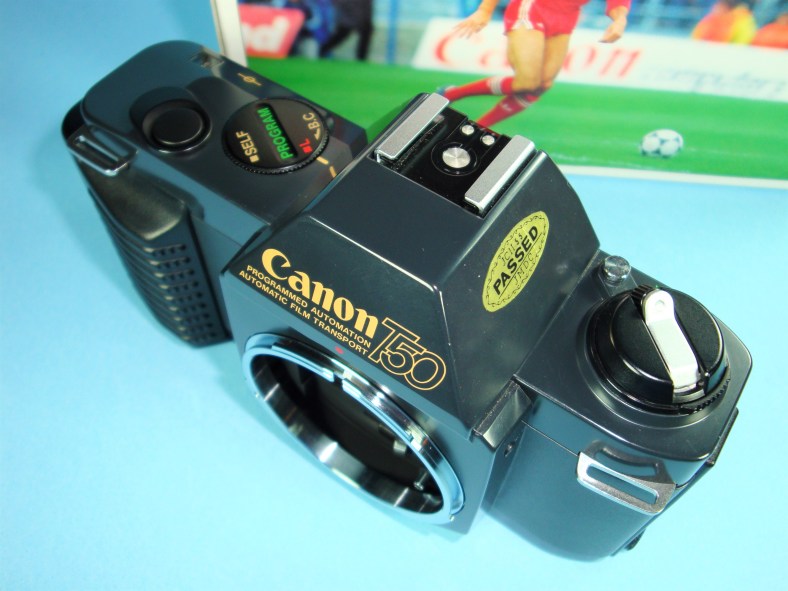
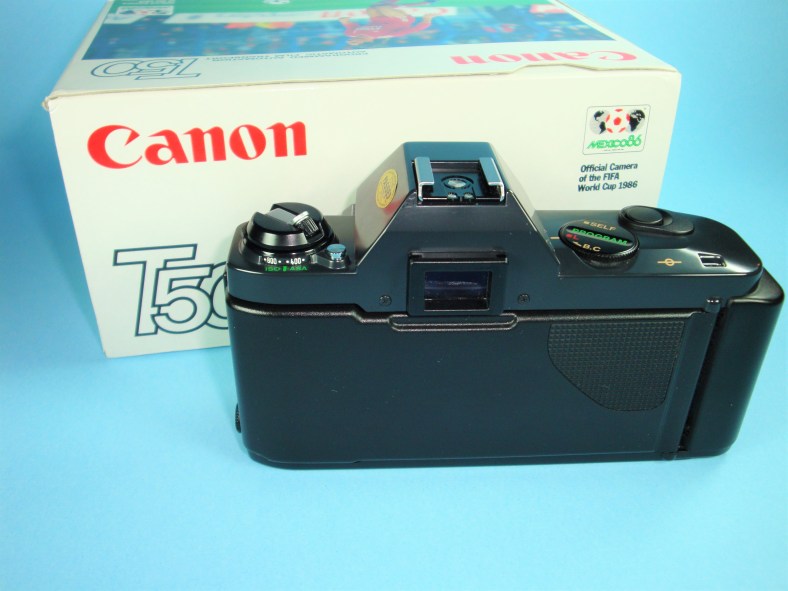
FIFA World Cup 1986 Canon T50

DSC01391

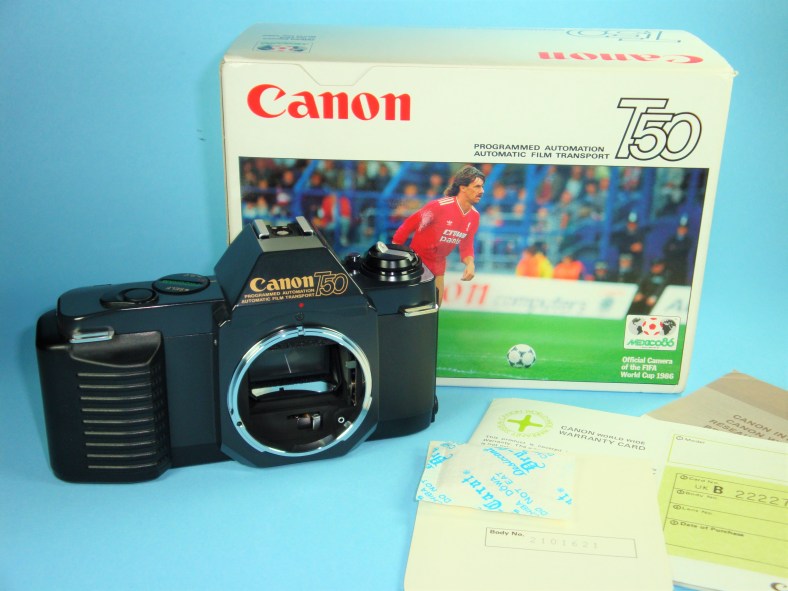
Probably not many of these floating around in the U.S. – this was in our collection of ‘all things Canon’ for awhile but has since moved on to another collector. We thought it deserved a spot on the blog if only because few people know of its existence.

DSC01401

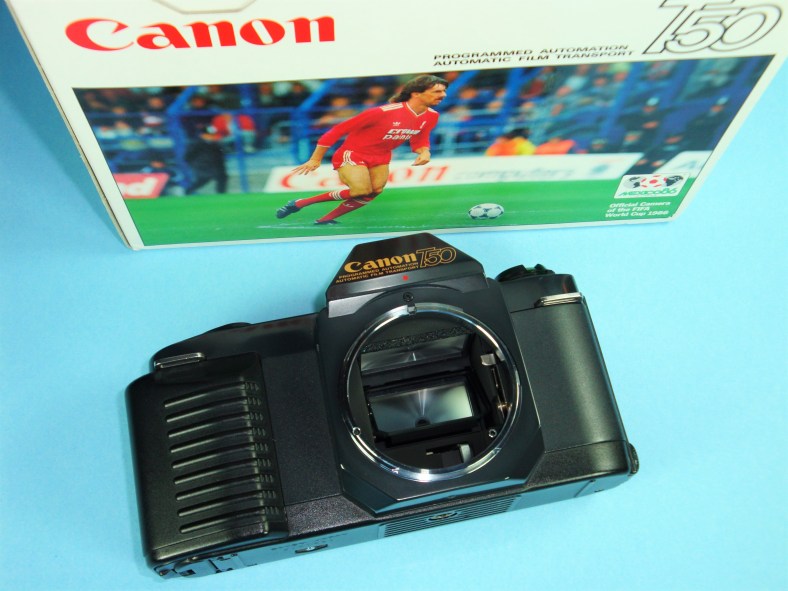
The Canon T50 is one of the simplest cameras (35mm SLR) that Canon ever produced. It accepted all Canon FD lenses, took 2 AA batteries, had a power winder built-in and had programmed automation!

DSC01389

Cool logo!

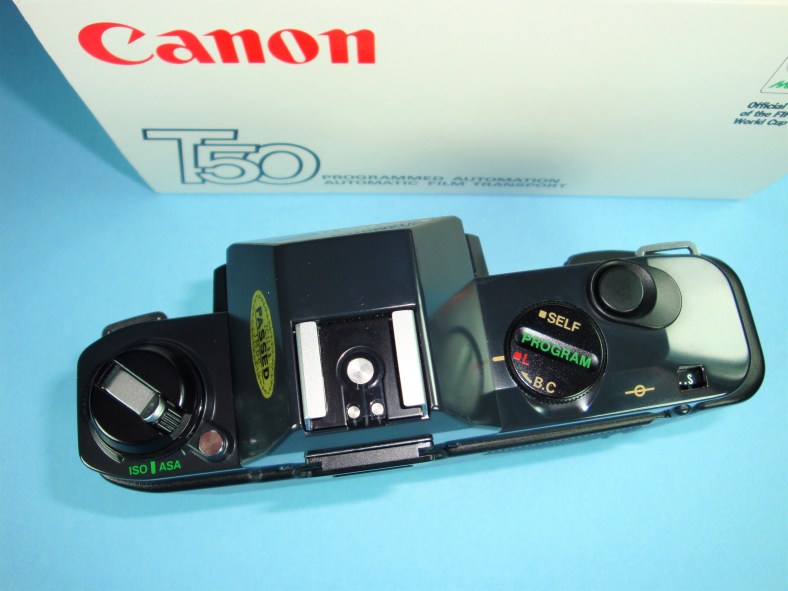
DSC01393

Simple Simon! Shutter button, function dial, hot shoe and rewind lever.

DSC01395

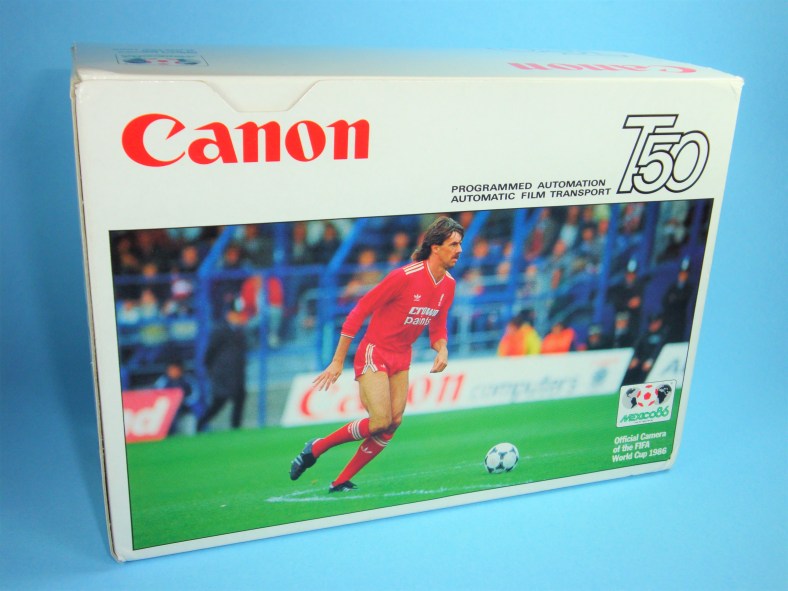
DSC01388

Nice bright graphics!

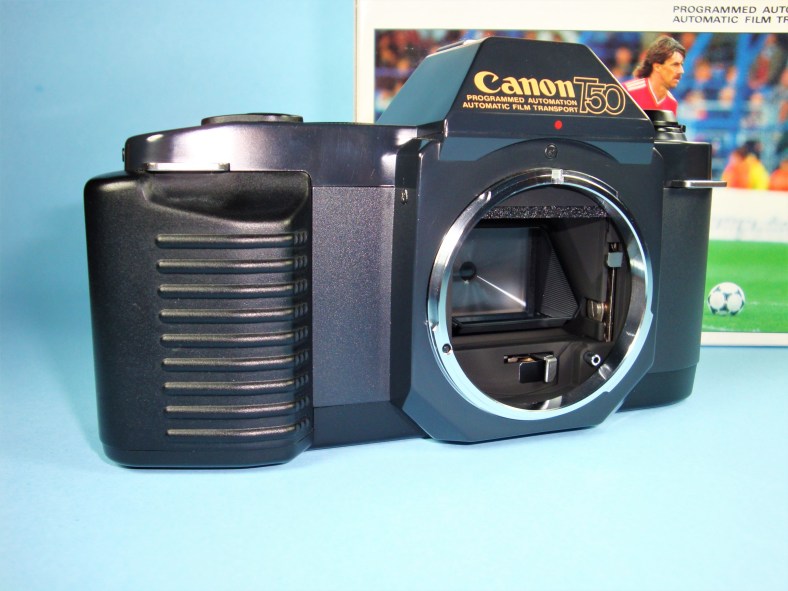
DSC01392

Bold hand grip and clean design.

DSC01394

If you want a simple, and we mean simple, 35mm SLR film camera to play around with, then the T50 and its cousin the T70 are just the ticket. Both take all of Canon’s FD lenses – and that’s worth the price of admission any day!

Camera: Sony Cyber-shot W170

Chris

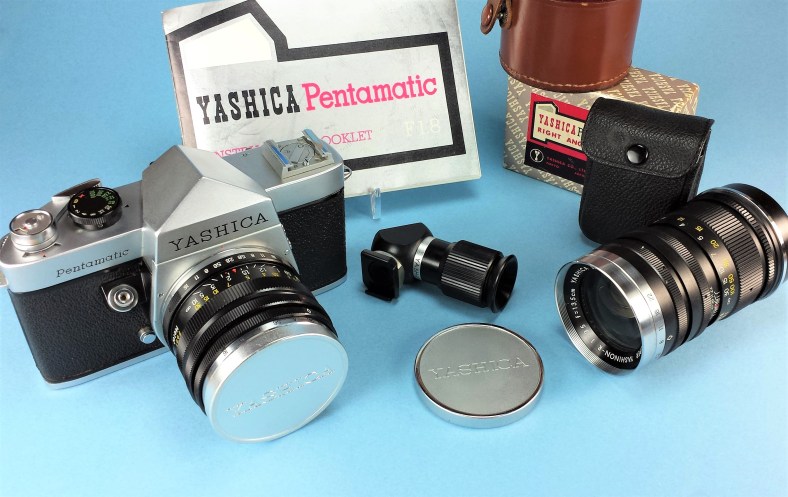
Pentamatic S – 1961

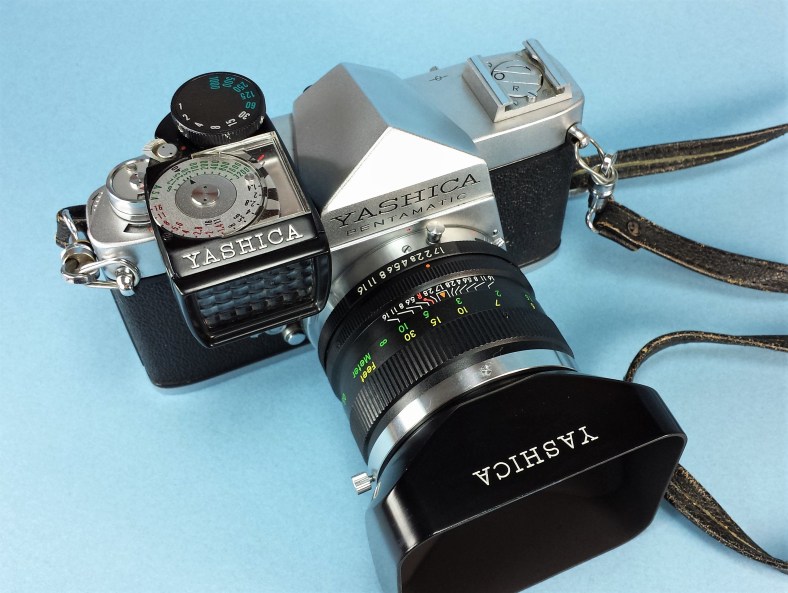
Yashica Pentamatic S with its no name clip-on light meter.

20150110_131631

S fitted with its light meter, lens hood and the standard 5.8cm f/1.7 lens that came with the Pentamatic II.

20150109_140503

Pentamatic S

20150110_131704

Standard lens for the Pentamatic II here fitted to the S – Auto Yashinon f/1.7 5.8cm made by Tomioka Optical.

The Yashica Pentamatic S was available in 1961 and came with the Auto Yashinon f/1.8 5.5cm lens.

Chris

Fuji Discovery 900 Zoom Plus – 1991

From the Fuji Photo Film Company, Limited, Tokyo.

Actually quite a sophisticated 35mm compact autofocus camera from the early 1990s – during the compact camera war period where each manufacturer was trying to cram as many features into as small a package as they could. In the case of this Fuji, it came pretty close to having everything except the compact part.

Which in the case of this camera, is a very good thing in our opinion. It has a wonderful feel to it – it has some heft (362 g without battery and film) and fits nicely into your grip. It’s plastic but with a host of motors and what not the weight goes up which helps to hold it steady when taking a picture.

DSCF5150

It was packaged in a descriptive and colorful box that included a roll of Fujicolor film, a lithium battery (which was still working after 24 years!), a padded strap and a series of 3 HG Creative Exposure cards for exposure compensation. The film expired in May 1994.

DSCF5156

We think it’s one of the better designed compact 35s of that era – beautiful lines and a quality fit and finishes. It was made in Japan – and it appears that it was also assembled there as well. The June issue of Popular Photography has it listed as $299.95 as the manufacturer’s suggested retail price! I believe that gives some clue as to the design that Fuji put into this nice update to their Discovery 900.
DSCF5157

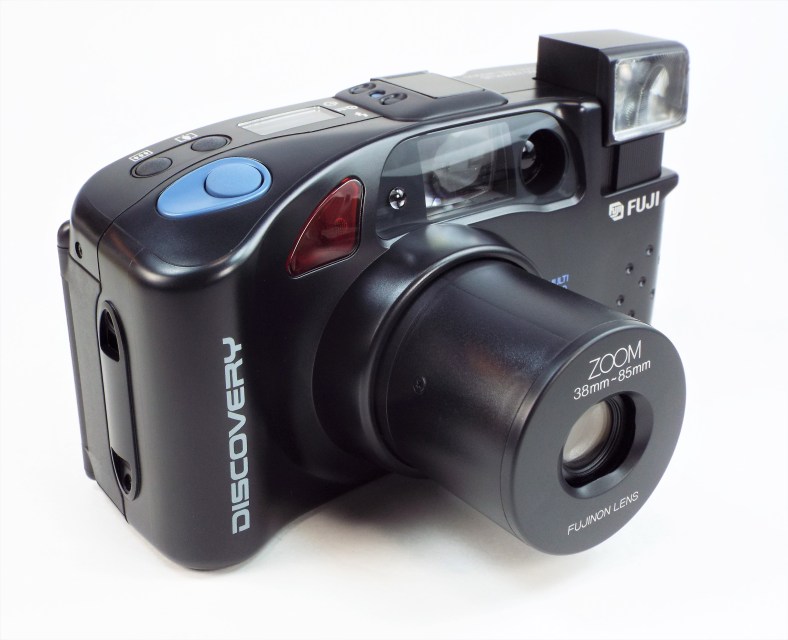
The Discovery comes with a Fujinon 38-85mm power zoom lens (f/3.8 – 8.2) and uses a 3 zone multi-beam autofocus system. Focuses close-up to 29.5 inches and the AF focuses from .75 meter to infinity.
DSCF5158

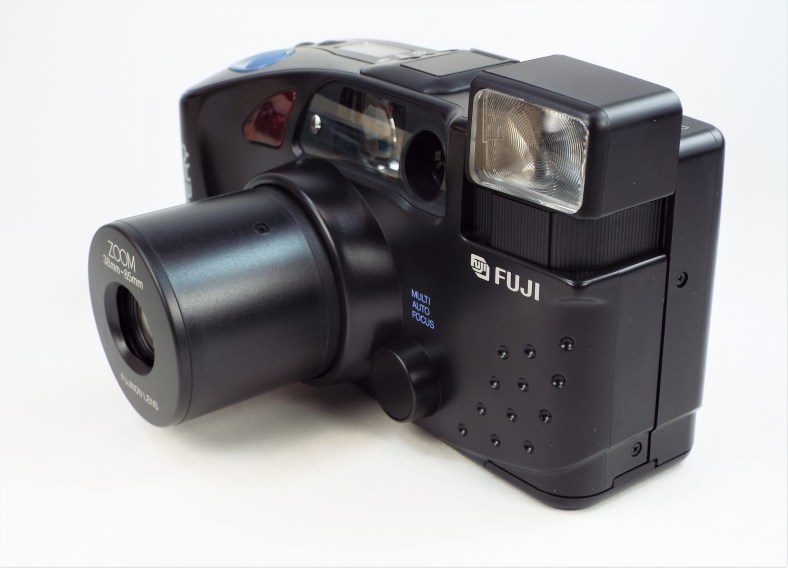
The Fujinon lens consists of 7 components, 7 elements. The programmed electronic shutter operates from 1/8 to 1/250 second.

DSCF5160

The top view is simple and uncluttered. The HG card slot is in the center (where a hot shoe would be). It has a sequential self-timer and the power zoom buttons are on the far right. It also features drop-in film loading and uses DX coding with ISO 50, 100, 200, 400, 800, and 1600 DX-coded films.

DSCF5159

This camera was a presentation camera to the employees (?) of the plant – or maybe the plant only got one. It is in mint never used condition so I’m guessing it never took pictures of their cement pipes at the plant. Our first thought was to remove the plaque, but it is well designed and affixed properly so it’s best to leave it be. Besides, it helps to date the camera and that’s okay with us.

The little Pac Man looking symbol and slide lever opens and closes the lens cover and activates the camera. The landscape button on the left helps the AF system to fix a distant focus at infinity or at least takes an average focus from the scene. We love the centered viewfinder – it provides a nice bright view of the composition.

DSCF5161

The Fuji Discovery 900 Zoom Plus 35mm camera.

DSCF5092

The Fuji Discovery 90 Date – a smaller and less feature-packed cousin to the 900.

We think Fuji did well with this sophisticated camera and can’t wait for a field test! Soon!

Thanks for your visit.

Camera: Fujifilm FinePix S9900W

Chris

Please respect that all content, including photos and text, are the property of this blog and its owner, Yashica Pentamatic Fanatic, Yashica Sailor Boy, Yashica Chris.

Copyright © 2015-2019 Yashica Pentamatic Fanatic, Chris Whelan
All rights reserved.
Earliest Pentamatic Lenses Found… Yeah!

Nerd heaven! After years of speculation and almost constant searching, we’ve been able to confirm that Tomioka Optical began making lenses for Yashica’s new Pentamatic 35mm SLR camera in the latter part of 1959. The two lenses pictured below confirm (via serial numbers) of an October 1959 start of production. Yashica had filed for a trademark of the name ‘Pentamatic’ in September 1959 (in Japan). Since their new camera used an exclusive mount for its lenses, Yashica designers had to have shared their design with Tomioka as early as the summer (August ?) of 1959.

Using the rule of twos, these lenses are the earliest in our collection.

DSCF3824

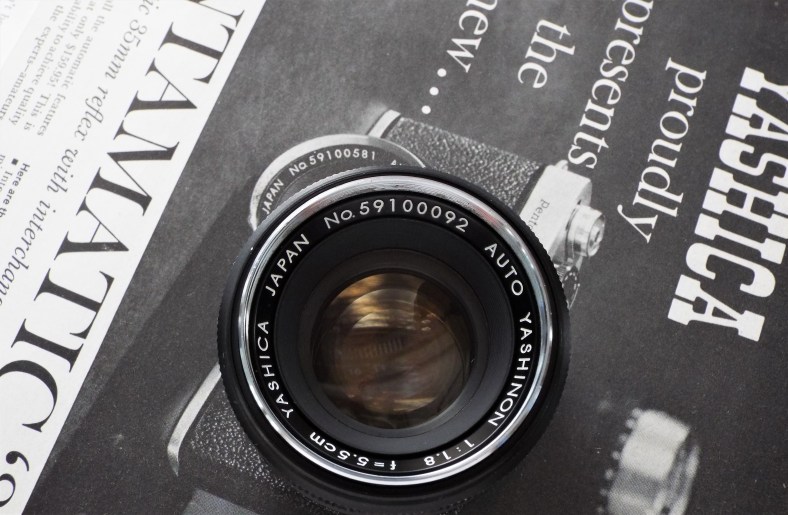
By serial number the left lens was built in October 1959 and it was the 92nd lens made. The right lens was built in December 1959 and by then Tomioka had built 1,630 lenses for Yashica.

No.  59 = 1959   10 = October  0092 = 92nd made

DSCF3826

No.  59 = 1959  12 = December  1630 = 1,630th made  

DSCF3827

dscf3477

Here’s our lens matched up to an advertisement in ‘Popular Photography’ magazine from the June 1960 issue. The lens in the ad is No. 59100581 which decodes to – October 1959, lens number 581 in the sequential production run. So in October, Tomioka had made nearly 600 lenses and by December they were up to 1,630 made. Certainly possible that they were averaging nearly 600 lenses per month in late 1959.

It’s a good find for us as the early serial numbers were just a guess on our part as to how they decoded. Having two lenses made before 1960 helped firm up our speculation. Lenses made in 1960 drop the month code in favor of a model number or code. A typical 1960 lens would have a serial number of:  No. 605xxxxx which would be 60 = 1960  5 = model code  xxxxx = production sequence number.
008

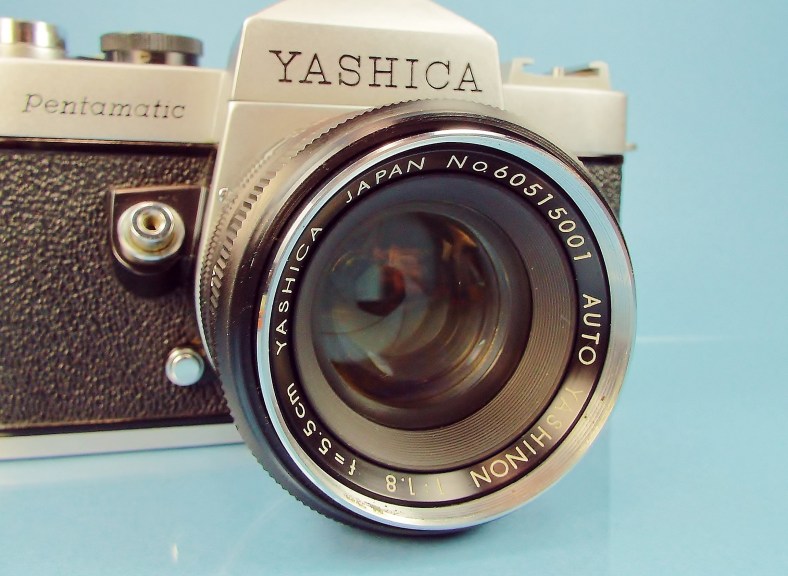
Serial number No. 60515001 decodes to 60 = 1960  5 = model code  15001 = 15,001 made since production began in October 1959.

If you’re a collector of Pentamatics or are just interested in Yashica cameras in general, this is important info. We know, total nerd stuff!

Thanks for your visit.

Chris