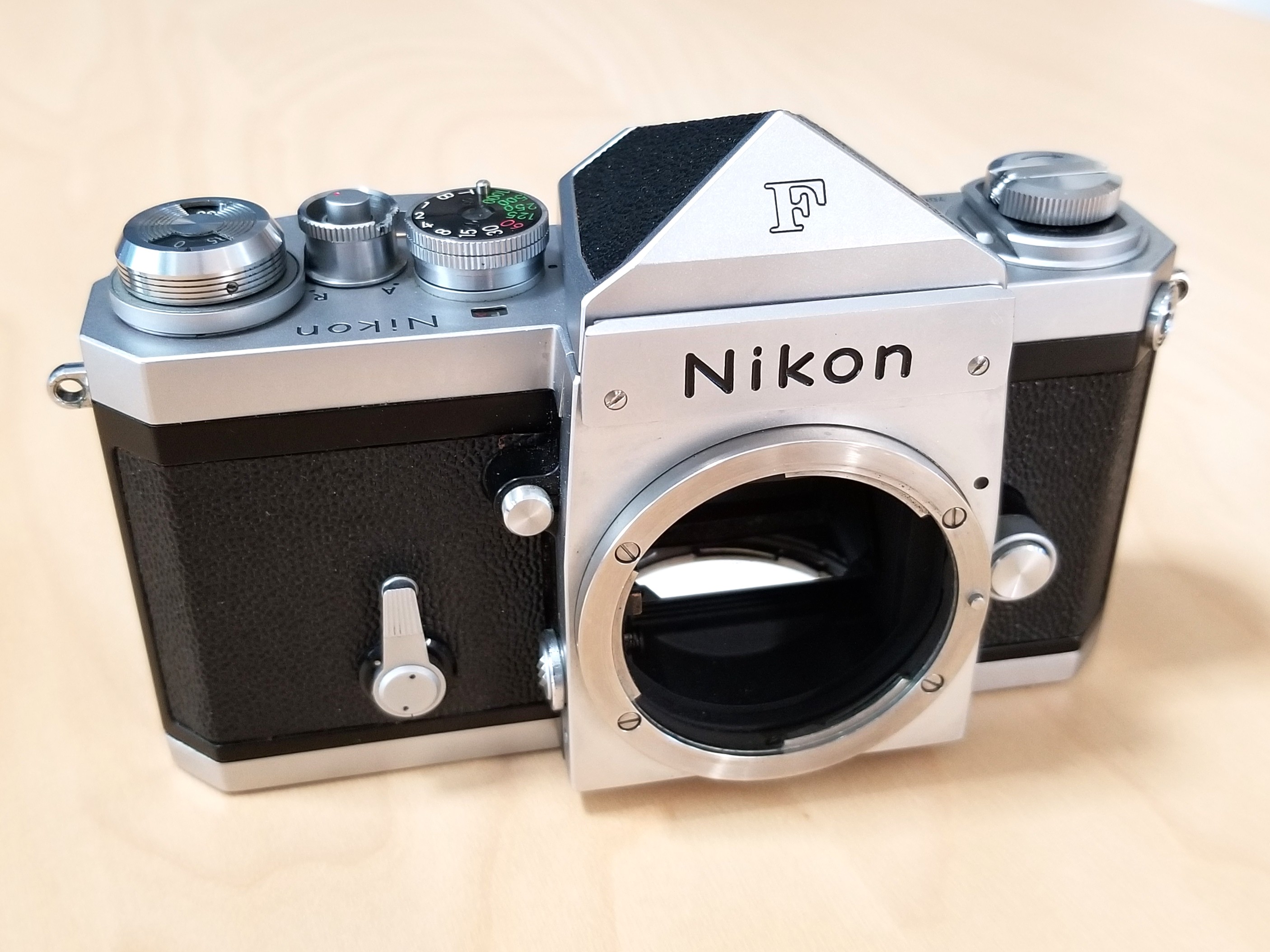
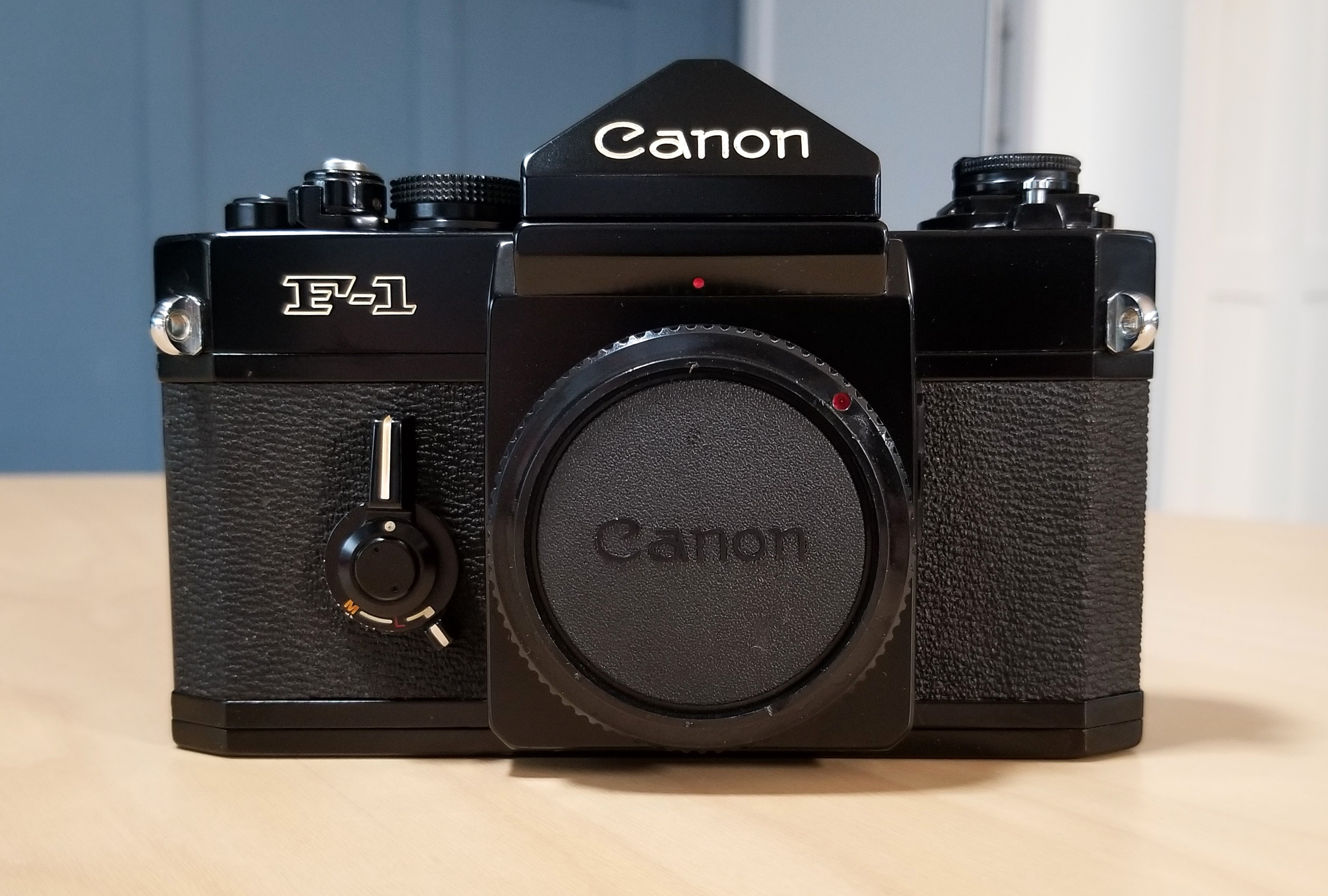
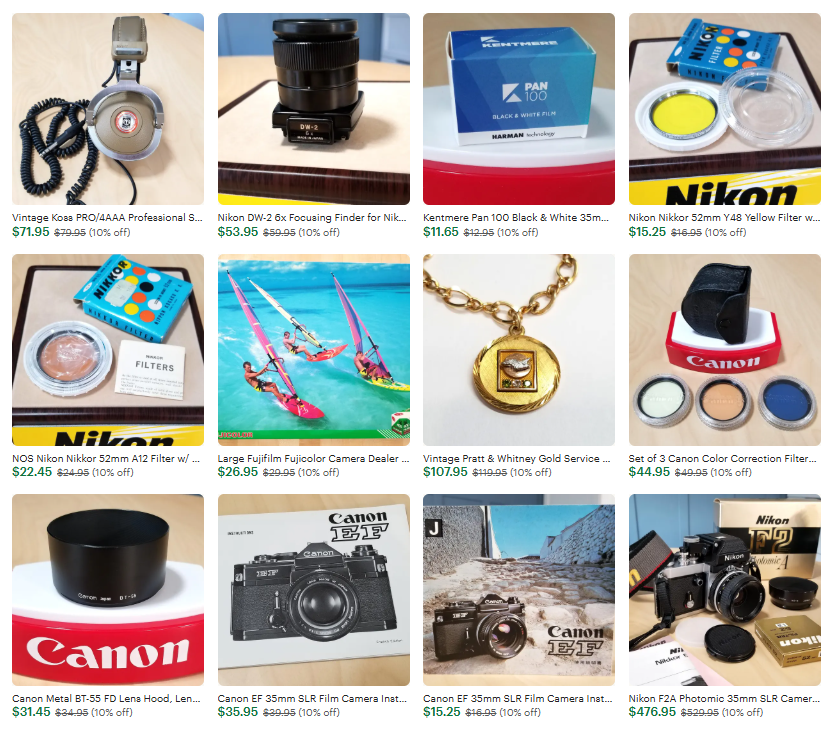
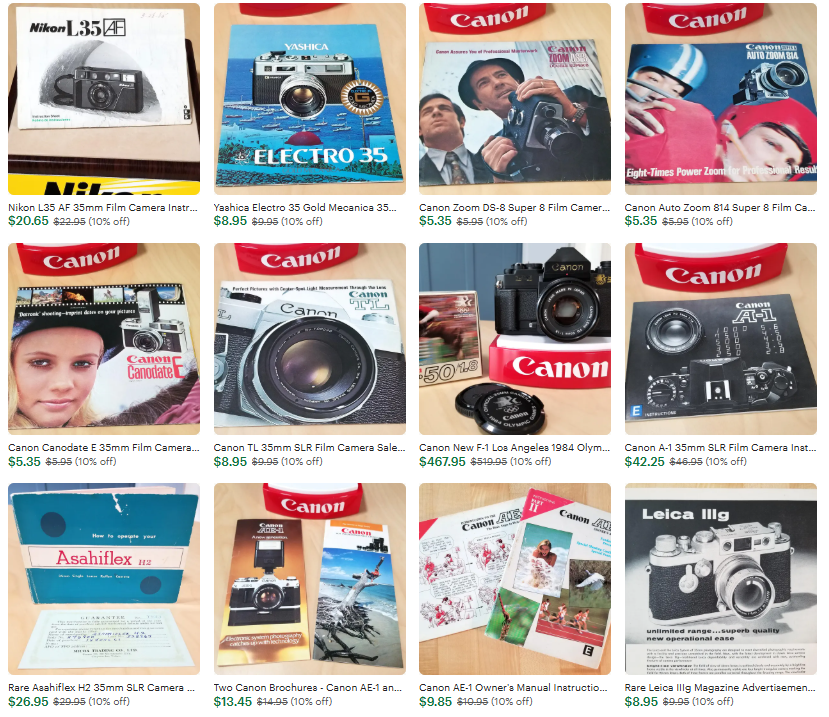
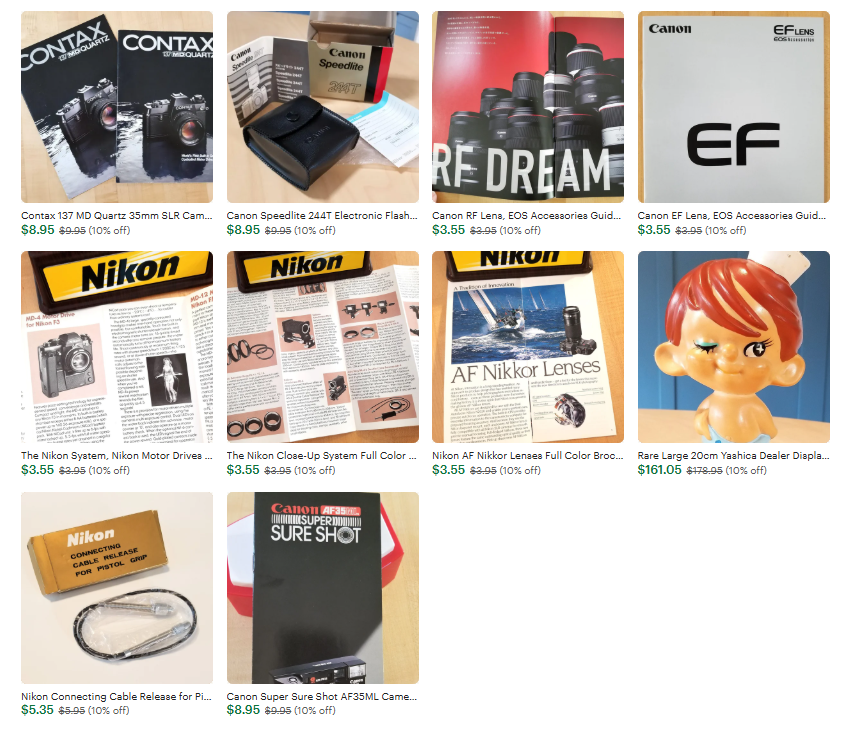
As I continue to reduce my camera collection, I’ve added these two gems to my camera shop at http://www.ccstudio2380.com.
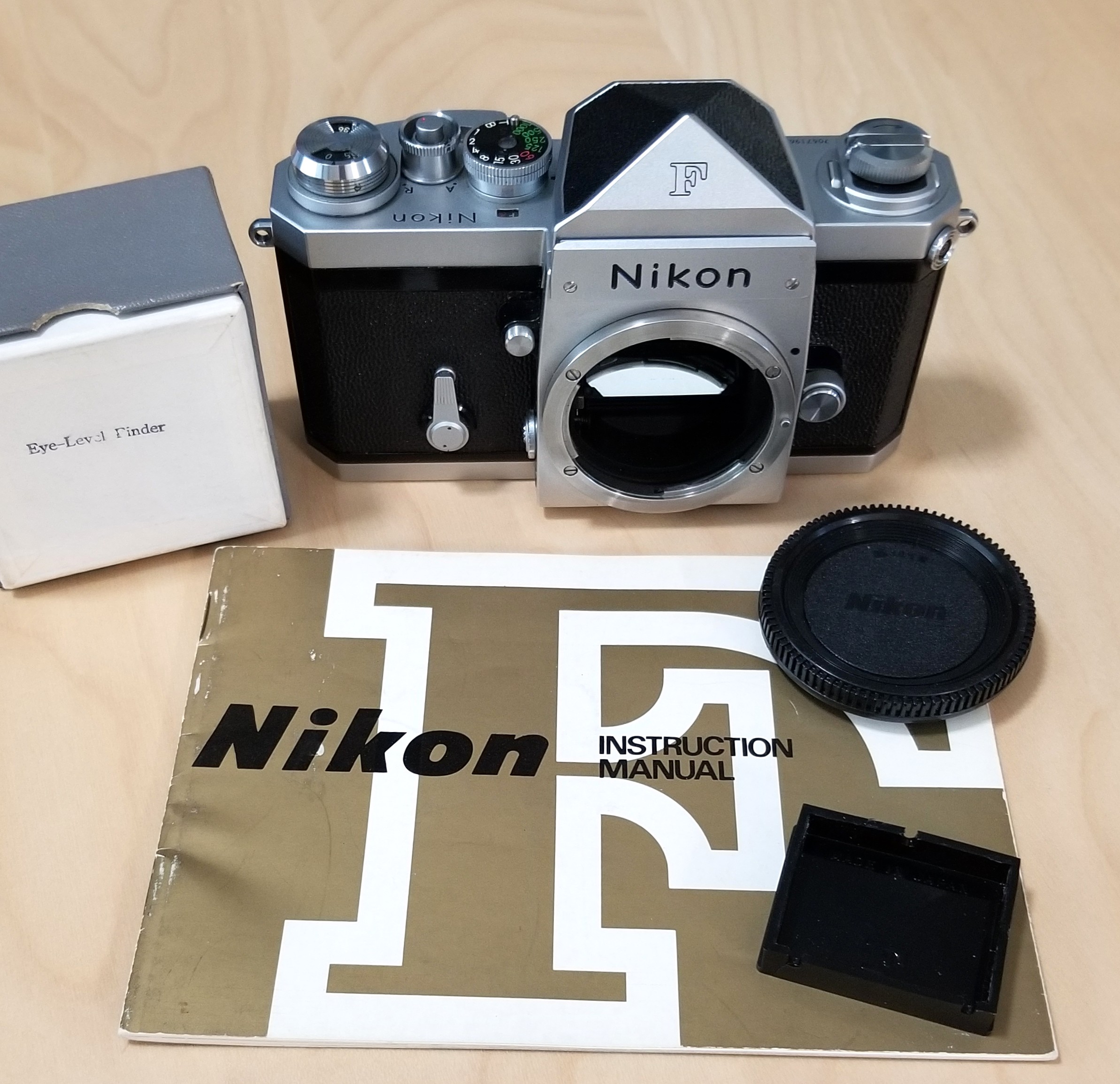
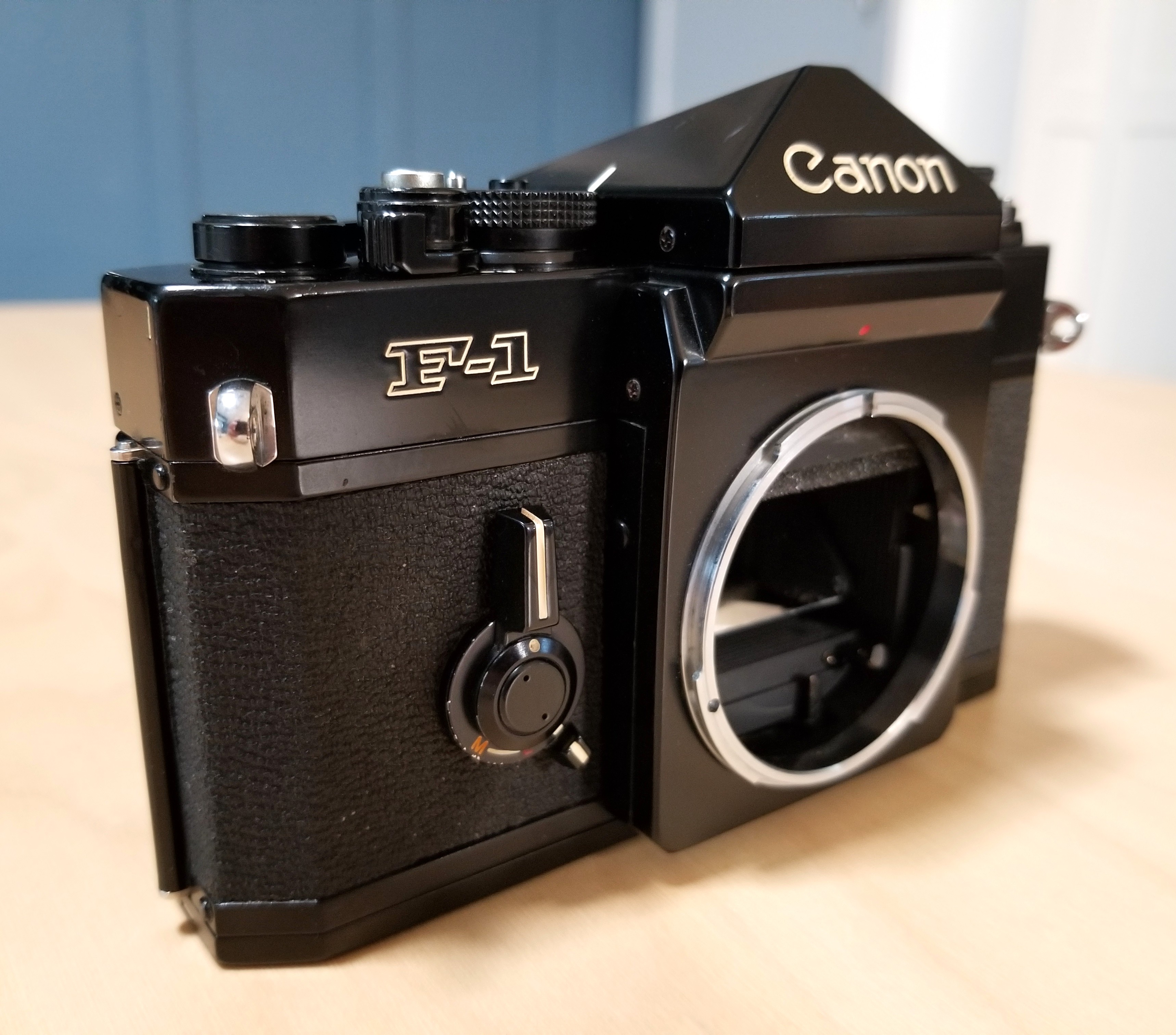
The original Nikon F 35mm SLR film camera was introduced in 1959. Here is my 1969 model.Introduced in 1971, this is a mid-1973 model of the Canon F-1 35mm SLR film camera.You can’t ask for a better camera in the Nikon line.Canon’s top-of-the-line camera for a decade.
Off subject, here is a beautiful picture that a dear friend took along the north coast of Long Island.
Comments are always welcome; I’ve learned a great deal from reader feedback. As always, thanks for stopping by. While there, visit my camera shop at http://www.ccstudio2380.com (CC Design Studios, hosted on Etsy). – Chris Whelan
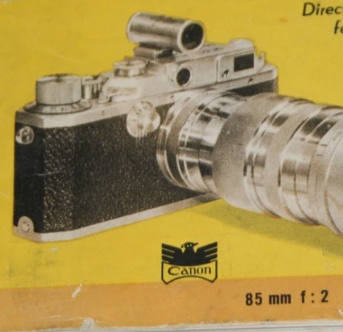
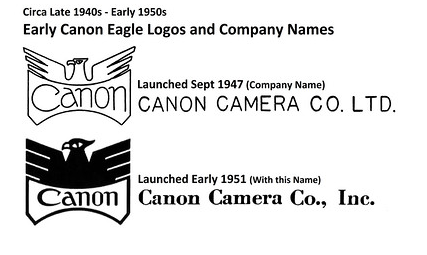
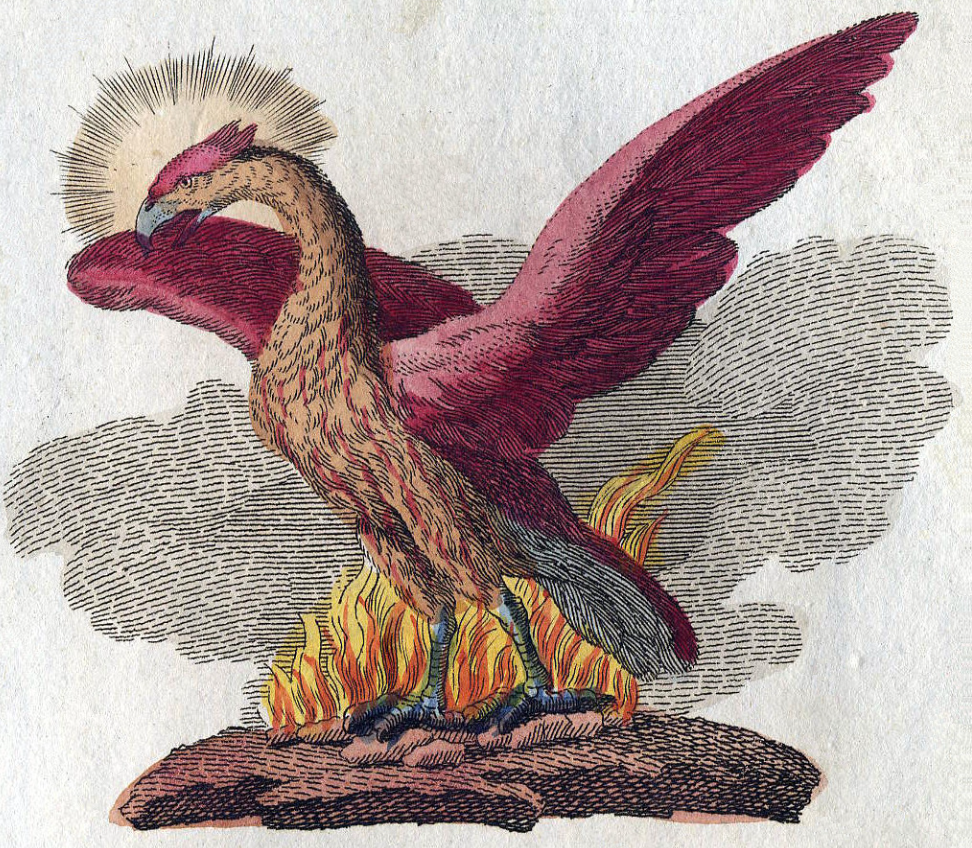
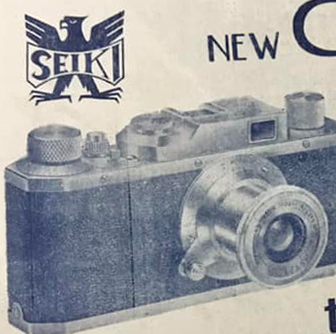
I’ve always viewed the Canon Seiki logo of the mid to late 1930s as a phoenix rather than any other bird. To me, the feathers on the rear of the head do not suggest an eagle or a vulture. The phoenix is almost always depicted with its wings outstretched.
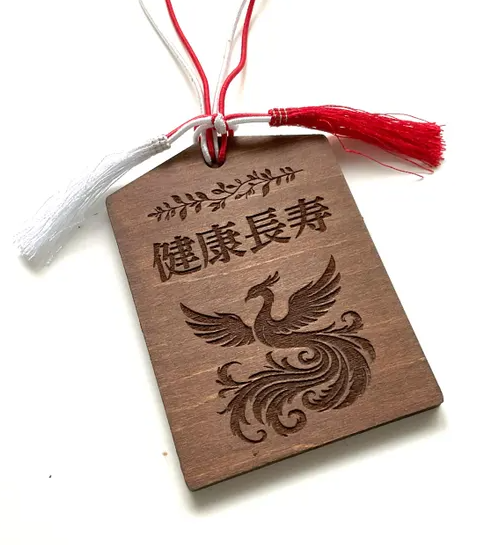
I showed my wife the SEIKI logo and told her it was for a Japanese camera from the mid-to-late 1930s. She identified it immediately as a phoenix. When I mentioned that some see it as an eagle or vulture, she reminded me of how important a phoenix is in ancient Japanese culture.
The feathers on the rear of its head, which are a prominent feature of the logo and of a phoenix, whereas vultures are generally identified by a ‘bald’ head.
*A common trait of vultures found in Asia (Old World vultures) is their reliance on exceptional eyesight to spot carrion from high altitudes. They also have bare or lightly feathered heads to keep clean while feeding on carcasses.
If I were picking a logo for a new camera company in Japan in the 1930s, I would seriously consider the phoenix.
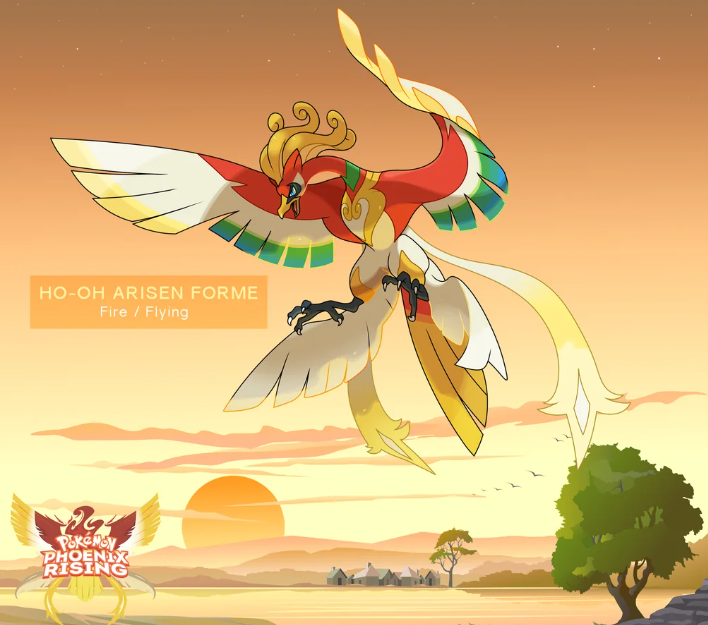
*In ancient Japanese culture, the phoenix—known as the Ho-o or Hoo—is considered the most sacred bird, symbolizing the imperial family, fire, the sun, and the virtues of faith, duty, and mercy. Often paired with the dragon (representing the emperor) to symbolize marital bliss and harmony, the Ho-o is a powerful emblem of longevity, rebirth, and political authority.
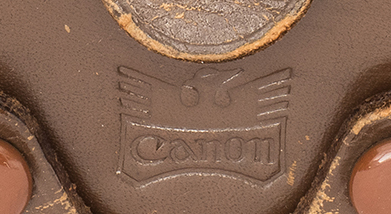
The original Canon logo from the 1930s.Embossed on a leather camera case.
What do you see? An eagle, a vulture, a phoenix, or something else? Canon never acknowledged what it was.
Comments are always welcome; I’ve learned a great deal from reader feedback. As always, thanks for stopping by. While there, visit my camera shop at http://www.ccstudio2380.com (CC Design Studios, hosted on Etsy). – Chris Whelan
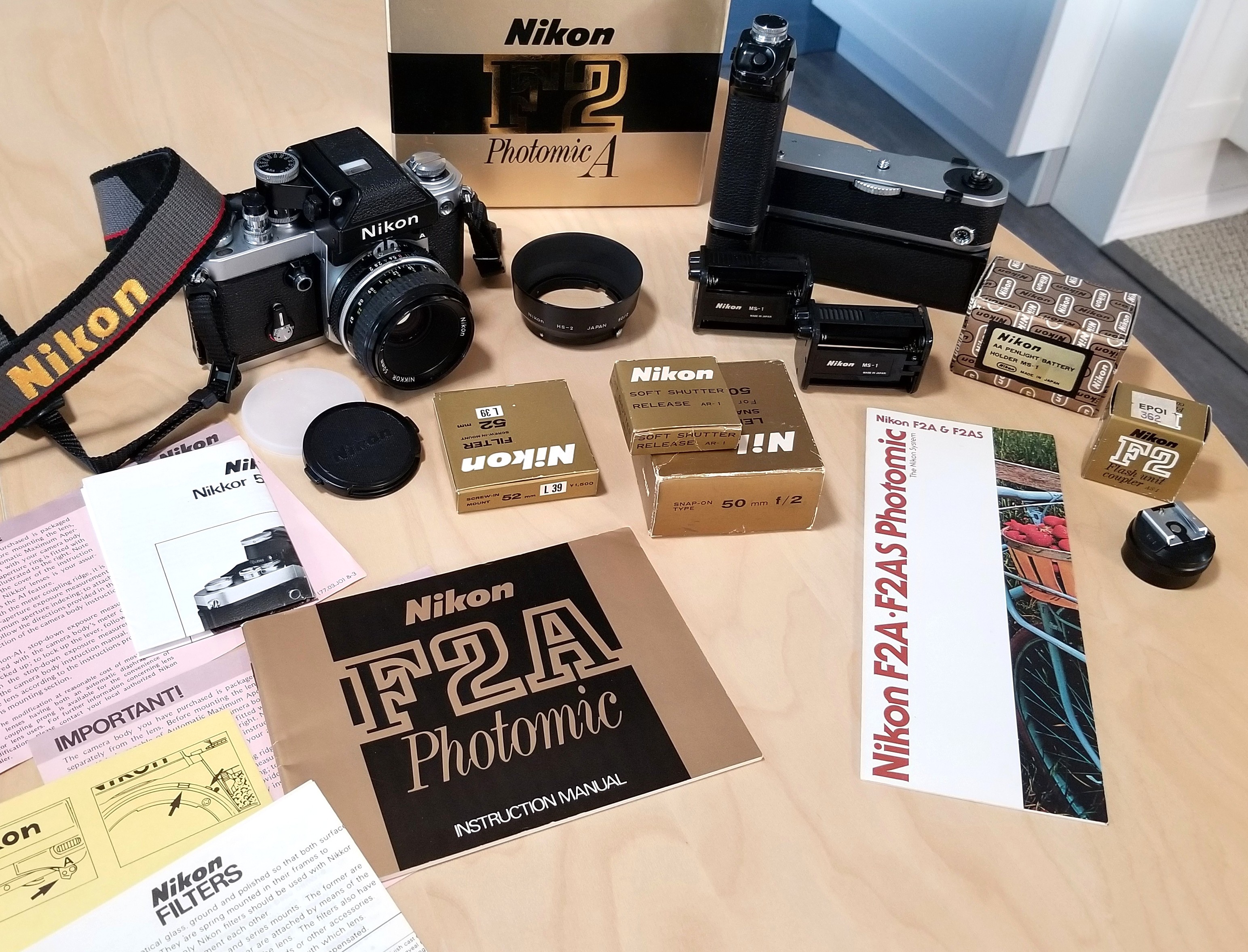
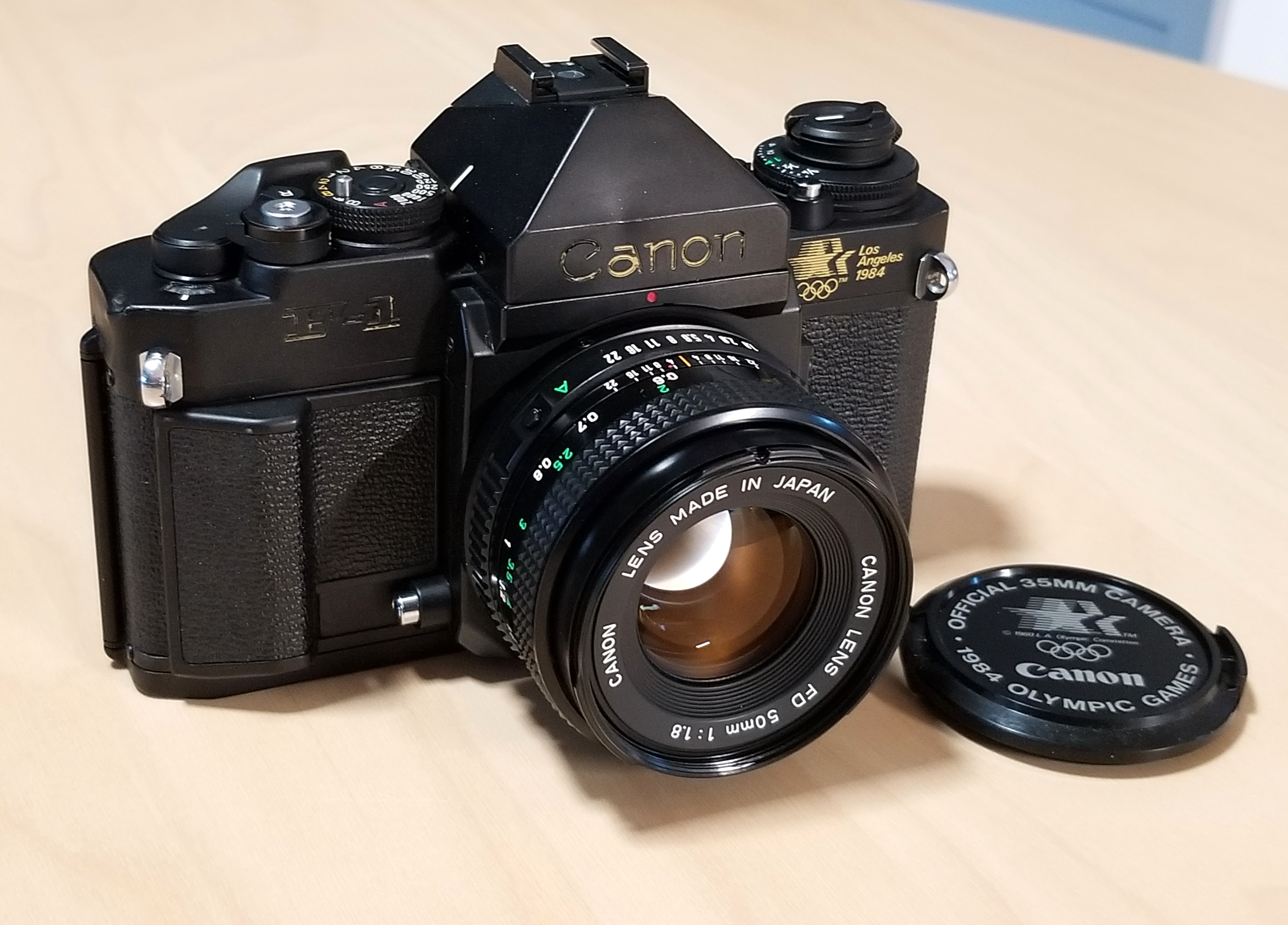
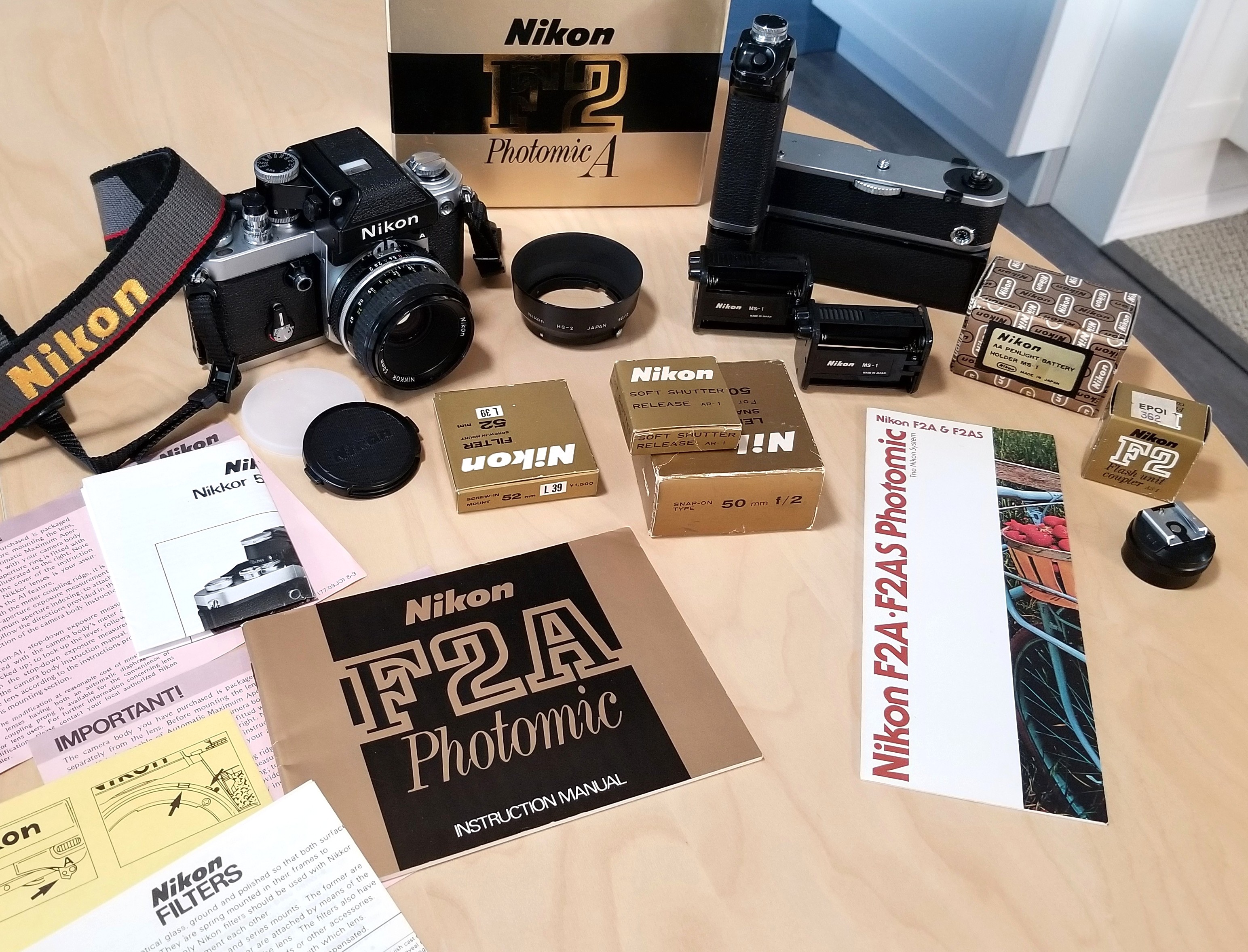
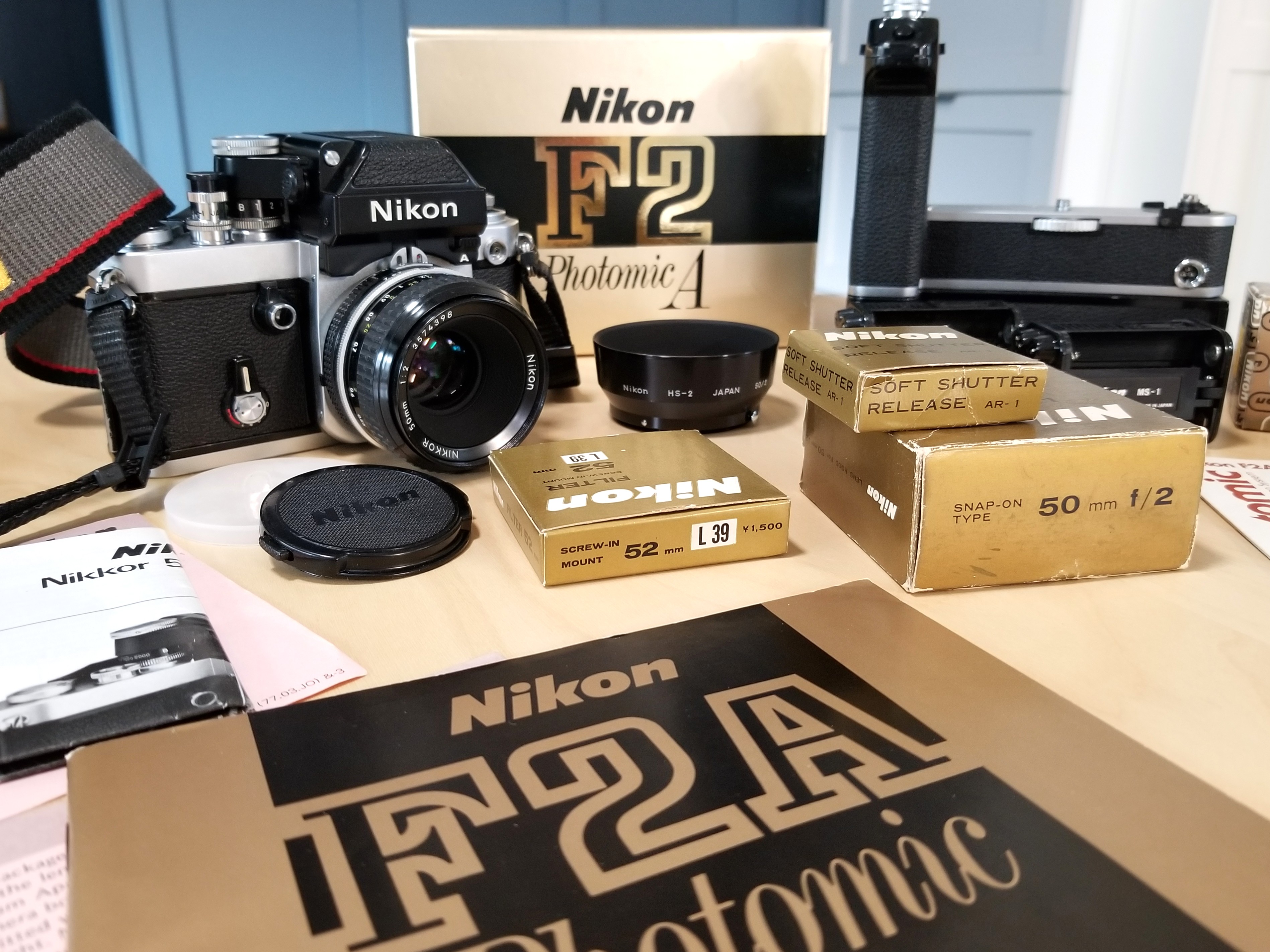
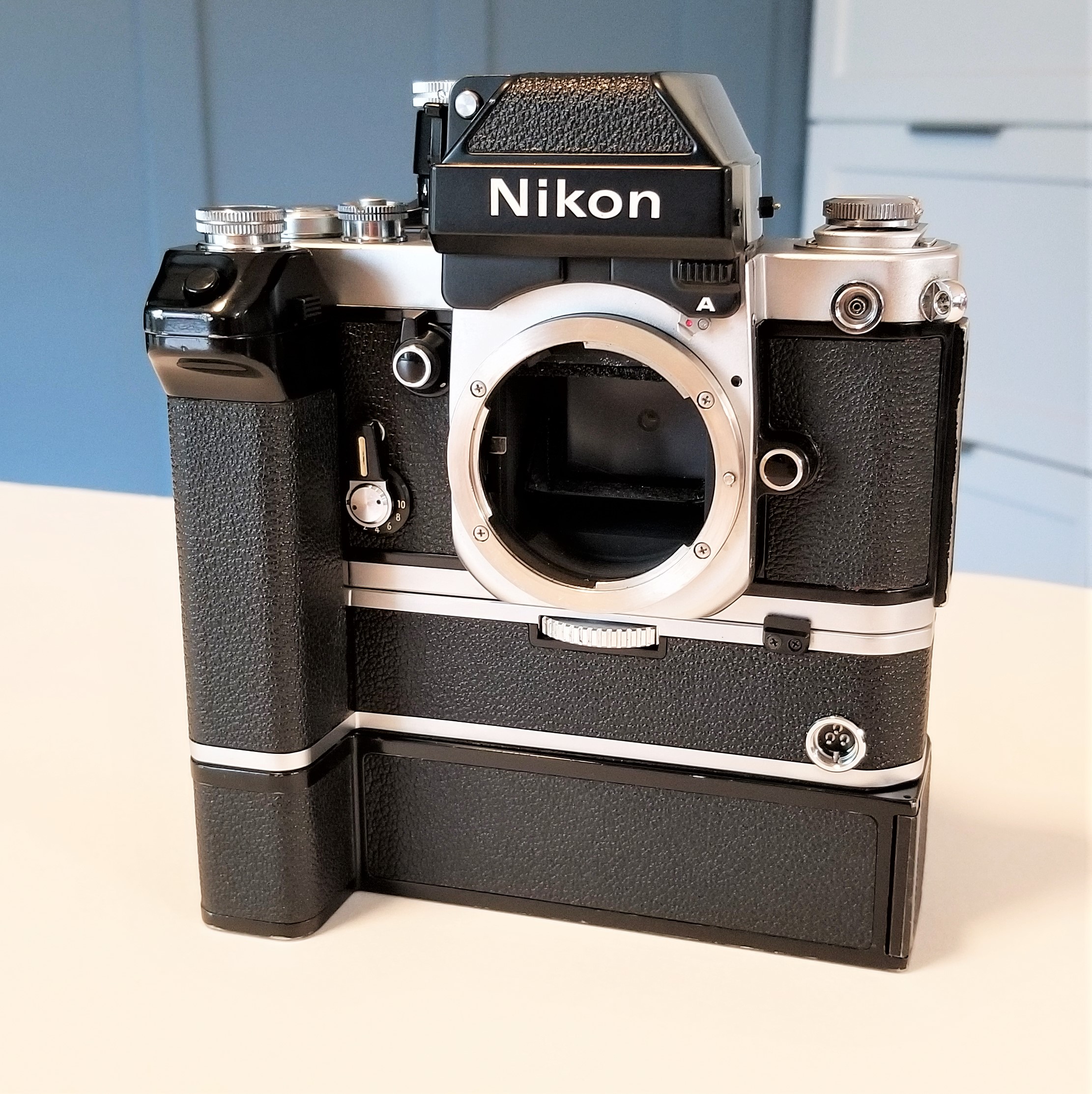
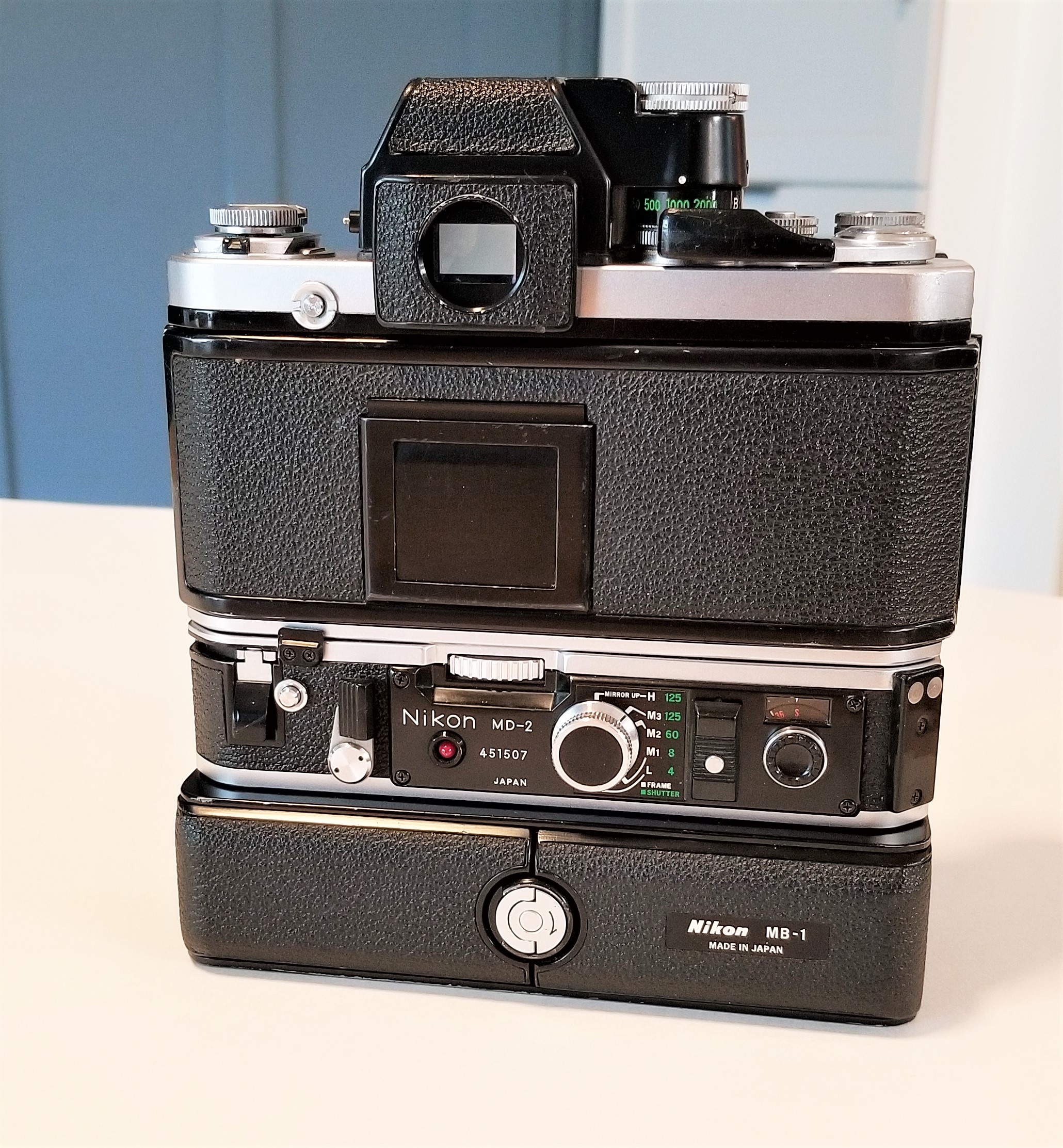
The Nikon F2A set is exceptionally nice and complete. It even features a Nikon motor drive!The Canon New F-1 is a limited edition 1984 LA Olympics set.Sales brochures. I have hundreds of brochures and instruction books.
I ship nearly worldwide. Please reach out if there’s something specific you are looking for – I likely have it! Here are two of the best 35mm SLRs from the late 1970s and early 1980s (see below).
My super-sharp, complete Nikon F2A set.(Sold) The 1984 Los Angeles Olympic Special Edition Canon F-1.
The Canon F-1 LA Olympic set was just sold from my Etsy Camera Shop – thank you!
Comments are always welcome; I’ve learned a great deal from reader feedback. As always, thanks for stopping by. While there, visit my camera shop at http://www.ccstudio2380.com (CC Design Studios, hosted on Etsy). – Chris Whelan
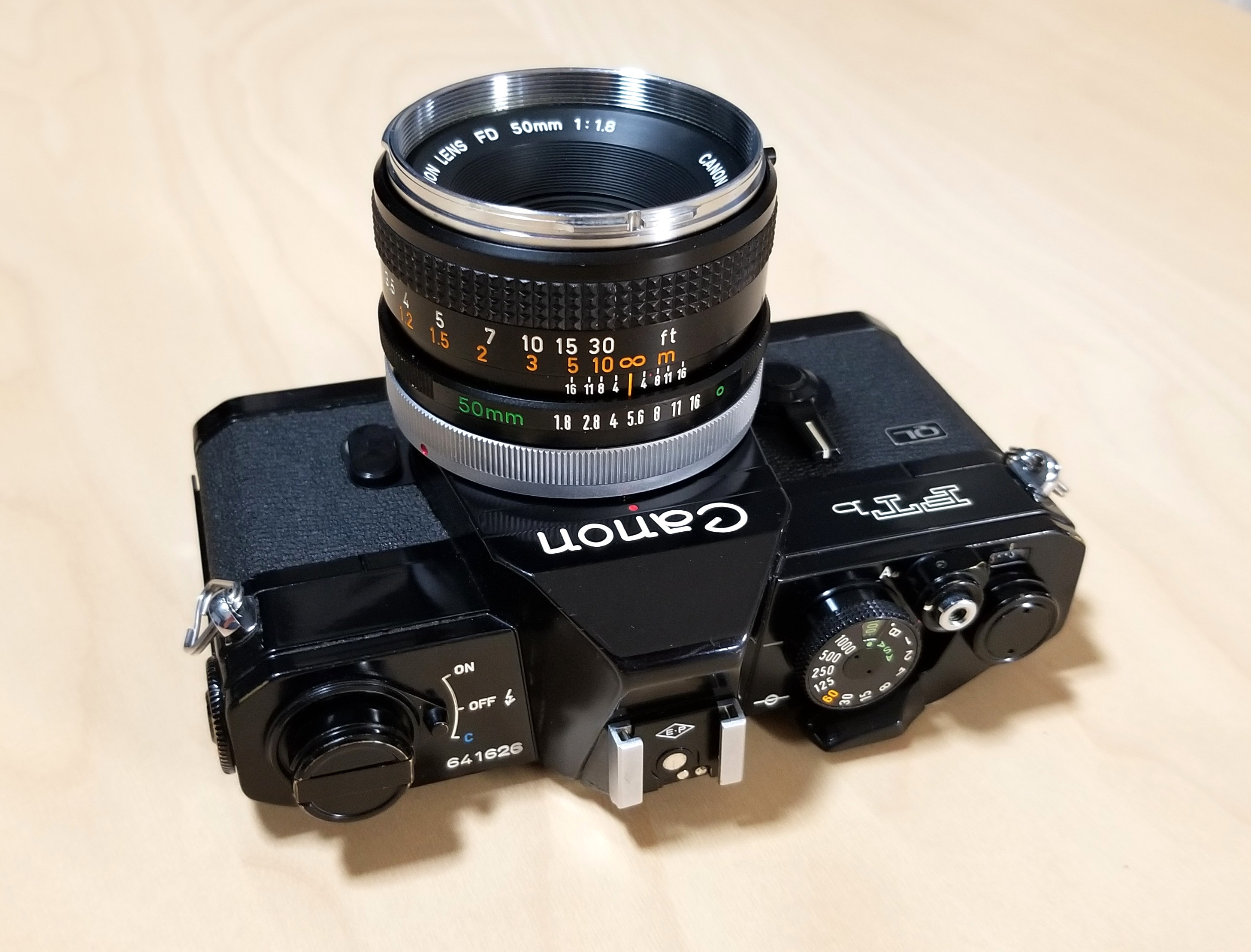
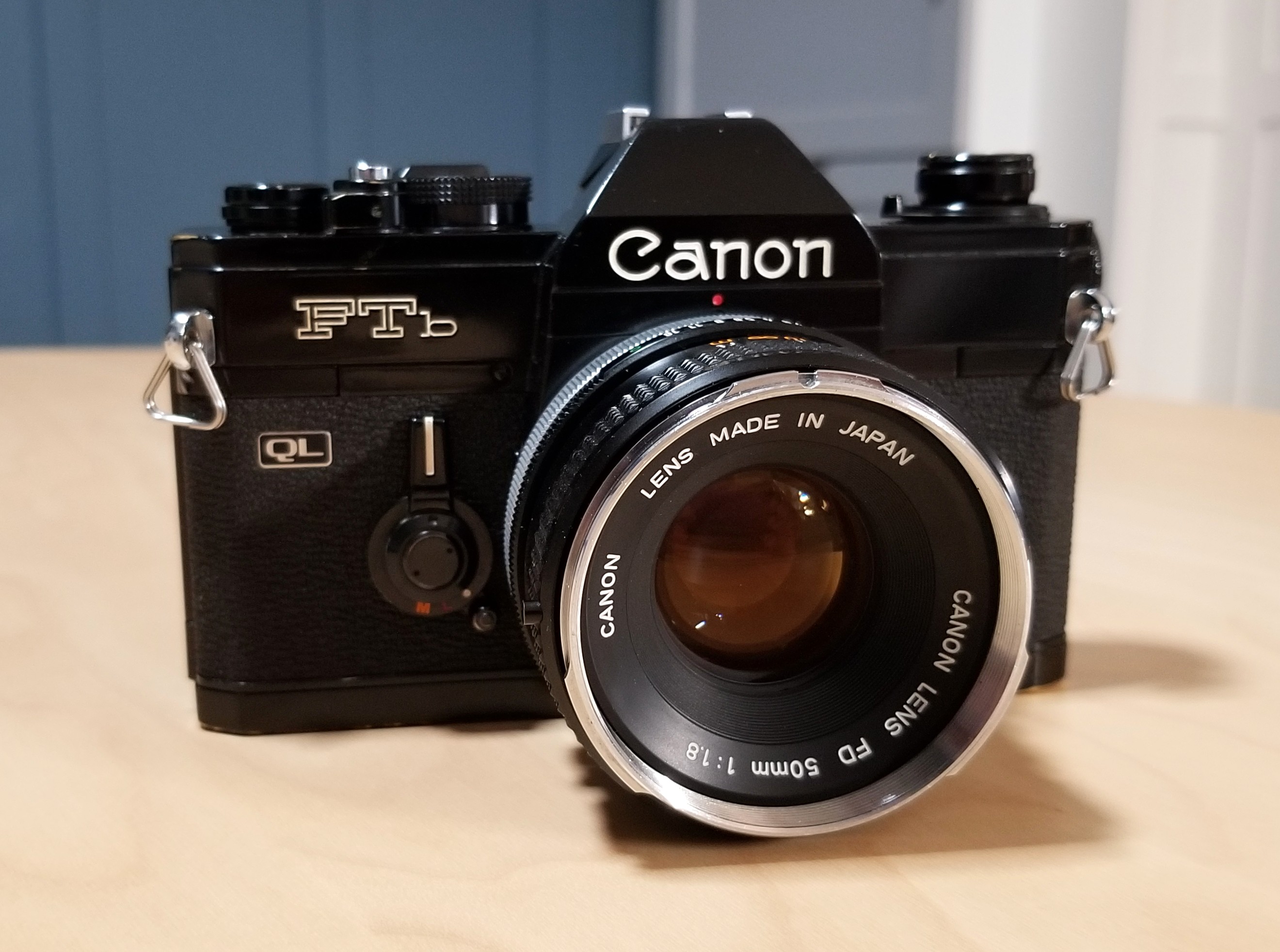
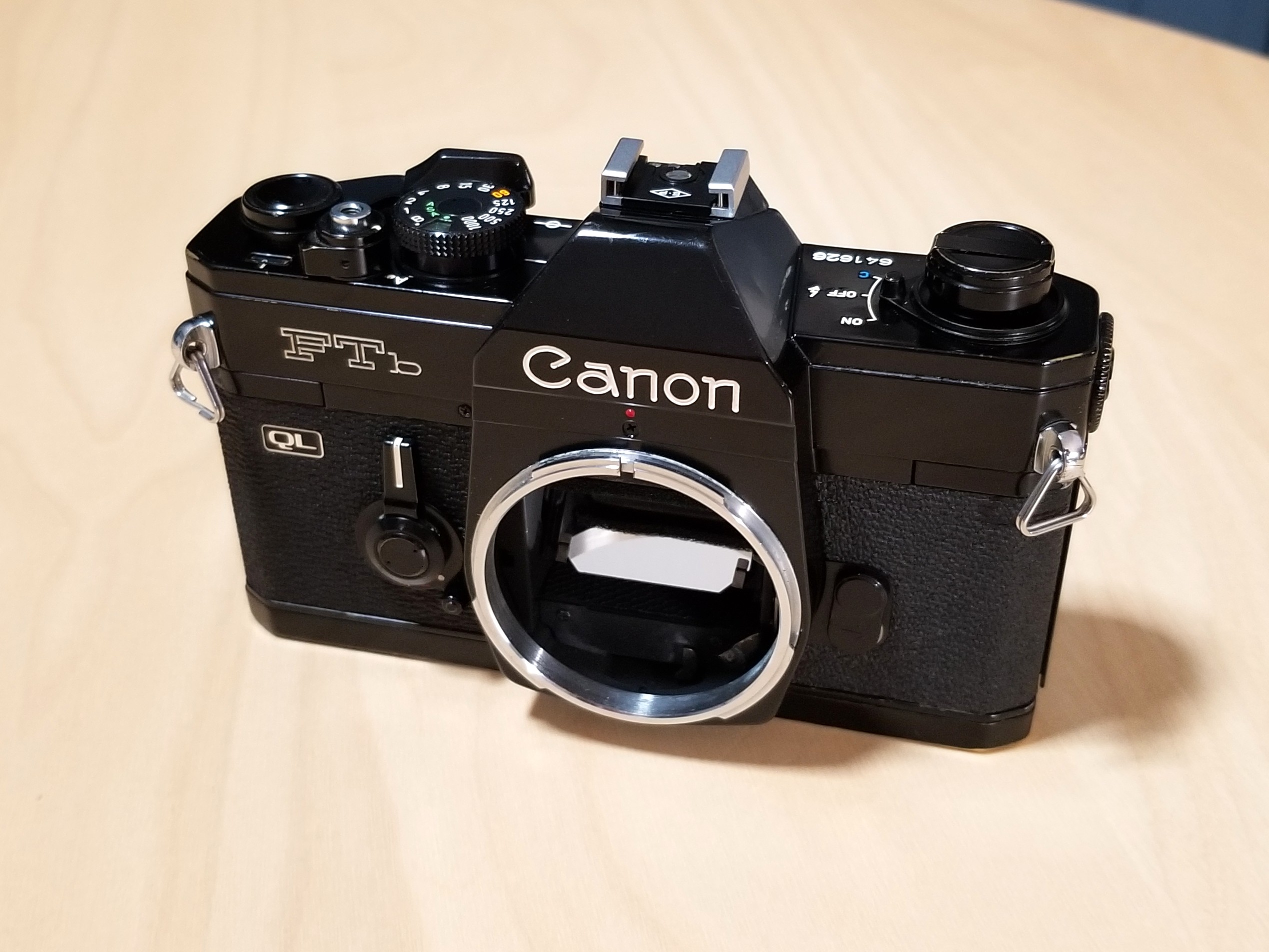
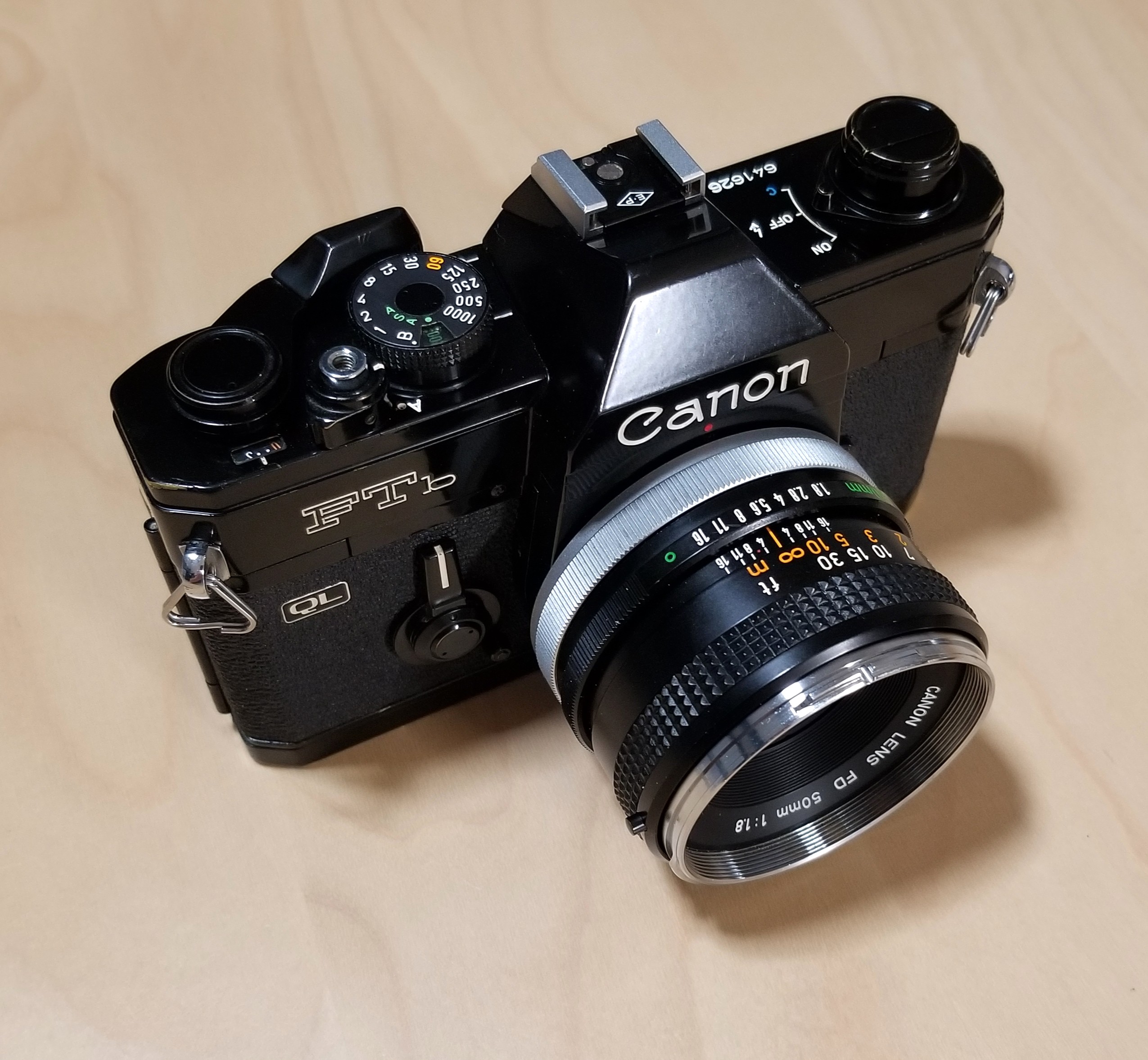
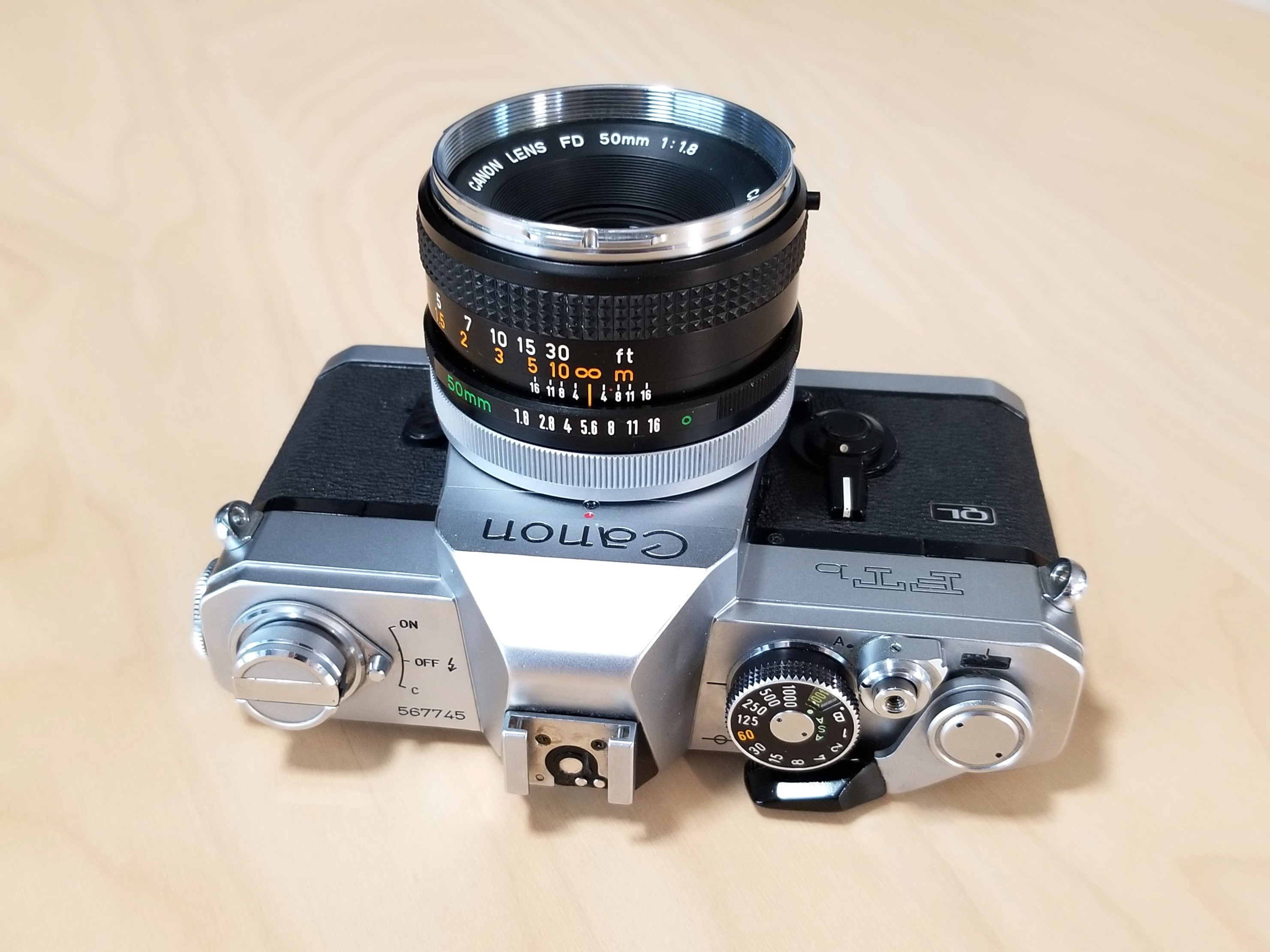
Appreciating my first FTb-N in gorgeous black. Now I can see the F-1 DNA. I’ve overlooked this model for decades. It’s simple and uncomplicated. It just works, and of course, the best part is Canon glass.
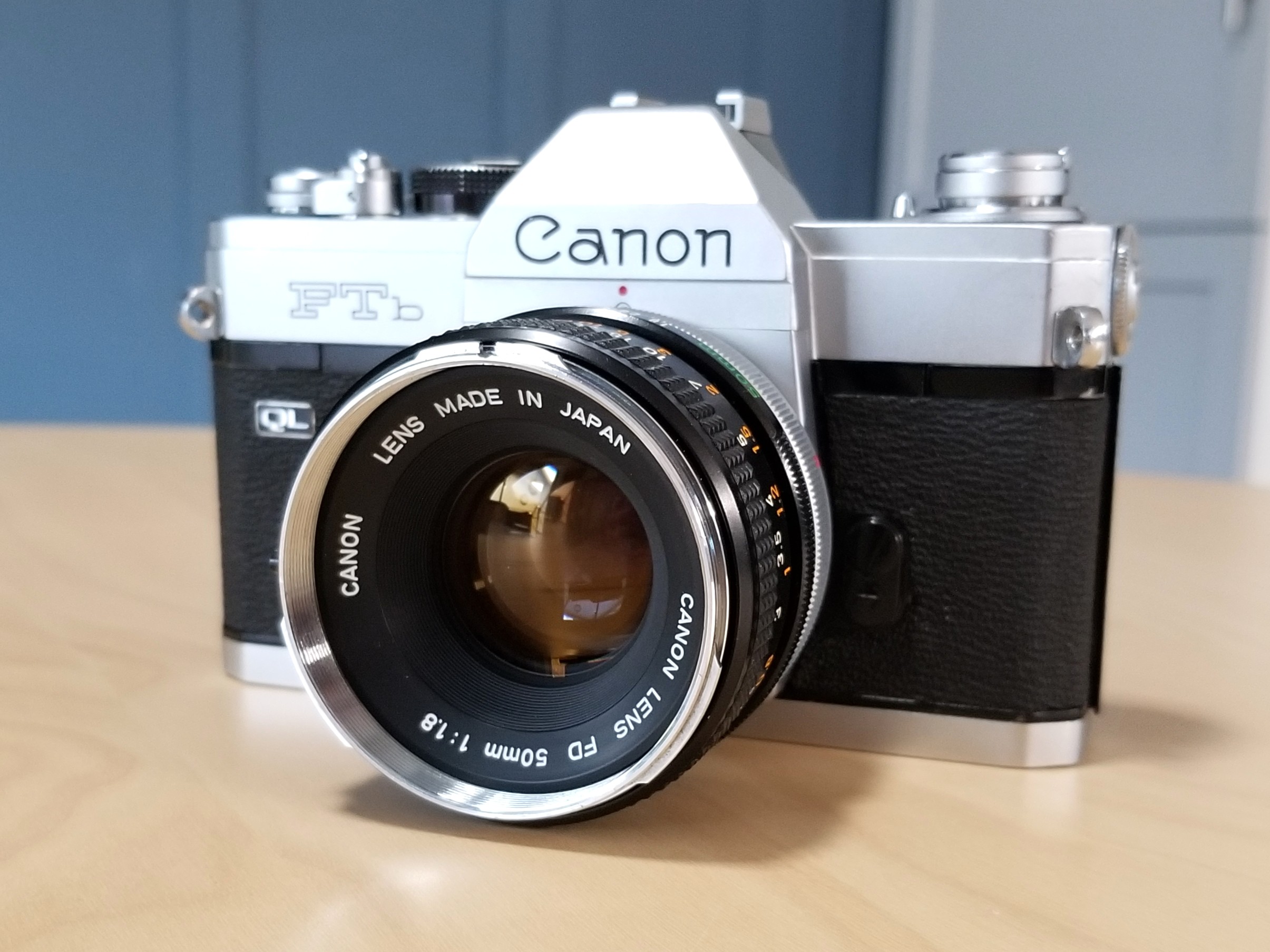
Shown here with a classic chrome nose FD 50/1.8 lens.
This camera is dated February 1977. The lens is from April 1972.
This isn’t a display piece; it shows its dents, dings, and brassing with pride earned from years of careful use.
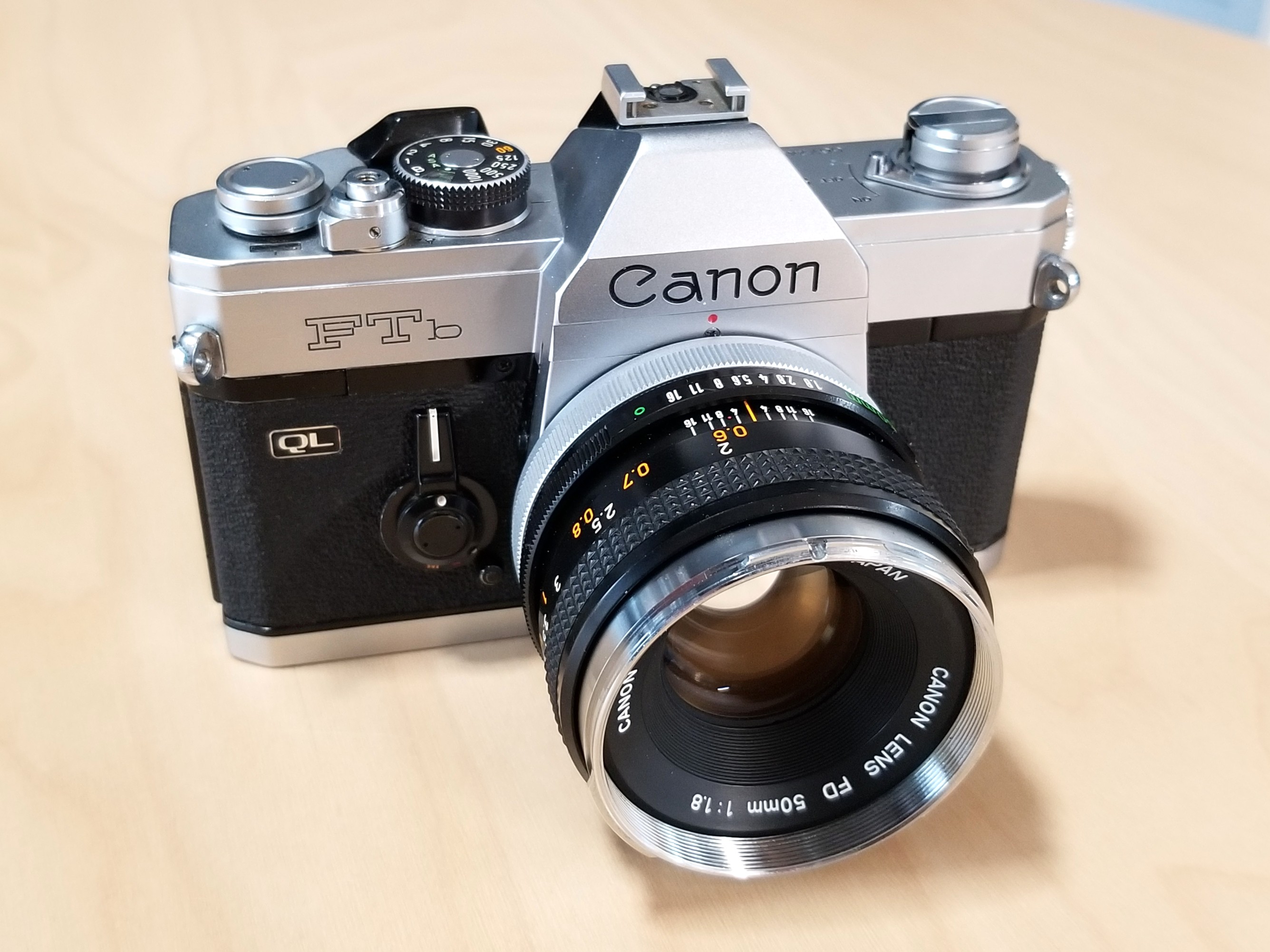
The FTb was produced from 1973 (in this version) until late 1977.I’ve added an early Canon chrome nose lens. They look good together.Still has a glow to it after all these years.Near perfect, blemishes and all.
The Canon FTb-N is still widely available, and with production continuing until late 1977, there are still some super sharp bodies out there at a fair price.
Comments are always welcome; I’ve learned a great deal from reader feedback. As always, thanks for stopping by. While there, visit my camera shop at http://www.ccstudio2380.com (CC Design Studios, hosted on Etsy). – Chris Whelan
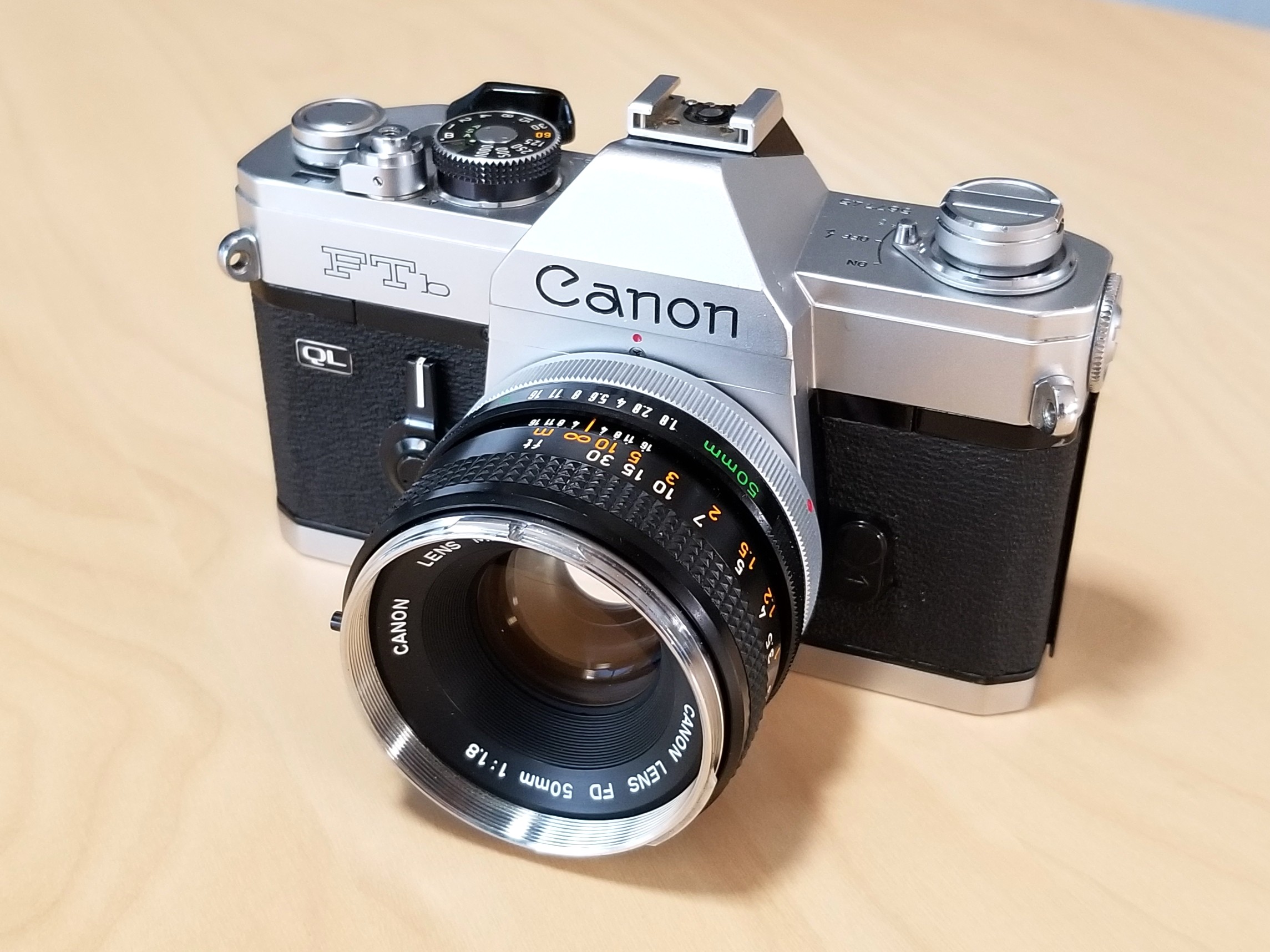
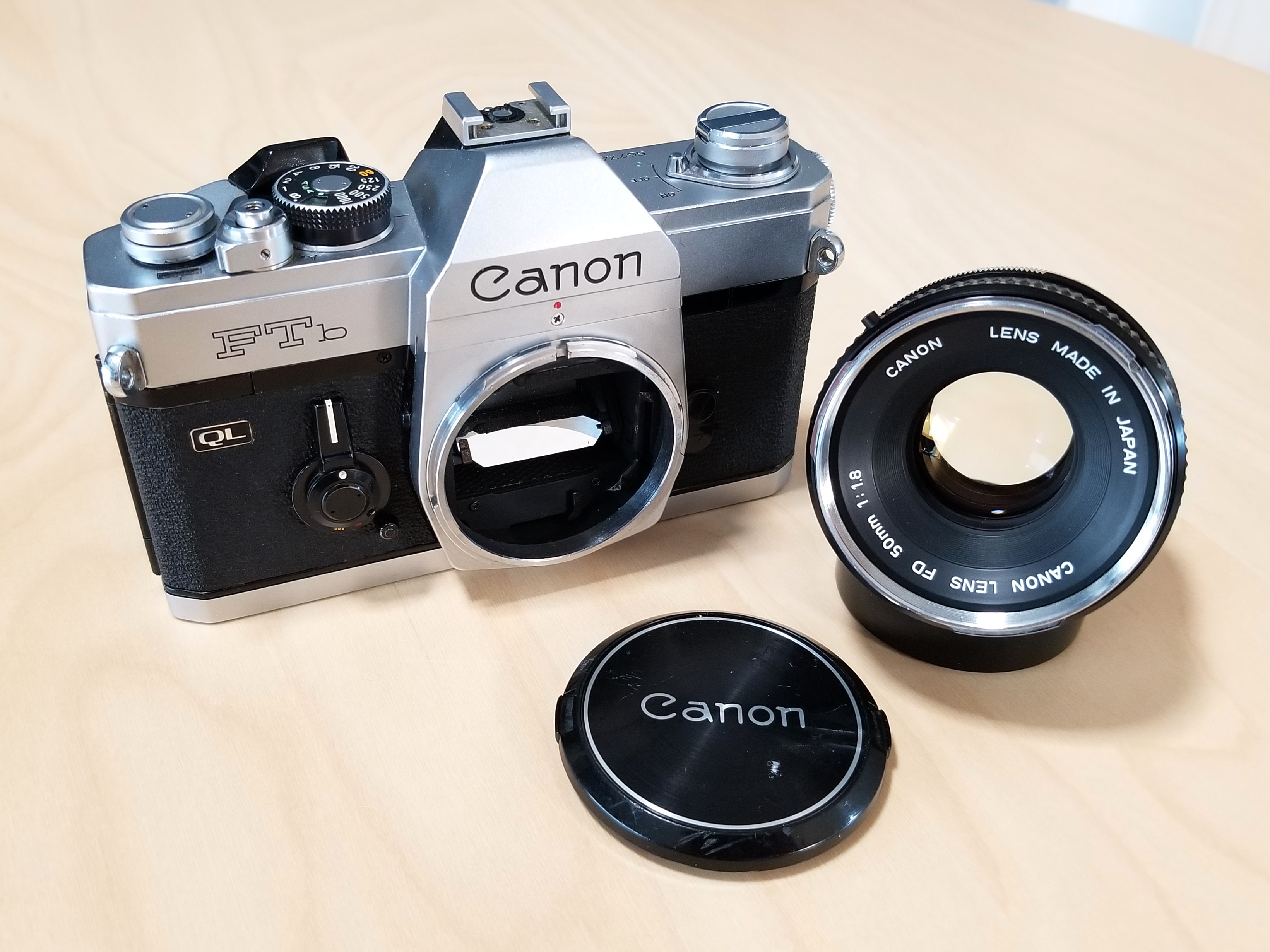
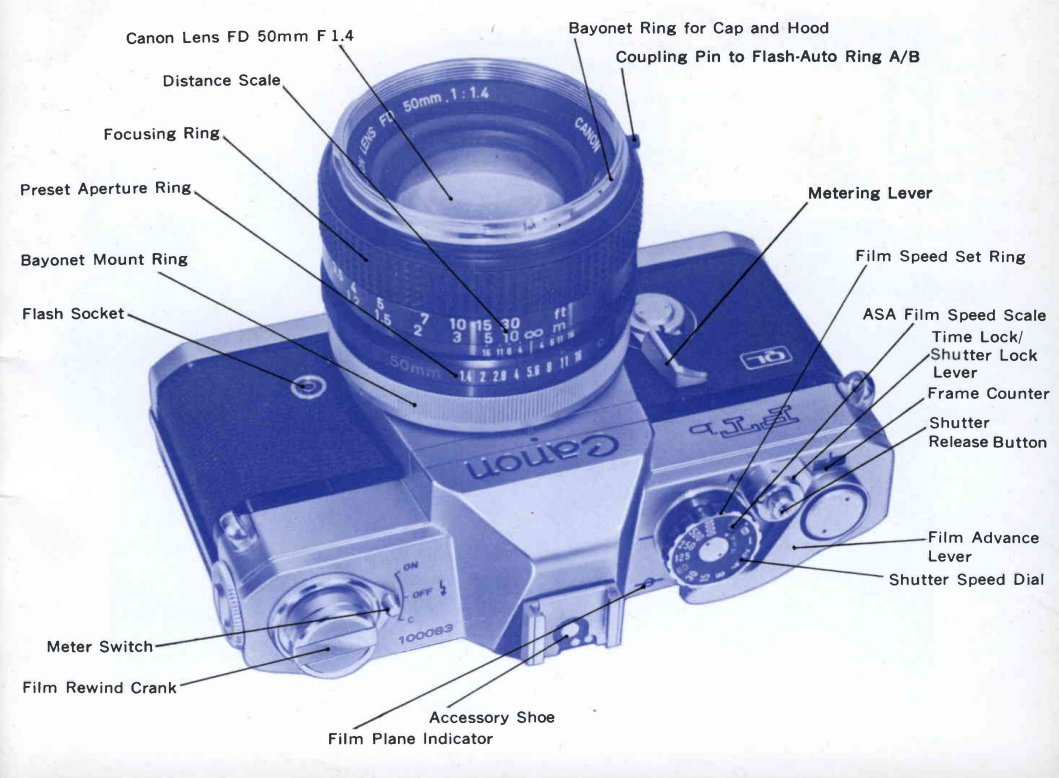
My Canon FTb-N from 1974. It was an update to the original FTb, which was released in March 1971 – the same date as the Canon F-1. The FTb-N was released in July 1973. OK, that’s a lot of dates, how about some pics?
A big-bodied camera and lens. The ‘QL’ designation indicates it is ‘Quick-Loading’.A close cousin of the Canon F-1.The Canon FD 50mm f/1.8 lens was released in April 1972. It’s affectionately called a chrome nose.Stylish and simple design.Actually, this is a depiction of the original FTb from March 1971, before the updates made on the FTb-N.The Canon FTb-N is a worthy addition to your list of Canon must-haves.
Comments are always welcome; I’ve learned a great deal from reader feedback. As always, thanks for stopping by. While there, visit my camera shop at http://www.ccstudio2380.com (CC Design Studios, hosted on Etsy). – Chris Whelan
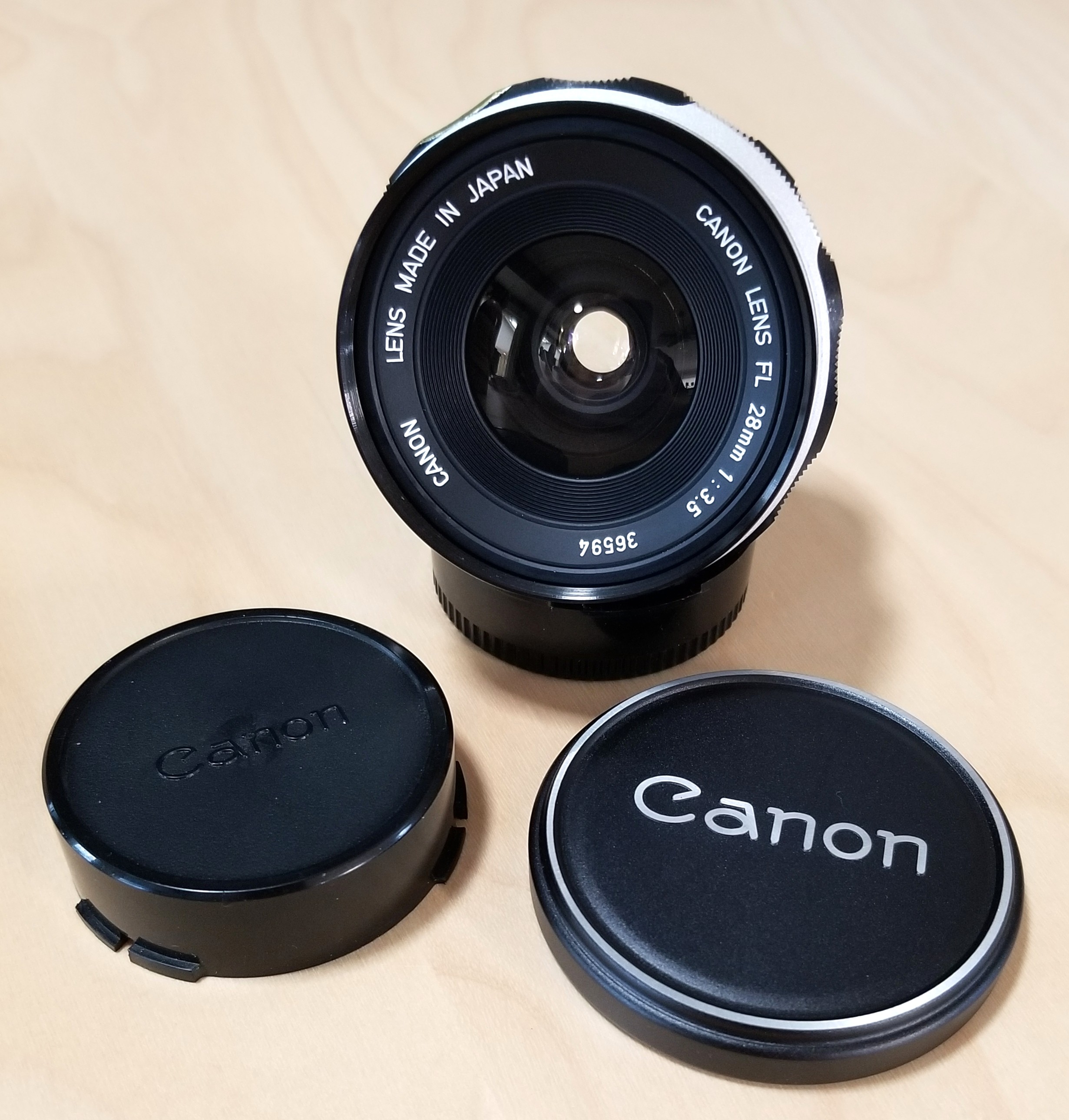
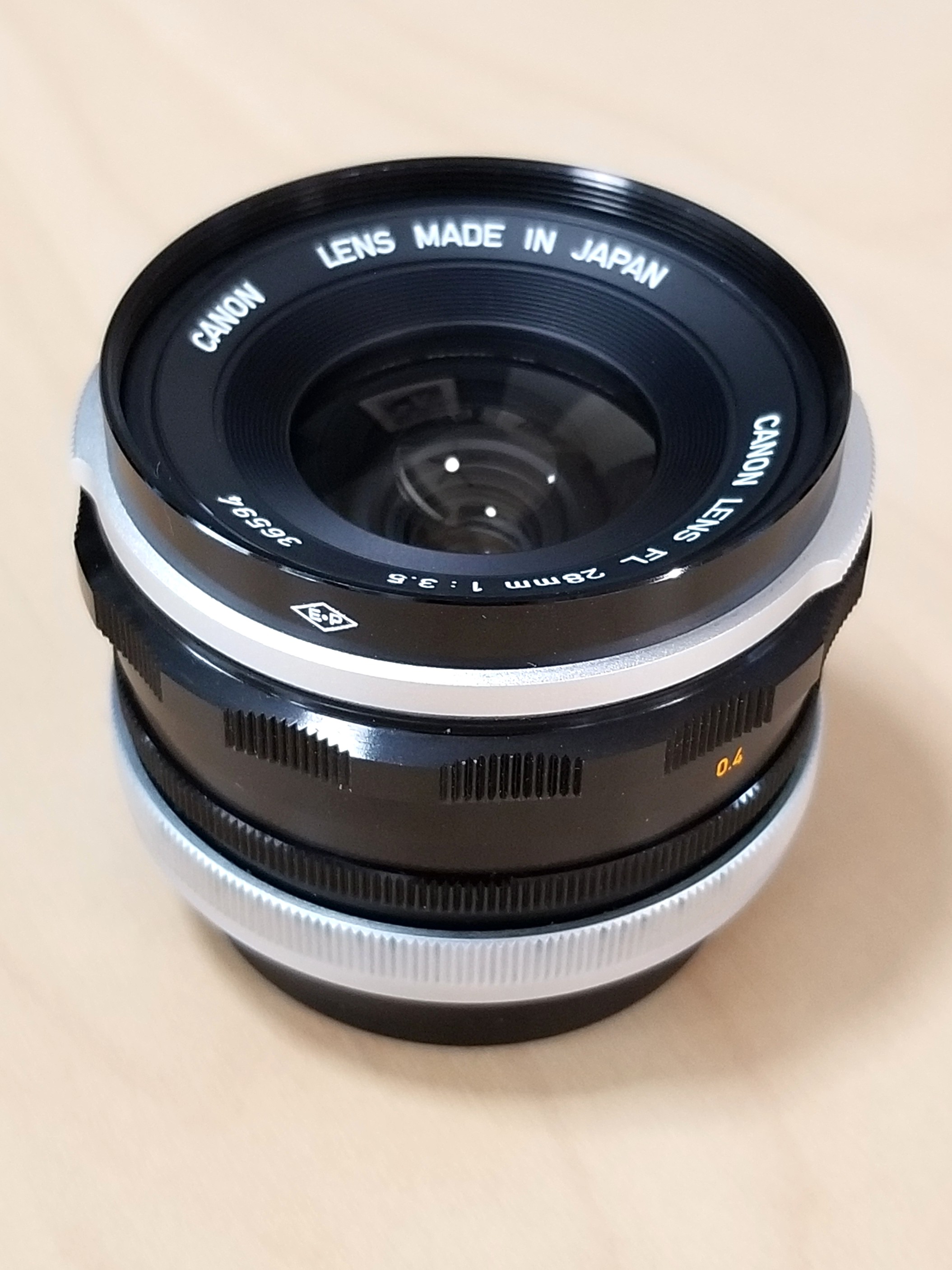
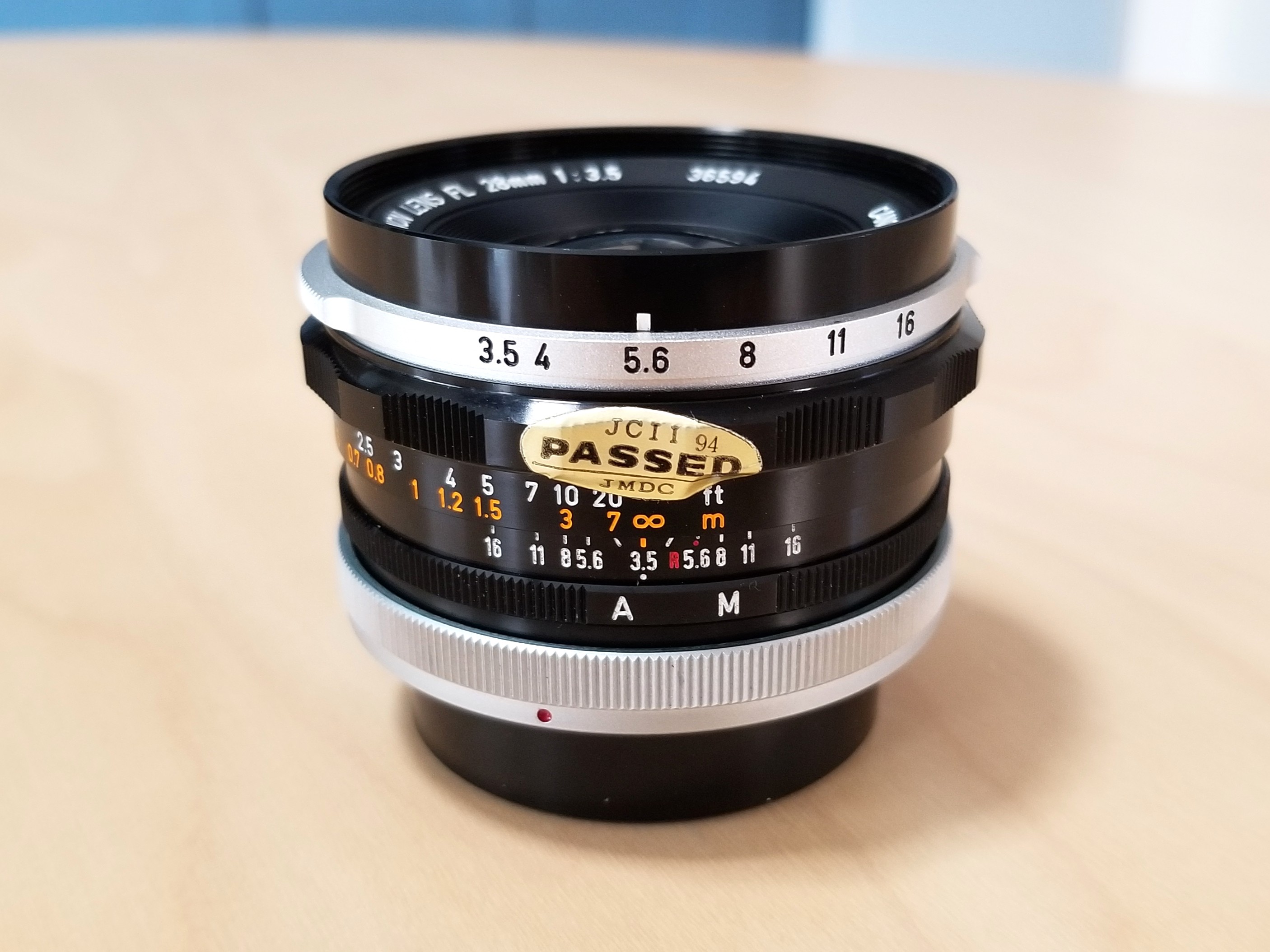
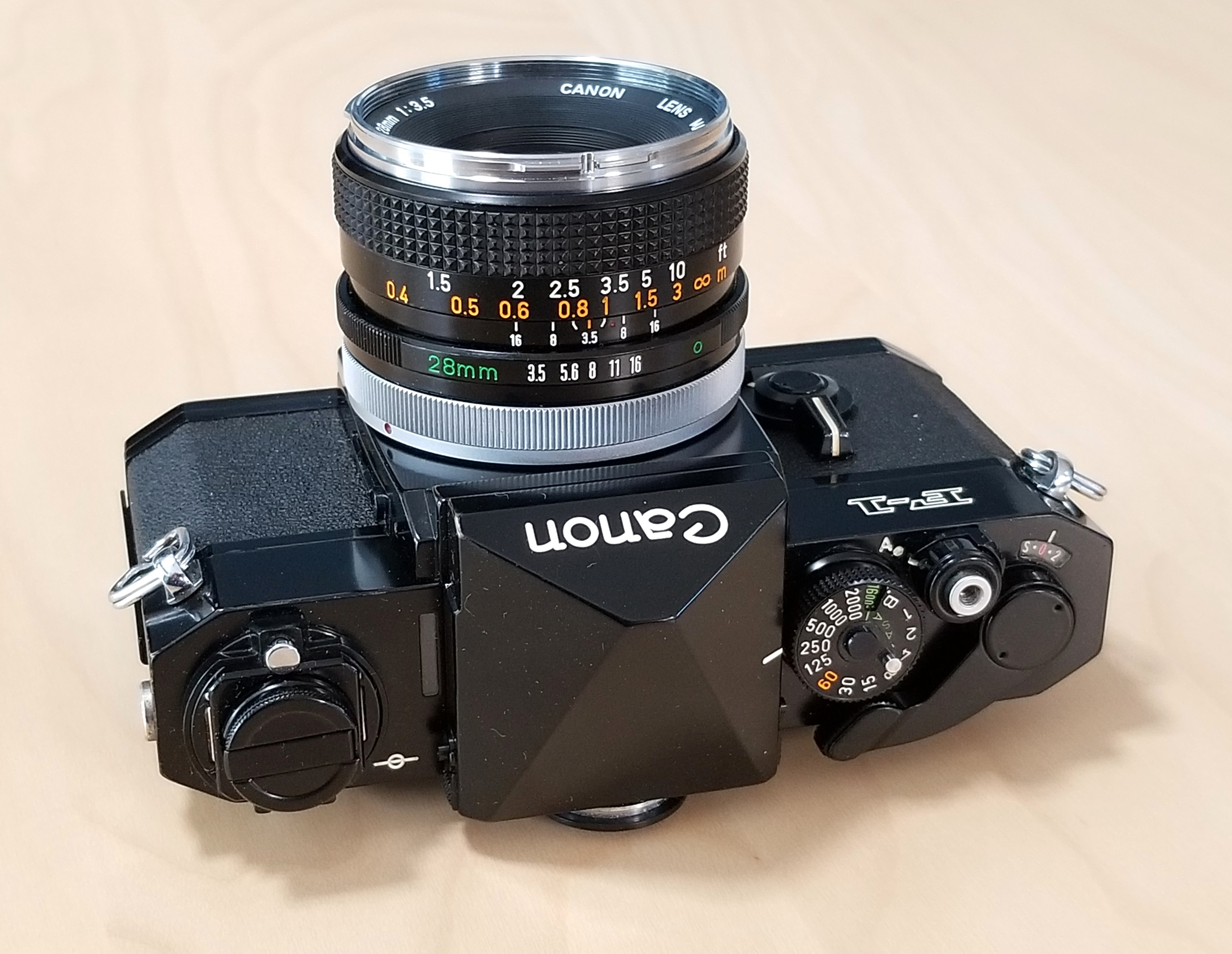
Happy to add this wonderful Canon FL 28mm f3.5 lens to my hoard (did I say that out loud?) of Canon gear. It’s the first and only FL in my collection. It looks unused.
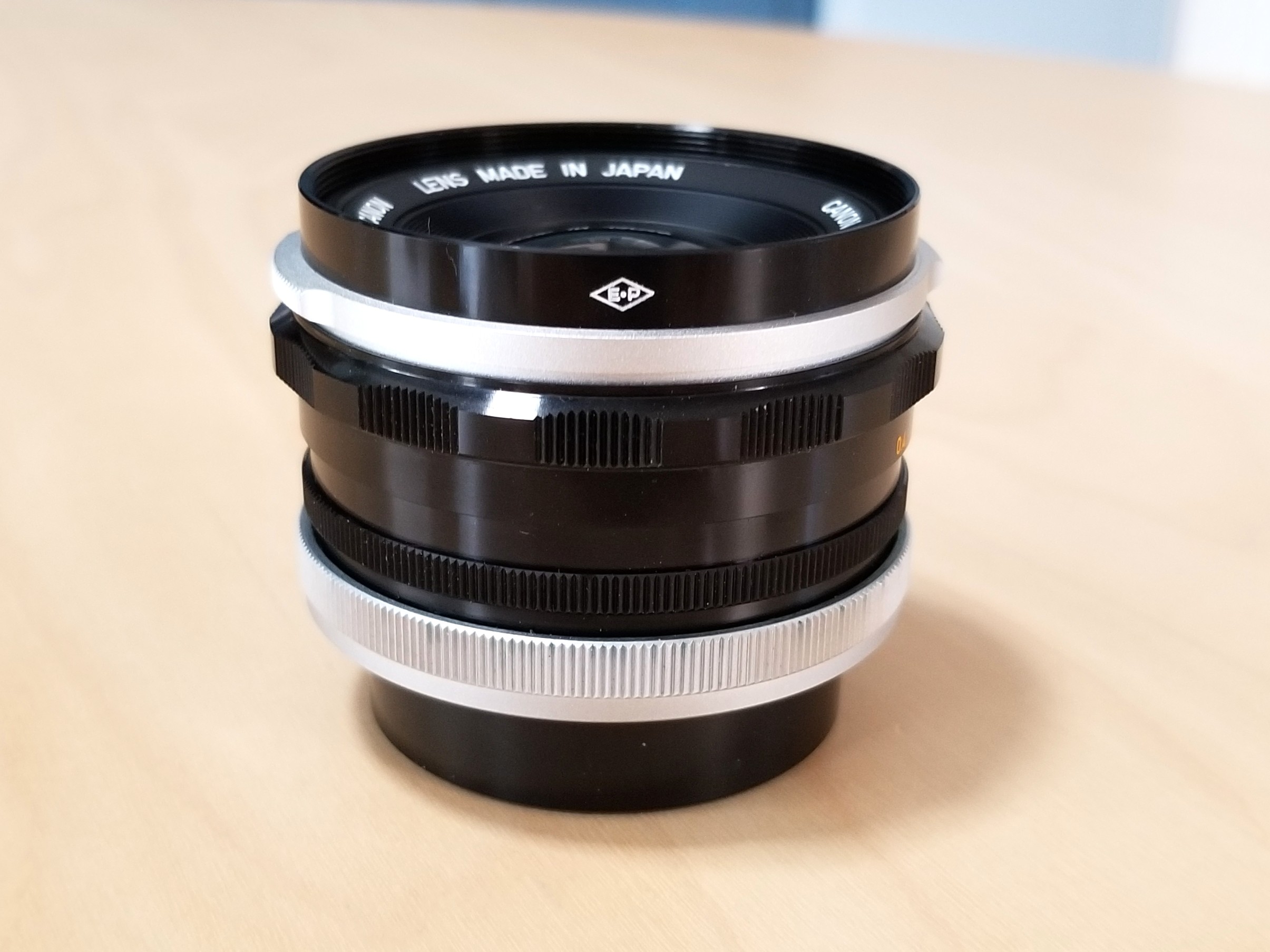
It also has an <E.P> mark. It’s reported to have been introduced in December 1966 – is that correct?
7/7, 6-blades, 269 g, W-60-B hood, 58mm filters, and 60mm metal cap.
Looking forward to taking it for a spin.
FL lenses feature the same Canon breech lock mount as the previous Canon R lenses and the most modern FD lens, which came out in 1971.
A true gem of a lens.Reportedly, the lens was released in 1966.Even the inspection sticker looks untouched.For me, the coveted <E.P> mark, which indicates the lens was likely sold at a US military store in Japan.These details were published by Canon in 1971.
Comments are always welcome; I’ve learned a great deal from reader feedback. As always, thanks for stopping by. While there, visit my camera shop at http://www.ccstudio2380.com (CC Design Studios, hosted on Etsy). – Chris Whelan
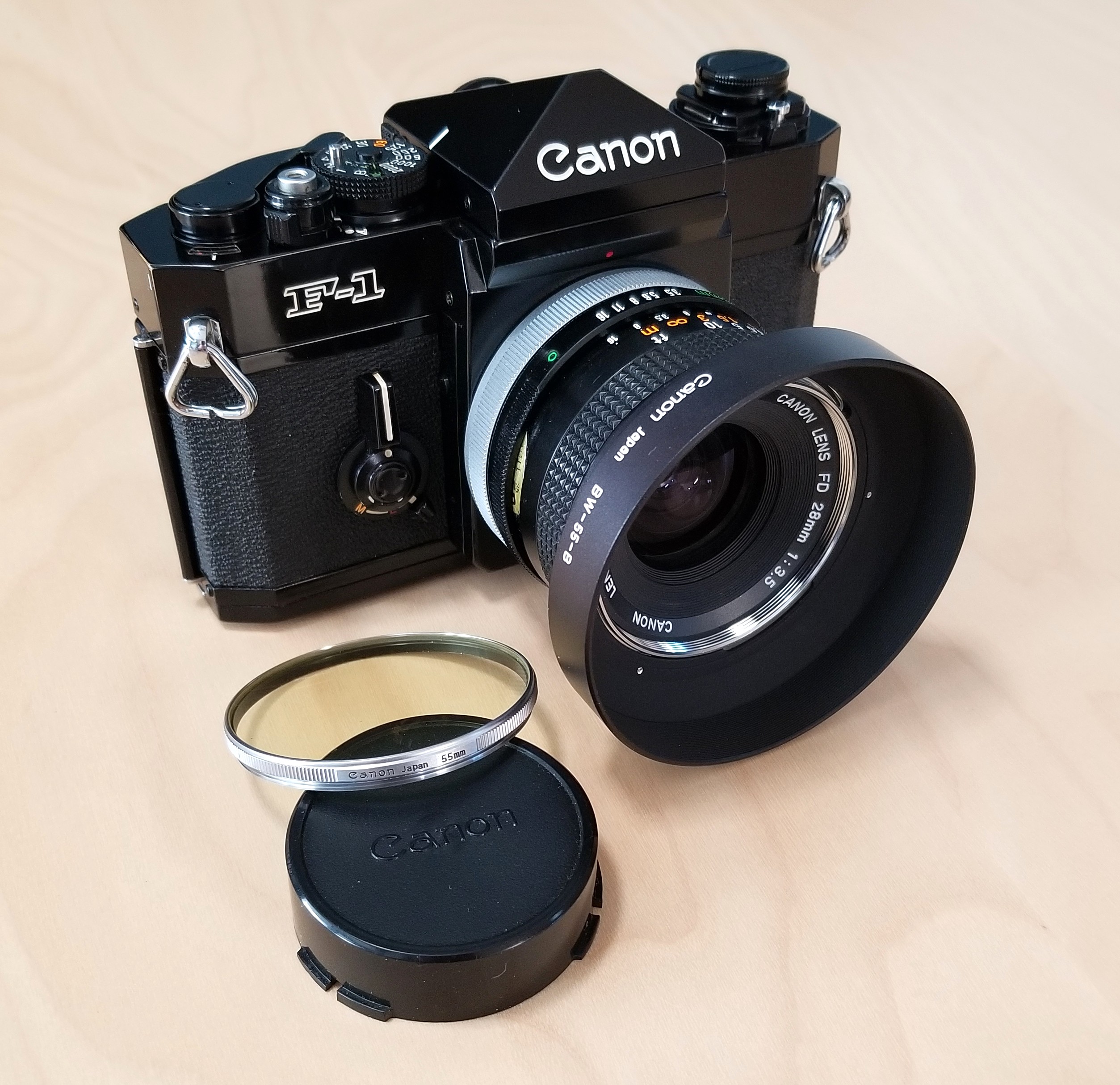
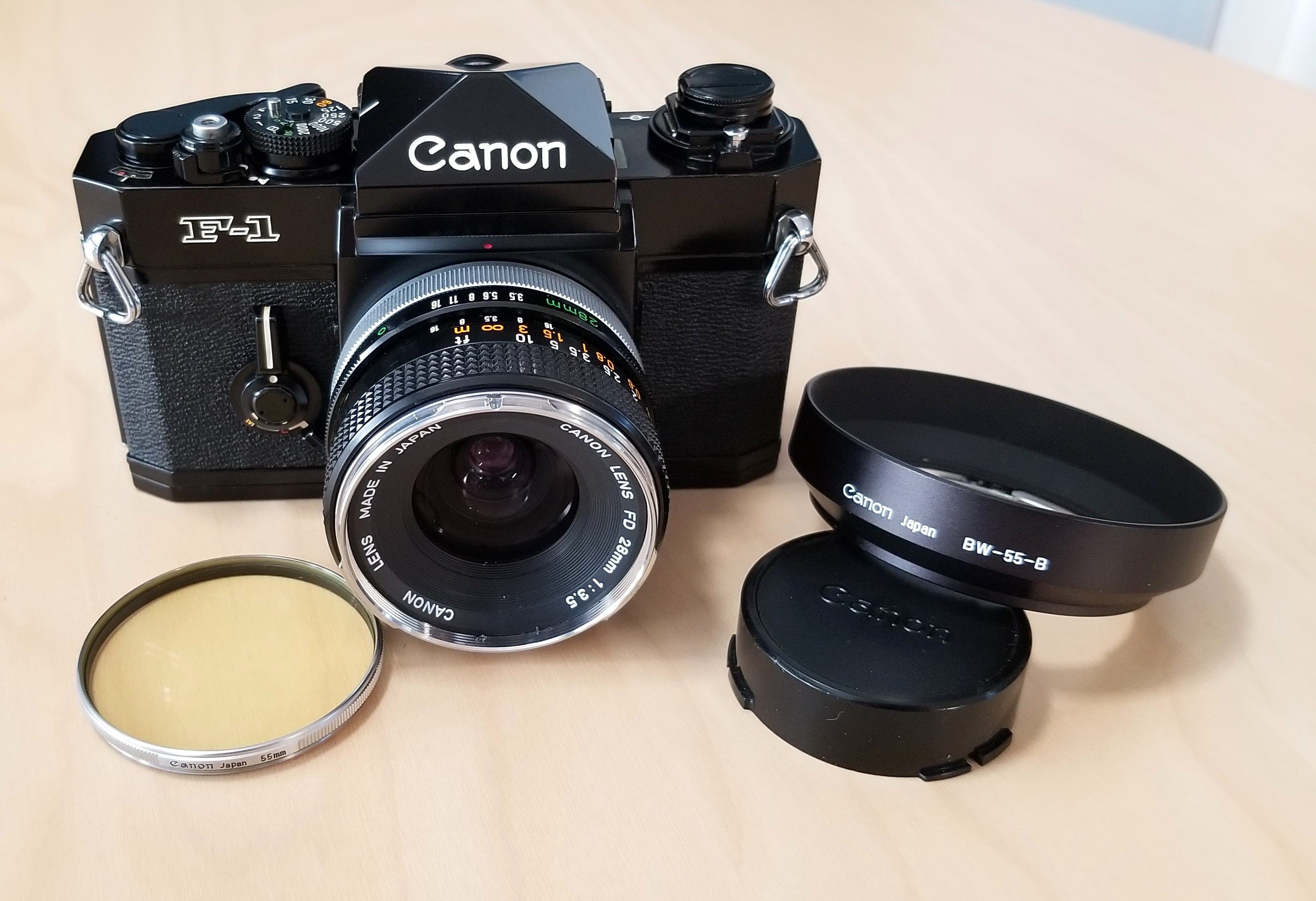
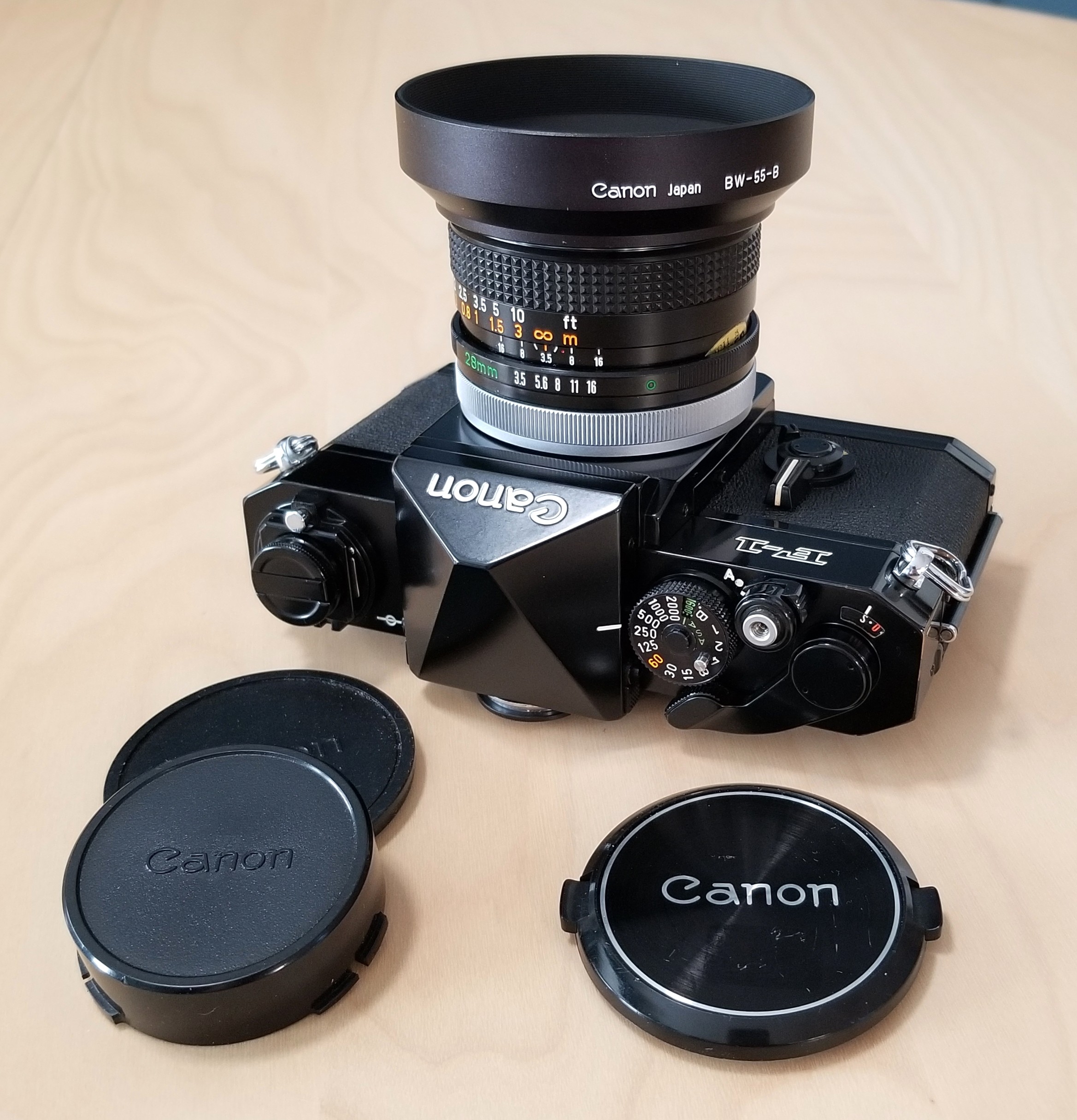
Part of the fun of collecting is when all of the bits come together. My Canon F-1 is from 1971, the first year of the F-1 (released in March). The lens is from late 1972 and is affectionally known as a chrome nose (for obvious reasons). The chrome filter is from 1963, but it would have still been the appropriate filter for this later lens. The lens hood is an all-metal model designed for this lens. Even the rear lens cap is correct.
It’s a beautiful lens that Canon described as a super-wide-angle lens back in the day.Top view with the correct front lens cap.
The beauty of collecting these early Canon F-1s is that they are still very affordable and still plentiful. Because of their popularity, they are easy to have professionally repaired and adjusted by qualified technicians at a reasonable price.
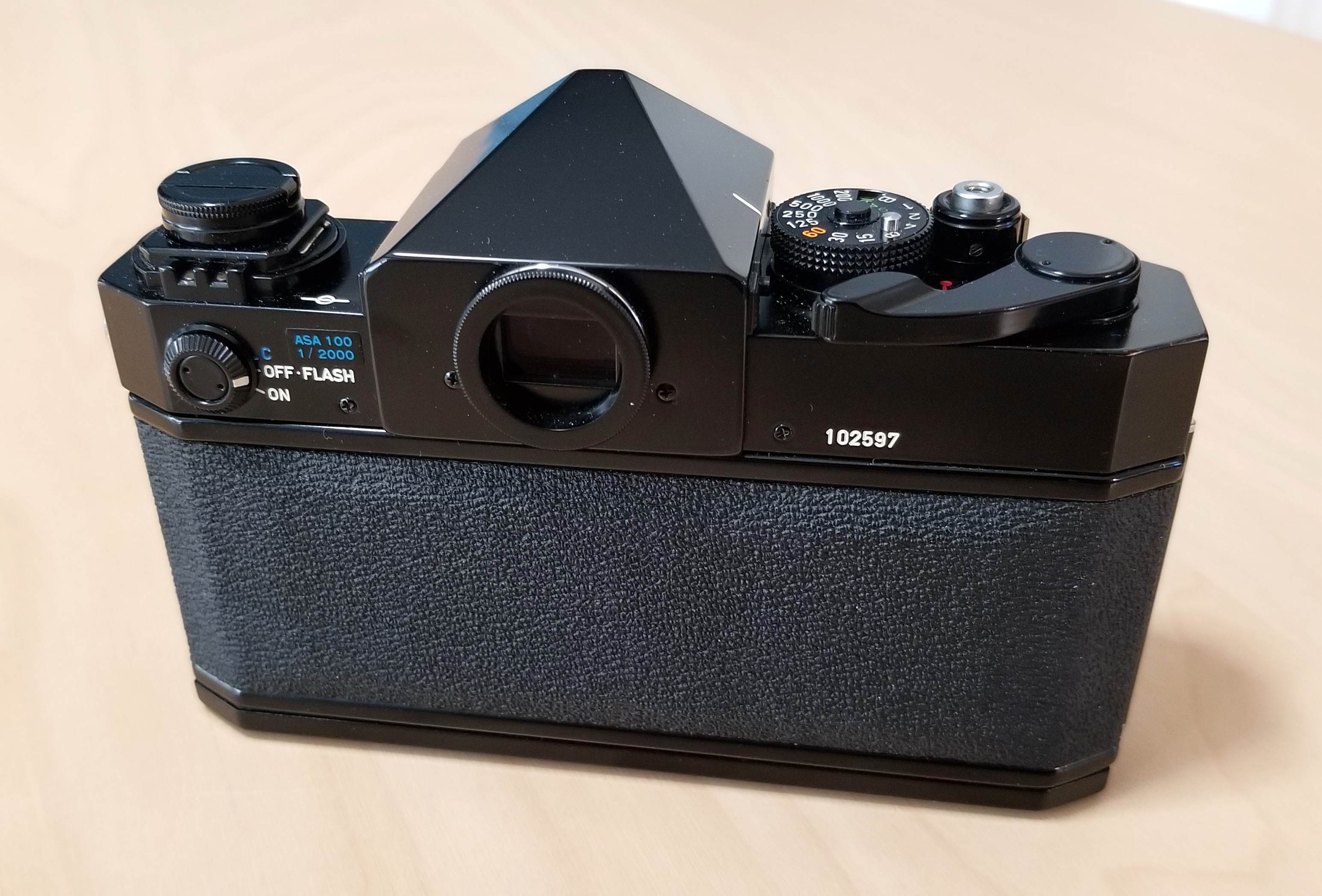
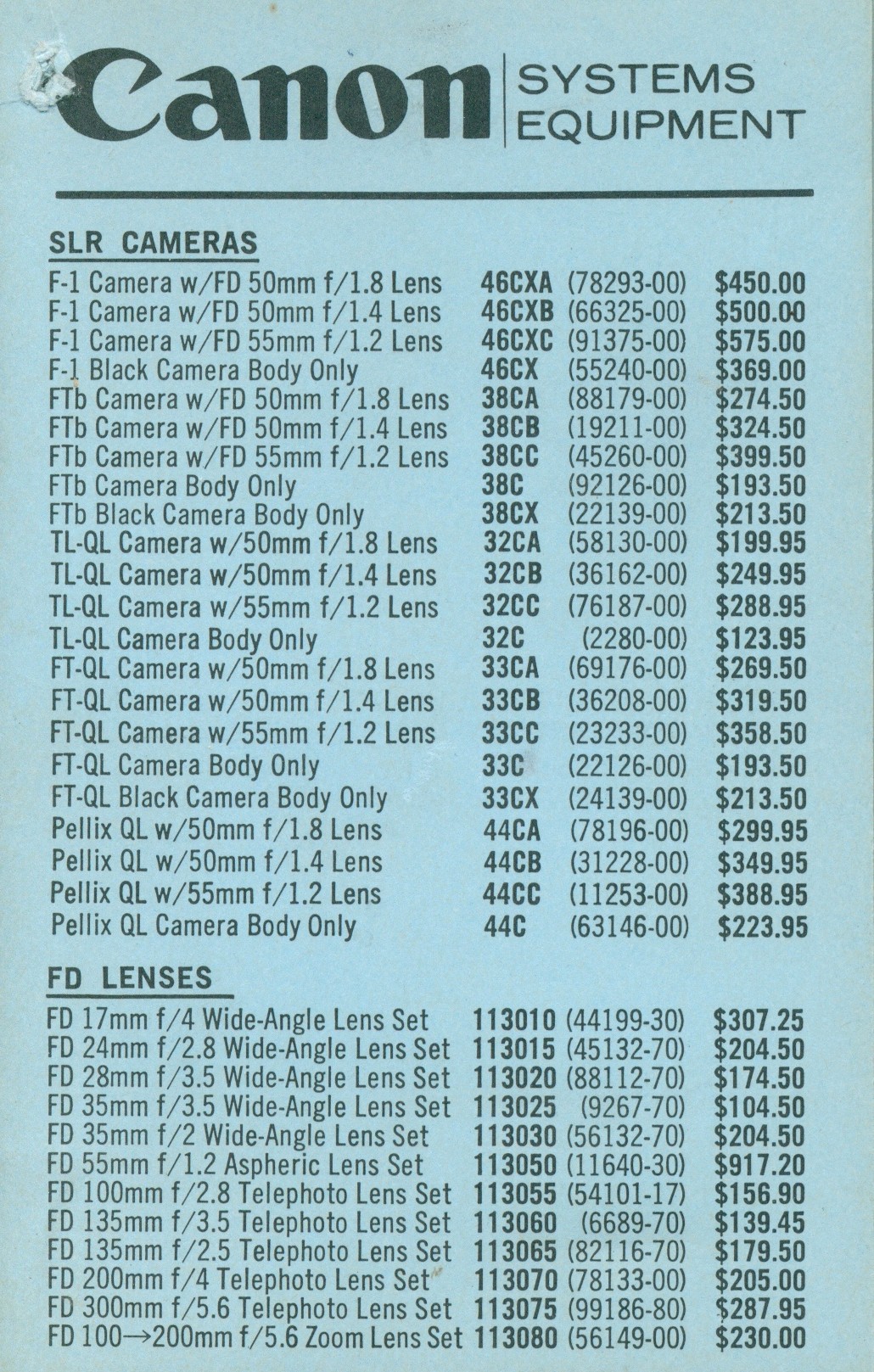
The early F-1. Serial numbers start at 100001, so my F-1 was number 2,597 and was assembled in July 1971.1971 price list. It wasn’t an inexpensive camera.
Comments are always welcome; I’ve learned a great deal from reader feedback. As always, thanks for stopping by. While there, visit my camera shop at http://www.ccstudio2380.com (CC Design Studios, hosted on Etsy). – Chris Whelan
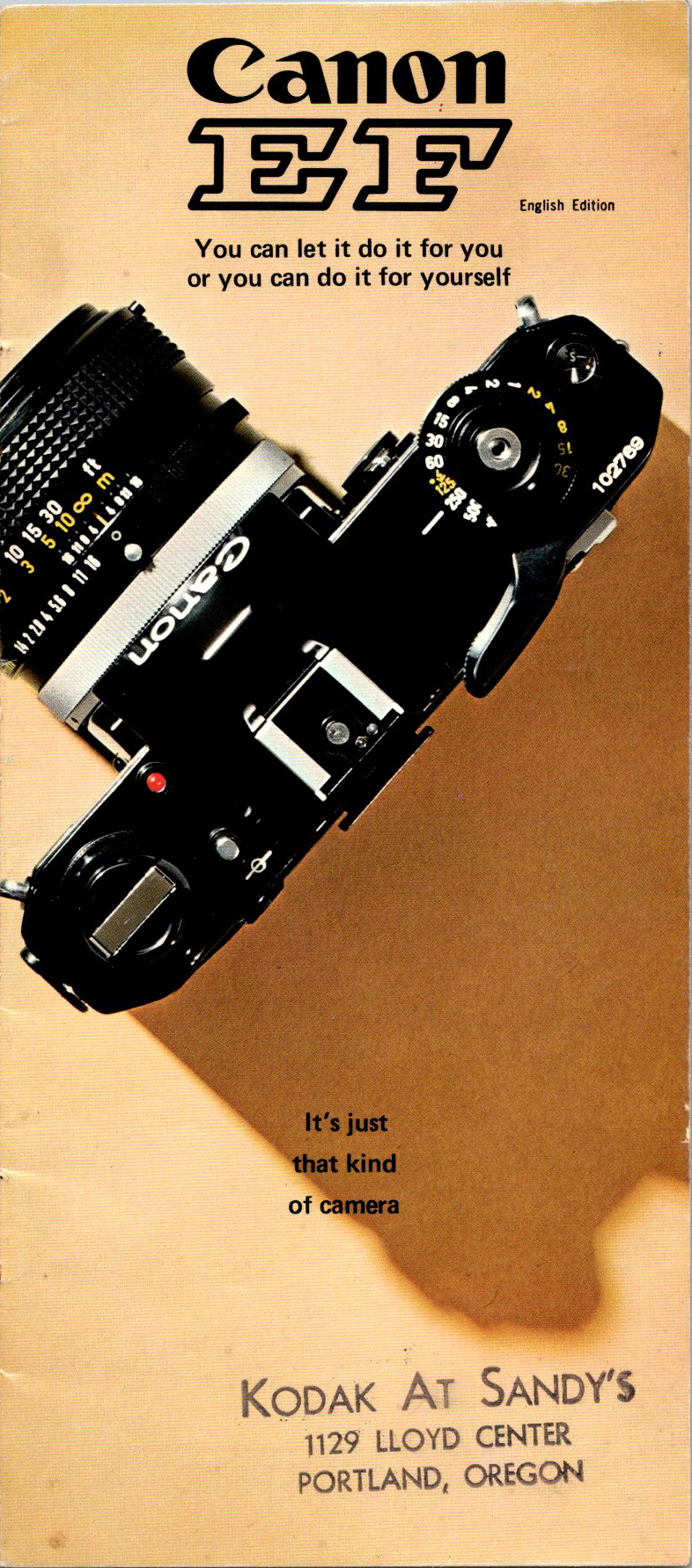
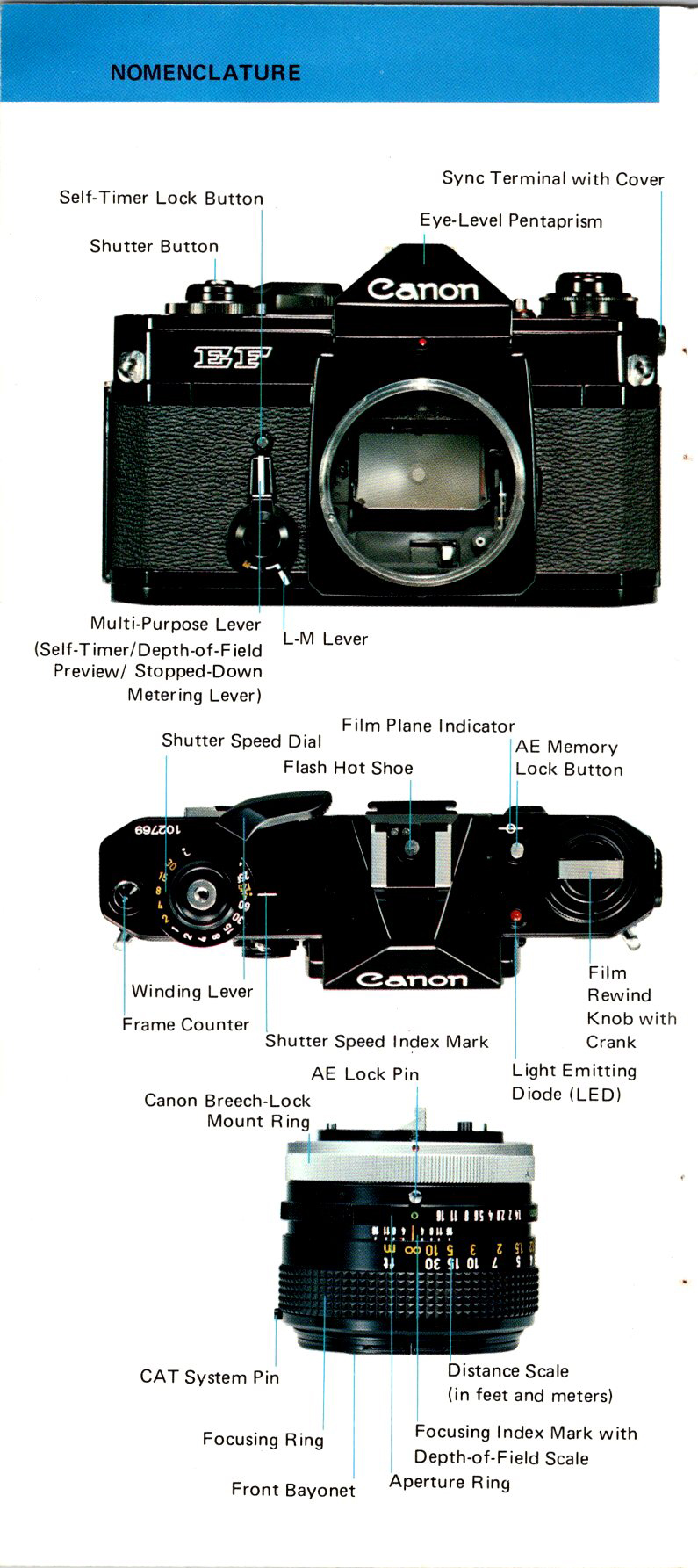
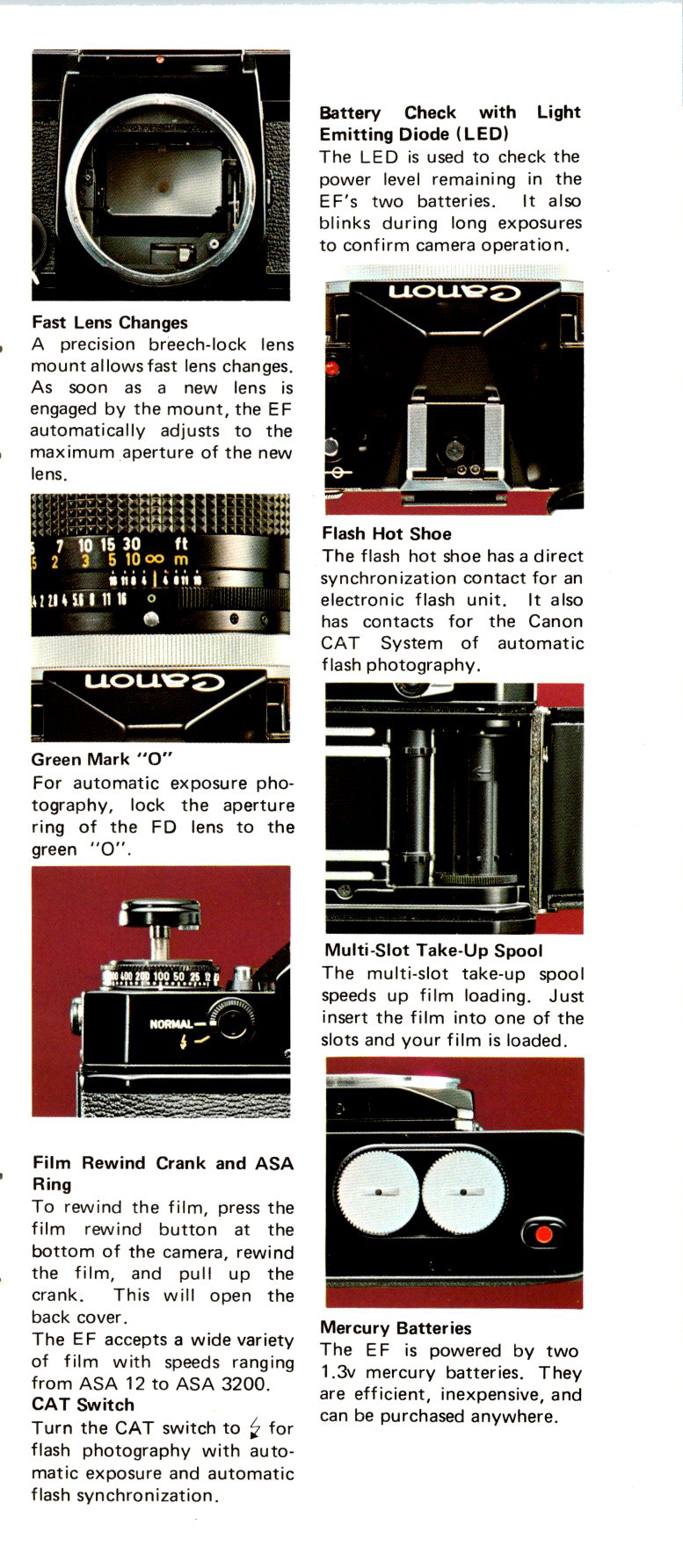
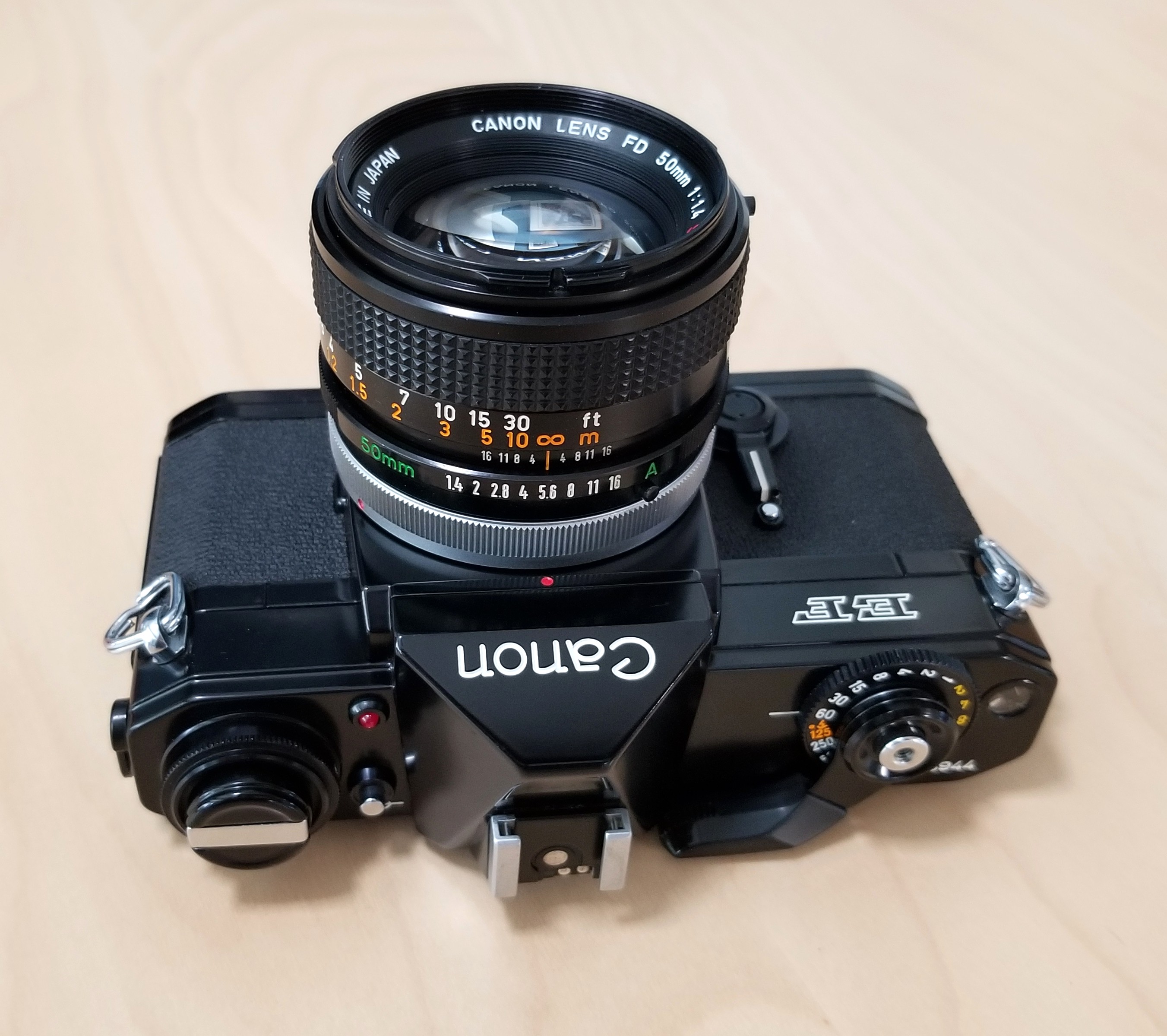
Pictured is an early version of the famous Canon EF.The EF is a close cousin of the Canon F-1.The EF has many more features than the F-1 right out of the box.Also known as the ‘Black Beauty’.
Comments are always welcome; I’ve learned a great deal from reader feedback. As always, thanks for stopping by. While there, visit my camera shop at http://www.ccstudio2380.com (CC Design Studios, hosted on Etsy). – Chris Whelan
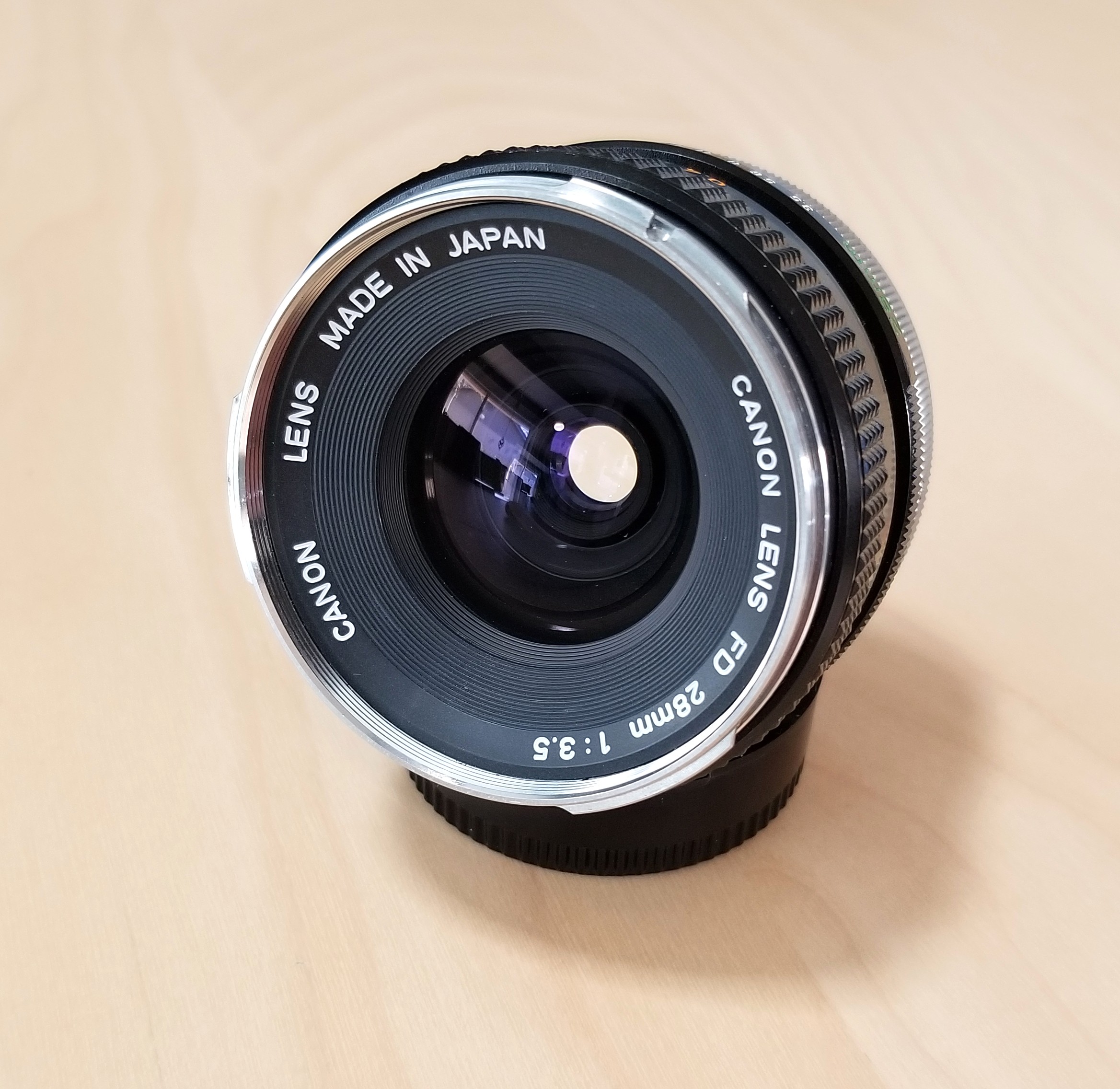
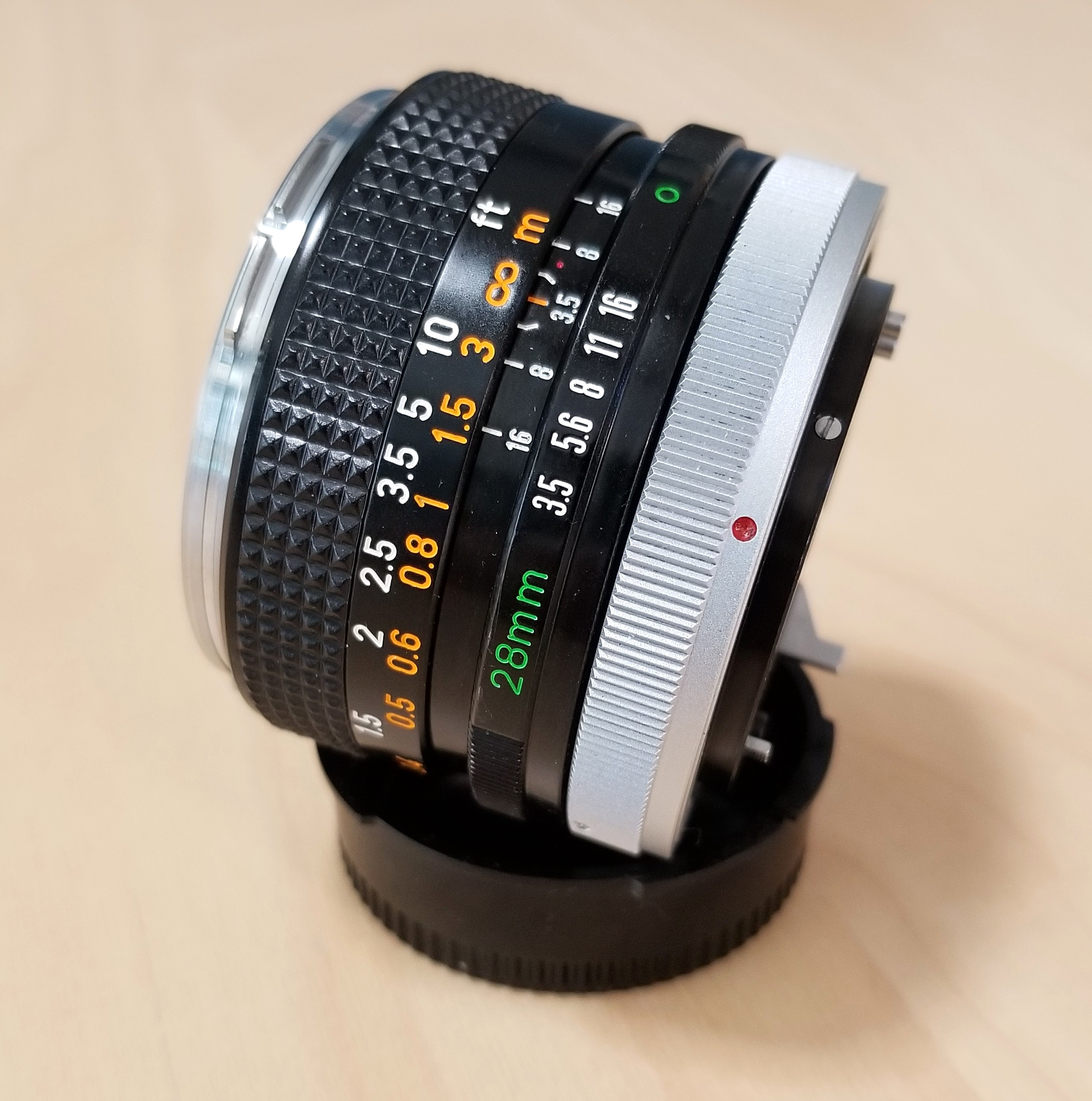
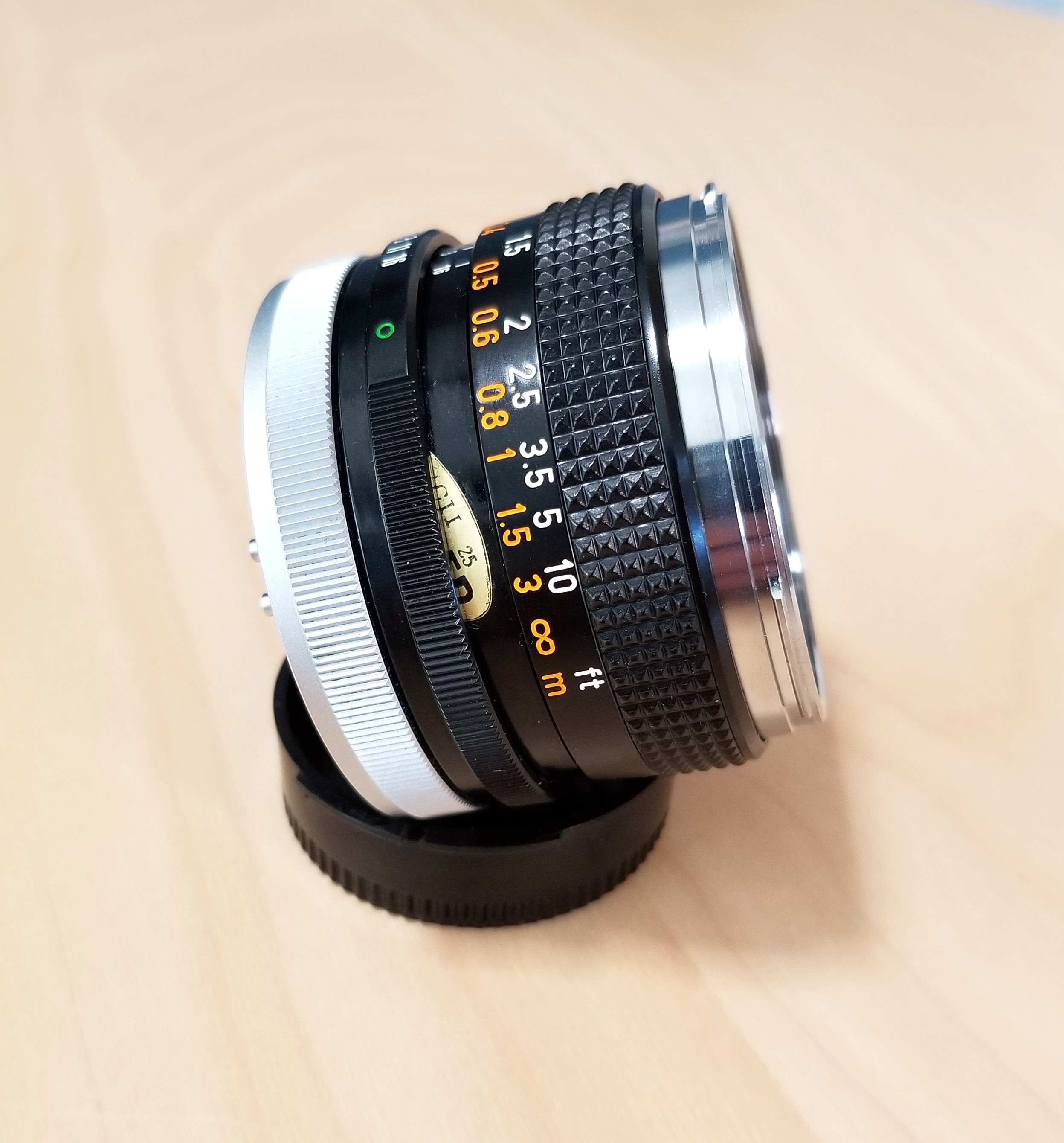
An early Canon wide-angle lens with its desirable chrome nose.
I enjoy collecting these lenses. They are from the very earliest days of the Canon F-1, and they have a heft to them that’s very reassuring. Lots of brass and glass. The lens weighs 290 grams.
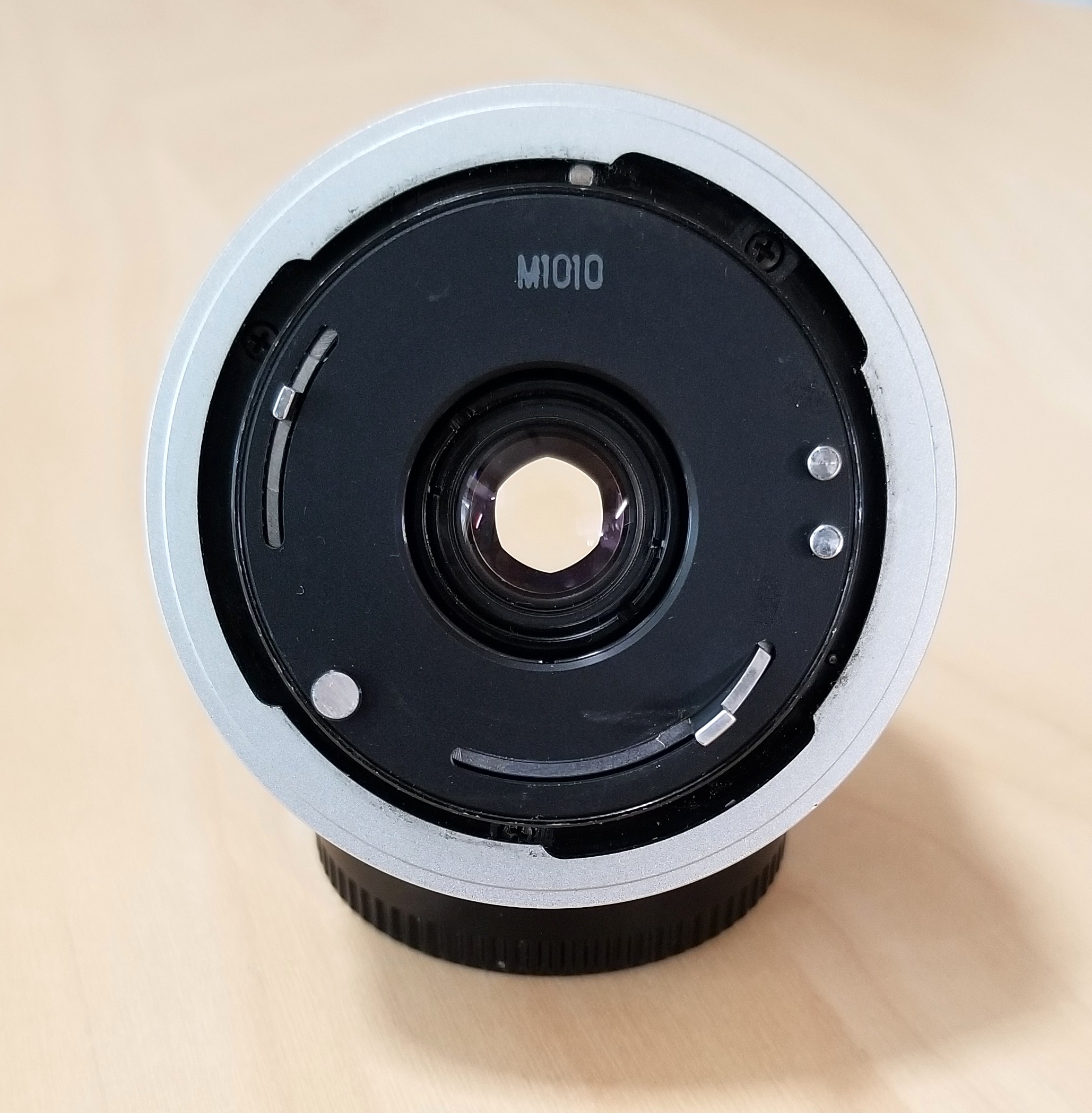
Considering its age, the markings are super sharp and crazy clean.The JCII inspection sticker (the gold thingy) was likely placed before the lens was fully assembled.Canon stamped a date code on most everything it produced. Here, M1010 indicates the lens was completed and passed an internal inspection in October 1972. N = 1972 and 10 = October. The last two numbers are an internal code only known to Canon.Here is the lens mounted to my earliest Canon F-1 from late 1970 or early 1971.
The early chrome-nose Canon lenses are a fun way to collect classic camera gear. If you can find a nice, clean example, you won’t be disappointed.
Comments are always welcome; I’ve learned a great deal from reader feedback. As always, thanks for stopping by. While there, visit my camera shop at http://www.ccstudio2380.com (CC Design Studios, hosted on Etsy). – Chris Whelan
I’m moving on from it. Enjoyed every minute of using and collecting all of the bits that make it special.
Everything works. Excellent condition.My set includes the super-sharp Nikkor 50mm f/2 Ai lens with hood, cap, and filter.With Nikon MD-2 motor drive.A joy to use.
Comments are always welcome; I’ve learned a great deal from reader feedback. As always, thanks for stopping by. While there, visit my camera shop at http://www.ccstudio2380.com (CC Design Studios, hosted on Etsy). – Chris Whelan


 Chasing Classic Cameras with Chris