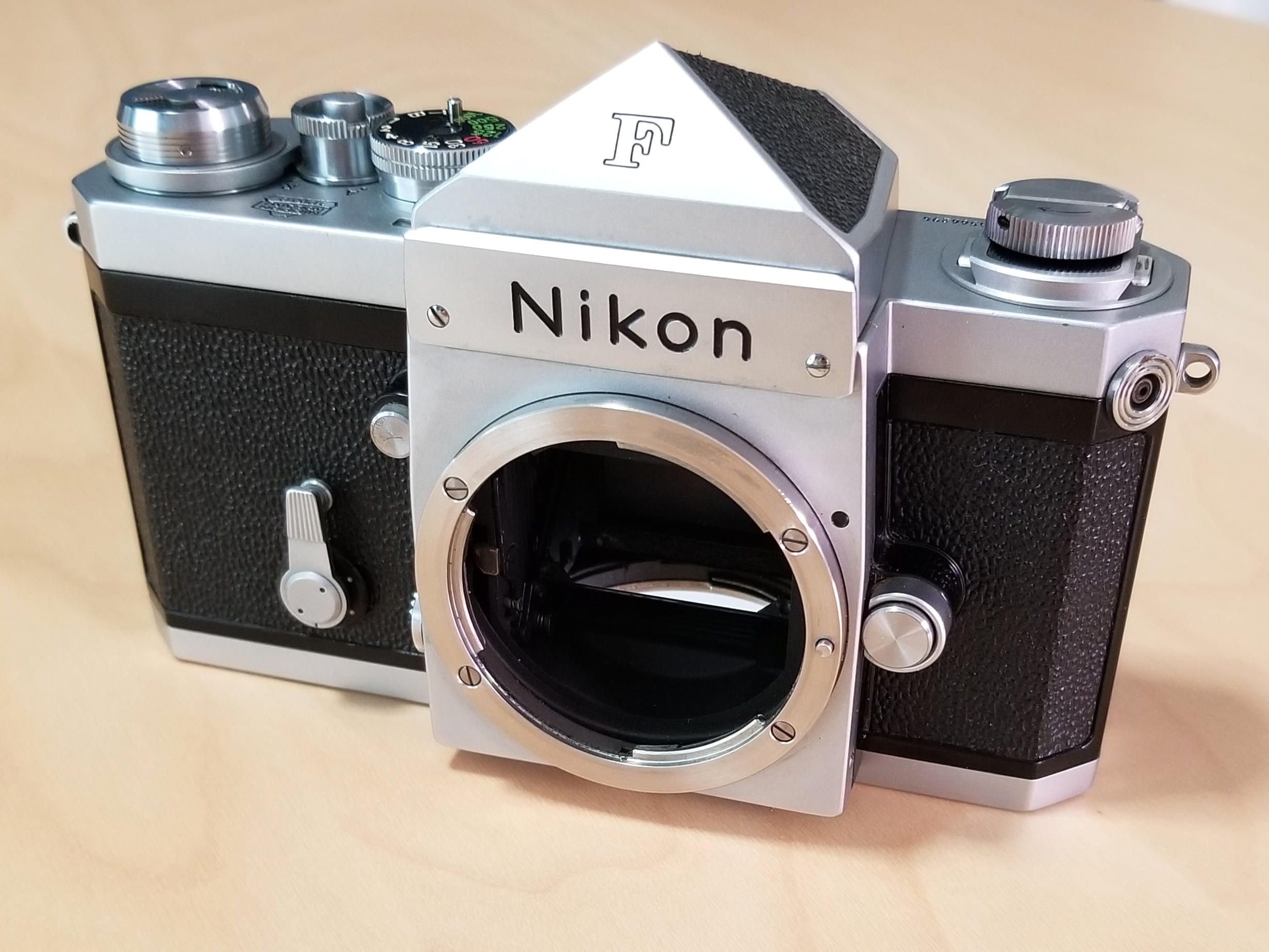
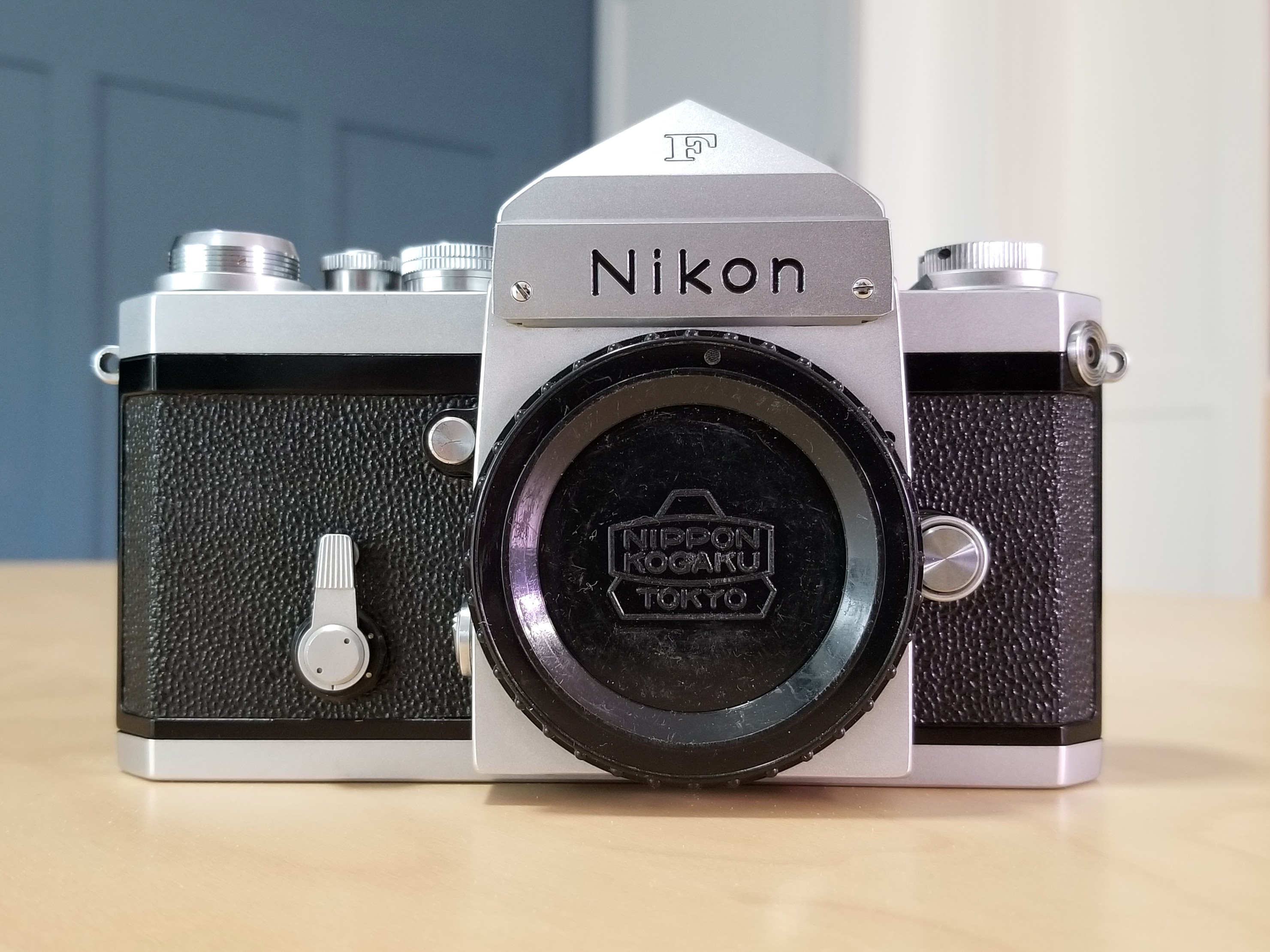
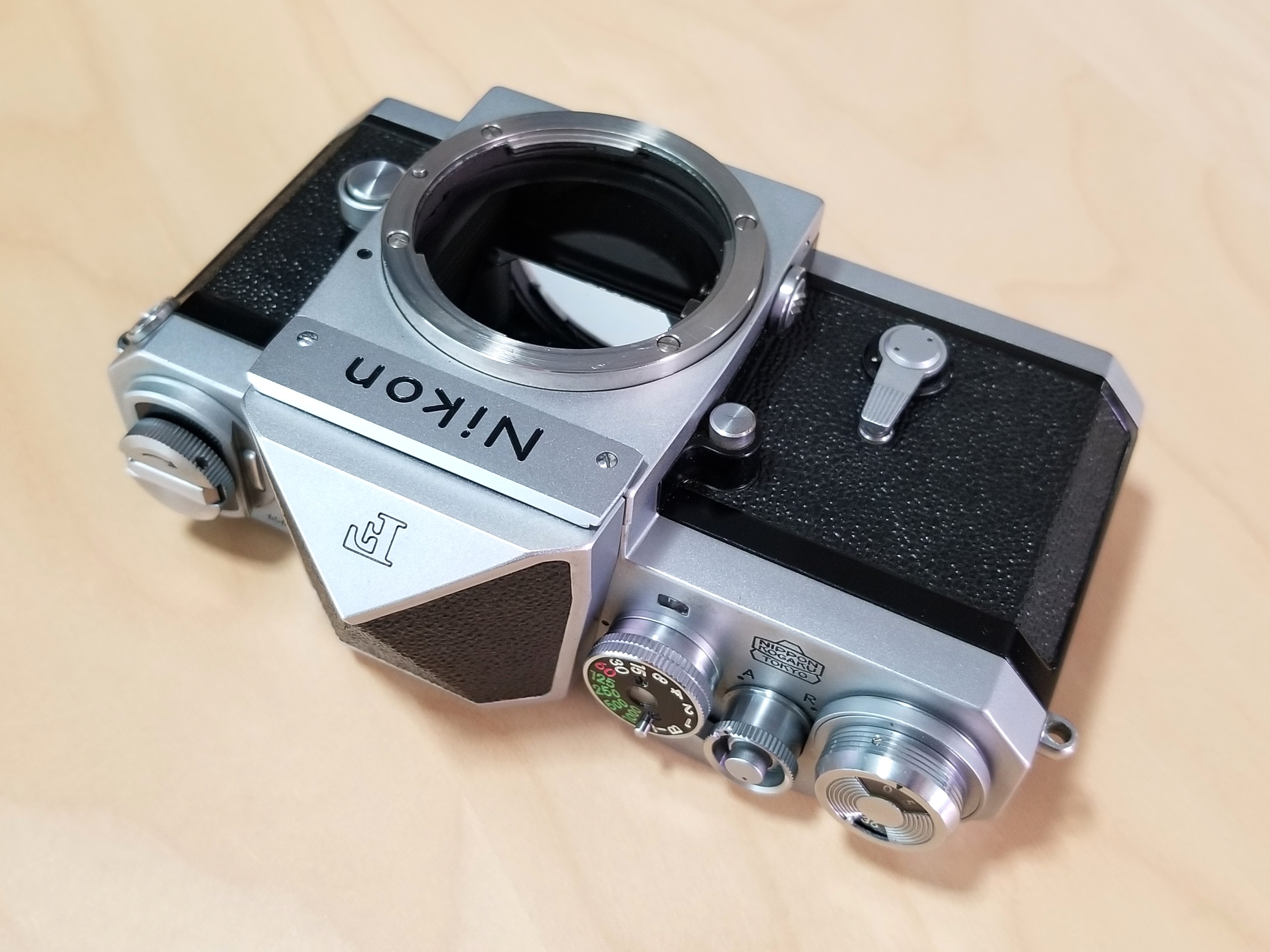
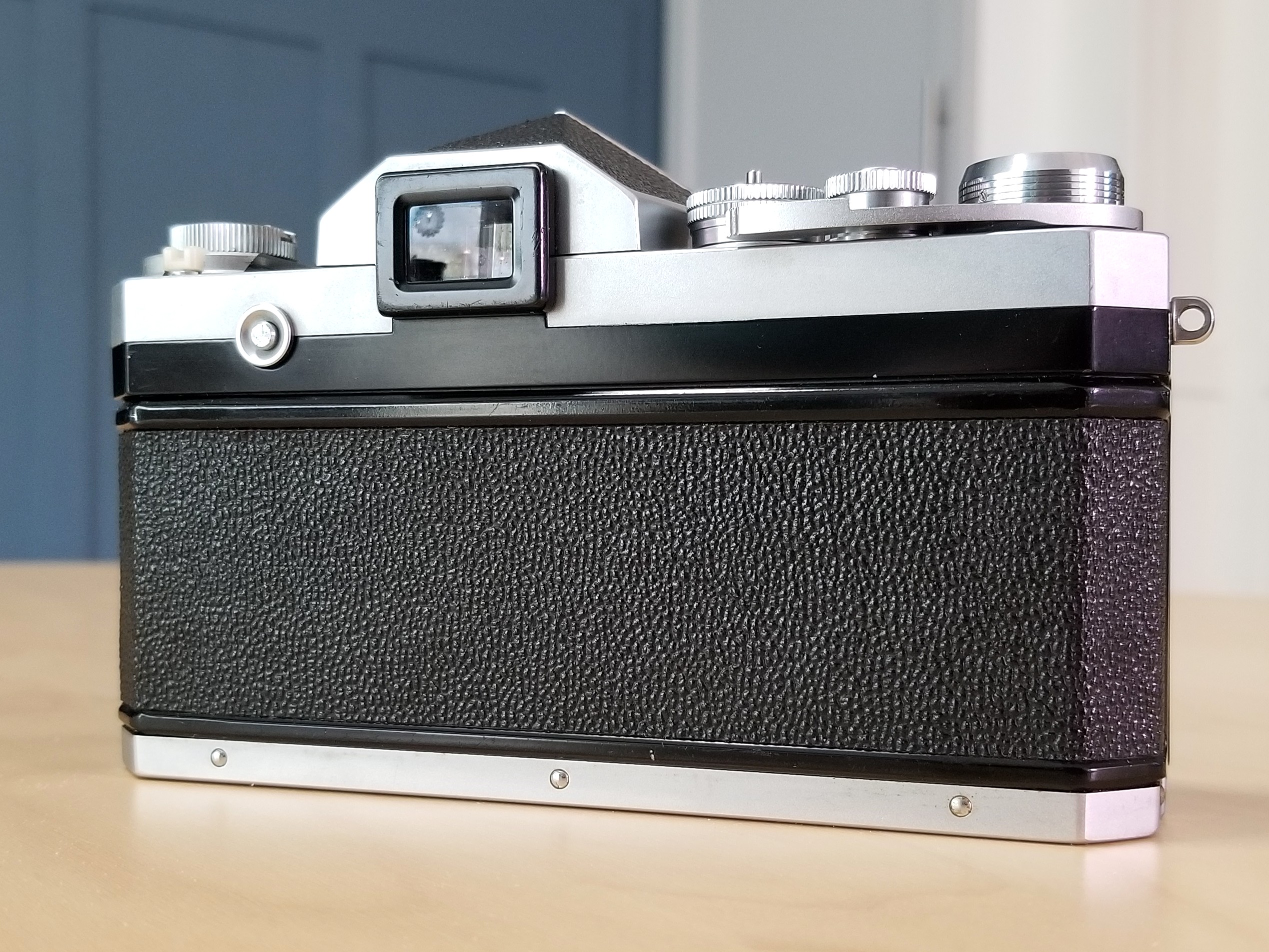
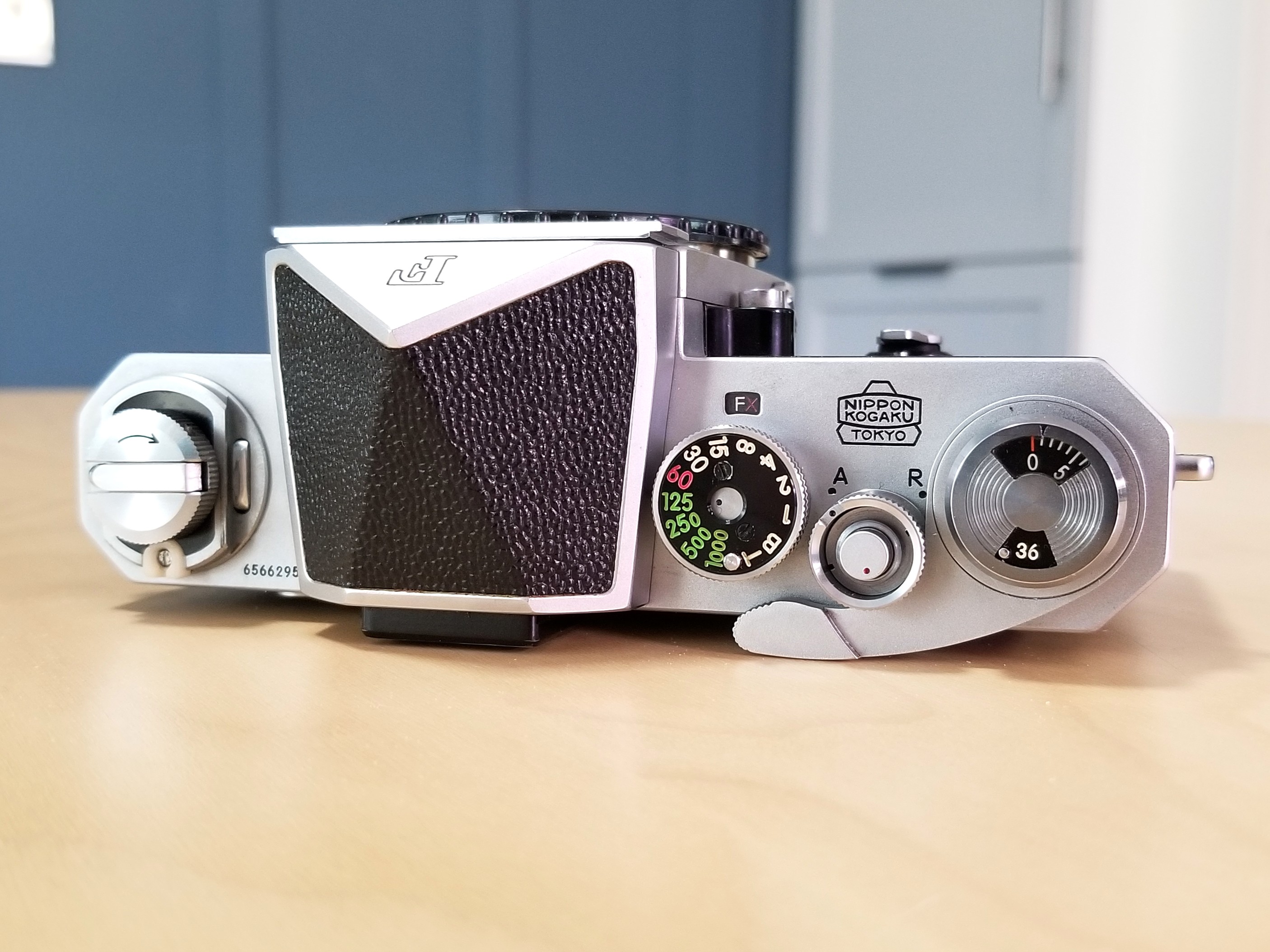
Released in 1959.Instant classic.I enjoy collecting the early Nippon Kogaku models with the ‘Fuji’ logo.Clean lines.Can it get any more recognizable than this?
Comments are always welcome; I’ve learned a great deal from reader feedback. As always, thanks for stopping by. While there, visit my camera shop at http://www.ccstudio2380.com (CC Design Studios, hosted on Etsy). – Chris Whelan
Comments are always welcome; I’ve learned a great deal from reader feedback. As always, thanks for stopping by. While there, visit my camera shop at http://www.ccstudio2380.com (CC Design Studios, hosted on Etsy). – Chris Whelan
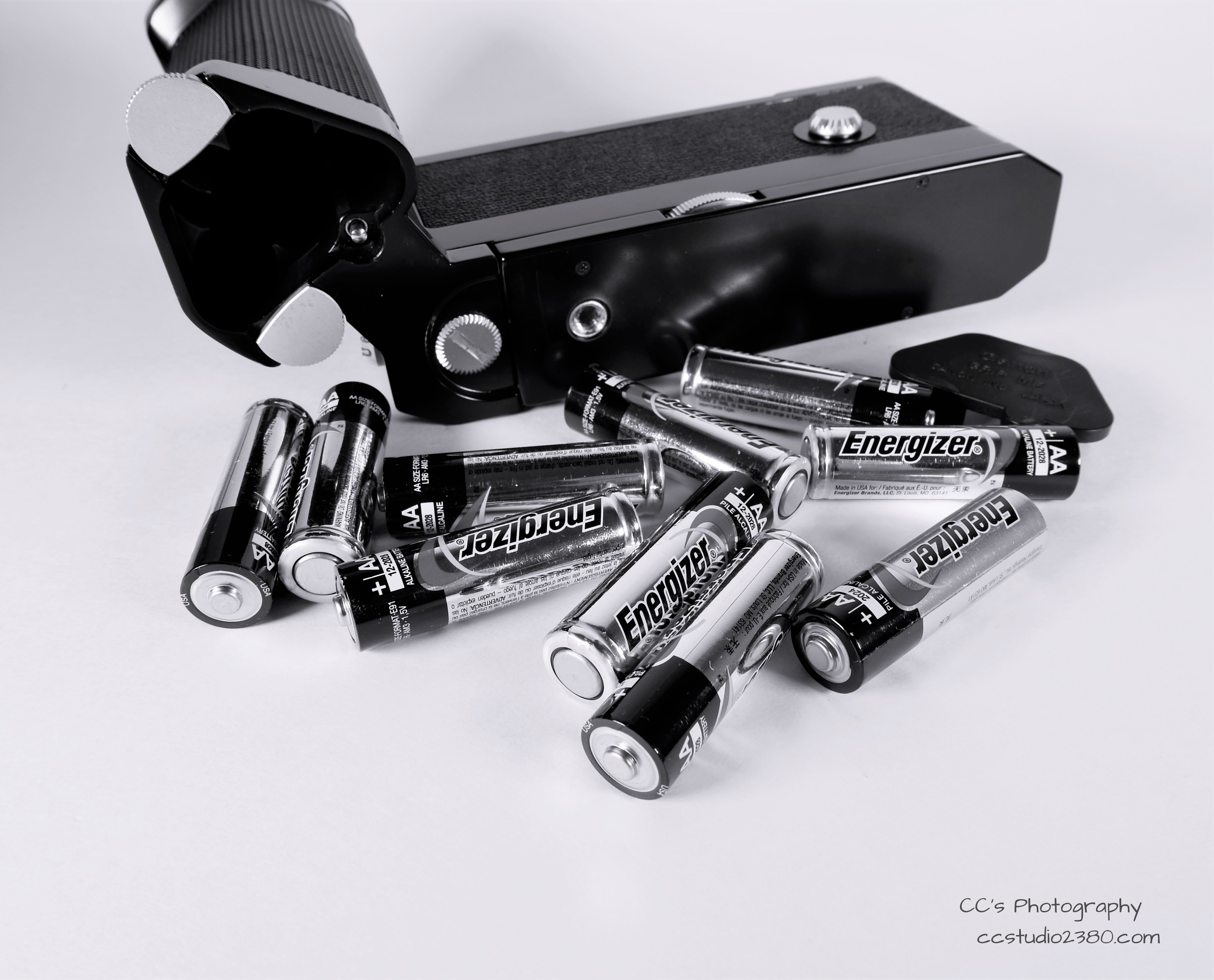
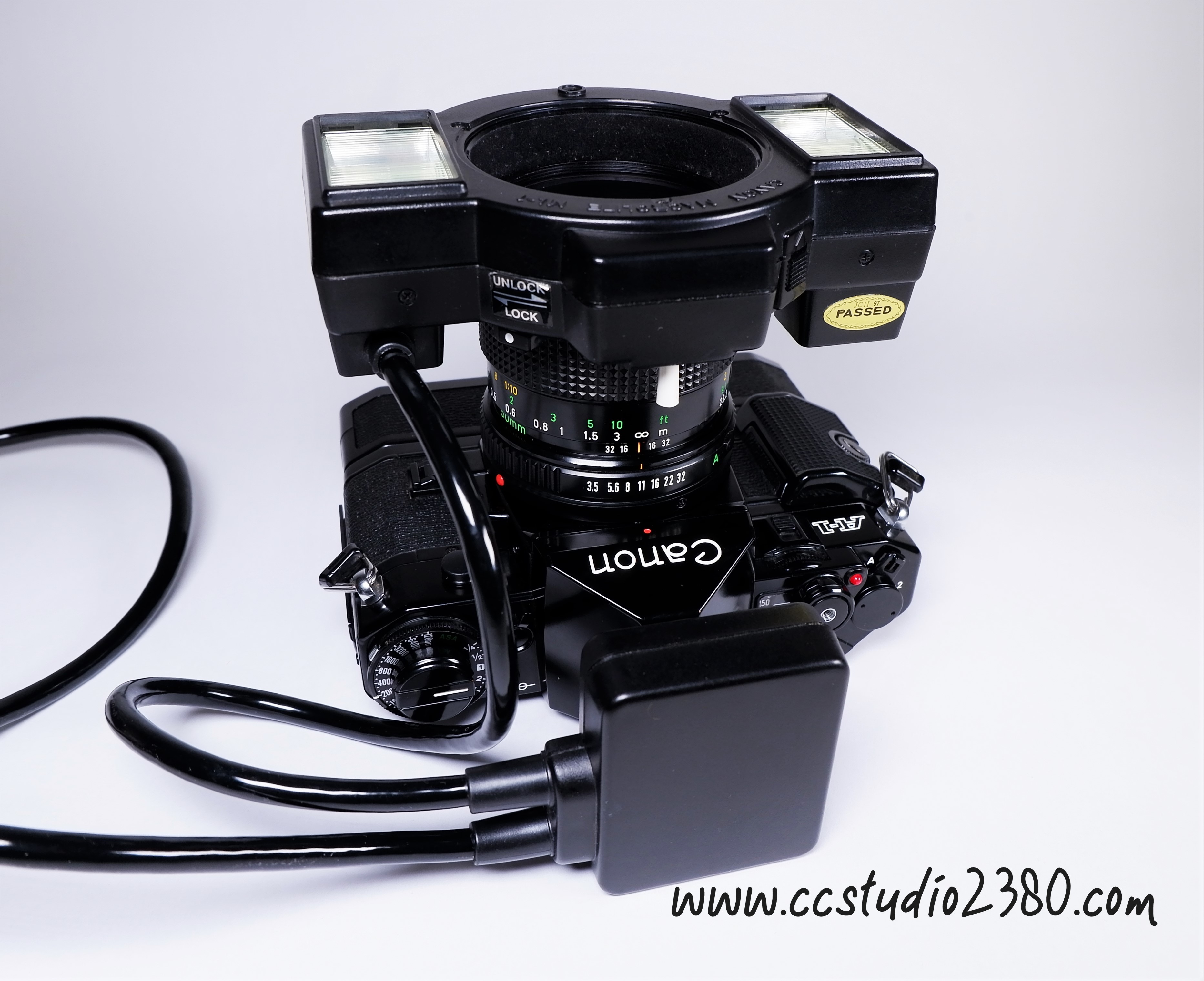
Hi all! I have my last Canon Macrolite ML-1 electronic flash from my collection for sale. This one is the latest version from 1985. It will work perfectly with the Canon New F-1 as well as any of the earlier A-Series cameras. It’s in my Etsy camera shop at http://www.ccstudio2380.com
Comments are always welcome; I’ve learned a great deal from reader feedback. As always, thanks for stopping by. While there, visit my camera shop at http://www.ccstudio2380.com (CC Design Studios, hosted on Etsy). – Chris Whelan
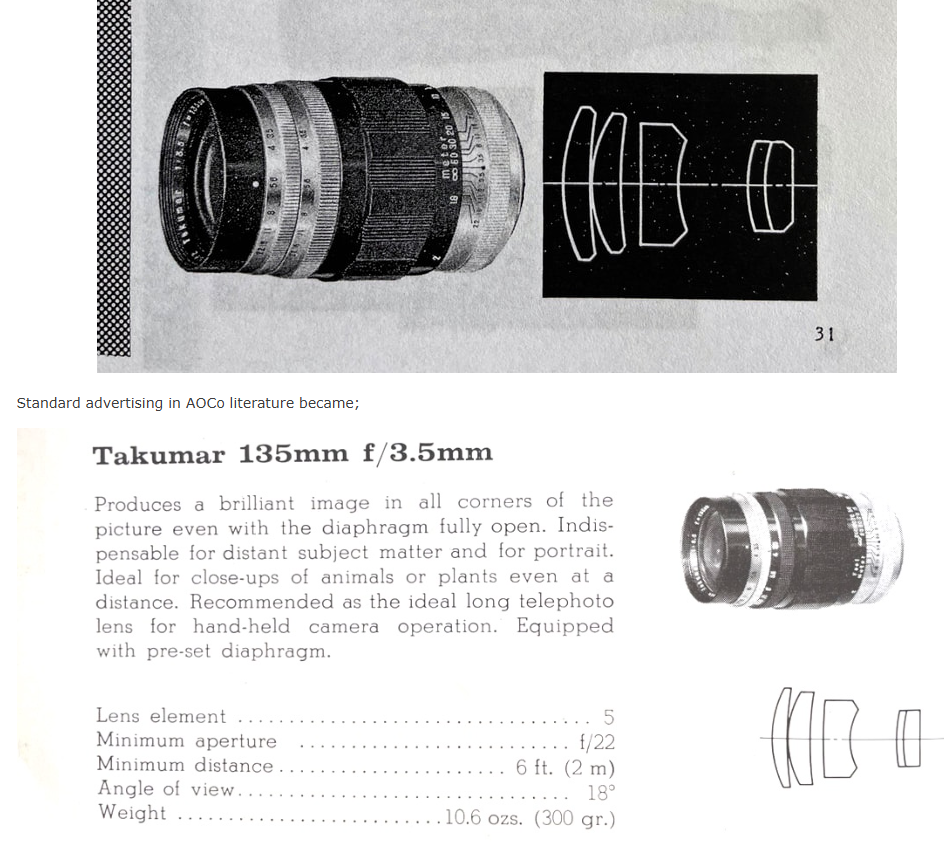
My Asahi-Takumar 135mm f/3.5 lens set is shown with my Asahi Pentax 35mm SLR from 1957. The lens is from 1958. The lens is listed at 300 grams or 10.5 oz. My lens weighs 326 grams. There must be an error in the original weight, or my lens was modified by the factory after the first lenses were made.
It’s one of the first auxiliary lenses made for their new 35mm SLR camera.Asahi Optical Company’s first 35mm SLR with a pentaprism. This model was released in May 1957, and the lens followed shortly after in 1958.A snip from the instruction guide. This lens is the closest to mine in design.The earliest lens design had two chrome aperture rings.It’s shown here mounted to my Fuji X-T2 via an adapter.A test image. The equivalent focal length is about 200mm when used on a 1.5x crop sensor camera, such as the Fuji.There may be some light haze or cloudiness inside one of the lens elements, as this shot lacks contrast.Same shot with added “punch”.
Comments are always welcome; I’ve learned a great deal from reader feedback. As always, thanks for stopping by. While there, visit my camera shop at http://www.ccstudio2380.com (CC Design Studios, hosted on Etsy). – Chris Whelan
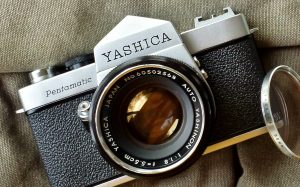
The Canonflex was released in May 1959. It was Canon’s first 35mm SLR. The Yashica Pentamatic was Yashica’s first 35mm SLR, and it was released in March 1960. It was designed with the help of the recently acquired Nicca Camera Company in 1958. It’s safe to say that without Nicca’s help after the acquisition, the Pentamatic wouldn’t have come to market when it did.
Likely two cameras many have never seen.
As a collector of classic cameras, I appreciate these designs from the late 1950s.What makes them different keeps them the same. Both cameras feature sharp standard f/1.8 lenses. The Canomatic lens is reportedly radioactive. No evidence that the Yashica lens is also radioactive. The lens on the Yashica was made by Tomioka Optical for Yashica. The Canon lens was made by Canon.The Canon is a slightly larger camera than the Yashica. The Pentamatic is slightly more compact compared to the Canonflex. Its all-metal construction puts its weight right there with the larger Canon.Rear view. The serial number on the Canon indicates it was the 5,998th camera made. The Yashica was manufactured in August 1960 and was the 8,101st model produced up to that point in 1960.
Comments are always welcome; I’ve learned a great deal from reader feedback. As always, thanks for stopping by. While there, visit my camera shop at http://www.ccstudio2380.com (CC Design Studios, hosted on Etsy). – Chris Whelan
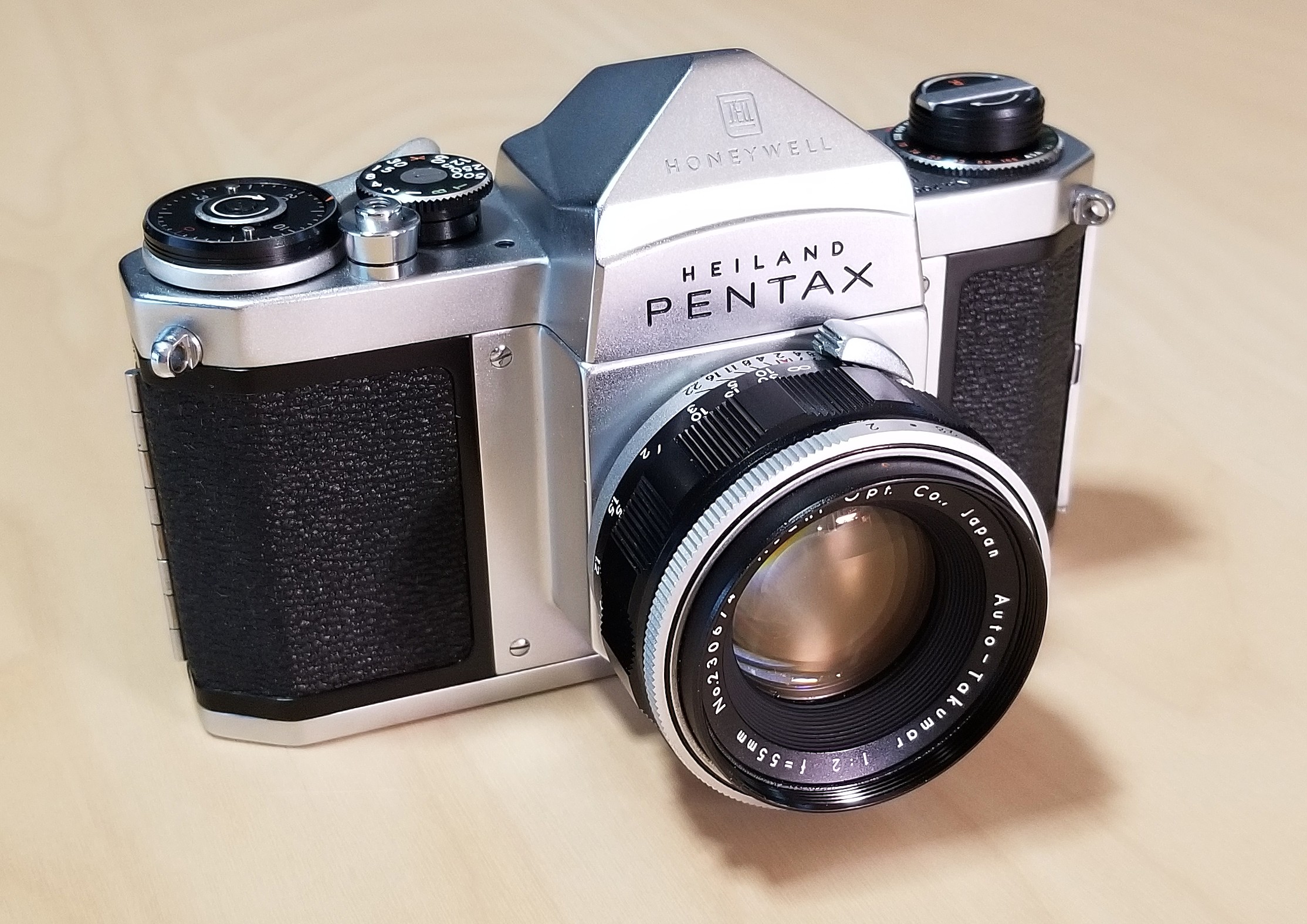
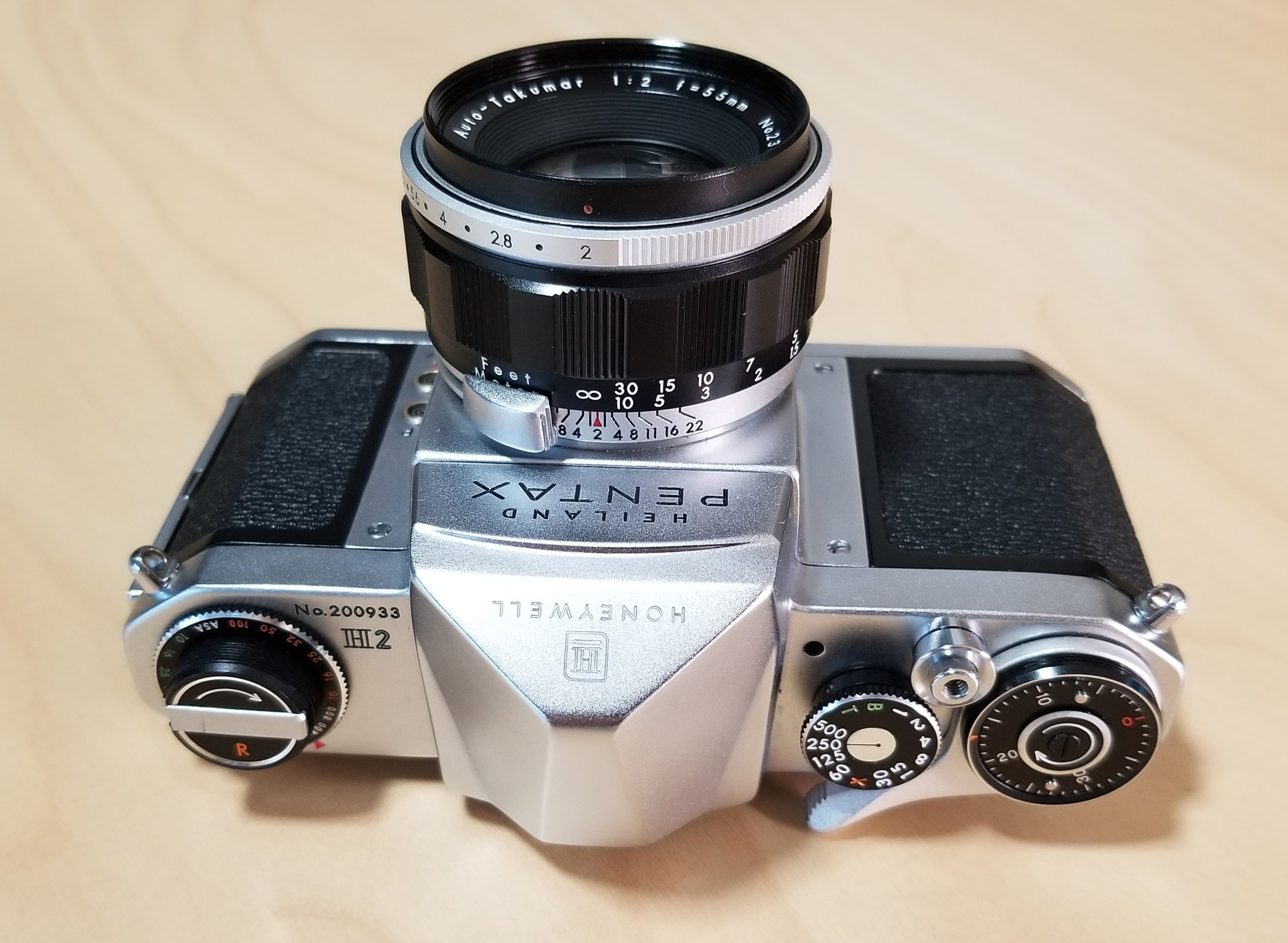
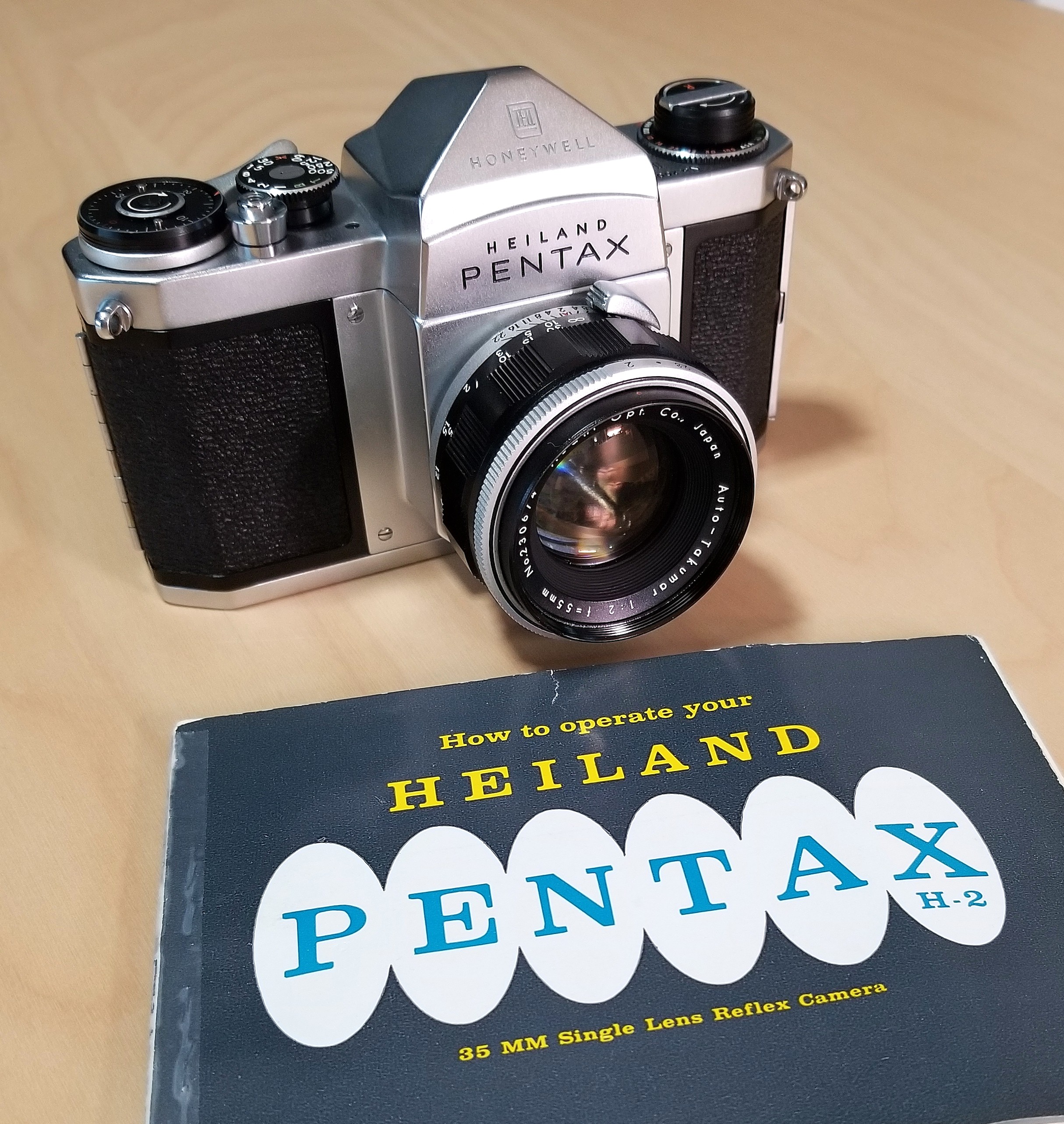
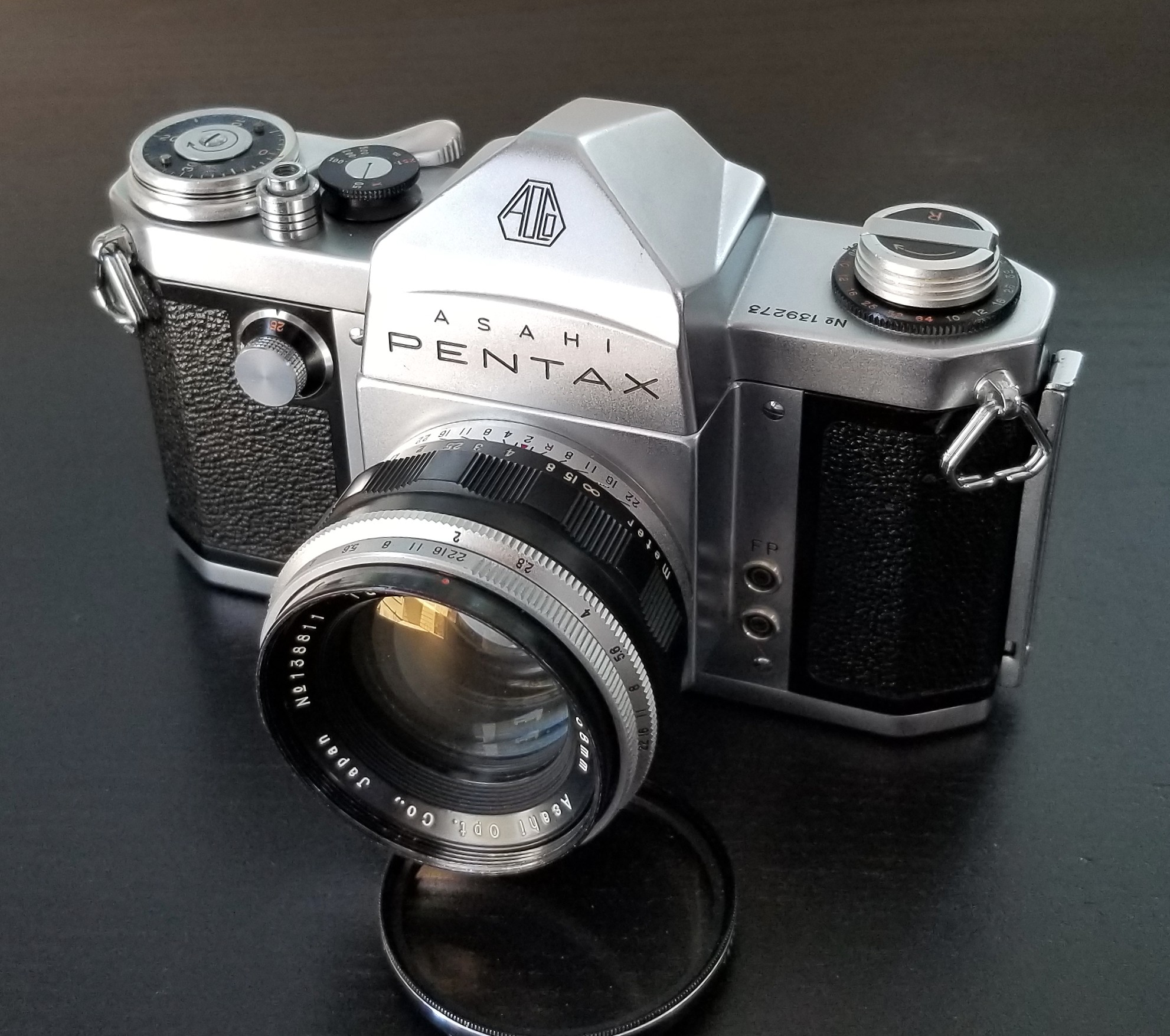
From 1959. An Asahi Optical Company H2. Shown here with its North American market distributors’ engravings. No self-timer, accessory shoe, or light meter. A clean machine.It still looks modern today.A classic.The Asahi Pentax ‘Original’ or just ‘AP’ as it came to be referred to. From 1957. Asahi’s first 35mm SLR with an eye-level pentaprism.
Comments are always welcome; I’ve learned a great deal from reader feedback. As always, thanks for stopping by. While there, visit my camera shop at http://www.ccstudio2380.com (CC Design Studios, hosted on Etsy). – Chris Whelan
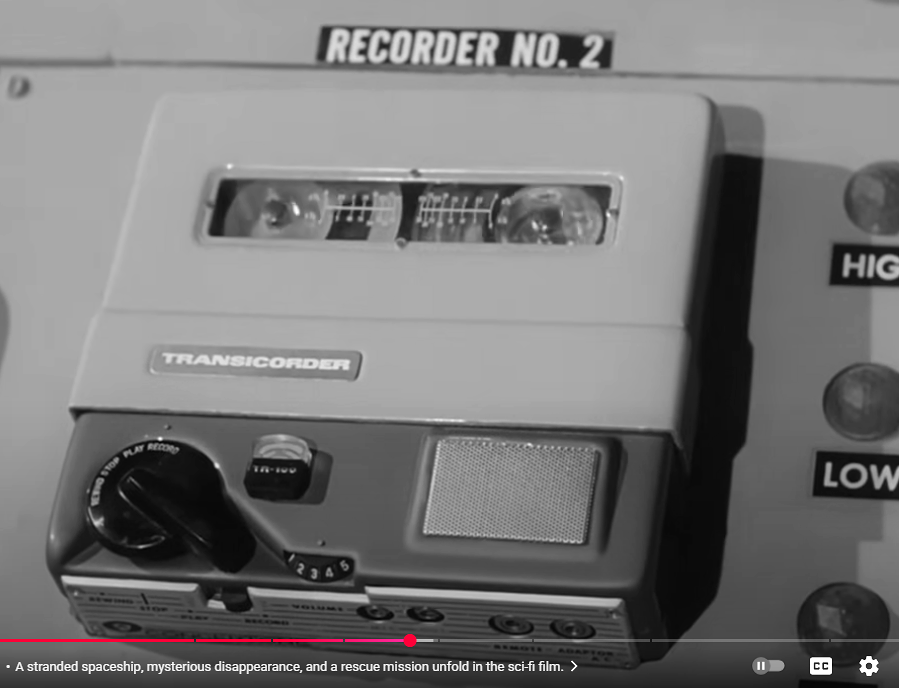
Thanks to a tip I received from Mike Bowman, I was able to grab this snip from the 1961 sci-fi movie ‘The Phantom Planet’ of a Yashica YT-100 tape recorder! It was part of the dashboard of a spaceship control panel. If you want to see for yourself, it’s at time stamp 41:47 in the very campy movie.A nice original boxed set from 1960.
Comments are always welcome; I’ve learned a great deal from reader feedback. As always, thanks for stopping by. While there, visit my camera shop at http://www.ccstudio2380.com (CC Design Studios, hosted on Etsy). – Chris Whelan
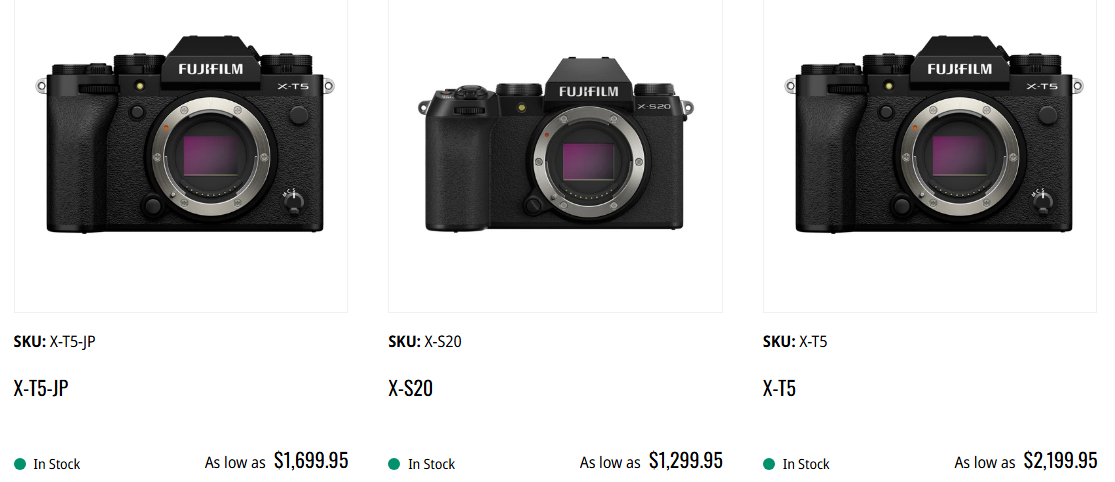
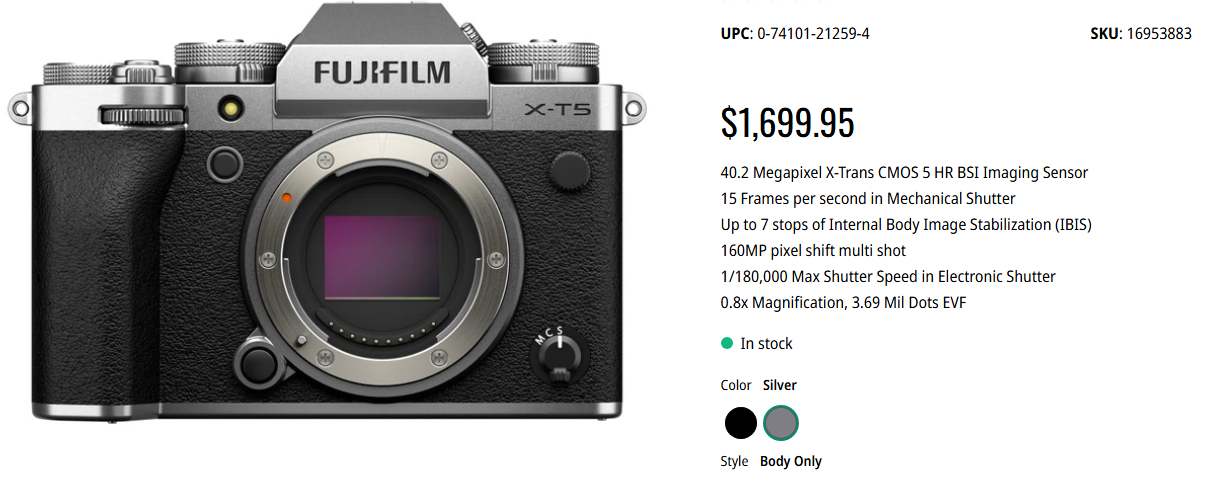
I know, the title looks like a mathematical equation. Fujifilm (USA) is now selling its most popular models made in Japan instead of China to avoid its US customers from paying the high tariffs imposed on China. Here is a snip from Fuji’s website this morning (July 2, 2025). The ‘JP’ designates that the camera is made in Japan.
That’s quite a difference in the price between a Chinese-made X-T5 and a made-in-Japan model. Currently, Fujifilm has the X-T5 (Silver Model) in stock. If you’re interested in this camera, I suggest you move quickly, as it’s likely to sell out.I use the Fujifilm X-T2 and love it. Would I like to upgrade to the X-T5? Yes!
Comments are always welcome; I’ve learned a great deal from reader feedback. As always, thanks for stopping by. While there, visit my camera shop at http://www.ccstudio2380.com (CC Design Studios, hosted on Etsy). – Chris Whelan
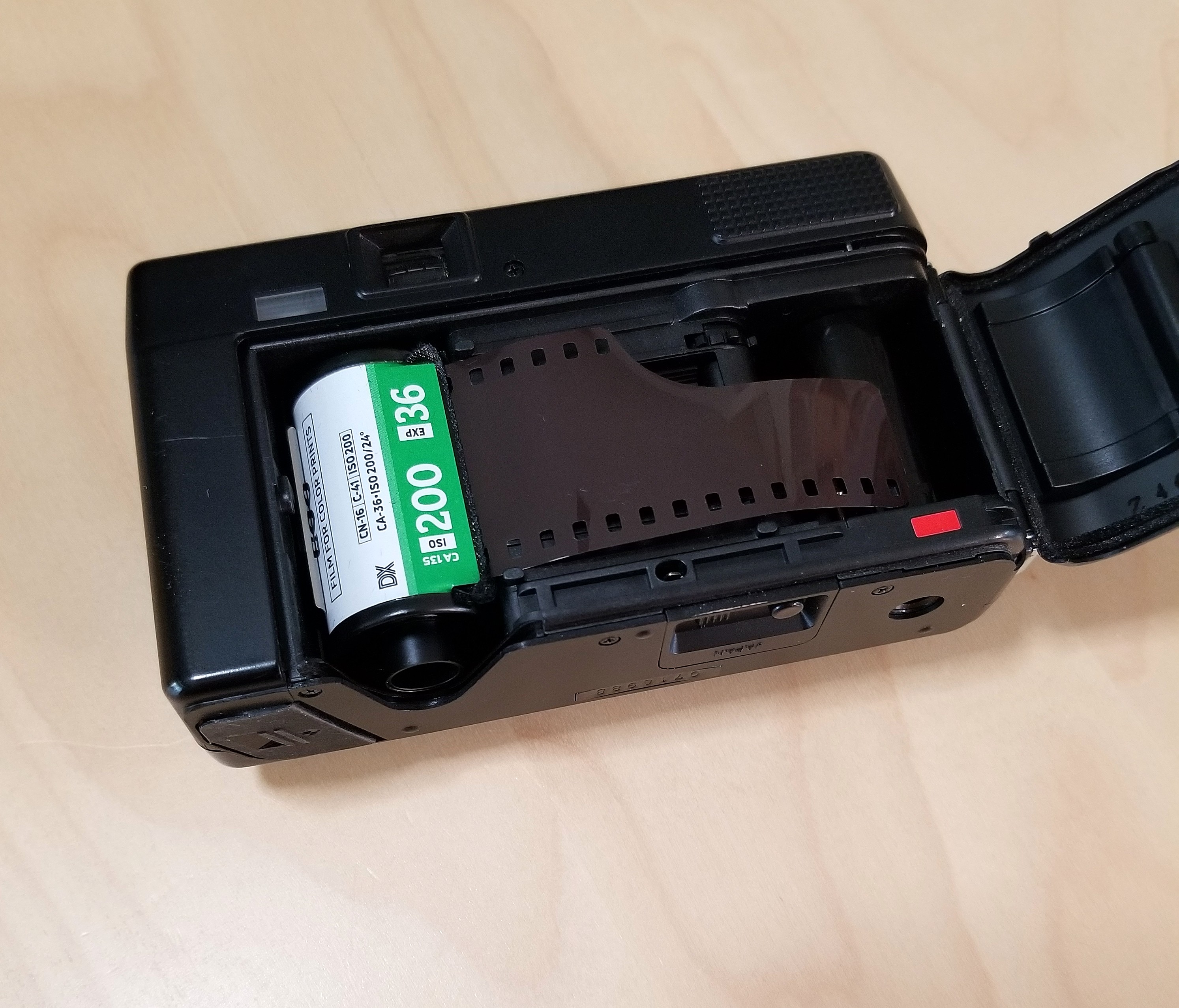
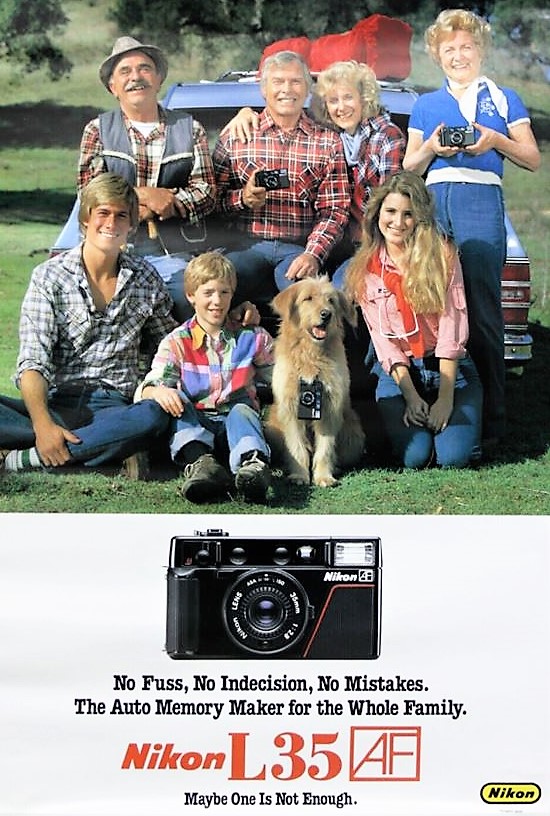
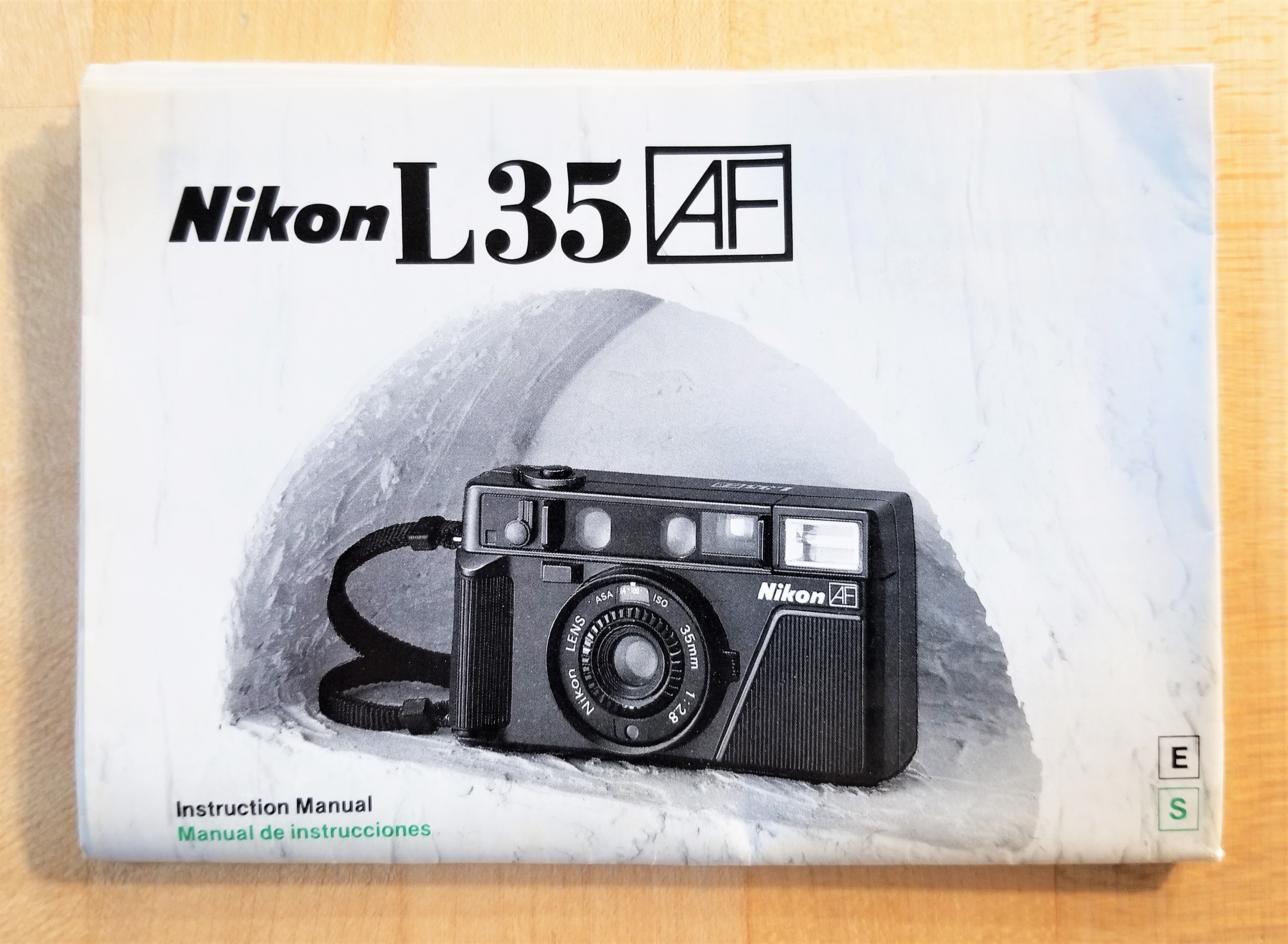
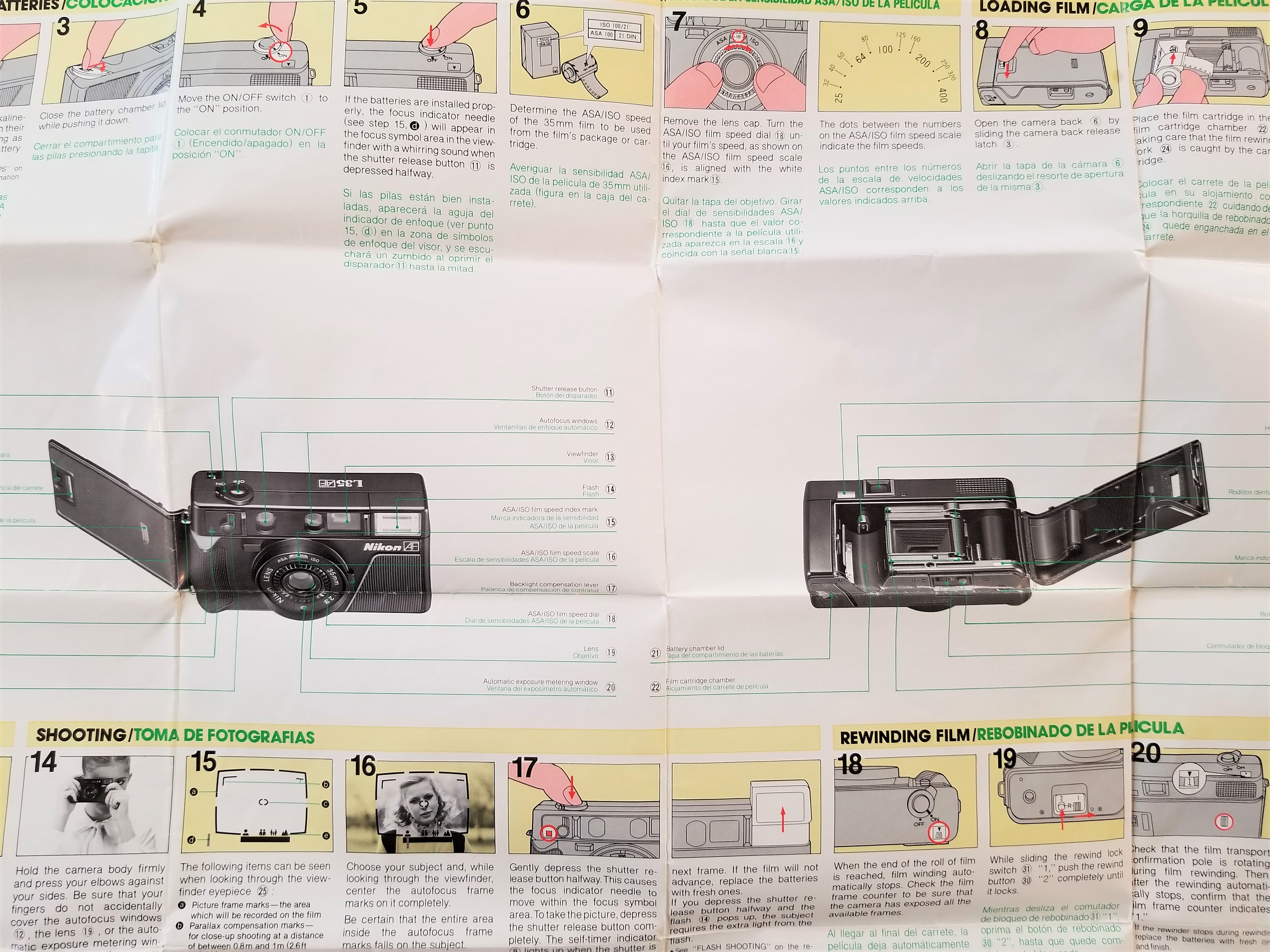
The Nikon L35AF was Nikon’s first 35mm autofocus camera. Its reputation is top-notch, which is the name it is known by in Japan – Picaichi. No swooping lines here, just a solidly built gem from the 1980s.
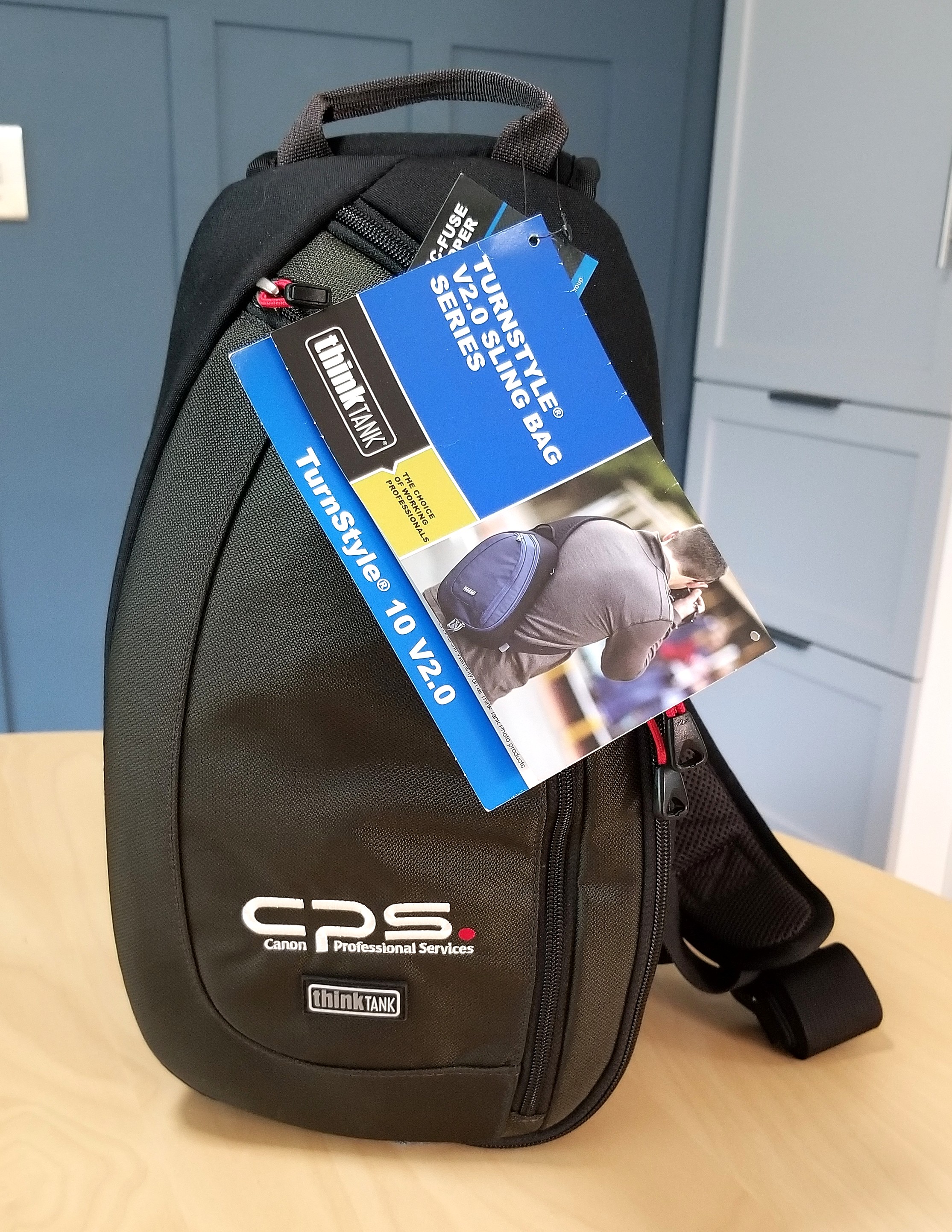
The Nikon features a super-sharp f/2.8 35mm lens.Loaded with fresh Fujifilm 200. Not my favorite since Fuji dropped the better versions, but it’s still colorful and contrasty.They came in two models. The first was an ISO 400, and the updated one was ISO 1000. This is the latter ISO 1000 one.Ad from 1983 or early 1984.Got to have the instructions.The details.I just added this very nice, unused Canon CPS Think Tank camera bag to my Etsy camera shop at http://www.ccstudio2380.com.
Comments are always welcome; I’ve learned quite a bit from reader feedback. As always, thanks for stopping by. While there, visit my camera shop at http://www.ccstudio2380.com (CC Design Studios, hosted on Etsy). – Chris Whelan
From Japan, released in 1955. The Asahiflex IIa was one of Japan’s first 35mm SLR cameras.
The Asahiflex IIa with a gorgeous Asahi-Kogaku Takumar f/3.5 50mm lens.
The Asahiflex had interchangeable screw-in lenses.
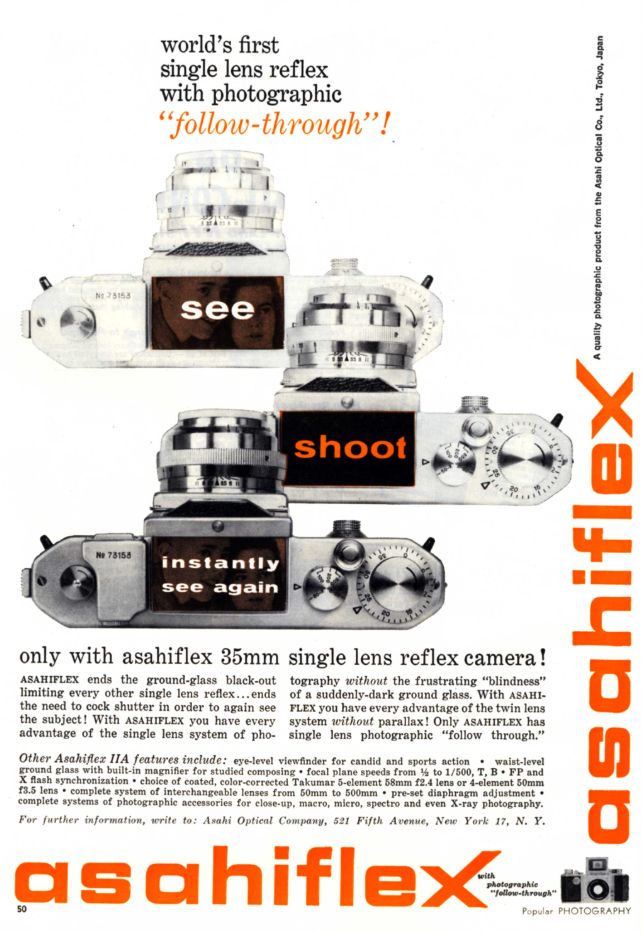
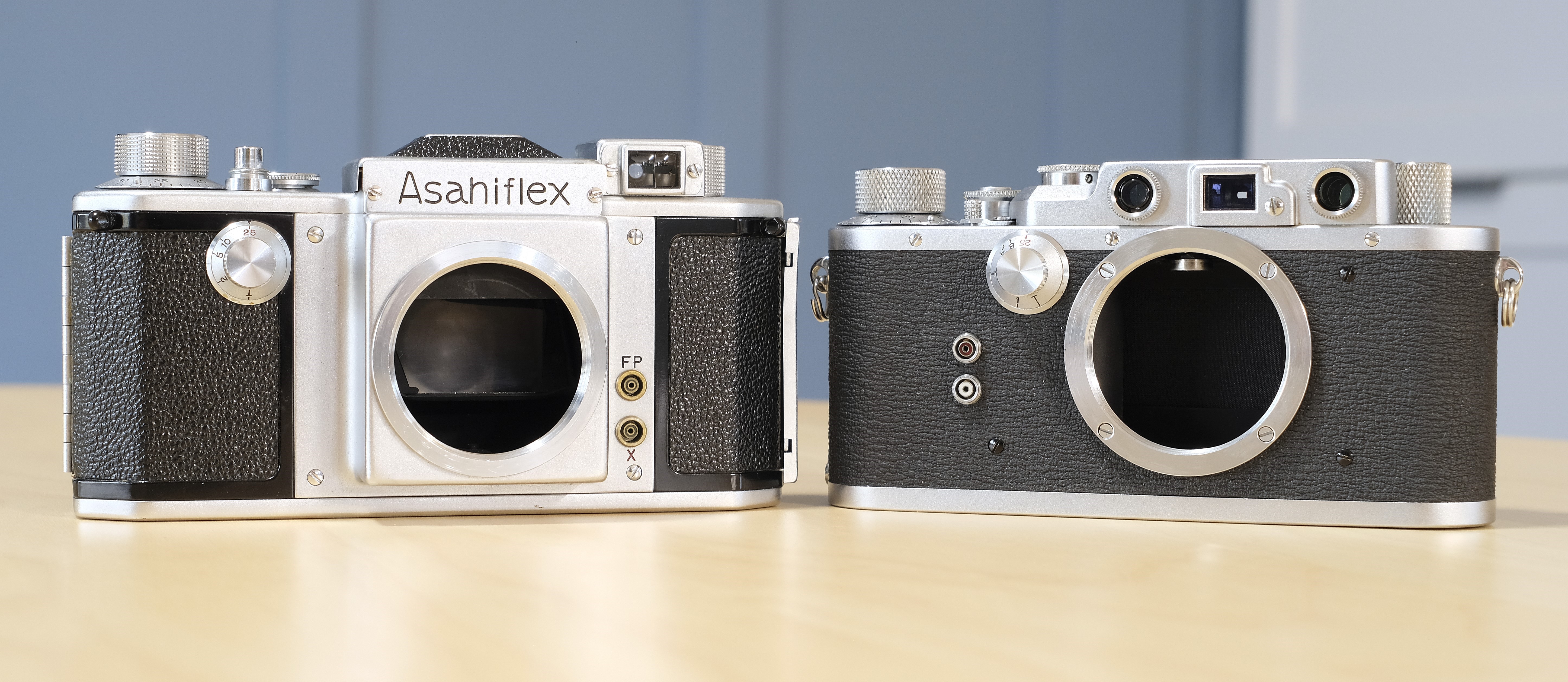
1956 advertisement.The waist-level finder open.With the waist-level viewfinder closed.The Asahiflex IIa and a Nicca 3-S. The Nicca is from 1956.This is a Leica IIIg from 1956. It was made in Germany and features a sharp Leica Summaron f/3.5 3.5cm lens.
It’s a great camera to add to any early 35mm camera collection, and there are plenty still available to collect.
Comments are always welcome; I’ve learned quite a bit from reader feedback. As always, thanks for stopping by. While there, visit my camera shop at http://www.ccstudio2380.com (CC Design Studios, hosted on Etsy). – Chris Whelan













 Chasing Classic Cameras with Chris