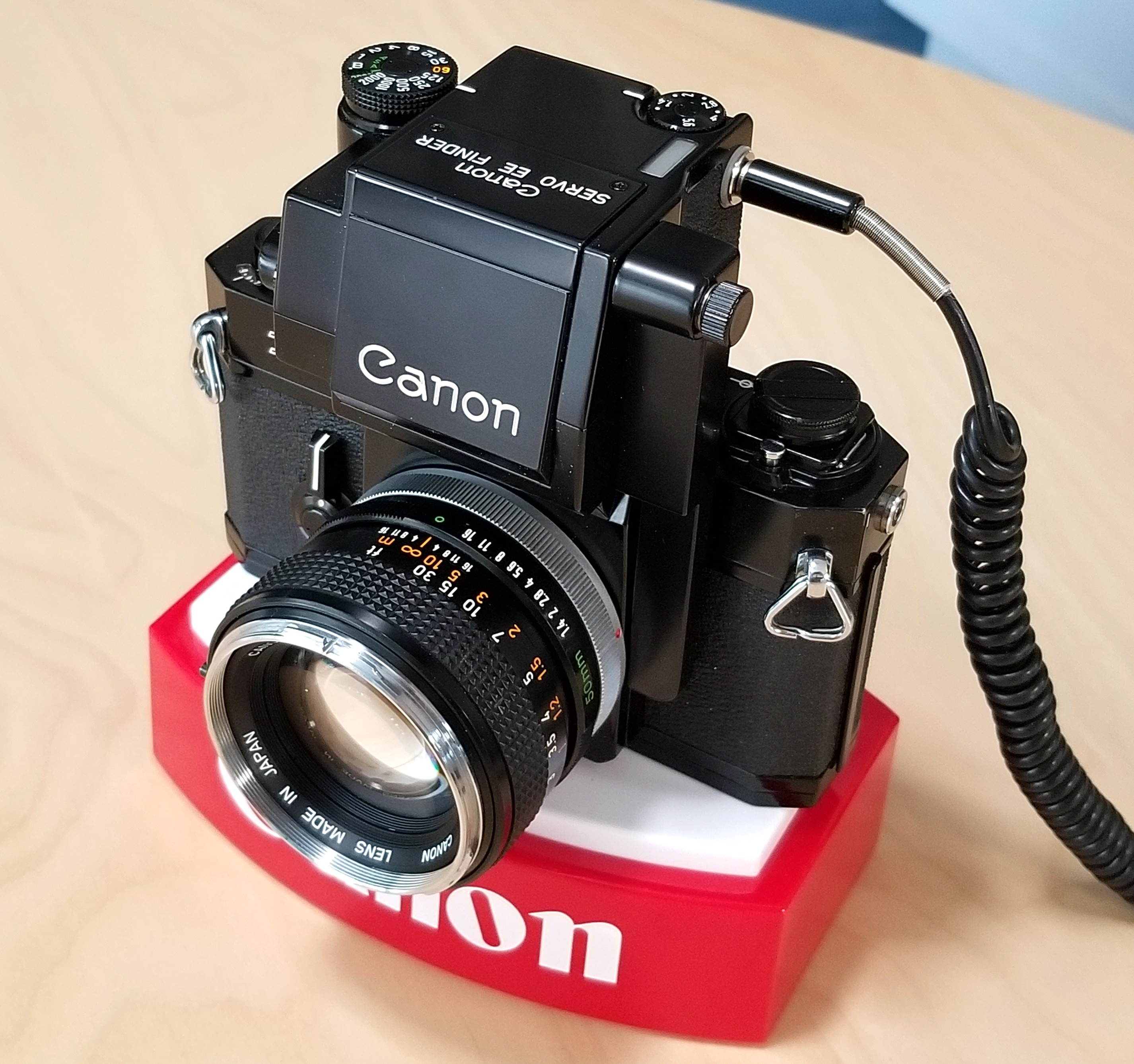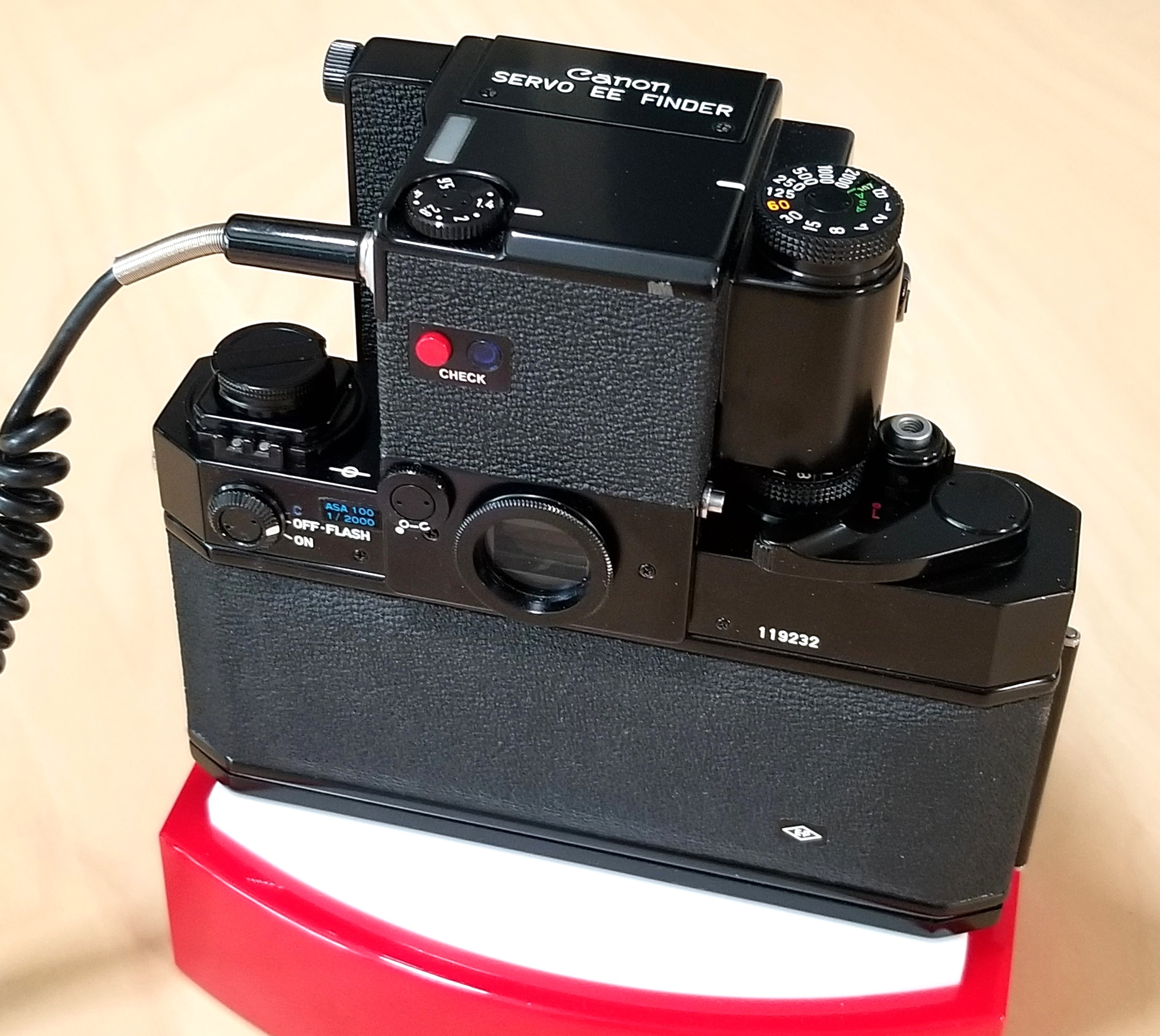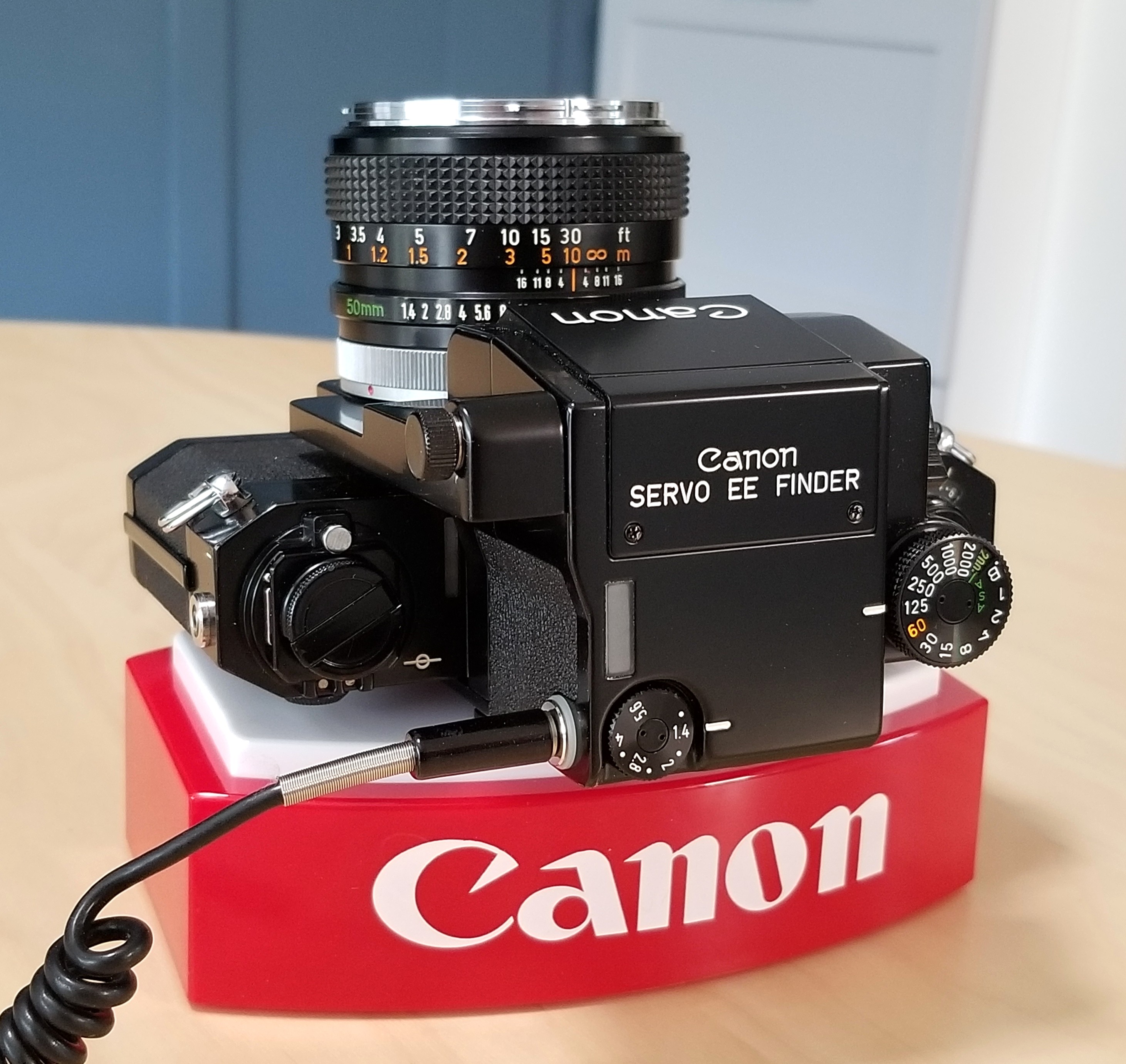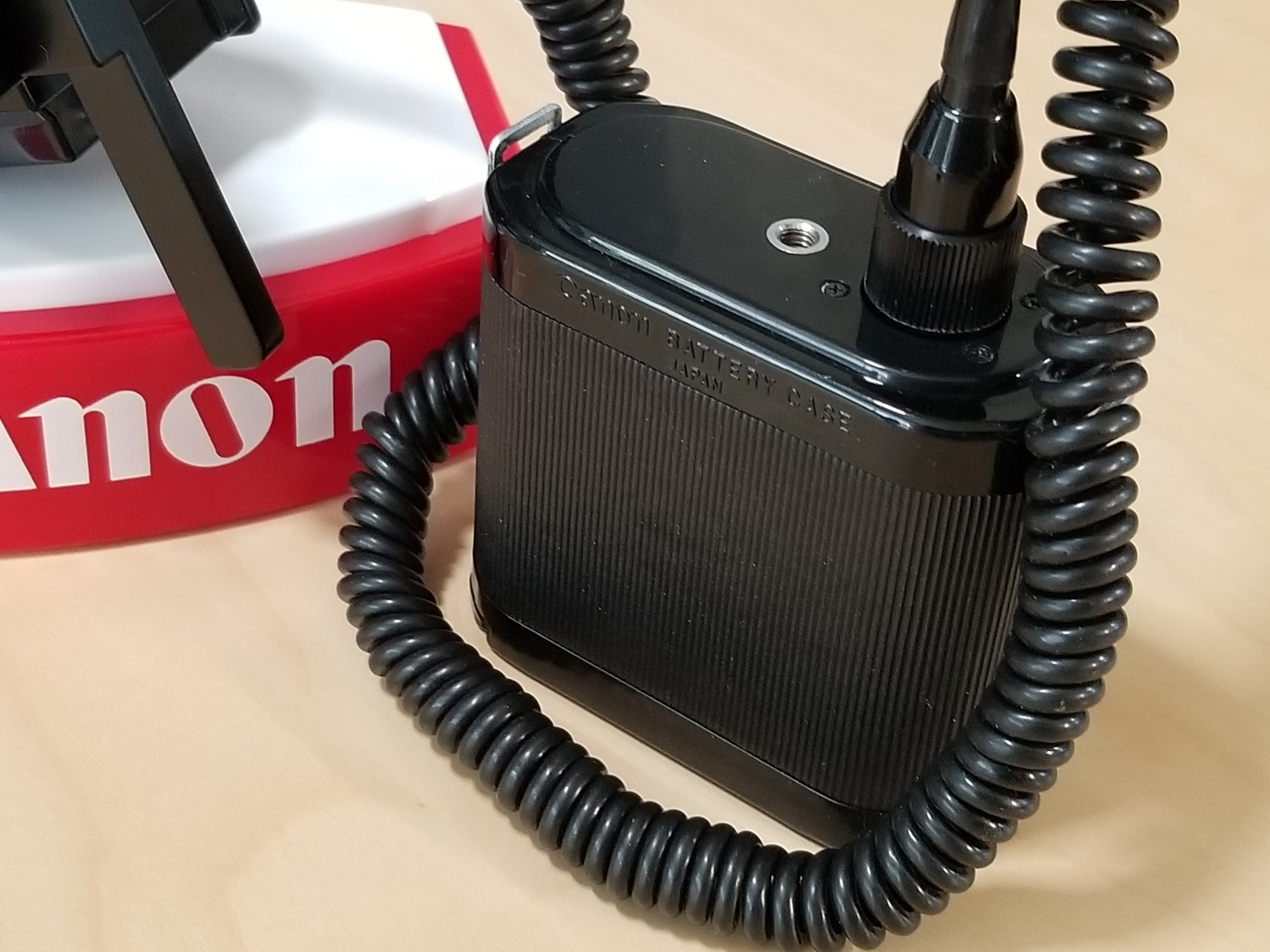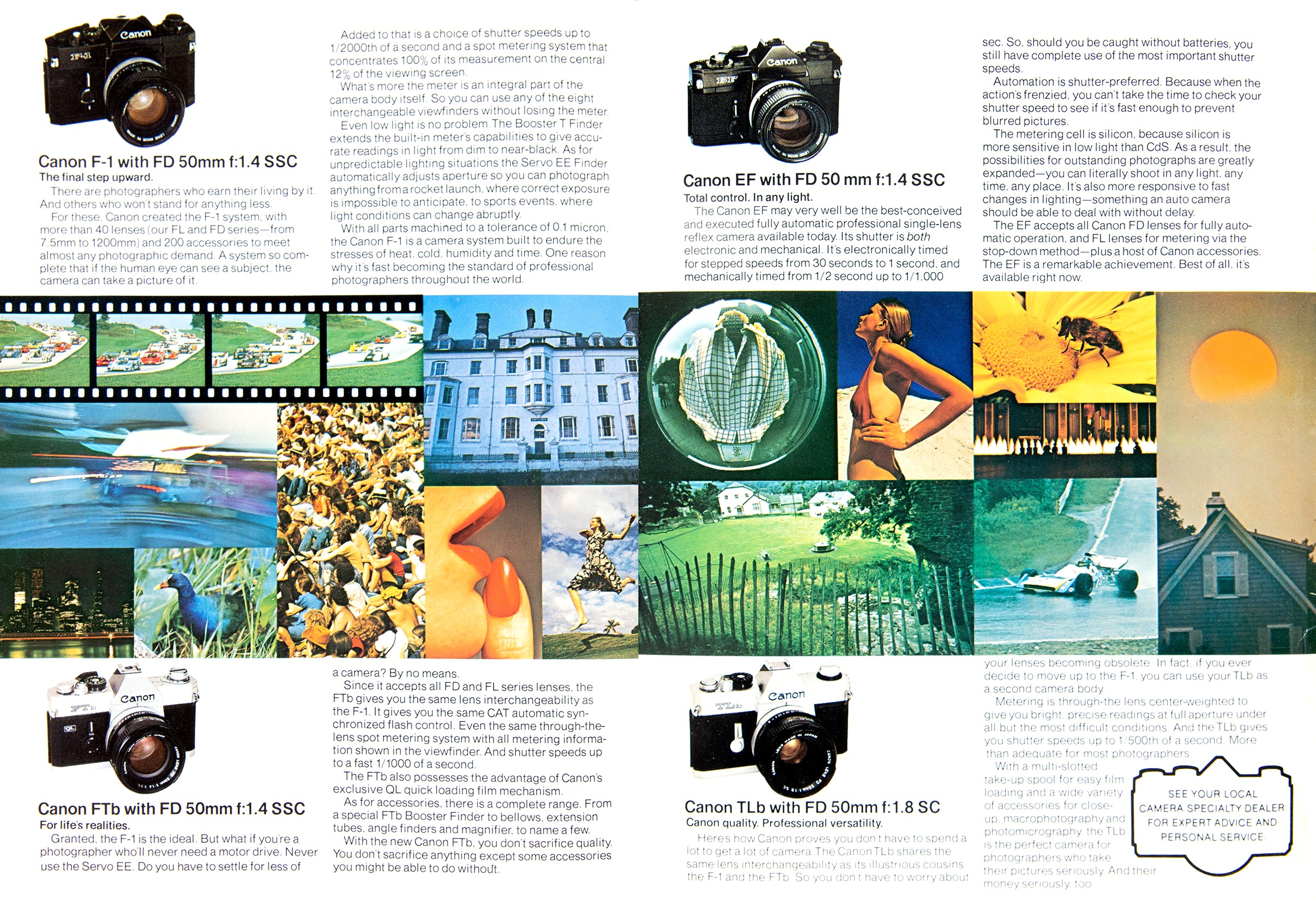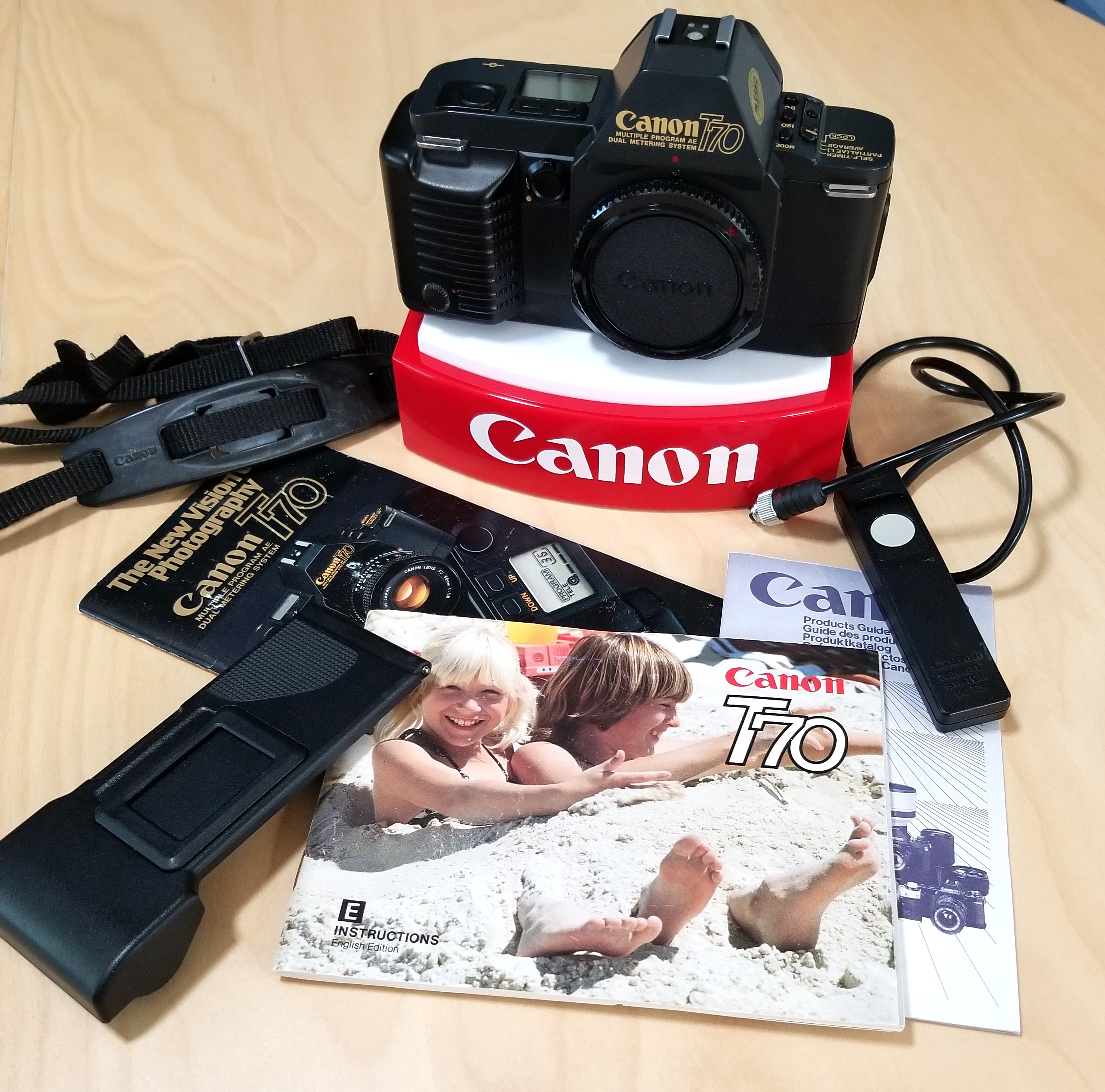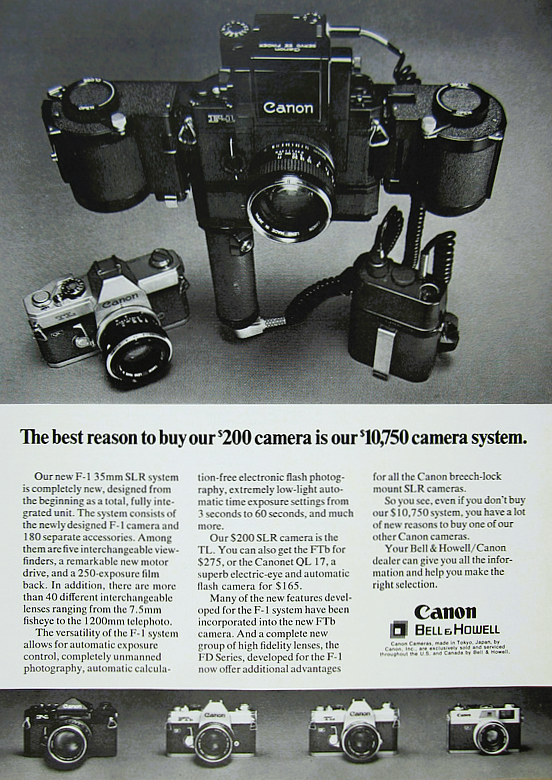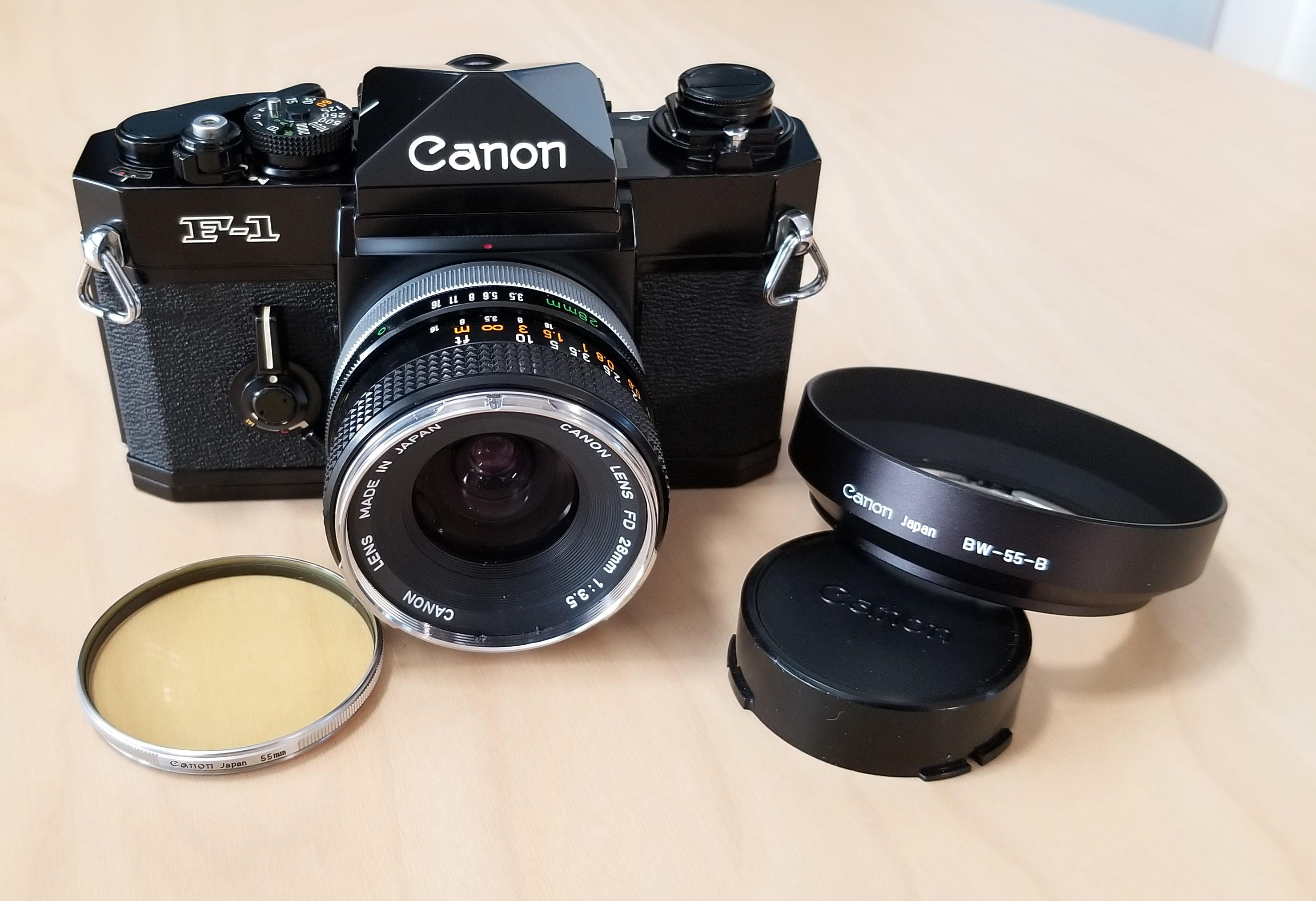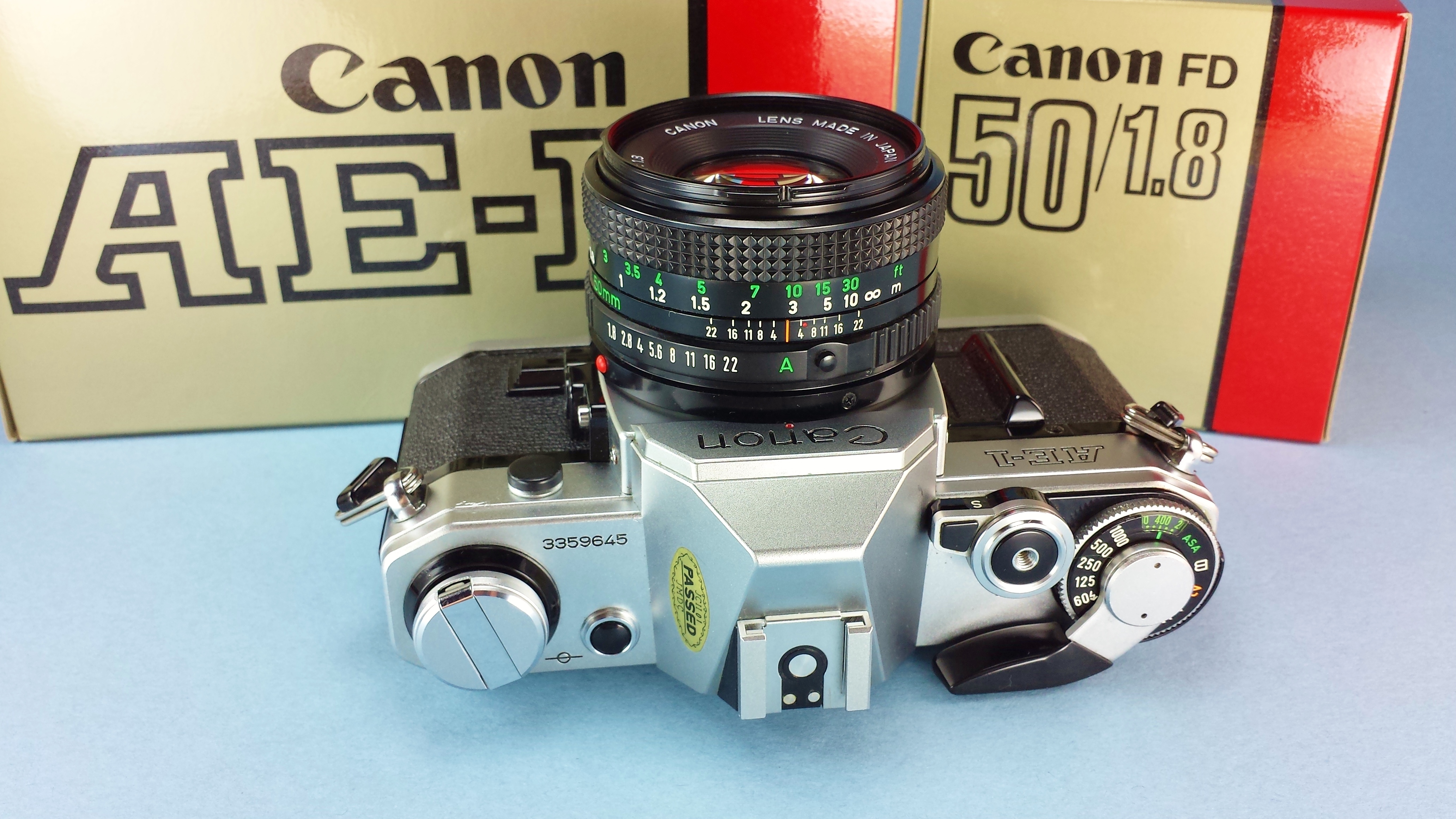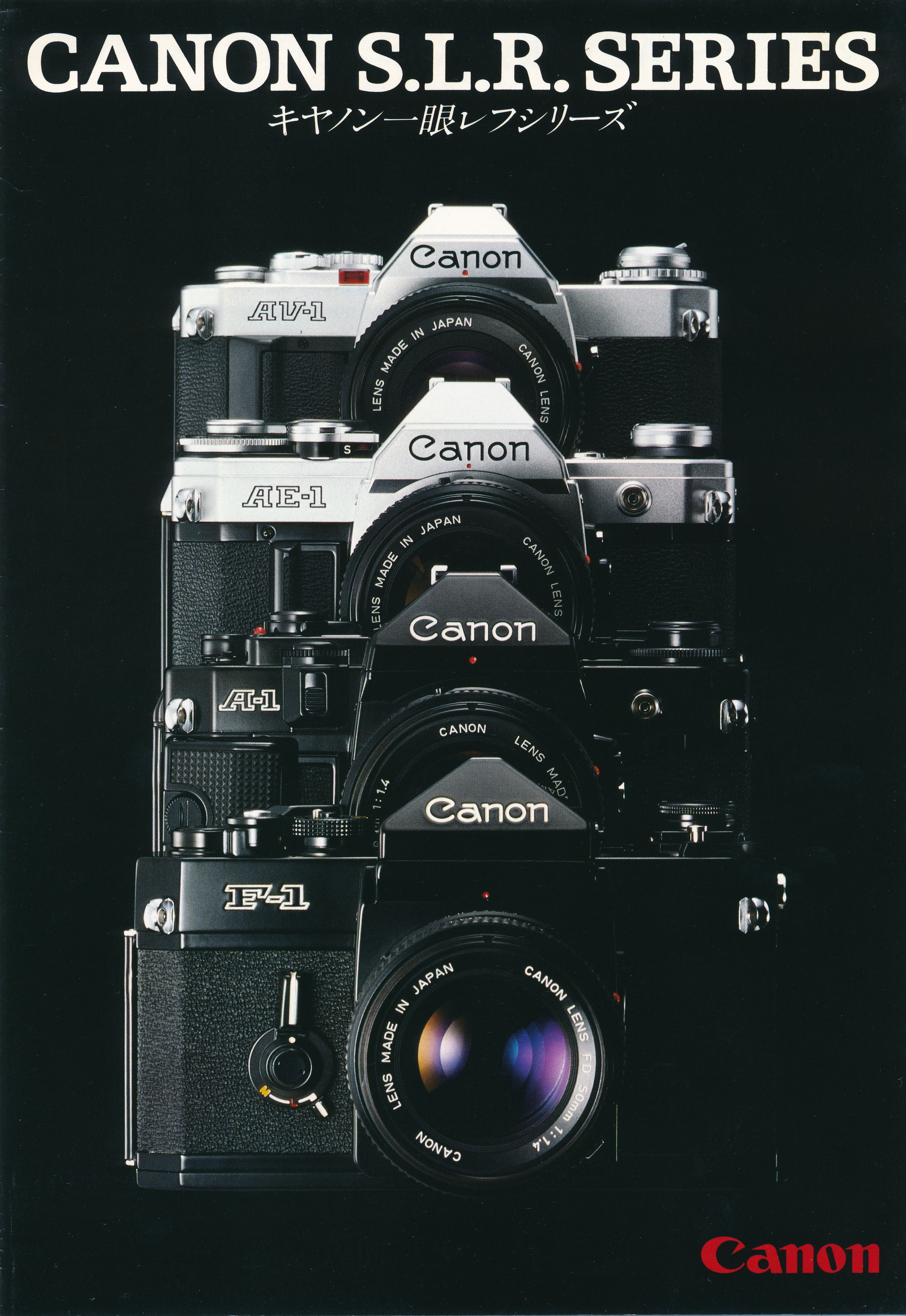
Many photographers may disagree with my comment that the AE-1 was Canon’s best compact 35mm SLR. It was, at the time it was released, a hyper-popular camera and broke numerous sales records for the industry and made Canon a boatload of money. Some might say the A-1 was the best, but it was a bit more expensive, and although it was much more capable, it may have been too smart for casual users.
Simple, user-friendly, and affordable.Some of Canon’s best.
Comments are always welcome; I’ve learned a great deal from reader feedback. As always, thanks for stopping by. While there, visit my camera shop at http://www.ccstudio2380.com (CC Design Studios, hosted on Etsy). – Chris Whelan
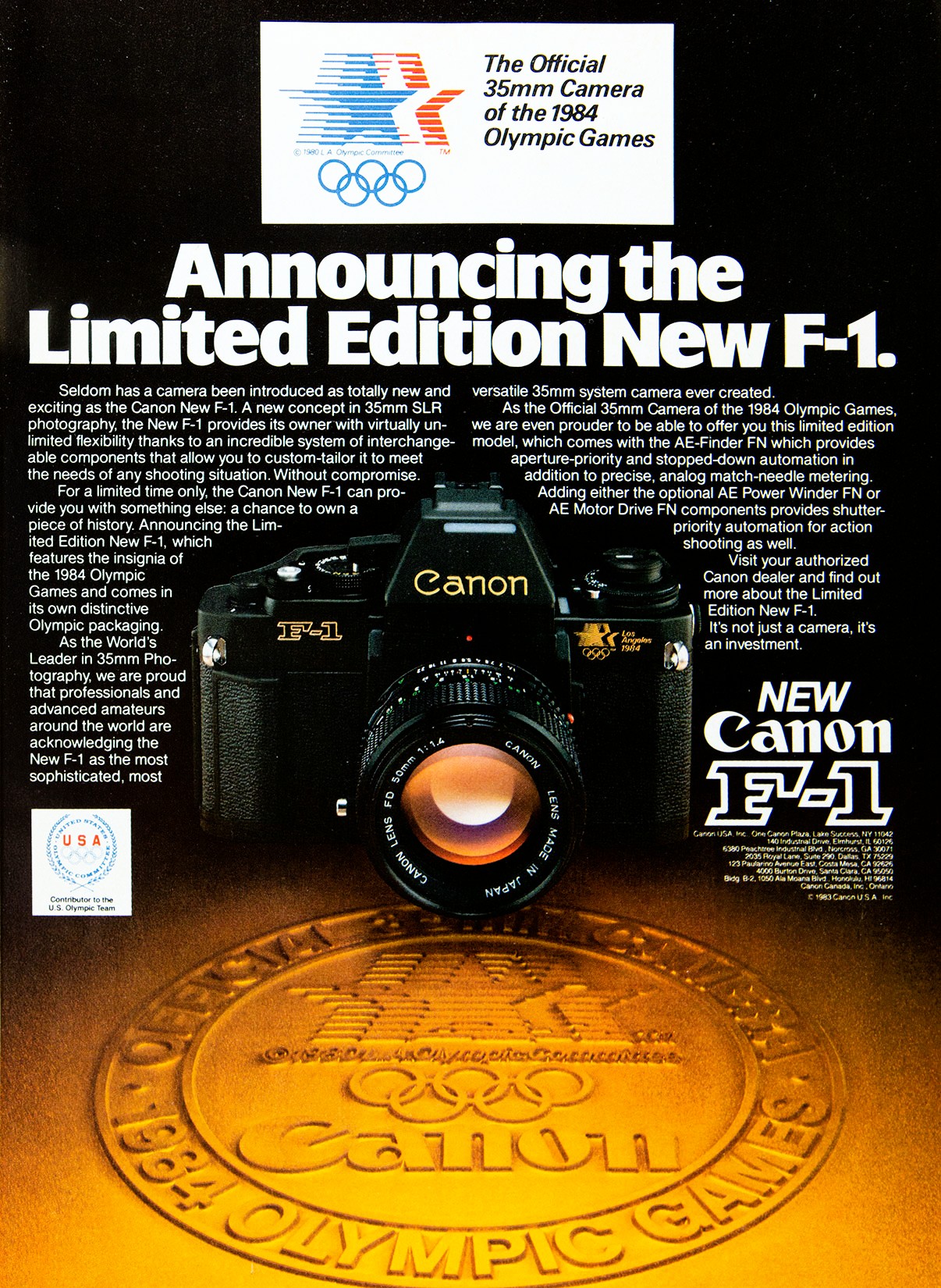
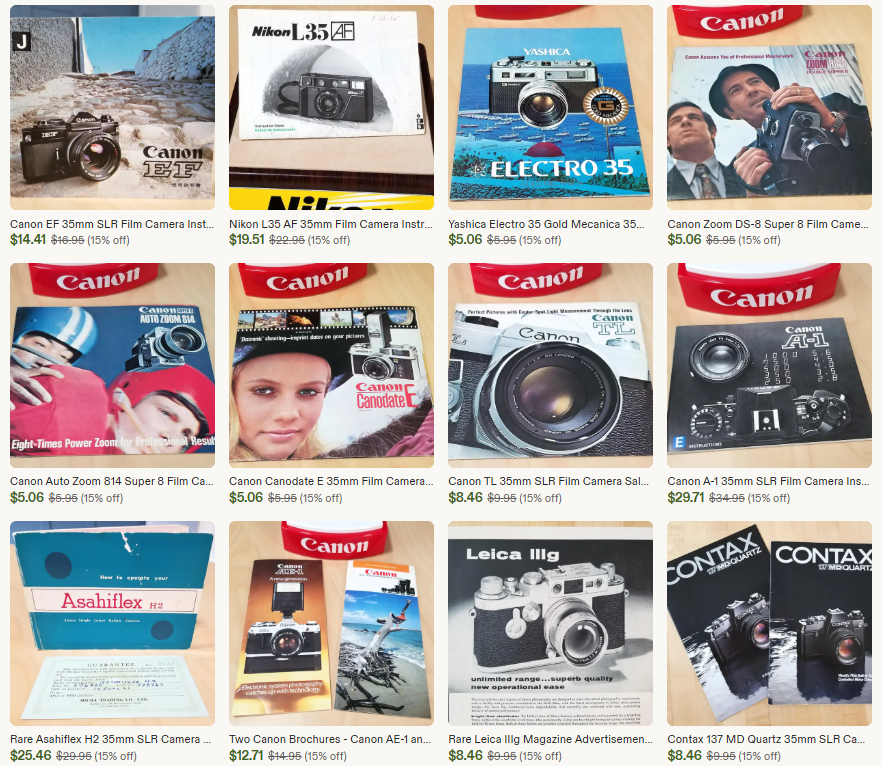
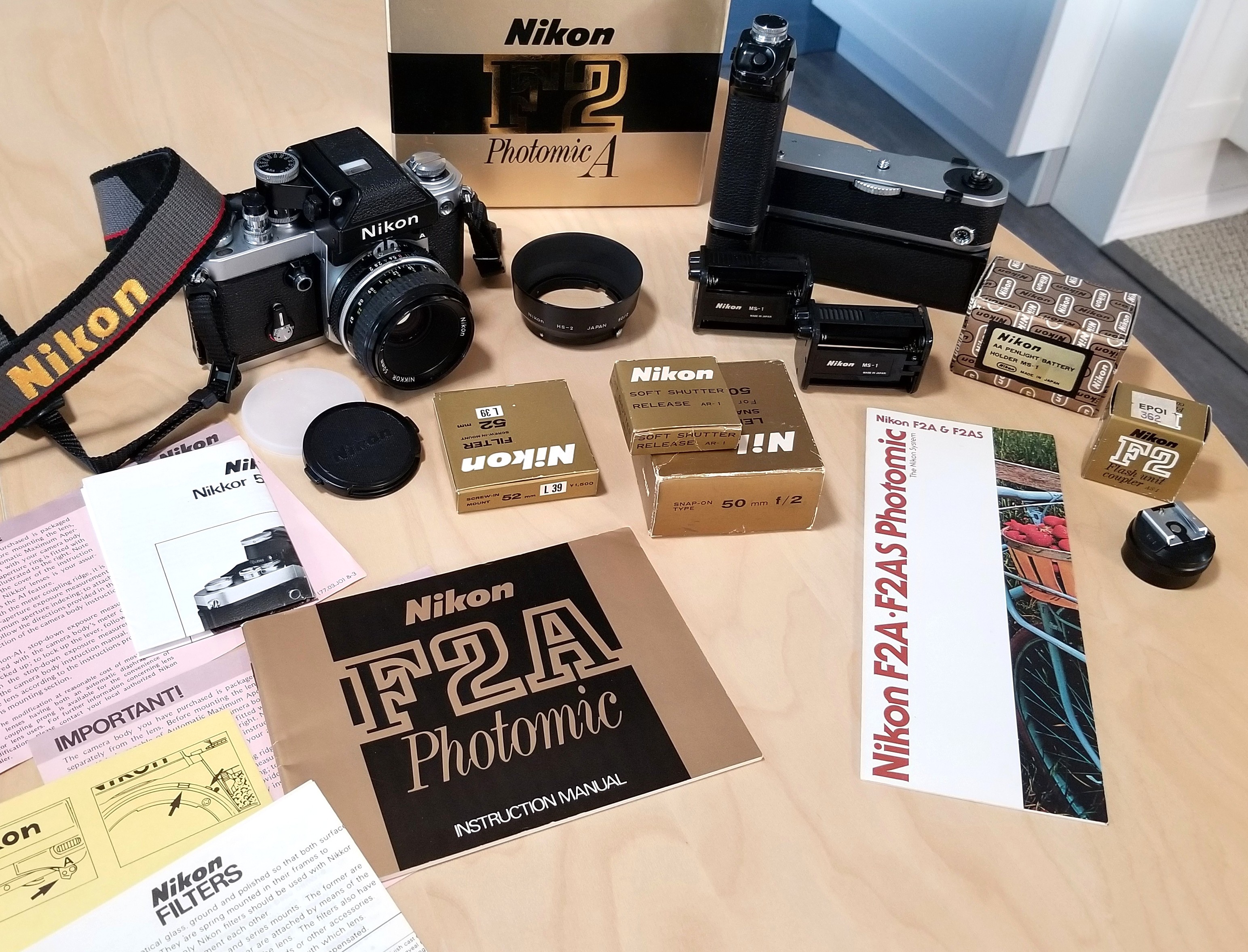
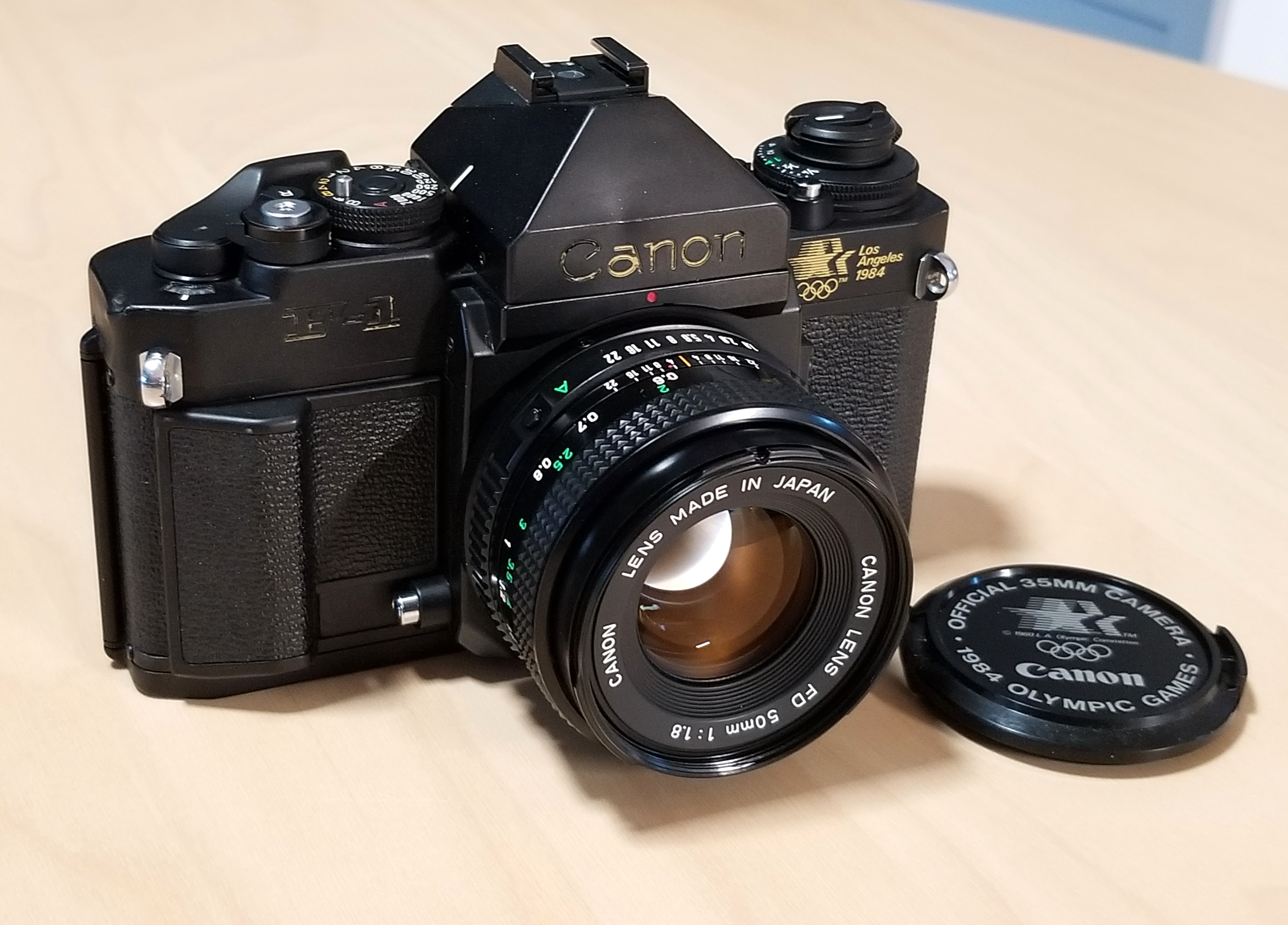
The Nikon F2A set is exceptionally nice and complete. It even features a Nikon motor drive!The Canon New F-1 is a limited edition 1984 LA Olympics set.Sales brochures. I have hundreds of brochures and instruction books.
I ship nearly worldwide. Please reach out if there’s something specific you are looking for – I likely have it! Here are two of the best 35mm SLRs from the late 1970s and early 1980s (see below).
My super-sharp, complete Nikon F2A set.(Sold) The 1984 Los Angeles Olympic Special Edition Canon F-1.
The Canon F-1 LA Olympic set was just sold from my Etsy Camera Shop – thank you!
Comments are always welcome; I’ve learned a great deal from reader feedback. As always, thanks for stopping by. While there, visit my camera shop at http://www.ccstudio2380.com (CC Design Studios, hosted on Etsy). – Chris Whelan
Canon made these limited-edition cameras for the 1984 Summer Olympics held in Los Angeles.
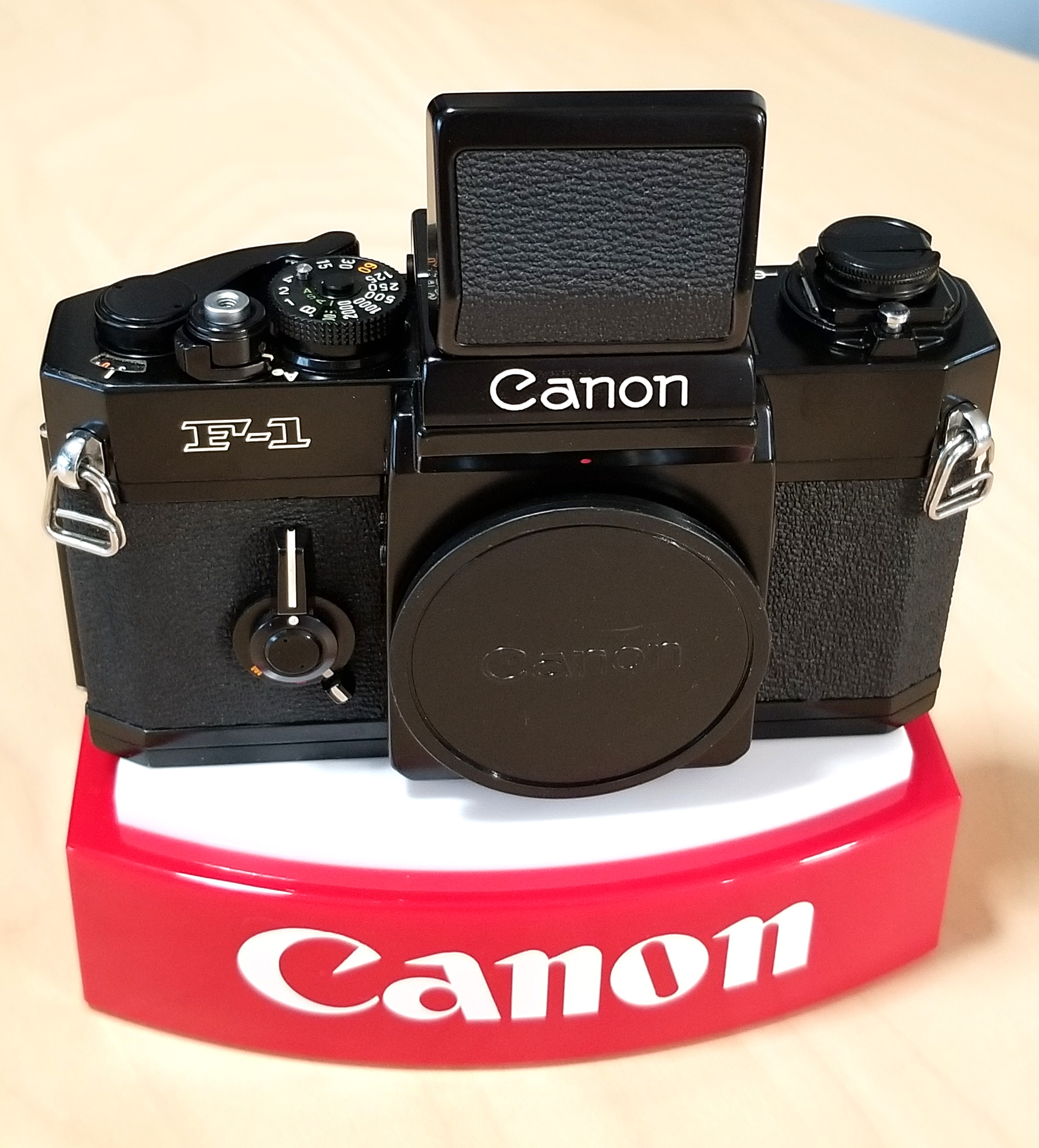
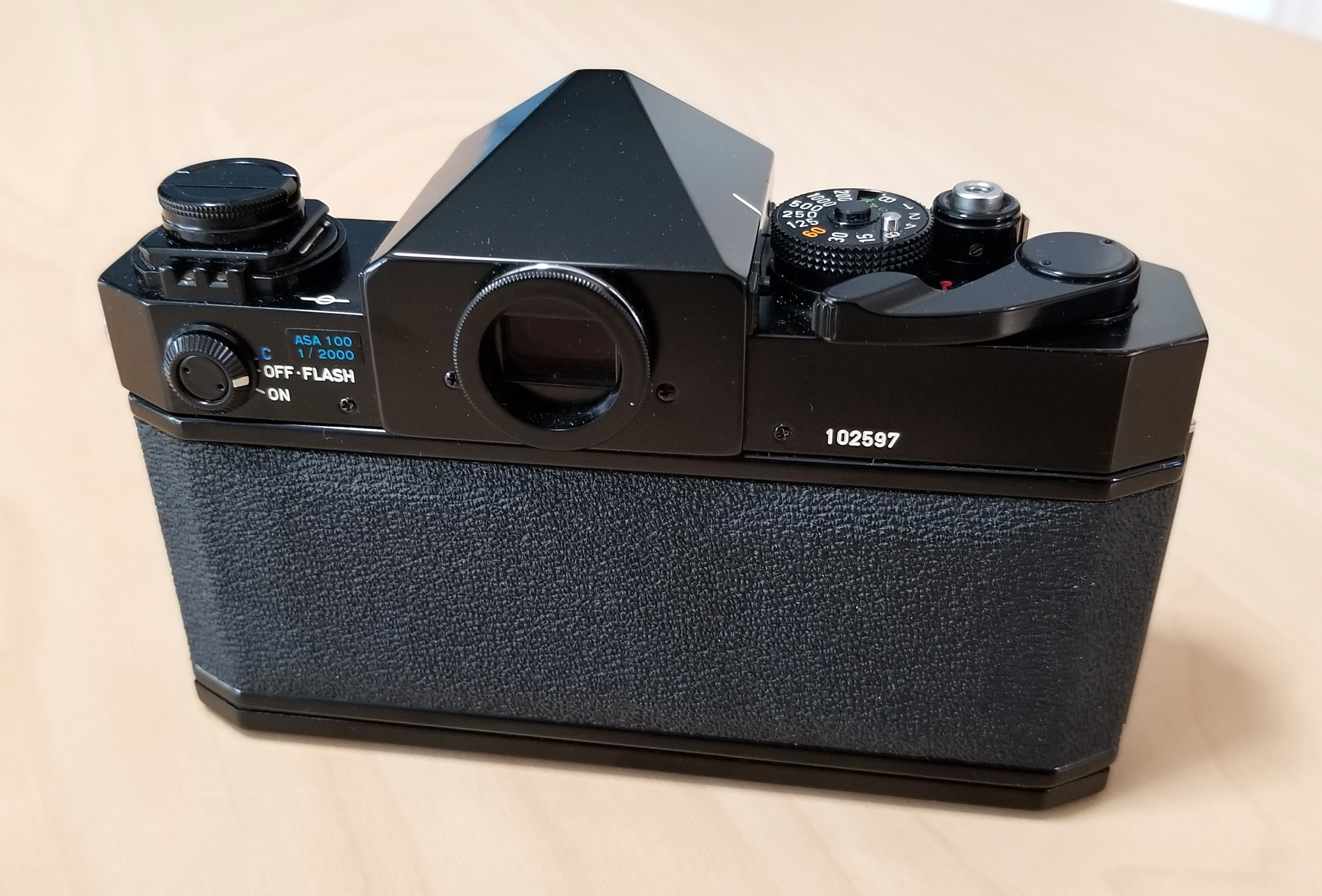
My strange Canon New F-1 Los Angeles 1984 camera. I say “strange” because the gold paint on the logos is weak and missing. The camera is definitely well-used, with plenty of dents, but shows no brassing. It’s a genuine Olympics body with a date code X1123 (Nov 83) and a proper LA6312 serial number. It works perfectly (not film-tested yet). It could make a fun user camera, as most people wouldn’t use a limited-edition camera and risk beating the heck out of it. Please let me know your thoughts. Should I attempt to fill in the gold or leave it be? It would be difficult to match the gold without mucking it up, so I have that going for me.
A few dents and missing gold paint, but otherwise a good-looking camera.Back view. The LA cameras got a special serial number.
It’s estimated that about 9,000 to 9,900 were made. My camera is an LA6312, made in November 1983. My guess is that Canon must have made at least another 3,000 units, but I don’t know that for sure. I have seen an LA9584, and it was made in April 1984.
The bottom plate looks amazingly good given its age and use.Top view.
The Canon limited edition Olympic cameras are a fun twist for collectors. There are the 1976 Montreal, 1980 Lake Placid, and 1984 Los Angeles models.
Comments are always welcome; I’ve learned a great deal from reader feedback. As always, thanks for stopping by. While there, visit my camera shop at http://www.ccstudio2380.com (CC Design Studios, hosted on Etsy). – Chris Whelan
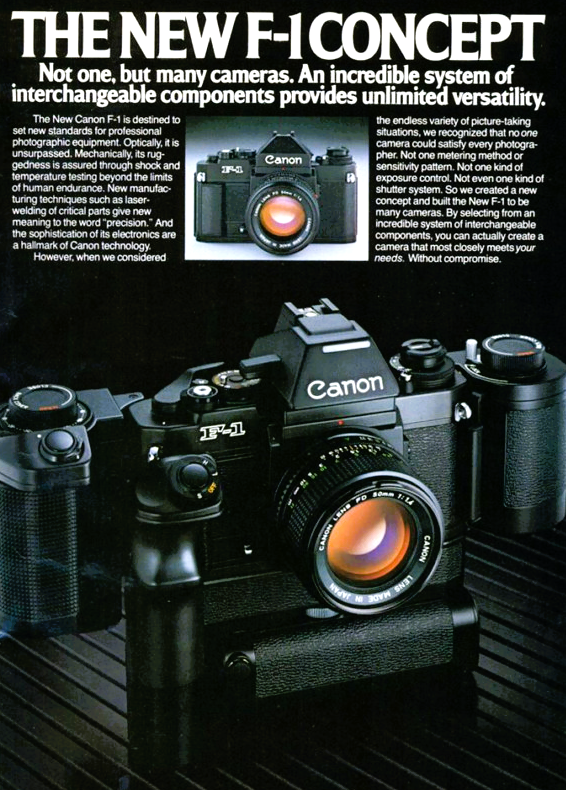
Hi all! I have my last Canon Macrolite ML-1 electronic flash from my collection for sale. This one is the latest version from 1985. It will work perfectly with the Canon New F-1 as well as any of the earlier A-Series cameras. It’s in my Etsy camera shop at http://www.ccstudio2380.com
Comments are always welcome; I’ve learned a great deal from reader feedback. As always, thanks for stopping by. While there, visit my camera shop at http://www.ccstudio2380.com (CC Design Studios, hosted on Etsy). – Chris Whelan
My Asahi-Takumar 135mm f/3.5 lens set is shown with my Asahi Pentax 35mm SLR from 1957. The lens is from 1958. The lens is listed at 300 grams or 10.5 oz. My lens weighs 326 grams. There must be an error in the original weight, or my lens was modified by the factory after the first lenses were made.
It’s one of the first auxiliary lenses made for their new 35mm SLR camera.Asahi Optical Company’s first 35mm SLR with a pentaprism. This model was released in May 1957, and the lens followed shortly after in 1958.A snip from the instruction guide. This lens is the closest to mine in design.The earliest lens design had two chrome aperture rings.It’s shown here mounted to my Fuji X-T2 via an adapter.A test image. The equivalent focal length is about 200mm when used on a 1.5x crop sensor camera, such as the Fuji.There may be some light haze or cloudiness inside one of the lens elements, as this shot lacks contrast.Same shot with added “punch”.
Comments are always welcome; I’ve learned a great deal from reader feedback. As always, thanks for stopping by. While there, visit my camera shop at http://www.ccstudio2380.com (CC Design Studios, hosted on Etsy). – Chris Whelan
My Contax RTS with a Contax RTW W-3 and Carl Zeiss Vario-Sonnar T* 28-70mm f/3.5-4.5 Macro Zoom lens. www.ccstudio2380.com
The Contax RTS was released in 1975.I added a Contax Real Time Winder W-3.The Carl Zeiss lens is super sharp, and the zoom range is perfect for my type of photography.It’s not complete without the appropriate Contax overdesigned and oversized lens hood.Instruction booklet from 1977.Ad from 1976.
The original Contax RTS (Real Time System) is a joy to use. If you are looking for a classic 35mm SLR to add to your collection, look no further than the RTS.
Comments are always welcomed, as I’ve learned quite a bit from reader feedback. As always, thanks for stopping by, and while you’re at it, feel free to visit my camera shop at http://www.ccstudio2380.com (CC Design Studios hosted by Etsy). – Chris Whelan
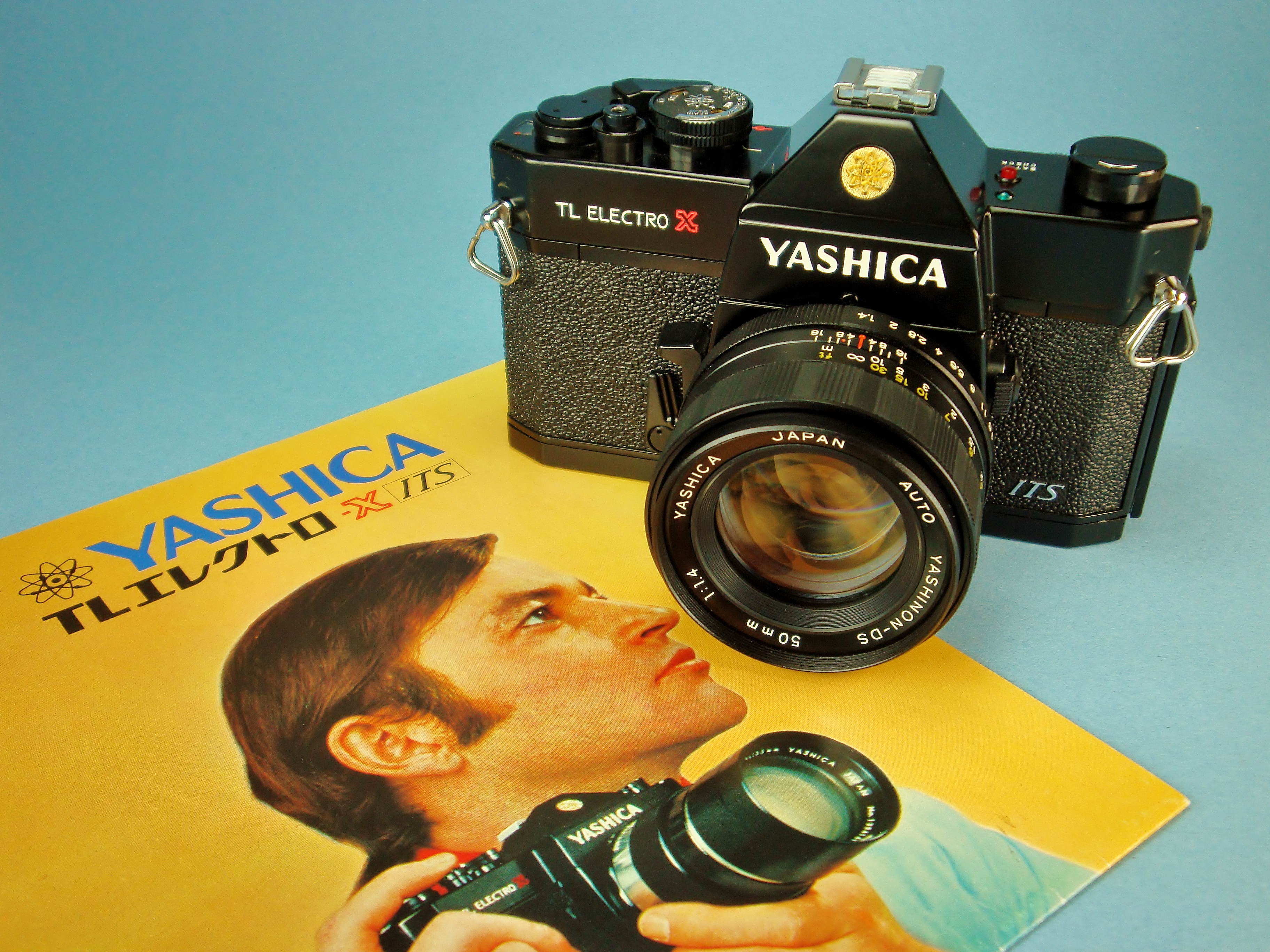
We recently acquired this lens for our Yashica Pentamatic collection. Why is it important? It’s a great find because it’s the first time we’ve encountered a lens with a lower serial number than one pictured in an advertisement (in this case, the first-ever ad for the Pentamatic, June 1960). We know it is total nerd stuff, but that’s what makes collecting fun.
The lens was made for Yashica by Tomioka Optical, which at the time made about 90% of all their lenses (TLR, SLR, RF, and Cine).
The lens serial number decodes 59 = 1959, 10 = OCT, and 0092, the 92nd lens made since production started.
In the second image, the other lens was made in December and was the 1,630th made. Tomioka was busy producing these lenses long before Yashica released the Pentamatic in March 1960. The first Pentamatic bodies were made in January.
The third image shows an early Yashica Tominon Super Yashinon-R f/2.8 3.5cm wide-angle lens SN 350246. The date code was dropped in favor of a simpler code: 35 = 35 mm, and 0246 is the sequence number since the start of production.
The ad shows a lens with a higher production number than the lens we own. 92 indicates it was made in the first batch of 100 lenses.The October lens is on the left and the December lens is on the right. No November lenses were made.From an early batch of wide-angle lenses from Tomioka Optical. This one is number 246.A fast lens from Tomioka. The f/1.2 55mm lens which was made much later in the M42 screw mount.
Comments are always welcomed, as I’ve learned quite a bit from reader feedback. As always, thanks for stopping by, and while you’re at it, feel free to visit my camera shop at http://www.ccstudio2380.com (CC Design Studios hosted by Etsy). – Chris Whelan
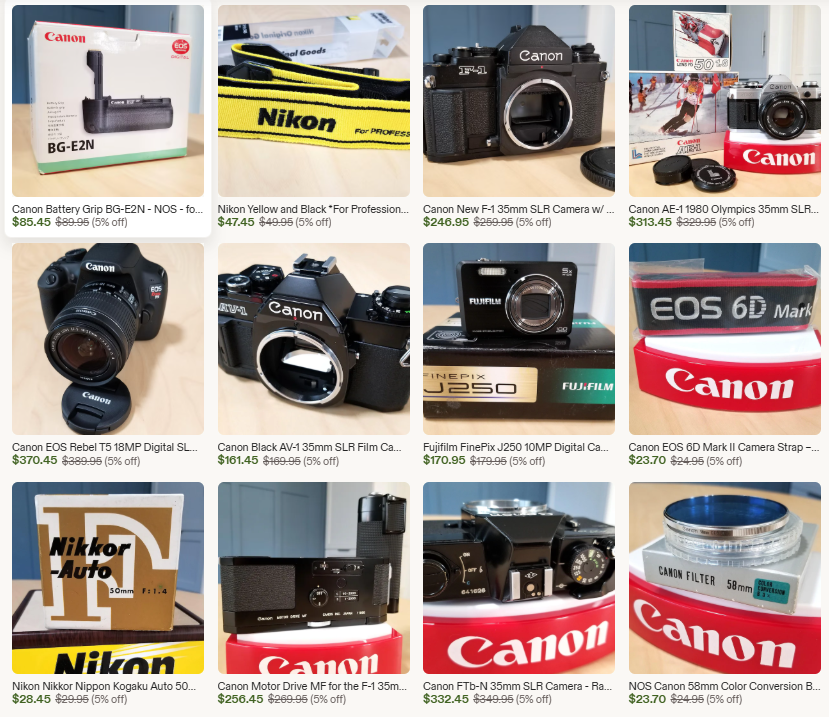
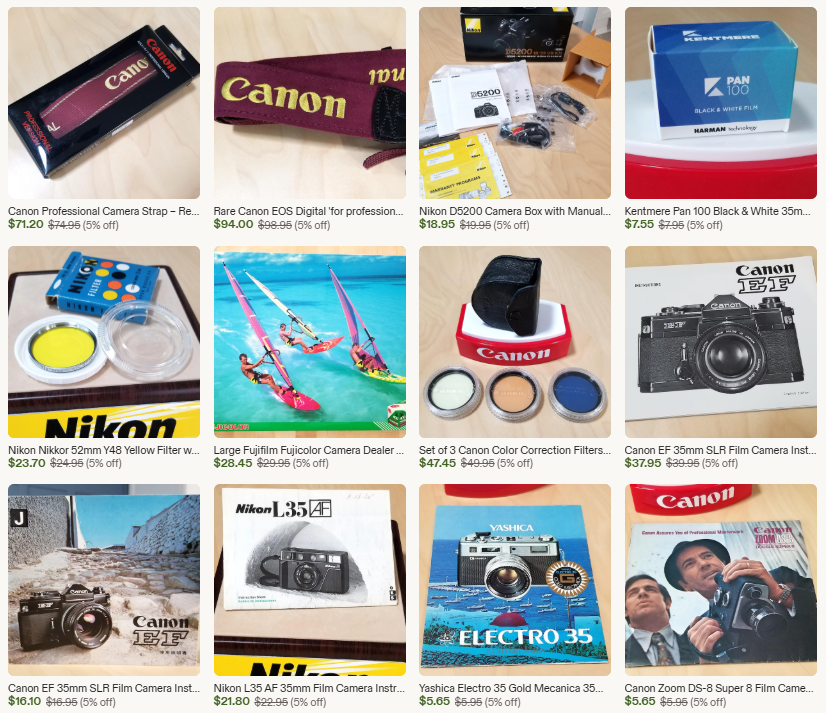
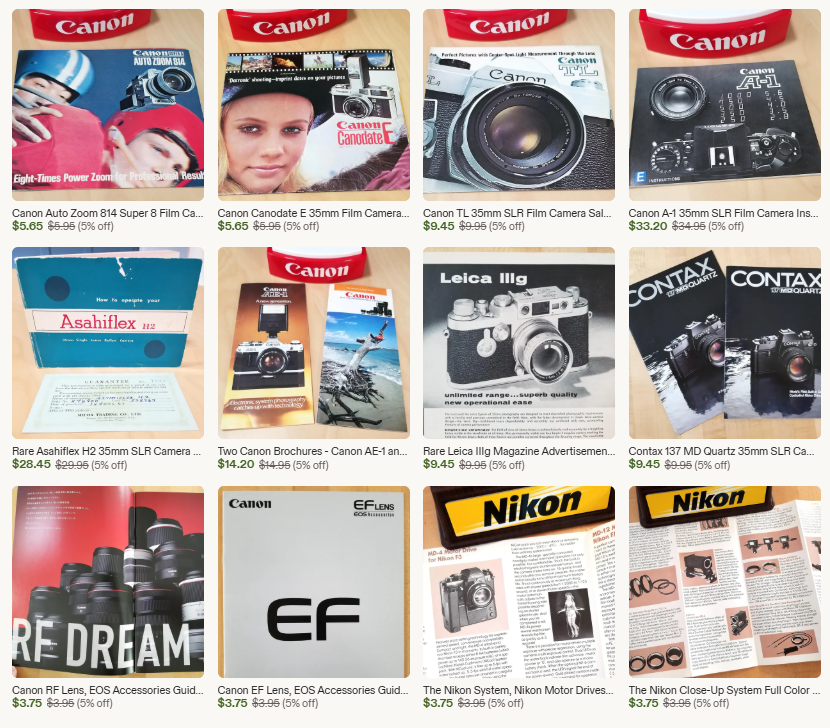
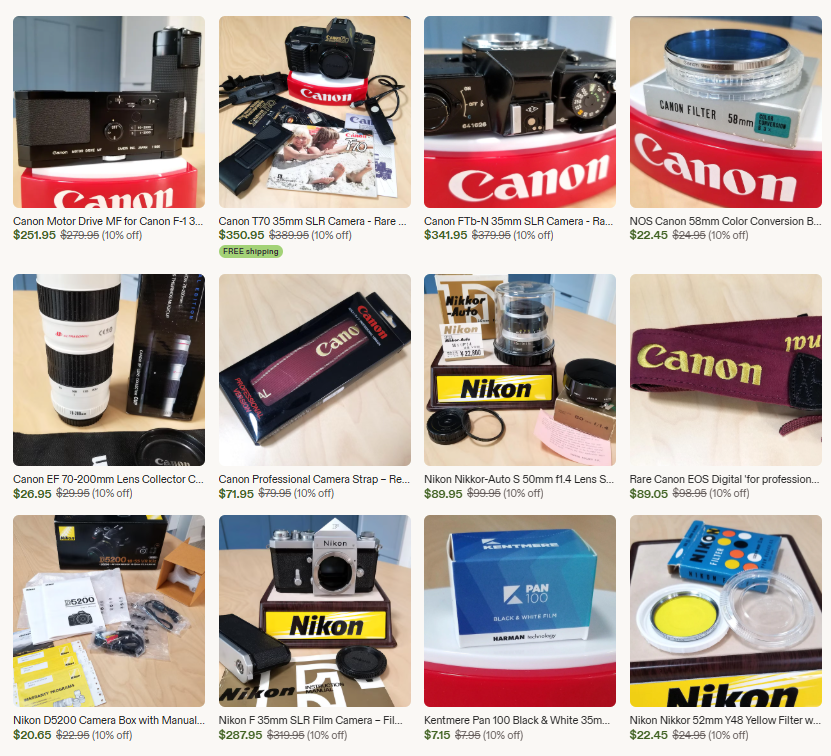
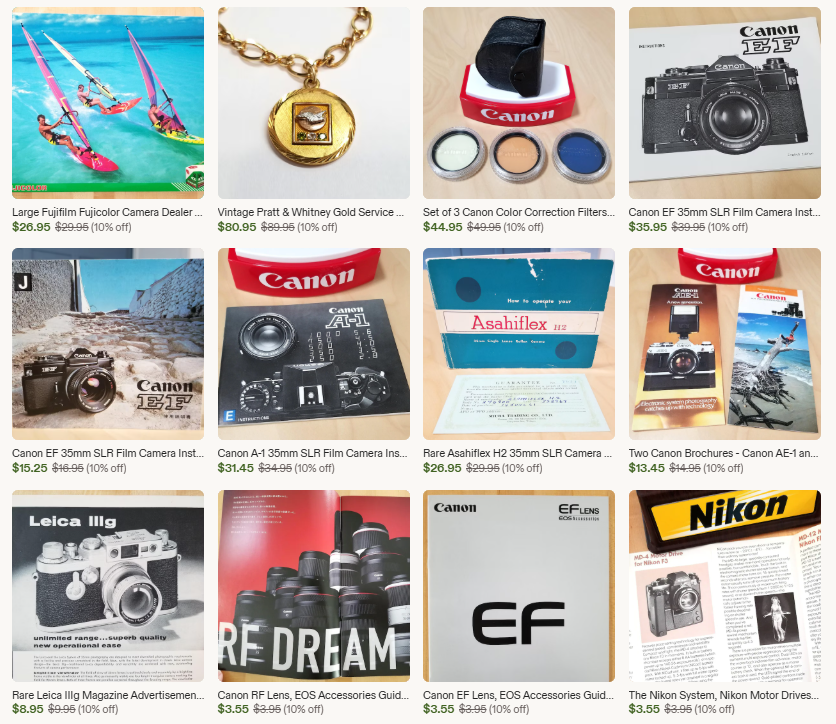
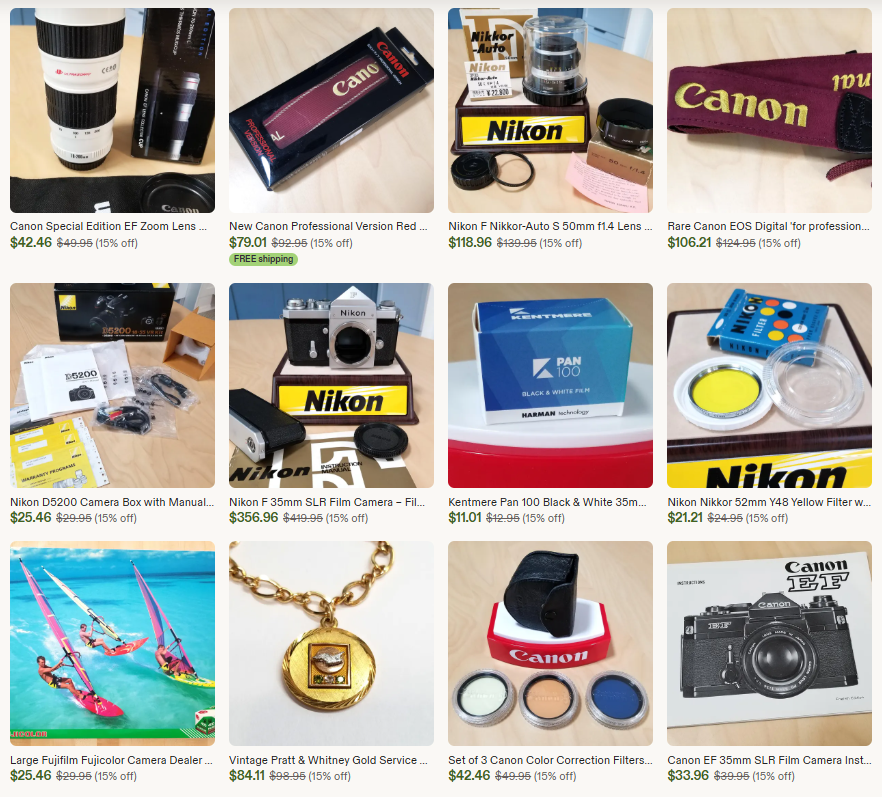
Here are just a few items in my Etsy camera shop from my collection of cameras and photo gear. Visit http://www.ccstudio2380.com to see these items in detail.
Canon and Contax.Asahi Pentax, Canon, Yashica, and Nikon.
Comments are always welcomed, as I’ve learned quite a bit from reader feedback. As always, thanks for stopping by, and while you’re at it, feel free to visit my camera shop at http://www.ccstudio2380.com (CC Design Studios hosted by Etsy). – Chris Whelan
Limited Edition Canon OD F-1 from early 1978. Out of the blue (in this case, green), Canon in Japan released about 2,000 of these factory-painted olive-drab F-1s, reportedly only for the home market. They came with a special box, unique strap, custom case, and no lens. My OD F-1 has seen some action as it has just a touch of brassing in its key wear points, which I have no problem with. I’ve added a Canon Power Winder F and my trusty Canon FD 50mm f/1.4 S.S.C. lens. Canon only made the body green, so no green accessories or lenses exist. I have this set loaded with film and will take it out and about soon. Stay connected for more about this special camera and my images.
Comments are always welcomed, as I’ve learned quite a bit from reader feedback. As always, thanks for stopping by, and while you’re at it, feel free to visit my camera shop at http://www.ccstudio2380.com (CC Design Studios hosted by Etsy). – Chris Whelan