Comments are always welcome; I’ve learned a great deal from reader feedback. As always, thanks for stopping by. While there, visit my camera shop at http://www.ccstudio2380.com (CC Design Studios, hosted on Etsy). – Chris Whelan
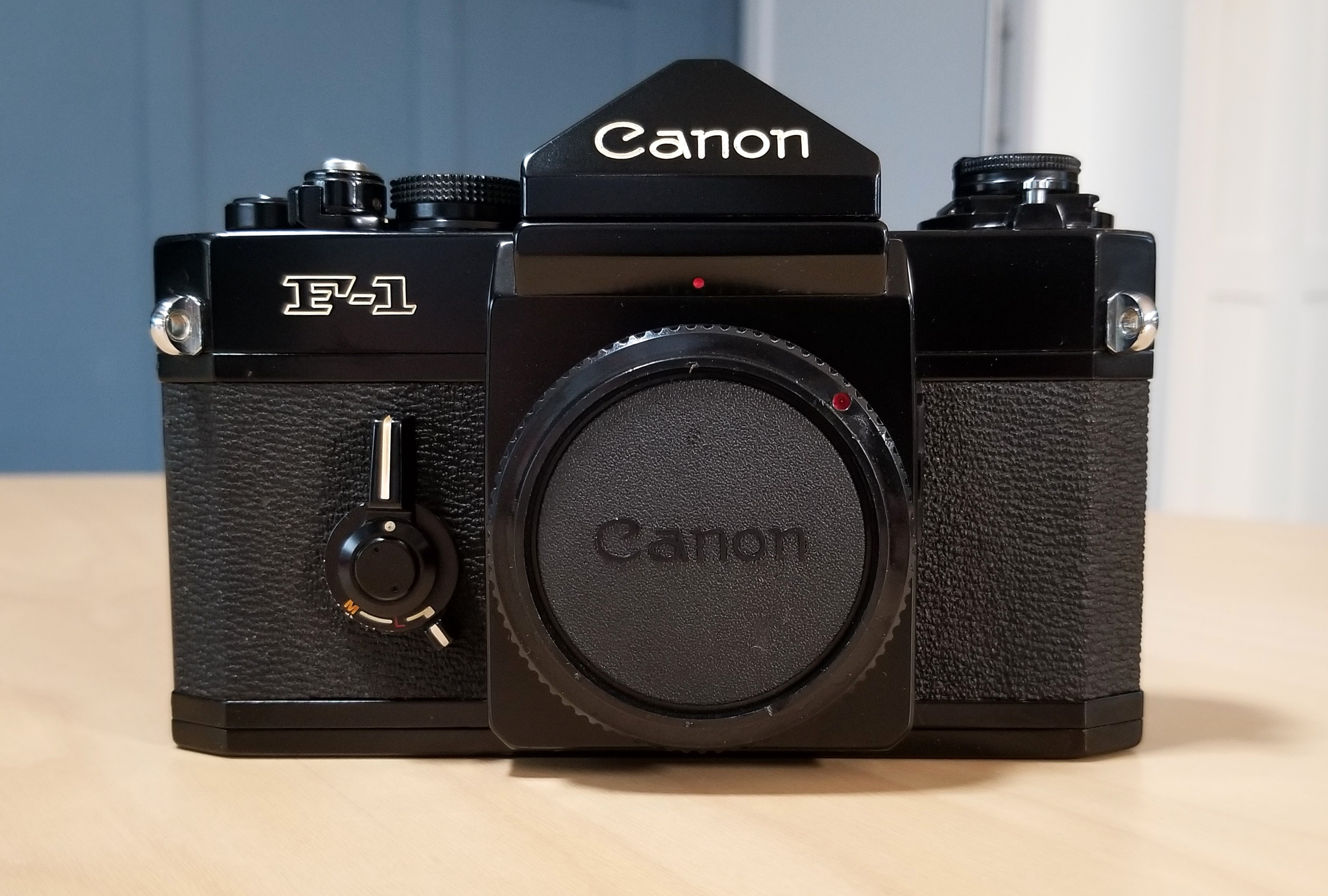
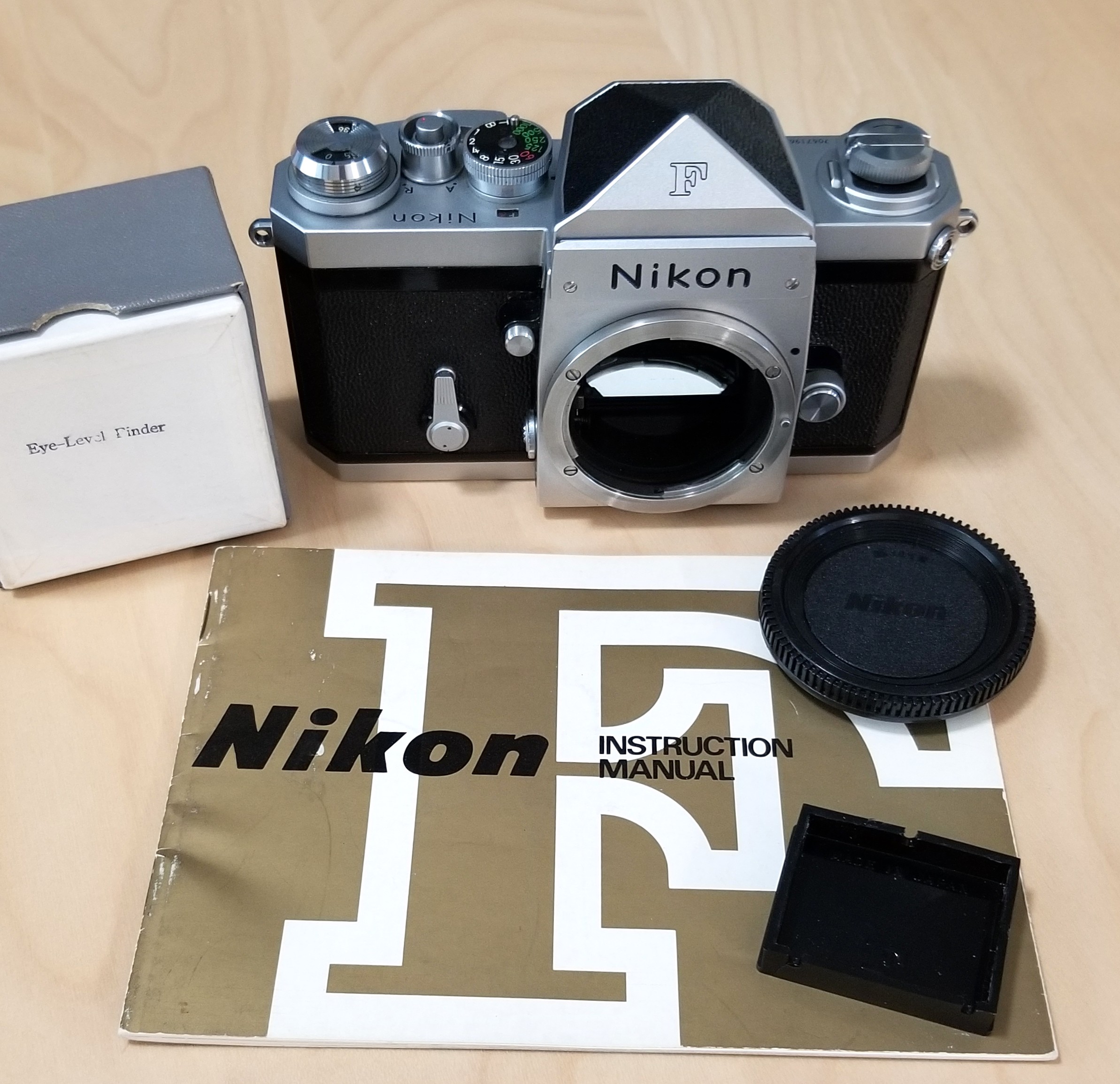
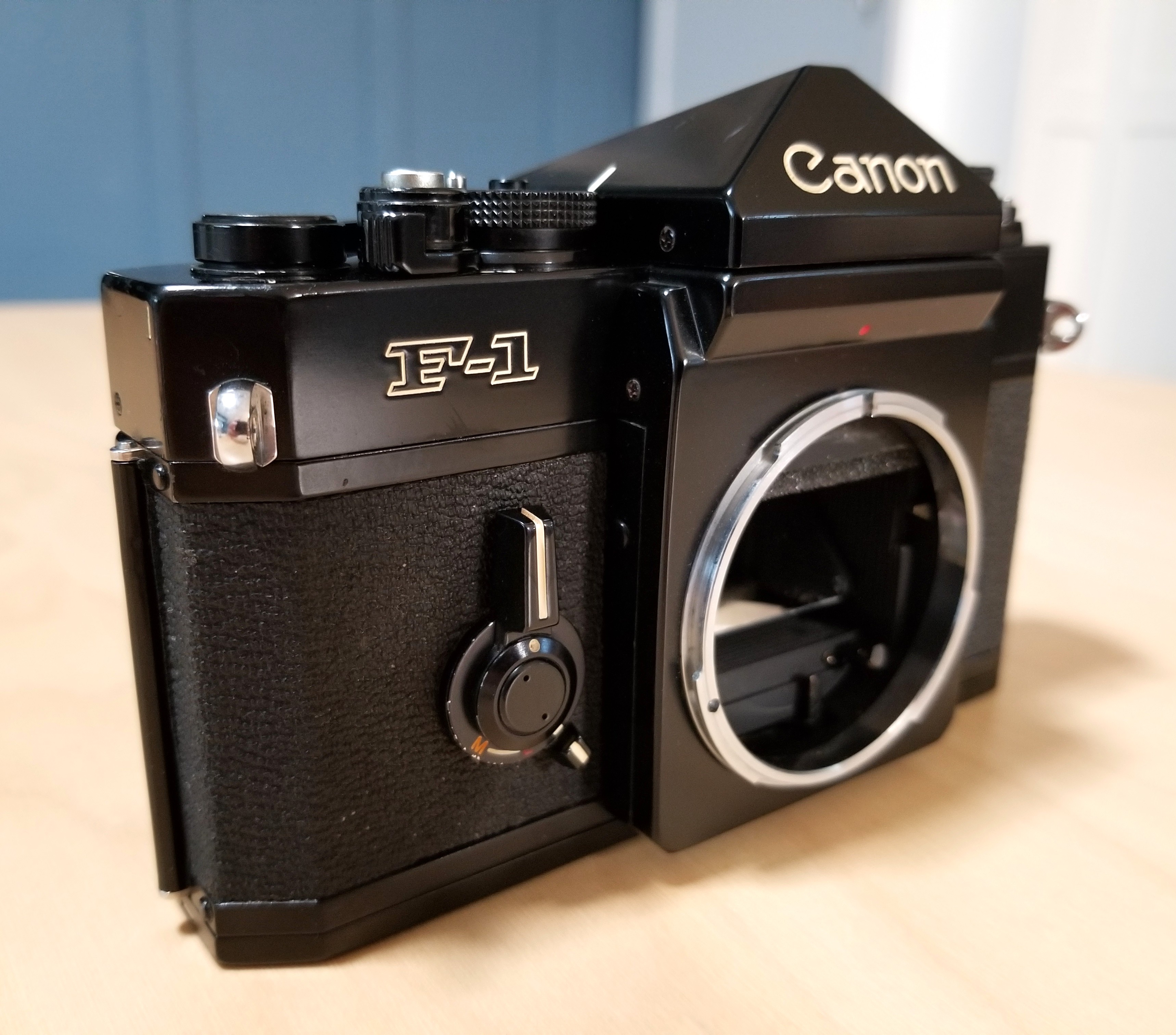
As I continue to reduce my camera collection, I’ve added these two gems to my camera shop at http://www.ccstudio2380.com.
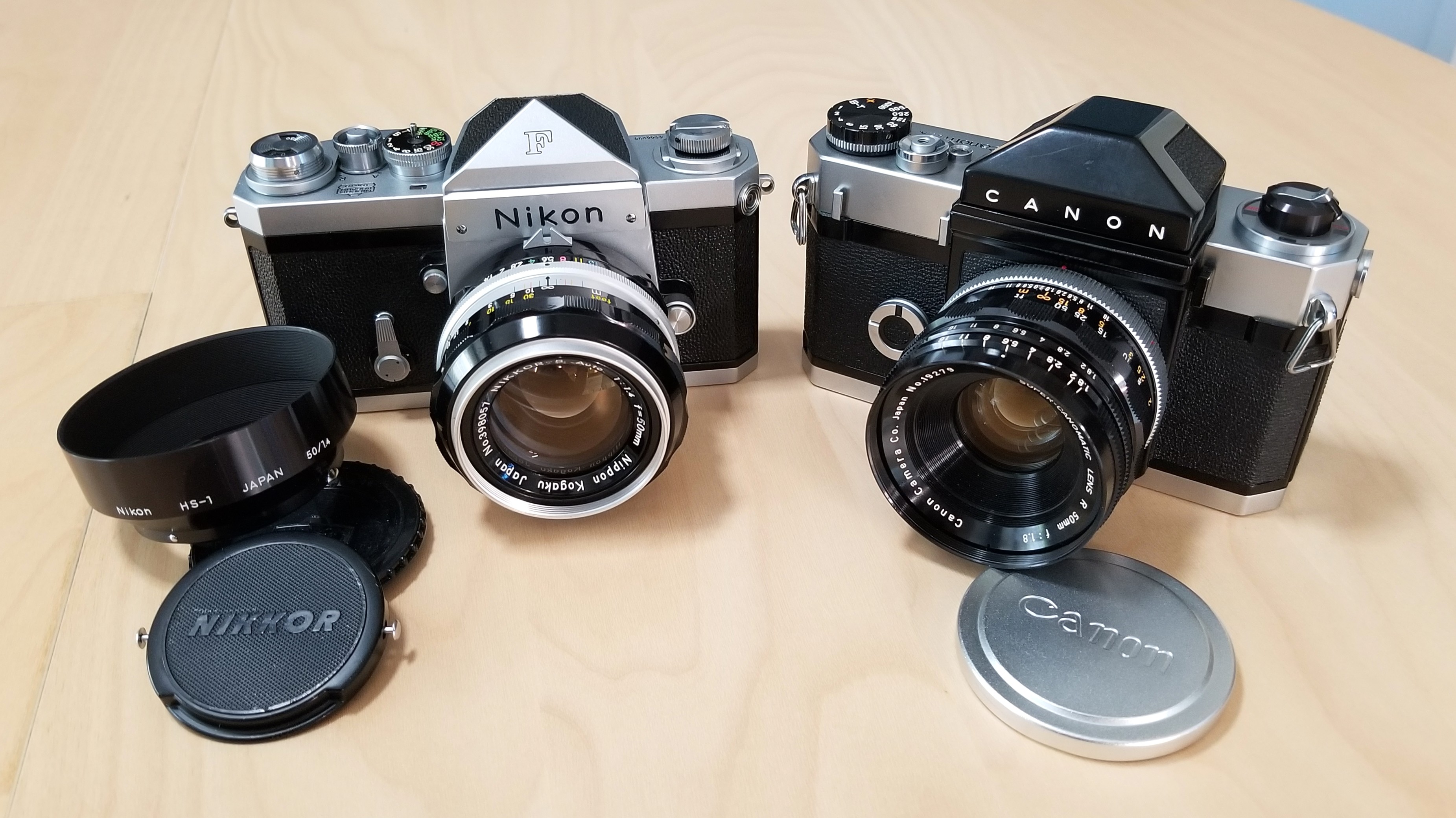
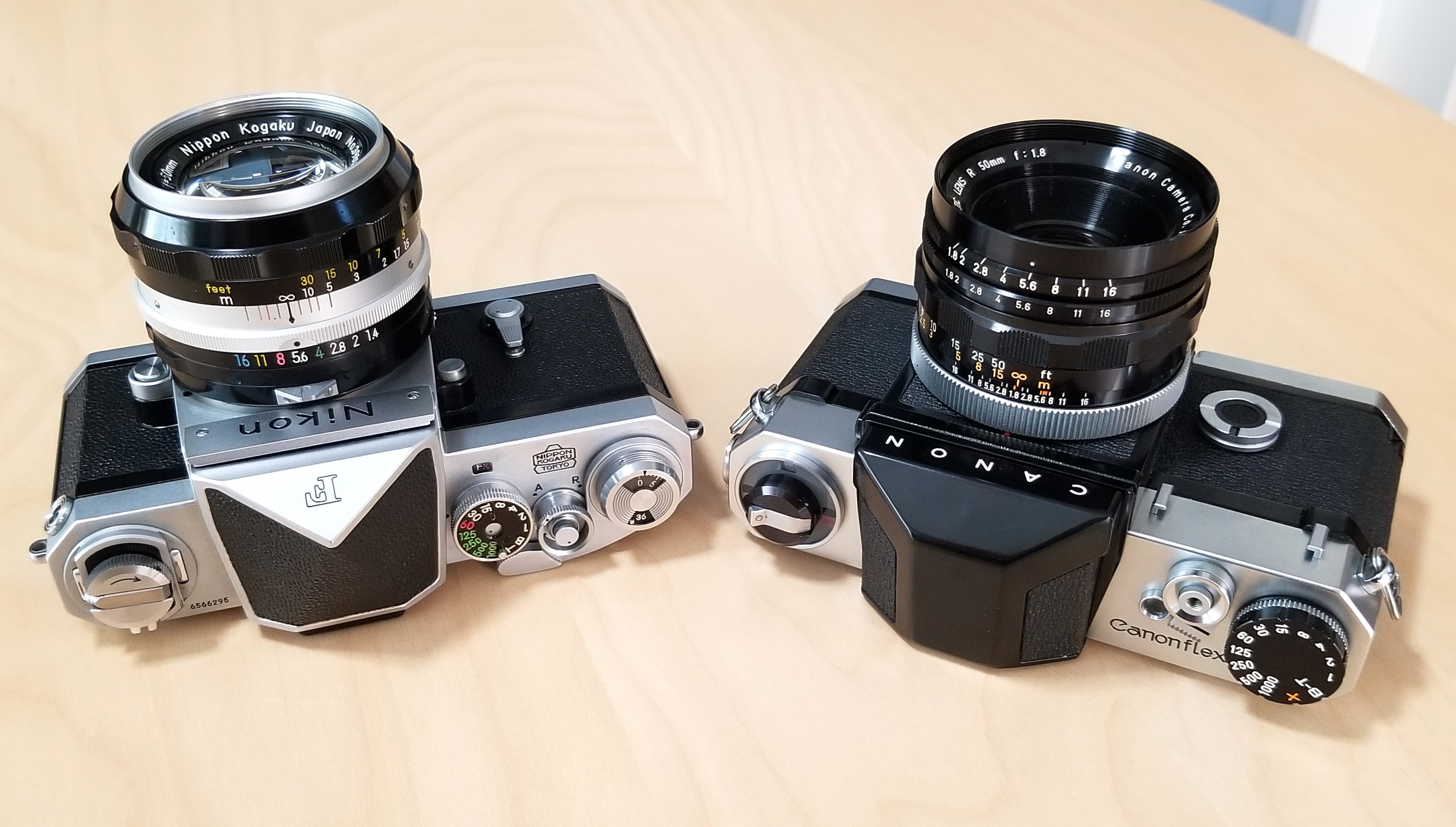
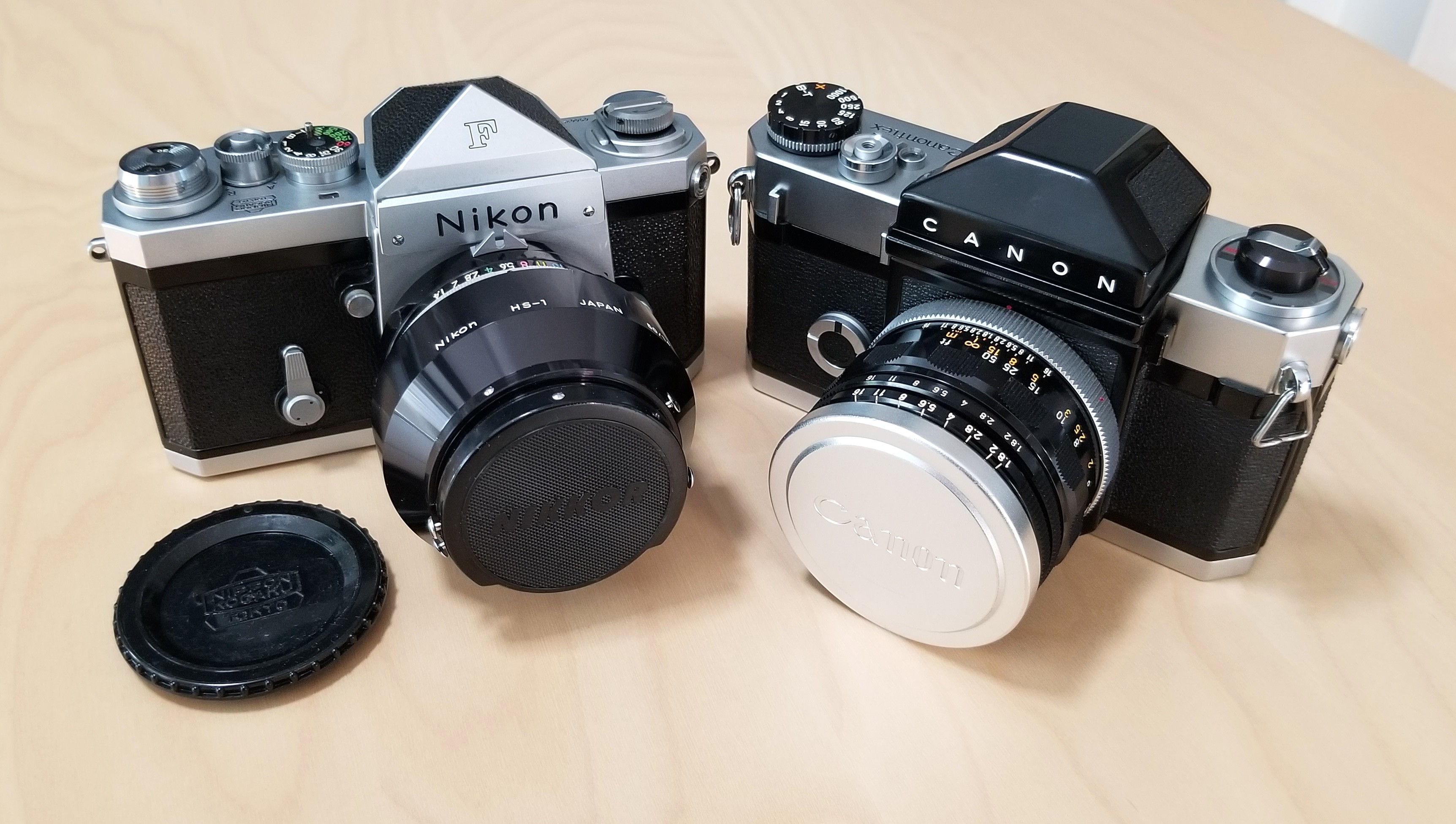
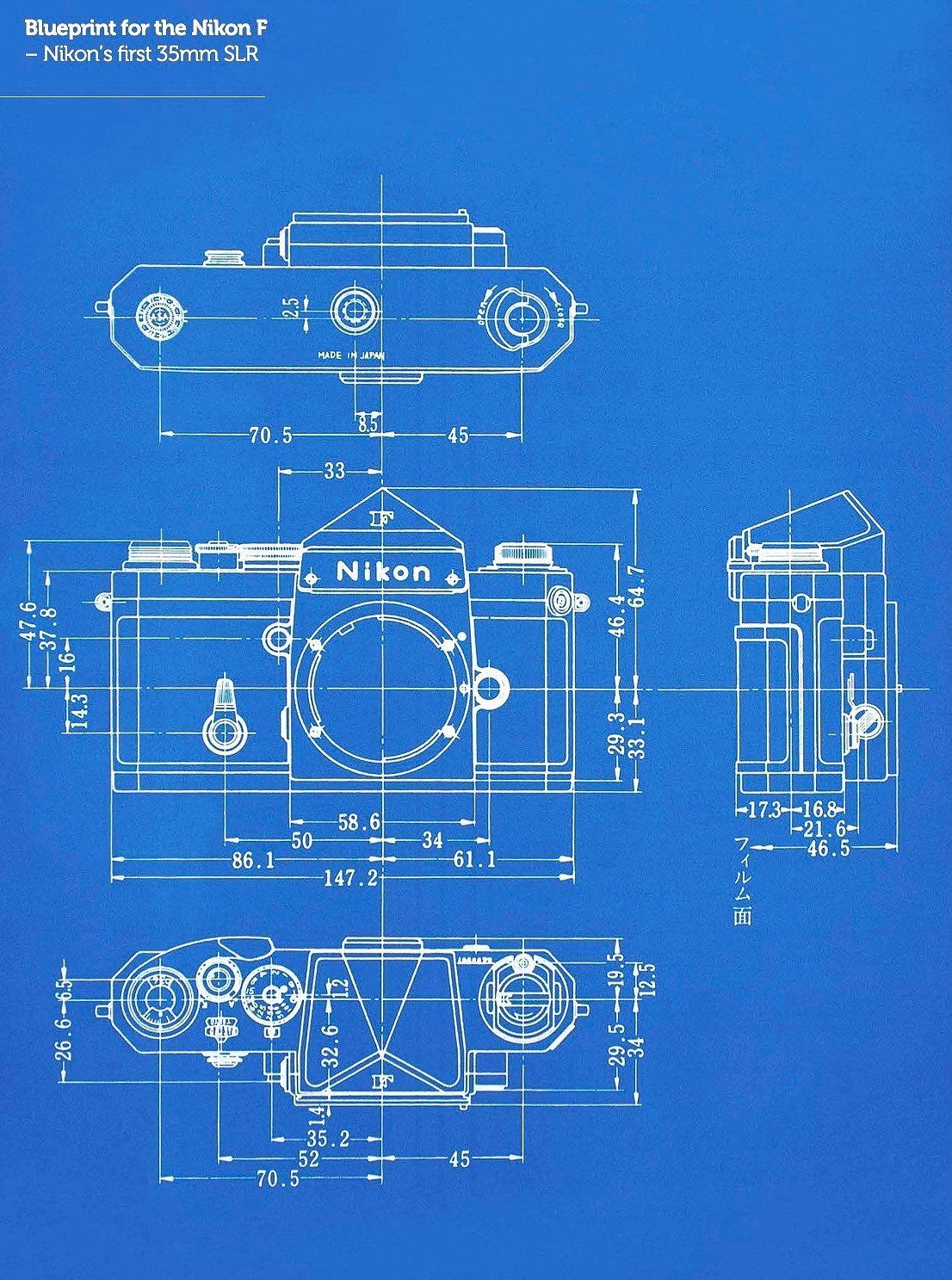
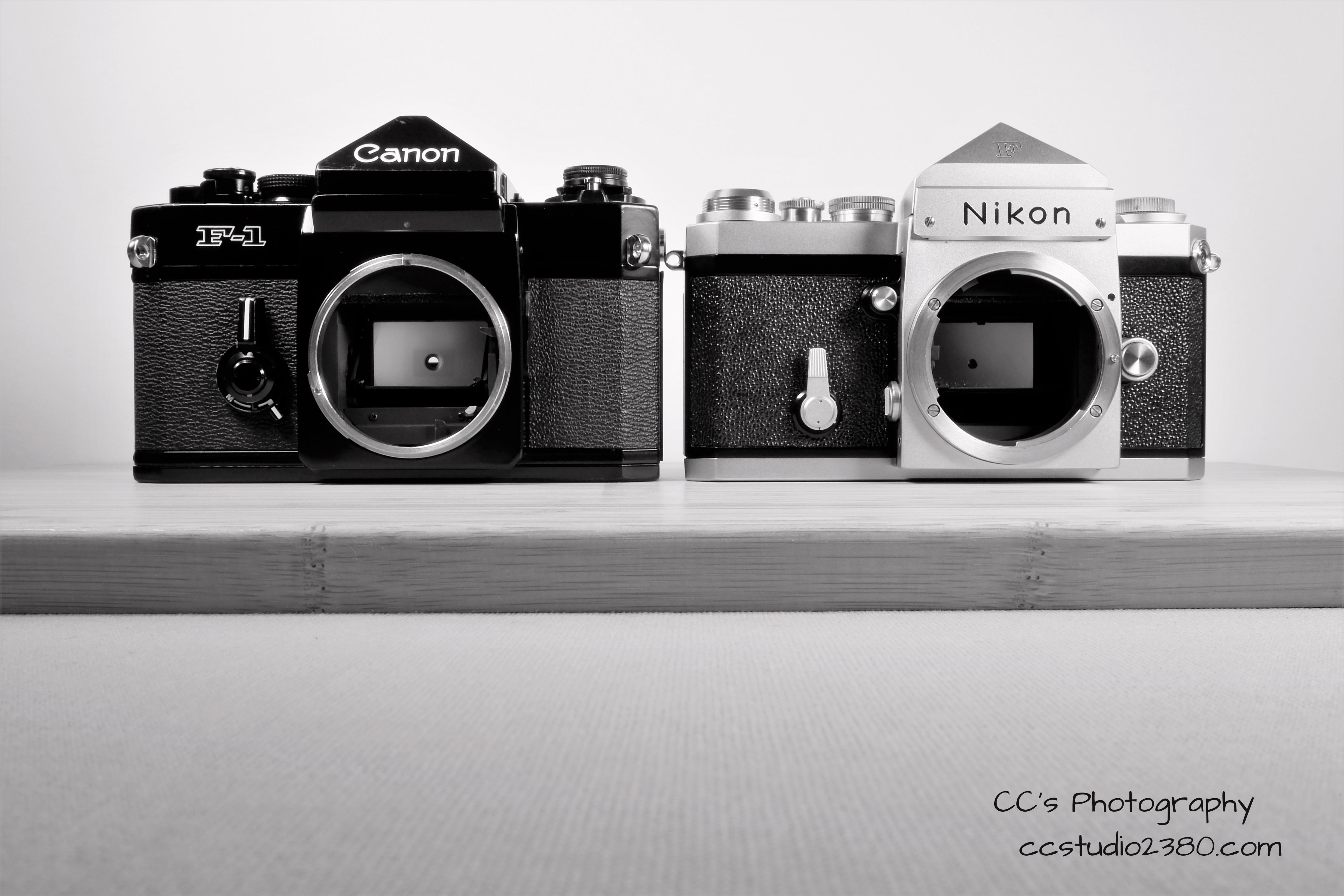
The original Nikon F 35mm SLR film camera was introduced in 1959. Here is my 1969 model.Introduced in 1971, this is a mid-1973 model of the Canon F-1 35mm SLR film camera.You can’t ask for a better camera in the Nikon line.Canon’s top-of-the-line camera for a decade.
Off subject, here is a beautiful picture that a dear friend took along the north coast of Long Island.
Comments are always welcome; I’ve learned a great deal from reader feedback. As always, thanks for stopping by. While there, visit my camera shop at http://www.ccstudio2380.com (CC Design Studios, hosted on Etsy). – Chris Whelan
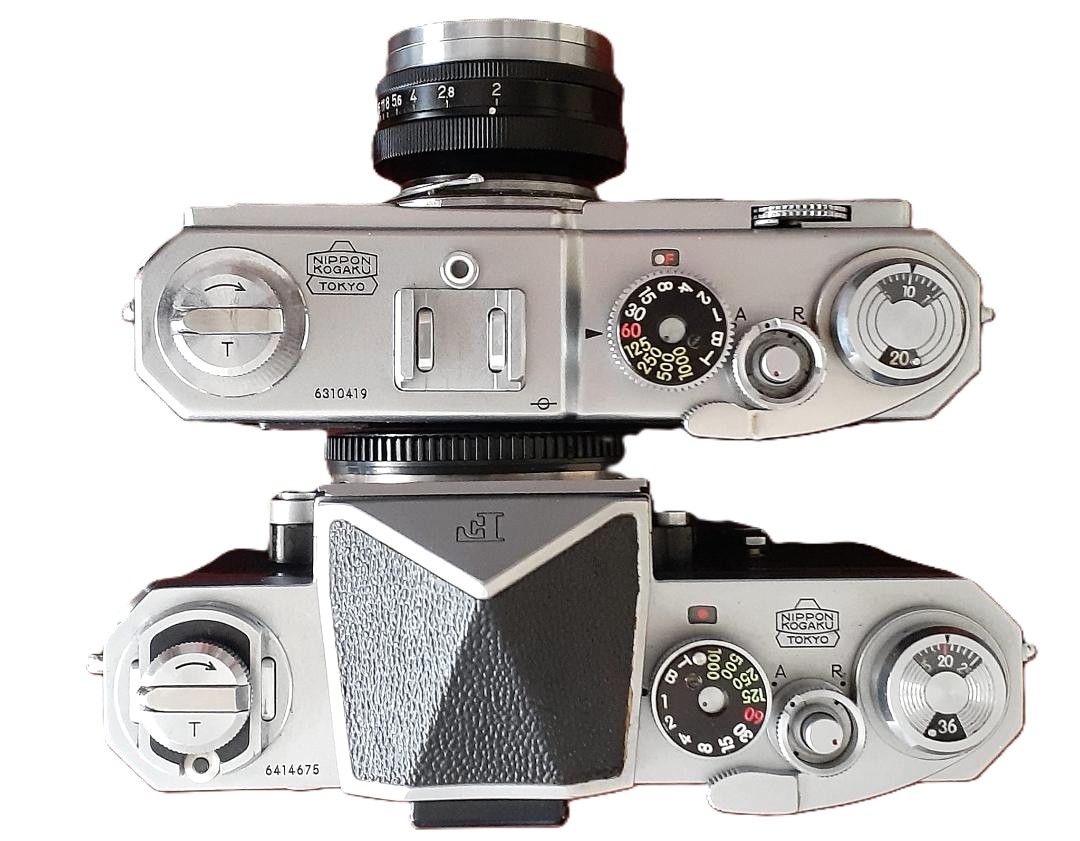
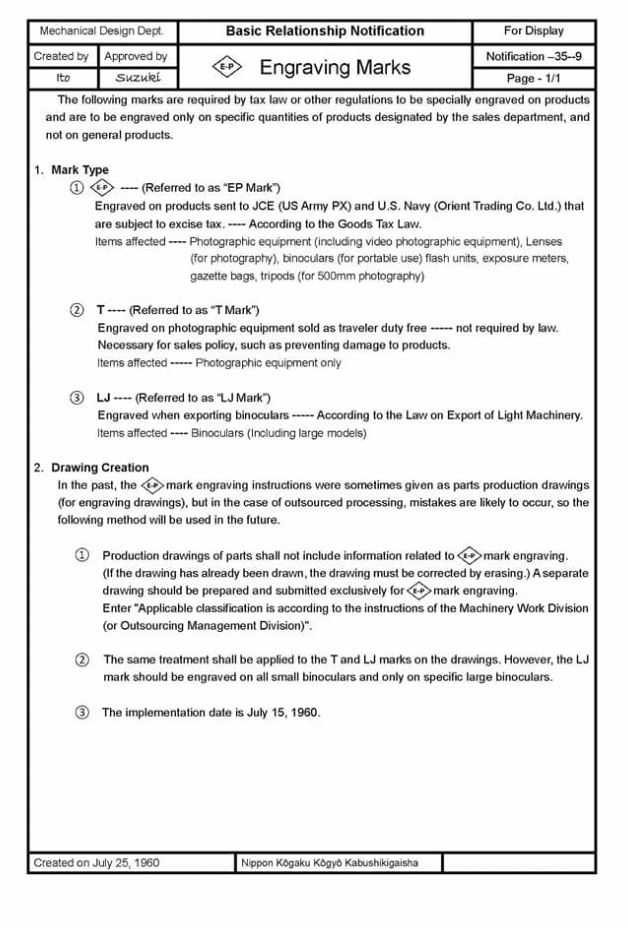
From well-known Australian photographer and camera collector Bruce Thomas, used by permission. Both cameras are marked with a ‘T’ on their rewind knobs, indicating Nikon’s approach to identifying tax-exempt or duty-free cameras sold in Japan in the early 1960s. Not to be confused with the more common ‘EP’ mark, which appeared across all camera brands in the 1950s, 1960s, 1970s, and even a few from Canon in the early 1980s.
Nikon S4 top and Nikon F below. The ‘T’ mark appeared in 1960 on some Nikon cameras sold in Japan and possibly in Hong Kong, though there hasn’t been hard evidence yet.
The Nikon F was developed from the Nikon SP rangefinder camera from 1957. It’s easy to spot the similarities between the S4 and F. Finding a mint condition SP today is quite expensive, but there are “plenty” on online auction sites.
Comments are always welcome; I’ve learned a great deal from reader feedback. As always, thanks for stopping by. While there, visit my camera shop at http://www.ccstudio2380.com (CC Design Studios, hosted on Etsy). – Chris Whelan
Comments are always welcome; I’ve learned a great deal from reader feedback. As always, thanks for stopping by. While there, visit my camera shop at http://www.ccstudio2380.com (CC Design Studios, hosted on Etsy). – Chris Whelan
Comments are always welcome; I’ve learned a great deal from reader feedback. As always, thanks for stopping by. While there, visit my camera shop at http://www.ccstudio2380.com (CC Design Studios, hosted on Etsy). – Chris Whelan
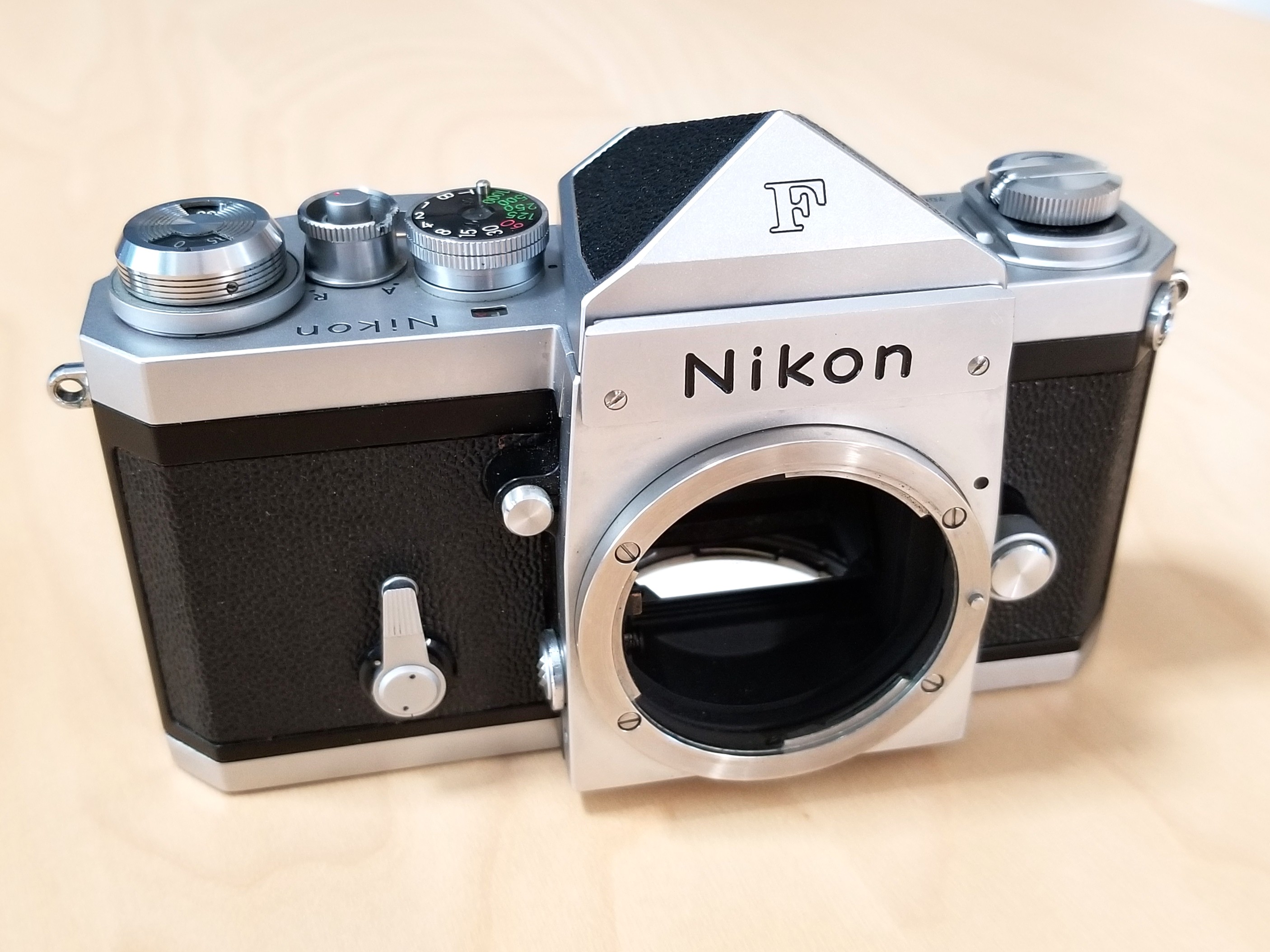
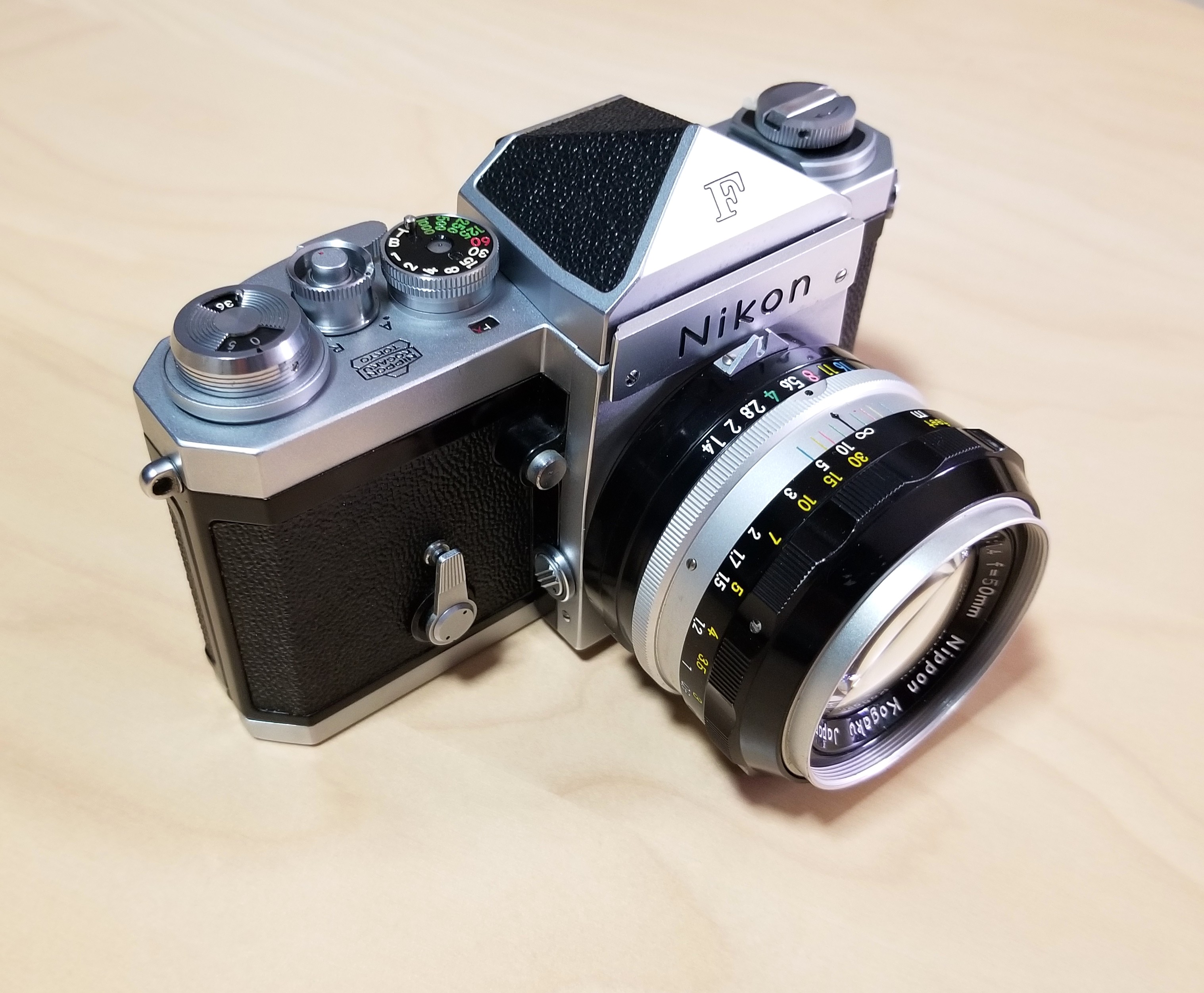
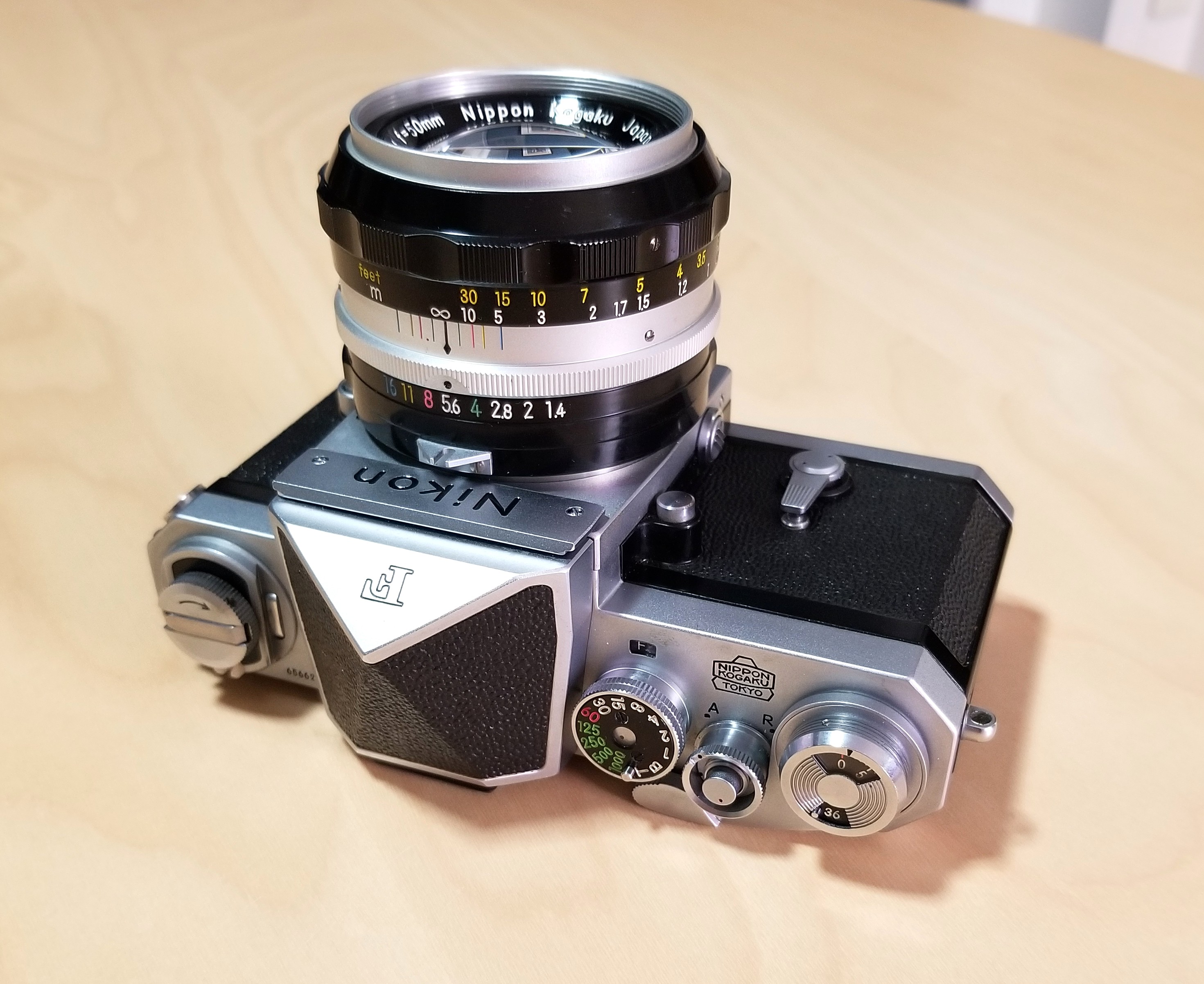
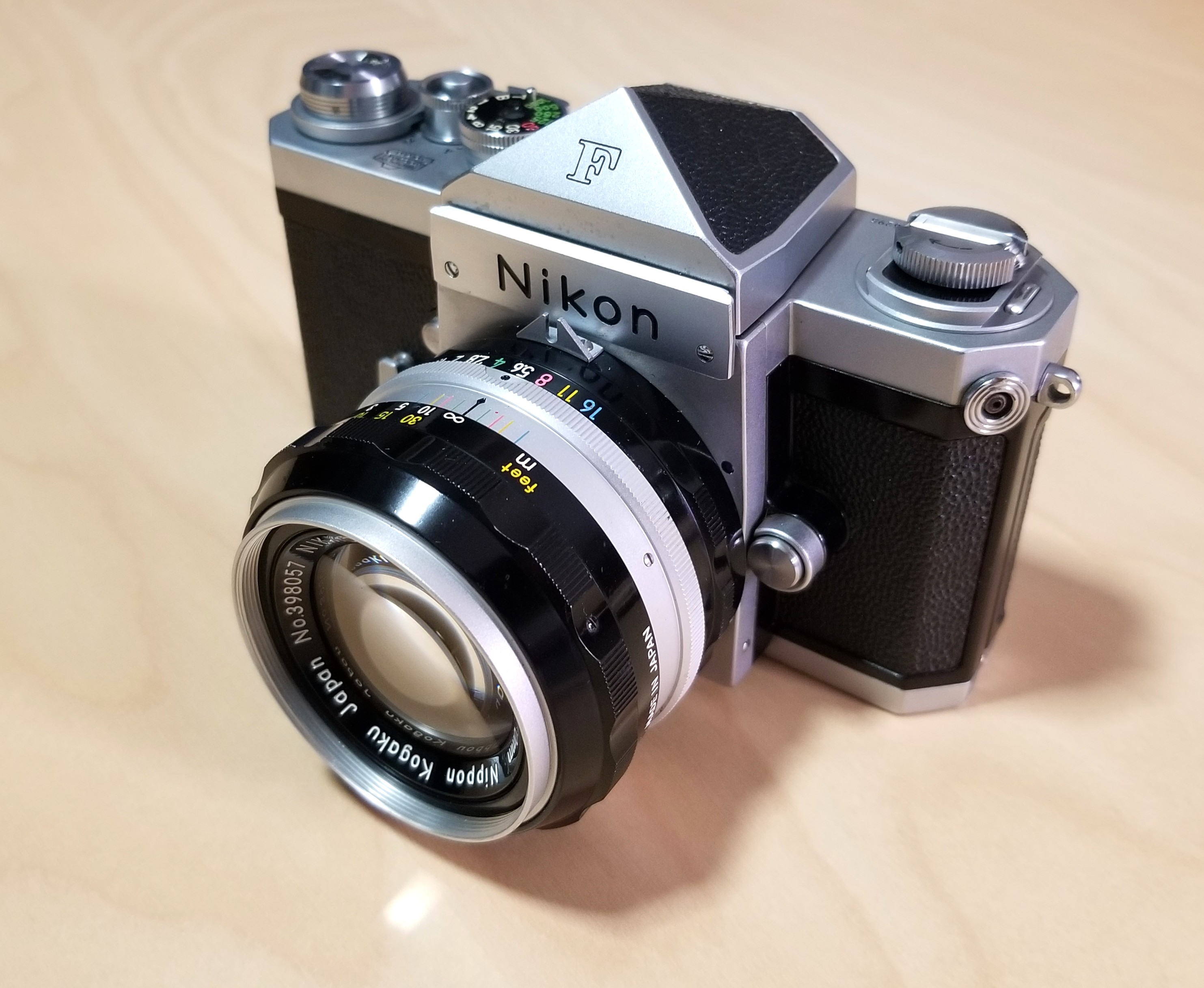
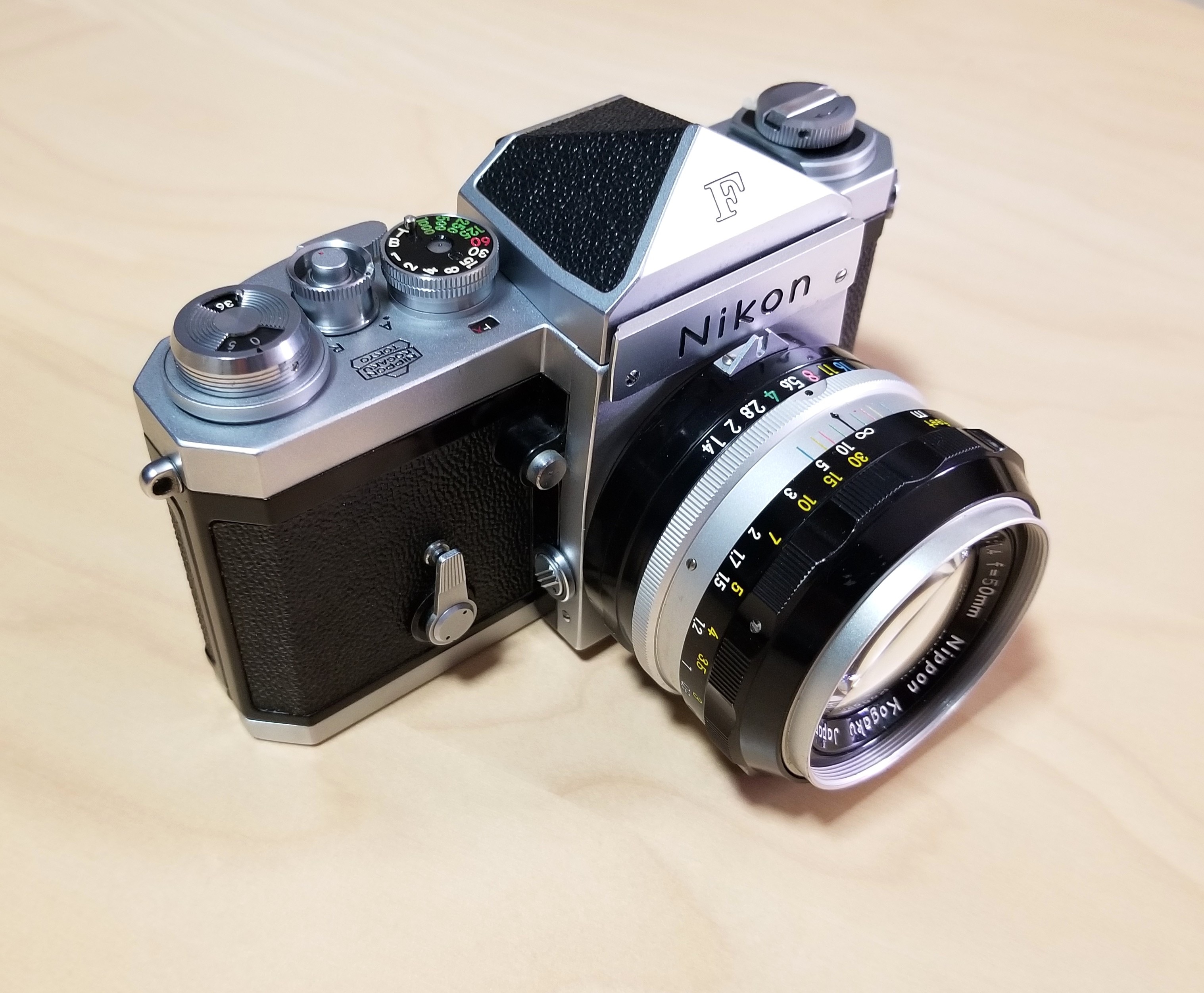
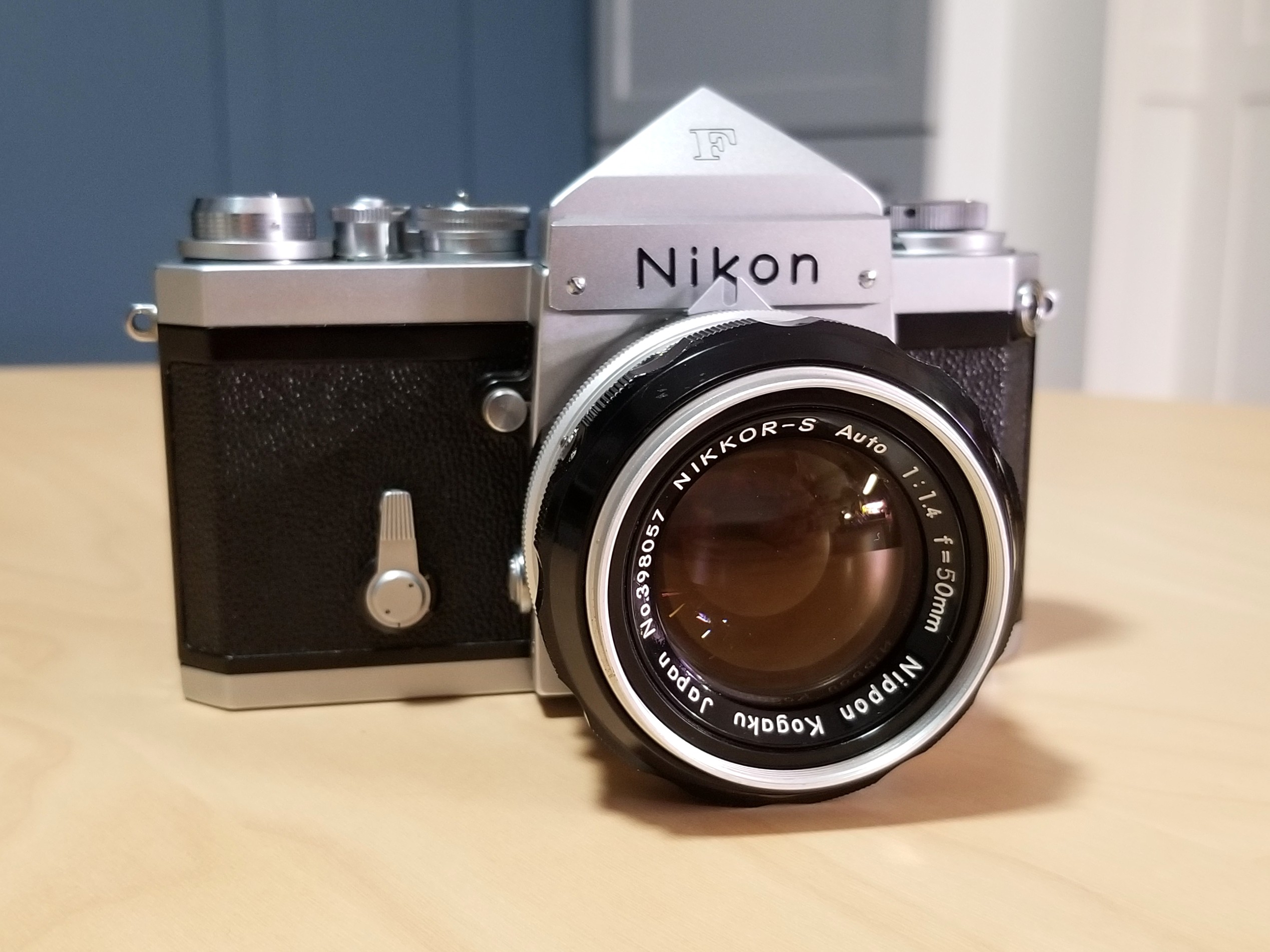
Classic Nikon. This is the last Nikon F in my collection. I enjoy using and collecting the early Nippon Kogaku logo bodies and, of course, a Nikkor-S Auto 50mm f1.4 lens. The camera was built in mid to late 1964. The lens is from 1965. I like it when it all comes together.
Instantly recognizable.A classic 35mm SLR.It was first released in 1959. This one is from 1964.The reputation of the Nikkor-S Auto 50mm f1.4 lens is world-renowned.
Comments are always welcome; I’ve learned a great deal from reader feedback. As always, thanks for stopping by. While there, visit my camera shop at http://www.ccstudio2380.com (CC Design Studios, hosted on Etsy). – Chris Whelan
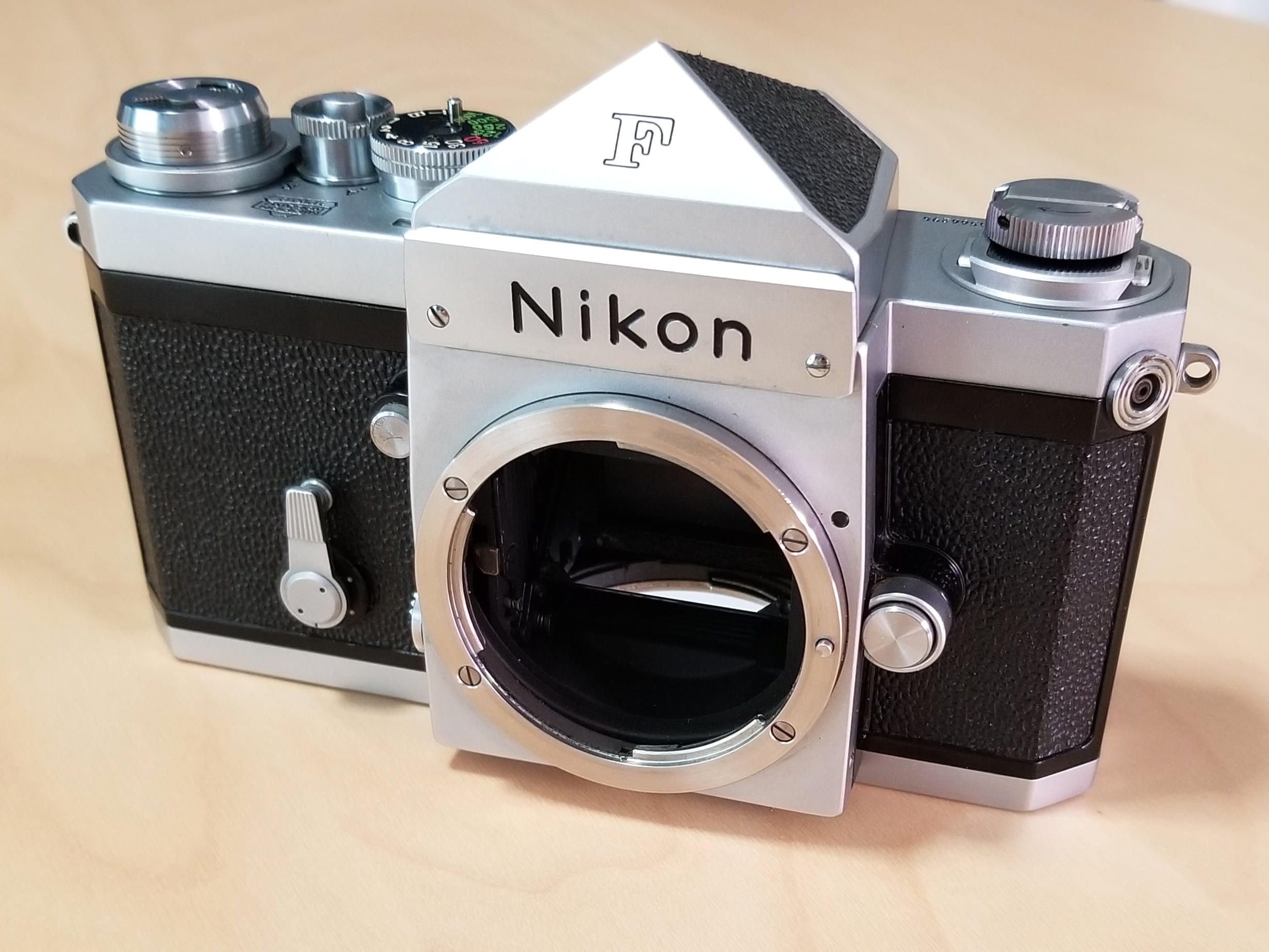
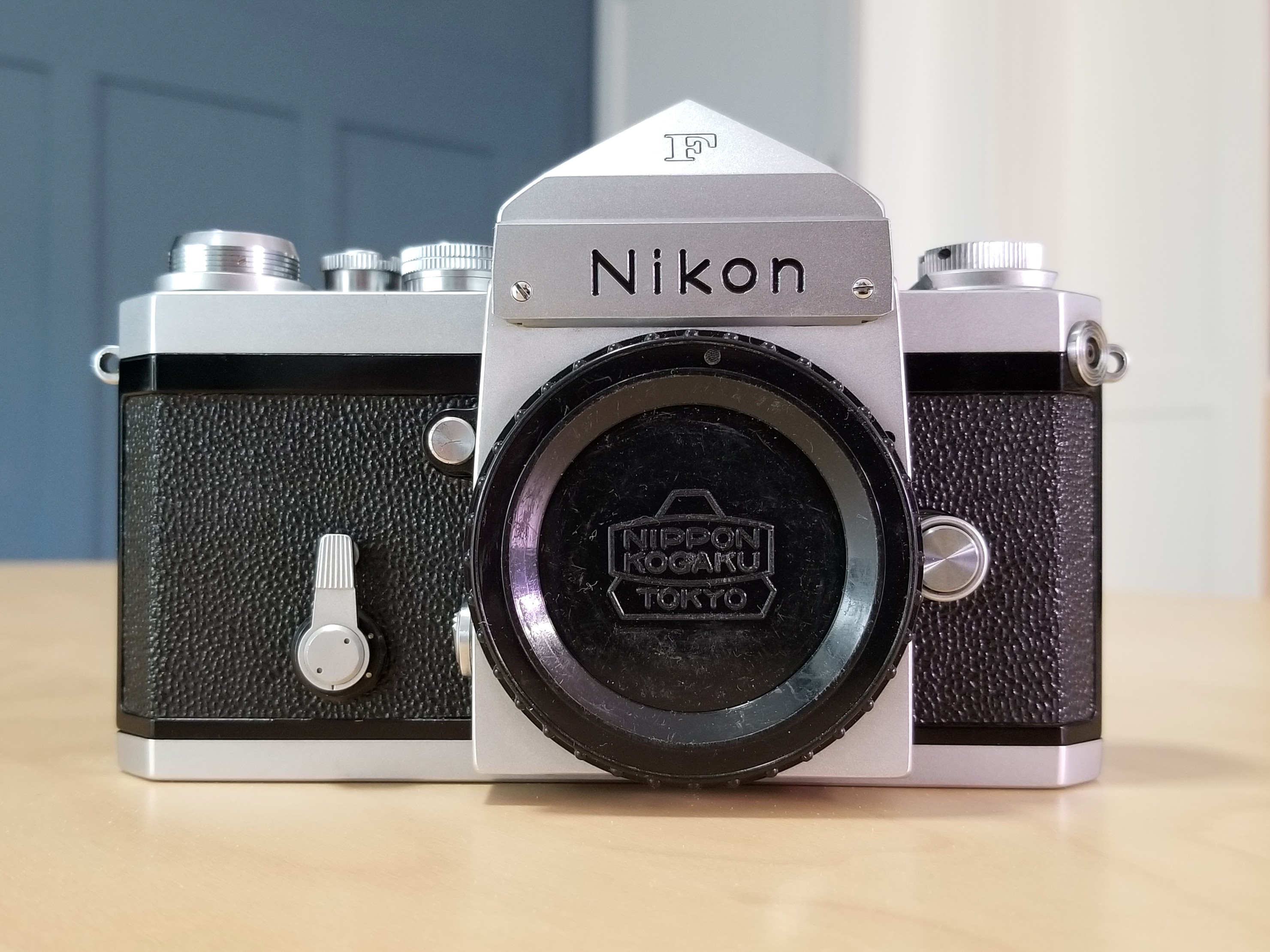
Released in 1959.Instant classic.I enjoy collecting the early Nippon Kogaku models with the ‘Fuji’ logo.Clean lines.Can it get any more recognizable than this?
Comments are always welcome; I’ve learned a great deal from reader feedback. As always, thanks for stopping by. While there, visit my camera shop at http://www.ccstudio2380.com (CC Design Studios, hosted on Etsy). – Chris Whelan
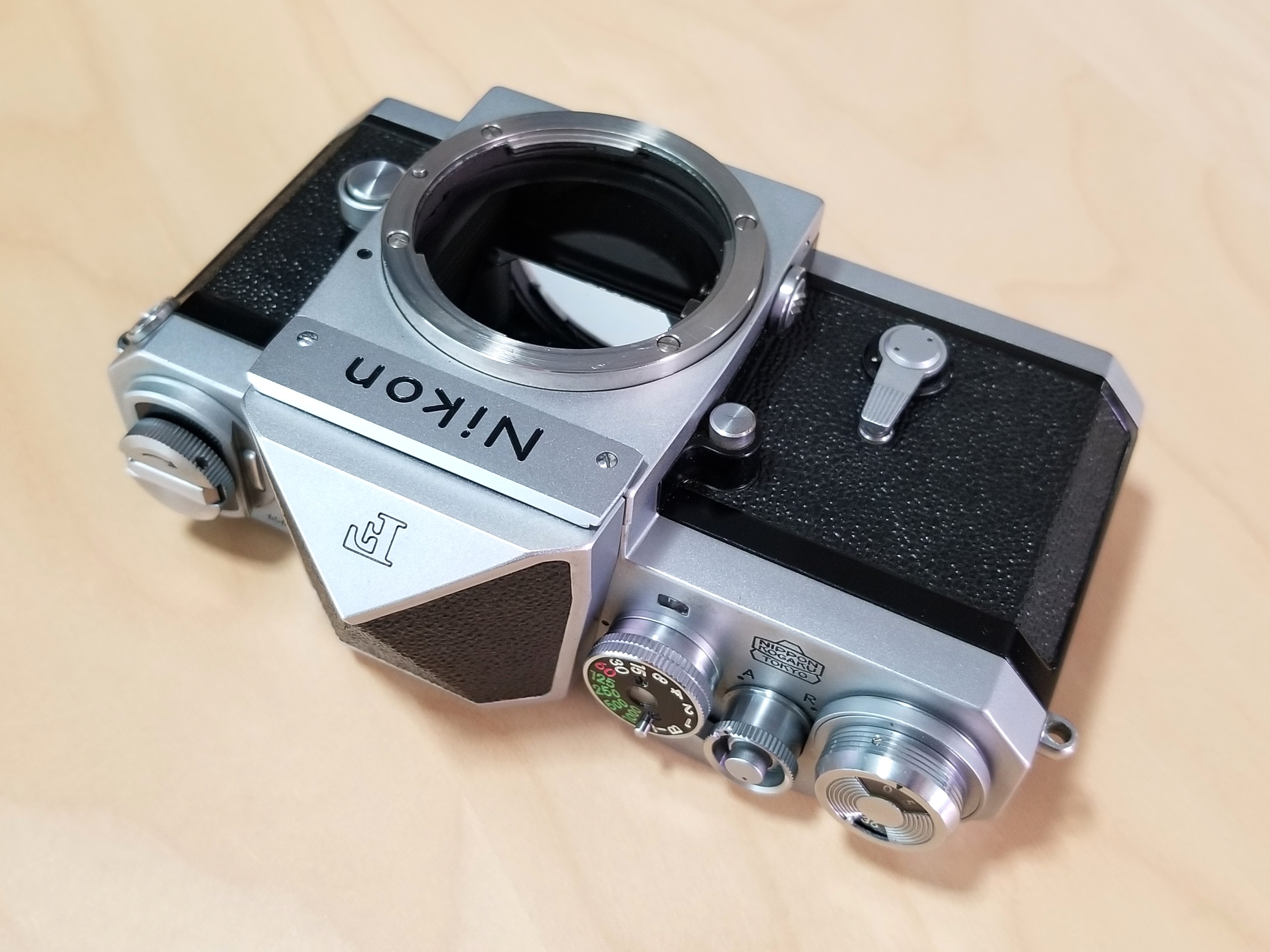
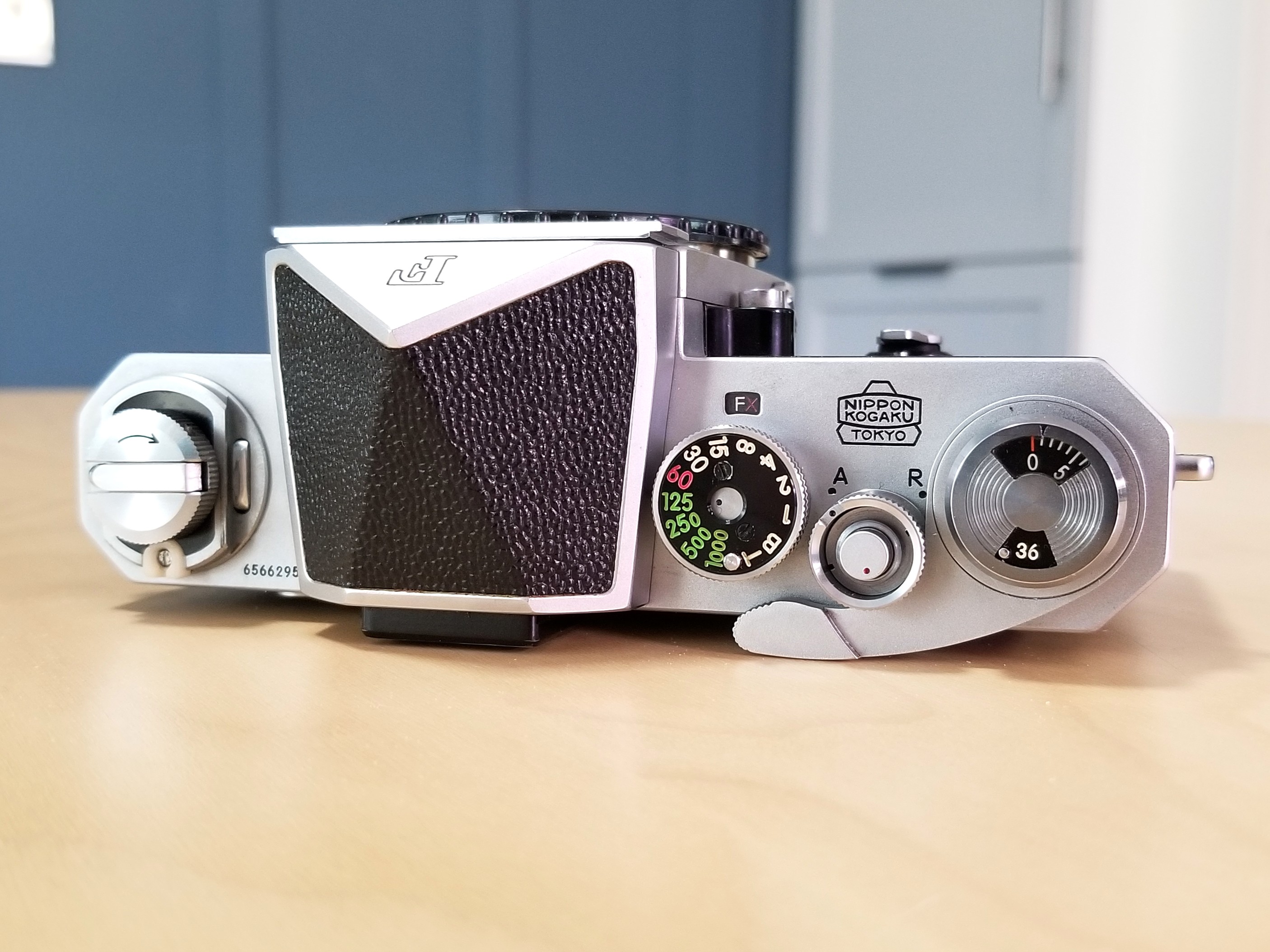
I know Petri has made several different camera models over the years, some of which I absolutely love and others, like this one, that I dislike. Is it a classic, or has it not aged well? It was released in 1969, so at that time, early SLRs weren’t especially stunners compared to the more refined models of the later 1960s. That said, I think the Asahi Pentax H2 from 1959 is one of the best-designed cameras from that era. The Nikon F is a stunning camera, but I dislike removing the base plate to load and unload film.
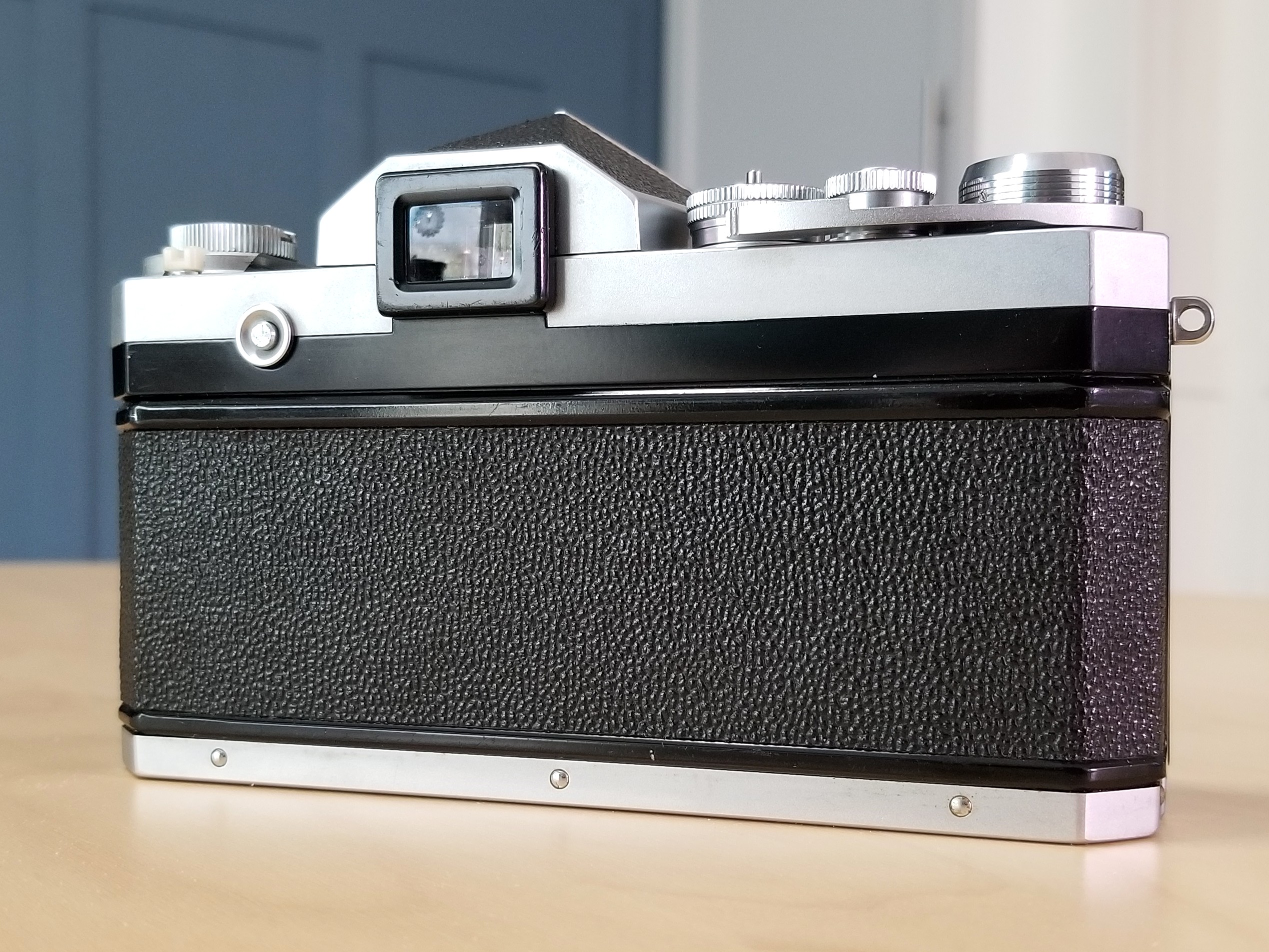
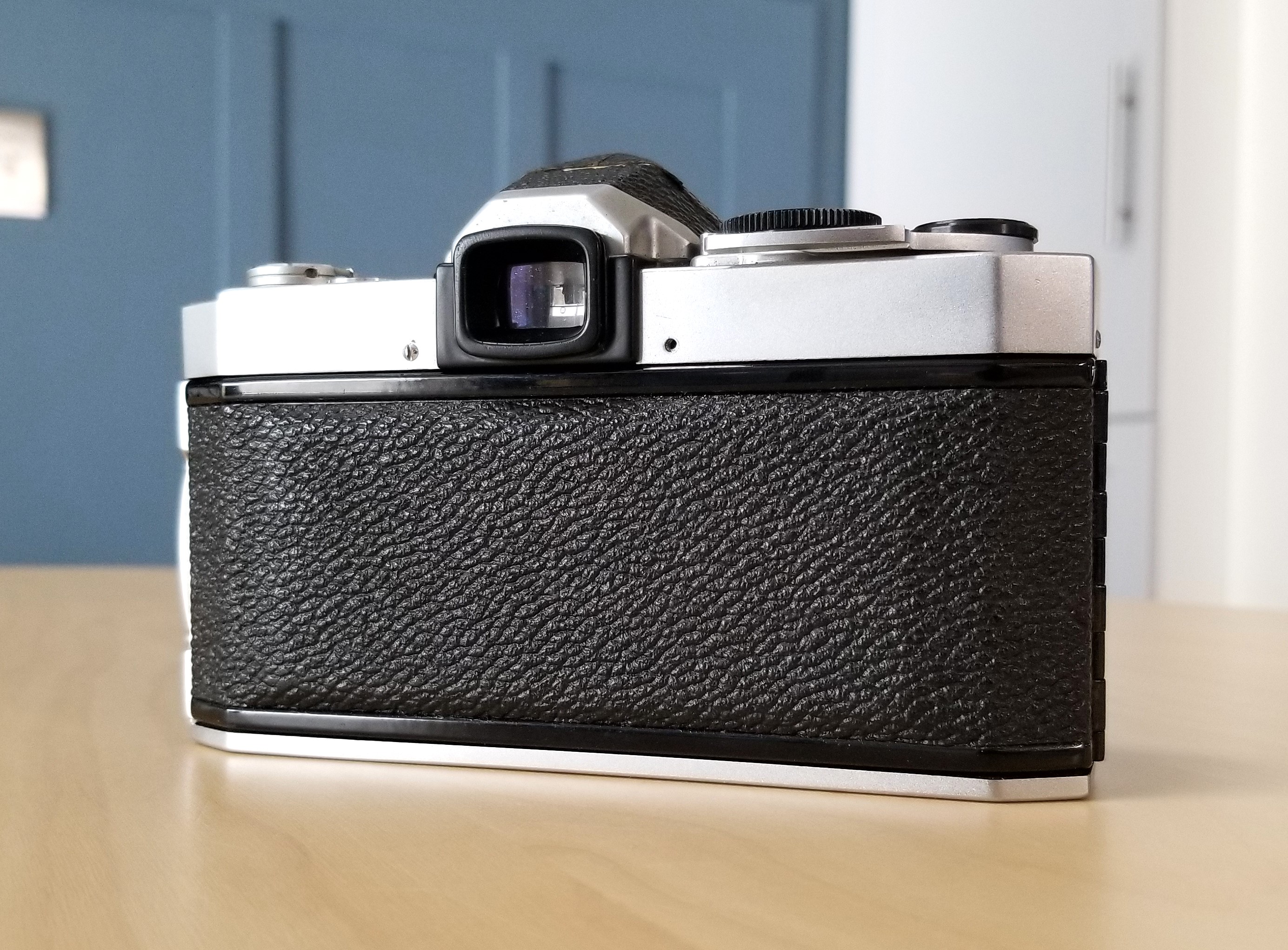
I admit, it would look better with a lens. Without a lens, it looks like a plumbing fixture.A previous owner added the leatherette on the pentaprism, hiding the serial number. Does this add to or subtract from the camera’s appearance?Pretty clean design from behind.The tripod mount screw is moved forward under the lens mount; otherwise, it’s a simple base plate.
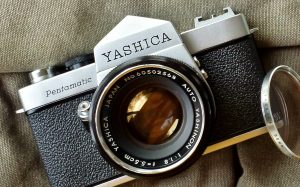
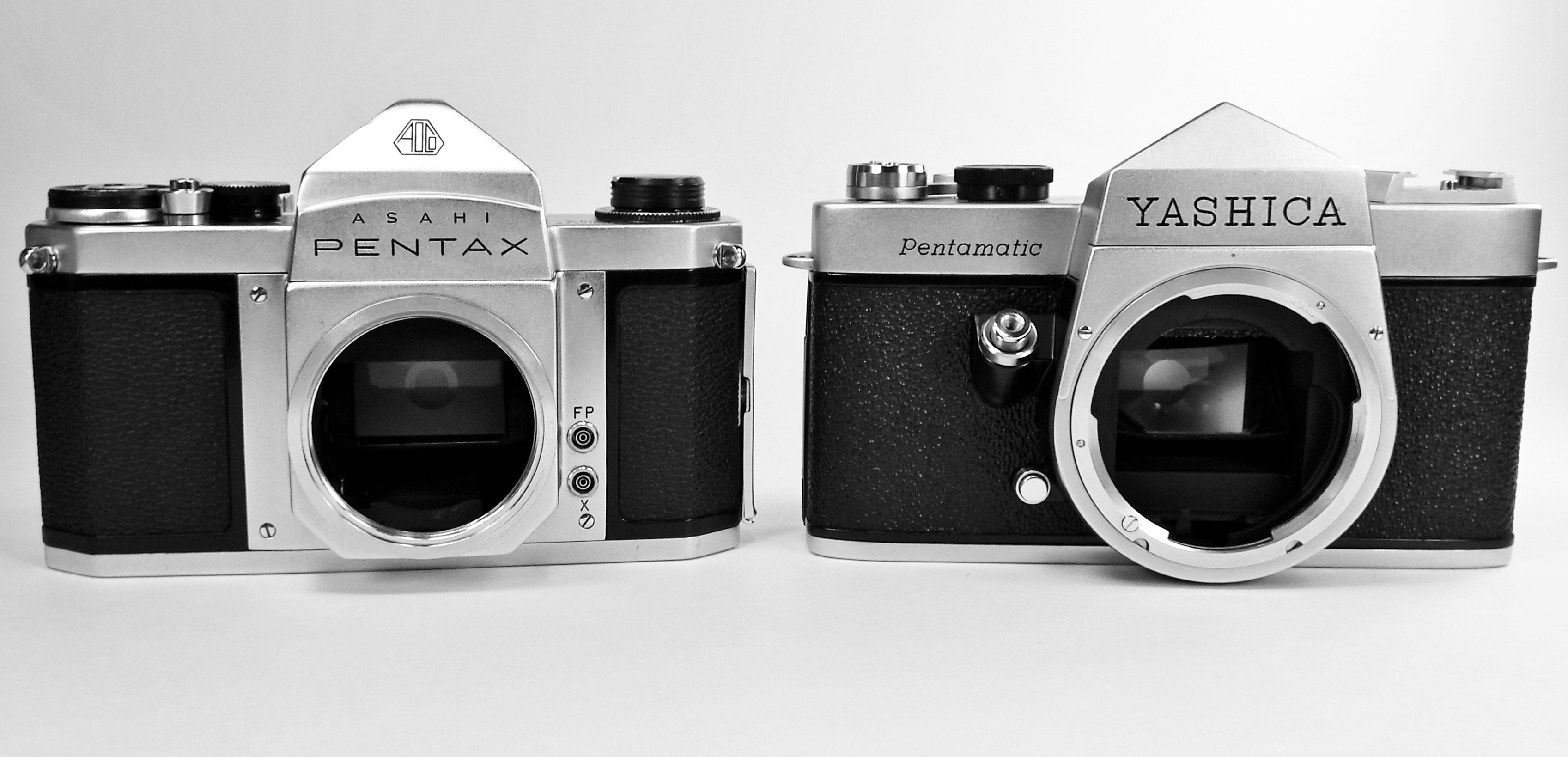
Here are my Asahi Pentax H2 from 1959 and my Yashica Pentamatic ’35’ from 1960 as a comparison.
Comments are always welcomed, as I’ve learned quite a bit from reader feedback. As always, thanks for stopping by, and while you’re at it, feel free to visit my camera shop at http://www.ccstudio2380.com (CC Design Studios hosted by Etsy). – Chris Whelan
Comments are always welcomed, as I’ve learned quite a bit from reader feedback. As always, thanks for stopping by, and while you’re at it, feel free to visit my camera shop at http://www.ccstudio2380.com (CC Design Studios hosted by Etsy). – Chris Whelan
Nikon F Photomic T It’s from late 1967. Everything works (the meter, too), so it’ll be my occasional walk-about camera. The lens is crystal clear, and the camera has just the right amount of “patina” to make it look even more classic. It’s in the queue for getting a roll of Fujifilm. Thanks for stopping by, Chris
Comments are always welcomed, as I’ve learned quite a bit from reader feedback. As always, thanks for stopping by, and while you’re at it, feel free to visit my camera shop at http://www.ccstudio2380.com (CC Design Studios hosted by Etsy). – Chris Whelan






 Chasing Classic Cameras with Chris