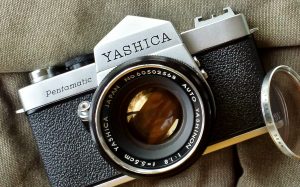
Maritime Forest – Amelia Island and Irma

Amelia Island is a barrier island located in extreme northeast Florida along the Atlantic Ocean. It’s about 13 miles long and about 2 miles across at the widest point. The forest extends north-south along almost the entire length of the island – broken in only a few areas where roads pass through running from east to west. We locally call this strip of trees the greenway.

For about 72 hours prior to the arrival of Irma (well west of us and a tropical storm by then), a strong nor’easter had set up over the region producing almost continuous rainfall and sustained onshore winds of at least 20-30 mph with some gusts into the 45 mph range. Irma added heavy squalls into the equation as a major feeder band moved northward up the Florida east coast. For nearly 36 hours, our maritime forest and coast were battered by onshore winds of sustained 45 to 55 mph with frequent gusts to the low 80 mph range.

The effects of this persistent onshore wind took a heavy toll on the forest islandwide – numerous trees down, branches twisted off and thousands of tons (yes tons) of leaves lost.

In our own backyard, which is part of the forest, we lost numerous branches and a crazy amount of leaves. No trees down but in our small neighborhood many large oaks were felled by the strong winds (and soaked ground). It’s been almost 3 weeks now since Irma and some of the trees in our yard are showing the effects of the whipping winds.

20170928_161231_Richtone(HDR)

It looks like a typical autumn day (above) but the bald cypress trees here don’t change color until late November and generally don’t lose their needles until mid December. The color change reflects dead and dying needles on the branches.

20170928_161244_Richtone(HDR)

A closer look (above) shows many bare spots where the needles were simply stripped away from the branches.
20170911_101627

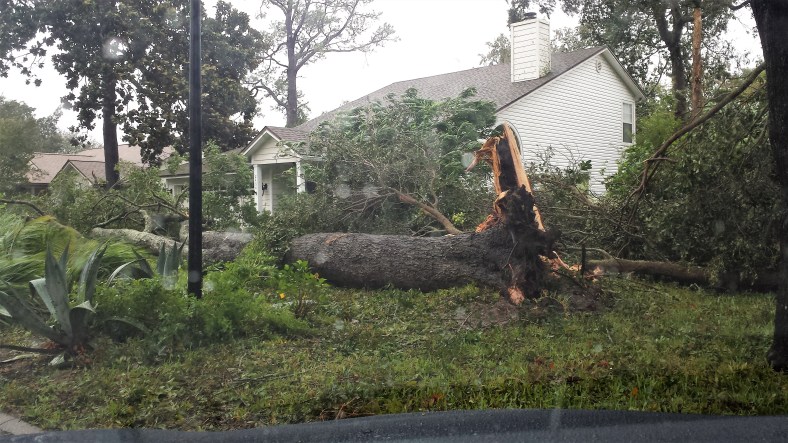
A large oak blown down during Irma (above).

20170911_101502

A rather large oak branch ripped away from the tree (above) in the persistent winds of Irma.

Our house is just about 800 meters away from the ocean… we don’t usually get heavy salt spray here but we did during the nor’easter and Irma. I’m sure some of the color change in the cypress trees has something to do with the spray and wind.

The trees will recover. They took this same type of beating last October during the passage offshore of Hurricane Matthew.

Thanks for your visit!

Chris


Yashica Pentamatic I & II – 1960

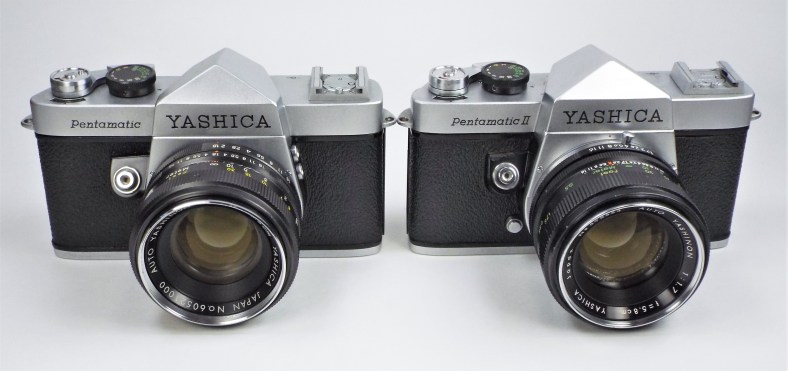
The original Pentamatic ’35’ and the Pentamatic II. The original Pentamatic made its debut in March 1960 and was first available for sale in  April 1960 (production started in December 1959). The Pentamatic II was rushed into production in August 1960 and was only for sale in Japan. The only change between the two cameras… was the lens!

DSCF6259

The P1 (left) came with the Auto Yashinon f/1.8 5.5cm lens. The P2 (right) came with the Auto Yashinon f/1.7 5.8cm lens. The goal of Yashica was to improve on the semi-automatic operation of the lens over the standard lens on the P1.

DSCF6256

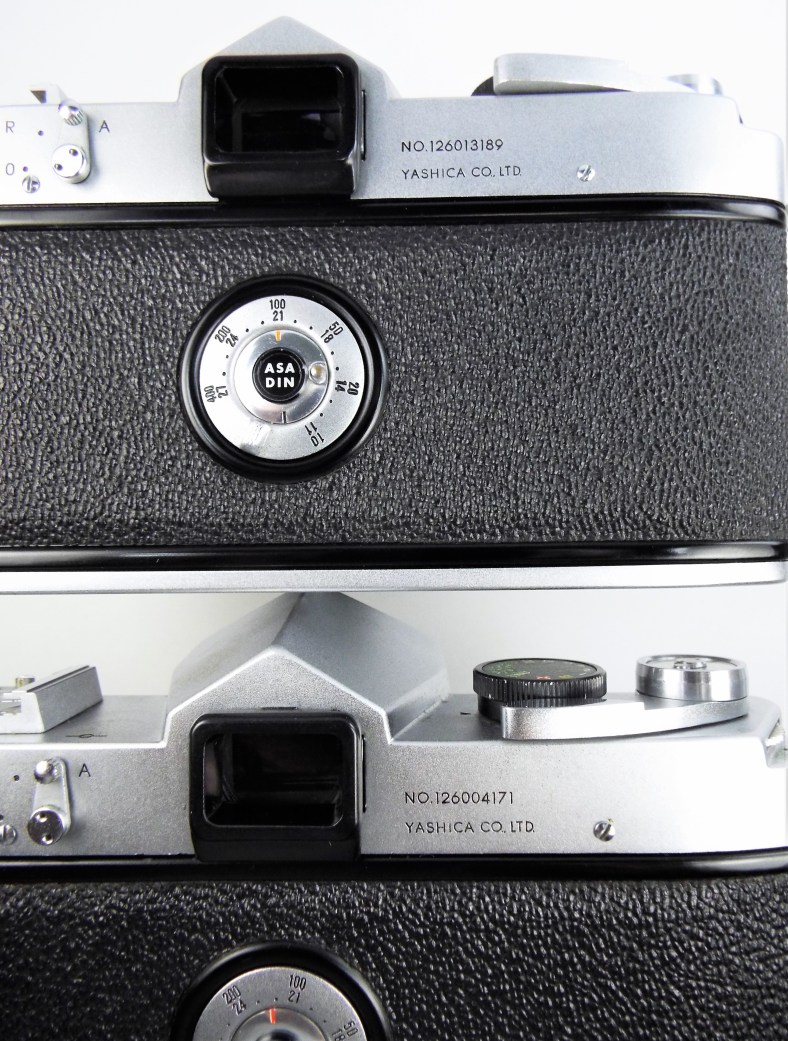
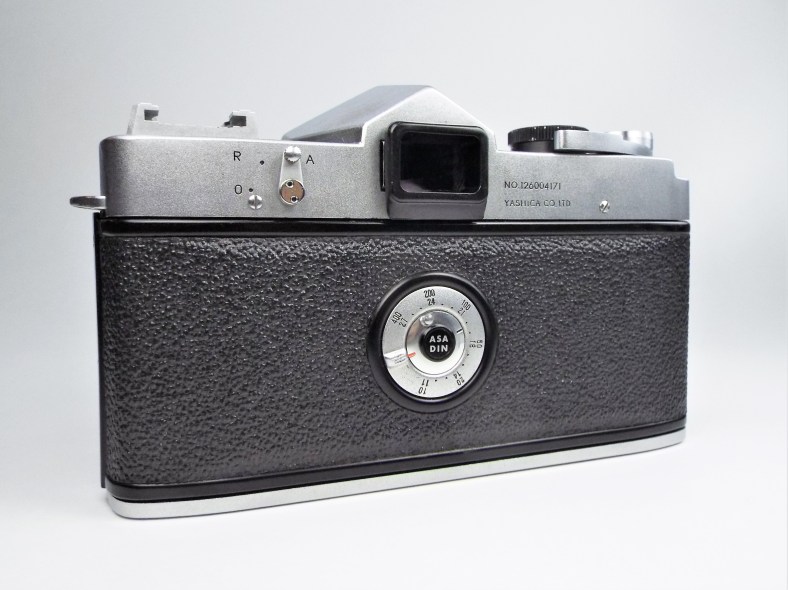
Serial numbers. The SN on the top camera is on the original Pentamatic camera body. The number, NO. 126013189 contains a date code and production sequence number. This camera was made in December 1960 and was the 13,189th camera made. The bottom camera’s serial number (Pentamatic II), NO. 126004171 decodes to: December 1960 and it was the 4,171st made since August 1960 (the start of production on the P2). 

So both of the cameras were in production at the same time in the same factory. We’re highly confident in our analysis of the serial numbers. We have enough examples in our database and enough experience in decoding Yashica serial numbers to say that we are 100% correct.

DSCF6248

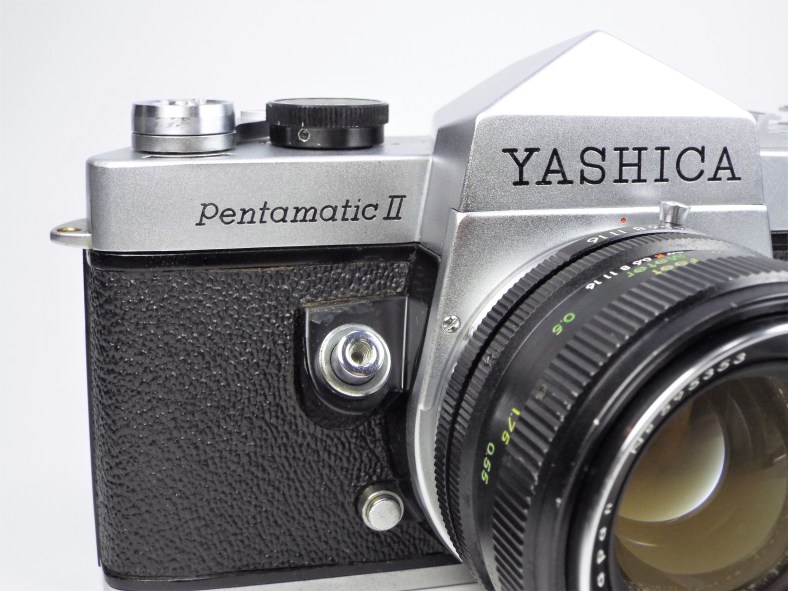
The whole process of releasing the Pentamatic II was rushed – the top plates were only slightly modified to accommodate squeezing in the “II”. The engraving was moved about 1 mm to the left so as to have room to engrave the “II”. On the back of the camera it only took a change in the serial number engraving to reflect the P2.

The Pentamatic II didn’t get any upgrades to the body… no self-timer and no hot shoe. The lens is a totally different lens and we’ll cover those differences in our next post.

Thanks for your visit!

Studio Camera: Fujifilm FinePix S9900W

Chris

c1911 Post Office – Amelia Island

A favorite of mine to photograph – the interior of our c1911 post office here on Amelia Island. For the most part it’s survived its 115 year plus history pretty much intact. I’m told that this is exactly the same way this door has looked since 1911. Amazing.

20140117_152759_Richtone(HDR)

Beautiful quartersawn oak – excellent casework and attention to detail. Can you imagine replicating this today?

Thanks for stopping by!

Chris

First Look… Yashica Pentamatic II – Finally!!!

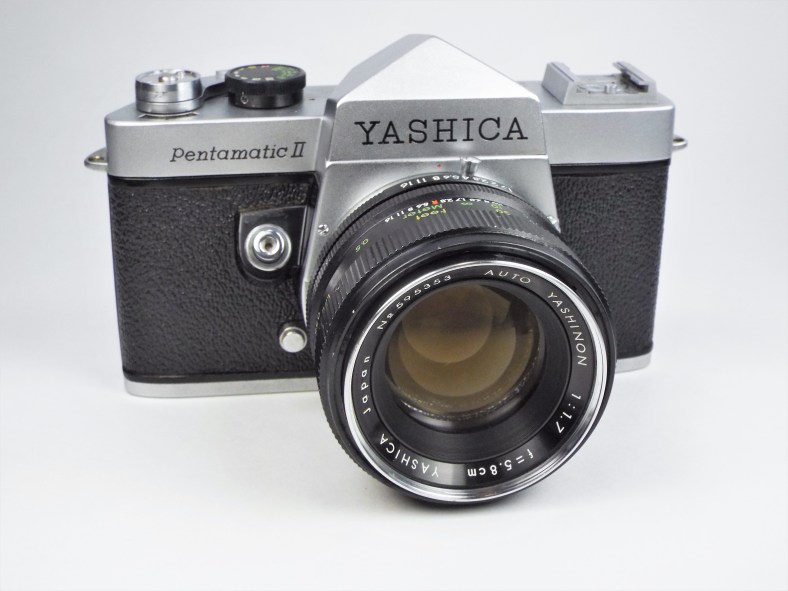
After years of searching, we’ve finally acquired our first Pentamatic II. A rather rare camera that was only released in Japan and only for a short time. It’s estimated (by us) that less than 6,000 bodies were made. How many of those survived to the present day is of course unknown.

DSCF6247

DSCF6248

DSCF6251

Much more detail about this Pentamatic coming soon.

Studio Camera: Fujifilm FinePix S9000W

Chris

Diving in Puerto Rico – 1989

I’ve hardly scanned any of my hundreds of pictures from our time living in Puerto Rico – 1988 to 1991. We lived in a big poured concrete house on top of the highest hill overlooking the Caribbean on the U.S. Naval Base at Roosevelt Roads (Ceiba). Hurricane Hugo (1989) blew out almost all of our windows – we weren’t there as we had evacuated a day before the storm hit. Our belongings were water damaged and our cars were scratched and sandblasted by the fierce winds but we were safe and our cats made it through the storm just fine (interior safe room with plenty of food and water).

We feel for the good people of Puerto Rico. It’s a tough little island and I’m sure they’ll pull through but the recovery will be slow and painful.

Here’s a photo I did find on my PC. It’s me getting ready for a dive at one of our favorite swimming spots on base.

IMG_20170420_0002

Photo by Carol

roosey house

Our house is circled in blue with the line underneath. This area was known as Nimitz Drive and was senior enlisted base housing. It looks like the forest (jungle) has taken over.

rr big

Large scale view of eastern Puerto Rico. Our house was in the small red circle. We could easily see the island of Vieques from our upstairs windows. The large red circle is where Hurricane Maria made landfall.

Hoping that Puerto Rico can recover quickly.

Chris and Carol

Newest Pentamatic – another fine Yashica joins the family.

A recently acquired Yashica Pentamatic for our collection. This one came to us from a fellow collector here in the southeast US.

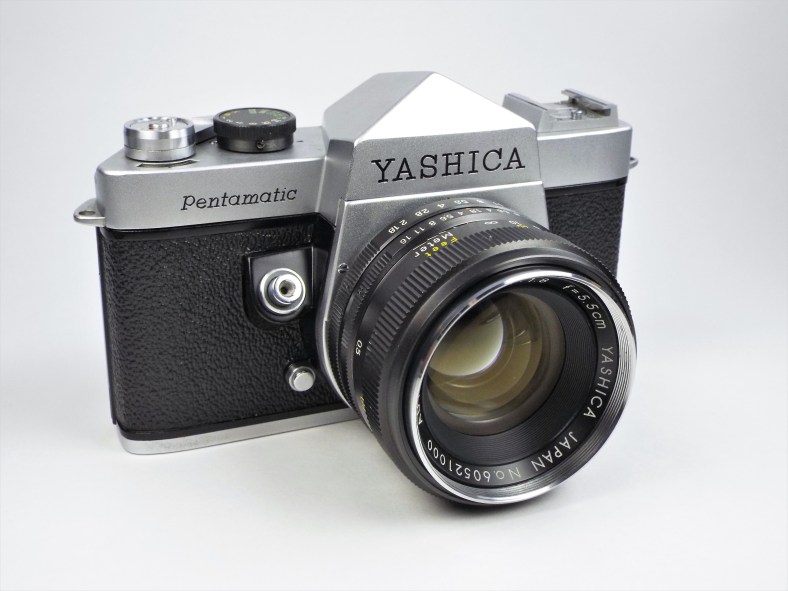
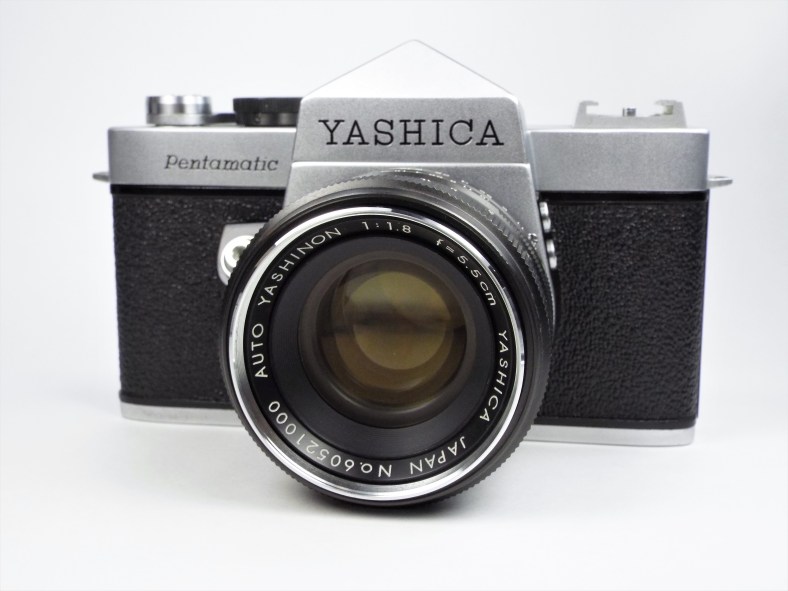
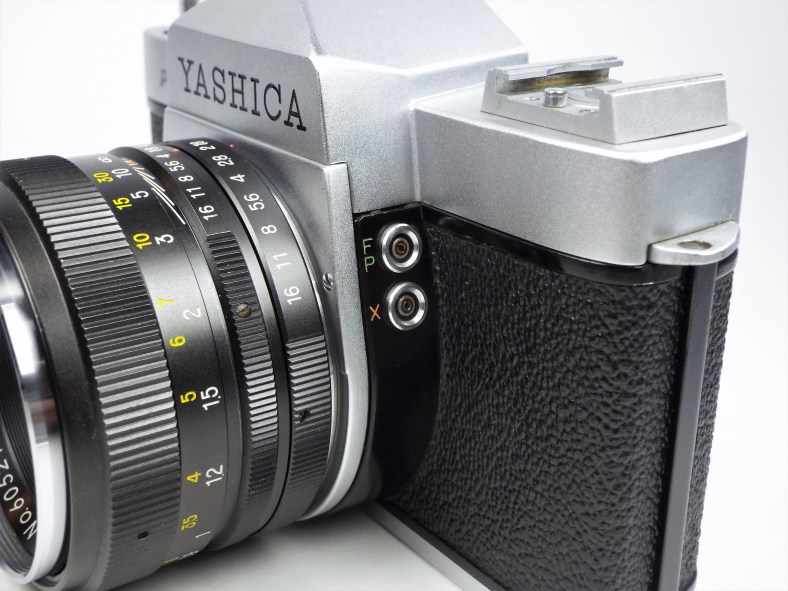
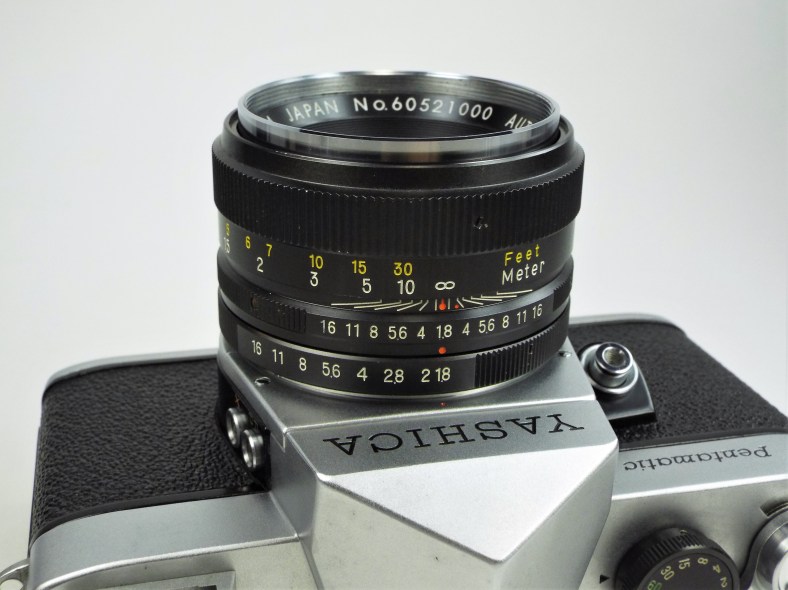
This one includes the Auto Yashinon 5.5c f/1.8 lens that puts the lens as a very late production model (maybe mid 1961). Here’s a chance to check out our Pentamatic from many angles.

DSCF6233

DSCF6235

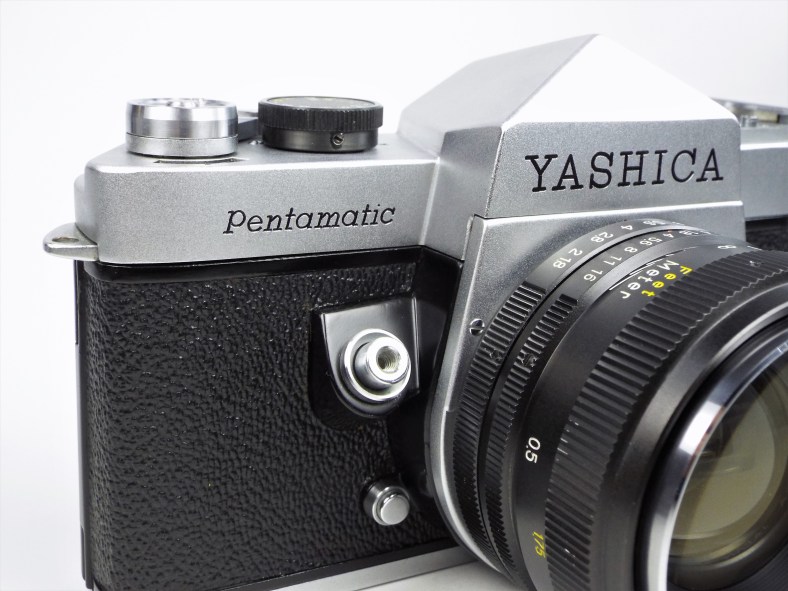
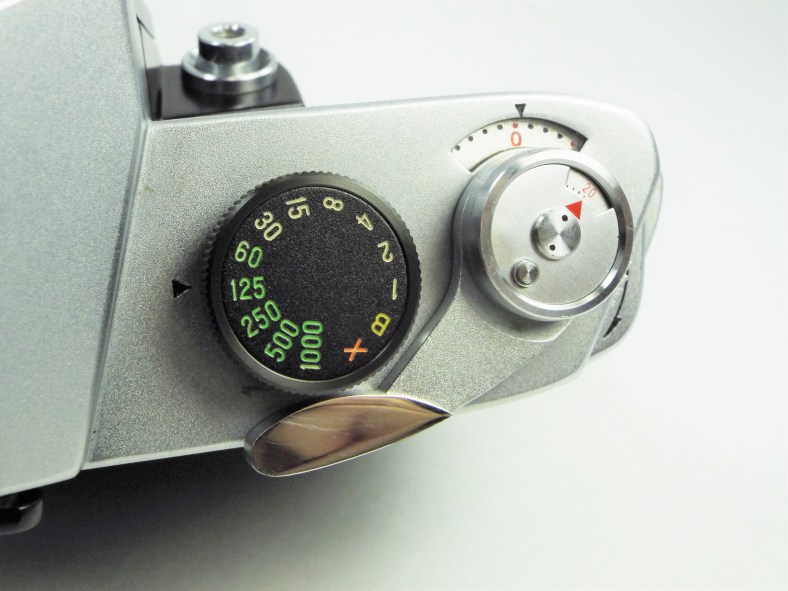
The angled shutter release button is in a perfect position for maintaining a solid grip on this heavy body while releasing the shutter.

DSCF6236

The lens serial number, No. 60521000 is unique in the fact that it’s a whole number (21000).

DSCF6237

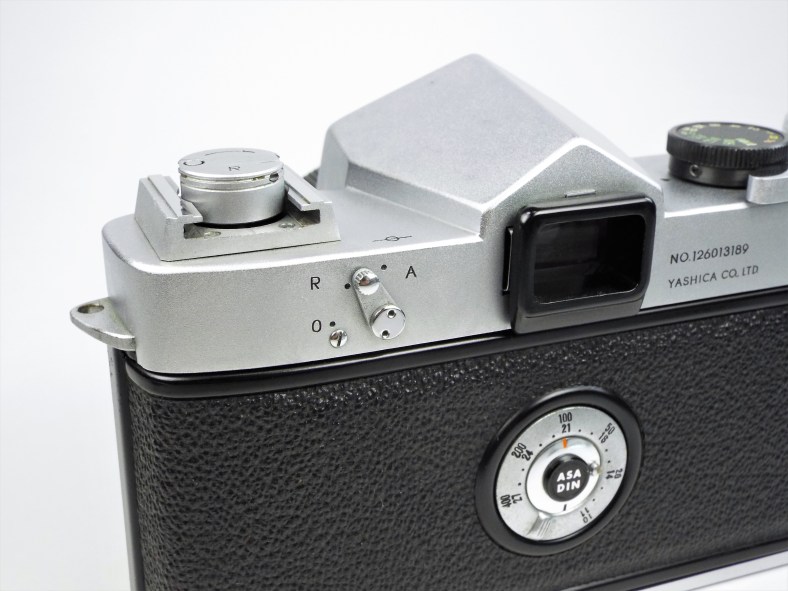
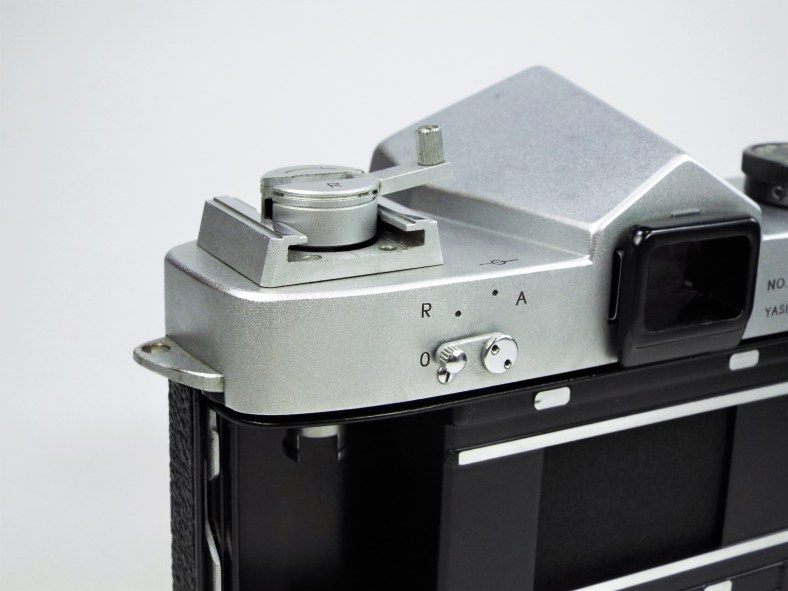
The cold shoe is mounted on the camera’s left side top plate. Actually a very good spot for it.

DSCF6238

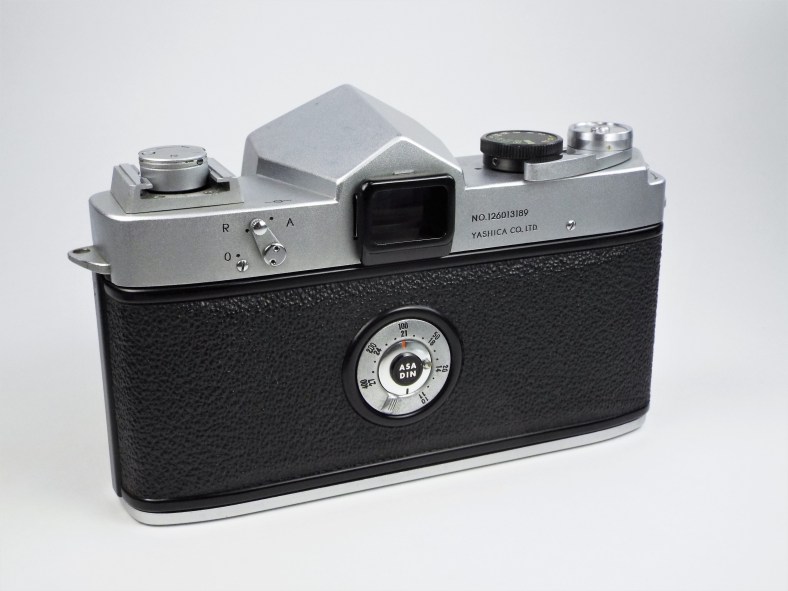
This unique lever controls the rewind knob which pops up from under the cold shoe (it moves from the “A” position).

DSCF6239

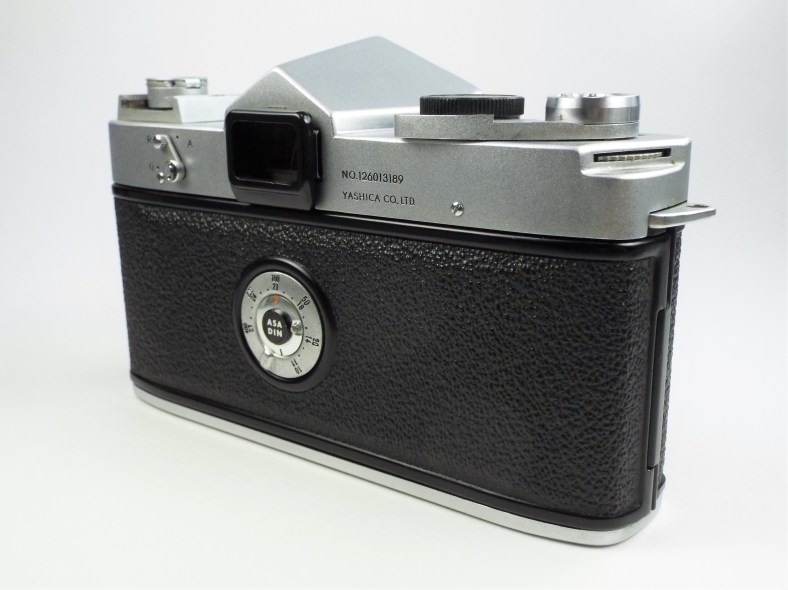
The body serial number, NO. 126013189 decodes to: 12 = December, 60 = 1960, 13189 = 13,189th made since December of 1959.

DSCF6240

DSCF6241

DSCF6243

DSCF6244

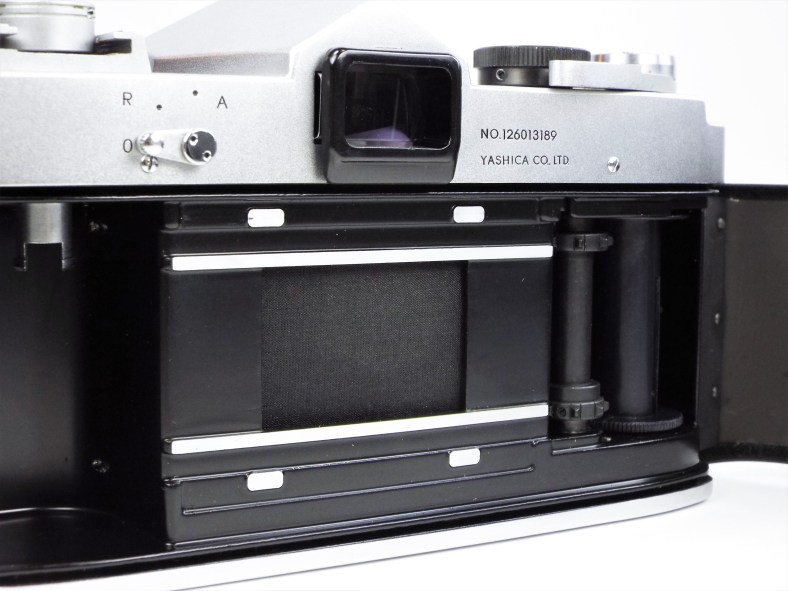
The lever is now in the “O” position which allows the back to be unlocked.

DSCF6245

Pulling up the rewind knob completes the opening.

Our love affair with this fine camera continues. We just can’t get over the clean lines and excellent design.

If you want to acquire a nice Pentamatic for your own collection, they come up occasionally on US online auction sites and infrequently on auction sites in Japan. Nice examples can be had for under $50. Super nice examples will go closer to $100 with some guarantee of functionality from the seller.