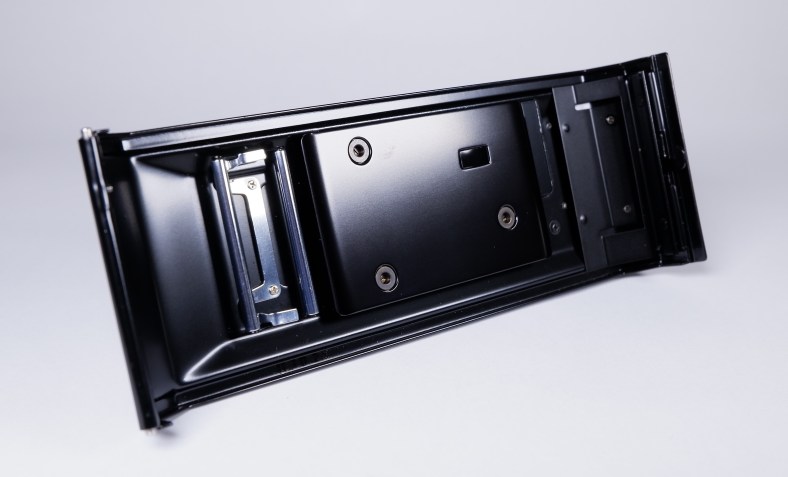
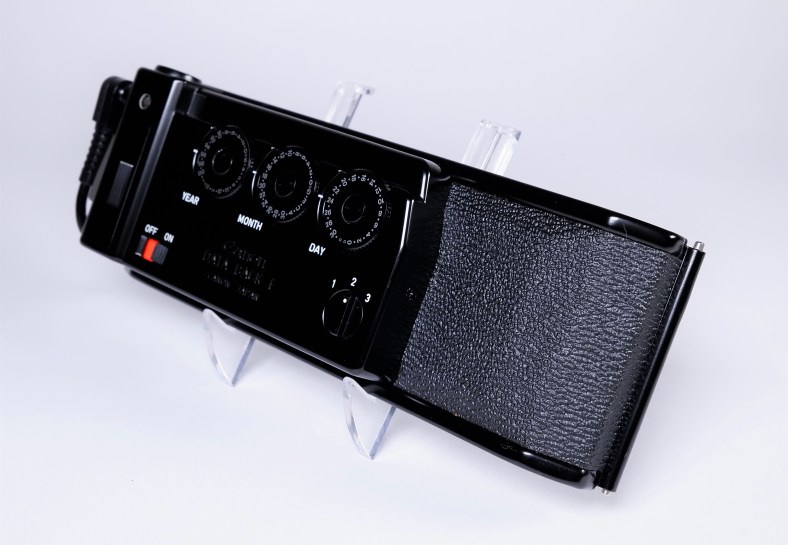
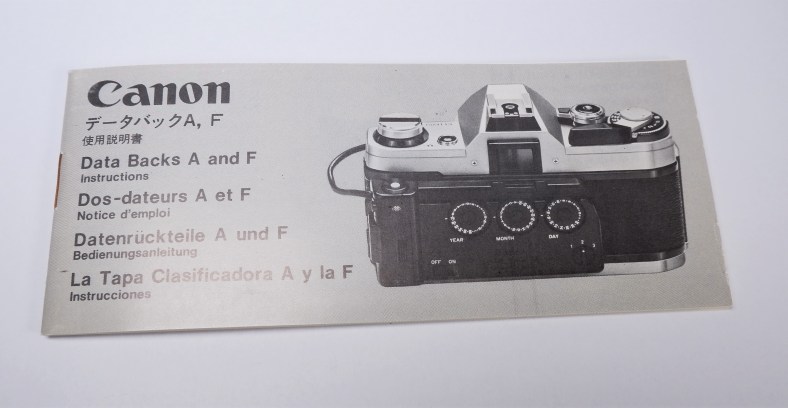
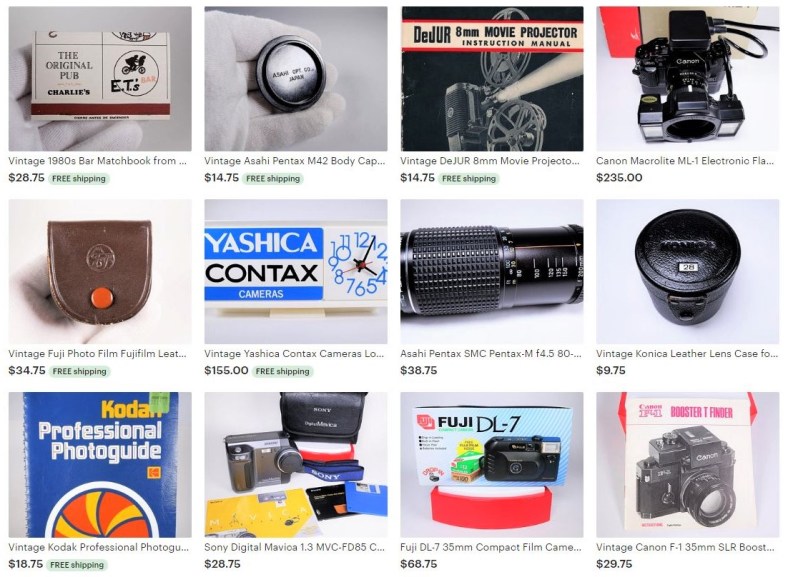
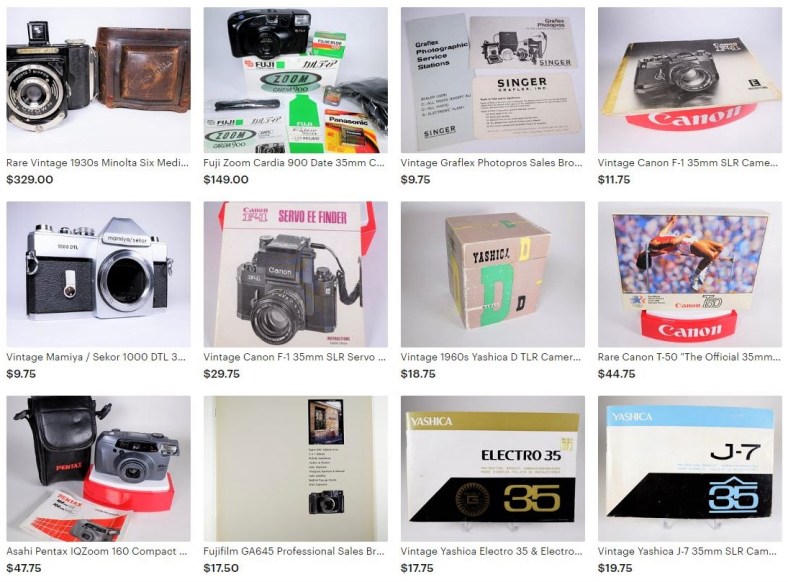
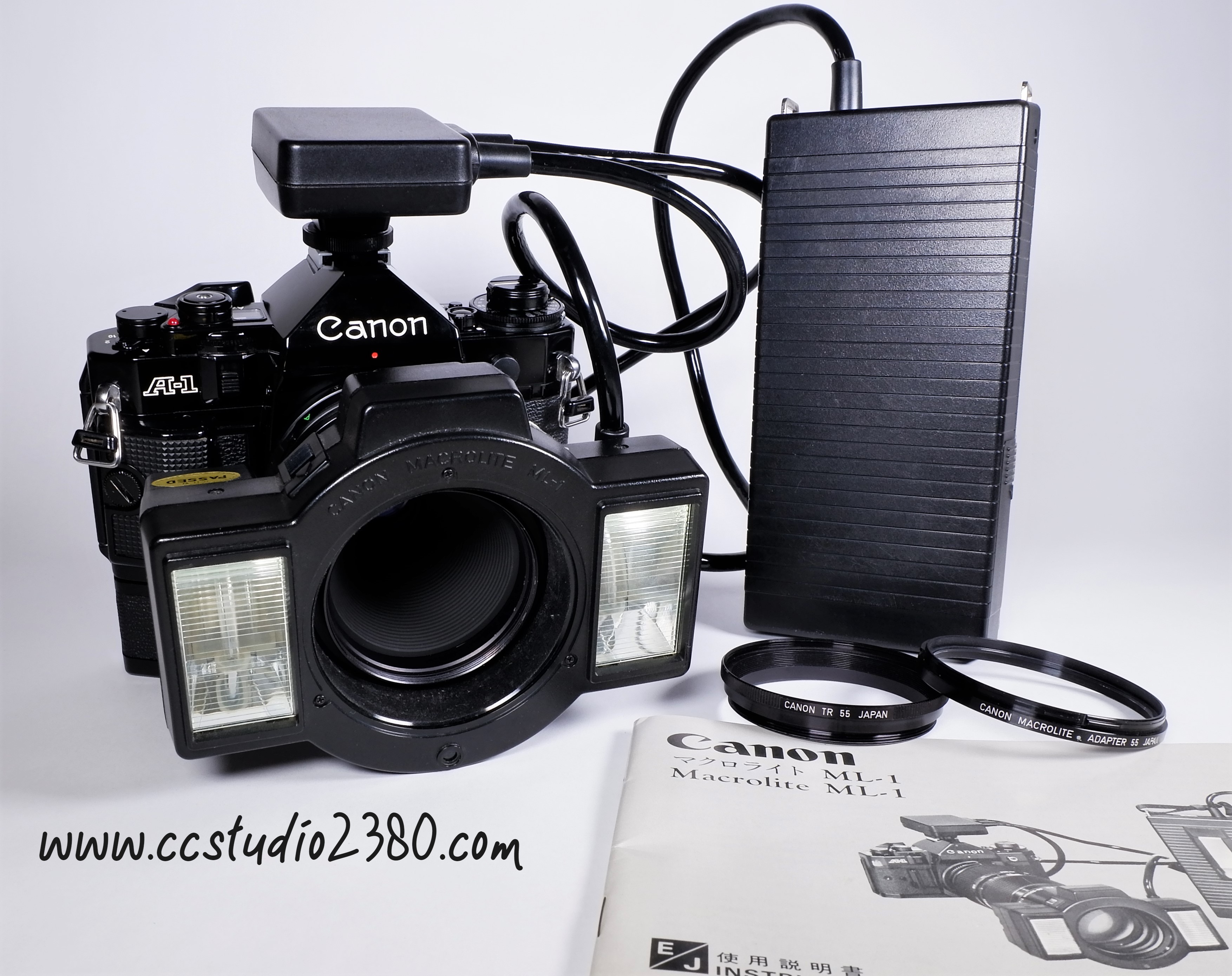
Canon T50 and T70

Overlooked 35mm SLRs from the early 1980s. They feature built-in power winders and have auto exposure too. Both cameras accept all of Canon’s FD lenses which are still available in bunches!

DSC03066

DSC03132

If you find these for sale in like-new condition and working then definitely snatch one up. They make great basic film cameras to develop your film photography skills.

These two were part of my ever-changing Canon collection over the years. I believe I sold these in 2011.

I’m always on the hunt for quality Canon, Yashica and Nikon cameras. Please feel free to contact me if you’re interested in selling yours. We are very active buyers of almost all types of photo gear. Contact us at ccphotographyai@gmail.com

Thanks – C&C

Rare Jockey Club Brasileiro Demitasse Spoon – 1950s

From the famous Jockey Club Brasileiro (Brazilian Jockey Club)

A beautiful and vintage Demitasse Spoon
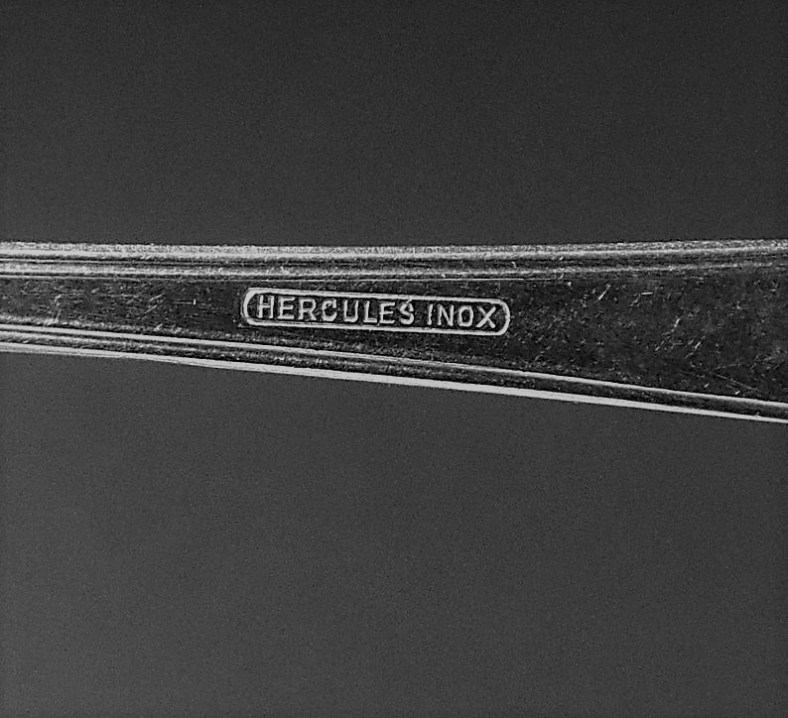
Marked Hercules Inox
Properly hallmarked and verified as original and genuine.

– The spoon is from the 1950s as it has been in our family since at least then.

– From the world-famous Jockey Club in Rio de Janeiro which was founded in 1932

– The overall length of the spoon is 110 mm

il_794xN.1050501292_8prp 1

64947557_427743011404789_798069931263418738_n

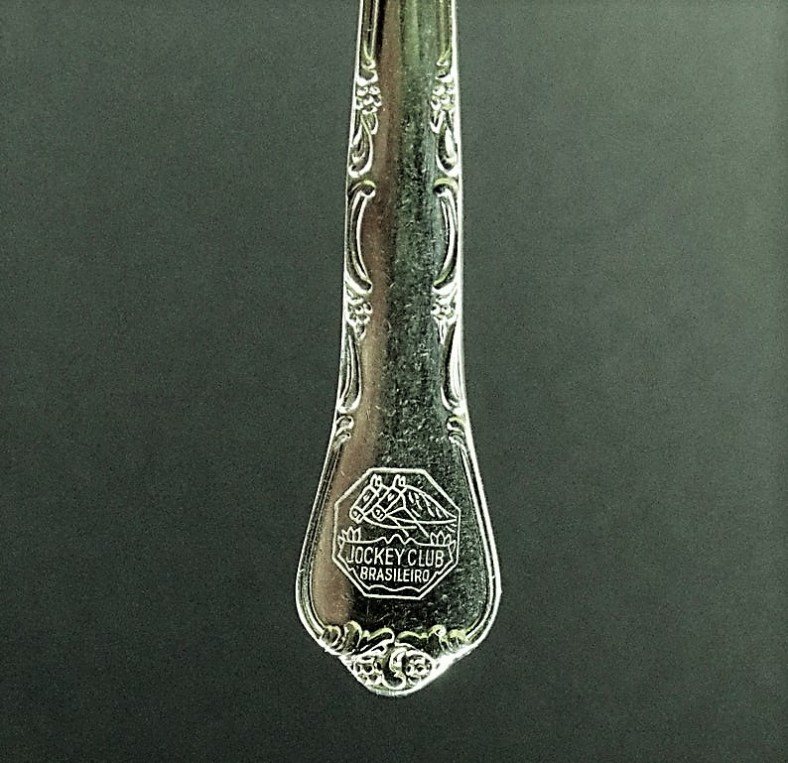
The official logo of the original design that appears on the spoon.

il_794xN.1050501282_4p2u 1

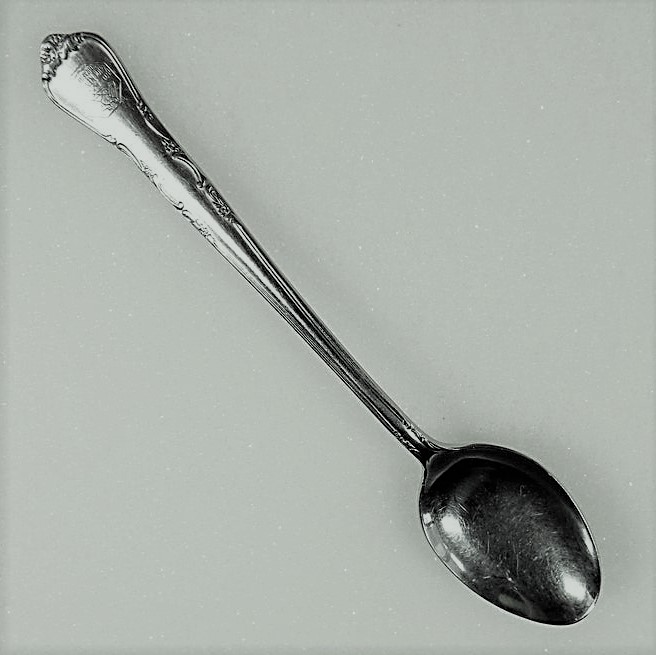
Front view of the spoon.

2012072647466

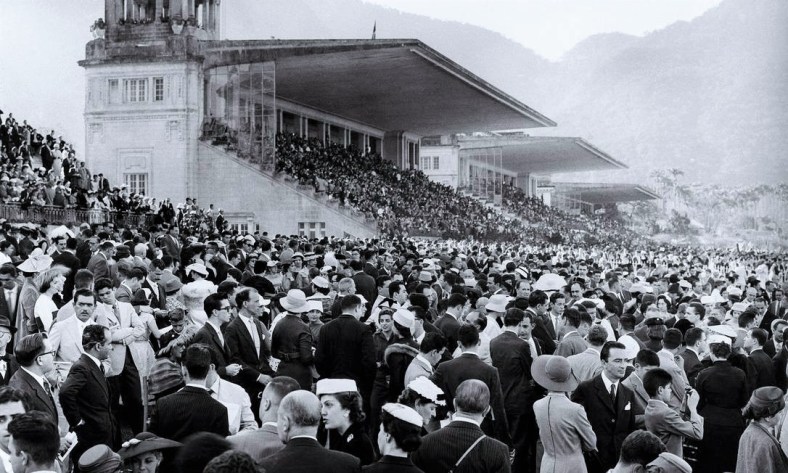
Always very popular throughout its history – a view of the crowds in the stands of a major horse race in the 1940s.

2012072647467

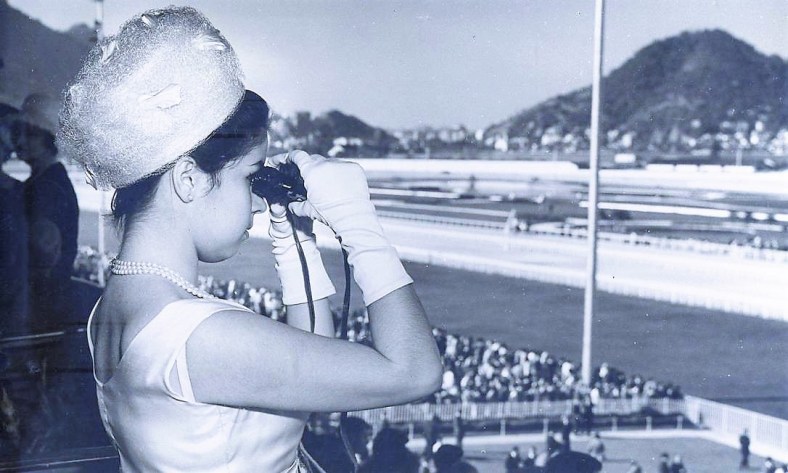
Keeping a close watch on her horse – 1950s (maybe).

il_794xN.1050501326_hcci 1

The markings on the back of the spoon.

It makes for an interesting conversation piece when you present it to a guest with their coffee or tea. Own a piece of history!

Capture jc

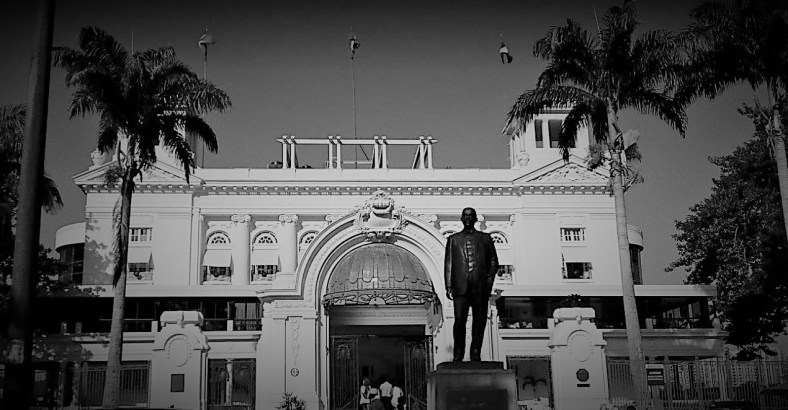
Jockey Club Brasileiro, Rio de Janeiro – Hipódromo da Gávea

It’s available for sale at www.ccstudio2380.com

Thanks for stopping by! – Chris

Happy SUNday! – Charmander Attacks!

DSCF6604

Ultra rare 1999 Topps Pokémon TV Animation Edition Series 1 Foil 3rd Printing collectible card with debossed teardrops and flames.

DSCF6605

Due to a printing error, the “Topps” logo (bottom center) should be green vice black. All of these special foil cards should be green to match the rest of the 3rd printing in Series 1. Confused? To a collector (my kids) this is cool stuff so that means its cool stuff to me too! Of all the characters that my kids were followers of I personally enjoyed the Pokémon the most.

Have a beautiful day! – Chris

Please respect that all content, including photos and text, are the property of this blog and its owner, Yashica Pentamatic Fanatic, Yashica Sailor Boy, Yashica Chris.

Copyright © 2015-2019 Yashica Pentamatic Fanatic, Chris Whelan
All rights reserved.
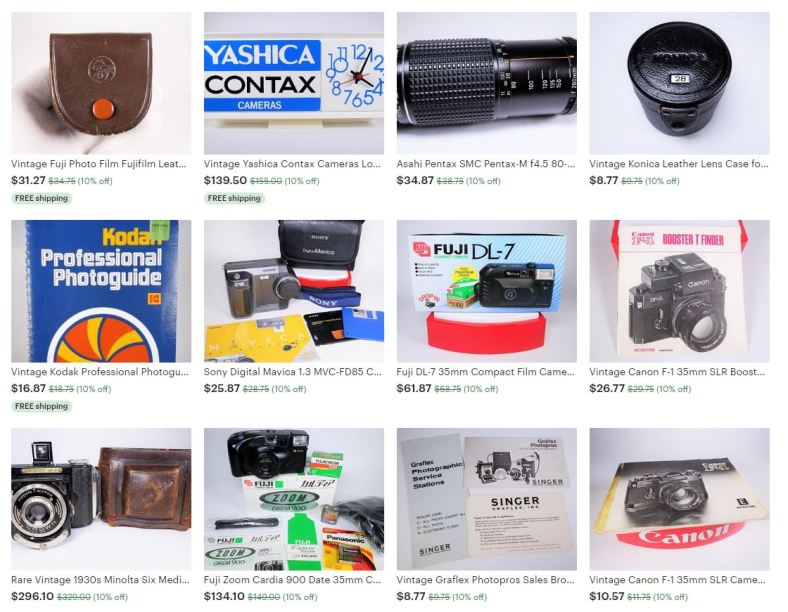
In the Shop – Rare Fuji Photo & More!

New in the shop this week at http://www.ccstudio2380.com

listings 8.16.19

Stop by my camera and photo gear shop hosted by Etsy for some really interesting items. I ship almost anywhere in the world quickly and securely. Give my shop a look! Thanks

listings 8.16.2019

If there’s something you don’t see that you have been looking for give me a shout – I may already have it in my collection or I know where to get it. Email me at ccphotographyai@gmail.com

Thanks, Chris

Yashima Flex Box – revisited

As a die-hard collector of Yashica cameras and photo gear, I can’t pass up the opportunity to share interesting bits that represent Yashica’s history. Of course, Yashica started off as Yashima and this represents the only camera that bore the Yashima name. Subsequent cameras quickly were named Yashica while the company name remained Yashima (until 1958).

So the Yashima Flex is pretty unique as it is a one-off. Here’s a pretty rare find – an original box for the Yashima Flex from 1953. The box structurally is sound and the graphics are clear and still appealing. There is some embedded soil that stained the paper on the top of the box but that’s to be expected as the top receives the most fallout from pollutants.

YashimaFlex Box

YashimaFlex Box 2

YashimaFlex Box 3

This is spot on to the actual color of the box (faded I’m sure after all these years).

These boxes are often called presentation boxes as they were inside of an outer cardboard shipping box. As best as I can tell, the boxes were never intended to be a place to store your camera when not in use so most were disposed of as soon as the camera was used. There’s no reason not to store your camera in its leather case in the box other than it wasn’t very convenient to do so. Finding an intact box for a camera made in Japan sixty-five years ago is pretty amazing especially considering that there weren’t many made.

Yashima was a startup just like hundreds of others in post-war Japan. How their boxes looked in a dealers display mattered so these early 1950s boxes often were made extremely well. To give an idea of its size here are its dimensions. About 7 inches tall, 5 inches wide and 4.25 inches deep ( 170 x 124 x 110mm).

Yashima Flex Box Set (1) with logo

Yashima’s pride and joy! Not quite as good a representation of the actual color of the box compared to pictures earlier in this post.

Thanks for stopping by! Chris

Nicca Flash Unit from around 1953

As you may have guessed by now if you casually follow this blog that I also have a passion for collecting bits of camera gear made by and for the Nicca Camera Company. Nicca was acquired by Yashica in 1958 and that acquisition led directly to Yashica developing (with lots of help from Nicca designers) its first 35mm single-lens reflex camera the Pentamatic 35 by early 1960. Yashica was a bit slow to the marketplace with an SLR as Canon, Asahi Pentax and Canon (among others) had already introduced SLRs by then.

Because of this relationship, Nicca has always held a prominent spot in my collection and the Nicca 3-S remains one of my favorite 35mm rangefinders to shoot with. Recently I’ve added this wonderful flash set to my collection.

From the instruction booklet, it describes this as “an automatic rechargeable flash gun specifically designed for Nicca cameras”.

DSCF6402

Considering its age (1953) it’s in outstanding condition. Hey, it’s as old as me!

DSCF6378

All set to go. The Nicca B.C.B. flash unit attached to my Nicca 3-S.

DSCF6377

Viewed from above the pilot lamp is visible on the top center of the flash head. It lights up when the flash is ready to fire.

DSCF6380

The red-tipped bulb ejector button. You don’t want to handle a hot bulb.

DSCF6383

As part of the set, I received the original instruction booklet and a pamphlet for the flashbulbs which were made by West Electric Company of Tokyo and Osaka – later to become or at least partner with National-Matsushita.

DSCF6413

A closer look at the “Exposure Guide Numbers” card pictured in the previous image above.

DSCF6405

The reflector is about 5.5 inches across. The bulb looks tiny compared to the reflector but believe me, it puts out some light!

Nicca AD Cool

Advertisement from late 1951 0r 1952.  The flash looks like it used a slightly different connector cord than the one in my set. Hinomaruya ( ひのまるや ) was the Domestic General Agent for Nicca in Japan.

DSCF6418

Details from the instruction booklet. Shown in this image is a capacitor and 22.5-volt battery to power the flash but it could also be powered by two “D” cell batteries or three “AA” penlight batteries with an adapter.

DSCF6458

Size comparison between the flash handle and two D-cell batteries. As can be seen, the optional add on handle extension would need to be used. 

DSCF6420

Front view without the reflector. My guess is that the “BC” means battery-capacitor and the “B” is for battery (I don’t know for sure about the last “B” at this point).

DSCF6422

Camera side view with the shutter cord connector and “L” bracket connector visible. The red-tipped bulb ejector button is also visible.

DSCF6426

Parts detail minus the reflector and the capacitor/battery.

Nicca only made 35mm rangefinder cameras (maybe a lens or two but unproven) during its existence so the flash unit was made by another company. It’s likely that the West Electric Company, Limited, of Osaka and Tokyo was the manufacturer although no part of the flash is marked with the name “West”. Only the included pamphlet mentioned West. As stated earlier in this post, it’s likely that West merged or partnered with National-Matsushita Electric to build additional models of flash units during the second half of the 1950s.

Thanks for stopping by! If you know what “B.C.B.” means please share it with me. – Chris

Please respect that all content, including photos and text, are the property of this blog and its owner, Yashica Pentamatic Fanatic, Yashica Sailor Boy, Yashica Chris.

Copyright © 2015-2019 Yashica Pentamatic Fanatic, Chris Whelan
All rights reserved.


In the Shop – Yashica FR II & more!

New in the shop this week is this excellent Yashica FR II. It’s a wonderfully simple film camera to use as it incorporates aperture-priority autoexposure. You select the f-stop and the camera’s computer sets the shutter speed based on your film’s ISO (ASA) speed.

DSCF6280

The Yashica FR II is one of my favorite cameras to use. The viewfinder is big, bright and clear and coupled with the fast Contax/Yashica DSB 50mm lens it’s a joy to shoot with. The focusing screen on this Yashica uses a diagonally split focus spot that makes it super easy to get an accurate focus quickly even in dim lighting (perfect for my gettin’ older eyes!).

This Yashica FR II (FR2) has been fully inspected, serviced and tested. It will come to you with a fresh battery and the original lens cap. Just load a roll of film and you’re good to go!

Here’s some of my other cameras and gear in the shop at http://www.ccstudio2380.com

in the shop july 22

More can be found at http://www.ccstudio2380.com which is hosted by Etsy.

Thanks for stopping by! – Chris