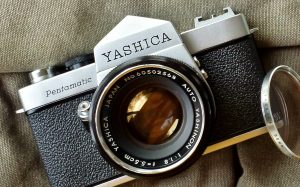
Yashica’s First 35mm Cameras – 1958-59

IMG_20181016_0010 logo

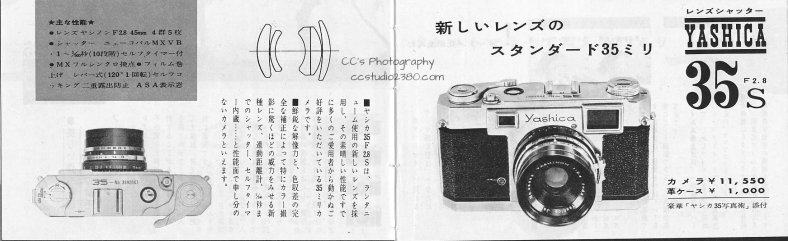
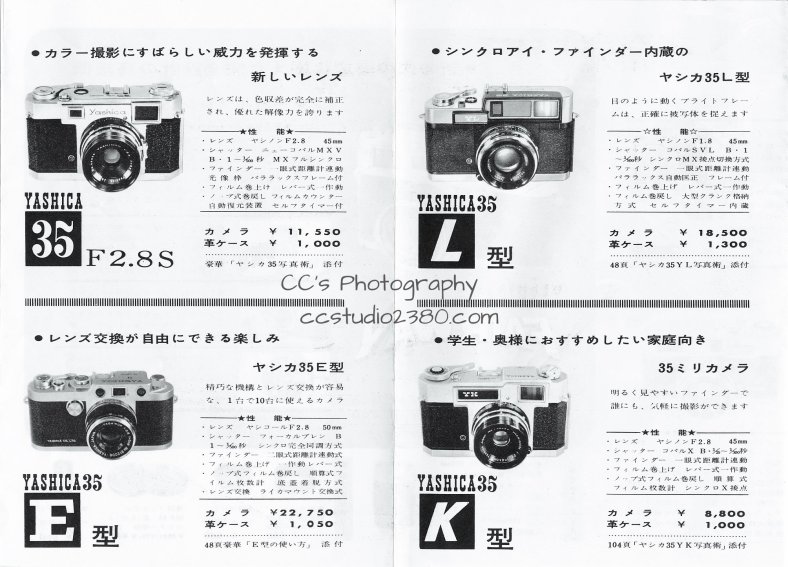
From a rather hard to find (OK, kinda rare) sales brochure (above) from late 1960 or early 1961.

IMG_20181017_0009 logo

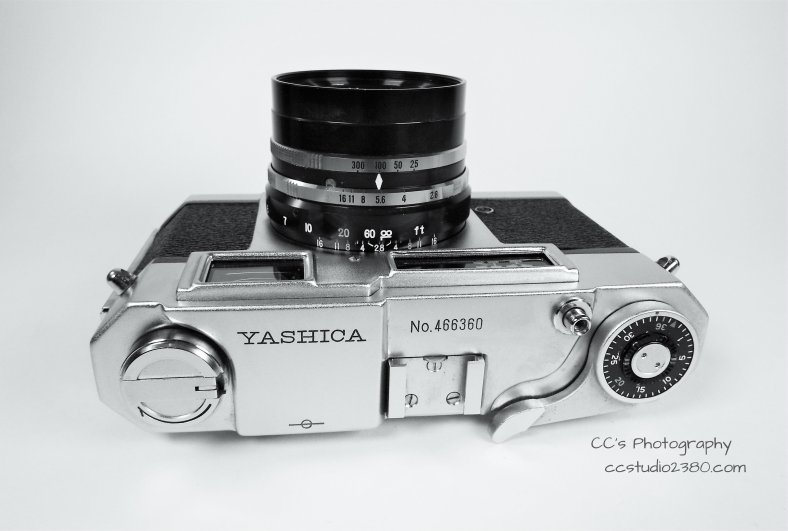
The Yashica 35 YK (identified here simply as the “K type”) is the least expensive of the cameras and was produced in large numbers starting in June 1959. The camera is marked with the “YK” on the front right of the body in gold while the top has Yashica engraved in it next to the serial number (pictured below).
DSCF8501 logo

Yashica 35 K type – aka the YK

IMG_20181017_0008 logo

The Yashica 35 (above) was the first 35mm rangefinder camera from Yashica. In this brochure, the marketing department has added an “S” as part of the description of the camera (f2.8 lens). It appears from my translation that the “S” may have to do with something about the lens – either a new coating or some other design feature(s) which makes it new. Of course, it may be simple marketing hype as the 35 was getting on in years by this time.

IMG_20181017_0007 logo

The Yashica 35 Fair-Way (YF) is the only one in this series that was given a name that I’m aware of. It’s also the only one marked Yashica and Nicca. It was a transition camera as Yashica had just acquired Nicca in 1958. It’s one of the most expensive in this series to acquire as sellers recognize the relative rarity of the model especially in mint or excellent condition.

IMG_20181017_0006 logo

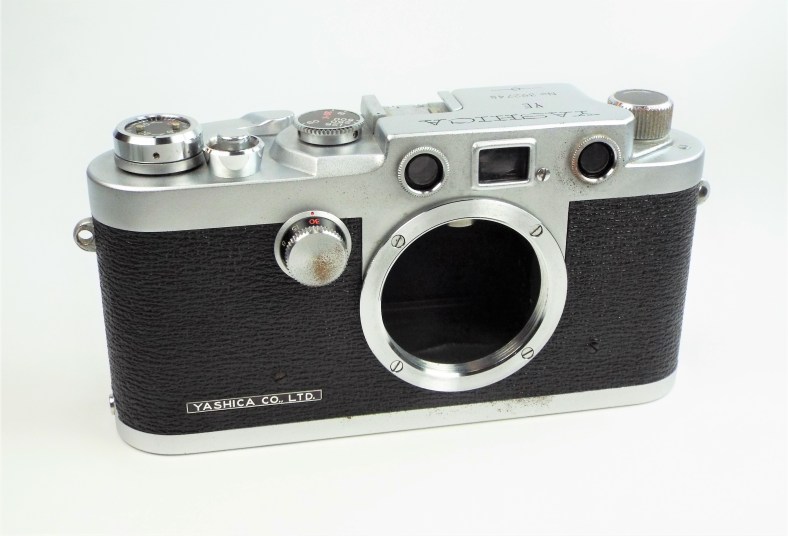
Yashica’s first interchangeable lens 35mm rangefinder camera – basically a Nicca in Yashica cladding.

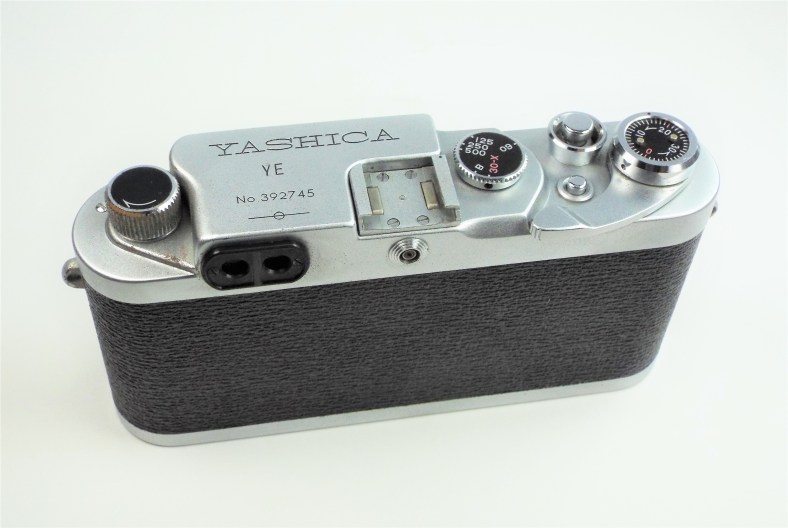
The Yashica 35 E type (above) is also known as the Yashica YE which is engraved in the top plate. Here again, it’s a case of the marketing department manipulating the name of the camera – either to make it appear as a new model of it may be that the Japanese market tends to simplify the names of cameras. I believe that the unifying theme here is that Yashica wanted each of these cameras to feel connected to one another. By using the common name Yashica 35 “X” type the cameras couldn’t be mistaken for anything but a 35mm camera from a company known for TLRs and 8mm movie cameras.
DSCF6188

My one and only Yashica YE

DSCF6186

Thanks for stopping by and be sure to visit my shop at http://www.ccstudio2380.com for some classic collectible cameras and photo gear. – Chris

Please respect that all content, including photos and text, are the property of this blog and its owner, Yashica Pentamatic Fanatic, Yashica Sailor Boy, Yashica Chris.

Copyright © 2015-2018 Yashica Pentamatic Fanatic, Chris Whelan
All rights reserved.

The YK – a simple little gem from Yashica

Often overlooked and most likely an unknown 35mm rangefinder from Yashica. This example is an early version from June 1959. Very similar to Yashica’s first 35mm camera the Yashica 35 but with fewer features. It listed for $39.95 and the leather case could be had for an additional $7.95

DSCF8499 logo

Handsome camera from Yashica. It features a bright viewfinder, easy to operate controls and a high-quality Yashinon f/2.8 lens.

DSCF8501 logo

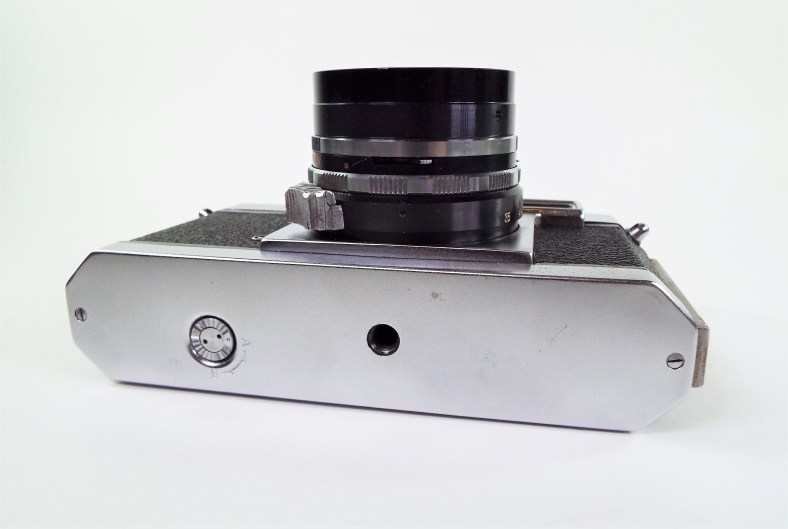
A view from above – simple layout and big easy to use controls. Note the distance scale is only in feet (typical of the time period) and the Copal-SV shutter ranged from “B” to 1/300

DSCF8500 logo

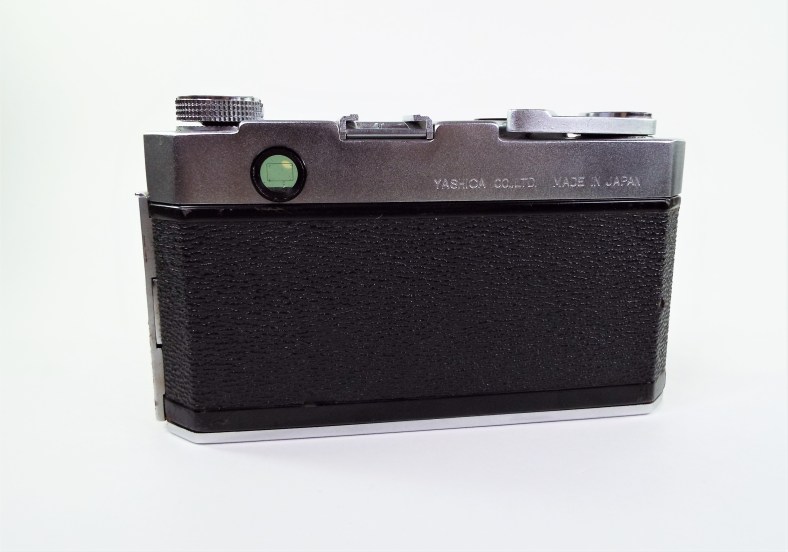
An ASA/DIN reminder dial, the eyepiece and the company name grace the back of the camera.

DSCF8490 logo

Side-by-side comparison with the Yashica 35 “F” (left). Yashica didn’t deviate much from the basic foundation of the 35 model which was first built in April 1958. The Yashica 35 pictured here is actually from December 1960 which puts this YK a full year and a half earlier than the 35.

DSCF8497 logo

If you’re interested in trying out an early Japanese rangefinder then the Yashica YK is certainly a worthy camera to go after (whenever you can find one). We were lucky to find this wonderful example recently as it makes a nice addition to our collection.

Thanks for stopping by!

Chris


The Yashica 35 – Yashima’s first 35mm camera – a visual tour.

DSCF8430

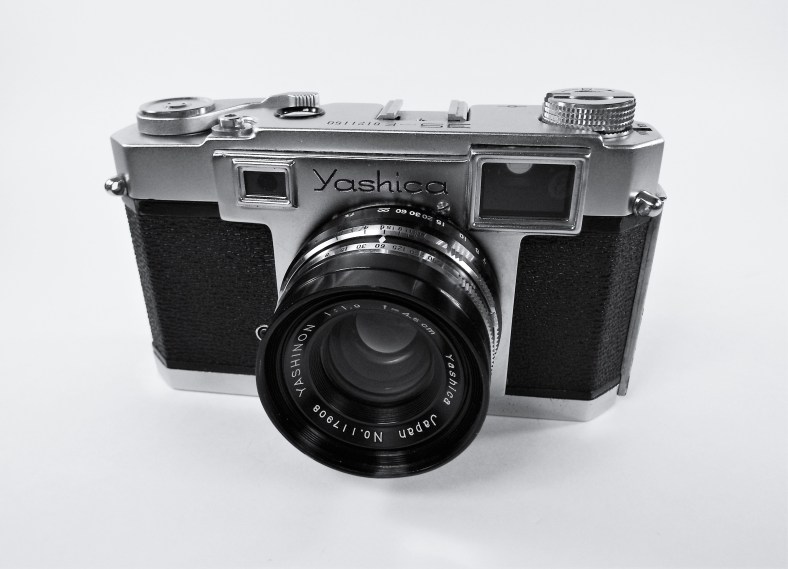
The Yashica 35 was produced starting in April 1958. This camera (above) is one of the last of the series to roll off the assembly line at Yashica’s factory in Shimosuwa, Nagano Prefecture, Japan in December 1960. Little changed from its original design – minor tweaks here and there but never anything major.

DSCF8431

The lens was made by Tomioka Optical and was produced in two models – the f/1.9 and f/2.8, 4.5cm fixed lens.

DSCF8425

Close-up of the front group removed.

DSCF8423

Very similar to other Tomioka made lenses of the period.

DSCF8428

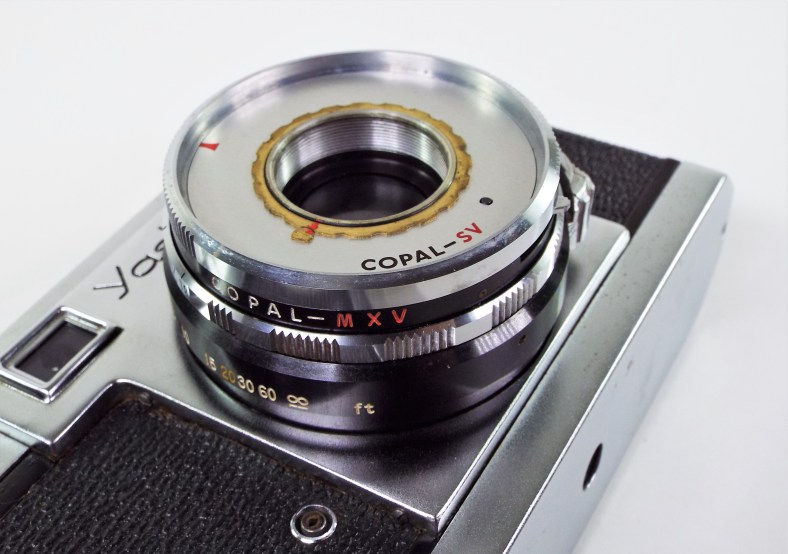
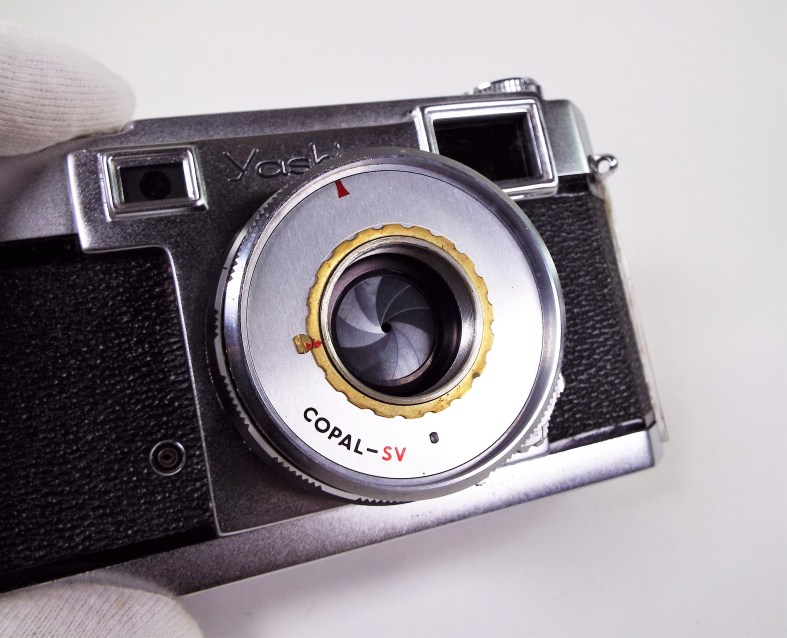
With the front lens group removed we can see the Copal shutter assembly – here a mix of parts produced a hybrid. Is it an MXV or SV shutter? It would appear that Yashica was cleaning out its parts bins when this late model was built. Notice that the focus scale is in feet.

DSCF8421

10 blade aperture.

yas 635 logo 2

Original early sales brochure – the sharp-eyed will notice that the name on the lenses is “Yasinon” vice “Yashinon”. Changes were made even as the brochure went to press.

IMG_20180615_0005 logo

IMG_20180625_0001 logo

About $47.00 USD for the f/1.9 and $32.00 for the f/2.8 – add another $2.77 for the leather case.

DSCF8432

The 35 “F” variant. Not a new model just a changeover to a different style of serial numbers. The serial number decodes as follows: 6 = 1960, 12 = Dec, and 1150 = sequence number for that month’s production.

DSCF8434

From this point of view, it looks just like it did in April 1958.

DSCF8435

DSCF8436

A beauty in black & white.

DSCF8440

Yashica 35 & Yashica Pentamatic 35 – Yashica’s first rangefinder and first SLR.

The Yashica 35 is certainly a worthy addition to any early 35mm rangefinder collection. If you like to collect “firsts” then may I recommend that you check out the Yashima Pigeonflex, Yashimaflex, the Yashica 35 and the Yashica Pentamatic 35 – each of these wonderful cameras was a major milestone in the development of the Yashica Company.

So there you have it, a brief visual tour of the Yashica 35. If you would like to know more, much more, cruise on over to my good friend Paul’s website.

Thanks for stopping by!

Chris


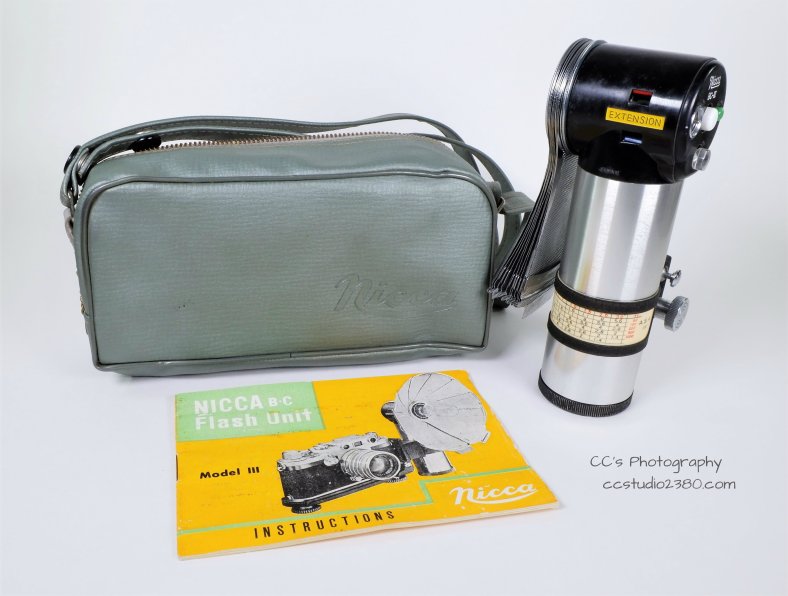
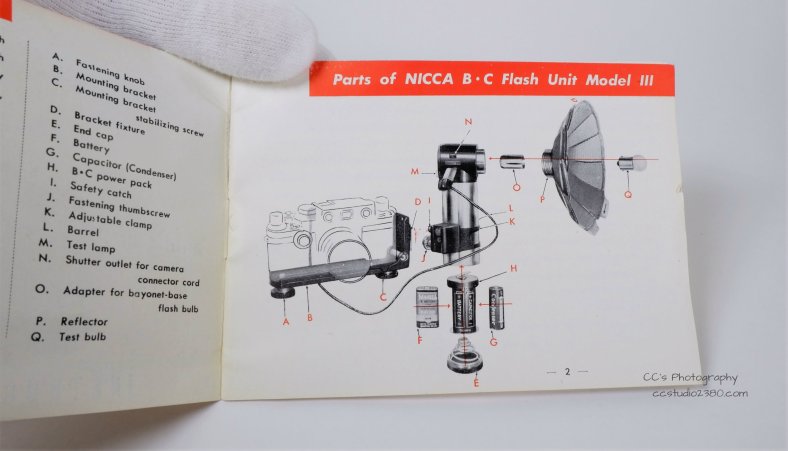
Nicca 3-S with Nicca BC-III Flash Unit

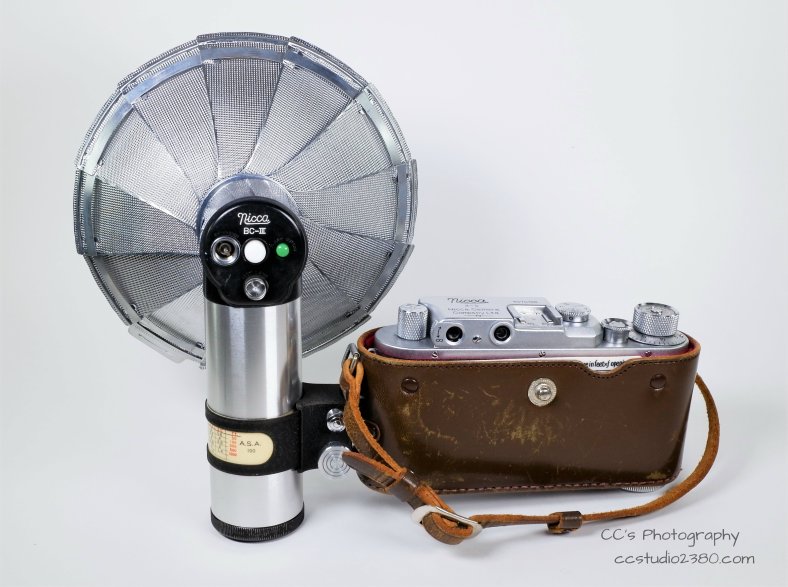
Nice mid-1950s technology – an outstanding 35mm rangefinder camera paired with a cutting edge Nicca flash.

nicca s3 flash

nicca s3 flash back

Here the flash handle is attached to the leather camera case via the left side metal bracket on the case. It does put a bit of a strain on the case so probably not the best way to tote it around.

DSCF7909 logo

DSCF7910 logo

Nice textured vinyl bag for the set.

DSCF7917 logo

The case has held up nicely over the years. I’m missing the connector cord and of course the 22.5v Type 015 battery (they are still available). The cord will be difficult to find but that’s half the fun!

If you happen to have the connector cord please let me know – I’m a buyer!

Thanks for stopping by!

Chris

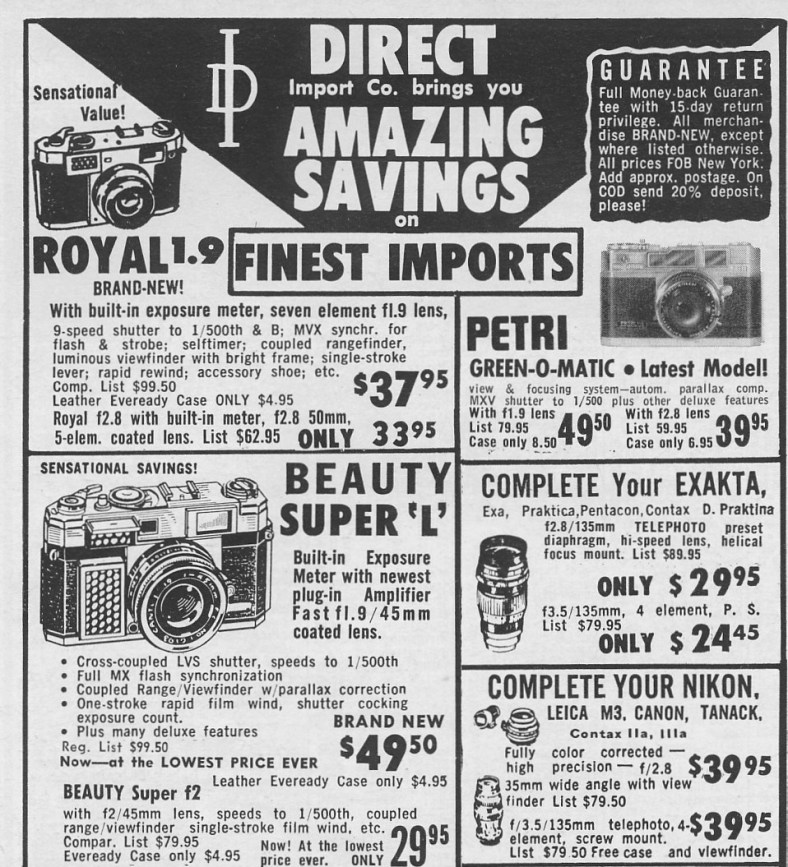
An Elusive Camera – the Royal 35-M

When you don’t have one it’s considered to be hard to find. After you acquire yours it becomes rare.

When it comes to any camera made by the Royal Camera Company of Tokyo they collectively can be considered rare. They did, however, make cameras that were branded by other companies with either the exact same specs (as the Royal 35-M) or with exclusive features only found on that model.

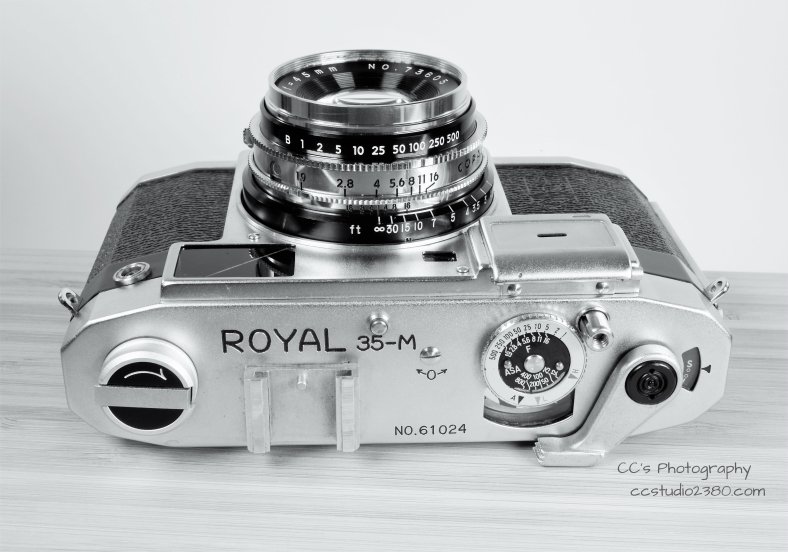
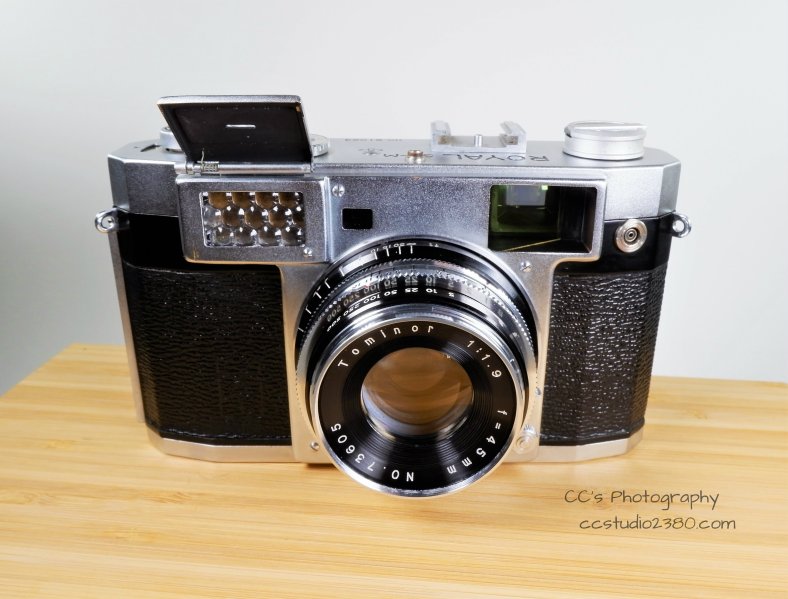
Here’s our “rare” Royal 35-M from around 1958.

royal 35m logo

It’s a handsome camera and it has the feel of a very well constructed machine. The fit and finish are excellent. This model comes with a fixed 45mm lens made by Tomioka Optical and carries the Tominor name. It’s a fast lens at f1.9.

royal 35m logo2

It would appear that by serial number this camera is from about the middle of the production run. Royal looks like it used a simple sequential numbering system with no “hidden” date codes.

royal with flap

The light meter “exposed” – normally the flap would be closed but it can still be used with the flap down under bright conditions. The meter in this camera is no longer operating which is typical of a 60-year-old camera.

tomioka lens pair

A pair of Tomioka lens equipped old birds from the 1950s

Advertisement for the Royal 35-M in Modern Photography magazine from February 1960. The f1.9 lens is claimed to have a seven element lens whereas the f2.8 is a five element lens. There isn’t a ton of info out there on these cameras so these little bits of data here and there are helpful.

IMG_20180719_0001

Modern Photography ad from February 1960

Thanks for stopping by! Be sure to visit our “gift shop” at http://www.ccstudio2380.com

Chris

Nicca 3-S on location

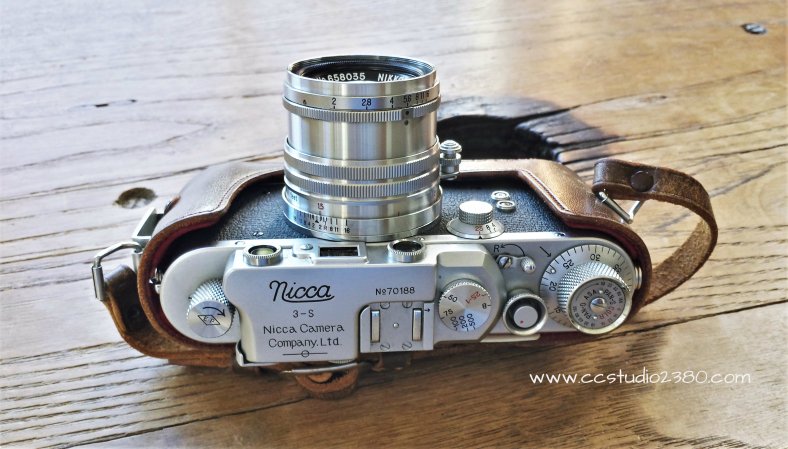
1950s vintage Nicca rangefinder 35mm camera shot on location – c1911 post office.

Nicca at PO

After a day spent on a photo walk in our local historic district, our Nicca takes a break for a beauty shot. The mid-afternoon lighting is always just right in this 100-year-old post office – the table once held ink wells (the hole behind the camera) and the wood table top has such a wonderful patina and texture.

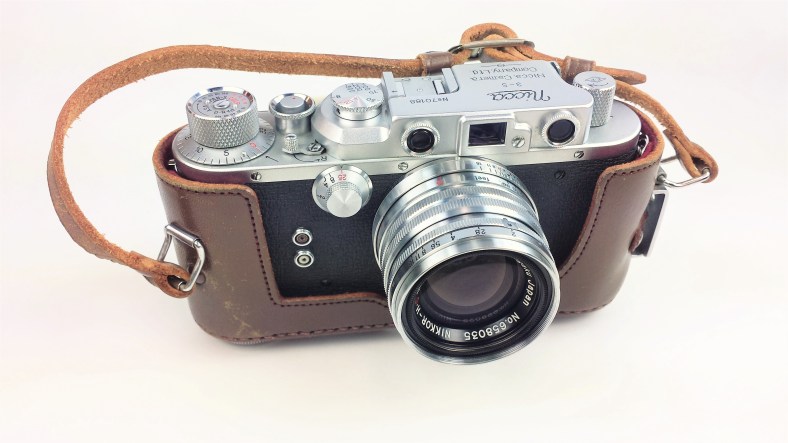
Our Nicca 3-S is fully operational – it’s considered to be one of the best Leica copy cameras produced in Japan in the early part of the 1950s. The 5cm f/ 2 lens is a Nikkor and is clear and sharp.

Of interest, the <E.P> mark on the rewind knob (extreme left) indicates that this camera was available for sale in Japan as an exempt purchase, meaning that it was for sale only to military personnel and their families, diplomatic personnel and their families and possibly available at duty-free shops. Photogear marked with the <E.P> symbol was not for sale to Japanese citizens as it was tax-exempt.

Thanks for your visit!

Chris

Shameless plug – stop by our e-commerce shop at https://www.ccstudio2380.com for more great and interesting stuff! ^.^

Please respect that all content, including photos and text are property of this blog and its owner, Yashica Pentamatic Fanatic, Yashica Sailor Boy, Yashica Chris.

Copyright © 2015-2017 Yashica Pentamatic Fanatic, Chris Whelan
All rights reserved.

Nicca 3-S vs. Nicca 3-F

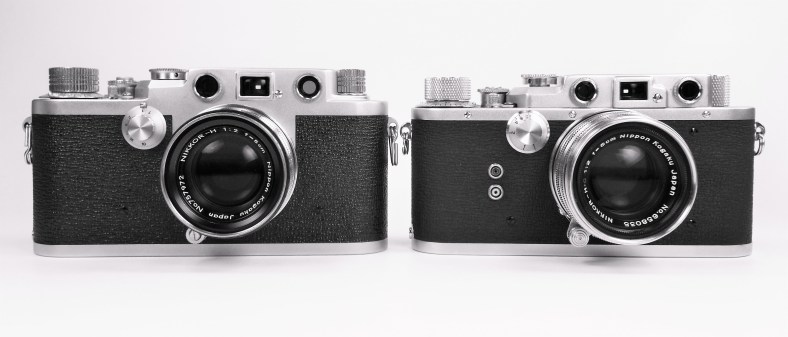
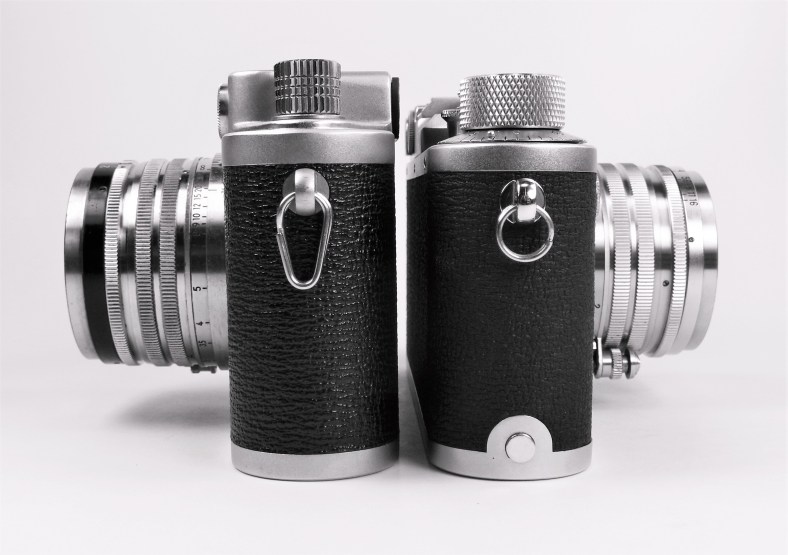
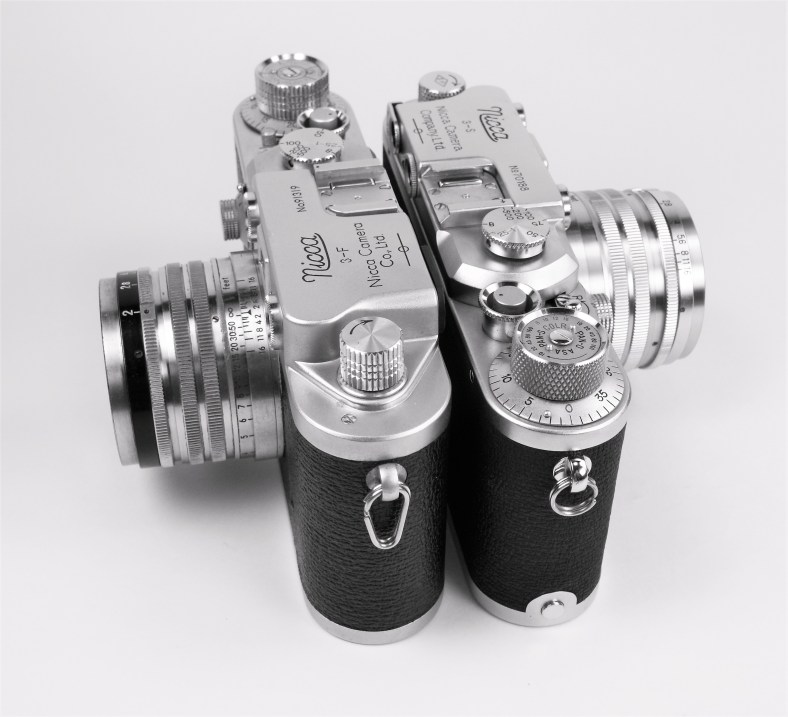
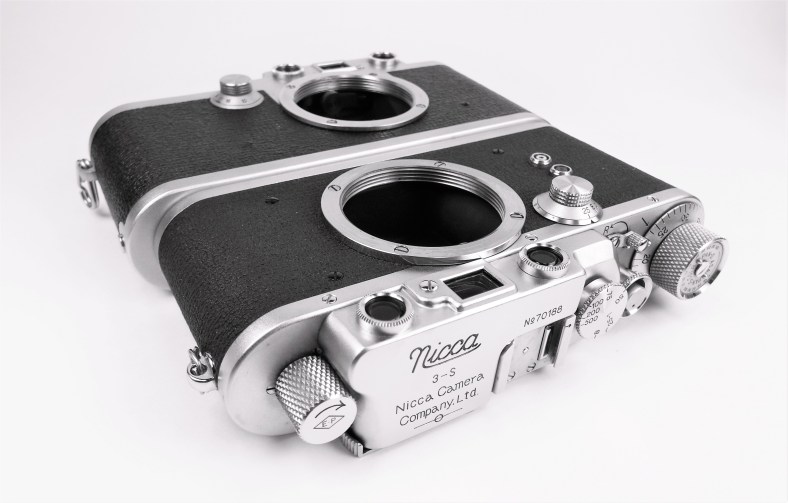
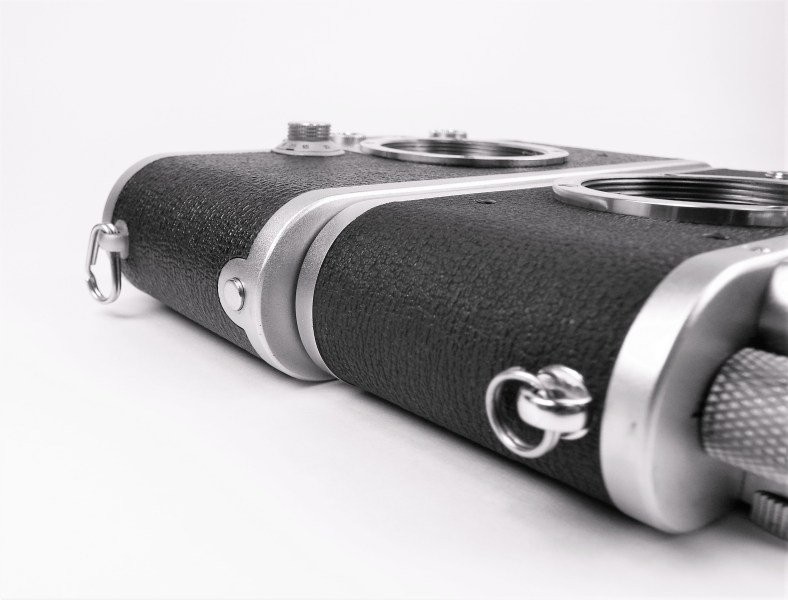
We’ve always assumed that the Nicca cameras were pretty much the same size from one model to another. The early 1950s models look for the most part, the same as the 1958 models. Now that we have two Niccas in our collection it’s time to do some comparisons.

Nicca 3-F on the left and the Nicca 3-S on the right.

DSCF5424

First off, without the lenses attached, there is a slight difference in weight between the two with the 3-F weighing in at 445 grams and the 3-S weighing 432 grams.

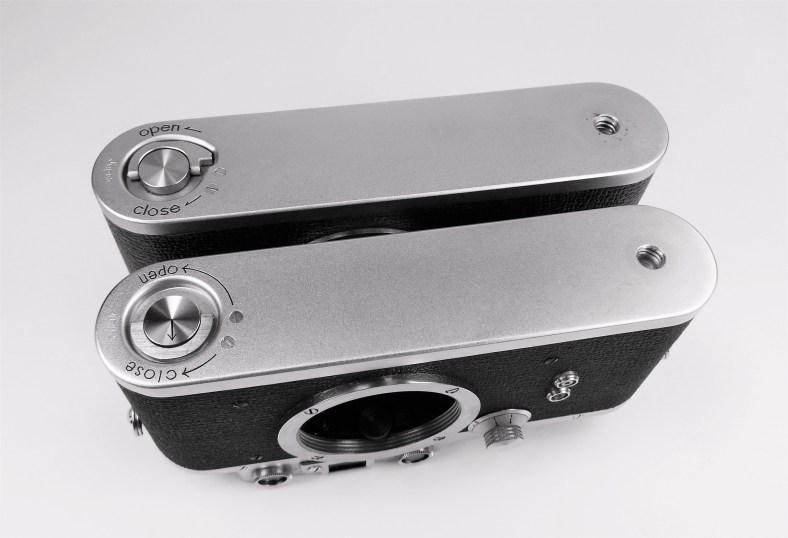
There is however a difference in size which surprised us. The later model 3-F (left) is taller than the 3-S (right) by about 4mm.

DSCF5425

DSCF5427

The 3-F is also longer than the 3-S by about 7mm.

DSCF5428

The 3-F is about 7mm longer and 1mm wider than the 3-S.

DSCF5429

The 3-F is the top body with the 3-S on the bottom.

DSCF5430

Since these Niccas share the same specs it’s surprising that Nicca expanded the body of the 3-F.

Our best guess is that the later model (3-F) uses its extra length to improve the film path. Measuring the distance between the spindles with the baseplates off, the 3-F is 5mm longer than the 3-S (108mm vice 103mm).

So nothing earth shaking – just some subtle differences. As we have stated before, these are high quality cameras with exceptional fit and finish. Adding a Nicca will enhance any collection of 1950s Japanese made rangefinder cameras.

Studio Camera: Fujifilm FinePix S9900W

Chris

Minolta Uniomat III

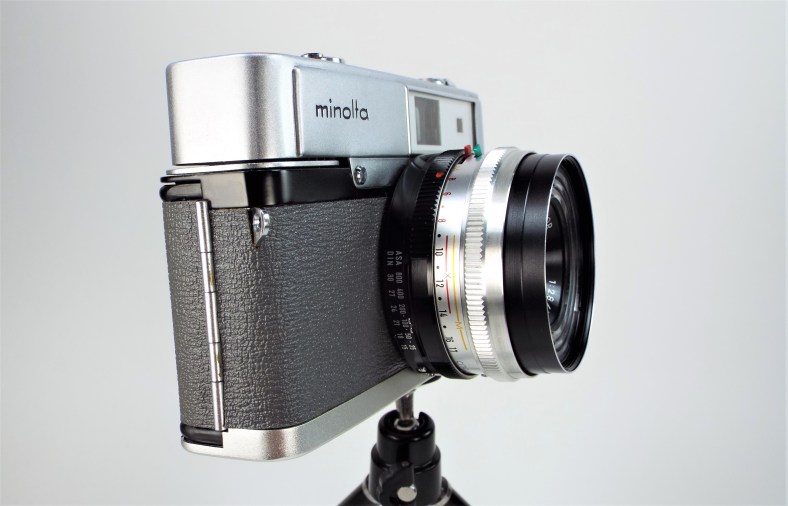
35mm rangefinder camera from Minolta. This one is from about 1963. Neat little camera – a bit small for my hands so it’s hard to reach the lens to focus comfortably. The rangefinder focuses well but doesn’t snap out at you although the view is bright. No film test for this one. The shutter fires and the speeds appear to be on time – the rear lens element is “ate up” (Southern term) with fungus and when I got rid of the fungus I was left with an etched lens. Maybe some polishing might bring it back. The light meter appears to be accurate too.

It’s a pretty little thing. I like the gray leatherette body and it certainly looks nice under my studio lights. We like to collect complete sets when we can and this one has its original box, leather case (black), silica-gel pack and the owners manual. It would have been extra nice had Minolta made the case gray like the camera.

dscf3772

dscf3782

dscf3783

dscf3781

dscf3780

dscf3778

dscf3779

dscf3764

dscf3765

Although the box has some damage from handling it over the years, it’s still quite solid. It was covered with soot, dirt, dust, grime and I’m sure some DNA – it was so dirty that the Minolta logo was not visible! I used a new bar of ‘Mr. Clean Magic Eraser’ lightly made wet to gently ‘erase’ the dirt. It’s amazing how well it did without damaging the delicate 50+ year old paper. A new way to restore some of our older boxes in our collection.

img_20170207_0003_new

Nice image from inside the owners booklet.

We wish we had a chance to run a roll through it to test the f2.8 45mm Rokkor lens… but as is typical with these vintage rangefinders, the rear lens element is trashed with fungus.

Thanks for your visit. We hope you know a bit more about this unique camera.

Chris and Carol Photography ^.^

Pigeon 35 by Shinano Camera Co., Ltd.

Why show a 35mm viewfinder camera on a blog about the Yashica Pentamatic? Well, Shinano and Yashima-Yashica share a common history. The first camera that carried the Yashima name was the Pigeonflex… a twin-lens reflex (TLR) camera!

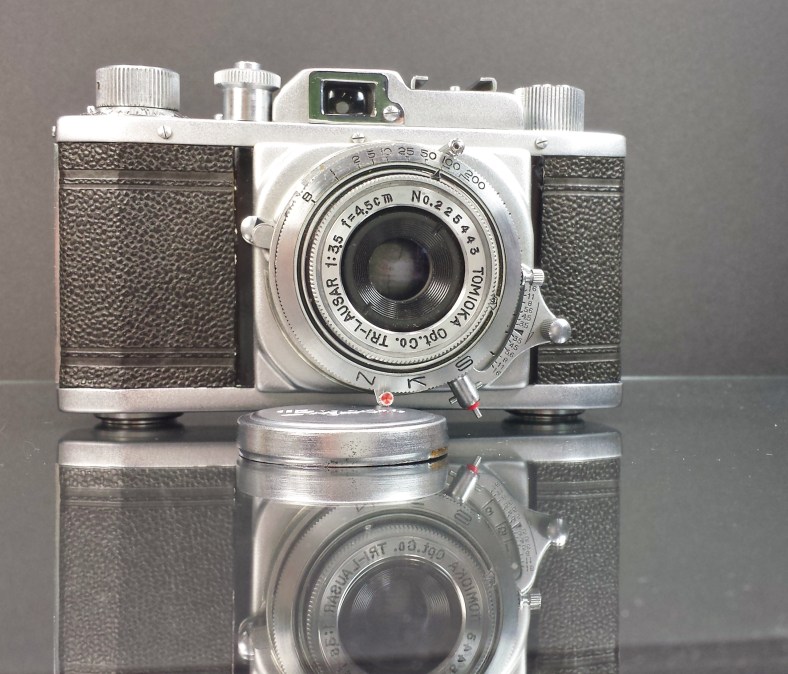
Anyway here’s a nice example of a gorgeous 35 mm viewfinder camera that we acquired recently. The lens is made by Tomioka… a sharp (we hope) Tri-Lausar f/ 3.5 4.5 cm lens. NKS shutter B – 1/200.

It’s a nice heavyweight camera that has a good feel to it. In our opinion, it’s far from being a cheaply built camera as some would say. In fact, it still functions as intended after 6 decades of use. Most leather cases would be a complete mess after this amount of time but the leather is nice and the stitching is intact.


20160801_183736

1952 Pigeon 35 by Shinano.

20160801_183800

Nice view of the Tomioka lens.

20160801_184255

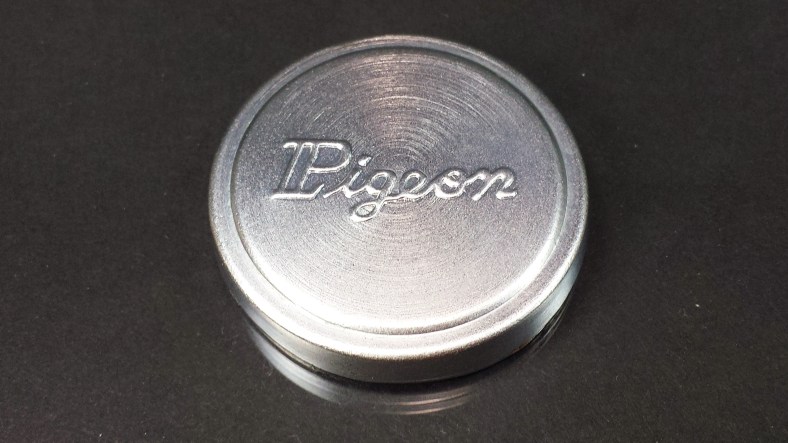
Beautiful logo on this metal cap.

20160801_184349

Classic style. The top plate of the Pigeon 35.

DSCF1574

After 6 decades of use, the case has held up nicely.

DSCF1581

Interesting bottom plate

More to come! By the way, everything works just fine! Can’t wait to run a roll of film through it. Images of the leather case to follow too!

Thanks for stopping by! – Chris

My camera shop is always open at http://www.ccstudio2380.com