The Curious Case of the Yashica ‘Olympic’* Camera

*No, not those Olympics.

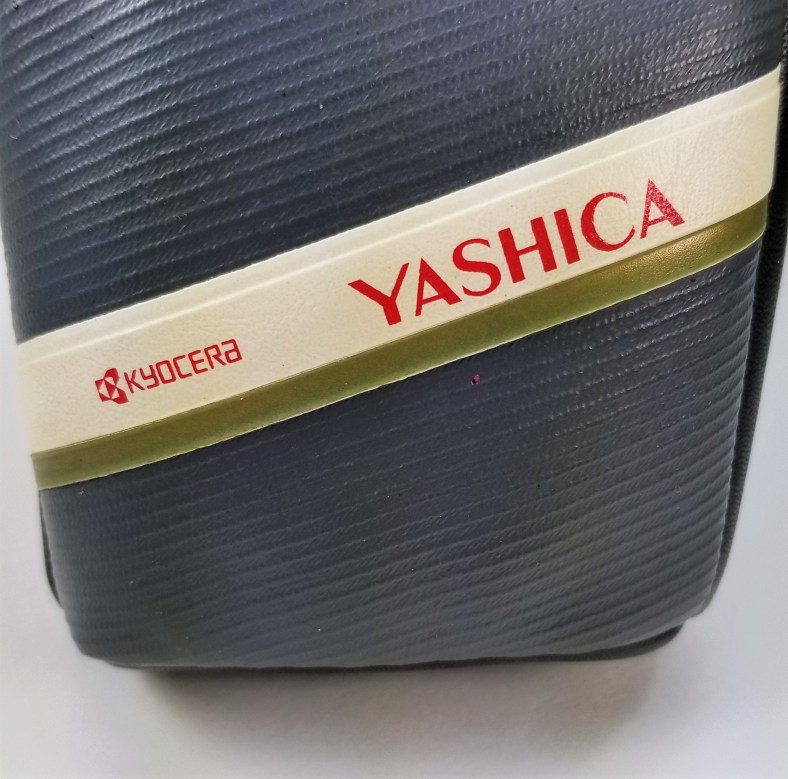
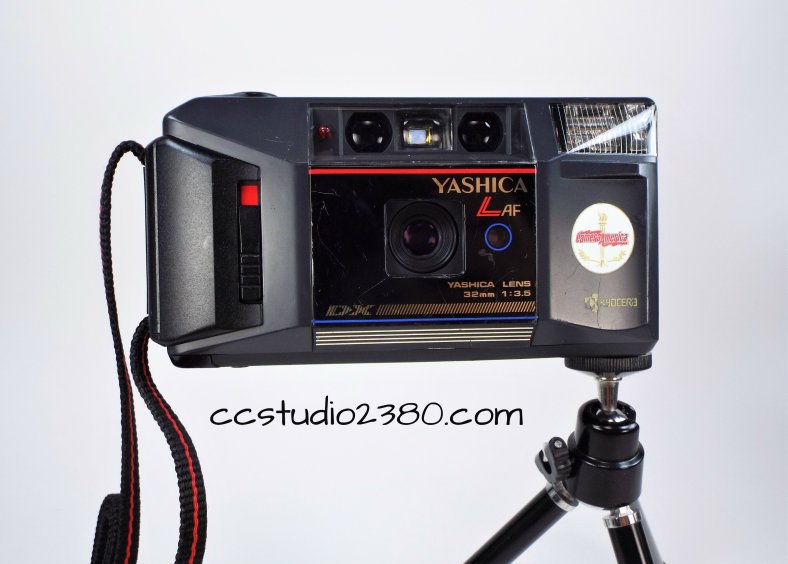
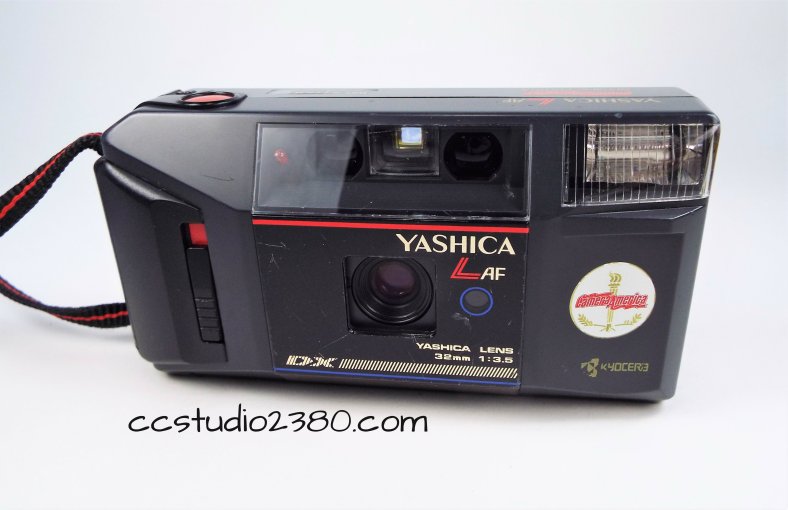
New to us, this neat little Yashica L AF 35mm compact point and shoot film camera is from 1986 and sports an Olympic theme. In all the years that Carol and I have collected Yashica cameras we’ve never run across a Yashica that featured a logo not directly related to Yashica – until now.

We’re big fans of the L AF and we’ve reviewed it before. Field Test of the L AF
DSCF7338 logo

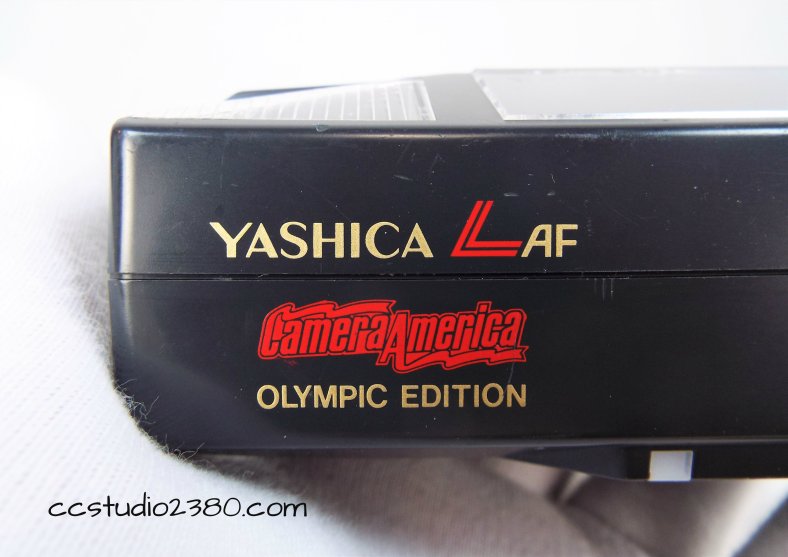
We haven’t been able to find anything that relates to this logo – no other Yashica-Kyocera camera has one. And what exactly is “Camera America”? It looks like (somewhat) an official Olympic logo but without the 5 rings. Did Yashica-Kyocera invent it purely for a marketing campaign? The timing is off as the previous Olympics were held in Los Angeles in 1984 and the next wasn’t scheduled until 1988. Releasing an Olympic camera in 1986 just doesn’t make sense.

DSCF7339 logo

The colors and fonts match in our opinion (see below) – the reds and golds match so it most likely was applied by the factory. As was typical with Yashica and Kyocera, no documentation exists for a “Camera America” version of anything nevermind an “Olympic Edition”.
DSCF7341 logo

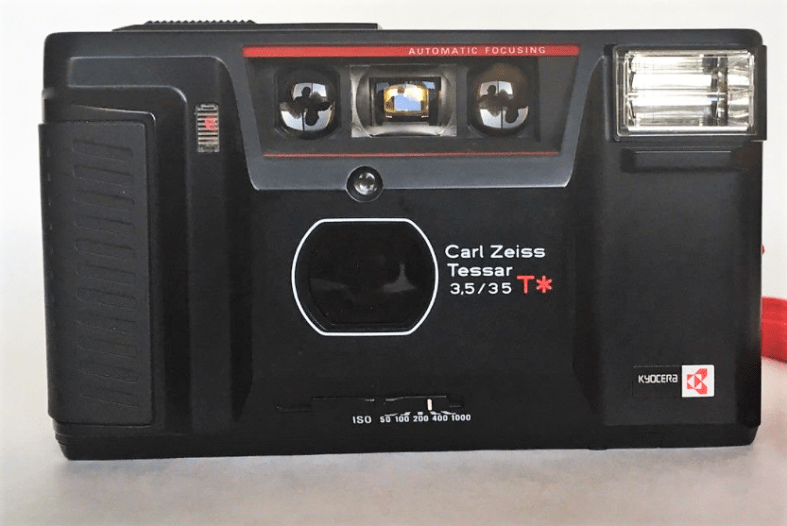
As we’ve said before the Yashica-Kyocera L AF is a low priced version of the more recognizable T* series of 35mm compacts and is a great camera for the money. If you run across one in working condition, by all means, give it a try.
DSCF7346 logo

This one is a tad beat up and it hasn’t been tested yet but we expect it to do well. Once we squeeze some time out of our busy schedule we’ll have a go at it.

By the way, here’s a clip from the instruction booklet for the L AF – more than likely the date depicted matches the release date of the camera (or pretty close to it).

yashica l af booklet


20180416_181216_001

A sticky 1986 Yashica-Kyocera case for the L AF
dscf3464

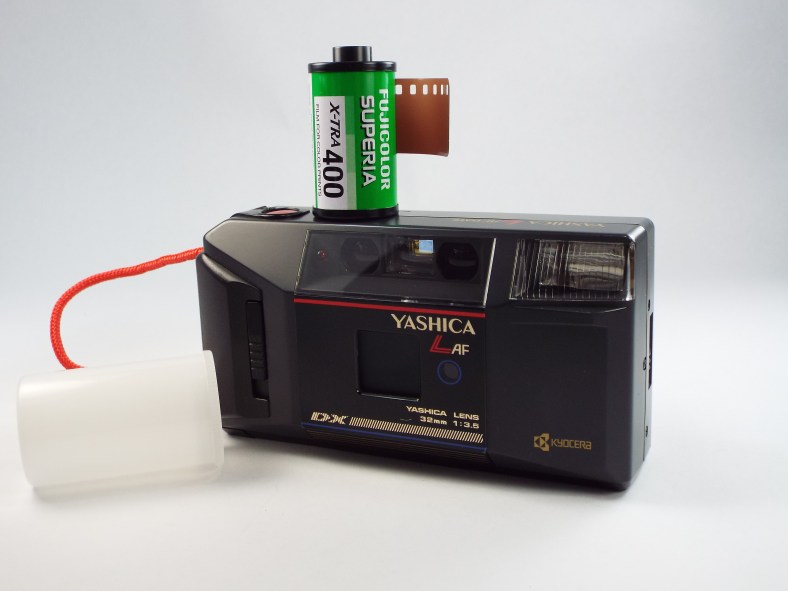
Our first Yashica-Kyocera L AF

78690012

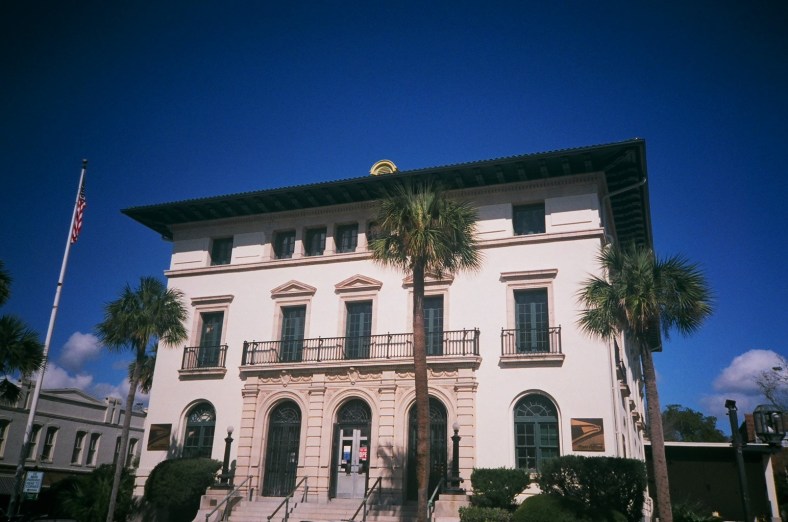
The image was taken with the L AF on Fujicolor film
yashica t af

The much more expensive version

Thanks for your visit. Have you ever seen an Olympic Yashica? Please share your comments if you have!

Chris and Carol ^.^

Please respect that all content, including photos and text, are the property of this blog and its owner, Yashica Pentamatic Fanatic, Yashica Sailor Boy, Yashica Chris.

Copyright © 2015-2018 Yashica Pentamatic Fanatic, Chris Whelan
All rights reserved.


Taxi!

Rome – August 1986

IMG_20171021_0005

An Italian taxi and a Coke!

Canon F-1 with Canon FD 24mm f/ 2.8 lens on Kodachrome. No post production – as scanned. Pretty good color after 31 years!

Always a pleasure when you stop by!

Chris

Please respect that all content, including photos and text are property of this blog and its owner, Yashica Pentamatic Fanatic, Yashica Sailor Boy, Yashica Chris.

Copyright © 2015-2017 Yashica Pentamatic Fanatic, Chris Whelan
All rights reserved.


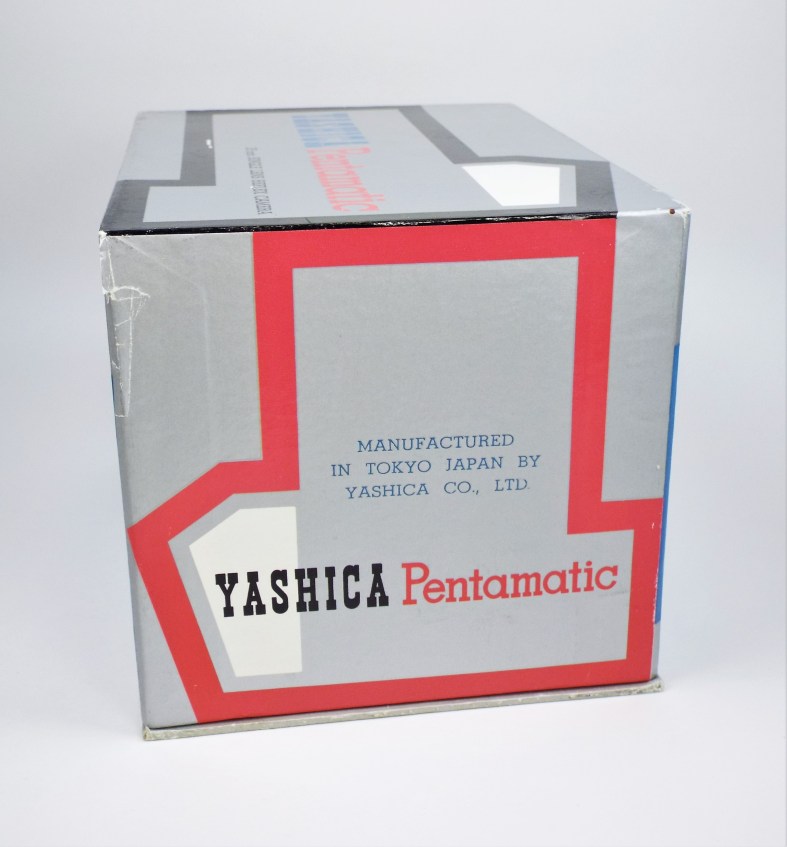
Yashica Pentamatic Presentation Box – 1960

These are not often seen (or collected) as most boxes of this type would have been tossed after purchasing the camera. I know we were guilty of that back in the 1970s when we tossed our Canon F-1 and AE-1 boxes (insert crying sounds).

Here’s a very nice Pentamatic camera presentation box for Yashica’s very first 35mm SLR camera from 1960. A rather distinctive style from Yashica – it certainly plays up the pentaprism aspect of the camera.

DSCF6360

DSCF6362

DSCF6364

DSCF6365

Thanks for stopping by! Remember, Carol and I are always on the hunt for interesting classic camera sets – if you have something to sell we are buyers! Contact us at chriscarol@ccstudio2380.com

Come visit us at our online store, CC’s Studio Twenty-3 Eighty at https://www.ccstudio2380.com

Many thanks… C&C ^.^

Please respect that all content, including photos and text are property of this blog and its owner, Yashica Pentamatic Fanatic, Yashica Sailor Boy, Yashica Chris.

Copyright © 2015-2017 Yashica Pentamatic Fanatic, Chris Whelan
All rights reserved.
 

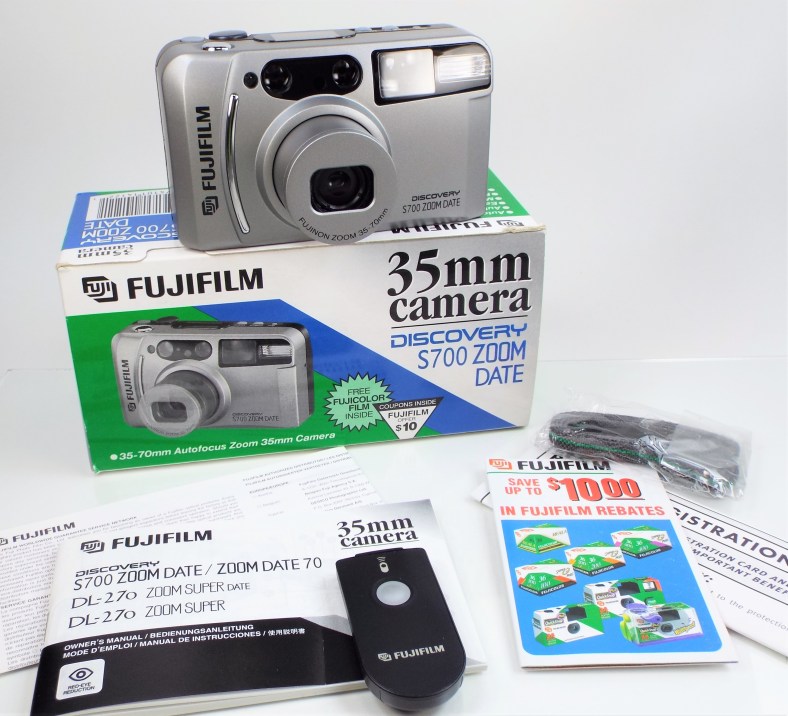
Fuji Fail-ed… Discovery S700 Zoom Date

It was bound to happen. One klunker out of a bunch of good ones isn’t bad. We think it isn’t so much a bad build as possibly improperly stored… maybe.

DSCF5800

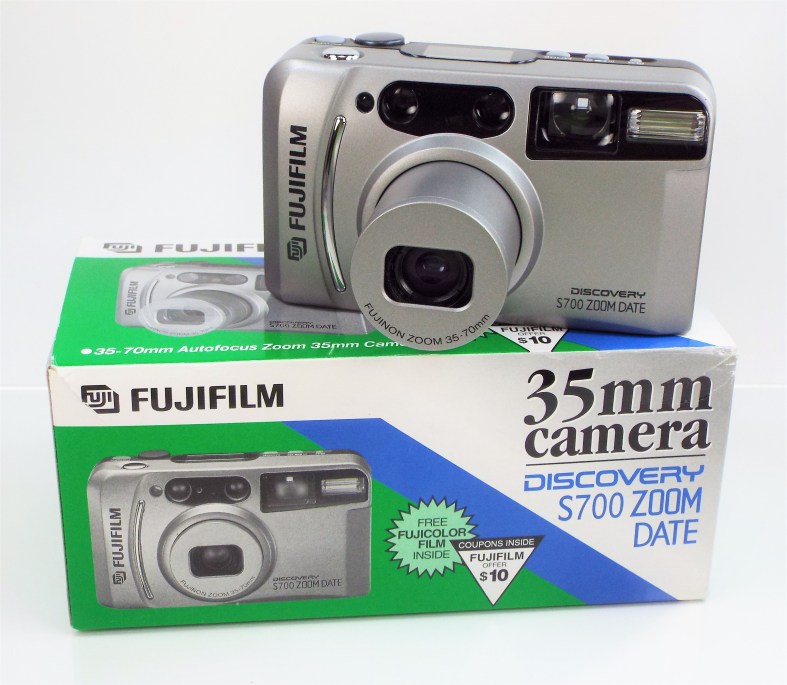
Another in the long line of plastic fantastic Fujifilm cameras from the late 1990s.

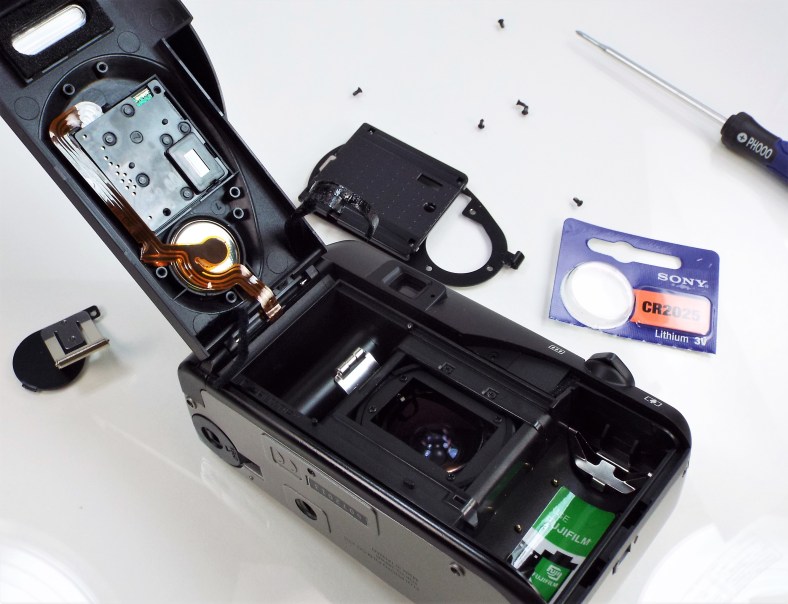
Part of the Discovery series of compact 35mm point and shoots from Fuji Photo Film. This one came to us still new in the box, unused but maybe stored in a too hot environment. Some of the plastic bag protecting the camera became stuck to the back film door (see below). This one is, using a nautical term, dead in the water. Despite a new battery, the camera won’t fire the flash and the shutter works intermittently or not at all. The power zoom works but beyond that, nothing else. Possibly a short in the circuitry caused by the hot storage (pure speculation).

DSCF5788

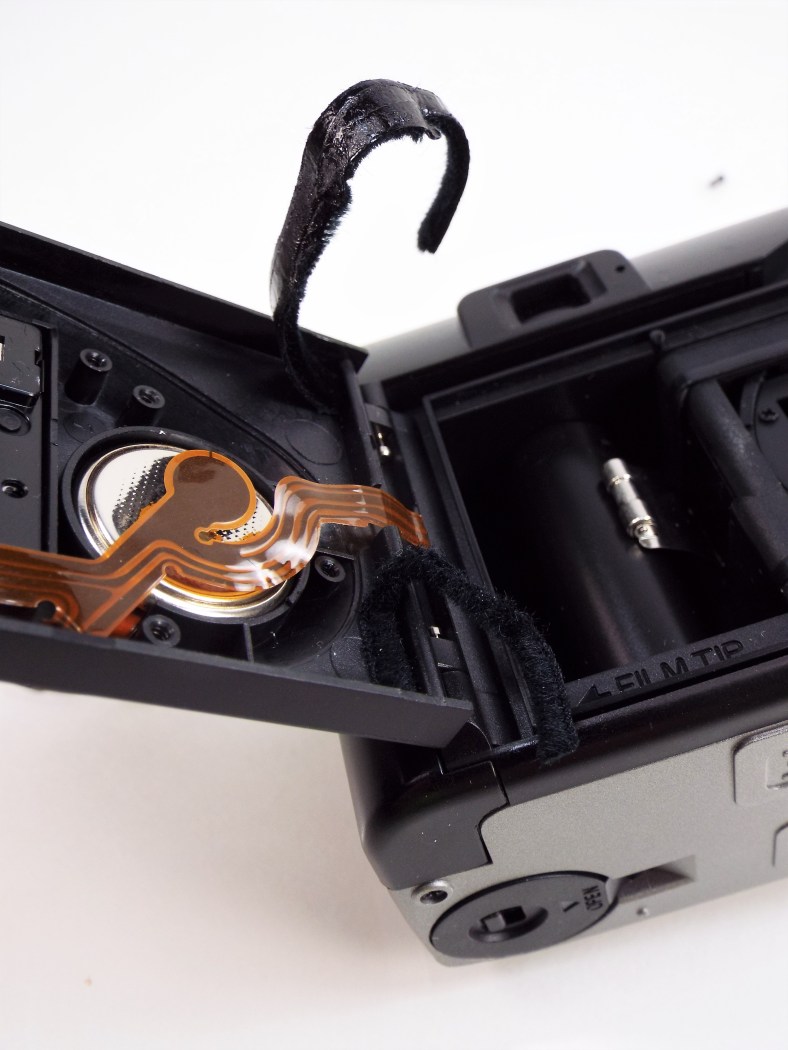
Sticky residue on the film door from the factory plastic bag. So far it’s resisted all attempts at cleaning it off.

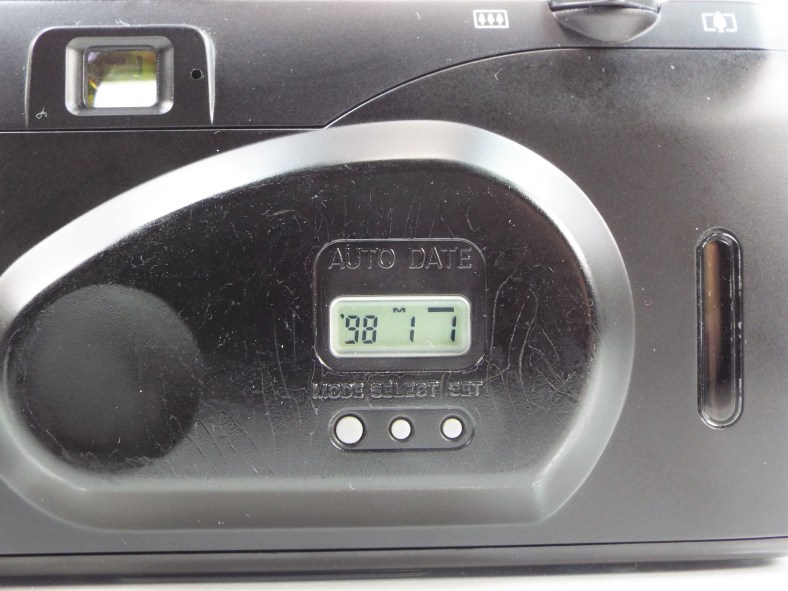
When the battery was first inserted for the date mode, this is the programmed date that popped up. We’re thinking it may be the build year. Why not?

DSCF5786

Talking about the date mode battery, what a pain to change it! Number one, it’s not even mentioned in the owner’s manual for starters. It takes a CR2025 3V lithium button battery but it wasn’t mentioned. Take a peek at what it takes to get at it… ⇓
DSCF5783

Remove 6 screws and the film pressure plate, the battery cover and then peel up 2 felt light seals!

DSCF5784

That baby was buried and stuck down with the light seals!

DSCF5789

Back together.

Anyway, it’s a good looking camera and may have been fun to use.

DSCF5794

DSCF5796

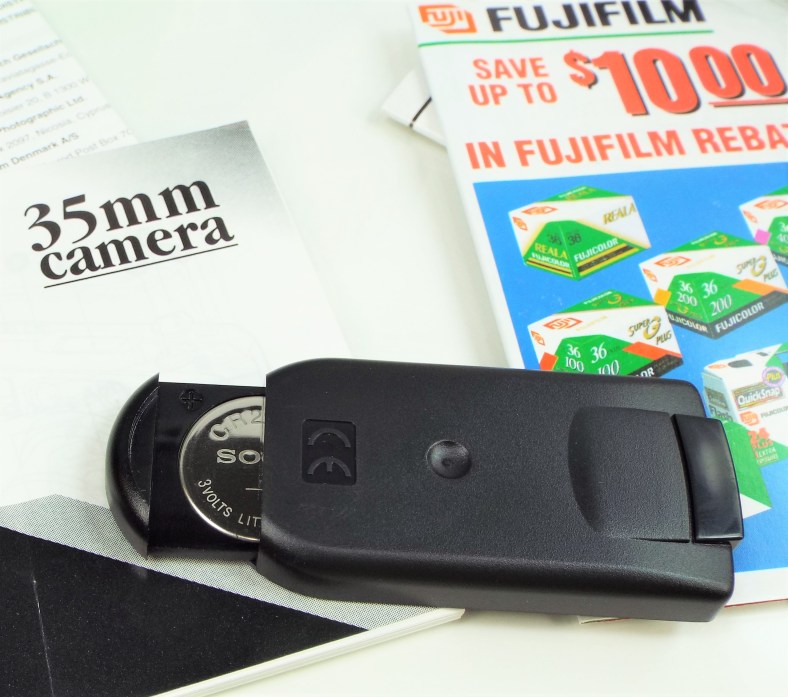
Oh and the remote control (below), no mention of that battery either.

DSCF5802

Another CR2025 button battery.

DSCF5792

We’ve had great results with our other Fujifilm Discovery series cameras in the past. No reason to believe the series is not worthy of a look. Having said that, this is a new camera that’s never been used and still failed – but that’s why there’s warranties.

DSCF5801

Quick specs: Lens Fujinon 35-70mm electronic zoom, 5 elements in 5 groups. DX coded for ISO 100/400. Continuous shooting at 1 frame per second. Weight 235 grams with battery and data back.
Can we recommend the S700 Zoom Date? Well no. There are much better models out there from Fuji. Stick with the longer zoom models still built in Japan.

Thanks for your visit! Comments always welcome.

Studio Camera: Fujifilm FinePix S9900W

Chris


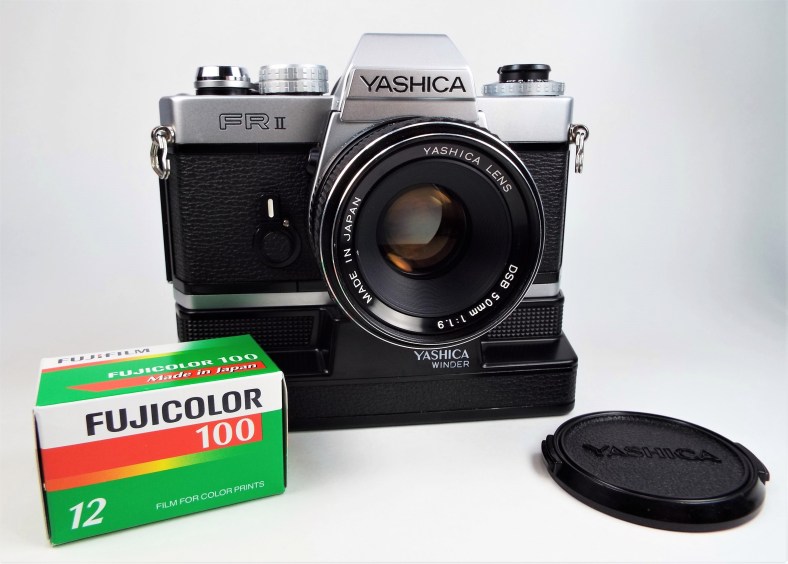
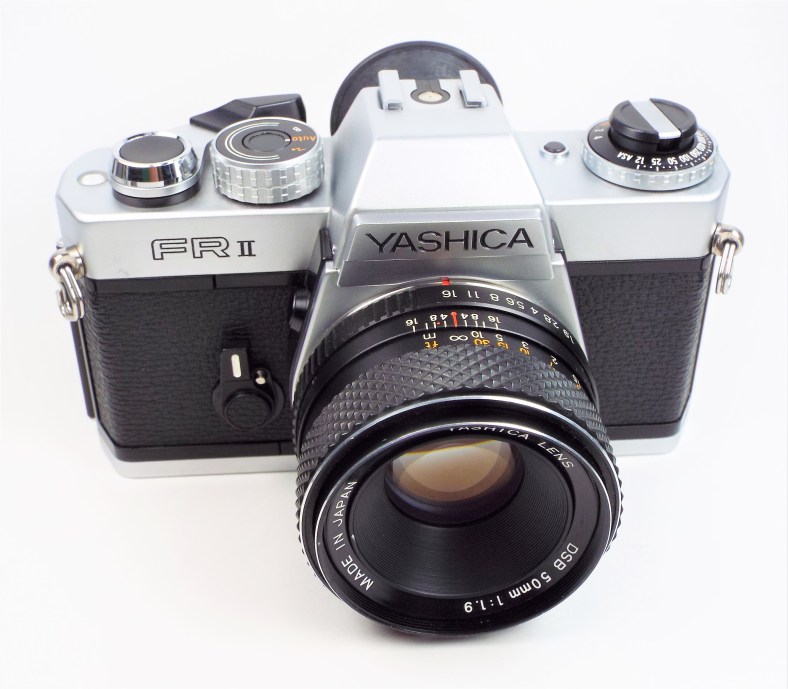
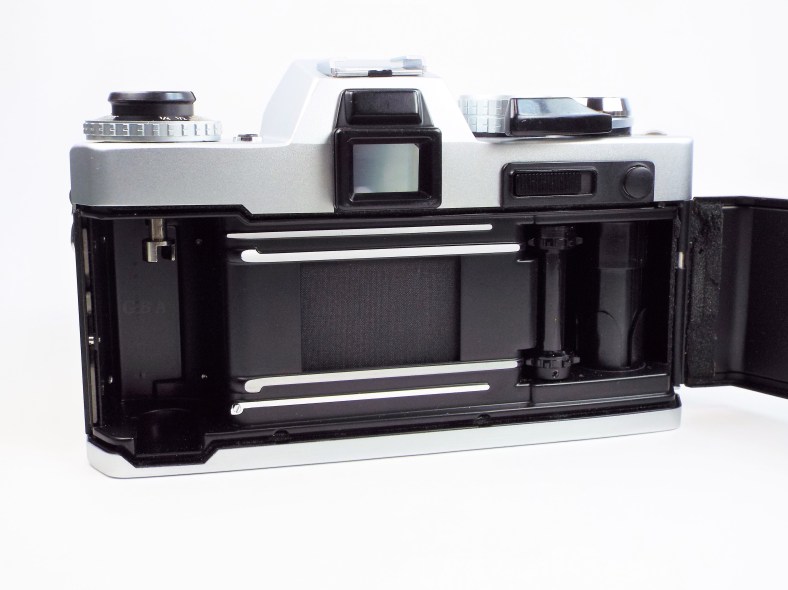
Yashica FR II – the camera that made me buy the Canon F-1

I know – the FR II and the F-1 are miles apart in features (and price). I purchased my first Yashica, a TL Electro-X in 1971 and used it faithfully through much of the 1970s. Being a young (and married) US Navy Sailor and money deprived, the TL suited me just fine – until I was transferred to Japan in 1977. If you were ever stationed in Yokosuka then you know what Building A33 means. It was the Navy Exchange camera and stereo heaven!!! Reps from all of the major camera manufacturers were present and demonstrated their latest gear to the now cash flush Sailors. Upstairs was a branch of Navy Federal Credit Union… if you couldn’t afford it, finance it! Pure bliss.

I’m so easily distracted.

So it was time for me to upgrade my trusty TL Electro-X, so naturally I looked at what Yashica had to offer. The FR was out but it didn’t do it for me and quite frankly, the Contax RTS didn’t either. So I waited and saved some money and started reading the Navy Exchange catalog every day (and night). The Canon F-1 looked promising but was expensive. The TL needed to hold me over as I was diverted to purchasing stereo equipment. Sansui pre and power amps, Teac reel to reel, Dual turntable and some killer Kenwood speakers. A small fortune so a camera upgrade would have to wait.

Now it’s the summer of 1978. My ship was inport (finally) long enough for Carol and I to spend some quality time together and to focus our attention on replacing the Yashica. Another visit to A33 and another visit with the Yashica rep. Now the FR II was the camera of the day (and he was still pushing the RTS too). No way. The friendly Canon rep was all too happy to take my money and hand me a bright new F-1 with 55mm f/ 1.4 lens and Canon 80-200mm zoom. The Yashica was sold off to a friend and that was it for Yashica (for the next couple of decades).

IMG_20170420_0001

Oh happy day! July 1978 – my new Canon F-1 and Canon FD 80-200mm f/ 4 zoom lens.

Present day now and I’m finally an owner of a Yashica FR II.

DSCF5487

I picked up this beauty recently because it looked to be in near perfect condition and I figured, why not. Well I gotta say that I’m impressed. Not impressed enough to regret my F-1 purchase back in 1978, but impressed.

DSCF5492

The camera feels good in my hands – well balanced and the viewfinder is super bright. What a big difference over the Yashica TL Electro-X. The Contax/Yashica lens is crisp, clear and focusses easily (split-image). The meter is simple (this is a aperture priority camera) so you’re only messing with the f stops.

DSCF5488

With the power winder attached it’s a tad on the heavy side but would be useful as a weapon (or anchor).

DSCF5493

Simple lines and layout. The meter switch (upper right) is a bit awkward but the meter is accurate and that’s all that matters.

DSCF5495

Uses all of the C/Y bayonet mount lenses which can be had for a song today. Here is a 135mm, f/ 2.8 lens that came with it in basically unused condition.

DSCF5489

We have so many cameras in the queue right now I have no idea when we’ll get a chance to run a roll through it.

Verdict. I’ve waited nearly 40 years to shoot with it so I’m excited to see how it does out in the field. If you find a nice one for sale (mint condition) then give it a try. Stay away from the ones that look rough – these don’t hold up well with abuse. Prices are all over the place – you may be able to strike a nice deal with a seller who’s ready to part ways. Best of luck!

Studio Camera: Fujifilm FinePix S9900W

Chris

Pentamatic S on a walkabout.

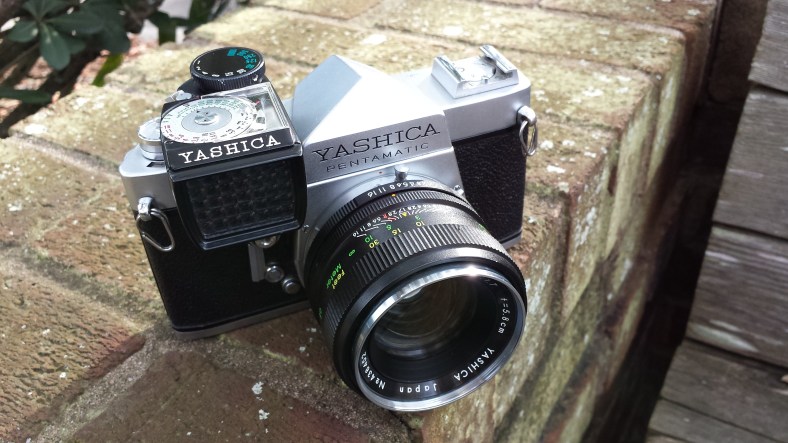
Here’s one of our nicer S models outfitted with the “no name” add on light meter (clip on exposure meter) from Yashica.

20186770749_3906ae1138_o

Another in Yashica’s short lived series of the Pentamatic 35mm SLR. This one c1961. Yashica’s first SLRs had a steep learning curve for the company. Groundbreaking for Yashica to be sure but a miss overall against the competition. Yashica’s best was still to come. We happen to appreciate the rock solid construction of this often overlooked camera… the Tomioka Optical “normal” lens focal length of 5.8cm was a bit odd but the bayonet mount lenses were sharp and attached very solidly to the body. This was not the lens that was supplied with the S – Yashica went back to the 5.5cm, f/1.8 lens. No batteries needed for either the camera or meter.

20150110_153411

The Pentamatic S wasn’t made in large quantities over a long period of time. Nice working examples are still available and some very nice collector quality examples are still out there. You are much more likely to find a Pentamatic S for sale than a Pentamatic II – probably by a 4 to 1 margin.

Happy hunting!

Chris

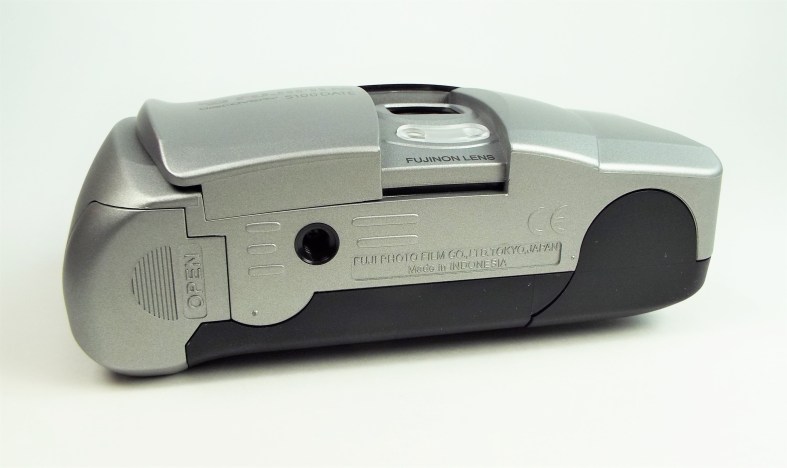
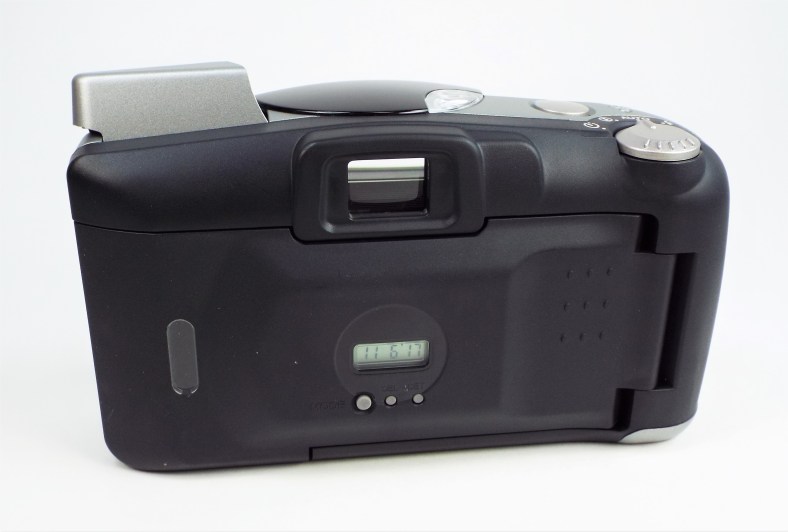
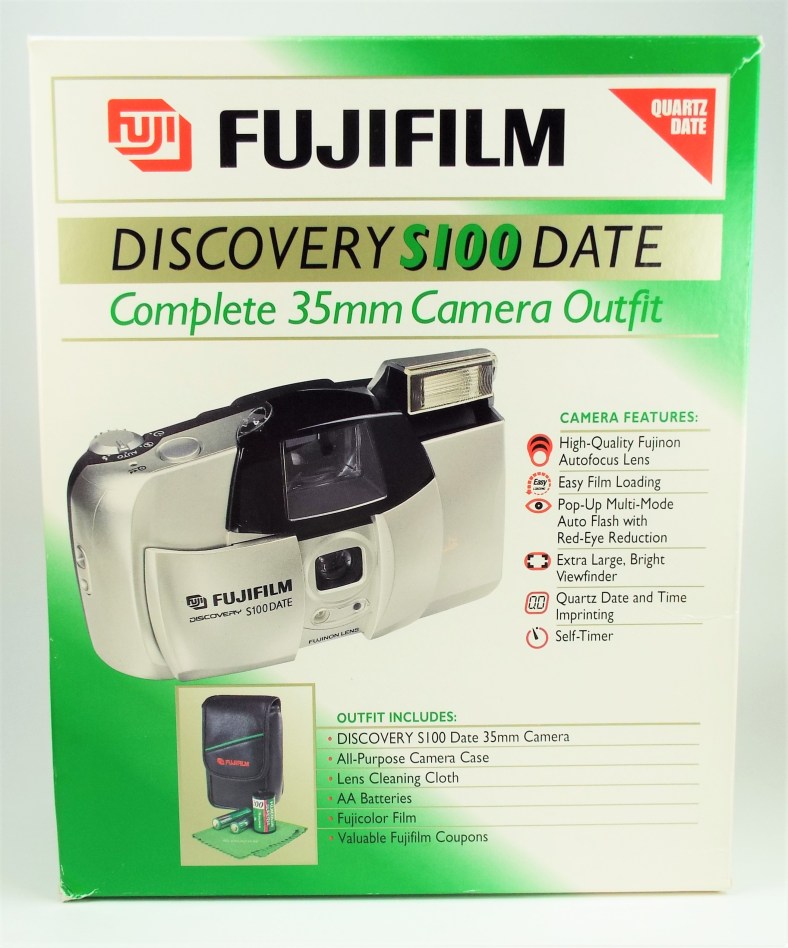
Fujifilm Discovery S100 – 1999

Another Fuji for our “Modern Series” collection. Why collect plastic cameras from the 1990s? Because they’re out there and they’re still in the box new!

If you’re a collector of vintage camera equipment, how many times have you wished that you’d kept all the original boxes that came with your then new Canon, or Nikon or whatever? The old saying, “they don’t make them like they used to anymore” is as true today as it was 50 years ago. Yeah, in 2021 the original Canon F-1 will turn 50 years old! Amazing for me to think that I remember reading about the new F-1 in the photo mags of the day and looking for it at my favorite camera dealer’s shop. If only I had kept the boxes! If only I had bought two instead of just one and kept the second one locked away unused! Wow, that would be nice but it would have been a really bad return on my initial “investment”.

More to the point of this post. Someday these plastic fantastic, point and shoot 35mm compact cameras of the 1980s, 1990s and even the 2000s, will be worth collecting. Notice I didn’t say “worth something”. It’s a chance to have a collection of cameras that represented some pretty amazing technological breakthroughs of their era. And if you start collecting them now, you’ll be able to still get them absolutely new in the box unused. We happen to find collecting these inexpensive cameras a whole lot of fun – it’s like Christmas morning never ends!

Here’s our latest find –

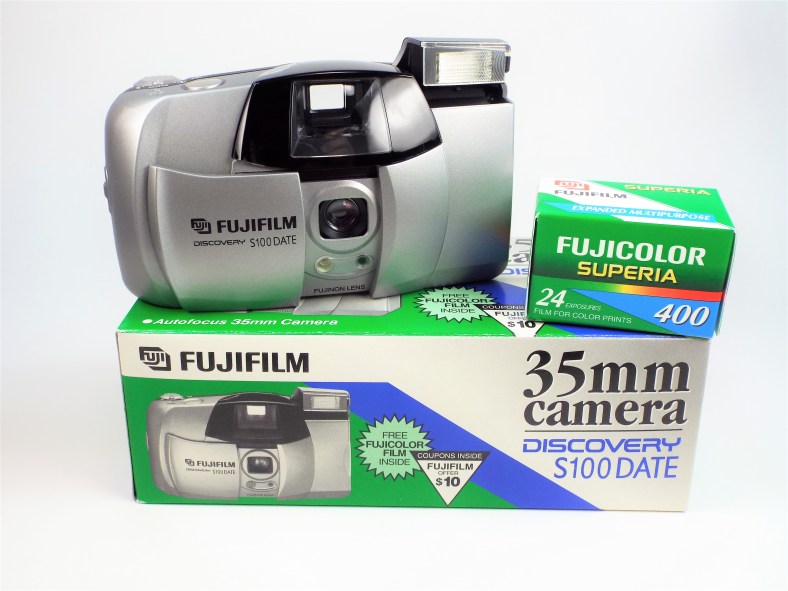
DSCF5473

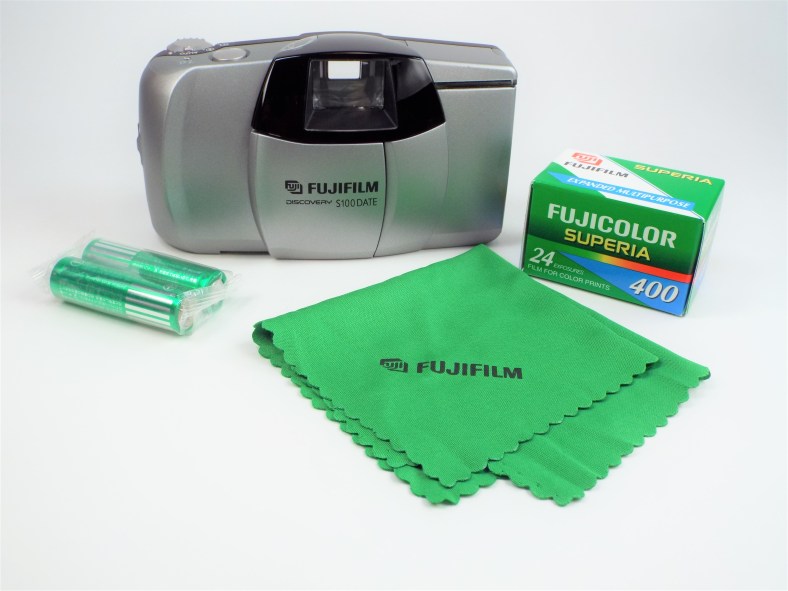
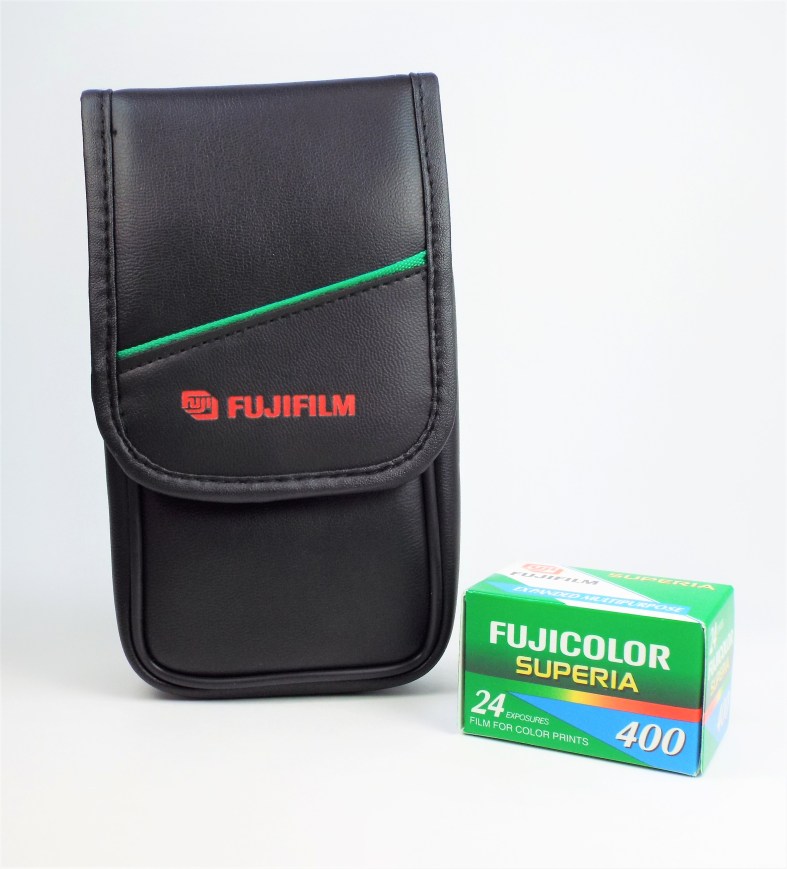
From 1999 – this little Fuji came as part of a neat kit that included a fresh roll of Fujicolor, a case and coupons for up to $10 off on film and processing.

DSCF5475

Toys

DSCF5482

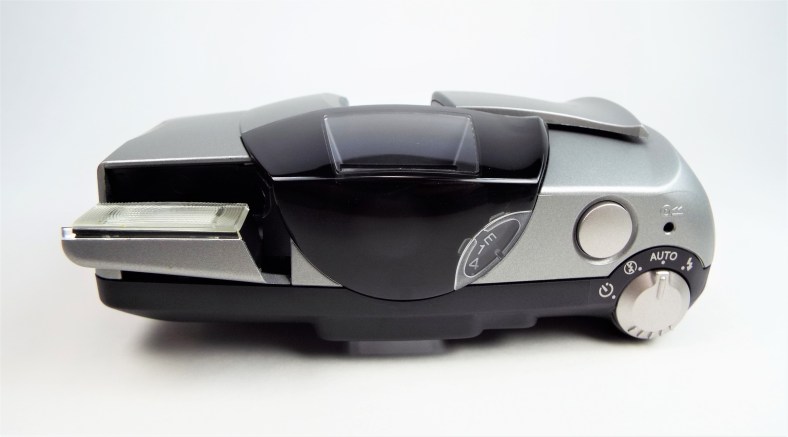
When the lens cover is slid open the flash automatically pops up.

DSCF5481

Takes 2 AA batteries and a flat watch battery (CR2025).

DSCF5476

Original battery still going strong 17 years into the future!

DSCF5478

Super nice case and a fresh roll of Superia that expired in 2000.

DSCF5485

Fuji Photo Film Company made millions of these type of cameras in the 1980s and 90s. Finding them still in the box new is what makes collecting them fun.

“Tech Specs” – Fujinon Lens 32mm, f/ 4.5, 3 elements in 3 groups – autofocus 1 meter to ∞ – programmed electronic shutter (1/30 to 1/250 sec) – DX coding – auto film advance and auto rewind – built-in flash – self-timer – date function – about 185g

Oh and the date function is good up until 2049! No worries there!

Studio Camera: Fujifilm FinePix S9900W

Chris


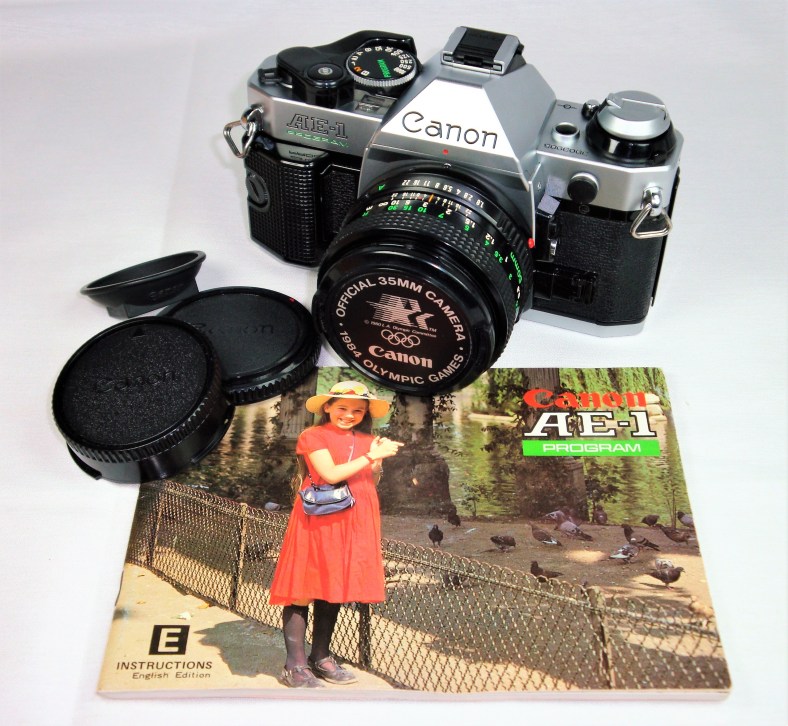
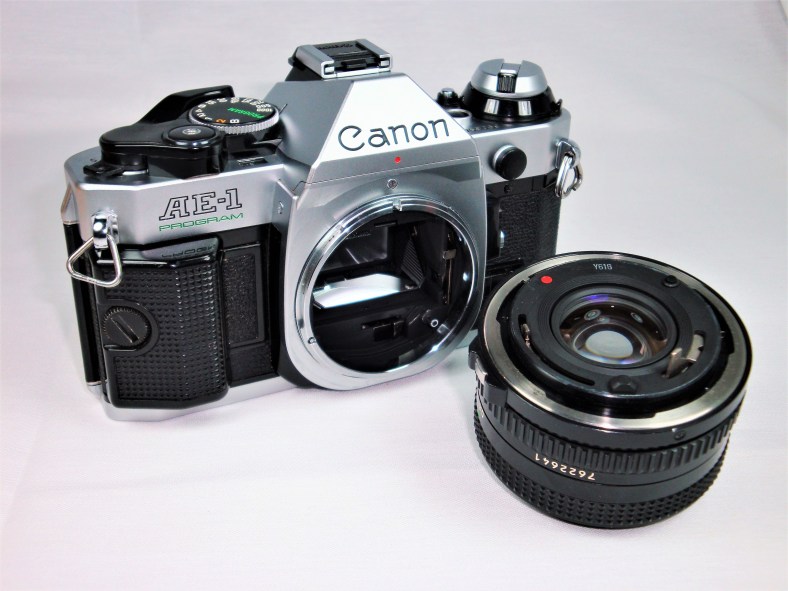
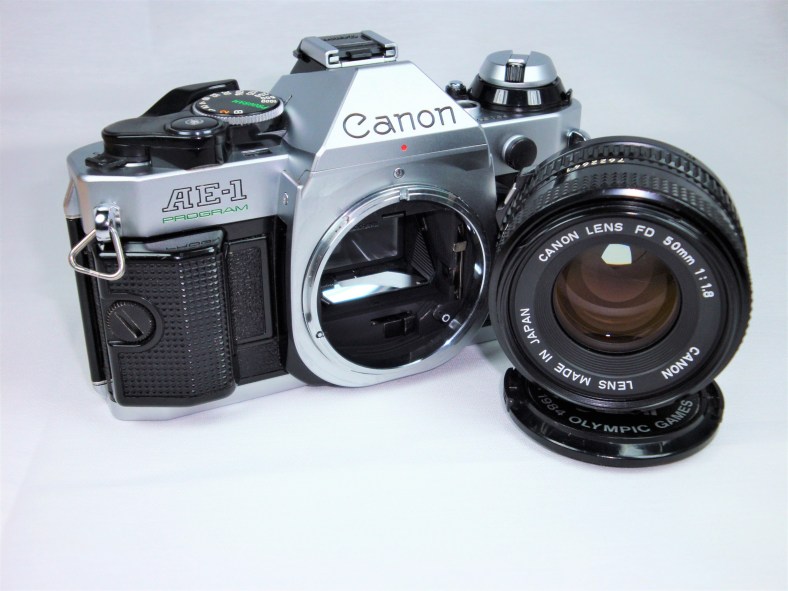
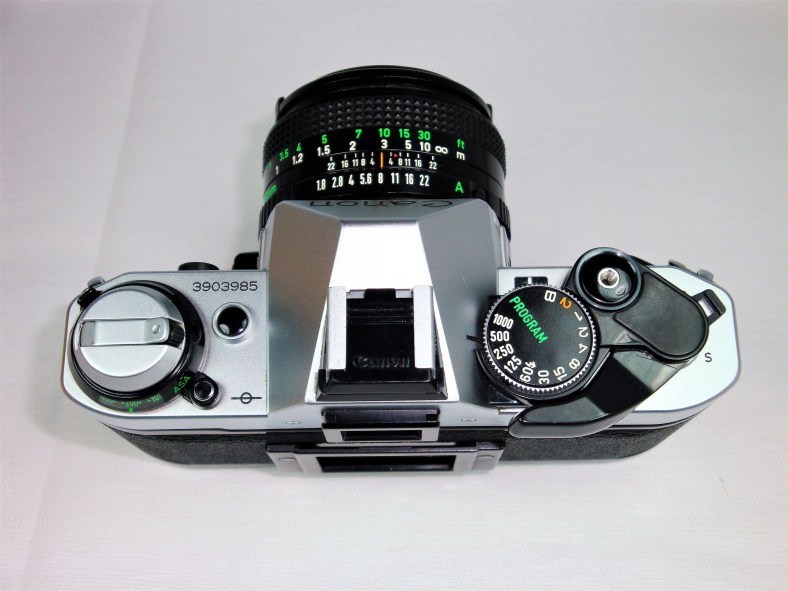
Canon AE-1 Program – An alternative to the more costly A-1

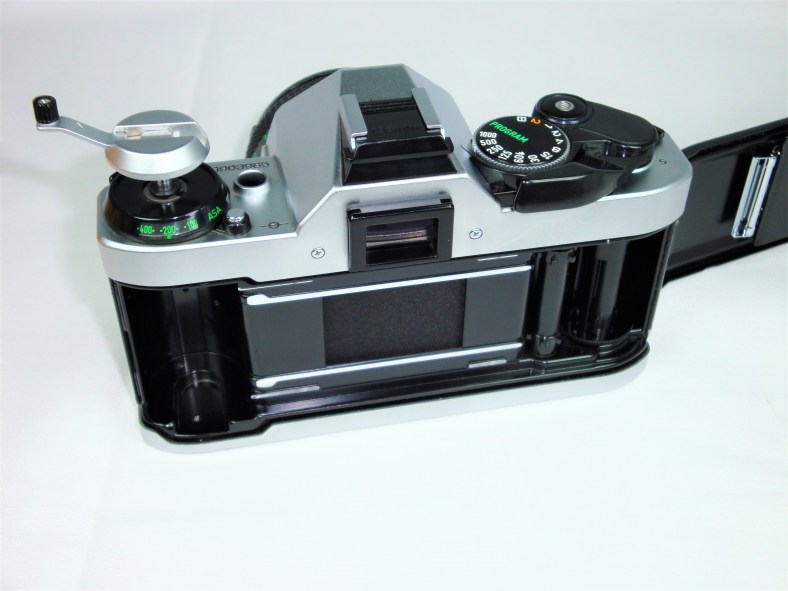
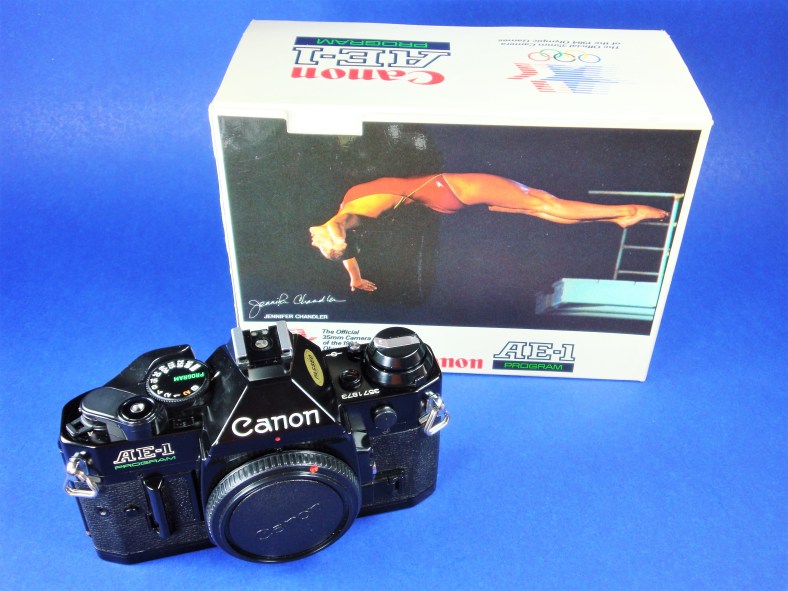
Canon’s A Series of cameras were among the best in the late 1970s and early 1980s. Often overlooked, the Canon AE-1 Program (it was also available in a pro black body) was a fun and accurate SLR during its heyday. Of course the Canon A-1 and the AE-1 were the most popular of all.

DSC00146

DSC00137

The AE-1 Program, like all of the Canon A Series of bodies, used the Canon FD lenses – here with the popular and super lightweight 50mm f/1.8 lens.

DSC00138

DSC00143

DSC00142

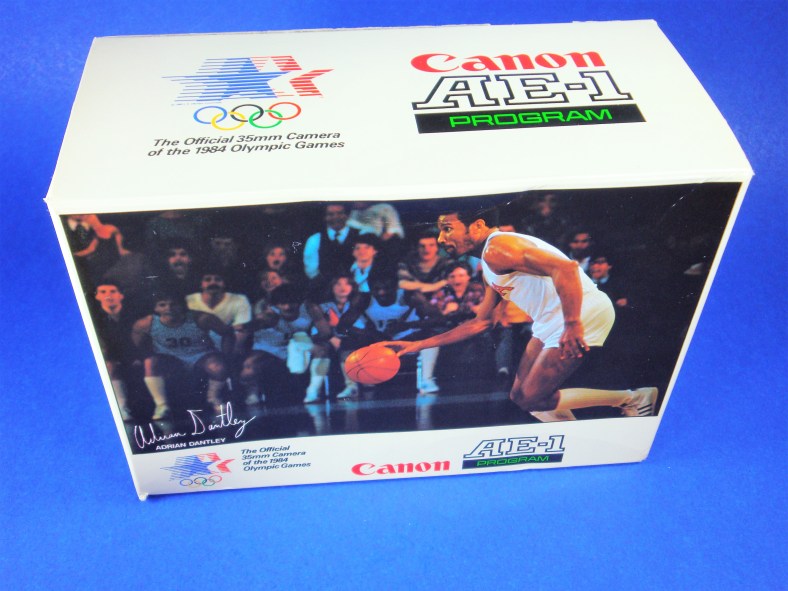
AE-1 Program in pro black and Olympic Edition.

DSC02955

DSC02956

If you get a chance to pick one of these up for a fair price we think you’ll be surprised at how well the auto exposure modes do under challenging lighting situations. It’s not built as robustly as the A-1 but can be had for much less.

The AE-1 P makes a nice addition to any Canon collection and certainly would look good in any collection of early Japanese SLRs.

Thanks for stopping by!

Camera: Sony Cyber-shot DSC-W170

Chris

Excellent Post by Dan James

I’ve shot far more photographs with 50mm lenses than any other focal length. But switching 50s more often than underwear can become an exhausting and hollow experience. Here’s why my 50s philandering days are done, and how I’ve settled on my ideal. It took me a while to realise, but after something like seven or […]

via The Fall Of The 50s Philanderer (Or How I Found The Perfect 50mm Lens) — 35hunter

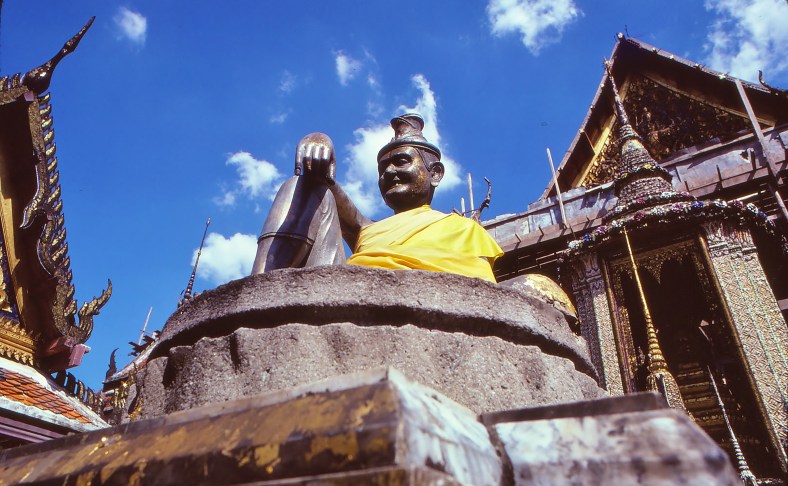
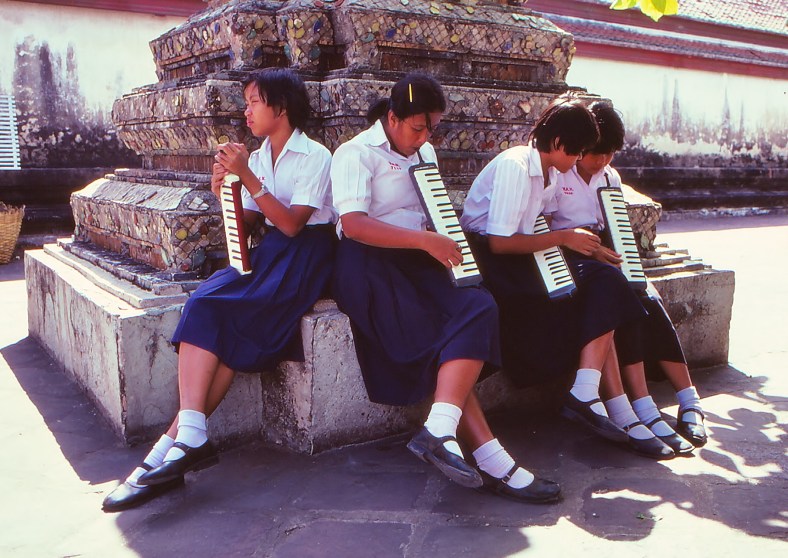
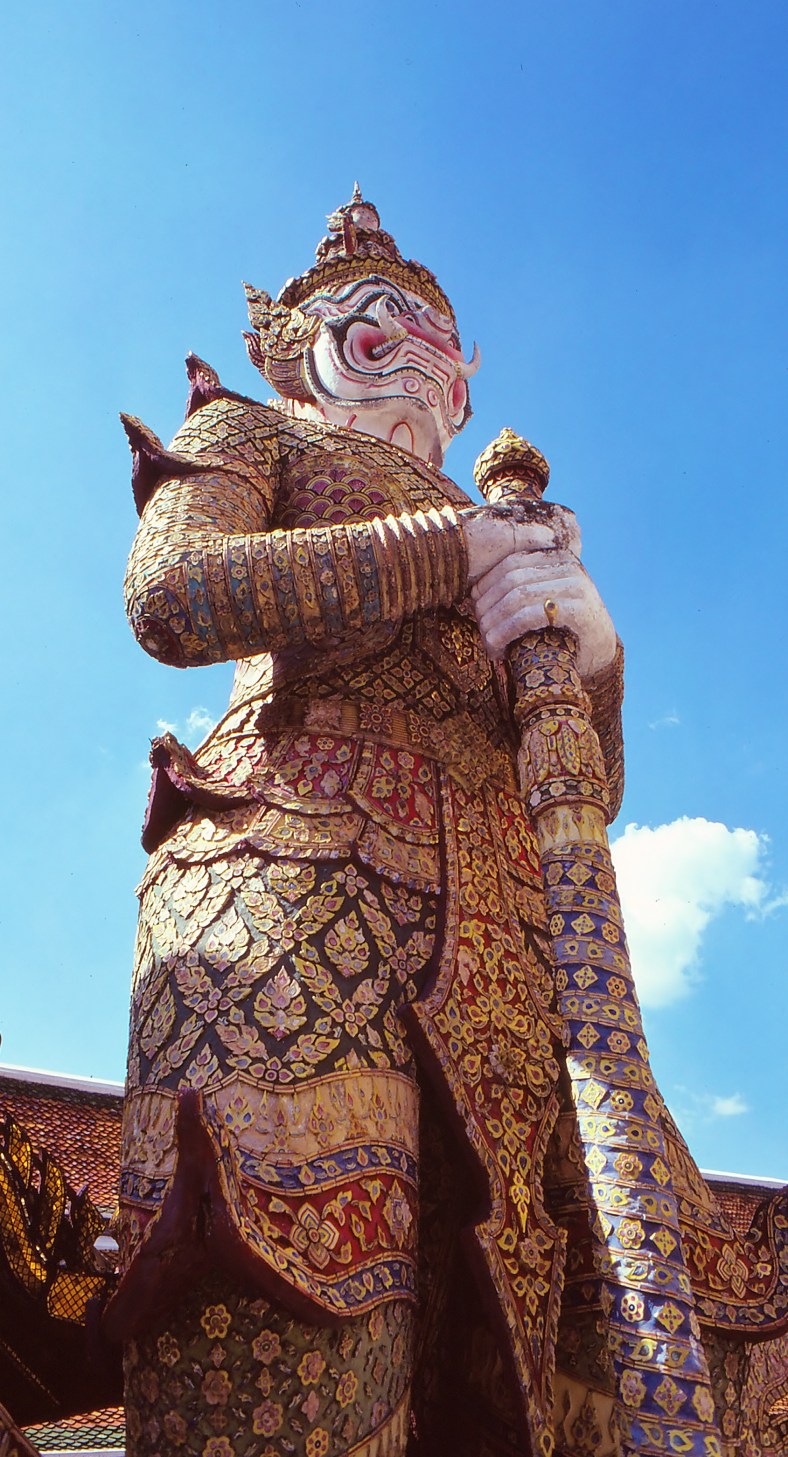
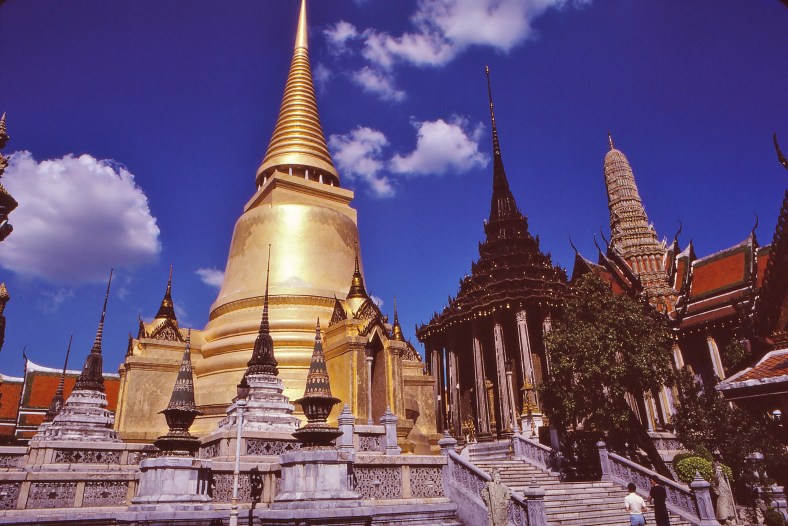
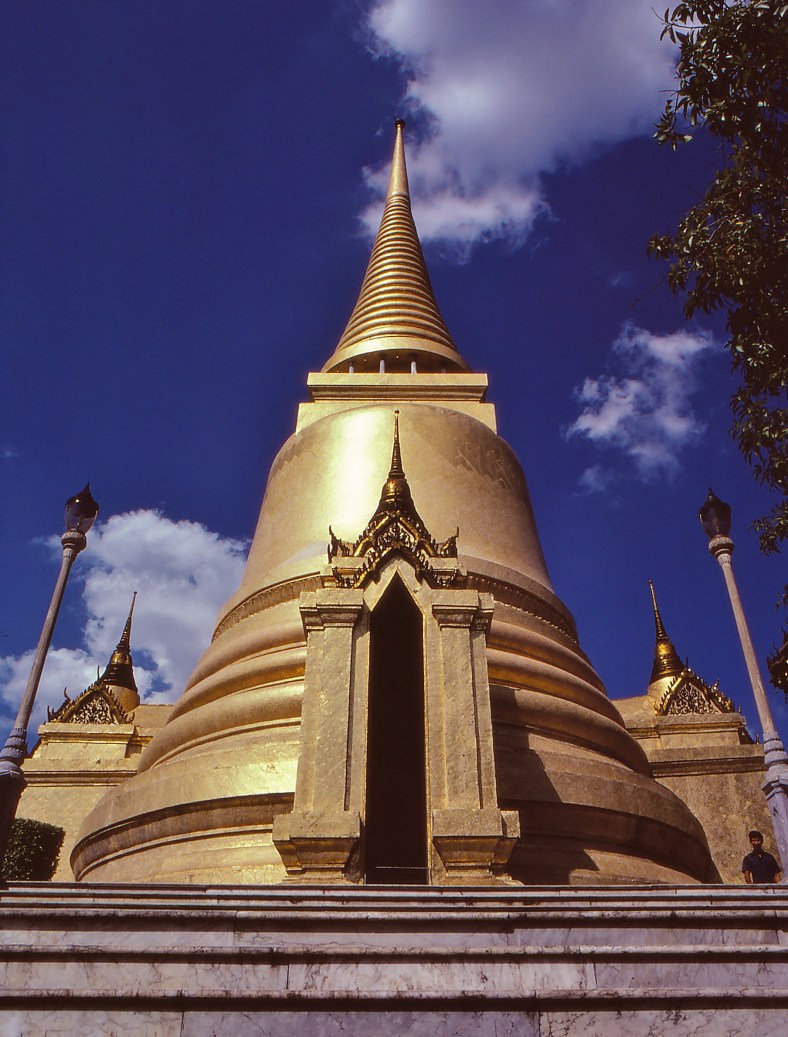
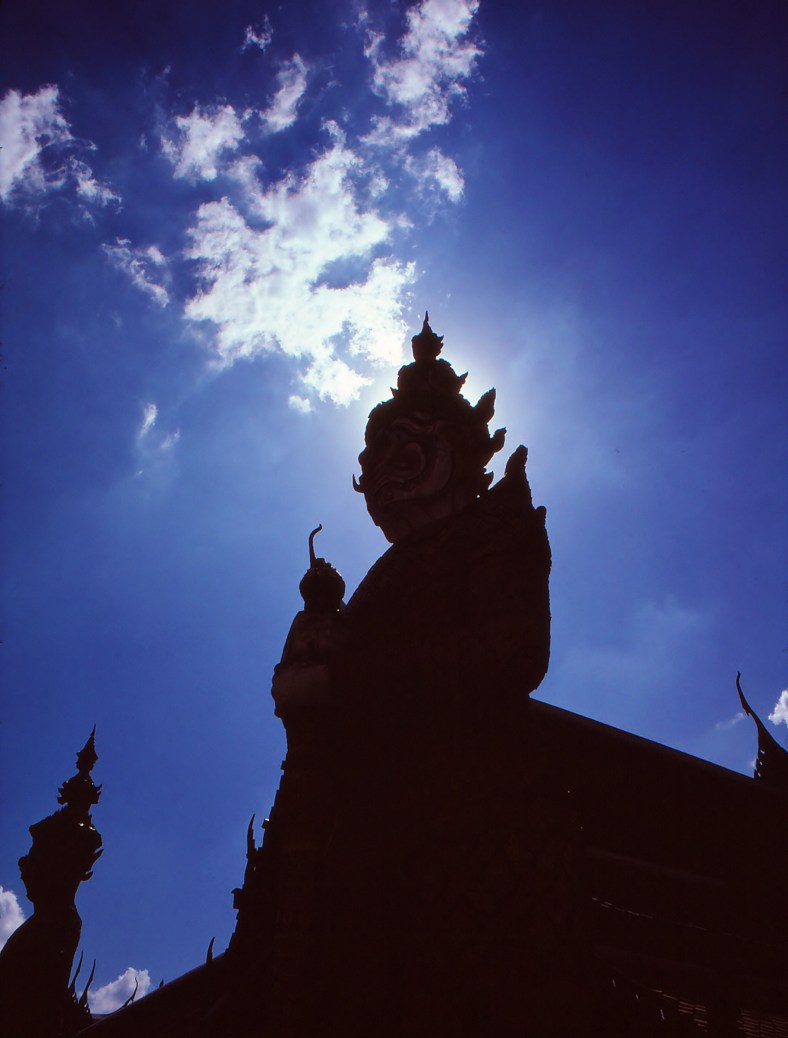
Wat Phra Kaew – Bangkok 1978

Give me lots of nearly cloudless blue sky, my Canon FD 24mm wide angle lens and some fresh Kodak Kodachrome 25 and I’m a happy guy!

This is just a few images from my port visit to Pattaya Beach, Thailand in December of 1978. I managed a couple of off days to make the crazy (back then) trip to Bangkok.

My “follow me everywhere” Canon F-1 (1978 version) loaded with Kodachrome 25 and my FD 24mm f/ 2.8 lens captured these images at Wat Phra Kaew in central Bangkok.

20542556694_14467eab9b_o

This guy always makes me smile.

20503343214_690f4c7b93_o

Young monks taking a break.

20546330753_a2b88f1d9d_o

Very shy ladies practicing their music.

21099940076_feca0a7083_o

Nothing like turning your 24mm lens for a tall vertical shot. The Kodachrome and Canon lens captured every detail.

21126100395_6ced57843c_o

Almost 40 year old Kodachrome. Still as brilliant as ever!

21316883621_b8068b204f_o

The F-1 metered this shot perfectly.

21413066019_b1c9ff5960_o

Gotta have at least one silhouette in the mix.

An amazing country to visit. The colors of everything just popped! Mid December sun angles were never a problem. Bright blue skies helped with capturing the details as I was able to stick with ASA 25 even when hand holding my FD 80-200mm lens.

Thanks for your visit!

Chris