Comments are always welcomed, as I’ve learned quite a bit from reader feedback. As always, thanks for stopping by, and while you’re at it, feel free to visit my camera shop at http://www.ccstudio2380.com (CC Design Studios hosted by Etsy). – Chris Whelan
Here is a new flash in its original box, Canon Speedlite 244T, that I received from a recent purchase on eBay. The seller has since refunded me, but this serves as a reminder to never leave batteries, especially AA batteries, in your cameras and other accessories. This “new” flash had these Philips batteries installed at some point, but the owner forgot about them. What a shame that an otherwise neat collectible is now ruined.
I’ve seen worse corrosion before, but this is right up there with the worst.AA batteries in a flash unit can corrode in as little as a few months! These, however, have been left for decades.
Thanks for stopping by, and after reading this, please check your cameras. – Chris
Comments are always welcomed, as I’ve learned quite a bit from reader feedback. As always, thanks for stopping by, and while you’re at it, feel free to visit my camera shop at http://www.ccstudio2380.com (CC Design Studios hosted by Etsy). – Chris Whelan
Asahi Pentax SL Set Super-Takumar f/1.8 55mm Lens Asahi Pentax Metal Hood Asahi Pentax Filter and Accessory Clip Asahi Pentax SL Operating Manual It’s been professionally serviced and looks and operates like new.
My beautiful set is from about 1969-1972. The instruction book is dated September 1969.
Comments are always welcomed, as I’ve learned quite a bit from reader feedback. As always, thanks for stopping by, and while you’re at it, feel free to visit my camera shop at http://www.ccstudio2380.com (CC Design Studios hosted by Etsy). – Chris Whelan
Have you ever regretted selling a camera before you got a chance to use it? I have (many times), and this is one I let get away.
My beautiful set. I didn’t want to take away from its mint-new condition, so I sold it without ever using it.
For a die-hard camera collector like myself, mint new camera sets are the pinnacle of collecting (for me, at least). After the chase is over, the reality of ownership sets in. Should I or should I not use my newly found toy? I have used its camera cousin, the Yashica T2, and found it an exceptional camera.
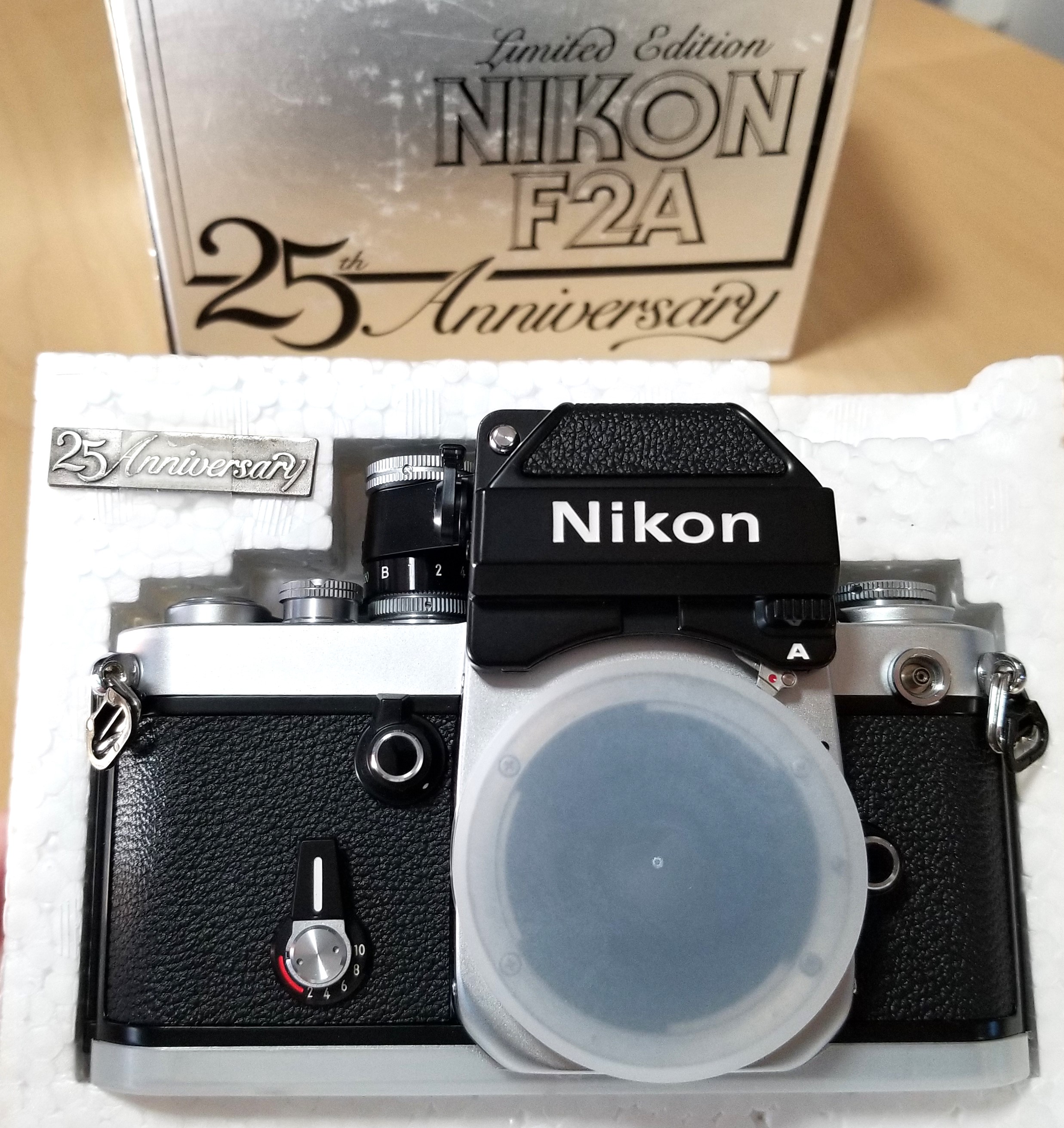
Here is another set that’s still new in its original box (as fresh as it was from the Nikon distributor back in 1978).
Have you owned a camera set that was essentially new and then never used it? Tell me in the comments. Happy New Year!
Comments are always welcomed, as I’ve learned quite a bit from reader feedback. As always, thanks for stopping by, and while you’re at it, feel free to visit my camera shop at http://www.ccstudio2380.com (CC Design Studios hosted by Etsy). – Chris Whelan
Many considered it a nearly perfect 35mm rangefinder camera when it was released in 1969. Does it have a few quirks that I don’t like? Sure, but the positives outweigh the negatives when used as an automatic exposure (AE) or electronic exposure (EE) camera. Simply compose, focus, and capture the light. Here is my SP.
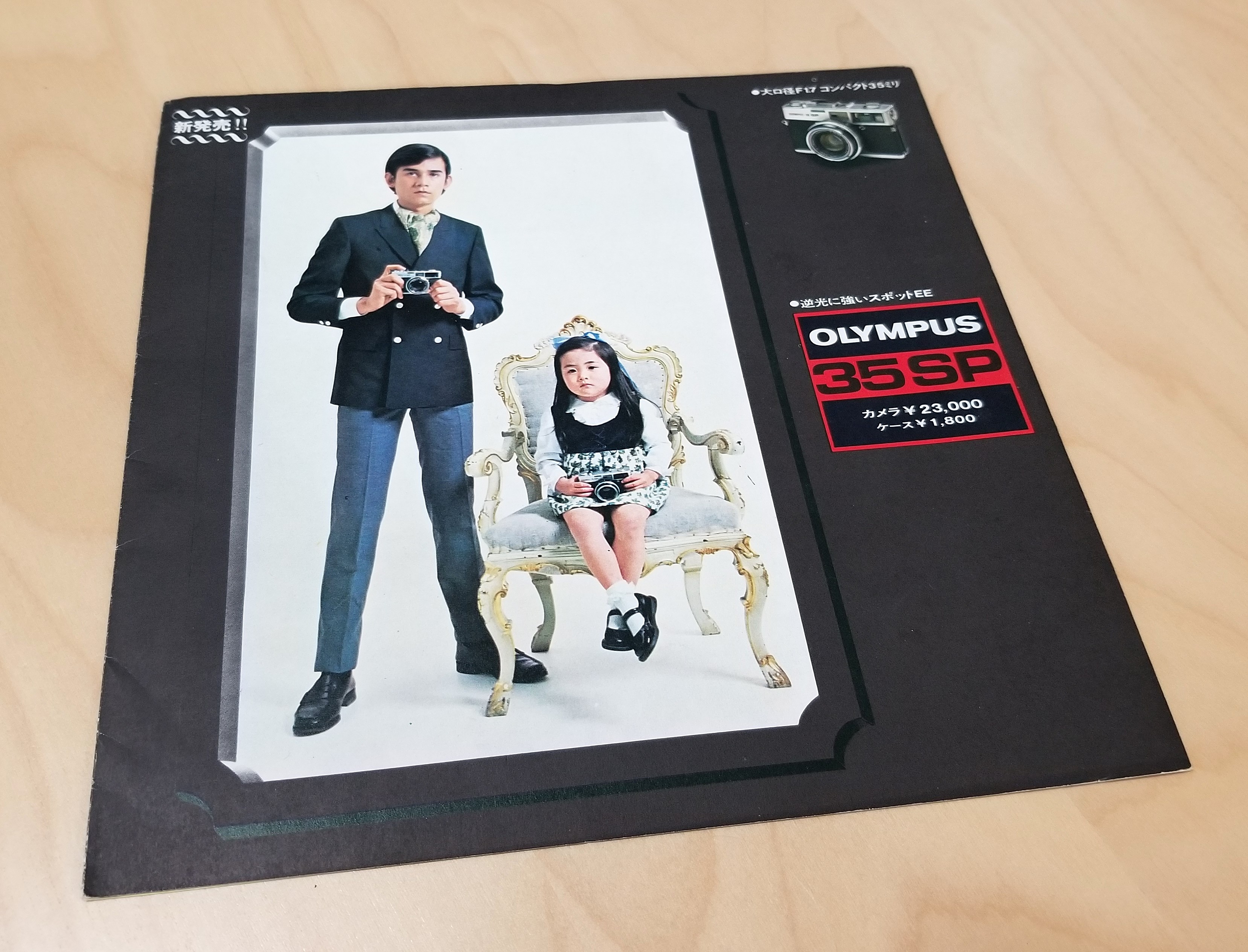
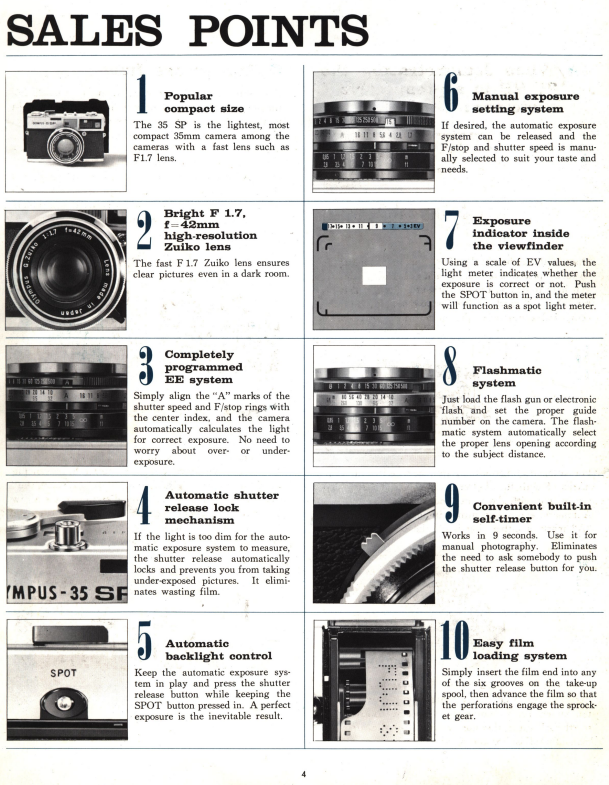
It’s one of the best 35mm rangefinders in my collection.Simple and clean lines.ASA dial is on the camera’s left side.Hold the ‘Spot’ button while pressing the shutter to properly expose a subject when it’s backlit.The lens. At the heart of this exceptional camera is this fast and sharp G. Zuiko f/1.7 42mm lens. The ‘G’ indicates that the lens has 7 elements.I find the camera is straightforward to load. It opens nice and wide.The camera looks new except for a scratch in the chrome around the tripod socket.Brochure from around 1970.Sales guide.
As I downsize my collection of classic cameras it’s this beautiful Olympus’ turn to be passed along to another collector. It’s in my camera shop on Etsy at http://www.ccstudio2380.com.
Comments are always welcomed, as I’ve learned quite a bit from reader feedback. As always, thanks for stopping by, and while you’re at it, feel free to visit my camera shop at http://www.ccstudio2380.com (CC Design Studios hosted by Etsy). – Chris Whelan
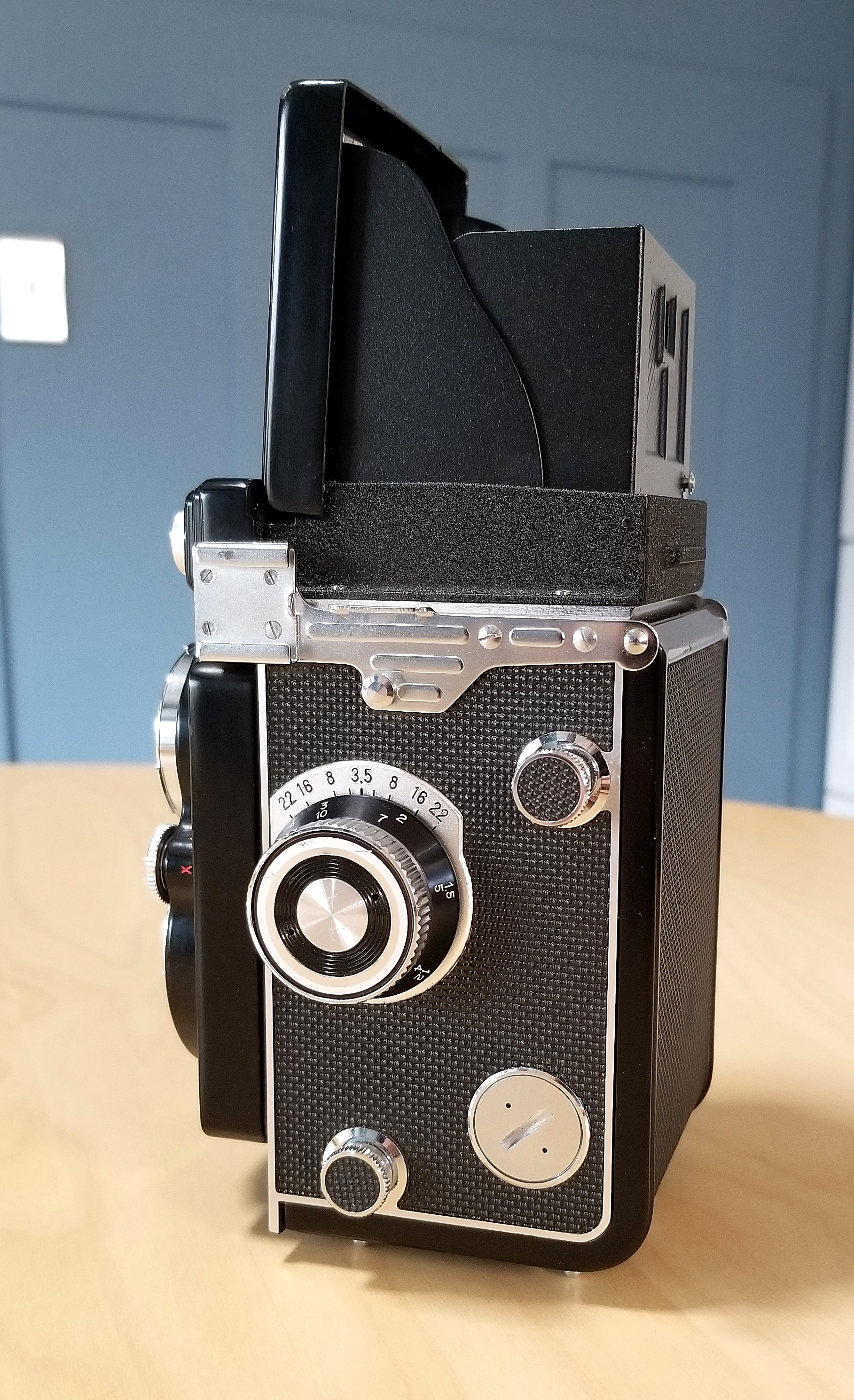
The Yashica Mat-124 is an exceptional camera that does everything you’d expect from a well-designed, light-catching machine. The first units rolled off the assembly line in the summer of 1967, and the last just three years later in 1970. It was the last TLR Yashica made just before releasing its replacement, the Mat-124G. The 124G had lots of plastic parts and, for the first time, came in primarily all-black. The 124G had a long run that ended in 1986. Here is my Mat-124.
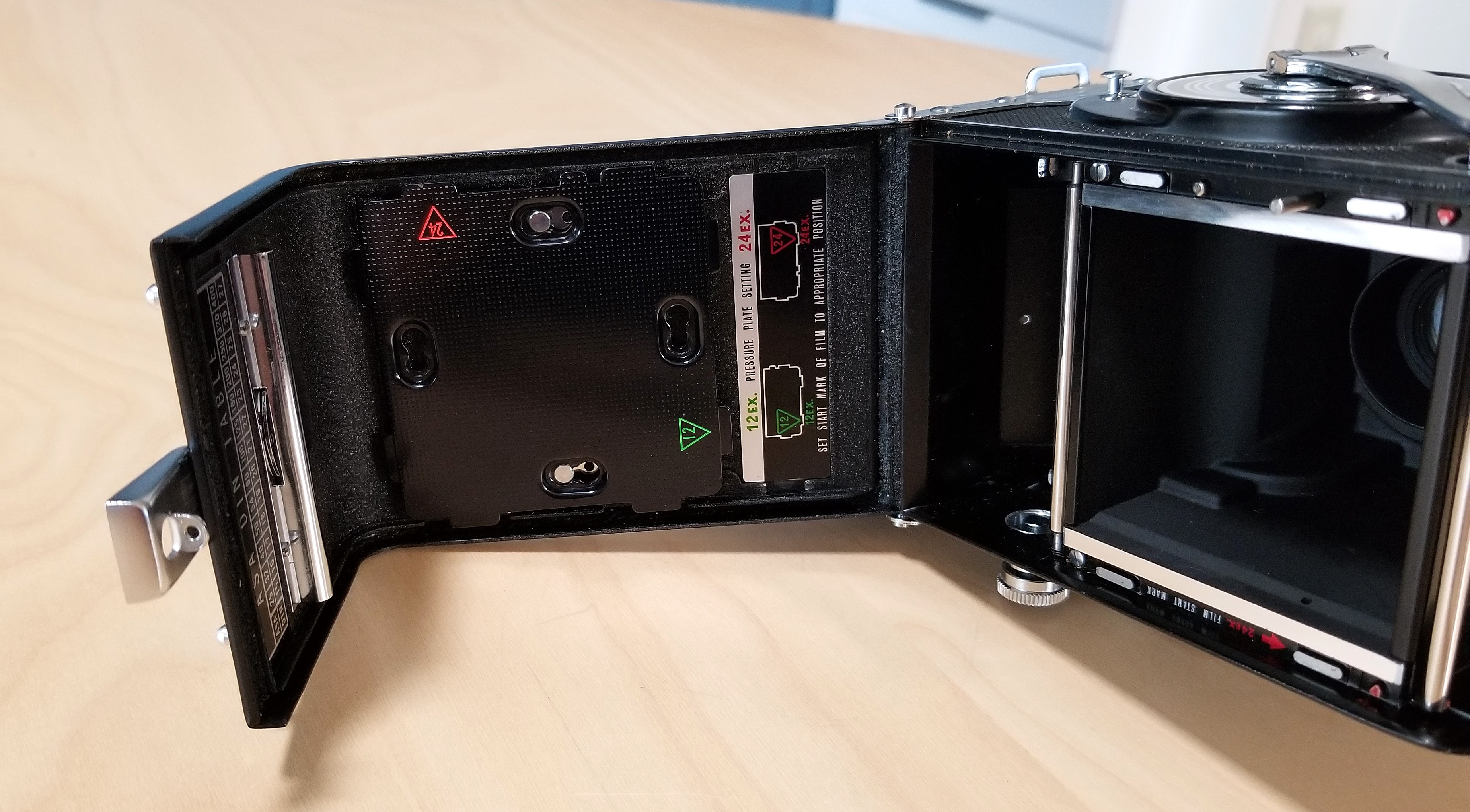
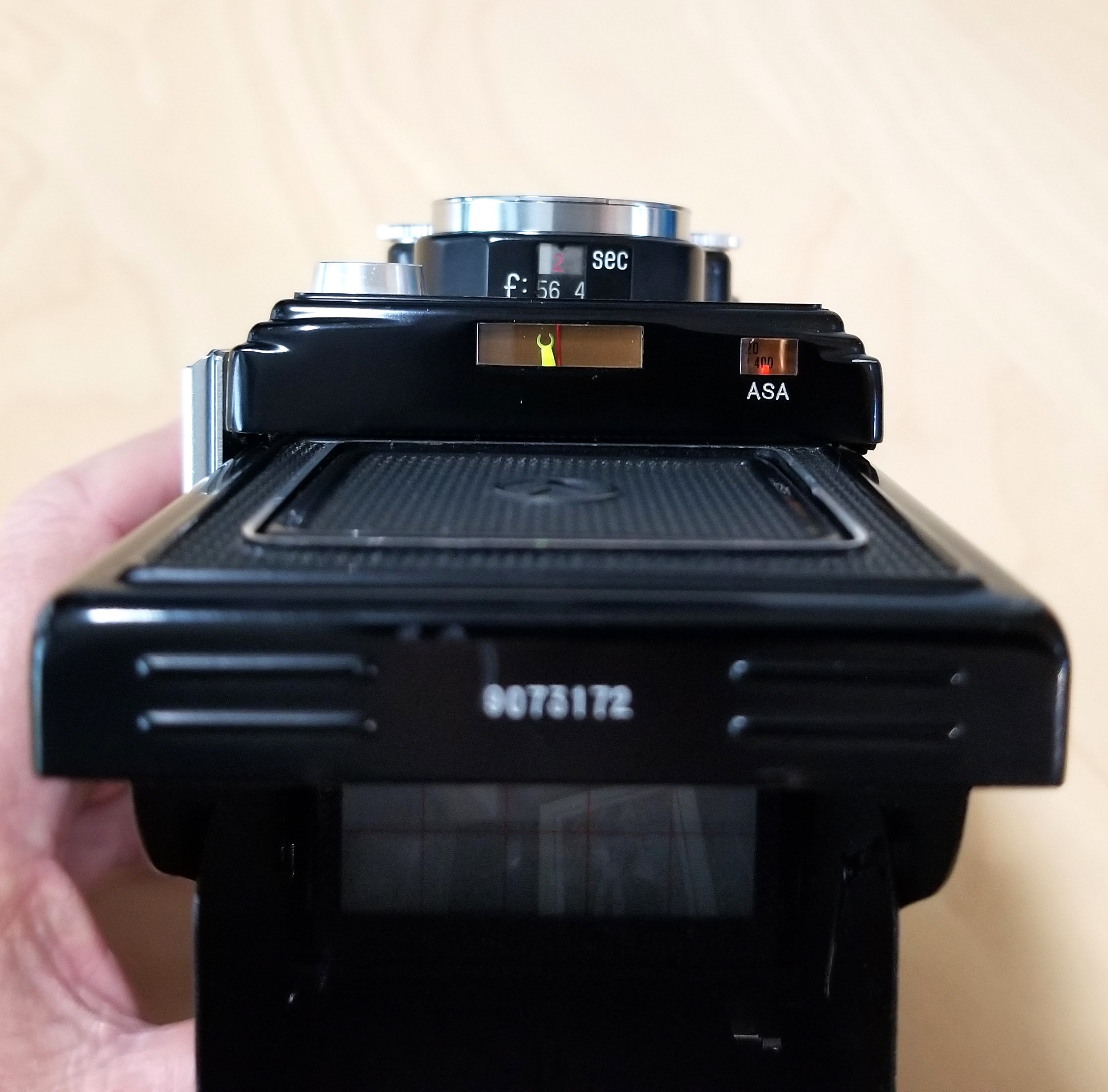
The built-in CdS light meter is activated by opening the viewing hood. The camera uses a 1.35v PX625 mercury replacement battery like the popular Wein Cell.It features dual Yashinon lenses. The taking lens (bottom) is 80mm f/3.5, while the viewing lens (upper) is 80mm f/2.8. The fast f/2.8 viewing lens makes for a bright image in the viewing hood, which makes it easier to compose and focus an image.The crank on the camera’s right side advances the film and cocks the shutter.The focus knob is on the left side, as is the battery compartment and cold shoe.On the bottom, a large knob is how you gain entry into the film chamber.The Mat-124 uses either 12-exposure 120 films or 24-exposure 220 films. The back of the taking lens can be seen on the far right in this image.Looking down at the match needle light meter.This gem of a camera is available for purchase in my Etsy camera shop at http://www.ccstudio2380.com.
Comments are always welcomed, as I’ve learned quite a bit from reader feedback. As always, thanks for stopping by, and while you’re at it, feel free to visit my camera shop at http://www.ccstudio2380.com (CC Design Studios hosted by Etsy). – Chris Whelan
It’s no secret that I enjoy using classic (vintage) lenses on modern mirrorless digital cameras. It’s a fantastic way to test an older lens and “see” things differently. Many of the older film camera lenses were designed to produce a specific look, given the era in which they were made. I believe that lenses from the 1950s have a different look to the images made compared to a more modern lens made in the 1980s.
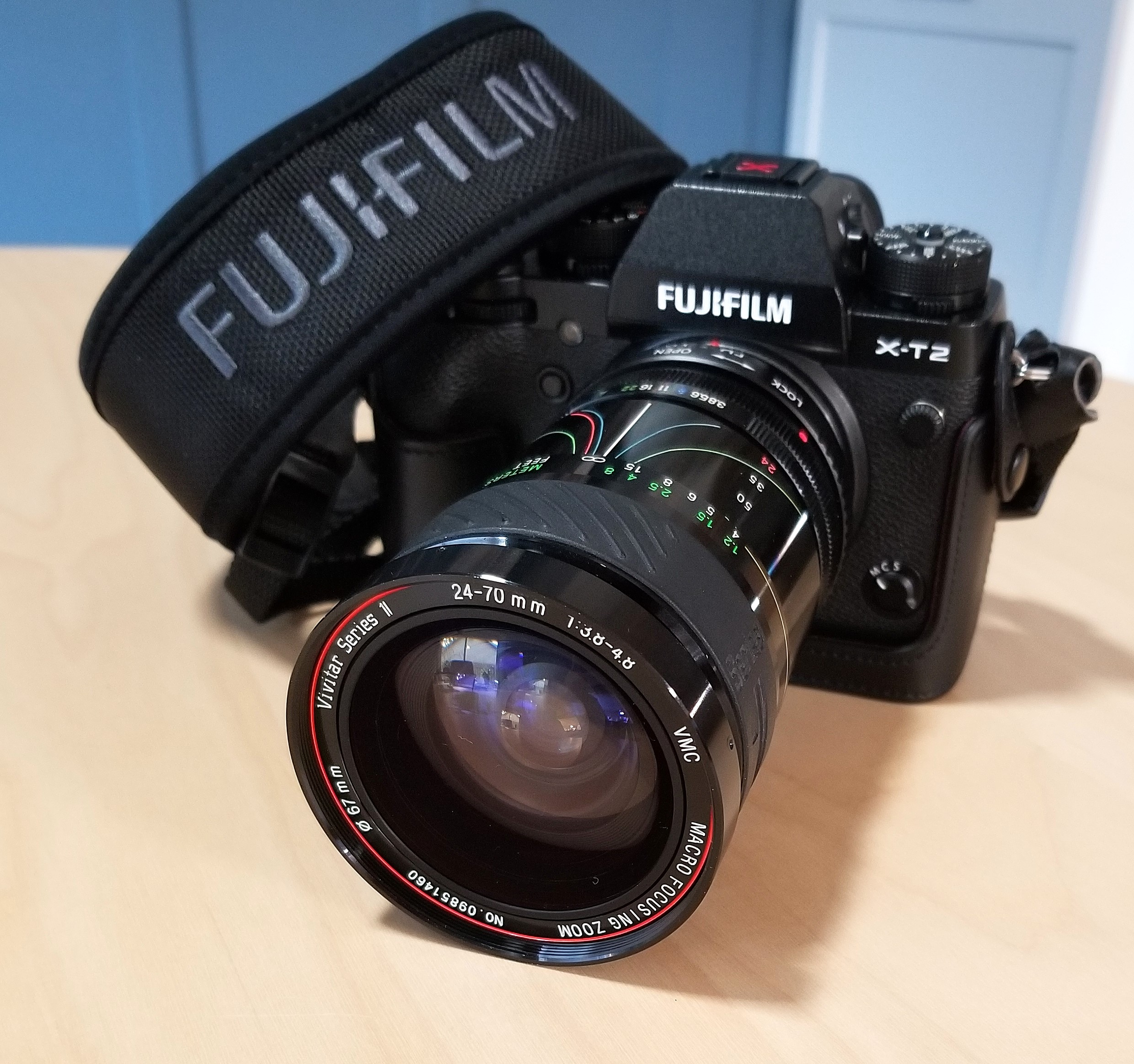
This Vivitar lens was released in 1988 and was made by the Japanese lens maker Cosina from a design by Vivitar. I’ve attached the lens to my Fujifilm X-T2, which has a crop factor of 1.5. At 70mm, the lens has an equivalent focal length of 105mm.
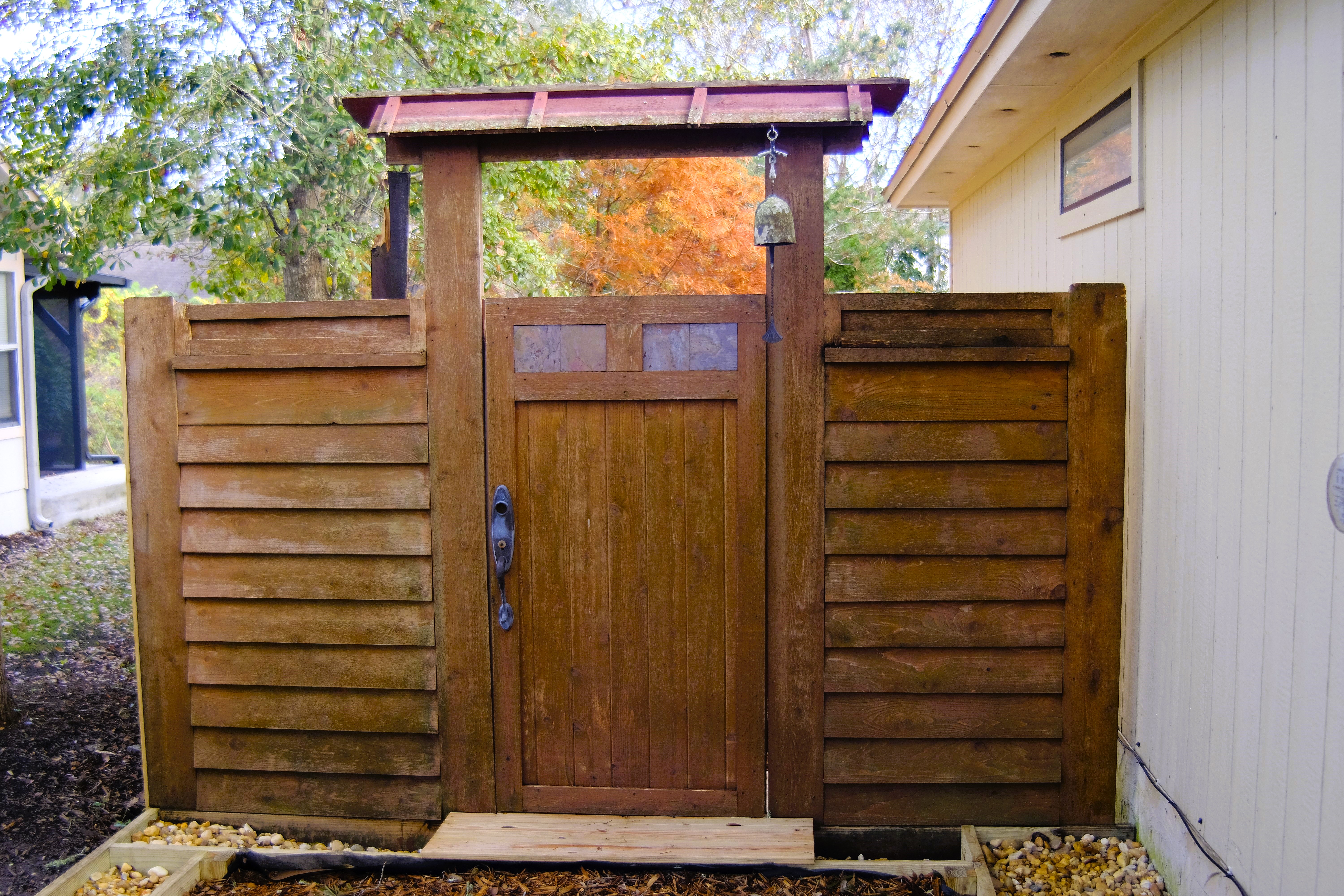
It does make a handsome combo mounted on the Fuji. Have I mentioned how much I enjoy my X-T2?The lens has lots of metal and glass; compact wouldn’t be how I’d describe it compared to a similar zoom lens from today. It has 11 elements in 10 groups and a large 67mm filter ring.It was cloudy and late afternoon when I shot this plant outside my studio window. I believe it is at f/11 ISO 400, 105mm equivalent.My garden gate at about 24mm (36mm equivalent).Bald cypress tree in its late autumn blaze. 105mm equivalent (70mm).
I checked on eBay, and there isn’t another one of these lenses for sale currently or recently sold. It’s actually relatively uncommon. I like the images it produces. I have it in my Etsy shop if you are interested. Canon FD mount. Thanks for stopping by, Chris
Comments are always welcomed, as I’ve learned quite a bit from reader feedback. As always, thanks for stopping by, and while you’re at it, feel free to visit my camera shop at http://www.ccstudio2380.com (CC Design Studios hosted by Etsy). – Chris Whelan
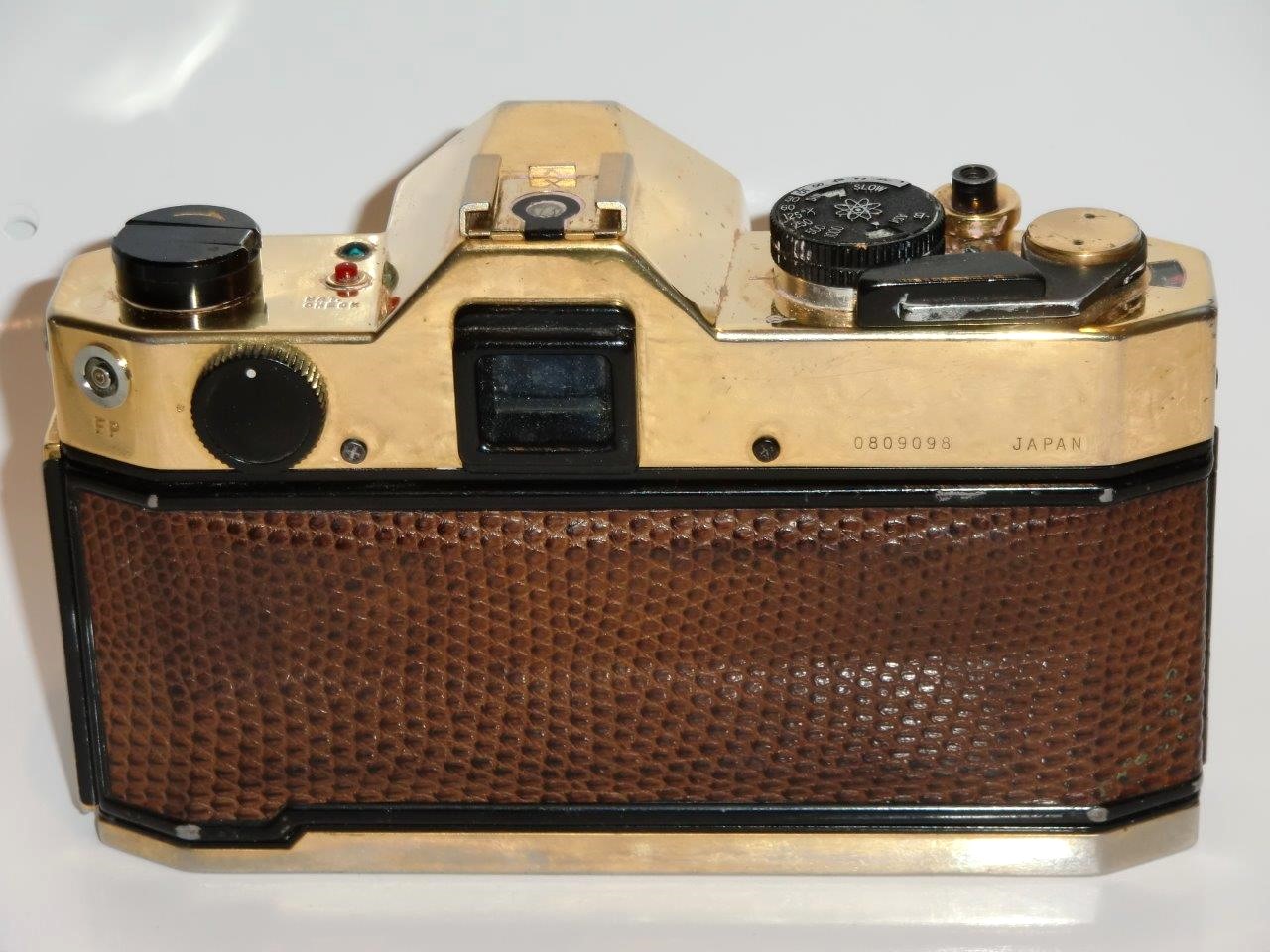
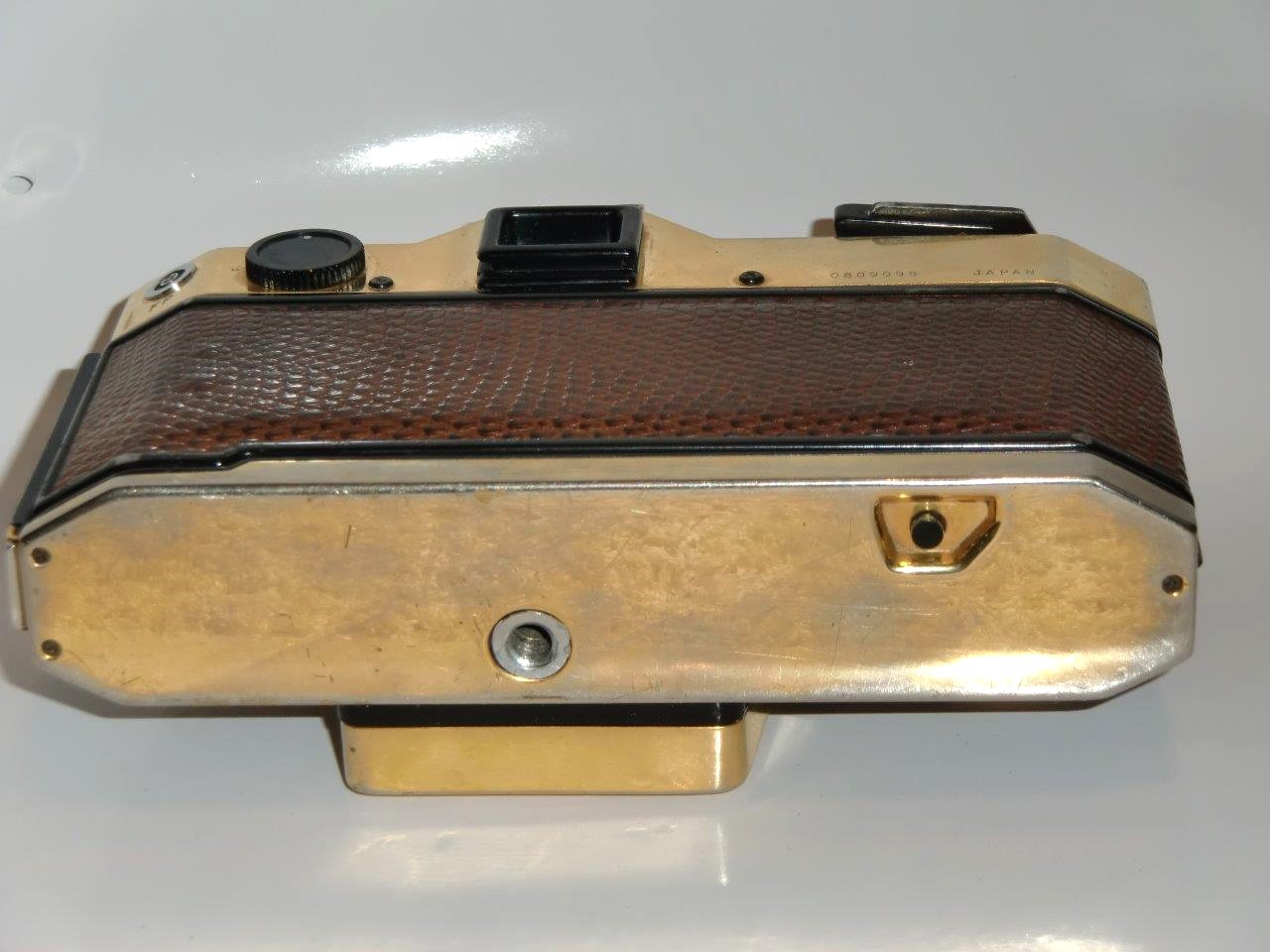
A reader sent me these pictures of his Yashica TL Electro X ITS camera and asked if I knew anything about this version. I hadn’t seen a gold and lizard skin Yashica before (Contax, yes; Yashica, no).
I’ve seen similar lizard skin coverings, but from the image, it’s difficult to tell if it would have been applied at the factory.The serial number indicates it was made in August 1970.The plating quality looks sub-par, but it’s pretty worn again, so it’s difficult to tell.
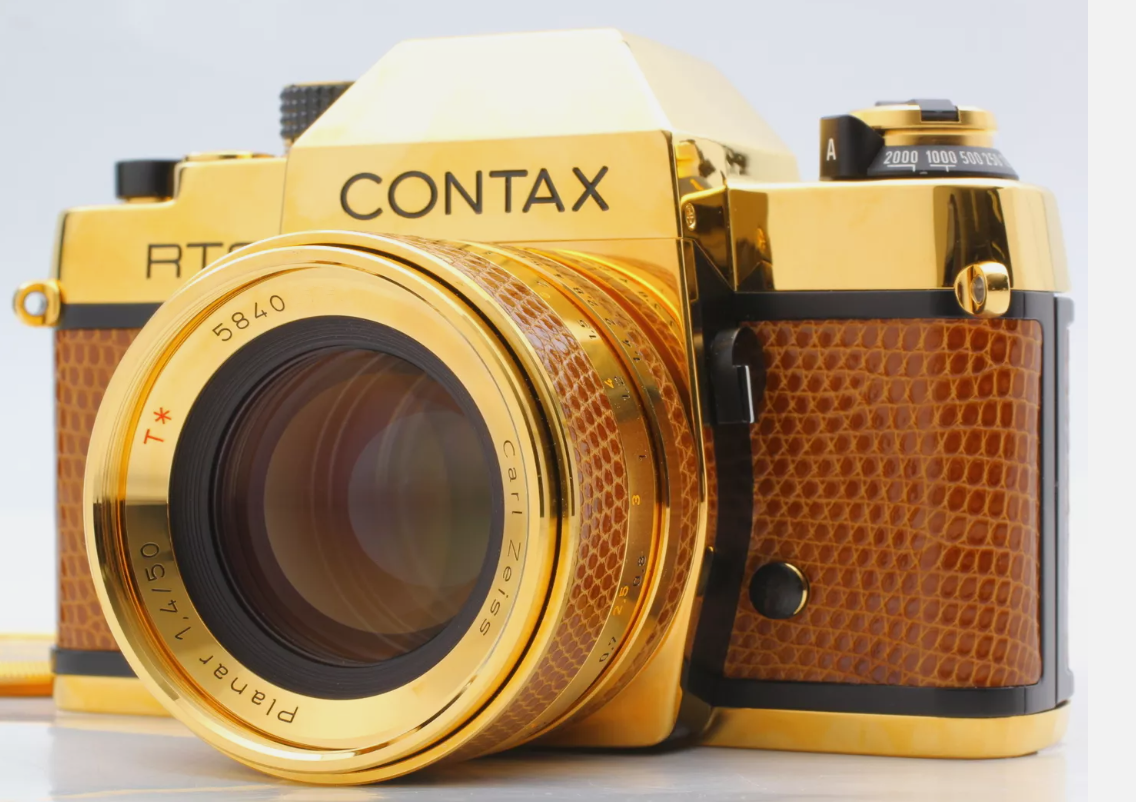
Here is a genuine gold Contax camera with lizard skin coverings that’s presently for sale on an online auction site (see below).
This one is in new condition, so comparing the two cameras is difficult. Yashica joined Contax in 1975 to create a new line of modern Contax-branded cameras.
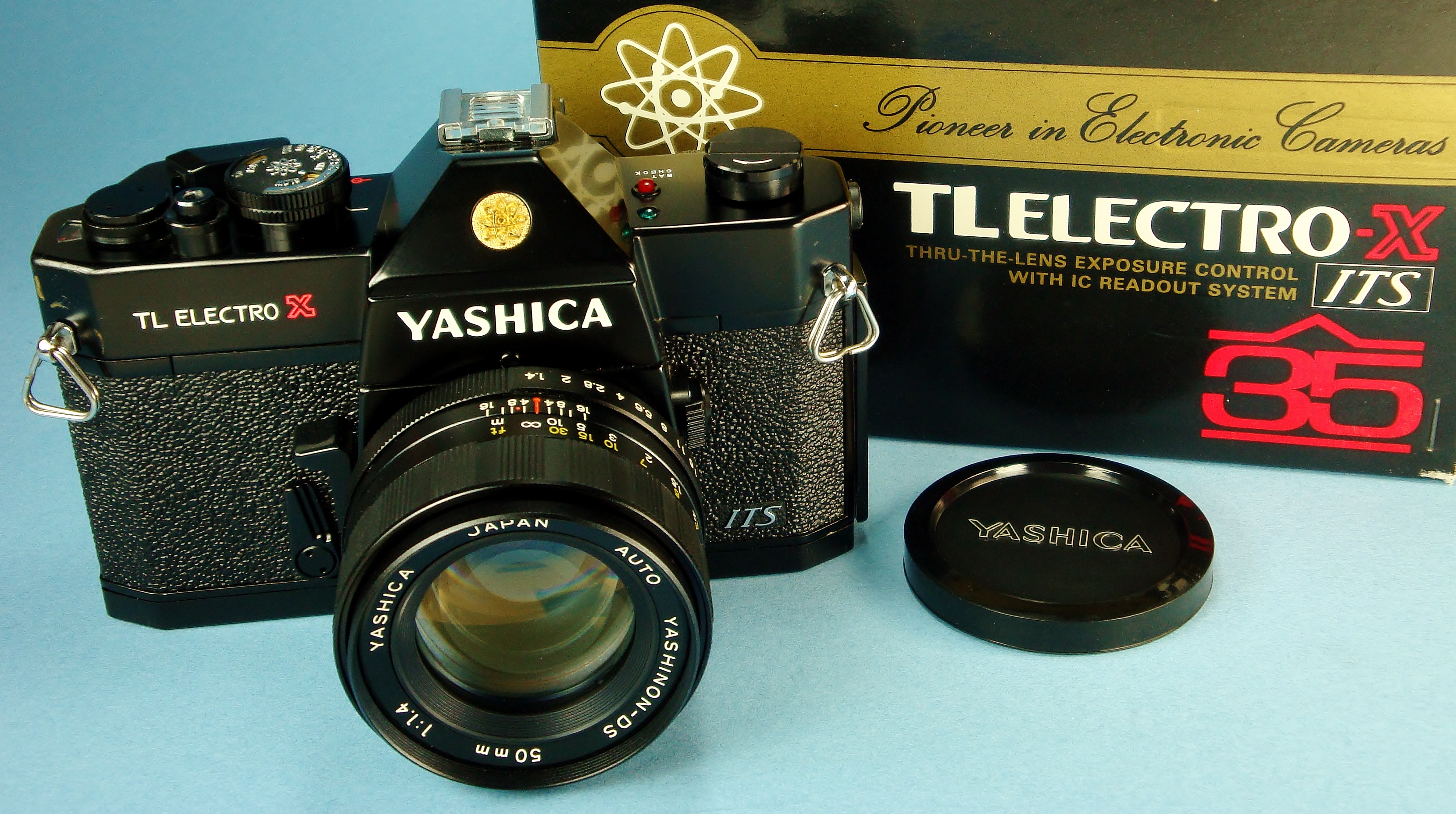
I suppose Yashica or one of its distributors might have made this gold TL Electro X version, but if they did, they left off the ‘ITS’ logo (badge) that would have been on the camera’s front just to the left of the lens. See an example of a genuine TL Electro X ITS camera below.
What do you think? Genuine or not? Ultimately, it’s his camera, and if he likes it, then great. Thanks for stopping by, Chris
Comments are always welcomed, as I’ve learned quite a bit from reader feedback. As always, thanks for stopping by, and while you’re at it, feel free to visit my camera shop at http://www.ccstudio2380.com (CC Design Studios hosted by Etsy). – Chris Whelan
“The Canon OD F-1 (released in March 1978) is a color-variation model of the F-1(later model) released in 1976. OD stands for Olive-drab, the camera’s body color, which was reminiscent of the U.S. army and a color popular with young people. Its specifications are the same as the F-1 (later model).” The preceding is a direct quote from Canon’s website.
My Canon OD F-1 with my homemade strap.
I say mysterious only because Cano was tight-lipped about it when it was released in early 1978. No official documentation exists other than that it was made, but no explanation of why it was made and in such limited quantities (estimated between two to three thousand). It’s not a military camera; it wasn’t made for the US Army or the Japanese forces, and other than being olive drab, it bears no markings that differ from a regular black Canon F-1 of the same period. Here is the only known supporting documentation.
The cover page of a flyer that wasn’t published until early 1980 and only released in Japan.The back page of the flyer. I’m not sure this flyer was published by Canon. When the camera was released, it didn’t include a lens, only the body. The camera depicted has a zoom lens, which wasn’t original to the set.The set was issued by Canon in early 1978.
Complete sets such as this command appropriate attention and value among collectors.
The set included a special olive drab case.
My fully decked-out OD F-1.
I’ve attached a power winder and what would have been the correct era lens for the body.
I’ll have more about the camera in future posts. Thanks for stopping by, Chris
Comments are always welcomed, as I’ve learned quite a bit from reader feedback. As always, thanks for stopping by, and while you’re at it, feel free to visit my camera shop at http://www.ccstudio2380.com (CC Design Studios hosted by Etsy). – Chris Whelan
Of course, the show’s real star is my Canon EOS R mirrorless digital camera at an impressive 30.3 megapixels. Canon’s white lenses are legendary for their performance under the most challenging situations and conditions.
Canon EF 300mm f/4L IS USM super telephoto lens with a Canon Extender EF 1.4x II. Combined, it has a focal length of 420mm.Also included is a Canon Adapter EF-EOS R to mount EF lenses on the EOS R camera bodies.Plane spotting at the local municipal airport. EMBRAER EMB-505 PHENOM 300 – 2013 ModelN304QS is ready for takeoff.2002 DASSAULT-BREGUET MYSTERE FALCON 900 N107GL At Fernandina Beach Municipal Airport Canon EOS R Canon EF 300mm f/4L IS USM Canon Extender EF 1.4x II 420mmEMBRAER EMB-505 PHENOM 300 – 2013 Model N304QS At Fernandina Beach Municipal Airport Canon EOS R Canon EF 300mm f/4L IS USM Canon Extender EF 1.4x II 420mm300mm at the local marina.Sharp and clear. Handheld at 300mm is a bonus, thanks to the image stabilization built into the lens.
The Canon EOS R is a full-frame mirrorless digital camera that accepts EF and RF lenses. Thanks for stopping by, Chris
Comments are always welcomed, as I’ve learned quite a bit from reader feedback. As always, thanks for stopping by, and while you’re at it, feel free to visit my camera shop at http://www.ccstudio2380.com (CC Design Studios hosted by Etsy). – Chris Whelan