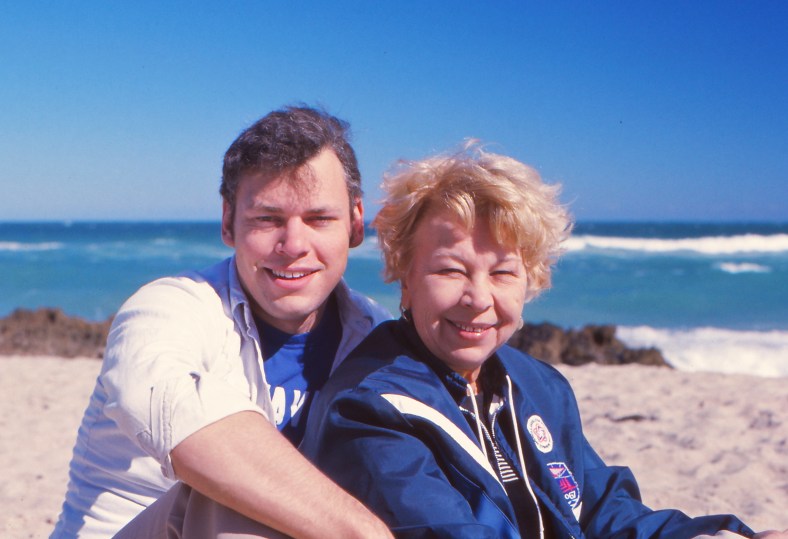
1977 at Jensen Beach, Florida.
Just before I deployed to Japan on the USS Midway (CV-41) for 3 years.
Love you!
1977 at Jensen Beach, Florida.
Just before I deployed to Japan on the USS Midway (CV-41) for 3 years.
Love you!
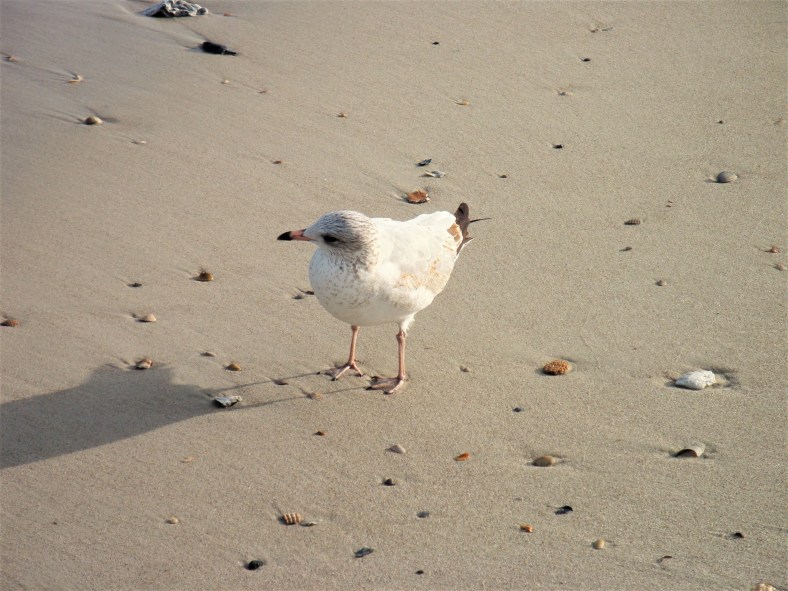
Waitin’ on a wave.
This guy must have been hungry as he let me get kinda close.
Camera: Sony Cyber-shot DSC-W170
Chris
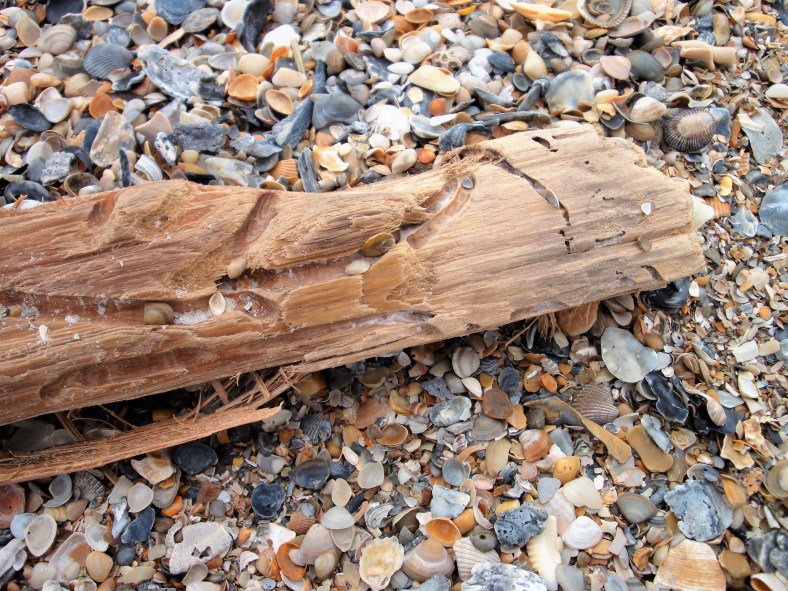
Amelia Island shells.
Camera: Sony Cyber-shot DSC-W170
Chris
Not bad for an experienced couple – we fell in love in the Magic Kingdom back in 1973, honeymooned at Disney in 1974 and celebrated our 40th wedding anniversary in 2014 at Disney! I believe Carol and I have bankrolled a few Disney movies over the years with what we’ve spent – worth every penny!
Some additional rescued images from my dead hp laptop –
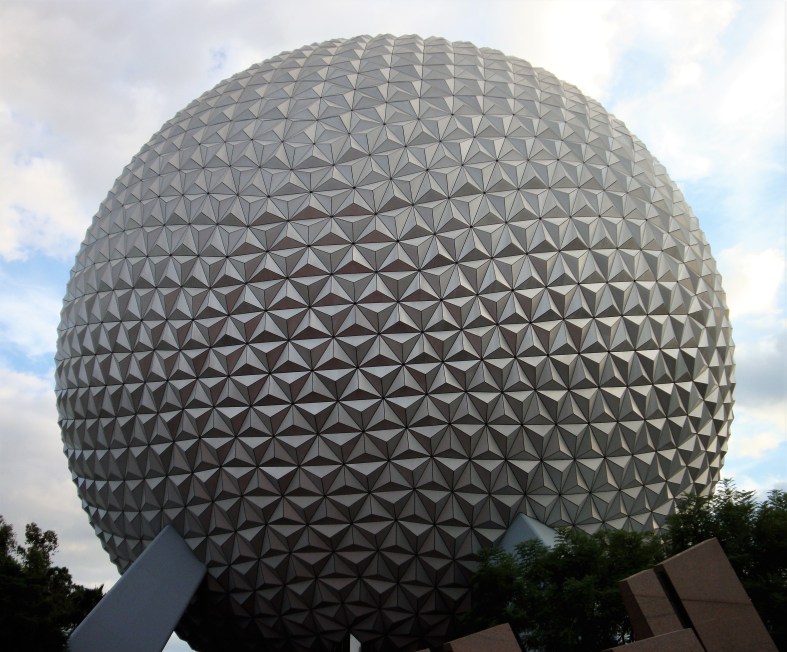
At EPCOT for only one reason…
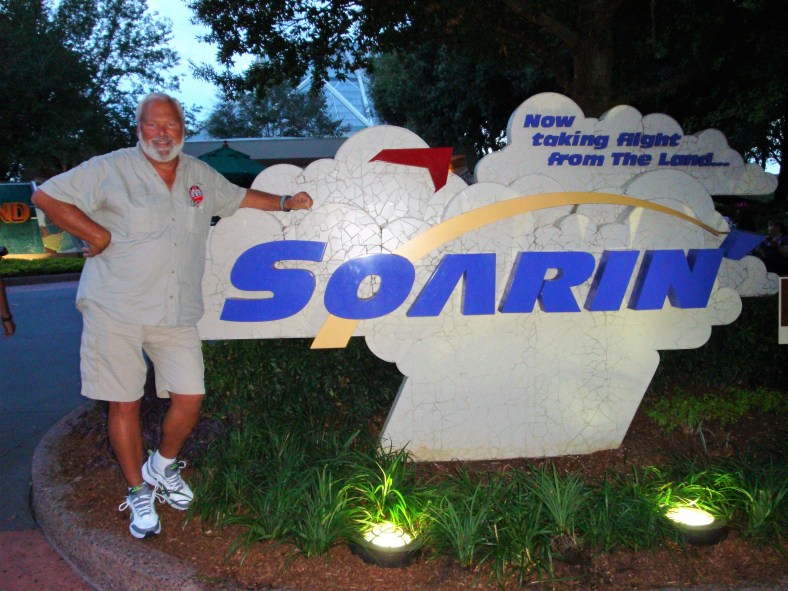
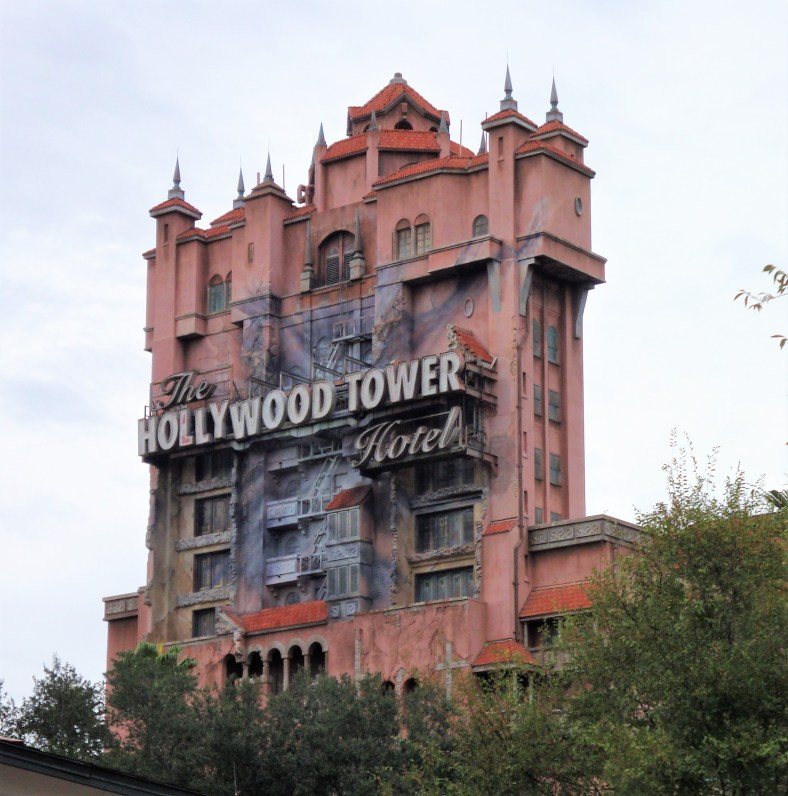
The “Tower that Carol will never ride” at Disney’s Hollywood Studios.
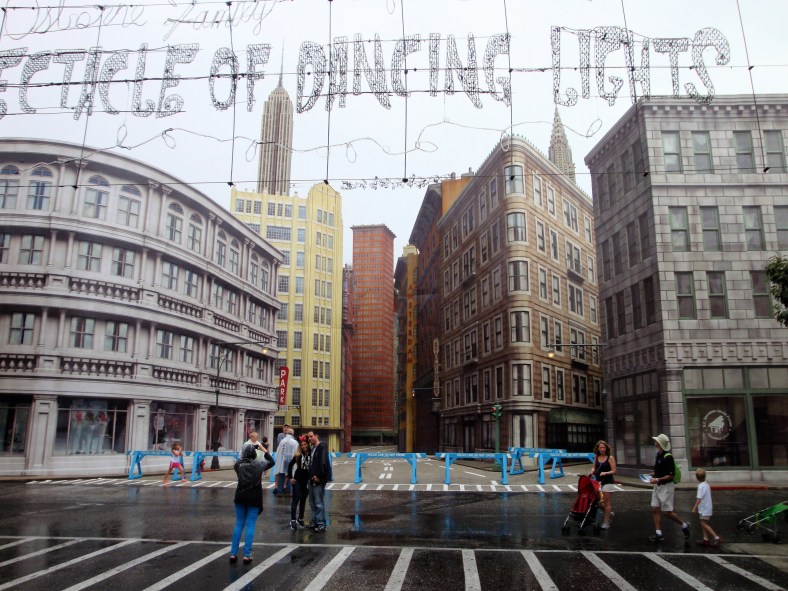
Disney’s forgotten park – Hollywood Studios.
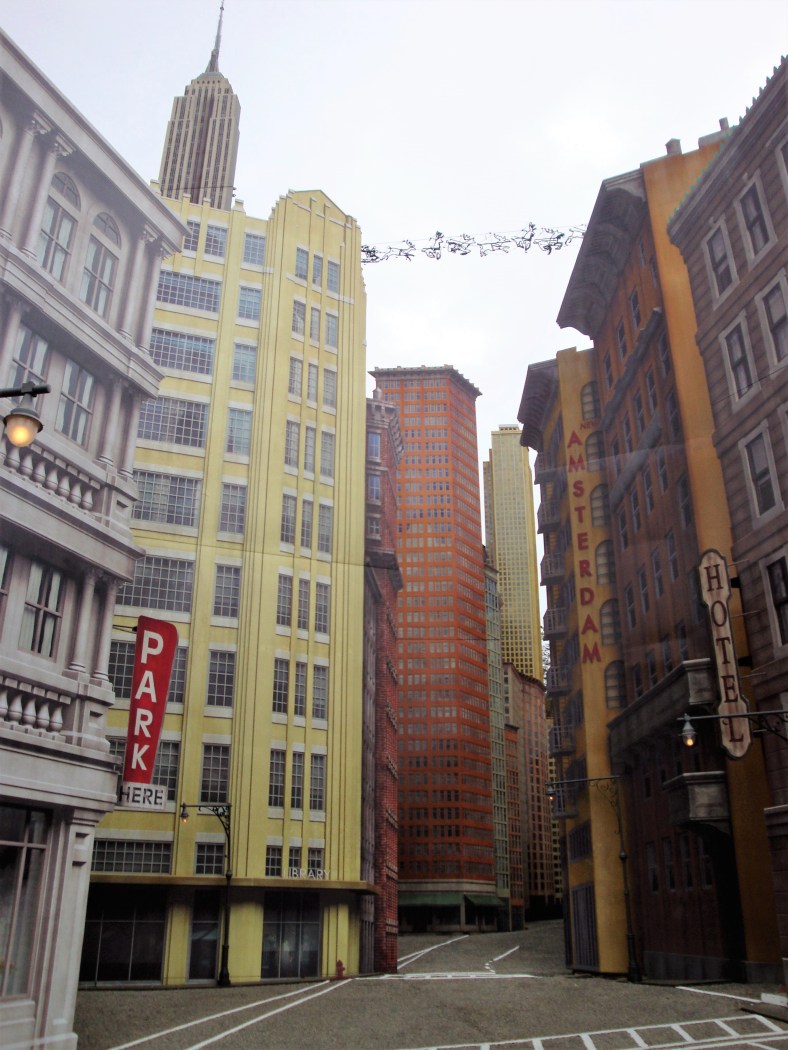
Not quite NYC.
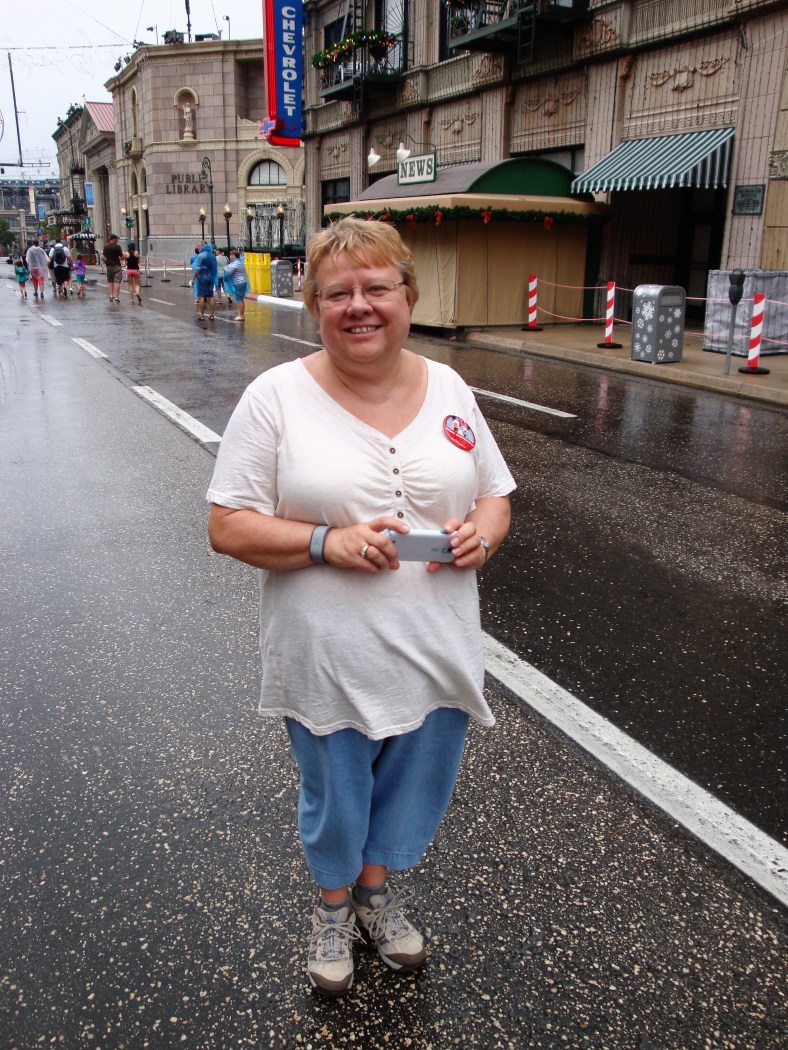
My Carol ^.^
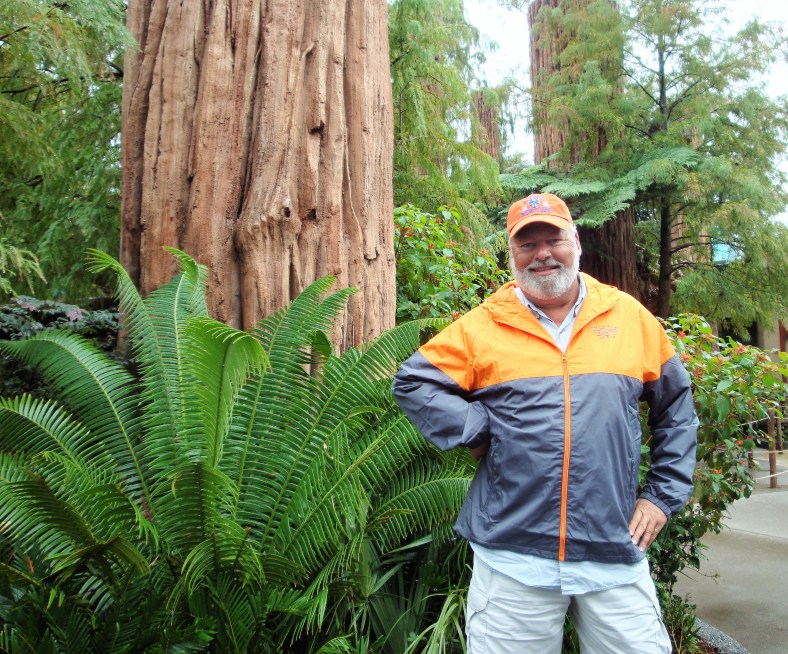
Chris’ new favorite throwback WDW jacket from the 1970s!
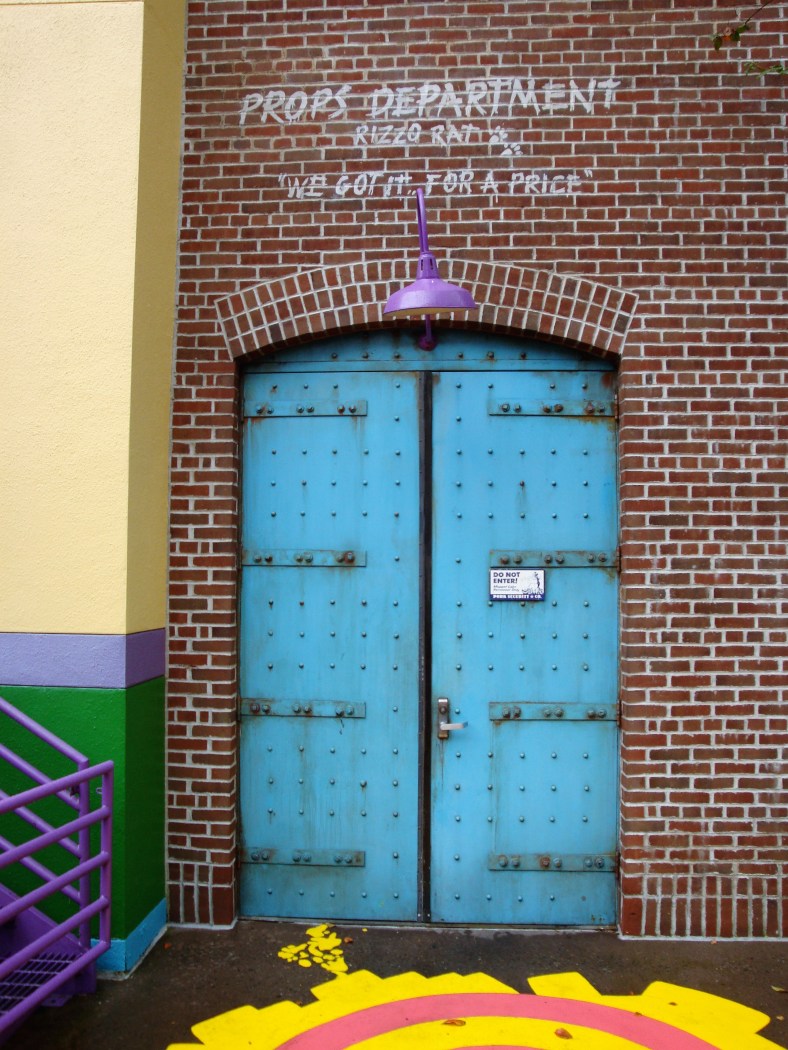
Gotta have a Disney door!
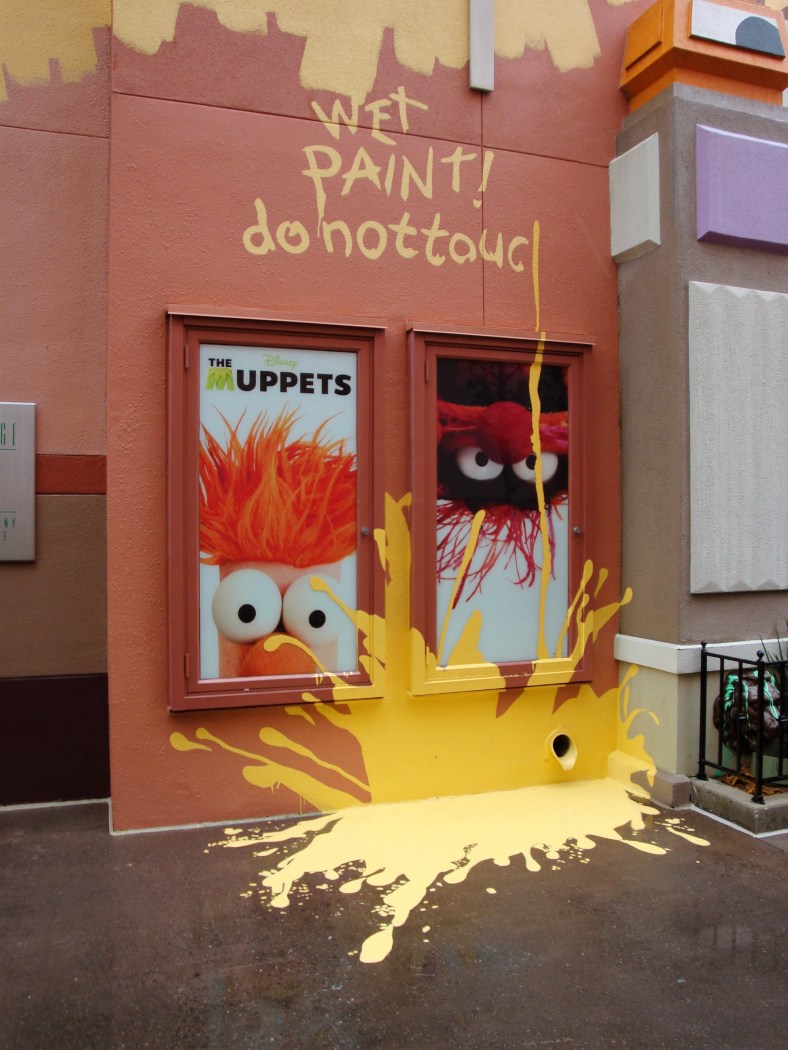
Our daughter always had to test the paint to see if it was wet! 2 cute!
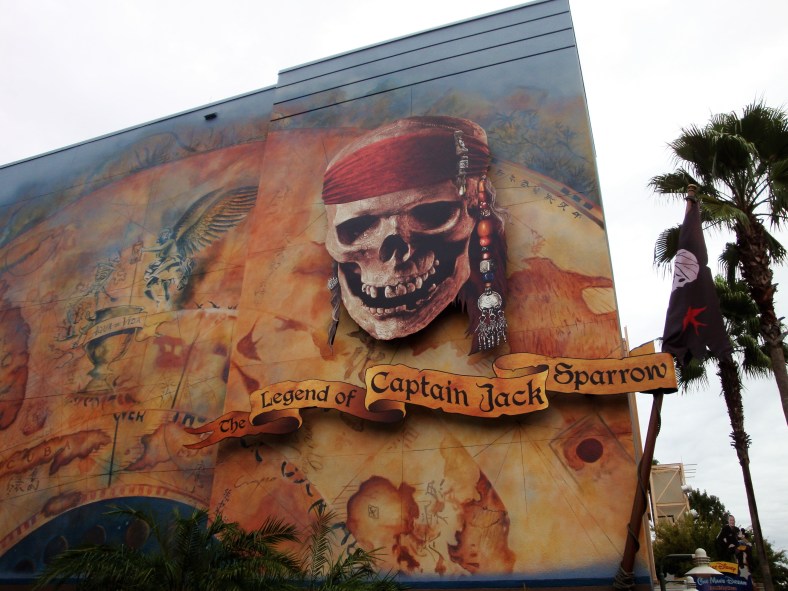
Ye be Pirates!!!
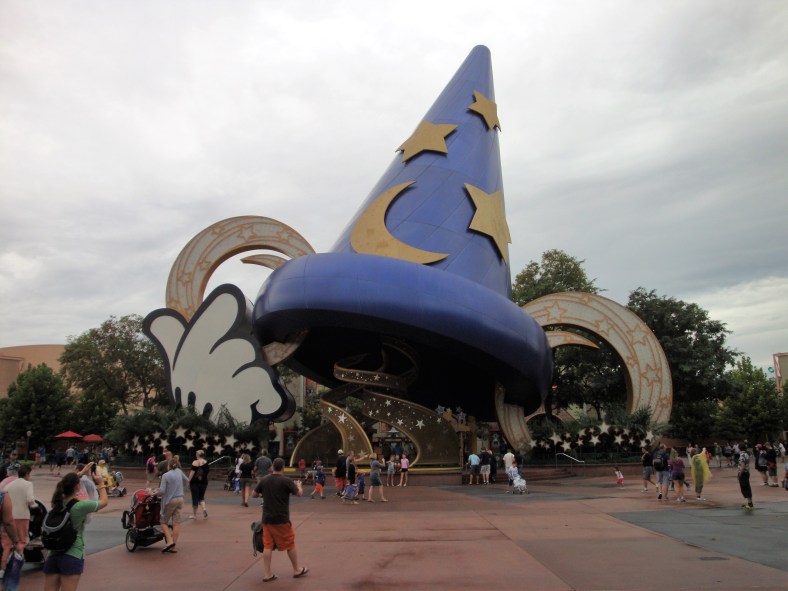
The hat’s gone now!
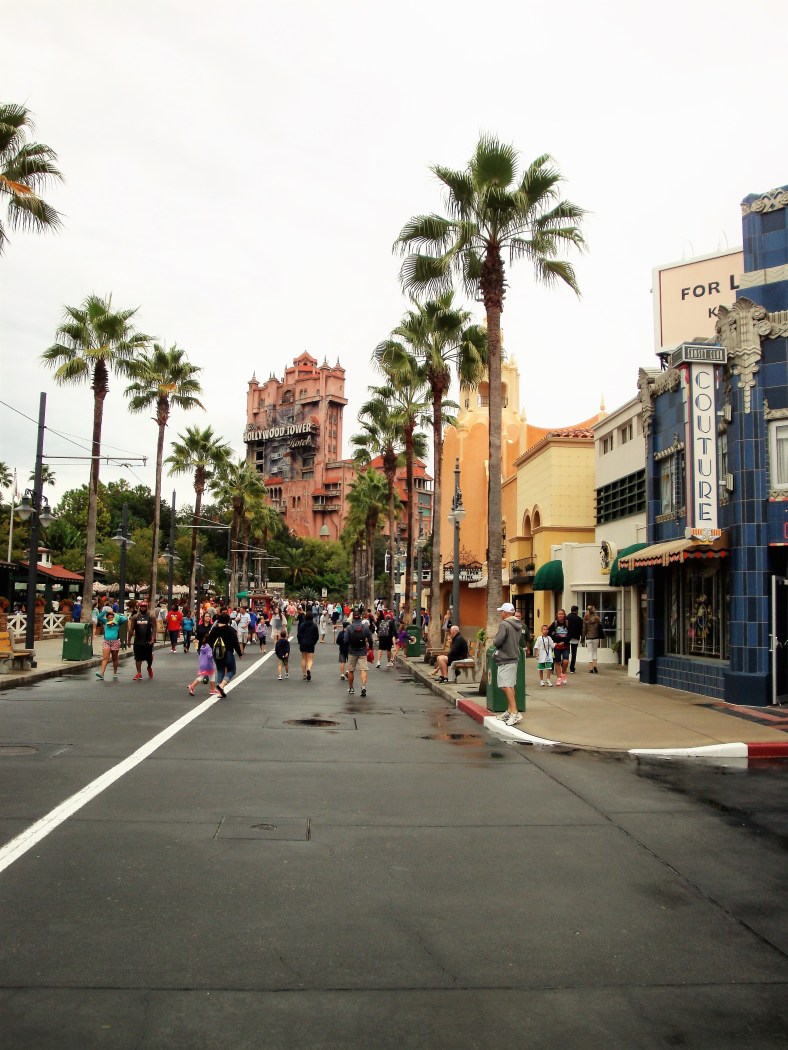
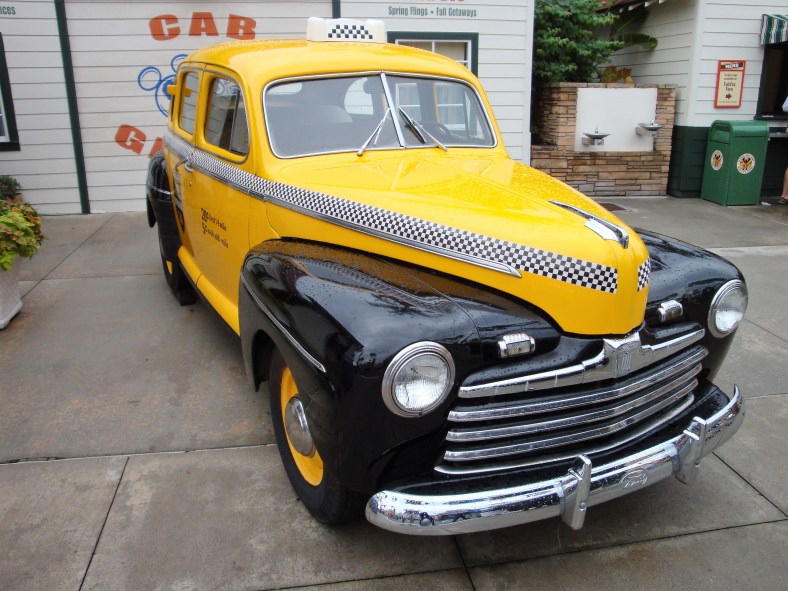
Slick ride!
Adios Disney’s Hollywood Studios!
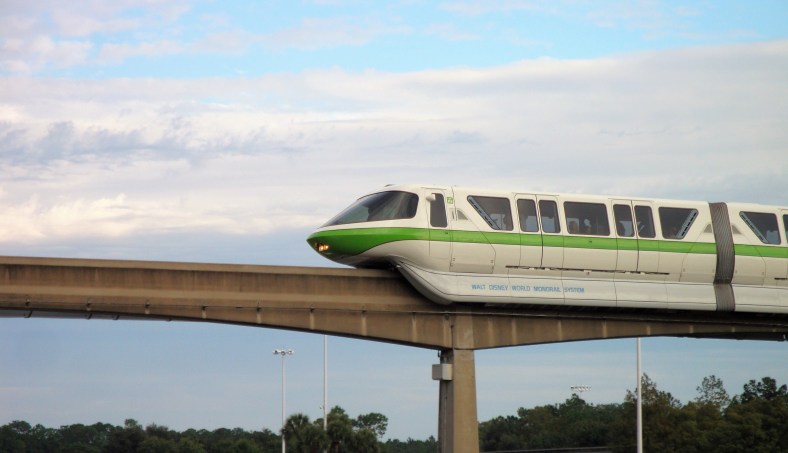
Monorail to the MK!
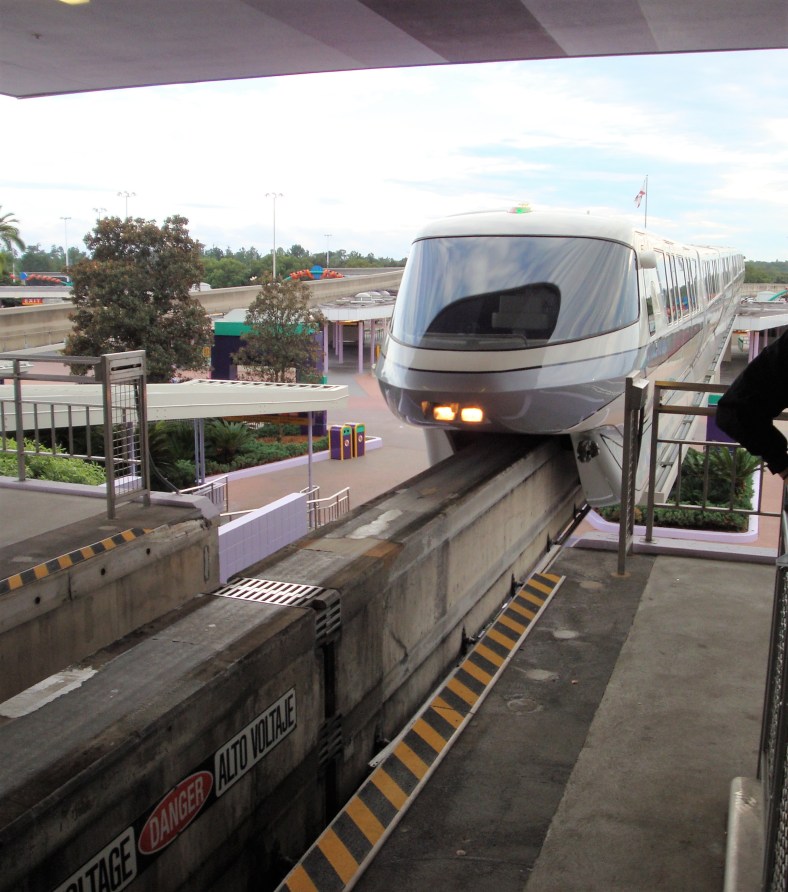
Next stop the Magic Kingdom!

How awesome!
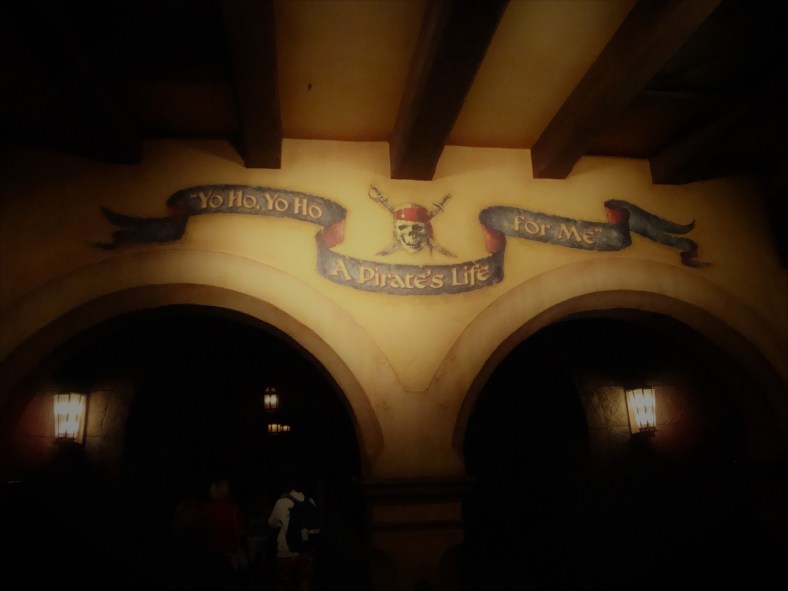
Gotta see Jack… that’s Captain Jack Sparrow if you please.

Savvy
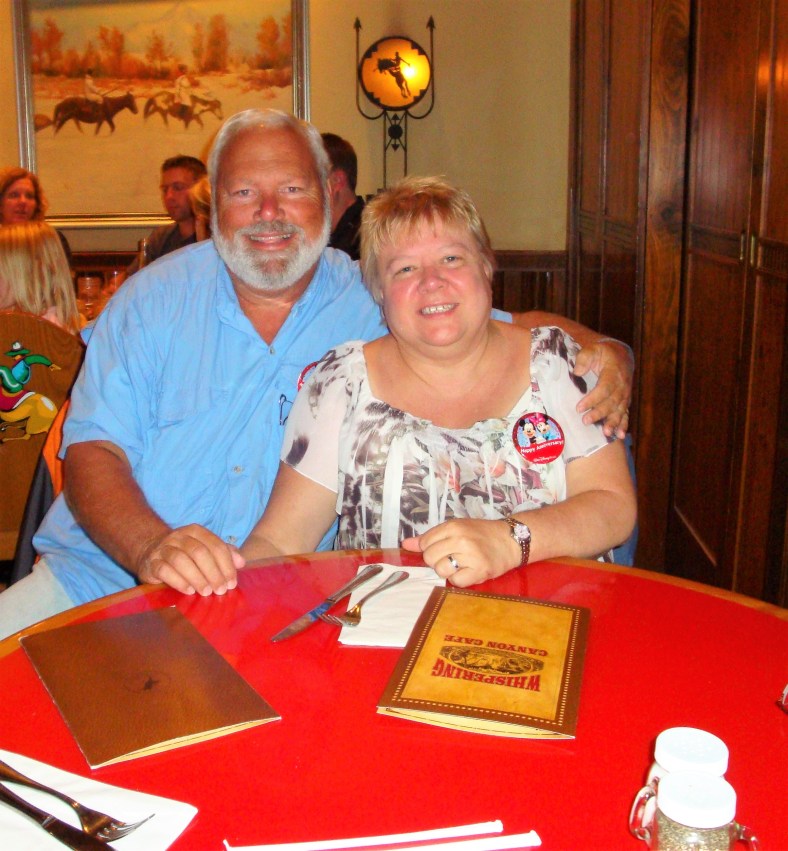
At the Whispering Canyon Cafe at the Wilderness Lodge.
We’re done for that day!!! More Disney soon.
Camera: Sony Cyber-shot DSC-W170
Thanks – Chris and Carol
While recovering some lost images from my now deceased hp laptop, I came across these pics that I’m somewhat proud of. Why? Because taking pictures in Disney World is not easy. How many times can you take the same shot over and over? How do you look at something that you’ve seen hundreds of times and still find an interesting point of view? How do you make the thousands of people “go away”?
Here’s some examples –
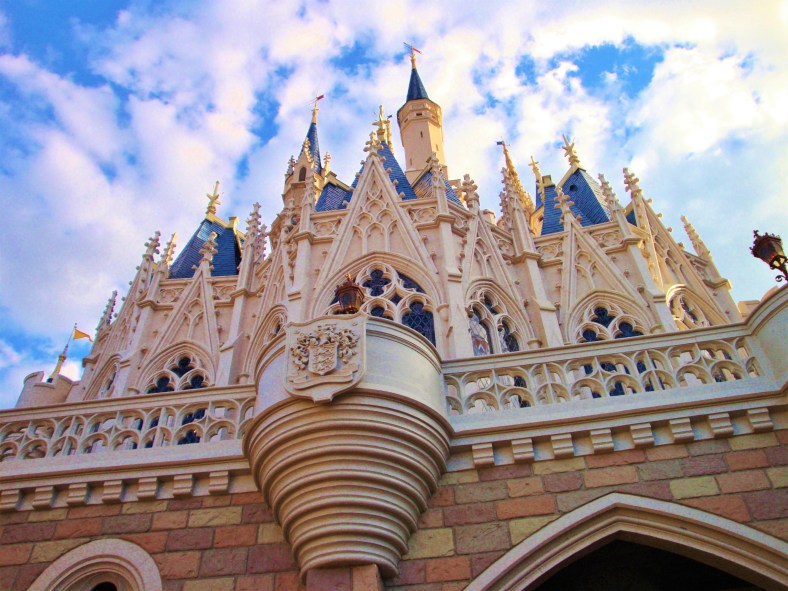
Cindy’s Castle from behind. A tight crop in the camera while pointing it nearly straight up with a wide angle lens. A dramatic sky helps too.
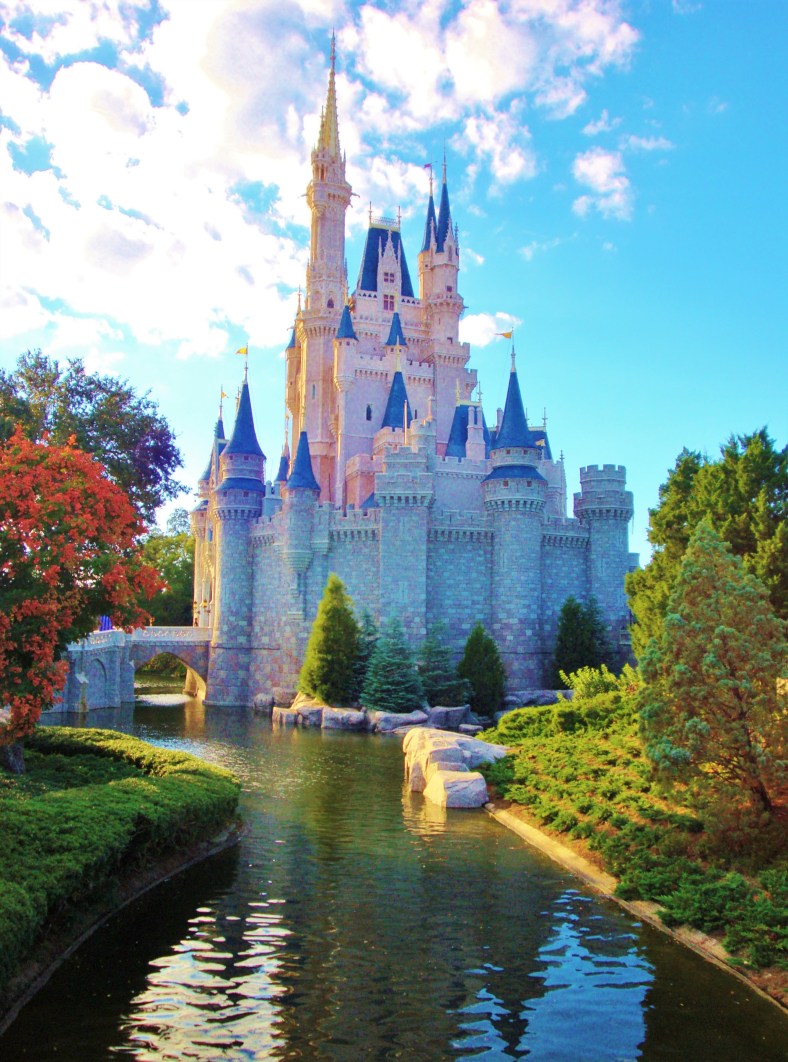
No peeps view! I had to wait until the last person cleared the bridge. I like the sky in this one too and it’s shot from a Tomorrowland viewpoint.
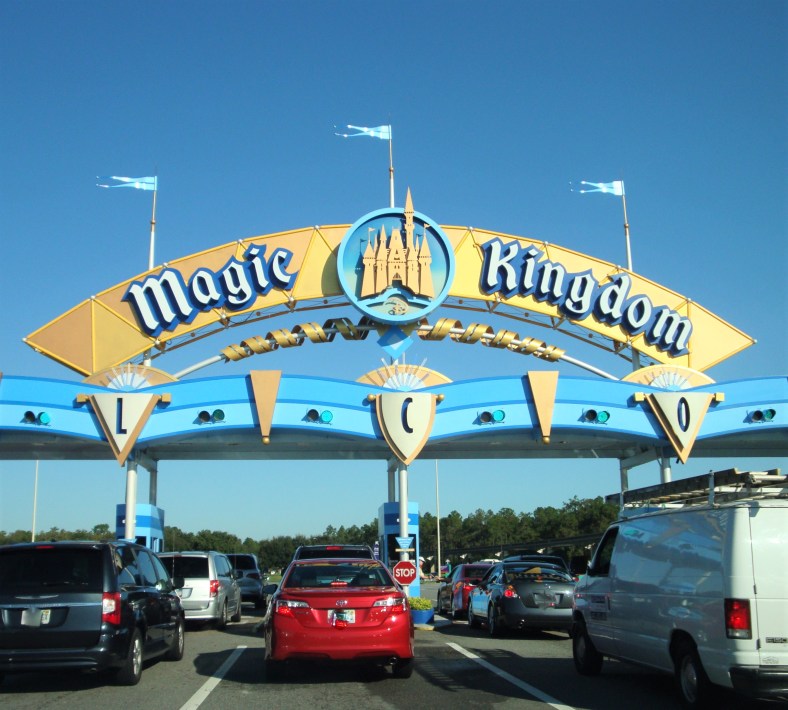
While driving (slowly) I held the camera out the driver’s side window… no they wouldn’t let me get out of the car to take this shot. How many times have I driven under that sign and wanted to take a picture???
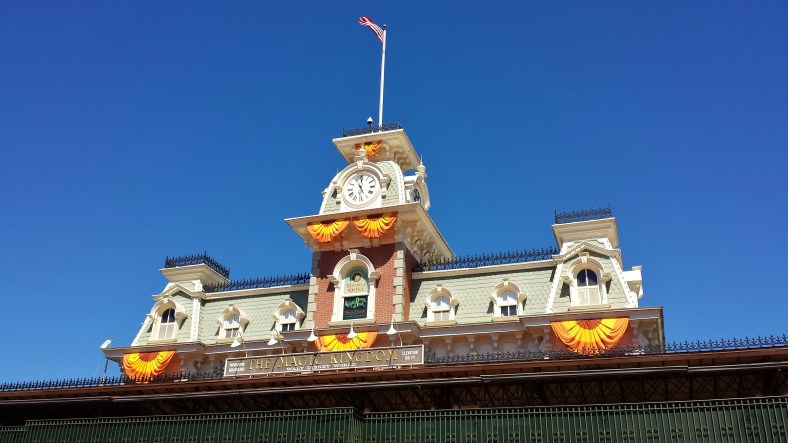
Another tight crop in the camera while holding the camera over my head to make the people go away. Gorgeous day too!
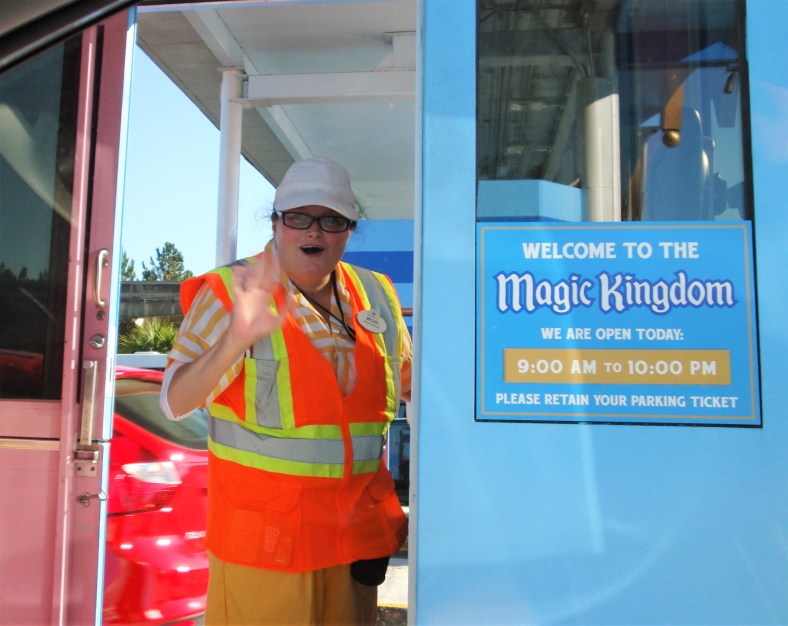
Hi Megan!!!
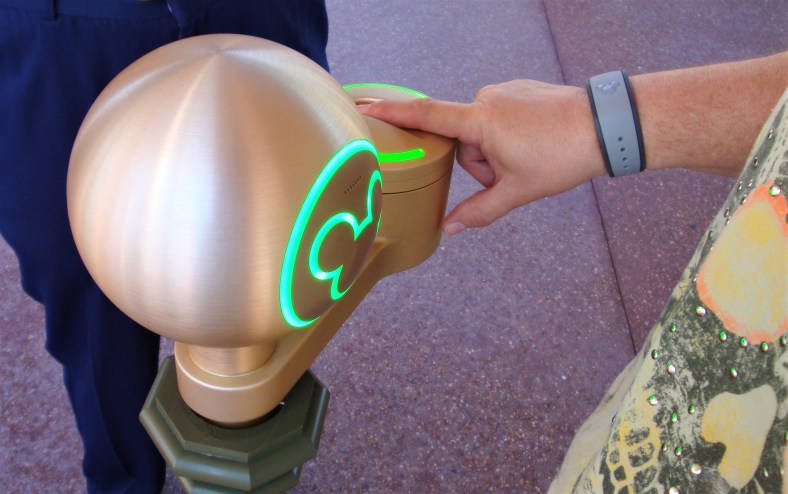
Green means we’re in!
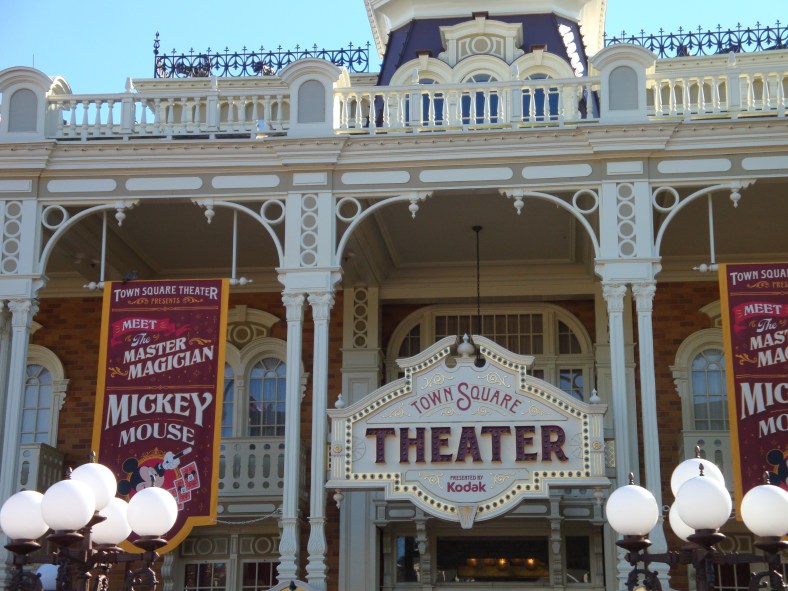
Welcome!
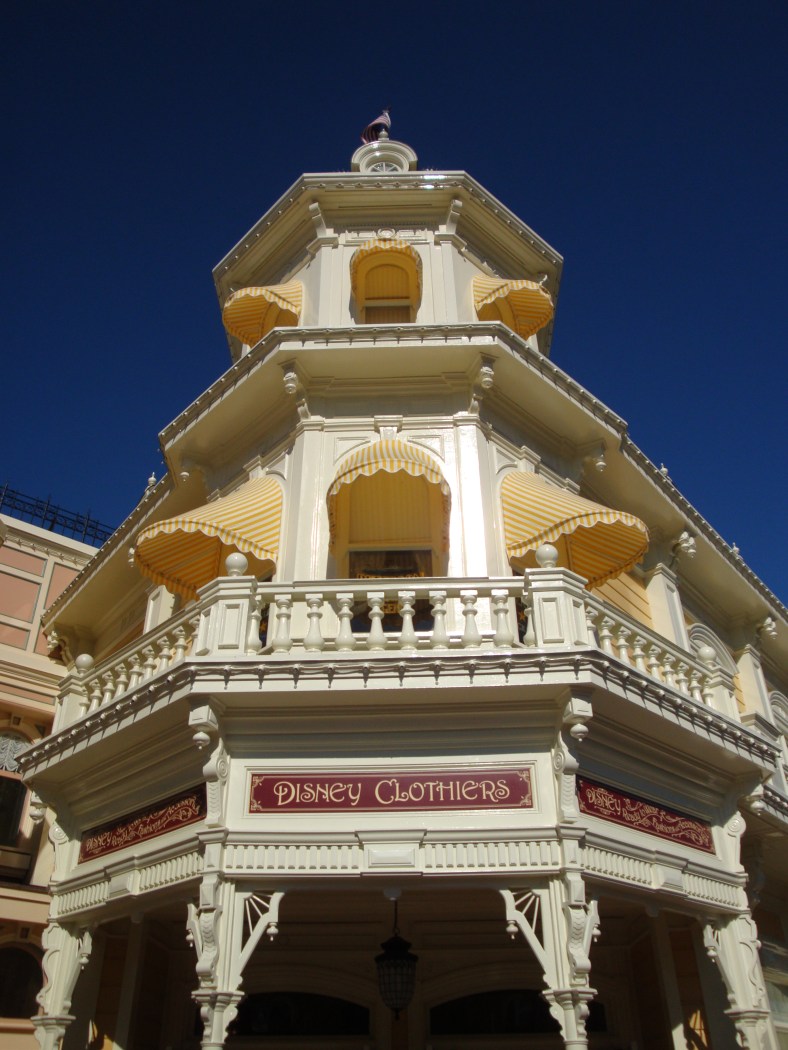
Crazy contrast! And yes the sky was that blue!!!
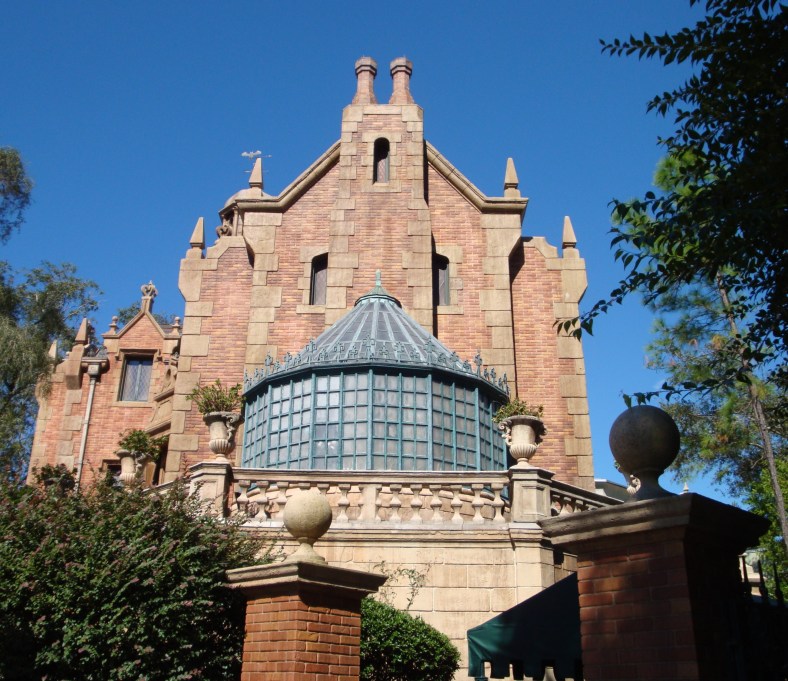
Not so haunting.
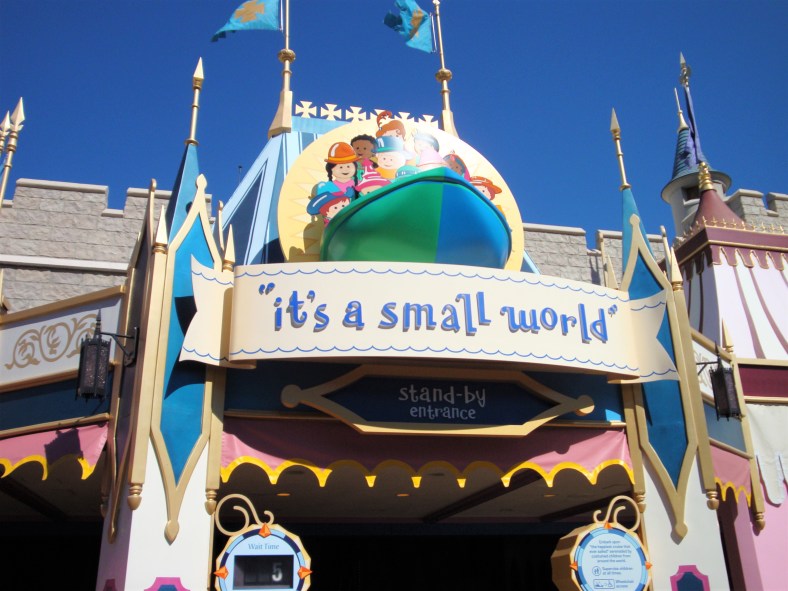
Yes it is – but an expensive one.
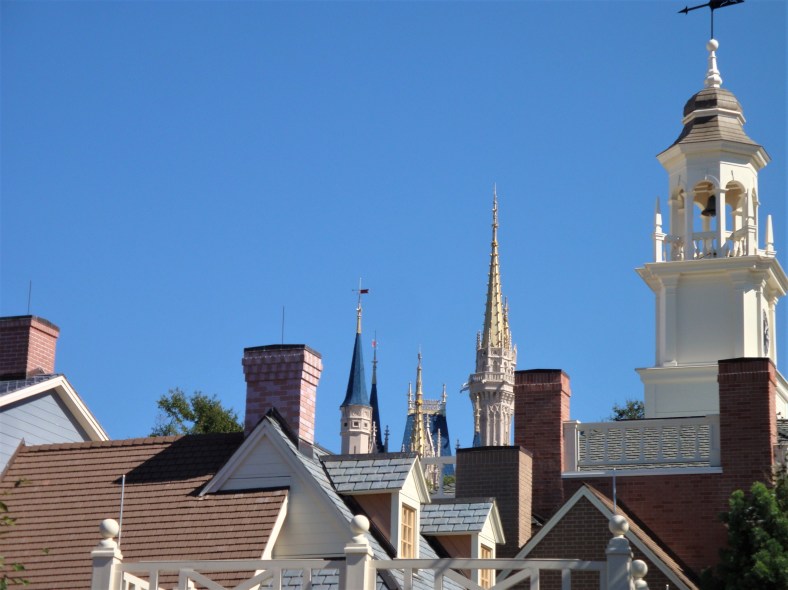
I’m thinking “UP”!
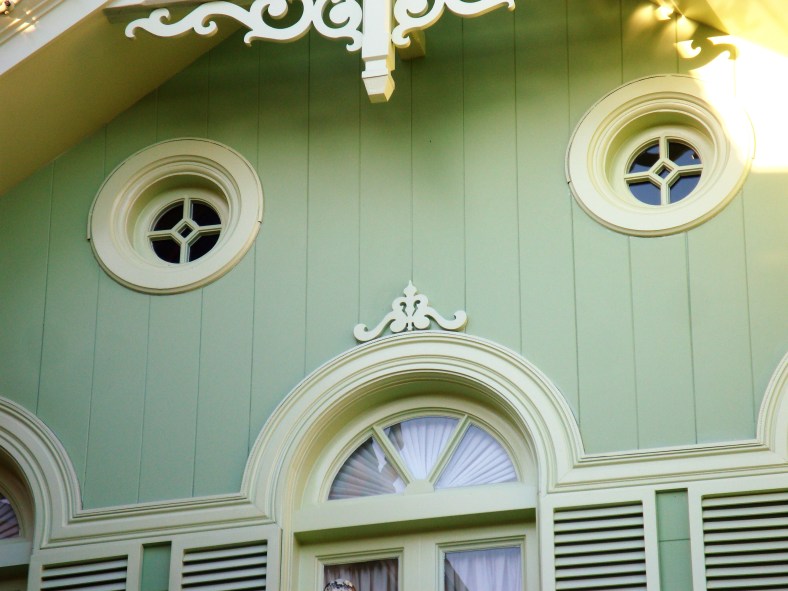
We’ve always seen a face.
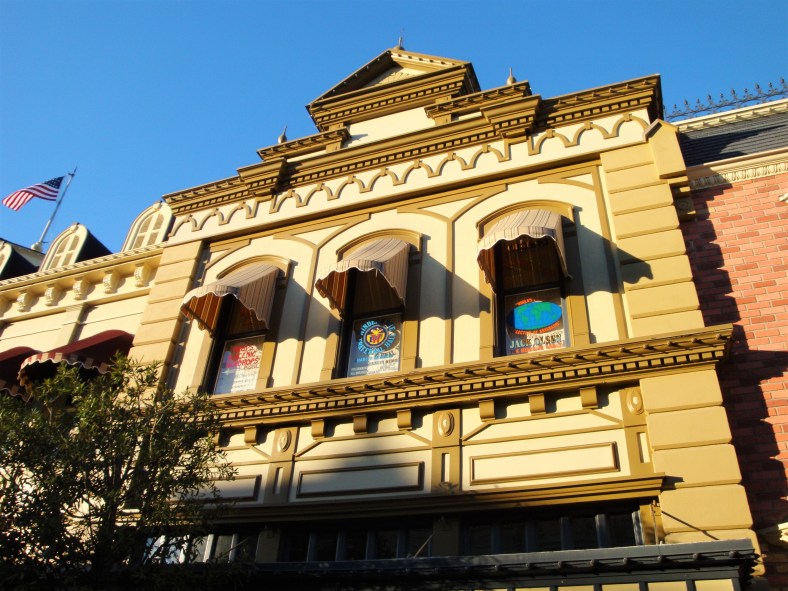
Almost golden.
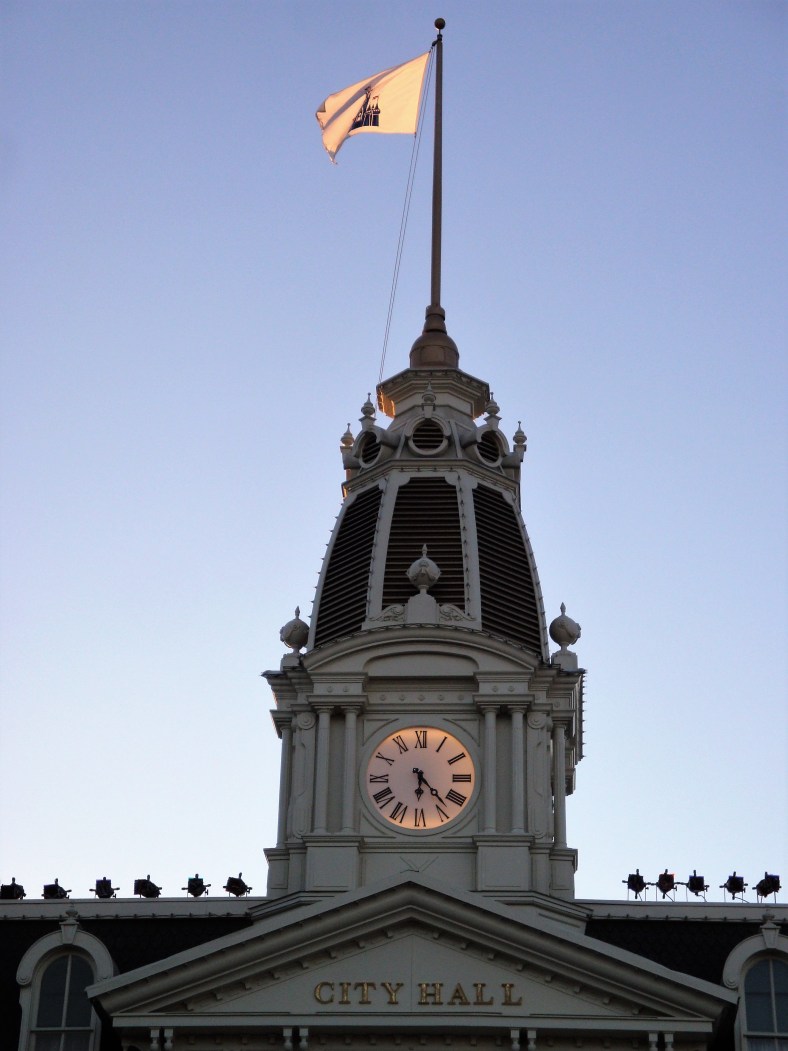
Time to go…
Thanks for hanging with us!
Camera: Sony Cyber-shot DSC-W170
Chris and Carol
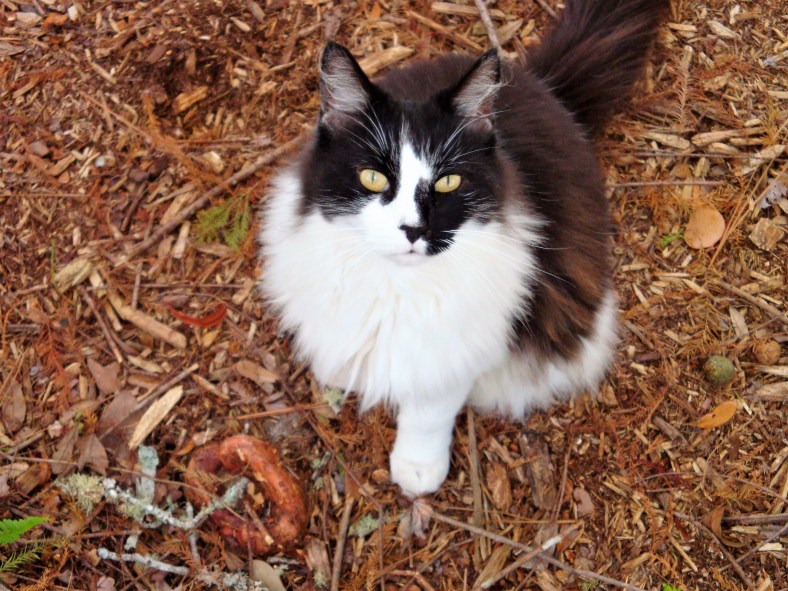
Our loveable Tomcat – Pirate
Camera: Sony Cyber-shot DSC-W170
Chris
Fort Clinch State Park is a beautiful 1,400 acre park on the extreme northeastern tip of Amelia Island. The fort makes up only one small part of this diverse and ecologically important park – here the old Florida can be appreciated for its tall sand dunes covered with a coastal maritime forest. More can be found https://www.floridastateparks.org/park/Fort-Clinch
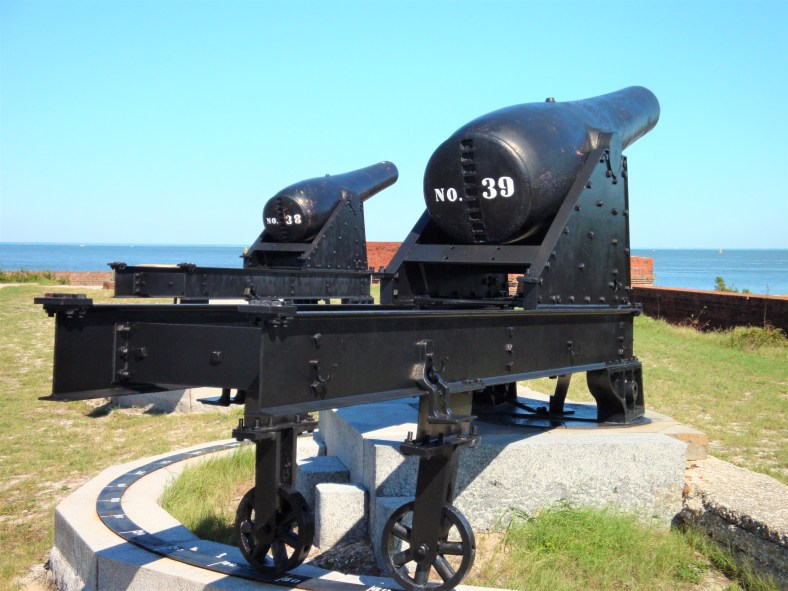
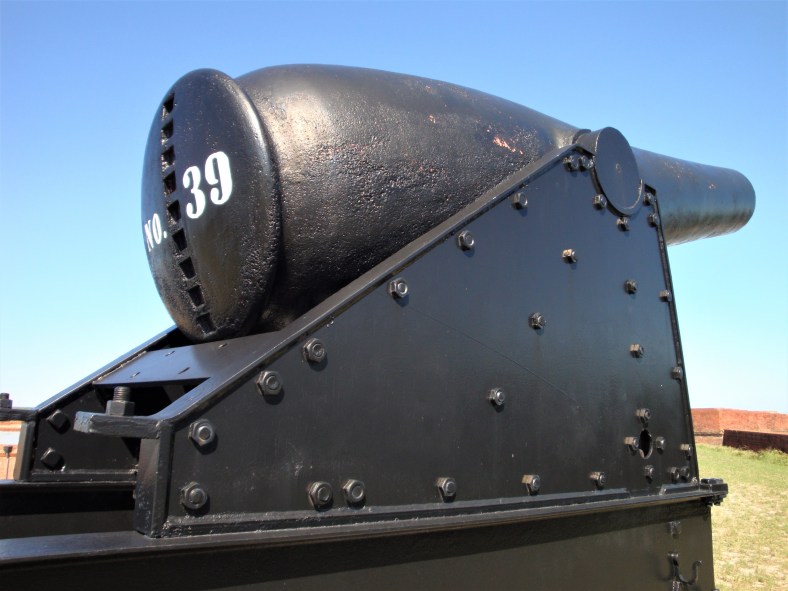
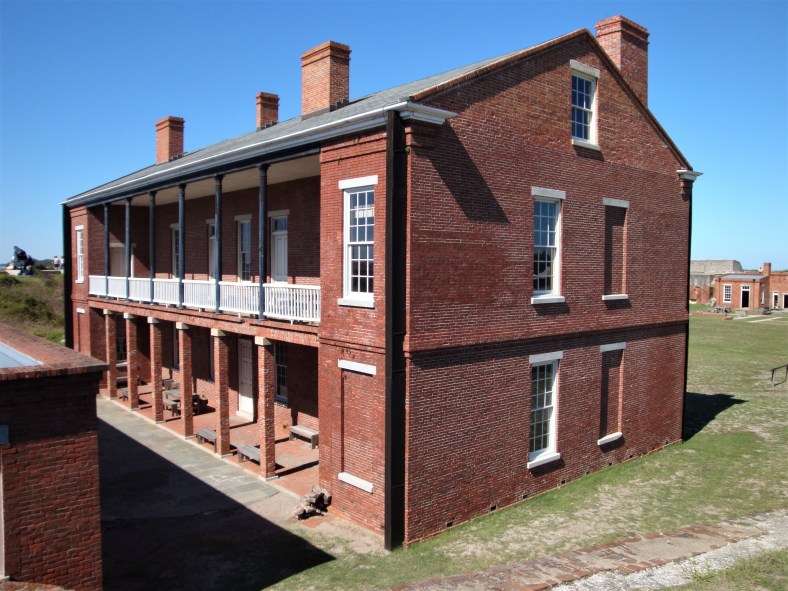
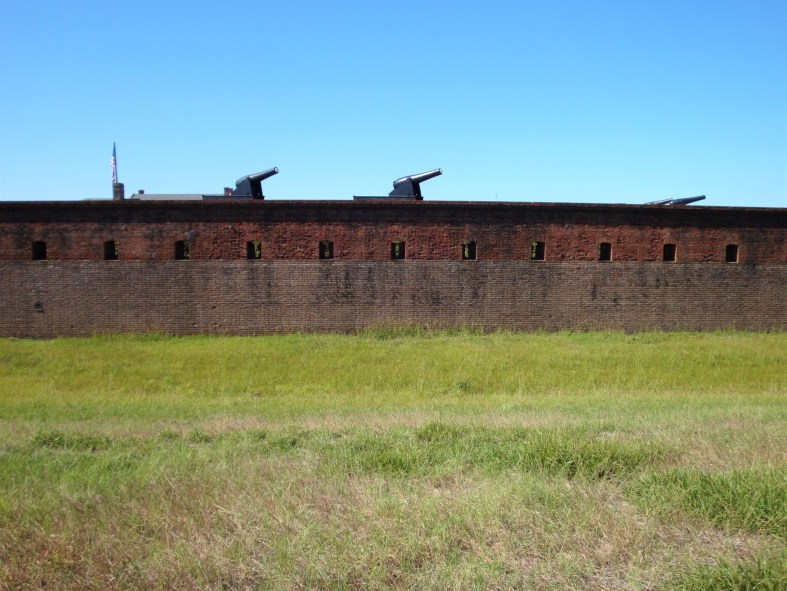
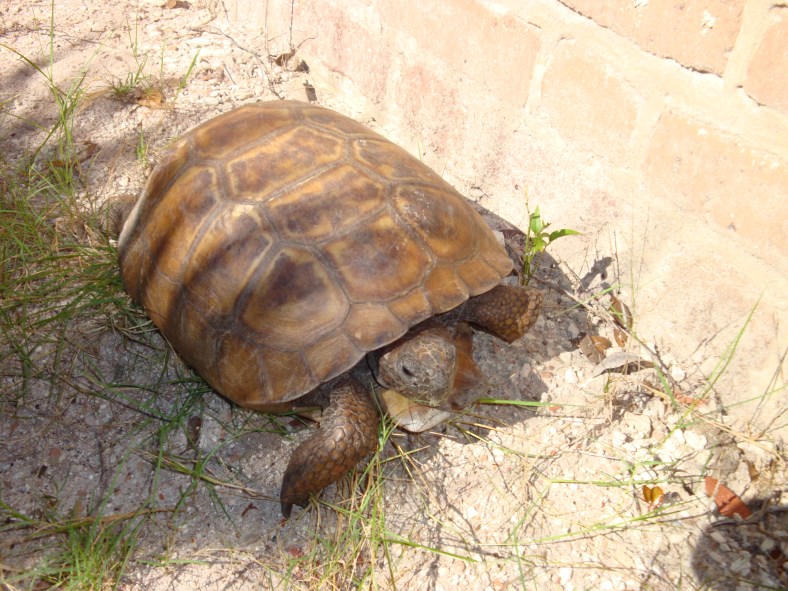
Beautiful gopher tortoises roam the dunes at will. Here this one was at the base of one of the fort’s brick walls.
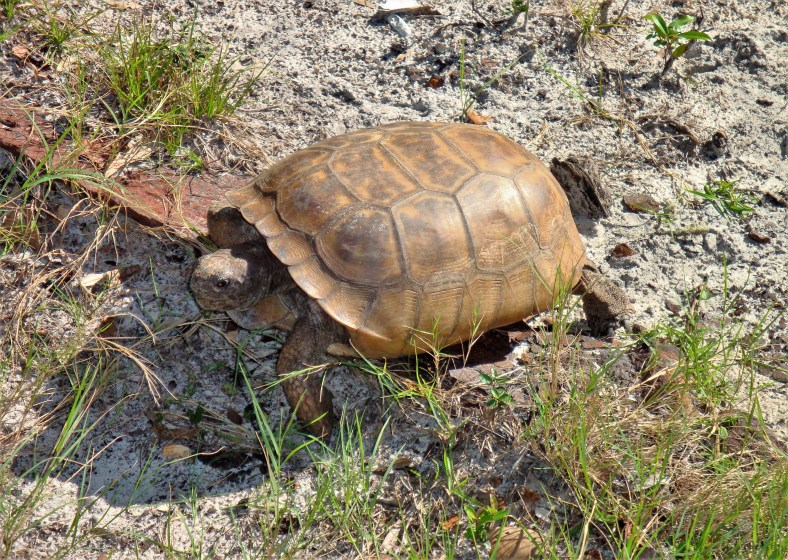
Beautiful animals and fun to watch.
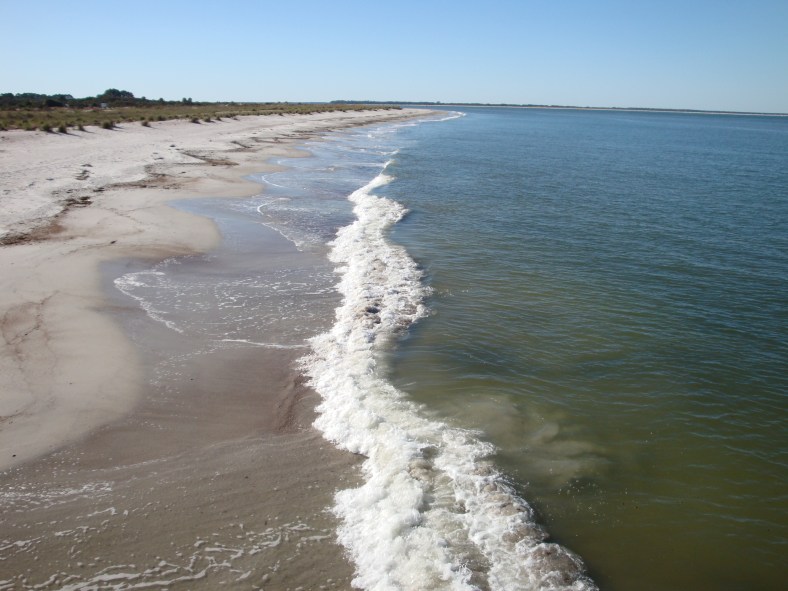
Along the Atlantic Ocean coast of the park.
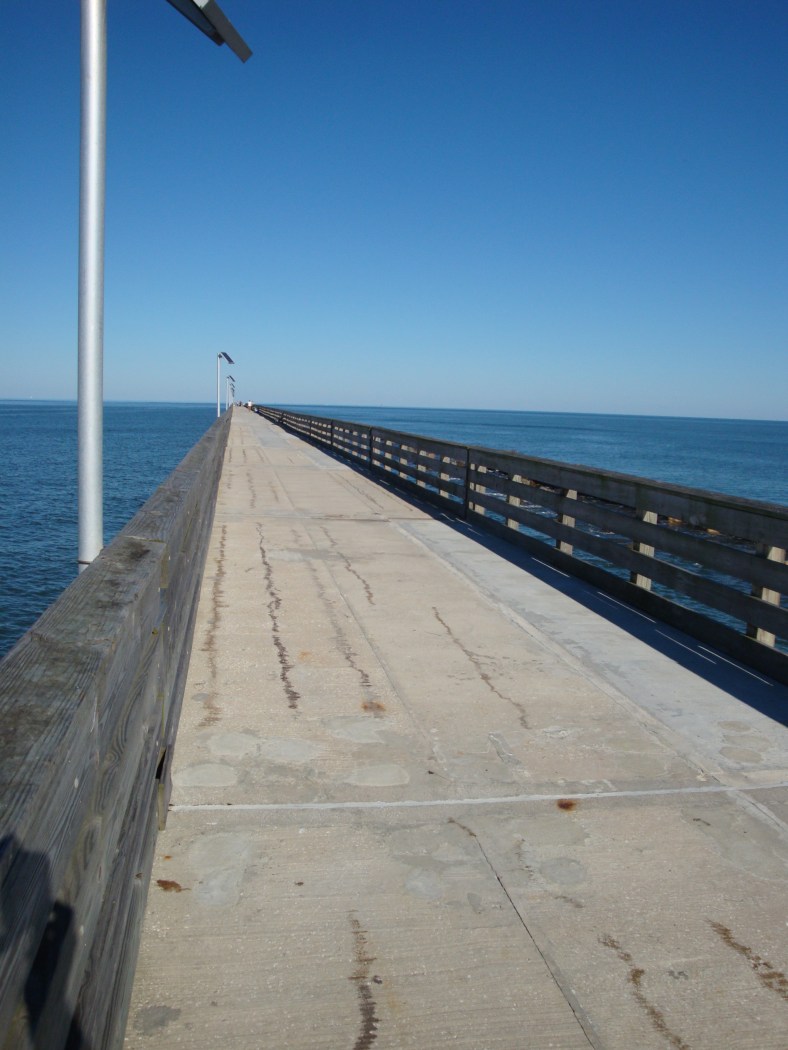
Half mile walking and fishing pier – severely damaged by Hurricane Matthew last October 7, 2016.
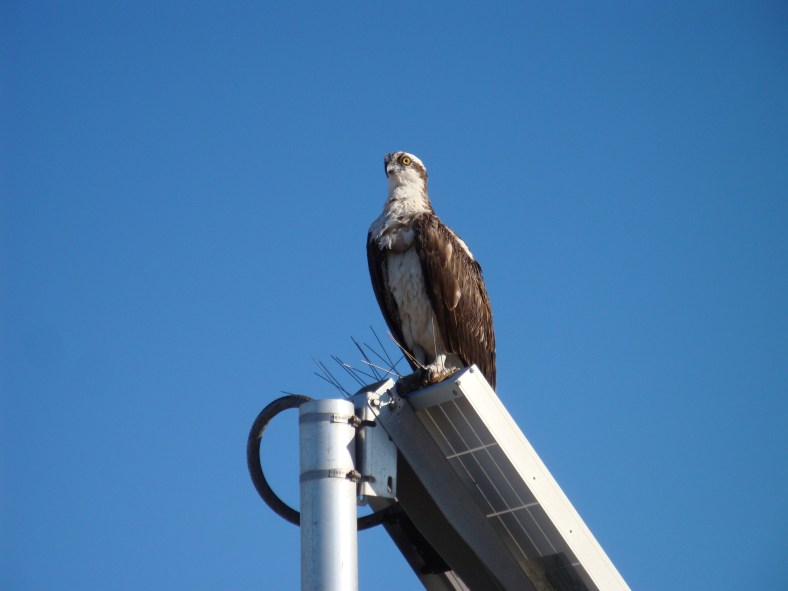
Osprey keeping a watchful eye on me and the ocean.
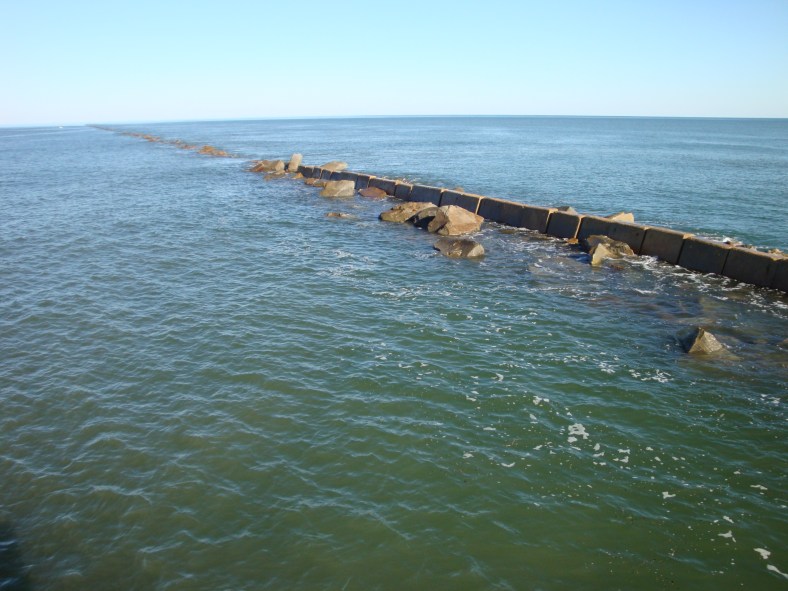
At the end of the fishing pier. A jetty continues out farther into the ocean. It’s a great place to do some wave watching and capturing some great cloud formations.
It’s well worth your time to visit the park – between the ocean access and the St. Marys river access is a wonderful coastal forest and of course, the fort.
Thanks for your visit!
Camera: Sony Cyber-shot DSC-W170
Chris & Carol
The wildfire which was sparked by a lightning strike in the refuge on April 6, is still out of control and is growing. As of today, the fire has consumed nearly 130,000 acres of the Wildlife Refuge which is located along the Georgia-Florida border in southeastern Georgia. The last visible satellite image for today clearly shows the extensive smoke plume streaming to the southeast across much of northeast Florida and out over the Atlantic Ocean.

Visible satellite image from May 8, 2017
Compare this image from today with the image from Saturday when the low level winds were much stronger.
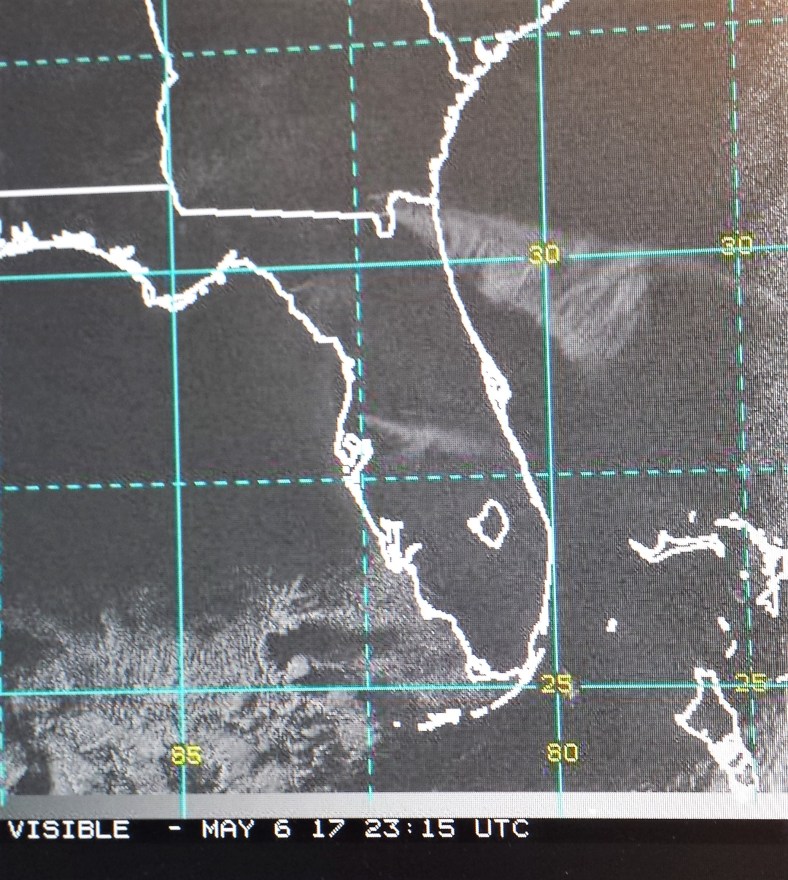
Stronger winds produced a much longer smoke plume.
Conditions are favorable for the wildfire to continue in the short term as hot, dry weather will continue for the remainder of the week. At this point in time, the only way for the wildfire to be extinguished is by a long soaking rain event such as with a tropical wave, storm or hurricane.
Chris


Enjoy your day!
Camera: Sony Cyber-shot DSC-W170
Chris
Florida or maybe Georgia pelican at the marina. Lovely colors.
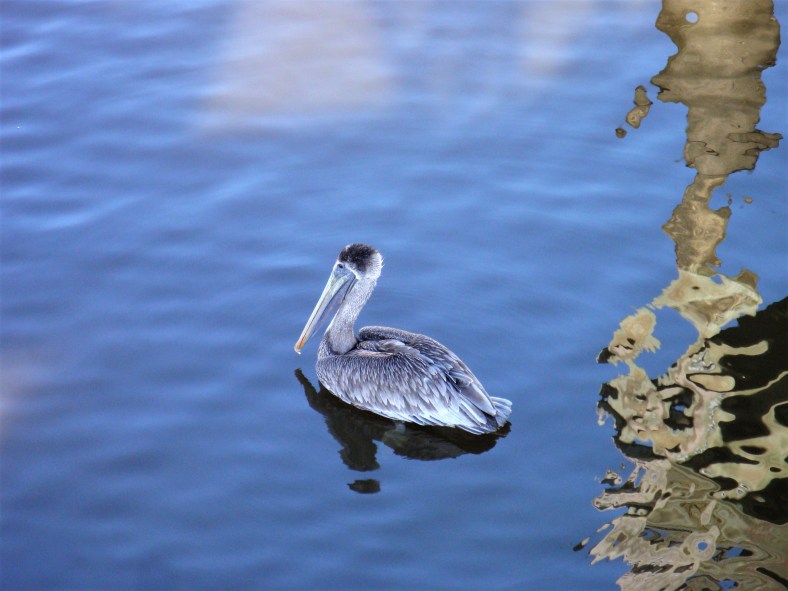
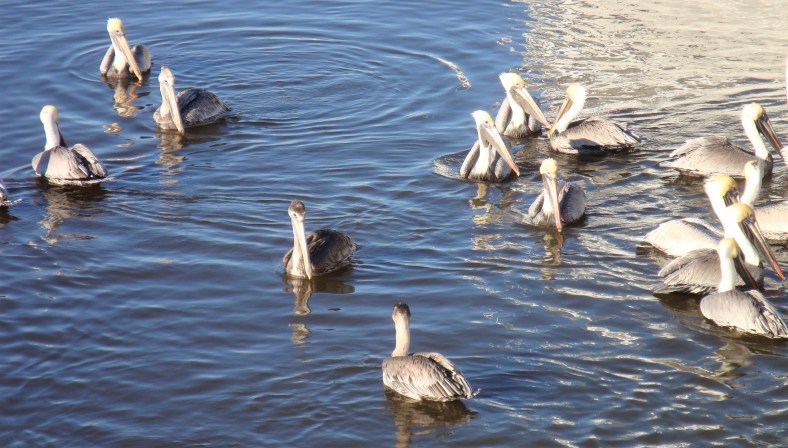
Definitely Florida pelicans.
Camera: Sony Cyber-shot DSC-W170
Chris

