Our ヤシカ Pentamatic Family…

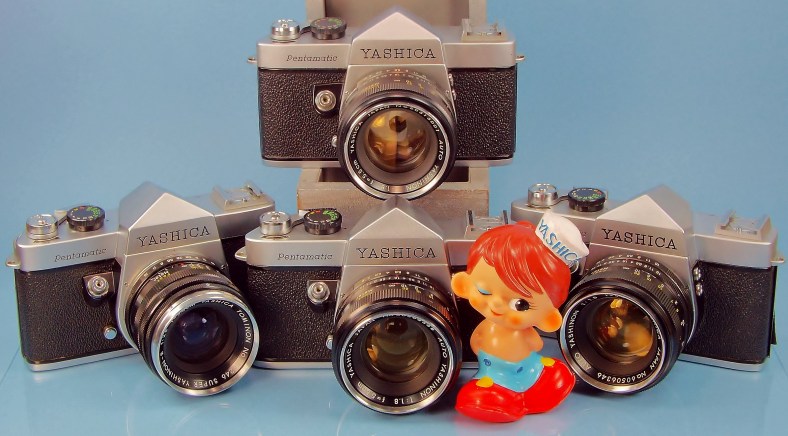
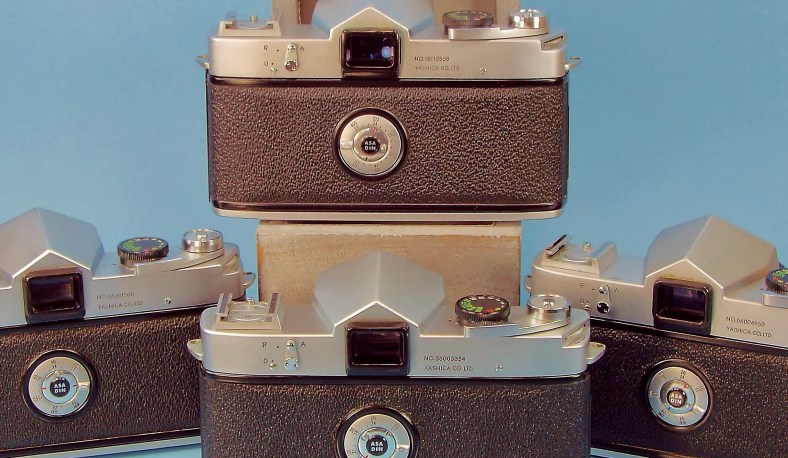
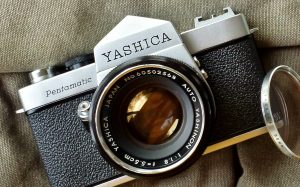
We were finally able to get the Pentamatics together for a photoshoot. These cameras range from a March 1960 build date to January of 1961. The lenses are made by Tomioka Optical of Tokyo for Yashica. The lower left camera has both the Super Yashinon-R name and Yashica Tominon (kinda rare). The other three are Auto Yashinons, f/ 1.8, 5.5cm normal lenses that were supplied with the first Pentamatics.

001

Yashica’s first single-lens reflex (SLR) cameras.

004

No changes were made to the original Pentamatic ’35’ through its production run. Small (slight) changes were made with the introduction of the Pentamatic II which made its way to dealer’s shelves in the Fall of 1960. The Pentamatic II was never strongly advertised – as late as 1962, large camera dealers were still advertising the original Pentamatic.

010

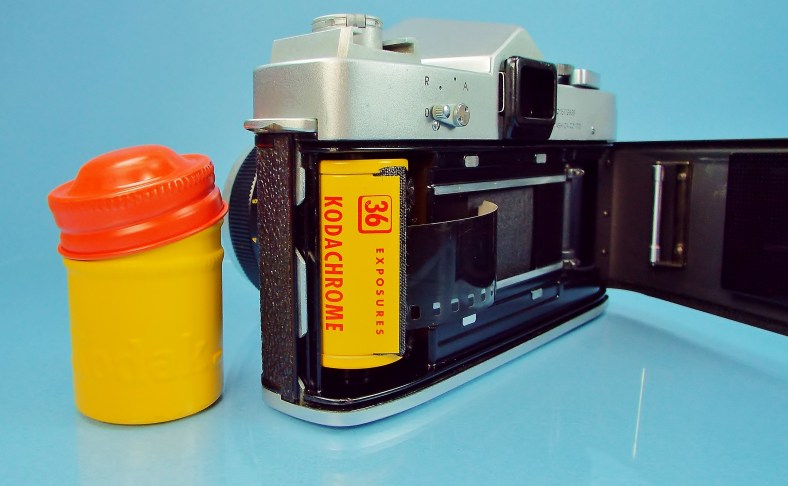
1958 Kodak Kodachrome film in our 1961 Pentamatic.

004

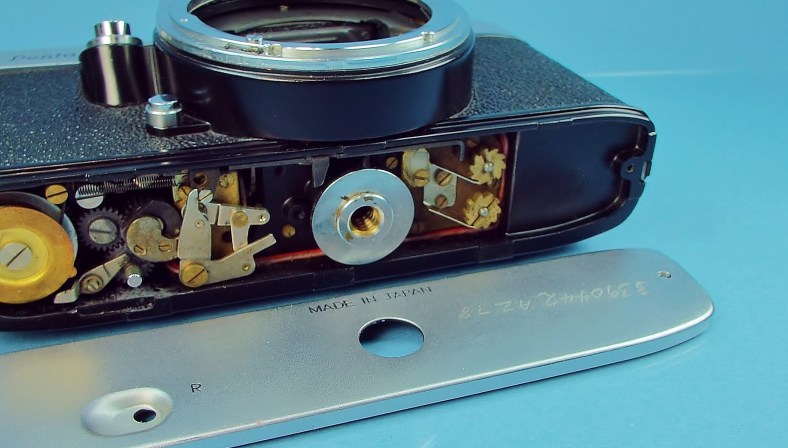
The January 1961 Pentamatic from Arizona is getting (already completed) a ‘new’ baseplate to replace the engraved one (with Arizona driver’s license number). The first owner purchased it in June of 1962 and promptly engraved his DL number. Oh well… that was the norm back then. We’ve seen  cameras with Social Security numbers  engraved!

Please check out our more detailed posts about this uncommon camera from Yashica.

Thanks so much for the visit! C & C

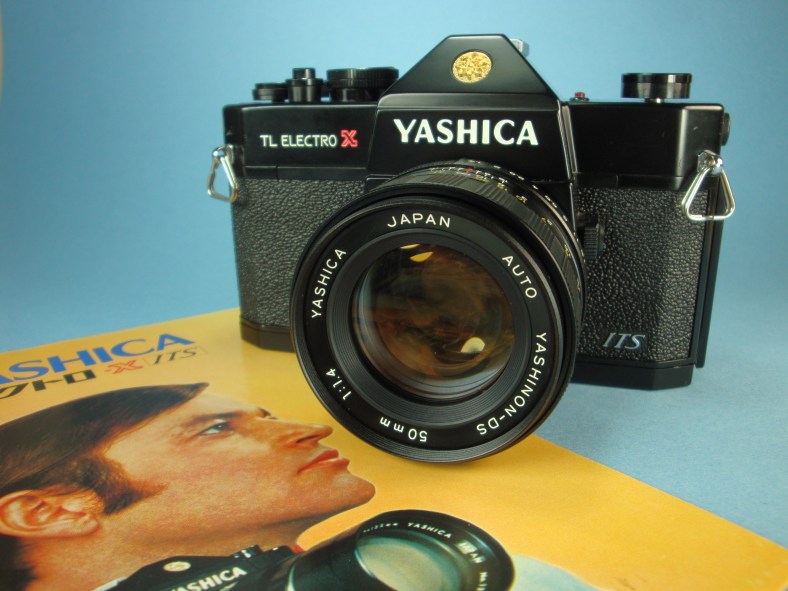
Yashica ヤシカ J-3 in Pro-Black

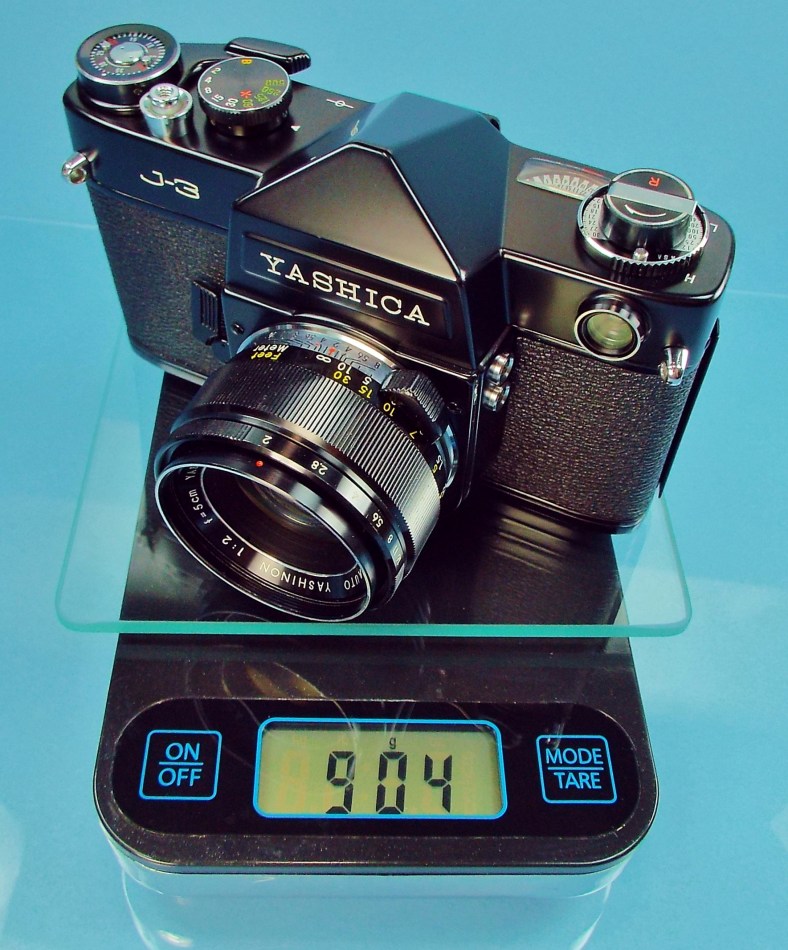
Another of our favorites in the Yashica family. This limited edition J-3 is rather rare to find in nearly new condition these days. We haven’t found evidence from Yashica of the when and why they chose this model to be their first SLR in black (with matching lens). In all the brochures and pamphlets we’ve been able to read, nothing has ever been written about it and no pictures from Yashica either. We’ve checked Japanese home market sales brochures and of course those available in English. Not one word! The serial numbers (both the bodies and lenses) run within a small time period of mid 1962 (we believe).

***Please if a reader has more information about this elusive J let us know!

007

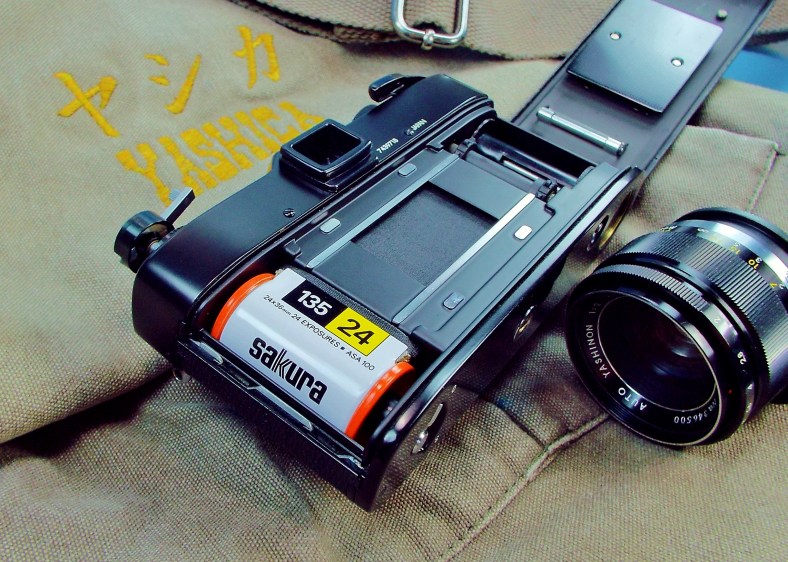
J-3 finished a roll of Sakura film.

003

Not quite the heavyweight the Pentamatic is but still a beast at just over 900 grams!

022

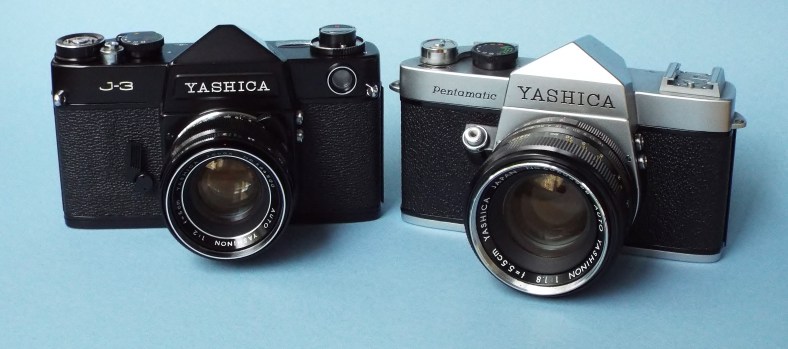
Same family but very distant cousins! Yashica made countless changes in its SLR line-up in just under three years.

As always… thanks for the visit!

Chris & Carol

Yashica Flex Model S… 1954 to 1957

The Yashica Flex model S (aka Yashicaflex) is one of Yashima’s most important early cameras… well maybe the second most important behind the first. Obviously Yashima’s first camera, the oddly named Pigeonflex one could argue, was the most important. The model S though was the first twin-lens reflex (TLR) camera (in the world!!!) that had a “built-in” exposure meter.

004

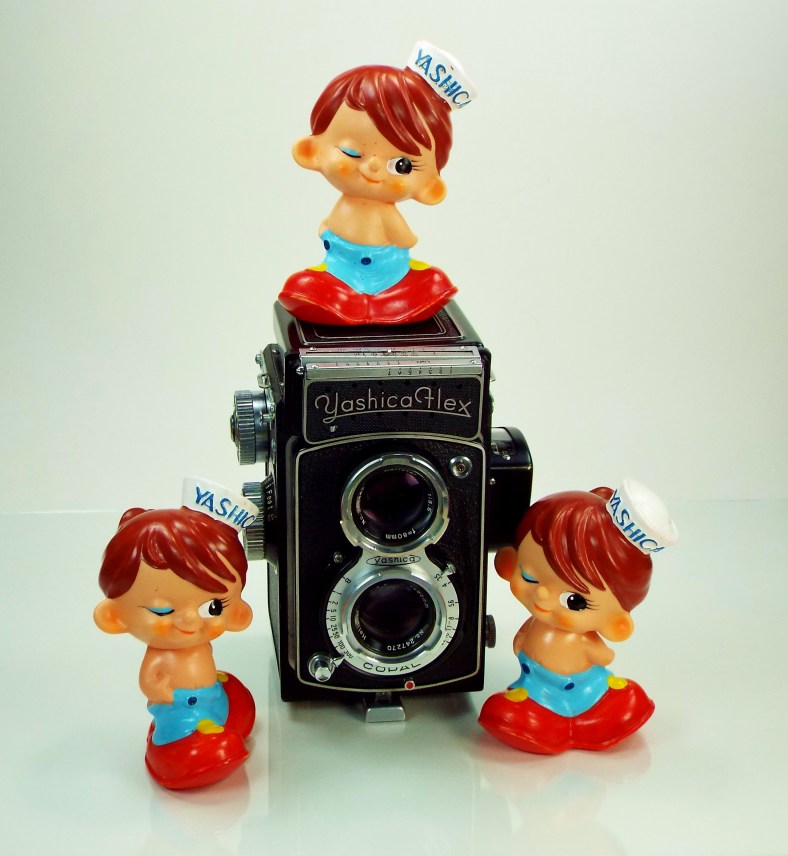
The Yashica ‘Sailor Boys’ gather around the Yashica Flex model S. The boys are from 1962 and this TLR is from late 1956.

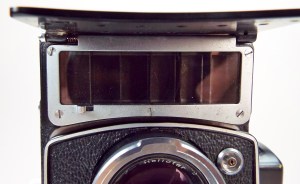
The Sekonic CB-1 exposure meter was attached to the camera’s left side and the light gathering cells were located under the nameplate flap. They were connected to one another but the meter was non-coupled to the camera settings. The user would lift the flap to expose the cells to light and then read the exposure index in the window on top of the meter. Then simply set the camera to the proper f-stop and shutter speed and snap away. No batteries required. But with the passage of time most of these meters failed in some way or another. If you find one with a working meter so much the better.

DSCF0044

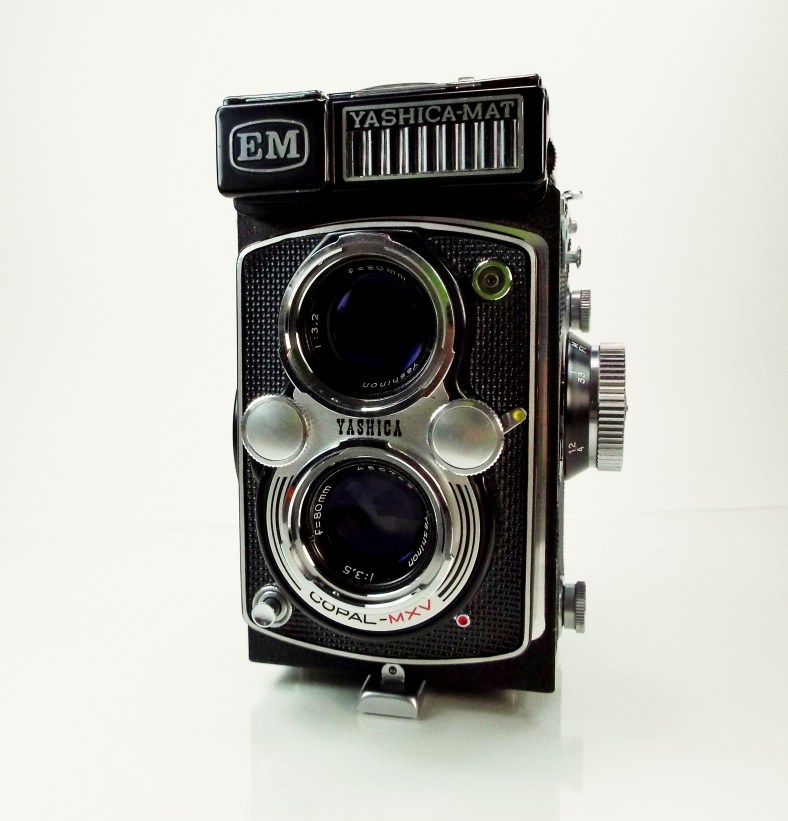
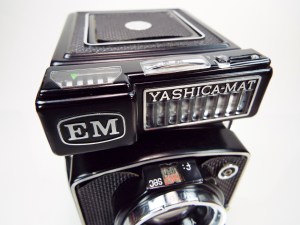
Yashica-Mat EM from 1964. The exposure meter and light gathering cells were moved to the front and top… no more flaps to raise and we were a bit closer to being coupled. This EM has a working exposure meter which is pretty amazing after 50 plus years!

010

Close-up of the Sekonic CB-1 exposure meter on the Yashica Flex S.

011

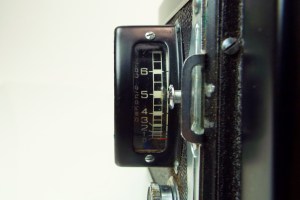
Exposure meter scale for setting the f-stop and shutter speed.


012

Exposure meter light gathering cells located under the Yashica Flex nameplate.

009

Exposure meter on the Yashica-Mat EM.


007

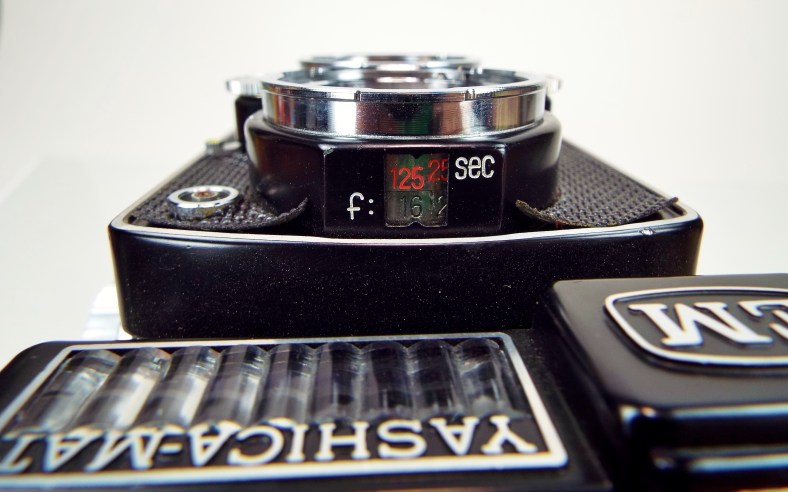
Close-up view of the aperture and shutter speed settings on the EM.

005

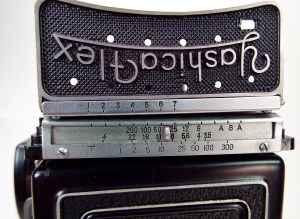
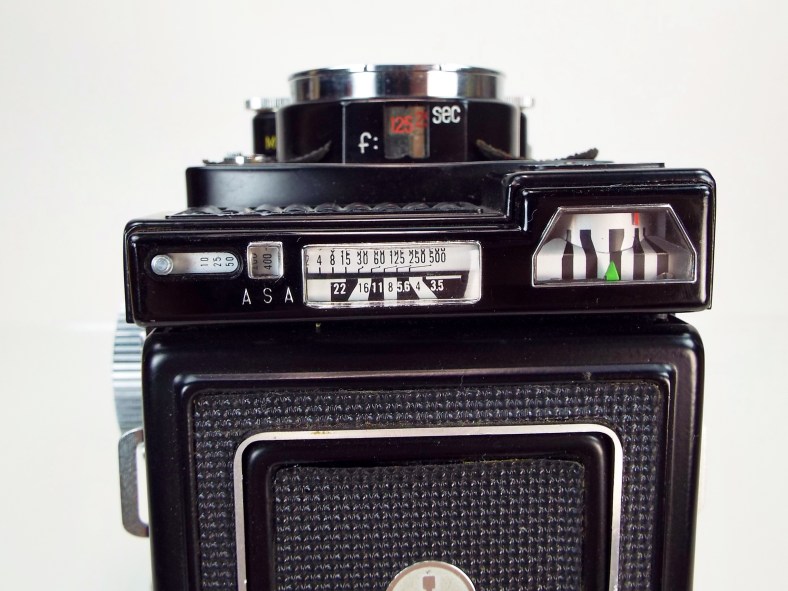
Yashica-Mat EM exposure meter and exposure scale. Film speed is set at ASA 400.

So there you have it… a short (very short) history of some groundbreaking cameras from Yashima/Yashica. For more on Yashica’s awesome array of TLRs visit my friend Paul’s site at http://www.yashicatlr.com

Paul’s site is a labor of love and if you want to know anything about Yashima/Yashica that’s the place. We hope to bring some more Pentamatic blogs your way soon. We are of course, The Yashica Pentamatic Fanatic!

Thanks, Chris & Carol

Yashica’s YT-300… a neat little radio from 1959

Yashica produced more than just cameras during its boom years. As a leader in the field of electronic photography in the middle to late 1960s, Yashica’s early electronic devices ranged from such diverse items as transistor radios, record players, movie projectors, editing equipment and tape recorders to name but a few.

Most of the earliest electronic devices are rather rare now (as one would expect after 50 years) and only occasionally does something come up in auctions both on the web and in estate sales. I suspect that the more common electrical items such as projectors and editing equipment are still flooding eBay and other on-line auction sites.

Finding an early radio such as the YT-300 and YT-100 is a bit harder. Here we share some of what we’ve been able to collect over the years.

20150716_203028_Richtone(HDR)

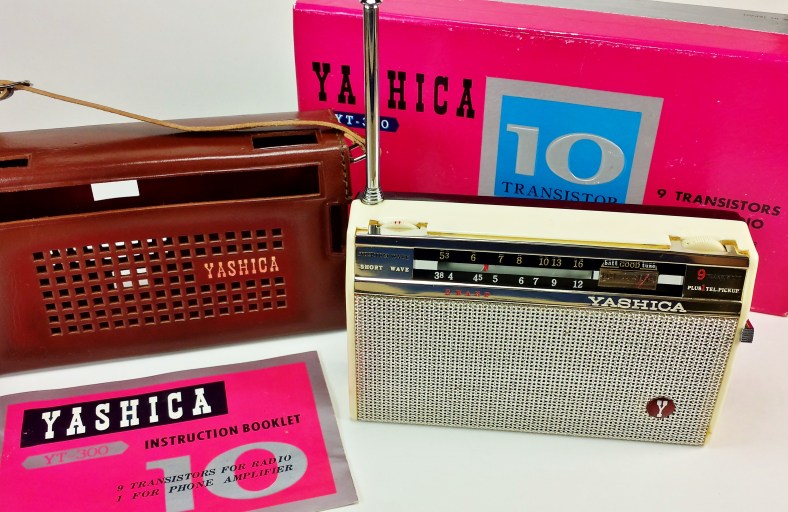
Nice complete set from around 1960.

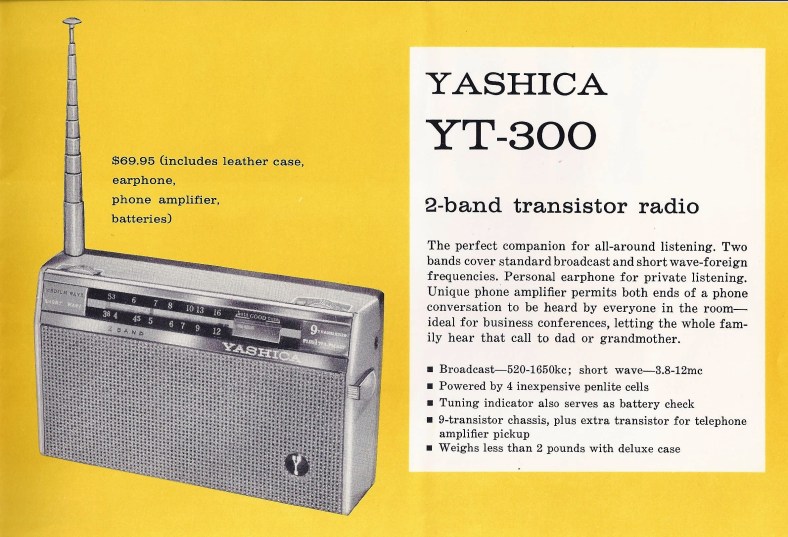
Yashica YT-300 Radio Brochure

Not a bad price for such a sophisticated radio.

20150726_120249_Richtone(HDR)

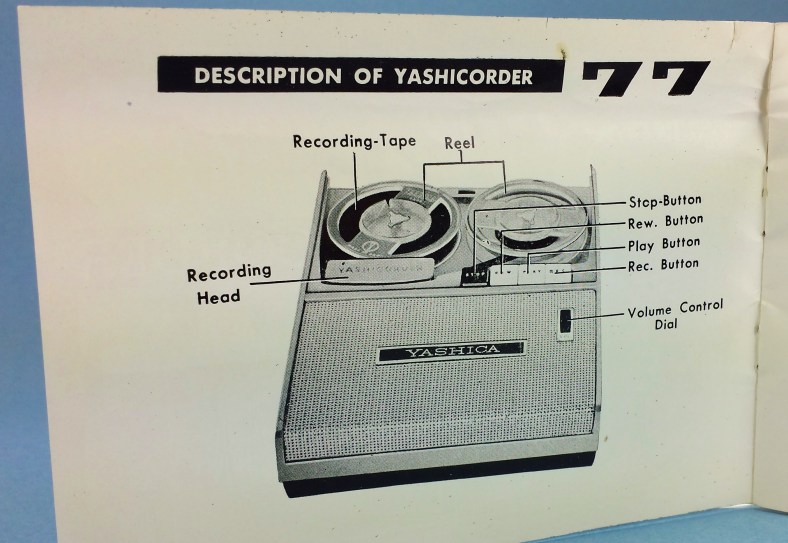
Really really rare to find a working Yashica tape recorder!

20150726_115718_Richtone(HDR)

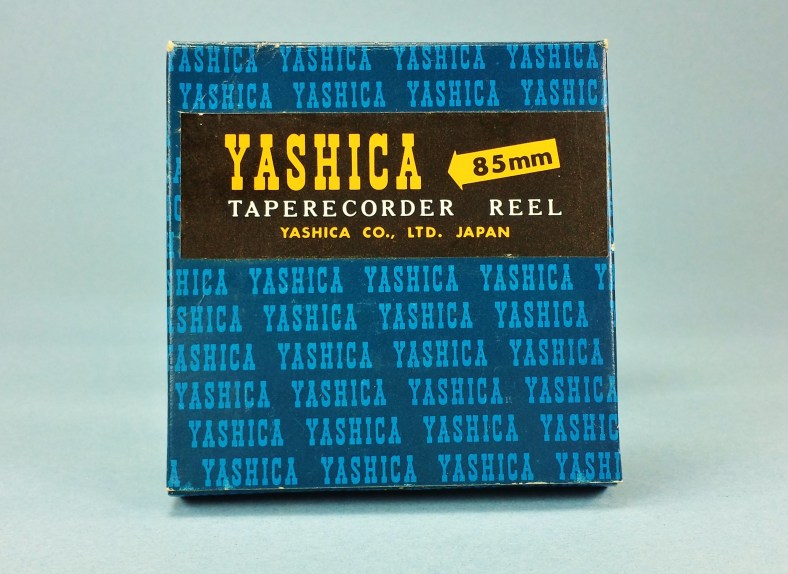
Yes Yashica even branded their own magnetic tape for their recorders.

20160113_213553

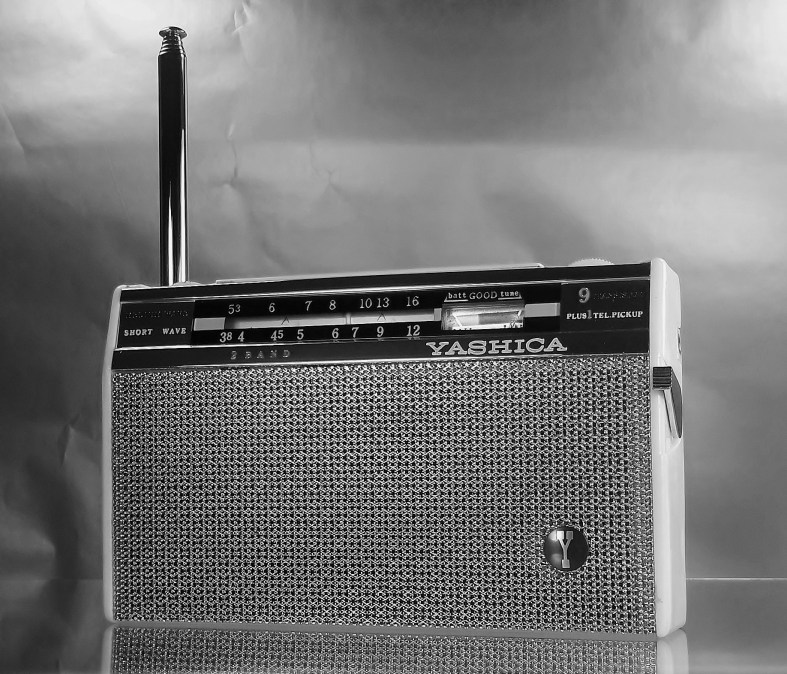
Yashica YT-300 portable transistor radio. Designed in late 1959 it was very popular in the early 1960s and was one of the many electronic devices that helped Yashica develop their hyper successful electronic cameras that followed.

20150717_152009_Richtone(HDR)

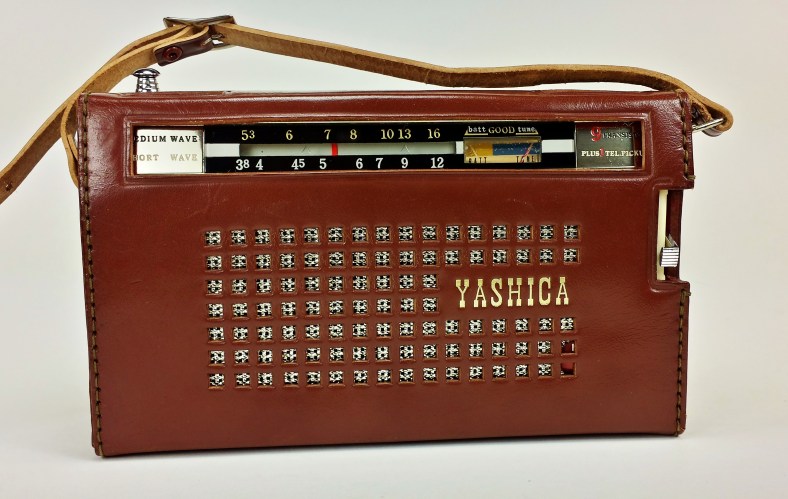
Yashica YT-300 in its very elegant leather case. The case itself is a work of art and craftsmanship.

Thanks for your visit! If you come across a working Yashica radio or tape recorder snag it! They’re really rare and a fun little reminder of the first transistor radios and how cool they were.

Chris

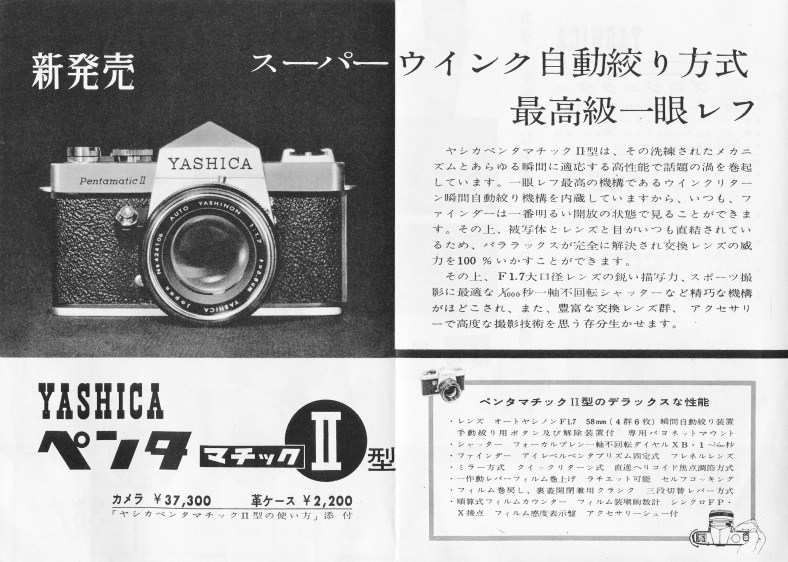
Pentamatic II Brochure

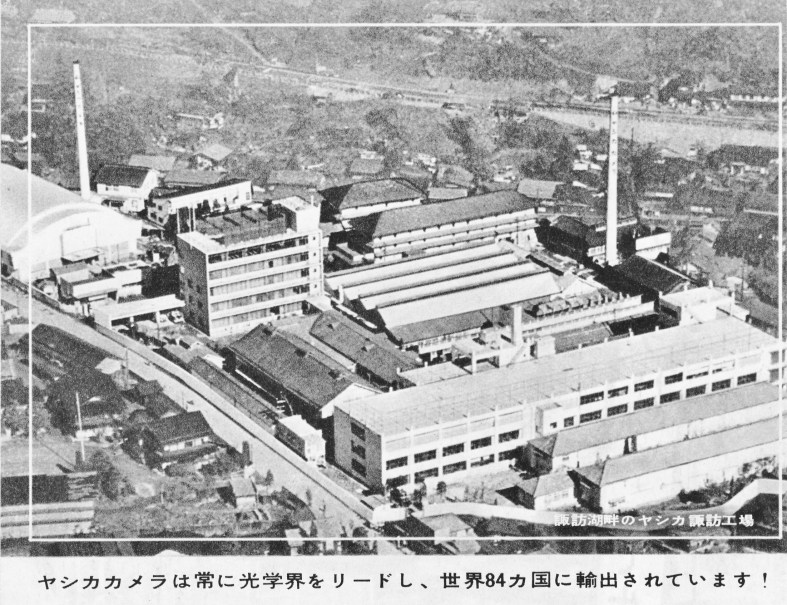
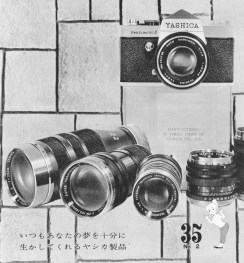
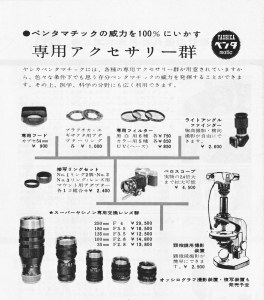
We finally have our proof that the original Pentamatic ’35’ and the Pentamatic II were advertised and sold in the Japanese domestic market. This brochure is dated February 1961 which validates the general release date of the model II. We have proof (via advertisements and brochures) that the Pentamatic S was also available for sale in Japan towards late 1961 (September?). By the way, included is this photo stream is a nice aerial view of Yashica’s factory complex in Suwa, Nagano Prefecture.

IMG_20151218_0001 IMG_20151218_0002 (2)IMG_20151218_0002IMG_20151218_0008 (2)IMG_20151218_0004IMG_20151218_0003

Yashica TL Electro-X ‘ITS’

After nearly five years of research and thousands of “searches” on auction sites, I finally have my answer! ‘ITS‘ as it relates to the famous and groundbreaking Yashica TL Electro-X stands for… are you ready? Nothing!

That’s right… nothing. I’ve just finished reading what appears to be the most comprehensive guidebook on the TL Electro-X (from Yashica no less) and not one word as to why the marketing guys and gals at the office in Shibuya picked ‘ITS‘ to appear on the lower left front of the camera. Not one hint… no clues… nothing!

Okay so more than likely it was meant to mean exactly that… nothing. I can live with that. Marketing people don’t have to explain anything they do. ‘ITS‘ simply looks good. So fast forward from 1968 to the present day. Hear I am stressed out about what may have been a whim… an afterthought… or maybe something one of the designers casually mentioned in a meeting while you know, designing the thing. ‘ITS’… sounds good.

I’ve imagined what it may mean hundreds of times (sad to admit that) and nothing really fits for the time period except that maybe the ‘I‘ stands for “integrated”. Like integrated circuit or I.C. as I’ve sometimes seen it mentioned in other Yashica sales brochures. That’s got to be it. After all, the NASA people were always using that term during the height of the space race. Okay so maybe we now know that the ‘I‘ stands for “integrated”. Simple. The ‘T‘ has always stood for “technology” to me. What else would the ‘T‘ stand for? Timed? As in timed shutter. Oh that’s a good guess. I like it. Maybe the ‘TS’ part is for “timed shutter”? That’s another good one. Integrated… Timed… Shutter!!! Or how about “Interval” timed shutter? That’s ‘ITS‘ isn’t it?

Solved! Finished! No more worries right? No… that isn’t it. It’s got to mean something else. Something catchy, something better than that. Well the book (sales brochure) I just finished reading never mentioned what the ‘ITS‘ stood for. Just like the hundred other brochures and ads I’ve read. But wait! Hold on! There on the cover is a clue! There it is right in front of me! “SYSTEM”. Yashica called everything connected with the TL Electro-X ITS (lenses, filters, bellows, angle finders, accessories, etc.) SYSTEM.

So there it is! That was simple. Right? Well we’ll see. I’m going to keep on looking for that definitive statement from Yashica. Somewhere in black and white they’ll say it. For now though I’m sticking with… “Integrated Technology System” or “ITS” for brevity.

ITS = Integrated Technology System

DSC07504DSC07497Yashica 6-9-15 TL Electro-X Brochure back cover close

20151202_203809

A 45 page book from Yashica that explains everything about this fantastic camera.

No denying it – it’s a sharp looking camera and the ‘ITS’ just makes it that much cooler. It’s one of our favorite Yashicas in our collection. This one came to us via Okinawa, Japan. Purchased in late 1973 – that makes it one of our newest Yashica SLRs too. We’ve kept all of the original paperwork and of course the box. If you come across a nice looking one for sale (or better still get it as a gift) it should be on your list of must haves. The battery is an easy find and most will have working meters since they were only electronic (no moving match needle affair).

Happy hunting!

Chris and Carol ^.^
Restoring a Yashima Yashicaflex A-II from 1955

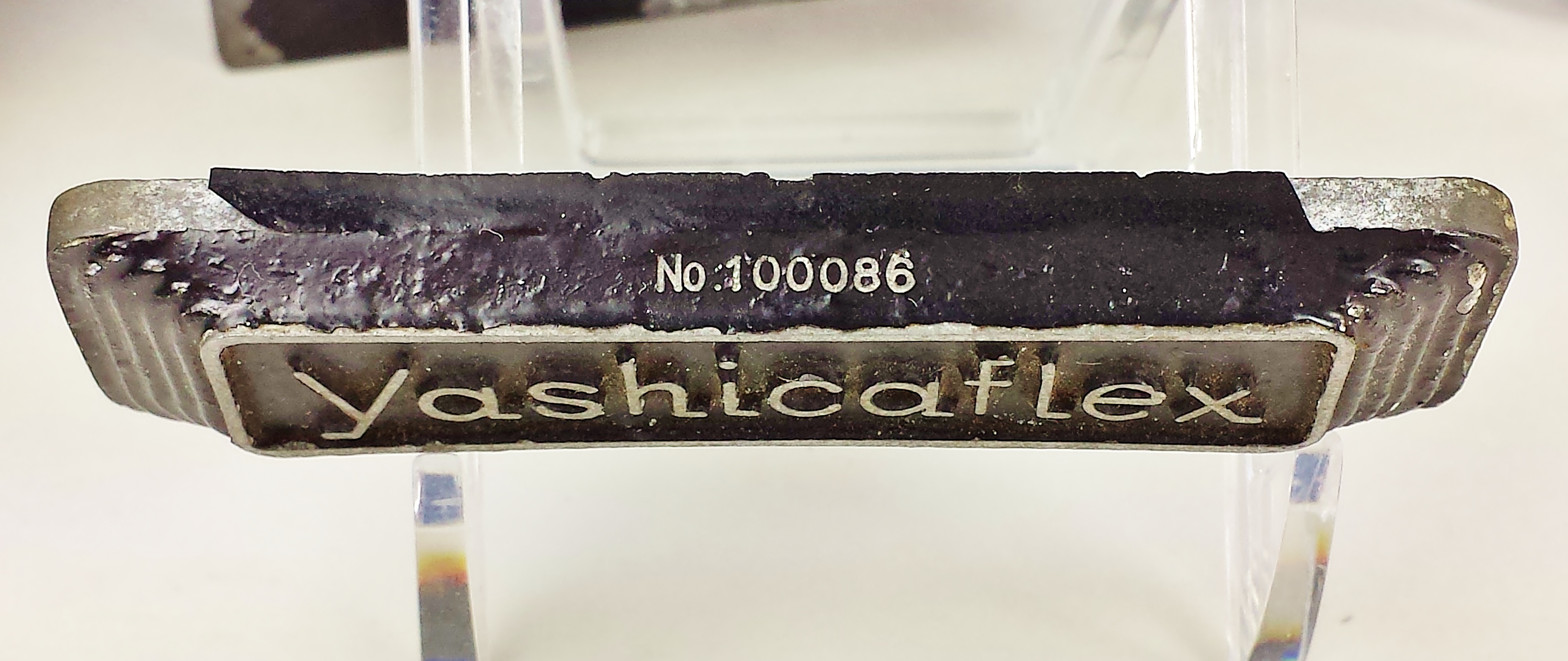
After some light sanding and cleaning with lacquer thinner a cast on serial number was under the painted on one.

After some light sanding and cleaning with lacquer thinner, an etched or cast-in serial number was under the painted one

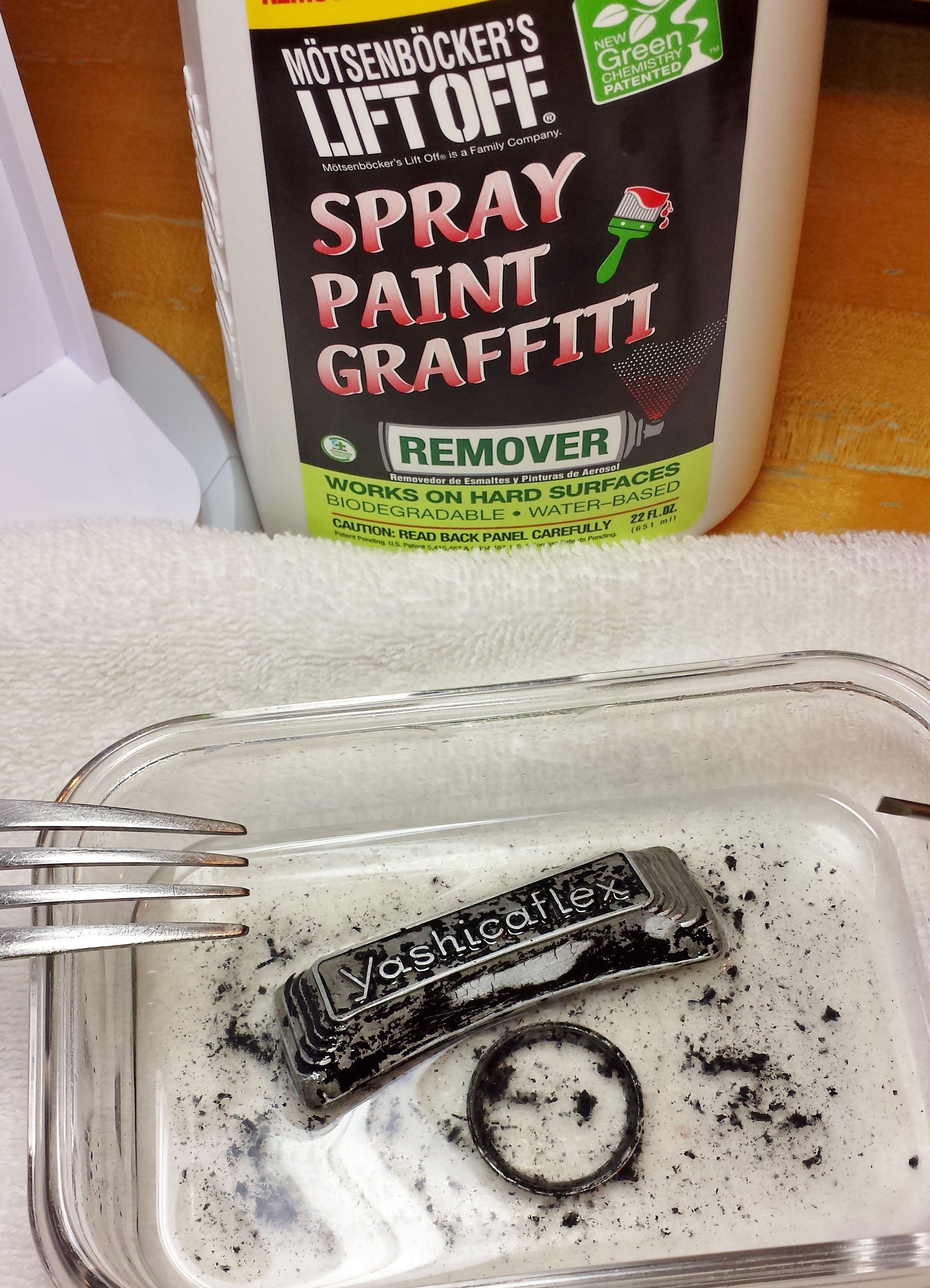
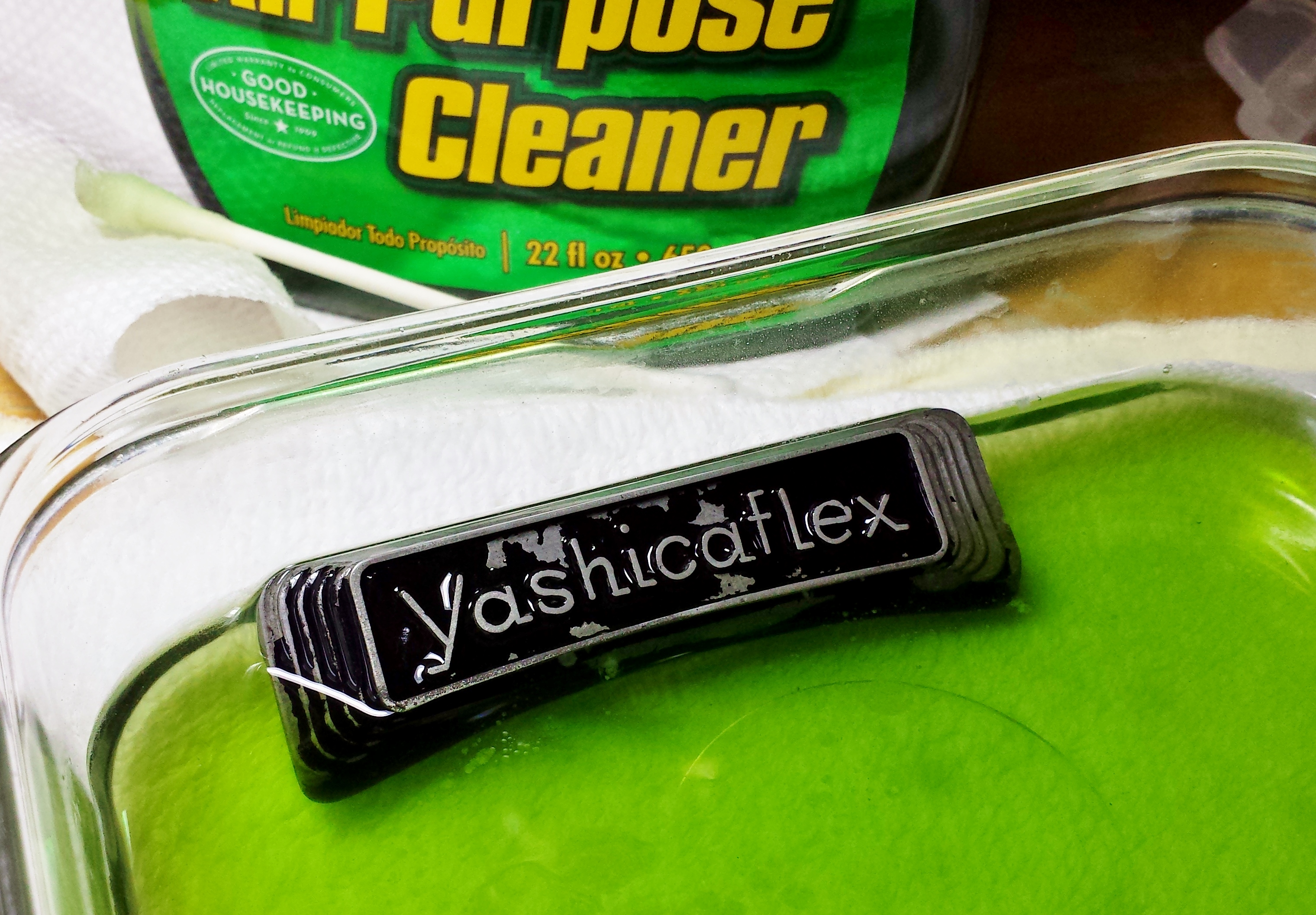
Finally found something that removes the 60 year old enamel from the nameplate.

Finally found something that removes the 60 year old enamel from the nameplate

Yashicaflex A-II Box

Six decades of dirt and moisture = corrosion… Big Time!

Over the next few months (turns out 14 months) I hope to be able to document my attempt to “restore” my 1955 Yashima Yashicaflex A-II. I have years of experience in cleaning and adjusting TLRs and SLRs, but I’ve never attempted a complete restoration on this scale. So why the Yashicaflex? Well it’s relatively common (especially in Japan), not necessarily a historic camera in terms of Yashima’s history, and it was in really bad physical condition overall. So why not? It was purchased from a seller located in Hiroshima, Japan, and if you know anything about Japan, Hiroshima is in the very hot and humid southern part of Honshu. When it arrived, I had to pry the camera away from the leather case as the two had become welded to one another. It must have been trapped in that case for years. The leather case with the felt liner did a good job of holding the moisture against the aluminum body of the camera hence the super bad pitting and overall corrosion. The leatherette covering on the camera was so brittle it just fell away in some areas but has stayed super stuck in others. I’ve had little success so far in removing it. So sit back and enjoy my “interpretive restoration” of this vintage Yashica. The good news… even with all the corrosion the lenses appear to be fungus and mold free! The lenses were made by Tomioka Optical for Yashima and somehow managed to avoid the ravages of moisture. The shutter works well, the aperture blades are clean and snappy and the focus is sharp. The reflex mirror was original and it looks terrible. I ordered a new one custom cut to fit. This camera will be a “user” so I will appreciate a clear view and sharp focus.

July 2014... my first look at what I would be up against!

July 2014… my first look at what I would be up against!

My first look at this disaster! Pretty nasty!

My first look at this disaster! Pretty nasty!

Yep... lots of dirt!

Yep… lots of dirt!

Nasty... nasty... nasty!

Nasty… nasty… nasty!

Slow progress being made. Some of the paint removers did nothing to the 60 year old paint!

'Simple Green' did nothing! A total of nearly 6 hours of soaking and a stiff scrubbing... not even a hint of paint removed.

‘Simple Green’ did nothing! A total of nearly 6 hours of soaking and a stiff scrubbing… not even a hint of paint removed.

More parts to clean.

More parts to clean. Keeping track of all the removed screws and what-nots will be critical.

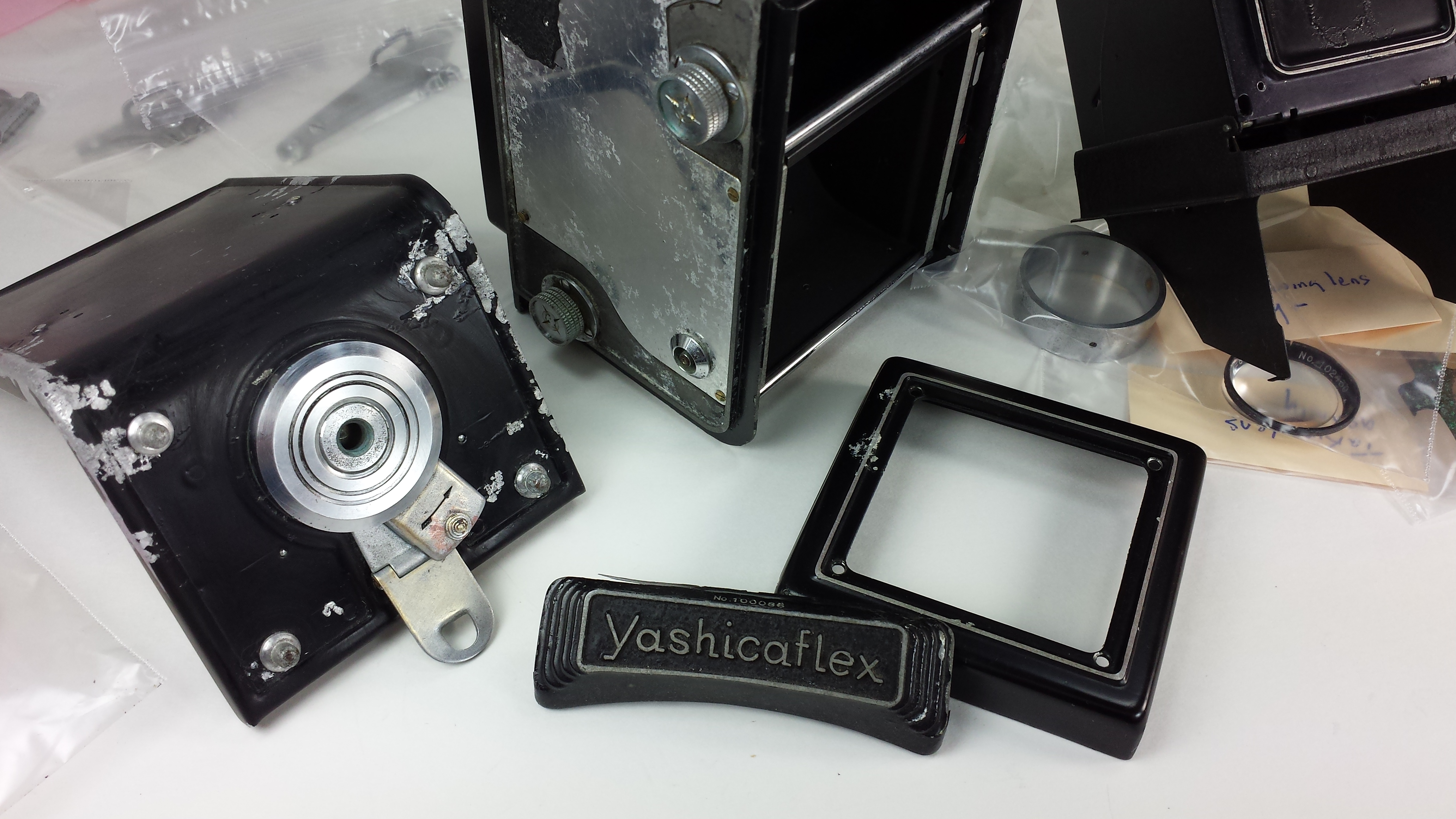
The major assemblies removed from the body. Lower right (blue thingy) is the new custom cut mirror

The major assemblies removed from the body. Lower right (blue thingy) is the new custom cut mirror

Close-up view of the camera back showing the radical pitting of the aluminum body.

Serial number painted on and the original factory black enamel peeling off.

Serial number painted on and the original factory black enamel peeling off.

First Look!

The exciting first look (in print) of the Pentamatic…

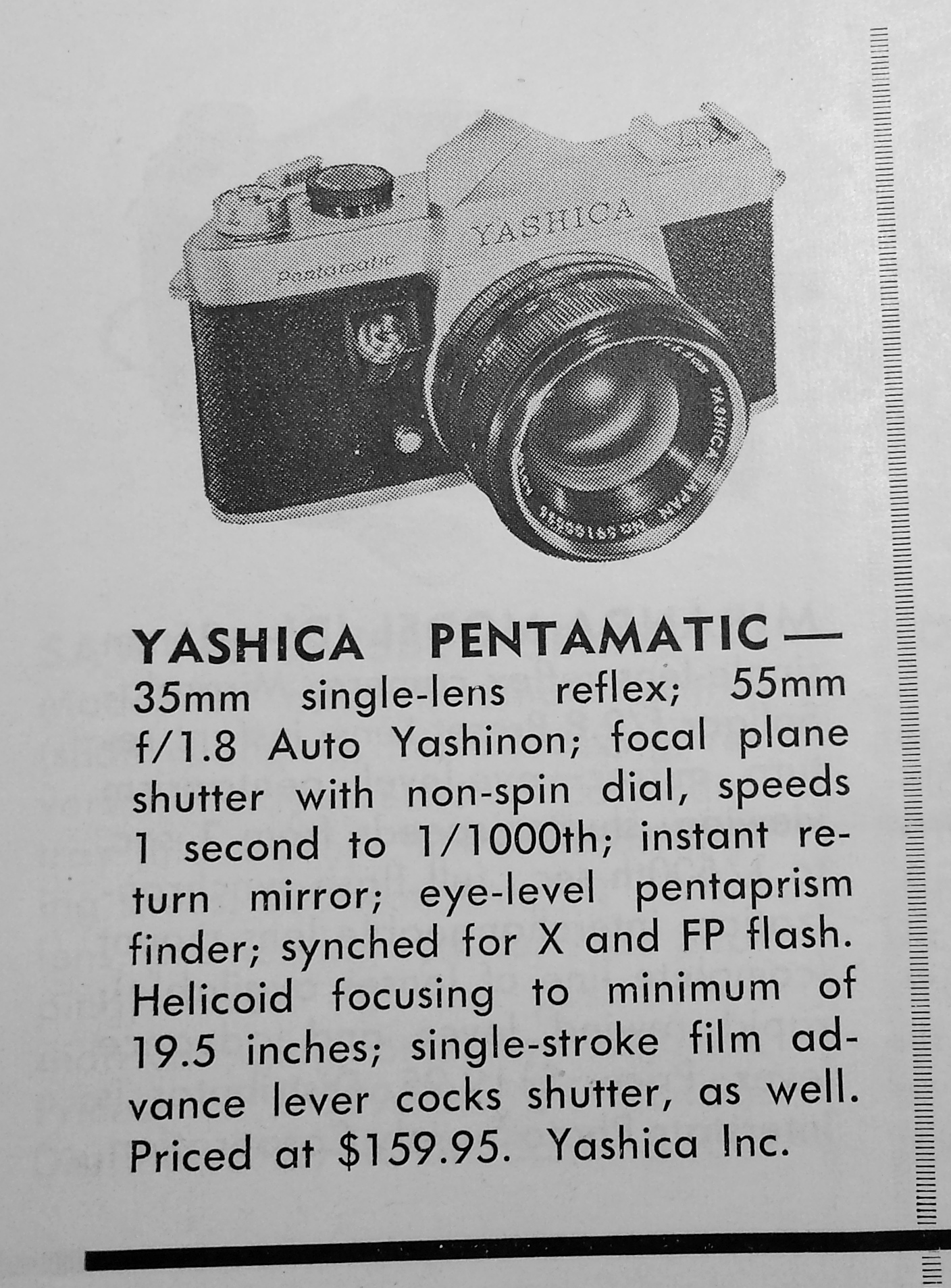
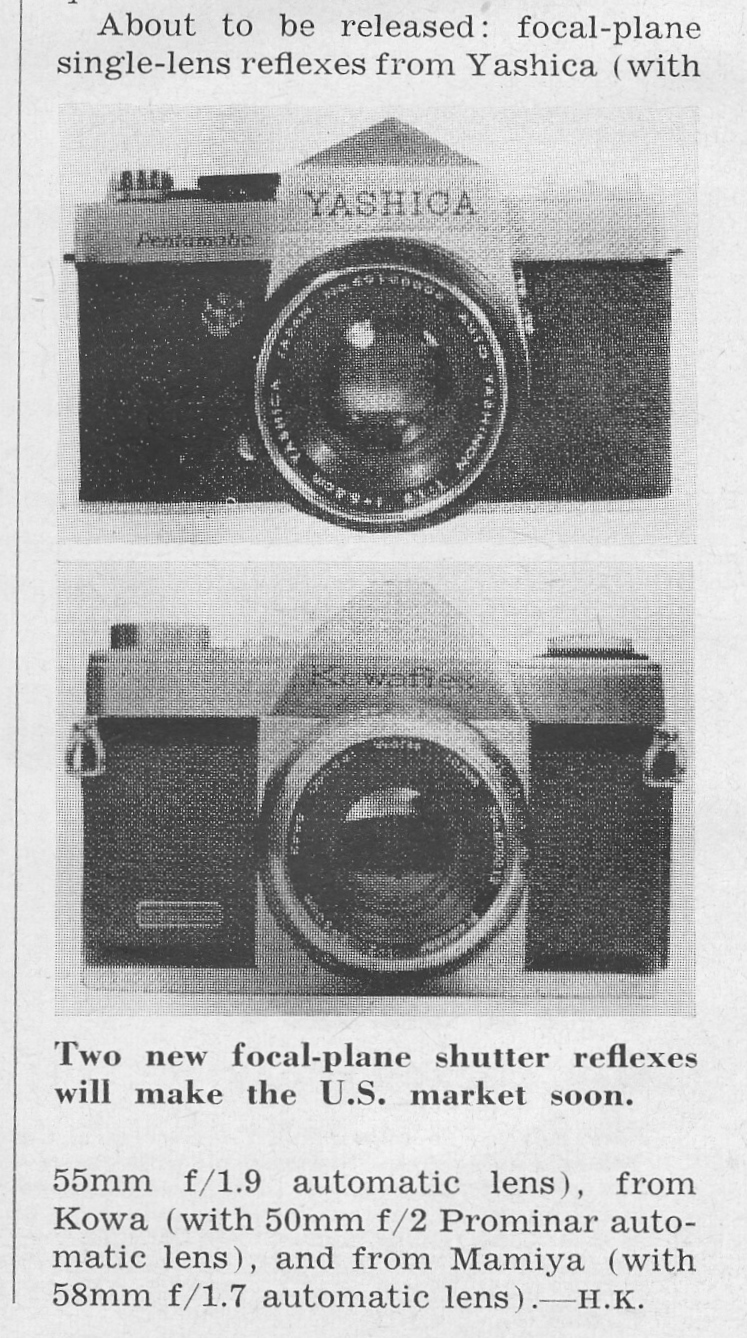
First official appearance of the Pentamatic occurs in the May 1960 issue of Modern Photography magazine. In the June 1960 issues of Modern Photography, U. S. Camera and Popular Photography, the first full-page ads appeared for the Pentamatic ’35’ reflex camera. The actual release date in the United States has almost always been considered by many to be March of 1960.

As of yet, I haven’t found evidence in print to support the March date. I do know that the Pentamatic was shown at the 36th annual ‘Master Photo DeaIers & Finishers Association’ trade show (MPDFA) held in St. Louis from March 21-25, 1960. I don’t know if the Pentamatic was released in Japan at an earlier date. From the progression of the serial numbers, by March 1960, about 1,500 cameras had been produced since production began in December 1959 at the Yashica Suwa factory. I doubt that there were enough cameras by March to support any widespread release in Japan or in Asia at that time. By June 1960, about 6,000 cameras had been built. There may have been enough to ship to the world markets starting in April and May. At their peak of production (summer 1960), it looks like Yashica was rolling out about 1,200 to 1,400 cameras each month.

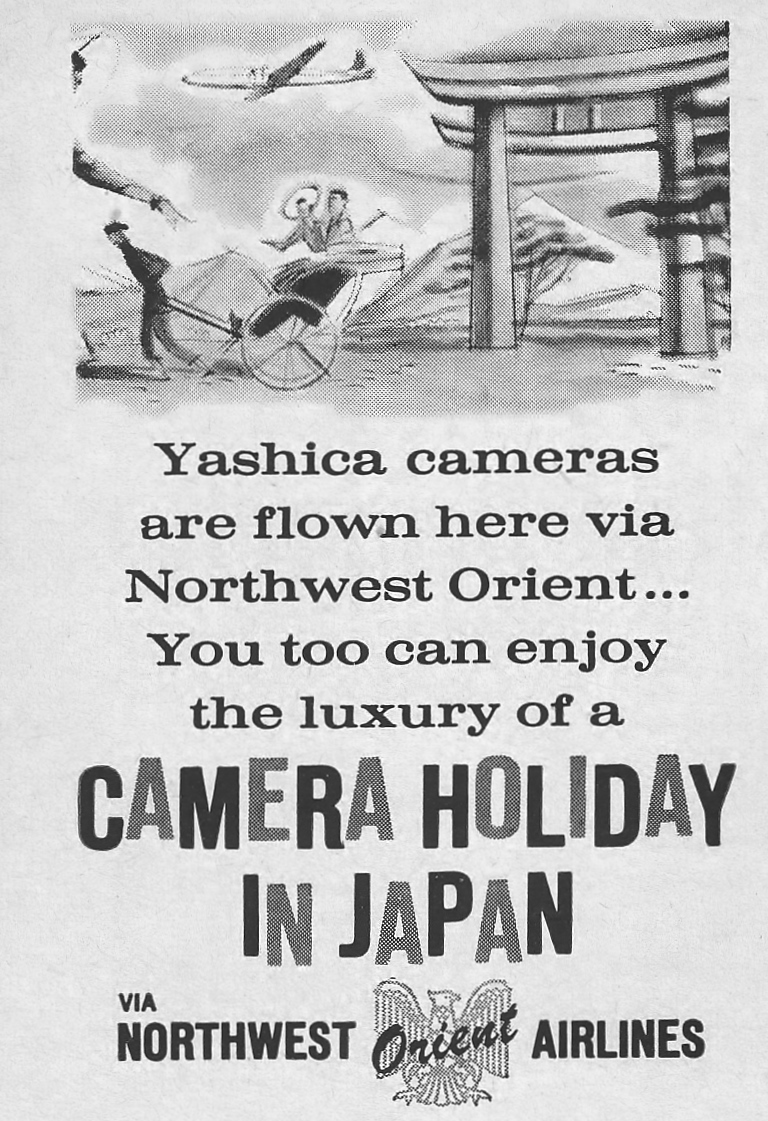
Have a

Have a “Camera Holiday” in Japan. May 1960 magazine ad.

Part two of the

Part two of the “Camera Holiday” in Japan promotion. Very nice mention of Yashica’s factory in Suwa and the wonders of Japan!


Yashica provided this first ever look at their new Pentamatic SLR at the March 1960 MPDFA trade show in St. Louis.

Yashica provided this first ever look at their new Pentamatic SLR at the March 1960 MPDFA trade show in St. Louis.

First published look at the new Pentamatic from Yashica. May 1960

First published look at the new Pentamatic from Yashica. May 1960

The Fasinating World of Yashica Photography

A short history of one of the most dynamic and innovative camera manufacturers in Japan during the decades of the 1950s and 1960s.

An amazing start-up before there were start-ups! In less than a decade, the Yashica Company of Tokyo, Japan, became a major player in the field of high quality, low-priced photographic equipment and cameras in the international marketplace. Competing against literally hundreds of other newcomers and established camera manufacturers, Yashica rose to market dominance by 1960.

25262272564_d4dcebb6c5_o

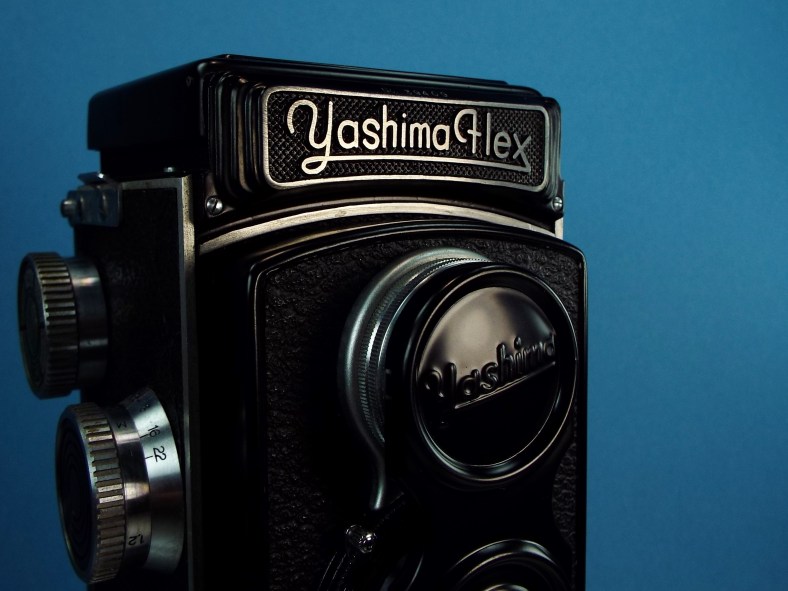
Back when Yashica was Yashima. Yashica’s second TLR in a long line of twin-lens reflex cameras.