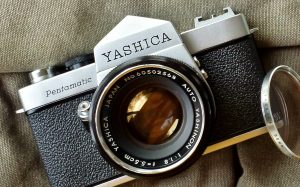
Yashica FR II – the camera that made me buy the Canon F-1

I know – the FR II and the F-1 are miles apart in features (and price). I purchased my first Yashica, a TL Electro-X in 1971 and used it faithfully through much of the 1970s. Being a young (and married) US Navy Sailor and money deprived, the TL suited me just fine – until I was transferred to Japan in 1977. If you were ever stationed in Yokosuka then you know what Building A33 means. It was the Navy Exchange camera and stereo heaven!!! Reps from all of the major camera manufacturers were present and demonstrated their latest gear to the now cash flush Sailors. Upstairs was a branch of Navy Federal Credit Union… if you couldn’t afford it, finance it! Pure bliss.

I’m so easily distracted.

So it was time for me to upgrade my trusty TL Electro-X, so naturally I looked at what Yashica had to offer. The FR was out but it didn’t do it for me and quite frankly, the Contax RTS didn’t either. So I waited and saved some money and started reading the Navy Exchange catalog every day (and night). The Canon F-1 looked promising but was expensive. The TL needed to hold me over as I was diverted to purchasing stereo equipment. Sansui pre and power amps, Teac reel to reel, Dual turntable and some killer Kenwood speakers. A small fortune so a camera upgrade would have to wait.

Now it’s the summer of 1978. My ship was inport (finally) long enough for Carol and I to spend some quality time together and to focus our attention on replacing the Yashica. Another visit to A33 and another visit with the Yashica rep. Now the FR II was the camera of the day (and he was still pushing the RTS too). No way. The friendly Canon rep was all too happy to take my money and hand me a bright new F-1 with 55mm f/ 1.4 lens and Canon 80-200mm zoom. The Yashica was sold off to a friend and that was it for Yashica (for the next couple of decades).

IMG_20170420_0001

Oh happy day! July 1978 – my new Canon F-1 and Canon FD 80-200mm f/ 4 zoom lens.

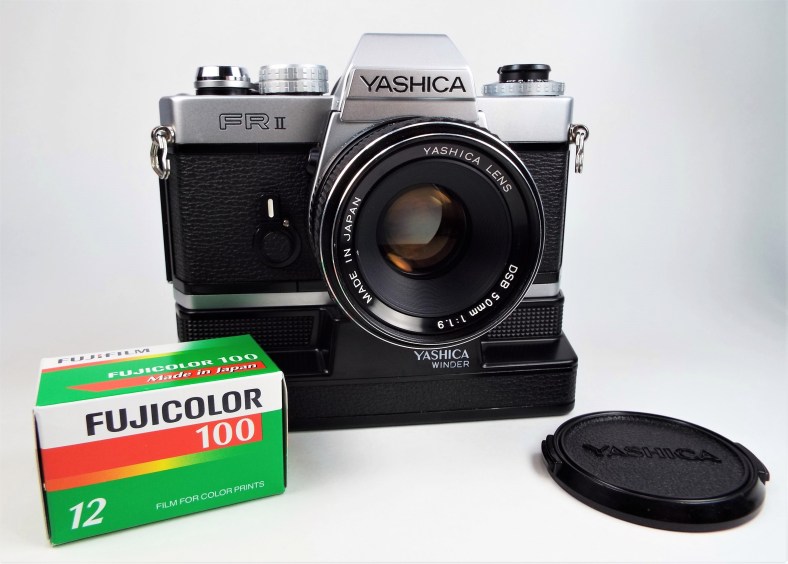
Present day now and I’m finally an owner of a Yashica FR II.
DSCF5487

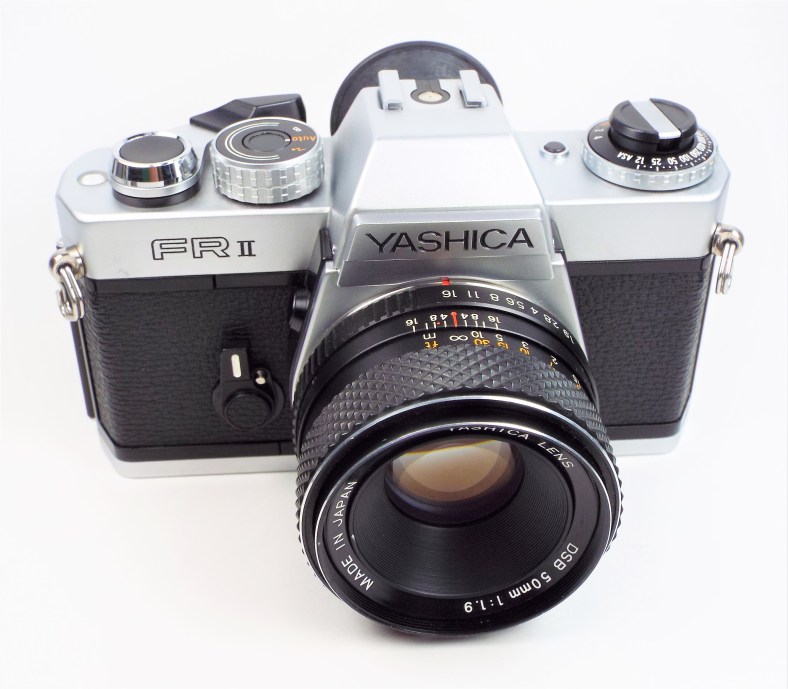
I picked up this beauty recently because it looked to be in near perfect condition and I figured, why not. Well I gotta say that I’m impressed. Not impressed enough to regret my F-1 purchase back in 1978, but impressed.
DSCF5492

The camera feels good in my hands – well balanced and the viewfinder is super bright. What a big difference over the Yashica TL Electro-X. The Contax/Yashica lens is crisp, clear and focusses easily (split-image). The meter is simple (this is a aperture priority camera) so you’re only messing with the f stops.

DSCF5488

With the power winder attached it’s a tad on the heavy side but would be useful as a weapon (or anchor).
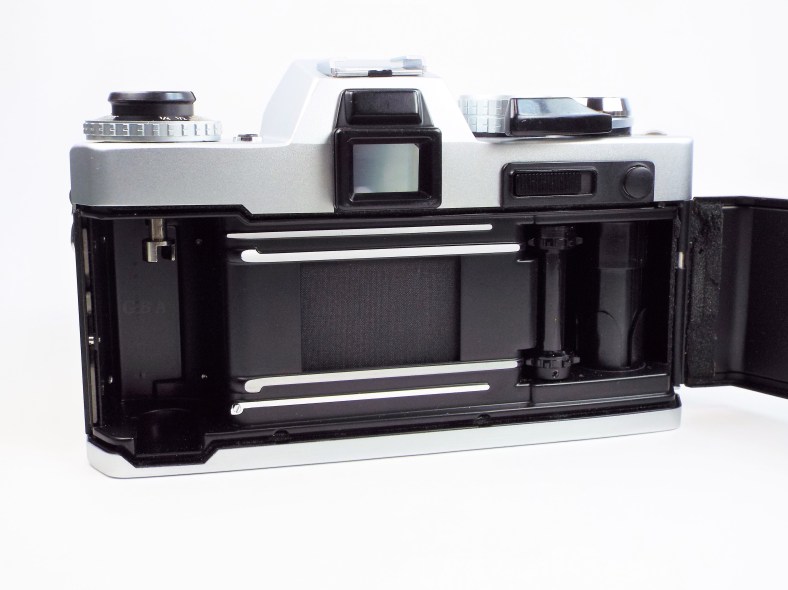
DSCF5493

Simple lines and layout. The meter switch (upper right) is a bit awkward but the meter is accurate and that’s all that matters.

DSCF5495

Uses all of the C/Y bayonet mount lenses which can be had for a song today. Here is a 135mm, f/ 2.8 lens that came with it in basically unused condition.

DSCF5489

We have so many cameras in the queue right now I have no idea when we’ll get a chance to run a roll through it.

Verdict. I’ve waited nearly 40 years to shoot with it so I’m excited to see how it does out in the field. If you find a nice one for sale (mint condition) then give it a try. Stay away from the ones that look rough – these don’t hold up well with abuse. Prices are all over the place – you may be able to strike a nice deal with a seller who’s ready to part ways. Best of luck!

Studio Camera: Fujifilm FinePix S9900W

Chris

Maybe this isn’t the best way?

We’re always searching for interesting cameras to review here on the blog – sometimes our searches online lead us to discover cameras that we’ve never heard of.

This is one of those cases. While searching for Topcon cameras, we discovered a TLR (127 film) that struck our fancy. Partly because of the name – Sawyer’s Mark IV… made by Topcon in Japan.

And then… THIS!!!

s-l1600

Would you want to bid on this camera claimed to be in near mint condition? By the way, there is a half eaten donut on the table just behind the camera.

You don’t need a fancy studio to take good images of items that you sell online. Heck we started out by putting our cameras on a clean piece of white poster board and shooting with the natural daylight coming in through the window. Now we use “studio lights” that we put together from utility lights from a hardware store and daylight fluorescent bulbs.

I wish this seller all the best – I hope he continues to do well – just watch your backgrounds man!

Chris


Yashica Arrivals – Pentamatic S & 635

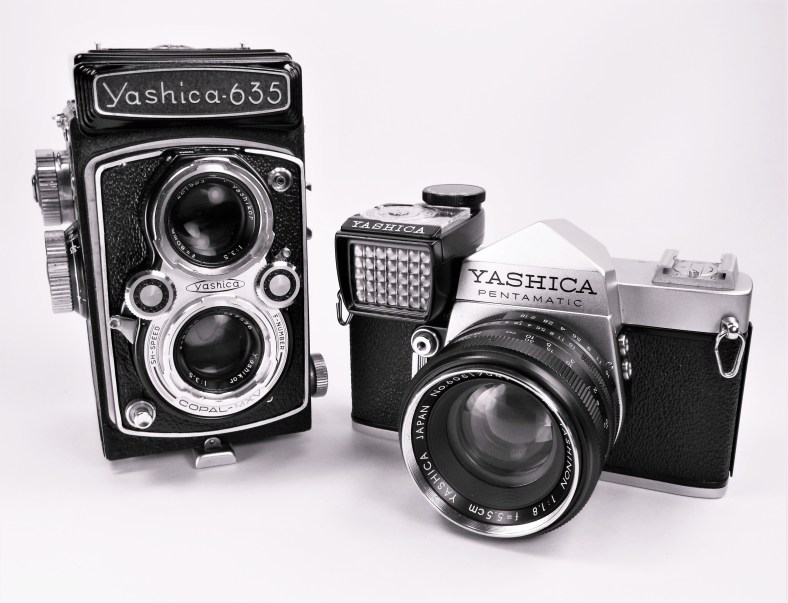
As if the collection needed more Yashica anything – but collections are dynamic things and as such, something “new” arrives which paves the way for a duplicate(s) to go.

Although we have some very nice Pentamatic-S models in the family, this one is close to mint new and is in fully working condition (including the “no name” exposure meter). So we’ll take a hard look at the others and decide which will be listed for sale in our online store.

The Yashica-635 is another story.

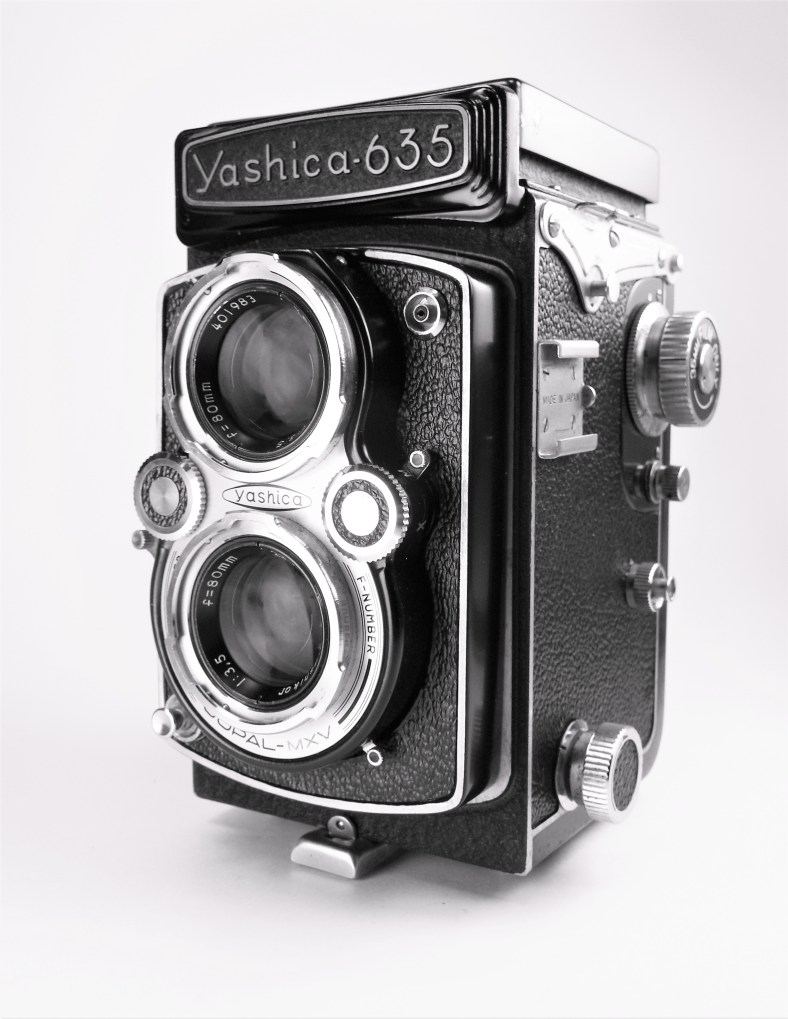
The first one we acquired (about a year ago) looked perfect – new in fact – but it had a fatal flaw – the shutter was jammed because the “M-X” lever was in the wrong position when someone tried to use the self-timer. That one was sold for parts. This one came to us from England and was likely purchased new in Singapore in the late 1950s. A guess on our part but there’s a cleaning cloth with it from a camera store in Changi Village, Singapore which was located right outside the gates of the RAF Changi airbase. This 635 is super clean and works! It even came with the hard to find large Yashica-635 carry case in excellent condition. We can’t wait to try the 35mm feature on it.

DSCF5638


The Yashica-635 is a dual format TLR which was released in 1958 (this model) and the Yashica Pentamatic-S came out in early 1961 – possibly January (this one September 1961).

DSCF5626

DSCF5635

Much more to come on the Yashica-635. We hope to restore the large leather carry case that came with it and we’ll do a complete feature on the dual formats. The ability to shoot 12 6x6cm negatives with 120 roll film and with a few easy change outs inside, switch to shooting a roll of 35mm film with the same camera. Cool.

Thanks for stopping by!

Studio Camera: Fujifilm FinePix S9900W

Chris
 

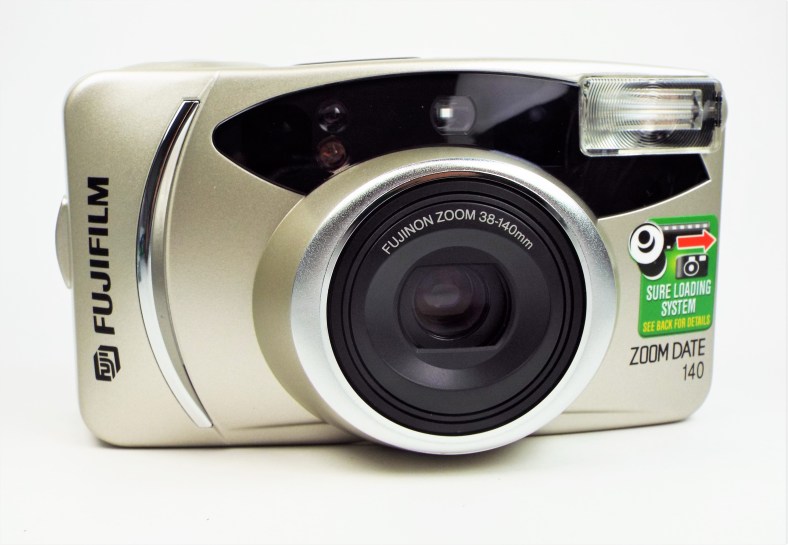
Modern Classic – Fujifilm Zoom Date 140

Released around late 1999 or early 2000 – another of Fujifilm’s high zoom 35mm autofocus compact cameras. 

DSCF5606

It’s a good looking camera that fits well in my hand. Not too small but not overly big either. Still handles like a quality point and shoot camera from the 1990s. Features a nice Fujinon zoom lens so it handles a wide range of shooting situations. Of course when it extends the lens it looks a bit goofy at 140mm but at least the motor is kinda quiet.

DSCF5611

The Fujinon lens features 5 components, 5 elements, 38-140mm zoom f/ 7 to 13 with closest AF focusing from 0.9 meters to infinity.

DSCF5609

DSCF5610

Quality materials used throughout – solid construction.

DSCF5612

Nice bright viewfinder – recessed on/off button and an easy to use zoom lever (gray thingy) for zipping through the different focal ranges.

DSCF5613

DSCF5614

Easy to set date modes and of course an easy to see and read LCD. Big shutter button feels good under your finger.

DSCF5615

Easy to load and has some what looks like glass over the rear element. Nice touch.

DSCF5619

Of course it has a self timer, auto film advance and rewind, autofocus, autoflash with red-eye reduction and DX coding from ISO 50-3200. Uses the still easy to find CR123A lithium battery. Weighs 240 grams without the battery.

DSCF5617

Comes with a roll of Fujicolor Superia film – expired in 2002.

Should you collect these plastic fantastic P&S compact 35mm cameras from the 2000s? Yes of course – if you can find one still new in the box, why not? They don’t make them anymore and if you’re looking to find a good 35mm film camera as a user, this one has enough features and a quality zoom to handle most demanding shooting situations.

This set can be viewed at our online store, CC’s Studio Twenty-3 Eighty at http://www.ccstudio2380.com if you’re interested.

Thanks a bunch for your visit and as always, Carol and I appreciate your comments and likes.


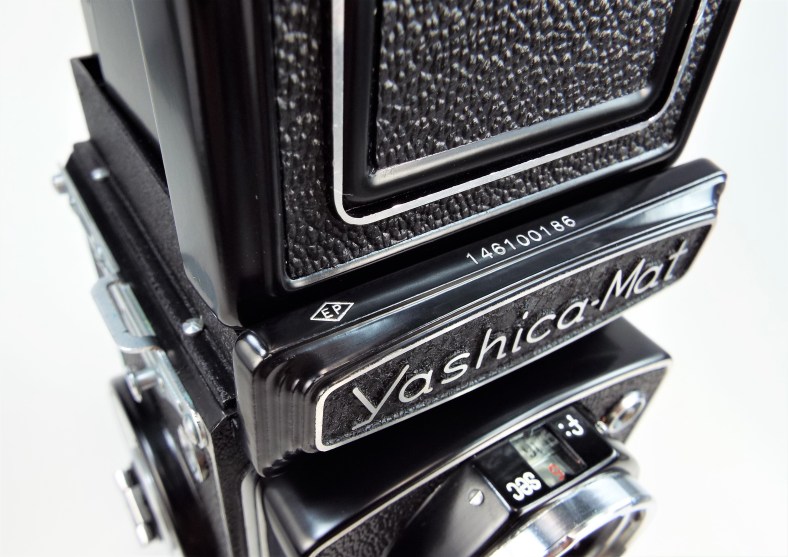
E.P Marked Photo Gear. Is it really worth more?

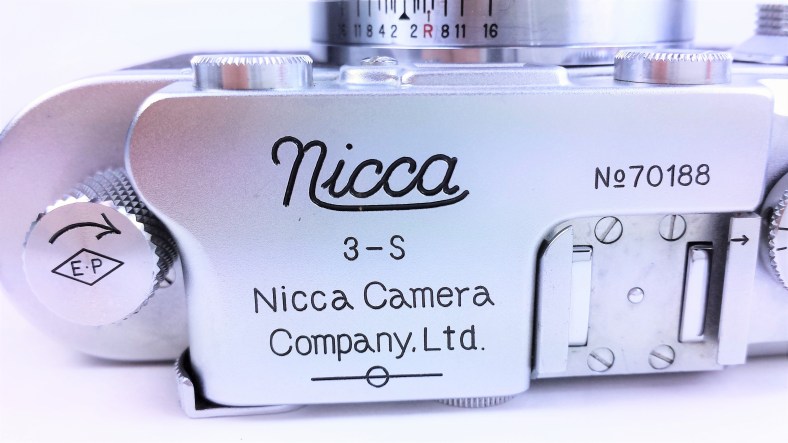
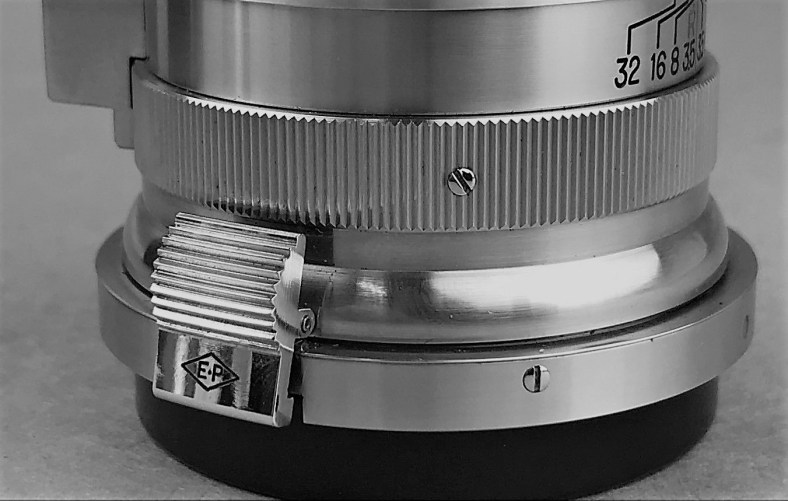
Photo gear made in Japan will sometimes carry a strange marking  <E.P>

20170603_191236

In the above example, the <E.P> mark is engraved on the rewind knob of this Nicca camera. This camera is from the 1955 to 1957 period.

s-l1600 (23)

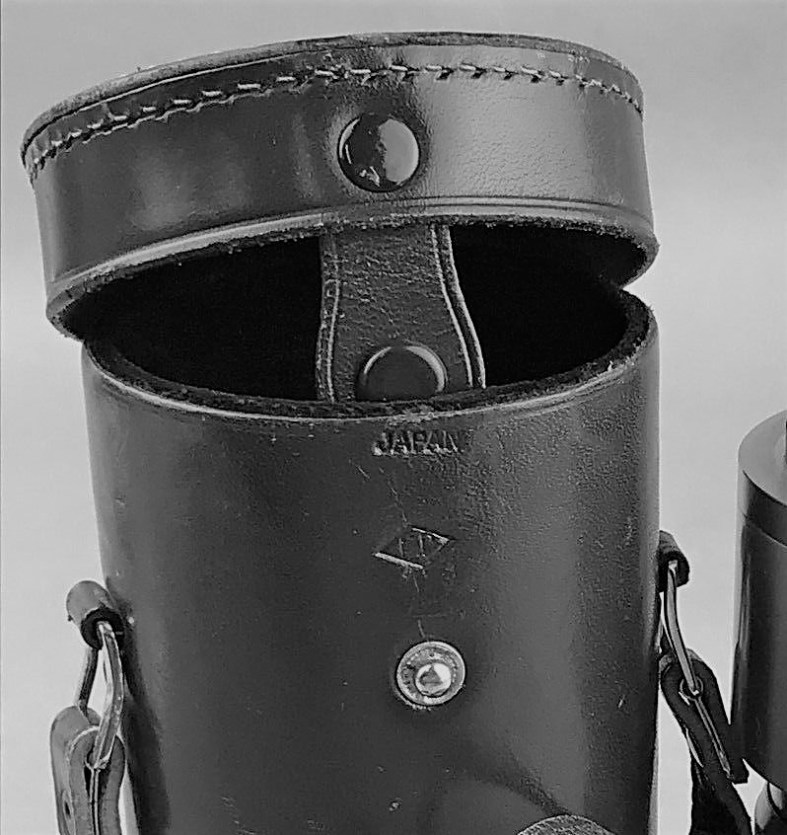
In the example above, this Nikkor 13.5cm lens has the <E.P> mark engraved on a small lever near the base of the lens. On the lens case below, the <E.P> mark is stamped into the leather just below the JAPAN stamp. The case belongs with the lens pictured above.

s-l1600 (22)

First time we’ve seen the mark on a lens case. To us that implies that the case was mated with that lens from the factory (or wherever the mark was applied).

So what’s up with the <E.P> mark anyway?

As we understand it, the Japanese government needed a way to identify which pieces of photo gear were sold through military facilities and duty free shops in Japan. We feel that the mark means “Exempt Product” – cameras or electronic gear purchased without paying taxes to the government of Japan and purchased by authorized personnel (military members and their families, tourists and by diplomatic members and their families). We’ve seen alternate meanings as “Post Exchange” (military base stores) but U.S. Navy stores are called “Navy Exchange – NEX” and U.S. Army/Air Force stores are “BX/PX or Base Exchange/Post Exchange”. It’s hard to make “NEX or BX” into “EP”.  Other explanations of <E.P> include: Export Permitted (or Export Permit), Exchange Program and Export Production.

The “Black Market”.

The majority of the photo gear we have in our collection that bears the <E.P> mark, was in fact purchased through military facilities and not at duty free shops. Another cause for concern after the War, and we know this first hand from having lived in Japan in the late 1970s, was the so called black market that may have existed (it did) in Japan. The difference between what a service member could buy a camera for at the Navy Exchange (reduced cost and no taxes) and what that same item sold for at a Japanese camera store was just too great not to tempt some selling on the black market. The military stores kept tabs on the amount of tobacco and liquor that a family could purchase and big ticket items (cameras and stereo equipment) included a statement on the receipt that the service member would check and then sign that the item was for their personal use. A direct reminder that you were not to resell the item to unauthorized individuals. Our guess would be that if a Japanese citizen had a camera in their possession with the <E.P> mark it would be easy to question where it was purchased. However, the <E.P> marks were normally on parts of the camera that could be removed and replaced with non marked parts. No system is perfect so if there’s a will they’ll be a way.

DSCF3795

The <EP> mark on a Yashica-Mat from 1960.

So, does the mark make my photo gear more valuable? Yes. Collectible? Yes. Desirable? Yes. But to whom?

Like anything that’s collected, if someone wants it just because of the mark (in this case), then the <E.P> mark makes your item more desirable. In the real world, the gear is no different except for the mark. But – and it’s a big but – there are fewer of them out there. In the case of the nice Yashica-Mat pictured above, let’s say that Yashica sold 1,000 of them in 1960 throughout Japan. Maybe 5% were marked <E.P> (and that may be way high). So if you want to collect a mint condition Yashica-Mat made in 1960, there may be, let’s say only 10 available worldwide at any one time, and if one of those has the mark, well that adds a nice bonus of rarity to the mix. Another way to look at the mark is that the gear was less likely purchased by a professional photographer and therefore may have been better taken care of by its owner. Lots of exceptions to that line of thinking but it does have some merits.

So there you have it. Something of an explanation. If you have photo gear from the 1950s, 1960s and sometimes from as late as the early 1970s and you have the mark, well now you know a bit more about it. If you’d like us to appraise it for you we will be more than happy to. Just contact us here on the blog and we can get something going for you.

Studio Camera: Fujifilm FinePix S9900W

Chris

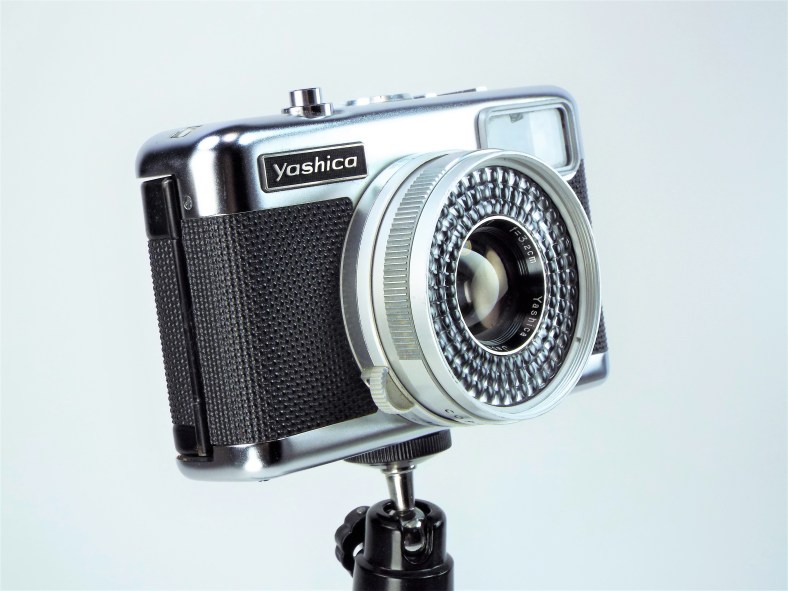
Yashica Half 17 – Classic mid 1960s design

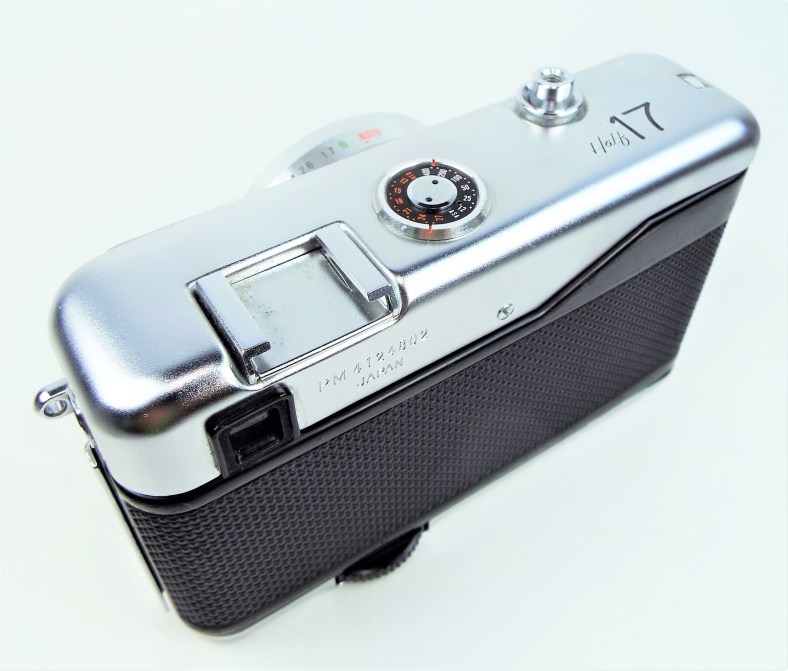
Many thanks to our friend and fellow blogger Peggy at Camera Go Camera for sending us this wonderful classic Yashica. It needs a little work on the slower shutter speeds but it’s super clean and a fun sized camera to boot. We look forward to running a roll through it soon.

DSCF5526

Being a half frame 35mm camera means that you can get up to 72 exposures from a standard 36 exposure film cartridge!

DSCF5528

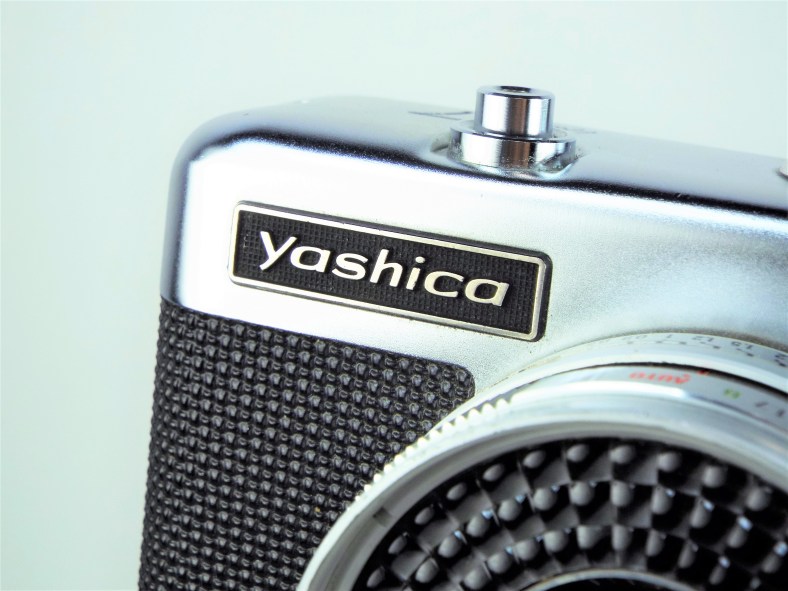
One of the more unique and modern looking Yashica logos. We like it better than the western style font that Yashica used for years.

DSCF5516

Certainly a nice camera to add any collection of 1960s 35mm cameras. It has such smooth lines and an exceptionally nice finish to the satin chrome.

Studio Camera: Fujifilm FinePix S9900W

Chris
Fujifilm Discovery S100 – 1999

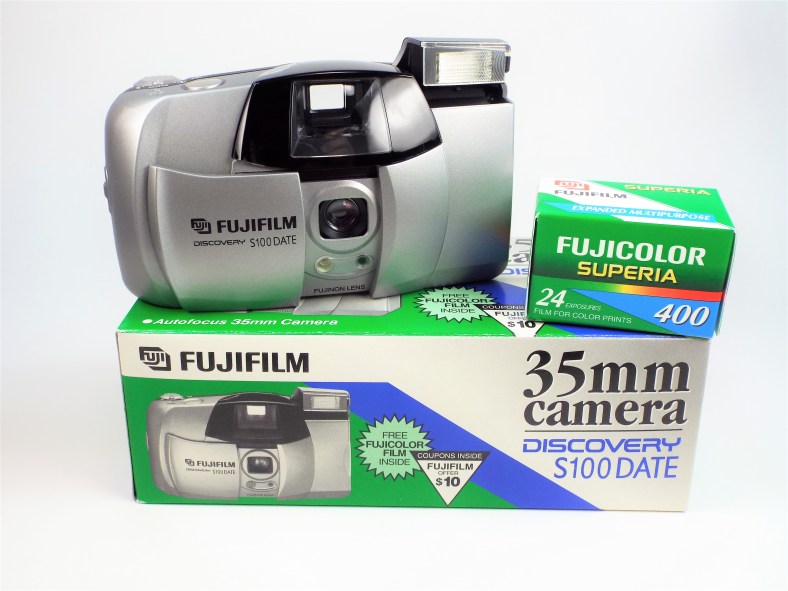
Another Fuji for our “Modern Series” collection. Why collect plastic cameras from the 1990s? Because they’re out there and they’re still in the box new!

If you’re a collector of vintage camera equipment, how many times have you wished that you’d kept all the original boxes that came with your then new Canon, or Nikon or whatever? The old saying, “they don’t make them like they used to anymore” is as true today as it was 50 years ago. Yeah, in 2021 the original Canon F-1 will turn 50 years old! Amazing for me to think that I remember reading about the new F-1 in the photo mags of the day and looking for it at my favorite camera dealer’s shop. If only I had kept the boxes! If only I had bought two instead of just one and kept the second one locked away unused! Wow, that would be nice but it would have been a really bad return on my initial “investment”.

More to the point of this post. Someday these plastic fantastic, point and shoot 35mm compact cameras of the 1980s, 1990s and even the 2000s, will be worth collecting. Notice I didn’t say “worth something”. It’s a chance to have a collection of cameras that represented some pretty amazing technological breakthroughs of their era. And if you start collecting them now, you’ll be able to still get them absolutely new in the box unused. We happen to find collecting these inexpensive cameras a whole lot of fun – it’s like Christmas morning never ends!

Here’s our latest find –

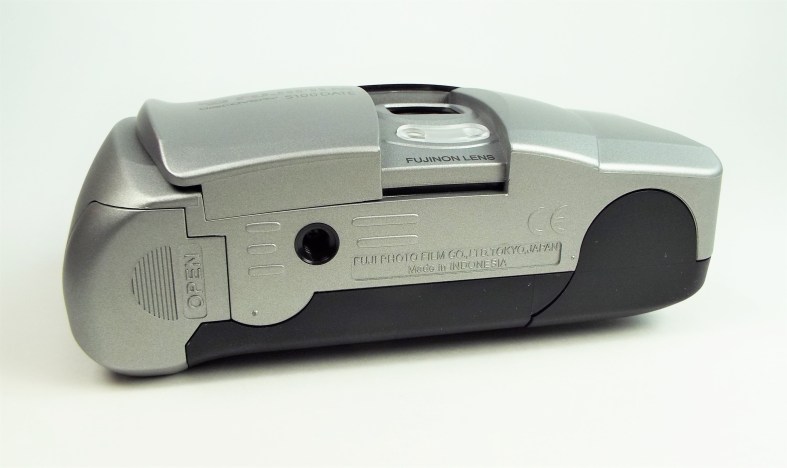
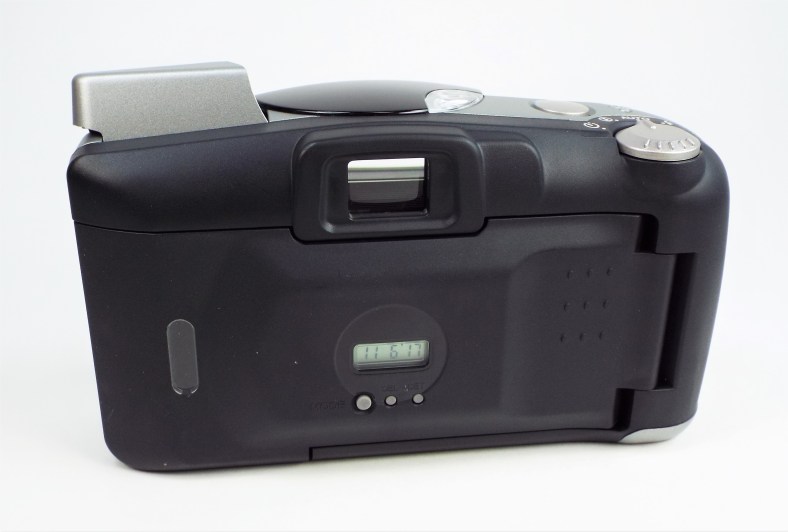
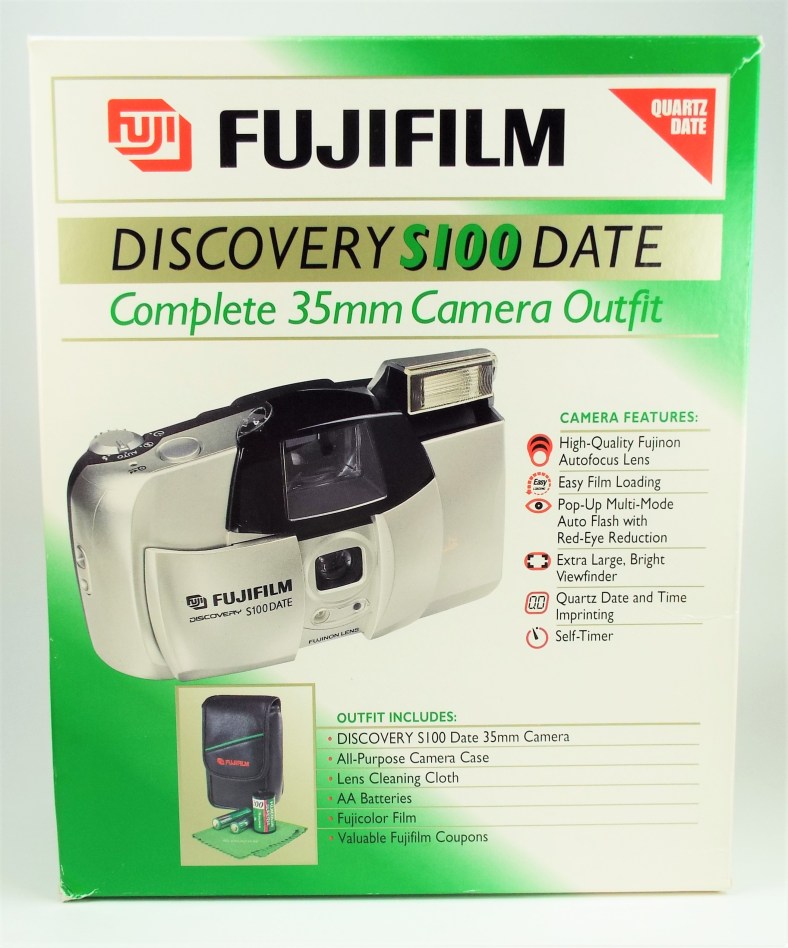
DSCF5473

From 1999 – this little Fuji came as part of a neat kit that included a fresh roll of Fujicolor, a case and coupons for up to $10 off on film and processing.

DSCF5475

Toys

DSCF5482

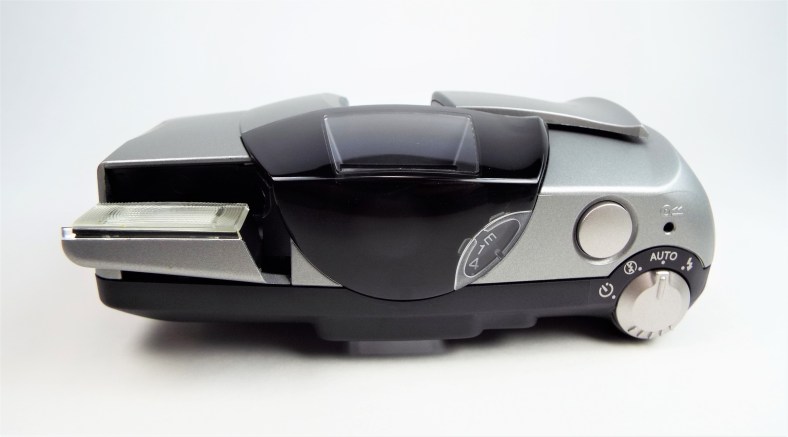
When the lens cover is slid open the flash automatically pops up.

DSCF5481

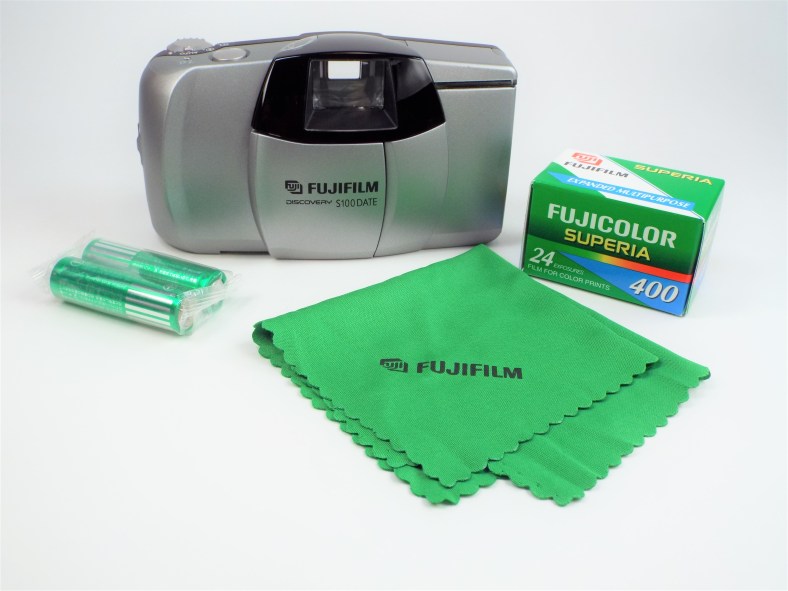
Takes 2 AA batteries and a flat watch battery (CR2025).

DSCF5476

Original battery still going strong 17 years into the future!

DSCF5478

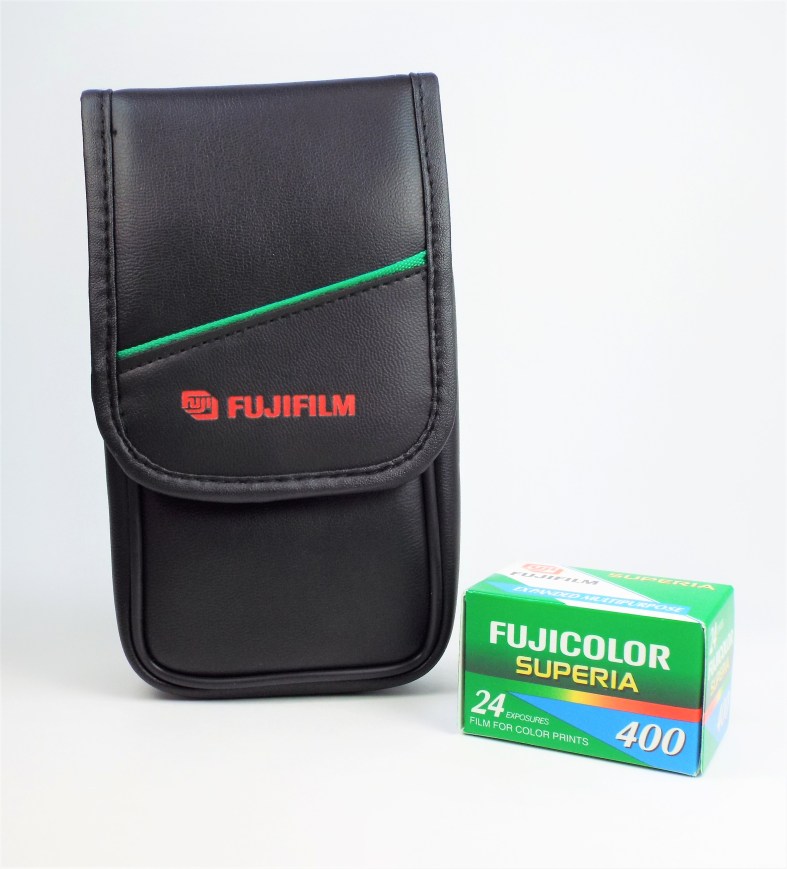
Super nice case and a fresh roll of Superia that expired in 2000.

DSCF5485

Fuji Photo Film Company made millions of these type of cameras in the 1980s and 90s. Finding them still in the box new is what makes collecting them fun.

“Tech Specs” – Fujinon Lens 32mm, f/ 4.5, 3 elements in 3 groups – autofocus 1 meter to ∞ – programmed electronic shutter (1/30 to 1/250 sec) – DX coding – auto film advance and auto rewind – built-in flash – self-timer – date function – about 185g

Oh and the date function is good up until 2049! No worries there!

Studio Camera: Fujifilm FinePix S9900W

Chris