Fujica GW690… Fuji Photo Film’s Venerable Workhorse

Fuji Photo Film Co., Ltd. – Tokyo

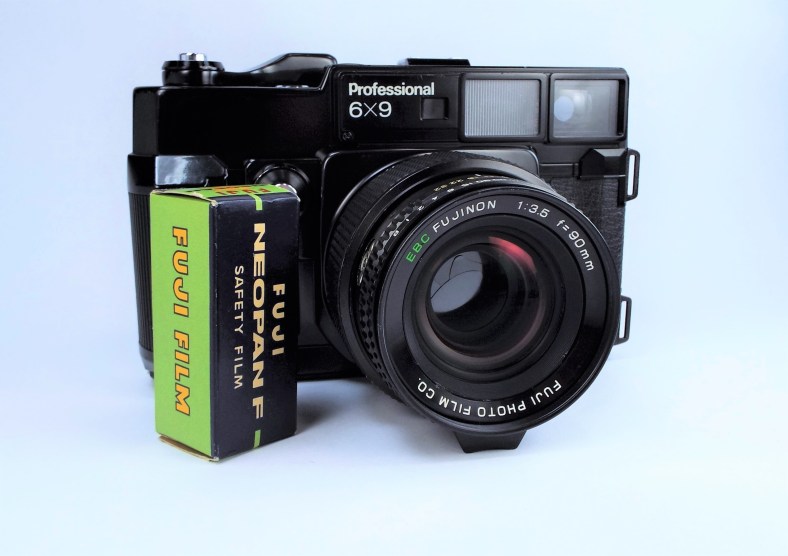
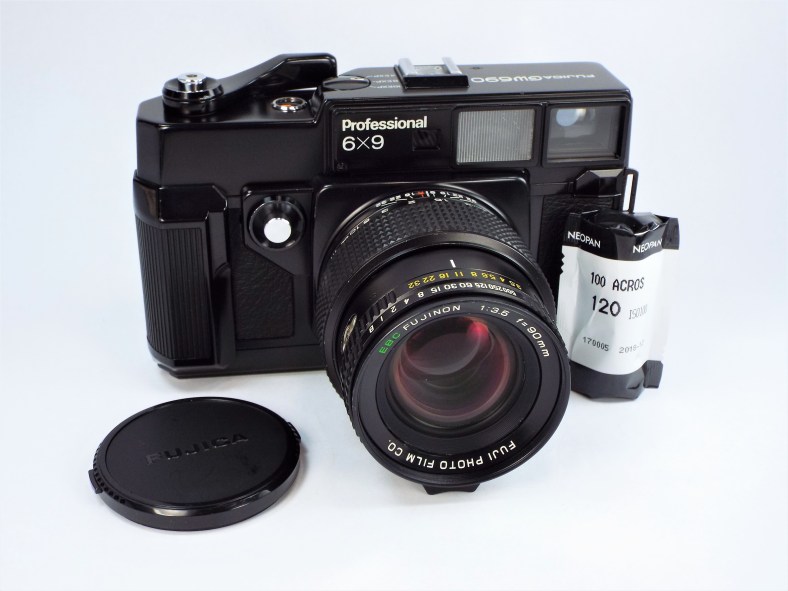
Fujica GW690 Professional – 1978 version. Yes it’s big. Yes it’s a bit heavy too. But who doesn’t love big 6x9cm negatives! We had an Asahi Pentax 6×7 SLR for a while in our active collection and thoroughly enjoyed the images it produced. The 6×7 and 6×9 in our opinion are great formats. We still shoot in squares though – it’s fun to compose a 6×6 frame on a twin-lens reflex. If anything will slow your photography down it’s that.

20130403_88ff69

This camera arrived yesterday and it’s all cleaned up and ready to go. This is a heavily used (think venerable workhorse) GW690 with all sorts of dings, dents and scrapes to show for it’s almost four decades of use. We imagine it’s seen more than a few tour groups in its time – now it’s time to slow down a bit. We purchased it to be a user camera for some fine art prints we want to create and sell on our online site. We normally print on 8.5 x 11 inch Canon paper with an occasional bump to 13 x 19 inches and the 6×9 format is perfect.
dscf3353

We’re big fans of Fuji cameras and this one will earn its keep in our studio. I’m headed out this afternoon with a roll of Fujifilm Neopan 100 Acros loaded to test it out.

dscf3356

It’s a simple camera – completely analog. No onboard exposure meter, no auto film advance, no auto focus – just what we wanted.

We chose the GW690 vice the “newer” models (II and III) because I’m not a big fan of the built-in lens hood on the later models (gets in the way). The shutter settings (leaf shutter) and aperture settings are right next to one another which makes it super easy to see the relationship each has on the other. Focusing is quick on this model and the rangefinder window is bright and easy to see.
dscf3355

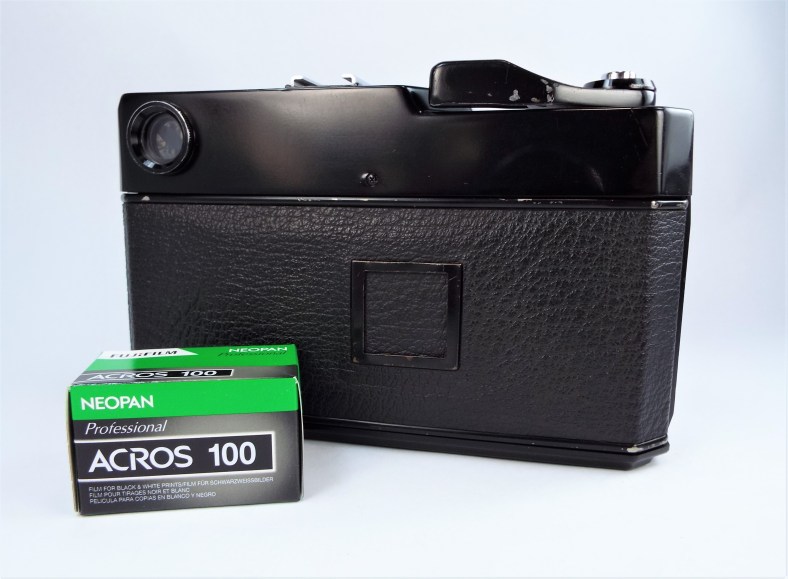
A 35mm box of film gives you a comparison to just how big the Fujica is. By the way, this model was the last to be called a Fujica.

dscf3361

Ready to rock some Neopan!

dscf3358

We thought it would look good with some vintage Fuji Film beside it. The film expired in 1964!

We’ll have the results next week as we send our film out to ‘The Darkroom’ for their professional development and scans. 6×9 on 120 roll film produces only 8 exposures so I should be able to shoot in one afternoon. Let’s see… with the purchase of the film, processing and shipping it’s going to cost about $25 per 8 images. Yikes!

Thanks for your visit. Chris & Carol ^.^


More on our faked Yashica J-5 in “pro-black”…

Some time ago we purchased (through an online auction) what was listed as a rare black body Yashica J-5. The camera was sold by a well known camera dealer with a long track record of excellent prior sales. We know from our research and hands-on experience that Yashica’s first ‘Pro-Black’ 35mm SLR was the J-3 as we own two of them and have sold others that were in our collection.

I (Chris) knew that there was about a 99% chance that this J-5 was faked and I don’t have a problem with buying modified or restored cameras as long as it is disclosed as such. But I took a chance on this one even though there were numerous red flags about its originality. The bidding was through an online auction site in another country and my desire to own this ‘rare’ camera got the best of me. My purchase bid went for much more than a typical J-5 should go for and I actually paid more for it (not including the over-the-top shipping fees) than one would pay for a genuine ‘Pro-Black’ body (from the Yashica factory) J-3. In our years of research, we’ve never come across anything in print from Yashica about the black body J-3. No sales brochures (Japanese or English) have a mention of it – but we know that they did produce one a we’ve had a few and have kept track of them online in our database.

Prior to bidding on the faked black  J-5, I asked the agent representing this camera if in fact was a genuine, previously unknown black J-5. His answer was that the seller said it was… no worries.

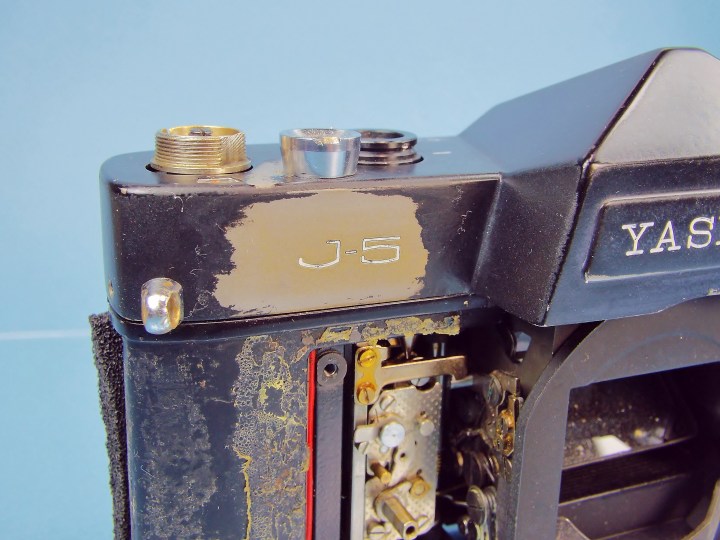
After looking at my new fake for some two years now, I’ve decided to remove the still fresh black enamel paint and reveal the satin chrome paint underneath its black mask. It was shocking just how easy the paint was to remove with alcohol and cotton swabs.

I wrote to the seller’s agent to complain that the camera was in fact faked and after some time (2 weeks) he came back with a no it wasn’t. Even with the pictures in front of them they denied that it was a re-paint. Oh well.

16666931755_eba4b91bba_o

Clue number 1 – the presence of orange peel in the black paint.

16667100485_ee92845685_o

As received from the auction. From a distance it looked to be all original. When I opened the shipping box the first time I could tell something wasn’t right, the smell of fresh paint! Got me!

010
As you can now plainly see, the original satin chrome (silver) body is now exposed and in this image the orange peel black enamel paint is obvious – especially around the ‘YASHICA’. The leatherette has been removed by me and the residual adhesive remains visible at this point of the discovery phase.
011
Upon closer inspection (now that the black is gone) it appears that the original satin chrome (silver) factory finish was heavily sanded almost to the point of the brass showing through. The black enamel comes off super easy with 91% isopropyl alcohol and a cotton swab. For some strange reason, the factory etching of the J-5 logo was filled-in with white paint before it was buried under the black. Silver body Yashicas were filled-in with black from the factory.
012
Another view (right rear of the body) of the original factory finish underneath the faked black top coat.
010
It will take a bunch of cotton swabs and plenty of isopropyl alcohol to rid this J-5 of its black top-coat.

009

So lesson learned for me… only trust in what you know exists… if it’s not documented elsewhere as existing then there’s a good chance it’s been faked. Ask lots of questions. But, and it’s a big but (pardon the pun), Yashica has never mentioned that they made a black body J-3 in 1963 so it was possible that they made a few black J-5s.

The good news in all of this is that this camera is now in the home stretch of a complete rebuild and will be better than ever. It has been re-imagined as a tribute camera to the U.S. Navy. Stay tuned!

Many thanks for your visit, Chris and Carol

Advertisements

Occasionally, some of your visitors may see an advertisement here
You can hide these ads completely by upgrading to one of our paid plans.

UPGRADE NOW DISMISS MESSAGE

Costly Mistake…

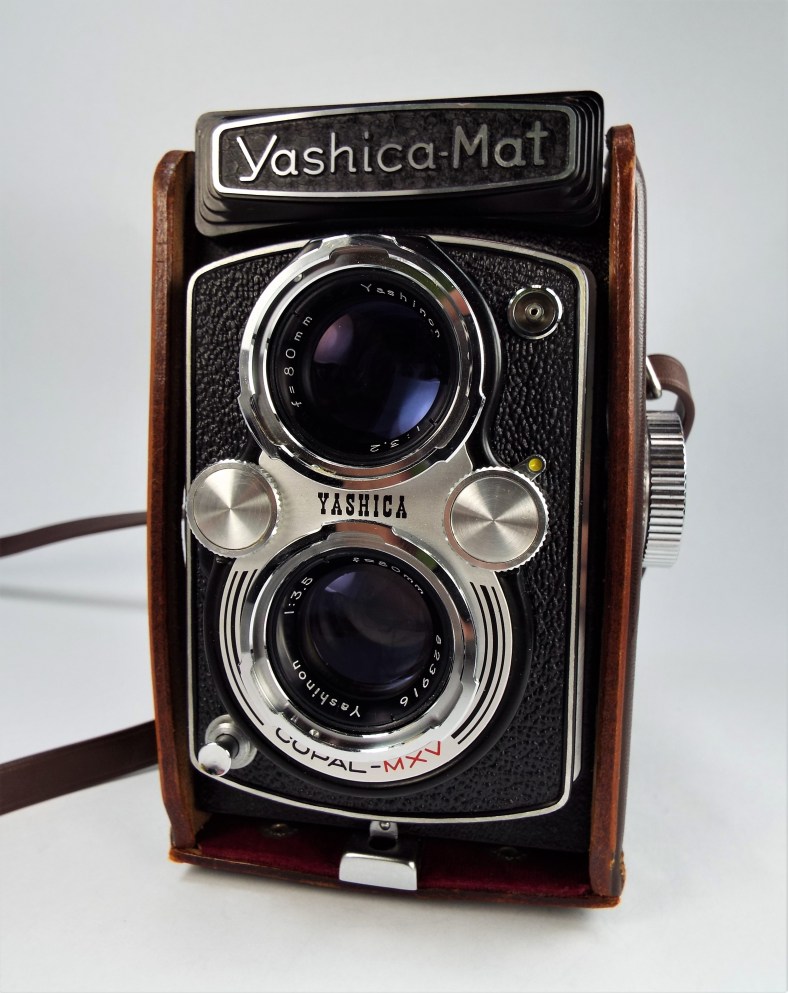
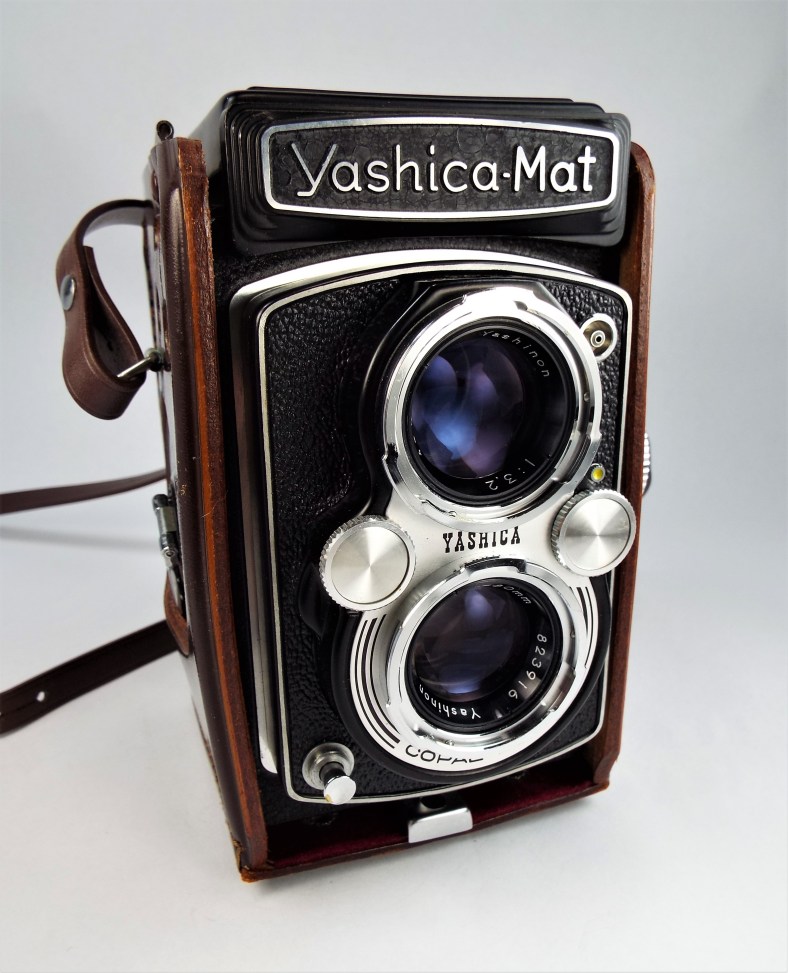
It’s the best looking non-working Yashica TLR in our collection! There. Got that out of the way. This Yashica-Mat medium format camera is from 1968 and is in mint condition. The Mat had a super long run for Yashica – 1957 to 1973. Lots of pretty Mats out there to be had. Lots of dogs too. Sometimes the dogs work great and sometimes the pretty ones are dead in the water (DIW).

This one is DIW (nautical term meaning not moving). In my haste to add a good looking Mat to our collection, I overlooked a fatal flaw that often happens with these cameras…

dscf3332

Do you see the flaw that I missed?

How about now?

dscf3331

Look closely… do you see it yet?

How about more of a hint?

dscf3333

Okay, I’ll point it out.

dscf3334

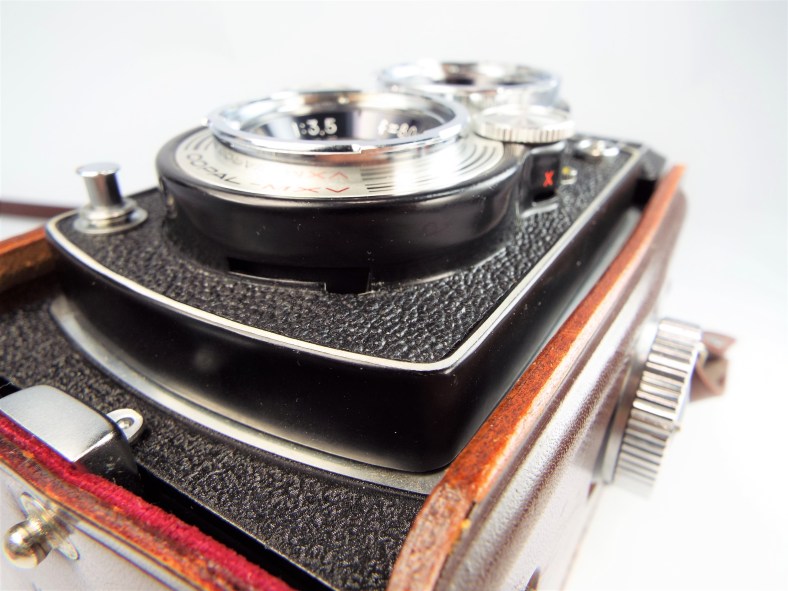
Missing self timer lever. Did you see it right away? Pat yourself on the back if you did.

As I mentioned in the beginning of this post, in my haste to add a nice Mat to our collection, I failed to notice that the self timer lever was missing. No big deal right? It is and I know better. The lever is a small thingy with a little red dot of paint on the end of it. When it’s there, it should be all the way to the right (when looking straight on at the camera’s face). If it’s missing (as in this case) don’t buy it unless you enjoy repairing cameras. If it’s all the way to the left then ask questions of the seller. What happens is that the self timer lever should not be missing and should not be engaged to the left. In the instruction booklet, Yashica clearly cautions – “Be sure to move the synchro selector to the X position when using the Self-timer”.

The synchro selector lever is the little thingy sticking out just above the right thumb wheel as seen in image 1 (it has a little yellow dot of paint on it). The X position is pushing the level down (you can just make out the red X in the image above).

dscf3332-2

Syncro selector lever (yellow dot thingy) in the up M position (M is in yellow on the camera body).

Remember, yellow dot thingy lever up is in the M position. Yellow dot lever pointing down is in the red X position. A review: no self timer lever = run! Usually someone has forced the lever one way or another because the lever is stuck to the left. If the lever is in the left position and the yellow dot lever is in the up or M position then ask the seller a bunch of questions. Please ask if the shutter button trips the shutter when pressed. More then likely the answer will be no.

In closing, if the camera you’re interested in is photographed slightly turned as in this example below, it’s easy to overlook the missing self timer lever. Ask questions before purchasing it.

dscf3335

s-l1600-27

Here is an example of a Yashica-Mat with the self timer lever almost all the way to the left. I checked another image of this camera and the syncro selector lever is on M (which is in the up position). This is a classic case of what I’ve been talking about. You need to ask the seller if the shutter fires. More likely it does not. Run!

Completely my fault for not checking the lever and not asking questions of the seller.

Thanks for your visit… comments are always appreciated.

Chris

Yashica MF-2 Super… 1986

We don’t often collect modern Yashica cameras – especially during Yashica’s last days after Kyocera (Kill-a-Yashica) took over.

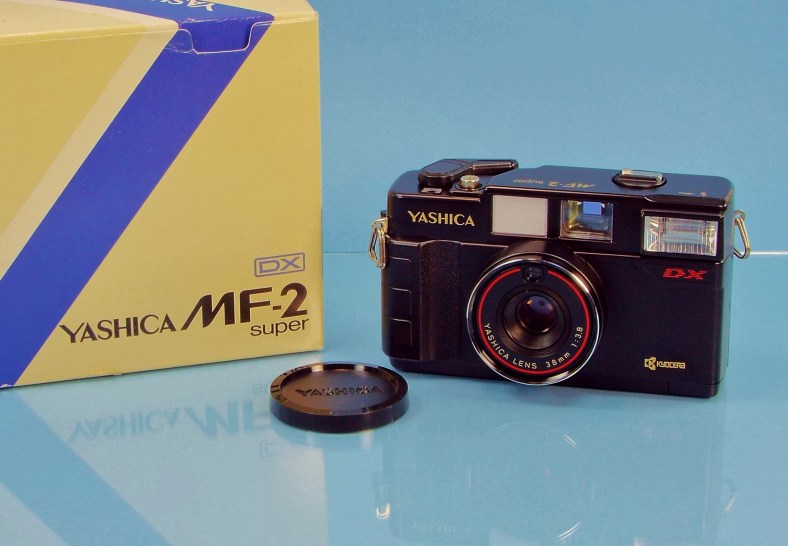
This one was sent to us by a Flickr friend and as you can see, it’s new in the original box. The MF-2 Super is a DX camera which sensed the DX code on the 35mm film canister and set the appropriate ASA / ISO / DIN.

25965272473_a80d24519c_o

Yashica MF-2 Super 35mm film camera set from 1986.

26295606350_65700d54b4_o

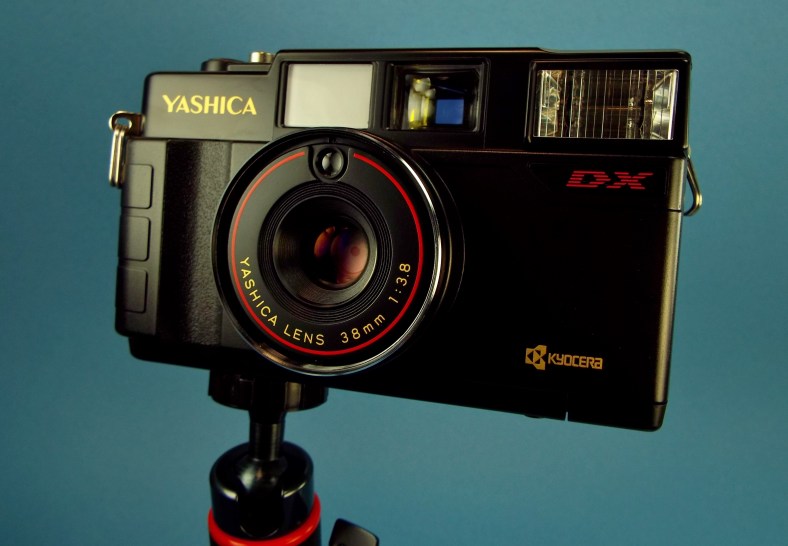
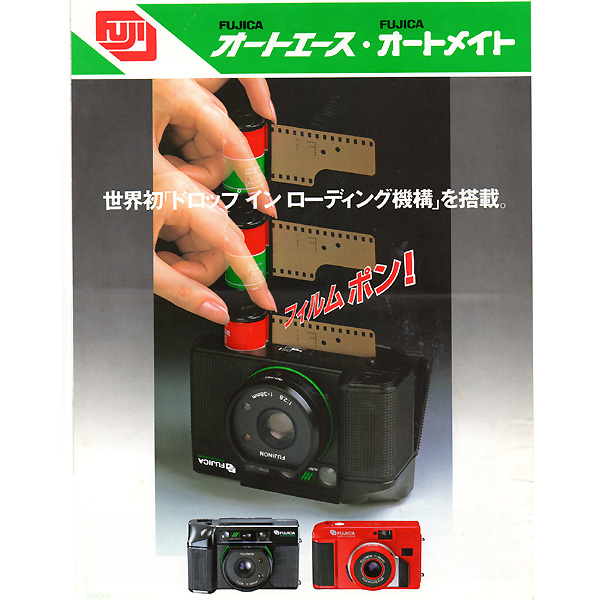
We haven’t found the time to load a roll of film and check out this little beauty… soon we hope. We like the black, red and gold details on the body and lens and the auto everything (almost) features. As a comparison, we also have the Fujica DL-20 as pictured below in the sales brochure.

%e2%97%8f%e3%83%81%e3%83%a9%e3%82%b7

DL-20 in black and red.

The DL-20 is a mid-1990s camera from Fujica. We have the red body model and it would be fun to take the two (Yashica MF-2 Super and the Fujica) out for a side by side photo shoot. Sounds like we’re going to be busy in 2018 shooting a bit more film.

Thanks for your visit!

Chris & Carol

The often underappreciated Canon T70

One of Canon’s little gems! The T70 (1984) was a giant leap forward for Canon and for the entire 35mm camera industry. Coming off the success of the Canon ‘A Series’, the T70 (yes there was a T50 first but the T70 blew it away) was a giant departure from the norms established by Canon. Firstly, it didn’t look like any previous Canon SLR – distinctive style and color, built-in winder, multiple program AE exposure and two metering modes. If you wanted to add a data back, then Canon had a Command Back 70 ready to go.

dscf3255

This one is from April 1984… still, in our opinion, one of the neatest Canons of all time!

The rubberized right hand grip made the body super easy to hold and the incorporated power winder made manually advancing film a thing of the past. The ‘T’ bodies accepted all of Canon’s FD lenses without exception. Mated with the Canon FD (N) 50mm f/ 1.8 lens made the T70 a rather compact and user friendly camera.

dscf3262

Simple layout and clean design.

dscf3263

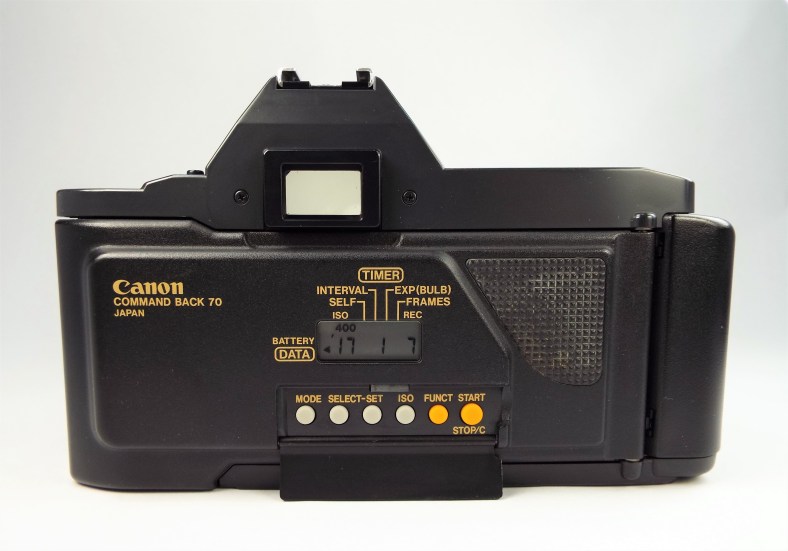
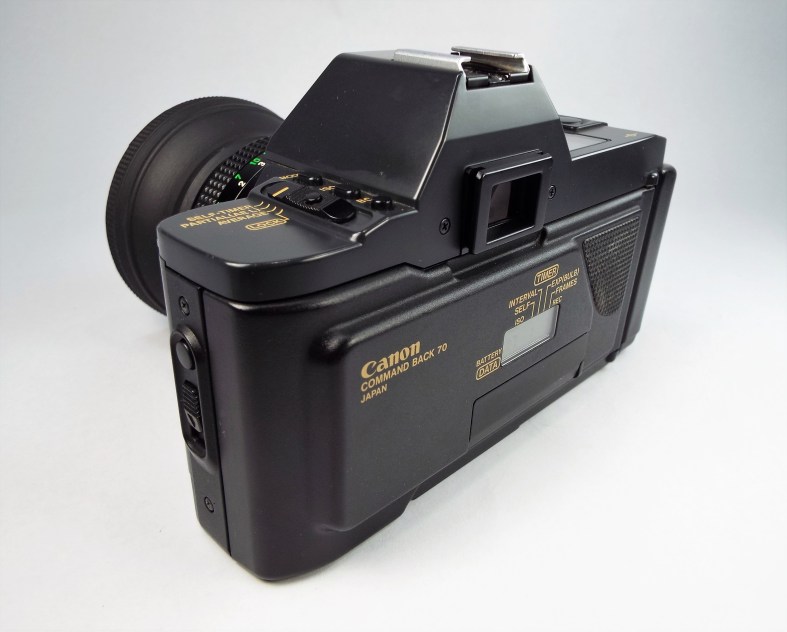
Optional accessory – the Command Back 70 replaced the often bulky data backs found on the F-1 and A-1. This one can date images until the year 2029! Of note – the common fault with these data backs are you’ll often find that the LCD will sometimes “bleed” the LC in the display. This one, for whatever reason, has escaped that fault.

If you want a great, and we mean great 35mm film camera to use, then by all means find a good T70 and fire away.

dscf3265

One of our all time favorites from Canon.

Thanks for your visit… your comments are always welcomed and so are your questions.

Chris and Carol ^.^
 

Canon F-1

dscf3313

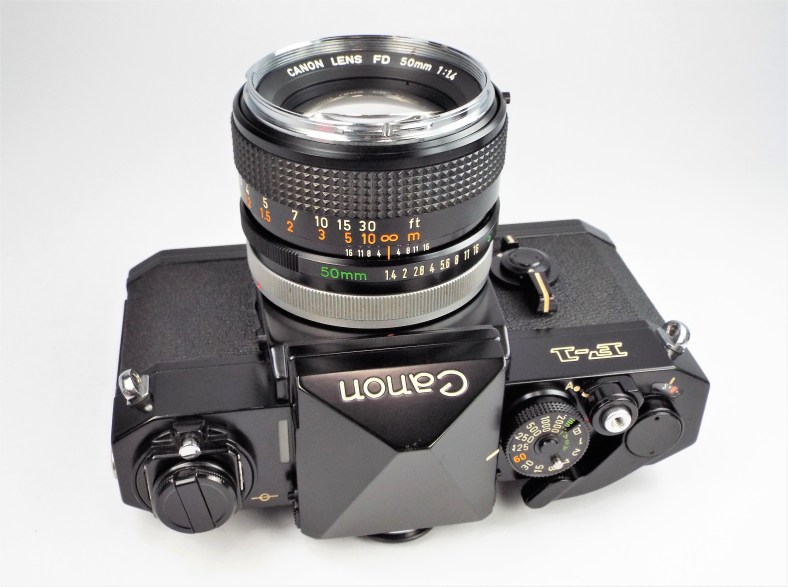
First version Canon F-1 with its gorgeous chrome nosed FD 50mm f/ 1.4 lens.

Canon F-1 from April 1972. This was the first version of the F-1 and it sports a rather low serial number. We’ve held this one back all these years with just occasional use (mainly in the studio). Our field tested F-1 (not pictured) was acquired new in 1978 (2nd version F-1) and it’s the one that’s traveled the world – getting seriously wet in Hong Kong, Japan and the US- dropped in a photographic safari bus in Kenya – slid off a train seat in Tokyo – and was briefly “lost” in Diego Garcia!

dscf3304

All original stuff from 1972.

dscf3318

Note that this super early FD lens does not have the SC or SSC markings on the lens ring.

I started 35mm SLR photography with a Nikonos II and then purchased my first Yashica (TL Electro-X) and then into Canon we went. We need to find some time to take this one out and put that classic glass to good use! Nothing like holding an old friend again.

Thanks for stopping by!

Chris

Custom Presentation Box for the Tower Type-3… 1953

dscf3291

1953 Tower (Nicca Camera Co.) Type-3 35mm Rangefinder with custom box.

This custom designed box is based on original Tower (Nicca) designed presentation boxes of the early to mid 1950s. The leather case, which is the original from 1953 was reconditioned – the leather was gently cleaned with saddle soap, some loose stitches were properly glued to prevent further separation and the felt interior of the case was also gently cleaned and refreshed. The case hinged flap had become separated so another piece of leather was attached and it’s as good as new. The entire case was conditioned to bring out the vintage patina.

dscf3302

The 64 year old leather looking great with a wonderful brown color.

dscf3296

Looking fine after six decades.

As collectors, Carol and I enjoy restoring vintage cameras and when necessary, reconditioning the often neglected leather cases. We love camera sets that include the original boxes, but when they’re not available we like designing custom boxes based on original designs and colors.

Thanks for your visit! We love comments so feel free to share yours!

Chris and Carol

Pentamatic in ‘Explore’

30889835606_871e994088_o

This simple studio shot made it to Flickr’s ‘Explore’ group recently. It may be the first and only Pentamatic in ‘Explore’.

Natural window light on an overcast Florida afternoon. Camera used? Samsung Galaxy 4S. No post production by me but the Galaxy may have been on HDR. Sometimes simple is better.

Yashica Pentamatic 35mm single-lens reflex from early 1960.

Chris

Hit the Road 2016! Hello 2017!

Thank goodness 2016 is almost history! I’ve heard from friends in Australia that 2017 is going well (so far). Let’s not muck it up!

On a positive note – here on our blog, we’ve seen a significant increase in activity over last year (2015). Visitors to the site and views are through the roof! We (Carol and I) are thrilled that what started out as a repository of bits and tidbits of Yashima-Yashica information would gain the traction that it’s had. We thank you!

We enjoy the feedback we get and I can say that I’ve learned more than a few things from it. We’ve met some super talented people – photographers and bloggers that are out of this world amazing! We hope our readers got a little something special in return too. That was the goal of the ‘Yashica Pentamatic Fanatic’ -a sharing of knowledge about a silly camera that Yashica invented in 1959 that most people have never heard of.

29926651073_d141fae764_o

This year’s favorite.

In looking through the hundreds of film and digital images that we shot in 2016, this one turns out to be our favorite. We believe that every vintage camera is worth preserving (in some way or another) – we think of cameras as holding the heartbeats of all who may have gazed through its lenses, pressed its buttons and then anxiously awaited the results. We can imagine the thousands of faces and smiles that were captured and the thousands of important events in people’s lives that were saved for the future. Classic cameras do that for us.

Don’t get us wrong… we love the  world of digital photography but we also embrace the beautiful, often awkward analog machines of our past. We hope that photographers in the future will remember (every now and then) to pick up a classic camera, load some film into it and then set out to capture images with a camera older than yourself. Enjoy!

Happy New Year… we wish only the best for all!

Chris and Carol ^.^
 

(Nicca) Tower Type-3 35 mm Rangefinder Camera… 1953

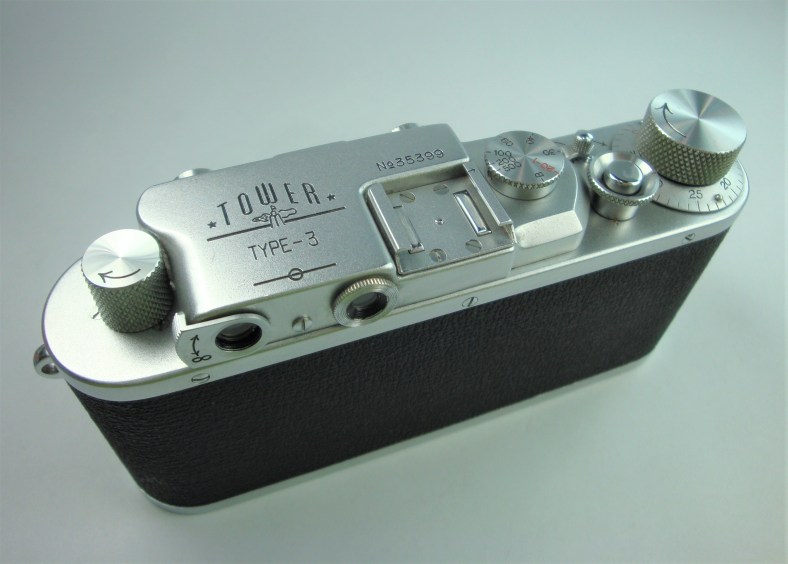
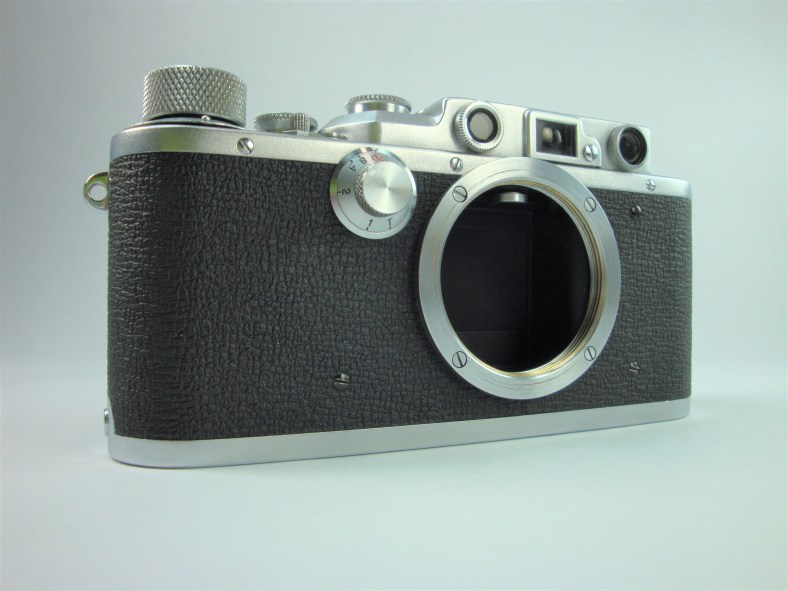
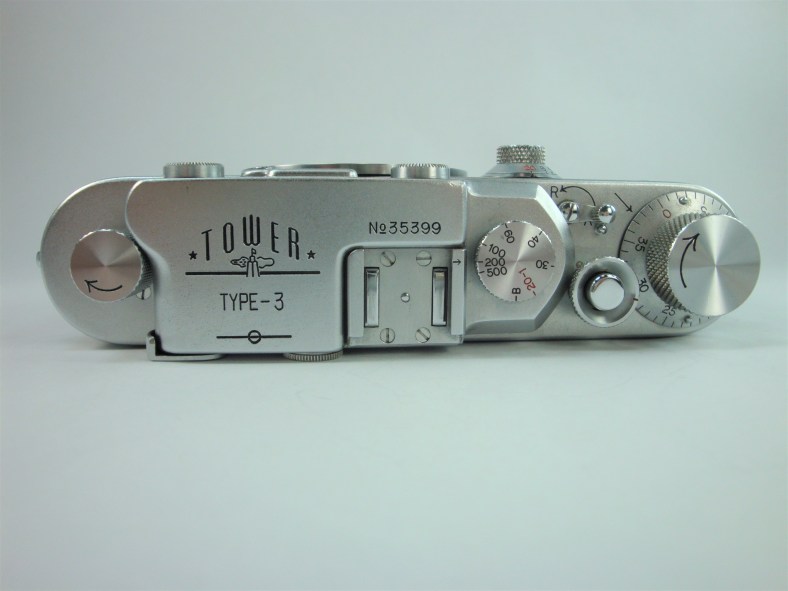
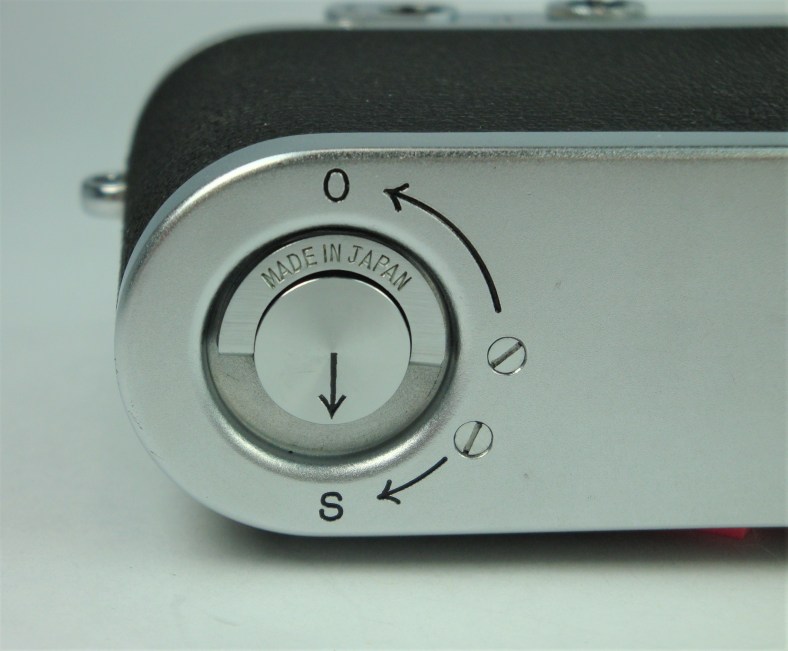
Nice little Tower Type-3 (or Type III) 35 mm rangefinder film camera from the early 1950s – made by Nicca Camera for the Sears, Roebuck and Company catalog. The build quality of the Tower branded cameras are no different from the quality of the Nicca camera as best as we can tell. It appears that Sears didn’t ask Nicca to lessen the quality like one might imagine – Sears was known for good value but not necessarily the best quality in our opinion.

By the way, these images were taken with our Sony Cyber-shot  (model DSC-W170) from 2008. It’s a basic point and shoot but sports a Carl Zeiss Vario-Tessar lens and 10.1 megapixels. It adds a nice “softness” to our studio shots especially of vintage gear and it’s fun (and simple) to use.

dsc08154

The Tower Type-3 (made by Nicca) is one of the best of the Japanese made Leica copies.

This camera appears to have been made in around 1953 – the serial number places it as a mid production model and the fact that the open-shut latch simply has ‘Made in Japan’ vice ‘Made in Occupied Japan’ engraved on it. The occupation of Japan ended with the adoption of the Peace Treaty signed in April 1952.

dsc08156

Open shut latch.

This camera works perfectly – the shutter appears to be spot on and the rangefinder-viewfinder is clear and accurate. We hope to be able to run a roll of film through it soon.

dsc08157

Super clean and free of significant signs of past use. A gem!

dsc08150

Designed to take the L39 screw-in lenses made by any number of lens manufacturers of the period.

dsc08151

Actually it’s an interesting logo – quite detailed and almost a retro look to it even for the early 1950s. 

As we’ve stated before, if you’re looking for a nice camera to experience the joy of using a vintage 35 mm rangefinder, then the Nicca and Tower cameras fit the bill nicely. Excellent fit and finish and they’re built like a tanks. You should be able to find well preserved models on various online auction sites for reasonable prices. If you see signs of corrosion or missing leatherette… run! Avoid these and buy the best you can afford. You’ll be happy you did.

Chris