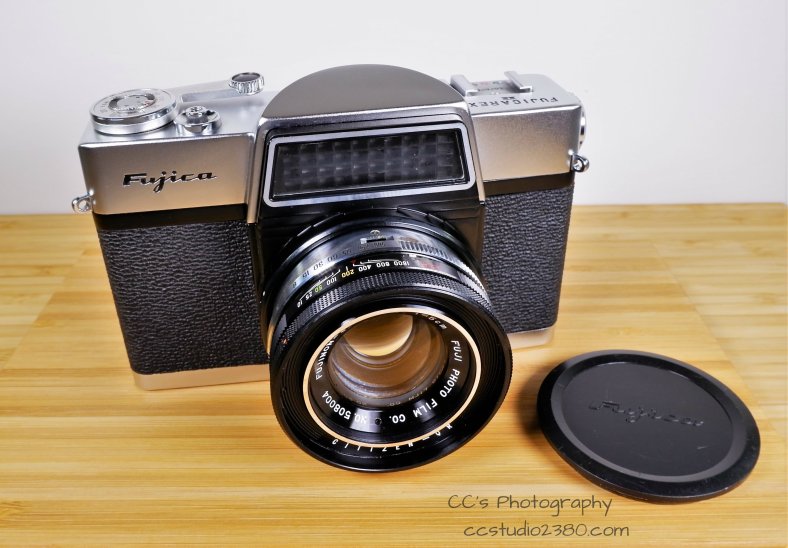
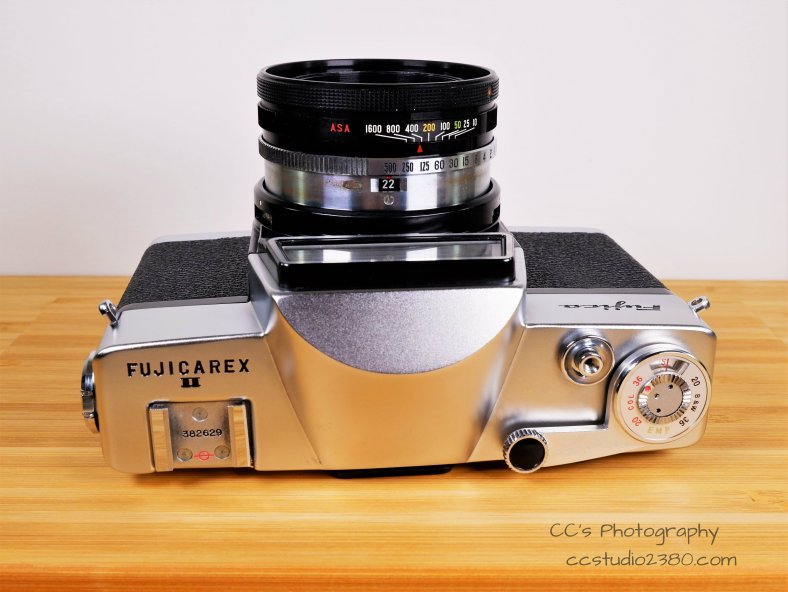
Fujicarex II by Fuji Photo Film Co., Ltd.

Unique – Odd – Quirky – Ugly – Gorgeous – Cool – Modern – Sexy – Sophisticated – Clunky – a failure?

Fuji Photo Film Co., Ltd. – Tokyo 

Fuji’s first 35mm SLR

Originally released as the Fujicarex in 1962 and sold only in Japan (it listed for ¥25,000). An updated model was released in the United States in July 1964 (in Chicago) as the Fujicarex SLR 35 and for other overseas markets as the Fujicarex II. It listed for around $150 USD without a case. It came with a Fujinon-S f/1.9 5cm lens with an additional f/4 35mm wide angle lens and a f/2.8 80mm portrait lens available.

Billed (advertised) as the “World’s easiest-to-use SLR 35mm camera” – Electric Eye with Cluster Control!

What do you think of its design?

DSCF7818 logo

DSCF7823 logo 1

DSCF7826 logo 2

DSCF7830 logo 3

According to a very reliable Japanese source, the Fujicarex II was available in Japan as a replacement to the original model and that the model II was destined for other overseas markets beyond the U.S. (like Europe). This would lead one to believe that the Fujicarex SLR 35 was only available in America. I haven’t been able to verify that as I’ve never seen the “plain” Fujicarex logo.

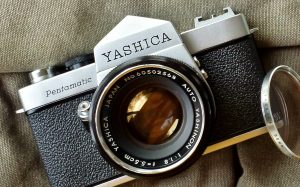
So was it a failure? Well, it got Fuji Photo moving in the right direction but I think overall it was just overdesigned and a bit hard to use. A bit like the Yashica Pentamatics – neat cameras that didn’t catch on. From what I understand it was only sold for about three years or so. The next 35mm SLR from Fuji didn’t appear until 1971.

No matter what, this unique camera is seldom seen in today’s collector marketplaces. It would make a wonderful addition to any vintage Japanese SLR collection since it was Fuji’s first SLR. Thanks for stopping by!

Chris

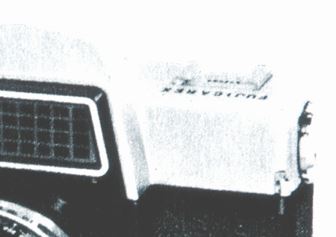
fujicarex plain

I’m thinking that this is the original Fujicarex logo (close to the cold shoe).

fujicarex us.

This should be the U.S. Fujicarex SLR 35 as there isn’t the “II” under the “Fujicarex”.


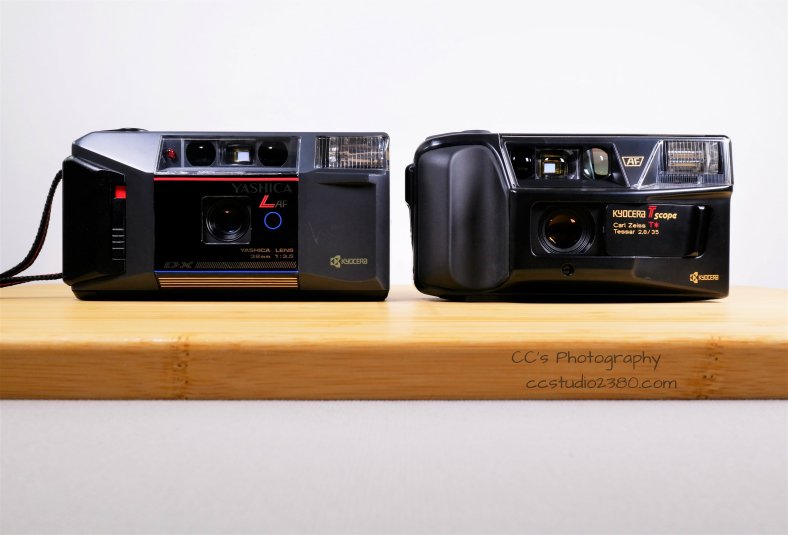
Yashica L AF vs. Kyocera T Scope

Round 1 – The Introduction

The Yashica-Kyocera L AF from 1986 and the Kyocera T Scope (Japanese name, T3 elsewhere). The L AF was assembled in Hong Kong with parts made in Japan and the T Scope was made in Japan.

Key feature – waterproof (more like weatherproof) – not a dive camera.

kyocera t scope

DSCF7805 logo

N.A. Scope = “New Angle Scope”

The scope is just like a waist-level finder – pretty cool actually.

DSCF7813 logo

ky and laf logo

Cousins

I’ll be doing a side by side field test of these two cameras shortly. Is the T3 really worth the extra money over the Yashica? The T Scope features a Carl Zeiss T* Series Tessar f/2.8 35mm lens against the Yashica (Tomioka?) f/3.5 32mm lens. I have a hunch that the Yashica’s lens was also made by Zeiss at the Tomioka factory in Tokyo. We’ll see if the vaunted T* coating makes a noticeable difference.

DSCF7808 logo

Not often seen outside of Japan – the Kyocera T Scope box. Not one mention of Yashica!

Thanks for stopping by!

Chris

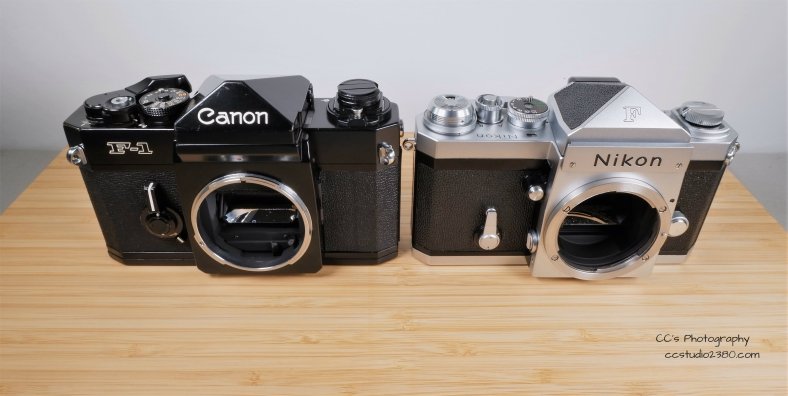
Canon F-1 vs. Nikon F

Two 1970s heavyweights battle it out (well sort of).

canon f1 vs nikon f

The Canon is from 1978 and the Nikon is from 1972. To me, the clear winner is the F-1. It’s a more robust camera body and the Canon FD lenses are as good as if not better than the Nikkors. Besides, you have to remove the entire baseplate and back (they are one unit) to be able to load film – not the easiest of things to do while bouncing around in a small boat or a safari vehicle. Just sayin’.

f1 v f

Which camp are you? Canon or Nikon? Or Olympus or Minolta?

Thanks for stopping by!

Chris


Yashica’s L AF – good things come from plastic rectangles

A true plastic fantastic from Kyocera-Yashica. Released around 1986, this little gem is a modern classic. It gives much better-known (and much more expensive) point & shoots a run for the money.

yashica l af logo 1212

Poor man’s T* Series with Zeiss lenses (I’m pretty sure these lenses are Zeiss without the coating).

yashica laf 2121

Not much control over this camera – it was designed to take pictures without much fuss – and do it well.

yaslaf 33

It says Yashica lens but I’m sure it’s a Zeiss – why wouldn’t it? By the way, the 32mm f/3.5 lens is as fast as the other T* Series lenses – with the exception of the Kyocera T Scope (Japanese market T3) which is f/2.8

Good condition Yashica L AF’s are not common on online auction sites but nice ones still go for less than $40 or so. This nearly mint one went for $20!

Sharp contrasty lens – quick but not super quick AF but excellent auto exposure – perfect pics nearly every shot!

78690020

78690013

Images were taken on Fujicolor Superia color negative film. No post-production on any of these outside pics.

kyocera t scope

Headed our way from Japan!

Thanks for stopping by!

Chris

An Elusive Camera – the Royal 35-M

When you don’t have one it’s considered to be hard to find. After you acquire yours it becomes rare.

When it comes to any camera made by the Royal Camera Company of Tokyo they collectively can be considered rare. They did, however, make cameras that were branded by other companies with either the exact same specs (as the Royal 35-M) or with exclusive features only found on that model.

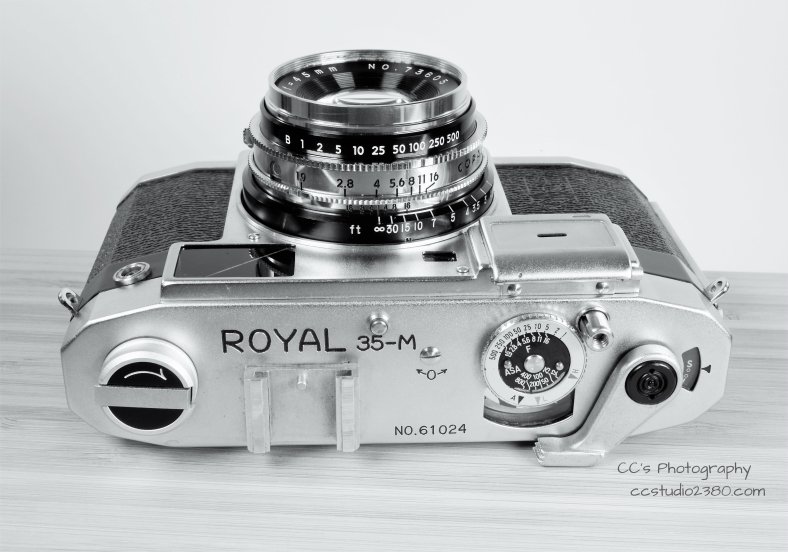
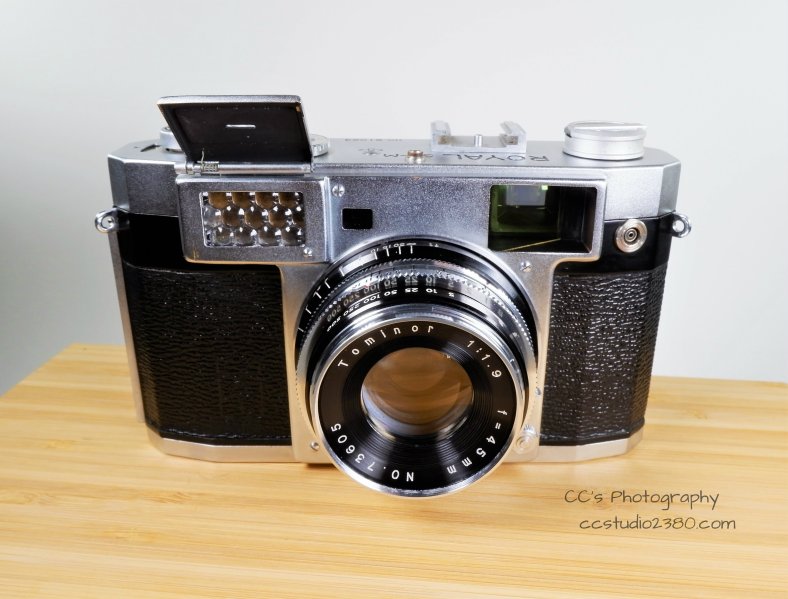
Here’s our “rare” Royal 35-M from around 1958.

royal 35m logo

It’s a handsome camera and it has the feel of a very well constructed machine. The fit and finish are excellent. This model comes with a fixed 45mm lens made by Tomioka Optical and carries the Tominor name. It’s a fast lens at f1.9.

royal 35m logo2

It would appear that by serial number this camera is from about the middle of the production run. Royal looks like it used a simple sequential numbering system with no “hidden” date codes.

royal with flap

The light meter “exposed” – normally the flap would be closed but it can still be used with the flap down under bright conditions. The meter in this camera is no longer operating which is typical of a 60-year-old camera.

tomioka lens pair

A pair of Tomioka lens equipped old birds from the 1950s

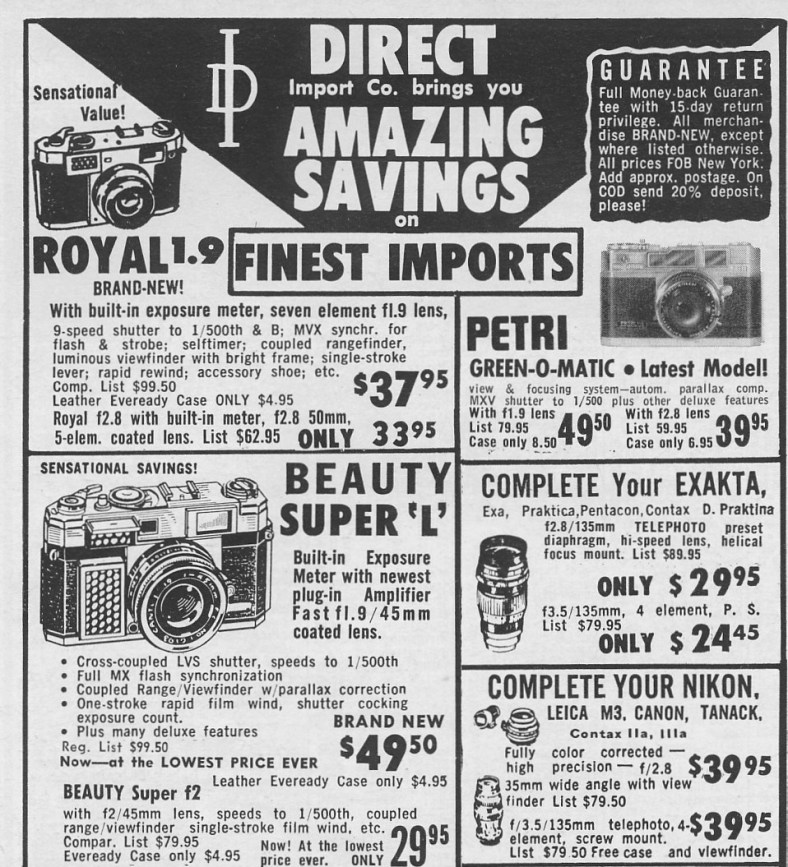
Advertisement for the Royal 35-M in Modern Photography magazine from February 1960. The f1.9 lens is claimed to have a seven element lens whereas the f2.8 is a five element lens. There isn’t a ton of info out there on these cameras so these little bits of data here and there are helpful.

IMG_20180719_0001

Modern Photography ad from February 1960

Thanks for stopping by! Be sure to visit our “gift shop” at http://www.ccstudio2380.com

Chris

Spies Like Us – Q would approve

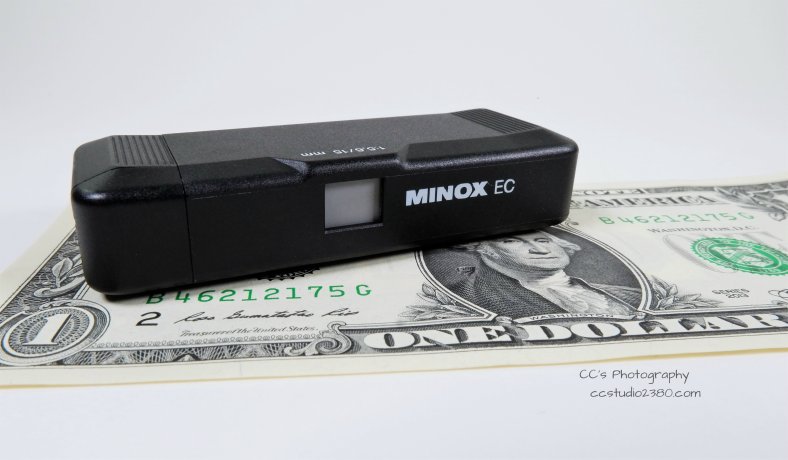
The Minox EC – at the time in the early 1980s it was the smallest subminiature camera made.

minox spy

The ultimate subminiature. The Minox EC from 1981

minox logo

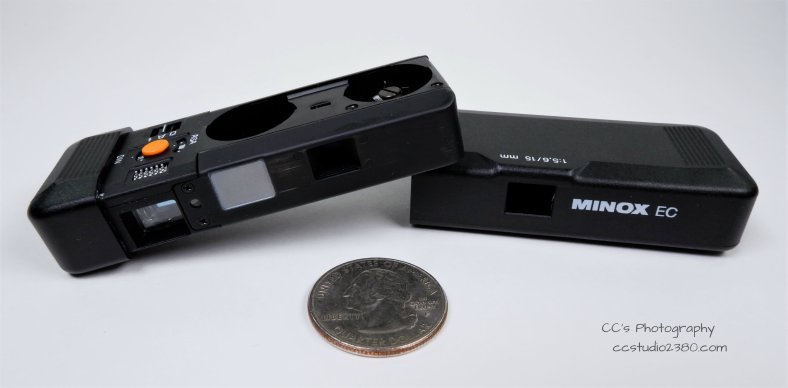
Fully opened – the film cartridge loads from the top. We’re talking small here.

DSCF7570

Complete “Spy” kit – includes an exposed film cartridge – who knows what secrets lie within.

For more about this really cool “spy” camera stop by here.

To purchase this camera take a stroll to our online store at http://www.ccstudio2380.com

Thanks

Chris

Nikon’s Little Gem – the EM

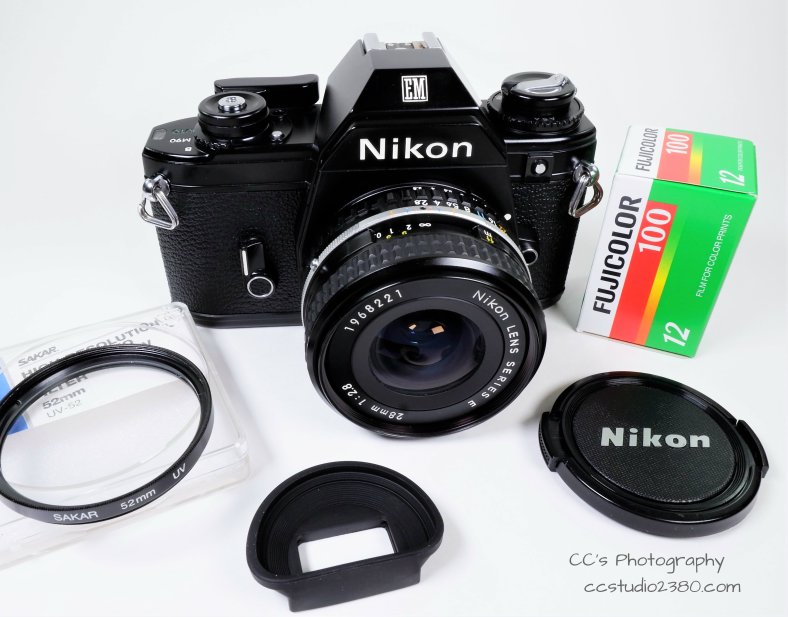
It doesn’t get any simpler than this – Nikon’s little gem, the Nikon EM. This one is mated with a sweet Series E 28mm f2.8 wide angle lens. If you like compact easy to use 35mm SLRs then you’ll love this guy!

nikon em logo

This lovely set is available directly from our online store at http://www.ccstudio2380.com for a very reasonable price. It’s a one owner camera that’s been gently used over the years. I’ve inspected it, tested it (fresh batteries included), and lightly cleaned it. Oh, and the old sticky foam light seals have been removed. You get to install new ones – easy to do and readily available.

***SOLD! One hour after listing it! Thank you!

nikon em 2 logo

Per the Nikon EM owner’s booklet, here’s a list of the Nikon and Nikkor lenses that will work with the EM. Chances are you already own one or more of these lenses. I’ve included the Series E 28mm f2.8 with this camera (notice that it’s not on the list) as it came out shortly after the EM was released.

nikon lenses

Of course, opinions are all over the map concerning this camera from not worth it to love it. Die-hard Nikonites hated it when it came out (1979-1982) but some people loved it because they finally had an affordable platform for their Nikkor lenses. The EM is an aperture priority camera – you pick the f-stop and the camera picks the shutter speed. I know, some people hate that but if you use 400 films in daylight seldom will you run into problems.

Streetfighter! Do you like street photography? Throw in some Neopan Acros, set the wide angle lens on infinity and select f8 or f11 and snap away! It’s small, lightweight, black, and quiet – perfect for the streets!

Well, there you have it – a neat little Nikon that won’t break the bank. You’ll get everything pictured so there’s lots of little bonus goodies included. Pop on over to http://www.ccstudio2380.com and give it a spin. You may see something else to your liking.

Thank you!

Chris

A Surprising Find Under All That Dirt – A Hidden Gem Emerges

Recently a client of mine asked me to help him sell some of his vintage cameras from his collection. It’s not a collection in the true sense of the word, more of a gathering of cameras he had acquired over the years. Bob had become interested in photography as a kid in New York in the 1940s and ’50s but lacked the resources to buy cameras until he graduated from law school in the late 1960s.

His first purchase was a good one – a brand new Leica M4 in black lacquer (only 800 or so made in black that year) with a gorgeous Leitz-Leica Summicron 35mm f2 wide angle lens. Both were purchased together in 1969. I was able to arrange a sale of that set within two days of posting it.

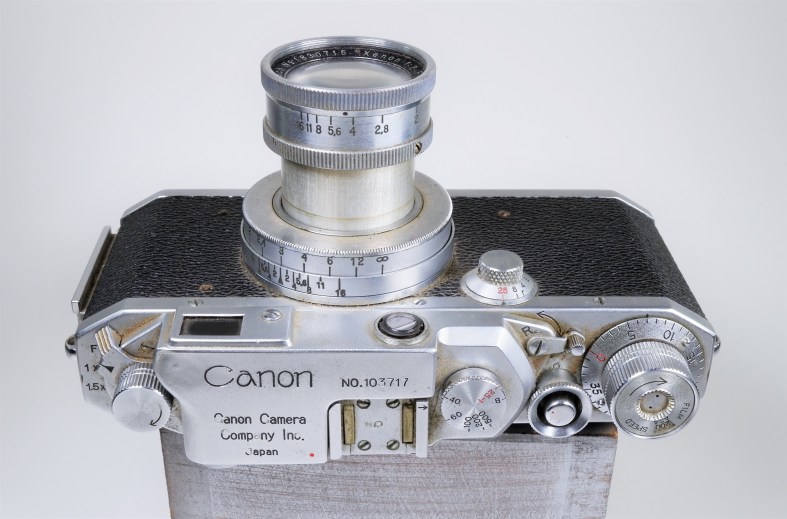
The next camera that Bob showed me I wasn’t impressed with at all – a Canon II 35mm rangefinder with a terrible looking lens that looked like Fred Flintstone may have owned it at one time.

The Canon before its “refreshing” ⇓
DSCF7506

The Canon II from around 1954 with its odd little lens. Dirty little thing.

I was familiar with the Canon – one of the dozens of Leica “copies” or “clones” of the venerable Leica III that were made in Japan in the late 1940s and ’50s – the lens, well not so much. I knew that Leica made collapsible Leitz lenses that were extremely popular due to their outstanding quality and compact size, but I was unaware that other companies did so too. One such company was Schneider-Kreuznach of Germany.
DSCF7509

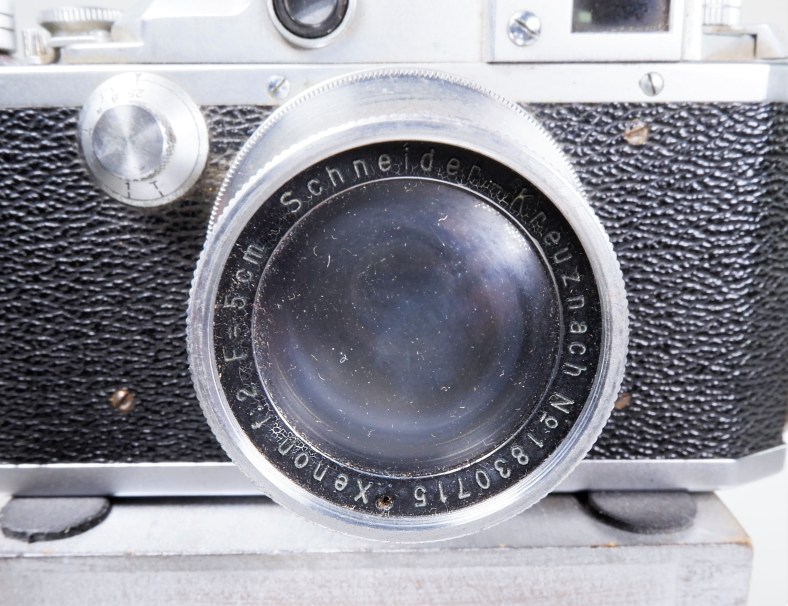
The diamond in the rough.

The Schneider-Kreuzbach Xenon f2 5cm lens (pictured above) was produced for Leitz during World War II. By serial number (1830715) the lens was produced around 1942 to 1943. Schneider Optics has this incredible list of all of its serial numbers – check it out here.

Here’s my write-up from my Etsy shop (www.ccstudio2380.com) listing.

Rare Schneider-Kreuznach Xenon f2 5cm
Collapsible Leica LTM Screw Mount Lens
– Vintage Germany 1942 – Wartime Lens! Limited Production!
– Excellent Functionality!

This is an extremely hard to find Leica screw mount lens made
by the world-renowned German optical company
Schneider-Kreuznach (Schneider Optics).

The lens is in beautiful vintage condition with a lovely
patina on the chrome metal lens barrel. I have inspected
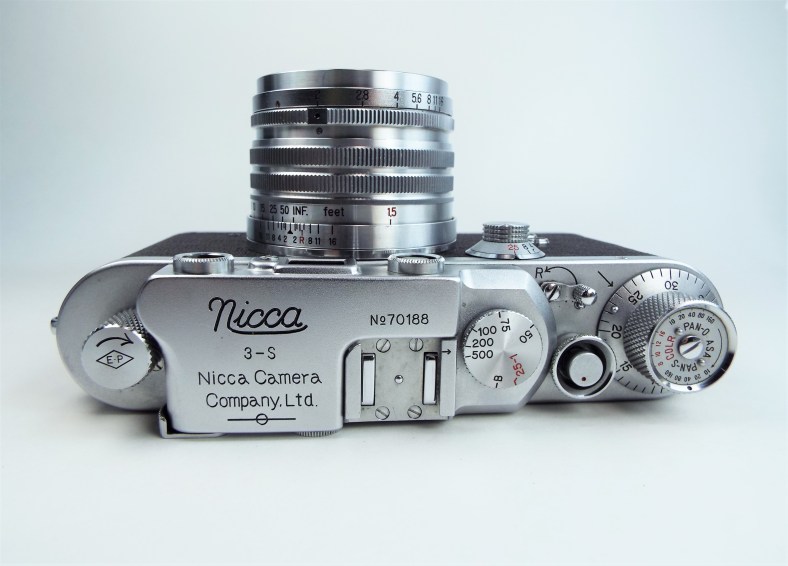
and tested this lens on my Nicca rangefinder and it works
perfectly.

History has it that the Leitz factory could not meet the demands 
made on it by the German government during the height
of World War II and so the Schneider Optical Company
took on the task of building these lenses for Leica-Leitz. They
were made in very limited numbers.

If you can imagine how hard it is to find this lens in the present day
after all these years having survived the war and its aftermath.

This lens made it to a large camera dealer in New York City from the
original owner and was purchased by my client in 1969.

The lens is in perfect function – the aperture blades are clean (a bit worn)
and complete, the focus is smooth and was tested on my Nicca.
The rangefinder focused accurately. The mount (L39) is excellent and
the lens mounts securely to the camera body. The collapsible portion
is smooth and the lens locks in place. The aperture ring is also smooth and
without binding.

The glass elements (I think only the front elements) have a slight fog/haze
but not so much as to diminish the view. There are spots inside the
lens – they look more like dirt and dust spots but they could be
mold. With a bright light, I do not see any fungus filaments however.

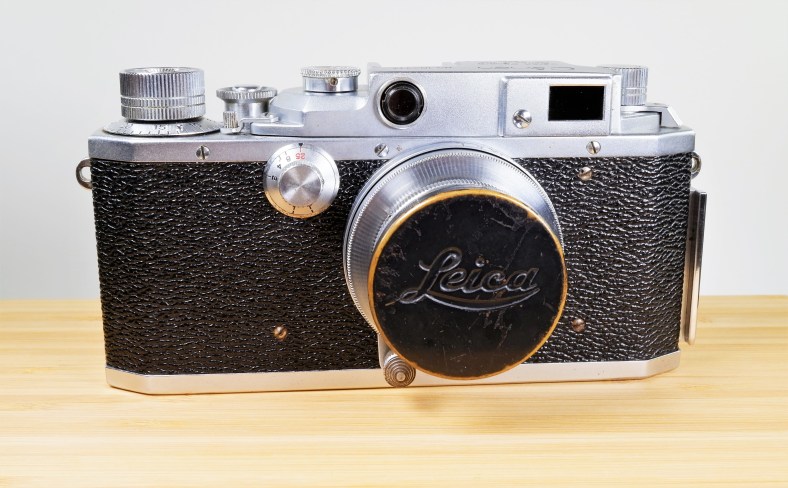
The lens is rather rare and apparently very collectible and valuable ($900 to $1500). Who knew? The fact that it was made during WWII in Germany only adds extra interest to its rariety. The Leica lens cap is from the mid 1930s and as the story goes it has been on the lens since new. It would make sense that the Leitz factory supplied these to Schneider Optics to affix to their lenses.
DSCF7590

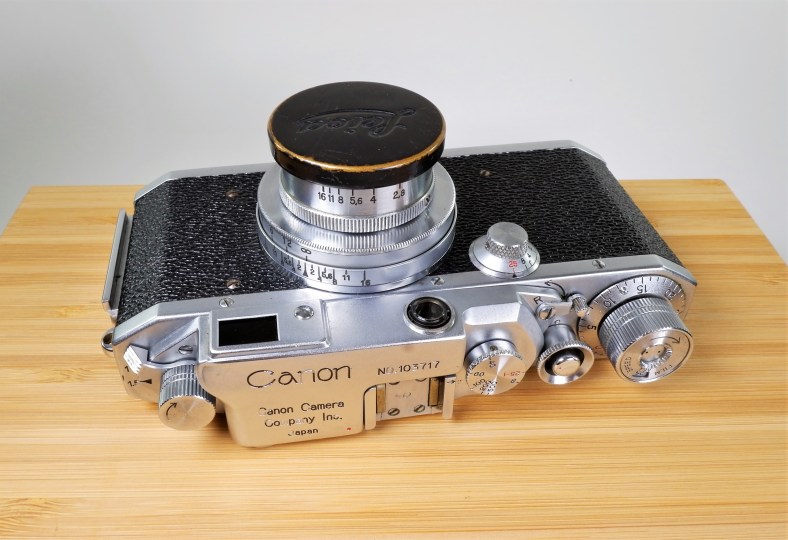
The Canon all cleaned up and ready to go – the lens is shown in its collapsed position.
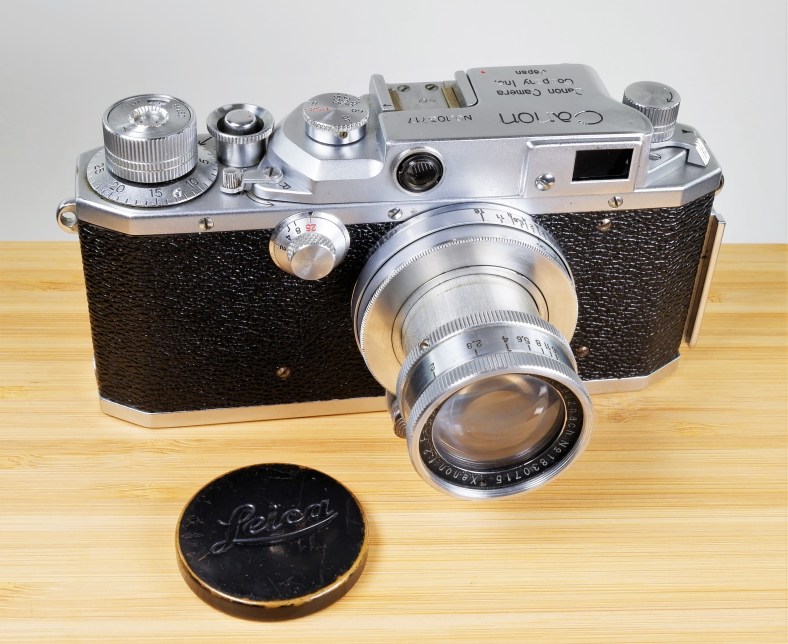
DSCF7586

Looking much better after its bath – the cap is extra special too as it is from a very early design. By the way, the cap is padded inside with red felt.
DSCF7587

As a set it makes for a very interesting camera. Canon, Schneider, and Leitz coming together.
schneider lenses 1

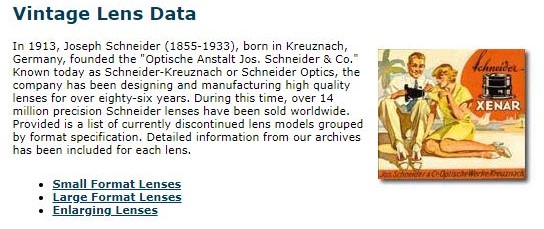
For more about Schneider Optics stop by their website.

Thanks for stopping by! If you find vintage Schneider lenses from the 1940s certainly give them a closer look. The popular Kodak Retina line of 35mm SLR cameras used Schneider lenses and some of those are quite valuable too.

Chris