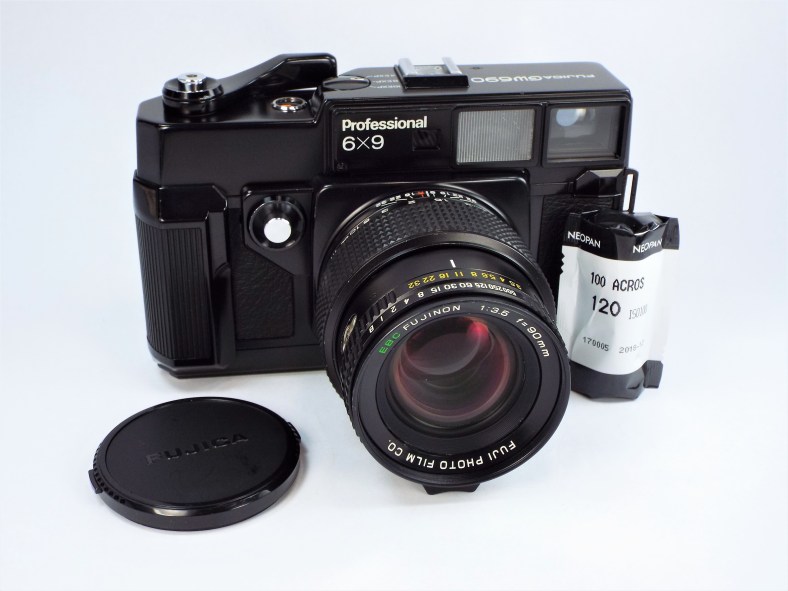
First Pics! Fujica GW690

dscf3353

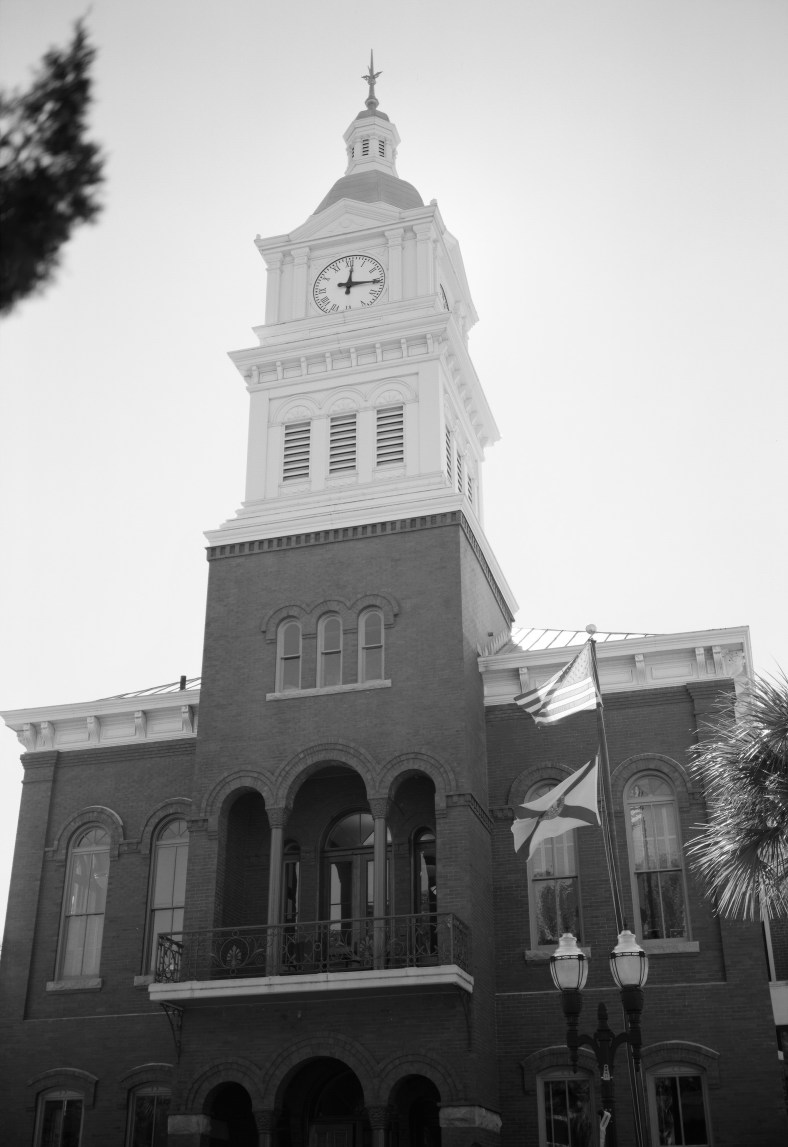
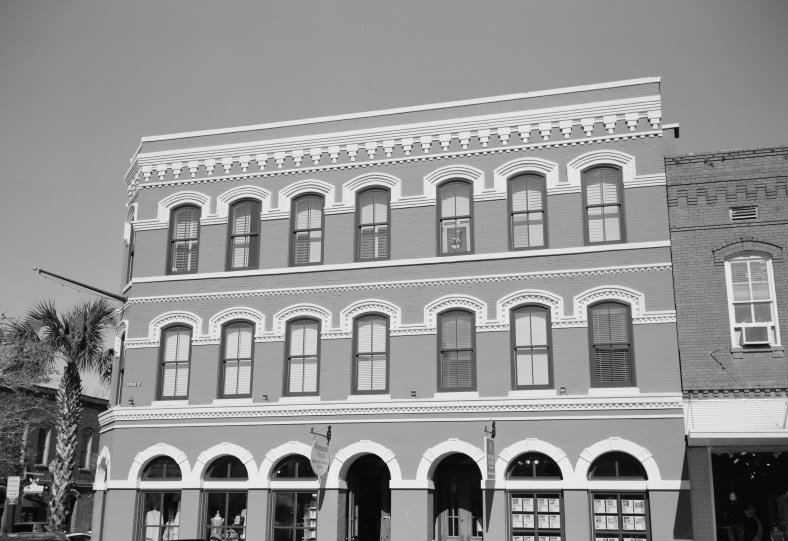
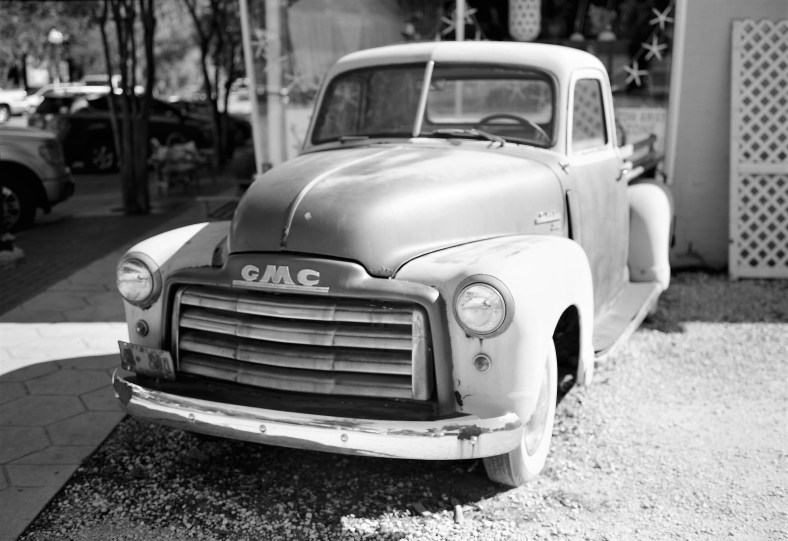
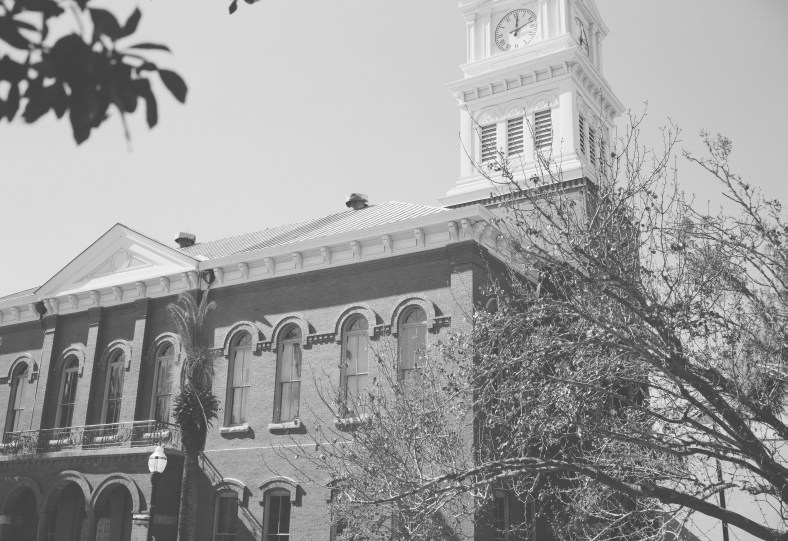
We just got our first roll of film from our new Fujica processed with ‘The Darkroom’. They scanned the 6×9 negatives and zipped them to us. We couldn’t be any more pleased with the results.

As a refresher – this is the 1978 version of Fuji Photo Film’s GW690 medium format film camera. It is the last model to to be called ‘Fujica’. It looks great in this image and it is in very nice condition, but well worn from the thousands of rolls and exposures taken. It will settle in to a more quiet life with us as we can’t afford to buy and have processed 120 film and only get 8 exposures per roll. But we are super happy with it. Super sharp Fujinon 90mm lens transfers the image nicely to the 6×9 negative.

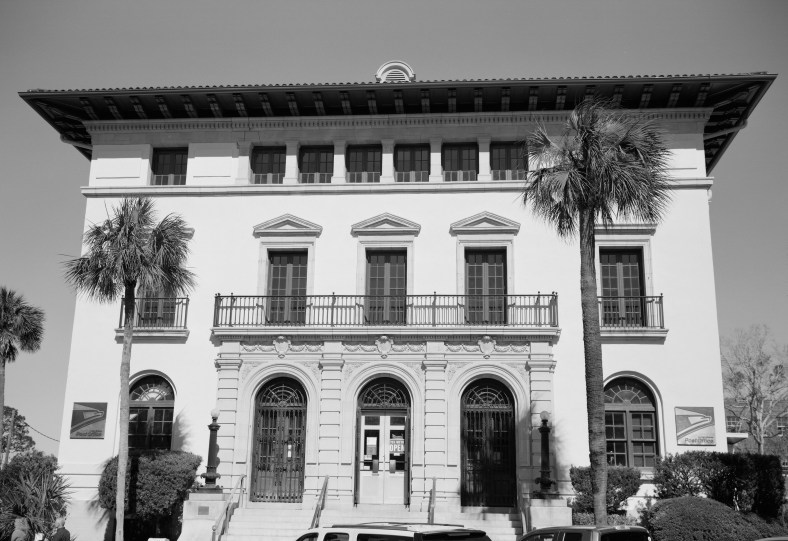
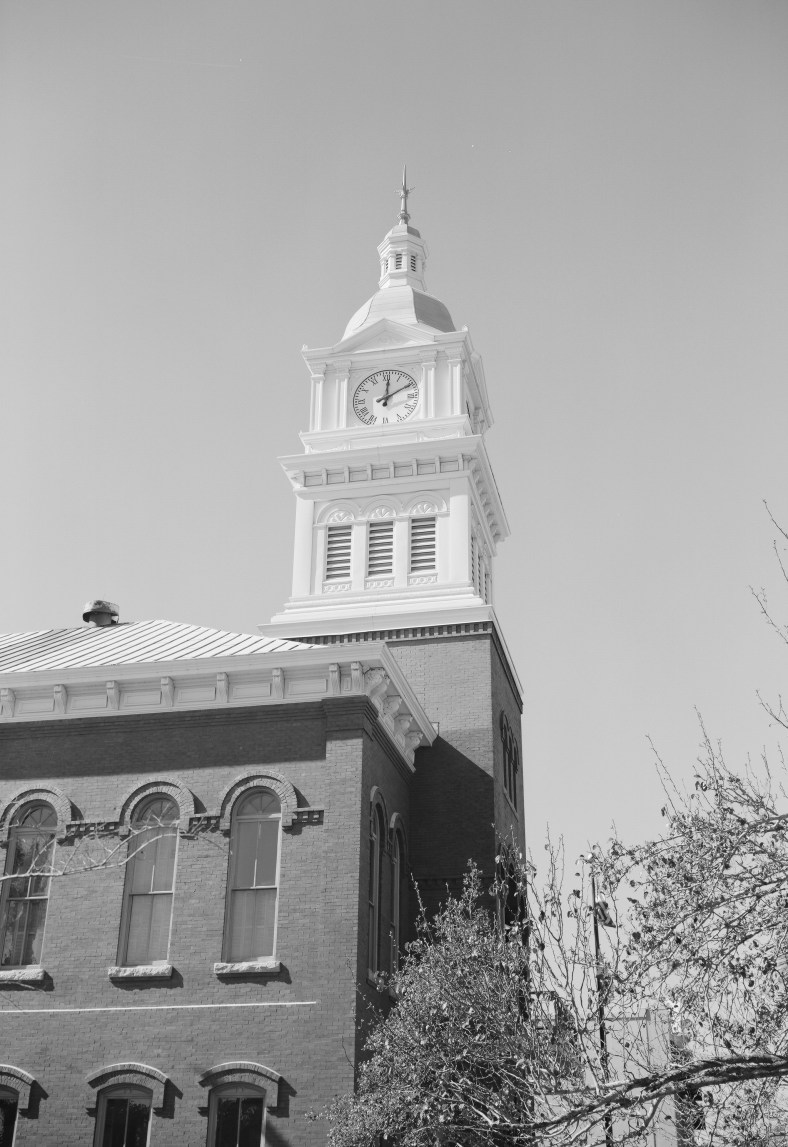
By the way… all of the images presented are direct scans from the negatives. No post production on our part – no crops or other messing with the images. Some I missed the correct exposure by a stop or two with my guesses. I was mostly shooting at 1/250 with 100 film at around f8 to f11. Neopan Acros is very forgiving.
30510006

30510002

30510004

30510007

30510001

30510003

As you can see, we’ve presented 6 exposures vice 8… 1 other was a duplicate and exposure 8 wasn’t on the roll! I think I may have wound past the first frame. We believe the level of detail and contrast of the Fujinon lens is superb. Did we mention that we’re big fans of Fuji’s Acros? We also love the 6×9 format too. I would say that I was surprised at the shallow depth-of-field in the truck image – I focused on the ‘GMC’ logo and as you may be able to see, I missed spot on focus.

All of the images were taken along Centre Street, downtown historic district, Fernandina Beach – Amelia Island, Florida. The post office building is ca. 1911. The clock tower is ca. 1891. The ‘Pineapple Patch’ building is ca. 1880s. You get the point – for the U.S. it’s kinda old – for most of the rest of the world they’re kinda new. It’s all relative. ^.^

Thanks for your visit!

Chris and Carol

Studio Fun

16201787945_47e6552b2d_o

Our first subjects in our studio (more than a few years ago)… some of our children’s toys – actually their favorites! Tim’s was Ash and Pikachu and Lindsay’s was Sailor Jupiter.

19098313065_4511512396_o

Digital pop! HDR x 10

19129115332_c0dd6a7554_o

25167894706_1eca7c4c0d_o

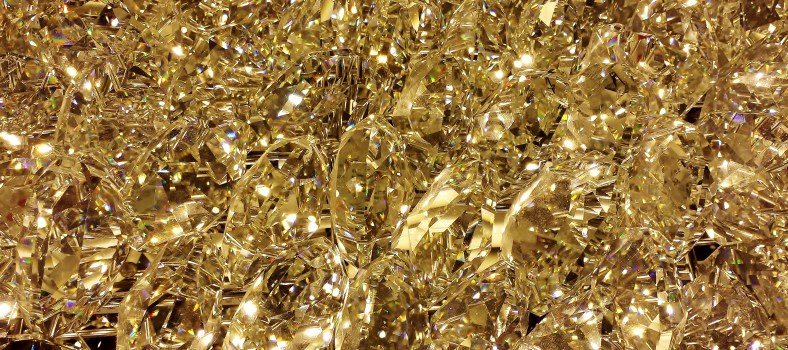
Crystals…

We didn’t have room for a proper studio – portraits of people and pets, but a nice corner in our sun room became our tabletop studio and playground. Mostly product pics and of course the endless stream of camera pics.

25130163581_70e32ef502_o

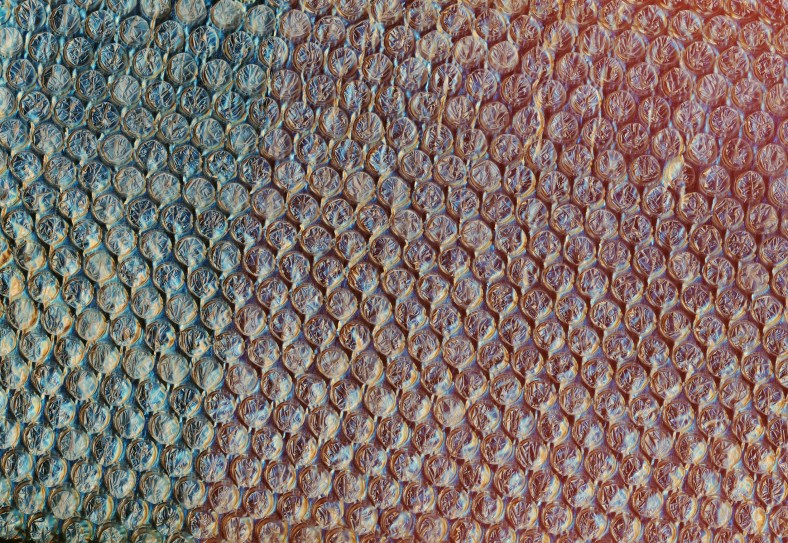
Bubbles into the light…

25172611601_d7282e2a09_o

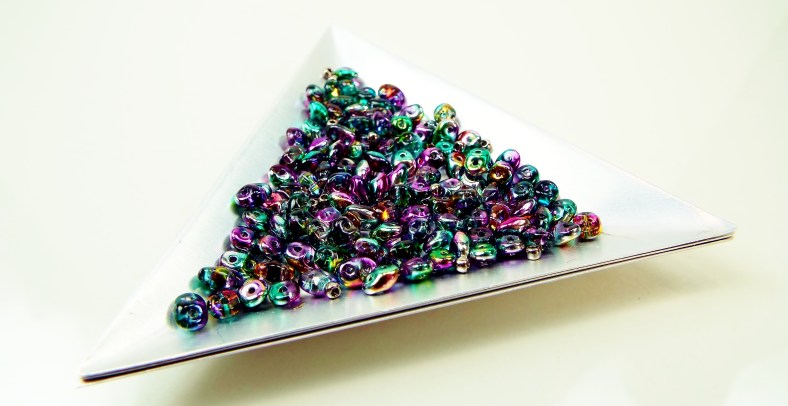
Carol’s beads…

25141666272_d4216b67ef_o

More bubbles…

23902504384_60e724c9f5_o

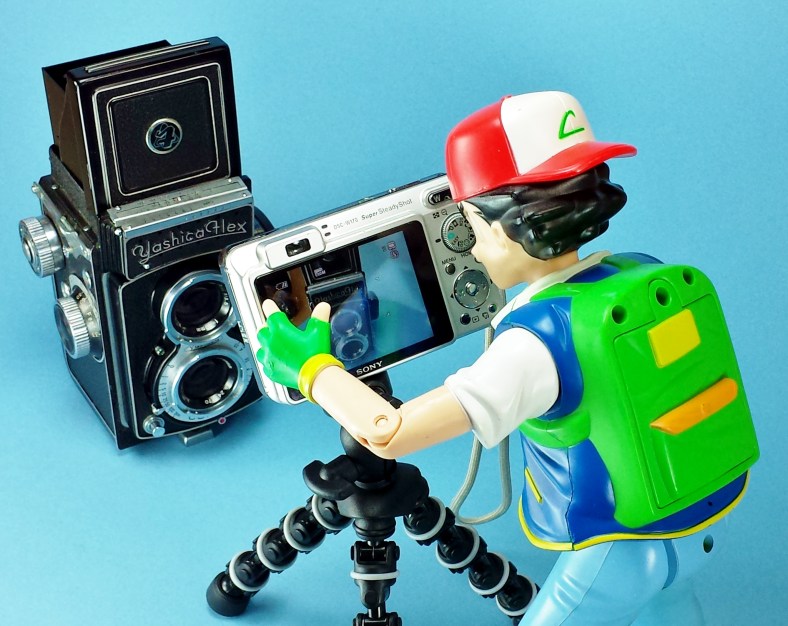
Ash takes over the studio…

24092339672_00dd1c2548_o

Through the camera shop window… Tokyo Olympics 1964

25262272564_d4dcebb6c5_o

The Dark Knight… 1954 Yashima Flex

25508007790_b861f958e6_o

Industrial art…

29848224361_6d3bbdcc9e_o

My old phone…

16531286667_3d311515e1_o

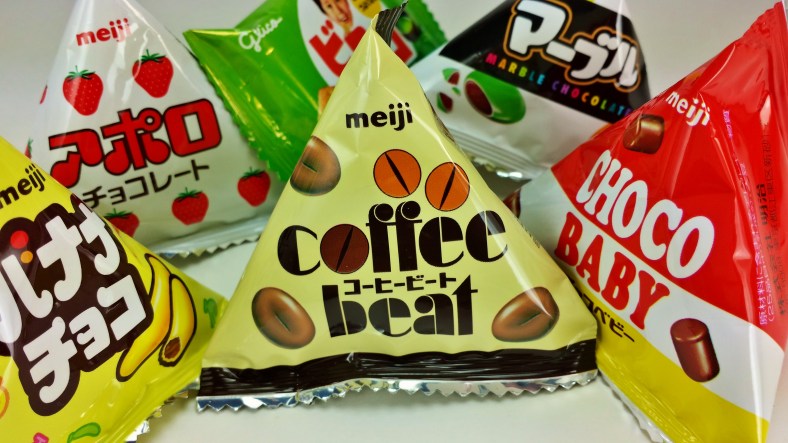
Yummy treats from Japan.

Not much really. Simple everyday items that struck our fancy. Nothing taken at 24MP – Sony Cybershot, Fujifilm FinePix and of course the trusty Samsung Galaxy S4.

Thanks for the visit!

Chris and Carol ^.^

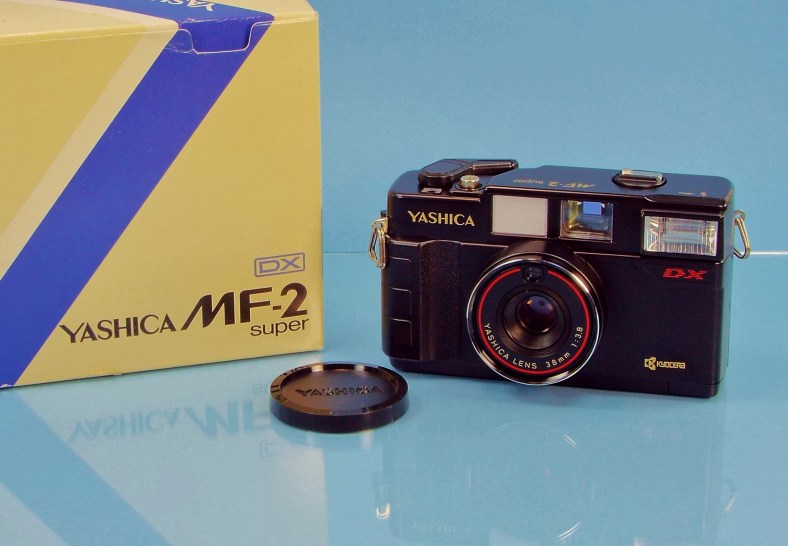
Yashica MF-2 Super… 1986

We don’t often collect modern Yashica cameras – especially during Yashica’s last days after Kyocera (Kill-a-Yashica) took over.

This one was sent to us by a Flickr friend and as you can see, it’s new in the original box. The MF-2 Super is a DX camera which sensed the DX code on the 35mm film canister and set the appropriate ASA / ISO / DIN.

25965272473_a80d24519c_o

Yashica MF-2 Super 35mm film camera set from 1986.

26295606350_65700d54b4_o

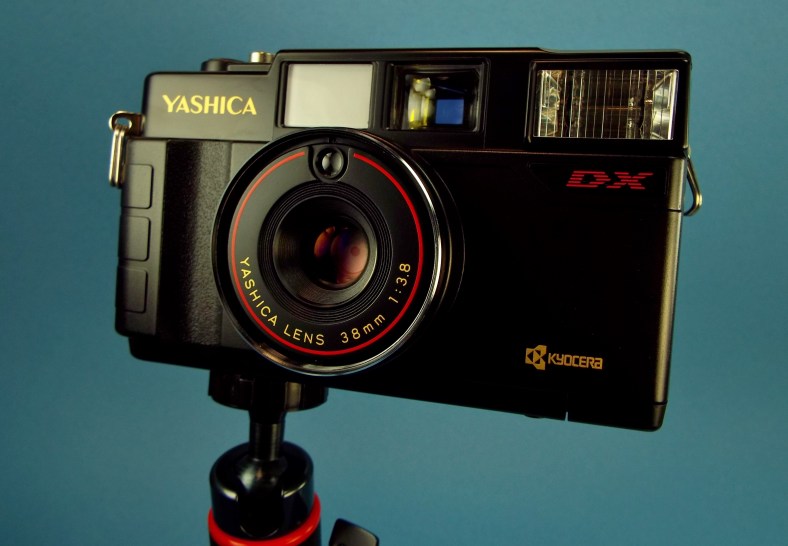
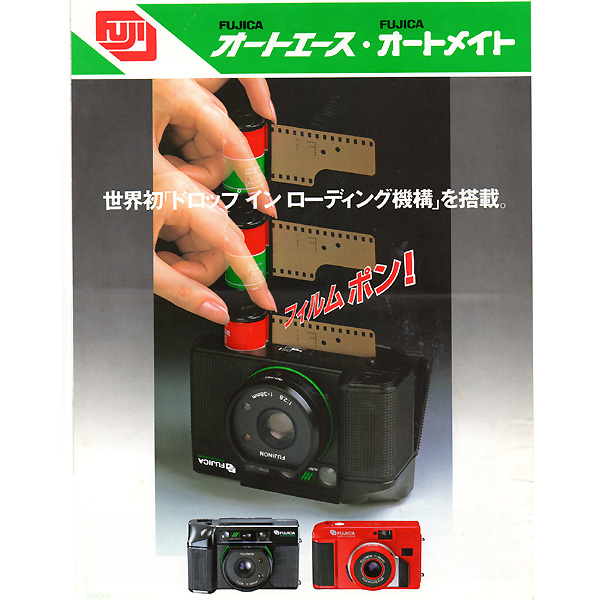
We haven’t found the time to load a roll of film and check out this little beauty… soon we hope. We like the black, red and gold details on the body and lens and the auto everything (almost) features. As a comparison, we also have the Fujica DL-20 as pictured below in the sales brochure.

%e2%97%8f%e3%83%81%e3%83%a9%e3%82%b7

DL-20 in black and red.

The DL-20 is a mid-1990s camera from Fujica. We have the red body model and it would be fun to take the two (Yashica MF-2 Super and the Fujica) out for a side by side photo shoot. Sounds like we’re going to be busy in 2018 shooting a bit more film.

Thanks for your visit!

Chris & Carol

Yashica’s Little Gems

006

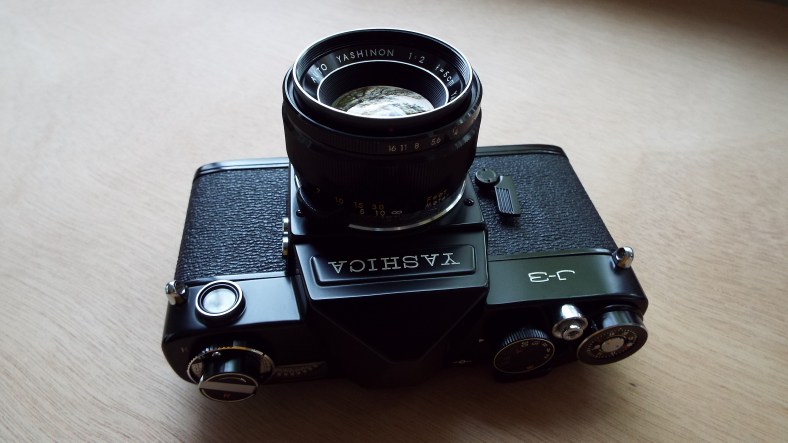
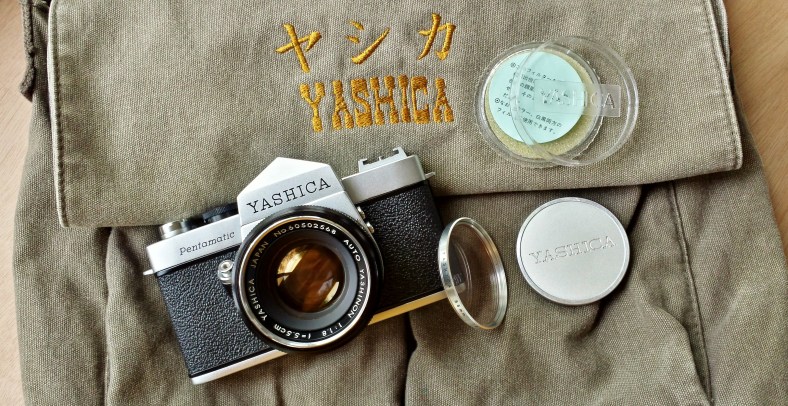
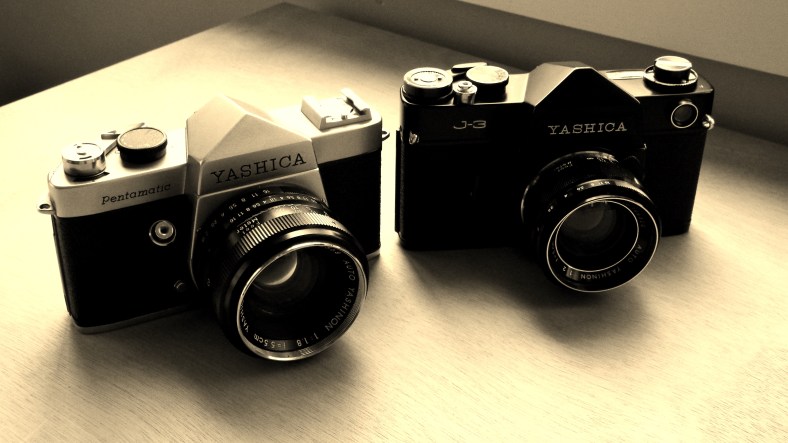
Pentamatic’35’ and J-3.

They couldn’t be more different – the Yashica Pentamatic was Yashica’s first 35mm single-lens reflex (SLR) camera and the J-3 was Yashica’s first SLR with a built-in exposure meter. In this example, the black J-3 was Yashica’s first SLR in what we call ‘Pro-Black’ finish – all black body with matching black lens.

009

Lovely little gem from Yashica – the J-3 in Pro-Black. Made in limited quantities and came with the matching black Auto Yashinon lens.

20160326_164016_richtonehdr

The Pentamatic’s clean simple lines makes it one of the most attractive cameras of the early 1960s in our opinion.

As was the case during the early 1960s, both cameras would be quickly replaced with upgraded models with more advanced features and a wider array of available lenses. Not all of these changes were for the better… in the case of the Pentamatic, the model II and the model S, the changes did little to attract more buyers as their upgrades were too few and too late.

In the case of the J-3, it was the building block to Yashica’s success throught the mid 1960s and beyond. The ‘J’ series of SLRs, which included the J-5, J-4 and finally the J-7, were respected cameras with excellent optics at a great price which sold in the ten’s of thousands. Quantity meant that Yashica could afford to advance its technology and deliver some groundbreaking SLRs by 1968 and beyond.

As always, thanks for your visit and your comments are appreciated. To see more about Yashica, stop by our flickr page at https://www.flickr.com/photos/127540935@N08/


Chris and Carol Photography

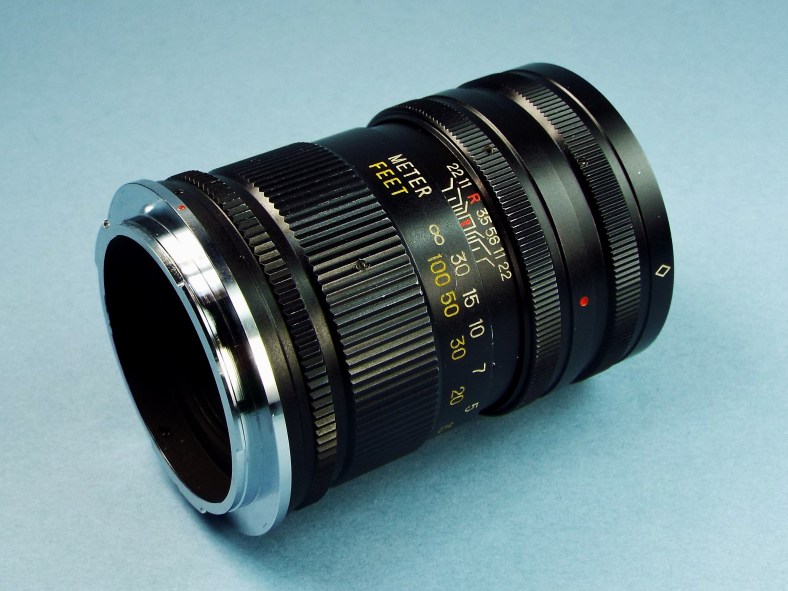
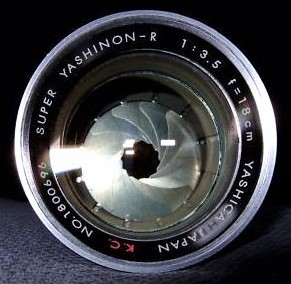
Yashica Super Yashinon-R f/3.5 13.5cm Telephoto Lens

Nice little addition to our Pentamatic family of lenses. Purchased in Japan and was with an early model Pentamatic’35’ set in “well used” but stable working condition. It came with the original Yashica brown leather case, unbranded plastic rear lens cap, Yashica front metal 52mm push-on lens cap, unbranded lens hood, and a very nice looking Walz chrome metal and glass Skylight C. (cloudy) 52mm filter.

dscf2868

Pentamatic bayonet mount 13.5cm short telephoto lens… f/3.5 with rather low serial number. Early Yashica lenses were often given a serial number that starts with the focal length of the lens. In this example, ‘135 0722’ shows it to be a 135mm lens with a sequential production number of 722. Best guess is that this lens was made in early to mid-1960. We have another Super Yashinon-R 13.5cm lens with a serial number of ‘135 0927’.

The above image shows the lens partially disassembled for cleaning and inspection. No fungus or mold, but I’ve found some funky streaks on the face of the first removable lens element (large lens element to the right).

dscf2872

The chrome nose removed.

dscf2873

The main lens group removed. If you look closely, you may see the funky streaks across the face of the lens.

dscf2876-2

Aperture blades set at f/ 22. No oil and no problems (looking into the lens barrel from the front of the lens). Note the 12 aperture blades.

super yashinon p mount 25cm

Here is a similar lens with the 12 blades that was for sale recently. The seller identified the lens as having been made by Kyoei Optical Co., Ltd.  using the brand name “Acall” Kyoei was also abbreviated as “KOC” which may be the reason for the red “K.C.”

New info as of Feb 5, 2020 – At first, I guessed that my lens was made by Tomioka Optical as they were responsible for most of Yashica’s lenses. A reader has pointed out the similarities between my lens and the design of the Acall lenses with both  Pentamatic and M42 mounts. I must say that I agree with them upon further review. Thank you for your input!

dscf2877

Partially assembled body. Nice clear markings and solid-looking bayonet mount.

These first Pentamatic lenses were pre-set and not automatic and were the kings of the heavyweight division. Lots of metal and glass here! When properly stored they were not prone to fungus… but almost all classic lenses will have some sort of mold, dust or fungal issues when left in the dark and in their leather cases.

Thanks for the visit!

Chris and Carol

You’re invited to visit our online store at https://www.ccstudio2380.com for some great vintage and collectible cameras, lenses, and accessories.

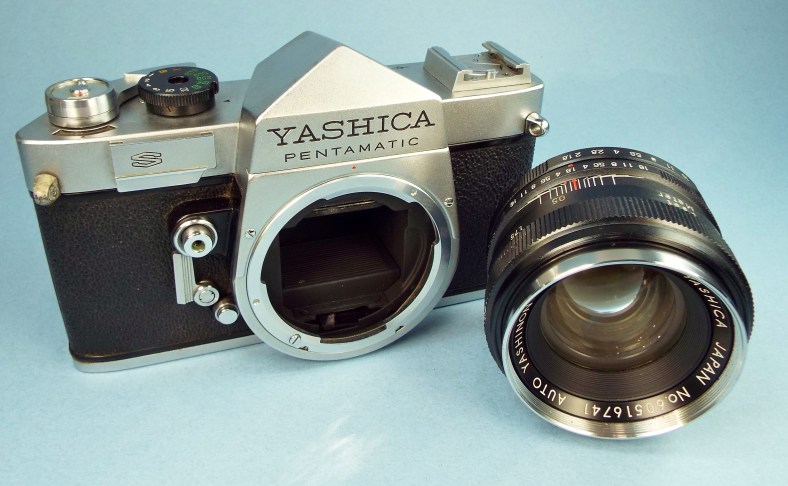
Pentamatic S – 1961 to 1962

The Pentamatic S… the last true Pentamatic in the short lived series of SLRs from Yashica. The Pentamatic II is the hardest to find from a collector’s standpoint as they were only available for sale in Japan with the S close behind.

dscf2832

The Pentamatic S. The last camera in the short lived Pentamatic series.

dscf2837

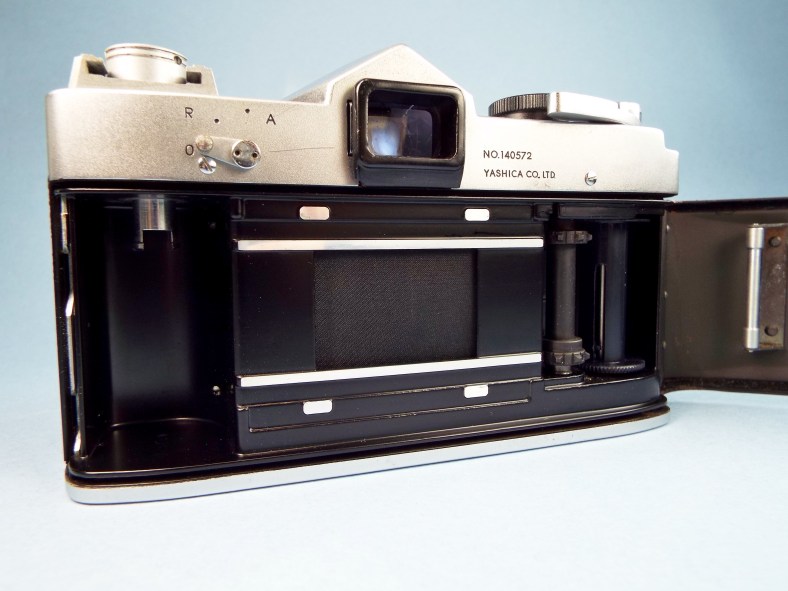
Pentamatic cameras tend to have very well designed film paths and film chambers. We rarely find corrosion and the chambers are large and easy to keep clean. The Nicca inspired cloth focal-plane shutter in this example is super clean and shows no white mold spots.

The Pentamatic S pictured above, the serial number is NO. 140572. Our other S is NO. 140294. These numbers decode to… 1=1961, 4=April, and the last four digits equal the sequential production numbers. The S models were not produced in great numbers so it is possible that both of these cameras were made during the same month as they are within 300 units of one another. Another serial number in our database is… NO. 141796 which suggests that it was the 1,796 th unit made in April of 1961. Interestingly the serial number of the model S in Yashica’s instruction booklet is NO. 140893. It is odd that the camera in the booklet has a higher production number than two cameras we own.

dscf2838

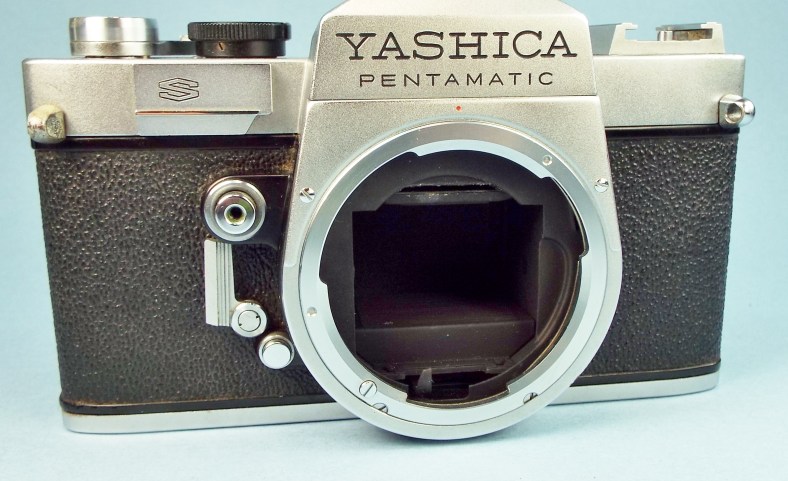
The only difference between the S and the original Pentamatic ’35’ is the notch in the shutter speed dial on the S. It is used to couple the clip-on exposure meter to the dial.

dscf2839

The biggest changes in the S from the original… the shutter release button is no longer at a 45 degree angle but its position on the body is the same. The S adds a self-timer and the light meter (exposure meter) lug on the face just below the shutter speed dial.

dscf2840

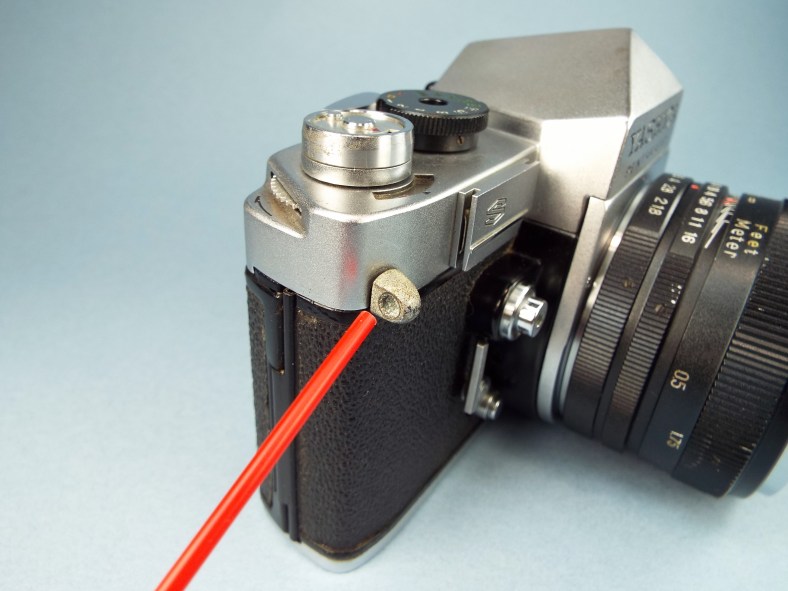
The lug for the neck strap has been relocated to the front from its previous position (on the side). It’s interesting to note that this lug is super corroded while the lug on the other side is not.

dscf2835

As we mentioned in the previous post on our blog, the Pentamatic series of cameras are prone to mirror lock-up. This S is currently in the locked-up position and has resisted my attempts at freeing it. It had been working at the higher shutter speeds (1/125 and higher) but now it sticks at all speeds. Ugh!

In summary… the Pentamatic S is a very worthy camera and is built like a tank. The S went back to using the Auto Yashinon f/1.8 5.5cm lens which was the standard lens on the original Pentamatic ’35’. The Tomioka Optical built lens is sharp and smooth. The S allows for the attachment of a separate exposure meter on the front lug (where the “S” is) and can couple with the shutter speed dial. Still a long way from TTL metering but at least headed that way.

Thanks for your visit!

Chris and Carol

Please visit our online store at https://www.ccstudio2380.com for a nice selection of classic film cameras and vintage photo accessories.

Fujifilm Instax Wide 300 Review

I wish Yashica was still around… the ‘real’ Yashica from Japan not H.K.

But they’re not so what’s a Yashica freak to do if you want to review new gear and new film formats? Well you turn to my go to camera makers (for the record; Yashica, Canon, Fujifilm)… Fuji Photo Company as they used to be known. Now just Fujifilm. I do appreciate the Fujica line of cameras and would love to own a Fujicaflex and a Fujicarex! But I wander as I often do.

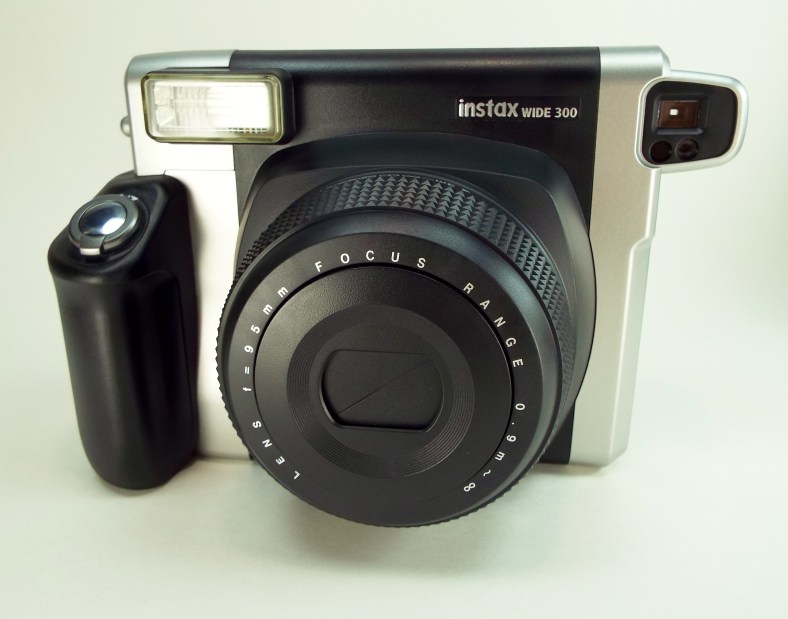
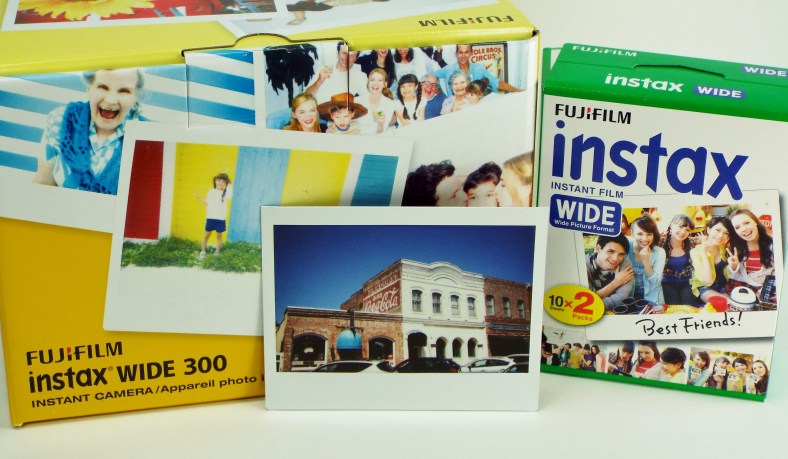
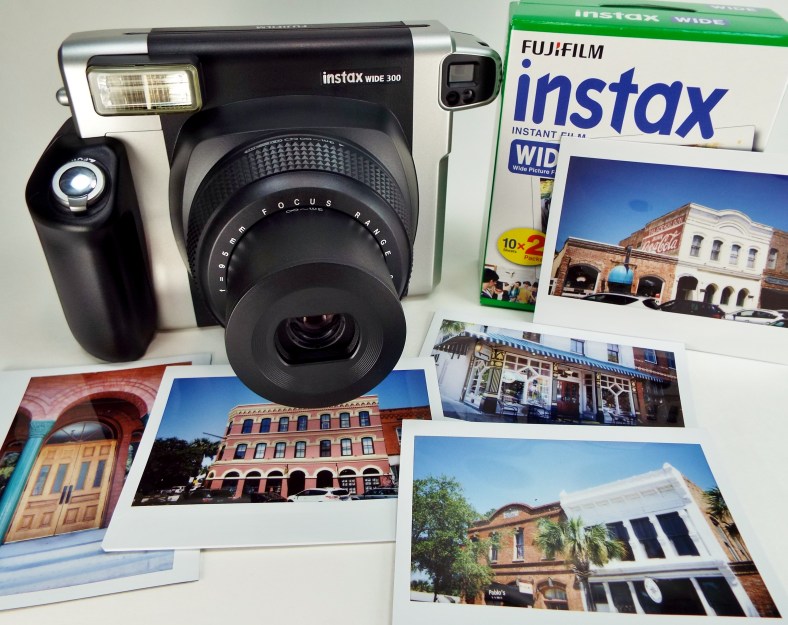
I’ve had my eye on the line of Instax film cameras from Fujifilm ever since they introduced the Instax film (I might have been a little behind the times here). Anyway, since I’ve almost always have had an instant film camera… Polaroids and the Kodak EK4, I decided to splurge and get the Fujifilm Instax Wide 300. Why? The format. I like wide shots and the Wide 300 gives a nearly 62 x 99mm image in bright color.

dscf2118

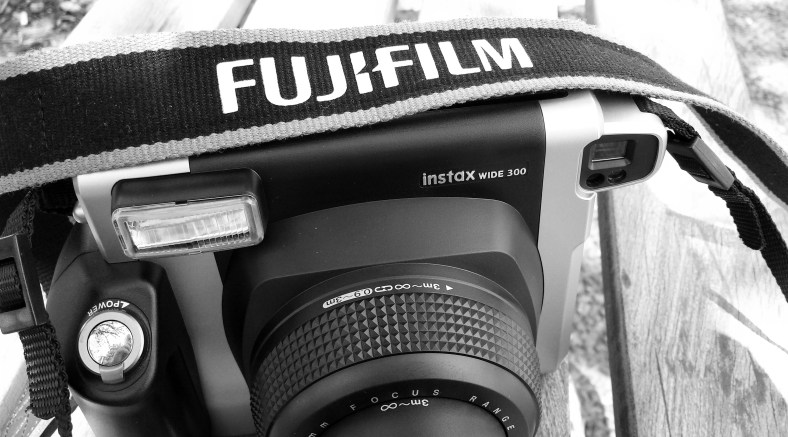
The Instax Wide 300… a simple camera… clean lines and has a nice feel to it.

Plenty of places to get a good grip on this camera… the large handle on the camera’s right side is just the right size (for me) to get a grip. With the camera in off, the built in lens shield slides into place. The shutter release button is in a good spot… my only complaint is that it lacks feedback when you push it. Only the actual sound of the shutter firing inside (if you can hear it) lets you know it’s tripped. Of course the picture does pop out immediately on top with the typical motor noise of an instant camera which confirms the shutter was fired. Minor detail.

dscf2120

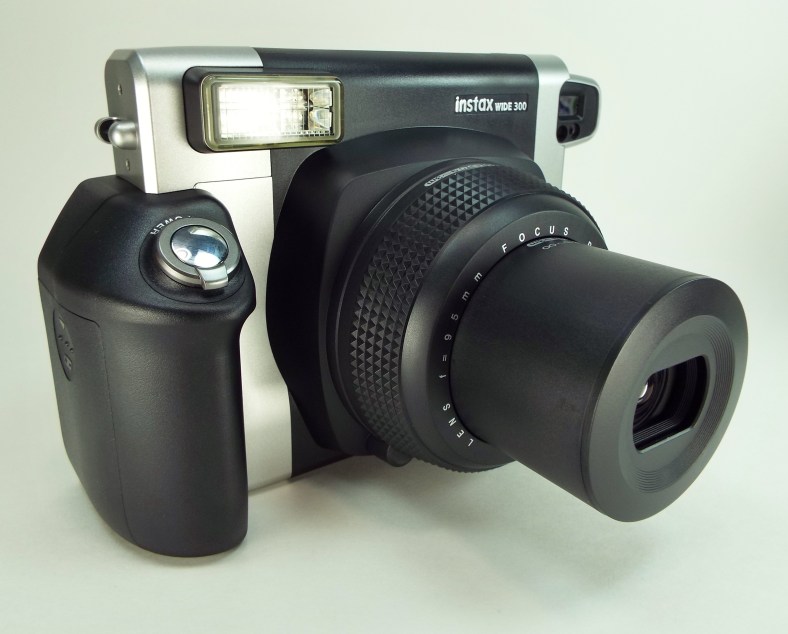
Lens extended in its fully open position (close-up photography).

dscf2121

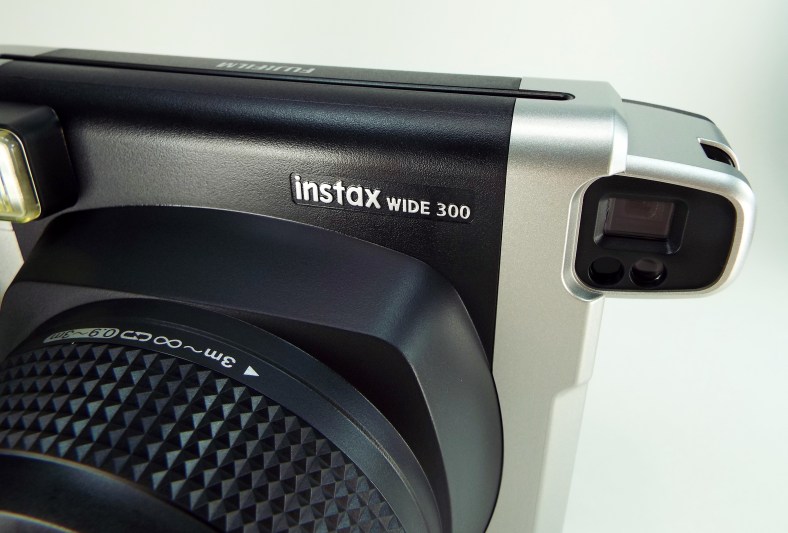
Once you get the feel of where the viewfinder is in relationship to your right eye it’s actually very bright and gives a good view of the actual lens image.

dscf2122

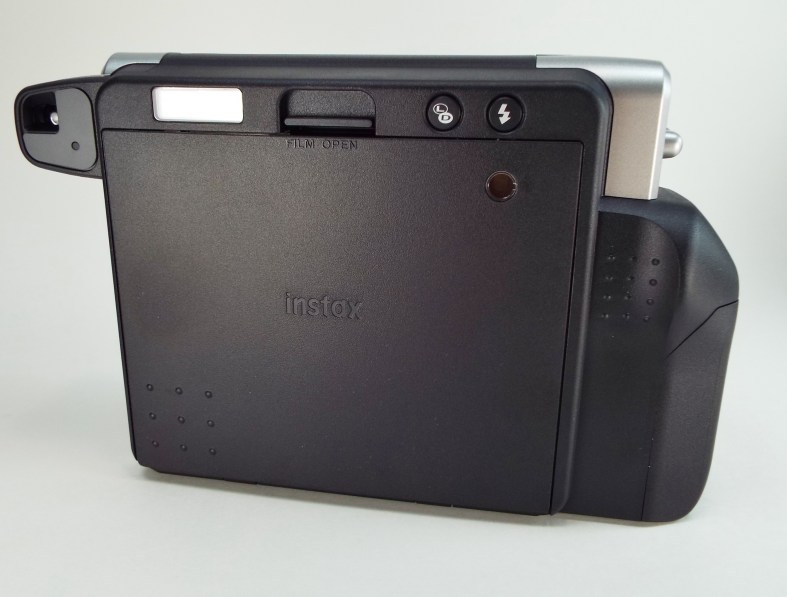
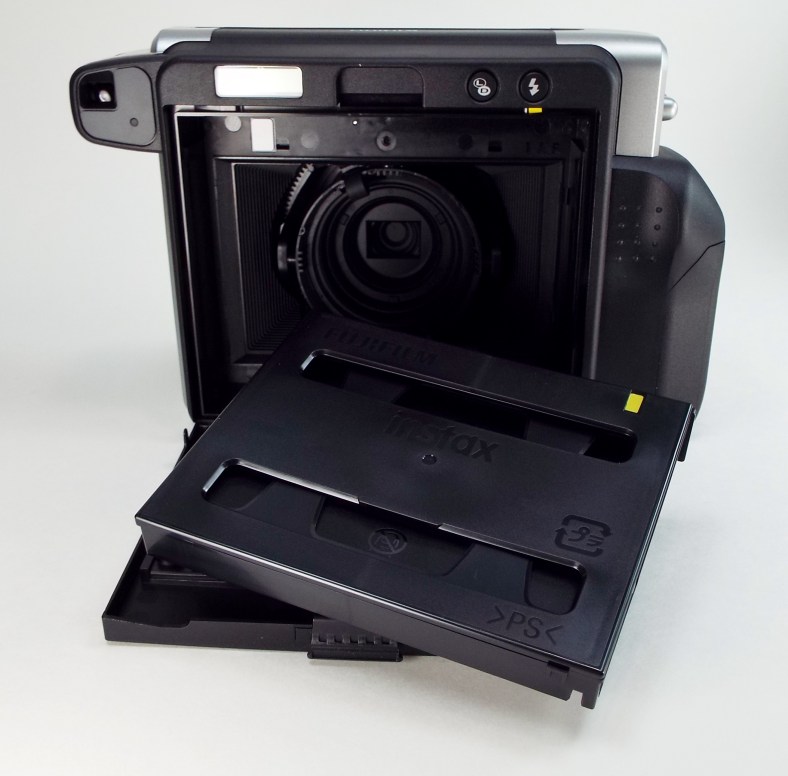
The access to the film compartment couldn’t be easier… it opens a full 90 degrees to make loading film quick and easy. The LCD shows basic info… flash on, image number and the plus or minus exposure compensation.

dscf2123

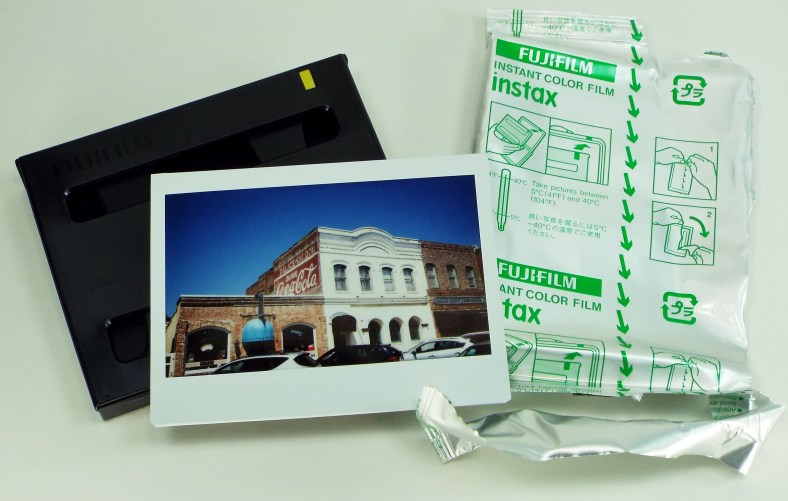
Open back with empty film pack.

dscf2131

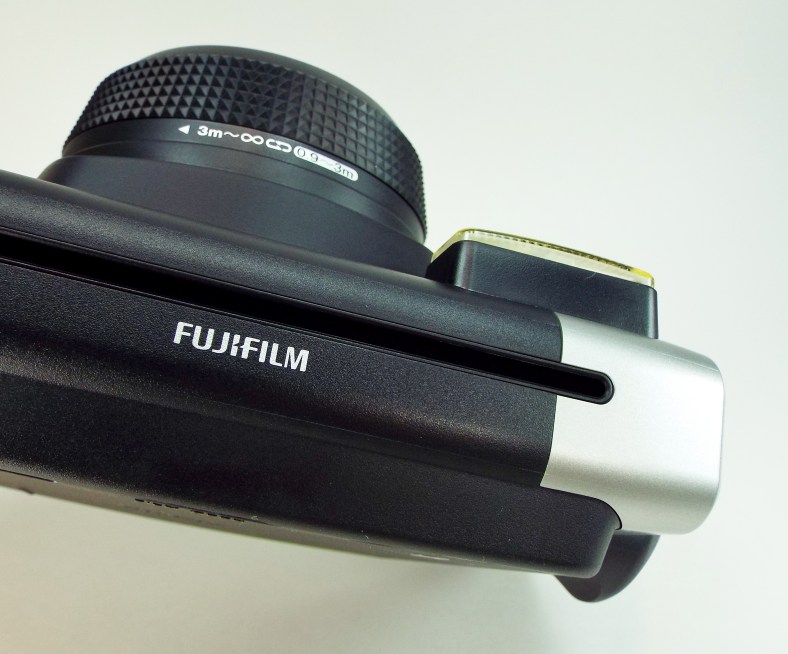
Pictures pop out via this slot on top of the camera.

20160908_144816

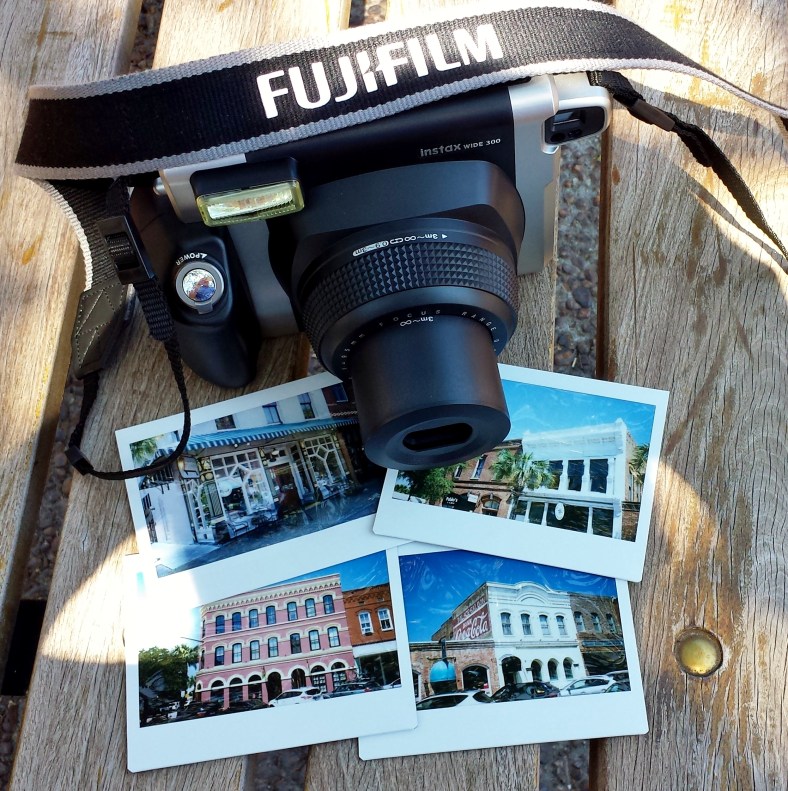
A small sample of the images taken today with the Fuji. Shot at around early afternoon in bright Florida sunlight. The colors are vivid and because the film speed is 800 the sharpness and detail are nice.

dscf2116

Back inside for a studio shot.

20160908_144800

It’s a big camera (really big) and has some heft to it. I had more than a few looks as the picture ejects from the top with that familiar instant camera sound. That’s not the standard strap… it’s a little thing and I like to have something wider around my neck.

dscf2127

Bold colors under bright sunlight. An excellent daylight film.

dscf2128

Back to the future with instant film. The Fujifilm Instax Wide 300 is a hit with me.

The camera is a point and shoot… well OK it does have two settings on the lens… 3 meters to infinity and 3 meters to 0.9. It does have an auxiliary close-up lens that I’ll try out next pack of film. It has a built in flash that worked great for daytime fill ins and you can adjust the exposure plus 1 or minus 1. Takes 4 AA batteries (which I love).

fujifilm_1934

It would be cooler if it sported this logo!

fujifilm_past_logos

So would I recommend the Fujifilm Instax Wide 300 camera? Yes and Yes! Mine was purchased online for around $86 from B&H and another $10 for two 10 exposure film packs. It was a great deal and it included free shipping. At fifty cents per image you can’t go wrong!

img_20160907_0003

Enjoy!

Thanks for the visit!

Chris and Carol ^.^
 

Pigeon 35 by Shinano Camera Co., Ltd.

Why show a 35mm viewfinder camera on a blog about the Yashica Pentamatic? Well, Shinano and Yashima-Yashica share a common history. The first camera that carried the Yashima name was the Pigeonflex… a twin-lens reflex (TLR) camera!

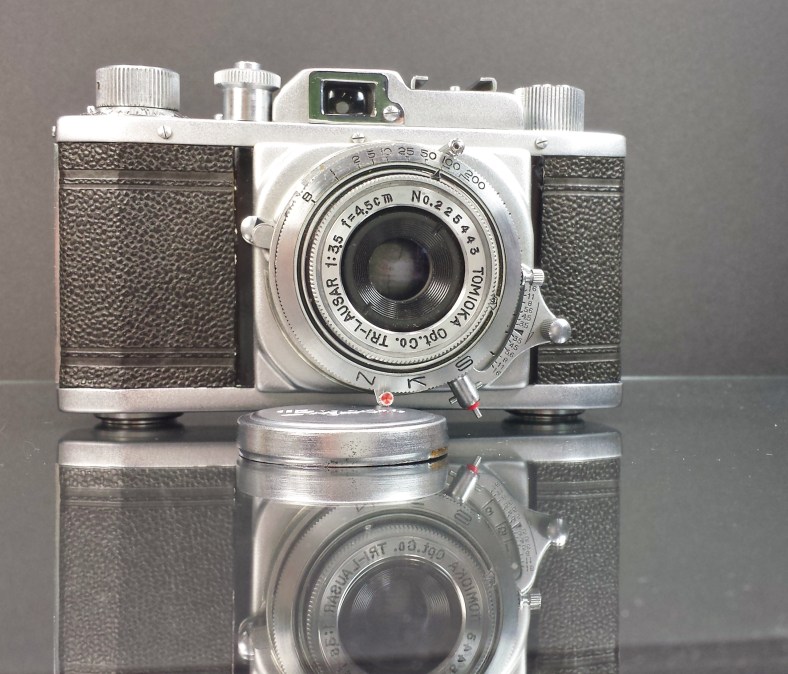
Anyway here’s a nice example of a gorgeous 35 mm viewfinder camera that we acquired recently. The lens is made by Tomioka… a sharp (we hope) Tri-Lausar f/ 3.5 4.5 cm lens. NKS shutter B – 1/200.

It’s a nice heavyweight camera that has a good feel to it. In our opinion, it’s far from being a cheaply built camera as some would say. In fact, it still functions as intended after 6 decades of use. Most leather cases would be a complete mess after this amount of time but the leather is nice and the stitching is intact.


20160801_183736

1952 Pigeon 35 by Shinano.

20160801_183800

Nice view of the Tomioka lens.

20160801_184255

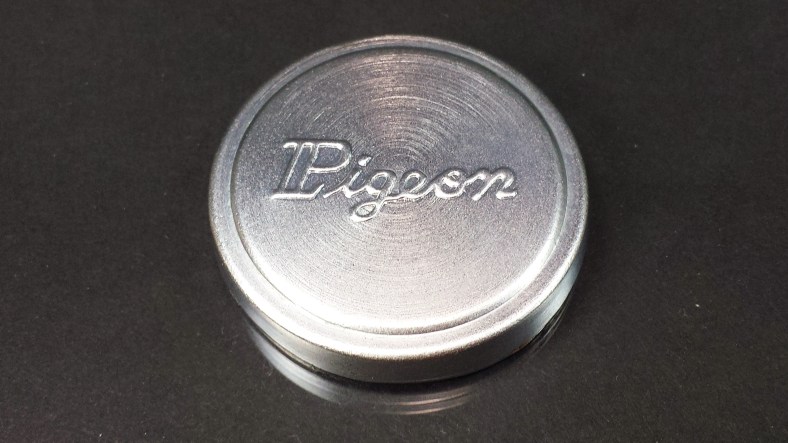
Beautiful logo on this metal cap.

20160801_184349

Classic style. The top plate of the Pigeon 35.

DSCF1574

After 6 decades of use, the case has held up nicely.

DSCF1581

Interesting bottom plate

More to come! By the way, everything works just fine! Can’t wait to run a roll of film through it. Images of the leather case to follow too!

Thanks for stopping by! – Chris

My camera shop is always open at http://www.ccstudio2380.com


Yashica’s Penta J and the J-P

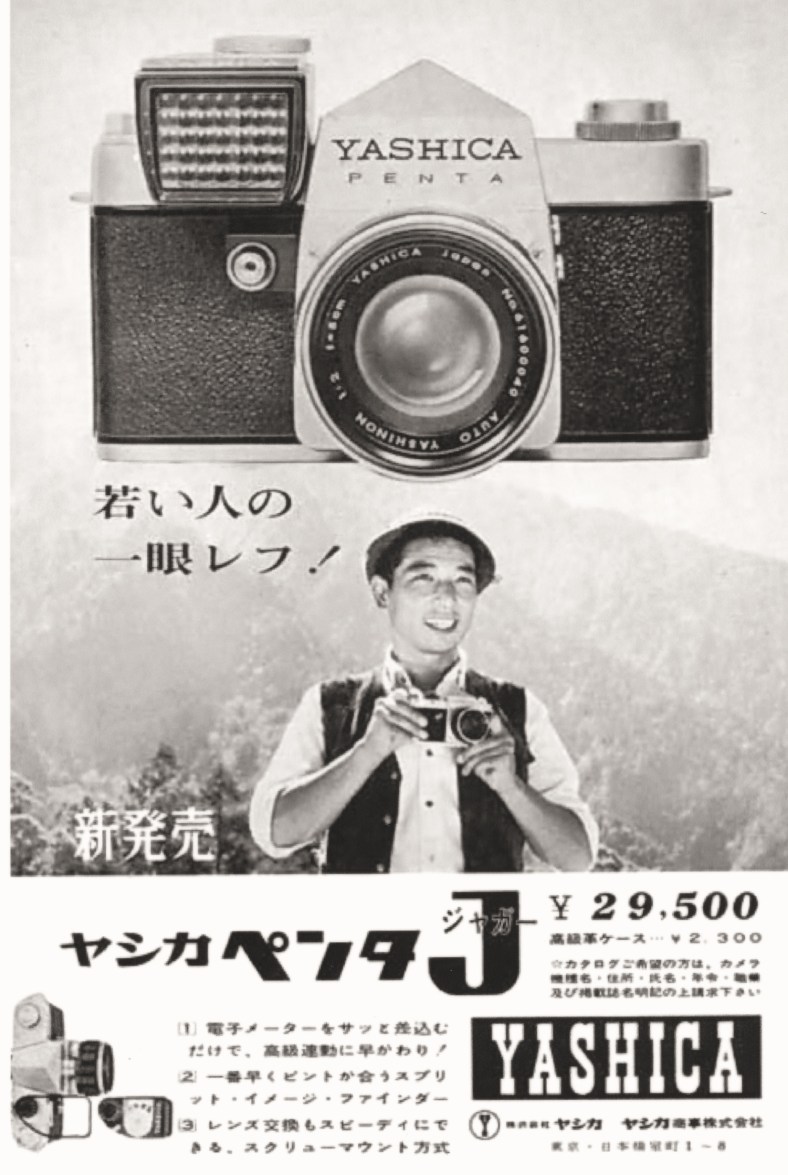
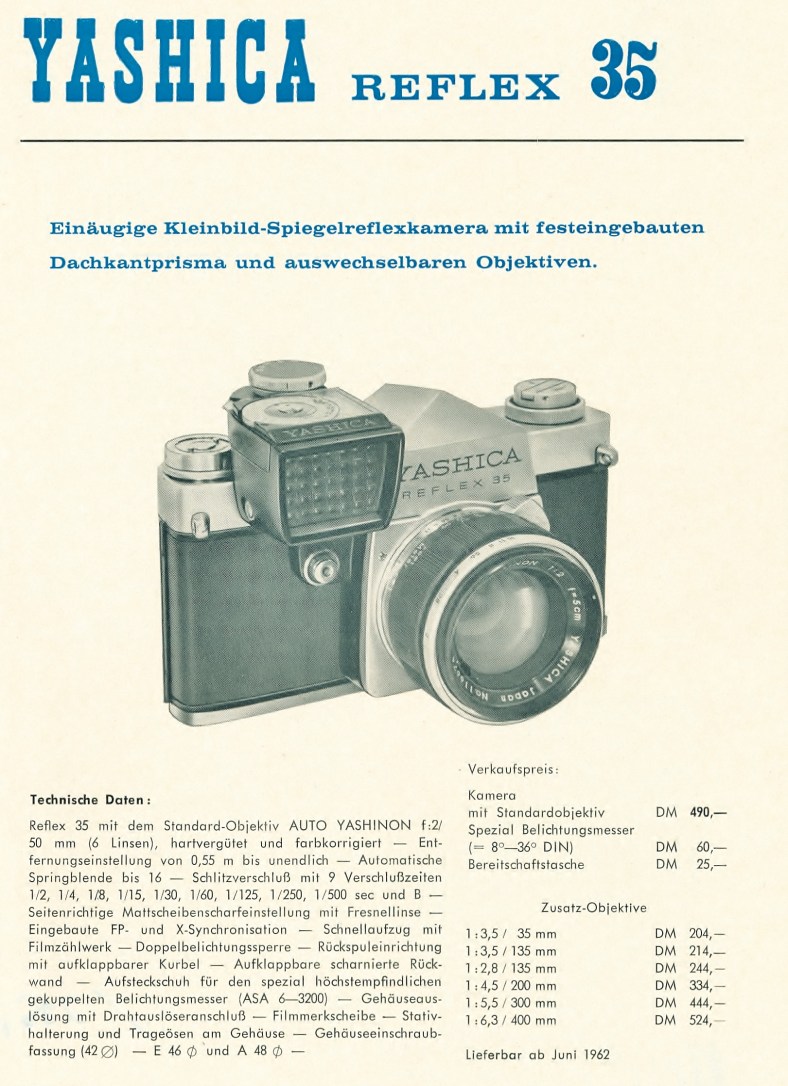
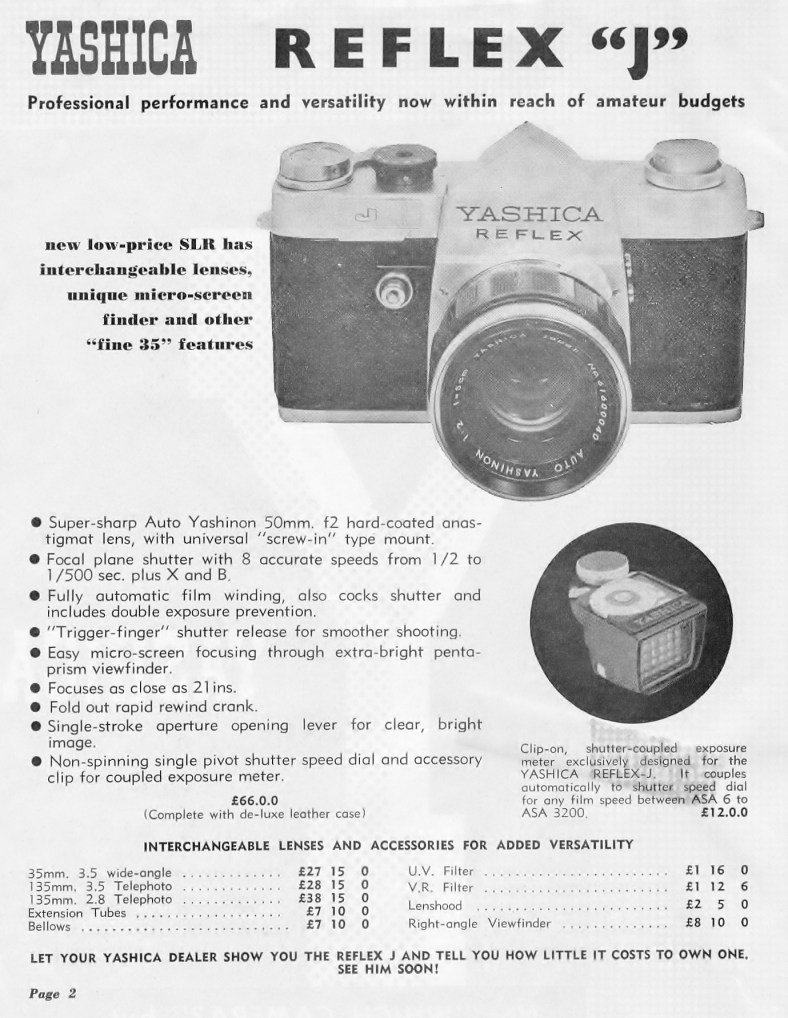
Yashica’s first 35mm single-lens reflex camera with the Praktica-thread (M42) mount lenses was the Yashica Penta J… at least here in the United States and in Japan. Elsewhere (most of the world) the camera was known as either the Yashica Reflex 35 or Reflex J (Australia and possibly the U.K.). As best we can tell, they were all the same cameras with different top plates to accommodate the different names (logos).

Part of the demise (lack of sales success) of the well-built Pentamatic series of cameras that preceded the Penta J, was that Yashica decided to go with a Pentamatic exclusive bayonet mount lens system. Sturdy and well designed to be sure, but being unique limited the available lenses that could be swapped between cameras. The Praktica design M42 screw thread mounting system was in widespread use at the time and Yashica’s bayonet design just went against the flow.

IMG_20160102_0007

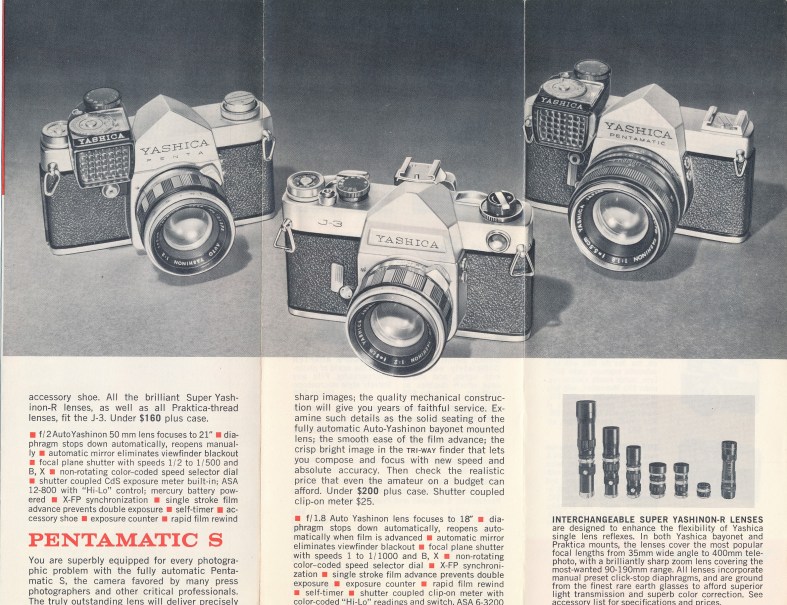
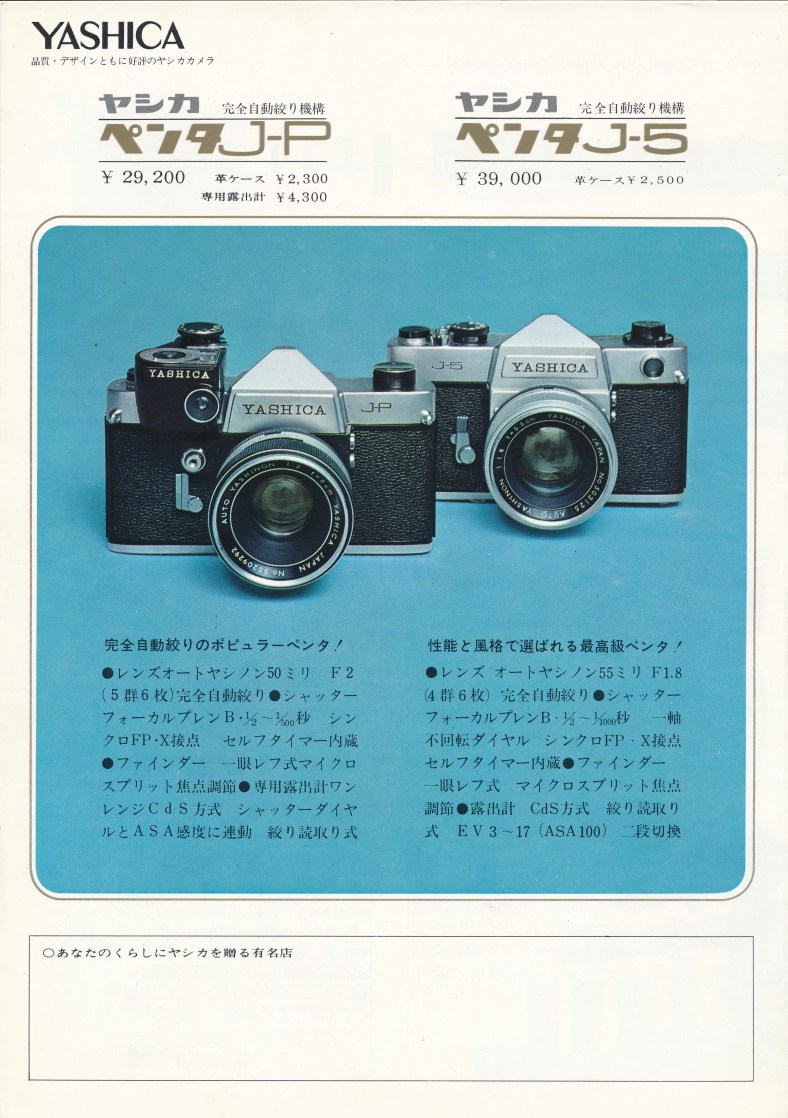
No date on this sales brochure but our guess would be early 1962. The J-3 is the newest camera featured  as it had all the goodies one would want in a modern SLR. The Penta J (upper left) had just come out in 1961 and it was Yashica’s first 35mm SLR with screw thread mounted lenses. The Pentamatic S arrived in early 1961 but used bayonet mounting for its exclusive design. Notice that the pentaprisms on the Penta J and Pentamatic S share the same design while the J-3 breaks with the previous cameras and ushers in the style that would carry through the remainder of Yashica’s SLR run of M42 cameras.

IMG_20150926_0026

Yashica Penta J.

IMG_20160102_0005

Yashica Reflex 35 in Germany.

IMG_20160102_0004

Australian Reflex J sales brochure.

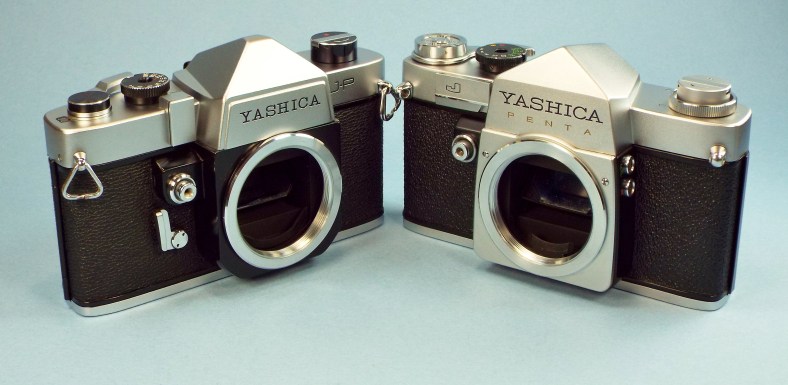
Now fast forward to 1965 ish… Yashica introduces the new J-5 AND the J-P! In between those years Yashica had introduced the J-3 and J-4. Why would Yashica go back in time and bring out another 35mm SLR in 1965 that was the cousin to the 1961 Penta J? Notice we say cousins… not brothers. They shared the same platform with one another but as you can see in the image below the top plates were of a different design.

DSCF1268

1965 J-P on the left and the 1961 Penta J on the right. Cousins but not brothers. The shutter release button is on the right front on both cameras… Yashica added a self timer on the J-P and of course the top plates are different (most noticeably the design of the pentaprism). Some small changes to the design of the mirror box. Unseen from this view is that the J-P does not have a ASA/DIN dial like the Penta J had on the camera’s bottom left. Small note about weight… Penta J weighs in at 656 grams and the J-P weighs only 619 grams. No built-in exposure meters but accessory exposure meters were available at additional cost.

DSCF1277

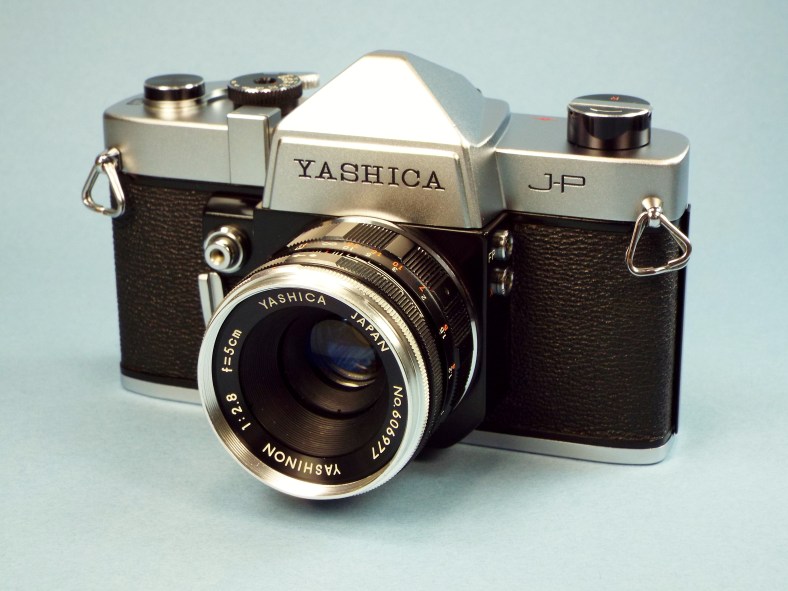
The J-P with a rather unique 5cm f/ 2.8 lens. The lens has to be the smallest of the M42 mount lenses and certainly it’s one of the lightest at only 136 grams!

IMG_20150903_0027

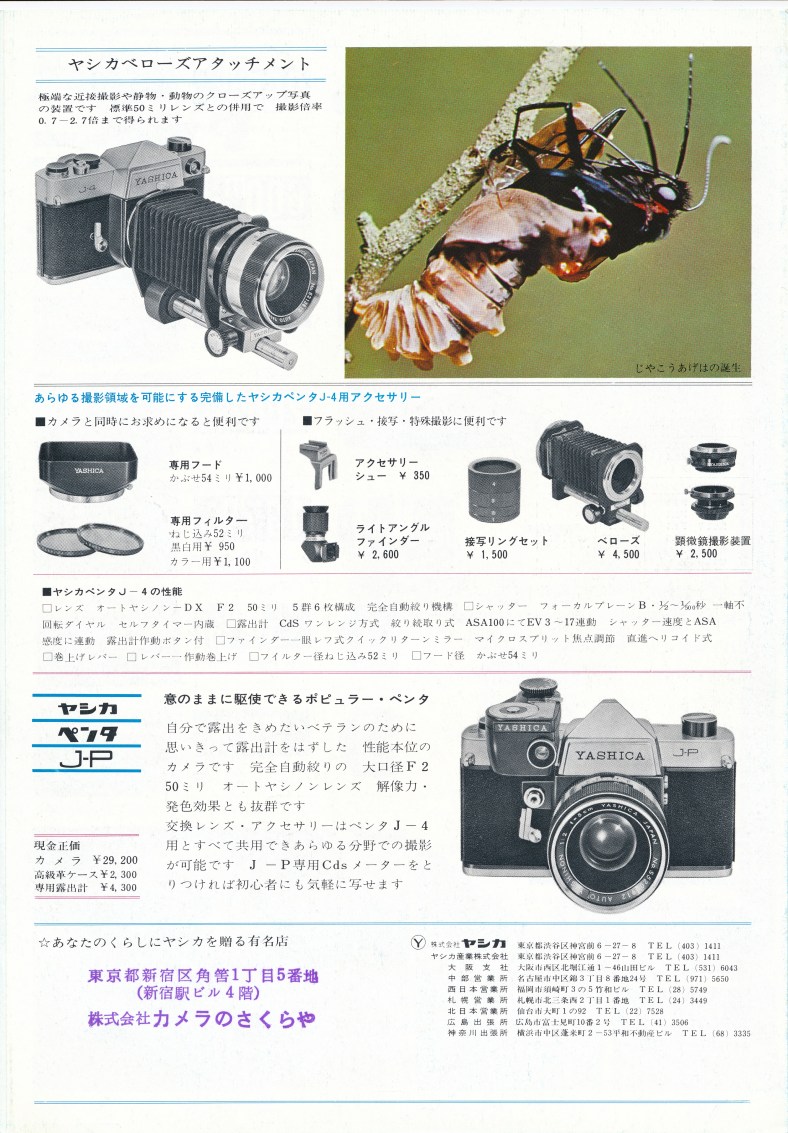
The J-P advertised together with the J-4.

IMG_20150903_0025

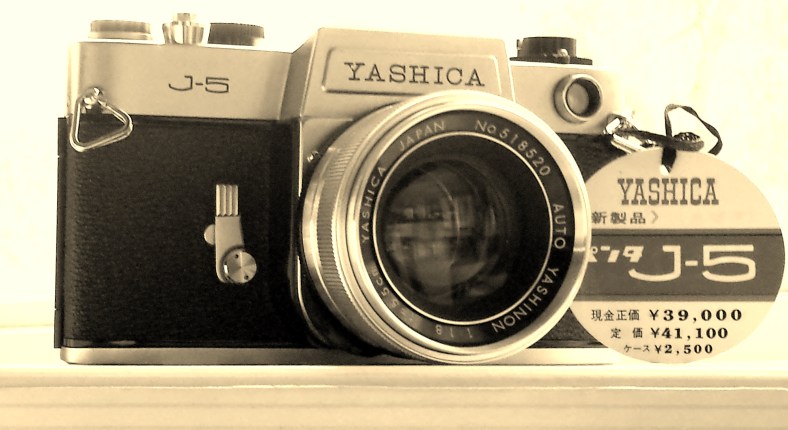
The J-P advertised with the new J-5.

Yashica J-P 6-27-15 Papers

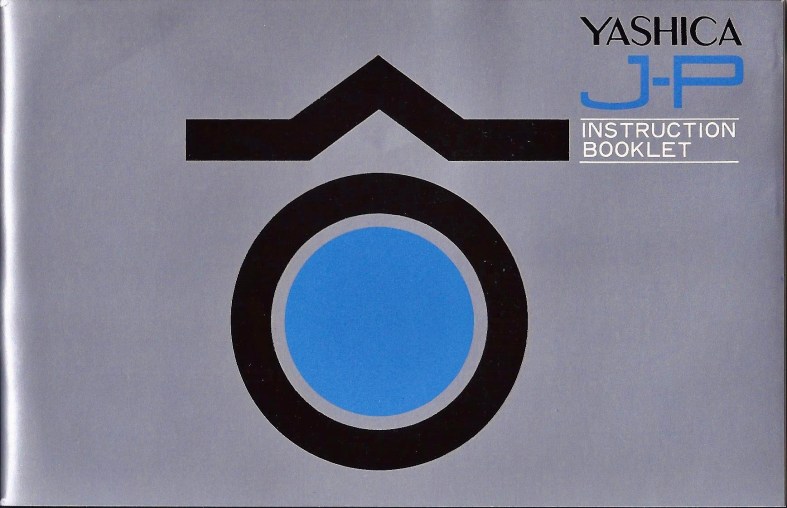
J-P instruction booklet from 1965 (in mint condition too).

Stay tuned… more to come on these Yashica classics.

Many thanks, Chris and Carol
 

Yashima-Yashica Rookie – 1956

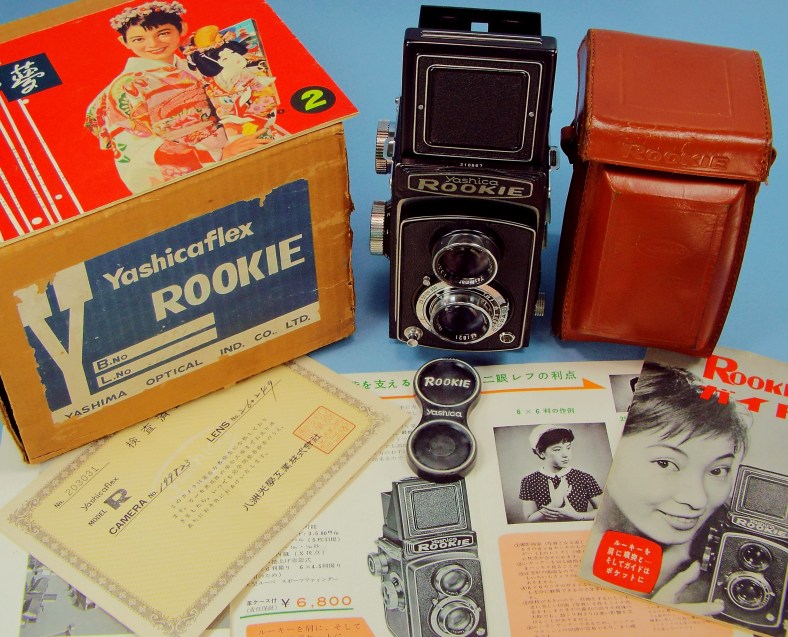
We were finally able to assemble our Yashicaflex Rookie ‘stuff’ for some studio shots. We’re still missing some items to make the set complete but so far the collection is looking good.
014

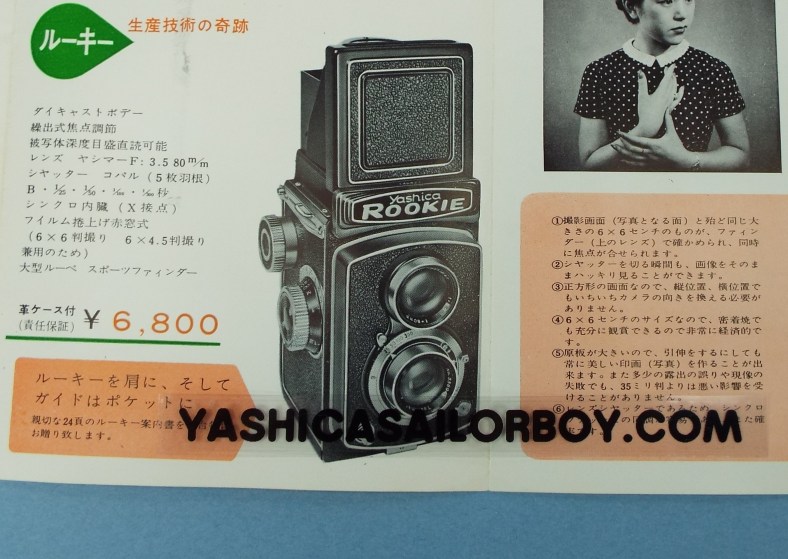
The outer box (or shipping box) for the camera and its leather case is on the left. Of course the camera is in the center with the Rookie leather case to its right. The Rookie instruction booklet is in the lower right of this image and a colorful Rookie sales brochure is just below the lens cap. A warranty (service certificate) card identifying that this camera is a Yashicaflex Model R is just below the box and finally another sales brochure that features the Rookie is on top of the box.

018

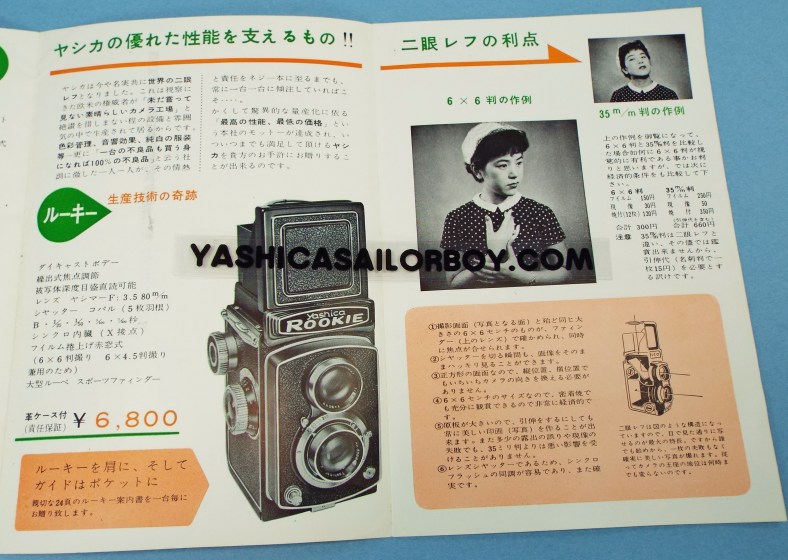
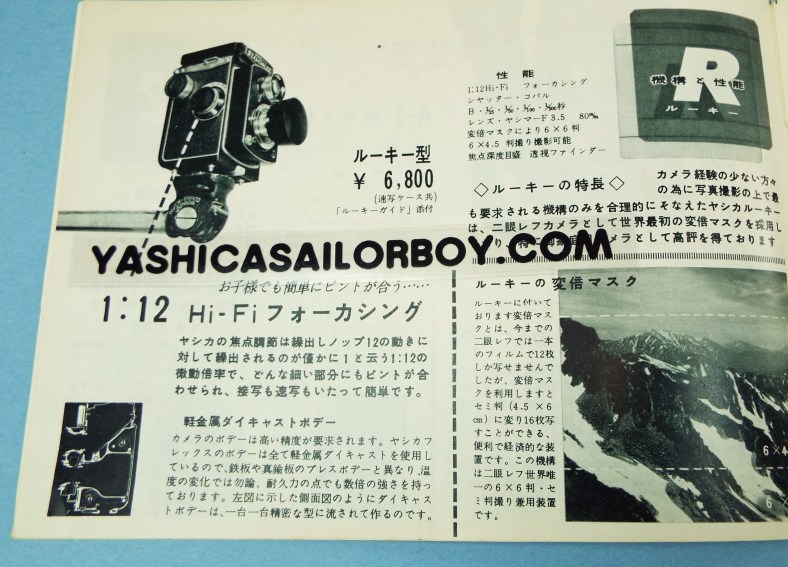
Original 1956 sales brochure.

015

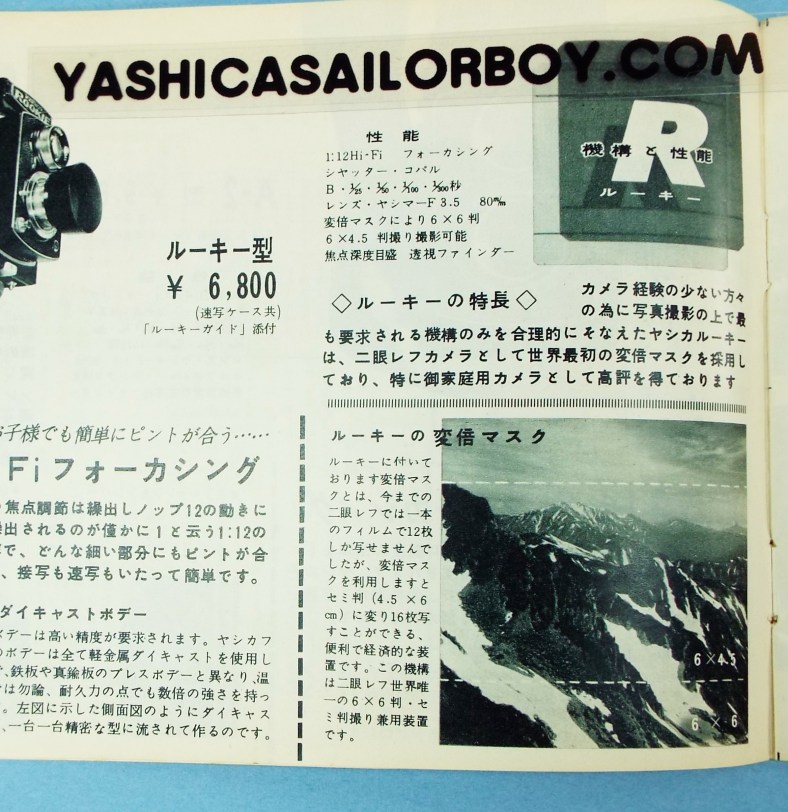
Sales brochure from 1956.

017

Certainly an entry level twin-lens reflex camera with some nice features.

016

The Rookie could take standard 6×6 cm images or with a accessory kit take 3 more images on standard 120 film and produce 6×4.5 cm negatives.

The Rookie wasn’t popular in Japan and Yashima-Yashica gave it a very limited run. I suspect that some popularity exists today just because it’s seldom seen here in the U.S. and it’s rather hard to acquire a really nice example. We like the camera, the name is goofy and didn’t play well in the marketplace.

As always… we appreciate your visit! Thanks, C&C