Fujifilm Smart Shot Deluxe – 1994

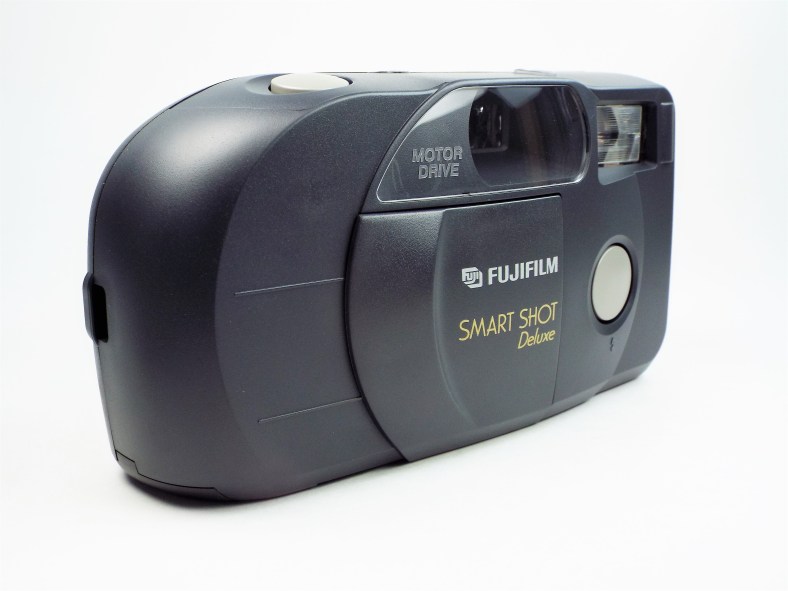
The Fujifilm Smart Shot Deluxe is one of the most basic modern cameras we have in our collection. It’s interesting to note that Fuji returned to using Fujifilm in its name with this camera vice using simply Fuji.

It was released in September 1994. It’s super small (compact) and lightweight (175g) but still featured drop-in loading and motor drive. It came packaged with Fujicolor Super G Plus 400 film and the box was designed with a hang tag for sale next to their films. The shutter is fixed at 1/100th of a second and the aperture is fixed at f8. Fixed focus is from 1.3 meters to infinity.

*** Please note: If you know what the U.S. (or MSRP in Japan) selling price was in 1994 that would be great! We have ¥12,000 which seems a tad high. Thanks ^.^
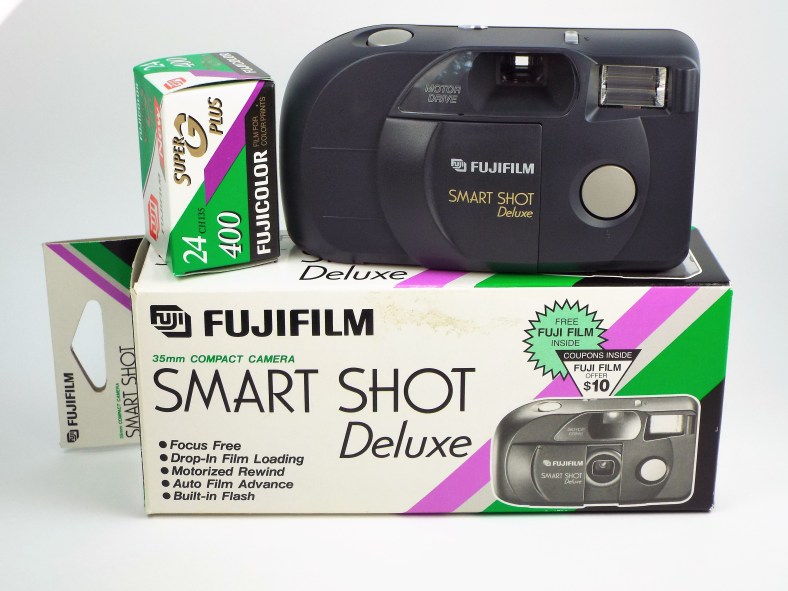
DSCF5307

One of the advertising tag lines for the Fujifilm Smart Shot series was – “a smart shot, a good price, a firm picture, a camera that looks good if you go for fun”! That may not be the best translation in the world but I think you get the idea.
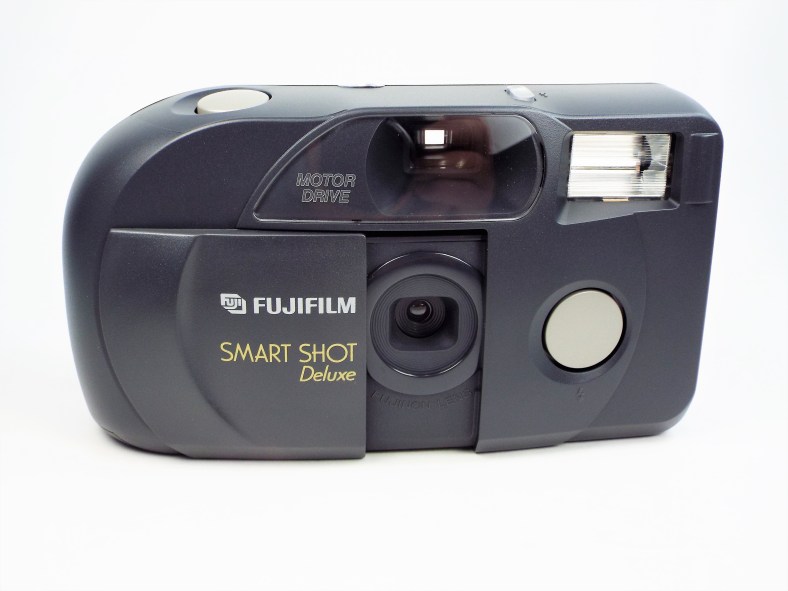
DSCF5308

Fujinon f8 33mm plastic lens.

DSCF5313

Built-in motor drive and motorized film rewind. Sliding lens cover and crazy big flash button.
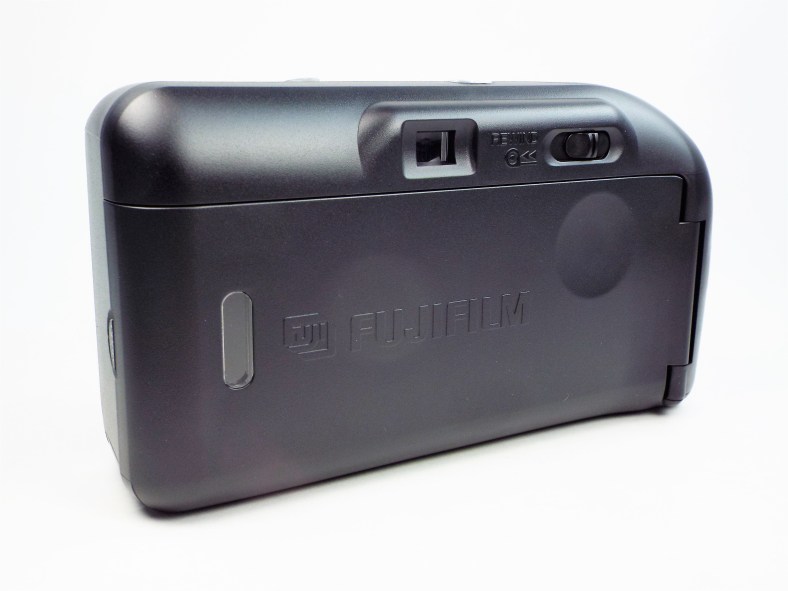
DSCF5311

Film view window and a cool Fujifilm logo on the back.
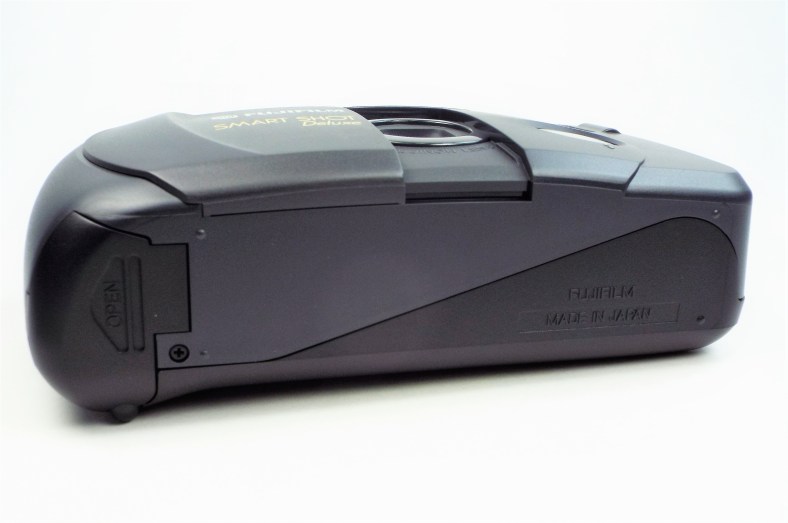
DSCF5312

Still made in Japan at this point in time which is surprising as most of the simple Fuji cameras were made elsewhere.
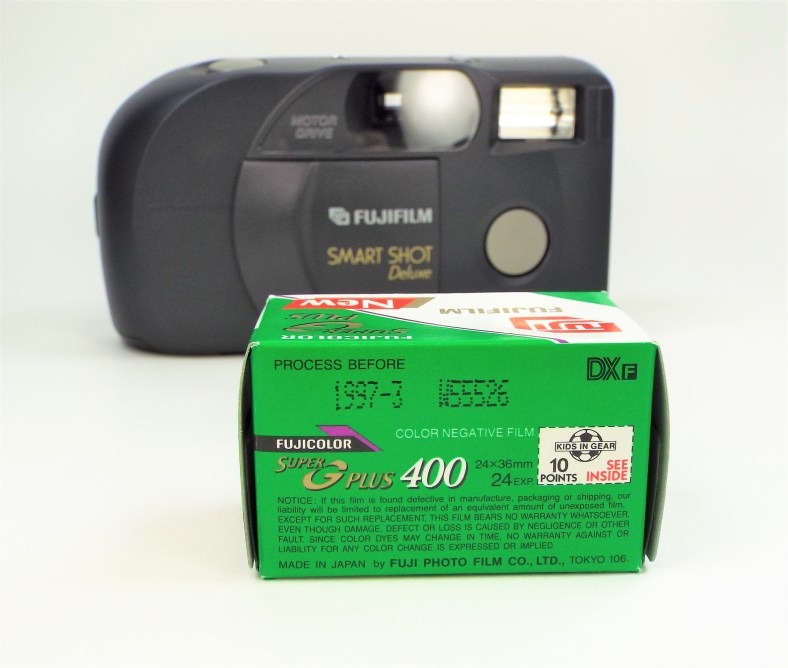
DSCF5314

Back in 1994 when this camera set was released, it came with a fresh roll of Fujicolor 400 film and 2 AA batteries. The film is a touch out of date.
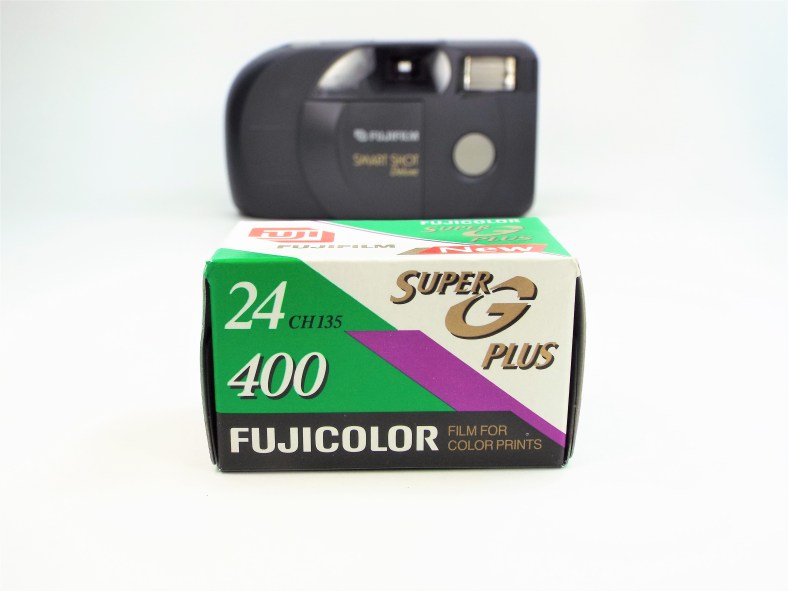
DSCF5315

The owner’s manual is more of a fold out pamphlet and shares info with the Clear Shot Plus. The oversized button on the front left of the lens is the flash button. You press it and hold it until the flash ready comes on then you push the shutter release button on the top right. It’s odd that the flash “on” button is so big – designed to make it look maybe more sophisticated or cute.

I’m sure Fuji sold a bunch as they were nearly a disposable camera with a free roll of film and came with rebates for additional savings on film purchases.

I would say it’s a bit better than average for a mid 1990s camera and free film never hurts sales!

Thanks for your visit!

Studio Camera: Fujifilm FinePix S9900W

Chris
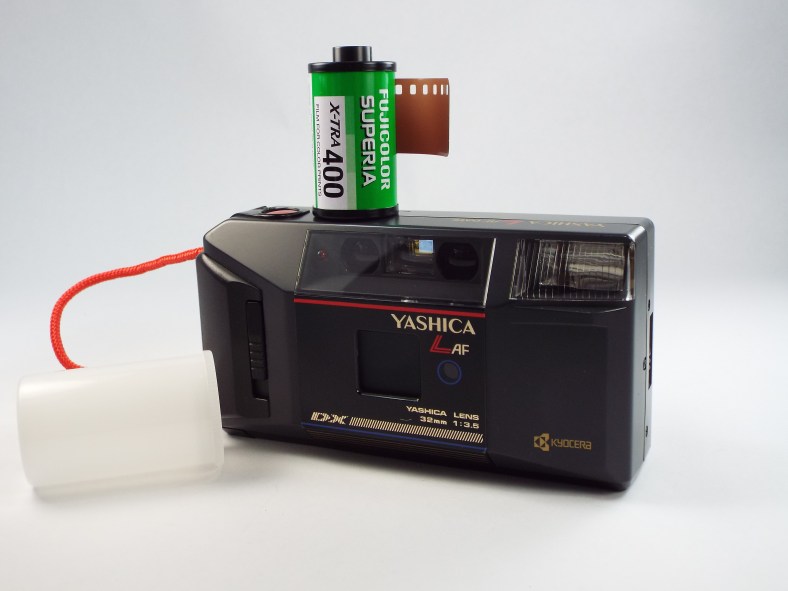
Yashica L AF – Field Test v2.0 – Can this Yashica hold its own against the T* Series?

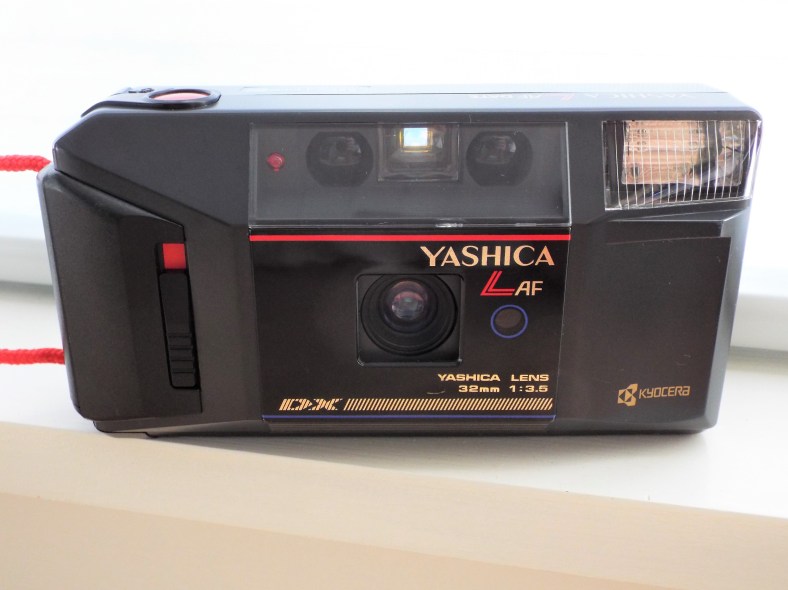
A fun little point and shoot camera from Yashica-Kyocera (1986). This lovely camera was kindly donated to us from a blogger friend and photographer who lives in Japan. She tests cameras that strike her fancy and often processes her film at home. We think her test shots are extremely interesting – and always well composed too. You can find her at https://cameragocamera.wordpress.com/

Field test v1.0 was done in Japan.

She typically hunts around in second hand shops and picks up cameras for well under $10 (I think this one was only $3).

dscf3464

The Yashica gets a fresh roll of Fujicolor Superia X-TRA 400 and a new finger strap (in almost matching red).

dscf3481

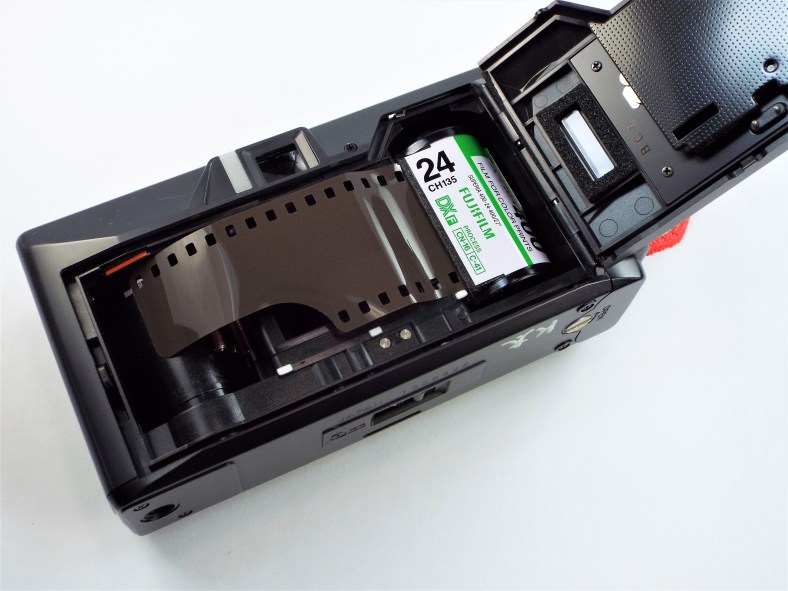
This Yashica uses a 32mm f3.5 lens. The camera features a simple drop and go (well almost) film loading. It is a DX coded camera so it sets the ASA (sorry, old school). It produced 26 exposures from a 24 exposure roll.

dscf3466

Pull the film leader to mid point on the orange line and between the white marks.

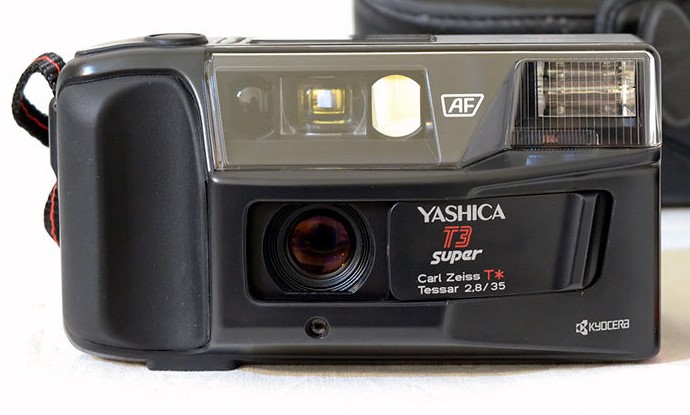
The real test – can this inexpensive Yashica L AF deliver the same image quality as its highly regarded cousins – the Yashica T3 Super with Zeiss T* 35mm f2.8 lens or the more closely related Yashica T AF?

s-l1600-33

The T3 – often sells for over $200 on eBay. The L AF – well under $20!

yashica t af

Yashica T AF. Yashica’s first in the T* Series of cameras (1985). Probably the most closely related to the L AF.

I won’t post all 26 images here. I will pick a broad representation of the photographic challenges that I threw at the Yashica L AF.

78690001

First image overall – strong back lighting. A challenge for any simple AE camera. First sign of a red spot (far left).

These next two images were focused at infinity. Strong mid day lighting so deep shadows. The Fujicolor rocks some nice vivid colors and contrast!

78690002

78690005

First real test of the auto-focus and AE in dim lighting below. It did well considering the strong sunlight in the background.

78690008

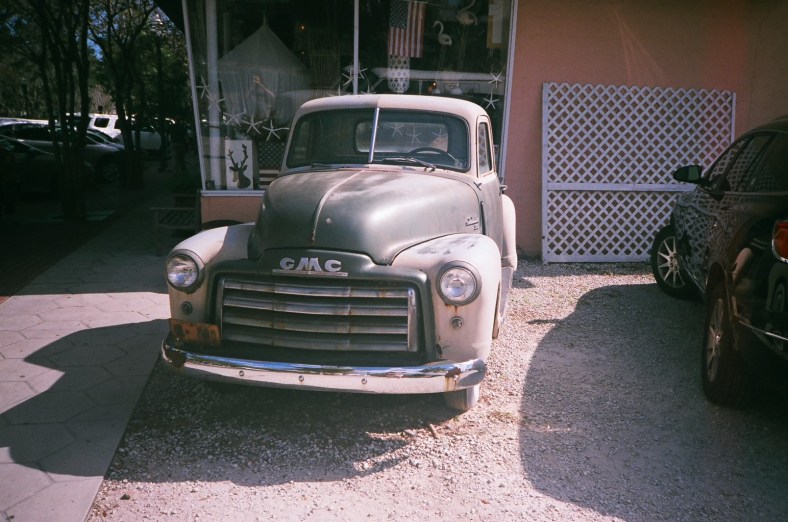
I know right – crazy dark blue sky! No filters, just Superia X-TRA 400 and a contrasty lens.

78690012

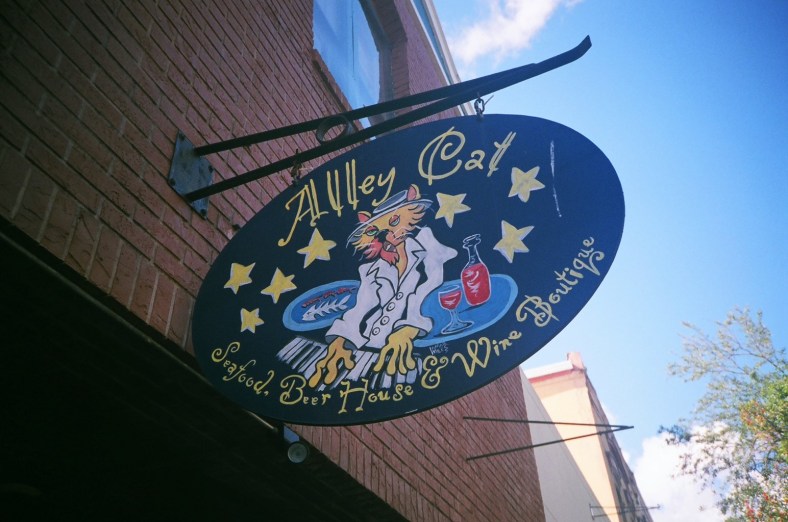
Nice detail. Sharp focus too on this sign below. The Yashica employs center weighted metering. Most AE cameras would be thrown off by the bright sky.

78690013

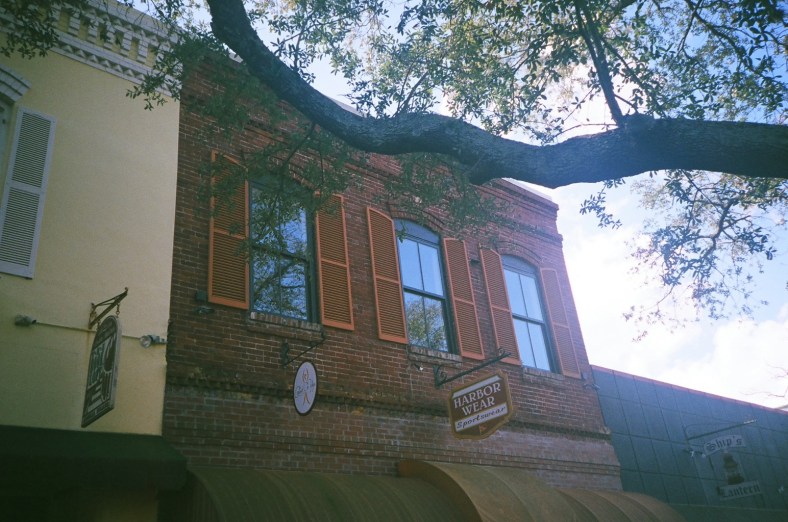
Tough AE situation for a simple point and shoot (deep shade below). Post production would help but I like it as it is.

78690016

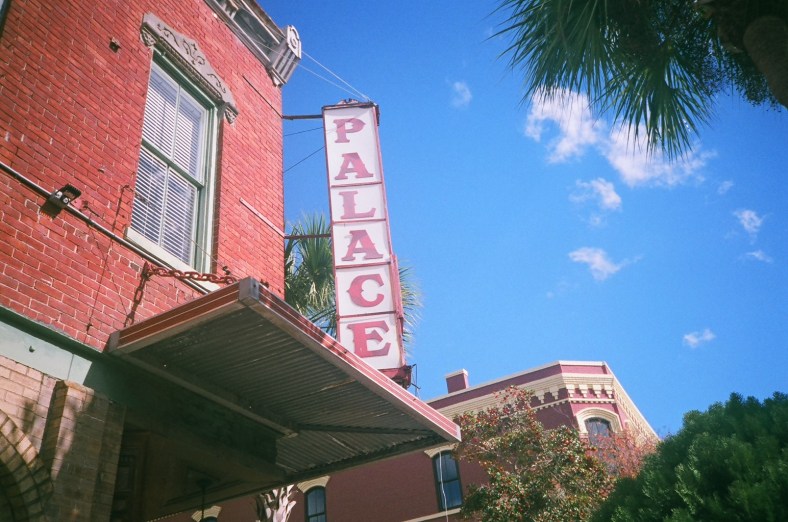
Back in the bright Florida sun!

78690020

78690021

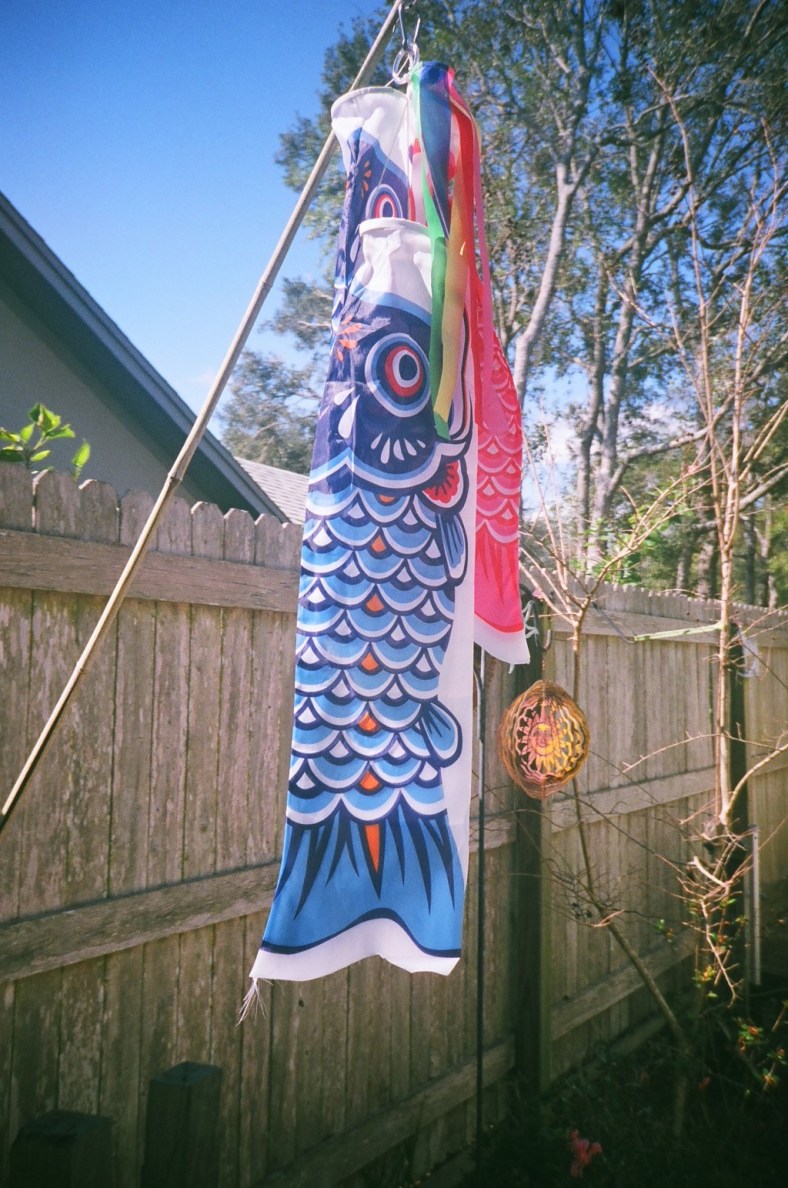
Day 2 below at home. I was about 3 feet from the carp. Looks good.

78690023

78690024

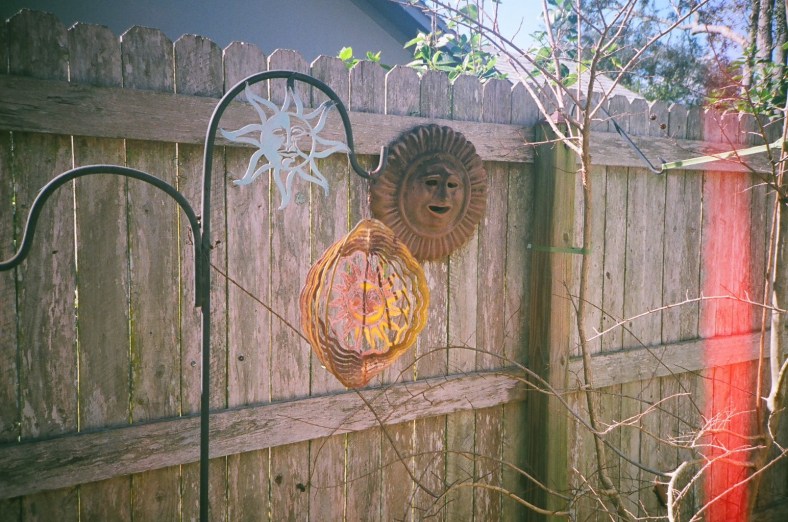
The attack of the red bar! Not sure the why of it.

78690006

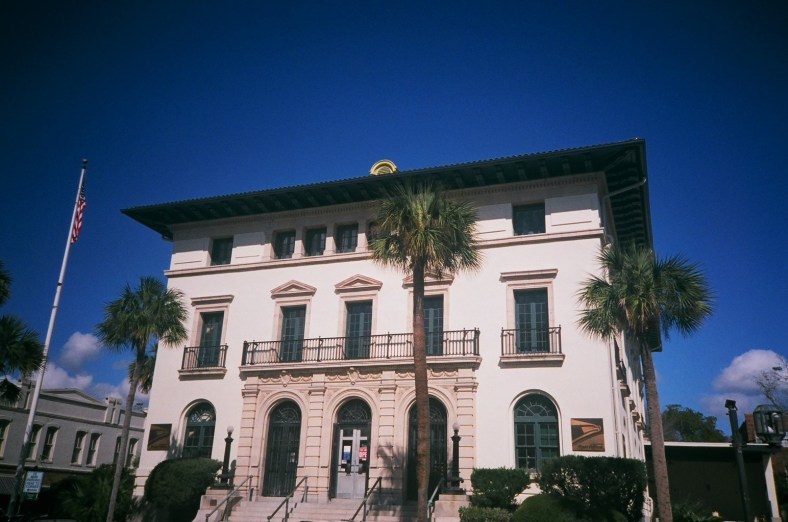
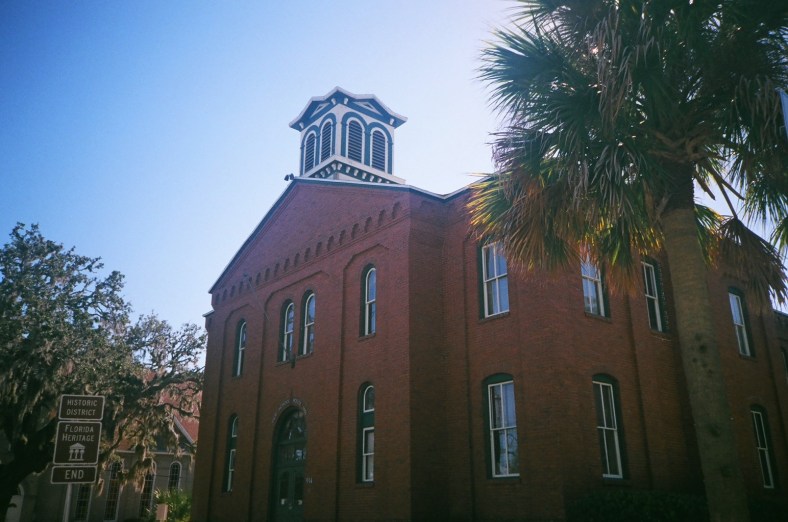
The AE handled this situation well – I blocked out the sun with the palm tree which allowed the Yashica to get a good reading on the building.

As I said at the top. All 26 images were excellent with about 4 experiencing the mystery red spots and bars.  I’m thinking that the red marks are from a processing error – it’s way too random to be a light leak. No post production on any of these images. They’re presented just as they were scanned by the processing lab. Maybe the CD will be even sharper.

We’re impressed! The camera has a solid feel – it has some weight and is actually as big as our Fujifilm FinePix S9900W.

So does this inexpensive Yashica L AF beat the Yashica T* Series? Don’t know yet – now all we need is someone to donate a T3 or T4 to test it!!! ^.^

For the money, if you can find a decent Yashica L AF and want a great point and shoot 35mm camera that produces better than expected images – the L AF more than delivers and at a price that won’t break the bank!

Camera(s): Yashica L AF Date, Fujifilm FinePix S9900W and Samsung Galaxy S4

Final shout out goes to the City of Fernandina Beach, Florida! Thanks for never messing with the Historic District – it looks the same (for the most part) as it did 120 years ago! 

Many thanks for your visit! Comments – please do. Donating a T3 or T4? – email us ASAP!

Chris & Carol

People Pics… Japan 1977-1980

These images were mostly taken in and around Yokohama and Tokyo with my Canon F-1 (1978 version). I used Kodak Kodachrome 25 and on occasion some Kodak Ektachrome 64 (I believe). They are in no particular order and will jump around quite a bit in both year taken and location. Enjoy!

19622600953_7c604f3f01_o

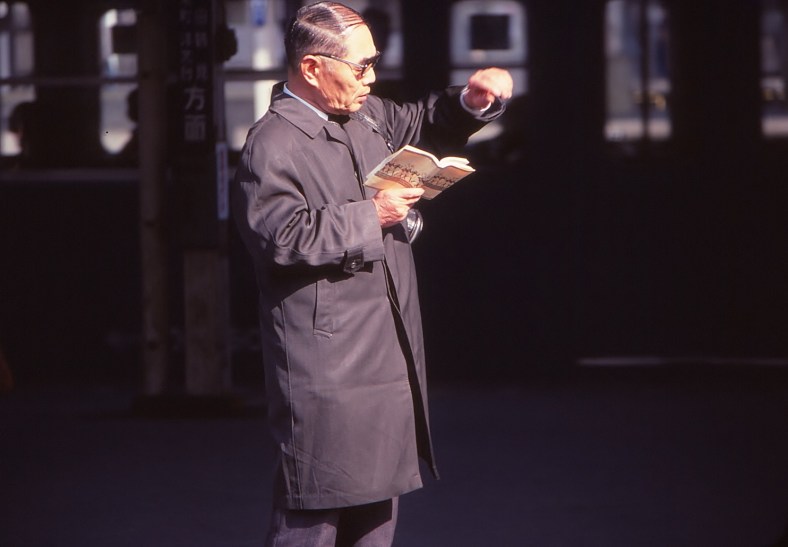
Early morning commuter at the Yokohama train station.

20054270478_7b4a93f161_o

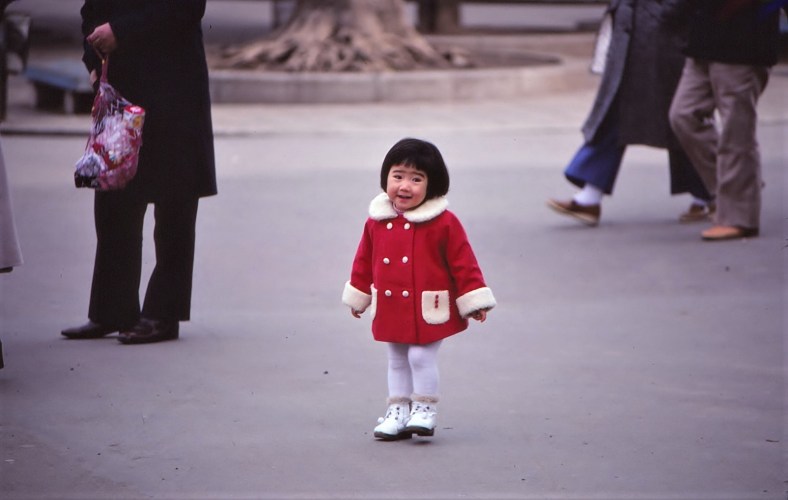
Cute little spot of color at Ueno Zoo Tokyo.

20055564078_ac345d08de_o

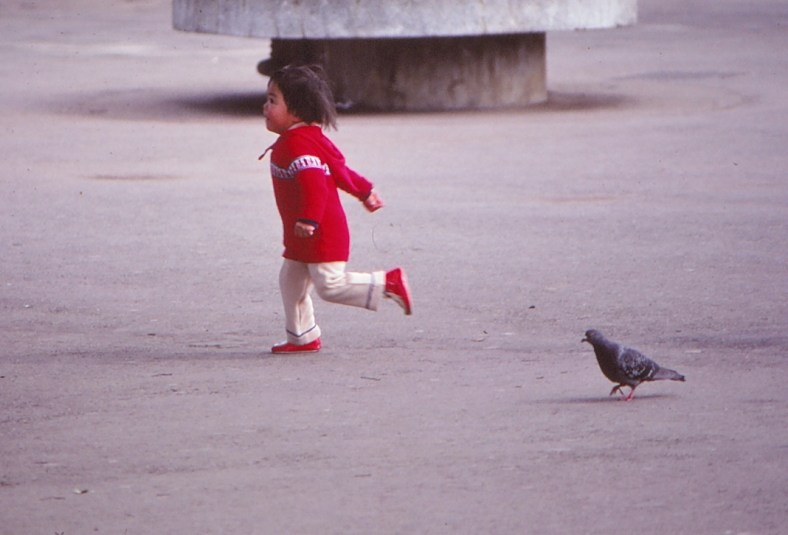
Pigeon racing –  Ueno Zoo Tokyo.

20256520930_b6efccc36a_o

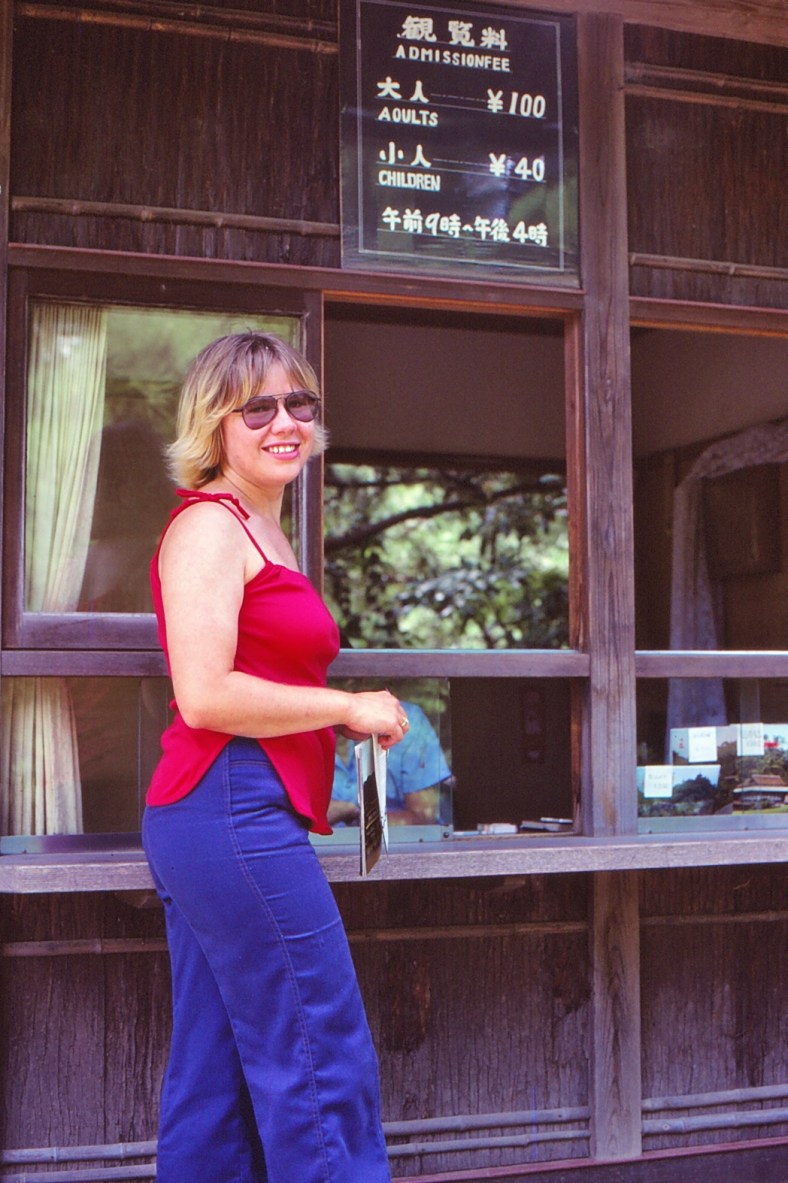
In keeping with red clothing as the central theme, my lovely wife Carol at Sankei-en (Gardens) in Naka-ku Yokohama. The admission was about .45 cents US for an adult which made visiting Sankei-en a regular past time for us.

20285035960_468cfc052f_o

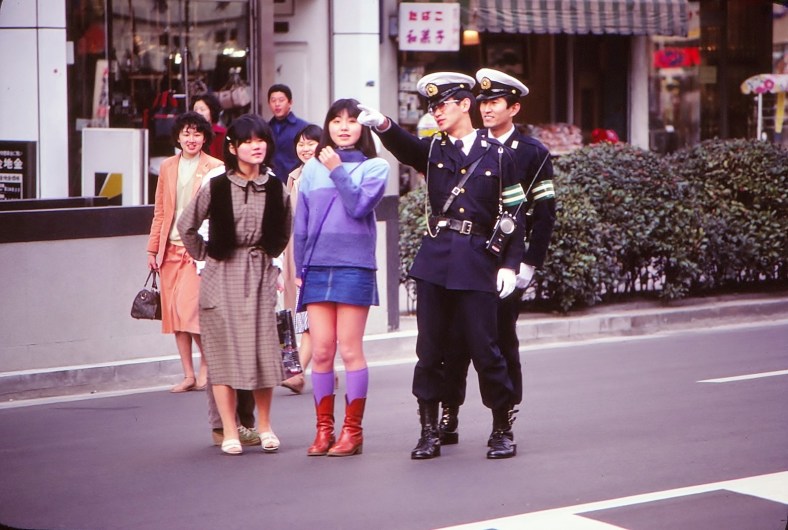
Motomachi shopping street Yokohama, Kanagawa Prefecture. A favorite spot for shopping. As always, the local police assisting lost citizens.

20464405042_dc5087757e_o

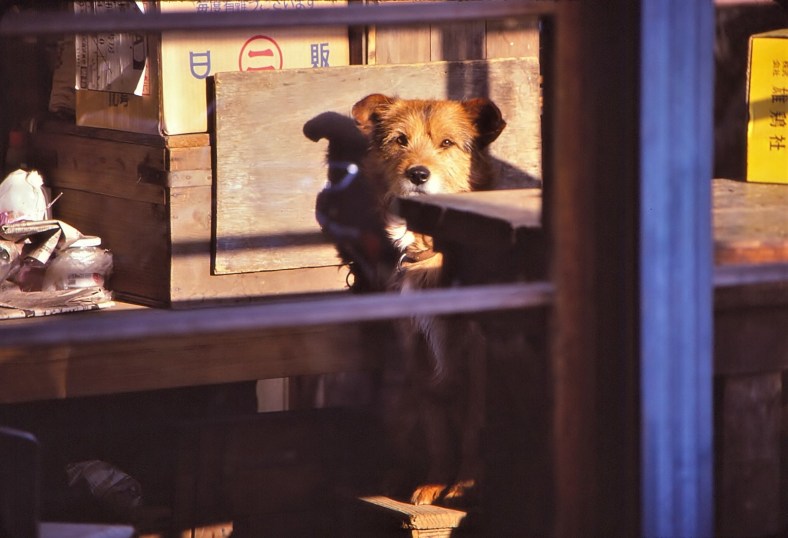
“You watchin’ me… I’m watchin’ YOU”! Watchful shop dog in Honmoku, Naka-ku.

20468564946_f92730e803_o

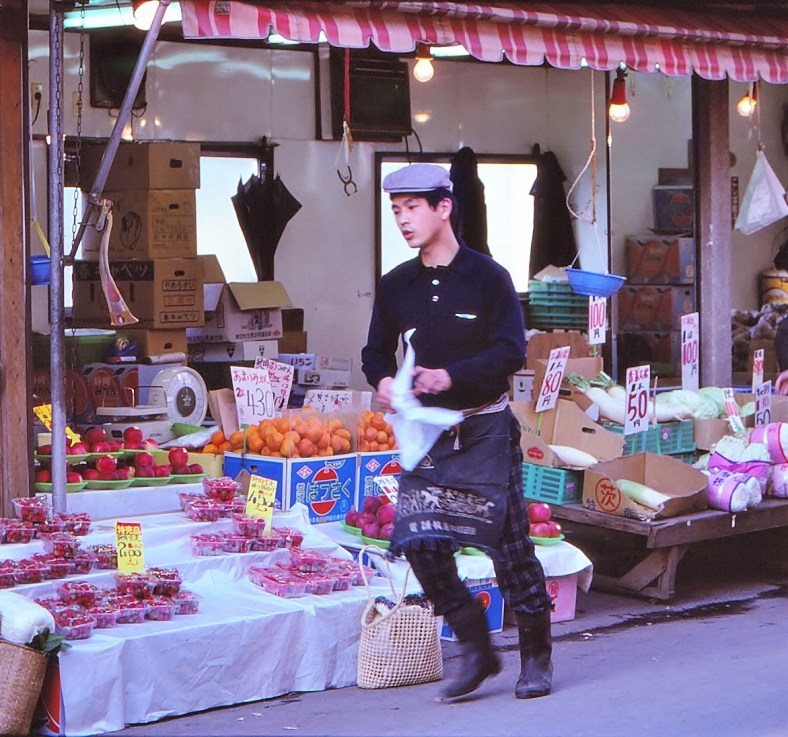
Fast service at a local shopping “street”. A very small back street in Sugita just down the street from the then JNR station. Yokohama, Isogo Ward (Isogo-ku).

20486007322_4f28995e7d_o

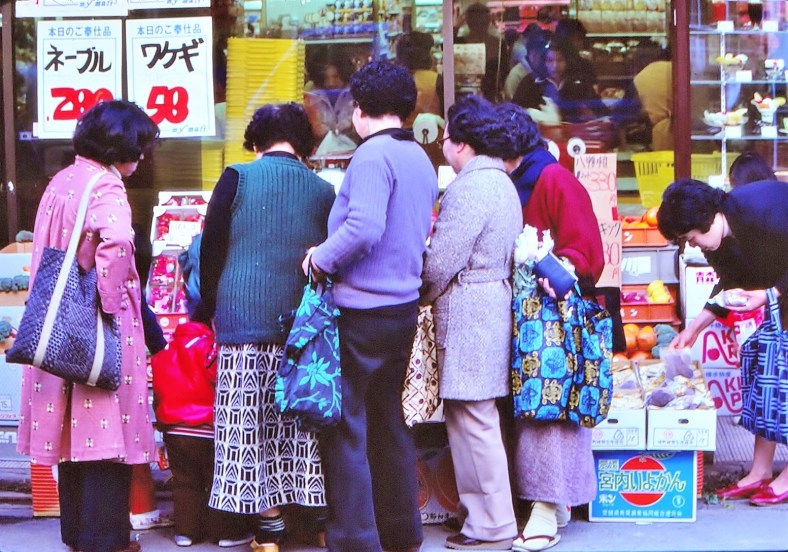
Daily shopping along the street in Sugita.

20507012001_af01ae12ab_o

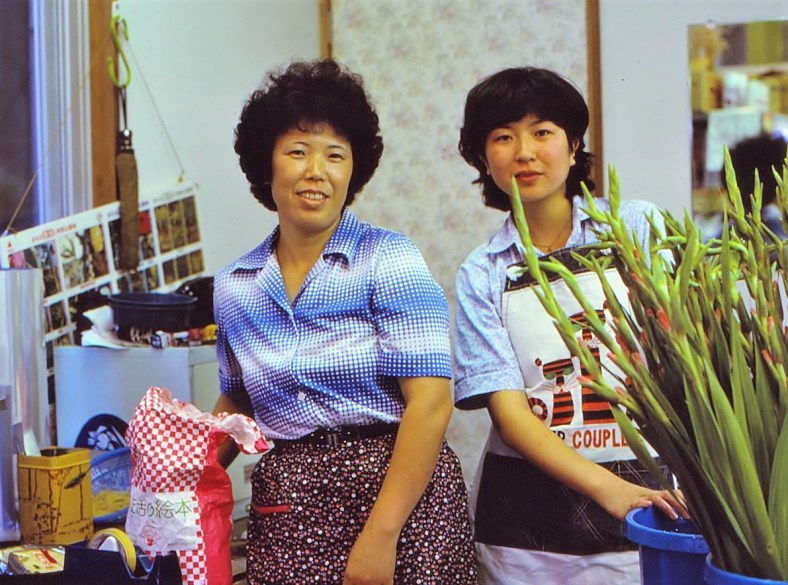
Lovely flower shop ladies in Honmoku (where we lived in Yokohama).

21723680721_8a4b3d184e_o

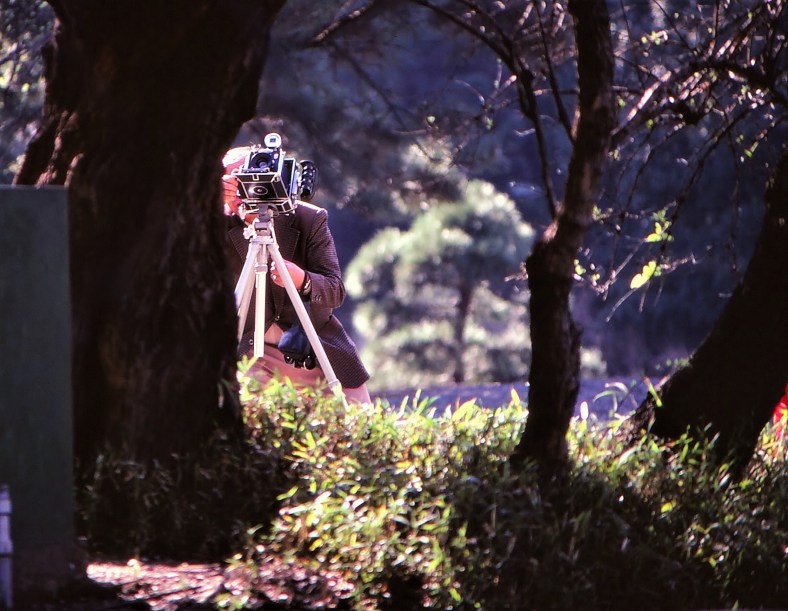
At Sankei-en in Honmoku. Fussing with his gear to capture the perfect sakura picture.

21530065969_eae53760ce_o

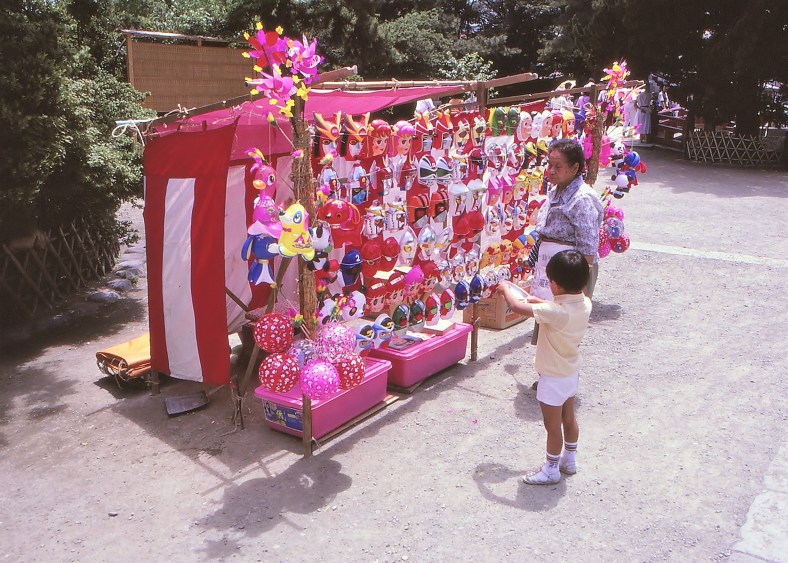
Young customer meets experienced toy vendor. I believe at Ueno Zoo Tokyo.

24286093052_fa76f184c5_o

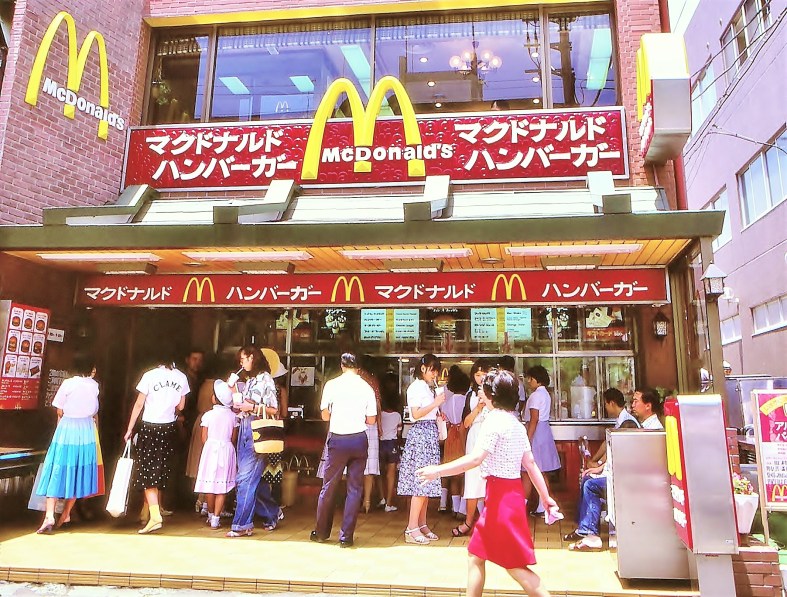
Yep, Mickey D’s in Yokohama.

21035848375_4fa13d6423_o

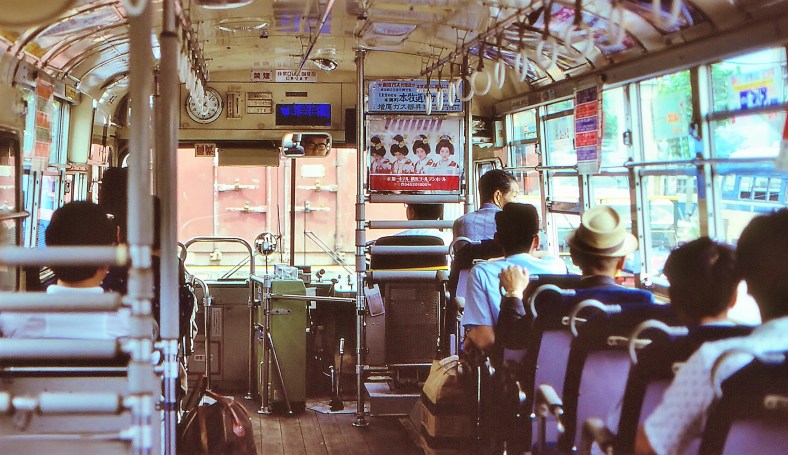
Number 8 bus in Yokohama. The driver keeps his eye on me.

20925761999_57044d4ac0_o

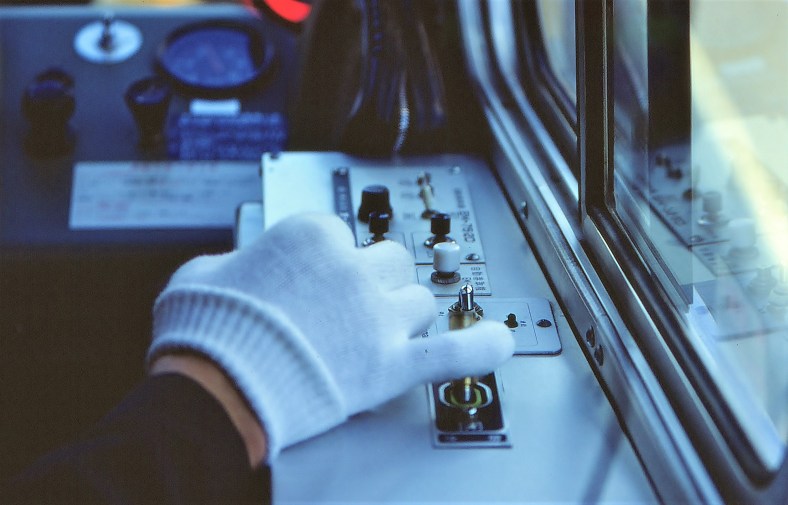
Iconic view in Japan. A professional bus driver and his clean white gloves.

20440479143_e1e31b7c68_o

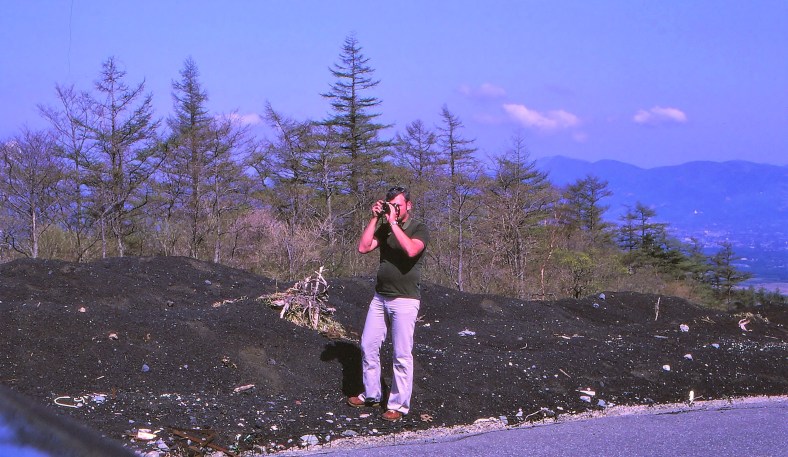
On the road to Mt. Fuji. Taken by Carol with her Canon AE-1.

As always we thank you for your visit. We enjoy sharing some of our images from when we lived in Japan in the late 1970s.

Chris and Carol… and BTW, Merry Christmas!!! ^.^

A Little More Pigeon Poo…

DSCF1701

It would appear that this Pigeon may be a rather rare version. From late 1952 to early 1953… is this a Model IIA? It doesn’t match completely with the other known Pigeon models.

The Shinano Pigeon 35 was not a groundbreaking camera during its run… it was just a solidly built 35mm viewfinder camera that still works like a charm even after 6 decades of use. Shinano, which had its roots in Suwa, Nagano Prefecture in the early 1950s, would cross paths with another start-up manufacturer from Nagano… Yashima. Yashima would go on to make its first TLR and call it a ‘Pigeonflex’. Shinano faded and Yashima eventually changed its name to Yashica (1958) and the name Pigeon essentially dropped from sight and memory.

DSCF1695

Complete filter set and lens shade from Shinano for the Pigeon 35.

DSCF1699

Vintage view of the Pigeon 35 Model IIA.

More images soon… from the camera! If you would like to know more about the Shinano Pigeon and all things related to Yashima-Yashica twin-lens reflex cameras, please stop by my friend Paul’s amazing website http://www.yashicatlr.com/Pigeonflex.html#pigeon35

Thanks for the visit… Chris and Carol