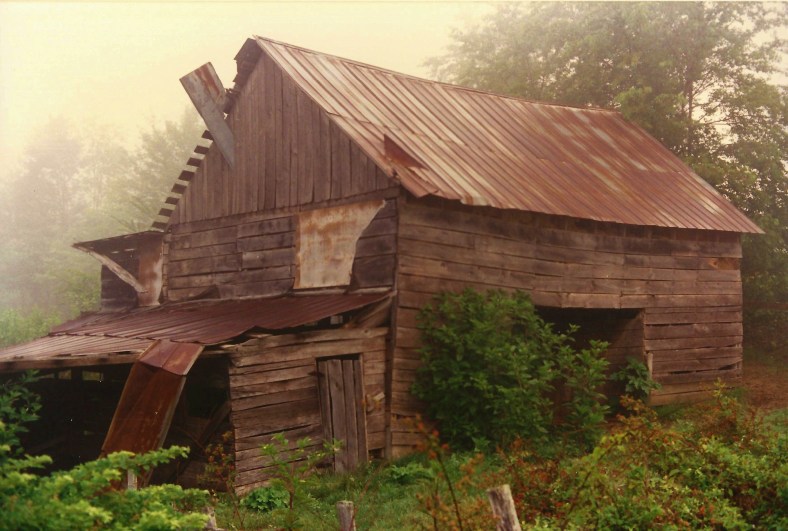
Tower Bridge – London 1987

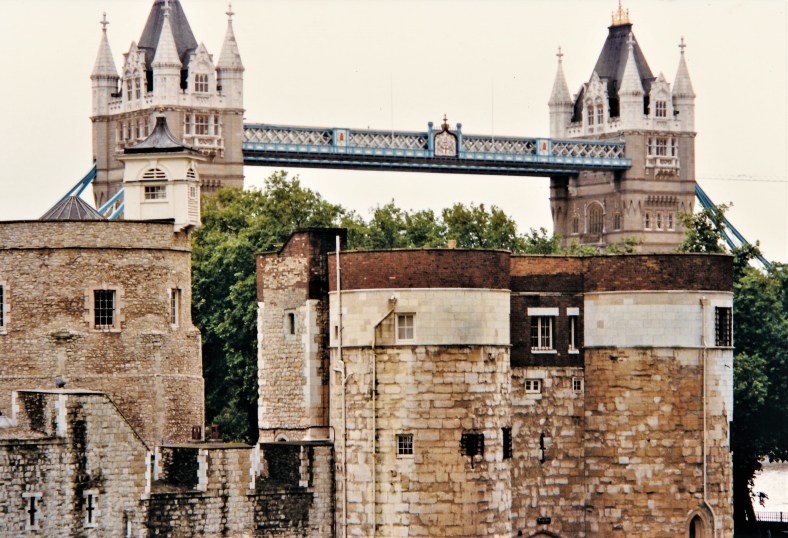
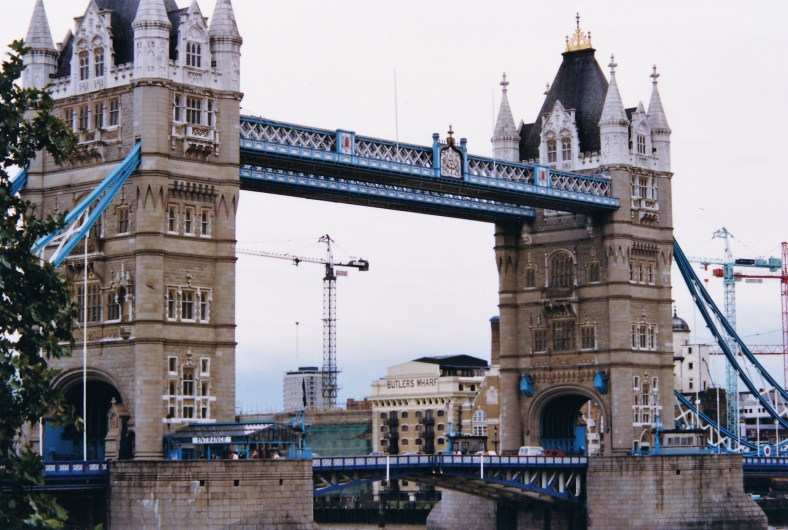
Interesting view of the Tower Bridge on a horrible weather day (for photographing with Kodacolor) – September 1987

IMG_20171021_0009

Adjusted a bit warmer (tone).

Canon F-1 with Canon FD 80-200mm f/ 4 zoom lens (at 200mm) on Kodak Kodacolor film.

Scanned original 4×6 Kodacolor prints on Canon CanoScan 9000F Mark II.

IMG_20171021_0003

Adjusted a bit on the cool side.

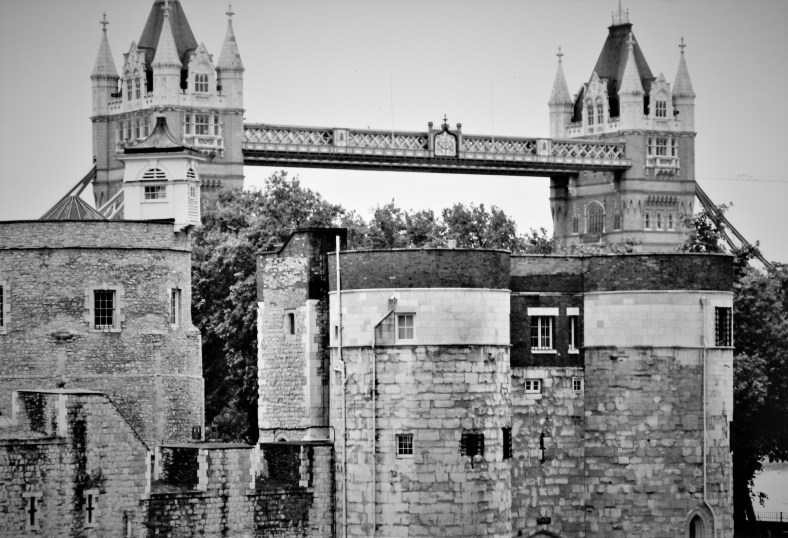
I don’t normally convert color images to black and white but these lacked any real colors so I decided to strip away what little traces of color there were. Improved?

IMG_20171021_0009 bw

Thanks for stopping by!

Chris

Please respect that all content, including photos and text are property of this blog and its owner, Yashica Pentamatic Fanatic, Yashica Sailor Boy, Yashica Chris.

Copyright © 2015-2017 Yashica Pentamatic Fanatic, Chris Whelan
All rights reserved.

Station (Victoria) Hotel – London 1987

Super nice B&B back in the day – Vauxhall Bridge Road, Westminster. Just what some tired US Sailors needed after a long day touring.

IMG_20171021_0006

Canon F-1 with Canon FD 24mm f/ 2.8 lens on Kodacolor. Yes, the hotel was pink(ish).

Thanks for stopping by!

Chris

Please respect that all content, including photos and text are property of this blog and its owner, Yashica Pentamatic Fanatic, Yashica Sailor Boy, Yashica Chris.

Copyright © 2015-2017 Yashica Pentamatic Fanatic, Chris Whelan
All rights reserved.

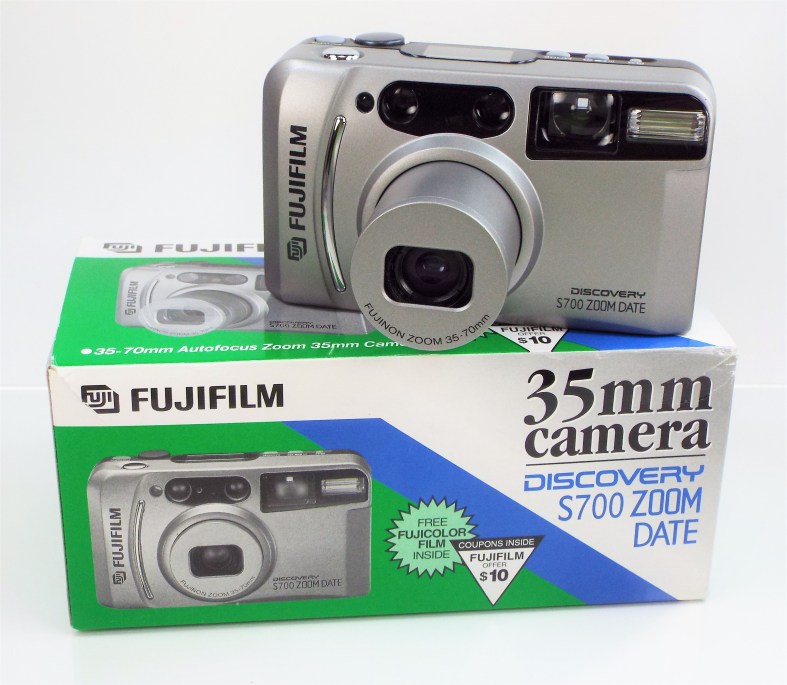
Fuji Fail-ed… Discovery S700 Zoom Date

It was bound to happen. One klunker out of a bunch of good ones isn’t bad. We think it isn’t so much a bad build as possibly improperly stored… maybe.
DSCF5800

Another in the long line of plastic fantastic Fujifilm cameras from the late 1990s.

Part of the Discovery series of compact 35mm point and shoots from Fuji Photo Film. This one came to us still new in the box, unused but maybe stored in a too hot environment. Some of the plastic bag protecting the camera became stuck to the back film door (see below). This one is, using a nautical term, dead in the water. Despite a new battery, the camera won’t fire the flash and the shutter works intermittently or not at all. The power zoom works but beyond that, nothing else. Possibly a short in the circuitry caused by the hot storage (pure speculation).

DSCF5788

Sticky residue on the film door from the factory plastic bag. So far it’s resisted all attempts at cleaning it off.

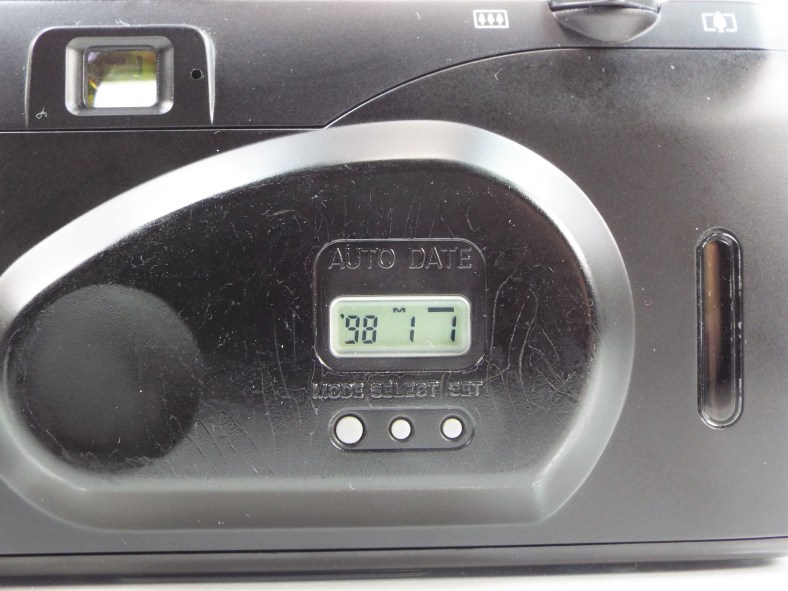
When the battery was first inserted for the date mode, this is the programmed date that popped up. We’re thinking it may be the build year. Why not?
DSCF5786

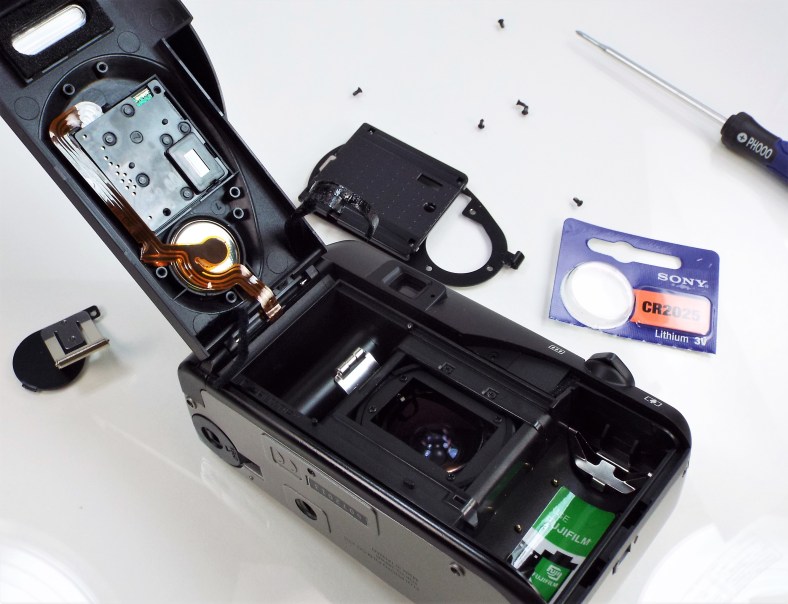
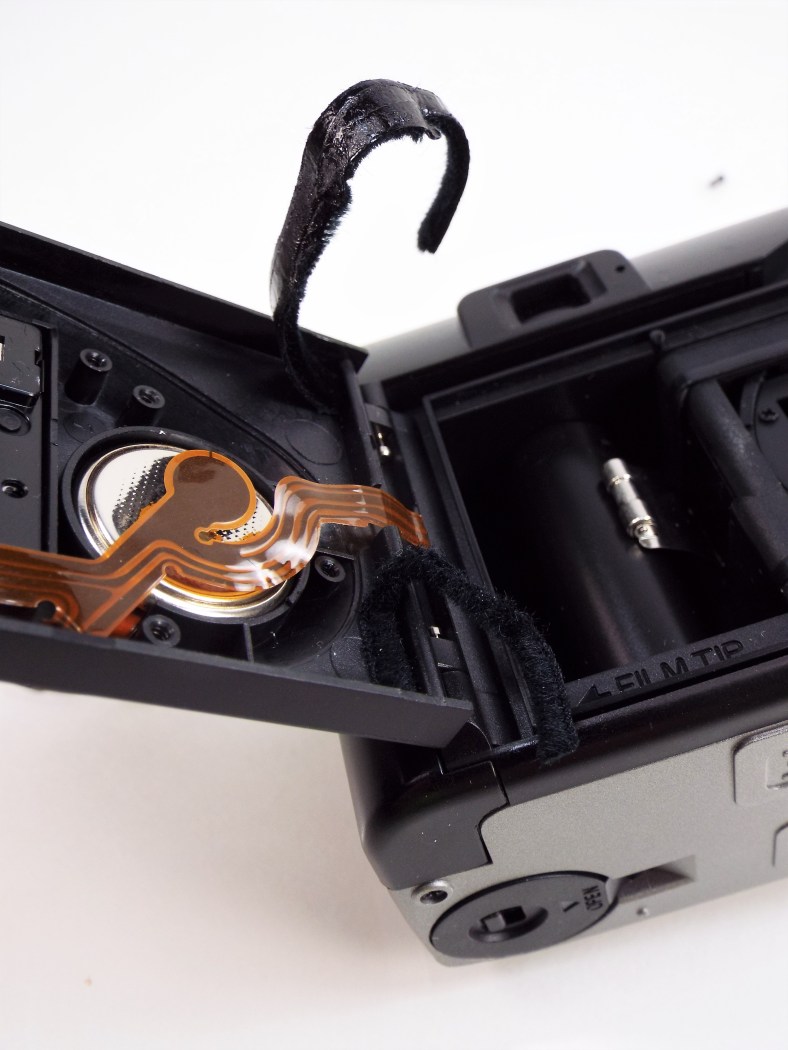
Talking about the date mode battery, what a pain to change it! Number one, it’s not even mentioned in the owner’s manual for starters. It takes a CR2025 3V lithium button battery but it wasn’t mentioned. Take a peek at what it takes to get at it… ⇓
DSCF5783

Remove 6 screws and the film pressure plate, the battery cover and then peel up 2 felt light seals!
DSCF5784

That baby was buried and stuck down with the light seals!

DSCF5789

Back together.

Anyway, it’s a good looking camera and may have been fun to use.

DSCF5794

DSCF5796

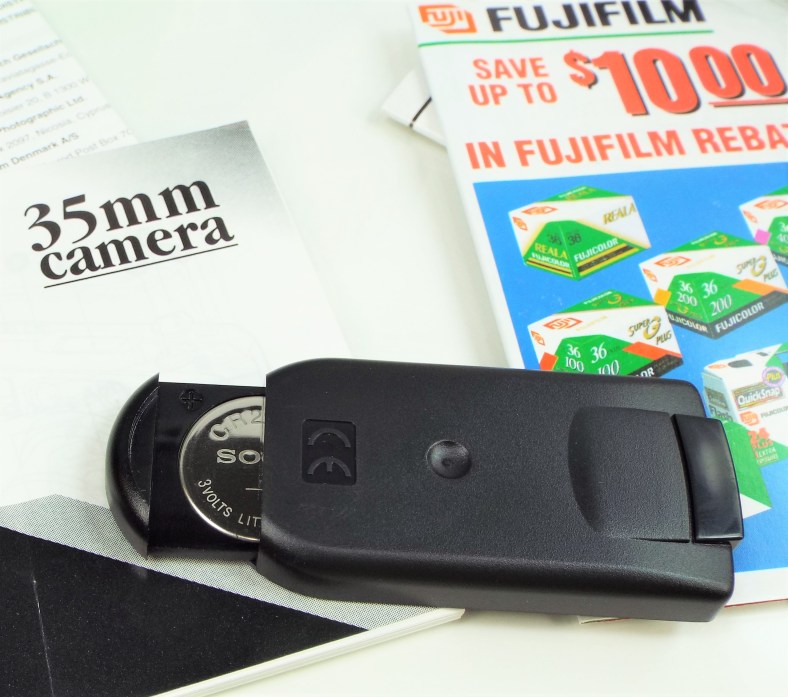
Oh and the remote control (below), no mention of that battery either.
DSCF5802

Another CR2025 button battery.

DSCF5792

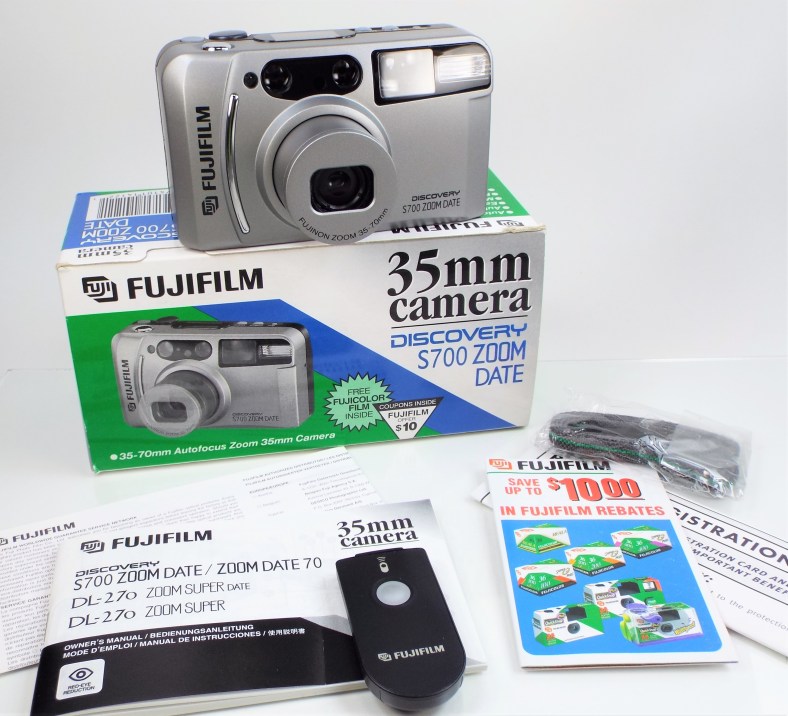
We’ve had great results with our other Fujifilm Discovery series cameras in the past. No reason to believe the series is not worthy of a look. Having said that, this is a new camera that’s never been used and still failed – but that’s why there’s warranties.
DSCF5801

Quick specs: Lens Fujinon 35-70mm electronic zoom, 5 elements in 5 groups. DX coded for ISO 100/400. Continuous shooting at 1 frame per second. Weight 235 grams with battery and data back.

Can we recommend the S700 Zoom Date? Well no. There are much better models out there from Fuji. Stick with the longer zoom models still built in Japan.

Thanks for your visit! Comments always welcome.

Studio Camera: Fujifilm FinePix S9900W

Chris
 

Yashica Arrivals – Pentamatic S & 635

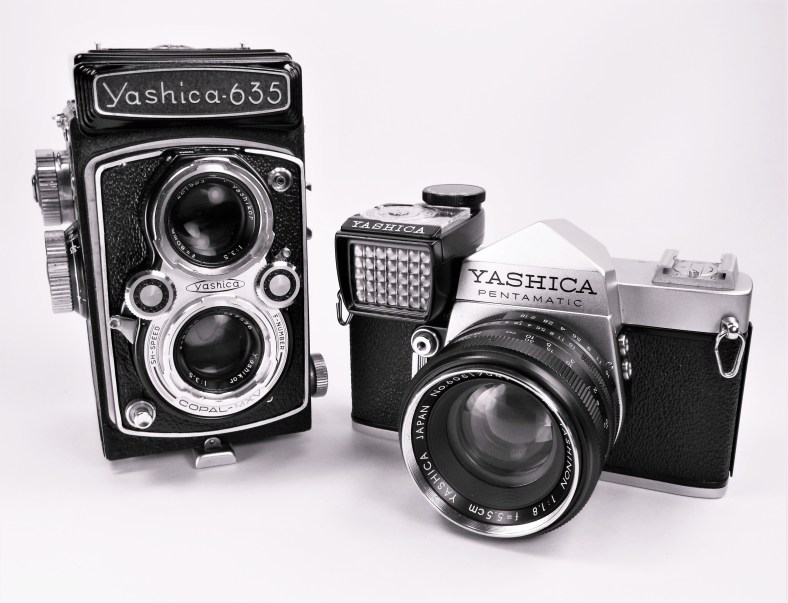
As if the collection needed more Yashica anything – but collections are dynamic things and as such, something “new” arrives which paves the way for a duplicate(s) to go.

Although we have some very nice Pentamatic-S models in the family, this one is close to mint new and is in fully working condition (including the “no name” exposure meter). So we’ll take a hard look at the others and decide which will be listed for sale in our online store.

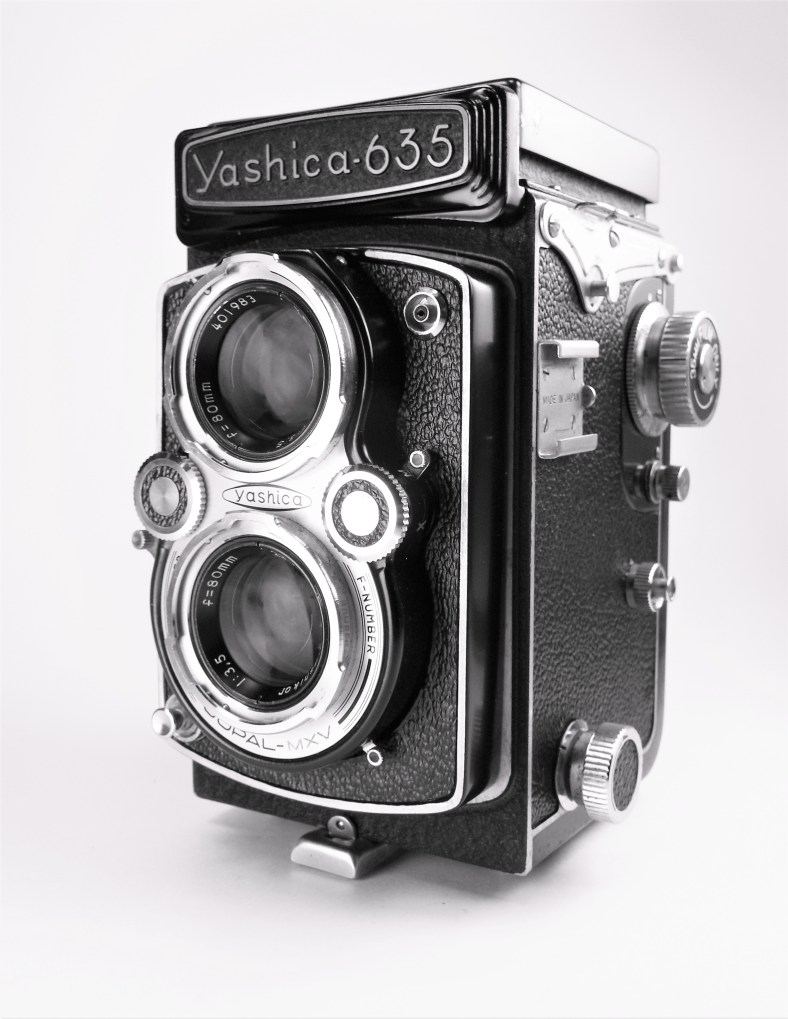
The Yashica-635 is another story.

The first one we acquired (about a year ago) looked perfect – new in fact – but it had a fatal flaw – the shutter was jammed because the “M-X” lever was in the wrong position when someone tried to use the self-timer. That one was sold for parts. This one came to us from England and was likely purchased new in Singapore in the late 1950s. A guess on our part but there’s a cleaning cloth with it from a camera store in Changi Village, Singapore which was located right outside the gates of the RAF Changi airbase. This 635 is super clean and works! It even came with the hard to find large Yashica-635 carry case in excellent condition. We can’t wait to try the 35mm feature on it.

DSCF5638


The Yashica-635 is a dual format TLR which was released in 1958 (this model) and the Yashica Pentamatic-S came out in early 1961 – possibly January (this one September 1961).

DSCF5626

DSCF5635

Much more to come on the Yashica-635. We hope to restore the large leather carry case that came with it and we’ll do a complete feature on the dual formats. The ability to shoot 12 6x6cm negatives with 120 roll film and with a few easy change outs inside, switch to shooting a roll of 35mm film with the same camera. Cool.

Thanks for stopping by!

Studio Camera: Fujifilm FinePix S9900W

Chris
 

Original Pentamatic Accessories

Some of the original accessories that were available for the new Pentamatic…

When Yashica’s first single lens reflex (SLR) 35mm camera hit the world markets in the May-June 1960 time period, they were ready with a host of well designed accessories. From simple screw-in filters to extension tubes and the new bayonet mount lenses, Yashica had a nice selection to choose from. Here are just a few examples…

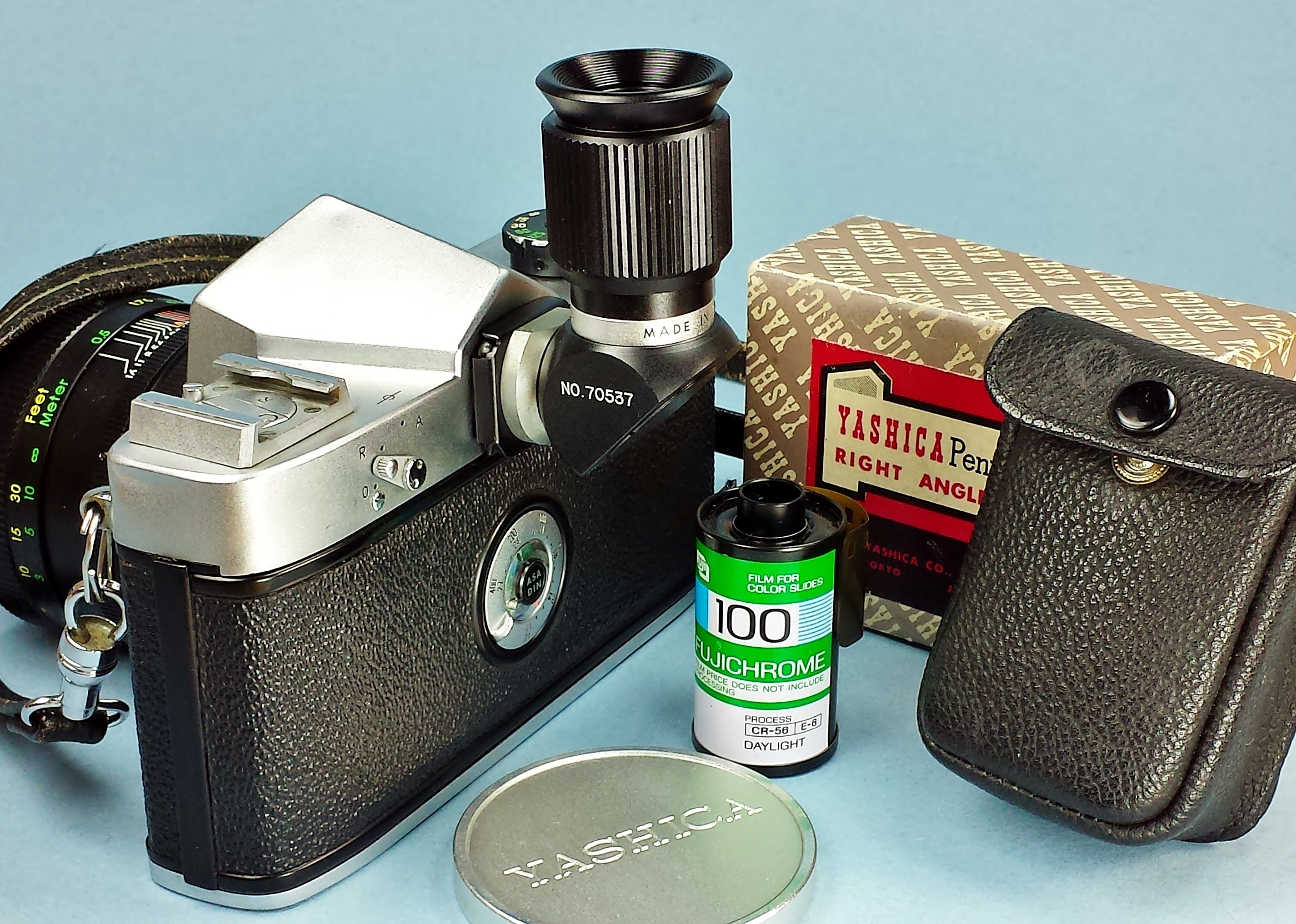
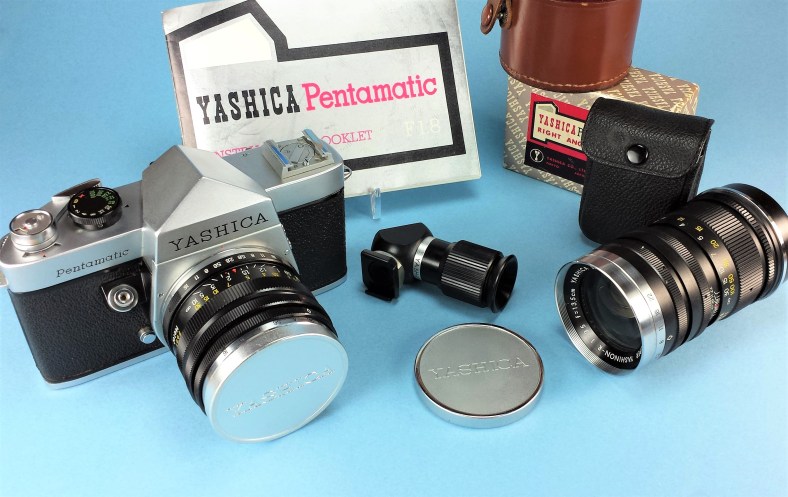
Pentamatic Right Angle Finder for low angle and close-up photography. This simple finder mounted securely to the camera's eyepiece and had adjustments for focus and could be rotated 90 degrees to the left for vertical copy work. The image is reversed so it does require some getting used to. Here it's mounted to my Pentamatic-S.

Pentamatic ‘Right Angle Finder’ for low angle and close-up photography. This simple finder mounted securely to the camera’s eyepiece and had adjustments for focus and could be rotated 90 degrees to the left for vertical copy work. The image is reversed so it does require some getting used to. Here it’s mounted to our Pentamatic-S.

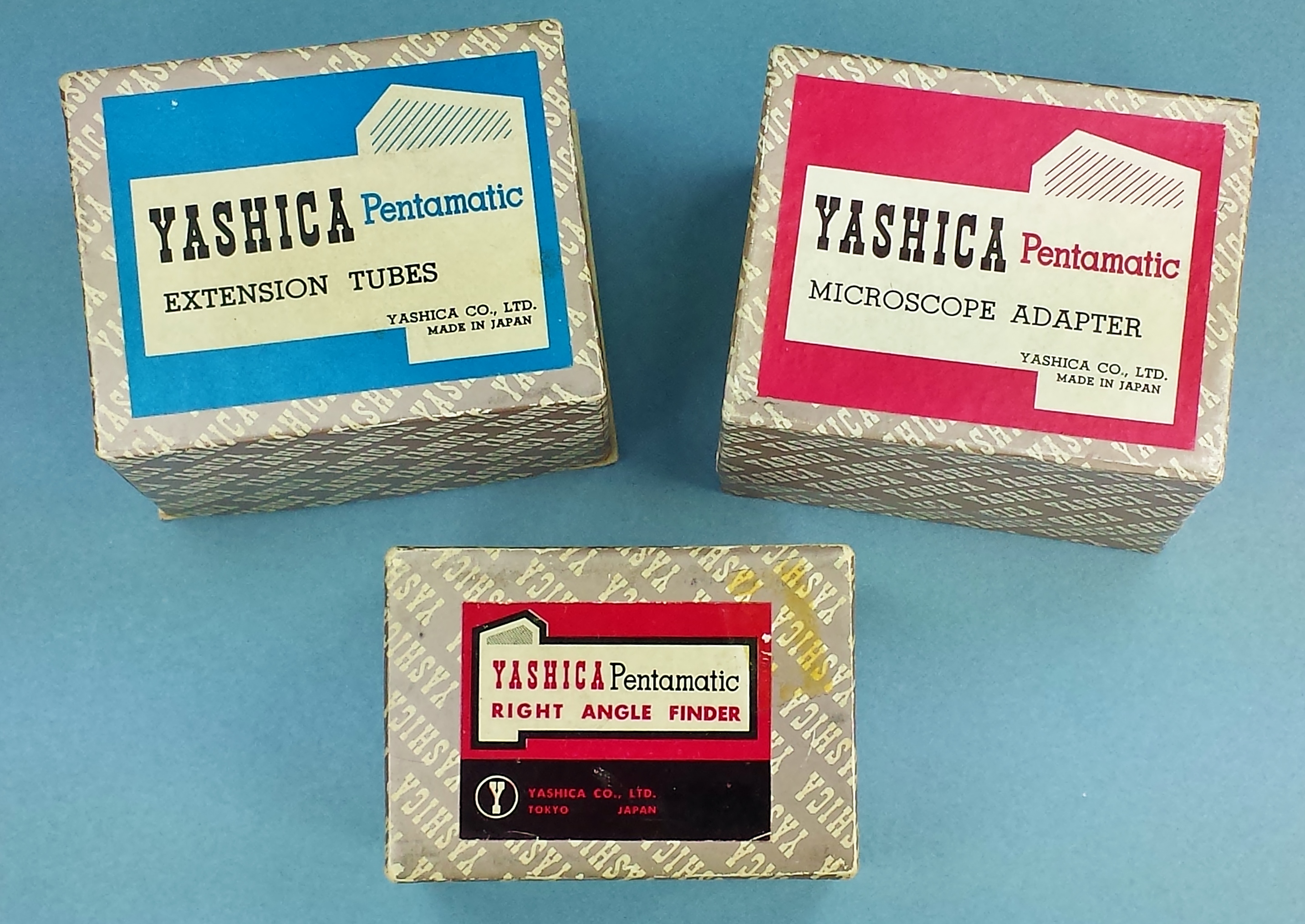
A small collection of boxes gives some idea as to the diversity of the early accessories. Note the general theme of the design... each shows-off the "pentaprism" design of the camera. The right angle finder box appears to be from a slightly later design as it has a different look from the other two.

A small collection of boxes gives some idea as to the diversity of the early accessories. Note the general theme of the design… each shows off the pentaprism design of the camera. The right angle finder box appears to be from a slightly later design as it has a different look from the other two.

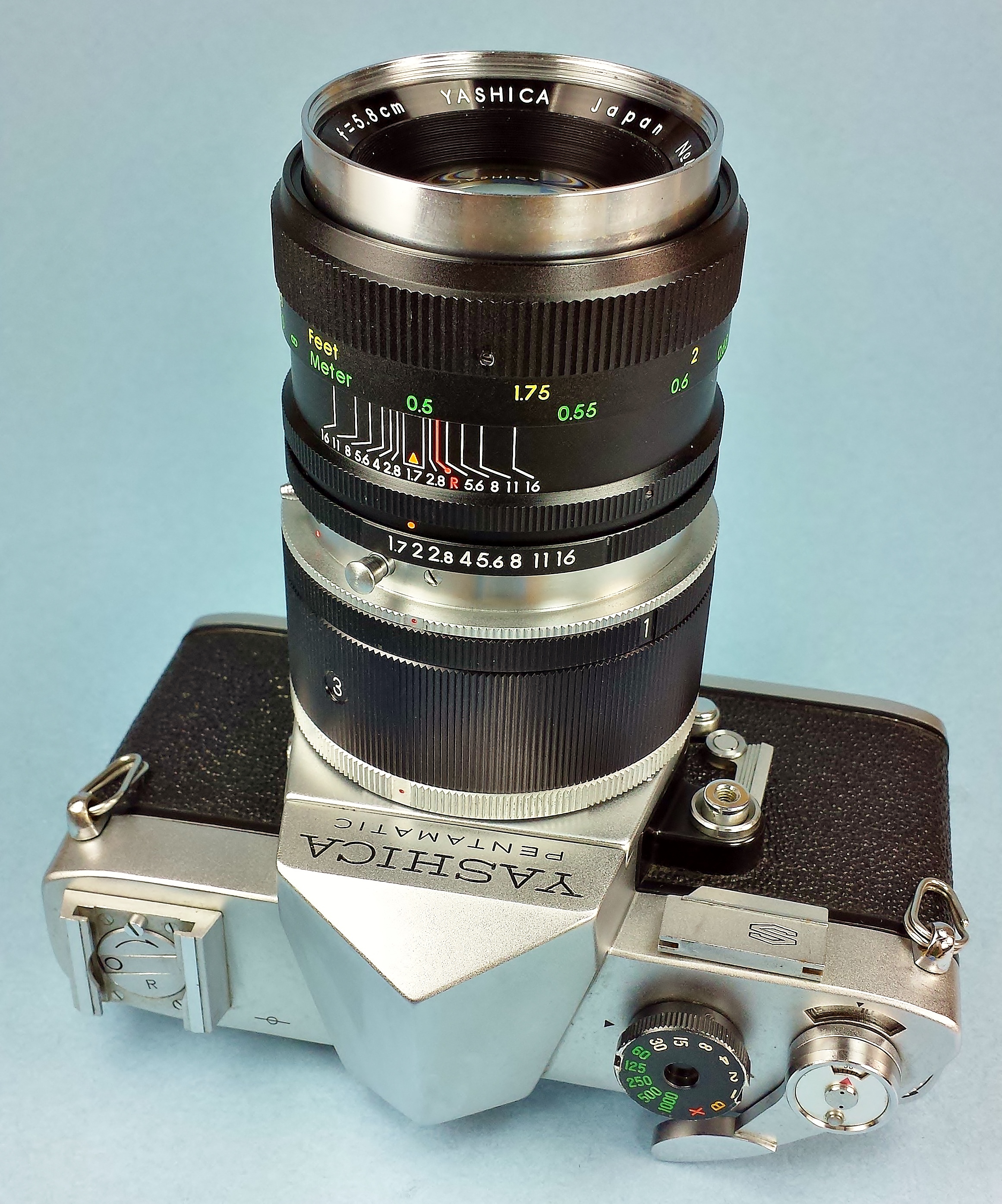
Pentamatic Extension Tubes mounted on my Model-S Pentamatic camera body and Auto-Yashinon 5.8 cm (58 mm) f/1.7 standard lens. The lens is super bright and is super heavy! Camera and lens weigh-in at 2 lbs 5 oz (1056 g)!

Pentamatic ‘Extension Tubes’ mounted on our Model-S Pentamatic camera body and Auto-Yashinon 5.8 cm (58 mm) f/1.7 standard lens. The lens is super bright and is super heavy! Camera and lens weigh-in at 2 lbs 5 oz (1056 g)!

20150108_150847

IMG_20151218_0003

Thanks for stopping by!

Chris

Yashica Pentamatic ’35’ vs. Pentamatic II

Why did Yashica bring out the Pentamatic II less than a year after releasing the original model?

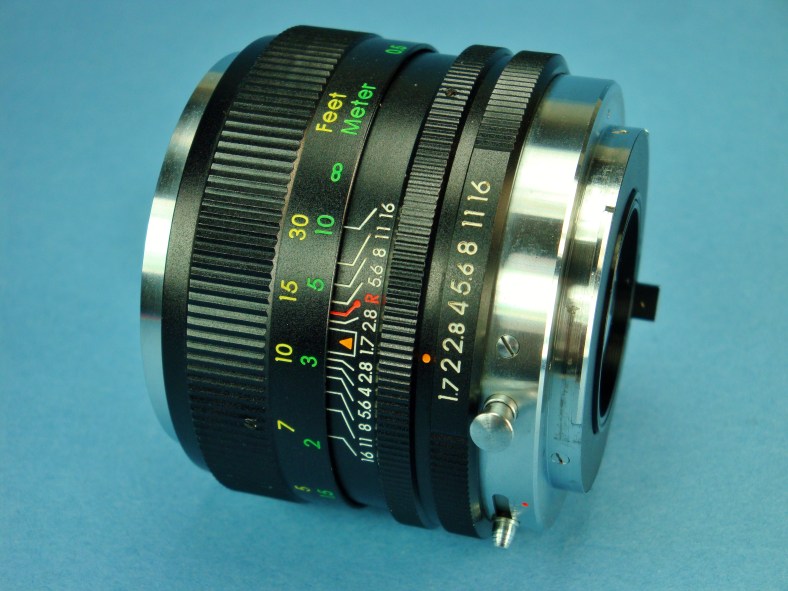
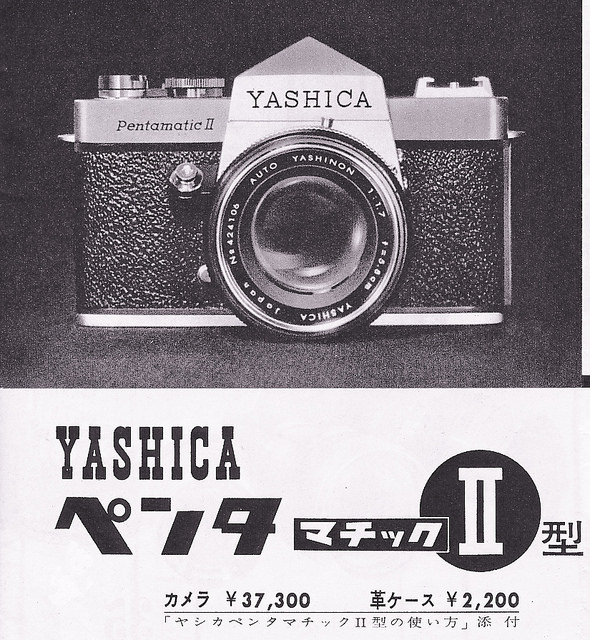
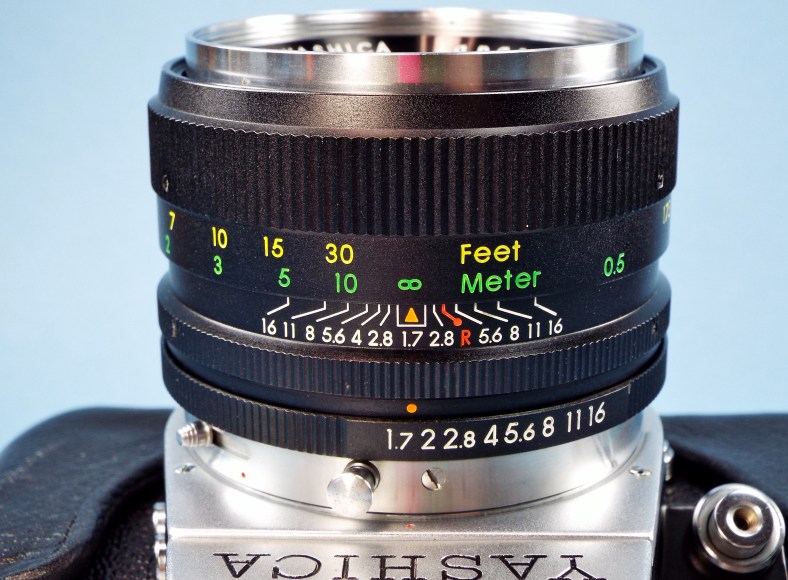
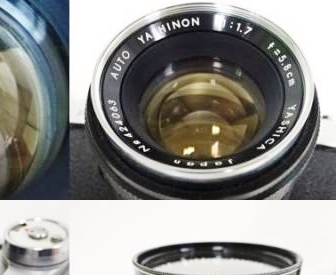
The only difference we can tell between the original Yashica Pentamatic ’35’ and the Pentamatic II (which came out around September 1960), is the standard lens that was mated with the camera body. The original Pentamatic came with the Auto-Yashinon, f/ 1.8, 5.5cm fully automatic 6 element lens. Of course it has the unique Pentamatic bayonet mount and not the M42 screw mount. The Pentamatic II came with the Auto-Yashinon, f/ 1.7, 5.8cm lens (pictured below). Both lenses were made for Yashica by Tomioka Optical of Tokyo. We imagine the 58mm, f/ 1.7 lens was a bit faster than the f/ 1.8… but we don’t see why Yashica changed from the model I to the model II and why they changed the lens… we may never discover the reason either.

DSC07467

The standard lens for the Pentamatic II – 5.8cm, f/ 1.7

27356135700_b0c5ef23fe_z

017

Gorgeous lens for the Pentamatic II.

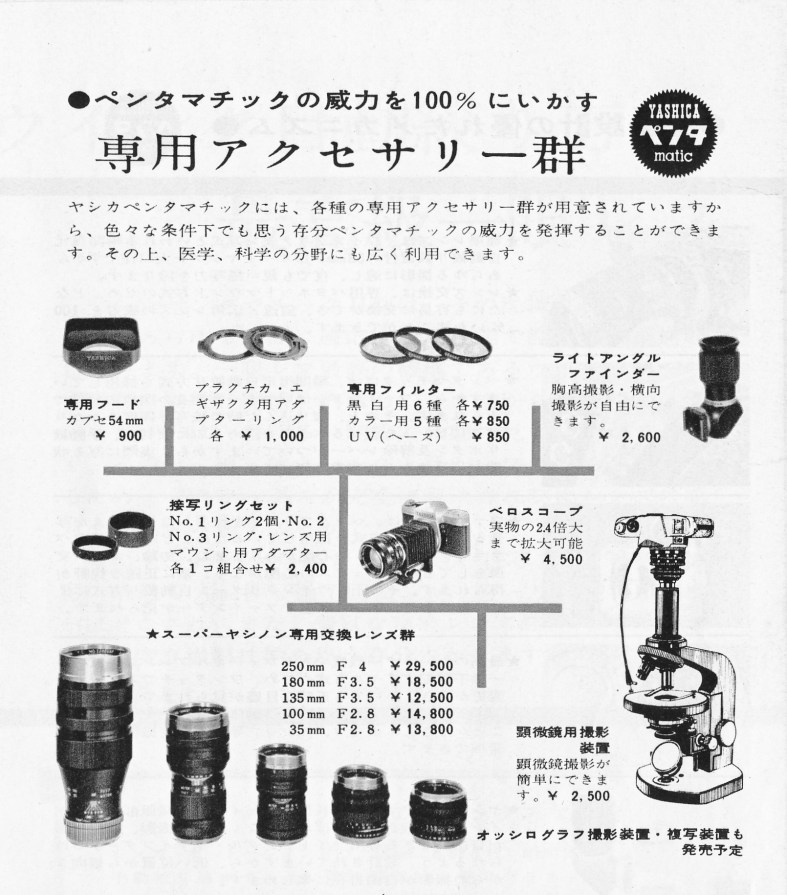
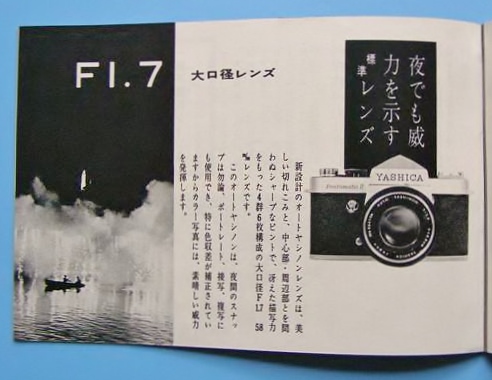
Brochure c1961

The first sighting of the Pentamatic II in a sales brochure for the Japanese home market.

We’ve yet to find an advertisement for the Pentamatic II in English and along those same lines, have yet to find the Pentamatic II in a sales brochure in English. The Pentamatic S replaced the model II less than a year after its release. The model S went back to using the original 5.5cm, f/ 1.8 lens that was on the original Pentamatic.

That makes the Auto-Yashinon 5.8cm, f/ 1.7 lenses one of the rarest of the early Pentamatic bayonet mount lenses.

06-12-2016 pentamatic II 2 (2)

Happy hunting!

Chris

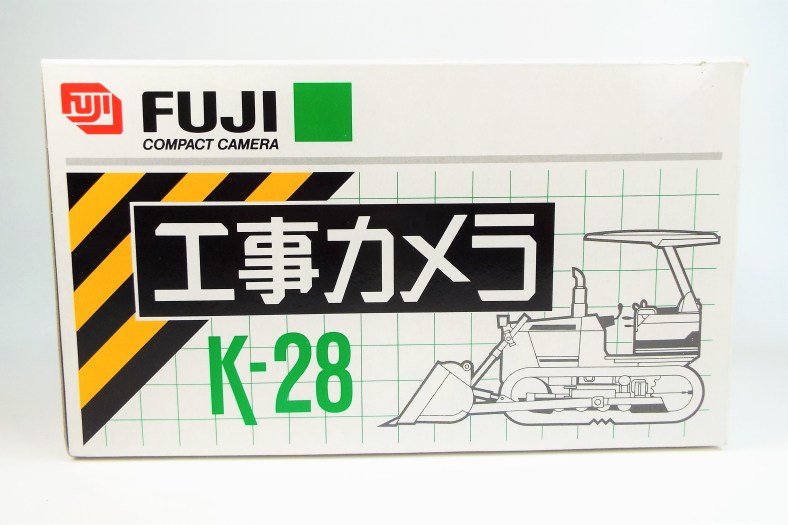
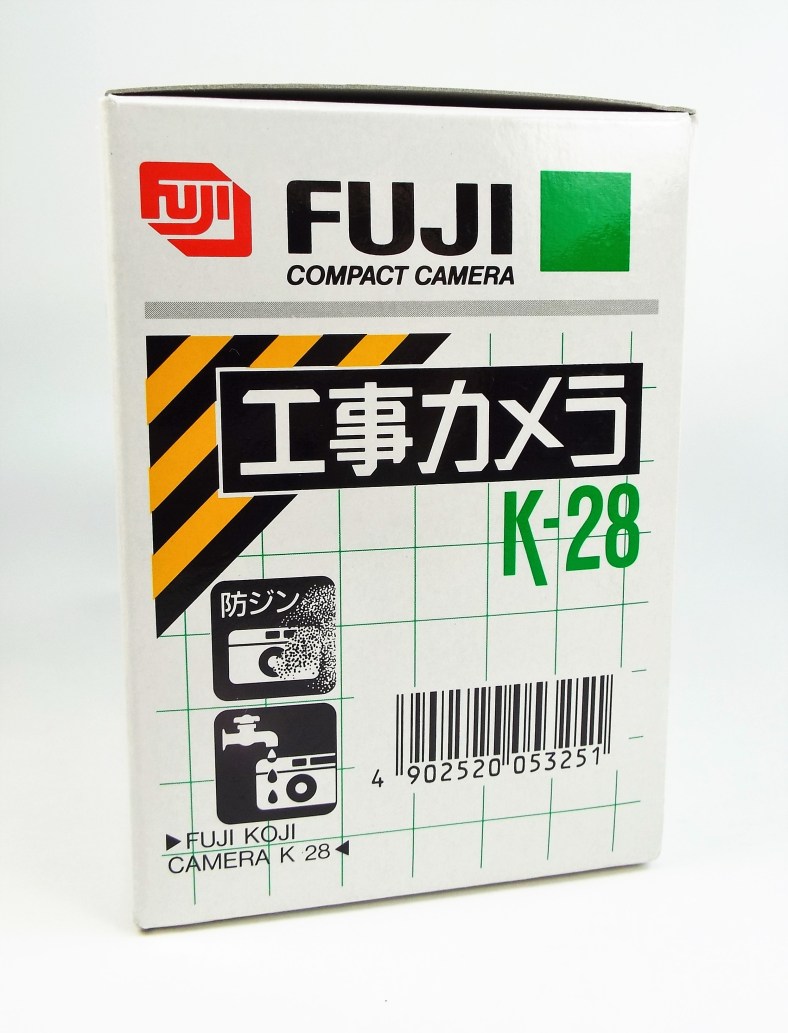
Fun with Fuji’s K-28 “Construction Camera”

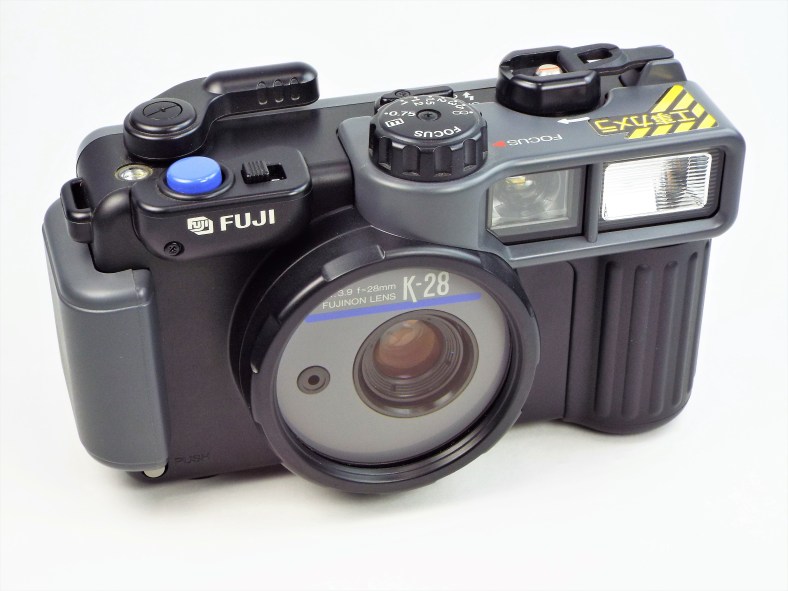
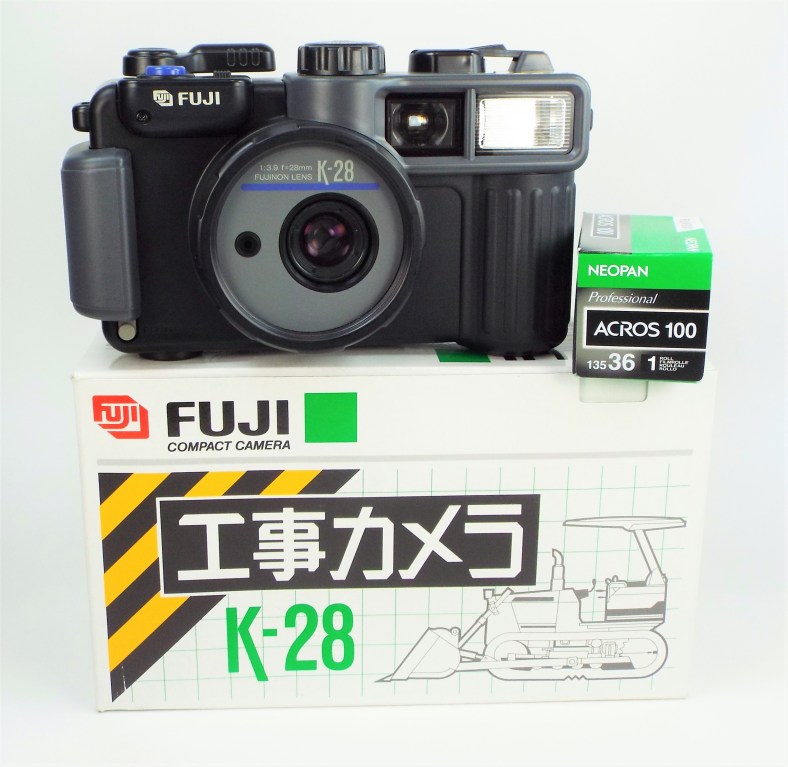
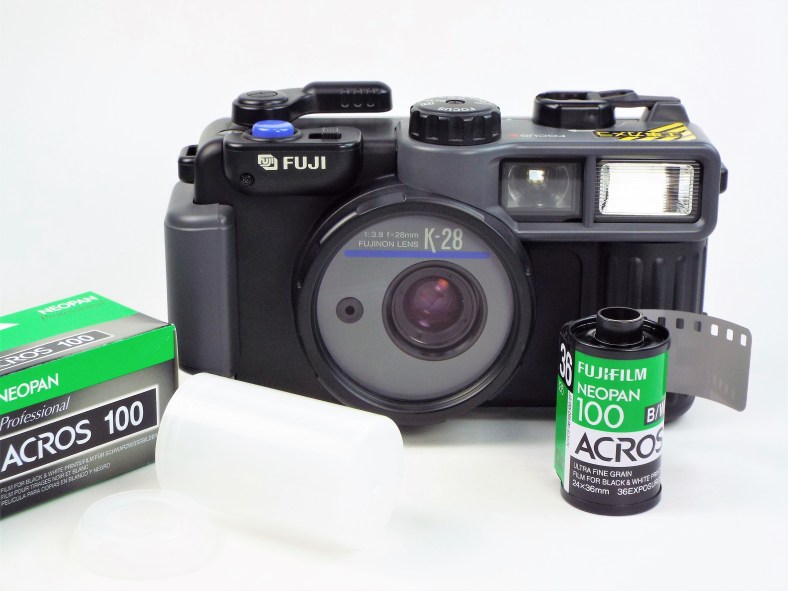
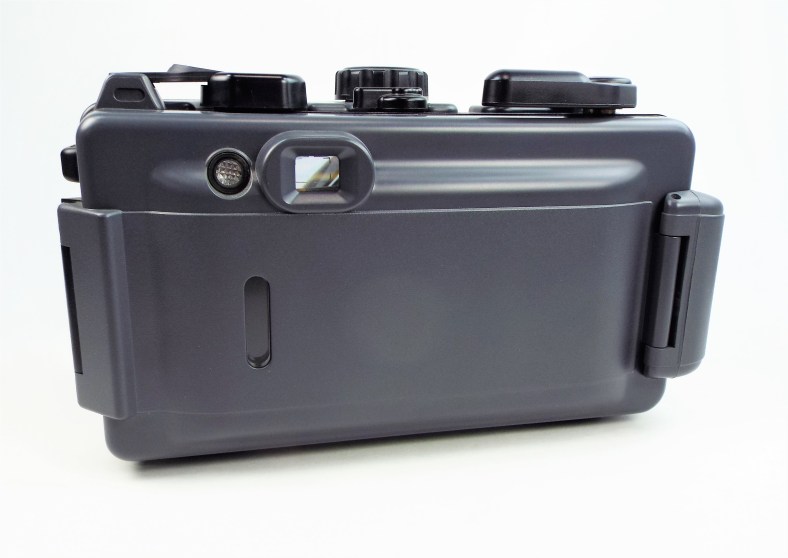
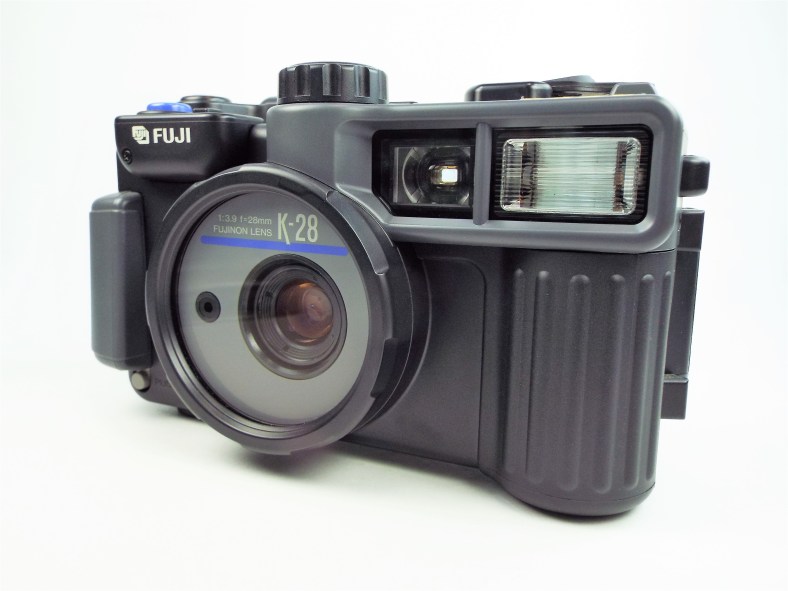
Here’s a camera you don’t see often – maybe never – Fuji Photo Film Japan’s Fuji K-28. A waterproof and dust/dirtproof 35mm compact camera. Designed for rugged use like on a jobsite or in the rain. All of the controls are sealed against the elements via tight fitting rubber gaskets and secure latching systems.

The camera gets its power from 2 AA LR6 alkaline manganese batteries. Here’s an interesting note from Fujifilm Japan: 

Apologies and Requests
Fujifilm “Construction Camera” For Customers

By the way, when the capacity of the batteries is not complete (for example, when new alkaline batteries are used with used alkaline batteries) in part of “construction camera” we sell at this time. It is extremely rare that hydrogen gas is sometimes released from the battery, the gas mixes with the air inside the camera, and it turned out that there was a possibility that the back cover of the camera could come off with a sound when using the strobe . December 8, 2000 – We would like to thank our customers for their continued patronage and appreciate their continued patronage.

Fuji Photo Film Co., Ltd

DSCF5375

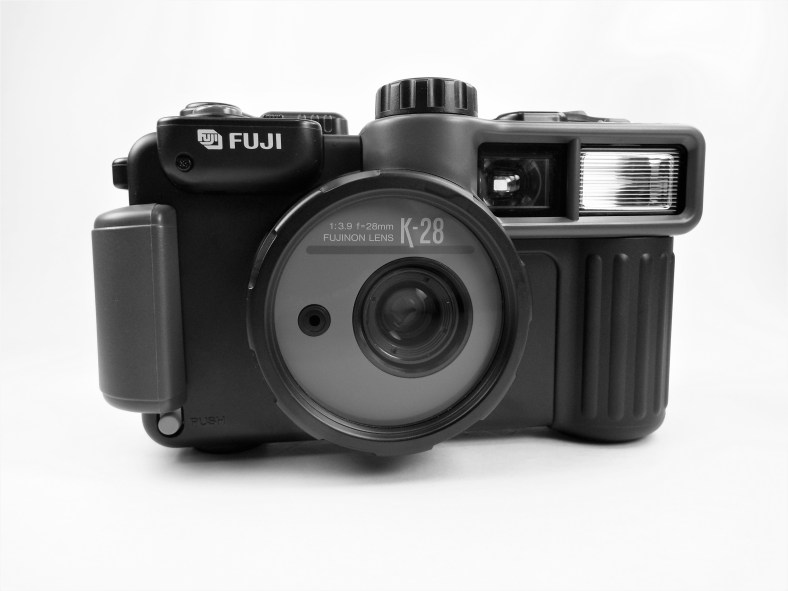
Besides being a way cool looking camera, this Fuji is more than capable where it counts. A sealed Fujinon f3.9 28mm lens with adjustable focusing and auto exposure with a set 1/100th of a second shutter. ISO auto set for film rated from ISO 100-400.

DSCF5371

DSCF5373

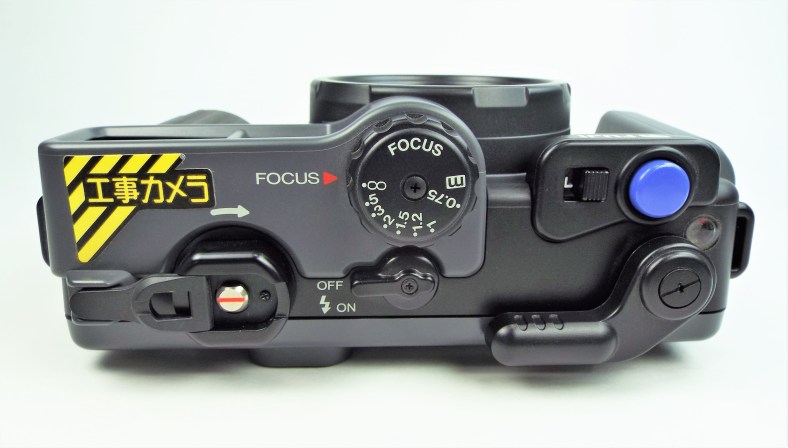
The Fujinon lens has 5 elements in 5 groups – closest focusing is 0.75m and the front glass is 4mm thick. The camera weighs in at 423g  and 467g with batteries.

DSCF5376

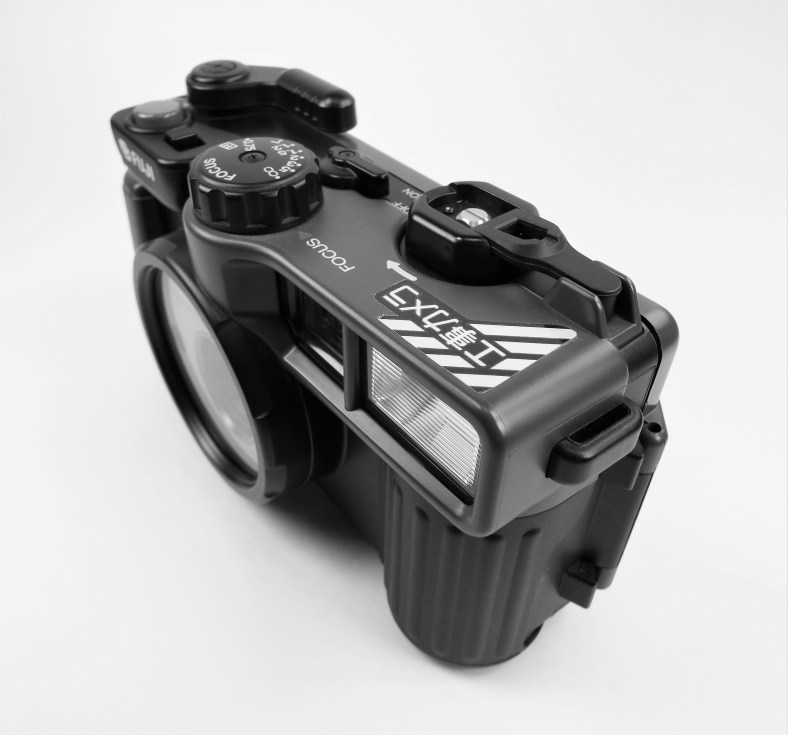
The focus scale is only in meters. The flash must be turned on via the well marked lever (center), film advance is manual by the lever on the camera’s right side and the shutter can be locked to prevent accidental exposures. The film rewind lever (left) gets tucked away to prevent damage and to help seal the top of the camera.

DSCF5377

DSCF5379

DSCF5391

Looks great in B&W!

DSCF5389

Nice lines.

DSCF5385

DSCF5386

DSCF5388

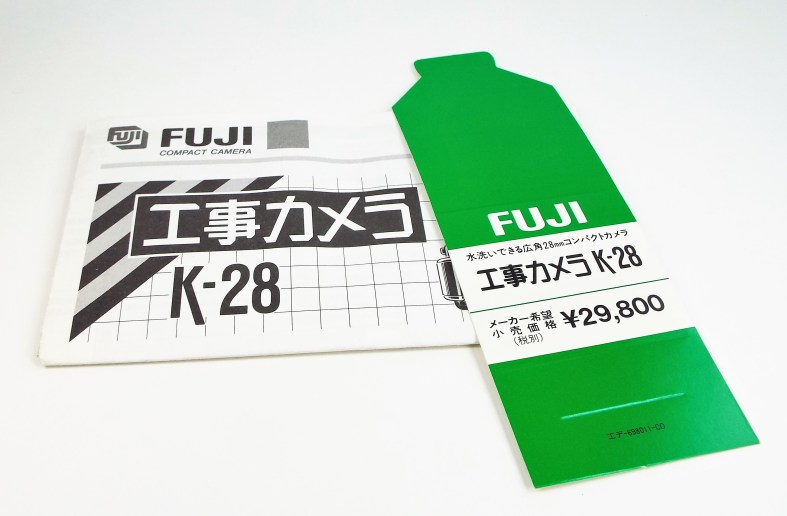
When the K-28 was released in June of 1991, the yen to dollar exchange rate was 138 JPY to the USD. So it listed for around $215 but was not for sale outside of Japan.

The K-28 certainly will hold a spot in our Fuji collection as it is basically brand new and in mint condition. The box, although a silly thing, is important to our collection as we like to collect camera sets as complete as possible. Besides, who wouldn’t want a bulldozer on their camera box!

If you find something incorrect in our post, please feel free to let us know what it is and we’ll gladly correct it.

Thanks for stopping by!

Studio Camera: Fujifilm FinePix S9900W

Chris
 

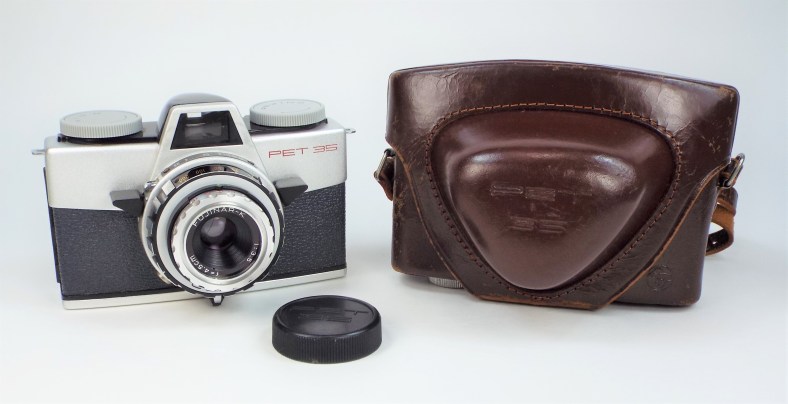
Fuji’s Pet 35 – 1959

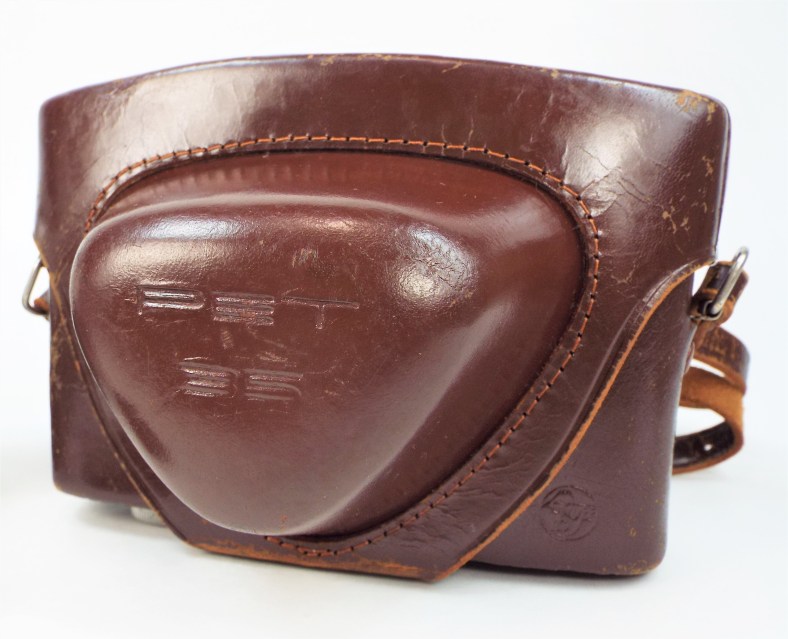
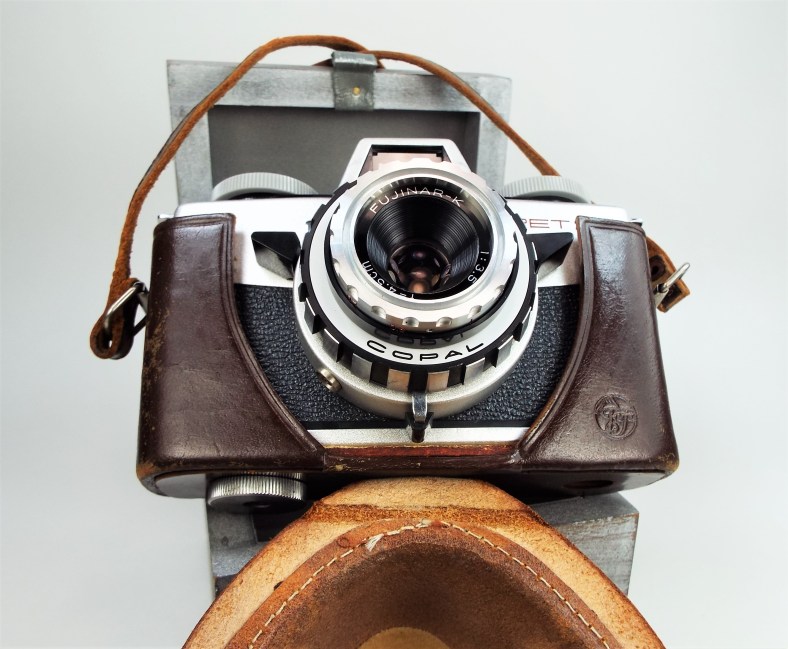
Fuji Photo Film Company’s Pet 35 was introduced in 1959. As best as we can tell, the Pet was only available in the home market. Few nice examples exist today and even fewer with their original leather case.

Here’s an example of a very popular camera for Fuji during the late 1950s and early 1960s.

DSCF5295

DSCF5296

A Pet 35 leather case in all of its 1950s glory!

DSCF5306

The Pet 35 fits snugly into its leather case – the front does not detach so it always flops around (and weakens the crease).

DSCF5298

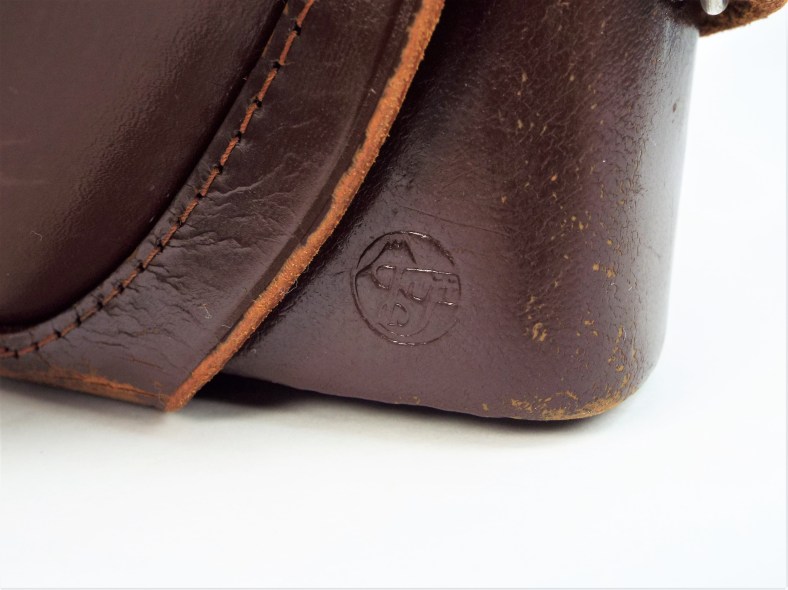
One of the coolest logos around.

If you run across a nice Fuji Pet 35 don’t pass it by. They are very much a real 35mm camera with excellent qualities – a glass lens with selectable apertures and adjustable focus. We haven’t run a roll of film through it yet but it’s on our list.

Camera: Fujifilm FinePix S9900W

Chris
I See Red – Fujica DL-20

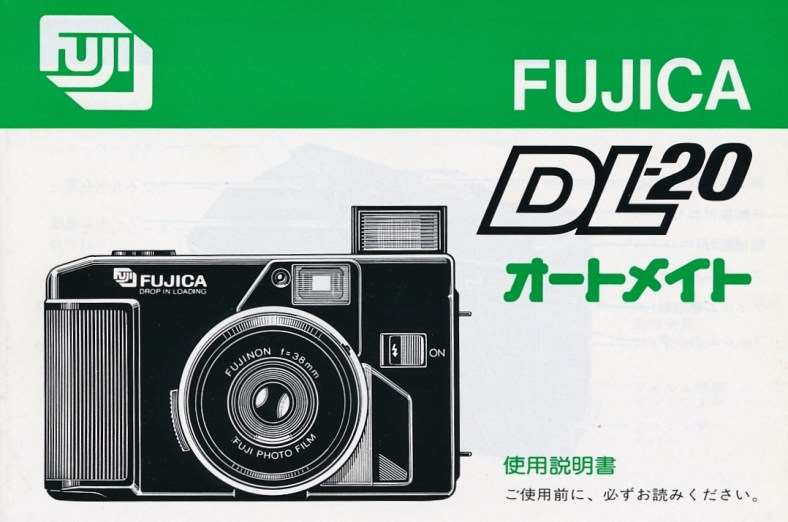
Pretty little Fujica DL-20 from 1983.

The world’s first 35mm drop-in loading camera! Simply load your Fujifilm cartridge into the opening on the bottom, close the back – and your Fujica will do the rest!

DSCF5164

Features a Fujinon 38mm f/4 lens with built-in lens and viewfinder cover.

Released in March 1983 in Japan, it was also known as the ‘Auto Mate’. 

29233274400_8e1ebeb4bb_o

DSCF5167

Original list price in Japan was 30,000 JPY.

DSCF5168

Shutter fires from 1/100 to 1/300 of a second.

●チラシ

Also released at the same time the more feature packed DL-100 (Auto Ace).

DSCF5169

Solid little thing! Thick plastic everywhere and a bright red finish too!

DSCF5170

Manually set ISO settings (100 & 400). 3 zone focusing. Auto exposure (EE).

DSCF5171

Built-in electronic flash.

DSCF5172

DSCF5173

DSCF5174

Push the film cartridge into the opening on the camera’s left side with about 5 cm of film extended – close the back and it auto loads the film.

DSCF5177

28900694283_ae40fb6faf_o

Cute centerfold art… love the image on the far right!

Weighs in at 300 g. Fits nicely in your hand (although a bit small for me) and fits in a coat pocket with ease. A simple, compact 35mm point and shoot camera from Fuji Photo Film.

We don’t know if we’re going to shoot the Acros first or load up some bright Fujicolor. Soon we hope!

Camera: Fujifilm FinePix S9900W

Thanks for stopping by!

Chris