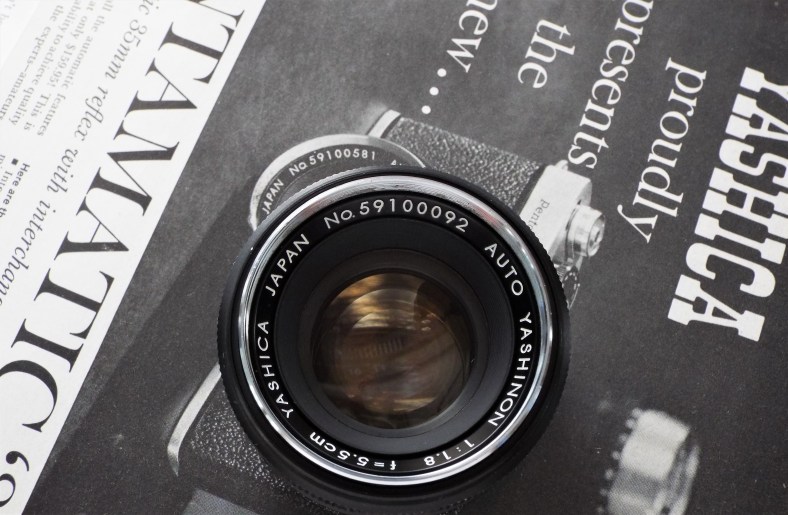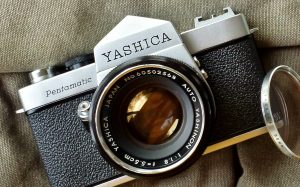
Nicca Type 33 and the Yashica YE… Mighty Morphing Classic Cameras!

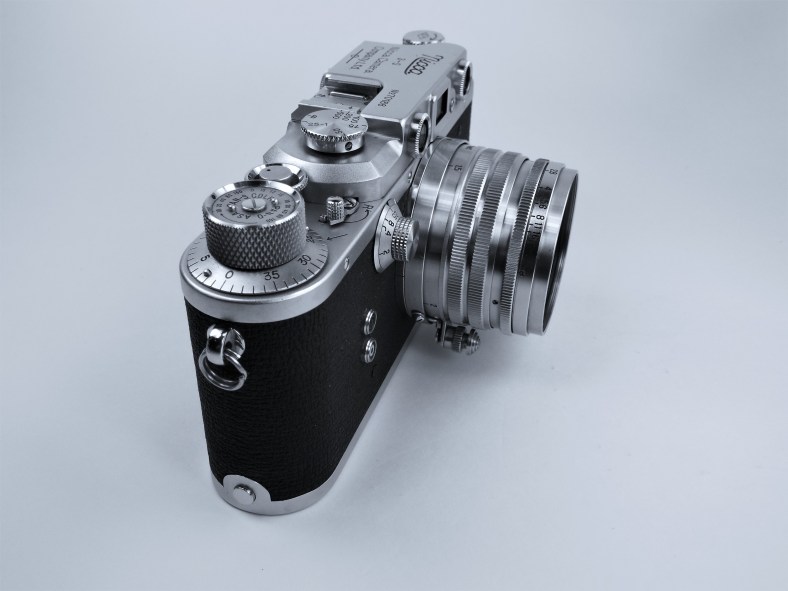
Some background – Yashica acquired Nicca in May 1958. Nicca was well known for making high quality 35mm rangefinder cameras since the late 1940s.

Nicca cameras normally came with lenses branded as Nikkor. When the Nicca Type 33 was released in 1958, it came with a Nicca branded lens. We don’t know if Nicca was the actual lens maker or another company made the lens and Nicca had their name affixed. Either way, when Yashica took over the company the Nicca 33 was sold with the Nicca branded lens.
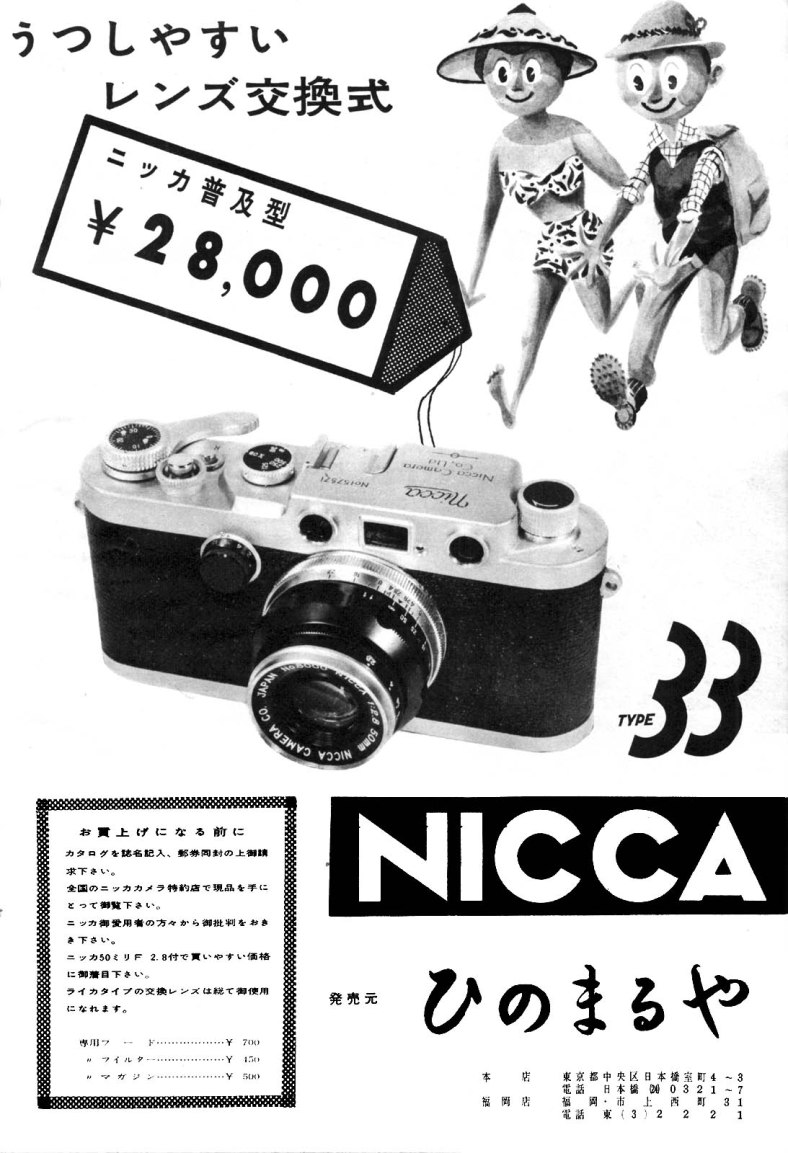
large nicca 33 ad

Cute original advertisement from July-August 1958 for the Nicca Type 33 35mm camera and lens.

If you look closely at the ad above, you can see that the lens is marked “Nicca Camera CO.” and is a 50mm f2.8 lens. The serial number isn’t completely clear but looks like a prototype number or some sort (maybe not)… maybe 8000 or something. The list price is interesting too at ¥28,000.

The serial number of the camera body is No. 157571 – which if it was recently made would put it about mid production. It’s claimed that only 1,000 units were made over a short period during 1958.

Nicca Lens

Beautiful condition Nicca branded lens that recently sold at auction in Japan. Note the 4 digit serial number.

nicca 33 owners book

Original Type 33 instruction booklet.
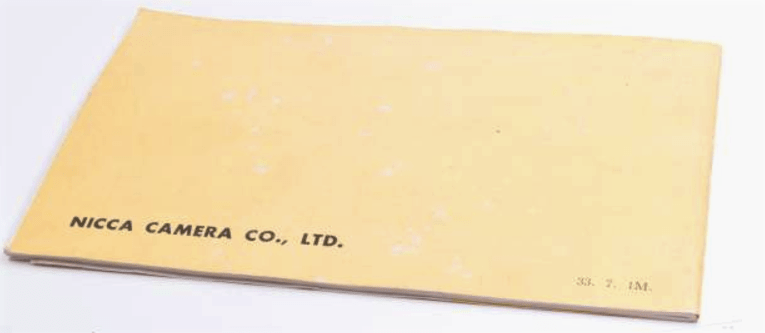
nicca book back date

The booklet is dated (33. 7. 1M.) which should be 1958 July.

The Yashica YE – with some minor physical changes to the top plate, the Nicca 33 is now the Yashica YE!
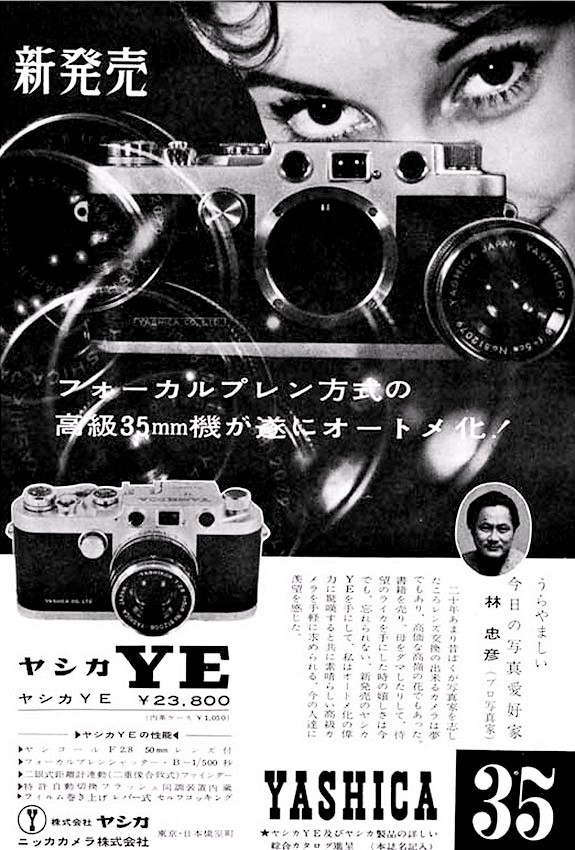
Yashica-YE-Pub-1959-2-Jp-850

Note the significant price difference from the Type 33. This ad is from about March 1959.

There is some conflict over exactly when Yashica released (or started building) the YE. Our thought is Yashica would wait until all of the Nicca Type 33 bodies and Nicca lenses were used before building their version. Since the YE was Yashica’s first 35mm rangefinder camera, you would think Yashica would want to bring the YE to market as soon as possible. The YE has the “new” Yashikor 5cm f2.8 lens – we’re unsure if this is a redesign of the Nicca lens that’s on the 33 or another lens made for them by Tomioka Optical or, a new lens made by Nicca for Yashica. Confusing we know. It gets even more confusing since Yashica didn’t “officially” complete the transaction with Nicca until the late 1960s! In the meantime, Nicca became Taiho Optical… a name that Yashica bestowed upon its newly acquired company. Go figure.

So when did the first Yashica YE models roll off the assembly line? Well we think we’ve decoded the serial numbers that Yashica etched into the YE. If our interpretation is correct, Yashica assigned a simple date code to them. Some sites claim that the YE came out in 1959 and still others claim 1958. Exact months were not given.
DSCF6186

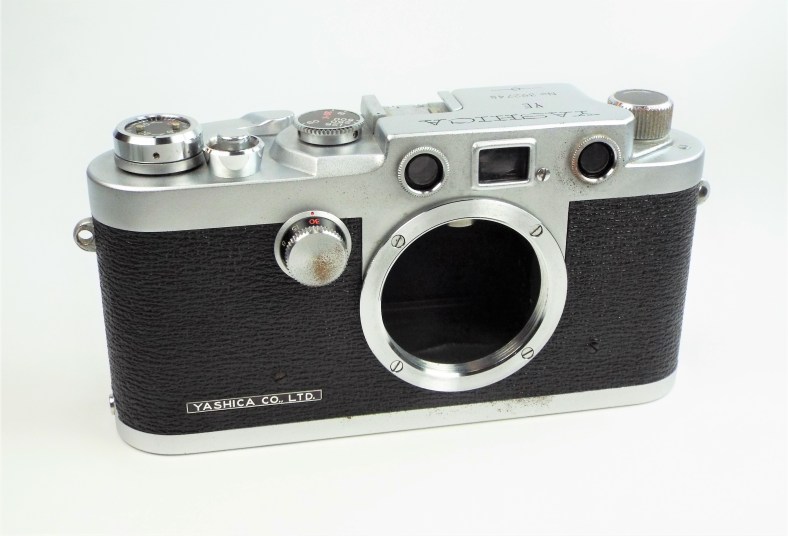
Our recently acquired Yashica YE.  We’re not sure which lens we want to get for it yet. Of course it takes any lens with the L39 screw mount.

In our example below, the serial number (No. 392745) decodes to: 3 = March, 9 = 1959, and 2745 = 2,745th made since December 1958.

Why use December 1958 as the start date? We’ve seen a very nice Yashica YE with the following serial number (No. 128049) which decodes to: 12 = December, 8 = 1958, and 049 = the 49th made. We’re not in a position yet to conclusively claim that this is how to decode the serial numbers, but we feel very confident based on previous experience.
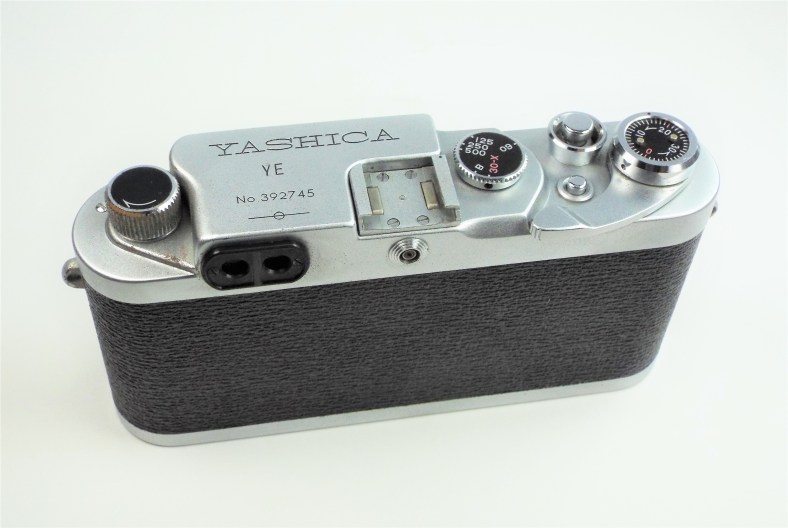
DSCF6188

Our YE has a bit of surface corrosion here and there but it’s clean inside and out and has (not yet fully tested) a working shutter that sounds great at all speeds. The rangefinder windows are a bit cloudy but still viewable.

A note about the selling prices between the two cameras. The Nicca Type 33 listed for ¥28,000 and the newer YE for ¥23,800. Was this a perfect example of Yashica being able to deliver the same camera at a better price due to their sheer size or was it Nicca listing the camera at its fair price?

It’s claimed that the YE was produced at around 4,000 units during a short production run from December to June). We’ve seen the serial numbers go from a low of 128049 to 699821. If the production number is correct, then the serial numbers did not run continuous… or did they? If they did, then nearly 10,000 were made.
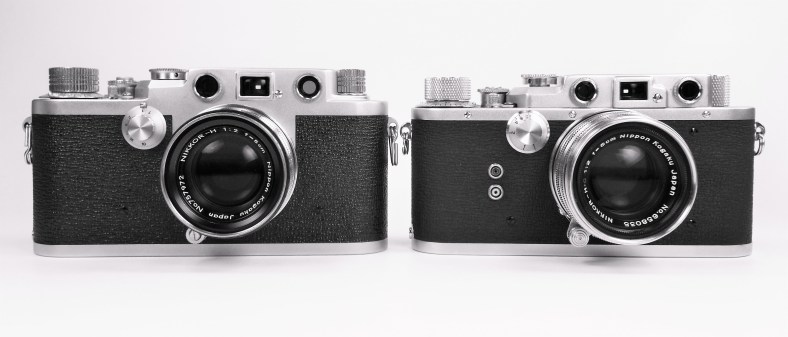
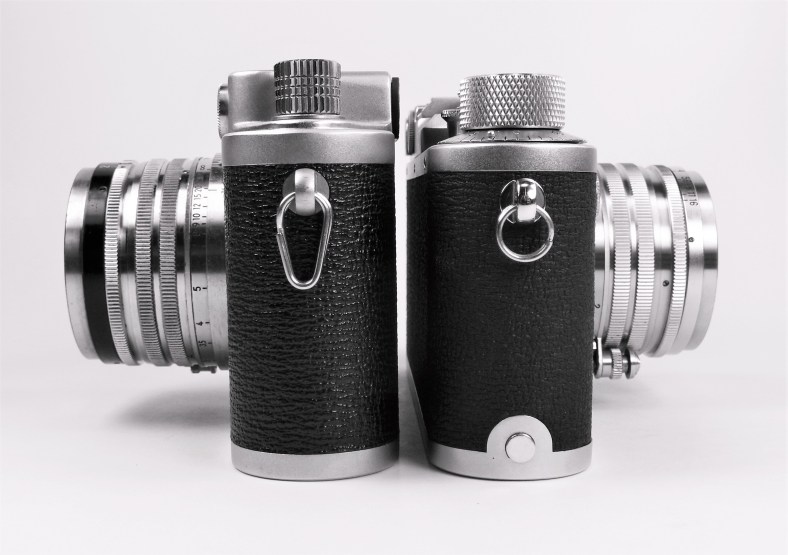
 

Nicca 3-S vs. Nicca 3-F

We’ve always assumed that the Nicca cameras were pretty much the same size from one model to another. The early 1950s models look for the most part, the same as the 1958 models. Now that we have two Niccas in our collection it’s time to do some comparisons.

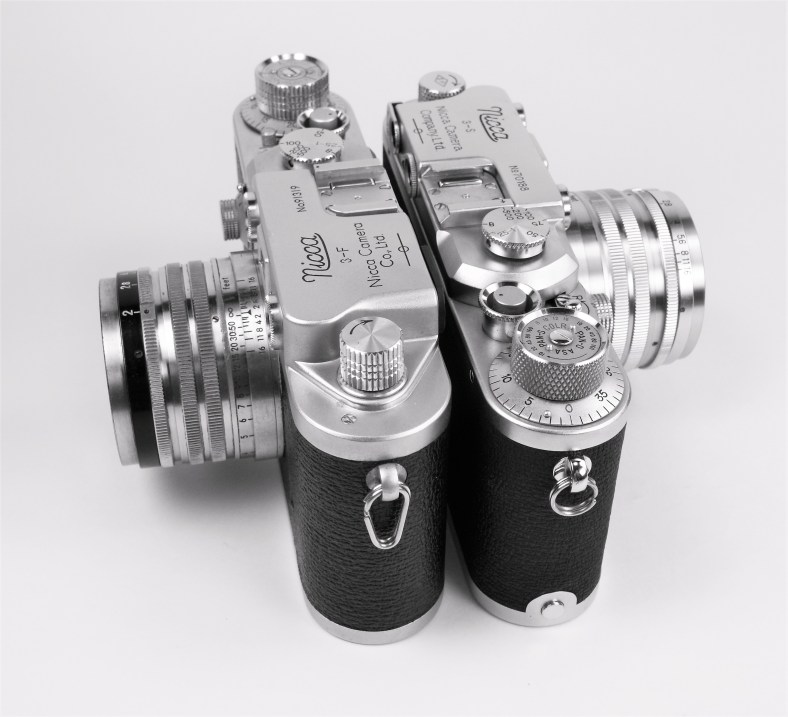
Nicca 3-F on the left and the Nicca 3-S on the right.

DSCF5424

First off, without the lenses attached, there is a slight difference in weight between the two with the 3-F weighing in at 445 grams and the 3-S weighing 432 grams.

There is however a difference in size which surprised us. The later model 3-F (left) is taller than the 3-S (right) by about 4mm.

DSCF5425

DSCF5427

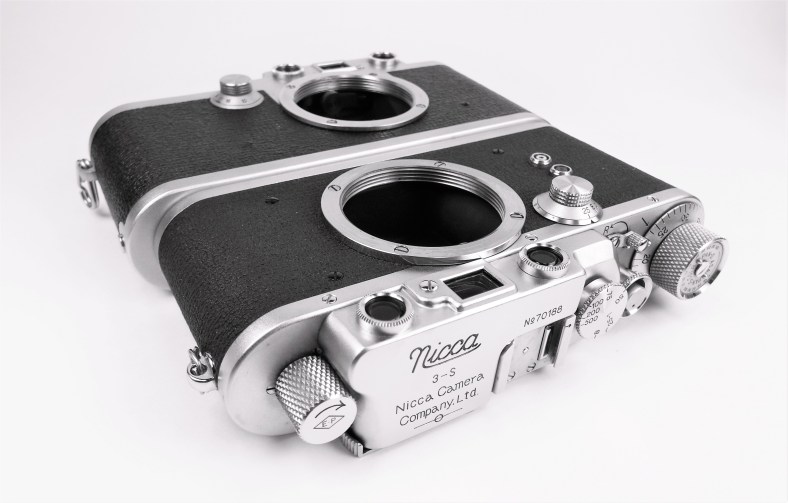
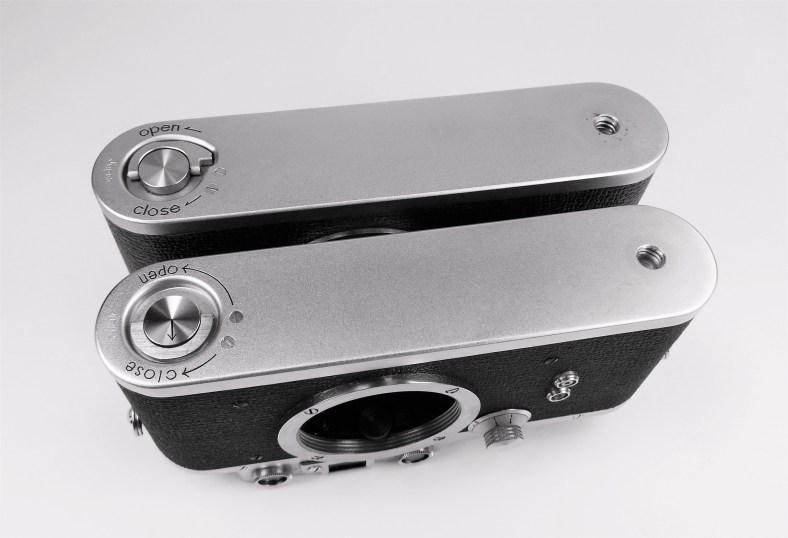
The 3-F is also longer than the 3-S by about 7mm.

DSCF5428

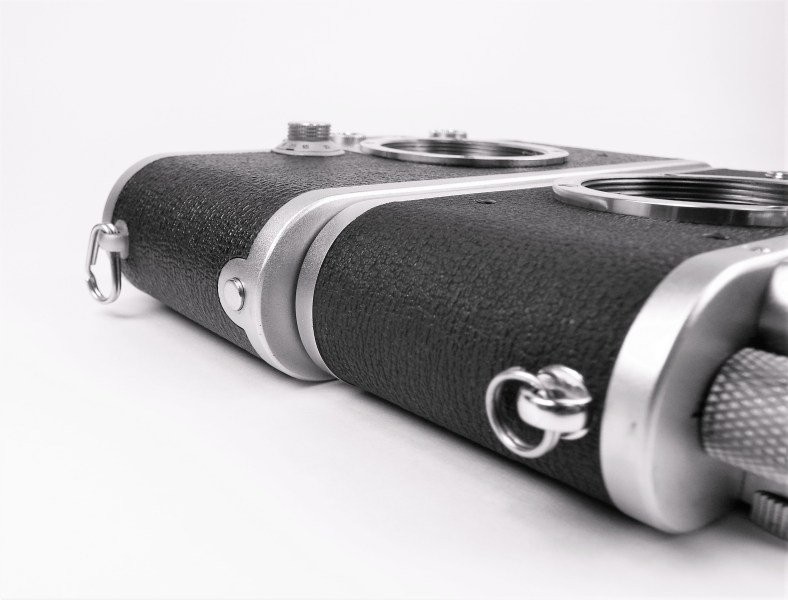
The 3-F is about 7mm longer and 1mm wider than the 3-S.

DSCF5429

The 3-F is the top body with the 3-S on the bottom.

DSCF5430

Since these Niccas share the same specs it’s surprising that Nicca expanded the body of the 3-F.

Our best guess is that the later model (3-F) uses its extra length to improve the film path. Measuring the distance between the spindles with the baseplates off, the 3-F is 5mm longer than the 3-S (108mm vice 103mm).

So nothing earth shaking – just some subtle differences. As we have stated before, these are high quality cameras with exceptional fit and finish. Adding a Nicca will enhance any collection of 1950s Japanese made rangefinder cameras.

Studio Camera: Fujifilm FinePix S9900W

Chris

Nicca 3-S… Quality Rangefinder from 1955

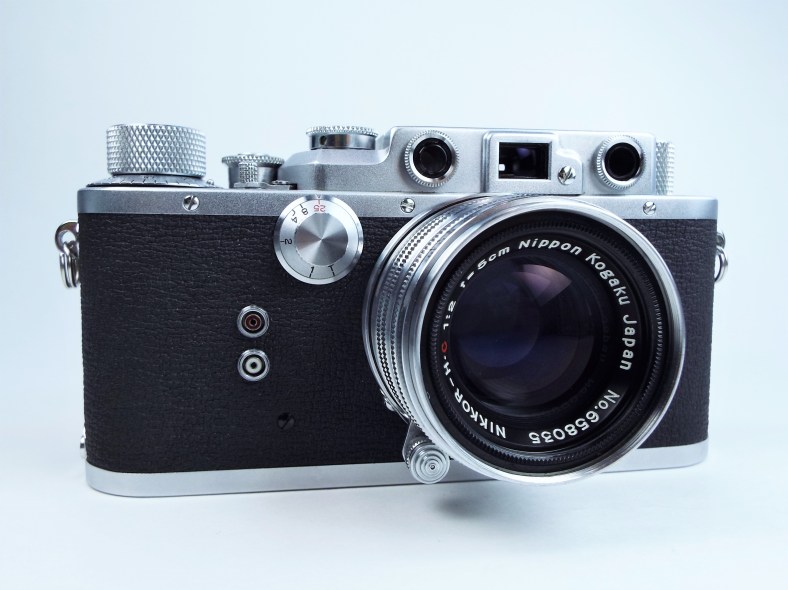
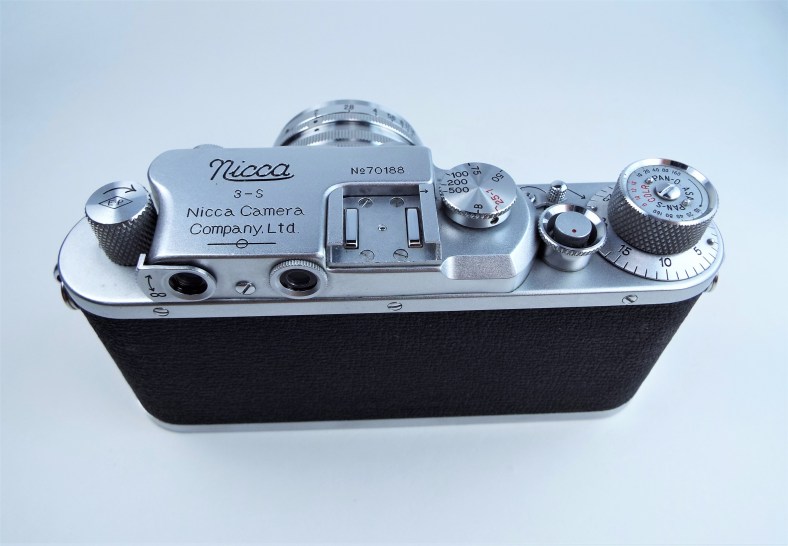
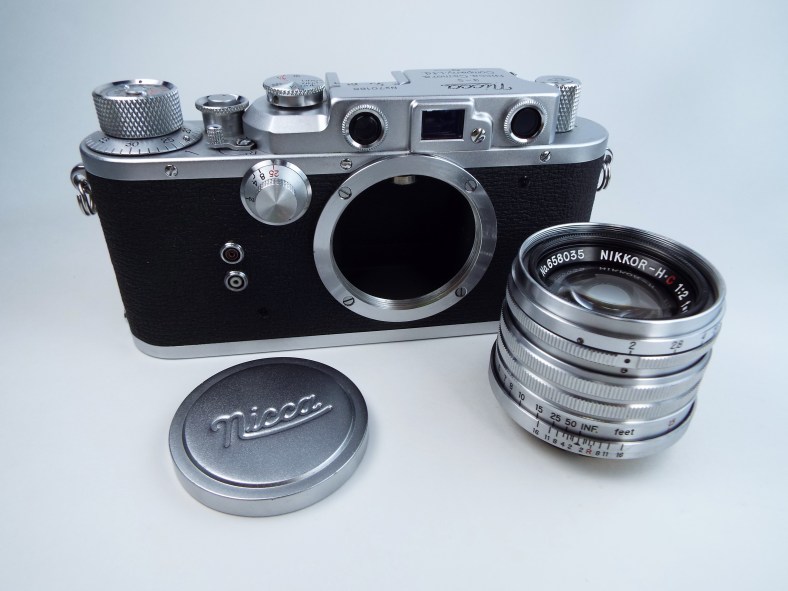
A beautiful example of a mid 1950s 35mm rangefinder camera – made by Nicca Camera Company, Ltd.DSCF5405

Mated with a sharp Nippon Kogaku Nikkor f/ 2, 5cm lens.

DSCF5406

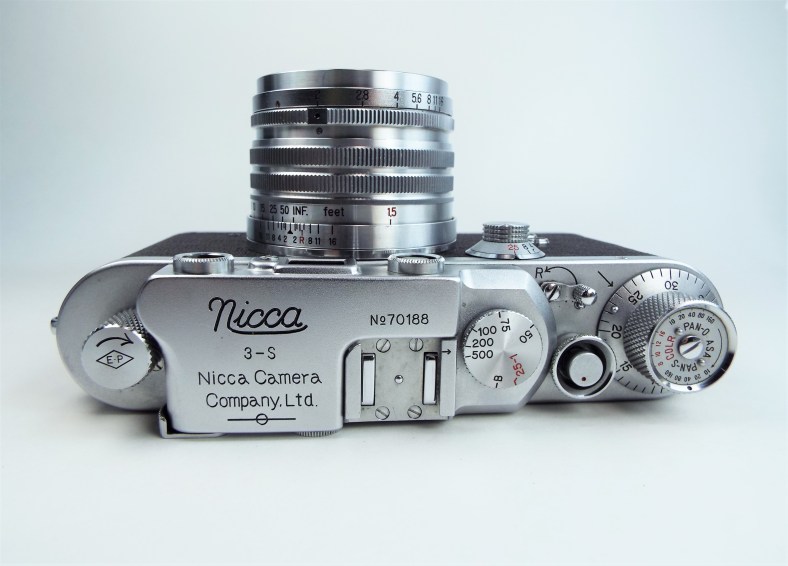
Main shutter speeds of 1/25 to 1/500th of a second.

DSCF5414

Added bonus on this Nicca – marked <E.P> for exempt purchase. Normally marked for purchases made at military facilities and duty free shops.

DSCF5407


DSCF5419

Nicca cameras were considered to be well made cameras during the 1950s. This example is at least 62 years old and the fit and finish is almost flawless. Nicca was acquired by Yashica in 1958 and the merger of the two companies helped Yashica to design and release their first 35mm single lens reflex camera in 1960 – the Yashica Pentamatic.

Studio Camera: Fujifilm FinePix S9900W

Chris

I See Red – Fujica DL-20

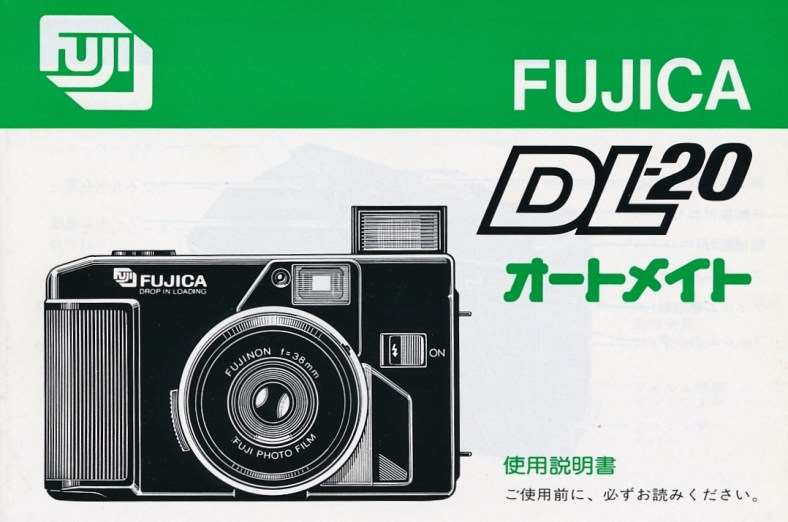
Pretty little Fujica DL-20 from 1983.

The world’s first 35mm drop-in loading camera! Simply load your Fujifilm cartridge into the opening on the bottom, close the back – and your Fujica will do the rest!

DSCF5164

Features a Fujinon 38mm f/4 lens with built-in lens and viewfinder cover.

Released in March 1983 in Japan, it was also known as the ‘Auto Mate’. 

29233274400_8e1ebeb4bb_o

DSCF5167

Original list price in Japan was 30,000 JPY.

DSCF5168

Shutter fires from 1/100 to 1/300 of a second.

●チラシ

Also released at the same time the more feature packed DL-100 (Auto Ace).

DSCF5169

Solid little thing! Thick plastic everywhere and a bright red finish too!

DSCF5170

Manually set ISO settings (100 & 400). 3 zone focusing. Auto exposure (EE).

DSCF5171

Built-in electronic flash.

DSCF5172

DSCF5173

DSCF5174

Push the film cartridge into the opening on the camera’s left side with about 5 cm of film extended – close the back and it auto loads the film.

DSCF5177

28900694283_ae40fb6faf_o

Cute centerfold art… love the image on the far right!

Weighs in at 300 g. Fits nicely in your hand (although a bit small for me) and fits in a coat pocket with ease. A simple, compact 35mm point and shoot camera from Fuji Photo Film.

We don’t know if we’re going to shoot the Acros first or load up some bright Fujicolor. Soon we hope!

Camera: Fujifilm FinePix S9900W

Thanks for stopping by!

Chris


Thank You!

Carol and I would just like to say thank you to everyone who’s stopped by our blog over these past 2 years! It’s been a pleasure sharing our little bits of knowledge with you all and what a joy it is to read your wonderful posts!

22273206491_6cb2ca1d6c_z

Die hard Mets fans and lifelong photographers – Chris and Carol.

What’s been reaffirmed for us is that the world isn’t falling apart – that it isn’t filled with just hateful people with horrible agendas. Caring people are everywhere…

Positive thoughts and actions, kindness, sincerity and charity to those less fortunate leads to true happiness in life (a loving partner helps to). An endless supply of old cameras to play with doesn’t hurt either!

To the amazing people who follow us, we hope we add a bit of fun to your day and maybe we’ve turned you onto an old Yashica or two along the way! The number of visits our blog gets from around the world just blows us away! It would be easier to list the countries that haven’t visited yet rather than the ones that have.

To the people we follow – thanks for sharing your knowledge with us and the rest of the blogging world! We’ve learned so much from your posts and marvel at the images in your blogs. Inspirational to say the least!

Thank you! Thank you! 

Chris and Carol ^.^

Yashica EM TLR test roll – 2011

Some recently found images from a roll of Kodak E100VS Ektachrome Professional color slide film taken with my Yashica EM. Shot and processed around 2011 or so. Scanned (today) with my Canon CanoScan 9000F Mark II scanner.

I normally shoot Fujicolor PRO400H color negative film and Acros 100 black & white… I can see why. I wasn’t happy with these images when I first saw them and that’s why I probably just chucked them in a drawer.

My post production (no PS or LR) after the scans helped some but the color was way off. In fairness, it could have been the processing as I used a basic online company vice ‘The Darkroom’.

The transparencies weren’t cut properly by the lab so some of the square images are not square. I don’t crop my 6x6cm images after scanning as they’re meant to be square (adds to the composition challenge in the viewing hood).

IMG_20170416_0001

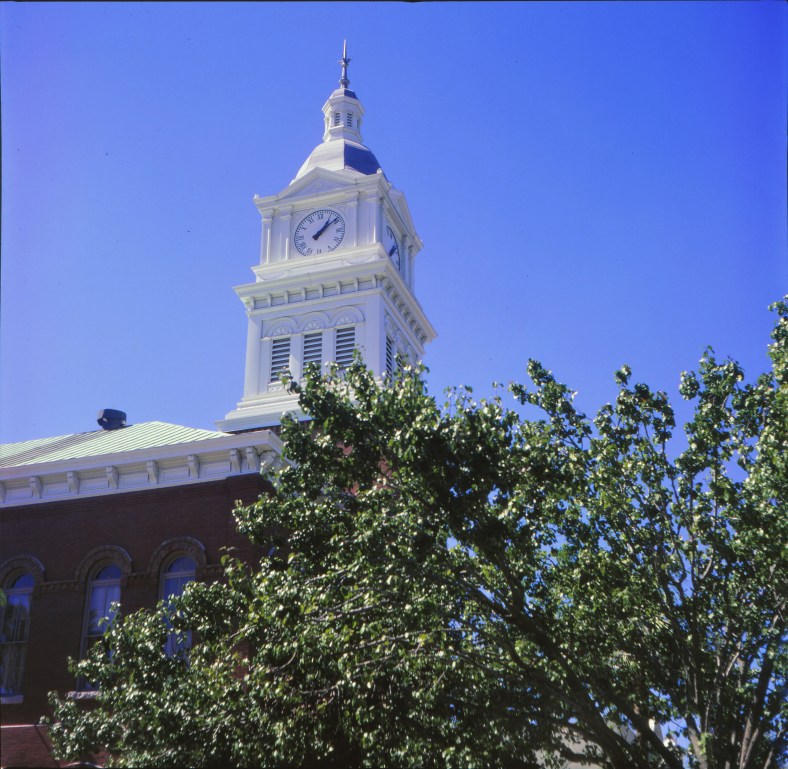
Amelia Island’s courthouse.

IMG_20170416_0003

Clock Tower

IMG_20170416_0002

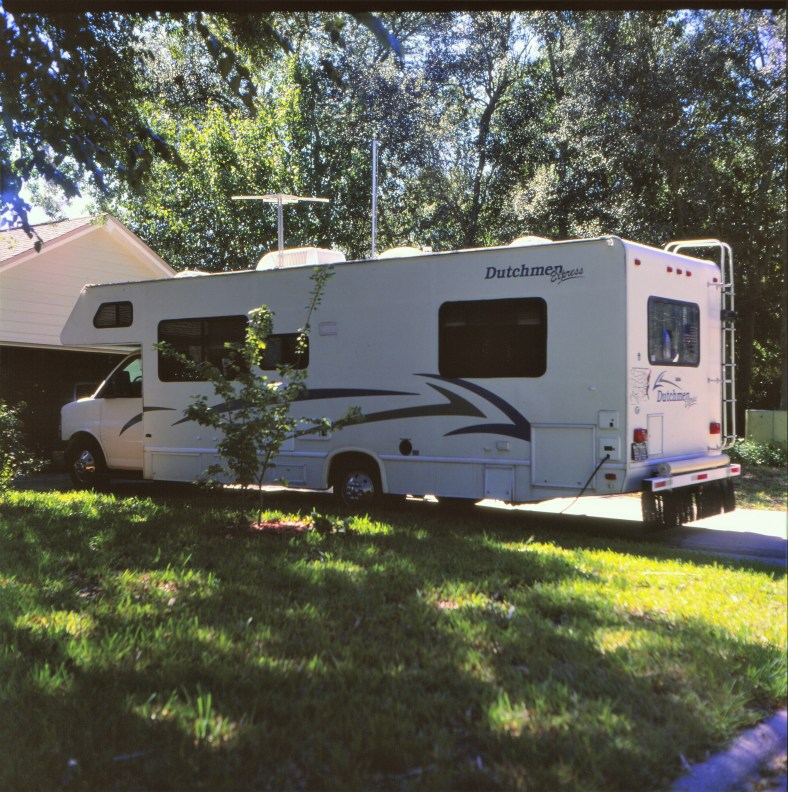
My father-in-laws motor home.

IMG_20170416_0004

Front yard river birch planted from a 1 gallon pot 15 years ago.

IMG_20170416_0005

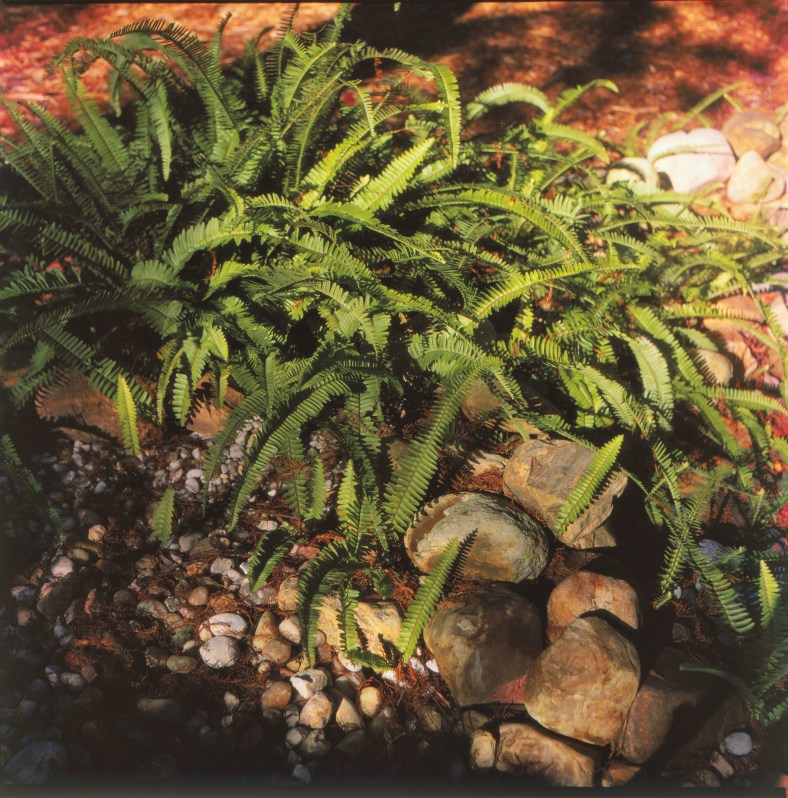
Backyard dry streambed with maidenhair ferns.

All of the images were exposed using the Yashica’s exposure meter. Since slide film has a narrow exposure latitude, it was a good test of the Yashica’s nearly 50 year old built-in meter.

Monaco – Monte-Carlo 1986

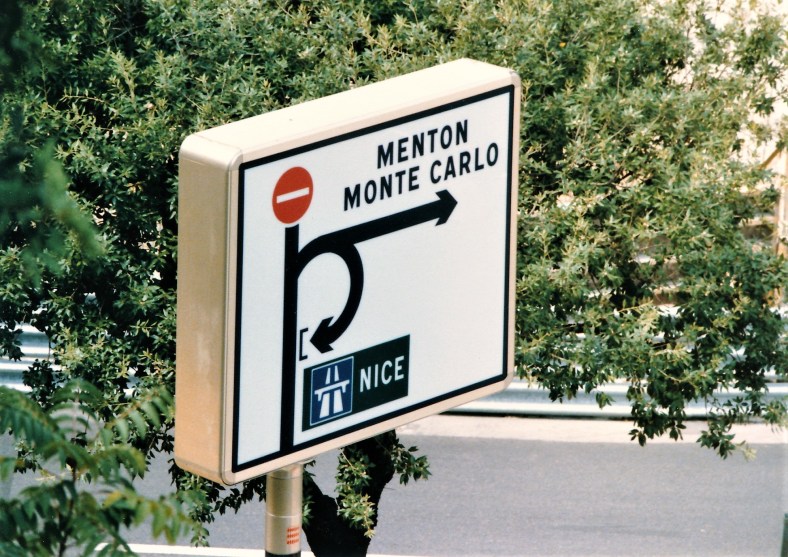
Some recently found images from a short stop in Monaco and the French Riviera in September 1986. Original images are from my Canon F-1 on Kodacolor film – scanned with a Canon CanoScan 9000F Mark II. The prints are on satin finish paper which does not scan well – at all!

IMG_20170408_0010

IMG_20170408_0012

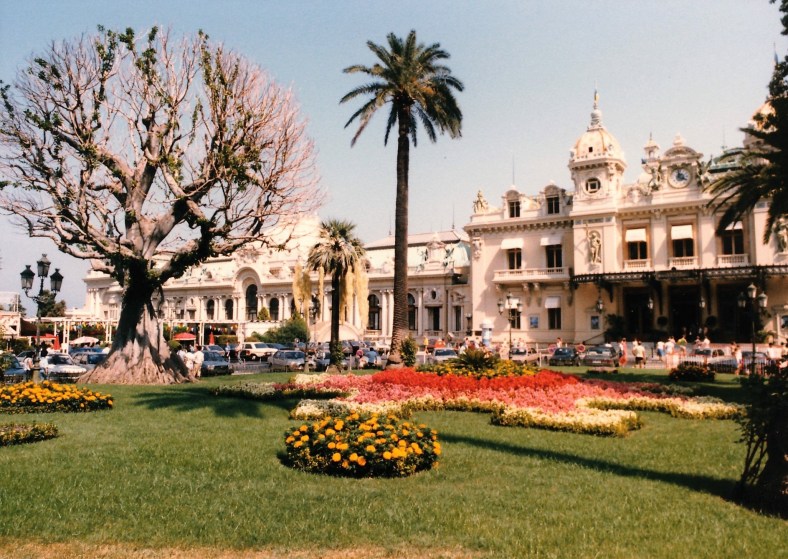
Casino de Monte-Carlo.

IMG_20170408_0011

Monaco police caught in casual mode.

IMG_20170408_0013

Monaco

IMG_20170408_0007

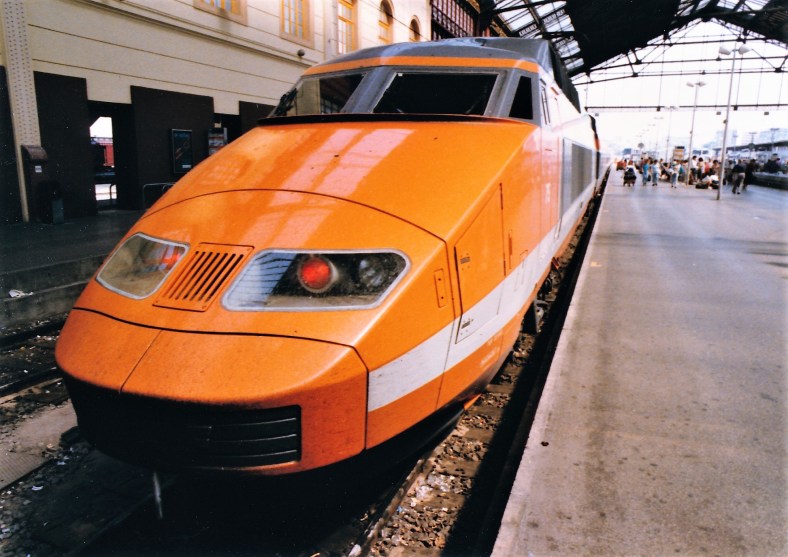
The TVG that I did not take from Marseille to Paris!

At the casino, I was invited for a change of clothing as my casual American attire was too casual for the likes of the casino. Nice clothes – and they were happy to store my camera gear for me and watched us US Navy Sailors like hawks!

Wonderful port visit overall – we were anchored out off the coast of Cannes along the French Riviera and travelled to Nice and Monte Carlo.

Thanks for your visit!

Chris


Yashica Pentamatic Refreshed –

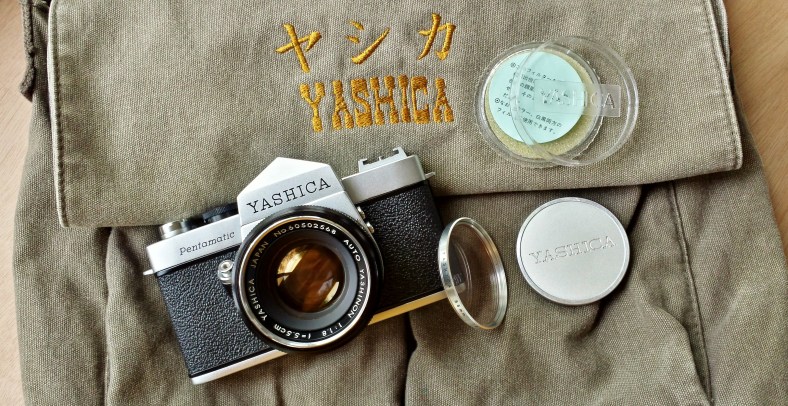
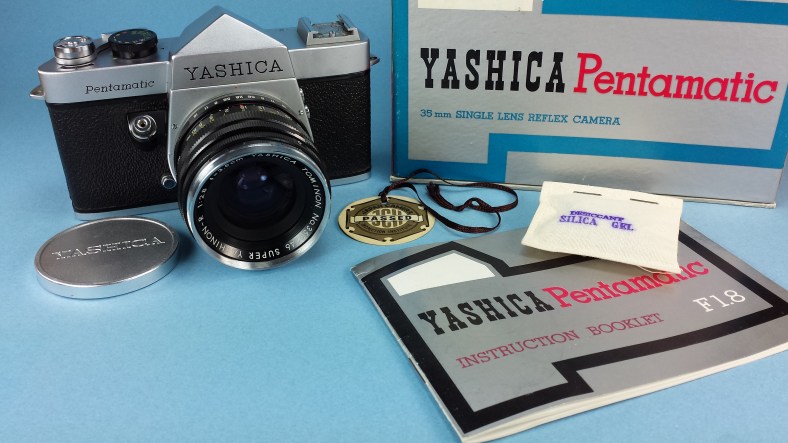
20160326_164016_richtonehdrThe beautiful, simple and clean lines of Yashica’s first SLR.

If you’re new to the Yashica Pentamatic then you’re in luck as this is the best place to be for the most accurate information about the mysterious Pentamatic. First envisioned when Yashica acquired the Nicca Camera Company in the summer of 1958. Yashica needed the technology and manufacturing know-how that Nicca had – focal plane shutters and the ability to build small complicated 35mm SLRs.

The timeline as best as we can tell looks like this – Yashica “invents” the Pentamatic in the summer of 1959. Yashica files for the trademark ‘Pentamatic’ in Japan September 18, 1959. The first Pentamatic bayonet mount lenses are made by Tomioka Optical for Yashica in October 1959. The first Pentamatic bodies roll off Yashica’s line by December 1959.

Yashica files for a patent/trademark in the US on February 12, 1960. The Pentamatic ’35’ is revealed at the ’36th Master Photo Dealers & Finishers Association Trade Show’ (St. Louis) in late March 1960. The lens shown on that Pentamatic is an Auto Yashinon 5.5cm f1.8 lens (SN 59100035). By April-May 1960, the first pictures appear in photography magazines in the US from the St. Louis show. The first Yashica Pentamatic ’35’ advertisements appear in both ‘Popular Photography’ and ‘Modern Photography’ magazines in their June 1960 issues. Ads within those publications have dealers in New York selling Pentamatics for $159.95.

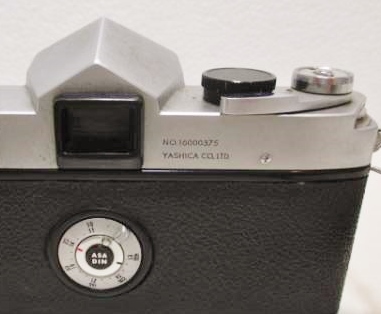
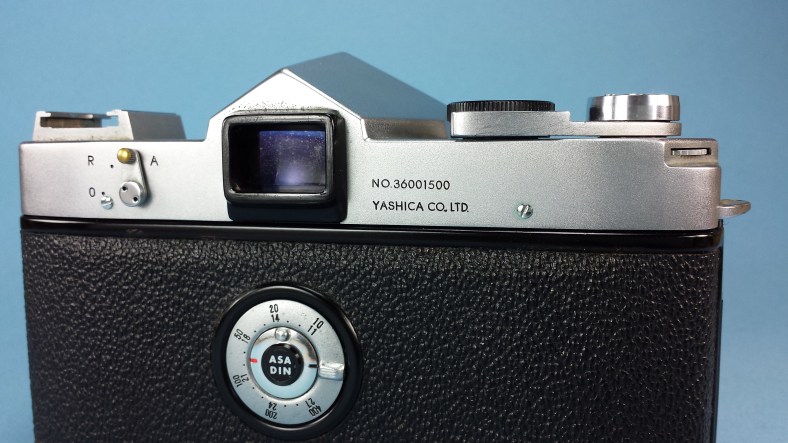
JN Pentamatic SN 16000375Decoding serial numbers… Yashica has never been upfront with the dating of their cameras, lenses or printed materials. Instruction booklets and sales brochures are only occasionally dated and those were mostly in the 1950s and then again in the 1970s. Camera bodies and lenses (and accessories) remained a mystery until now. We believe we’ve finally decoded the serial numbers of Yashica’s first 35mm SLR, the Pentamatic. Look closely at this camera’s serial number… 16000375… knowing a little bit about when this camera was “invented” helped us decode the number. The trademark “Pentamatic” was filed by Yashica in September 1959 in Japan. The first lenses were built in October 1959 with the first bodies produced by December 1959. This camera (above) dates… 1 = January / 60 = 1960 / 00375 = 375th unit made since December 1959. The latest camera in our database has a serial number of 16115756. This decodes to… January 1961 and was the 15,756th unit produced since December of 1959.

16233739912_d43f6fb30f_oThis Pentamatic body (above) decodes to… 3 = March / 60 = 1960 / 01500 = 1,500th made up to that point.

Bold bright colors...

Clean simple lines. Show the customers that this camera was a SLR! Not your dad’s TLR.

30602743445_1099c73935_o

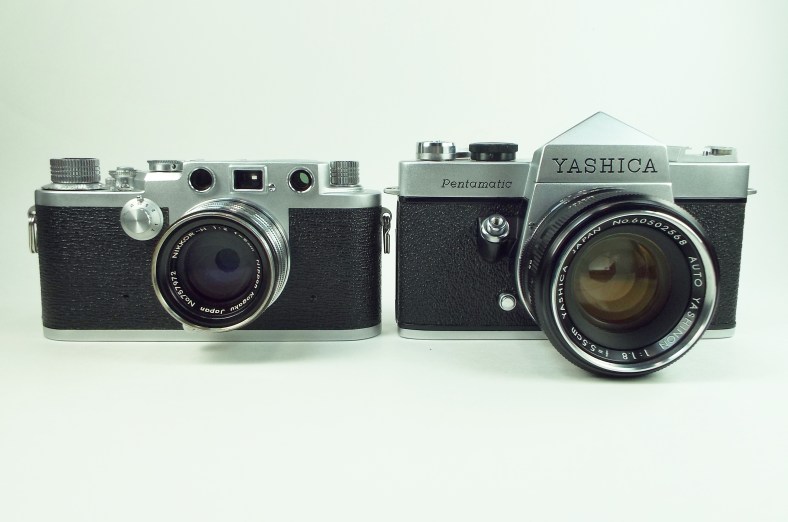
Inspiration and the technical know-how came from the Nicca Camera Company. Pictured on the left is an early Nicca 3-F.

25991482796_f4202464c2_o

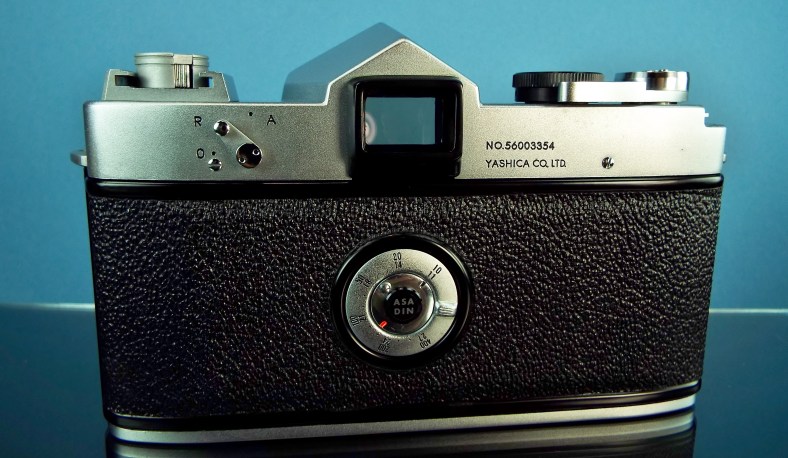
By May 1960, number 3,354 had been made.
31843606654_3798679907_o

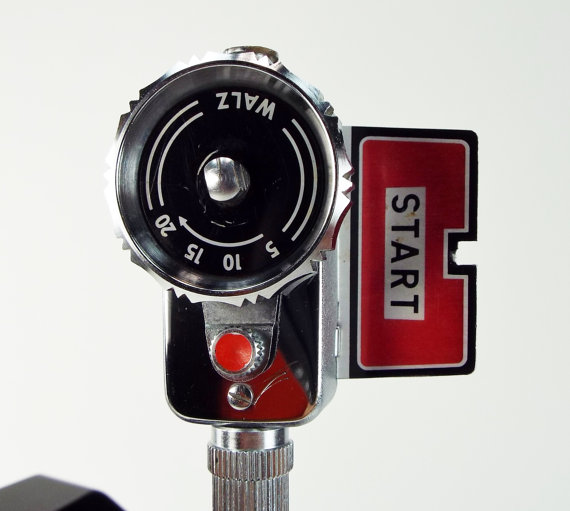
Earliest lens serial number (in our collection) decodes to – October 1959, the 92nd made. The ad behind it is a much higher serial number and appeared in a June 1960 ‘Popular Photography’ magazine ad.

The original Pentamatic ’35’ is a fun and challenging camera to collect. Knowing a little something about the serial numbers may add to your enjoyment of the chase. There was a short lived Pentamatic II (well less than 10K made) and another short run of the Pentamatic S which was the last model before Yashica ditched the Pentamatic bayonet mount in favor of the universal M42 mount.

Happy hunting! Questions? We’ve got answers.

Chris & Carol