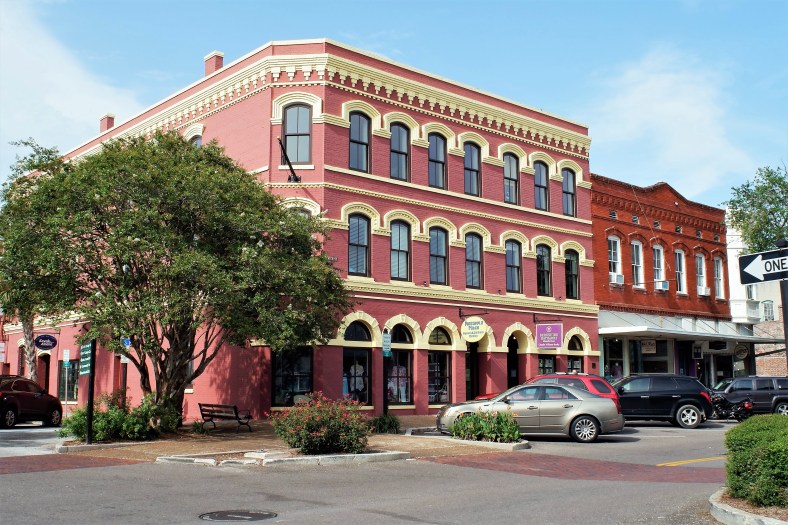
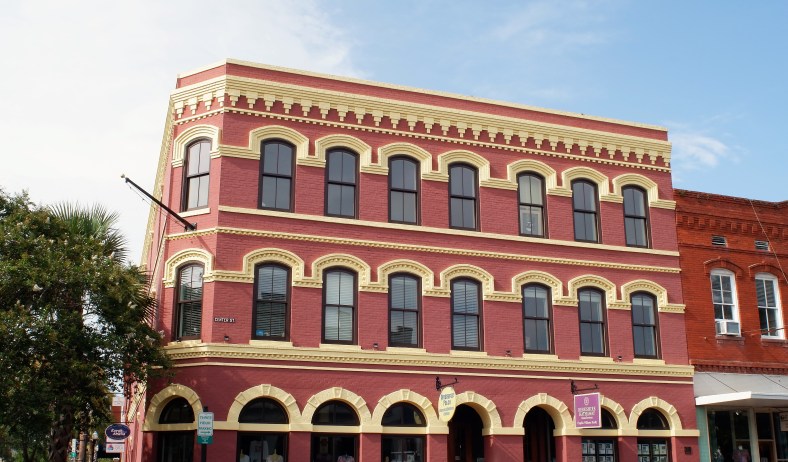
The Hoyt Building – c1876

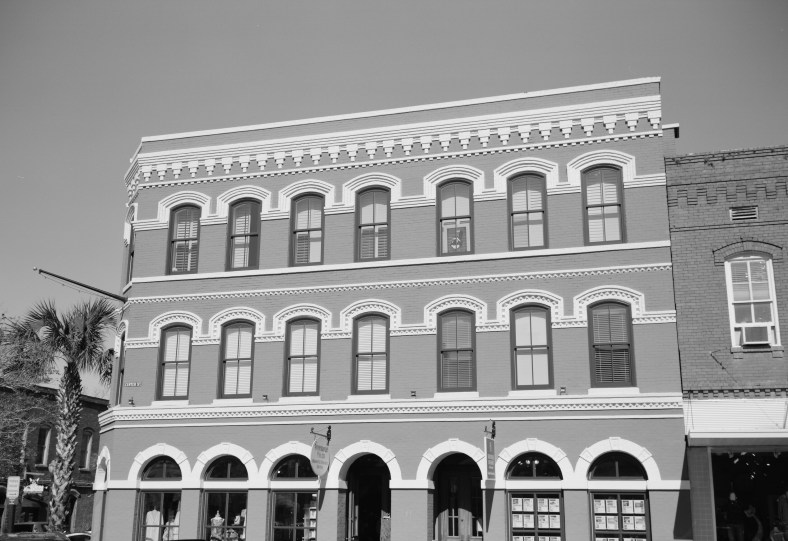
Built in late 1876 as a two story building with a ground floor grocery, the Hoyt Building is located along historic Centre Street in downtown Fernandina Beach. It was rebuilt after a minor fire in 1901 adding a third story. It is a vibrant part of this beautiful Victorian seaport town to this day.

DSCF0212

The Hoyt Building c1876 – Centre Street, Fernandina Beach

Beautiful Victorian details have been preserved into “modern” Fernandina.

DSCF0213

Images 1 and 2 above taken with Fujifilm X-A10 and Canon FD 24mm f2.8 lens

30510007

Fujica GW690 on Neopan Acros 100 film

DSCF5970

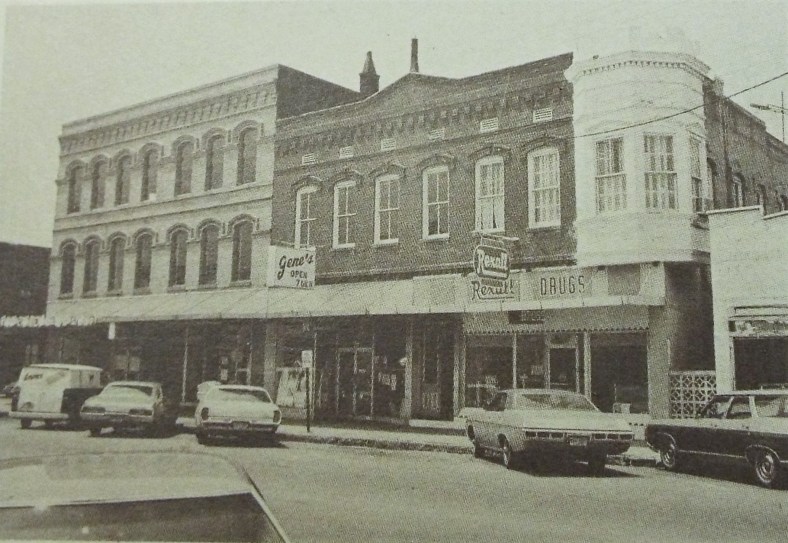
Hoyt Building (far left) as seen in this late 1960s early 1970s image

DSCF5971

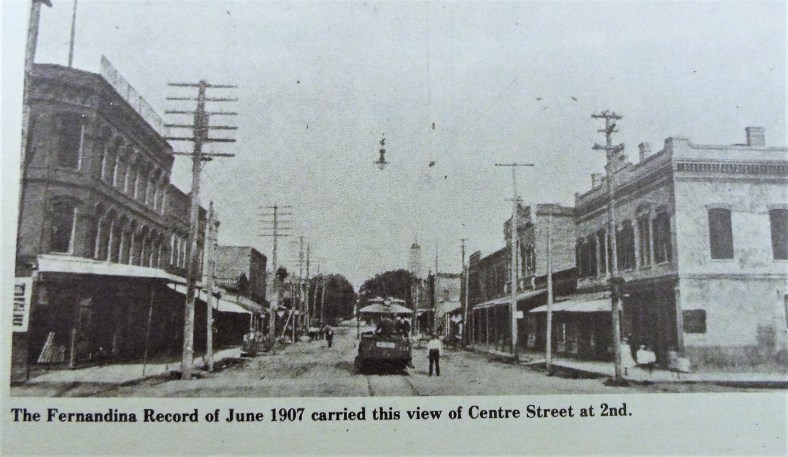
The Hoyt Building (far left) shortly after adding the third story in 1901

Hope you enjoyed our little tour of this lovely town that time passed by.

Chris and Carol ^.^

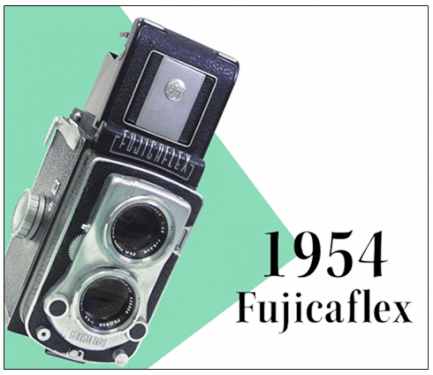
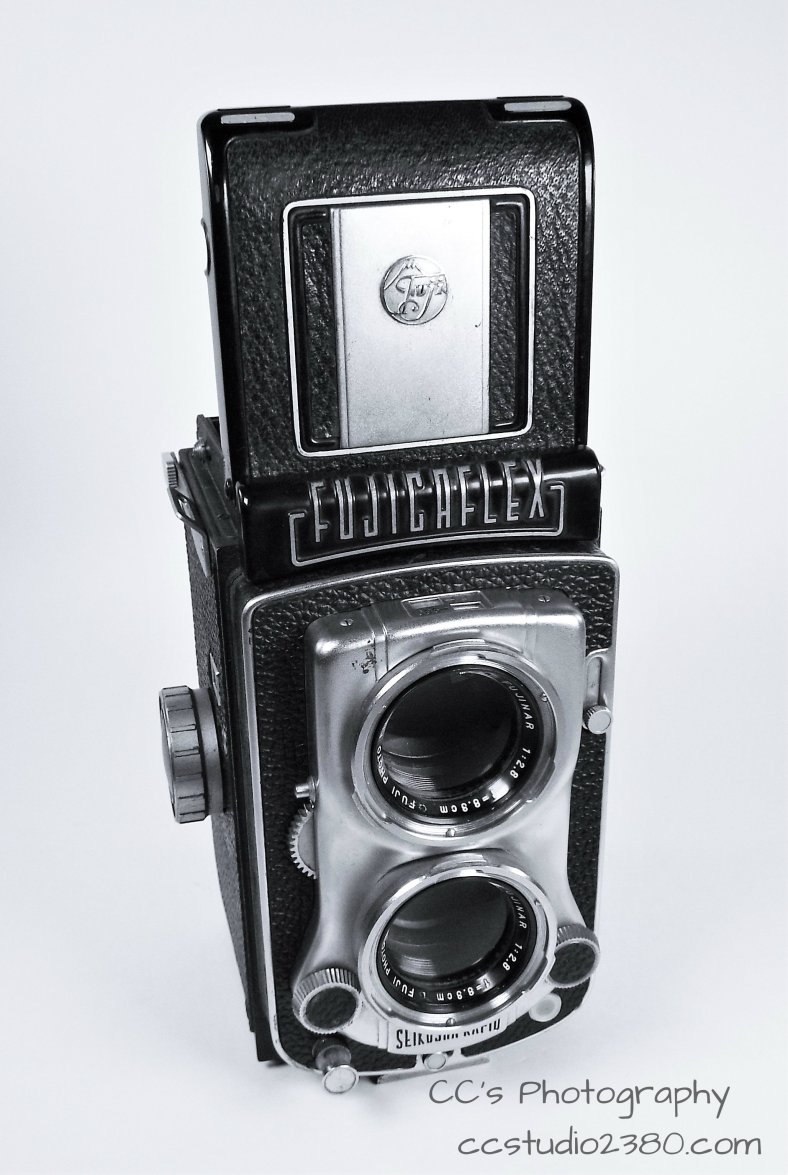
Fujicaflex Automat – Fuji Photo Film’s 1st TLR – 1954

Vintage camera wish list item 101.

The Fuji Photo Film Co., Ltd., Fujicaflex 

フジカフレックス

Designed to incorporate the best features that were available in the medium format twin-lens reflex camera market, the Fujicaflex debuted in 1954 – at a very premium price, we might add. While surfing today, we stumbled upon this wonderful site from Fujifilm Europe. You can check it out here

It’s nice to see a large corporation like Fujifilm blog about some of the really cool cameras that helped make their company great. In another blog, they go on to talk about the amazing Fujipet from 1957.

Twin-Reflex-Cam-433x375

For more about this wonderful camera, take a trip here too to see Mr. Yoshinobu Koyasu’s camera collection… it is not to be missed!

It’s certainly interesting to read (Fujifilm Europe’s blog) – the older posts that pay tribute to the cameras of their roots are so interesting.

43736184315_b71cdcee7d_o

My Fujicaflex acquired in 2018 from a collector in Thailand. Finally!

Thanks for stopping by! – Chris

Please stop by my camera shop at http://www.ccstudio2380.com


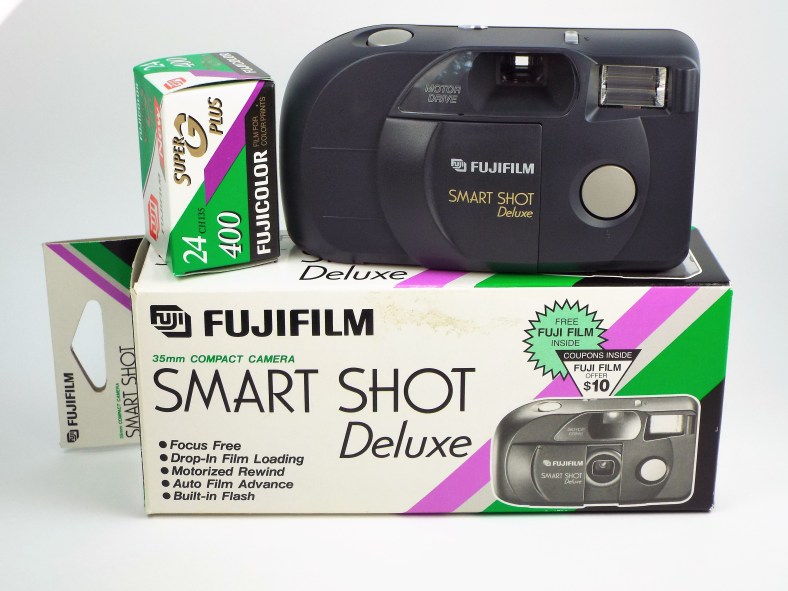
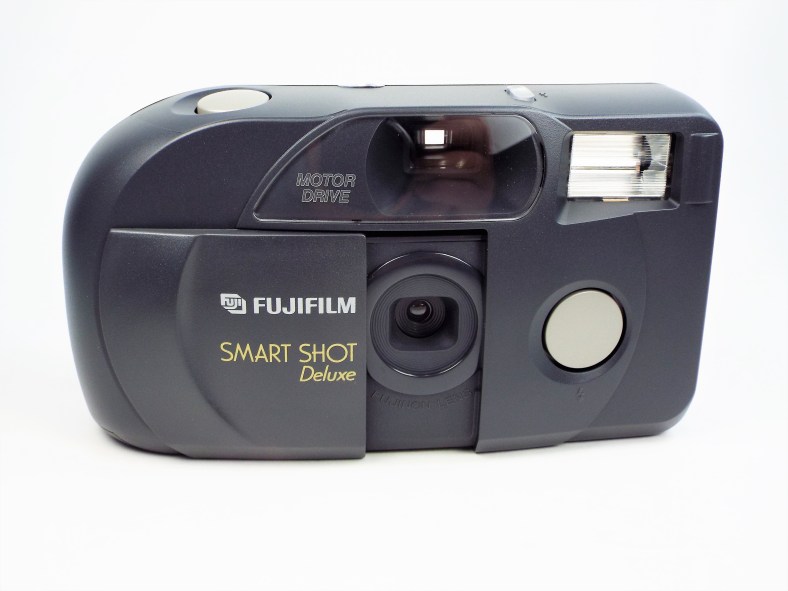
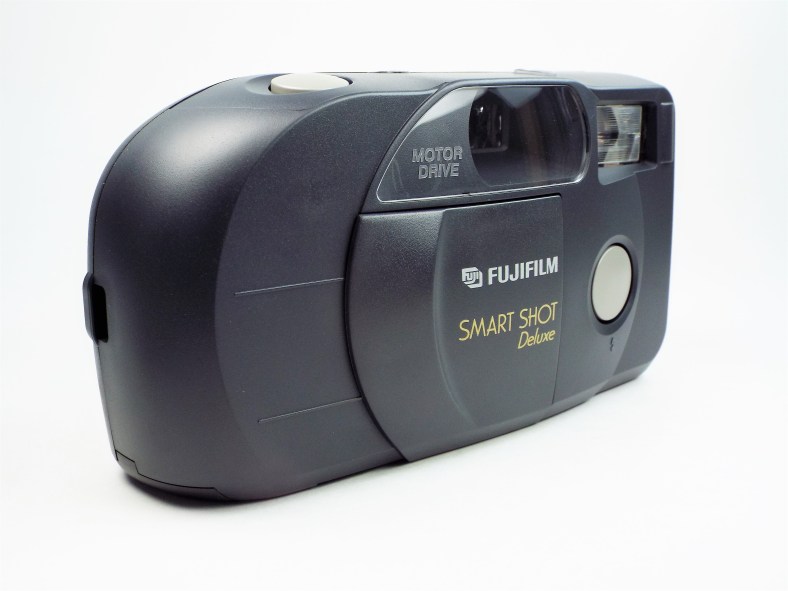
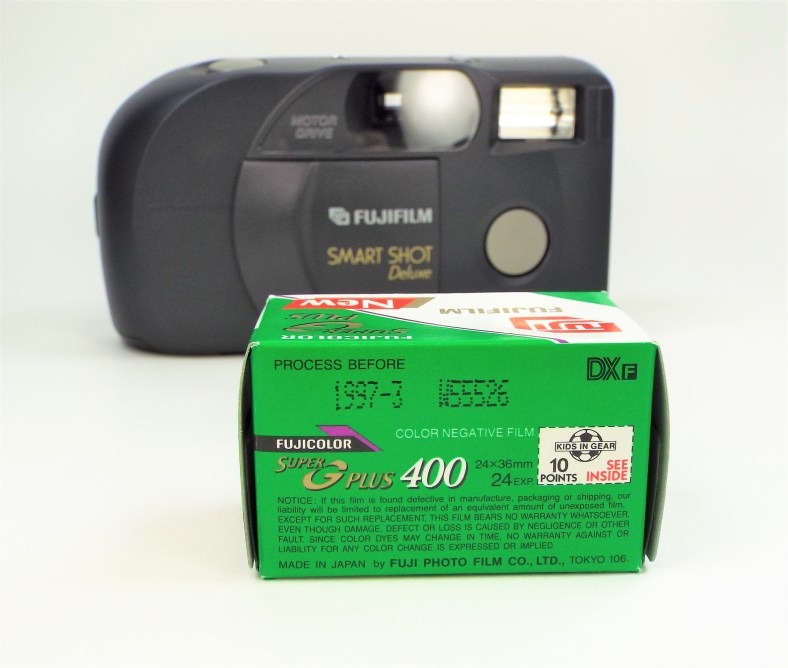
Fujifilm Smart Shot Deluxe – 1994

The Fujifilm Smart Shot Deluxe is one of the most basic modern cameras we have in our collection. It’s interesting to note that Fuji returned to using Fujifilm in its name with this camera vice using simply Fuji.

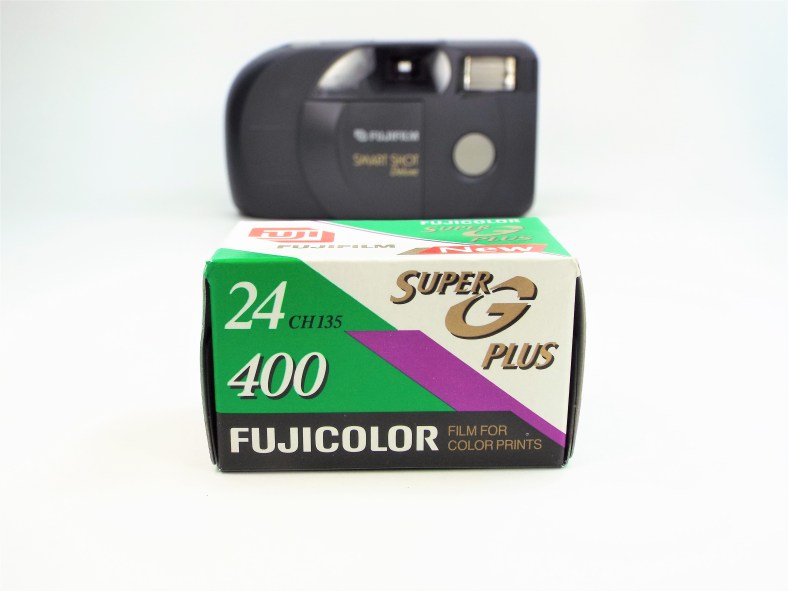
It was released in September 1994. It’s super small (compact) and lightweight (175g) but still featured drop-in loading and motor drive. It came packaged with Fujicolor Super G Plus 400 film and the box was designed with a hang tag for sale next to their films. The shutter is fixed at 1/100th of a second and the aperture is fixed at f8. Fixed focus is from 1.3 meters to infinity.

*** Please note: If you know what the U.S. (or MSRP in Japan) selling price was in 1994 that would be great! We have ¥12,000 which seems a tad high. Thanks ^.^

DSCF5307

One of the advertising tag lines for the Fujifilm Smart Shot series was – “a smart shot, a good price, a firm picture, a camera that looks good if you go for fun”! That may not be the best translation in the world but I think you get the idea.

DSCF5308

Fujinon f8 33mm plastic lens.

DSCF5313

Built-in motor drive and motorized film rewind. Sliding lens cover and crazy big flash button.

DSCF5311

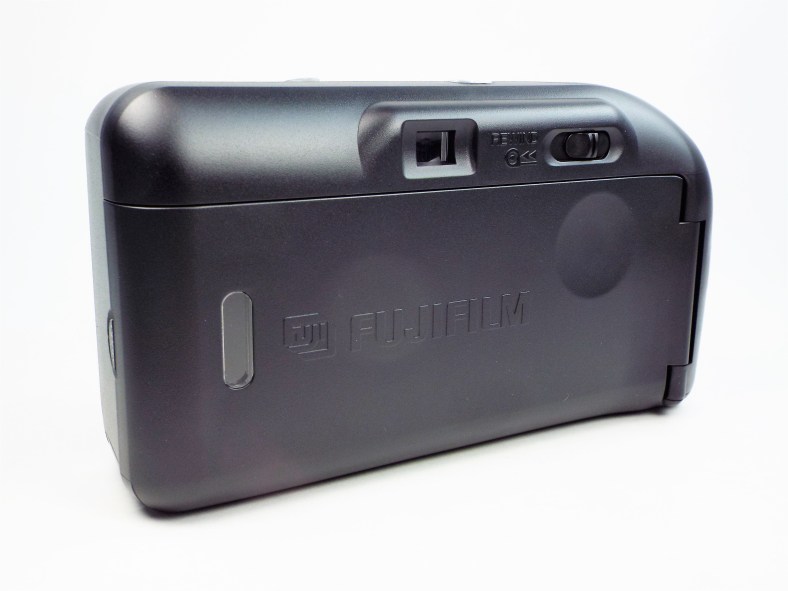
Film view window and a cool Fujifilm logo on the back.

DSCF5312

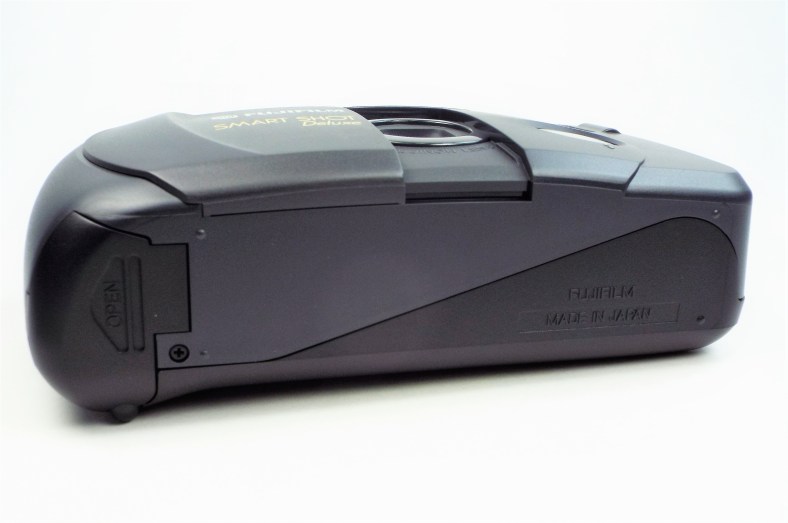
Still made in Japan at this point in time which is surprising as most of the simple Fuji cameras were made elsewhere.

DSCF5314

Back in 1994 when this camera set was released, it came with a fresh roll of Fujicolor 400 film and 2 AA batteries. The film is a touch out of date.

DSCF5315

The owner’s manual is more of a fold out pamphlet and shares info with the Clear Shot Plus. The oversized button on the front left of the lens is the flash button. You press it and hold it until the flash ready comes on then you push the shutter release button on the top right. It’s odd that the flash “on” button is so big – designed to make it look maybe more sophisticated or cute.

I’m sure Fuji sold a bunch as they were nearly a disposable camera with a free roll of film and came with rebates for additional savings on film purchases.

I would say it’s a bit better than average for a mid 1990s camera and free film never hurts sales!

Thanks for your visit!

Studio Camera: Fujifilm FinePix S9900W

Chris

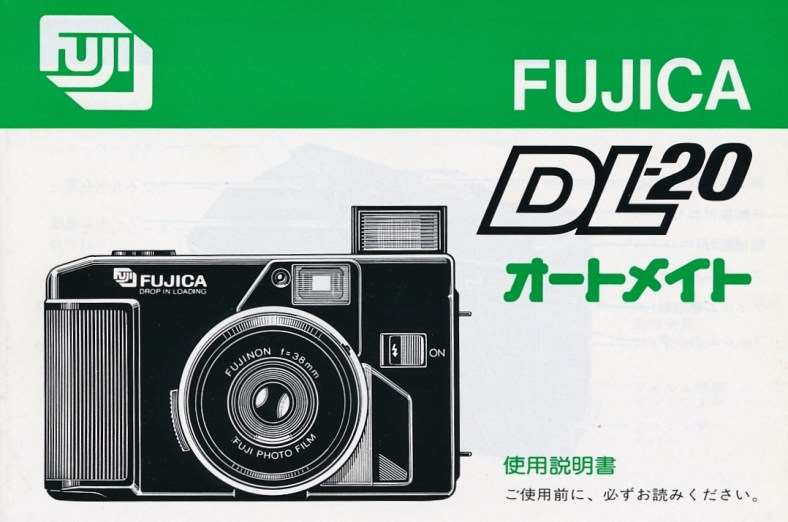
I See Red – Fujica DL-20

Pretty little Fujica DL-20 from 1983.

The world’s first 35mm drop-in loading camera! Simply load your Fujifilm cartridge into the opening on the bottom, close the back – and your Fujica will do the rest!

DSCF5164

Features a Fujinon 38mm f/4 lens with built-in lens and viewfinder cover.

Released in March 1983 in Japan, it was also known as the ‘Auto Mate’. 

29233274400_8e1ebeb4bb_o

DSCF5167

Original list price in Japan was 30,000 JPY.

DSCF5168

Shutter fires from 1/100 to 1/300 of a second.

●チラシ

Also released at the same time the more feature packed DL-100 (Auto Ace).

DSCF5169

Solid little thing! Thick plastic everywhere and a bright red finish too!

DSCF5170

Manually set ISO settings (100 & 400). 3 zone focusing. Auto exposure (EE).

DSCF5171

Built-in electronic flash.

DSCF5172

DSCF5173

DSCF5174

Push the film cartridge into the opening on the camera’s left side with about 5 cm of film extended – close the back and it auto loads the film.

DSCF5177

28900694283_ae40fb6faf_o

Cute centerfold art… love the image on the far right!

Weighs in at 300 g. Fits nicely in your hand (although a bit small for me) and fits in a coat pocket with ease. A simple, compact 35mm point and shoot camera from Fuji Photo Film.

We don’t know if we’re going to shoot the Acros first or load up some bright Fujicolor. Soon we hope!

Camera: Fujifilm FinePix S9900W

Thanks for stopping by!

Chris


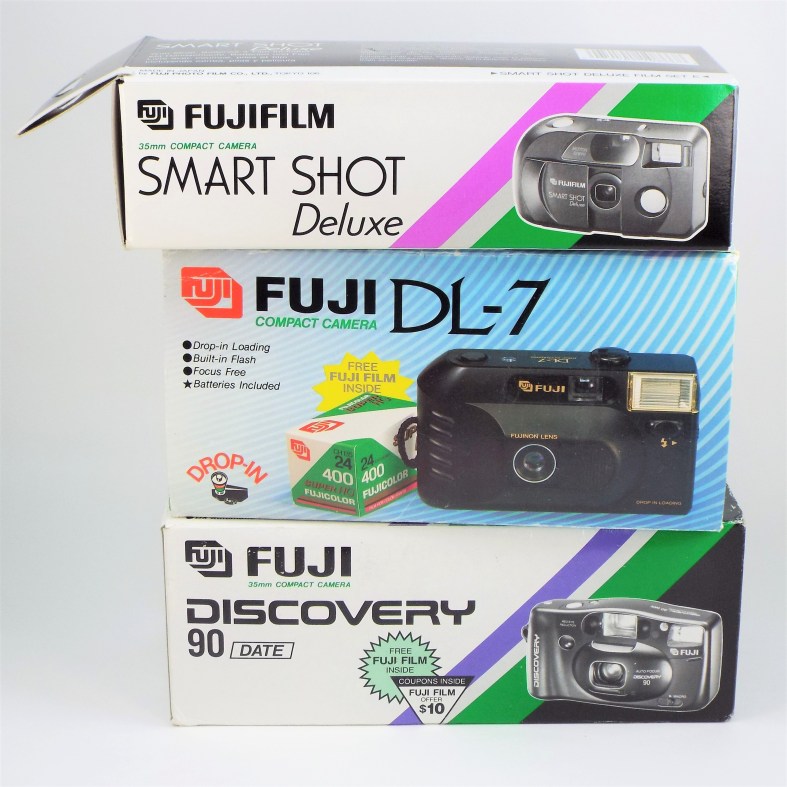
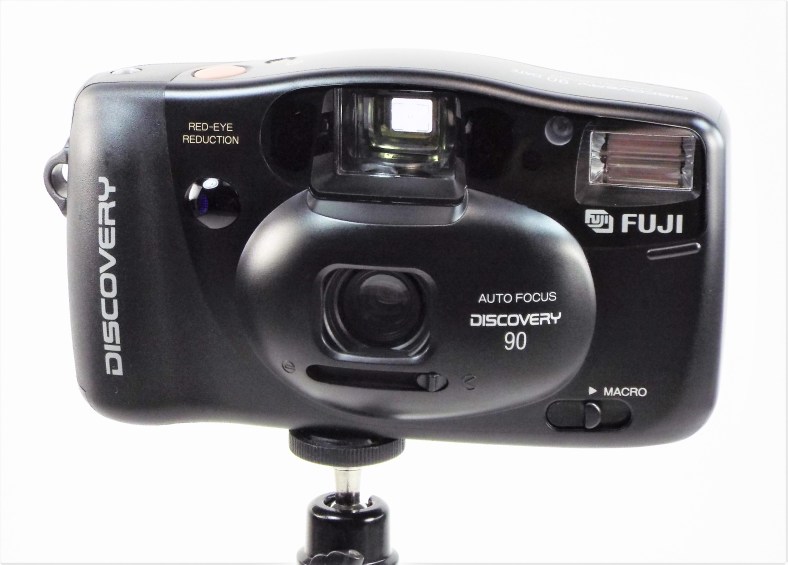
No Love Fuji? The Discovery 90 Date

The plastic fantastic wonders of the 1980s and 1990s generally receive no love – especially looking back on them with our digitized eyeballs in 2017. These overlooked (even when new for the most part) cameras were the bridge cameras for many photographers that were moving away from their bulky SLRs from the 1970s and looking for something easy, carefree and light to take with them on short outings and family get togethers. The 35mm format was the clear winner in the format wars, now manufacturers wanted think-free 35s that were as easy to use as falling outta bed (?).

DSCF5081

This Fuji Discovery 90 Date was introduced in May 1993 to an already crowded plastic 35mm marketplace. So how to stand out? Drop-in loading, auto focus, auto exposure auto rewind and auto wind was a good start. A big bright viewfinder centered over the lens – and macro capability (23 1/2 inches / 60cm). Auto flash. How about a good price too? And free film? Free batteries… sure. $10 in coupons too!!! Fuji did everything it could to sell these things, and they did alright too. It helps that you make film.

We like our recently acquired Fuji… it feels balanced in my hand and I like the big centered viewfinder. The lens is a Fujinon f8 34mm lens – we can’t wait to run a roll through it to test it out. By the way, the Fujicolor expired in May 1997.

DSCF5092

DSCF5083

DSCF5085

DSCF5086

DSCF5090


DSCF5082

Thanks for your visit… check back when we run a roll through it. Do you have a favorite plastic fantastic camera? Let us know.

Camera: Fujifilm FinePix S9900W

Chris

Fujifilm Neopan Acros 100 & Fujica GW690

IMG_20170316_0002_NEW

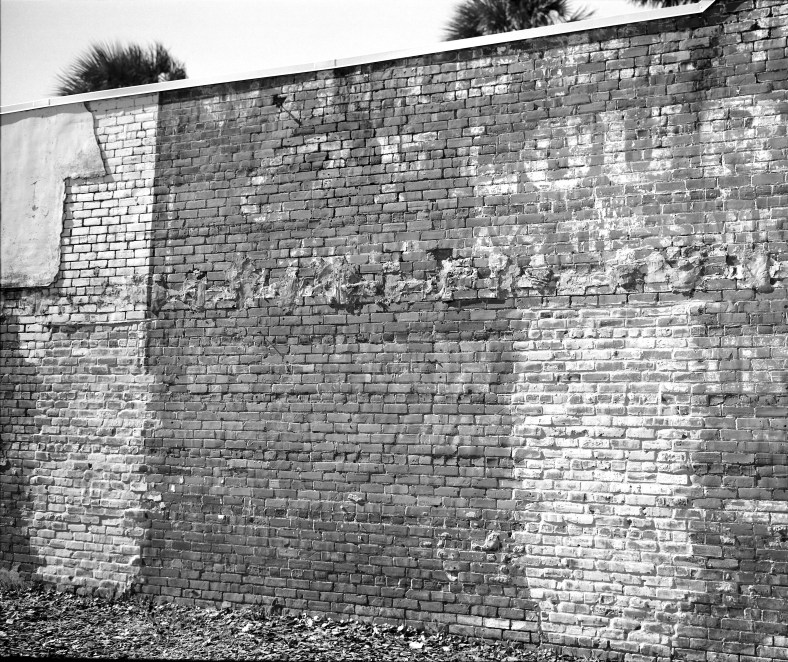
Testing our Fujica GW690 medium format camera and Fujifilm Neopan Acros 100 film. Captures the details, grays, shadows and textures nicely on this 130 year old brick wall on Centre Street.

Processing:  The Darkroom

Scanner:  Canon CanoScan 9000F Mark II

Film:  Fujifilm Neopan Acros 100

Camera:  Fuji Photo Film Fujica GW690 ca.1978

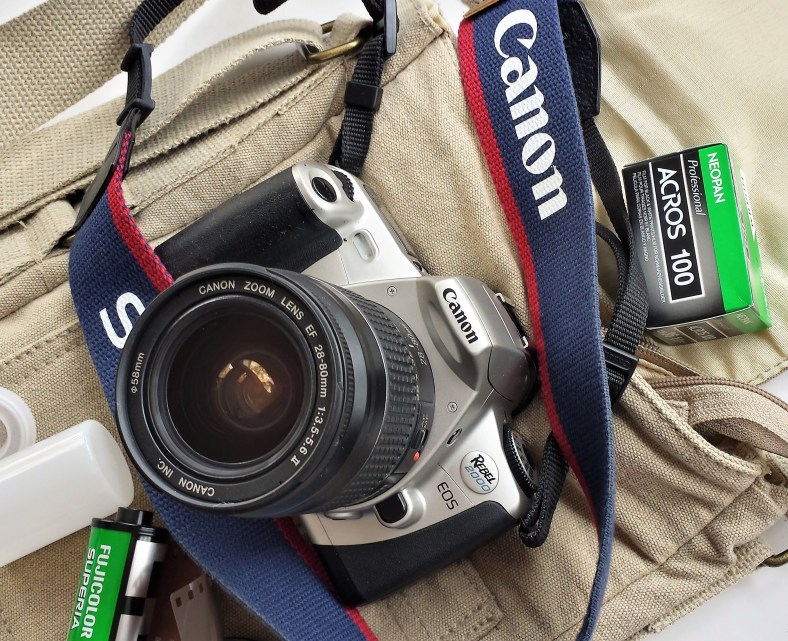
Taking an old friend out and about… Canon EOS Rebel 2000

I know – what a goofy name! Rebel 2000? WTFO! (a nautical term often heard aboard U.S. Navy ships at sea).

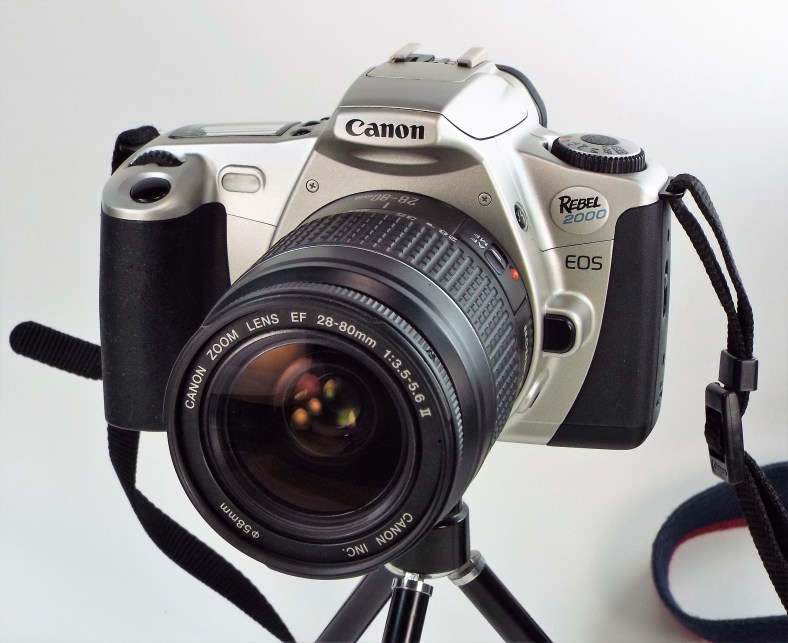
Silly names aside, it’s been a good little Canon and has done pretty much everything I’ve asked it to do over the years. No outstanding features – just  sharp images and as close to a point and shoot analog SLR as there was in the late 1990s. I believe Carol gave me this one for Christmas 2003.

Since we’ve decided to pare down our collection of cameras, this one will be listed for sale soon. We like to test our cameras with film first so that we can state that the camera and lens works as advertised -plus we get to shoot some film with an old friend one last time.

It takes two CR2 batteries which we found for under $10 (with shipping) on eBay. We’ve loaded a fresh roll of Fujifilm Fujicolor Superia X-TRA 400 and now all we need is a sunny day. The Acros 100 is for another day and another camera.
20170214_134724_richtonehdr

The camera and lens weigh next to nothing – a breeze to carry around places like Walt Disney World and it did well when we used it on our trip to Disneyland and Yosemite back in 2004. After years of carrying around a heavy Canon F-1 with equally heavy lenses, this camera and lens set me free to concentrate on composition and not the gear (and the pain in my neck). It’s a camera that’s had enough versions made over the years and in enough quantities that finding additional lenses for it would not be a problem if we were keeping it. The next owner will get a very well taken care of SLR that should be trouble free for years to come.

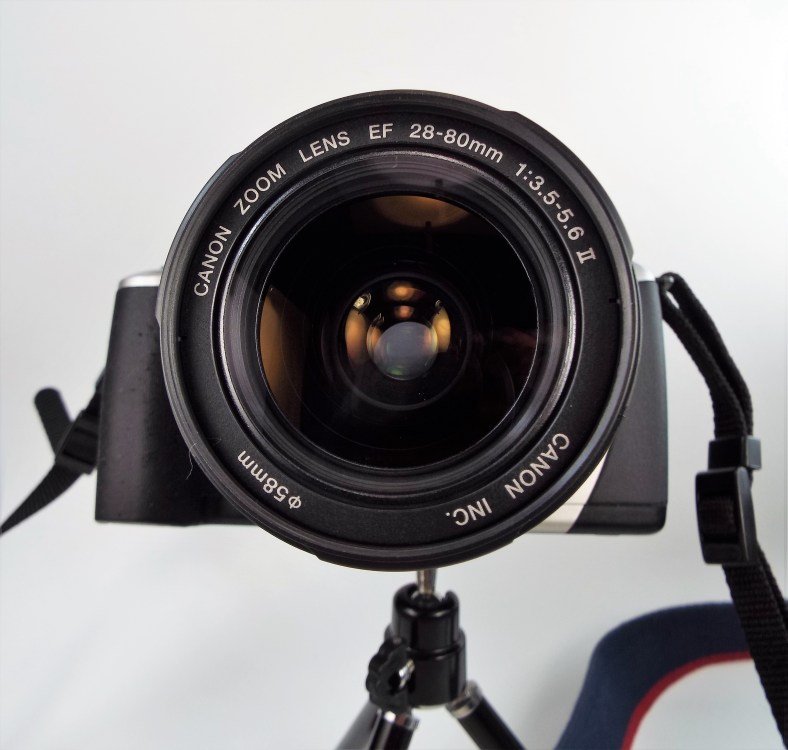
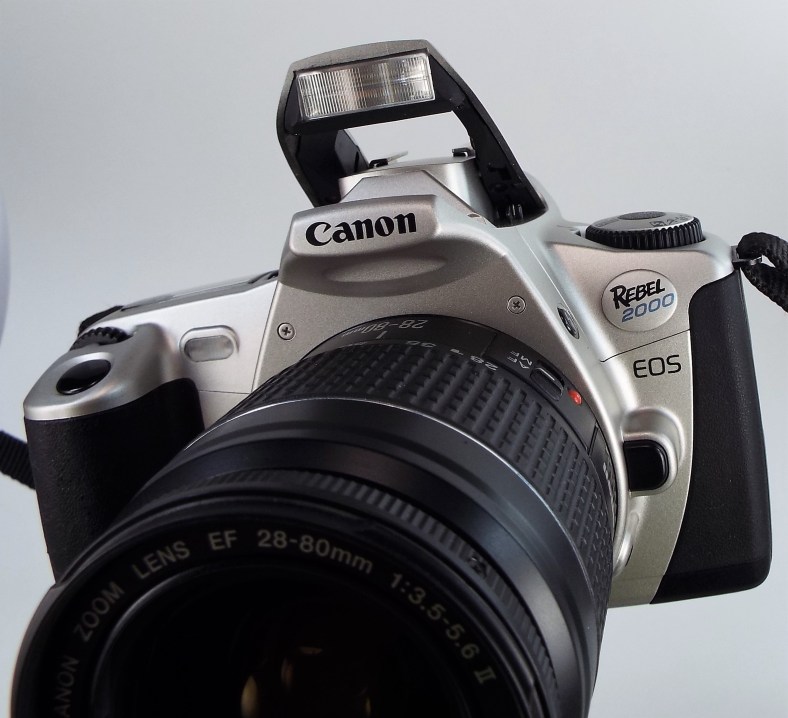
Standard issue EOS Rebel 2000 with the 28-80mm zoom lens.  ⇓
dscf3536

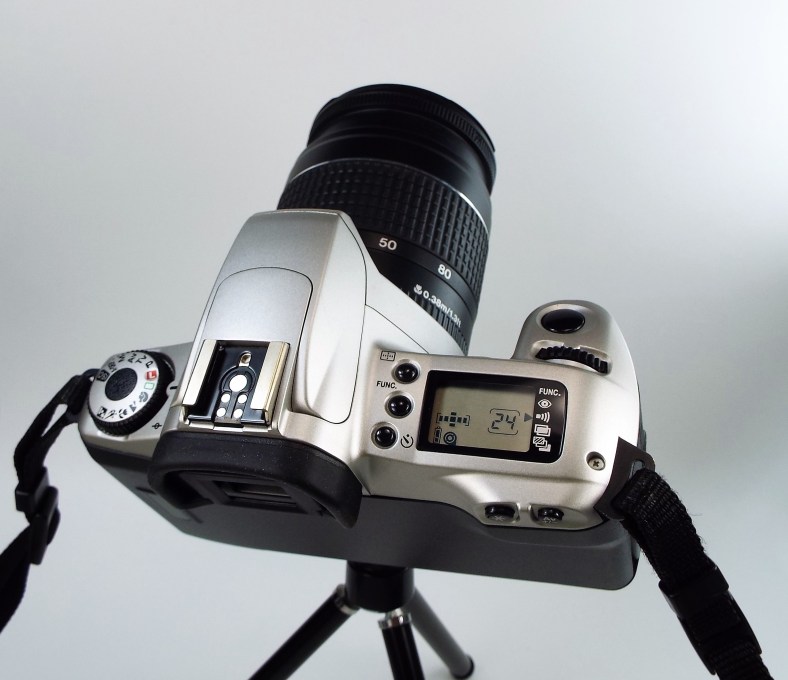
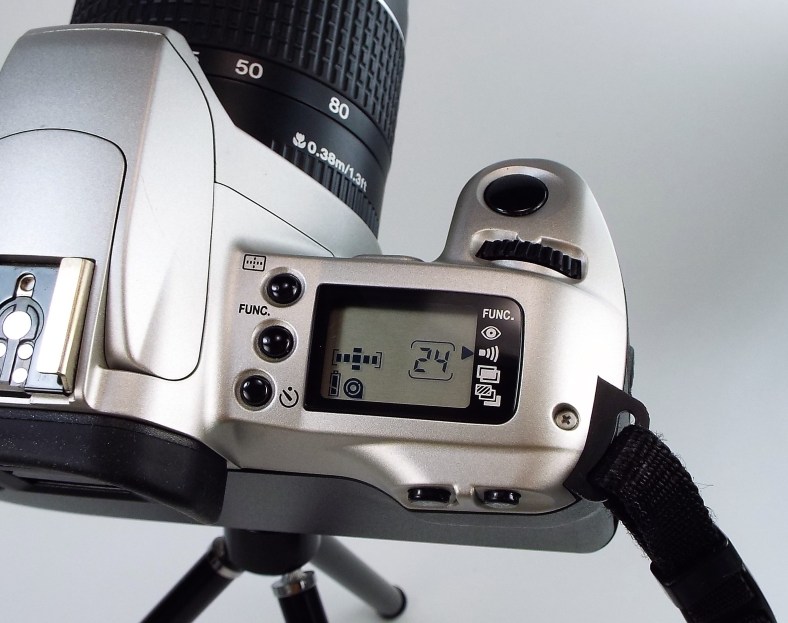
Super clear and easy to understand LCD with just the right amount of info. ⇓
dscf3543

It takes 58mm screw-in filters. ⇓

dscf3540

dscf3542

It’s a good looking camera with an easy to keep clean surface. ⇑ ⇓
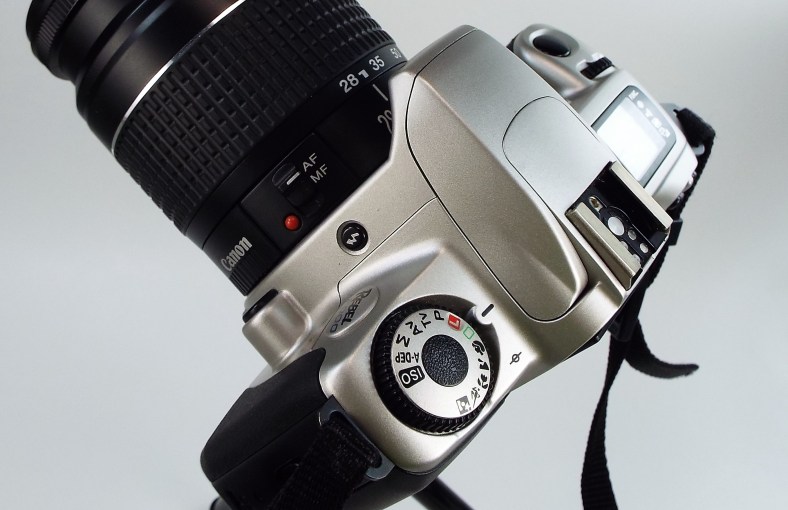
dscf3544

Nice fill-in flash when needed. ⇓

dscf3545

So there you have it. A simple Canon that’s very capable of delivering sharp, well exposed images. Lightweight – easy to pack. It makes it easy to concentrate on composition and not the camera. Just what you want when venturing out with an old friend.

Thanks for stopping by!

Chris