Mystery Models – v2.0

19362539791_09787a3105_o

1959 Yashica Model A twin-lens reflex camera instruction booklet cover.  

This dapper dude appears on at least two different Yashica brochures in the late 1950s and early 1960s. This cover shot is from a Yashica A III instruction book from 1959. He always appears with a “modern” pipe, fancy derby and is winking at the camera. My thought is that he is an actor who may have lived in or was super popular in Japan during that period. Any thoughts? Please see the back cover image below.

19171018190_a36a308a45_o

Here he is in a German language Yashica brochure from early 1960 (below).

19171477280_fcbf5949c1_o

Any help would be appreciated. As researchers of silly Yashica stuff, knowing who he is helps with some other silly stuff we’re interested in (Yashica-wise).

Thanks!

C&C


Help solve another mystery… who is she?

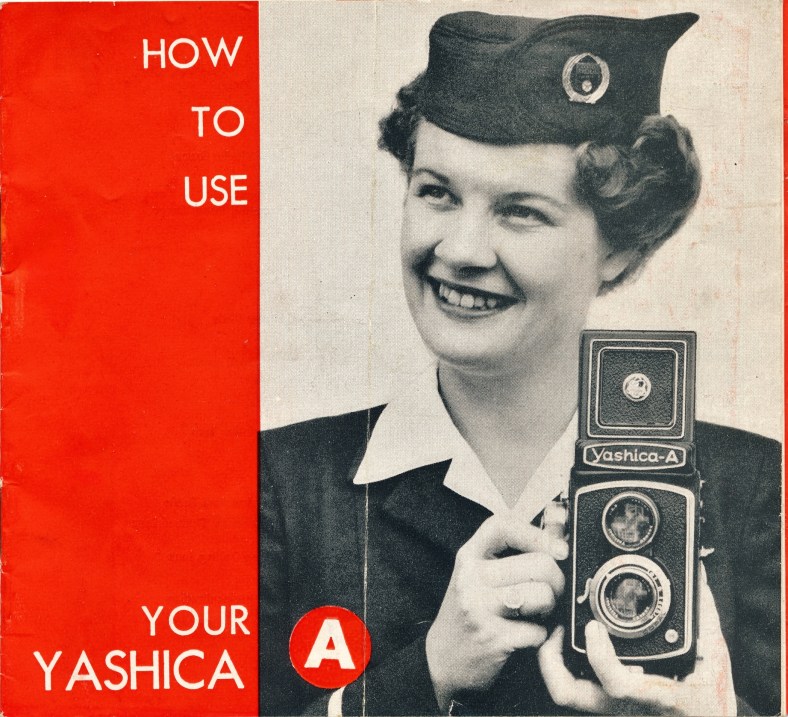
Help! She’s been driving us crazy for years trying to identify what type of uniform she’s wearing.

23601284334_fd34bc8f57_o

Is she a stewardess, cruise ship officer, tour bus guide, train hostess? The uniform is certainly not a military uniform (but could be). This instruction booklet is from the late 1950s. Her cap is keeping with the style of the airlines at the time but definitely not JAL. Take note, she has a gold stripe on her right sleeve which wasn’t consistent with airlines unless you were in the cockpit. There is a hint of what looks like a pin (wings ?) on the left side of her jacket and of course there’s the emblem (logo) on her cap.

We’ve tried to place her by her looks. She doesn’t appear to be Asian… we think she looks northern European or from the UK… just don’t know.

We’re open to any and all ideas… just for fun since this is the only time Yashica used an image with a model wearing a uniform on the cover of their booklets. It was replaced rather quickly with a plain cover on later booklets.

Many thanks! We’ll take any and all guesses too.

Chris and Carol


Pentamatic – Finally Found ‘in the wild’. Nerds heaven!

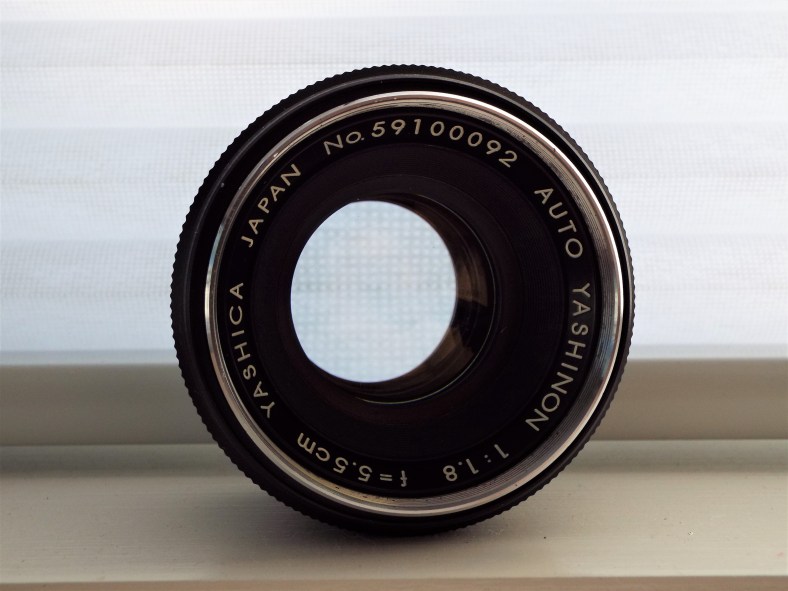
After many years of searching for proof that Yashica had in fact released its first production run (from December 1959) of the 5.5cm f1.8 Auto-Yashinon lenses for the Pentamatic ’35’ – we finally found one in the wild! Now it’s ours.

We stumbled upon this lens the other day on an online auction site. After some negotiations with the seller, we reached an accord. The camera this lens was mounted on was a pure dog… “Junk Treatment” as ‘Google Translates’ the kanji for crap (one would think) items. We took a chance that the lens was going to be OK. We’ve seen enough of these over the years to get a good feel – this one we just had to have even if it matched the condition of the camera body it was on. Man was it dirty – sooty and a tad yellow (the markings yellow over time). But it was a hidden gem. No mold – no fungus – no cleaning marks or haze – and, the best part, it focuses crisply and although the aperture blades are a bit worn, they move nicely (snappy as ‘they’ say).

The Pentamatic went into production at Yashica’s modern factory campus in Suwa, Nagano Prefecture in December 1959. At the same time, or just slightly before (maybe in October), Tomioka Optical started making the lenses for the first Pentamatics. We don’t know for certain if Tomioka delivered completed lenses to Yashica or only manufactured the optics for them and Yashica did the rest – we just don’t have that information yet.

dscf3477

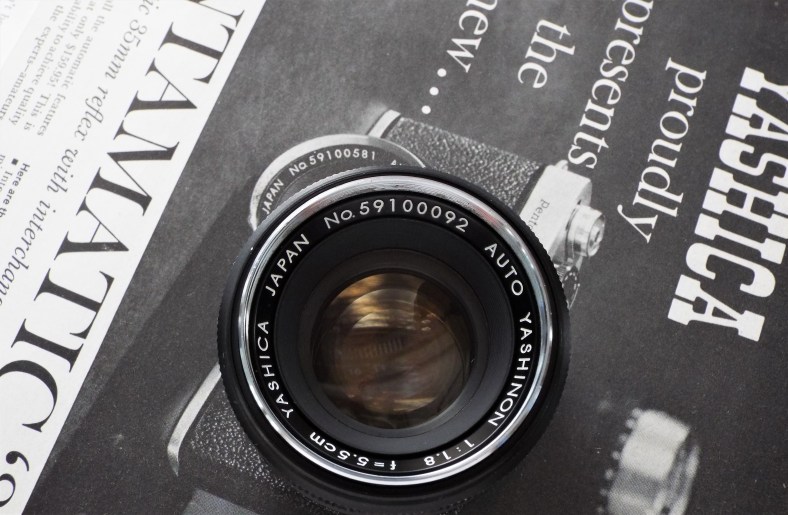
Here’s the lens we just acquired – Auto Yashinon 55mm (5.5cm) f1.8 which was the normal lens supplied with Yashica’s first Pentamatics. The background ad is from a ‘Popular Photography’ magazine – June 1960 issue. The ad lens serial number is – No. 59100581 – our lens serial number is – No. 59100092. Not often do you find a lens in the wild with a lower serial number than an ad. By the way, the advertisement was the first ever for the Pentamatic.

20170203_092654

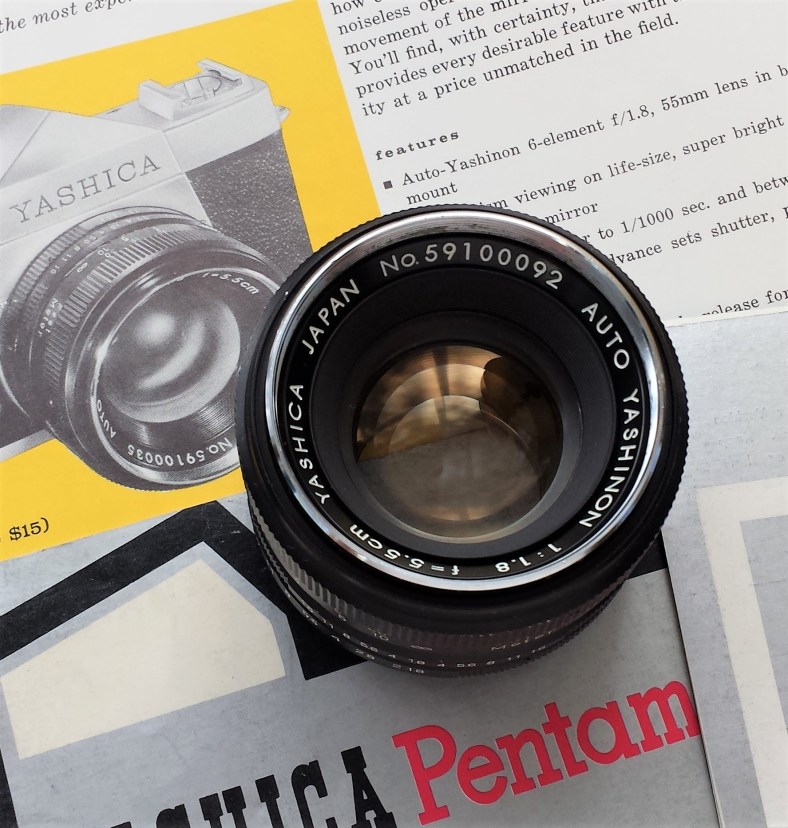
The lens that is featured in one of the first sales brochures for the Pentamatic, is serial numbered – No. 59100036. Our lens was made just slightly after the lens in the brochure (same day?). We don’t know when the sales brochure came out. Our guess is March 1960. The photographs were probably taken by the marketing people in Yashica’s Shibuya headquarters sometime in late 1959 or early 1960.

We know – this is all super boring nerd stuff that only Yashica fanatics would find interesting – wait, that’s a great name for a blog… ‘Yashica Pentamatic Fanatic’. ^.^

So what does the serial numbers tell us? The SN No. 59100092 (our lens) translates to – made in 1959, the ’10’ is for October, and the 0092 is the sequential production number of the lens assembly. This means that Tomioka Optical started production of the new lenses for the Pentamatic as early as October 1959! Lenses made in 1960 are labeled No. 605xxxxx. The ‘5’ being a placekeeper or model number. The highest serial number we have in our collection is No. 60515157. That lens came with a Pentamatic body that was made in January 1961 and the lens was the 15,157th made up until that point.

The highest serial number seen in the wild is No. 60521460 which was mounted on a Pentamatic-S body.

dscf3483

Thanks for your visit and if you made it to this point in the post, pat yourself on the back! You may be a bit of a camera nerd – just like us!

Chris & Carol ^.^

First Pics! Fujica GW690

dscf3353

We just got our first roll of film from our new Fujica processed with ‘The Darkroom’. They scanned the 6×9 negatives and zipped them to us. We couldn’t be any more pleased with the results.

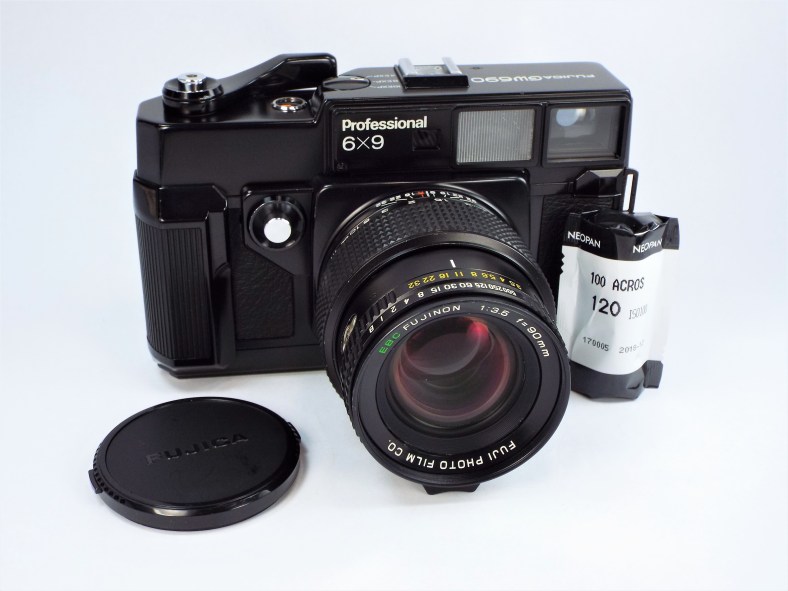
As a refresher – this is the 1978 version of Fuji Photo Film’s GW690 medium format film camera. It is the last model to to be called ‘Fujica’. It looks great in this image and it is in very nice condition, but well worn from the thousands of rolls and exposures taken. It will settle in to a more quiet life with us as we can’t afford to buy and have processed 120 film and only get 8 exposures per roll. But we are super happy with it. Super sharp Fujinon 90mm lens transfers the image nicely to the 6×9 negative.

By the way… all of the images presented are direct scans from the negatives. No post production on our part – no crops or other messing with the images. Some I missed the correct exposure by a stop or two with my guesses. I was mostly shooting at 1/250 with 100 film at around f8 to f11. Neopan Acros is very forgiving.

30510006

30510002

30510004

30510007

30510001

30510003

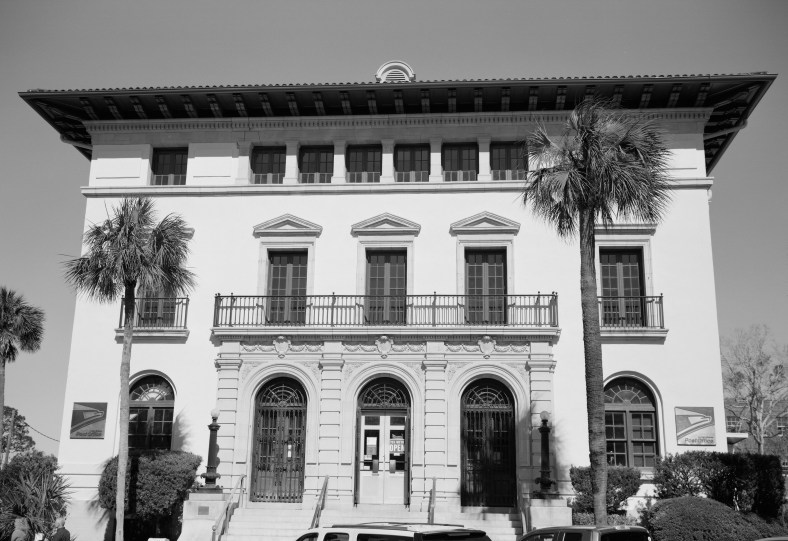
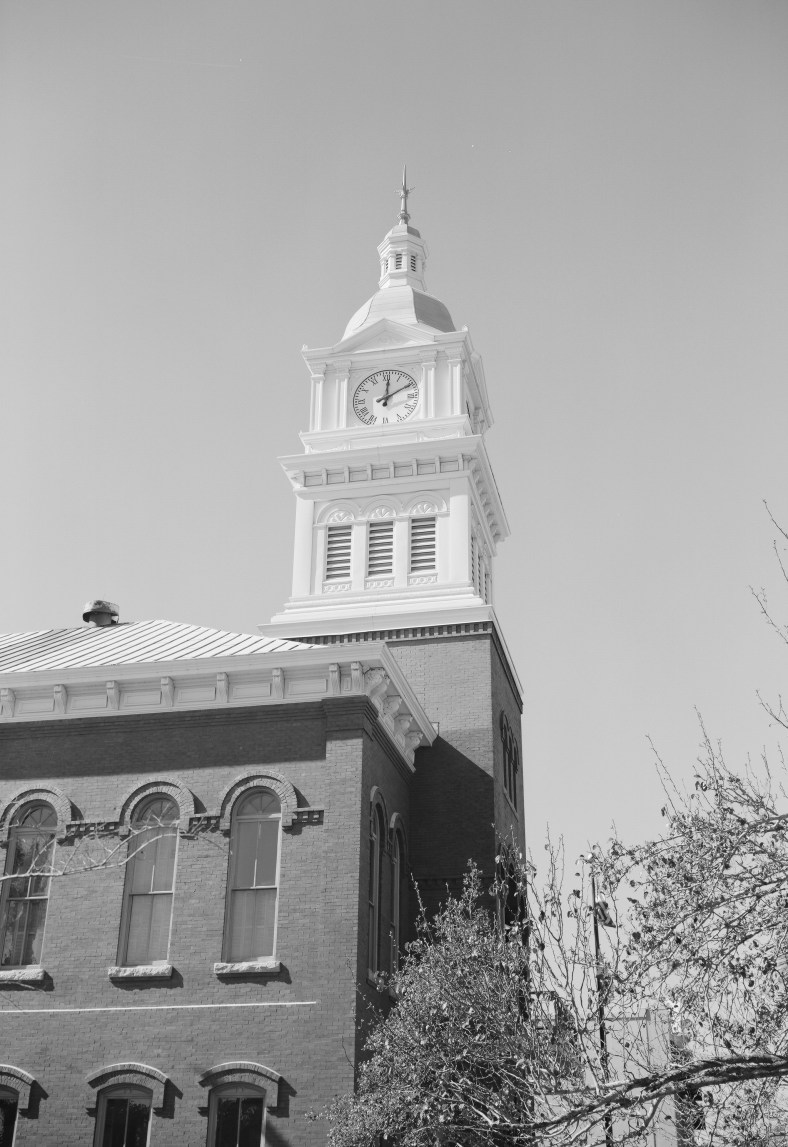
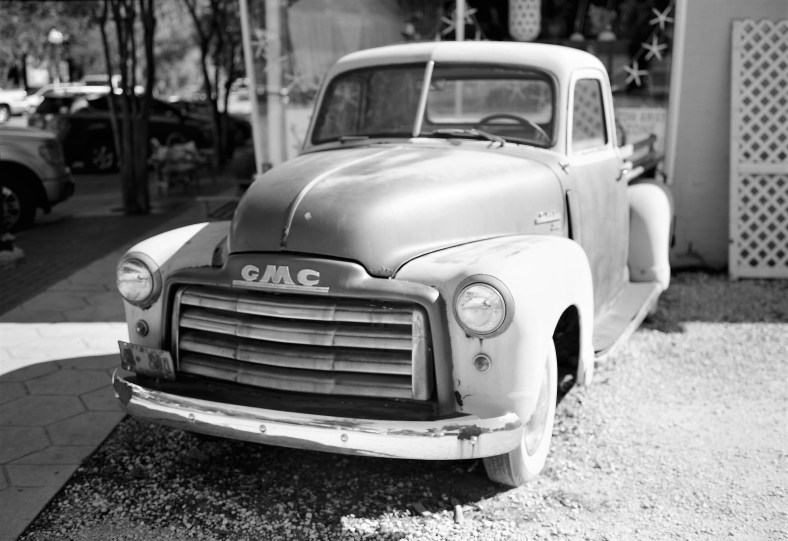
As you can see, we’ve presented 6 exposures vice 8… 1 other was a duplicate and exposure 8 wasn’t on the roll! I think I may have wound past the first frame. We believe the level of detail and contrast of the Fujinon lens is superb. Did we mention that we’re big fans of Fuji’s Acros? We also love the 6×9 format too. I would say that I was surprised at the shallow depth-of-field in the truck image – I focused on the ‘GMC’ logo and as you may be able to see, I missed spot on focus.

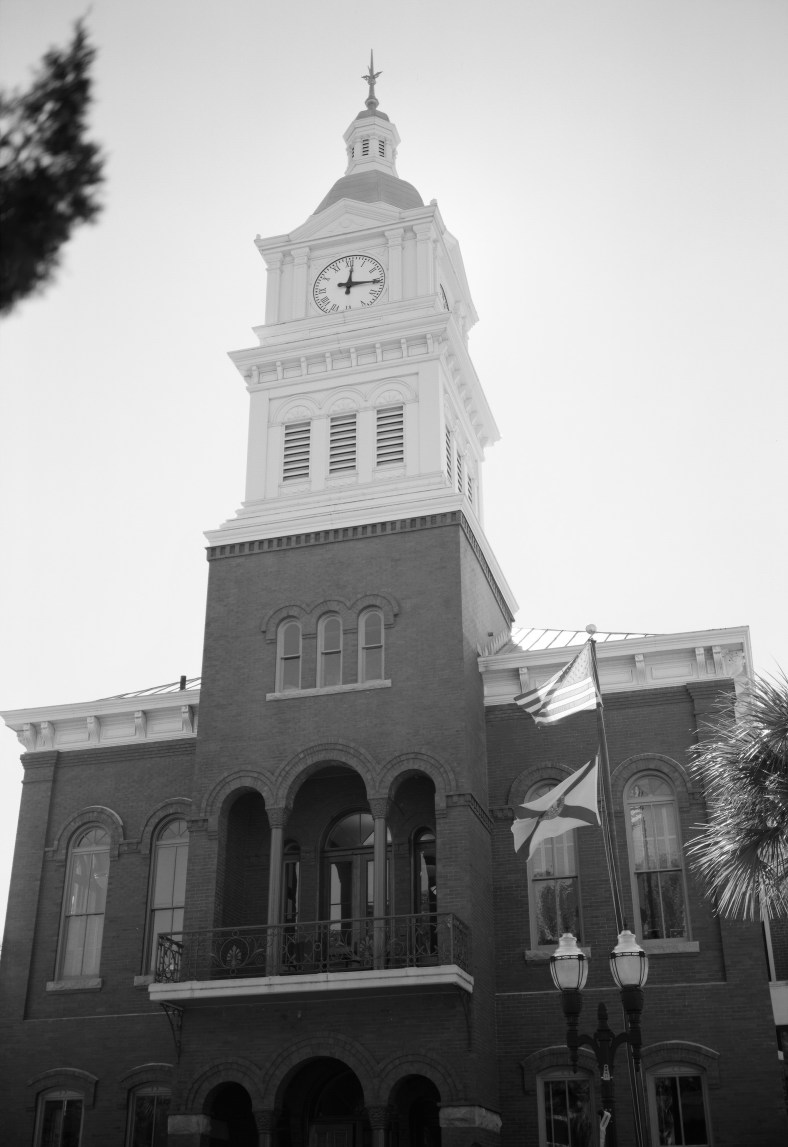
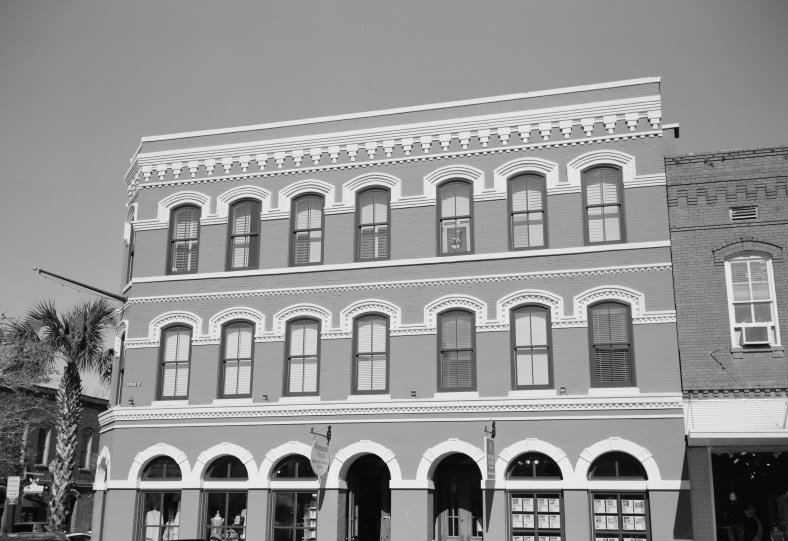
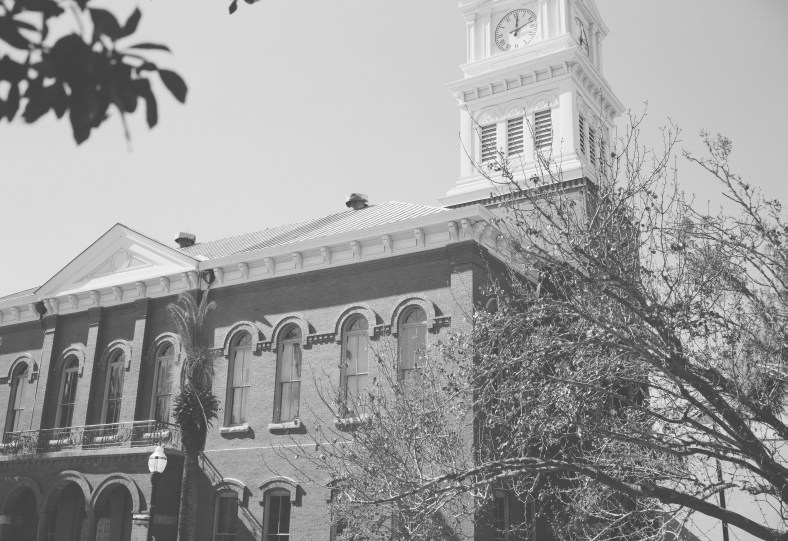
All of the images were taken along Centre Street, downtown historic district, Fernandina Beach – Amelia Island, Florida. The post office building is ca. 1911. The clock tower is ca. 1891. The ‘Pineapple Patch’ building is ca. 1880s. You get the point – for the U.S. it’s kinda old – for most of the rest of the world they’re kinda new. It’s all relative. ^.^

Thanks for your visit!

Chris and Carol

Colorful Yashica Brochures… 1980s

A small collection of some 1980s Yashica and the Yashica-Kyocera sales brochures. We enjoy collecting brochures as they usually capture a slice of life for that period (at least in the marketing folks view of things). Enjoy!

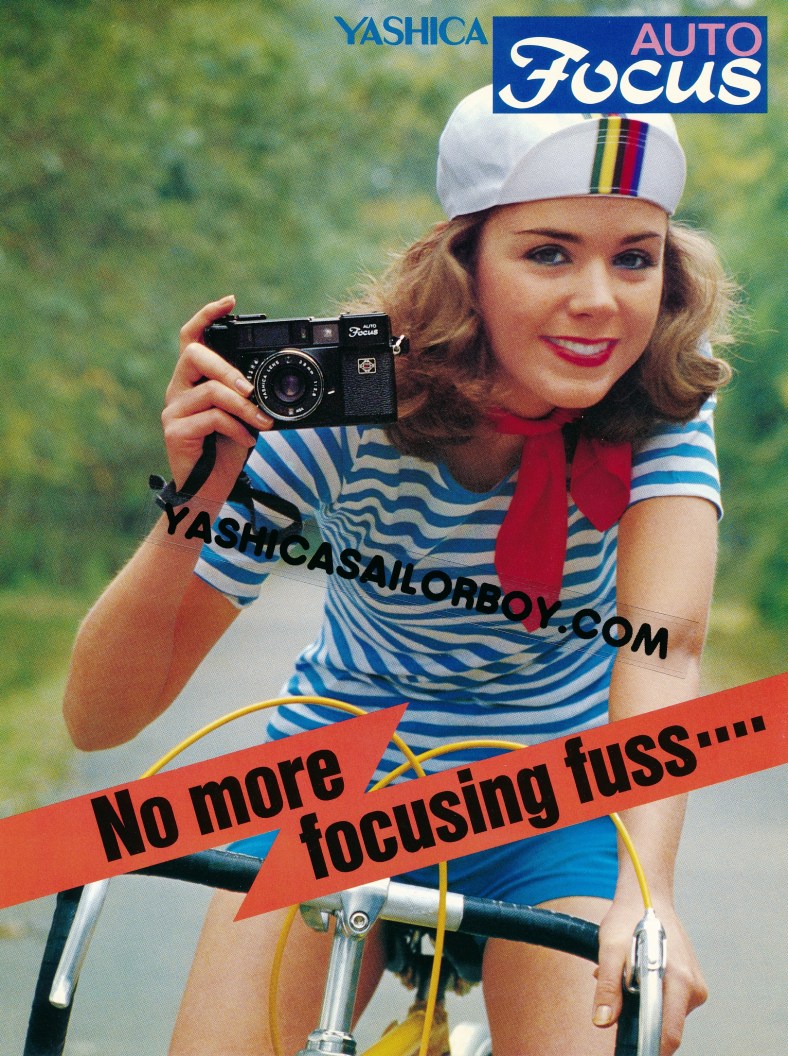
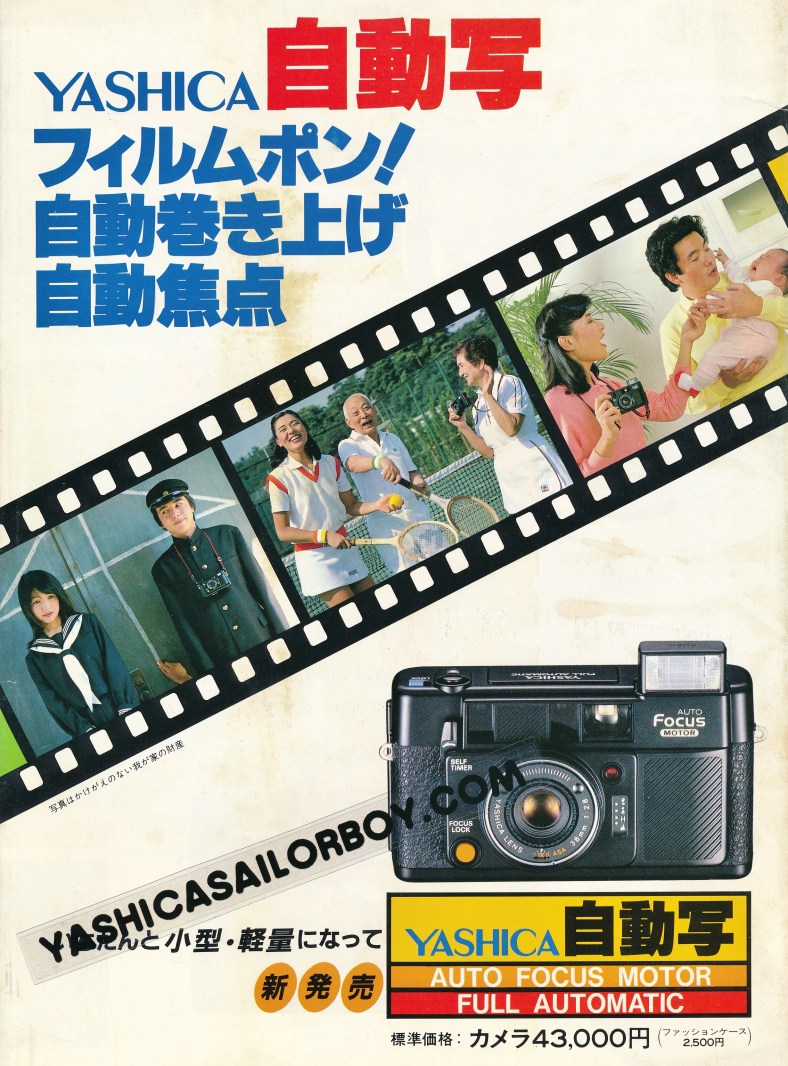
Cute brochure from around 1980 featuring the Yashica Auto Focus. Yashica’s home office was still in Shibuya-ku Tokyo at this time. Kyocera was in Yashica’s near future and it would signal the beginning of the end!
25896400900_c2437ce7ec_o

Another nice sales brochure from October 1981. The cameras featured in this brochure are the Diary, Flasher, Snap and the Auto Focus Motor.
25898856450_44fee70d1d_o

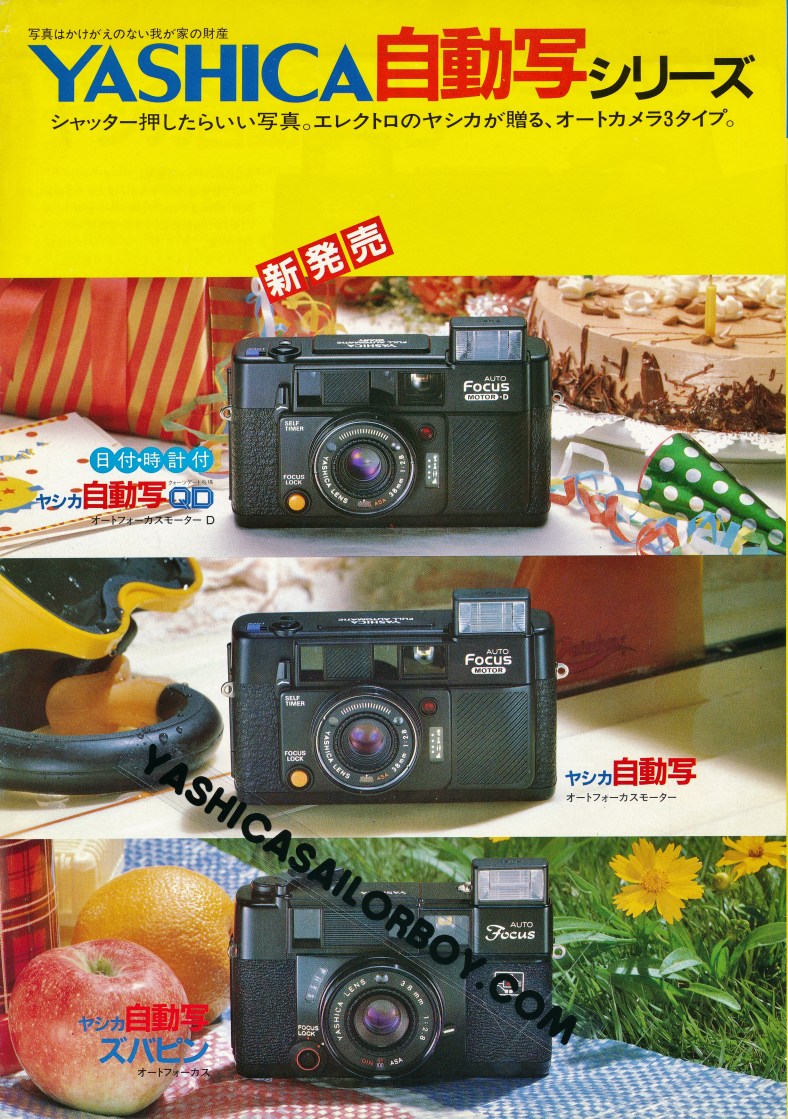
Yashica Auto Focus, Auto Focus Motor and Motor-D. These were technological breakthrough cameras for Yashica in the early 1980s. Of course at this same time, Canon had the A-1, AE-1, AE-1 Program and of course the Canon F-1. These cameras from Canon were all SLRs so not a fair comparison but Canon made similar compact rangefinder cameras. It was a tough go for Yashica at this time and a takeover was on the horizon.
25899033730_558e532eaf_o

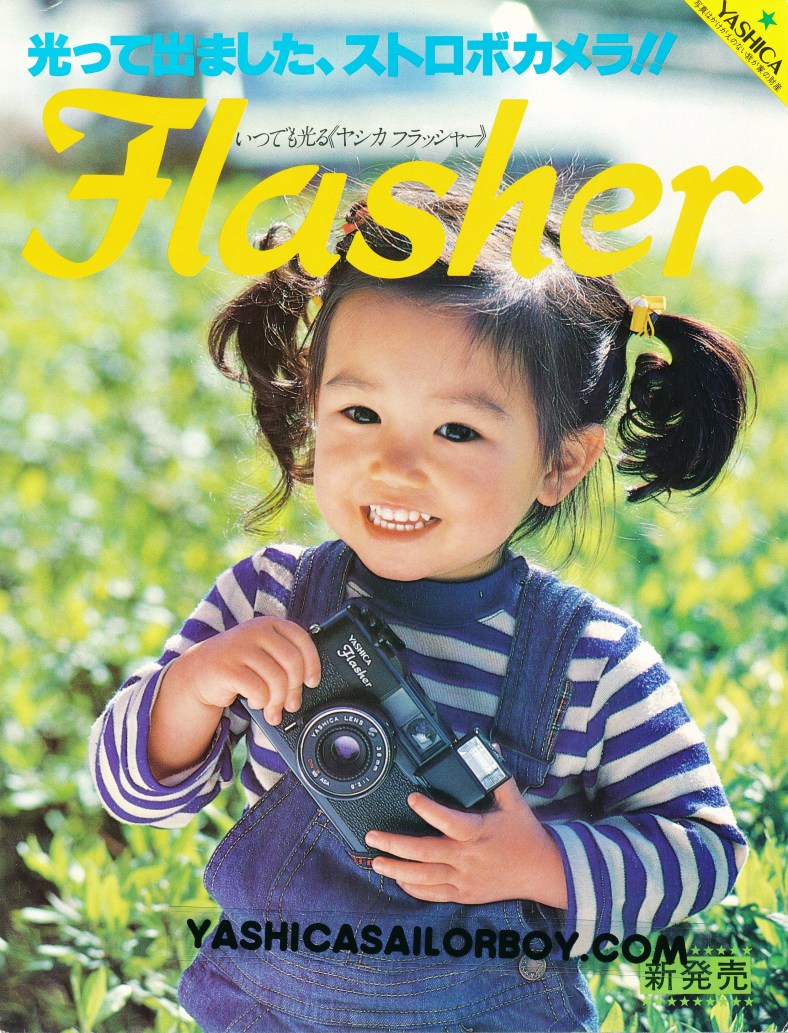
What a cutie! Full color sales brochure from Yashica dated 1 March 1980. Features the Flasher, Auto Focus, Snap and the Diary.
26079349032_07ccb458cd_o

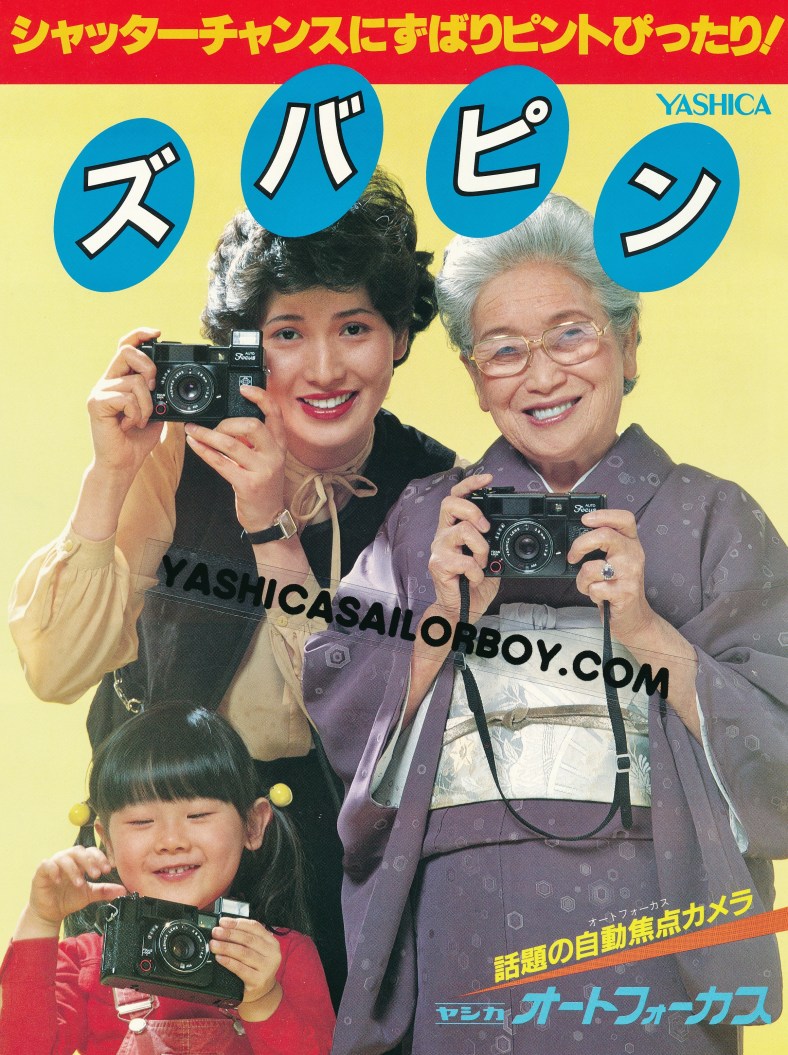
Neat sales brochure from September 1980. In the early 1980s Yashica promoted its auto focus and auto exposure cameras extensively. This brochure featured the Yashica Snap, Diary, Flasher and the Auto Focus which listed for ¥41,000.
26169339505_b055f64250_o

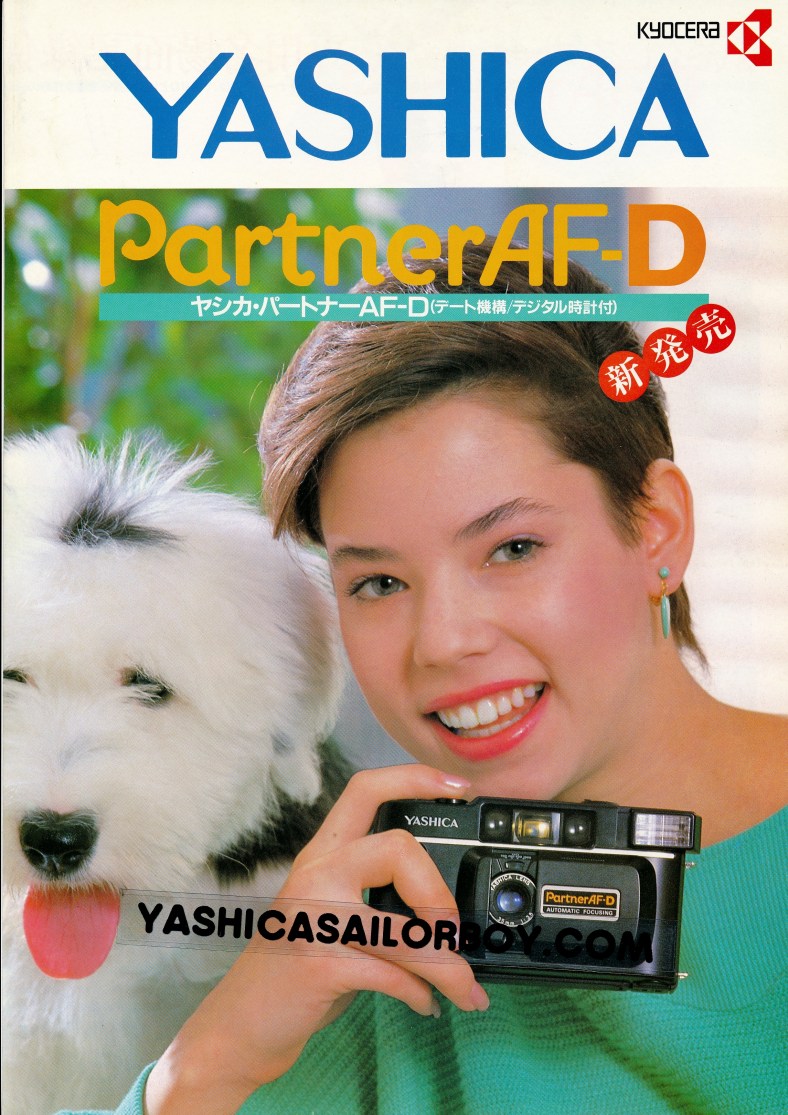
The dark days of Yashica begin with this very cute sales brochure from February 1984. Yashica by this time was taken over by the Kyocera Corporation which was headquartered in Kyoto. Yashica was now a just a division of Kyocera…Yashica was still in its long time office in Shibuya-ku. This move (Kyocera ownership) was the beginning of the end for the Yashica we knew.

When Kyocera killed Yashica (about 1991) they kept the optical portion of the company which was originally the Tomioka Optical Co., Ltd. of Tokyo. That division is still part of Kyocera and is now called Kyocera Optec Co., Ltd. and is still headquartered in Tokyo.
26103094971_52ab0e9630_o

There you have it. A nice collection of some of the best of the 1980s Yashica sales brochures. As we mentioned, the Kyocera ownership was just on the horizon and the final days of the once great Yashica were coming to an end. We do own a few cameras from the Kyocera (Kill-a-Yashica) period and some were received as excellent point and shoot compact wonders.
dscf3456

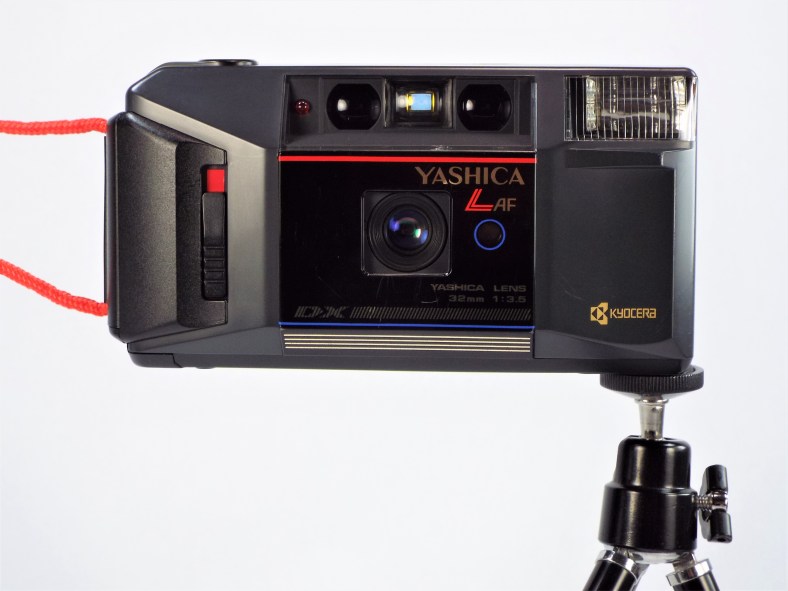
A lovely Yashica-Kyocera L AF Date from 1986. Very nice lines and we’ll be running a roll through it very soon!

This good looking camera (above) was sent to us from a blogger friend and photographer living in Japan. She was very kind to donate it to us for sharing it on our blog. You can see excellent reviews of all sorts of cameras and awesome photographs too at https://cameragocamera.wordpress.com/

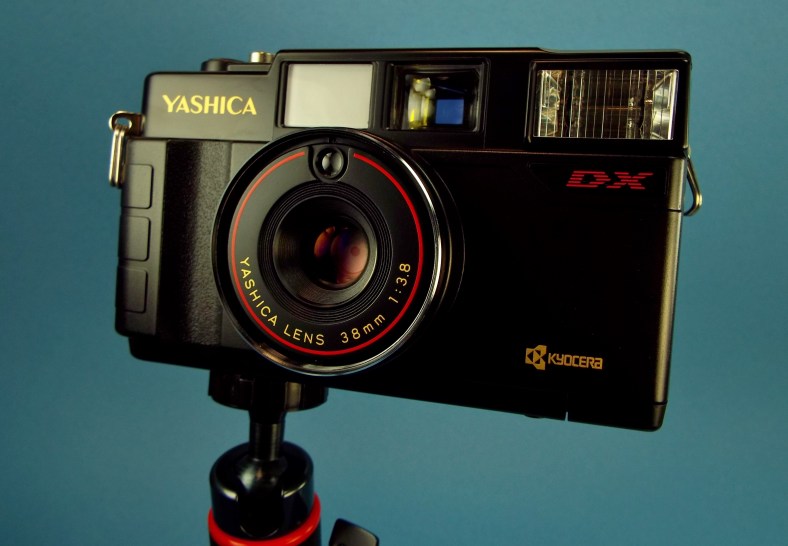
Another donated camera comes to us from a friend in Virginia and a fellow Flickr poster.
26295606350_65700d54b4_o

25965272473_a80d24519c_o

We haven’t run film through this beauty yet – it’s on our “catch up” list of things to do. Thanks to Ken for sharing his lovely camera with us so that we could share it with y’all here on the blog.

By the way, if you’ve got a nice Yashica, Kyocera or Fujifilm camera from this period (1980s to mid 1990s) and would like to see it featured here, just contact us through WordPress and we’d be glad to do it.

Many thanks for your visit – comments are always welcomed.

Chris & Carol ^.^
 

Yashica ‘Sailor Boy’ & Friends

20141117_222025

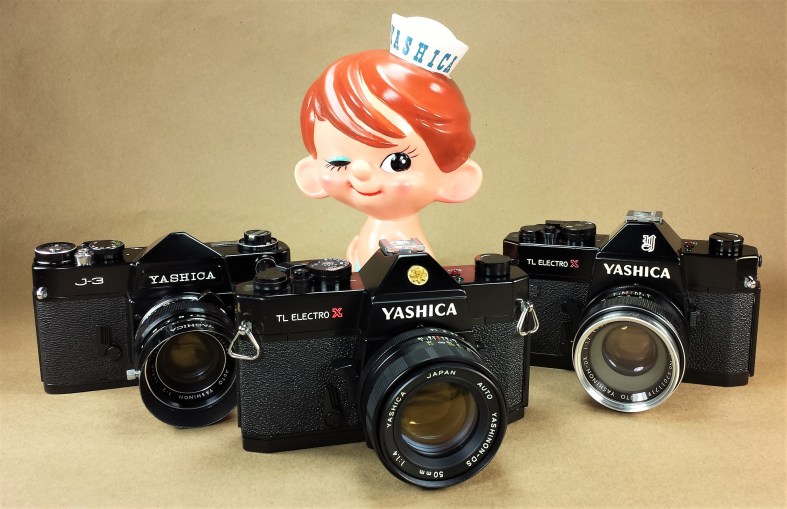
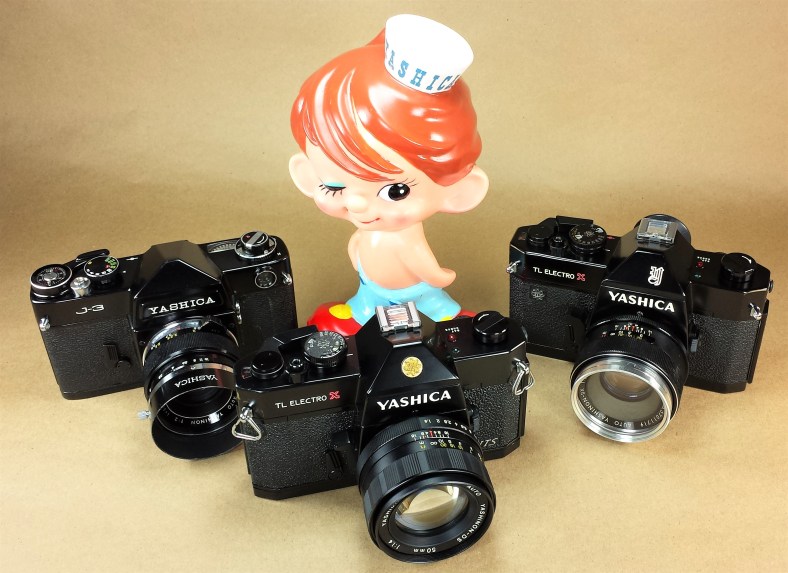
Yashica’s three finest cameras in black. The J-3 was the first truly modern 35mm SLR from Yashica and it was their first SLR to be made in pro-black with matching black lens. Only a small amount of the J-3s were black – most were the traditional silver top and black leatherette body. On the far right is the most successful SLR Yashica ever made. Fully loaded with electronic everything, all commanded by its ‘IC’ brain. The next step on the evolutionary ladder is the TL Electro X ‘ITS’ (center). A mostly marketing idea, the ITS was essentially the same camera as the TL Electro X with the added gold ‘Electron’ symbol on the front of the pentaprism and the stylized ITS emblazoned  on the camera’s left front (not seen here but can be seen below). The marketing folks at Yashica never said what the ‘ITS’ stood for (if anything). Our best guess is ‘Integrated Technology System’. Some say ‘Interval Timed Shutter’ as the shutter was electronically controlled and could fire at any speed. Later the Contax-Yashica ‘RTS’ was introduced and it was advertised as ‘Real Time System’ whatever the heck that meant.

We’ve used all three, and the TL Electro X with the white stylized ‘Y’ on the pentaprism is our favorite. It just feels perfect in your hand and the electronic over and under (exposure) arrows in red are easily visible in the viewfinder.

20141117_222139

By the way, the advertising icon (Yashica Sailor Boy) was never given a proper name by Yashica. He made his debut in 1962 and still could be found kicking around in sales brochures and ads into the late 1960s. This guy is the 20cm (10 inch) dealer display model and he was in his sealed bag and box from Modern Plastics of Japan when we acquired him. He comes in about 3 other sizes and different styles and colors.

Thanks for stopping by!

Chris ^.^

1955 Camera Case Mystery

During a recent restoration of our 1955 Yashicaflex A-II twin-lens reflex camera, we discovered that the leather case held an interesting surprise!

15070722327_0d4b9e785b_o

The thread below is taken from our Flickr page (Yashica Sailor Boy).

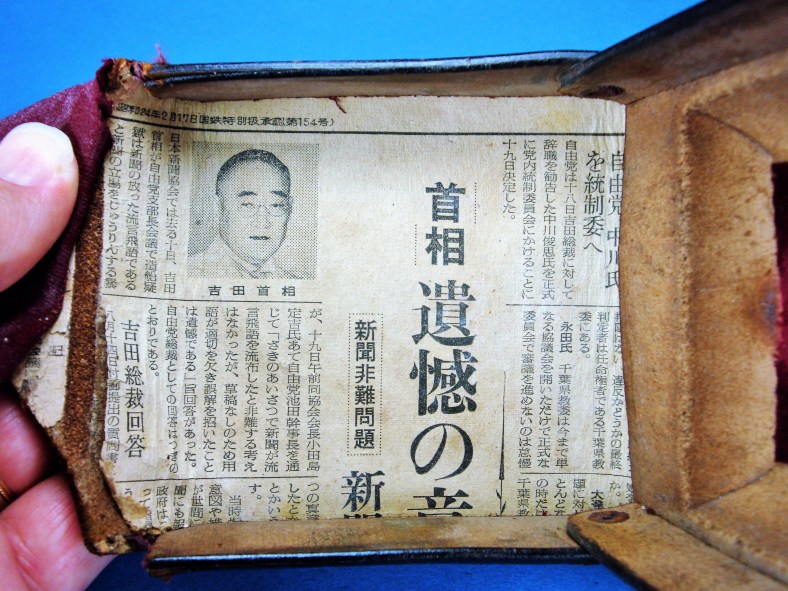
Chris “As part of a restoration of my c1955 Yashima (Yashica) twin lens camera’s leather case, I discovered that the red felt material inside the case used backing made from Japanese newspapers! Leave it to the Japanese during the mid 1950’s to make good use of something that would normally have had one use and then thrown away here in the West. What really surprised me was how easy the felt pulled away from the newsprint without destroying the paper. I hope to get the writing translated… maybe some interesting clues as to where the case was made and when.”

Chris “The leather case was made for a Yashica Flex model A-II from 1955. The camera was purchased from a seller from Hiroshima, Japan. The camera was made in Tokyo and I am not sure if Yashima (Yashica) made their own leather cases or if they were made by a supplier. Maybe the newspaper will yield some clues as to where.”

Chris “I now know that it is a picture of Prime Minister Yoshida. This was a special edition newspaper made for (?) the Japanese National Railways (JNR). It appears that the paper is dated 17 February 1949. ‘Special Treated Approval Number 154 Issue’.”

Ken “The caption at the top actually records the newspaper’s national railways special handling permit #154, and does not identify the actual date of the issue in question. The article has to do with a controversy the prime minister created when he criticized a newspaper for allegedly spreading rumors about a political scandal concerning the shipbuilding industry. The scandal erupted in January 1954 and became one of the main causes of the fall of Yoshida’s government. It is not clear which newspaper this article comes from, but from the anti-government tone of the writing it is possibly the Asahi.”

Chris “Thank you so very much KenjiB_48. It helps to know this as it makes more sense for the Japanese company that made the leather case would have used a current (1955) newspaper for a camera made in 1955.”

15070781568_4fc3b2577b_o

The inside front of the leather case held a similar surprise. It would appear that in the mid 1950s, some Japanese manufacturers found ways of recycling almost everything produced. Used newspapers, I would think, could be had for free. Why not use them for backing the felt to the leather. Pretty smart!

Thanks for your visit!

Chris ^.^

Canon AZ 1014 Super 8 Movie Camera… 1977

dscf3404

Purchased new by us in 1977… wow, 40 years ago! It’s still going strong – the automatic exposure is accurate, the Canon electronic zoom lens is flawless, and all controls and gizmos are doing their things. Why? Well number one is it was designed and built super well and it uses readily available double A (AA ‘penlight’) batteries. No out of manufacture mercury batteries and their modern replacements to deal with! Thank you Canon!

dscf3405

The business side of this gem. It’s a TTL Servo EE electronic exposure system using still available Super 8 film. It operates like an SLR in the sense that you focus and adjust zoom and exposure through the lens. Canon’s 7-70mm f/ 1.4 Macro Zoom (10x) Lens C-8 is razor sharp and produces vivid colors and delivers exceptional contrast.

Macro capabilities are incredible – as close as 10mm from the front of the lens! Slow motion, fades, interval shooting and time lapse plus the ability to manually control the aperture!

dscf3400

dscf3402

dscf3412

The camera loaded with a Super 8 cartridge and the six AA batteries weighs in at nearly 2 kg! I can tell you that lugging it through Walt Disney World was no picnic… but fun!

15842522279_0891e7845f_o

Carol exploring her plants via the Canon AZ 1014. This is so 1977! Our home in Yokohama.

20992653009_8f68f5192c_o

The photographer observed! The young lad was friendly and couldn’t figure out what in the world I was filming! Olongapo City, Philippines 1978.

img_20161217_0015_new

Bug hunting in Yokohama… 1978.

Playing with the camera again makes me want to start filming again… well maybe not. 50 feet of Super 8 movie film disappears quickly and so does the money in your wallet. The camera is amazing but outdated – but, for the money, you can’t beat the quality of the Canon optics that cost thousands today.

Carol and I have so many cameras that we can’t ever use them all before we pass on. So we are documenting our cameras just before they go to auction via eBay and Etsy. So sad but the time’s come to thin out the heard.

Photographed with our Fujifilm FinePix S9900. Carol (photo by me) with my Canon F-1 and me (photo by Jim) was taken with some junky old Nikon! Can you imagine!

Thanks for your visit!

Chris ^.^

Brand New (NOS) Fujifilm GF670s!

Fujifilm GF670 Professional 6×7 Camera

At a Glance

The Fujifilm GF670 Professional 6×7/6×6 dual-format folding camera is another shining example of Fujifilm’s unwavering commitment to preserving and nurturing the culture of photography. Designed with the traveling professional in mind, the GF670 is lightweight and sports a Gauss-type EBC Fujinon lens allowing the photographer to not compromise quality for ease of travel.

It’s amazing to think that Fujifilm USA recently found an undisclosed amount of these beautiful cameras in their warehouse. They were then sold (as best as I can tell) to B&H in New York for sale to the public. It looks like the first guess pricing was around $1899 then quickly up to $1999 and now on B&H’s site they’re at $2199 or so. They’re taking pre-orders now with availability in February. Released in early 2009? and discontinued in 2014. I would love to be able to put one of these in our collection – but it’s not gonna happen!

Maybe for you? Check out B&H’s site for more.

Chris

Sankei-en… Yokohama’s Beautiful Gem

25573678404_994fa123bd_o

Escape the hustle of the big city – Sankei-en is Yokohama’s beautiful gem.

21723680721_8a4b3d184e_o

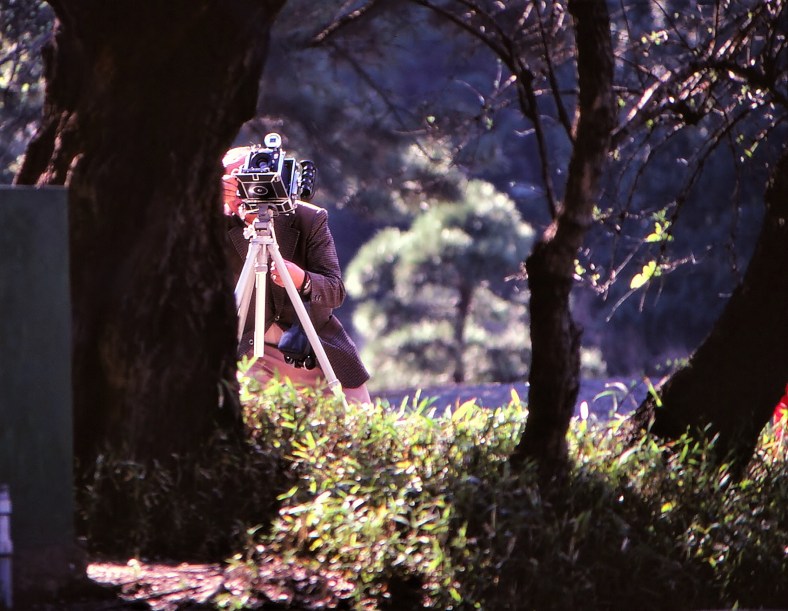
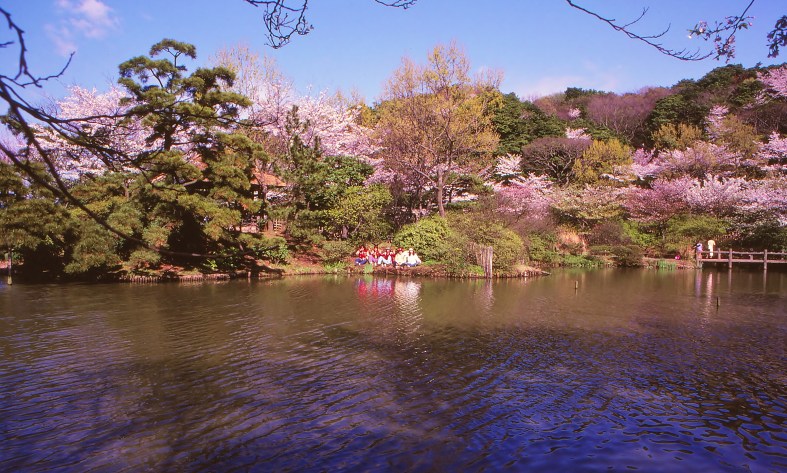
Soon the sakura and azalea will bloom. Photographers will come. School children and couples. Families love Sankei-en.

20444632005_5b985f3381_o

It was a pleasant ride to Sankei-en from our house so we went often.

20256520930_b6efccc36a_o

Admission – 100 yen. All smiles.

20354188489_fd0e7856e0_o-1

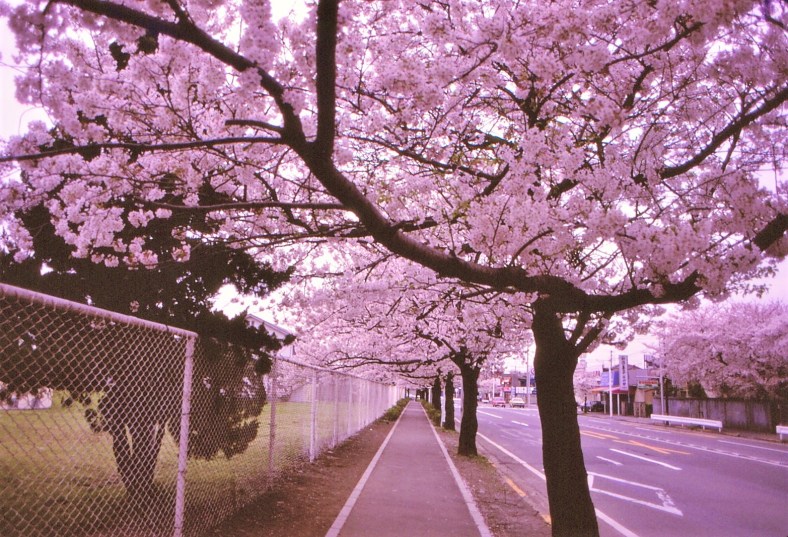
Sakura from long ago. Avenue D in Naka-ku, Honmoku. 1979

22343030079_18e6e717a1_o

21087177073_aedba71f8f_o

Spring returns to Sankei-en soon. The blossoms will be everywhere. Come to this spot and enjoy!

Images from 1978 and 1979. Canon F-1 and Canon AE-1. Kodak Kodachrome film.

Thank you for your visit.

Chris & Carol ^.^