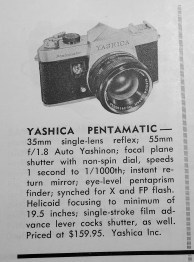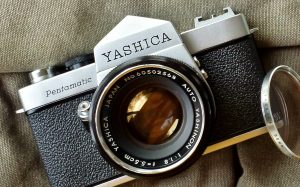
Pentamatic – Finally Found ‘in the wild’. Nerds heaven!

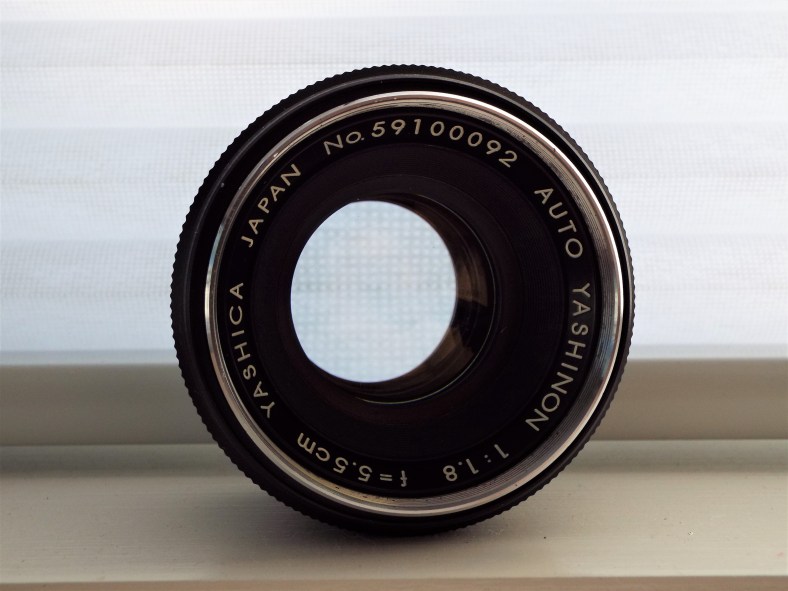
After many years of searching for proof that Yashica had in fact released its first production run (from December 1959) of the 5.5cm f1.8 Auto-Yashinon lenses for the Pentamatic ’35’ – we finally found one in the wild! Now it’s ours.

We stumbled upon this lens the other day on an online auction site. After some negotiations with the seller, we reached an accord. The camera this lens was mounted on was a pure dog… “Junk Treatment” as ‘Google Translates’ the kanji for crap (one would think) items. We took a chance that the lens was going to be OK. We’ve seen enough of these over the years to get a good feel – this one we just had to have even if it matched the condition of the camera body it was on. Man was it dirty – sooty and a tad yellow (the markings yellow over time). But it was a hidden gem. No mold – no fungus – no cleaning marks or haze – and, the best part, it focuses crisply and although the aperture blades are a bit worn, they move nicely (snappy as ‘they’ say).

The Pentamatic went into production at Yashica’s modern factory campus in Suwa, Nagano Prefecture in December 1959. At the same time, or just slightly before (maybe in October), Tomioka Optical started making the lenses for the first Pentamatics. We don’t know for certain if Tomioka delivered completed lenses to Yashica or only manufactured the optics for them and Yashica did the rest – we just don’t have that information yet.
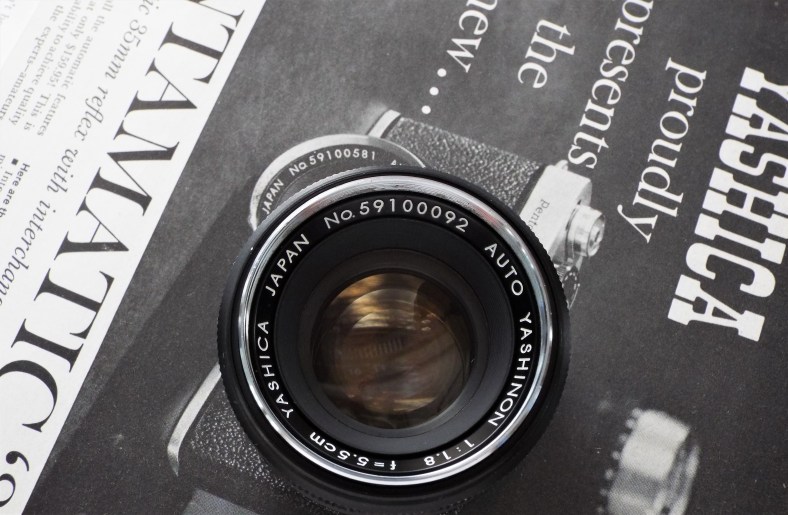
dscf3477

Here’s the lens we just acquired – Auto Yashinon 55mm (5.5cm) f1.8 which was the normal lens supplied with Yashica’s first Pentamatics. The background ad is from a ‘Popular Photography’ magazine – June 1960 issue. The ad lens serial number is – No. 59100581 – our lens serial number is – No. 59100092. Not often do you find a lens in the wild with a lower serial number than an ad. By the way, the advertisement was the first ever for the Pentamatic.
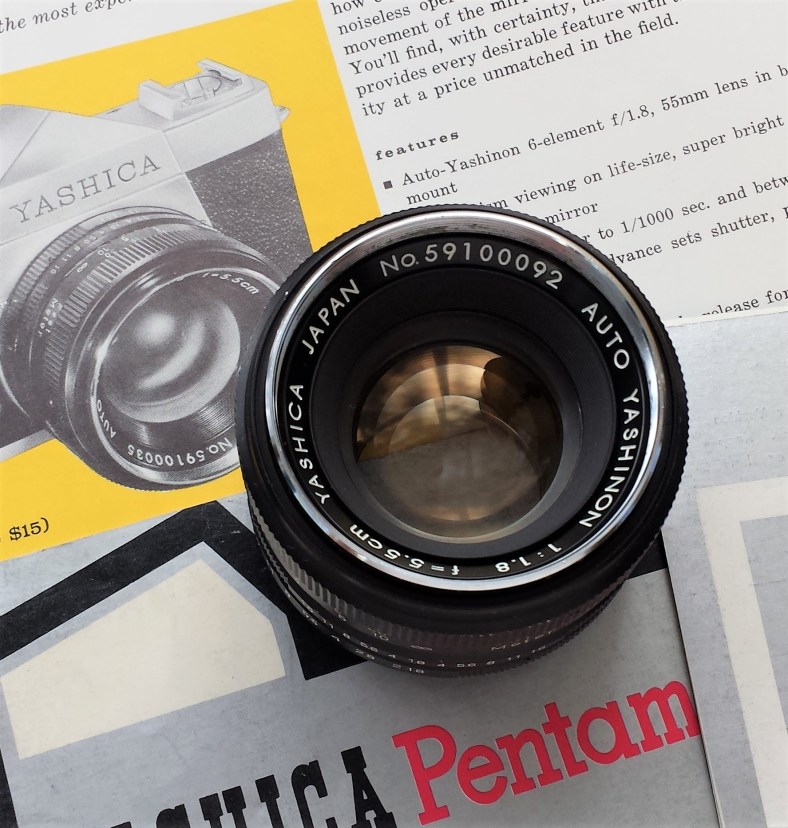
20170203_092654

The lens that is featured in one of the first sales brochures for the Pentamatic, is serial numbered – No. 59100036. Our lens was made just slightly after the lens in the brochure (same day?). We don’t know when the sales brochure came out. Our guess is March 1960. The photographs were probably taken by the marketing people in Yashica’s Shibuya headquarters sometime in late 1959 or early 1960.

We know – this is all super boring nerd stuff that only Yashica fanatics would find interesting – wait, that’s a great name for a blog… ‘Yashica Pentamatic Fanatic’. ^.^

So what does the serial numbers tell us? The SN No. 59100092 (our lens) translates to – made in 1959, the ’10’ is for October, and the 0092 is the sequential production number of the lens assembly. This means that Tomioka Optical started production of the new lenses for the Pentamatic as early as October 1959! Lenses made in 1960 are labeled No. 605xxxxx. The ‘5’ being a placekeeper or model number. The highest serial number we have in our collection is No. 60515157. That lens came with a Pentamatic body that was made in January 1961 and the lens was the 15,157th made up until that point.

The highest serial number seen in the wild is No. 60521460 which was mounted on a Pentamatic-S body.
dscf3483

Thanks for your visit and if you made it to this point in the post, pat yourself on the back! You may be a bit of a camera nerd – just like us!

Chris & Carol ^.^

More on our faked Yashica J-5 in “pro-black”…

Some time ago we purchased (through an online auction) what was listed as a rare black body Yashica J-5. The camera was sold by a well known camera dealer with a long track record of excellent prior sales. We know from our research and hands-on experience that Yashica’s first ‘Pro-Black’ 35mm SLR was the J-3 as we own two of them and have sold others that were in our collection.

I (Chris) knew that there was about a 99% chance that this J-5 was faked and I don’t have a problem with buying modified or restored cameras as long as it is disclosed as such. But I took a chance on this one even though there were numerous red flags about its originality. The bidding was through an online auction site in another country and my desire to own this ‘rare’ camera got the best of me. My purchase bid went for much more than a typical J-5 should go for and I actually paid more for it (not including the over-the-top shipping fees) than one would pay for a genuine ‘Pro-Black’ body (from the Yashica factory) J-3. In our years of research, we’ve never come across anything in print from Yashica about the black body J-3. No sales brochures (Japanese or English) have a mention of it – but we know that they did produce one a we’ve had a few and have kept track of them online in our database.

Prior to bidding on the faked black  J-5, I asked the agent representing this camera if in fact was a genuine, previously unknown black J-5. His answer was that the seller said it was… no worries.

After looking at my new fake for some two years now, I’ve decided to remove the still fresh black enamel paint and reveal the satin chrome paint underneath its black mask. It was shocking just how easy the paint was to remove with alcohol and cotton swabs.

I wrote to the seller’s agent to complain that the camera was in fact faked and after some time (2 weeks) he came back with a no it wasn’t. Even with the pictures in front of them they denied that it was a re-paint. Oh well.

16666931755_eba4b91bba_o

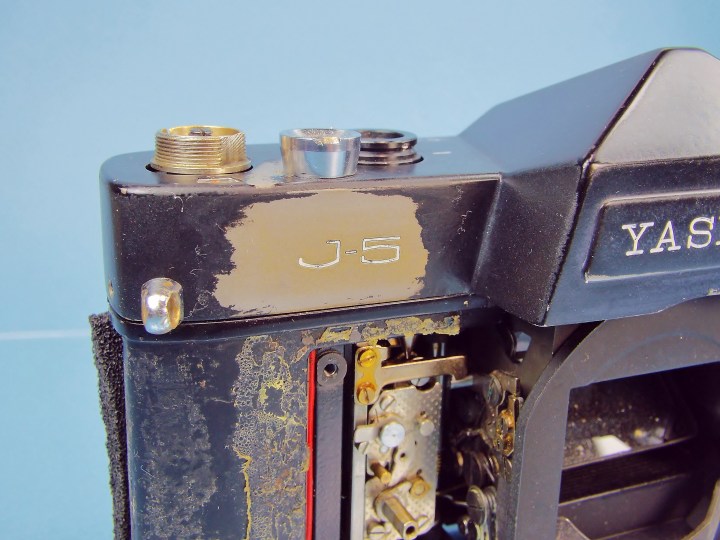
Clue number 1 – the presence of orange peel in the black paint.

16667100485_ee92845685_o

As received from the auction. From a distance it looked to be all original. When I opened the shipping box the first time I could tell something wasn’t right, the smell of fresh paint! Got me!

010
As you can now plainly see, the original satin chrome (silver) body is now exposed and in this image the orange peel black enamel paint is obvious – especially around the ‘YASHICA’. The leatherette has been removed by me and the residual adhesive remains visible at this point of the discovery phase.
011
Upon closer inspection (now that the black is gone) it appears that the original satin chrome (silver) factory finish was heavily sanded almost to the point of the brass showing through. The black enamel comes off super easy with 91% isopropyl alcohol and a cotton swab. For some strange reason, the factory etching of the J-5 logo was filled-in with white paint before it was buried under the black. Silver body Yashicas were filled-in with black from the factory.
012
Another view (right rear of the body) of the original factory finish underneath the faked black top coat.
010
It will take a bunch of cotton swabs and plenty of isopropyl alcohol to rid this J-5 of its black top-coat.

009

So lesson learned for me… only trust in what you know exists… if it’s not documented elsewhere as existing then there’s a good chance it’s been faked. Ask lots of questions. But, and it’s a big but (pardon the pun), Yashica has never mentioned that they made a black body J-3 in 1963 so it was possible that they made a few black J-5s.

The good news in all of this is that this camera is now in the home stretch of a complete rebuild and will be better than ever. It has been re-imagined as a tribute camera to the U.S. Navy. Stay tuned!

Many thanks for your visit, Chris and Carol

Advertisements

Occasionally, some of your visitors may see an advertisement here
You can hide these ads completely by upgrading to one of our paid plans.

UPGRADE NOW DISMISS MESSAGE

Fuji… just Fuji

20418552466_d1a1669ff6_o

Mount Fuji from Yokohama.

That simple four letter word needs no other introduction. Known the world over for its beautiful conical  shape. We were lucky to live in the Naka Ward in Kanagawa Prefecture and would often have this view to our west on a clear evening. Carol and I never grew tired of looking for it whenever we traveled somewhere new – hoping to see it from a new vantage point. These images are but a few of the hundreds of images of Fuji. They are in no set order and all were taken from 1977 to late 1979. Primarily shot with a Canon F-1 (1978 version) and a Canon AE-1.

15452871993_6d45d6dbac_o-1

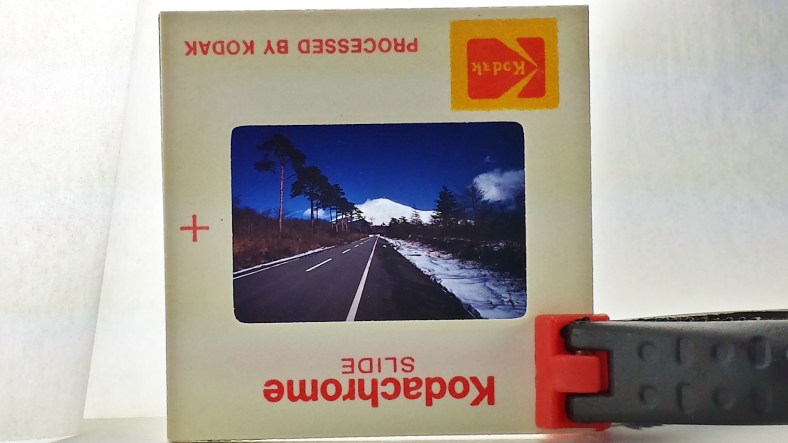
Our go to film while living in Yokohama. Kodachrome holds up well over the years when properly stored.

20276212990_2736a4e36b_o

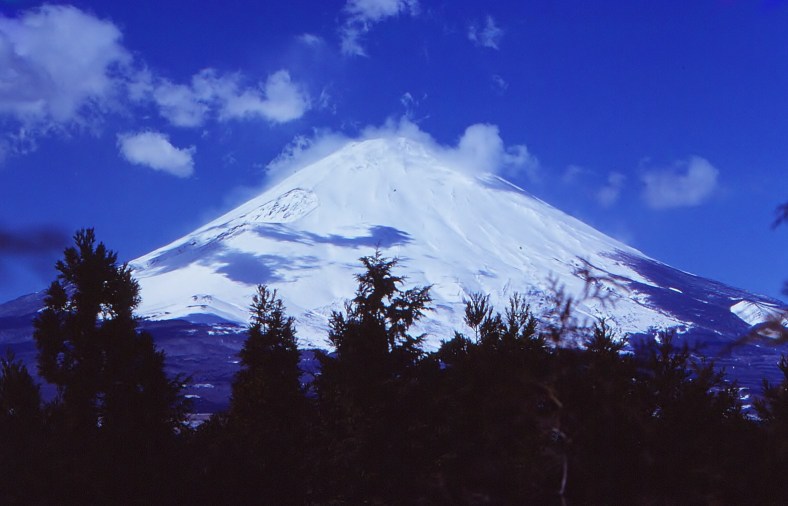
Freezing cold and crystal clear winter day near the base of Fuji.

20871720378_16259f74f2_o

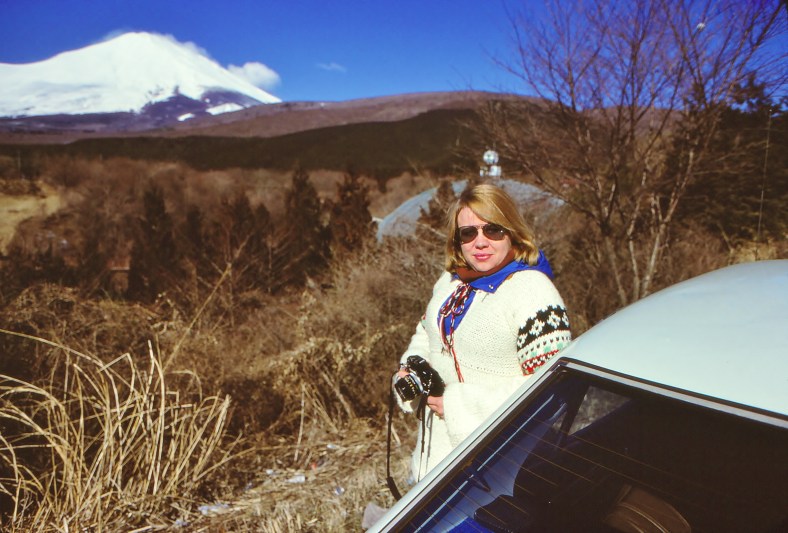
Carol enjoying the view and freezing to death while doing so.

21099335125_68b715a325_o

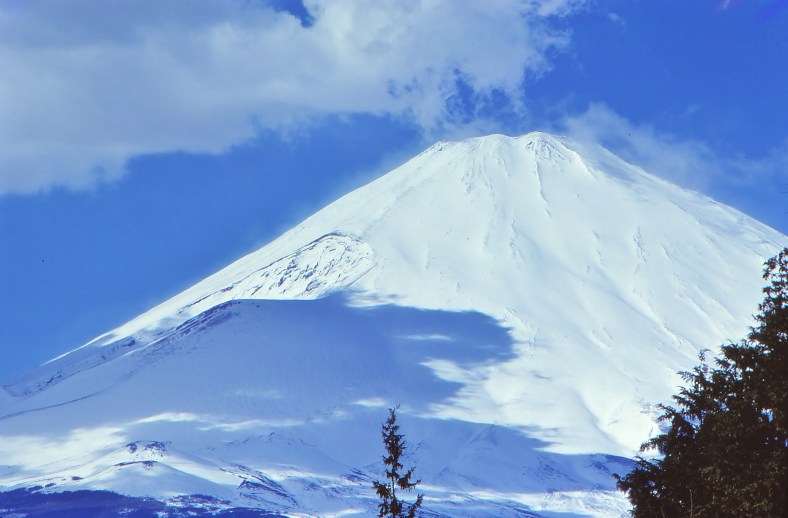
Canon F-1 with FD 80-200mm zoom lens at 200mm.

19843407743_1556d0393b_o

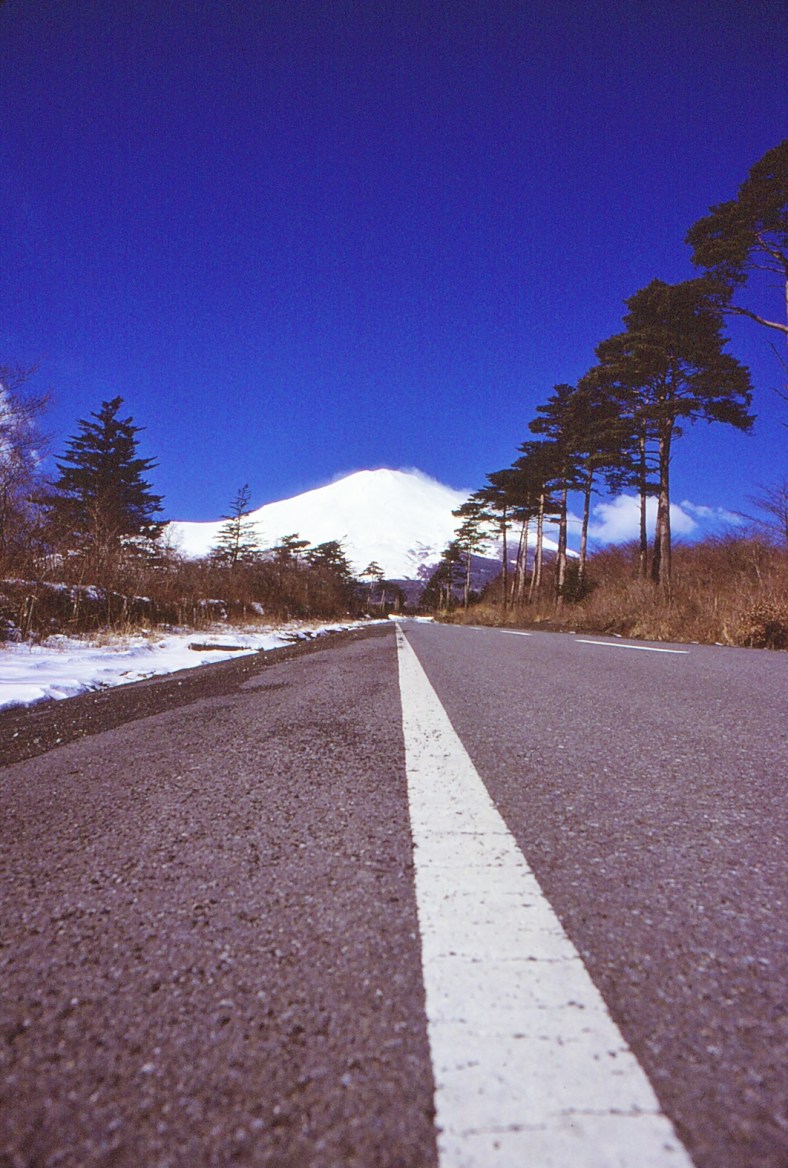
Road trip to Fuji-san.

22187107398_cb66f3b543_o

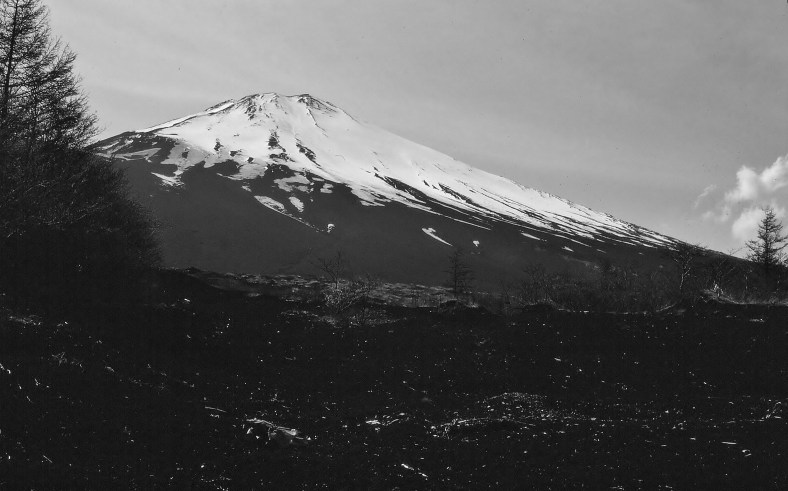
A reminder that Fuji is an active volcano.

20332521893_503831b178_o

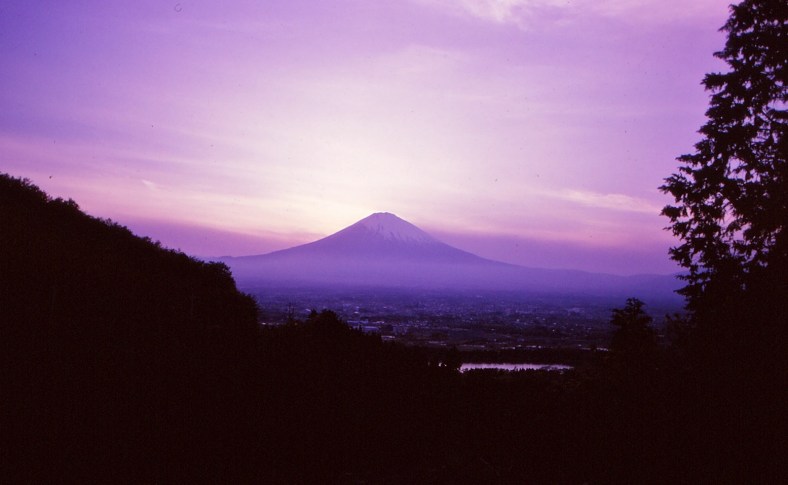
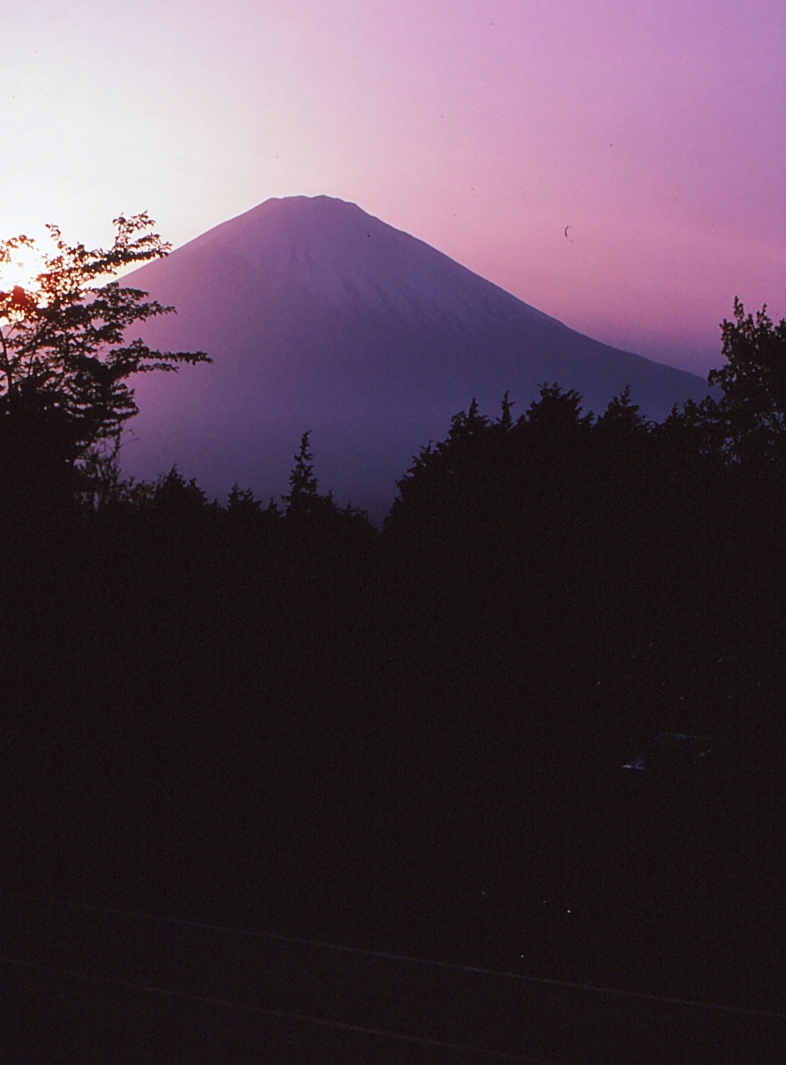
Fuji sunset as seen from the hill behind our home in Yokohama.

We never had the chance to climb Fuji while we were there. The constant deployments of my Navy ship kept me on an unpredictable schedule and made it impossible to find the time during the climbing months. Maybe we will have a chance – we are always hopeful.

Many thanks for your visit.

Chris and Carol

People Pics… Japan 1977-1980

These images were mostly taken in and around Yokohama and Tokyo with my Canon F-1 (1978 version). I used Kodak Kodachrome 25 and on occasion some Kodak Ektachrome 64 (I believe). They are in no particular order and will jump around quite a bit in both year taken and location. Enjoy!

19622600953_7c604f3f01_o

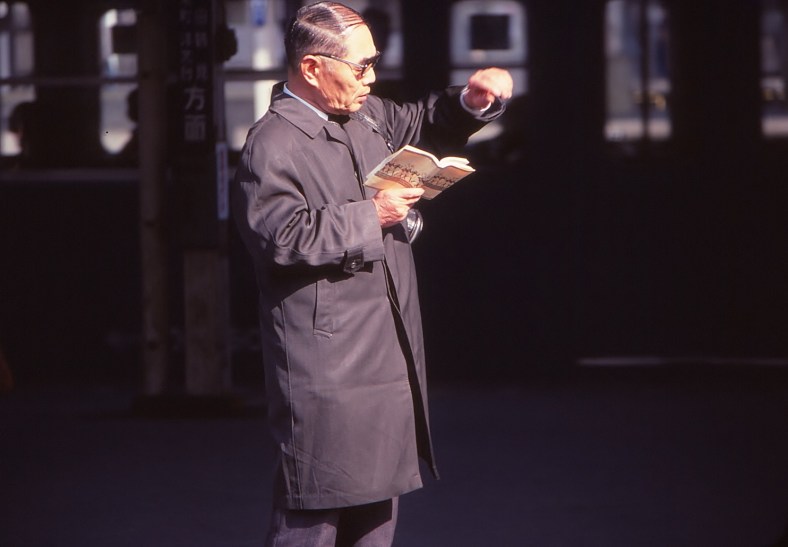
Early morning commuter at the Yokohama train station.

20054270478_7b4a93f161_o

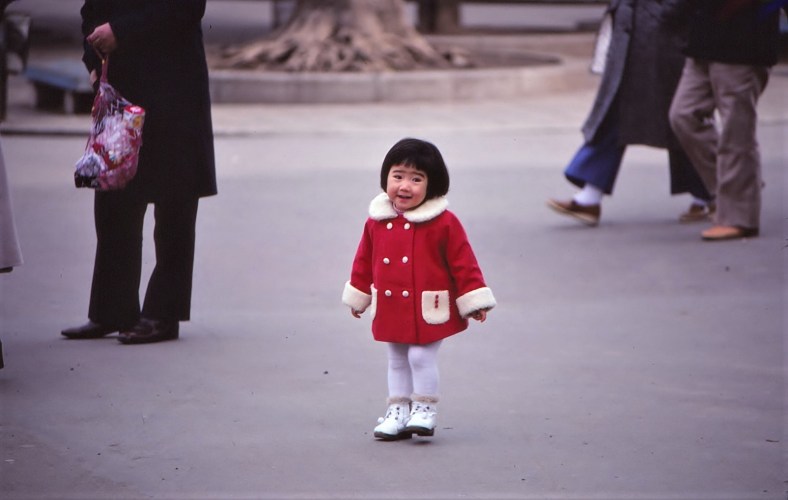
Cute little spot of color at Ueno Zoo Tokyo.

20055564078_ac345d08de_o

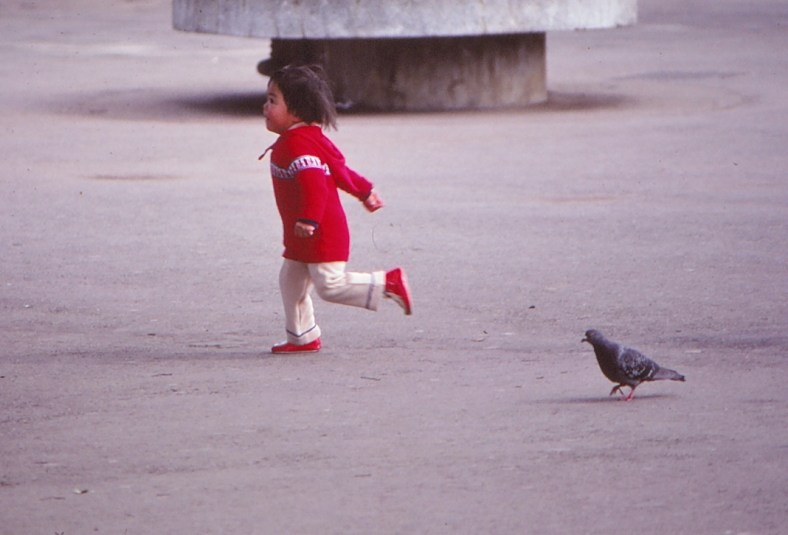
Pigeon racing –  Ueno Zoo Tokyo.

20256520930_b6efccc36a_o

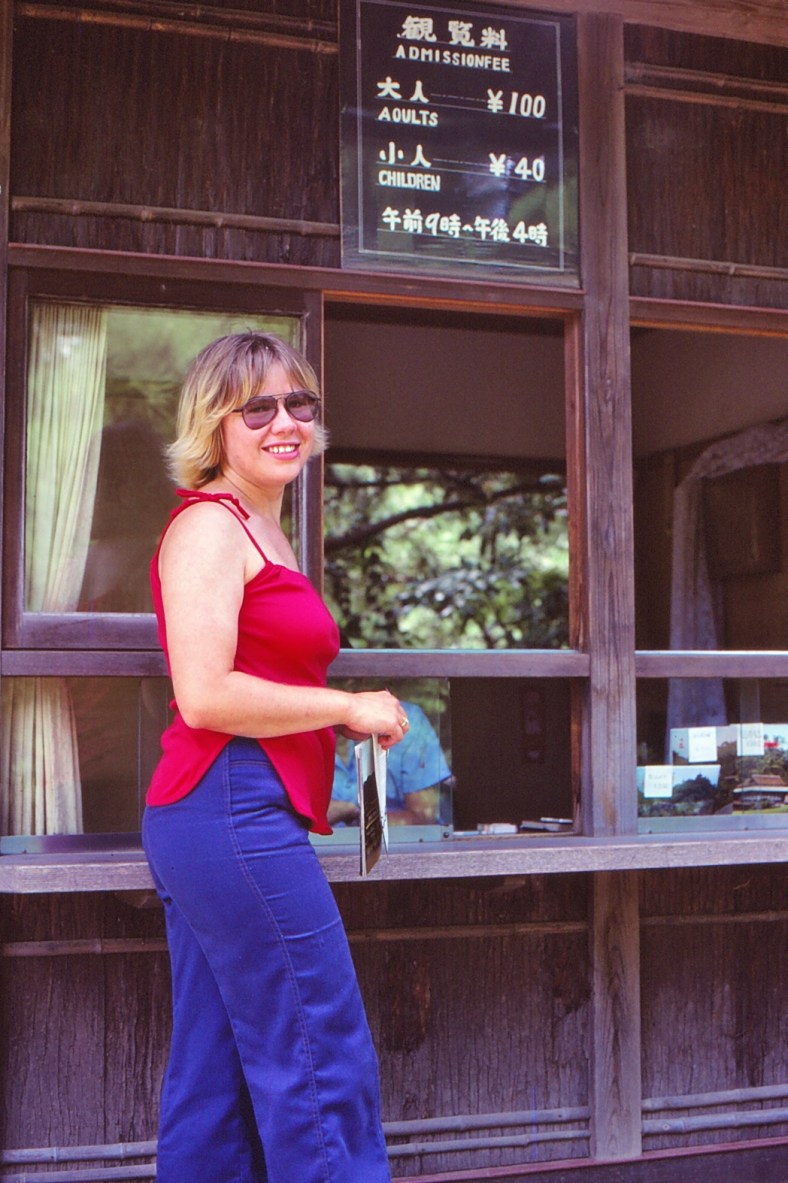
In keeping with red clothing as the central theme, my lovely wife Carol at Sankei-en (Gardens) in Naka-ku Yokohama. The admission was about .45 cents US for an adult which made visiting Sankei-en a regular past time for us.

20285035960_468cfc052f_o

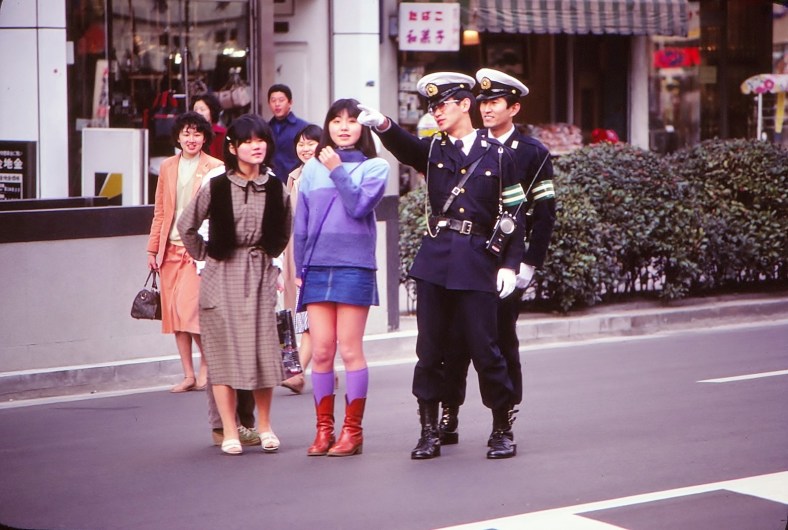
Motomachi shopping street Yokohama, Kanagawa Prefecture. A favorite spot for shopping. As always, the local police assisting lost citizens.

20464405042_dc5087757e_o

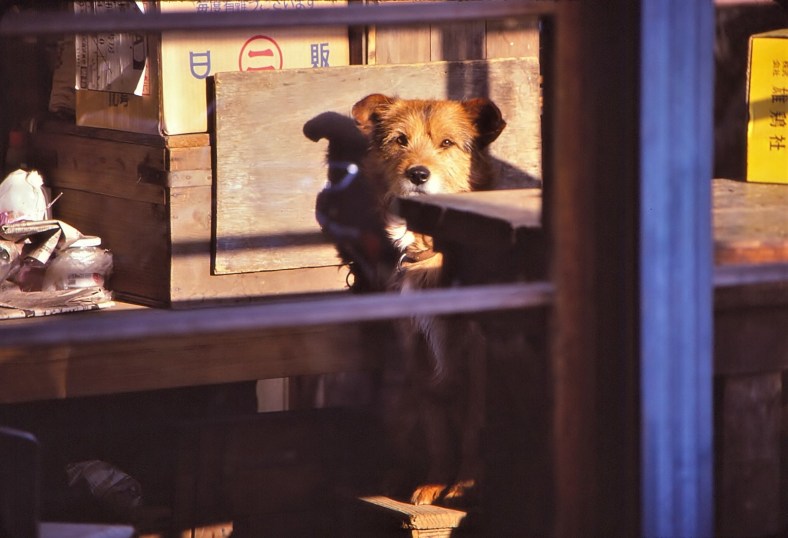
“You watchin’ me… I’m watchin’ YOU”! Watchful shop dog in Honmoku, Naka-ku.

20468564946_f92730e803_o

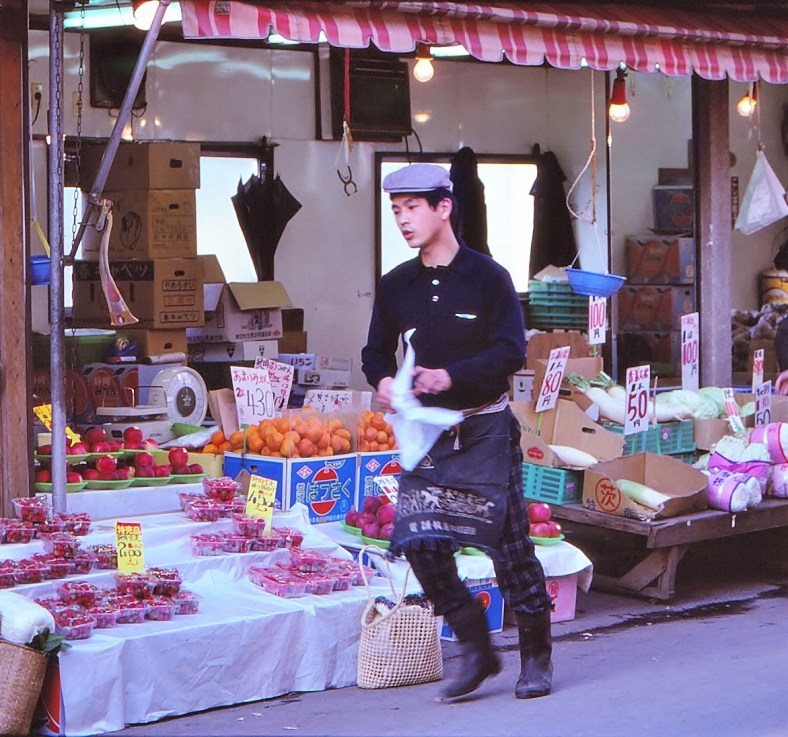
Fast service at a local shopping “street”. A very small back street in Sugita just down the street from the then JNR station. Yokohama, Isogo Ward (Isogo-ku).

20486007322_4f28995e7d_o

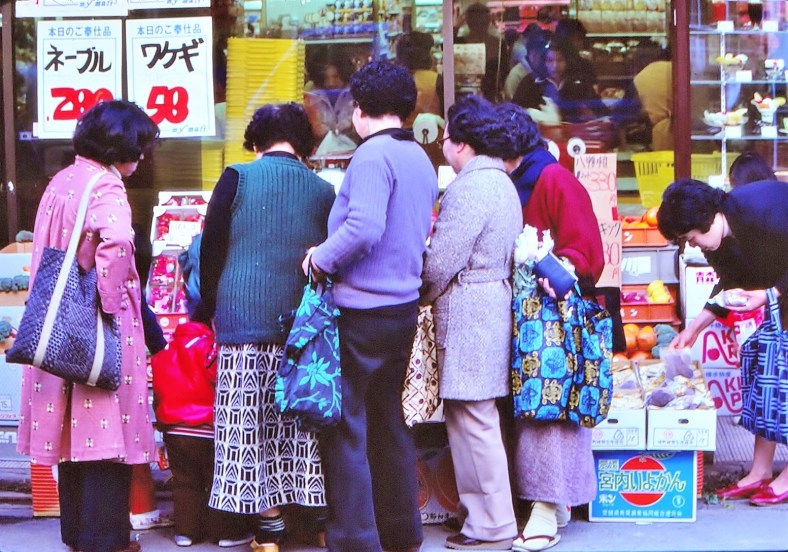
Daily shopping along the street in Sugita.

20507012001_af01ae12ab_o

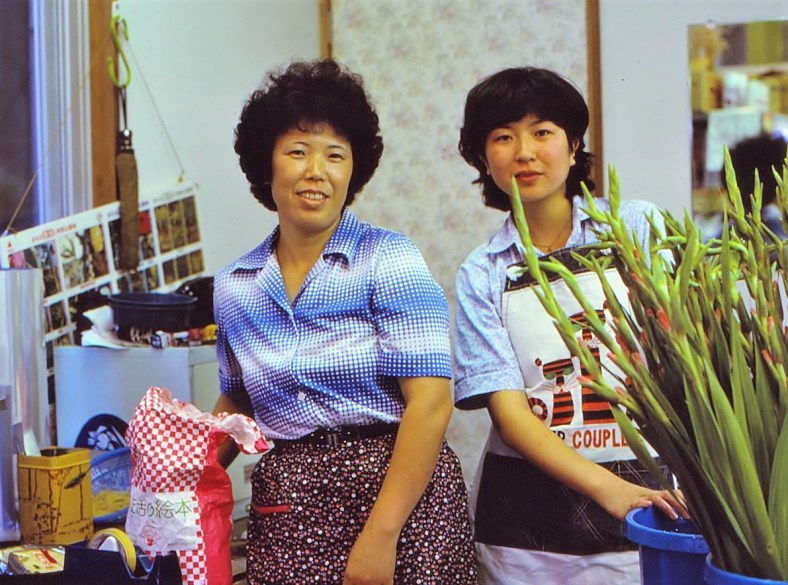
Lovely flower shop ladies in Honmoku (where we lived in Yokohama).

21723680721_8a4b3d184e_o

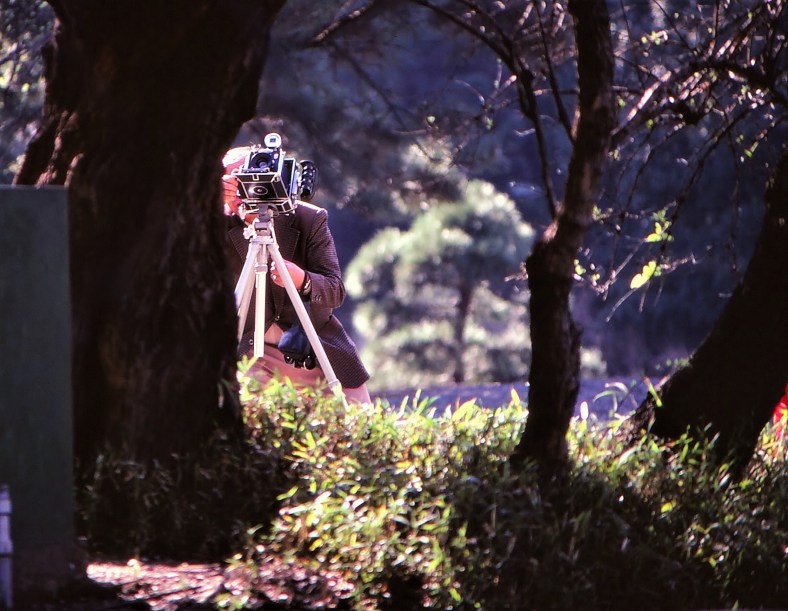
At Sankei-en in Honmoku. Fussing with his gear to capture the perfect sakura picture.

21530065969_eae53760ce_o

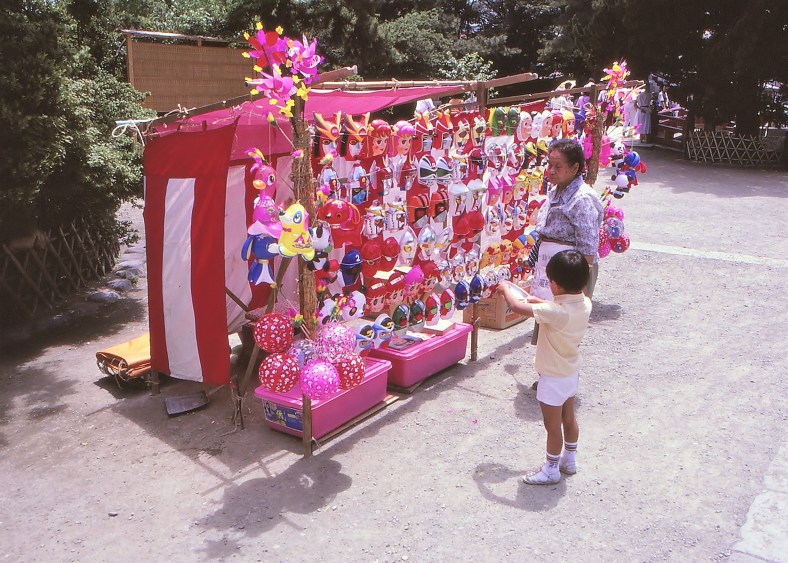
Young customer meets experienced toy vendor. I believe at Ueno Zoo Tokyo.

24286093052_fa76f184c5_o

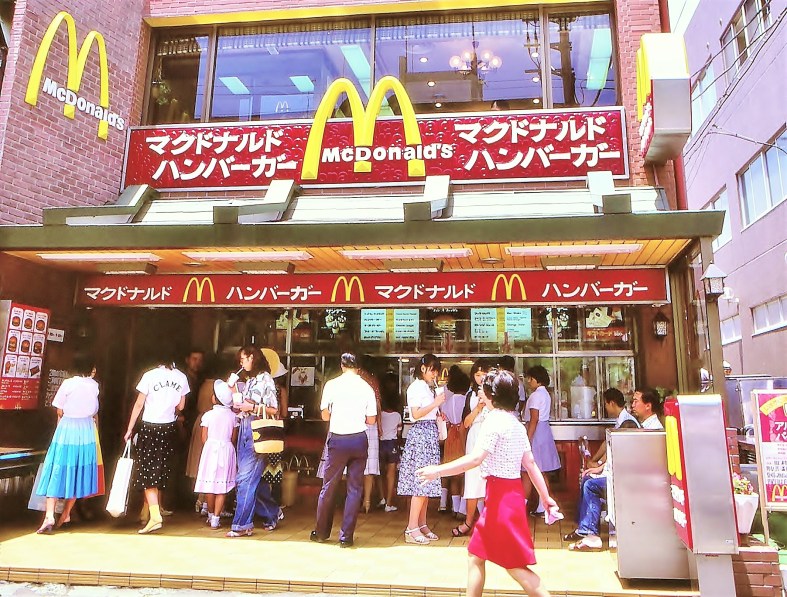
Yep, Mickey D’s in Yokohama.

21035848375_4fa13d6423_o

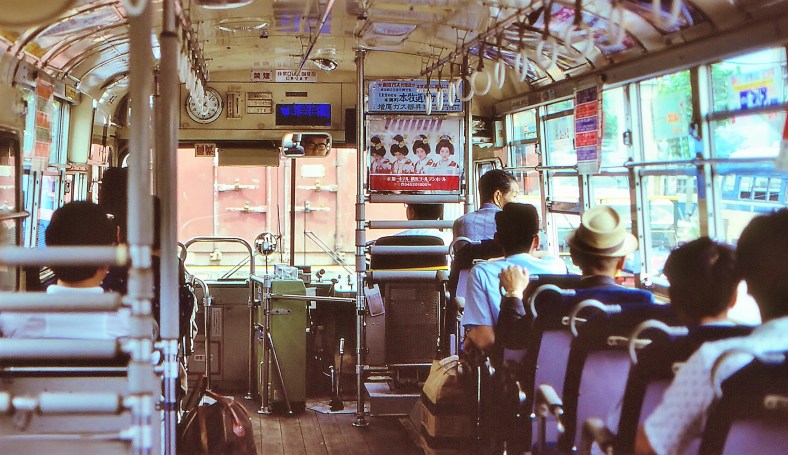
Number 8 bus in Yokohama. The driver keeps his eye on me.

20925761999_57044d4ac0_o

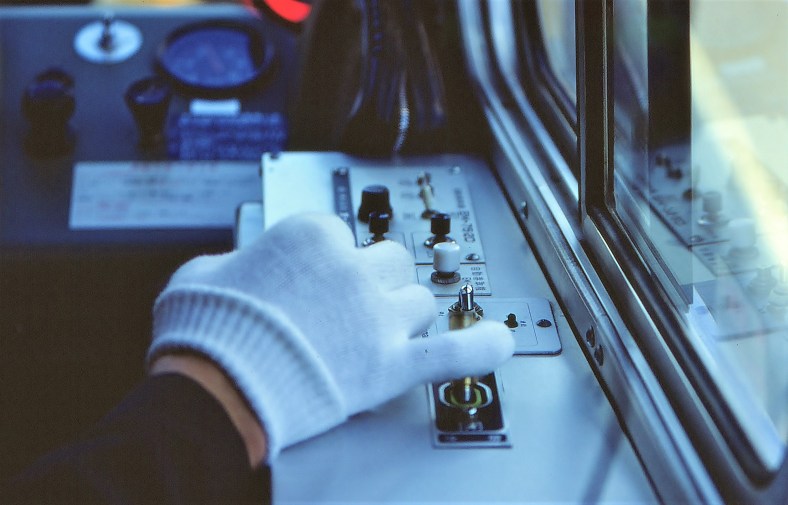
Iconic view in Japan. A professional bus driver and his clean white gloves.

20440479143_e1e31b7c68_o

On the road to Mt. Fuji. Taken by Carol with her Canon AE-1.

As always we thank you for your visit. We enjoy sharing some of our images from when we lived in Japan in the late 1970s.

Chris and Carol… and BTW, Merry Christmas!!! ^.^

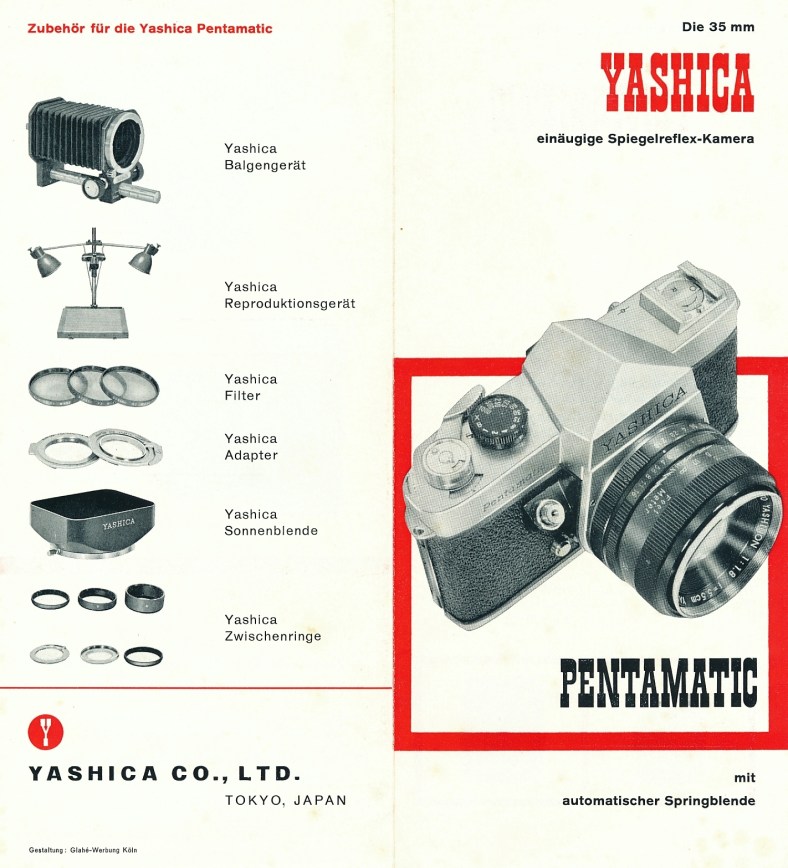
New Pentamatic Brochure

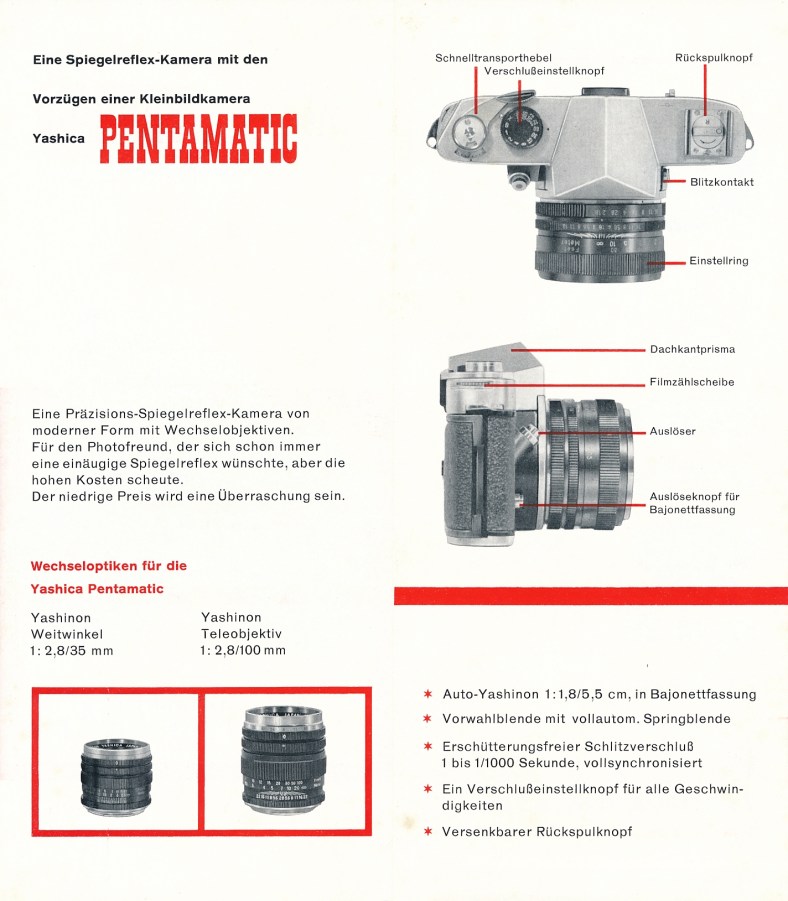
Recently we’ve come across a nice Yashica Pentamatic sales brochure from Germany. It looks to have been printed around early 1961 as another brochure that was with it (same style) is for the Yashica Rapide camera and it was introduced in 1961.

IMG_20160902_0005

Yashica sales brochure for the Pentamatic. Nothing new about the Pentamatic is noted… probably came out in early 1961.

What is surprising to me is that only two other lenses are shown in this brochure besides the standard 5.5 cm f/1.8 normal lens. Surprising because by early 1961 Yashica had at least three other lenses for the Pentamatic that we are aware of. The 35 mm f/2.8 and the 100 mm f/2.8 pictured are fantastic lenses designed and built for Yashica by Tomioka Optical of Tokyo. It is possible that in Germany the other lenses were not available in 1961. Just a guess.

IMG_20160902_0006

Full front and back cover scan of the brochure. The back cover shows various accessories available for the Pentamatic.

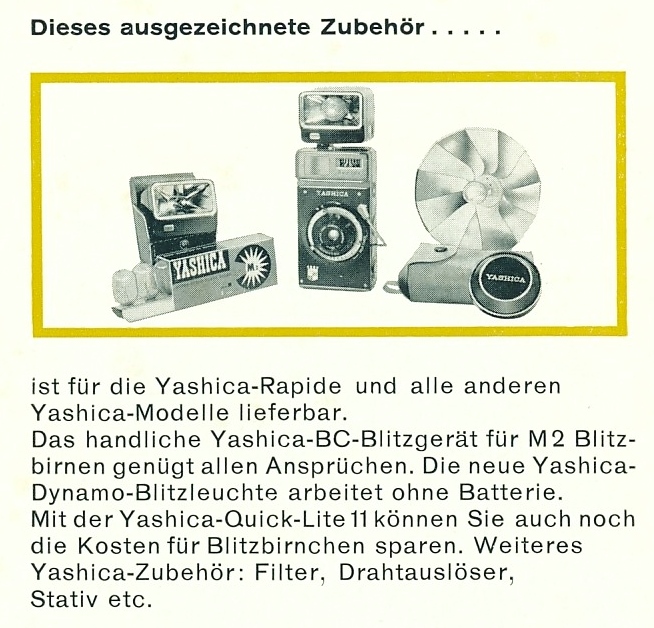
The Yashica Rapide brochure pictures two different flashes for the Rapide. The one on the right of the camera is identified as the Yashica Quick Lite 11 (or is it II)? Not sure on these as we’ve yet to find them in another brochure.

IMG_20160902_0009

Scan of the back cover of the Rapide brochure showing two flash units for the Yashica Rapide camera. One identified as the Yashica Quick Lite 11 (???).

Prior to seeing this brochure, we were not aware of Yashica branded flashbulbs. We would love to find those and add them to our collection. Hint hint!

Thanks for the visit!

C&C

Yashica’s Penta J and the J-P

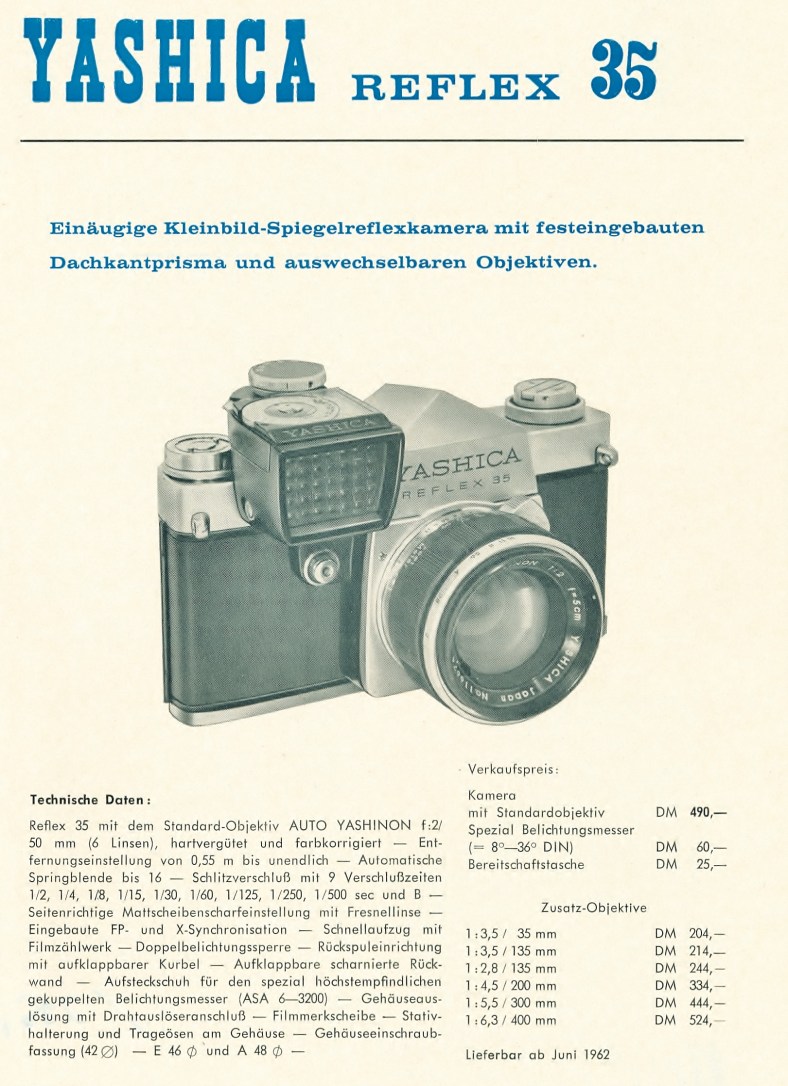
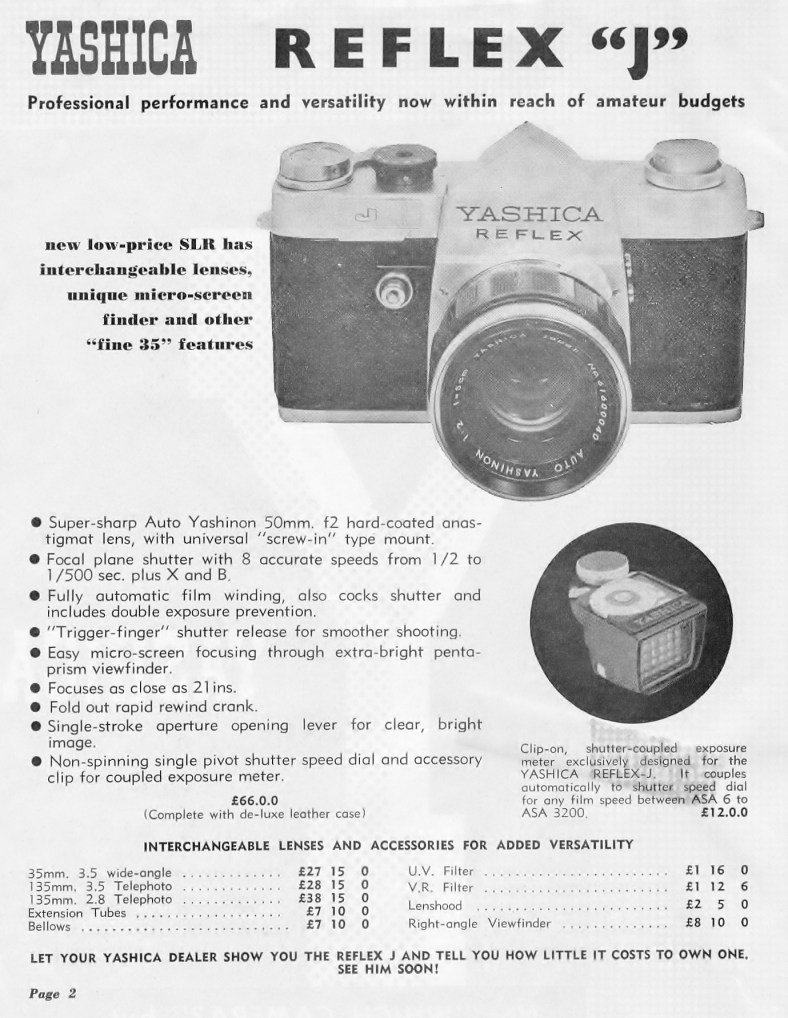
Yashica’s first 35mm single-lens reflex camera with the Praktica-thread (M42) mount lenses was the Yashica Penta J… at least here in the United States and in Japan. Elsewhere (most of the world) the camera was known as either the Yashica Reflex 35 or Reflex J (Australia and possibly the U.K.). As best we can tell, they were all the same cameras with different top plates to accommodate the different names (logos).

Part of the demise (lack of sales success) of the well-built Pentamatic series of cameras that preceded the Penta J, was that Yashica decided to go with a Pentamatic exclusive bayonet mount lens system. Sturdy and well designed to be sure, but being unique limited the available lenses that could be swapped between cameras. The Praktica design M42 screw thread mounting system was in widespread use at the time and Yashica’s bayonet design just went against the flow.

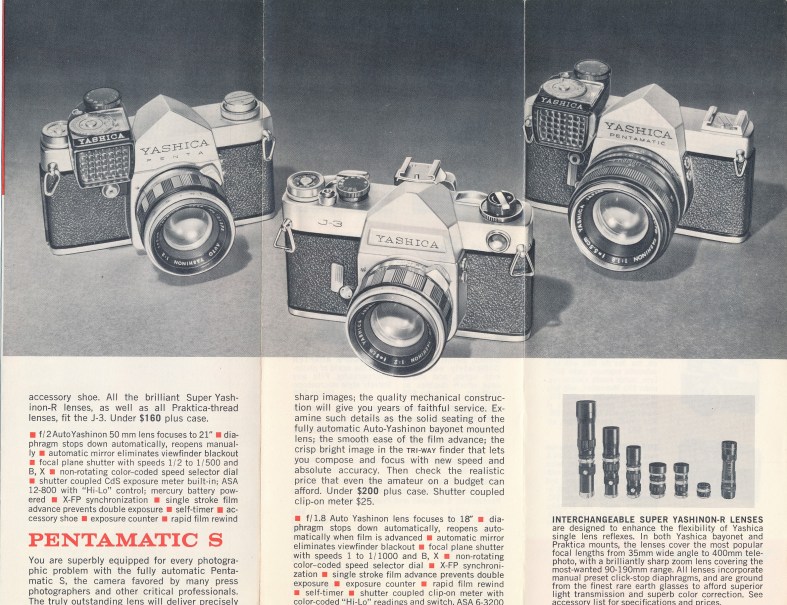
IMG_20160102_0007

No date on this sales brochure but our guess would be early 1962. The J-3 is the newest camera featured  as it had all the goodies one would want in a modern SLR. The Penta J (upper left) had just come out in 1961 and it was Yashica’s first 35mm SLR with screw thread mounted lenses. The Pentamatic S arrived in early 1961 but used bayonet mounting for its exclusive design. Notice that the pentaprisms on the Penta J and Pentamatic S share the same design while the J-3 breaks with the previous cameras and ushers in the style that would carry through the remainder of Yashica’s SLR run of M42 cameras.

IMG_20150926_0026

Yashica Penta J.

IMG_20160102_0005

Yashica Reflex 35 in Germany.

IMG_20160102_0004

Australian Reflex J sales brochure.

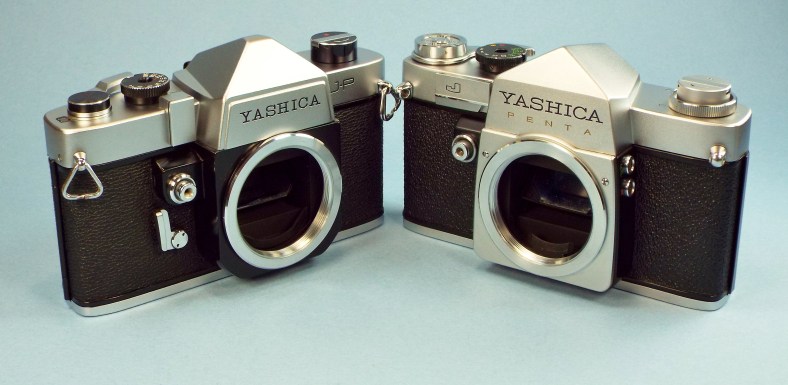
Now fast forward to 1965 ish… Yashica introduces the new J-5 AND the J-P! In between those years Yashica had introduced the J-3 and J-4. Why would Yashica go back in time and bring out another 35mm SLR in 1965 that was the cousin to the 1961 Penta J? Notice we say cousins… not brothers. They shared the same platform with one another but as you can see in the image below the top plates were of a different design.

DSCF1268

1965 J-P on the left and the 1961 Penta J on the right. Cousins but not brothers. The shutter release button is on the right front on both cameras… Yashica added a self timer on the J-P and of course the top plates are different (most noticeably the design of the pentaprism). Some small changes to the design of the mirror box. Unseen from this view is that the J-P does not have a ASA/DIN dial like the Penta J had on the camera’s bottom left. Small note about weight… Penta J weighs in at 656 grams and the J-P weighs only 619 grams. No built-in exposure meters but accessory exposure meters were available at additional cost.

DSCF1277

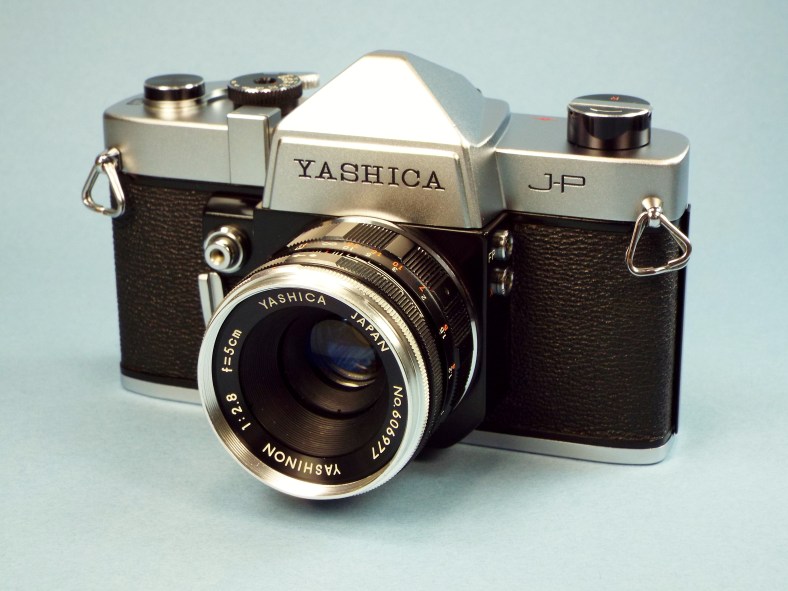
The J-P with a rather unique 5cm f/ 2.8 lens. The lens has to be the smallest of the M42 mount lenses and certainly it’s one of the lightest at only 136 grams!

IMG_20150903_0027

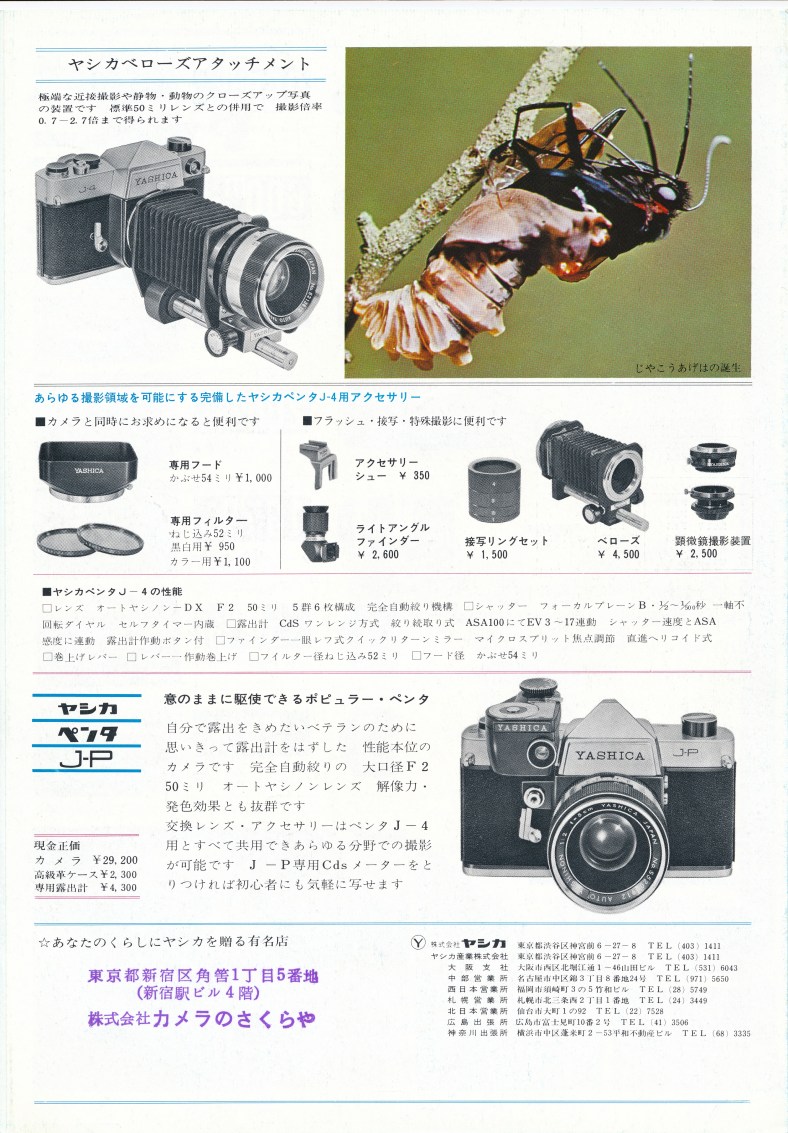
The J-P advertised together with the J-4.

IMG_20150903_0025

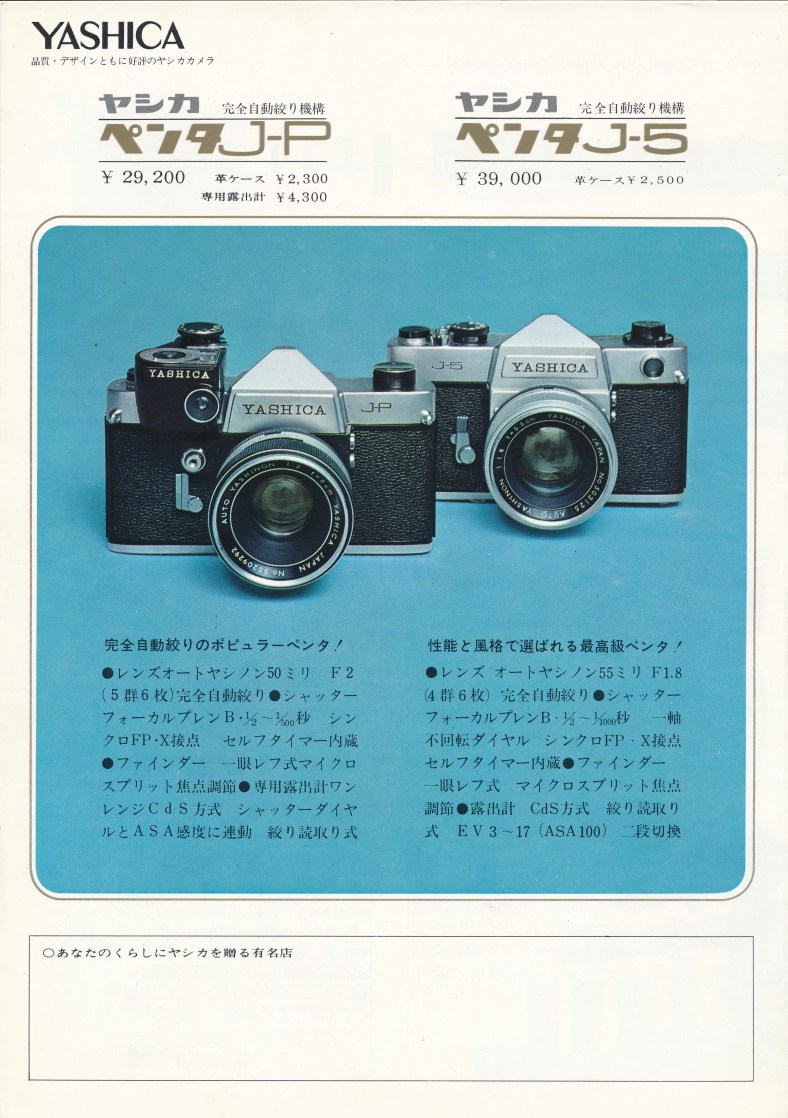
The J-P advertised with the new J-5.

Yashica J-P 6-27-15 Papers

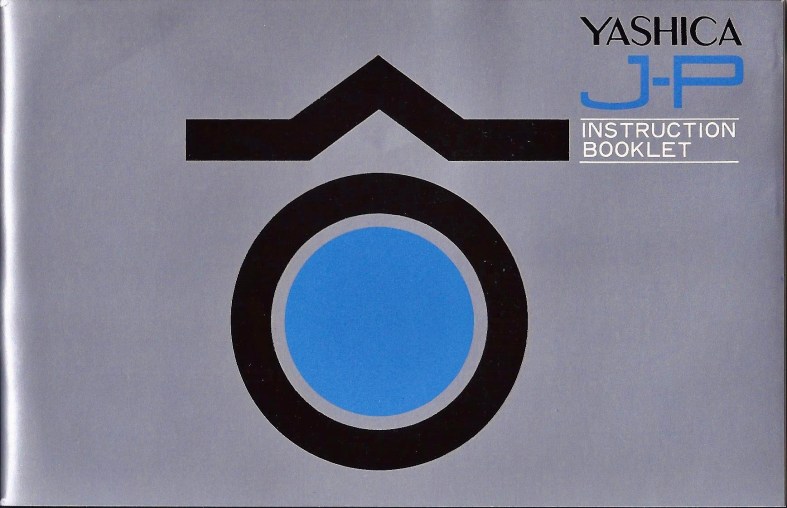
J-P instruction booklet from 1965 (in mint condition too).

Stay tuned… more to come on these Yashica classics.

Many thanks, Chris and Carol


Yashica ヤシカ J-3 in Pro-Black

Another of our favorites in the Yashica family. This limited edition J-3 is rather rare to find in nearly new condition these days. We haven’t found evidence from Yashica of the when and why they chose this model to be their first SLR in black (with matching lens). In all the brochures and pamphlets we’ve been able to read, nothing has ever been written about it and no pictures from Yashica either. We’ve checked Japanese home market sales brochures and of course those available in English. Not one word! The serial numbers (both the bodies and lenses) run within a small time period of mid 1962 (we believe).

***Please if a reader has more information about this elusive J let us know!

007

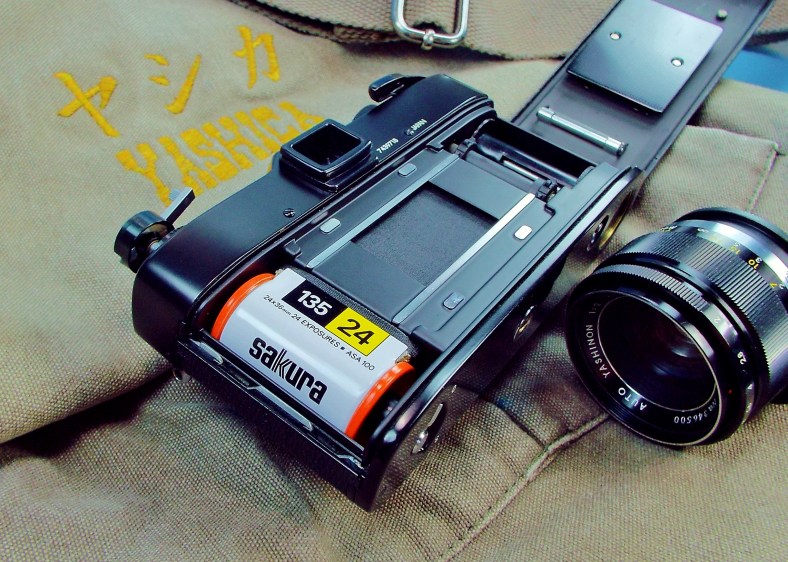
J-3 finished a roll of Sakura film.

003

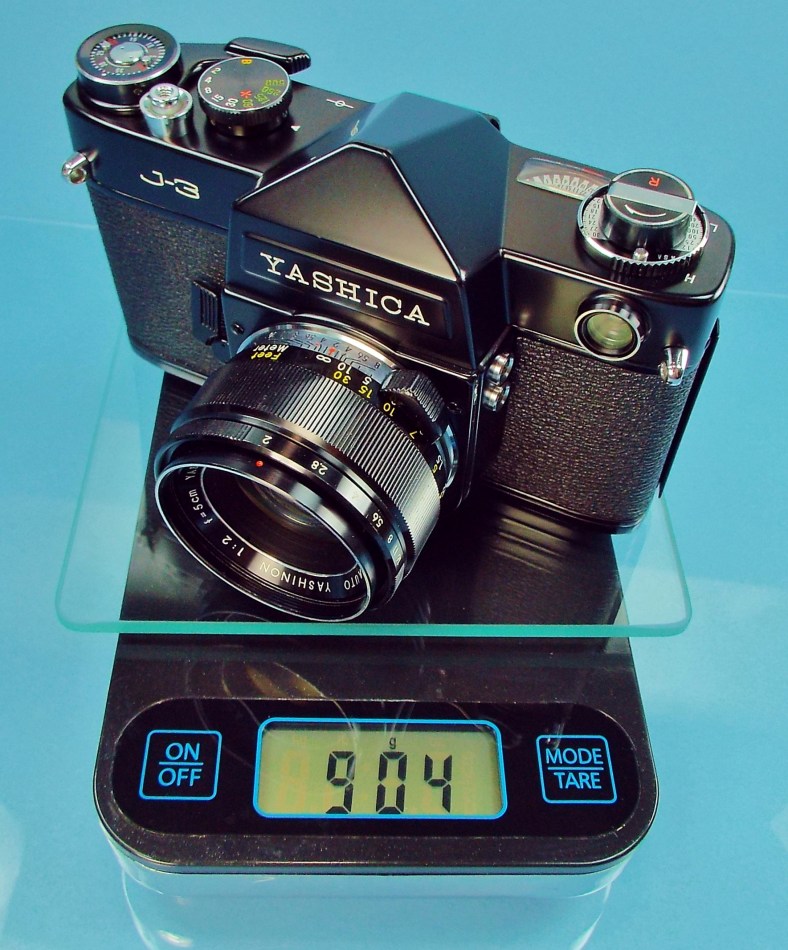
Not quite the heavyweight the Pentamatic is but still a beast at just over 900 grams!

022

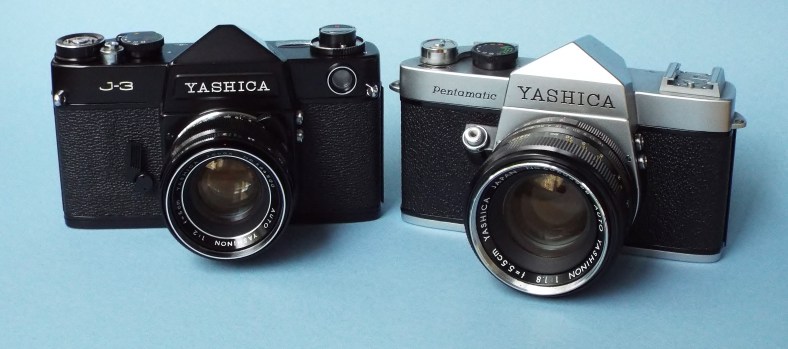
Same family but very distant cousins! Yashica made countless changes in its SLR line-up in just under three years.

As always… thanks for the visit!

Chris & Carol

Yashica TL Electro-X ‘ITS’

After nearly five years of research and thousands of “searches” on auction sites, I finally have my answer! ‘ITS‘ as it relates to the famous and groundbreaking Yashica TL Electro-X stands for… are you ready? Nothing!

That’s right… nothing. I’ve just finished reading what appears to be the most comprehensive guidebook on the TL Electro-X (from Yashica no less) and not one word as to why the marketing guys and gals at the office in Shibuya picked ‘ITS‘ to appear on the lower left front of the camera. Not one hint… no clues… nothing!

Okay so more than likely it was meant to mean exactly that… nothing. I can live with that. Marketing people don’t have to explain anything they do. ‘ITS‘ simply looks good. So fast forward from 1968 to the present day. Hear I am stressed out about what may have been a whim… an afterthought… or maybe something one of the designers casually mentioned in a meeting while you know, designing the thing. ‘ITS’… sounds good.

I’ve imagined what it may mean hundreds of times (sad to admit that) and nothing really fits for the time period except that maybe the ‘I‘ stands for “integrated”. Like integrated circuit or I.C. as I’ve sometimes seen it mentioned in other Yashica sales brochures. That’s got to be it. After all, the NASA people were always using that term during the height of the space race. Okay so maybe we now know that the ‘I‘ stands for “integrated”. Simple. The ‘T‘ has always stood for “technology” to me. What else would the ‘T‘ stand for? Timed? As in timed shutter. Oh that’s a good guess. I like it. Maybe the ‘TS’ part is for “timed shutter”? That’s another good one. Integrated… Timed… Shutter!!! Or how about “Interval” timed shutter? That’s ‘ITS‘ isn’t it?

Solved! Finished! No more worries right? No… that isn’t it. It’s got to mean something else. Something catchy, something better than that. Well the book (sales brochure) I just finished reading never mentioned what the ‘ITS‘ stood for. Just like the hundred other brochures and ads I’ve read. But wait! Hold on! There on the cover is a clue! There it is right in front of me! “SYSTEM”. Yashica called everything connected with the TL Electro-X ITS (lenses, filters, bellows, angle finders, accessories, etc.) SYSTEM.

So there it is! That was simple. Right? Well we’ll see. I’m going to keep on looking for that definitive statement from Yashica. Somewhere in black and white they’ll say it. For now though I’m sticking with… “Integrated Technology System” or “ITS” for brevity.

ITS = Integrated Technology System

DSC07504DSC07497Yashica 6-9-15 TL Electro-X Brochure back cover close

20151202_203809

A 45 page book from Yashica that explains everything about this fantastic camera.

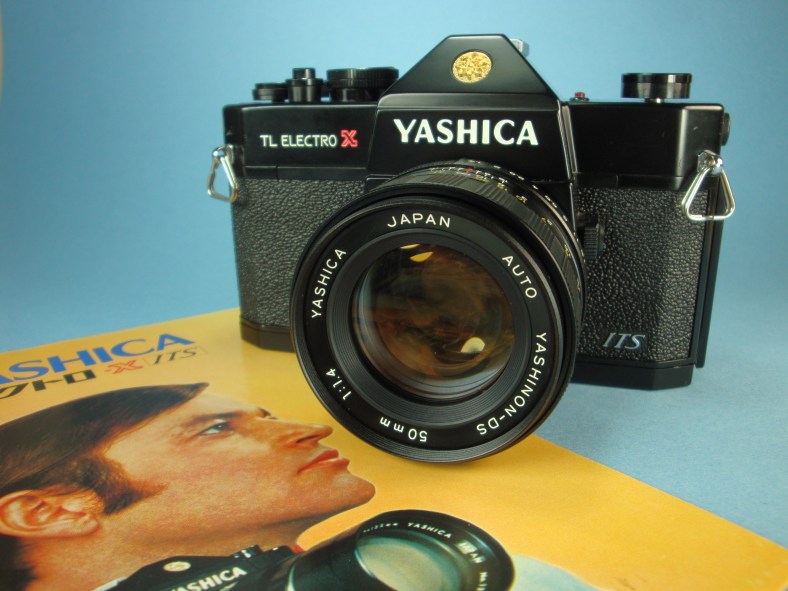
No denying it – it’s a sharp looking camera and the ‘ITS’ just makes it that much cooler. It’s one of our favorite Yashicas in our collection. This one came to us via Okinawa, Japan. Purchased in late 1973 – that makes it one of our newest Yashica SLRs too. We’ve kept all of the original paperwork and of course the box. If you come across a nice looking one for sale (or better still get it as a gift) it should be on your list of must haves. The battery is an easy find and most will have working meters since they were only electronic (no moving match needle affair).

Happy hunting!

Chris and Carol ^.^
Yashica Pentamatic Timeline… update 3 (Oct 2017)

Our best timeline for the development of the Yashica Pentamatic 35mm single-lens reflex (SLR) film camera… Pentamatic ’35’

Please note that this is a “dynamic timeline” and it will be updated as we discover new dates and developments…

  • Summer 1959… Yashica develops / invents its first 35mm SLR
  • September 1959… Yashica files to trademark the name ‘Pentamatic’ in Japan
  • October 1959… Tomioka starts production of a new lens for the Pentamatic. f/1.8 5.5cm
  • December 1959… First Pentamatics assembled at the Suwa factory
  • February 1960… Yashica files to trademark the name ‘Pentamatic’ in the U.S.
  • March 1960… Production reaches 1,500 units
  • March 1960… First showing of the Pentamatic occurs at a trade show in St. Louis… first images of the camera are provided by Yashica
  • April 1960… First published look at the Pentamatic in the May 1960 issue of Modern Photography magazine
  • May 1960… First full page advertisements for the Pentamatic ’35’ appear in the June 1960 issues of Modern Photography, Popular Photography and U.S. Camera magazines and the Pentamatic is available at Yashica dealers by early May
  • June 1960… Production reaches 5,000 units
  • June 1960… First review of the camera appears in the July issue of Modern Photography magazine
  • August 1960… Production reaches 9,300 units
  • August 1960… The Pentamatic II goes into production. Sold only in Japan
  • August 1960… Zunow produces a new lens for the Pentamatic II. f/1.7 5.8cm
  • Winter 1960-1961… The Pentamatic I and II are are both sold in Japan
  • December 1960… Camera dealers in New York advertise new Pentamatics at under $110 (USD)
  • January 1961… Production reaches 15,700 units
  • January 1961… The Pentamatic S goes into production
  • January 1961… The Pentamatic II ends production at under 6,000 units
  • February 1962… February issue of Modern Photography has only two advertisements for the Pentamatic and NO mention of the Pentamatic II or Pentamatic S
  • Late 1961… The Pentamatic models are replaced by the Penta J
  • End of Production… About 30,000 Pentamatic cameras (all models) are made over 3 years
  • August 1963… ‘Pentamatic’ receives trademark registration in the U.S.
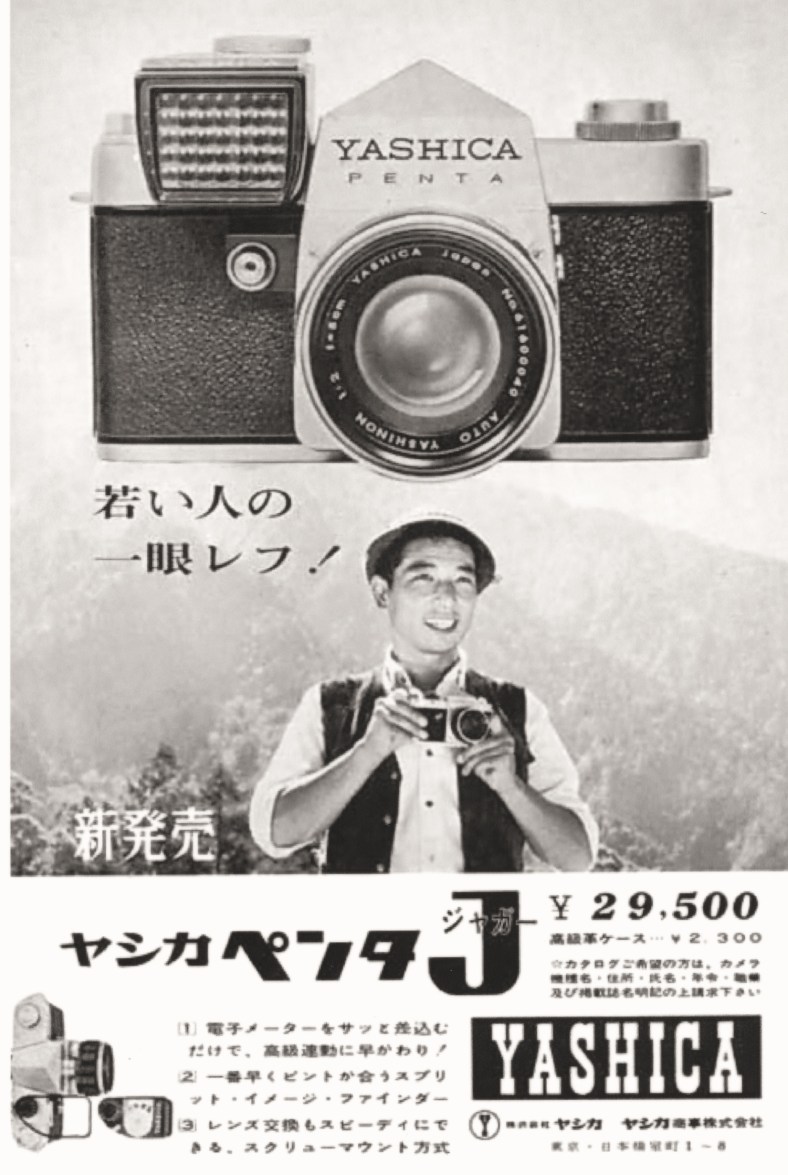
  • Pentamatic Advertisement

    By January 1961, some pretty strong discounts on the original Pentamatic I. No Pentamatic S advertised.

    First Look?

    First look at the new camera in the May 1960 issue of Modern Photography.