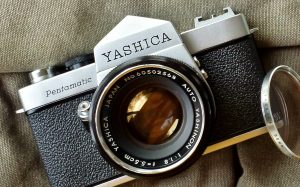
Yashica 35 – Yashima’s first 35mm camera!

Yashima Optical Industries Company, Limited (Yashima) released their first 35mm rangefinder camera in April 1958. The camera was in development for at least a year (no proof of that but it seems reasonable to assume that an established TLR camera maker didn’t just pull this camera out of thin air). It could have been developed totally in-house as there is only speculation that Yashima received outside assistance in its development.

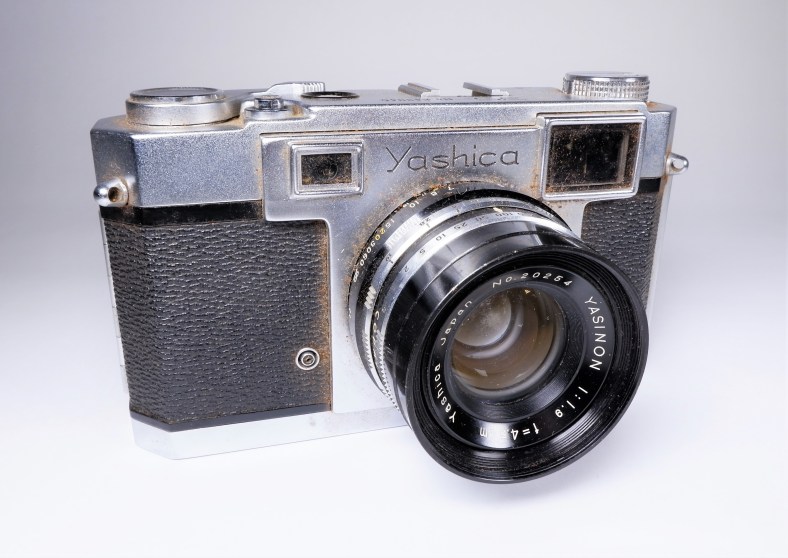
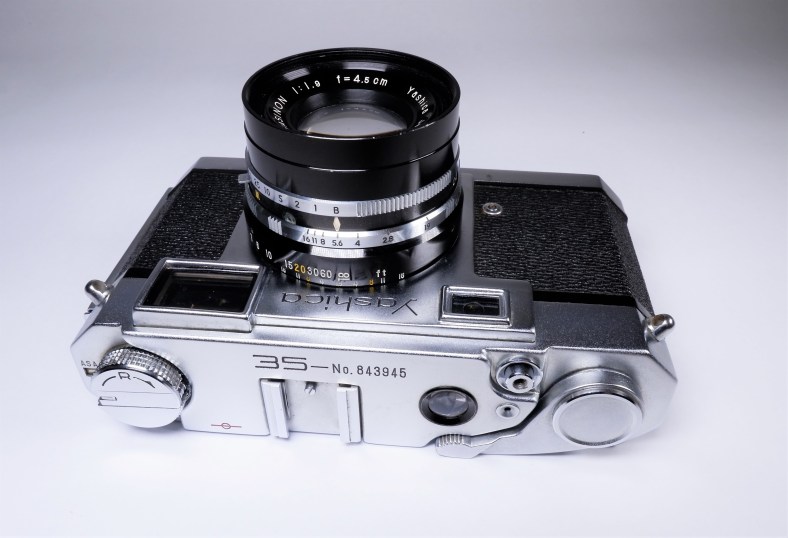
Here’s my earliest example of this historic camera. Note that the lens is marked “Yasinon” vice “Yashinon”. Yashima released at least two months of cameras (April and May 1958) with those markings before changing to what we now know as Yashinon.
DSCF6642

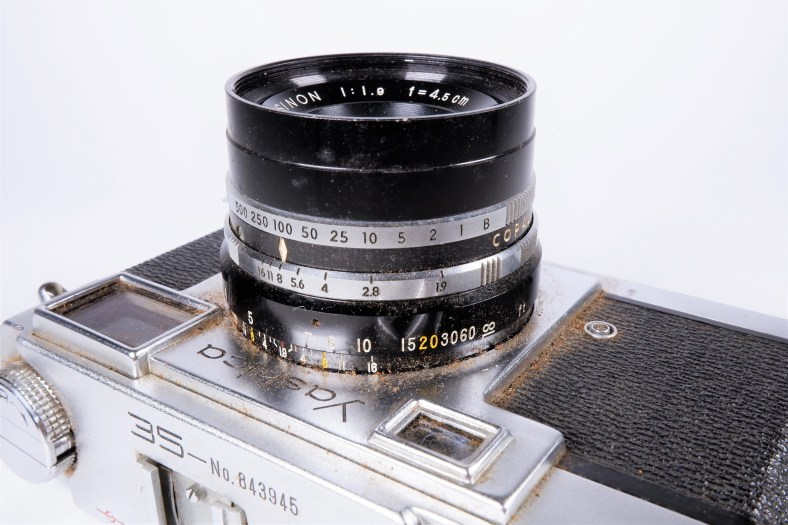
My recently acquired Yashica 35 with 60 or more years of dirt! Straight from an online seller in Japan. Note the unfamiliar “Yasinon” lens. These super early examples are rather hard to find since there were only two months of production.
DSCF6646

The good news is that it appears the camera lived most of its life in its leather case so there’s no damage to the surfaces of the body and lens. The bad news about living in a leather case is that it tends to support the growth of mold and fungus on the glass elements of the lens and in the rangefinder.
DSCF6651

The dirt is mostly made up of dust and fibers from the felt lining of the leather case and not soot and finger grime – which is a good thing. Sometimes this type of dirt actually keeps the surfaces protected from metal corrosion as long as it’s been stored in a dry environment.
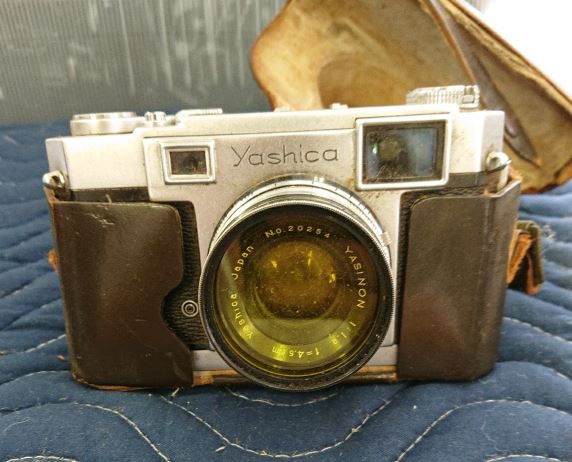
Yashica 35 Japan

What it looked like on the Japanese auction site.

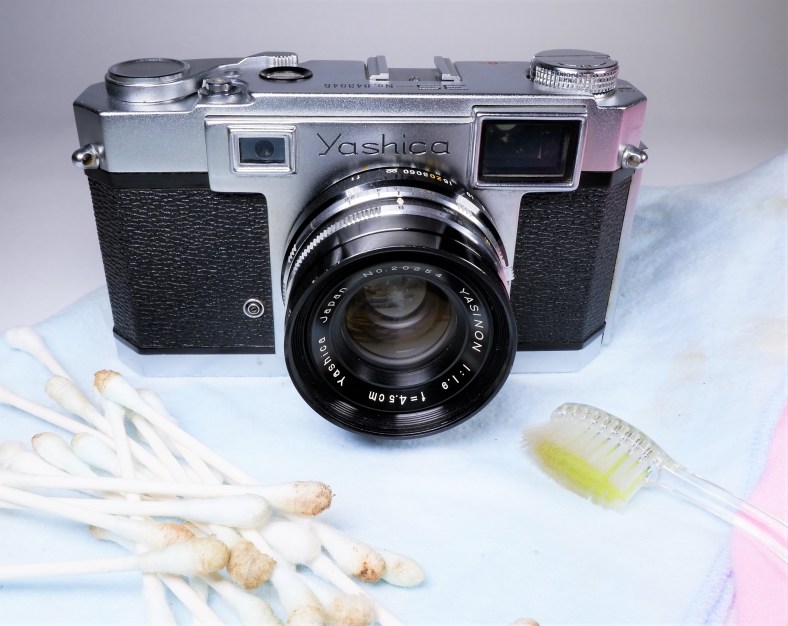
After some initial cleaning of the exterior (see below) with a bunch of Q-tips and some Windex, the camera is looking a whole lot better.
DSCF6654

I use Q-tips and a bit of Windex to gently clean the surfaces of the camera. The Windex leaves no residue and doesn’t harm the leatherette, metal or glass (I’ve safely used that for years). I use the super soft toothbrush to gently clean those hard to reach crevices and to polish the surfaces to a nice sheen.
DSCF6659

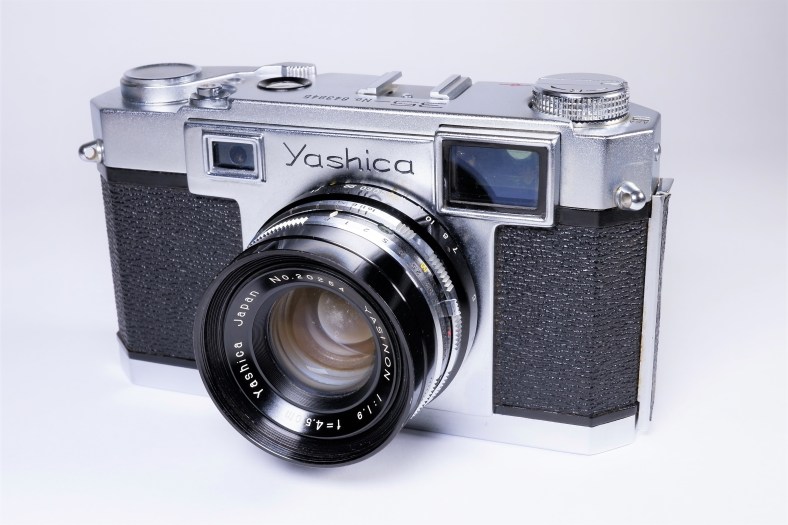
Looking sharp but not perfect. If I want a totally clean and usable camera I’ll have to remove the top plate and clean the rangefinder and viewfinder elements. The rangefinder is accurate and focus is easy to obtain but it’s just a little dim inside. If you look closely at the center of the lens you will see the patch of fungus. Unfortunately, that is not cleanable.
DSCF6655

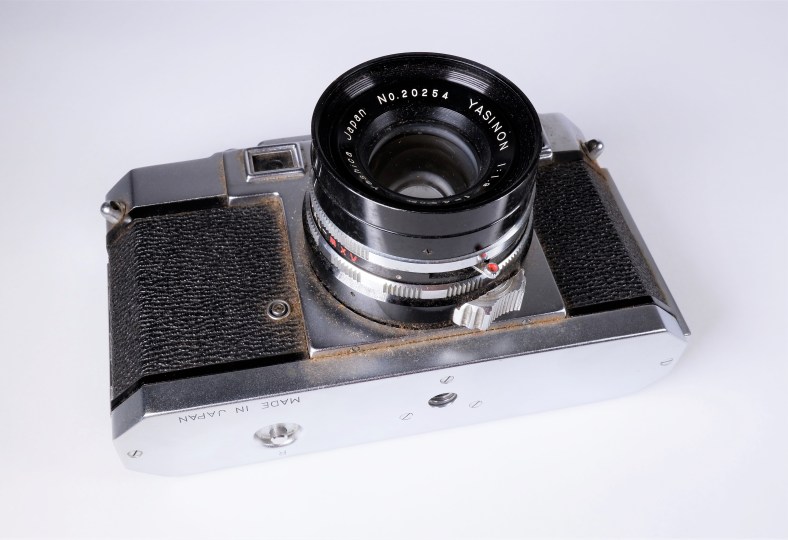
The serial number, No. 843945, decodes to 8 = 1958, 4 = April, 3945 is the production sequence number 3,945 since production began in April.

This is one of the earliest examples of this fine camera having been built sometime in April 1958. Yashima used quality materials and production techniques as the fit and feel of the camera are of a much more expensive camera.
IMG_20180615_0005 logo

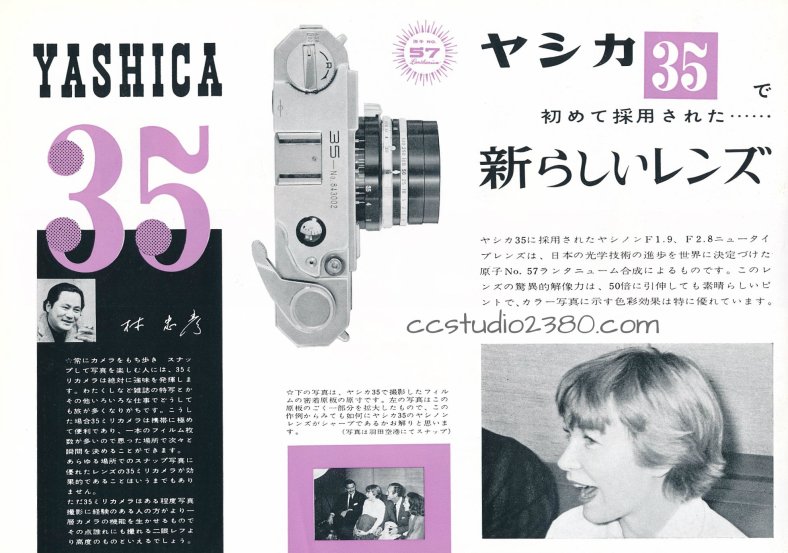
Earliest sales brochure for the Yashica 35. The serial number of the camera pictured is just a bit earlier than my new camera. Here it’s No. 843002 and mine is No. 843945.
IMG_20180615_0006

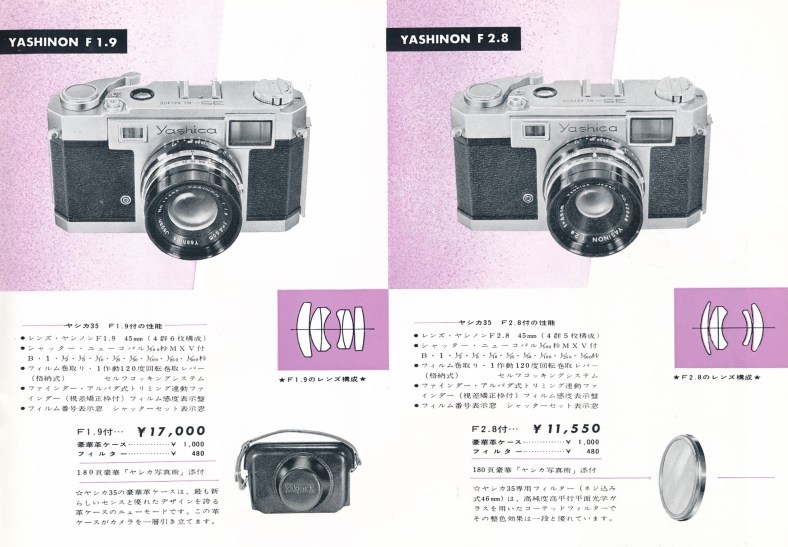
Same brochure as pictured above. The f1.9 lens model is on the left. The serial number on the lens is No. 18275. Mine is No. 20254.

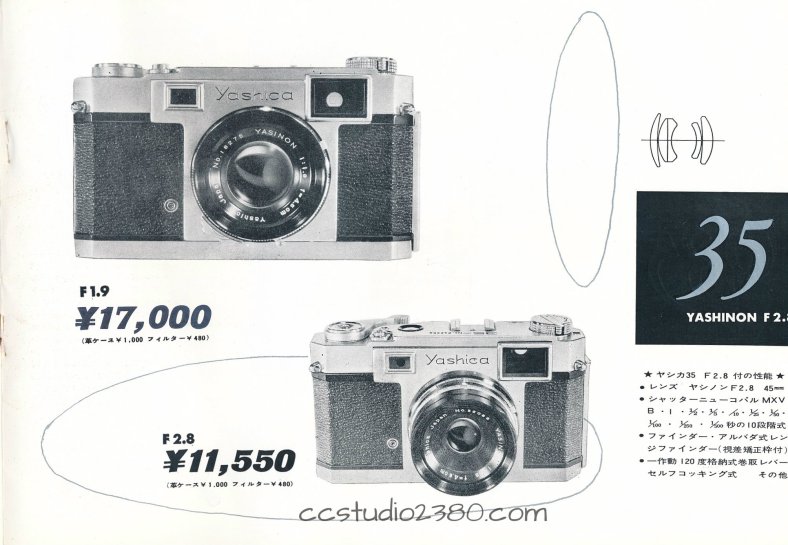
If you look closely, the lens is described as a Yashinon F1.9 even though the lens says Yasinon. Yashima was in the process of changing over or was it them catching a mistake?
IMG_20180625_0001 logo

BTW, 17,000 JPY was about $47 USD in April 1958

By the way, it’s generally believed that these two lenses were made for Yashima by Tomioka Optical. Yashima did have a relationship with Zunow Optical by there’s no proof that these lenses are from Zunow.

Thanks for stopping by! – Chris

Please respect that all content, including photos and text, are the property of this blog and its owner, Yashica Pentamatic Fanatic, Yashica Sailor Boy, Yashica Chris.

Copyright © 2015-2019 Yashica Pentamatic Fanatic, Chris Whelan
All rights reserved.
Hurricane Dorian – Sep 4, 2019, 1:30 PM Update

snip 9-4 1

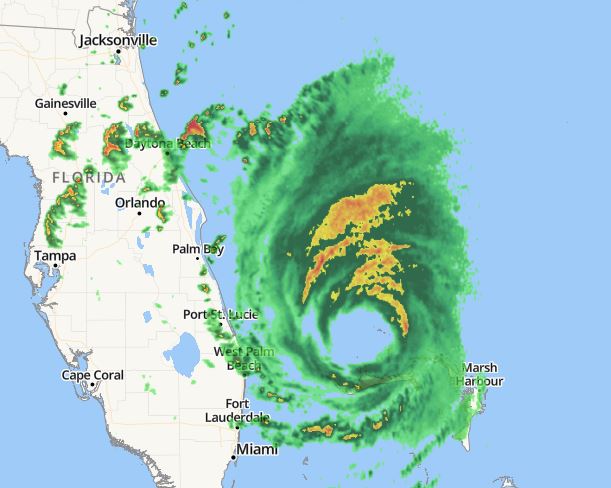
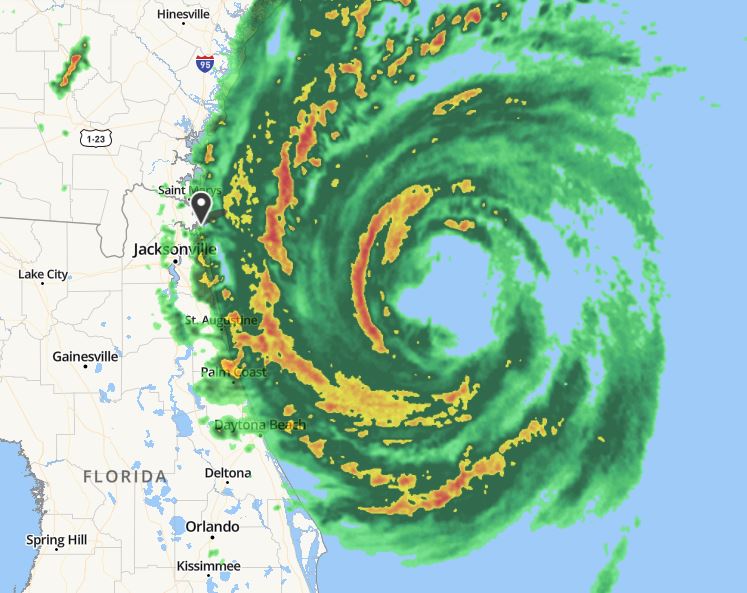
As of the 1:30 PM radar update, Hurricane Dorian’s center is now just south of due east of Amelia Island and some of the strongest outer bands of precipitation are now just approaching our coastline. The yellow and red areas on the radar more than likely contain 40-50 mph sustained winds with gusts to 65+. This dance between the northward movement of the storm and the movement of these outer bands will be a close call for us.

Power is still on ATM!

Chris

Hurricane Dorian – Sep 4, 2019

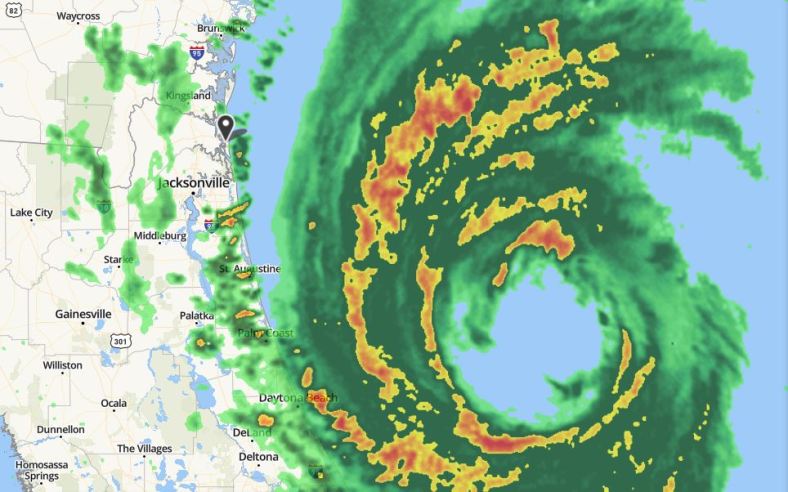
Here’s the lastest snip of the hurricane as seen on enhanced radar. The eye is quite large and the eyewall has maintained its ragged appearance since yesterday. The central pressure is up to 964 mb and the sustained winds are down a bit. The eye will past well east of our island but I’m afraid that we’ll catch the outer squalls from the storm… soon.

snip 9-4

Radar view as of 9 AM this morning. The western edge of the strongest convection and winds are now just about 30 or so miles east of Amelia Island. It’s going to be a close brush with the squalls associated with the outer edge of the storm (the yellow and red areas).

I thought I would post a bit earlier today since there’s a real possibility that we may lose power within the next couple of hours. The last time we lost power was for 61 hours with the passage of Hurricane Irma well west of us in 2017. Hopefully nothing like that this time.

You can see my post from yesterday here.

Chris

Hurricane Dorian – Sep 3, 2019

An update on Hurricane Dorian as of 11 AM

snip 9-3

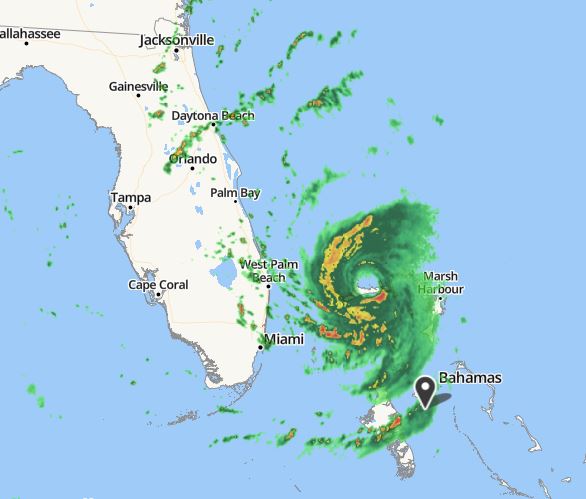
Radar image from Nassau, Bahamas as of 11 AM Tuesday, September 3rd.

Some changes noted since 11 AM yesterday. The eye has expanded but has become a bit ragged as dry air from over Florida has disrupted the appearance of the western eyewall. The precipitation areas have expanded northward and of course, the southern edge of the eye is now north of Grand Bahama Island (barely). The hurricane has also weakened quite a bit from 24 hours ago with the central pressure now at 955 mb up from a low of 910 mb at the height of the storm’s intensity.

Compared to yesterday’s scan of the radar (see below) the changes are obvious.

storm 9-2

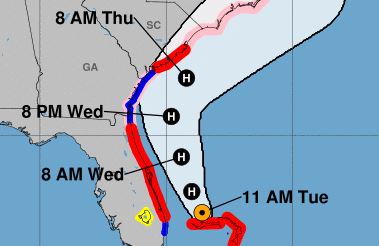
From the NWS National Hurricane Center the 11 AM prediction of the track of Dorian.

snip map 9-3

Today as of 11 AM

track

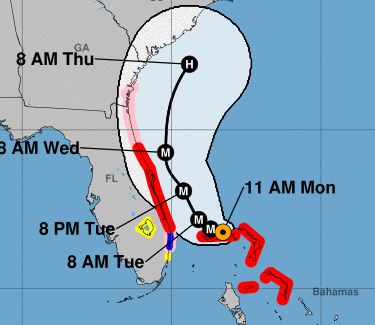
Yesterday as of 11 AM

Things are looking better for the east coast of Florida as the accuracy of the short term forecast track improves with time. Hoping for the best but always prepared for the worst.

You can view my post about Dorian from yesterday here.

Chris

Amazing hurricane – but not in a good way!

storm 9-2

Radar image out of Nassau, Bahamas at approximately 11 AM Sep 2. The eye of Hurricane Dorian continues to spin just over the central coast of Grand Bahama Island.

I’ve been a professional meteorologist since 1975 and while in the US Navy serving on various ships over twenty-two years I’ve encountered my share of strong hurricanes and typhoons. I’ve tracked and made forecasts for hundreds of tropical systems and have seen first hand just how powerful they are and the destruction they cause. I’ve experienced a few hurricanes that have gone stationary before but this one, Hurricane Dorian is amazing to me for just how long it’s been nearly stationary over the central part of Grand Bahama Island while maintaining its Cat 5 status (now downgraded to Cat 4) as of this post.

This is the latest forecast from the NWS National Hurricane Center as of 11 AM on September 2, 2019. Optimistically the forecast track shows Dorian well northwest of its present location in less than 22 hours and by Tuesday morning at 8 AM it could be about 60 to 80 miles further north-northwest from where it is now. The hope is that a broad trough of low pressure now over the central US will start to influence the storm and take it away from a direct strike on the east coast of Florida over the next 2 to 3 days.

track

Official position and forecast track of Hurricane Dorian from the National Hurricane Center in Miami, Florida. 11 AM Sep 2.

I would like to see some slight movement of the center to the north or northwest over the next few hours for the forecast track to verify. Here’s hoping!

Chris

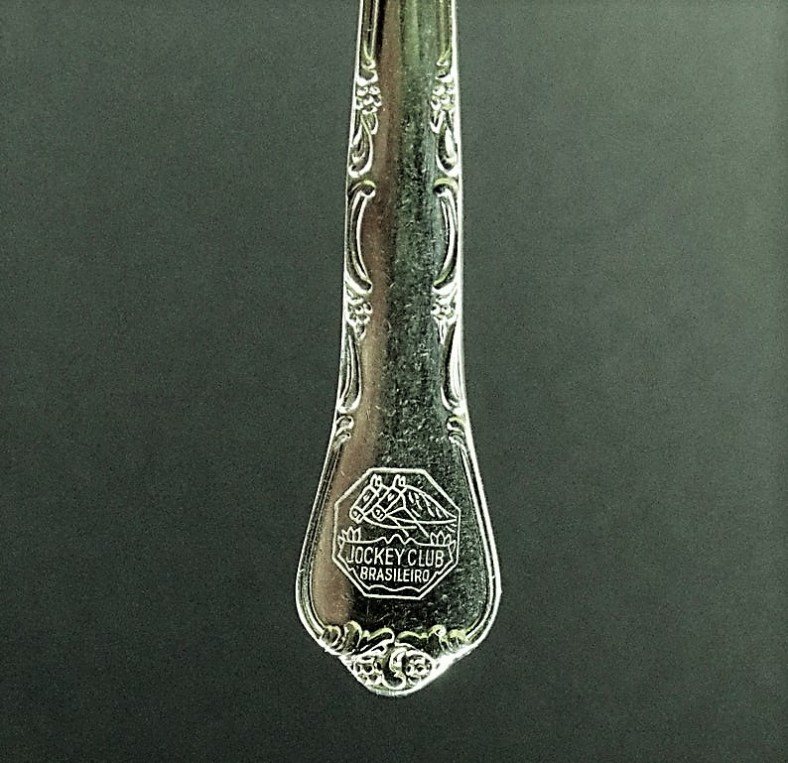
Rare Jockey Club Brasileiro Demitasse Spoon – 1950s

From the famous Jockey Club Brasileiro (Brazilian Jockey Club)

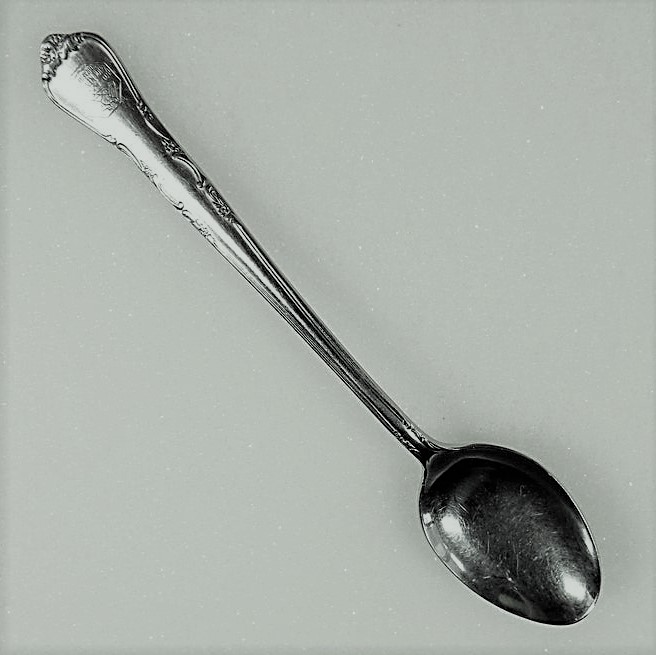
A beautiful and vintage Demitasse Spoon
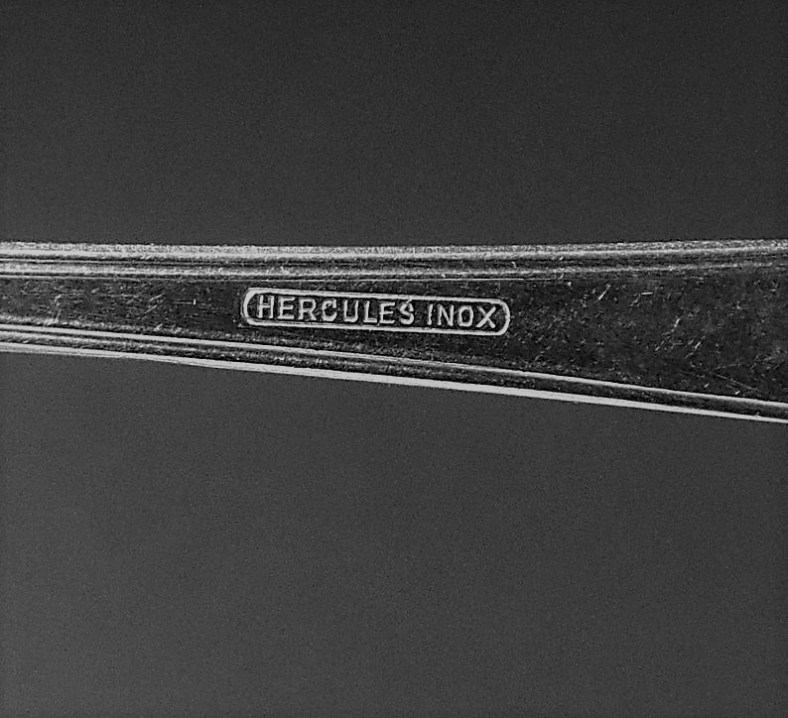
Marked Hercules Inox
Properly hallmarked and verified as original and genuine.

– The spoon is from the 1950s as it has been in our family since at least then.

– From the world-famous Jockey Club in Rio de Janeiro which was founded in 1932

– The overall length of the spoon is 110 mm

il_794xN.1050501292_8prp 1

64947557_427743011404789_798069931263418738_n

The official logo of the original design that appears on the spoon.

il_794xN.1050501282_4p2u 1

Front view of the spoon.

2012072647466

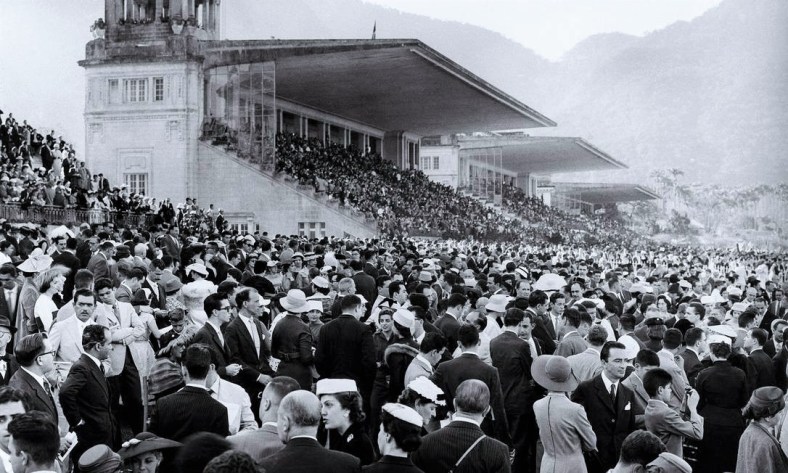
Always very popular throughout its history – a view of the crowds in the stands of a major horse race in the 1940s.

2012072647467

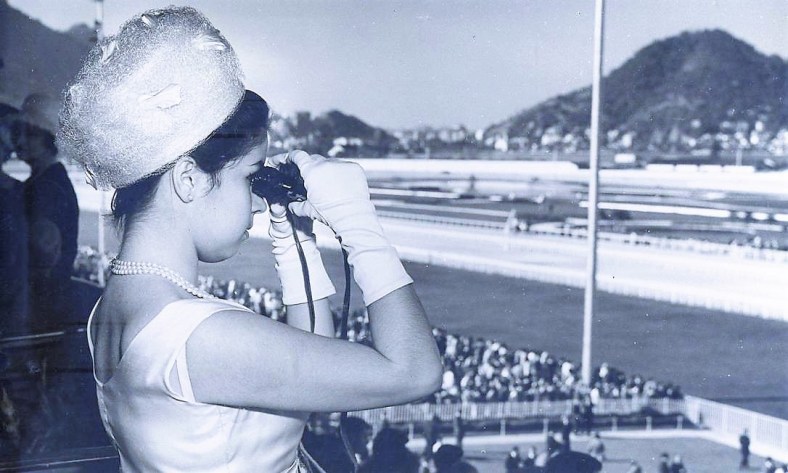
Keeping a close watch on her horse – 1950s (maybe).

il_794xN.1050501326_hcci 1

The markings on the back of the spoon.

It makes for an interesting conversation piece when you present it to a guest with their coffee or tea. Own a piece of history!

Capture jc

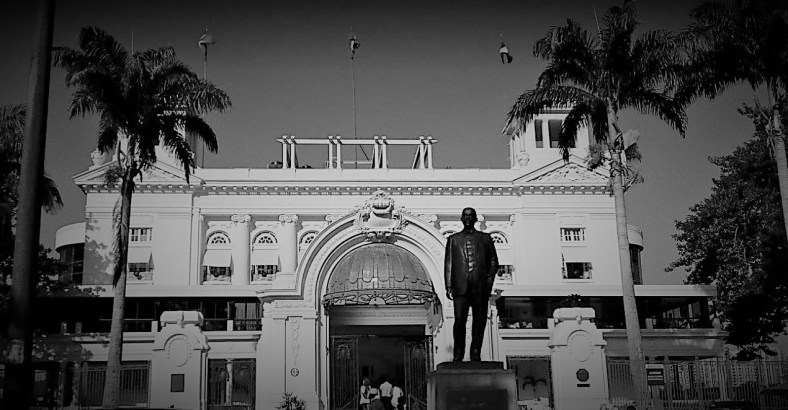
Jockey Club Brasileiro, Rio de Janeiro – Hipódromo da Gávea

It’s available for sale at www.ccstudio2380.com

Thanks for stopping by! – Chris

Happy SUNday! – Dolls from Yokohama and more.

doll 3

doll 2

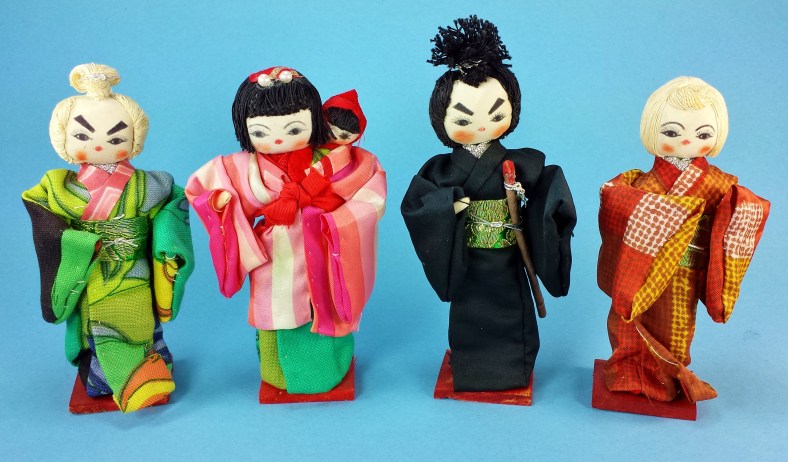
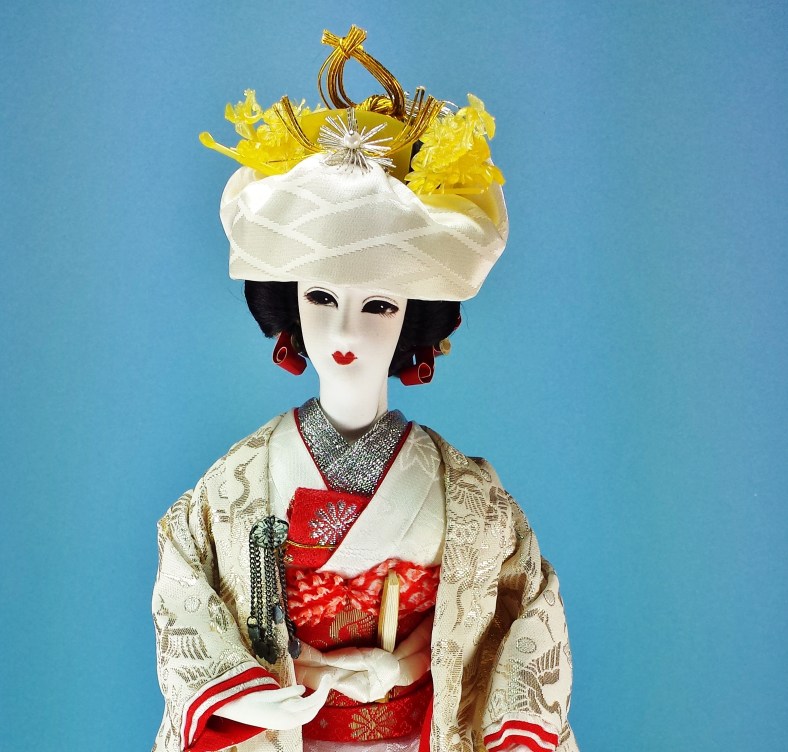
When Carol and I lived in Yokohama in the late 1970s, a wonderful local artist made these dolls for us. We’ve kept them in a glass display cabinet all of these years and they remind us of how much we enjoyed our time there. Such artistry! Dolls photographed with my Samsung Galaxy S4 camera.

IMG_20170420_0009 (2)

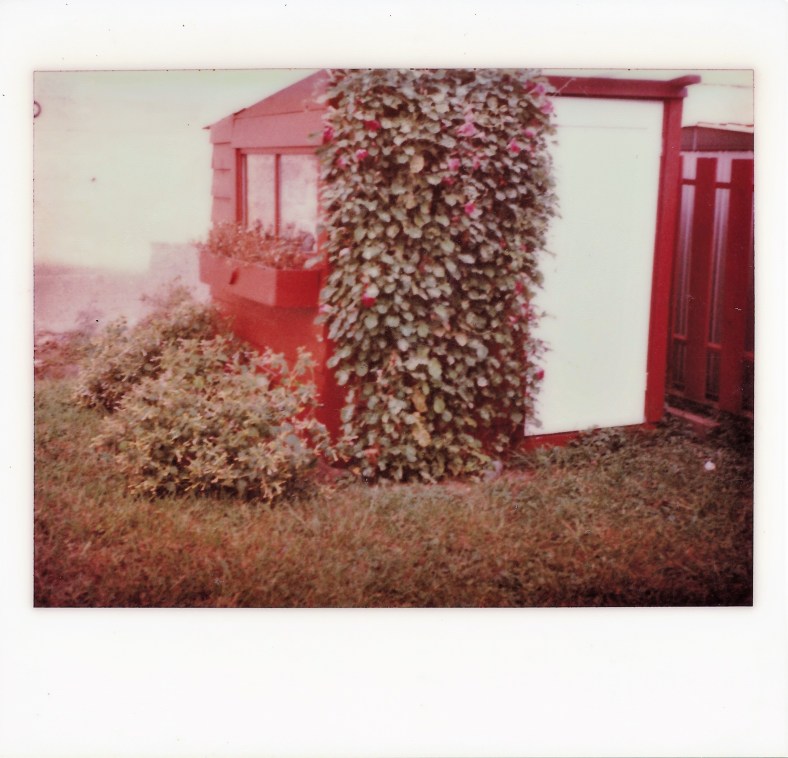
Morning glory on the garden shed – Yokohama 1978. The door was salvaged from the local Navy Lodge from their vast trove of bits and pieces in the maintenance office. This image is scanned from a picture I took with my Kodak EK4 instant camera on Kodak film. Kodaks brief foray into instant photography.

Unrelated to the dolls, here’s the garden shed that I built for Carol. The Housing Office on the Navy base that we lived on in the Naka ward in Yokohama had free wood that you could use for projects such as this and the fence you see to its right. The lumber was free and so was the paint – only one color was available so everything was painted the same color in the neighborhood!

IMG_20170420_0007

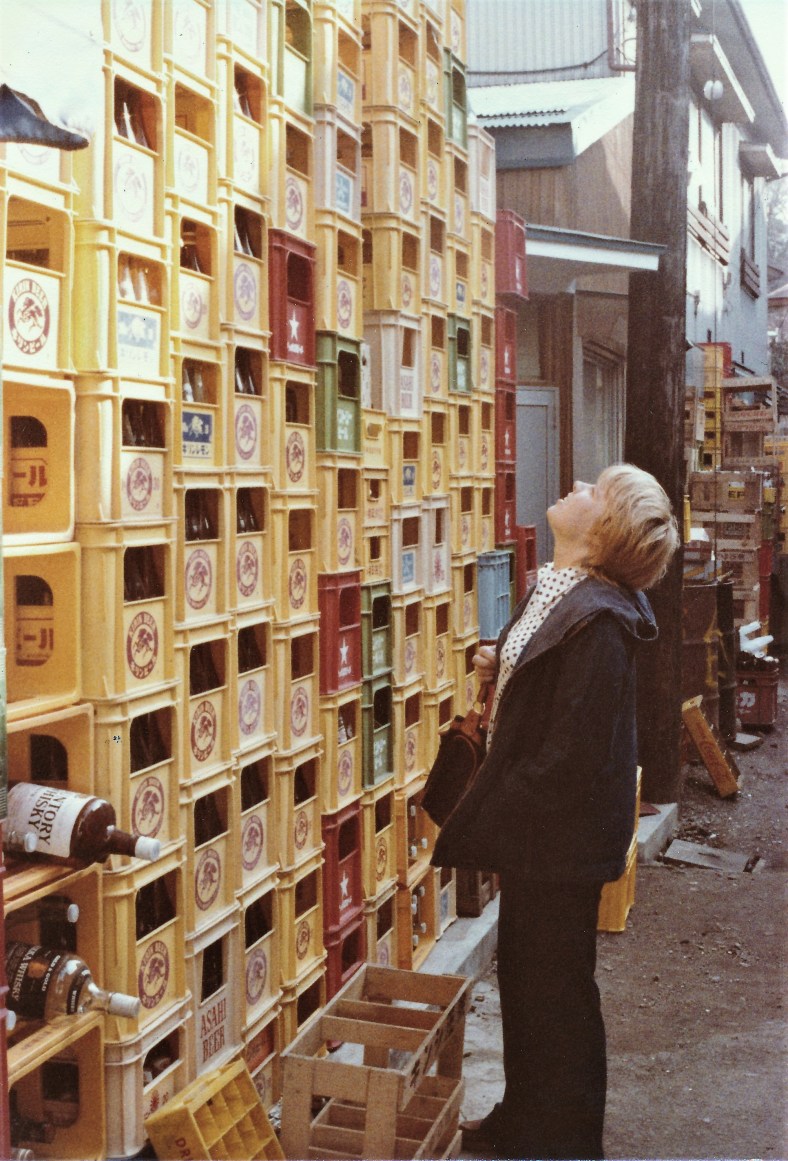
Stacked sky high!

While on a walkabout on the backstreets in our neighborhood we discovered this “wall” of crates just outside of a bar. The image was taken with my Canon F-1 on Kodachrome film – 1978.

Thanks for stopping by and have a beautiful day! – Chris

Please respect that all content, including photos and text, are the property of this blog and its owner, Yashica Pentamatic Fanatic, Yashica Sailor Boy, Yashica Chris.

Copyright © 2015-2019 Yashica Pentamatic Fanatic, Chris Whelan
All rights reserved.
Exploring the early days of Yashima (Yashica) – 1954

From 1950 through 1955 literally hundreds of photographic startups were hoping to capitalize on the booming post-war camera craze sweeping Japan and the United States. Many would fail and fail quickly but many went on to prosper and achieve phenomenal success by the end of the decade. This was Yashima’s first camera to carry the company name – the Yashima Flex.

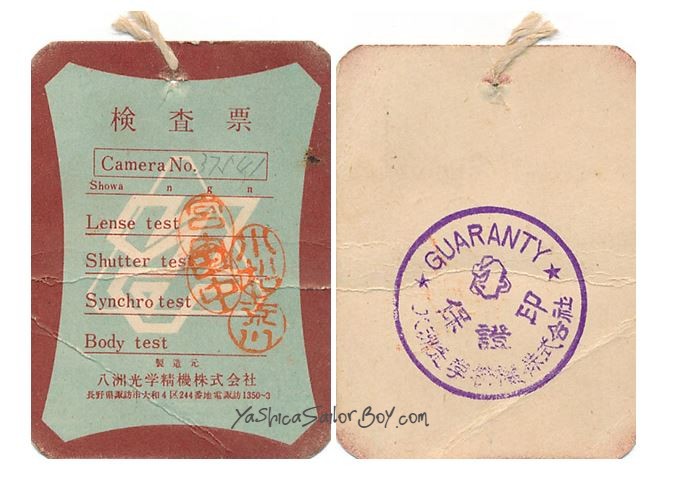
I’m going to focus on what would appear to be just a simple thing – something that would be thrown away as soon as the camera was unboxed. This inspection tag and the guaranty document can tell us a lot about the company that went on to become an international innovator of quality cameras at an exceptional value. Her’s the story.

YashimaFlex Tag Paul Version (1)

Original “Inspection Form” that came with my Yashima Flex TLR. This is the earliest one found so far and it’s amazing that it made it the 65 years since it was first filled in.

For such a young company, Yashima looked as though it cared about producing a quality camera that would function as designed right out of the box. This tag was with my recently acquired Yashima Flex TLR which was sold in May 1954 at a camera shop in Yokohama. I’m going to speculate that the tag was completed and the various tests performed while the camera was still on the factory floor. My translation app hasn’t done a very good job with translating all of the tag but I do get “Inspection Form” across the top and of course, the company name, address, and phone number across the bottom. The camera’s serial number has been entered but not the Showa date info (what a shame). It’s interesting to note that the different tests are written in English for a camera that probably wasn’t meant for export. The red stamps are from each stage of the process and identify each inspector.

The reverse side of the tag has the word “Guaranty” clearly stamped with the company logo just beneath it. I don’t know the meaning of the “EP” and I don’t have a clear translation of the kanji across the bottom half.

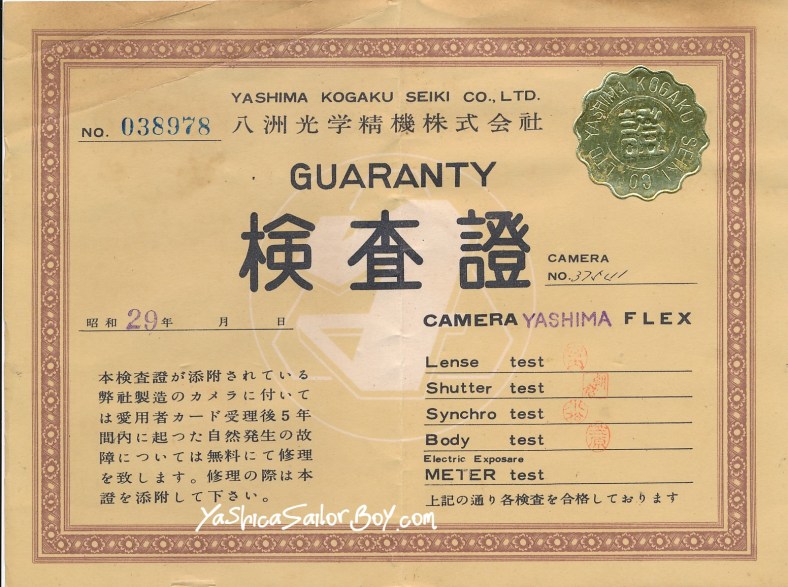
Later in the process of readying the camera for distribution to the trading company, the formal Guaranty Certificate was included (see below).

Yashima Flex Guaranty Card

Original Guaranty Certificate that accompanied the camera set.

What I find most intriguing is that the camera received another round of tests with a different group of inspectors. Back in 1954 in such a new company that’s impressive and previously undocumented. This certificate does carry a date indicated by Showa 29 which is 1954. I’m further impressed by the fact that they had a stamp for the name of the camera and that the certificate has a line for an Electric Exposure Meter Test when no camera existed yet with a meter. The Yashica Flex model S (first TLR with a meter) was not yet released but must have been close to being finished.

Admittedly none of this is world-shaking info but to a lifelong Yashica collector and researcher, this is BIG. Every little clue sheds more light on the earliest days of this famous company.

Thanks for stopping by! – Chris

Please respect that all content, including photos and text, are the property of this blog and its owner, Yashica Pentamatic Fanatic, Yashica Sailor Boy, Yashica Chris.

Copyright © 2015-2019 Yashica Pentamatic Fanatic, Chris Whelan
All rights reserved.
The road to success!

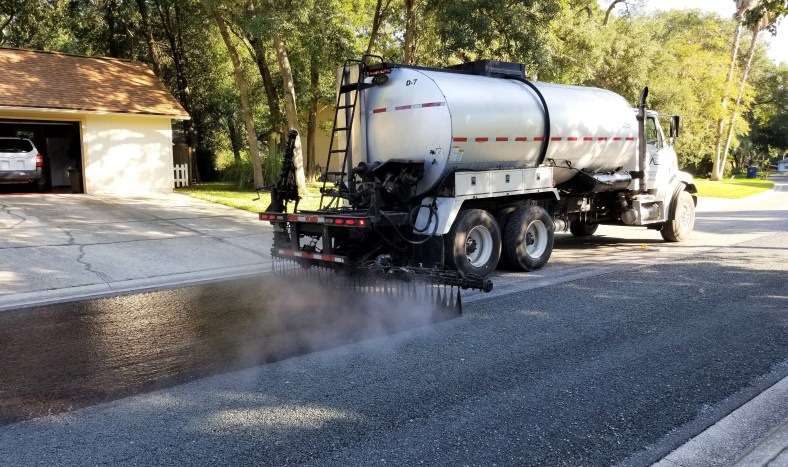
After nearly 30 years of service, our residential street is finally being resurfaced. The process is called “chip sealing” (pictured) which will be followed by micro-surfacing.

Early this morning (8.29.19) the work crews got going on the road improvements.

20190829_090810

This truck is laying out the liquid asphalt material just ahead of the chip spreader. The side closest to the camera has already been laid.

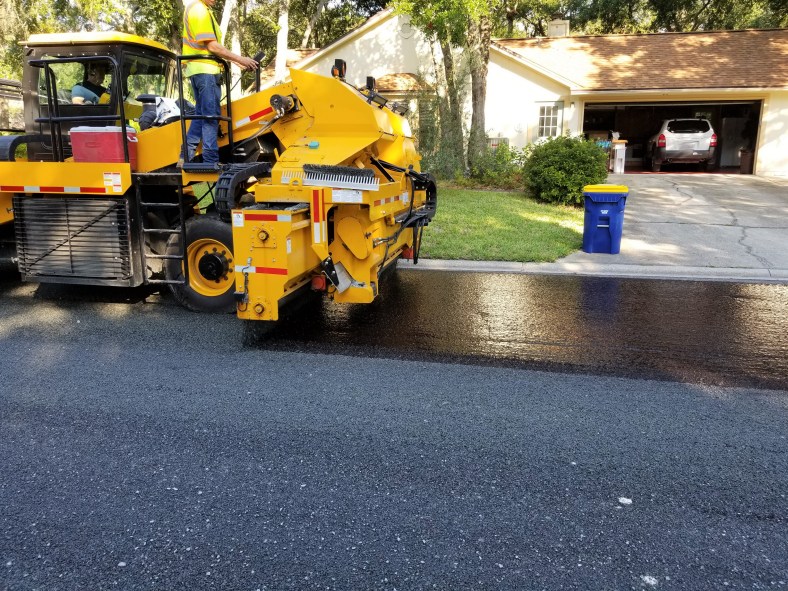
20190829_090822

The chip spreader machine moves quite fast – here it’s laying down a uniform layer of gravel chips into the freshly applied asphalt.

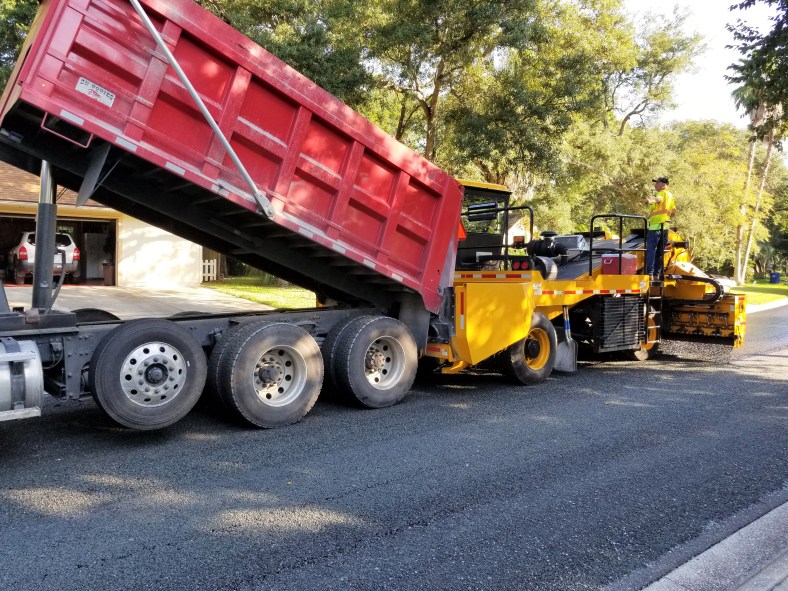
20190829_090830

The dump truck is locked onto the spreader machine and is towed backward down the street. I’m thinking that the spreader operator controls the movement of the dump truck.

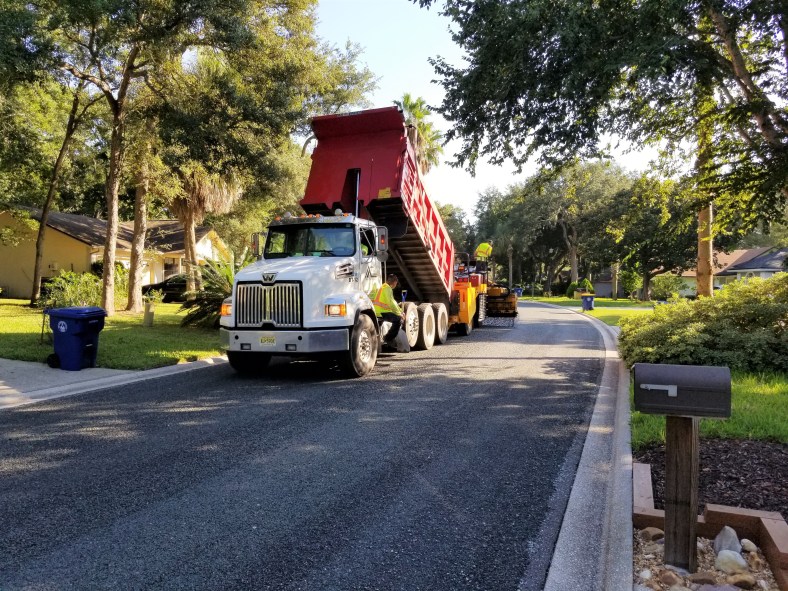
20190829_090837

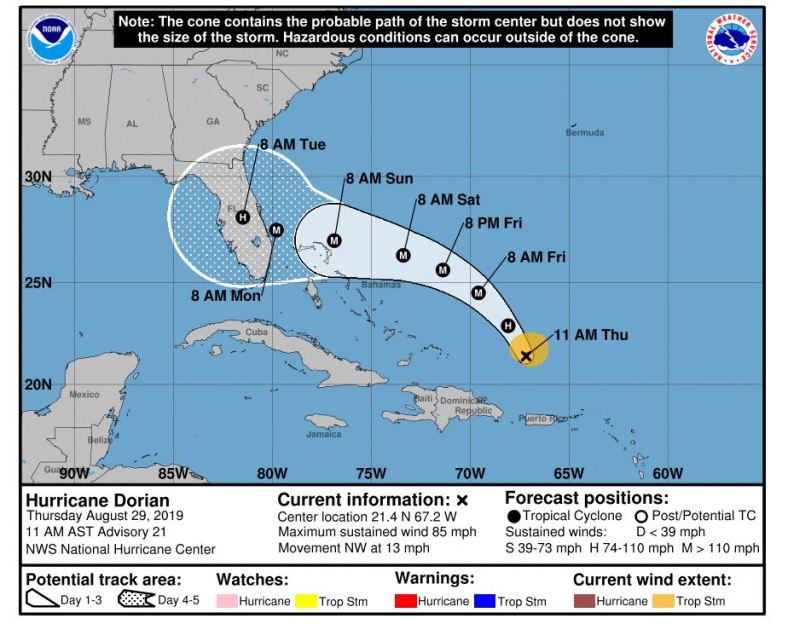
Instant results but only half complete at this point. The chip sealed surface is not a desirable one by itself so the streets will be micro-surfaced shortly. That will make for a much more user-friendly surface for bicycles, strollers, people, and cars (less road-noise, smoother surface). All of this is being completed just before the potential arrival of Hurricane Dorian this weekend (see below).

Here’s hoping that the hurricane stays at sea well off the coast of the US (unlikely at this point in time). If it does make landfall on the central east coast of Florida as a Category 3, 4 or 5 that obviously would be catastrophic.

dorian

Thanks for stopping by! – Chris