Earliest Pentamatic Lenses Found… Yeah!

Nerd heaven! After years of speculation and almost constant searching, we’ve been able to confirm that Tomioka Optical began making lenses for Yashica’s new Pentamatic 35mm SLR camera in the latter part of 1959. The two lenses pictured below confirm (via serial numbers) of an October 1959 start of production. Yashica had filed for a trademark of the name ‘Pentamatic’ in September 1959 (in Japan). Since their new camera used an exclusive mount for its lenses, Yashica designers had to have shared their design with Tomioka as early as the summer (August ?) of 1959.

Using the rule of twos, these lenses are the earliest in our collection.

DSCF3824

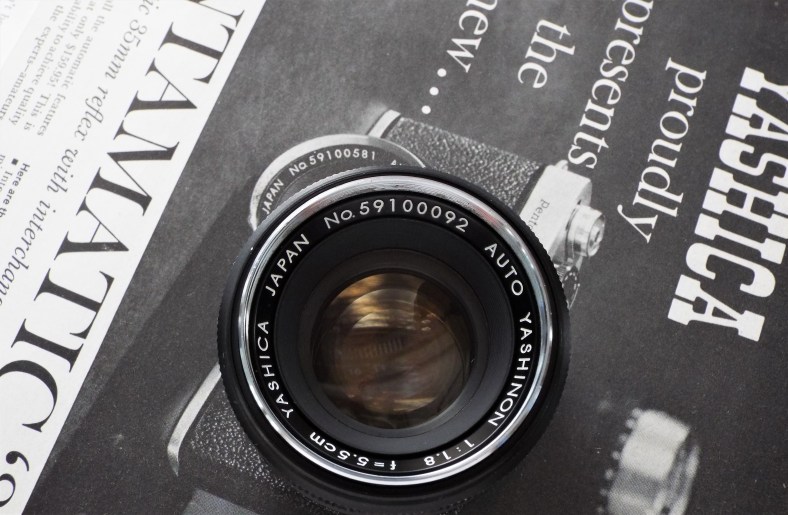
By serial number the left lens was built in October 1959 and it was the 92nd lens made. The right lens was built in December 1959 and by then Tomioka had built 1,630 lenses for Yashica.

No.  59 = 1959   10 = October  0092 = 92nd made

DSCF3826

No.  59 = 1959  12 = December  1630 = 1,630th made  

DSCF3827

dscf3477

Here’s our lens matched up to an advertisement in ‘Popular Photography’ magazine from the June 1960 issue. The lens in the ad is No. 59100581 which decodes to – October 1959, lens number 581 in the sequential production run. So in October, Tomioka had made nearly 600 lenses and by December they were up to 1,630 made. Certainly possible that they were averaging nearly 600 lenses per month in late 1959.

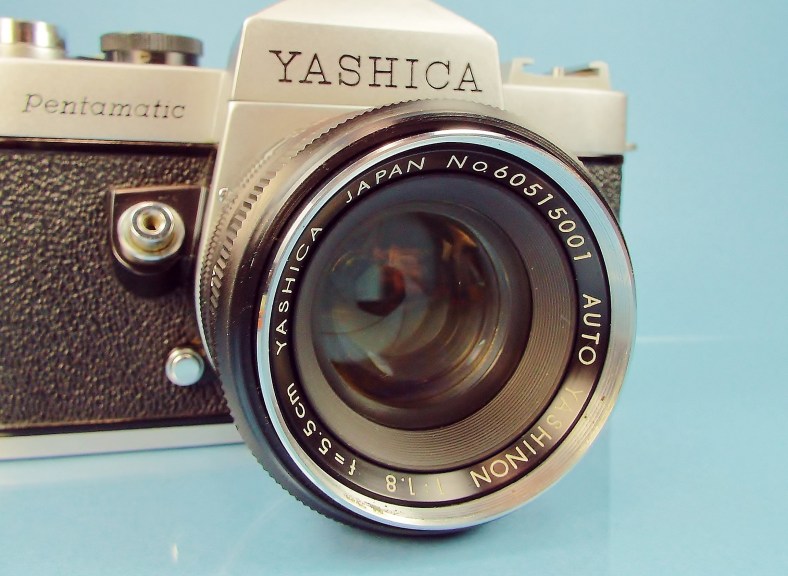
It’s a good find for us as the early serial numbers were just a guess on our part as to how they decoded. Having two lenses made before 1960 helped firm up our speculation. Lenses made in 1960 drop the month code in favor of a model number or code. A typical 1960 lens would have a serial number of:  No. 605xxxxx which would be 60 = 1960  5 = model code  xxxxx = production sequence number.
008

Serial number No. 60515001 decodes to 60 = 1960  5 = model code  15001 = 15,001 made since production began in October 1959.

If you’re a collector of Pentamatics or are just interested in Yashica cameras in general, this is important info. We know, total nerd stuff!

Thanks for your visit.

Chris

Serious Photography!

15133132085_d1fc422098_z

If you’re a regular reader (or curious visitor) you’ve hopefully picked up that we (Chris & Carol) enjoy sharing images of cameras that have crossed our paths over these many years. You may have also noticed that while we post countless images of cameras, lenses and what not, we’re not overly technical when it comes to photo gear. We’re not going to “beat you over the head” with needless specs of the gear we share – just (hopefully) good imagery of the wide-world of  photography.

With that said, we’d like to share an image of a camera that never fails to make us smile –

25599964075_bb91c0ac63_o

Our son Timothy’s first (and only) camera – a Pikachu 35mm with genuine Pokemons inside! Tim just loved this camera and it’s an important part of our collection still.

23902504384_60e724c9f5_o

As always, many thanks for your visit. We hope it made you smile – after all, that’s what photography is all about…

Chris & Carol and Pikachu and Ash too!

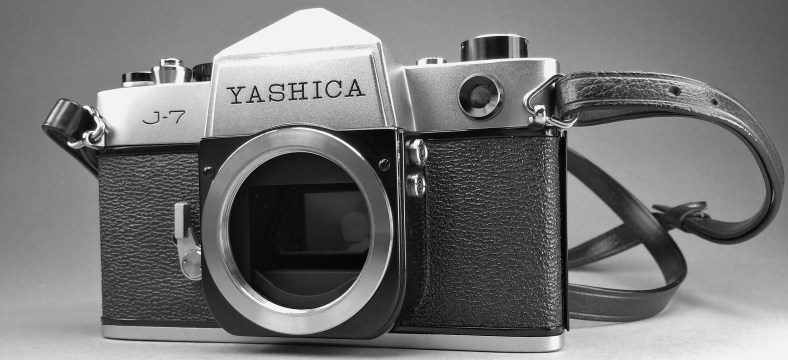
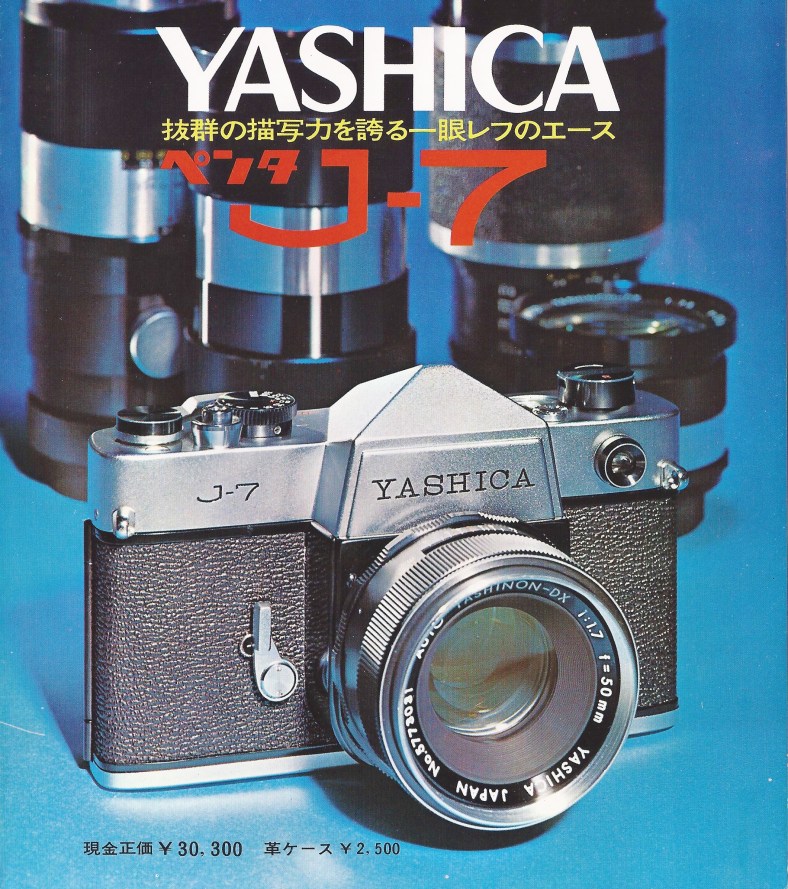
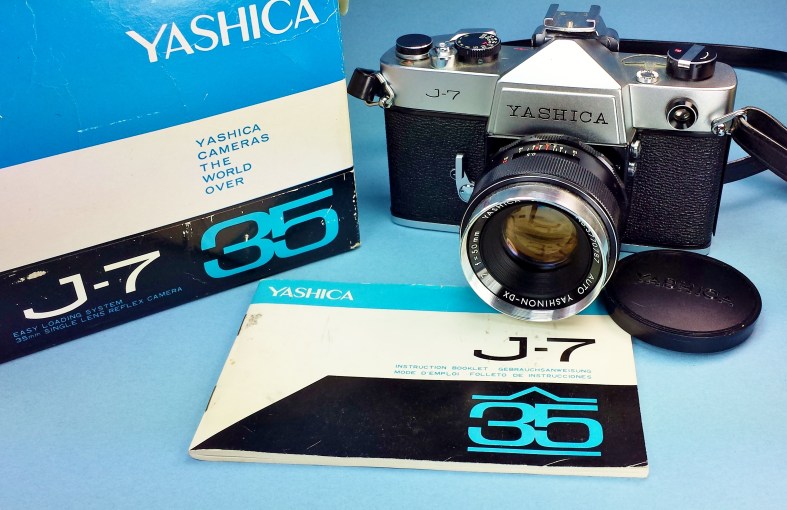
Yashica J-7 …1966 / update 1

The last in Yashica’s “J” series of 35mm single-lens reflex cameras. These wonderful cameras carried Yashica through the dynamic changes in 35mm photography during that decade.

The J-7 is not a common camera. We don’t have a feel for the amount of sales for this model. The Yashica TL Electro-X was on the horizon – the J-7 was the last of the old technology bodies. Soon thru-the-lens (TTL) metering would turn things around for Yashica.

Here’s a photo essay of this classic and classy camera…

15770384319_32d66f4622_o

15133139072_28f50f8021_o

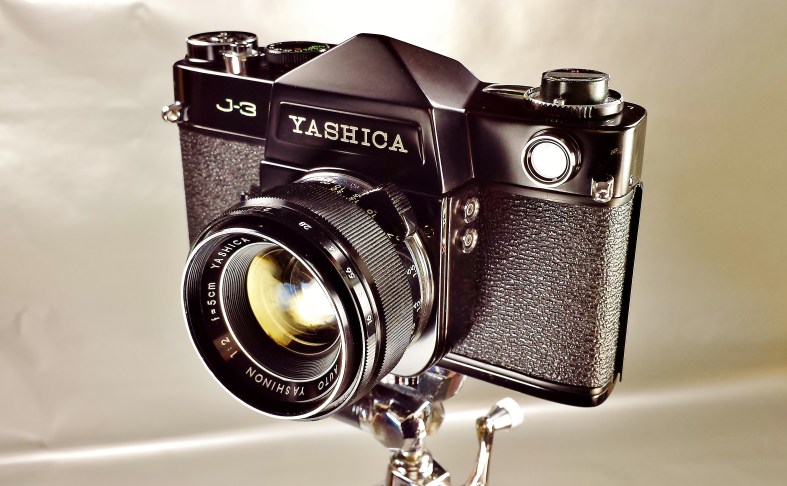
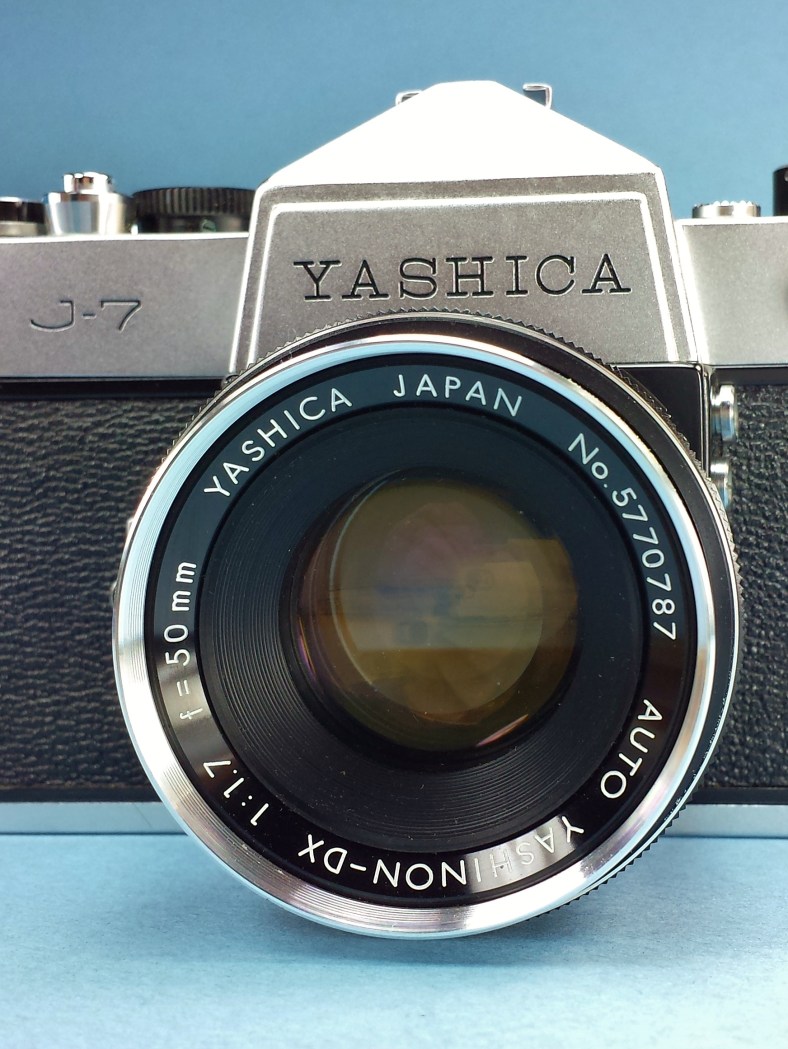
Yashica J-7 35mm SLR film camera. The last of the ‘Penta J’ series of cameras from Yashica. The J-3, J-4, J-5 and then the J-7. All were well-designed heavyweights… lots of brass and glass. No TTL metering.

16591620423_d11b2a7ebb_o

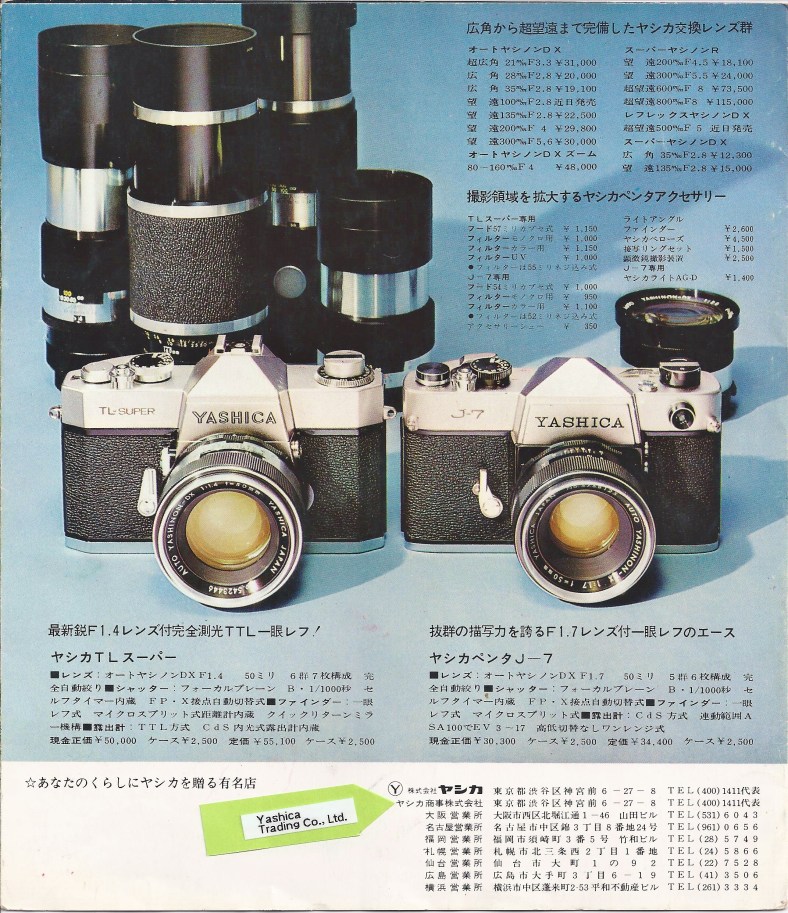
Also of note is that this is the first time that Yashica lists “Yashica Trading Co., Ltd.” at its Jingumae, Shibuya-ku headquarters. The J-7 was the last of the “J” series and the TL-Super was Yashica’s first TTL exposure metered 35mm SLR.

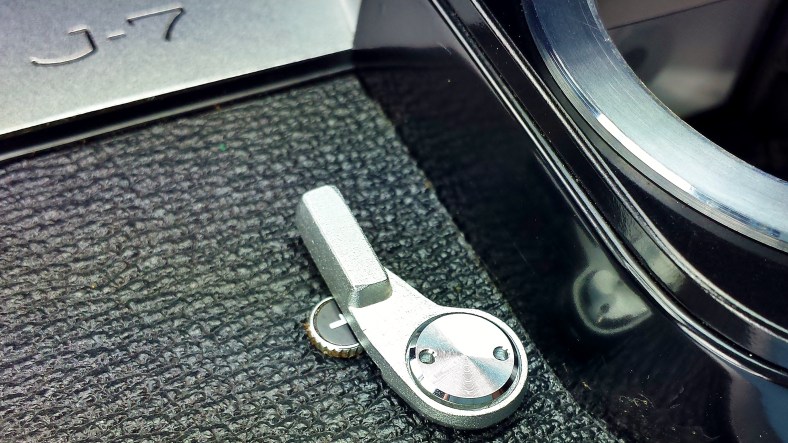
There are two slight variations on the TL-Super. Version 1 is shown here. Look closely at the film advance lever… it is all silver very similar to the J-3. On the Version 2 of the TL-Super the lever is very similar to the later TL-Electro X with part of the lever silver and the rest black plastic.

15770394769_242be5fc0a_o

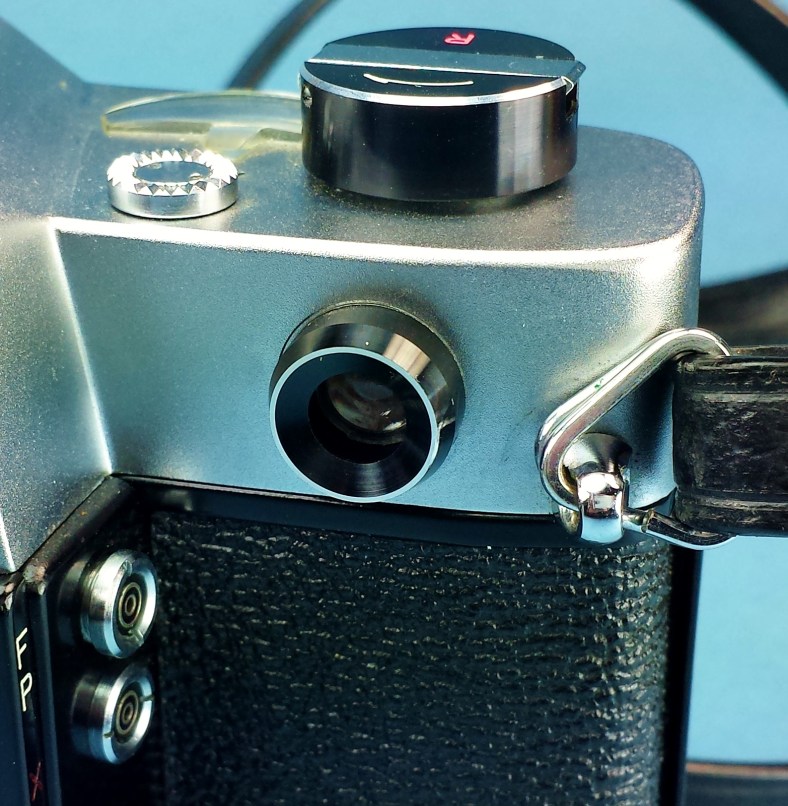
CdS light meter sensor “window”.

15954427261_0cfb17e24d_o

15954848841_c16d47ab60_o

Rare complete set with the original box.

15956171512_d769767f45_o

The J-7 is about as hard to find (in nice condition) as the J-4. The J-5 and J-3 being the most common. Each model makes a very fine camera to get into film photography with as most average (working) bodies going for well less than $50. Since the Yashica uses the universal M42 screw-in lens mount, there’s a whole world of outstanding lenses to choose from and not break the bank.

Good luck!

Chris and Carol ^.^


Yashica Pentamatic S & a “new” old school copy stand –

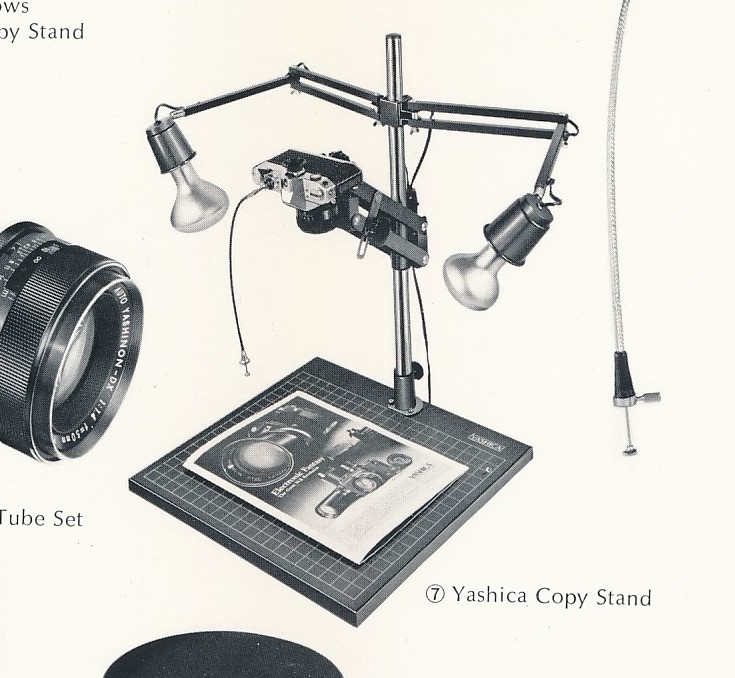
Every now and then as a collector of all things Yashica, you get a little lucky. In this case my luck was finding an accessory that I wanted so badly back in the day (early 1970s). It’s not actually an accessory – more of what I’ll call ‘studio support equipment’.

dscf3748

Pentamatic S on the copy stand.

I know. It’s just a simple copy stand. They’re for sale everywhere. But not a built in 1971 Yashica branded copy stand – and in its original box too! Collector heaven.

20170301_092007

dscf3738

The grids are about 20 x 20 so it’s actually quite large.

dscf3743

img_20170228_0007

It’s definitely from another time and place. No official name for it – just a copy stand. It’s built pretty well – lots of real steel parts and no plastic. I believe the plastic looking parts are Bakelite. I’ll need to modify the tripod screw bracket a bit for use by my digital Fuji.

Sankei-en… Yokohama’s Beautiful Gem

25573678404_994fa123bd_o

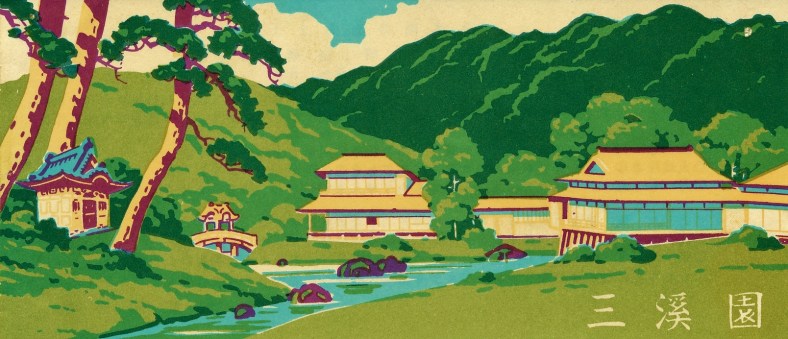
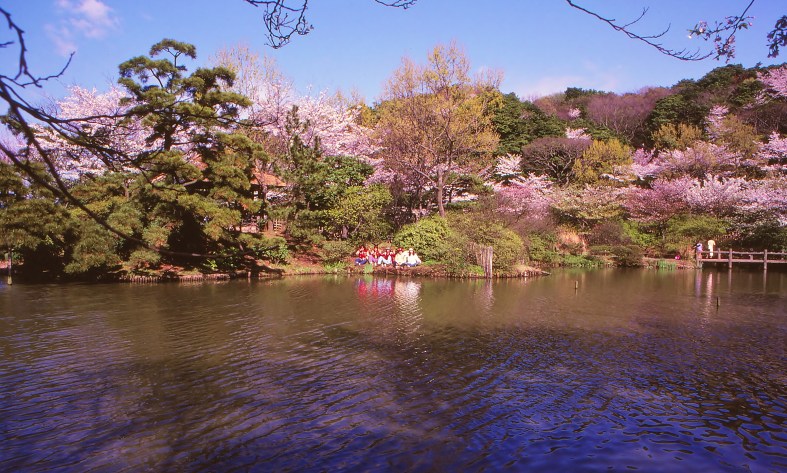
Escape the hustle of the big city – Sankei-en is Yokohama’s beautiful gem.

21723680721_8a4b3d184e_o

Soon the sakura and azalea will bloom. Photographers will come. School children and couples. Families love Sankei-en.

20444632005_5b985f3381_o

It was a pleasant ride to Sankei-en from our house so we went often.

20256520930_b6efccc36a_o

Admission – 100 yen. All smiles.

20354188489_fd0e7856e0_o-1

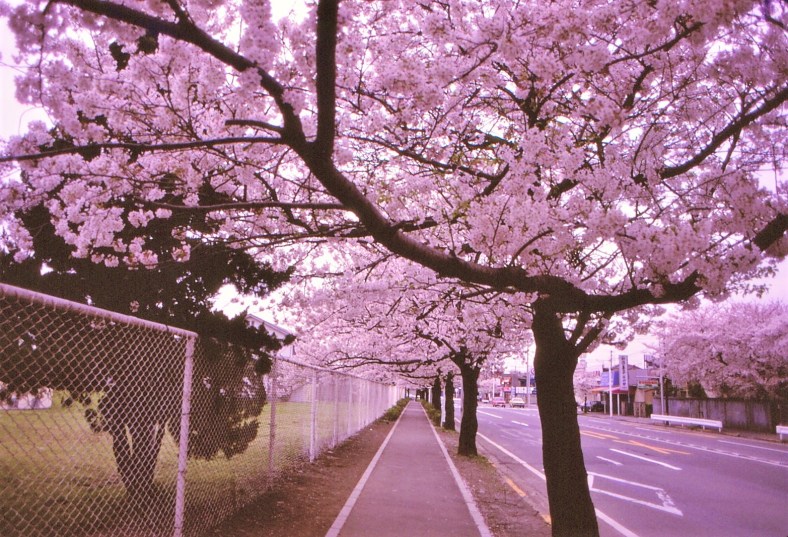
Sakura from long ago. Avenue D in Naka-ku, Honmoku. 1979

22343030079_18e6e717a1_o

21087177073_aedba71f8f_o

Spring returns to Sankei-en soon. The blossoms will be everywhere. Come to this spot and enjoy!

Images from 1978 and 1979. Canon F-1 and Canon AE-1. Kodak Kodachrome film.

Thank you for your visit.

Chris & Carol ^.^

Yashica MF-2 Super… 1986

We don’t often collect modern Yashica cameras – especially during Yashica’s last days after Kyocera (Kill-a-Yashica) took over.

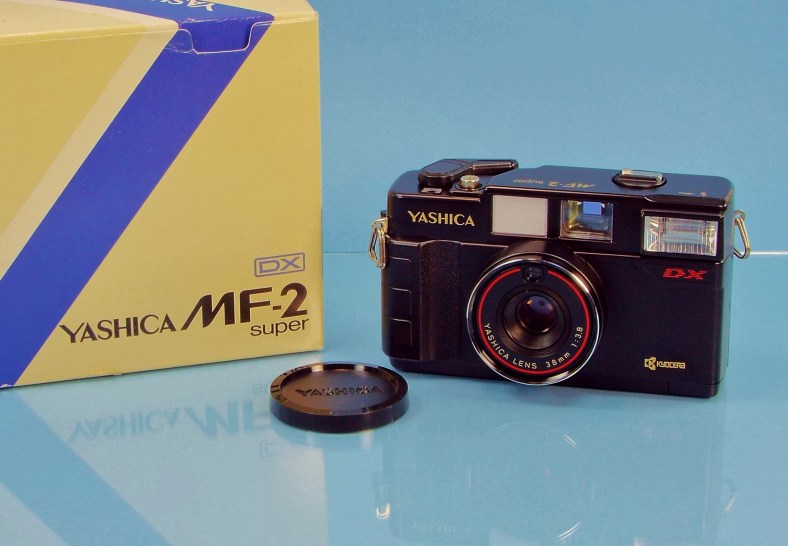
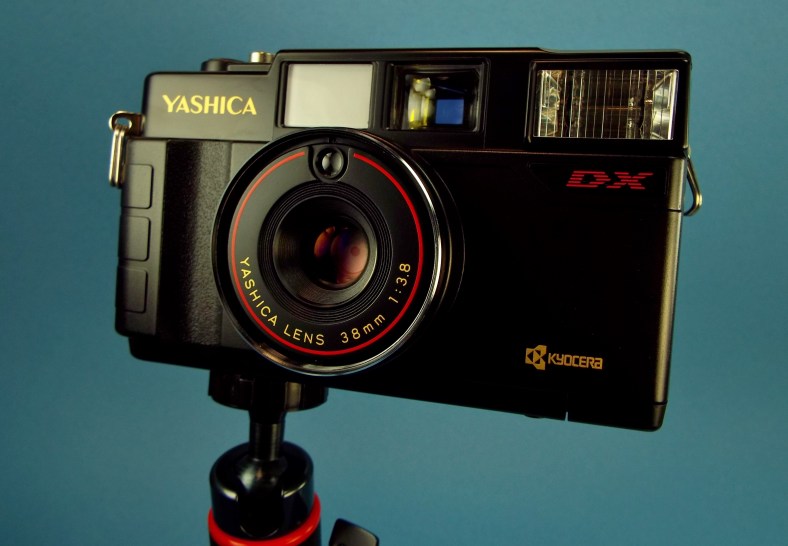
This one was sent to us by a Flickr friend and as you can see, it’s new in the original box. The MF-2 Super is a DX camera which sensed the DX code on the 35mm film canister and set the appropriate ASA / ISO / DIN.

25965272473_a80d24519c_o

Yashica MF-2 Super 35mm film camera set from 1986.

26295606350_65700d54b4_o

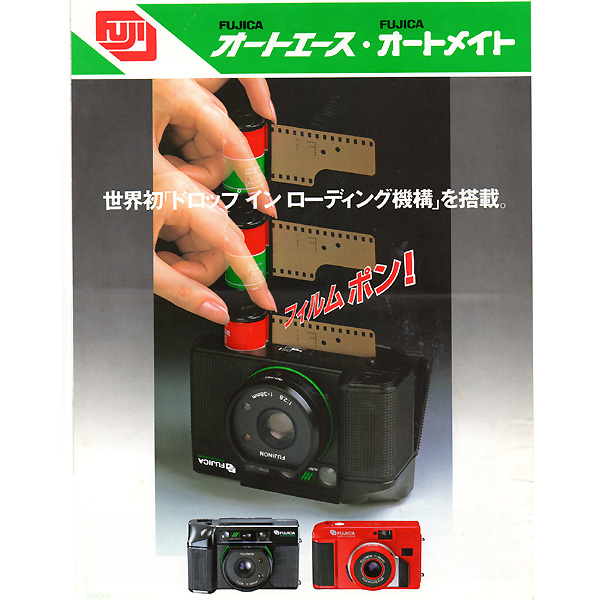
We haven’t found the time to load a roll of film and check out this little beauty… soon we hope. We like the black, red and gold details on the body and lens and the auto everything (almost) features. As a comparison, we also have the Fujica DL-20 as pictured below in the sales brochure.

%e2%97%8f%e3%83%81%e3%83%a9%e3%82%b7

DL-20 in black and red.

The DL-20 is a mid-1990s camera from Fujica. We have the red body model and it would be fun to take the two (Yashica MF-2 Super and the Fujica) out for a side by side photo shoot. Sounds like we’re going to be busy in 2018 shooting a bit more film.

Thanks for your visit!

Chris & Carol

The often underappreciated Canon T70

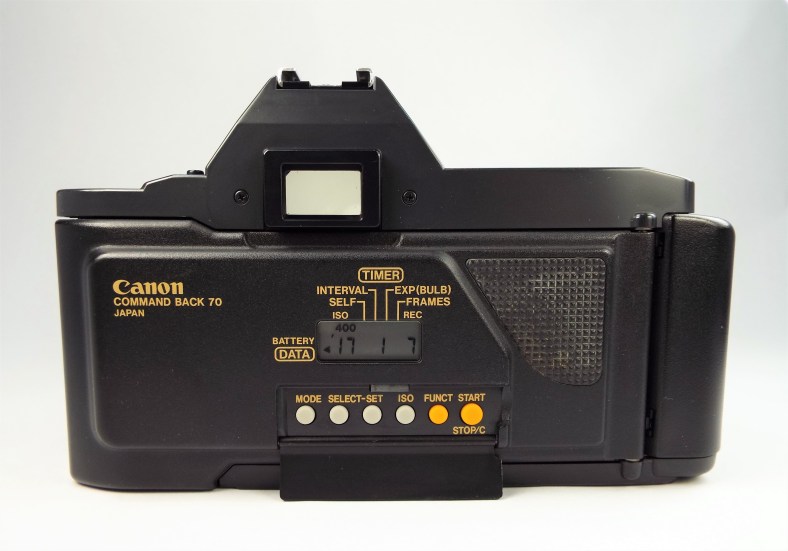
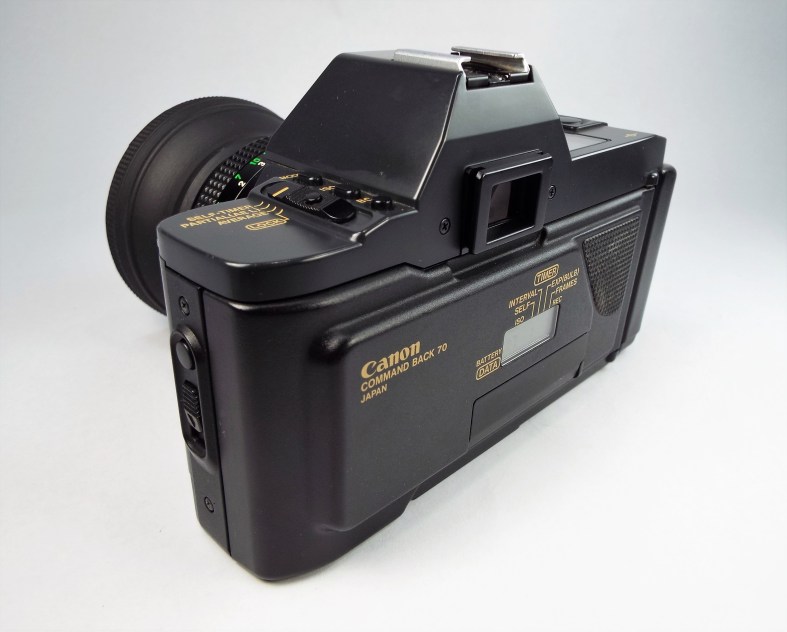
One of Canon’s little gems! The T70 (1984) was a giant leap forward for Canon and for the entire 35mm camera industry. Coming off the success of the Canon ‘A Series’, the T70 (yes there was a T50 first but the T70 blew it away) was a giant departure from the norms established by Canon. Firstly, it didn’t look like any previous Canon SLR – distinctive style and color, built-in winder, multiple program AE exposure and two metering modes. If you wanted to add a data back, then Canon had a Command Back 70 ready to go.

dscf3255

This one is from April 1984… still, in our opinion, one of the neatest Canons of all time!

The rubberized right hand grip made the body super easy to hold and the incorporated power winder made manually advancing film a thing of the past. The ‘T’ bodies accepted all of Canon’s FD lenses without exception. Mated with the Canon FD (N) 50mm f/ 1.8 lens made the T70 a rather compact and user friendly camera.

dscf3262

Simple layout and clean design.

dscf3263

Optional accessory – the Command Back 70 replaced the often bulky data backs found on the F-1 and A-1. This one can date images until the year 2029! Of note – the common fault with these data backs are you’ll often find that the LCD will sometimes “bleed” the LC in the display. This one, for whatever reason, has escaped that fault.

If you want a great, and we mean great 35mm film camera to use, then by all means find a good T70 and fire away.

dscf3265

One of our all time favorites from Canon.

Thanks for your visit… your comments are always welcomed and so are your questions.

Chris and Carol ^.^


Canon F-1

dscf3313

First version Canon F-1 with its gorgeous chrome nosed FD 50mm f/ 1.4 lens.

Canon F-1 from April 1972. This was the first version of the F-1 and it sports a rather low serial number. We’ve held this one back all these years with just occasional use (mainly in the studio). Our field tested F-1 (not pictured) was acquired new in 1978 (2nd version F-1) and it’s the one that’s traveled the world – getting seriously wet in Hong Kong, Japan and the US- dropped in a photographic safari bus in Kenya – slid off a train seat in Tokyo – and was briefly “lost” in Diego Garcia!

dscf3304

All original stuff from 1972.

dscf3318

Note that this super early FD lens does not have the SC or SSC markings on the lens ring.

I started 35mm SLR photography with a Nikonos II and then purchased my first Yashica (TL Electro-X) and then into Canon we went. We need to find some time to take this one out and put that classic glass to good use! Nothing like holding an old friend again.

Thanks for stopping by!

Chris