Fuji… just Fuji

20418552466_d1a1669ff6_o

Mount Fuji from Yokohama.

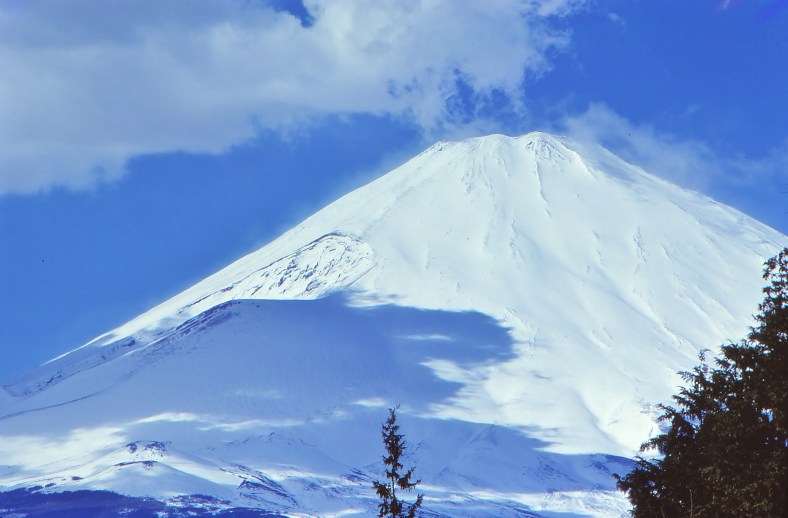
That simple four letter word needs no other introduction. Known the world over for its beautiful conical  shape. We were lucky to live in the Naka Ward in Kanagawa Prefecture and would often have this view to our west on a clear evening. Carol and I never grew tired of looking for it whenever we traveled somewhere new – hoping to see it from a new vantage point. These images are but a few of the hundreds of images of Fuji. They are in no set order and all were taken from 1977 to late 1979. Primarily shot with a Canon F-1 (1978 version) and a Canon AE-1.

15452871993_6d45d6dbac_o-1

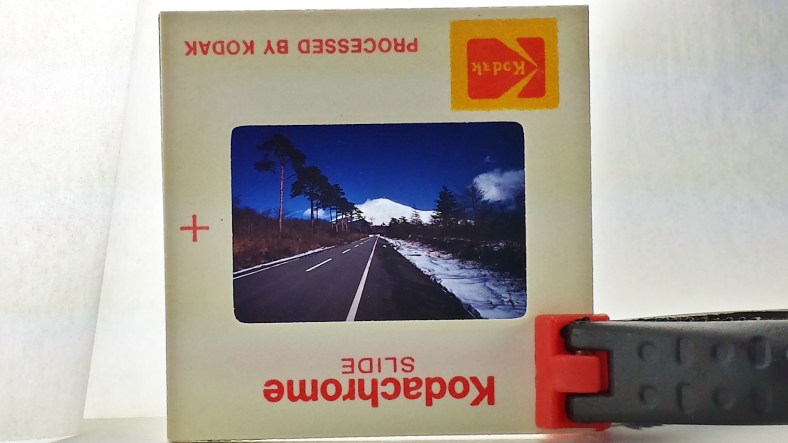
Our go to film while living in Yokohama. Kodachrome holds up well over the years when properly stored.

20276212990_2736a4e36b_o

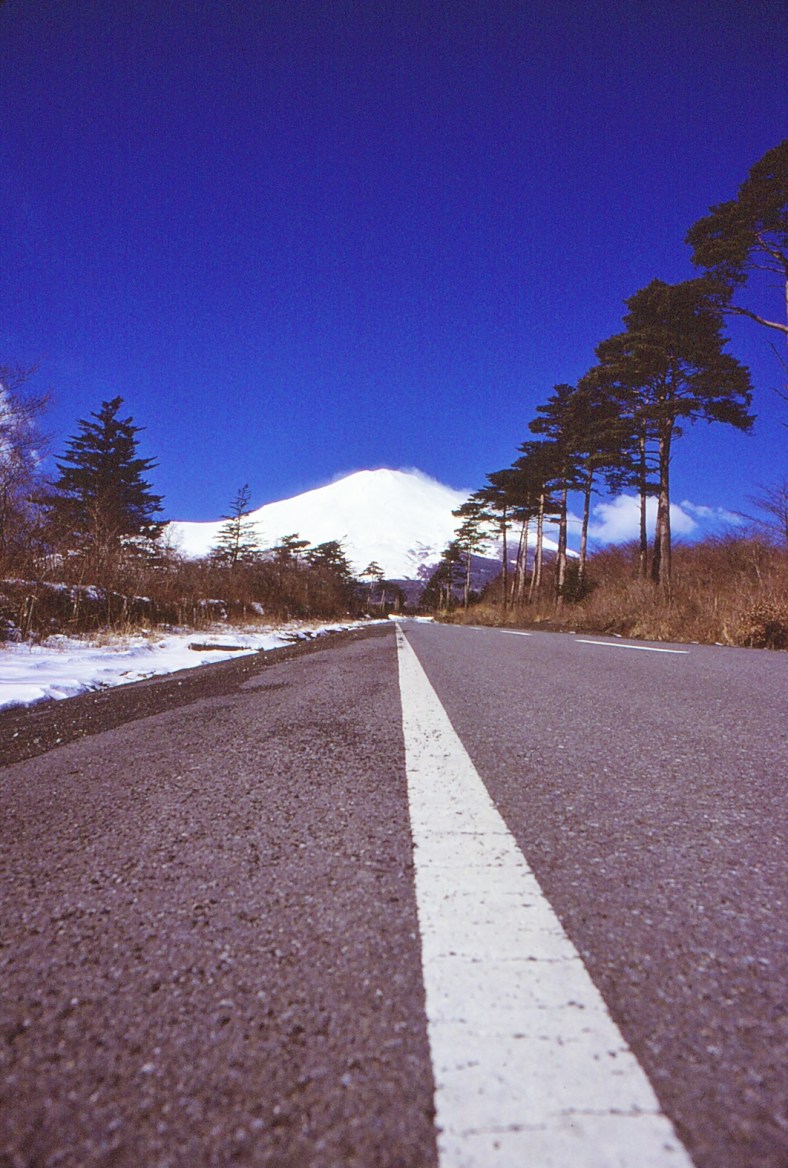
Freezing cold and crystal clear winter day near the base of Fuji.

20871720378_16259f74f2_o

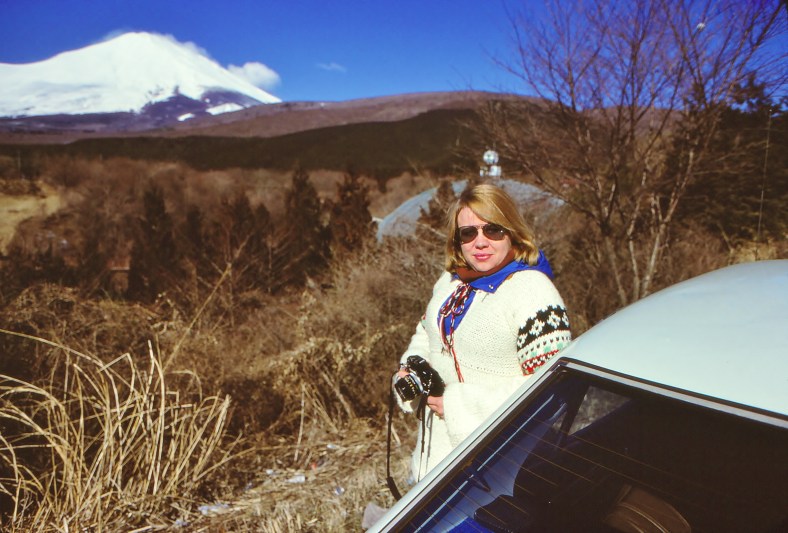
Carol enjoying the view and freezing to death while doing so.

21099335125_68b715a325_o

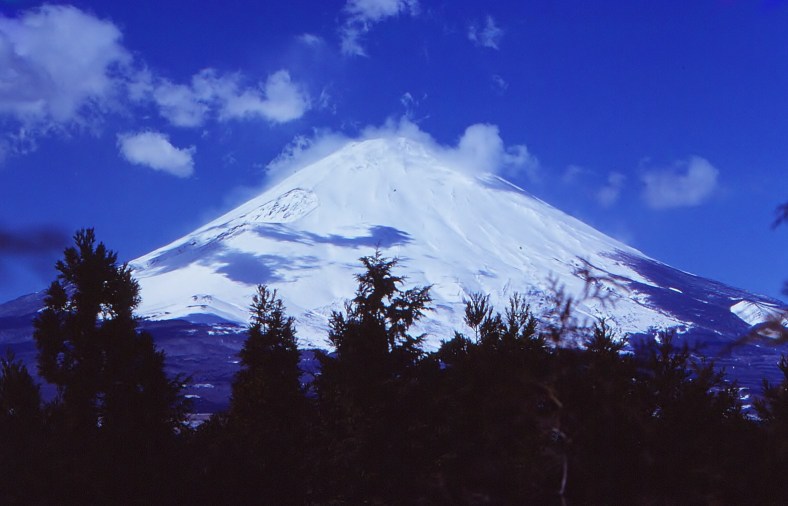
Canon F-1 with FD 80-200mm zoom lens at 200mm.

19843407743_1556d0393b_o

Road trip to Fuji-san.

22187107398_cb66f3b543_o

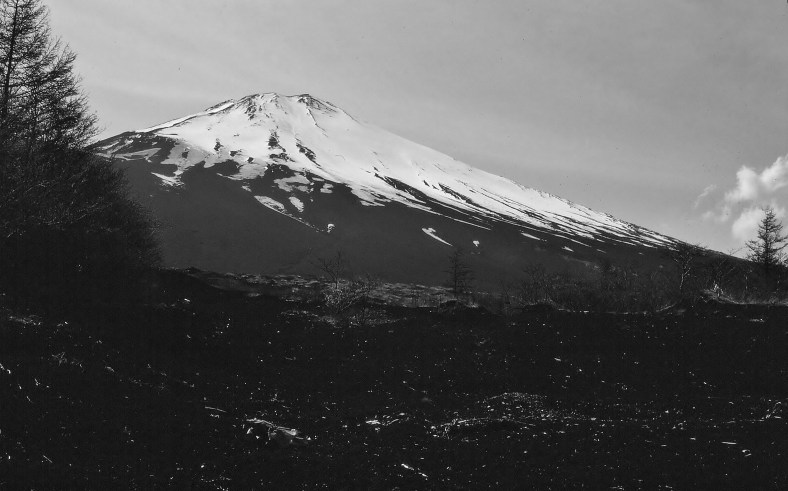
A reminder that Fuji is an active volcano.

20332521893_503831b178_o

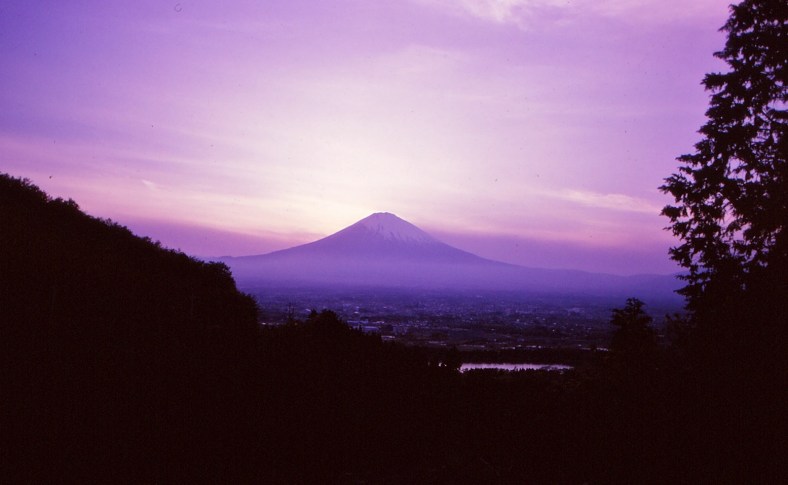
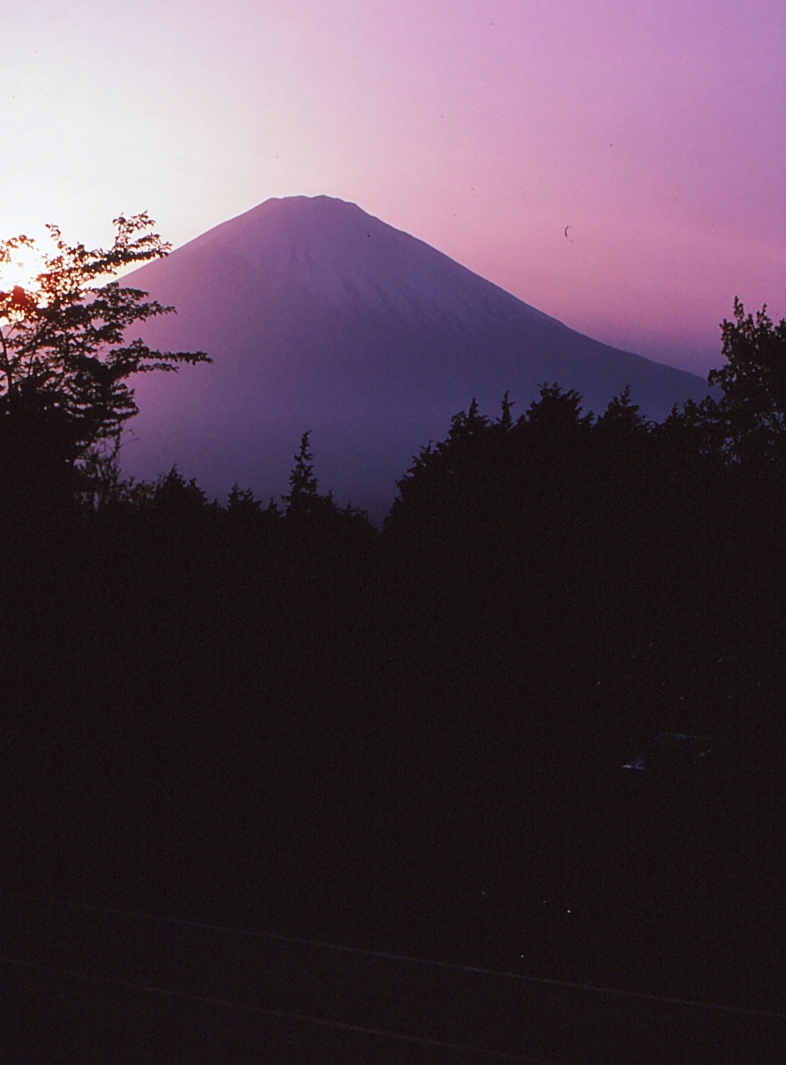
Fuji sunset as seen from the hill behind our home in Yokohama.

We never had the chance to climb Fuji while we were there. The constant deployments of my Navy ship kept me on an unpredictable schedule and made it impossible to find the time during the climbing months. Maybe we will have a chance – we are always hopeful.

Many thanks for your visit.

Chris and Carol

People Pics… Japan 1977-1980

These images were mostly taken in and around Yokohama and Tokyo with my Canon F-1 (1978 version). I used Kodak Kodachrome 25 and on occasion some Kodak Ektachrome 64 (I believe). They are in no particular order and will jump around quite a bit in both year taken and location. Enjoy!

19622600953_7c604f3f01_o

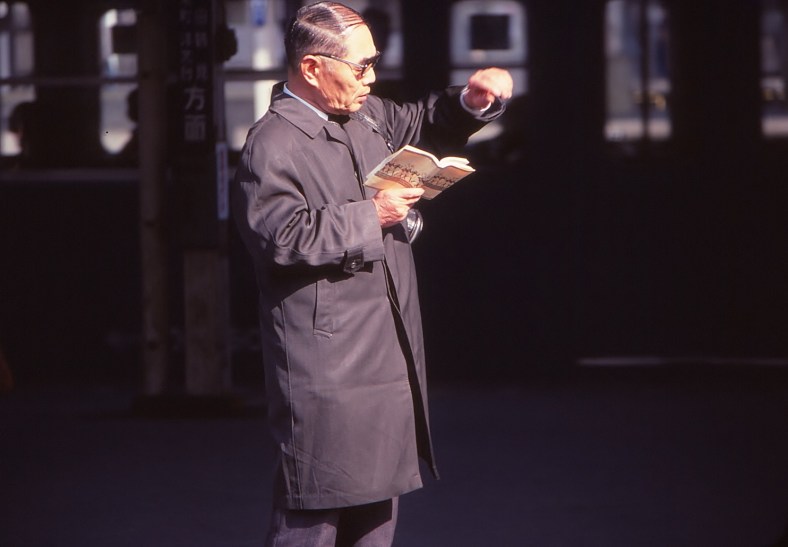
Early morning commuter at the Yokohama train station.

20054270478_7b4a93f161_o

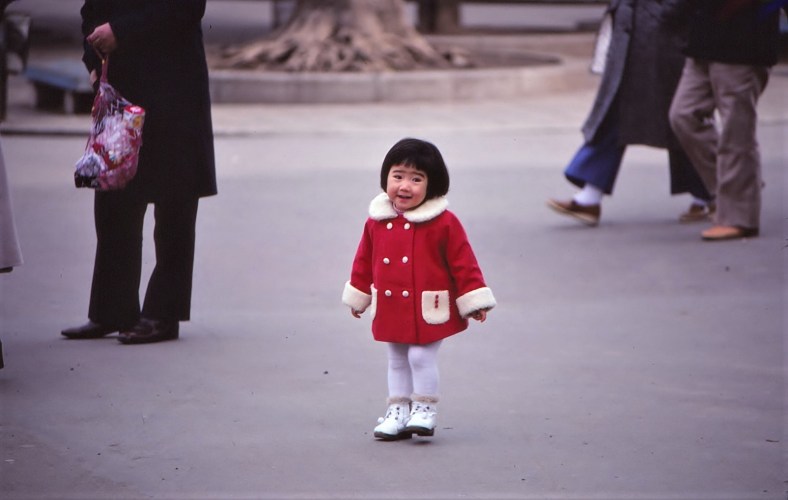
Cute little spot of color at Ueno Zoo Tokyo.

20055564078_ac345d08de_o

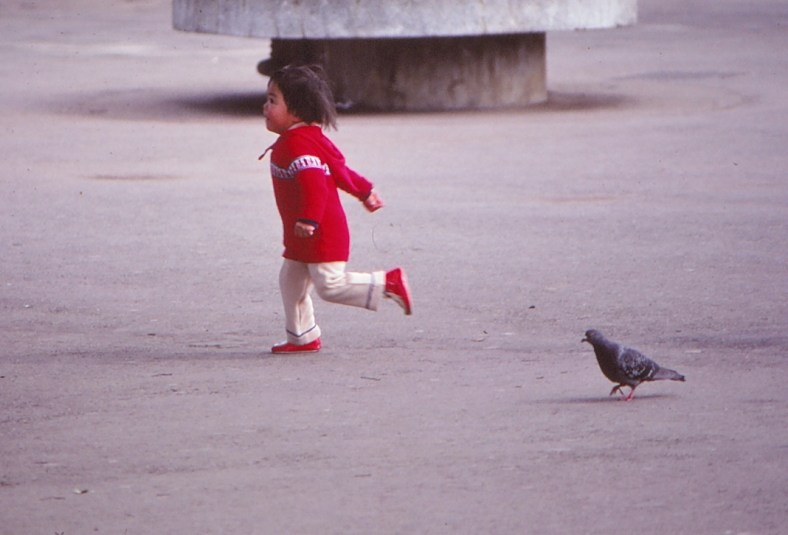
Pigeon racing –  Ueno Zoo Tokyo.

20256520930_b6efccc36a_o

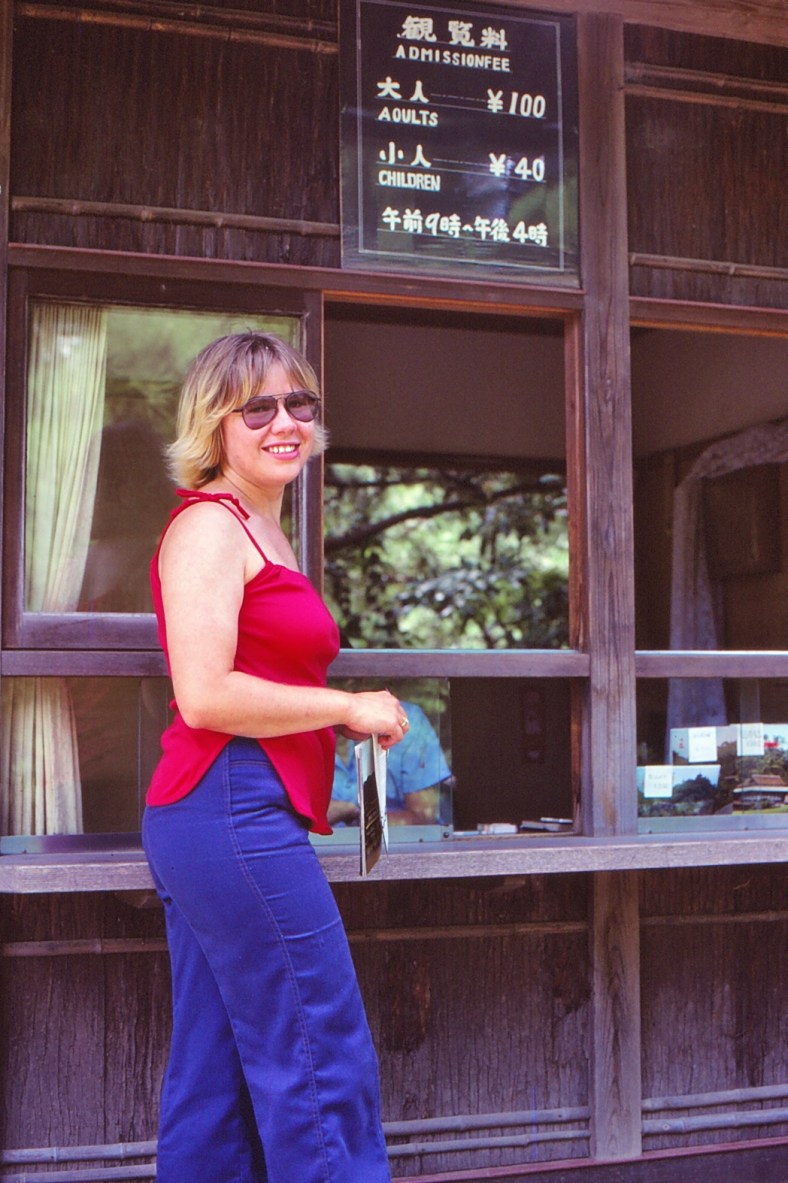
In keeping with red clothing as the central theme, my lovely wife Carol at Sankei-en (Gardens) in Naka-ku Yokohama. The admission was about .45 cents US for an adult which made visiting Sankei-en a regular past time for us.

20285035960_468cfc052f_o

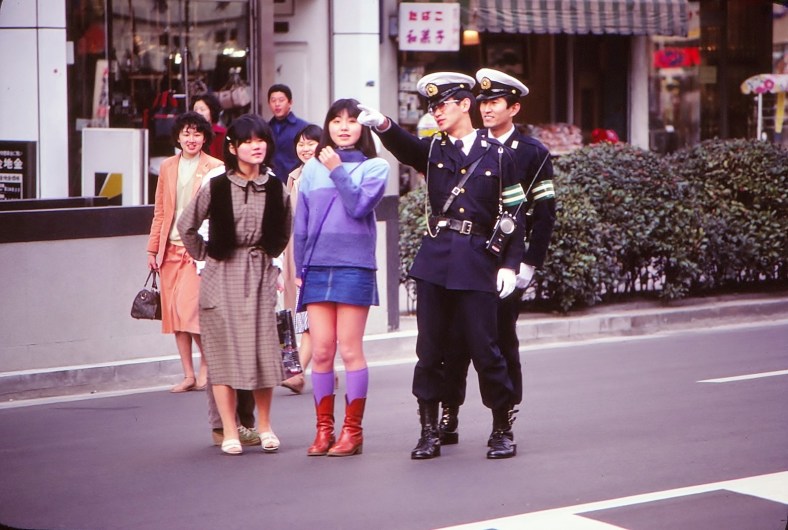
Motomachi shopping street Yokohama, Kanagawa Prefecture. A favorite spot for shopping. As always, the local police assisting lost citizens.

20464405042_dc5087757e_o

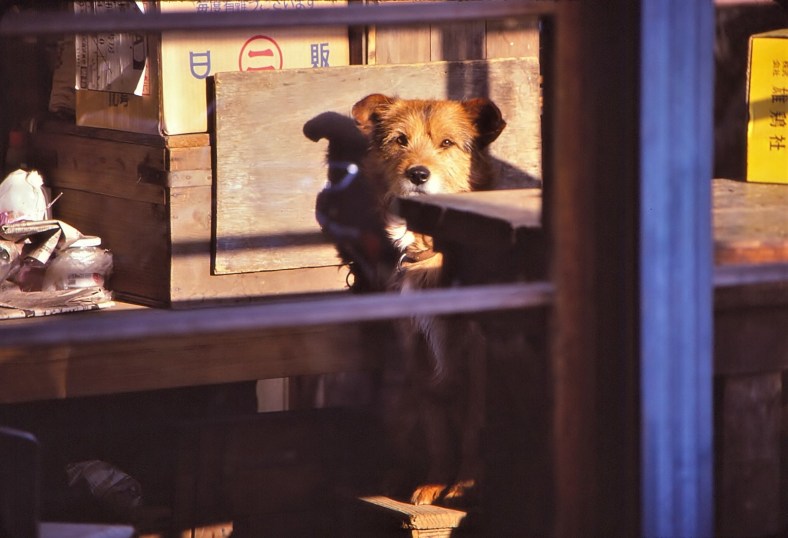
“You watchin’ me… I’m watchin’ YOU”! Watchful shop dog in Honmoku, Naka-ku.

20468564946_f92730e803_o

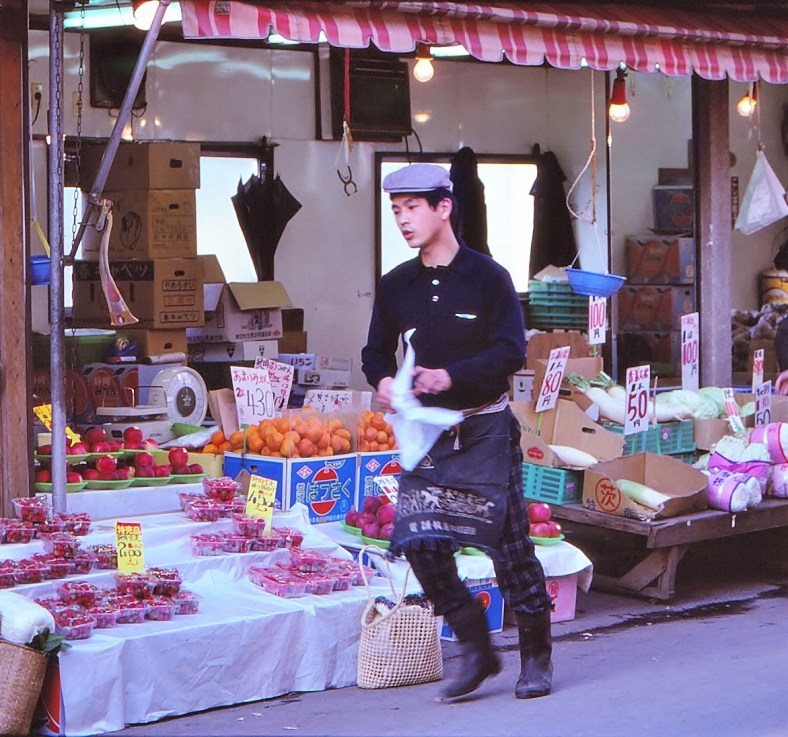
Fast service at a local shopping “street”. A very small back street in Sugita just down the street from the then JNR station. Yokohama, Isogo Ward (Isogo-ku).

20486007322_4f28995e7d_o

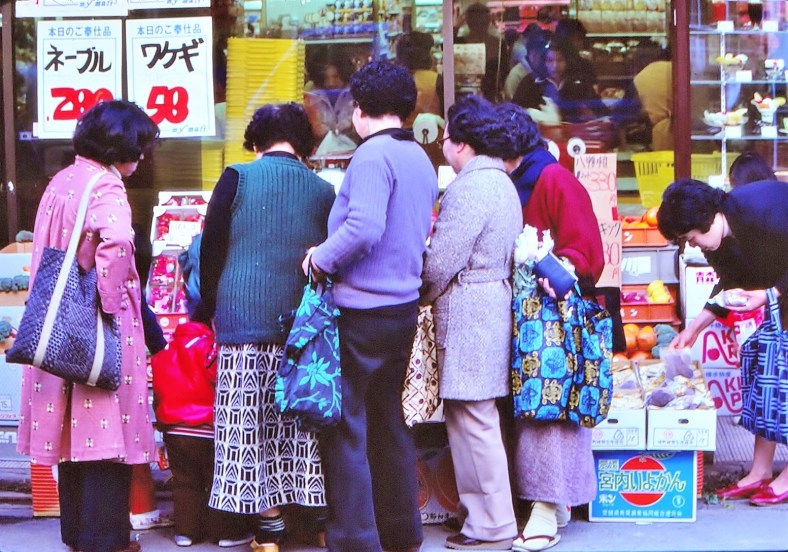
Daily shopping along the street in Sugita.

20507012001_af01ae12ab_o

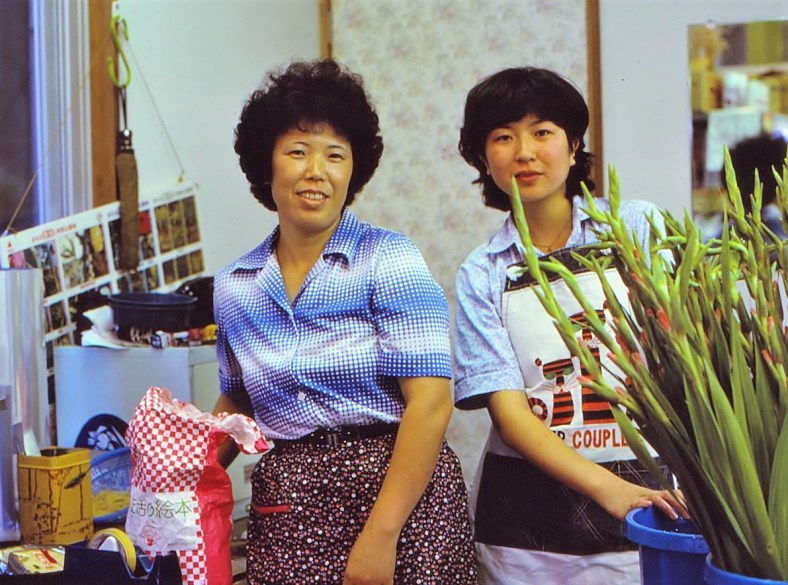
Lovely flower shop ladies in Honmoku (where we lived in Yokohama).

21723680721_8a4b3d184e_o

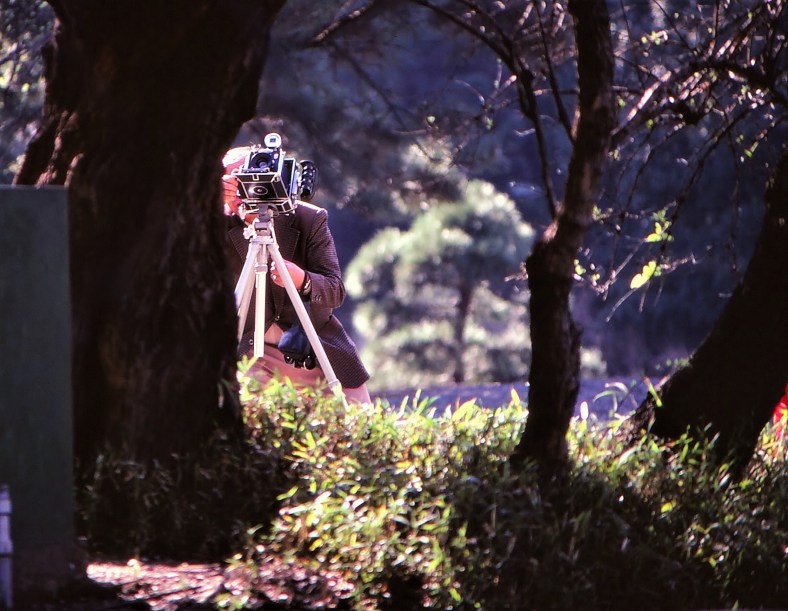
At Sankei-en in Honmoku. Fussing with his gear to capture the perfect sakura picture.

21530065969_eae53760ce_o

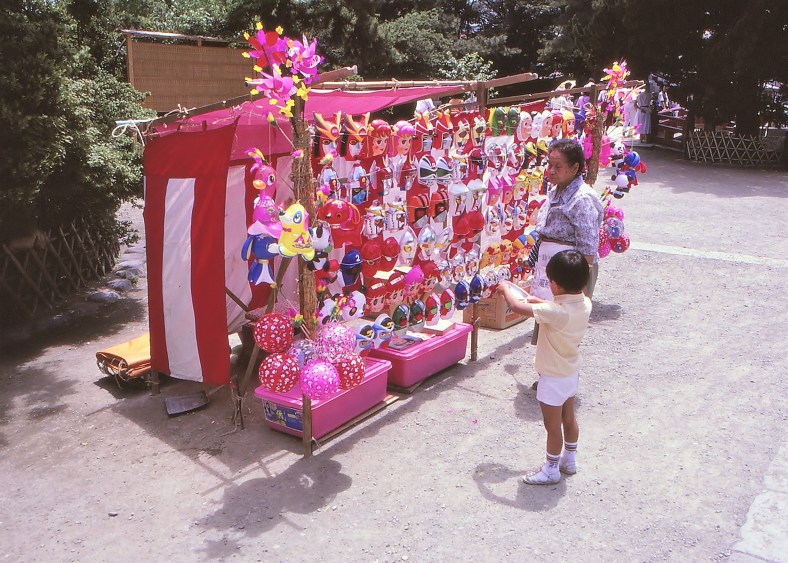
Young customer meets experienced toy vendor. I believe at Ueno Zoo Tokyo.

24286093052_fa76f184c5_o

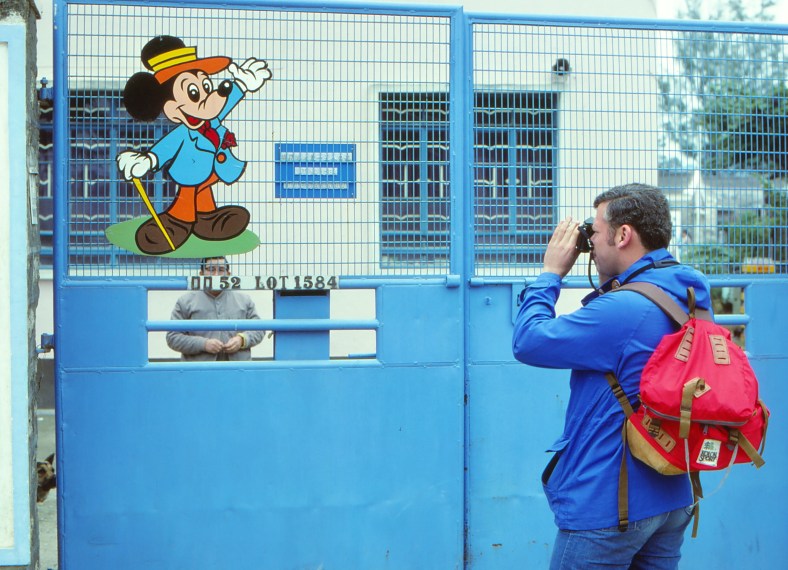
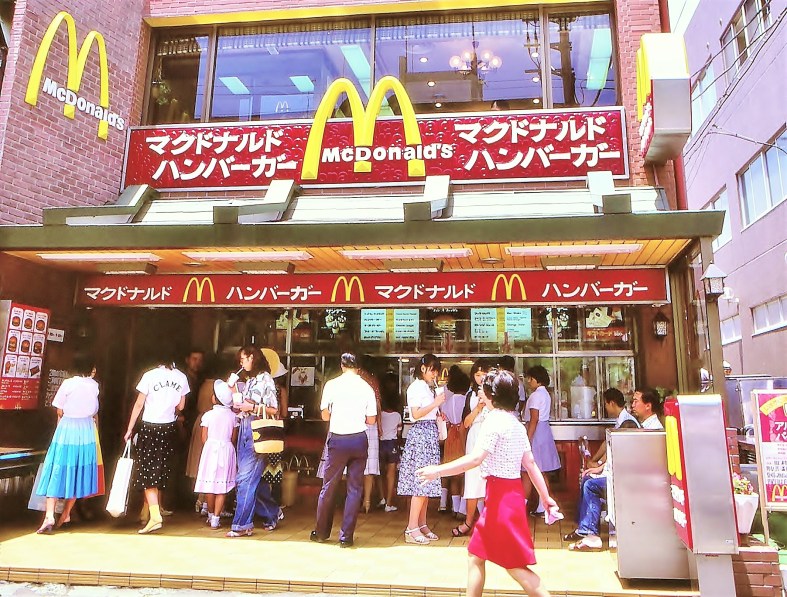
Yep, Mickey D’s in Yokohama.

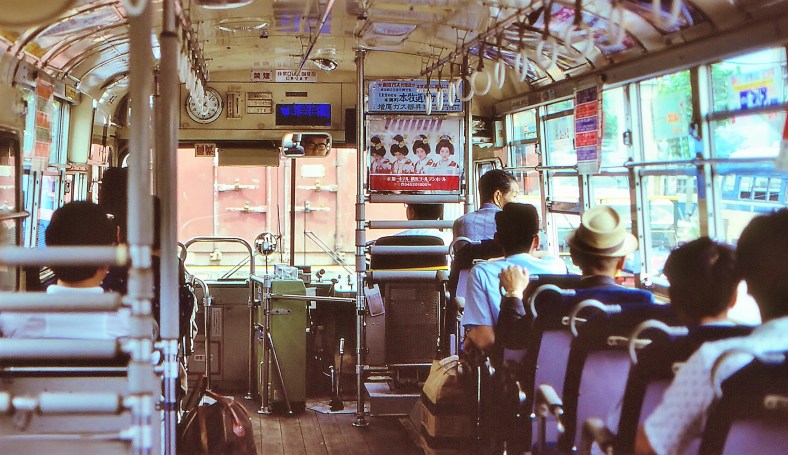
21035848375_4fa13d6423_o

Number 8 bus in Yokohama. The driver keeps his eye on me.

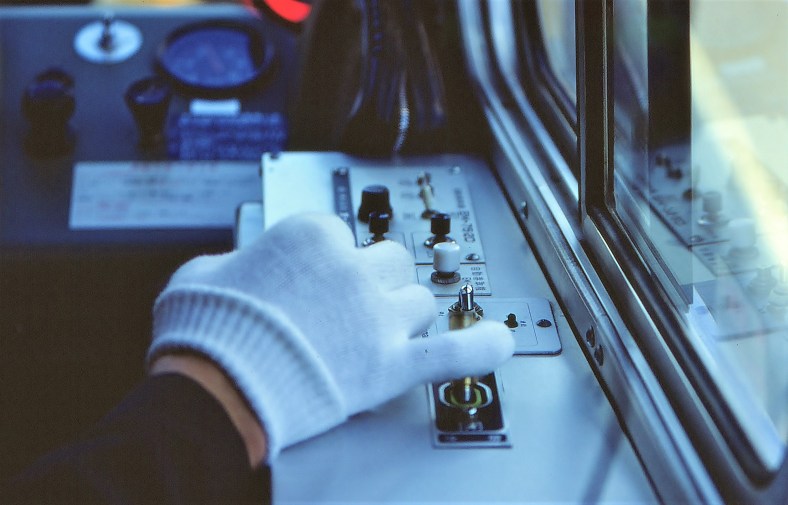
20925761999_57044d4ac0_o

Iconic view in Japan. A professional bus driver and his clean white gloves.

20440479143_e1e31b7c68_o

On the road to Mt. Fuji. Taken by Carol with her Canon AE-1.

As always we thank you for your visit. We enjoy sharing some of our images from when we lived in Japan in the late 1970s.

Chris and Carol… and BTW, Merry Christmas!!! ^.^

Pisa… 1986

Pisa… a gorgeous city filled with unbelievable wonders. Photographic eye candy to be sure. In 1986, shooting with a Canon F-1 and Canon lenses on Kodachrome 25 was as close to “perfect” in 35mm photography as one could hope to achieve (sorry Nikon guys and gals). In appreciation of the all the imperfections and limits of film photography (just like vinyl records), analog photography still moves me. Sure I love digital – some images with digital were impossible with film (or nearly so), but film has a softness of color and detail that I love.

These images were taken in mid October 1986. They’ve received only minor post production after scanning – mostly small crops to remove the edges of the 35mm slide mounts and some occasional color balancing and brightness tweaks. Film used was Kodak’s Kodachrome 25 (perfect for bright lighting and known for its fine grain).

My Canon F-1 (1978 version) and three FD lenses were all that I had in my bag: 24mm f/2.8 wide angle, 80-200mm f/4 zoom and the 55mm f/1.4. The weather was perfect – bright sunshine, low humidity with mild temperatures. Visibility was amazing as a recent cold front had passed through the area and cleared the air of haze and pollutants.

img_20161218_0007_new

24mm taken on the south side of the tower.

img_20161218_0011

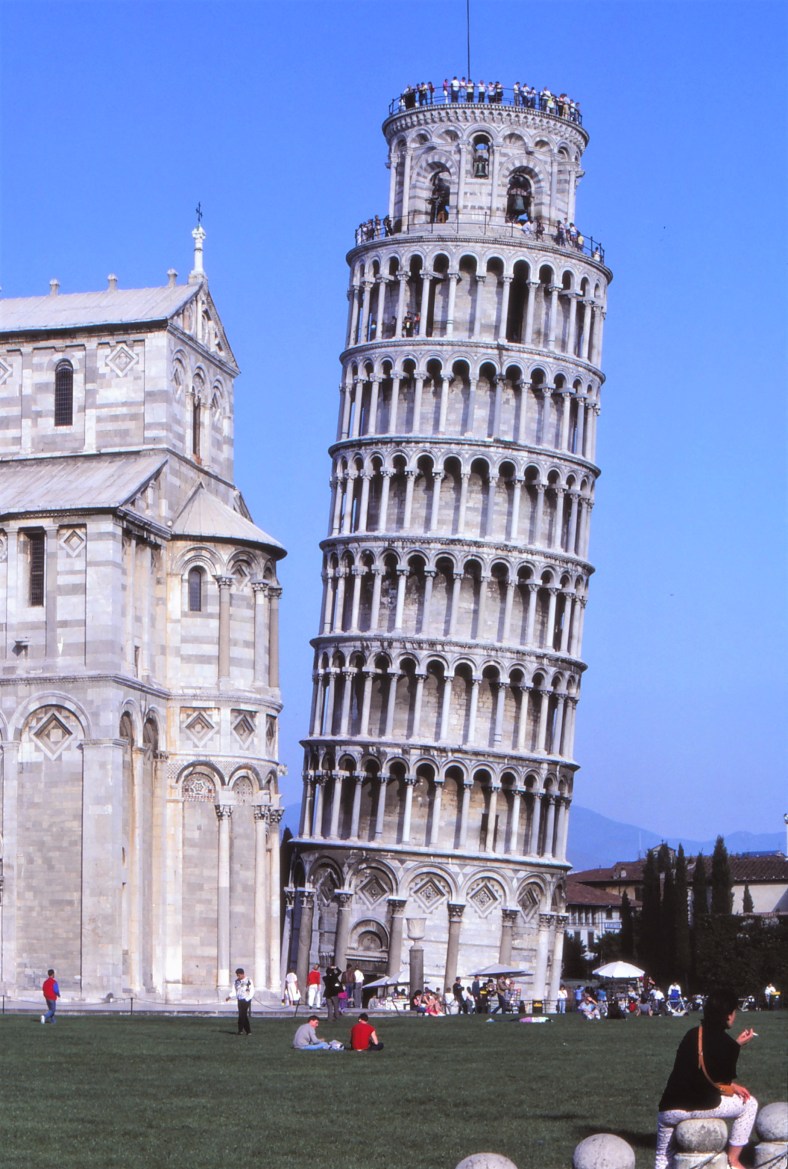
80-200mm zoom. Until you see the tower in person you have no sense of the dramatic lean. Just amazing that it’s stood since 1327 like this.

img_20161218_0013

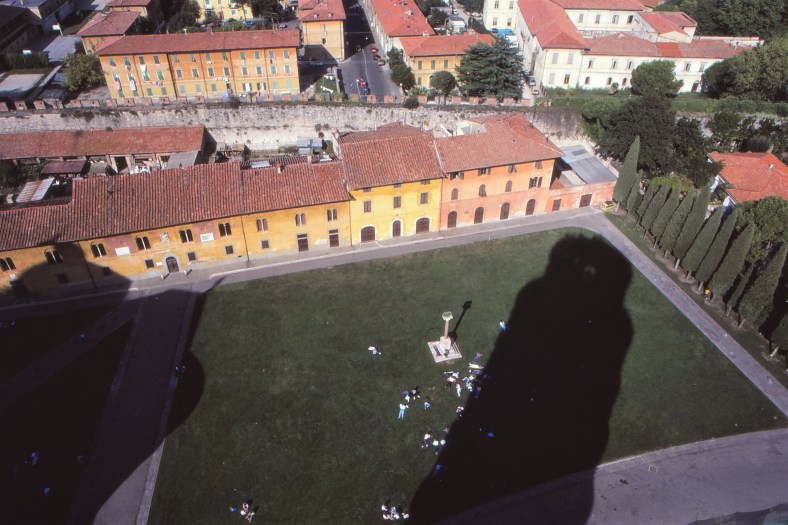
The tower as a sundial. 80-200mm zoom

img_20161218_0020

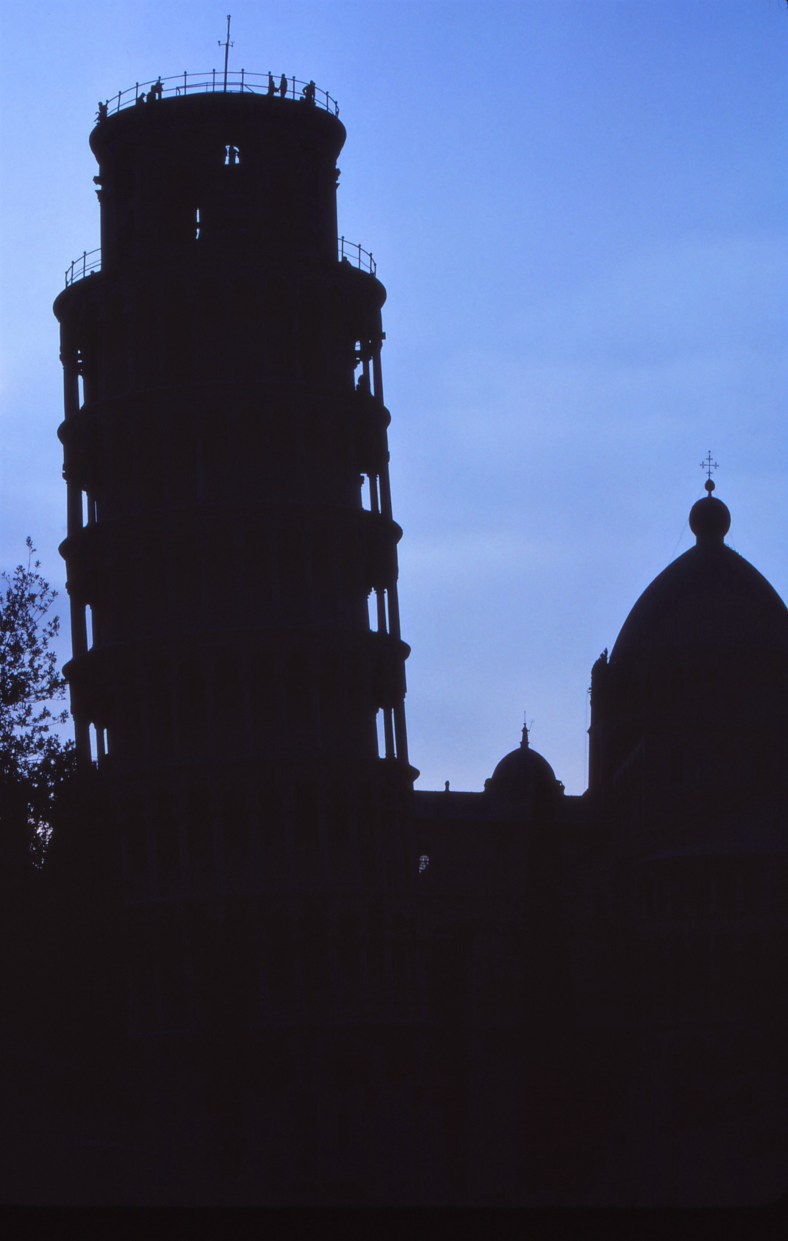
In silhouette. 80-200mm zoom hand held.

img_20161218_0019

Holding the tower upright. 200mm

img_20161218_0017_new

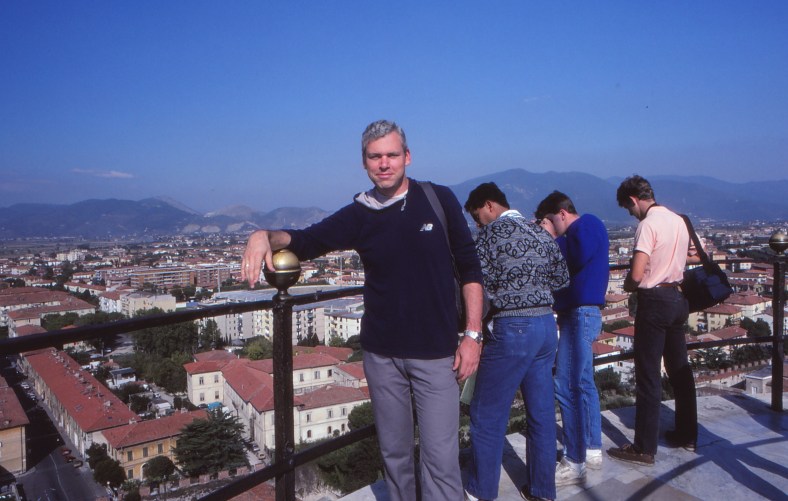
Enjoying the view to the north.

img_20161218_0008

Pisa cathedral. 24mm

img_20161218_0023

Gelato and soda. 80-200mm zoom at 150mm

img_20161218_0026

Art in the streets. 55mm

An amazing city worthy of your visit.

Chris

Montauk Point Lighthouse, Long Island

The lighthouse at Montauk Point, Long Island, New York is one of my favorite spots to visit ever since I was a child growing up on Long Island. As a kid, the main attractions for me were – the ocean, the countless rocks in that ocean (big and small), the hills (Long Islanders are hill challenged) and finally the lighthouse itself. As I got older, the main attraction was the lighthouse with the other ‘likes’ fading into the background. When I earned my New York driver’s licence, Montauk was my first long drive from my home by myself. When I became a certified SCUBA diver, the waters near the lighthouse looked tempting for a dive but the great whites known to frequent the cold waters off Eastern Long Island kept me ashore – so I headed to Florida instead.

While going through some of my many mountains of slides from my collection, I came across these images of the lighthouse. The first set of photographs are from August 1972 and were shot with my Yashica TL Electro-X mostly using the normal Yashinon 50mm lens. The second set of images are from 2002 when I traveled to New York with my family for their first visit to Montauk. The 1972 images show how completely the original Kodak Ektachrome slides have degraded over the years.

img_20161217_0001

August 1972. Yashica TL Electro-X with f/ 1.7 50mm Yashinon lens with 2x teleconverter on Ektachrome 64.

img_20161217_0002

August 1972. The lighthouse in need of a serious restoration. I believe it was still under the control of the U.S. Coast Guard at that time. It’s obvious that 40+ year old Kodak Ektachrome didn’t hold up well – even when stored properly. Most of the vivid original colors have faded and the slide lacks depth.

img_20161216_0028

July 2002. The lighthouse and grounds were looking much better after the restoration. Canon F-1 with FD24mm f/ 2.8 lens on Kodachrome. My son is the little one climbing up the hill (as I had done hundreds of times before).

img_20161216_0030

July 2002. Canon F-1 with FD24mm f/ 2.8 lens on Kodachrome.

img_20161216_0036

T.J. on the rocks… just like me in the 1950s.

img_20161216_0033

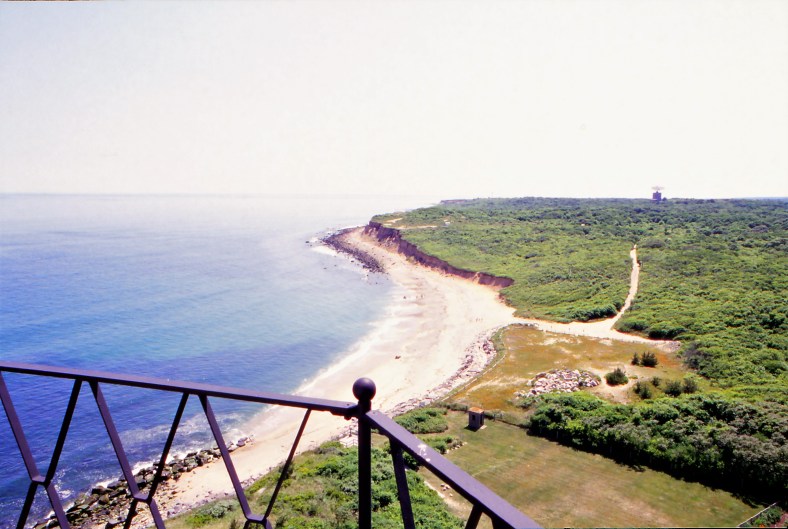
The automated light of 2002. Wonderful view from up top too.

img_20161216_0023

Captivating views from up top.

img_20161216_0037_new

Gotta love the rocks!

If you ever get a chance to travel to Long Island, then the Montauk Point Lighthouse must be on your “to visit list”. It’s very photogenic and lends itself well to the digital age. There are images that a good camera phone today can capture that were a serious challenge to film photographers just 15 years ago. Happy shooting!

Chris
 

Kamakura Daibutsu

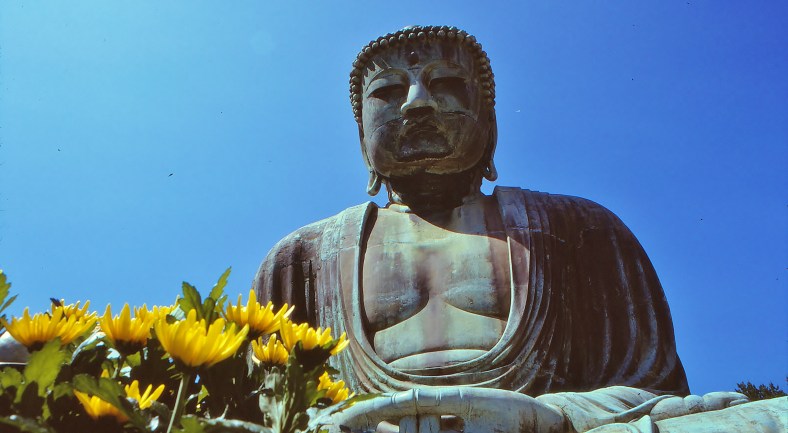
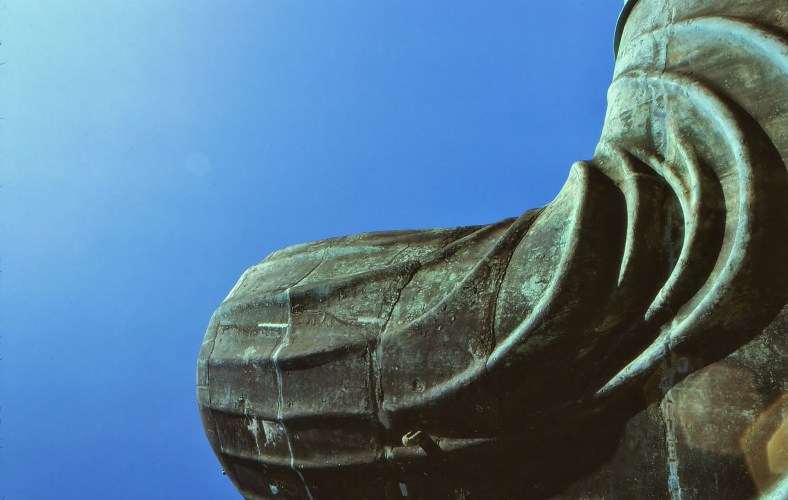
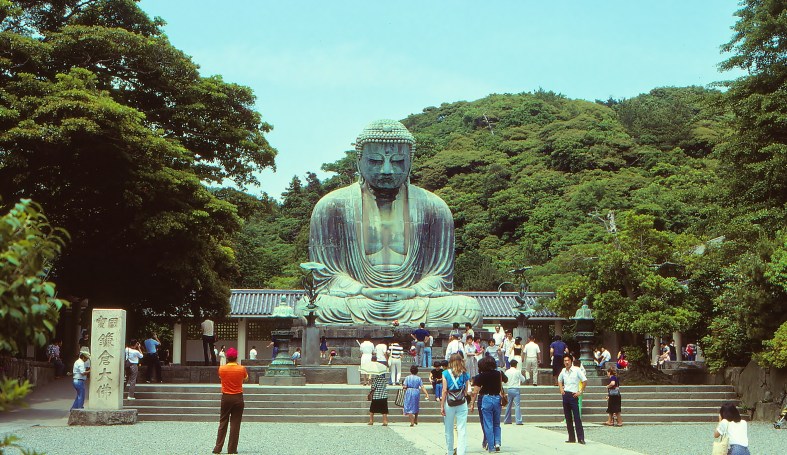
My wife and I lived in Yokohama, Naka-ku (Honmoku) from the Summer of 1977 to early Spring of 1980. We totally enjoyed our time in this wonderful country and are hopeful we will be able to return again. We had our favorite spots – Sankei-en and Kamakura being two of our most favorite. As with any well known attraction, the Great Buddha at Kamakura has been photographed from every angle imaginable. I’ve always enjoyed exploring angles that may not have been tried before.

19987739784_b6b238428b_o

July 1979. Canon F-1 with FD 24mm lens on Kodachrome 25.

21915088979_a912894e1a_o

Kodachrome 25. Bright sun. Canon F-1 with FD 24mm lens. It’s what film photography was (is) all about.

20847829440_15c046a3df_o

More traditional view of the Great Buddha. Steaming hot July day on the Kanto Plain. Yashica TL Electro-X on Kodachrome 64.

21478741664_f6ef540008_o

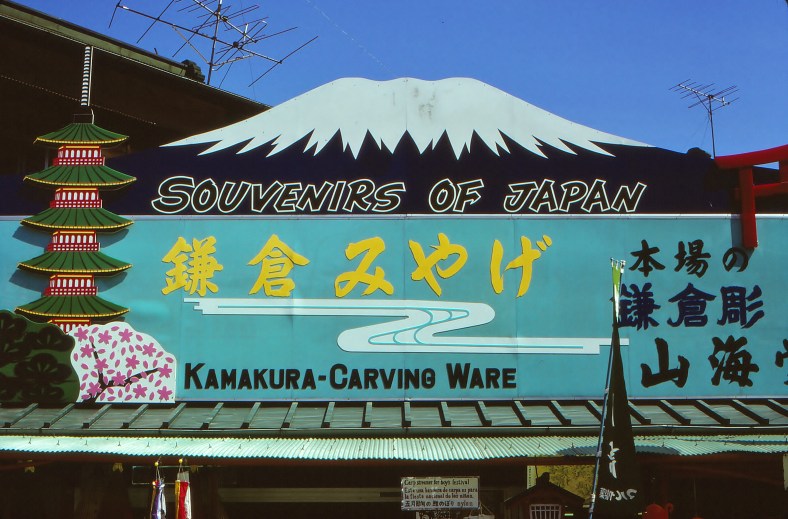
Gotta have a tourist shot! We love the antennas on top of Mt. Fuji!

So many things will have changed in Japan since we were last there but they’ll be plenty that will stay the same… forever. Kamakura is one of them.

Thanks for the visit!

Shooting in squares…

It’s tough to think square again! I’m spoiled (aren’t we all) by the ease of digital photography – nice proportions – wide screen – big images – bold colors – lots of megapixels. Exposures? Shutter speeds? Composition? No worries – the technological gems we hang from our necks will think for us. I’m as guilty as anyone – I love what digital can do and what it can’t.

Now try to think of the world in little squares – 6 x 6 centimeter squares to be exact. It’s hard to do – modern formats are always elongated squares. Who loads square images on their blog? The square format went out with the Instamatic! But if you’re lucky enough to own (or have access to) a medium format (6×6) camera then you too can shoot in squares.

I recently took one of my Yashica TLRs out on a date – threw in some fresh Fujifilm and off I went. I must confess – I love color! Sure I like an occasional fling with some black and white (Neopan 100 Acros) but color gets me going. Not “computer generated color” – the subtle color you see only on film. It’s there (just like in real life) but it doesn’t tackle you to the ground like some overly saturated digital image. Just nice and easy color.

These following images were taken with my Yashica-Mat EM twin-lens reflex (TLR) camera. Exposures were determined (suggested actually) by the EM’s on board exposure meter. Yashica claims that it’s built-in but it’s really just attached to the left side of the body by three screws and a wire. No TTL or coupled metering here… just a bunch of tiny numbers on top of more tiny numbers with an almost invisible pointer pointing at those tiny numbers. I chose Fujifilm’s Fujicolor PRO 400H color negative film because I enjoy shooting with Fujifilm and usually like the results. I will point out that no post production was done on these images. No cropping, no color adjustments – they’re just as they were when developed and scanned by the lab (which was The Darkroom).

53580001

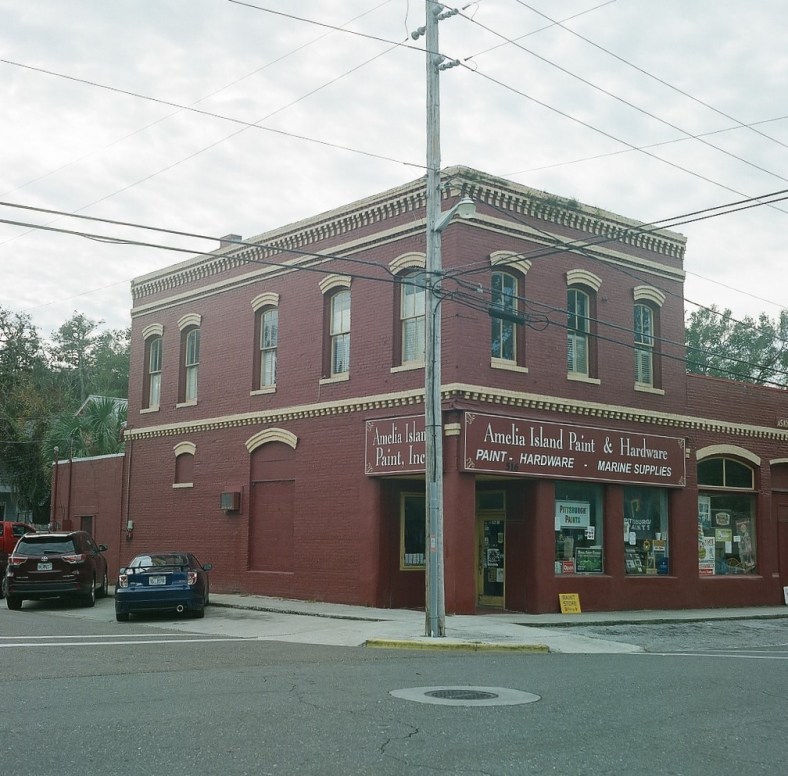
This is actually image 12 on the roll. Taken on day 2 of my travels. Perfect small town America shot. I lost my bright sun from the day before but the Fujicolor 400 made up for the dull sky. Is it properly exposed? Probably not. Off by about 1 stop or so.

53580006

Day 1 – image 7 on the roll. The Fujicolor handled the strong contrast between the sky and building. The Yashica’s meter did a fantastic job. About 1/500 at f/ 16-22.

53580008

Faded Florida – along U.S. Highway 17 in North Florida. High contrast with strong shadows. f/ 16 at 1/500.

53580012

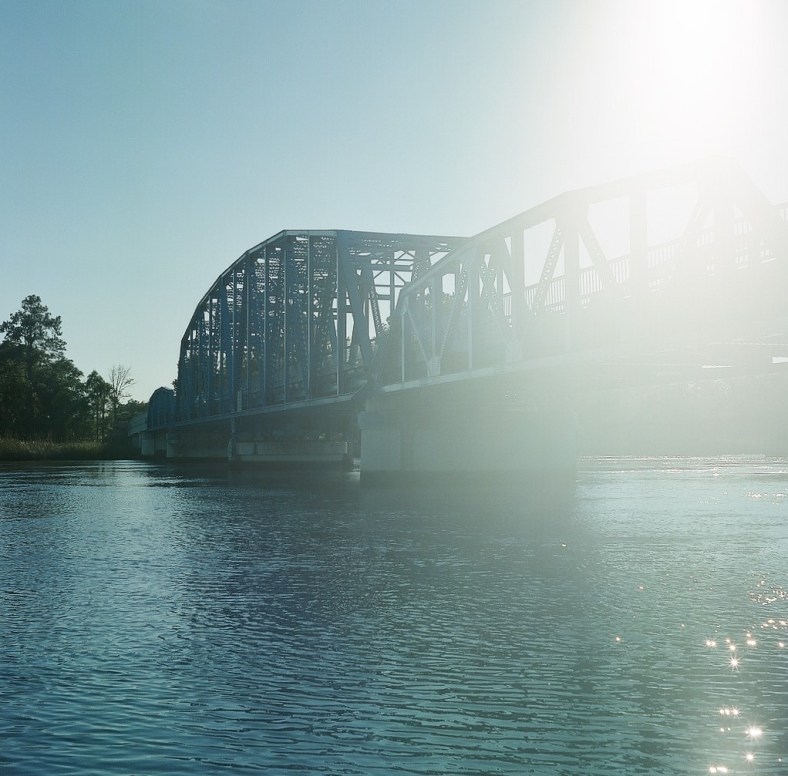
A nice test for the Tomioka 80mm lens. No flare and some nice highlights on the water. 1/250 at around f/ 11-16. I metered to the left of the bridge. Looking south into Florida from Georgia. Highway 17 bridge over the St. Marys River.

53580009

Looking north towards Georgia. The Yashica’s meter did a wonderful job suggesting the proper shutter speed and aperture setting. 1/250 at f/ 16.

Shooting in squares can be fun and challenging. Do I think some of the images would be better in a 6 x 4.5 or 6 x 7 format? Yes – definitely. Can I learn to enjoy squares again? Yes – definitely.

Comments are always appreciated and welcomed. Thanks for your visit!

Chris


Pentamatic bling!

A little eye candy for all the Pentamaniacs* out there!

20150107_084533

Some original Pentamatic packaging items. Yashica kept a theme of the pentaprism design on the presentation box and the instruction booklet.

20150107_090633

The red box on the right is the outer or shipping box. Once again Yashica kept the pentaprism design going.

20150108_150847

More Pentamatic toys.

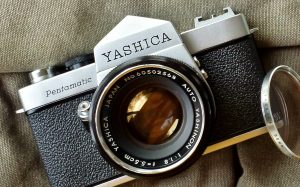
If you’re looking to collect a really interesting camera (that’s also a joy to use), then give the humble Pentamatic a try. First available for sale by late Spring 1960… never sold in large quantities so it’s a bit of a challenge to find. The viewfinder is bright and appears very large (no needles or other stuff in the way), and the normal 5.5cm lens is big and bright – easy to focus too.

*Many thanks to a reader for the suggestion of ‘pentamaniacs’. ^.^

Thanks for your visit. Questions and comments are always appreciated.

Chris
A beautiful sight…

Nothing like a fresh roll of film in your camera. The possibilities are endless – the results, well I’ll have to wait a week for those. Could be the reason digital became so popular so quickly. Could be why people still load cameras with instant film.

dscf3067

Some Fujicolor Pro 400H color negative film.

It’s a beautiful sight…

Thanks for your visit! Now load up some film!

dscf3068

Yashica-Mat EM… on assignment… update 12.9.2016

This month’s assignment (actually from September) is to load some Fujifilm into our Yashica-Mat EM and enjoy the benefits that only medium format film photography can fulfill.

Oh the joys of composing 6 x 6 cm images through a pop-up viewing hood in bright sunlight. What I do find nice is that the focusing dial is on the camera’s left side… a natural place for it to me. The EM has a built-in exposure meter and a ‘computer’, slide rule actually, to adjust the aperture and shutter speeds which you then set by using the two thumb wheels. I’ve learned over the years to use the guess method of focusing – I’ve learned how to judge distances by eye and then I set the focus on the marked dial. If you’re shooting in bright light and use the smallest apertures then the dept of field will cover most inaccuracies in your focus guess. Saves time and frustration. This month the Yashica-Mat EM (this one is from 1964) I will be using is in perfect condition… all shutter speeds sound correct and the aperture blades behave as they should. The meter does not require batteries and I’m sure most of my bright and sunny shots will be f/ 11 and 16 and f/ 22 for the Fujifilm 400. Below is my favorite one camera-one day bag. It’s made from vintage washed canvas material and is super soft inside and out. I trust it not to scratch my cameras going in and out and once inside, they’re safely cushioned.

dscf3060

My day bag – one camera only. The bag is super soft vintage cotton canvas and has a cushioned liner to protect its precious cargo.

The bag is 100% cotton and made by ‘Rothco’. It was stitched in India which makes me feel a bit better about it. It was purchased at the National Navy UDT-SEAL Museum in Ft. Pierce, Florida which helps support this awesome museum. The desert toned U.S. Flag was also purchased there and was added to the bag by me. No worries when I travel with it. No matter what I wear, I’ll always look like an American. I mention this only because when I was a Sailor in the U.S. Navy (a long time ago) we were often told to not look American while travelling overseas – which is a hard thing to do when an aircraft carrier is in a foreign port and 5,000 Sailors were out on liberty.

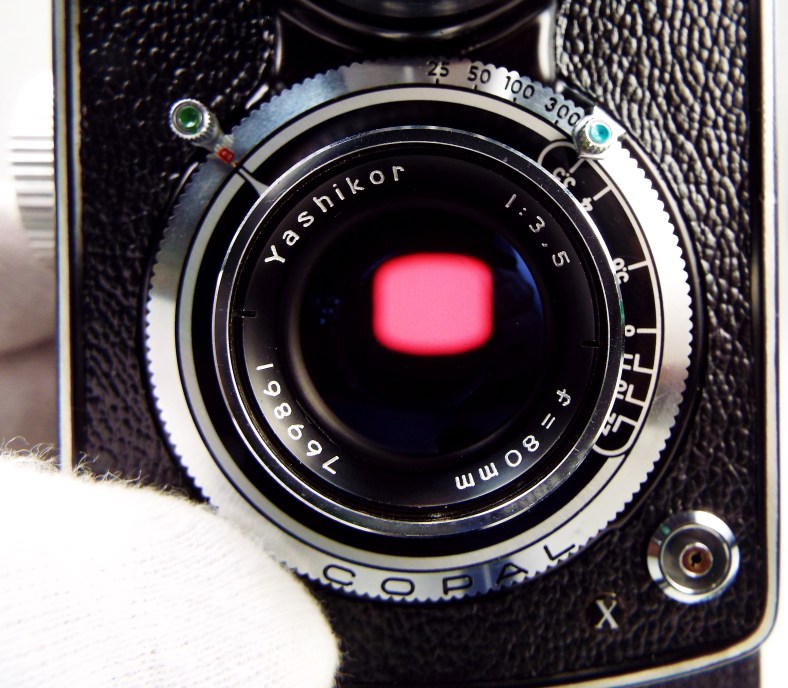
I plan on shooting two rolls of Fujifilm – gorgeous Neopan 100 Acros and a roll of PRO 400H color negative film. The Yashica has Tomioka Optical made Yashinon 80mm lenses with a fairly bright f/ 3.5 taking lens. The glass is crystal clear and always produces sharp details. The image is nice and bright on the focusing screen and the red grid marks help to keep things straight. I’ll tote along the lens hood just in case. No tripods needed but I may bring along my monopod.

We hope to post our images soon. Now that the fall weather has given us a brake from the oppressive heat and humidity of summer it will be fun to roam about our little town and the adjacent countryside.

dscf3067

Fresh roll of Fujicolor PRO 400H color negative film.

And some of the results…

53580012

Purposely pointed into the low angled sun – great way to test how the lens is going to look. The stars from the highlights on the water was a nice plus. Also a great test for the EM’s exposure meter. I metered off the water well left of the bridge. About 1/250 at f/ 11 maybe f/ 16.

53580006

The Fujicolor did well here. Big contrast in this image between the stark beige of the building and the deep blue sky. Shot at 1/500 around f/ 16-22. No post production of this image. As framed in the focusing hood on the EM.

53580001

Dat two of the photoshoot. I lost the bright sunshine and the sky turned rather blah. Small town America at its best. 1/250 at f/ 11-16. No post production. As developed.

The EM performed beautifully – the built-in exposure meter was spot on and the shutter was accurate. These images were focused at infinity so no real chance to test the accuracy of mid-range focusing. Another time.

Thanks for your visit!

Chris & Carol
Yashica 44… a ladies camera?
Any doubts that Yashima-Yashica was marketing to women for their new smaller 4×4 cm twin-lens reflex camera are erased once you see the cover to the sales flyer.

img_20161129_0026

In a male dominated society, Yashima-Yashica needed to leave no doubts as to who these new smaller and lighter cameras were for.

Normally sales flyers and brochures in the late 1950s were geared to and appealed to the male buyer. In all fairness, it was likely that’s who took most of the photographs during that period. Yashima-Yashica’s direct pitch to Japanese women was an attempt to tap the vast market of female buyers.

img_20161129_0027

As we understand it, the 44 model came in at least 7 or 8 colors!

Even though the front of the flyer was simple and left no doubt as to who the buyer would be – the reverse of the flyer was still detailed and quite technical. It’s possible that the camera was designed for the wife to use for taking pictures of the children (while the husband was off at work all day) but still detailed enough for the husband to feel comfortable purchasing. Just our take on things.

Thanks again for your visit – as always we appreciate any and all comments. In the interest of fair play, we ask that you do not copy the images and include them in your blog or post without asking for permission – thanks! ^.^