Pigeon 35 by Shinano Camera Co., Ltd.

Why show a 35mm viewfinder camera on a blog about the Yashica Pentamatic? Well, Shinano and Yashima-Yashica share a common history. The first camera that carried the Yashima name was the Pigeonflex… a twin-lens reflex (TLR) camera!

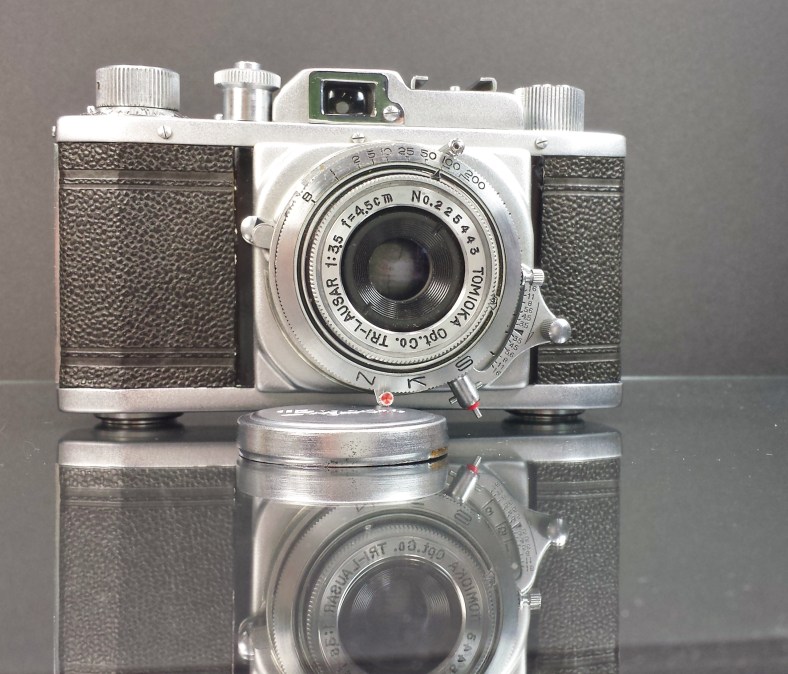
Anyway here’s a nice example of a gorgeous 35 mm viewfinder camera that we acquired recently. The lens is made by Tomioka… a sharp (we hope) Tri-Lausar f/ 3.5 4.5 cm lens. NKS shutter B – 1/200.

It’s a nice heavyweight camera that has a good feel to it. In our opinion, it’s far from being a cheaply built camera as some would say. In fact, it still functions as intended after 6 decades of use. Most leather cases would be a complete mess after this amount of time but the leather is nice and the stitching is intact.


20160801_183736

1952 Pigeon 35 by Shinano.

20160801_183800

Nice view of the Tomioka lens.

20160801_184255

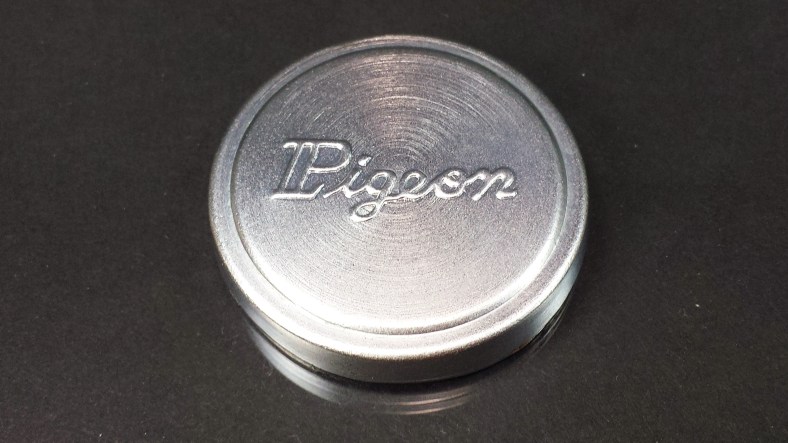
Beautiful logo on this metal cap.

20160801_184349

Classic style. The top plate of the Pigeon 35.

DSCF1574

After 6 decades of use, the case has held up nicely.

DSCF1581

Interesting bottom plate

More to come! By the way, everything works just fine! Can’t wait to run a roll of film through it. Images of the leather case to follow too!

Thanks for stopping by! – Chris

My camera shop is always open at http://www.ccstudio2380.com


Tomioka Beauty…

tomioka 1.2 japan 7-25-2016

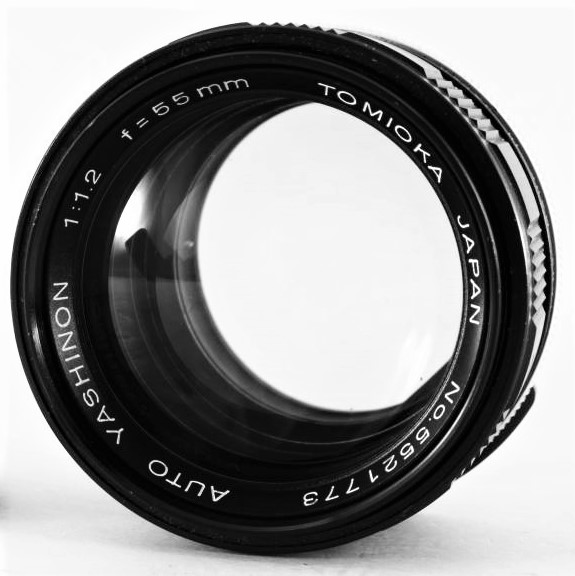
Tomioka Beauty… rather rare lens in this apparently near mint condition. If we understand the serial numbering system… the ‘552’ is the model number if you will (for lack of a better term). The 55 = 55 mm and the ‘2’ is the maximum aperture of 1.2. The next numbers are the production sequence numbers… 1,773 rd made.

So there you have it! One of the best of the original super fast 55 mm lenses for the M42 mount.

Have a great Yashica Day!

Totally Off Track… フジペット

Occasionally we can get off track here on the ‘Fanatic’… well more often than not. Here’s a quick post about a rather rare camera on this side of the world.

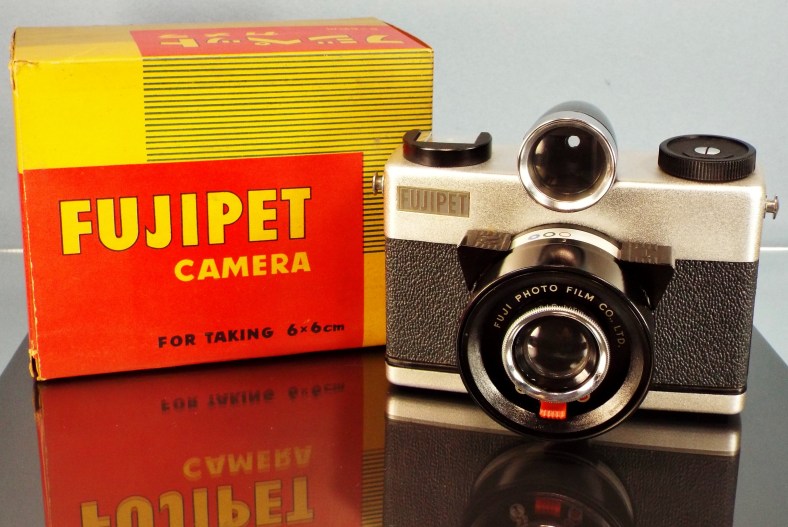
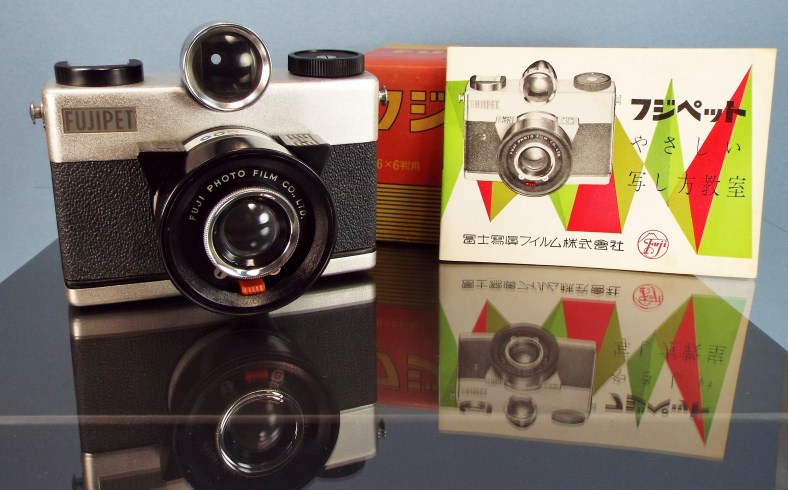
The Fujipet!!! フジペット By Fuji Photo Film Co., Ltd.

Some have classified it as a toy camera as it is made very simply with lightweight materials and a plastic lens. In Japan (we believe the only market where it was sold) it was designed for use by children, “adult” women and beginners. At only ¥1950 it was inexpensive even by today’s standards. In our opinion here on the ‘Fanatic’, the Fujipet was no more a toy camera then the extremely simple and very popular Kodak Instamatic series of cameras.

The Fujipet is a true 6 x 6 cm medium format camera using 120 roll film.

DSCF1477

Rare Fujipet set from 1958.

28755215391_df2c833878_o

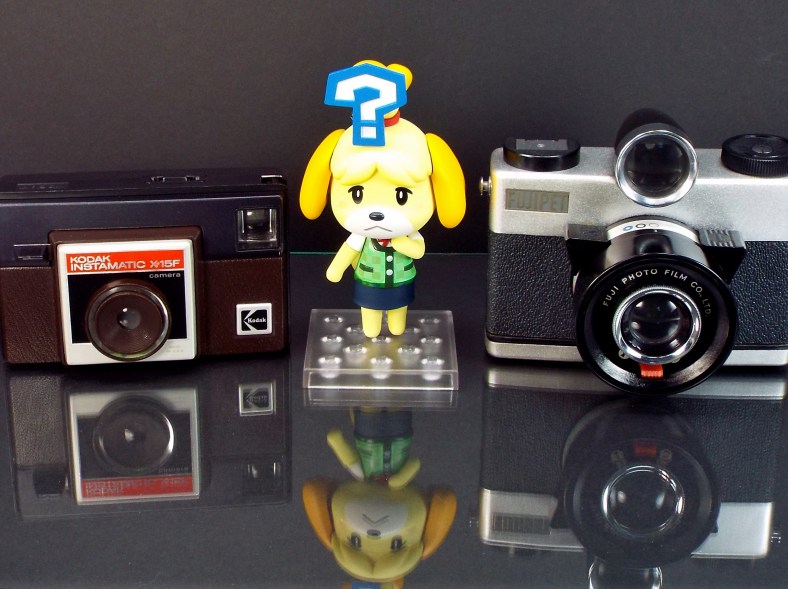
Shizue is confused! One of these cameras is considered by many to be a toy camera while the other was thought to be a serious camera. Each sold over a million plus units. Each has a plastic lens. The Kodak is mostly a plastic body with some internal metal parts and the Fujipet is plastic and aluminum and actually has a rather substantial feel to it. Of course the Kodak used 126 film in plastic cartridges and the Fuji? Professional 120 roll film producing 6 x 6 cm negatives. Toy?

DSCF1480

Original users manual. Cool Fuji logo.

DSCF1484

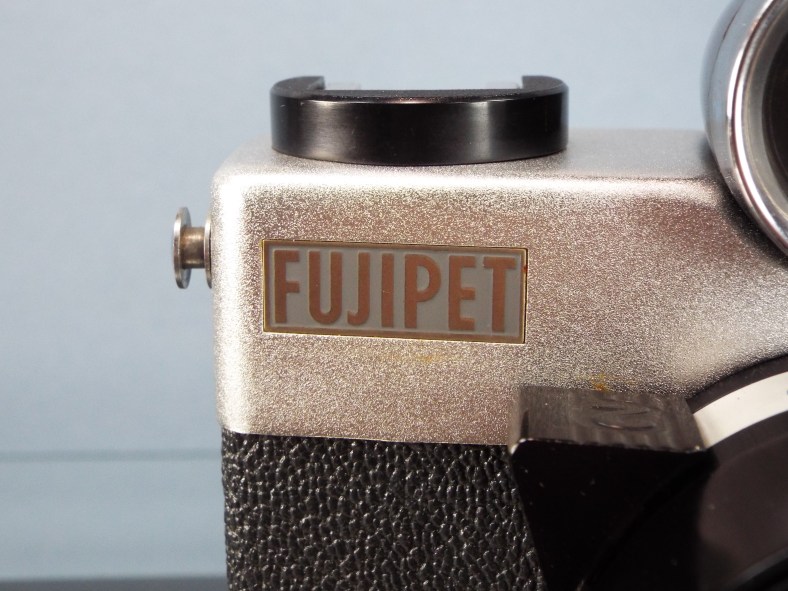
The coolest name around!

DSCF1485

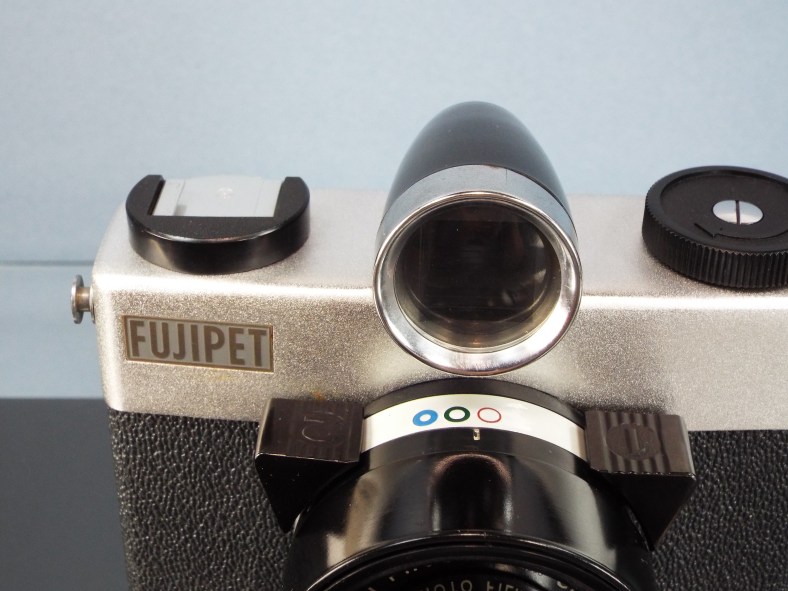
Space age viewfinder! Straight from the 1950s!

We will be running a roll of 120 film through soon… stay tuned!

Many thanks, Chris and Carol

Notes for 6.28.2016

Wow! Hard to believe that June is almost over! The summer is going to be long (always) and hot (yep)… no forecasting needed there.

We’ve been reviewing some of our early 1960s photography magazines… always looking for any mention of the Yashica Pentamatic ’35’ that we may have missed in the first glance. The May 1960 issue of ‘Modern Photography’ magazine… on page 48 the new Pentamatic makes its appearance in an article titled ‘Behind the Scenes’. It is incorrectly listed as having a f/1.9 55mm automatic lens (the image clearly shows the f/1.8 5.5cm lens). But at least it’s recognition!

IMG_20160627_0003

May 1960 ‘Modern Photography’ magazine article that states that the Pentamatic will be available “soon”.

Another note we would like to share with you is that we recently discovered a new Japan Shopping Service… Zen Market. Their site is super easy to navigate and offers a wide variety of different outlets to shop from. You can find them at http://www.zenmarket.jp/

The translations are very good and the searches are easy. Give them a look!

Stay well and thanks for checking us out! C&C

Quick Pentamatic News… 6.26.2016

We’ve recently discovered a neat magazine advertisement for what appears to be Yashica’s full line of film cameras from sometime in 1962.

I personally haven’t seen an ad from this period in an English language magazine… I feel that ads like this help to date and understand Yashica’s thinking when it came to production and marketing.

LifeMag1962

The 35mm single-lens reflex cameras in this ad from 1962 are… top left is the Pentamatic S, the next camera down is the Penta J and the last SLR is the original Pentamatic ’35’.

IMG_20160630_0005

The Yashica family from ‘Life’ magazine advertisement 1962. By the way, the dad is holding the Pentamatic S.

An interesting mix of cameras… 35mm SLRs, 6x6cm TLRs, 4x4cm TLRs, 8mm movie cameras and some lenses, flashes and of course 35mm rangefinder cameras.

We are looking into acquiring the ad so we can present a higher quality image.

Thanks for looking!

Chris and Carol


Yashica’s Penta J and the J-P

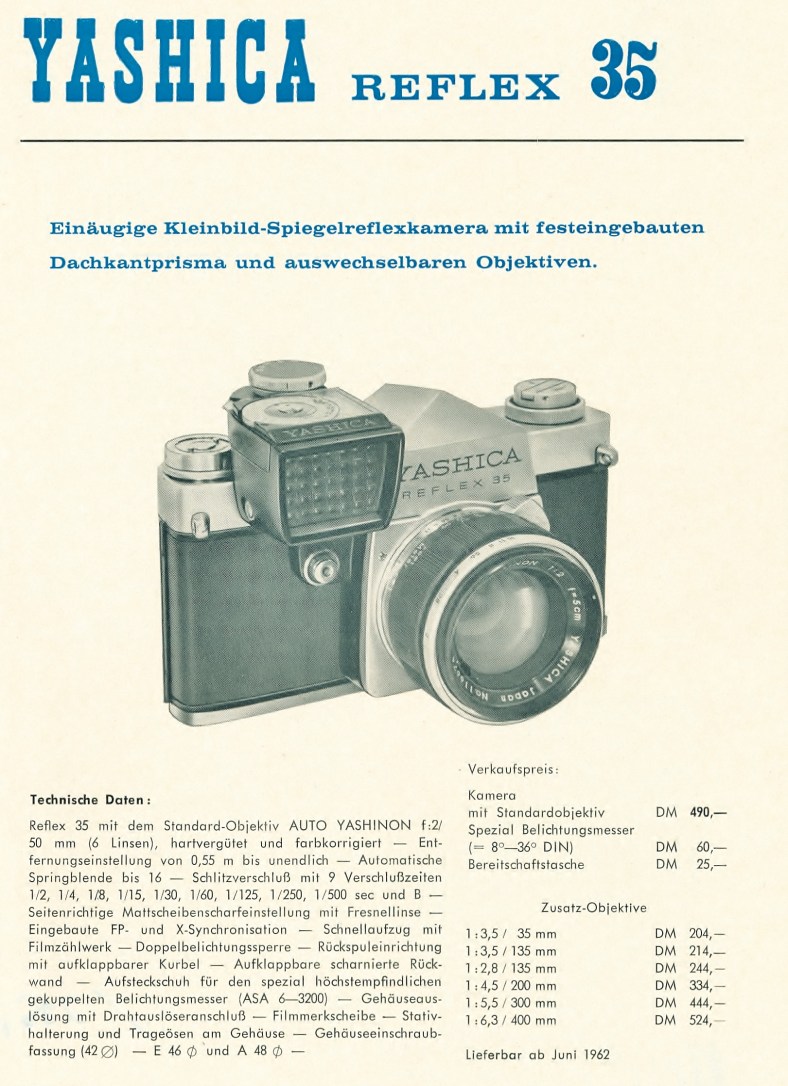
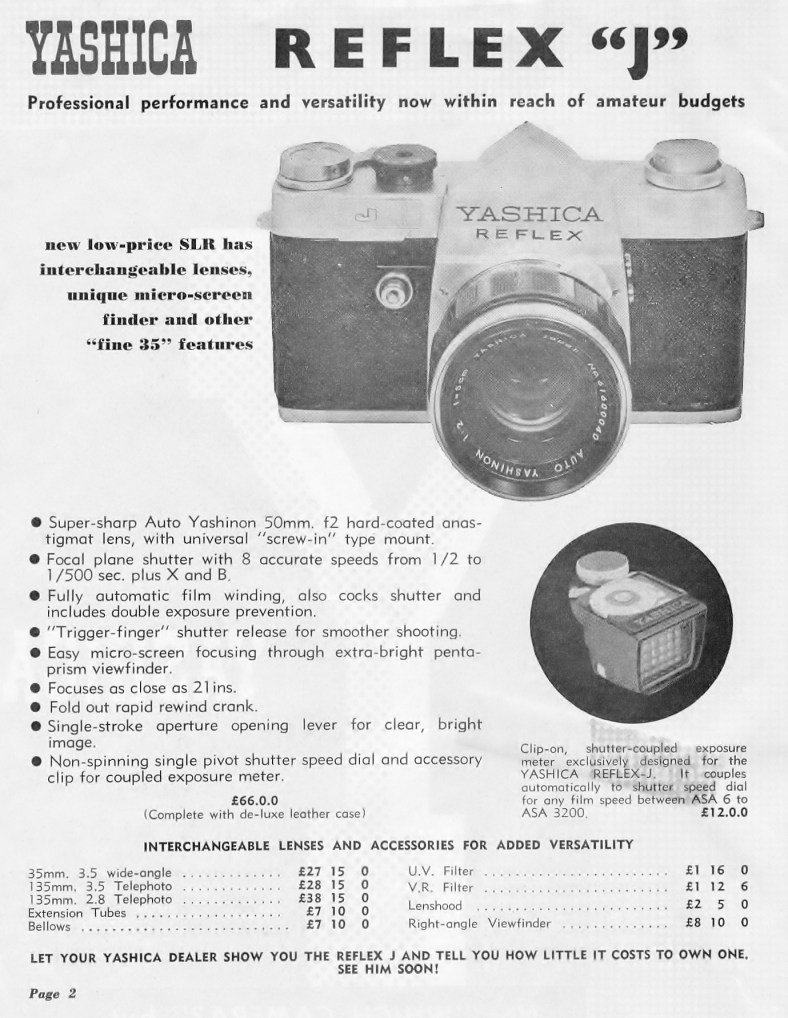
Yashica’s first 35mm single-lens reflex camera with the Praktica-thread (M42) mount lenses was the Yashica Penta J… at least here in the United States and in Japan. Elsewhere (most of the world) the camera was known as either the Yashica Reflex 35 or Reflex J (Australia and possibly the U.K.). As best we can tell, they were all the same cameras with different top plates to accommodate the different names (logos).

Part of the demise (lack of sales success) of the well-built Pentamatic series of cameras that preceded the Penta J, was that Yashica decided to go with a Pentamatic exclusive bayonet mount lens system. Sturdy and well designed to be sure, but being unique limited the available lenses that could be swapped between cameras. The Praktica design M42 screw thread mounting system was in widespread use at the time and Yashica’s bayonet design just went against the flow.
IMG_20160102_0007

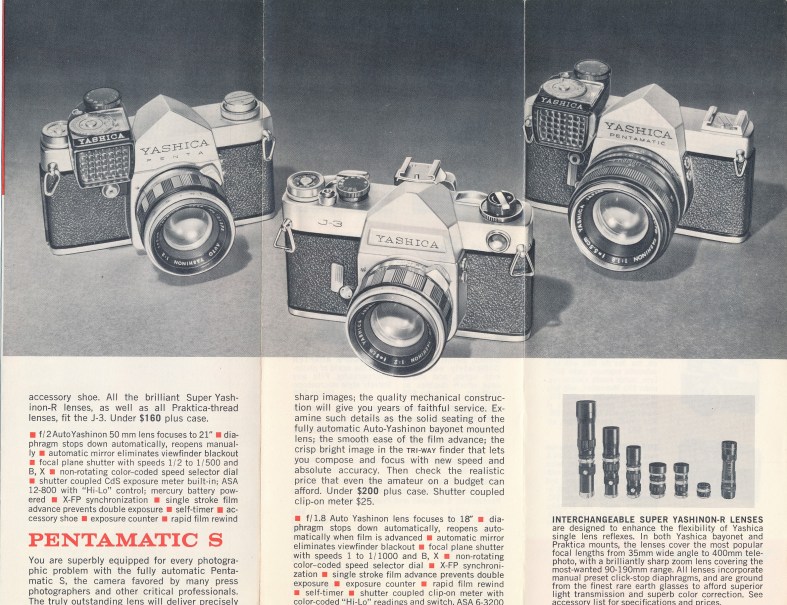
No date on this sales brochure but our guess would be early 1962. The J-3 is the newest camera featured  as it had all the goodies one would want in a modern SLR. The Penta J (upper left) had just come out in 1961 and it was Yashica’s first 35mm SLR with screw thread mounted lenses. The Pentamatic S arrived in early 1961 but used bayonet mounting for its exclusive design. Notice that the pentaprisms on the Penta J and Pentamatic S share the same design while the J-3 breaks with the previous cameras and ushers in the style that would carry through the remainder of Yashica’s SLR run of M42 cameras.
IMG_20150926_0026

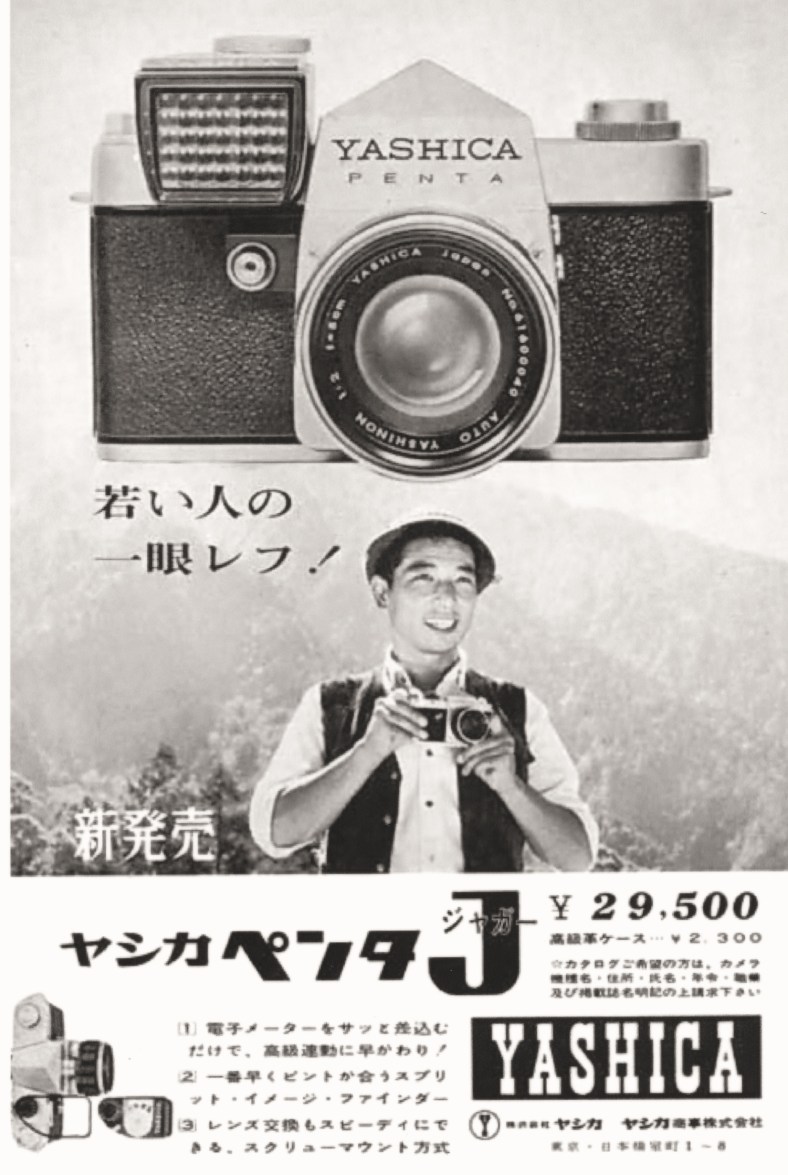
Yashica Penta J.

IMG_20160102_0005

Yashica Reflex 35 in Germany.

IMG_20160102_0004

Australian Reflex J sales brochure.

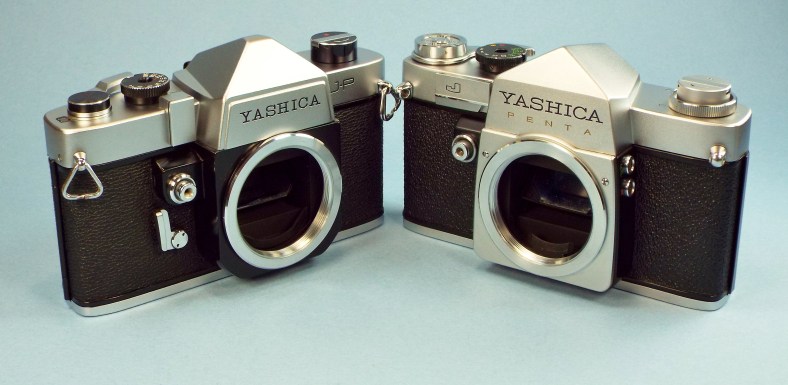
Now fast forward to 1965 ish… Yashica introduces the new J-5 AND the J-P! In between those years Yashica had introduced the J-3 and J-4. Why would Yashica go back in time and bring out another 35mm SLR in 1965 that was the cousin to the 1961 Penta J? Notice we say cousins… not brothers. They shared the same platform with one another but as you can see in the image below the top plates were of a different design.
DSCF1268

1965 J-P on the left and the 1961 Penta J on the right. Cousins but not brothers. The shutter release button is on the right front on both cameras… Yashica added a self timer on the J-P and of course the top plates are different (most noticeably the design of the pentaprism). Some small changes to the design of the mirror box. Unseen from this view is that the J-P does not have a ASA/DIN dial like the Penta J had on the camera’s bottom left. Small note about weight… Penta J weighs in at 656 grams and the J-P weighs only 619 grams. No built-in exposure meters but accessory exposure meters were available at additional cost.
DSCF1277

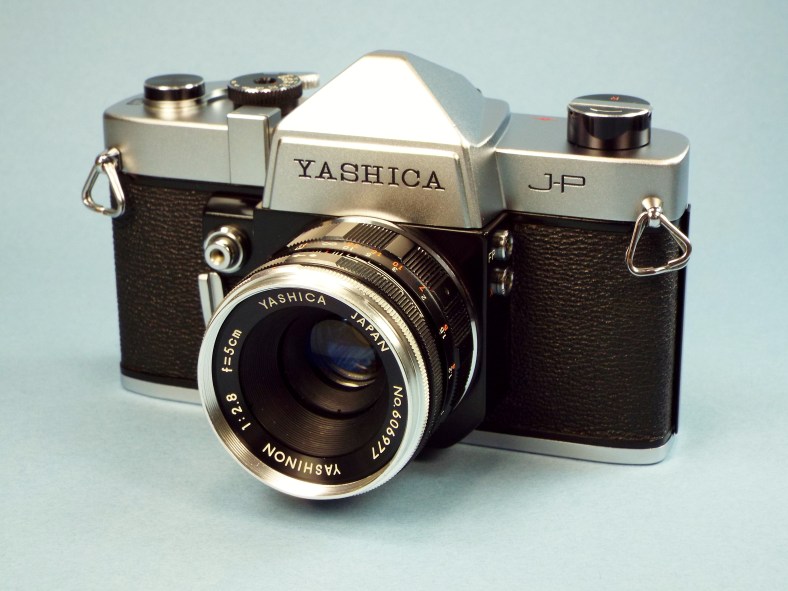
The J-P with a rather unique 5cm f/ 2.8 lens. The lens has to be the smallest of the M42 mount lenses and certainly it’s one of the lightest at only 136 grams!
IMG_20150903_0027

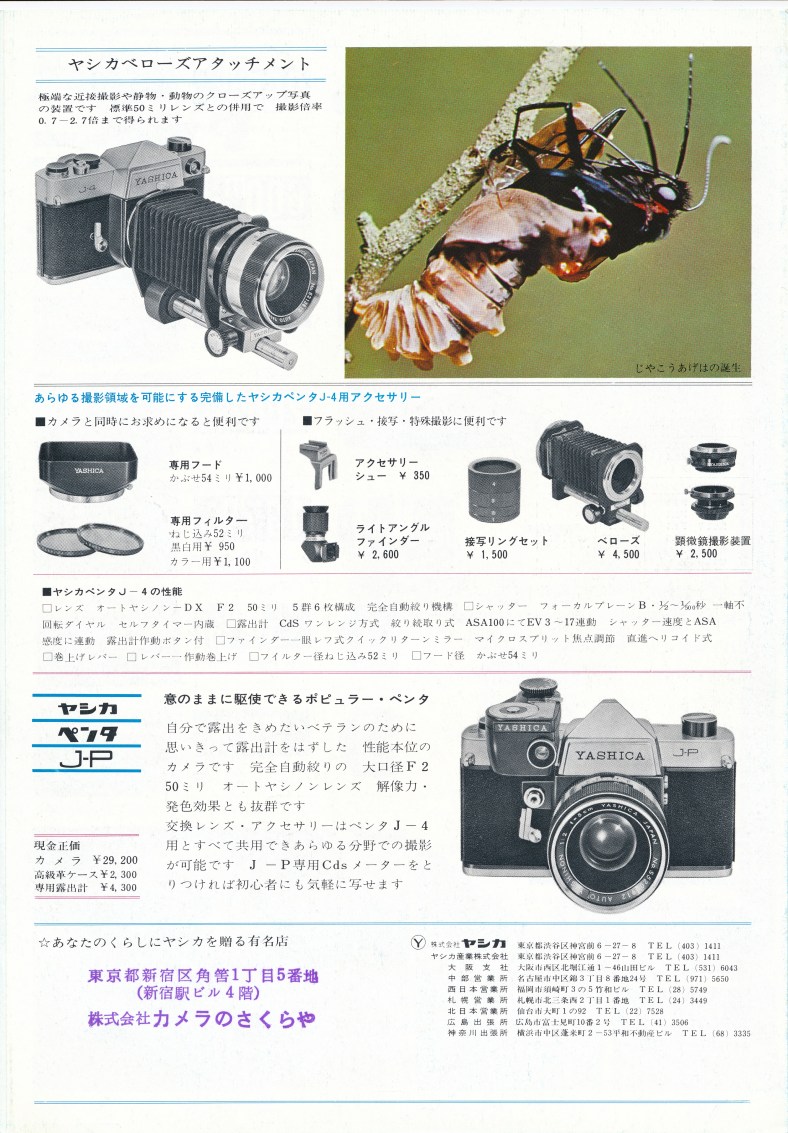
The J-P advertised together with the J-4.
IMG_20150903_0025

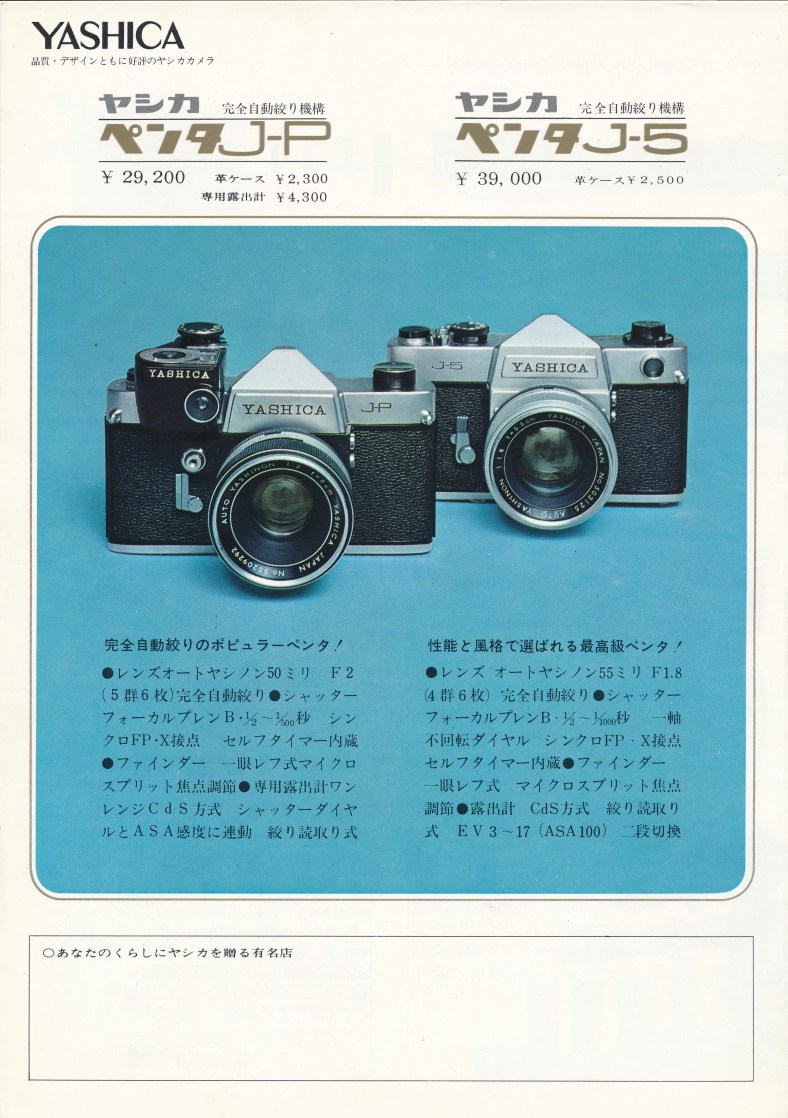
The J-P advertised with the new J-5.

Yashica J-P 6-27-15 Papers

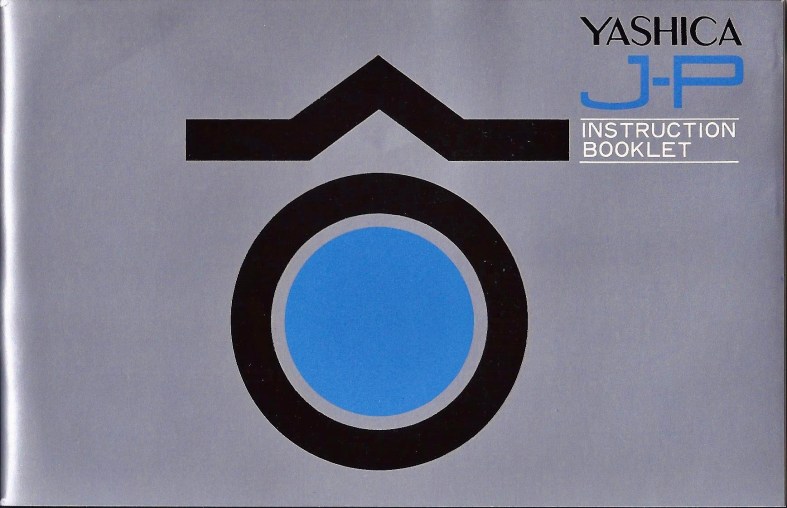
J-P instruction booklet from 1965 (in mint condition too).

Stay tuned… more to come on these Yashica classics.

Many thanks, Chris and Carol
 

Super Rare Tomioka Tominon Lens

We found this lens recently while surfing various sites. It’s the first time I’ve seen the famous f/ 1.2 M42 mount lens with the original maker’s marks and serial number. Just a really nice find!

tomioka tominon f 1.2

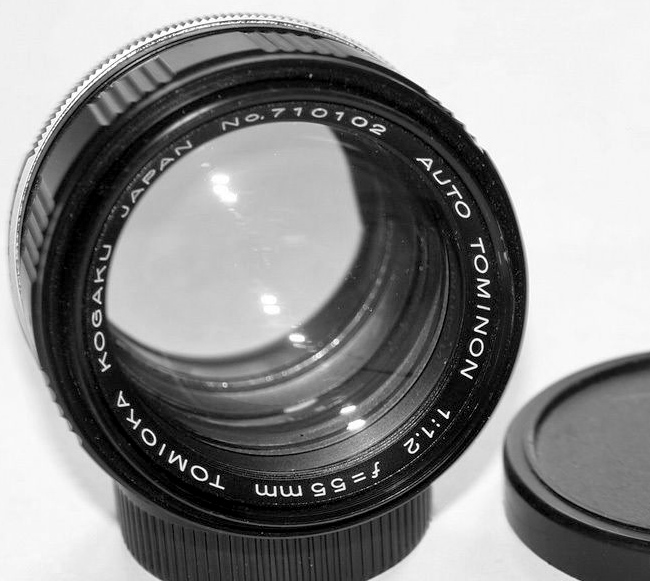
Super rare Tomioka Kogaku (optical) Auto Tominon f 1.2 55mm lens. Looks to be in excellent condition overall. Knowing just a bit (actually very little) about Tomioka, the serial number is in sequential production number which would make this lens the 102nd lens off the production line! Wow!

Nope… it’s not our lens (wish it was) and we can’t afford it but at the time of this blog post it was for sale on one of the well known auction sites ($1,450.00)…

Go for it!!!

Thanks for looking… Chris and Carol
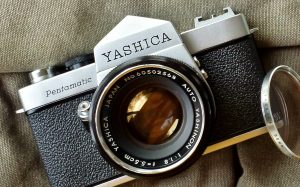
Yashica TL-Super!

Another big step in Yashica’s growth was the groundbreaking introduction of the TL-Super in 1966. Yashica started making 35mm single-lens reflex (SLR) cameras in 1959 with the Pentamatic ’35’. The Pentamatic was a solid first offering by Yashica but it was a timid first step. On one hand, the Pentamatic was a beast but lacked some serious upgrades… no self timer and no built-in exposure meter. The self timer was not much of an issue as Yashica made an accessory timer that could be used on many of their camera platforms and was simple to use. There was an option to buy a separate exposure meter (more money) and slide it on the accessory shoe so that at least you didn’t have to hold a meter in your hand to take a meter reading. Awkward. What was groundbreaking for the TL-Super is the fact that two CdS resistors were mounted inside the finder and would accurately measure the amount of light actually reaching the film. The ‘TL’ part was for through-the-lens metering (TTL) and it became the standard practice from that point forward.

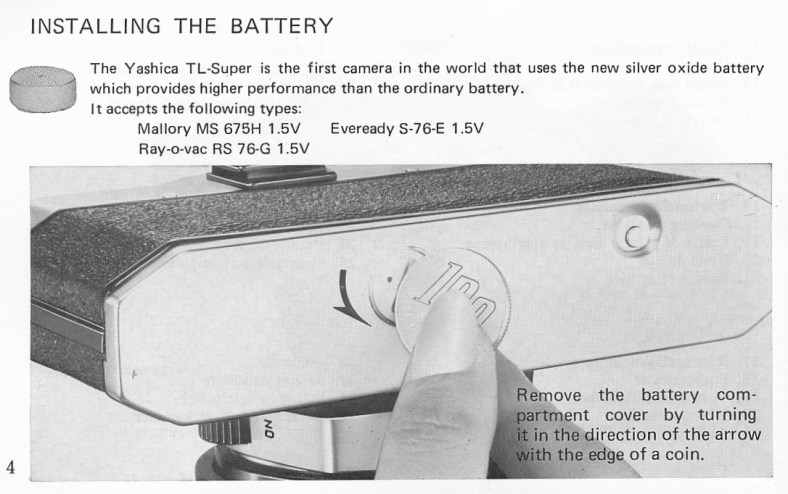
Two other firsts for the TL-Super… first camera in the world to use silver-oxide 1.5v batteries and the Super marked the first time Yashica permanently mounted an accessory shoe (hot shoe) to the top of the pentaprism. Small stuff but big for Yashica.

Over the course of production for the TL-Super, two versions (3 actually) were made. V1 still used a baseplate locking system similar to the previous ‘J’ series of SLRs. The film advance lever was a rather plain but elegant lever much like some very early Yashicas used. The lenses were chrome nosed Auto Yashinons and came in two different apertures… f/ 1.7 and f/ 1.4 50mm. V2 changed the baseplate to a new cleaner style that no longer had the locking lever to open the film back. Instead the back was opened by lifting the rewind lever upwards and that would release the door. The film advance lever changed to a part metal and part plastic design which looked more like the more modern cameras at the time (1967-1970). The lenses became the black nosed Auto Yashinon-DX 50mm in both f/ 1.7 and f/ 1.4. The third unofficial version? Mine. Caught between part upgrades my Super has the old style film advance lever but has the later baseplate and uses the rewind knob to pop open the film back. My Super also came with a black nosed f/ 1.4 lens and a much later edition of the instruction booklet. So I’ll call it V1 (a).

DSCF1218

TL-Super version V1 (a).

DSCF1210

Beautiful Auto Yashinon-DX 50mm f/ 1.4. Made by Tomioka Optical of Tokyo. The serial number starts with a ’54’. 5 = 50mm and the 4 = f/ 1.4. The rest is a production sequence number.

DSCF1212

Rather nice logo.

IMG_20160607_0001 (3)

Version 1 (1966) Instruction Booklet.

IMG_20160607_0003 (3)

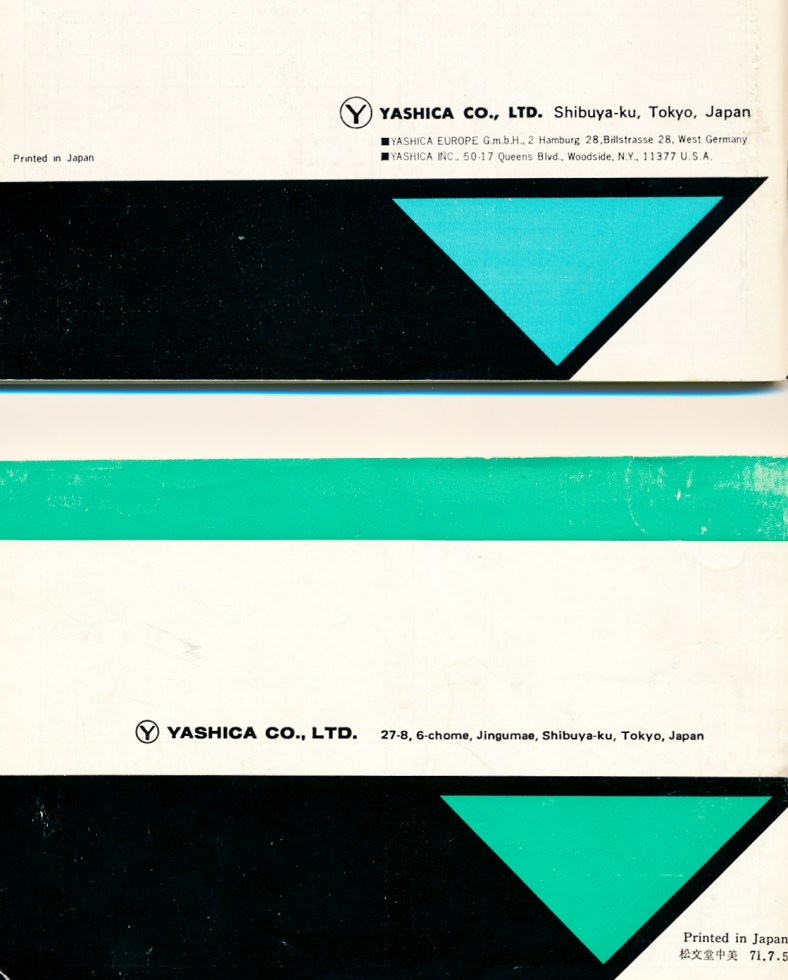
Version 1 (top) back cover of the Instruction Booklet. Note the blue color. Version 2 (bottom) is the back cover to the Instruction Booklet. Note the green color. This one is also dated… 1971 July 5.

IMG_20160607_0004 (3)

Version 1 baseplate. Note that it uses the old style (previous ‘J’ series SLRs) of open and close locking lever for the film back.

IMG_20160607_0014 (3)

Version 2 baseplate. Locking lever has been removed. The film back now opens via the rewind knob.

IMG_20160607_0005 (3)

Version 1 differences from the newer V2 design. Locking lever and smooth metal film advance lever.

IMG_20160607_0006 (3)

V2 baseplate and film advance lever changes from V1.

TL_SuperAd

Typical of Yashica… no date on this ad but it does look like a V1 camera.

Thanks again for your visit! Chris and Carol
Please feel free to comment or add items that we may have overlooked.

Pentamatic II Update… 6.12.2016

A little info about a Yashica Pentamatic II that was spotted the other day. Well today actually! It sold for around $112 with the f/ 1.7 lens and the original leather case. As best as we can tell it was far from ‘nice’. That price gives you some idea on how infrequently the Model II shows up for sale.

The body serial number is No. 86000631… that would put it in line with the serial numbering system established for the Pentamatic I. Not very many of the Model IIs were sold as the production run was extremely short as best we can tell. The Pentamatic S “replaced” the Model II by late 1961. We haven’t found concrete evidence as to why Yashica brought out the Pentamatic Model II to begin with (with so few changes). Was the Model I that much of a failure?

This serial number would decode to: ‘860’ = August 1960 and the ‘00631’ = the 631st in the production sequence.

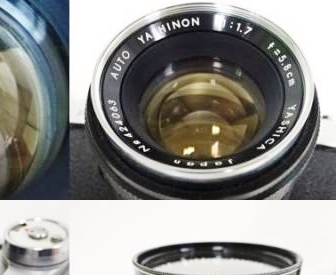
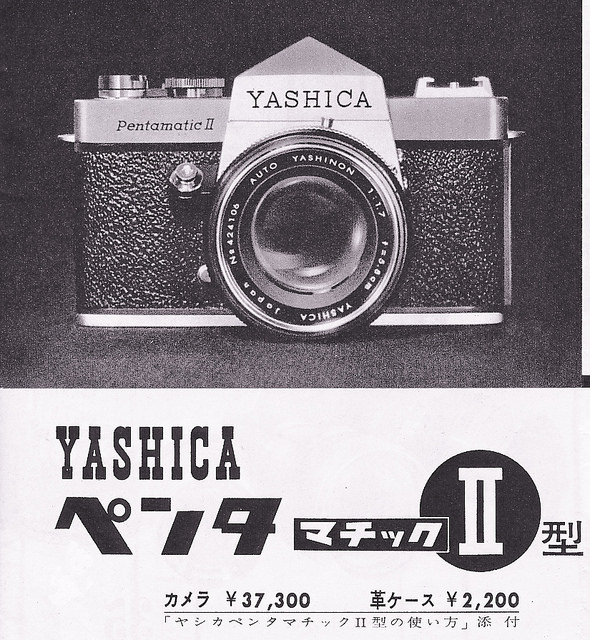
The lens appears to be a “newly designed” lens that Yashica asked Tomioka Optical to build… a unique 5.8cm f/ 1.7 Auto Yashinon (rather odd size for a normal lens on a 35mm SLR). The lens was an early replacement (?) for the recently made Auto Yashinon 5.5cm f/ 1.8 lens which was the normal lens for the Model I. We haven’t cracked Yashica’s serial number code yet on these lenses as there are not many to look at. At first glance it would appear that the ’42’ is a model number of the lens with the ‘4065’ being the 465th lens made. A Japanese sales brochure for the Model II (dated 02/1961) has a clear serial number on the lens: 424106. Remember that the brochure had to have at least a month or two lead time so the image of that lens and body were more than likely taken in the August-September period of 1960.

06-12-2016 pentamatic II 2

Pentamatic II with serial number NO.86000631. That puts a date of August 1960 and it was the 631st made in the production sequence. Of note, the Pentamatic I was still in production when the Model II came out.

06-12-2016 pentamatic II 2 (2)

The Pentamatic II with the standard lens of a new design and strange focal length. The serial number is: No. 424065.

27356135700_b0c5ef23fe_z

From a sales brochure dated 02/1960, this Pentamatic II was fitted with the new 5.8cm f/ 1.7 lens with a serial number of 424106.

As always… we appreciate any and all comments you may have and would love for you to share them with us. Especially if you have new information about the Pentamatic series of cameras.

Thanks… Chris & Carol


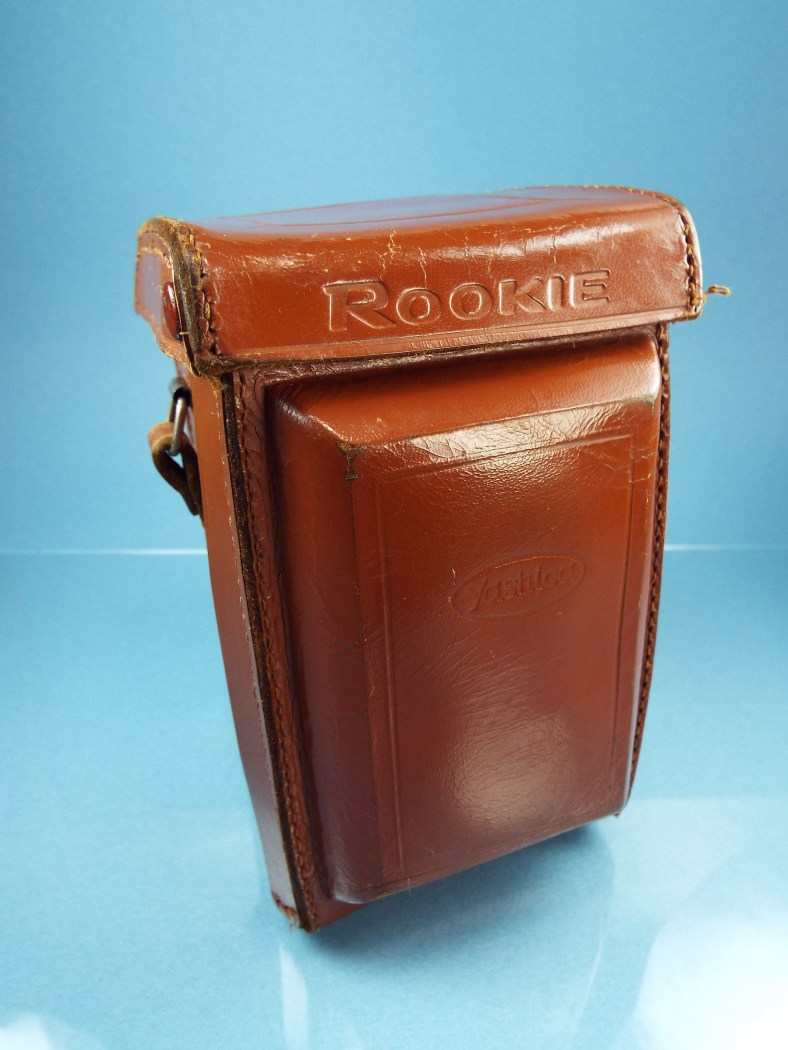
Yashicaflex Rookie Leather Case

The Yashicaflex Rookie or more simply the Rookie, was released in early 1956 and was destined for the domestic market only. There is some evidence that it may have been initially designed as a super inexpensive camera that would be sold worldwide (mostly because of the name and the fact that the presentation box has ‘for Jr.’ on it which would have little or no meaning inside Japan). The camera was in fact only available in Japan and all of the literature is in Japanese with no English ads found.

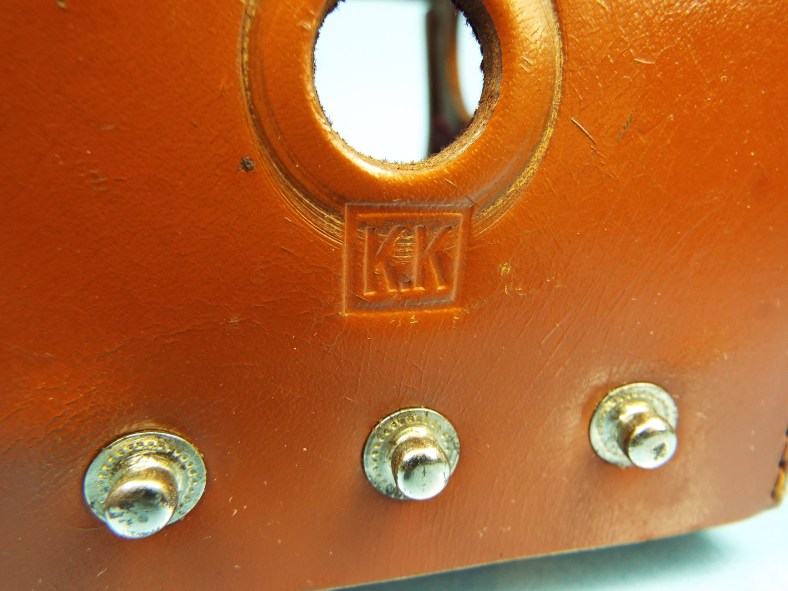
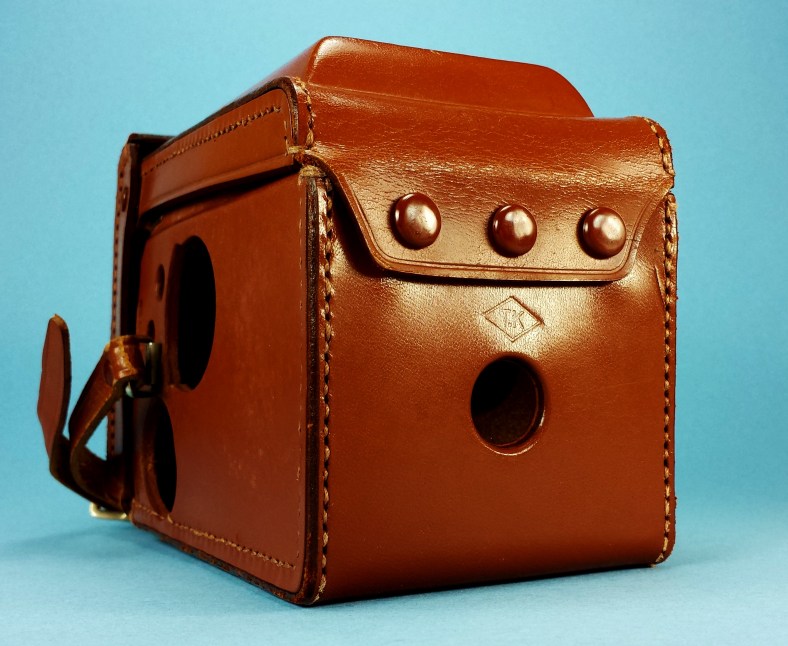
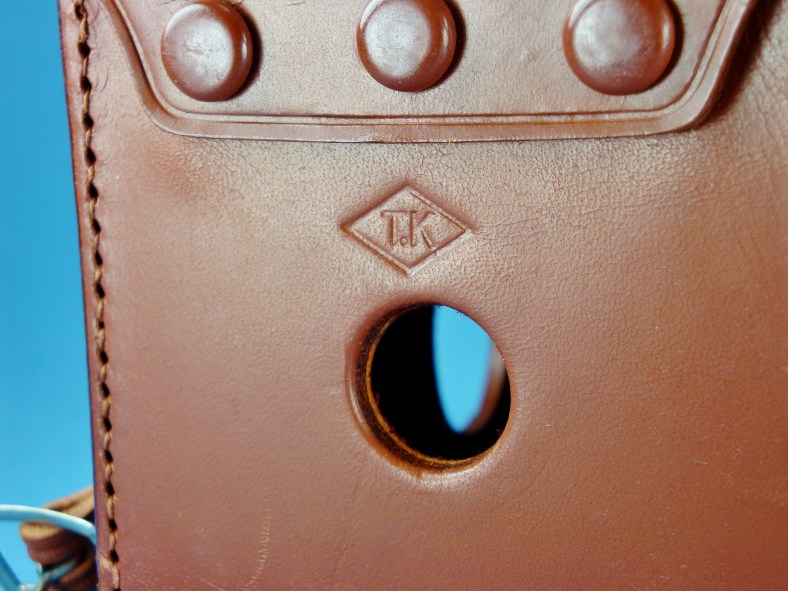
Back to the case or as they are often referred to as an ever ready case. The marks on the bottom of the leather case have a very distinct K.K in a box design (image 1 below). We believe that in the early days of Yashima-Yashica that they did not have they capability to produce their own leather goods. Nothing we have proves that theory but it’s just a hunch on our part. We believe that this mark and other marks similar to it are the trademarks or makers marks of the leather goods company that provided them to Yashica. During this same time period Japanese tin toy makers had similar marks on them and the coincidence is not all that coincidental.

As Yashica grew it is possible that they did in fact take over the manufacturing of leather goods in their factory in Suwa as the cases of the early 1960s rarely if ever had these trademarks.

015

Distinct trademark on the bottom of the 1956 Yashicaflex Rookie.

017

Leather ever ready case for the Rookie.

20150127_090712

Leather case for the Yashica Flex model S from the mid 1950s.

DSC07334 (2)

Another view of the ‘T.K’ trademark.

As we find others we’ll be sure to share them here.

Comments? Please feel free to add them as you see fit.

Many thanks… C&C